
A beautiful room feels more complete when every color, material, and furniture choice supports the same mood. These **20 room ideas aesthetic ideas** explore cozy, modern, vintage, colorful, and nature-inspired looks that can work in bedrooms, dorms, studios, or personal retreats. Instead of relying on random trendy accessories, each design creates a full visual story through wall treatments, practical layouts, layered lighting, comfortable textiles, and meaningful decor. You can recreate the looks completely or borrow a color palette, storage solution, or styling detail for an affordable refresh. The key is choosing one clear direction and repeating its defining colors and textures throughout the space. Find a look that reflects your personality in the complete guide to **20 room ideas aesthetic ideas**.

1. Warm Minimalist Room
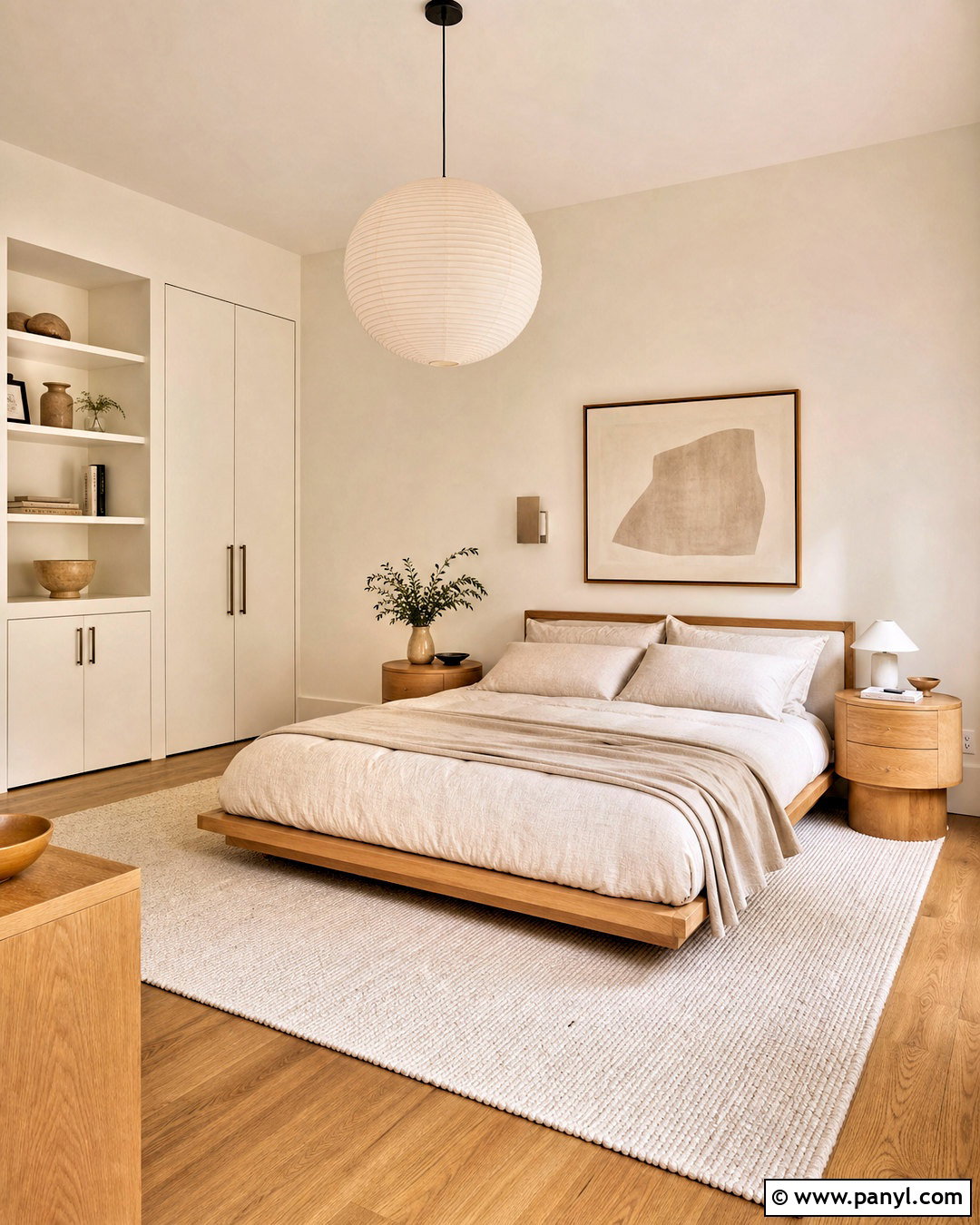
A warm minimalist room feels calm without looking empty or cold. Begin with creamy white walls, light oak flooring, and a low-profile platform bed or simple upholstered sofa, depending on the room’s purpose. Choose soft beige bedding, oatmeal curtains, and a textured ivory rug to create gentle layers. One rounded wood nightstand, a paper lantern pendant, and a linen-covered chair provide function without visual clutter. Keep the color palette grounded with camel, tan, and muted brown accents. Instead of filling every surface, display a ceramic vase, two framed prints, and a few favorite books. Concealed storage under the bed or inside a streamlined cabinet keeps daily items nearby while protecting the room’s peaceful, intentional appearance.
2. Organic Modern Room
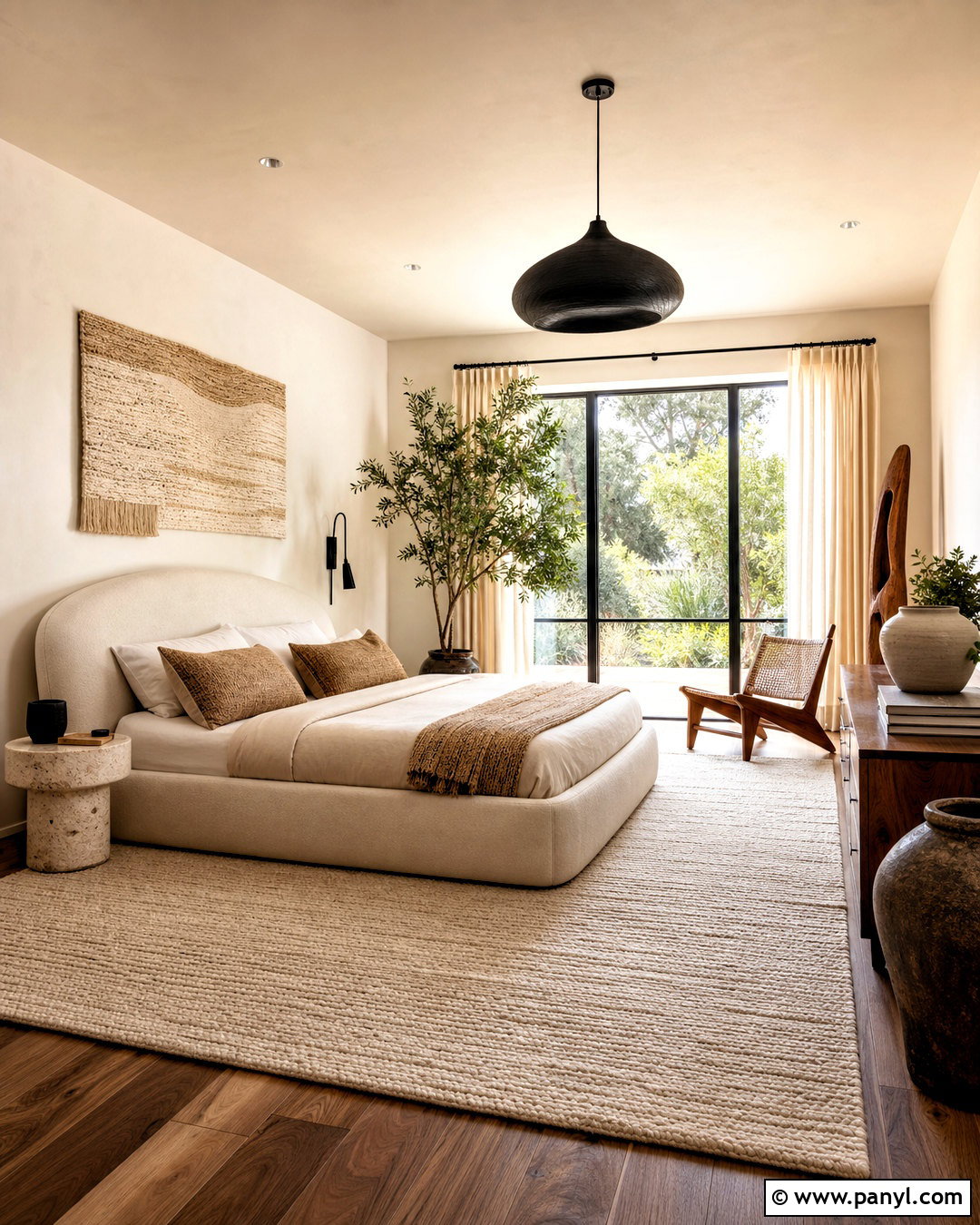
Natural shapes and tactile materials give an organic modern room its inviting character. Use warm off-white walls as the backdrop for walnut furniture, woven details, and curved upholstery. Anchor the space with a softly rounded bed, sofa, or lounge chair covered in beige linen or nubby cream fabric. Add a wool rug with an understated pattern and full-length flax curtains that gently filter daylight. Travertine side tables, handmade ceramics, and sculptural wood decor introduce variation without making the room busy. A large leafy plant adds color and softens hard corners. Choose black or aged brass lighting for subtle contrast. Keep the arrangement spacious, but layer enough cushions, blankets, and natural objects to make the finished room feel comfortable rather than overly polished.
3. Japandi Room
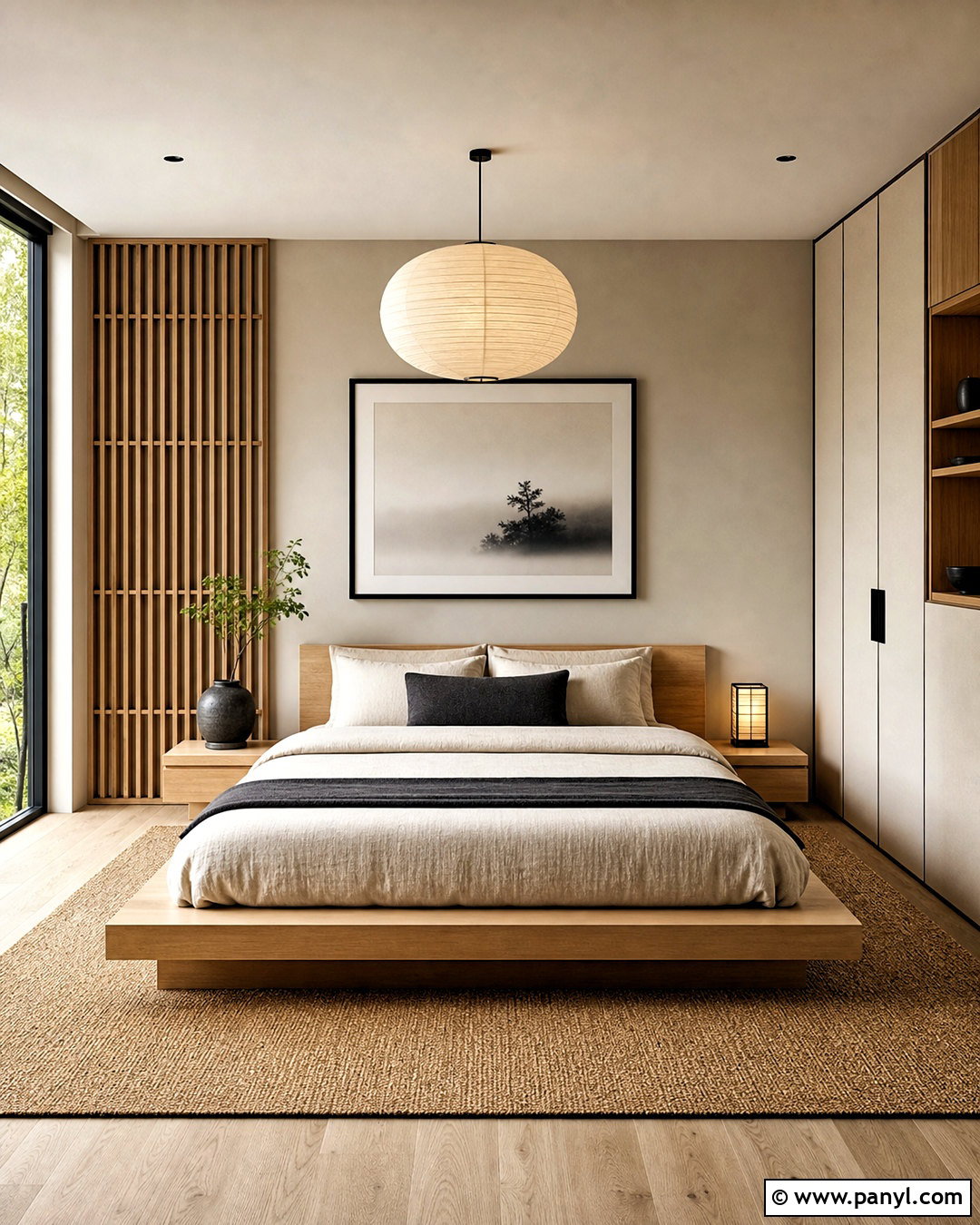
What happens when Scandinavian comfort meets Japanese simplicity? A Japandi room combines clean lines, practical furnishings, and nature-inspired materials in one balanced design. Paint the walls soft greige or warm white, then introduce a low oak platform bed, streamlined desk, or compact sofa. Choose linen textiles in sand, mushroom, and charcoal instead of bright colors. A woven jute rug and slatted wood screen can define separate zones without closing off the space. Decorate with one large branch in a ceramic vessel, a paper pendant light, and minimal black-framed artwork. Closed storage is essential because clear surfaces reinforce the restful atmosphere. Small imperfections in pottery, wood grain, and handwoven fabrics keep the restrained room from feeling generic or impersonal.
4. Cottagecore Room
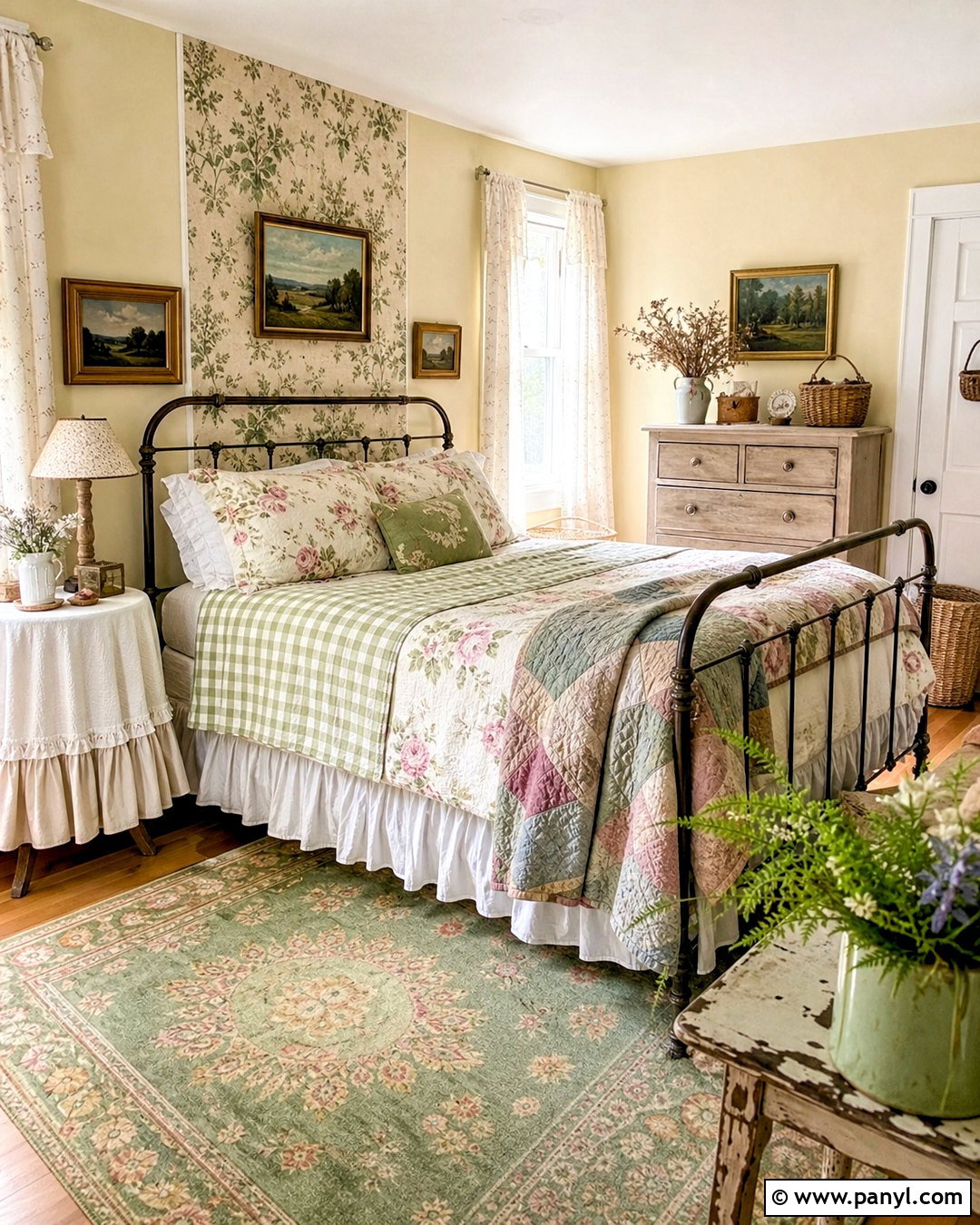
Soft florals, painted furniture, and collected vintage details create a cottagecore room that feels charming and lived in. Start with warm white or pale buttercream walls and a traditional iron or wood bed. Layer floral bedding with a gingham throw, embroidered cushions, and a small patchwork quilt. A faded wood dresser, skirted side table, and comfortable reading chair make the layout functional as well as decorative. Frame the windows with light cotton curtains and add a botanical wallpaper panel behind the bed for a gentle focal point. Woven baskets can organize blankets, books, and small accessories. Complete the room with framed landscapes, dried flowers, ceramic lamps, and a braided rug. Keep the palette soft so the many patterns remain connected.
5. Dark Academia Room
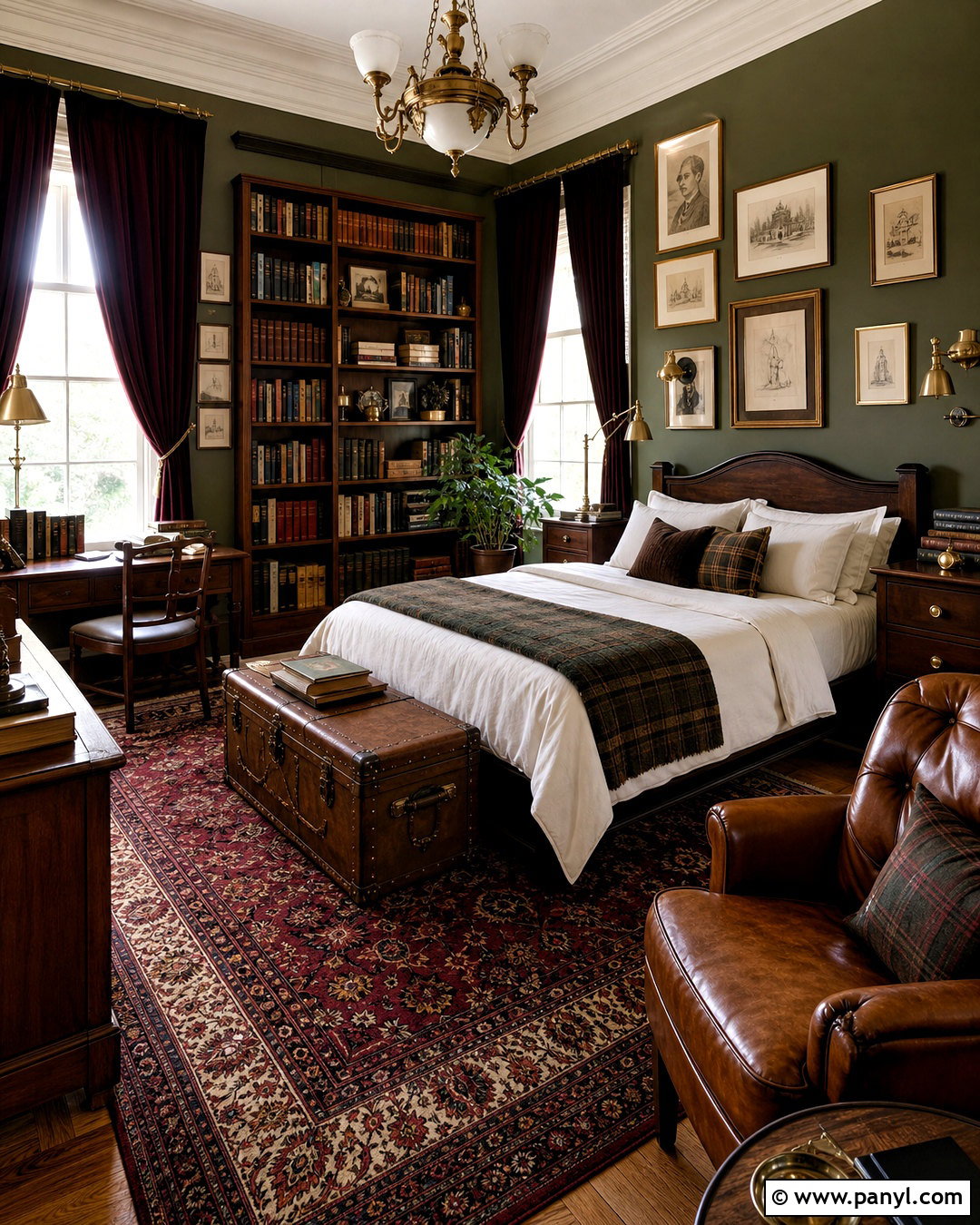
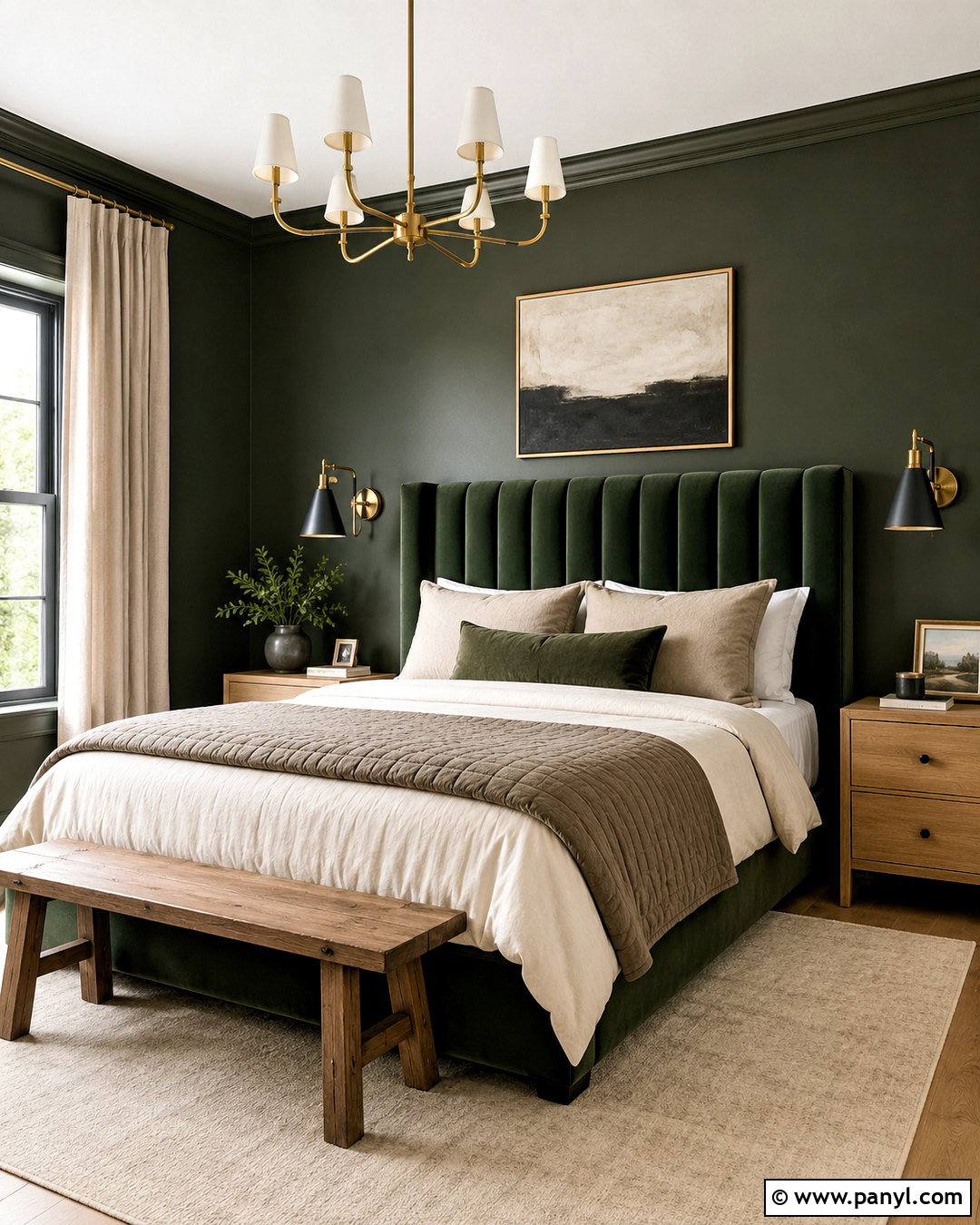
A dark academia room should resemble a cozy private library rather than a dark collection of unrelated accessories. Cover the walls in deep olive, chocolate brown, or muted charcoal. Add a walnut bed, leather chair, and tall bookcase to establish a substantial furniture foundation. A Persian-style rug in burgundy, rust, and navy warms the floor, while velvet curtains make the room feel enclosed and restful. Arrange books, framed sketches, ceramic objects, and a vintage-inspired clock in tidy groups. Use an antique brass desk lamp and shaded wall sconces to create practical reading light. Ivory bedding or a pale linen sofa prevents the darker colors from becoming overwhelming. Finish with plaid textiles and traditional art for a scholarly, layered appearance.
6. Coastal Grandmother Room
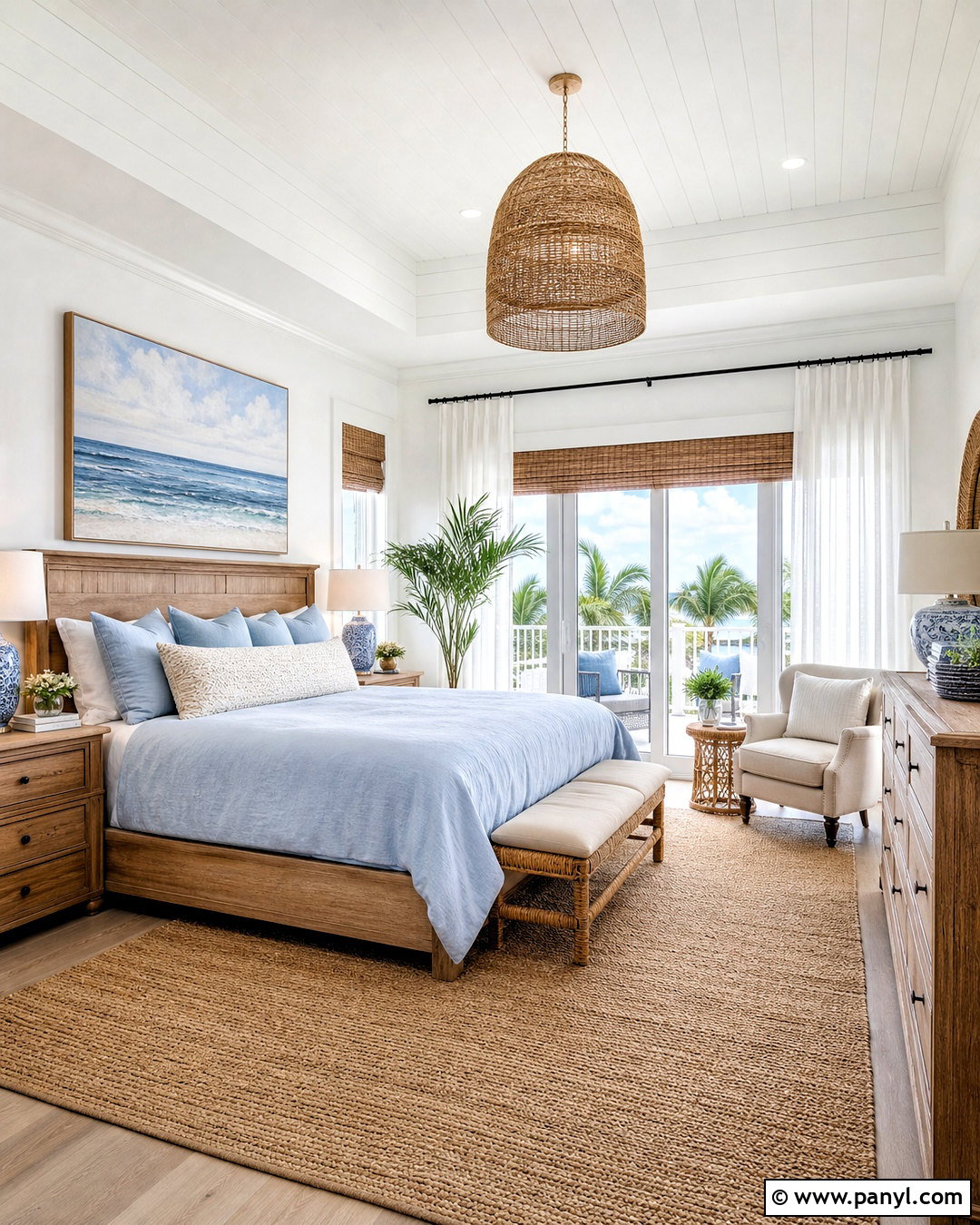
Breezy fabrics and classic coastal colors give this room a relaxed, polished personality. Use crisp white walls with pale blue, sandy beige, and weathered oak accents. Place a slipcovered linen bed or sofa at the center, then layer it with striped cushions, a lightweight quilt, and a soft knit throw. Natural woven shades and sheer curtains keep the windows airy. A seagrass rug, rattan side table, and light wood dresser add casual texture without turning the room into a beach-themed display. Decorate with blue-and-white ceramics, framed coastal landscapes, stacked books, and a simple glass vase filled with greenery. Avoid excessive shells or nautical signs. The finished room should feel like a comfortable, timeless retreat near the water.
7. Earthy Boho Room
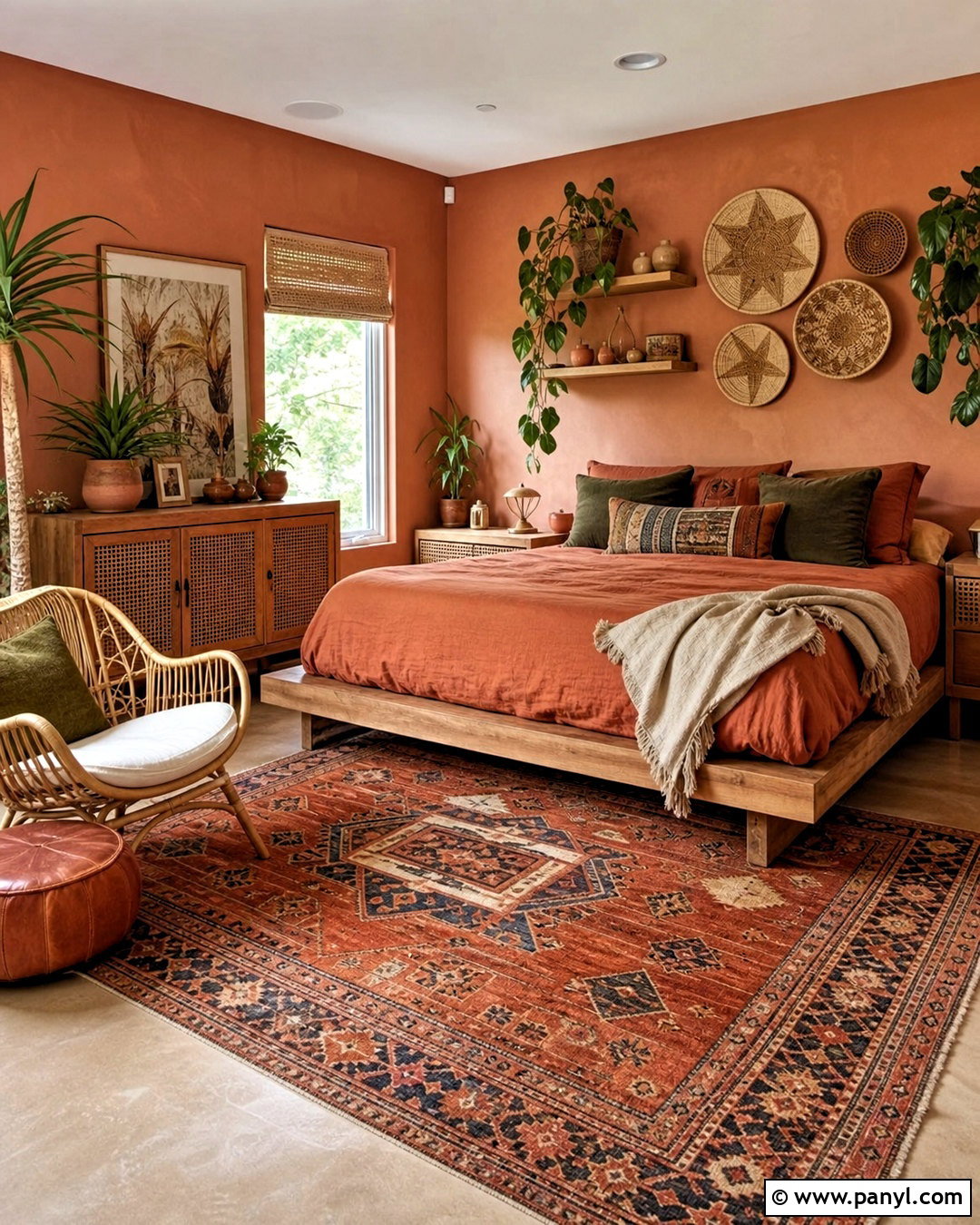
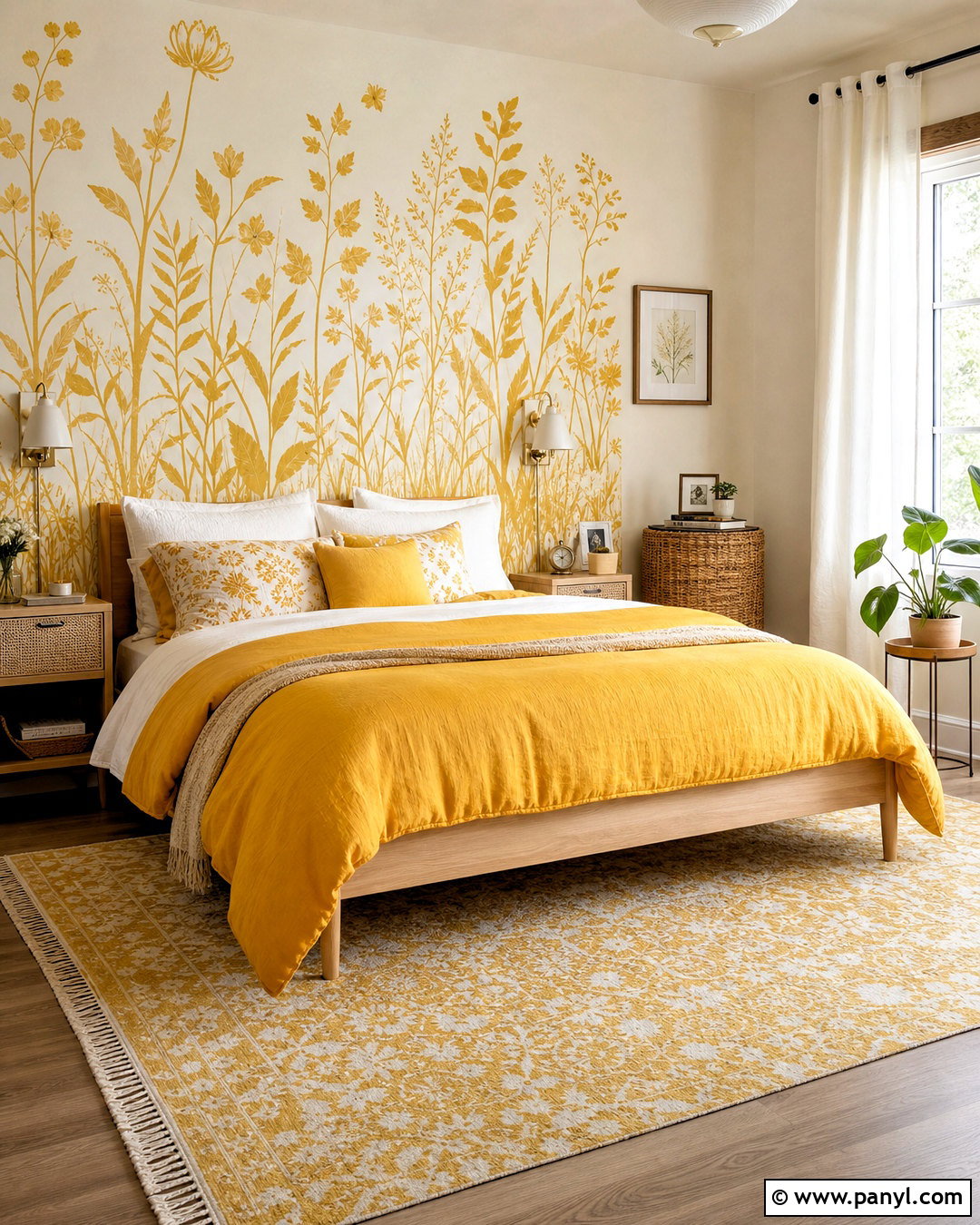
An earthy boho room comes alive through layered materials, relaxed furniture, and sun-washed colors. Choose warm clay or creamy beige walls, then position a wood platform bed or low camel-colored sofa against the longest wall. Layer an amber, rust, and brown patterned rug beneath the main furniture. Add linen bedding, tasseled cushions, and a chunky woven throw for softness. Cane-front storage, a rattan chair, and floating wood shelves create useful display areas while maintaining the natural look. Bring in several plants at different heights, but leave open space so the room does not feel crowded. Finish with handmade pottery, woven wall decor, and warm metal lighting. Repeating terracotta and olive accents keeps the eclectic arrangement visually connected.
8. Scandinavian Room
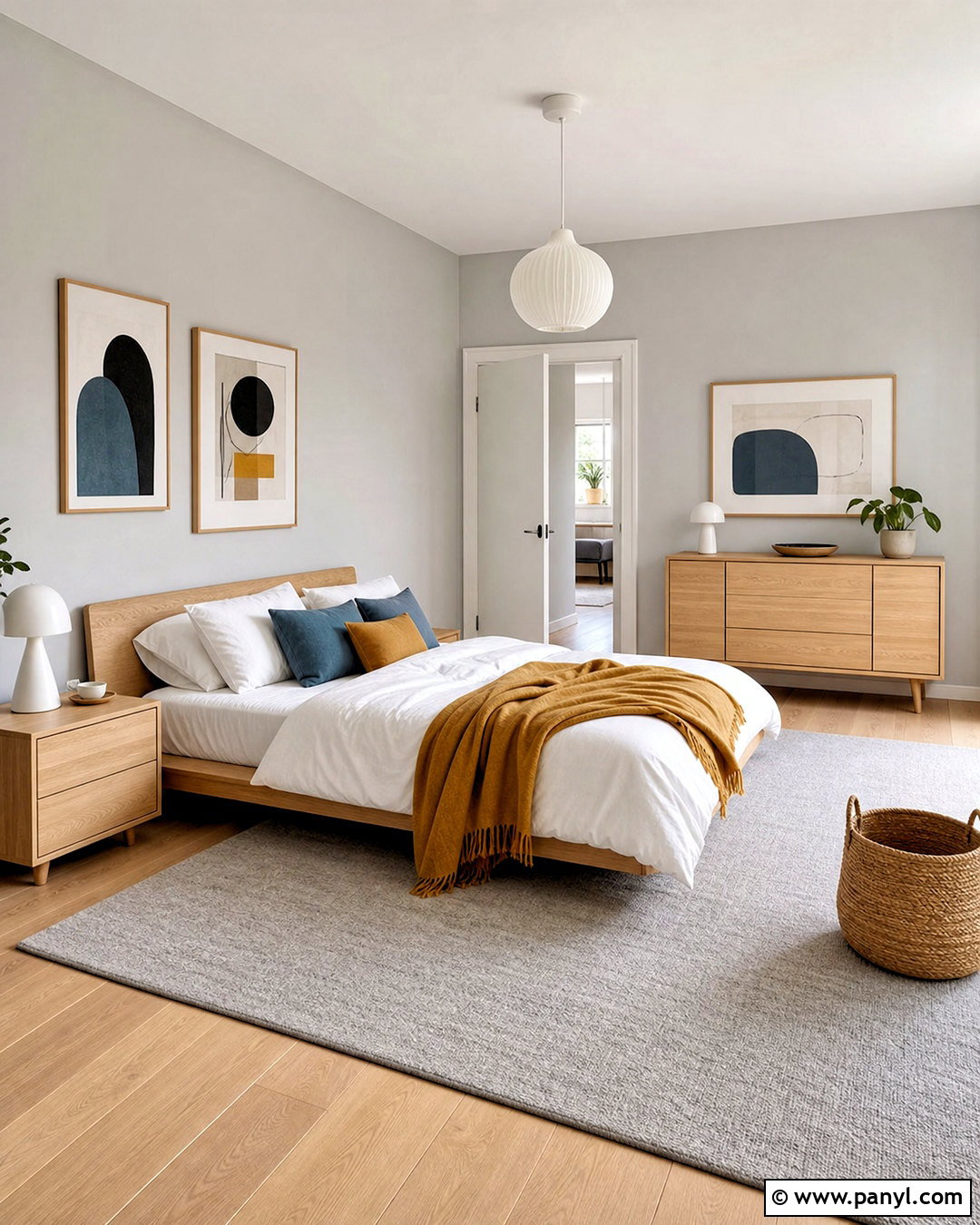
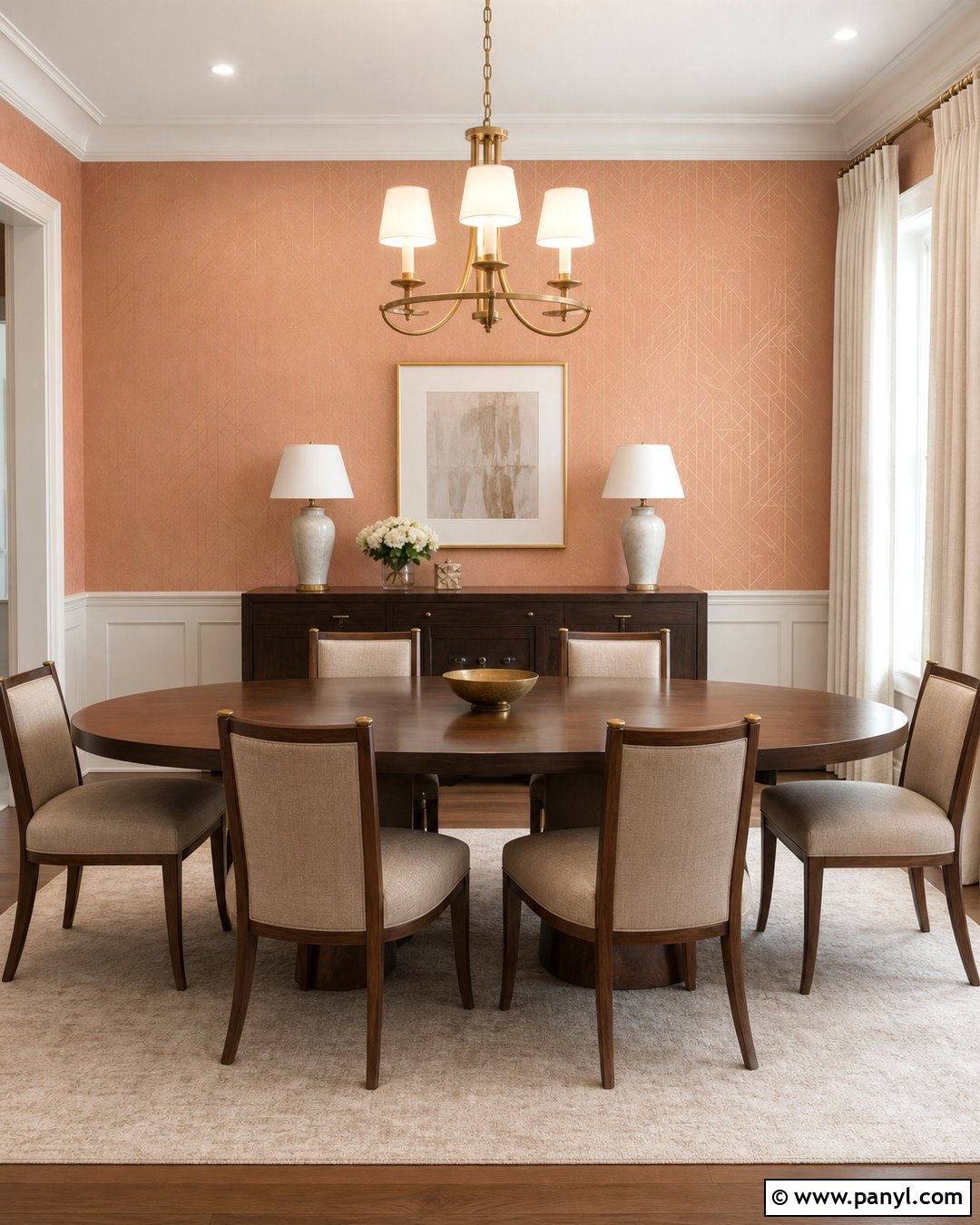
Bright daylight and uncomplicated furniture are the foundation of a Scandinavian room. Paint the walls clean white or very pale gray and introduce blonde wood through a platform bed, desk, shelving, and slim-legged nightstand. Use white bedding as the base, then add dusty blue, soft gray, or muted mustard cushions for controlled color. A large wool rug makes the room comfortable and helps define the main furniture zone. Choose practical pieces with visible breathing room around them rather than pushing storage into every corner. Hang one simple graphic print and use a ceramic lamp or modern pendant for gentle contrast. A small plant, woven basket, and folded knit blanket add personality. The result should feel light, organized, comfortable, and easy to maintain.
9. Modern Vintage Room
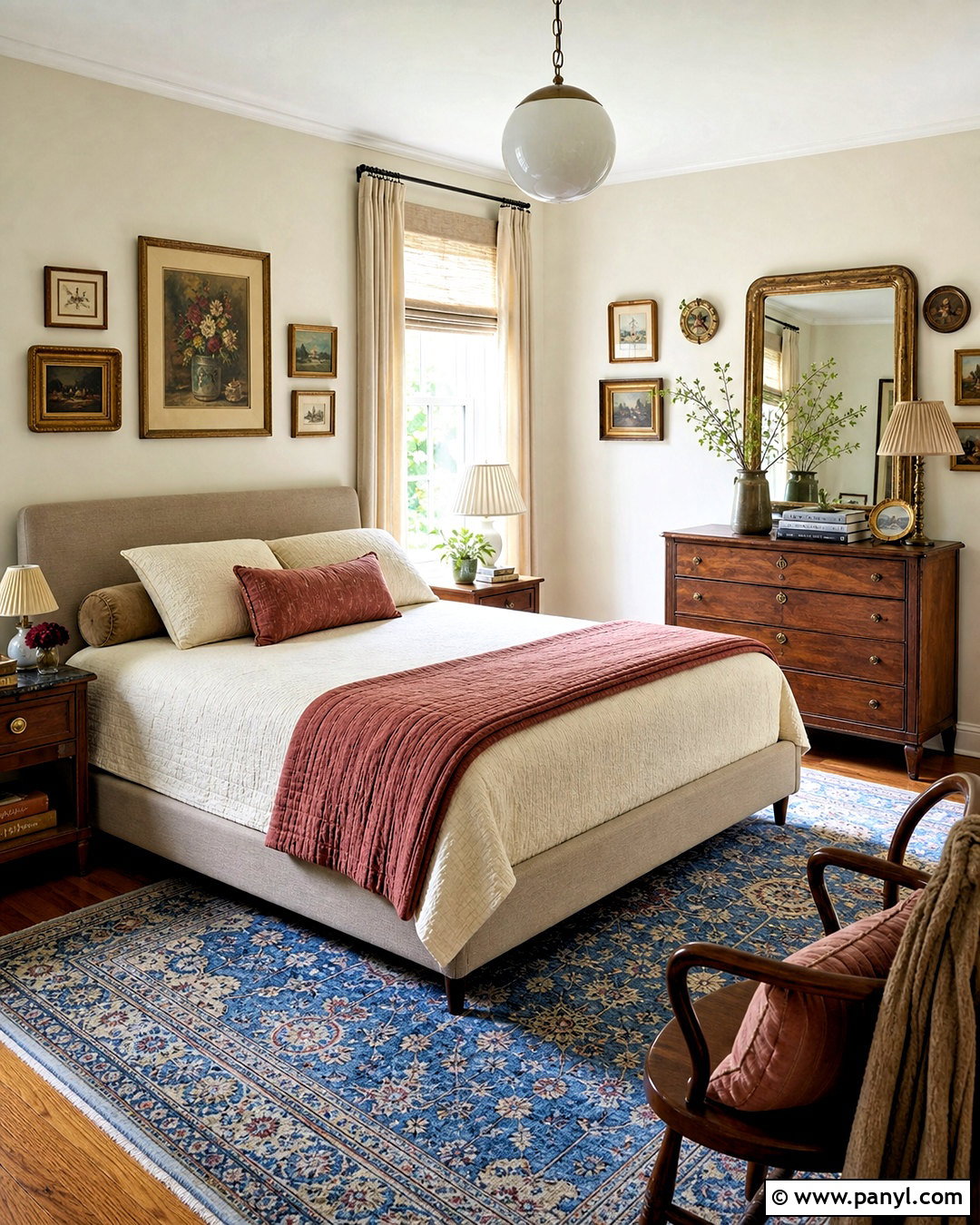
Old and new pieces can share a room beautifully when their colors and proportions feel intentional. Begin with soft cream walls, medium-toned wood flooring, and a simple upholstered bed or contemporary neutral sofa. Add character through a vintage walnut dresser, curved wood chair, traditional rug, and pleated fabric lampshades. Use bedding or upholstery in faded blue, dusty rose, and warm beige to connect the different eras. Above the main furniture, create a restrained arrangement of antique-style artwork in mixed brass and wood frames. A modern globe pendant prevents the look from feeling dated. Keep smaller objects limited to useful or meaningful pieces, such as books, pottery, and a decorative box. This balance creates a collected room without producing unnecessary clutter.
10. Burgundy Color Drenched Room
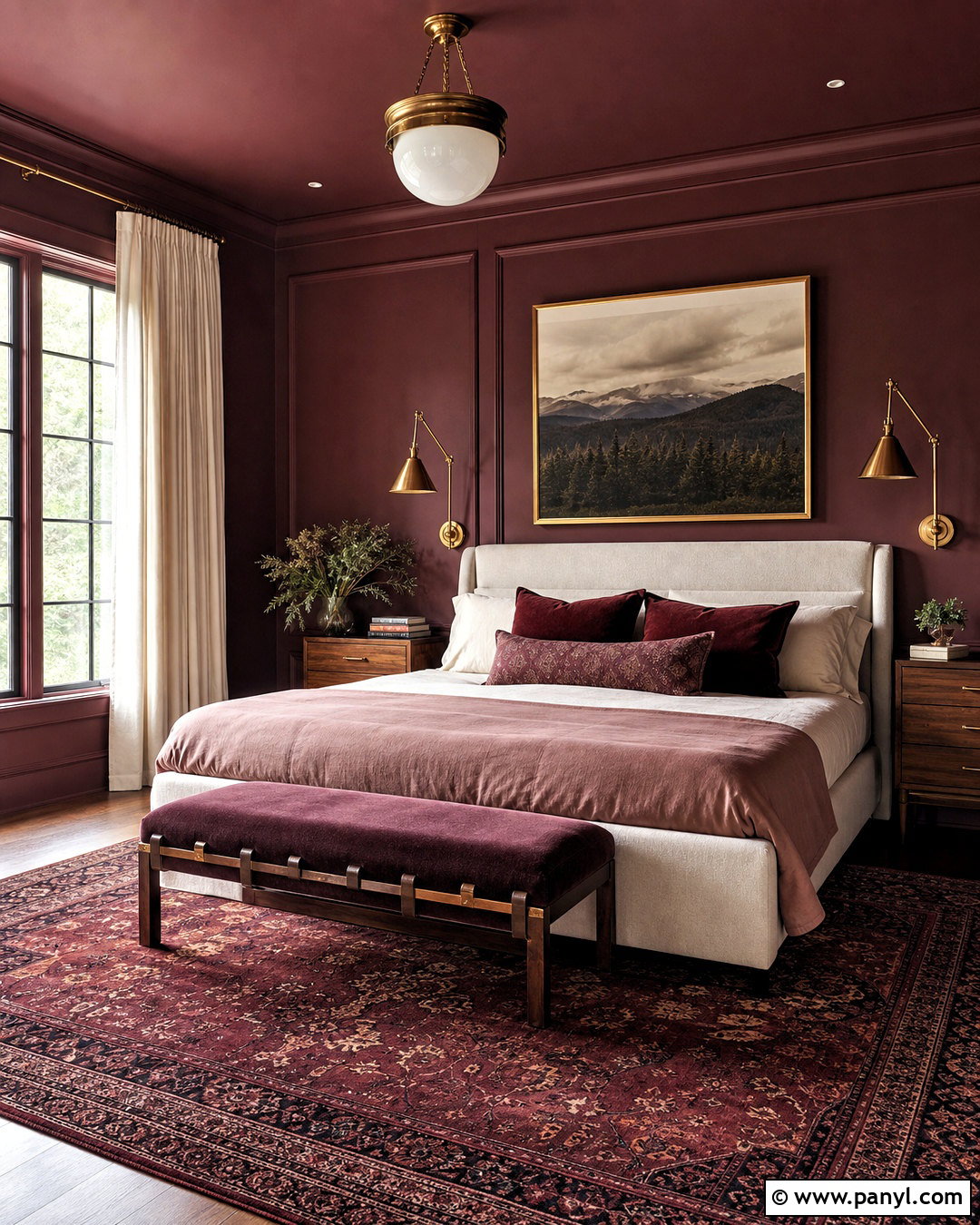
Rich burgundy creates an enveloping room when it is balanced with lighter fabrics and reflective accents. Paint the walls, trim, and ceiling in a muted red-brown shade for a seamless color-drenched effect. Place a cream upholstered bed or oatmeal sofa against the darkest wall to establish contrast. Layer the room with burgundy velvet, dusty pink linen, and warm tan wool. Dark walnut furniture reinforces the depth, while an aged brass pendant and matching sconces add brightness. Choose a traditional rug containing cream, rust, and plum to connect the palette. One oversized landscape or abstract artwork is more effective than several small pieces. Pale curtains and crisp neutral bedding keep the finished design dramatic, comfortable, and suitable for everyday living.
11. Soft Pink Room
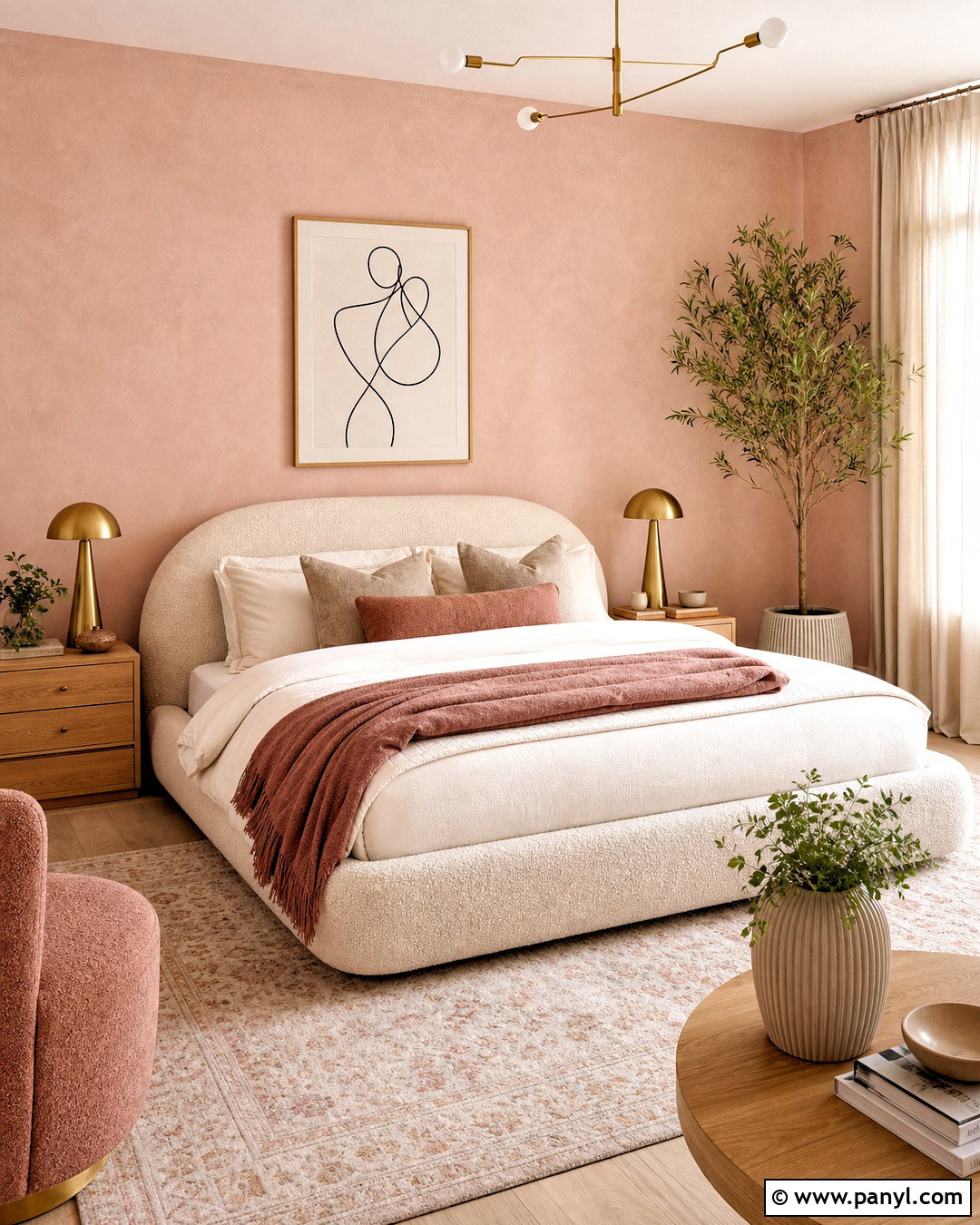
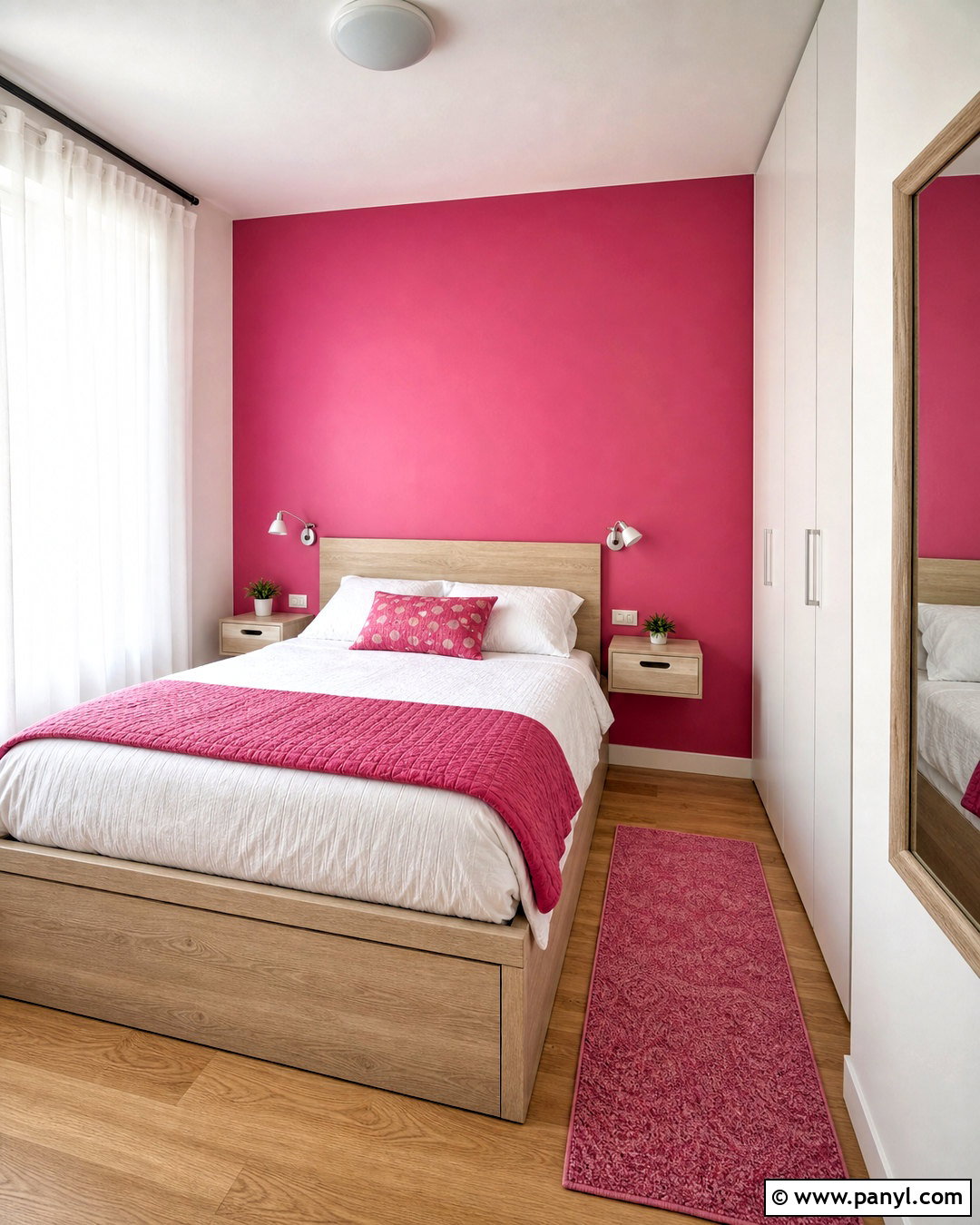
A soft pink room can feel sophisticated when blush tones are paired with warm neutrals and clean furniture. Paint the walls a muted plaster pink rather than a sugary pastel. Center the arrangement around a cream bouclé bed, sofa, or daybed with curved edges. Layer ivory bedding, a dusty rose throw, and taupe cushions for subtle depth. Light oak tables and a matching dresser keep the room casual, while brushed brass lighting adds a refined finish. Hang full-length beige curtains and place a pale patterned rug beneath the largest furniture piece. Minimal line art, ribbed ceramics, and one leafy plant complete the decor. Including plenty of cream and natural wood prevents pink from overpowering the room, resulting in a calm, balanced retreat.
12. Sage Green Room
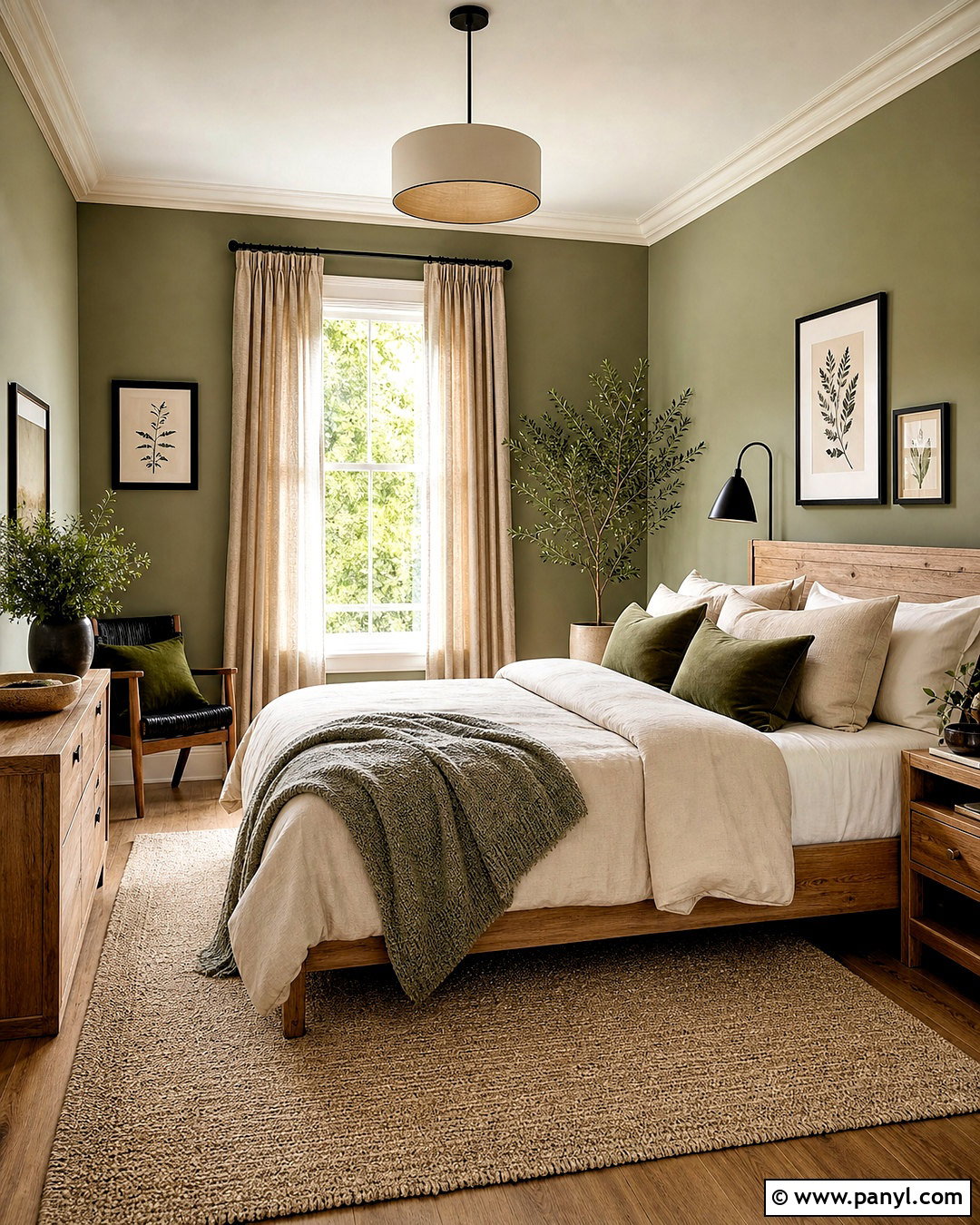
Imagine opening the door to a room that feels fresh, grounded, and quietly colorful. Paint the walls warm sage green and pair them with off-white trim for a crisp outline. Choose a natural oak bed or desk and repeat the wood tone through shelves and small tables. Cream bedding, flax curtains, and a beige wool rug soften the green backdrop. Introduce darker olive accents through pillows, a bench, or one comfortable chair. Black picture frames and a slim black floor lamp provide definition without making the palette harsh. Botanical prints, handmade pottery, and a few healthy plants reinforce the natural character. Keep the ceiling and larger textiles light so the room remains open, especially when natural daylight is limited.
13. Blue And White Room
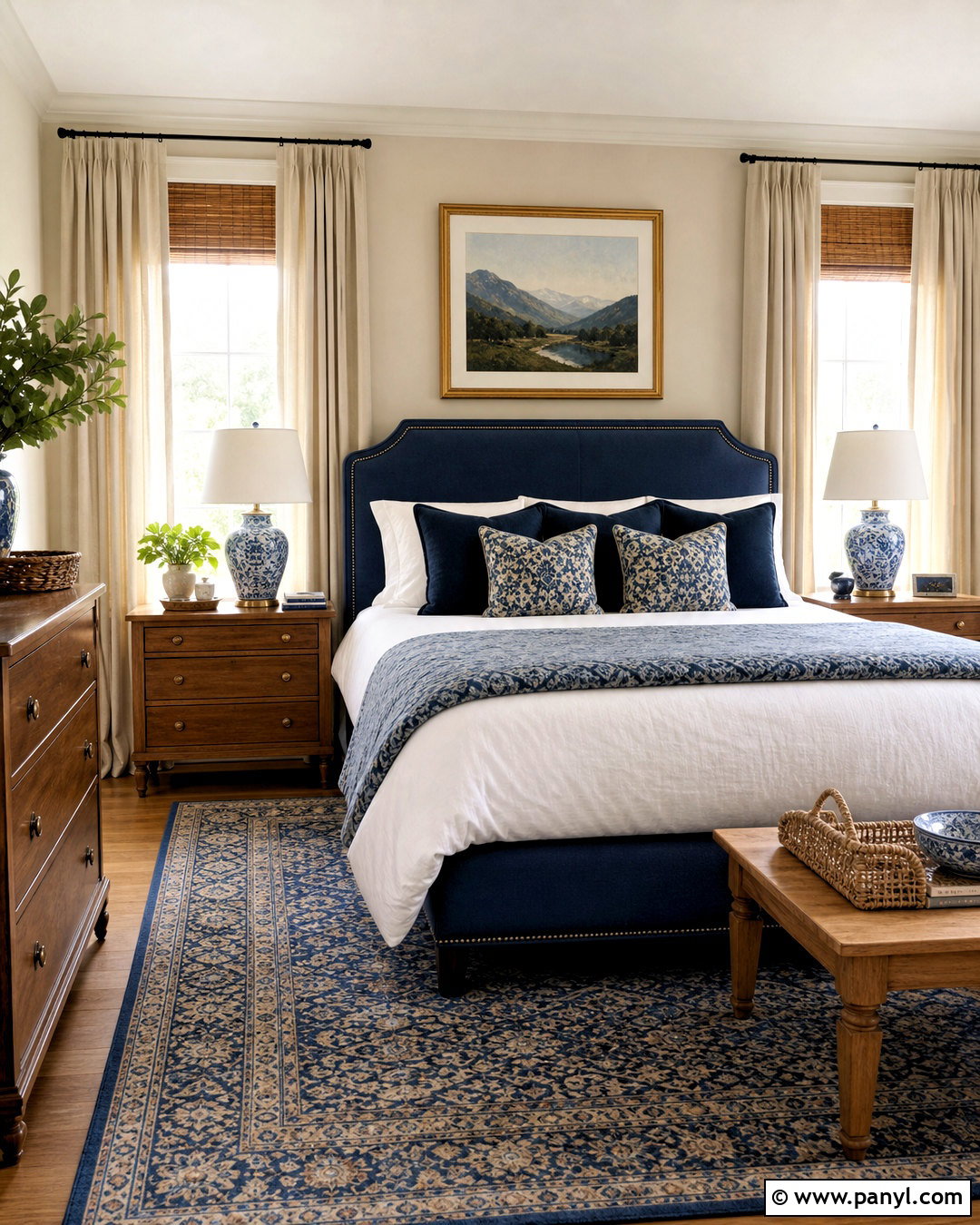
Blue and white create a crisp room aesthetic that can feel classic, coastal, or contemporary. Start with warm white walls and use a dusty navy upholstered bed, blue sofa, or painted desk as the primary focal point. Layer white bedding with striped blue cushions, a block-printed quilt, and a soft gray-blue throw. Medium oak furniture adds warmth and prevents the color scheme from appearing too cool. Place a blue patterned rug beneath the main seating or sleeping area to visually anchor it. White linen curtains keep the windows bright, while ceramic table lamps introduce another layer of blue. Finish with framed landscapes, woven baskets, and small brass details. Varying the blue shades creates depth while maintaining a coordinated, uncluttered appearance.
14. Dopamine Decor Room
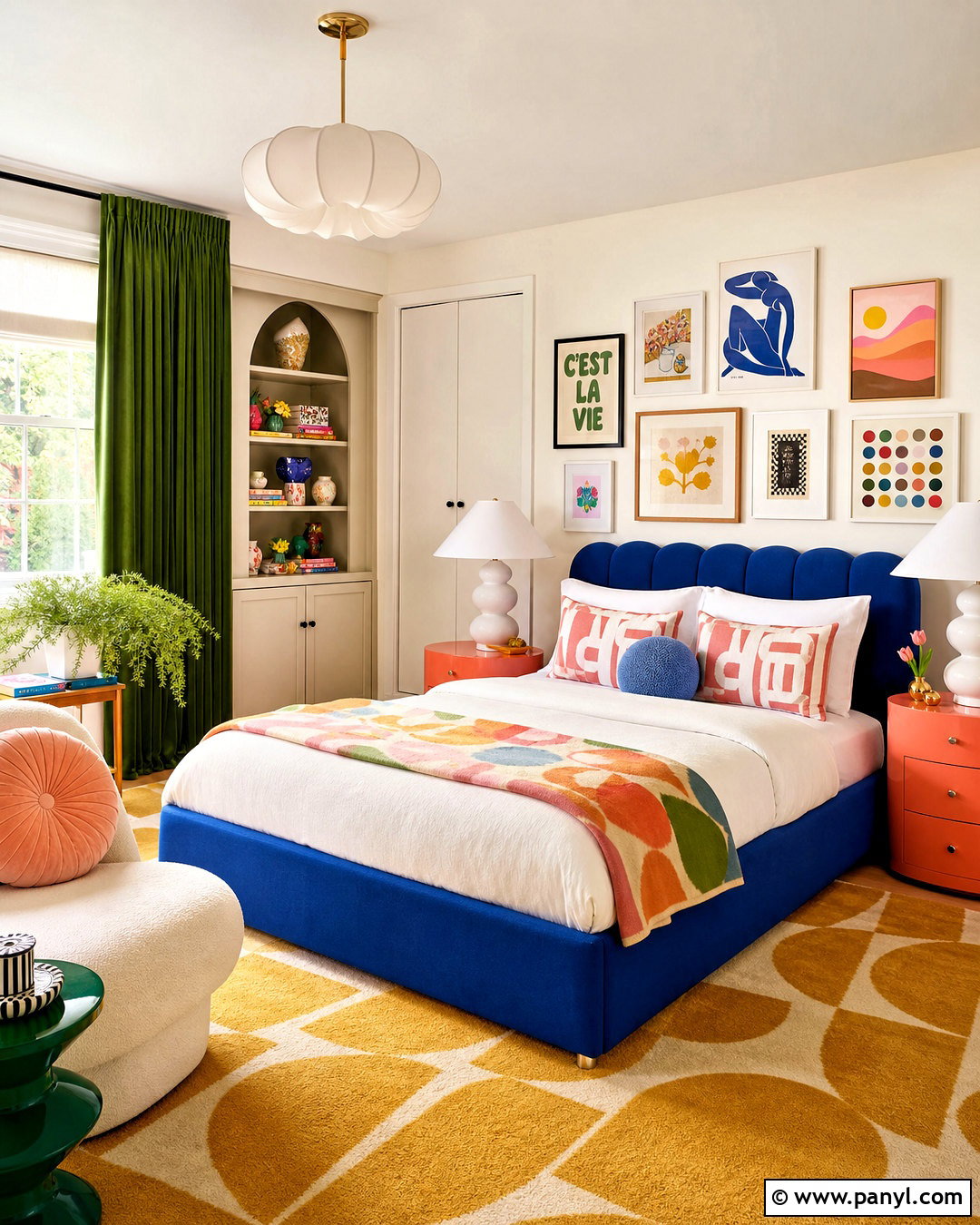
For anyone who feels energized by color, dopamine decor offers a playful but still livable approach. Begin with a warm white backdrop, then establish a clear palette of coral, cobalt blue, sunny yellow, and leaf green. Choose one bold main piece, such as a blue upholstered bed or coral sofa, and distribute the other colors through bedding, curtains, artwork, and a geometric rug. Rounded furniture and colorful side tables support the cheerful mood. Create one organized gallery wall rather than scattering pictures across every surface. Storage cabinets in a neutral finish give the eye somewhere to rest. Patterned cushions, sculptural lamps, and bright ceramics provide personality. Repeating each accent color at least twice makes the energetic room look purposeful.
15. Y2K Room
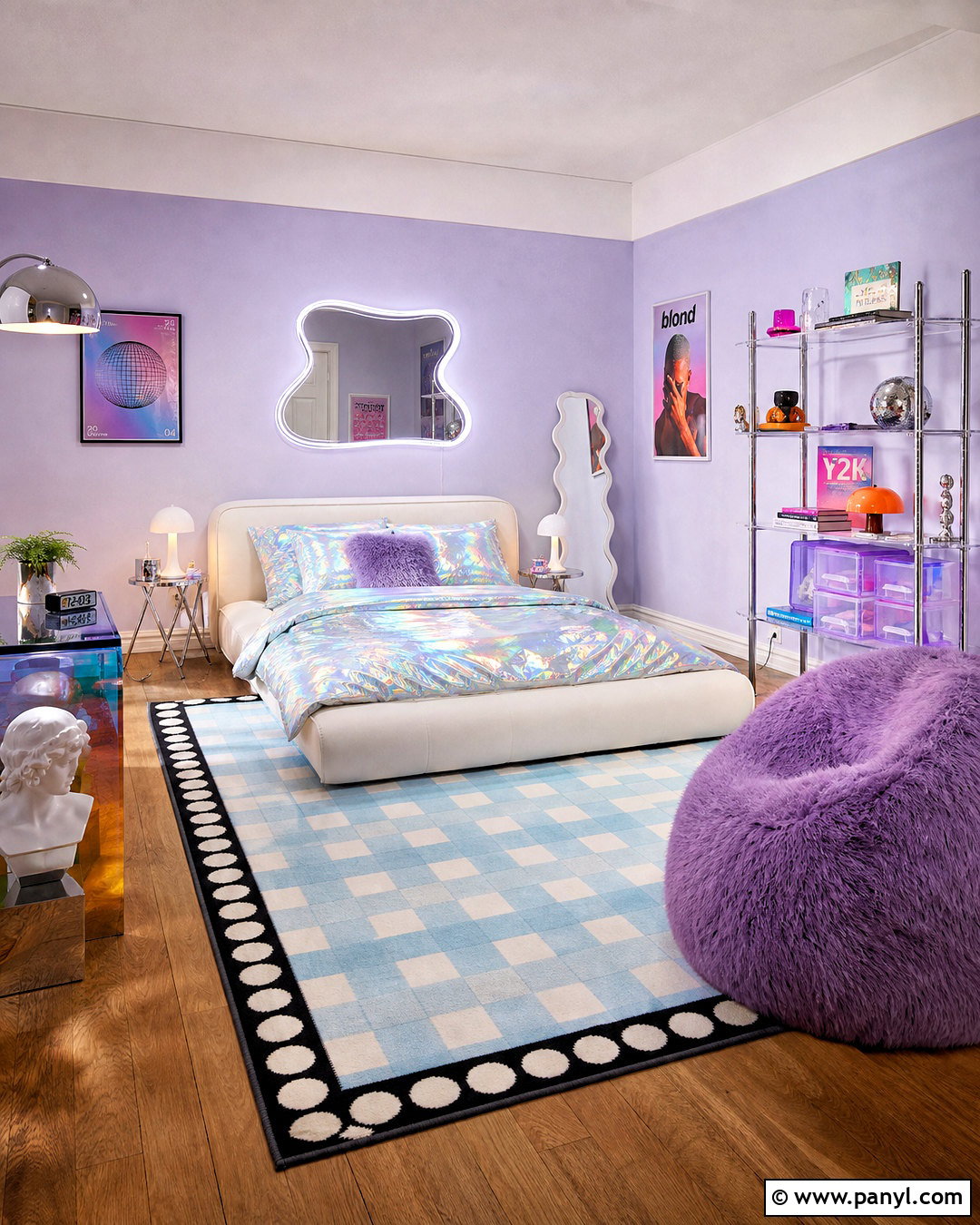
A modern Y2K room mixes nostalgic shapes with an edited layout and practical comfort. Use pale lavender, icy blue, or soft white walls as a clean background. Add a low upholstered bed or rounded modular sofa, then introduce chrome through a side table, floor lamp, mirror, and small accessories. Iridescent textiles, translucent storage, and one fuzzy accent chair capture the playful character of the look. Keep the bedding mostly white with purple and silver details so the room does not become visually chaotic. A wavy mirror can serve as the main wall feature, supported by a small arrangement of graphic prints. Finish with a checkerboard rug and sleek shelving. Thoughtful spacing makes the nostalgic elements feel stylish rather than costume-like.
16. Industrial Room
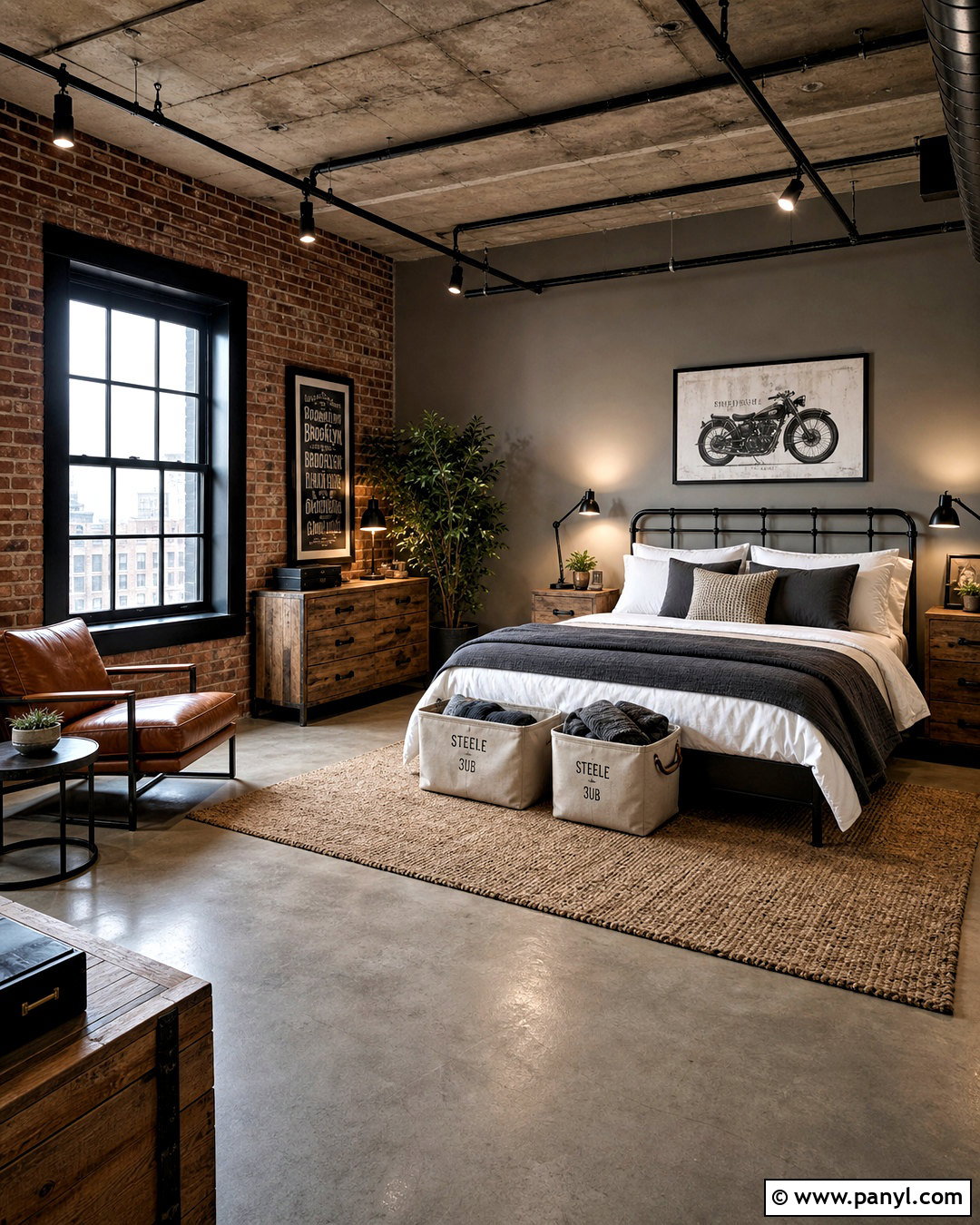
Exposed textures and strong lines define an industrial room, but soft materials are necessary for comfort. Use warm gray walls or one realistic brick accent wall as the architectural backdrop. Choose a black metal bed, open shelving unit, or streamlined sofa with a charcoal fabric finish. Balance these darker elements with cognac leather, reclaimed wood, and a large oatmeal rug. Bedding in white, gray, and rust keeps the palette relaxed. Install matte black wall lights and a simple metal pendant for focused illumination. Large black-framed artwork suits the room better than many tiny decorations. Add canvas storage baskets, a wood desk, and one substantial plant. The finished layout should feel open and functional, with industrial details used selectively rather than everywhere.
17. Hotel Inspired Room
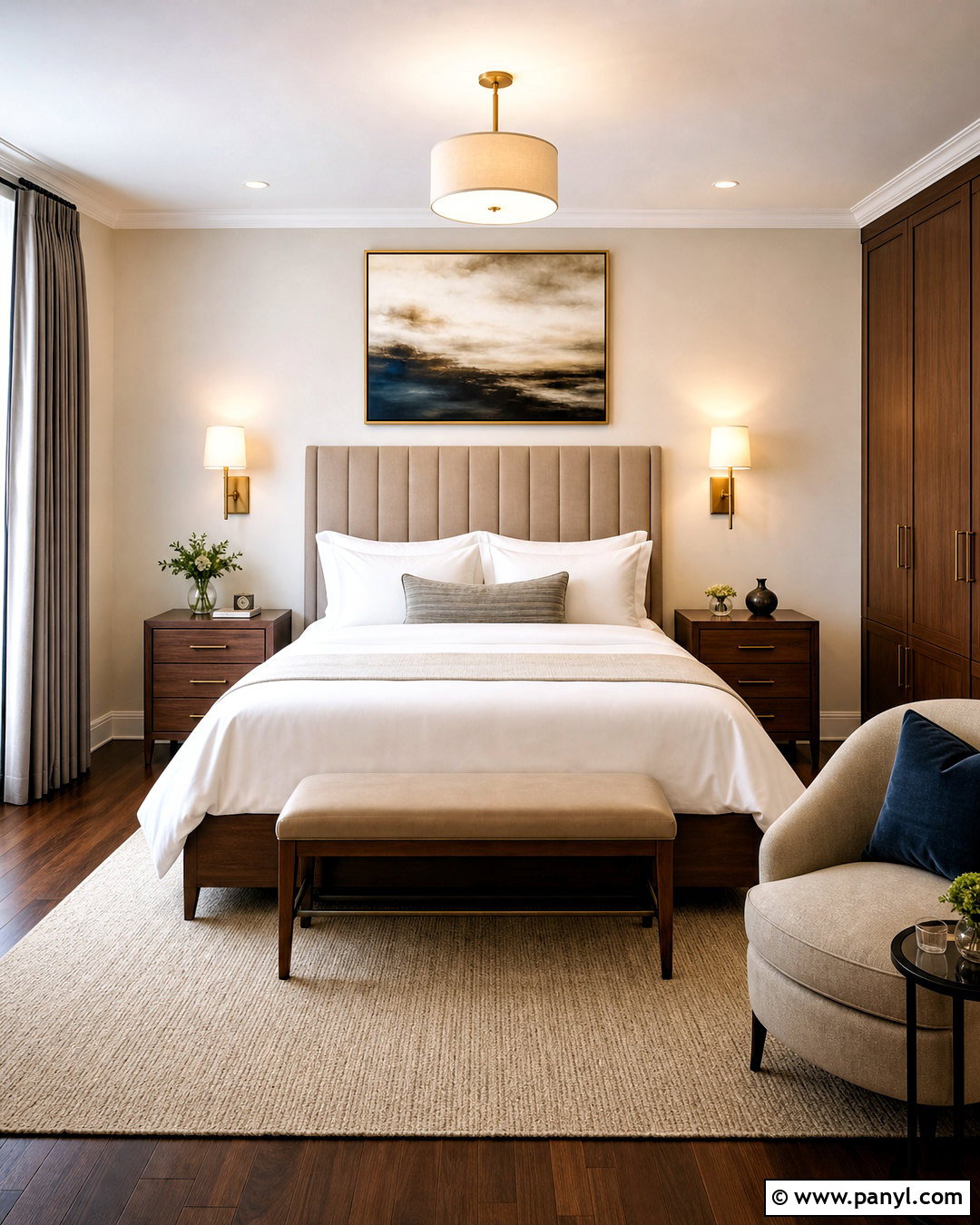
A hotel-inspired room relies on symmetry, excellent bedding, and carefully controlled clutter. Center a tall upholstered bed against the main wall and place matching nightstands on both sides. Use a large padded headboard in taupe, navy, or warm gray to create an impressive focal point. Dress the bed with crisp white sheets, a quilted coverlet, layered pillows, and one textured throw. Matching wall sconces free the tables for books and small essentials. Full-length curtains, a soft area rug, and a bench at the foot of the bed increase comfort. Choose one oversized artwork rather than a busy gallery wall. Closed storage and hidden charging cords preserve the polished appearance. Add a compact reading chair if space allows, keeping walkways comfortably clear.
18. Rustic Modern Room
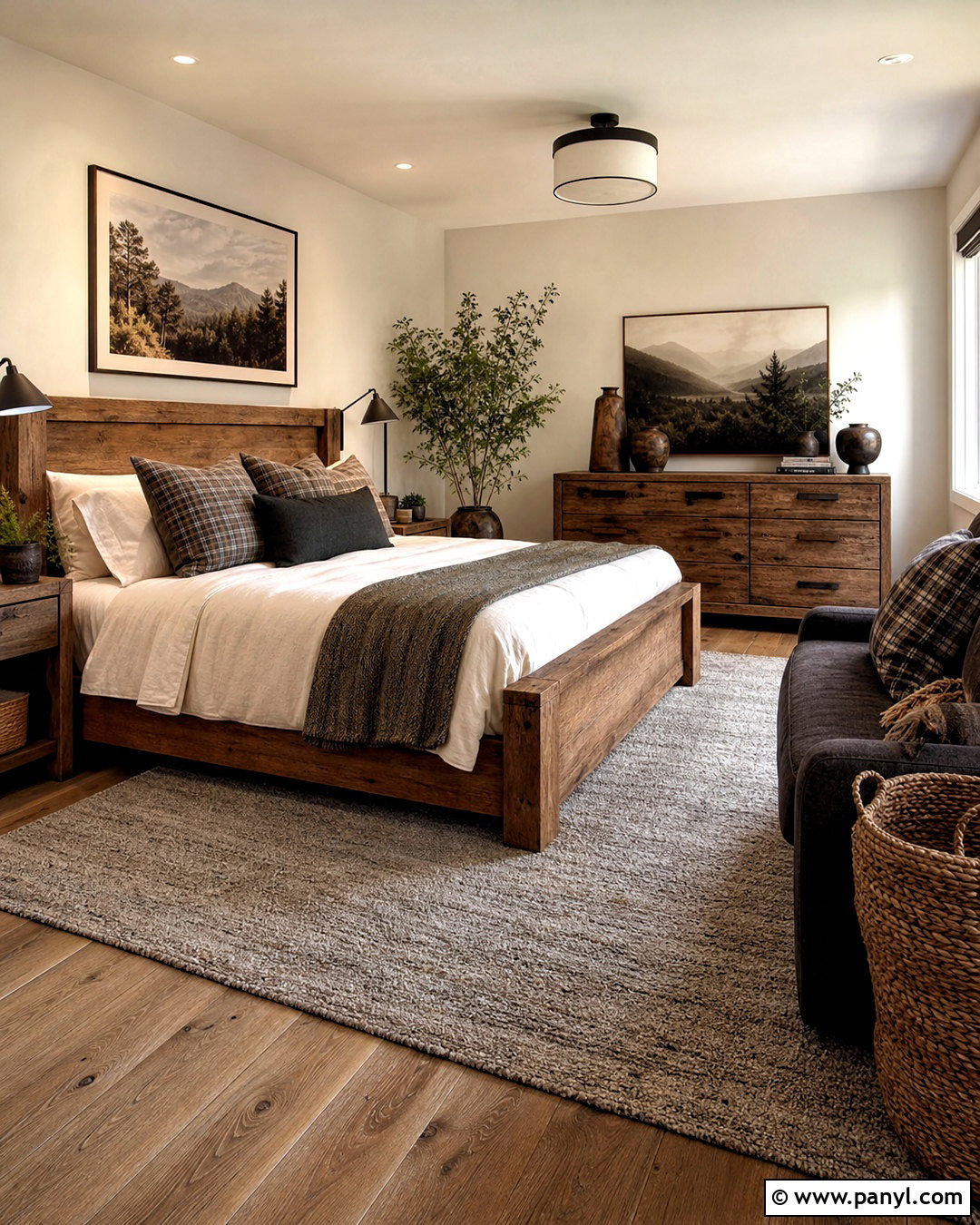
Rough wood and contemporary shapes create a rustic modern room with warmth but little fuss. Begin with creamy walls and wide-plank oak flooring or a natural-looking wood floor. Use a simple timber bed, reclaimed wood dresser, or chunky coffee table as the room’s strongest rustic element. Balance it with streamlined upholstered furniture in ivory, camel, or charcoal. Layer linen bedding, plaid cushions, and a thick wool rug for comfortable texture. Matte black lighting and window hardware give the traditional materials a modern edge. Instead of themed signs, decorate with landscape artwork, pottery, woven baskets, and fresh branches. Keep the arrangement open and symmetrical where possible. This combination allows natural imperfections to stand out without making the space feel heavy or outdated.
19. Maximalist Gallery Room
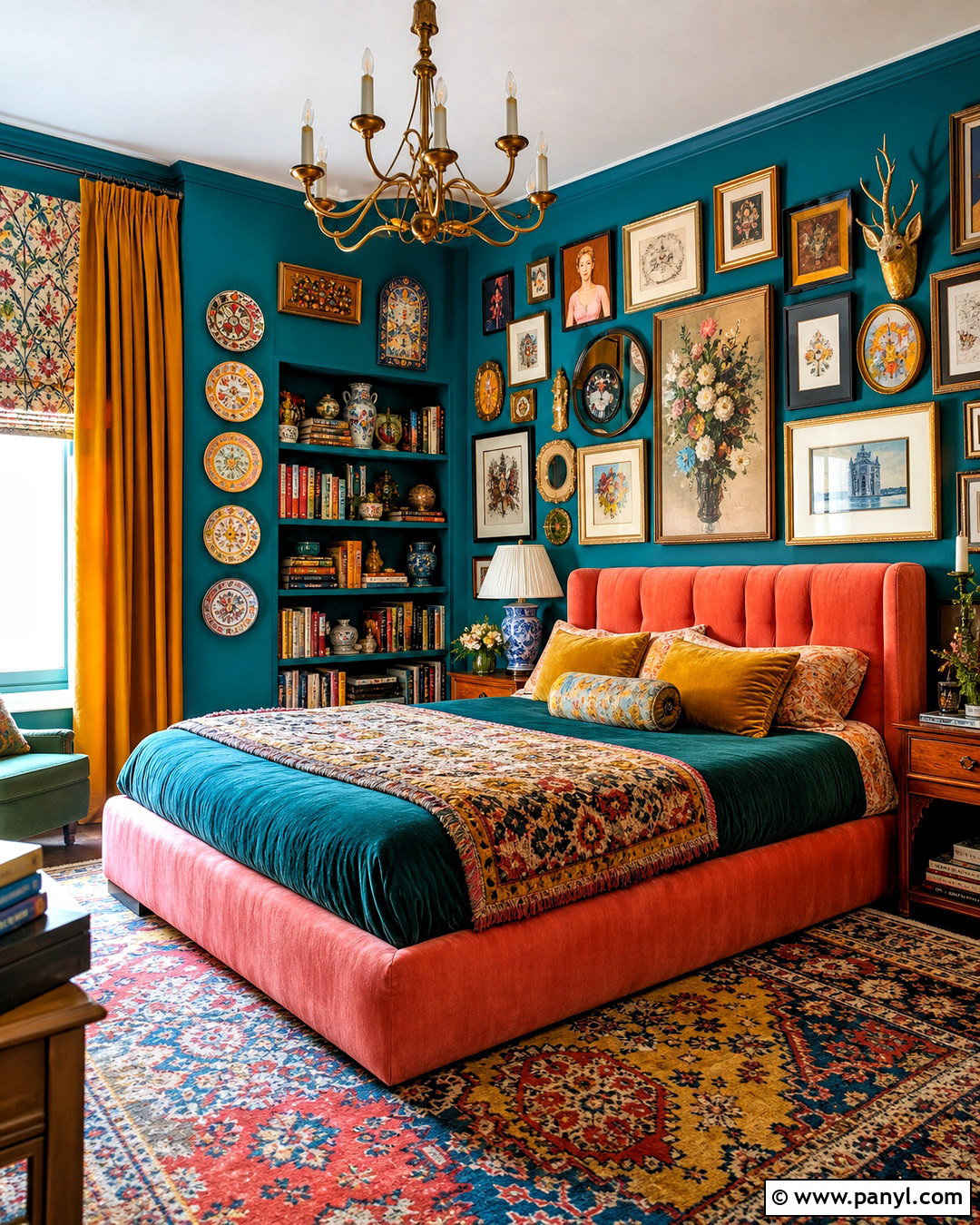
A maximalist room works best when bold elements share a common visual thread. Select three main colors, such as teal, coral, and mustard, and repeat them throughout the furniture, artwork, rug, and textiles. Paint the walls a saturated teal or keep them warm white if the room is small. Choose a velvet bed or sofa as the anchor, then add patterned cushions and a colorful vintage-style rug. Build a gallery wall using varied frames but consistent spacing between the pieces. Shelves can display books, ceramics, and collected objects in organized groups. Solid-colored curtains help balance the patterns. Leave some surfaces partially open and maintain clear walkways. Controlled repetition allows the finished room to feel expressive, layered, and personal instead of disorganized.
20. Small Renter Friendly Room
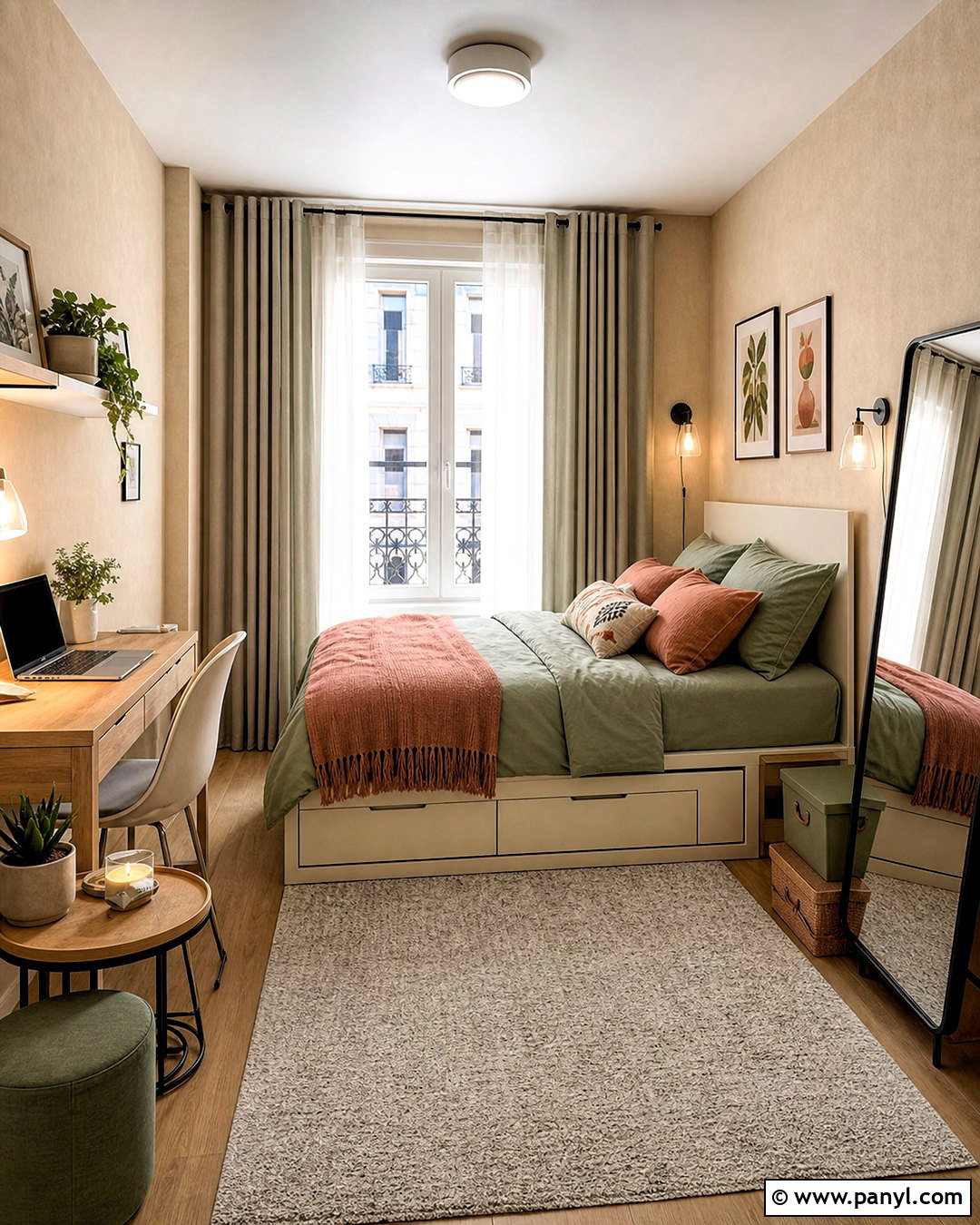
Limited space and rental restrictions do not have to prevent a cohesive aesthetic. Use removable warm beige wallpaper behind the bed or sofa to establish a focal wall without permanent changes. Choose compact furniture with more than one purpose, such as a storage bed, nesting tables, or a narrow desk that doubles as a vanity. Keep larger textiles in cream and light gray, then add personality with sage green, terracotta, or dusty blue accents. Hang lightweight art with removable strips and use a leaning mirror to reflect light. A plug-in wall sconce saves surface space, while full-height curtains make the window feel larger. Finish with matching storage boxes and under-bed organizers. The completed room stays attractive, flexible, and easy to restore when moving.
Conclusion:
The most successful aesthetic room is not simply filled with popular accessories. It has a clear palette, a comfortable layout, useful storage, and details that express the person who uses it. Start by choosing one complete look from these **20 room ideas aesthetic ideas**, then identify its three most important colors and materials. Update the largest surfaces first, including the walls, floor, bedding, curtains, or main upholstery. Smaller artwork and accessories can follow gradually. Reusing furniture, shopping secondhand, and changing textiles make many of these looks possible on a modest budget. Whether you prefer quiet minimalism, colorful maximalism, or vintage charm, consistent choices will make your finished room feel polished, comfortable, and genuinely personal.

Related Ideas and Inspiration:

Leave a Reply