
A fresh exterior color scheme can completely change how a home looks from the street. The best outside wall painting ideas go beyond choosing one attractive shade. They coordinate the main wall color with the trim, roof, doors, windows, masonry, and landscaping. Warm neutrals create an inviting appearance, while greens and blues connect the house to its surroundings. Darker palettes can add modern definition when balanced with natural wood or light stone. Before committing, test large painted samples on several walls because sunlight and shadows can shift the appearance throughout the day. Also consider permanent features, including roofing and brickwork. The complete schemes below offer practical, stylish inspiration for exploring 20 outside wall painting ideas.

1. Warm White Outside Wall With Black Trim
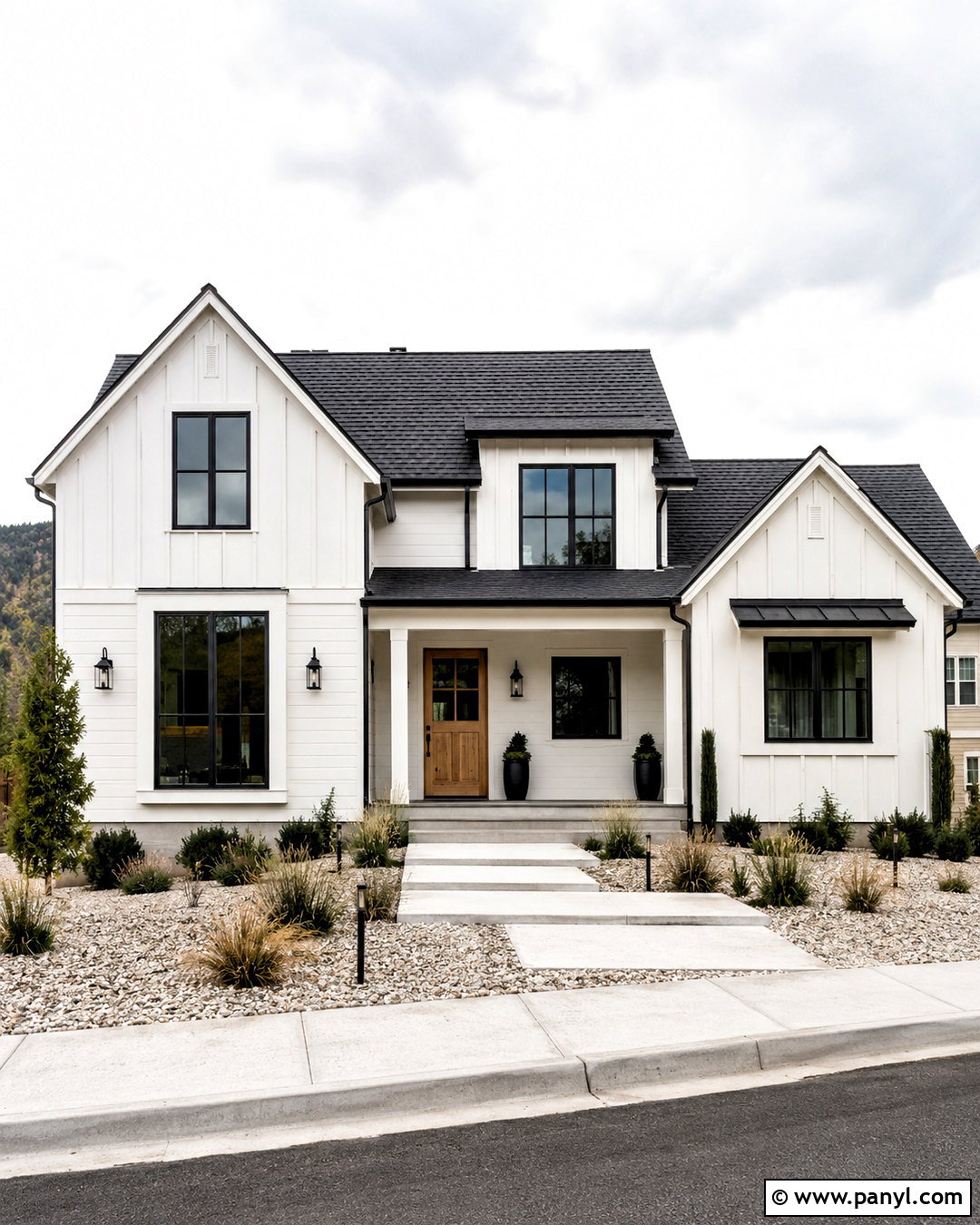
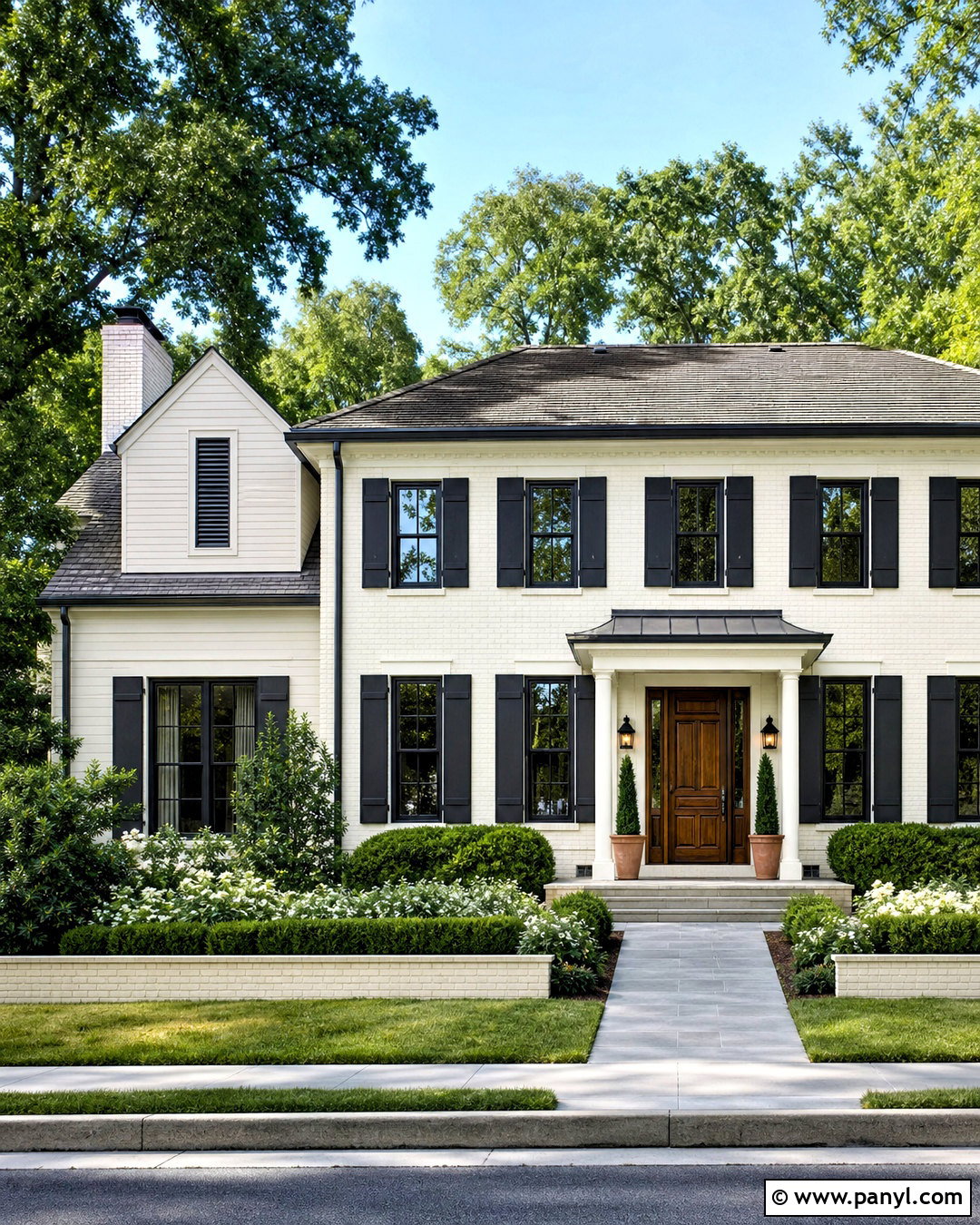
Warm white walls create a clean exterior without the harsh appearance that bright, cool white can sometimes produce. Use a creamy white or soft ivory across the main facade, then outline windows, gutters, and fascia boards in matte black. A natural oak or medium-stained wood front door prevents the contrast from feeling too severe. This scheme works especially well with charcoal shingles, black metal roofing, or medium-gray concrete tiles. Add simple black wall lights and matching house numbers for consistency. Low evergreen shrubs, ornamental grasses, and pale gravel complete the crisp landscaping. Keep garage doors warm white so they blend into the walls rather than dominating the facade. The result feels modern, polished, and easy to adapt.
2. Sage Green Outside Wall With Cream Trim
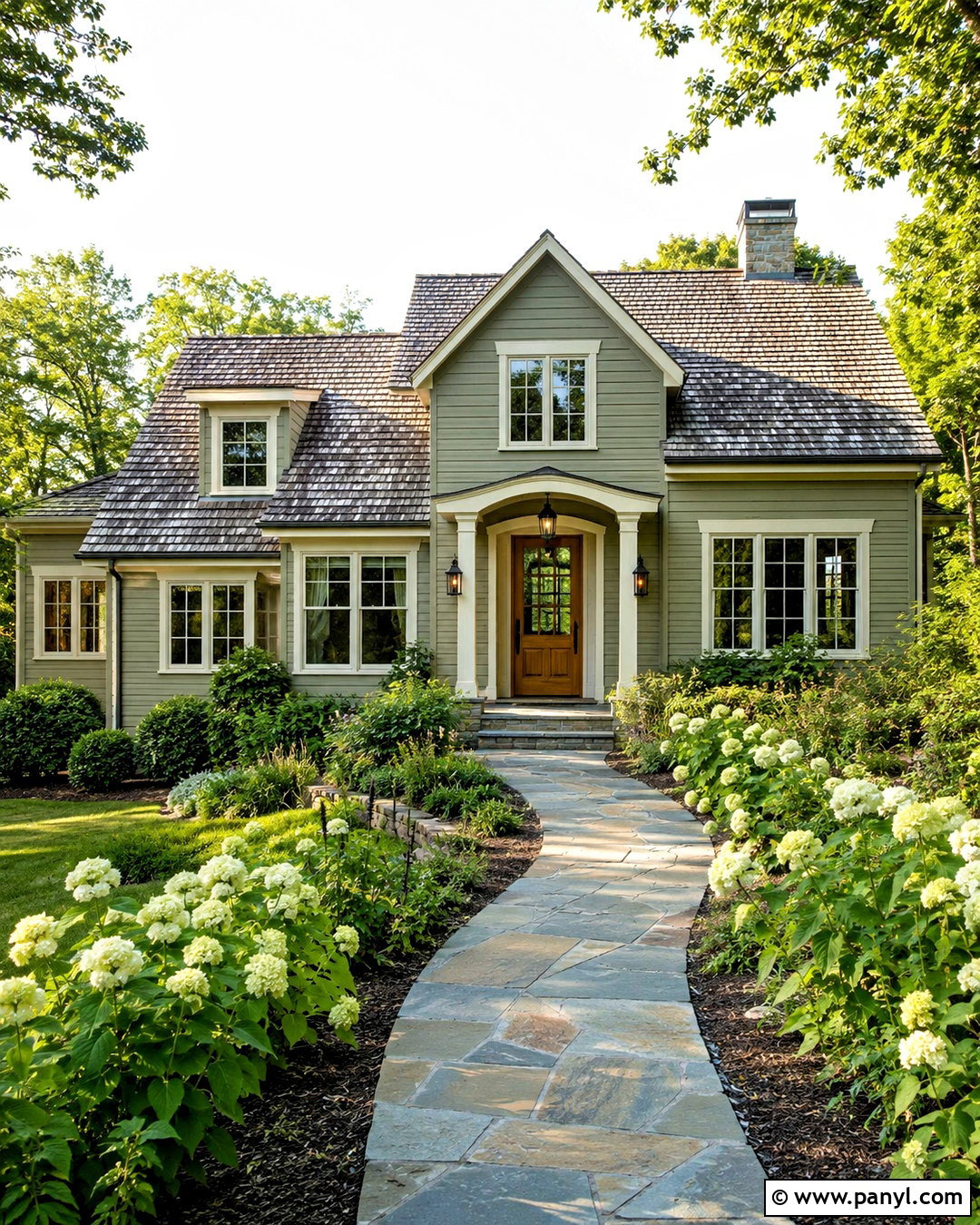
Picture a soft green exterior surrounded by leafy shrubs and mature trees. Warm sage green gives outside walls gentle color while remaining muted enough for a full facade. Pair it with creamy white trim around the windows, porch posts, roofline, and garage door. A medium brown wood door and antique bronze lighting bring warmth to the combination. This palette complements weathered gray shingles, brown roofing, and natural stone foundations. For a unified front yard, use layered greenery, white flowering plants, and a curved stone walkway. Avoid cold blue-white trim, which can make sage look dull. Choose a cream with a subtle yellow or beige undertone instead. The finished house feels relaxed, welcoming, and naturally connected to the landscape.
3. Greige Outside Wall With Charcoal Accents
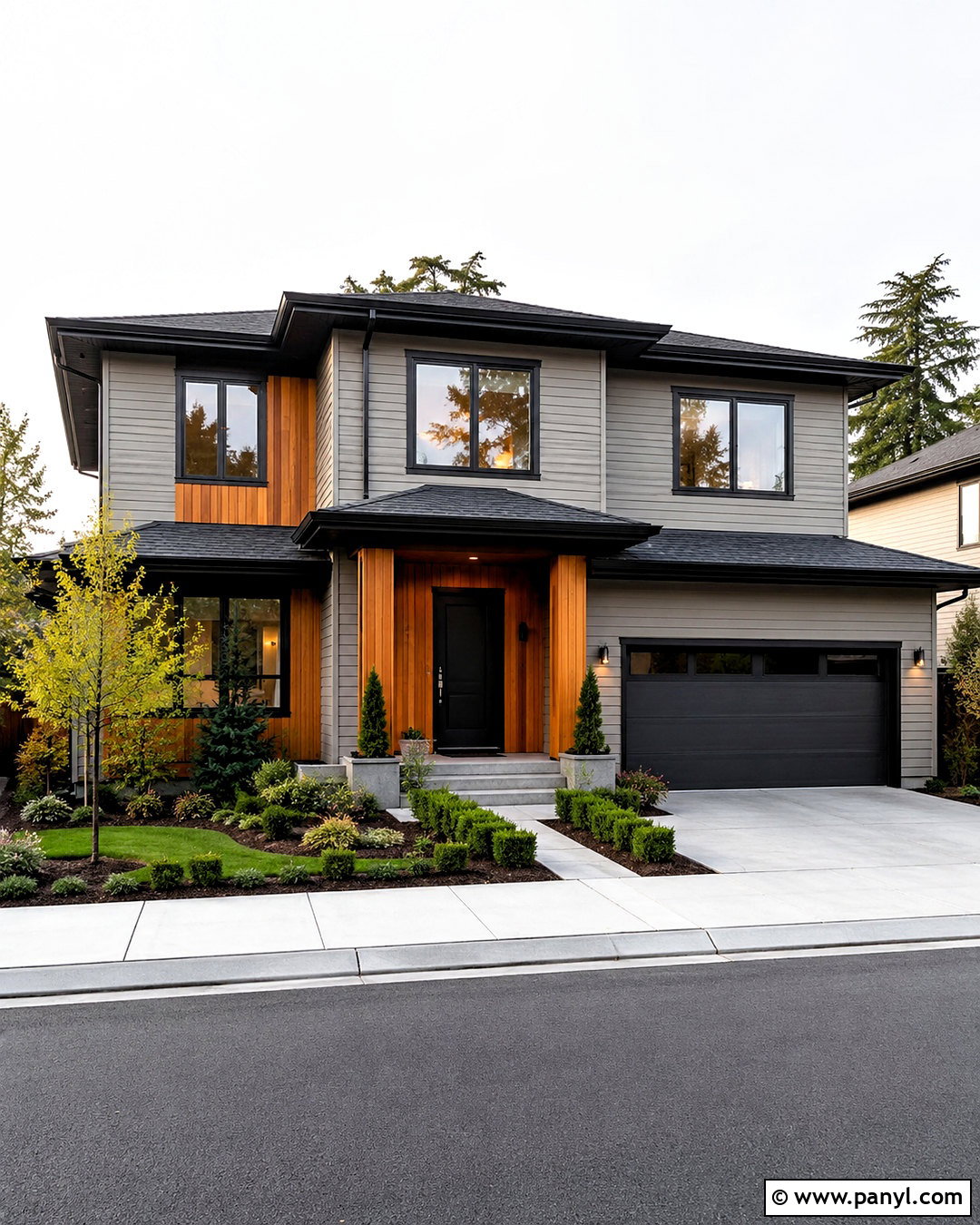
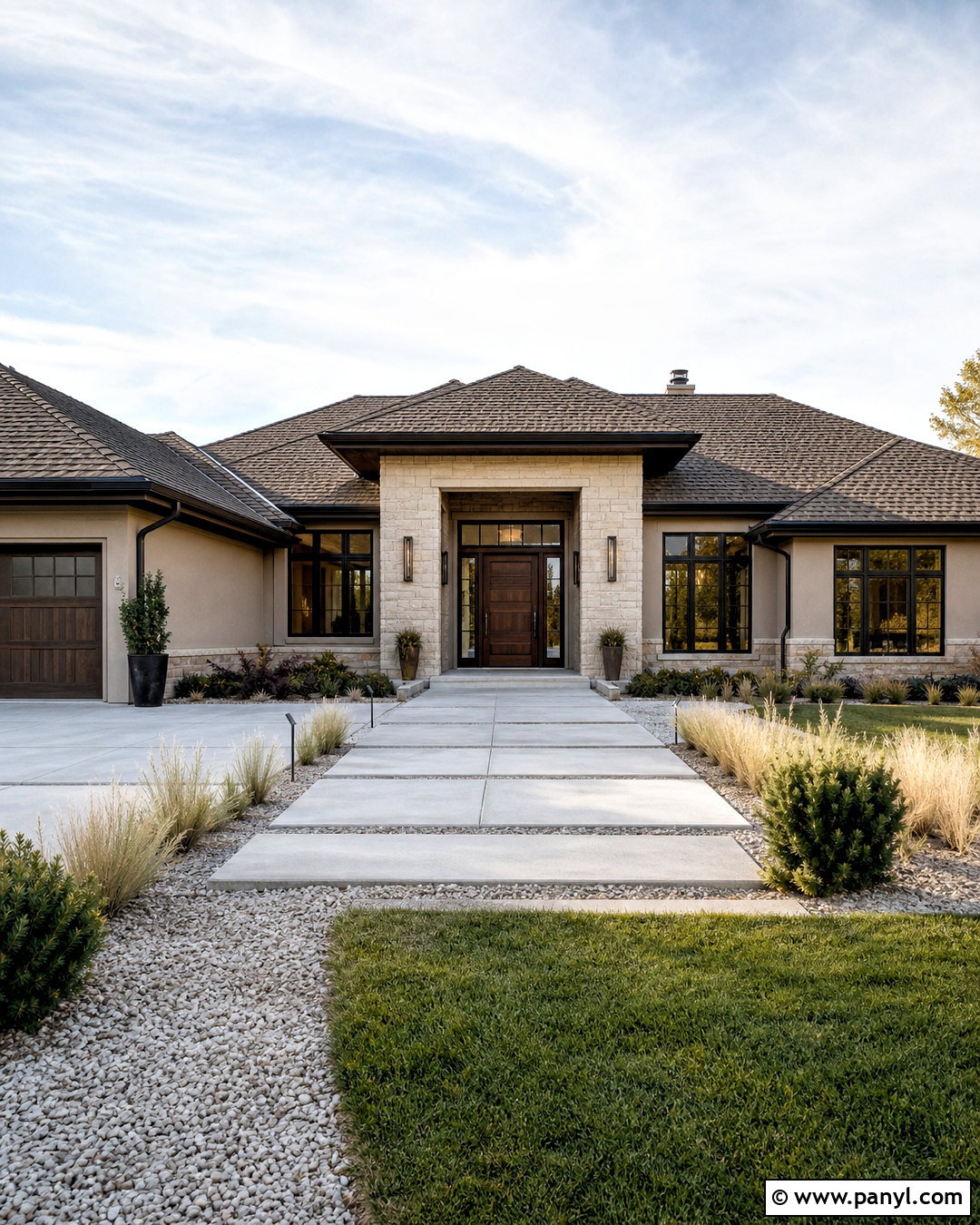
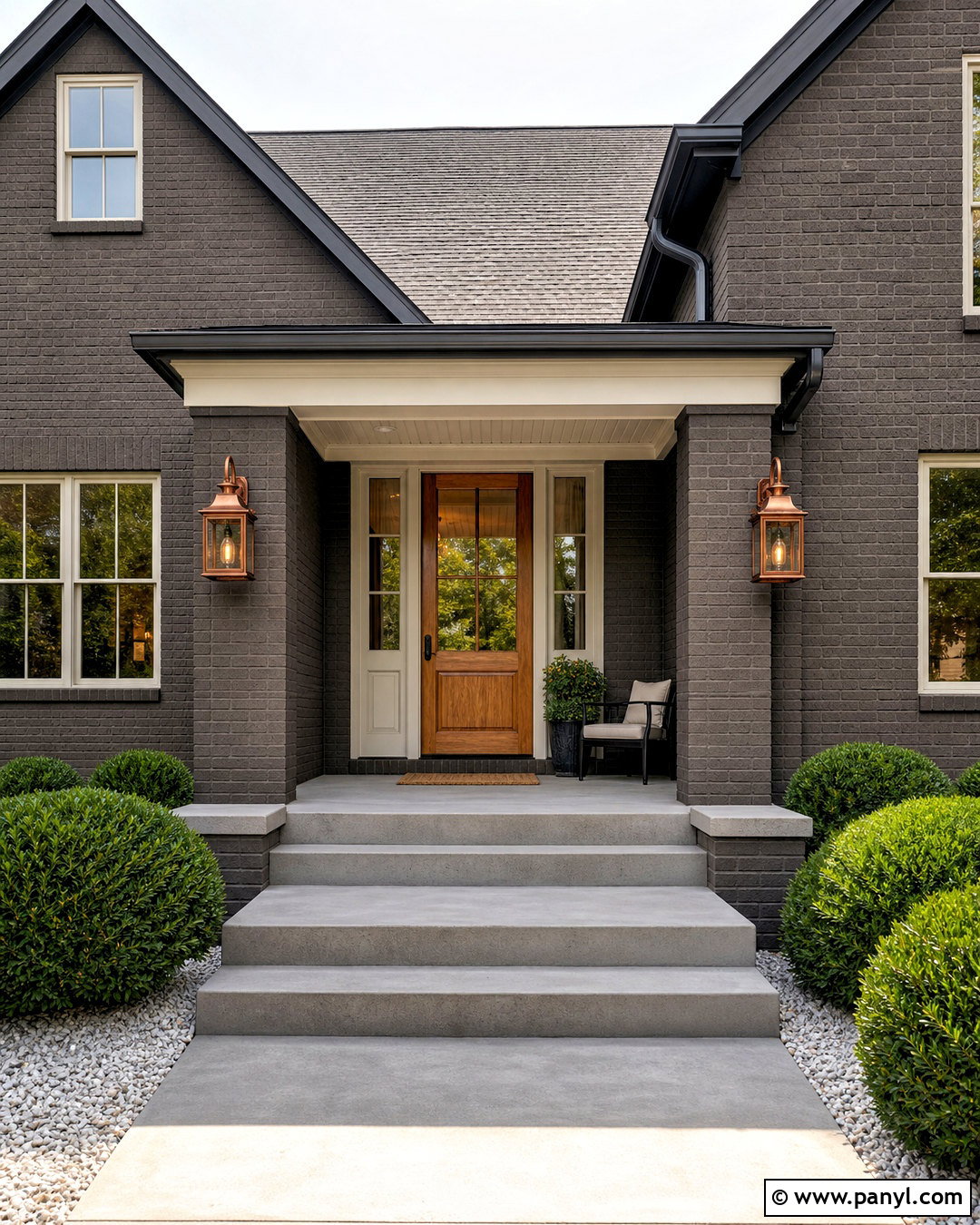
For a neutral home that does not look flat, combine soft greige walls with charcoal architectural accents. Greige balances gray and beige, making it useful beside warm stone, concrete, or mixed-color roofing. Paint the primary walls in a light-to-medium greige, then use charcoal on window frames, gutters, columns, and the front door. Keep the garage door close to the main wall color for a quieter appearance. Cedar porch ceilings or vertical wood panels can introduce natural texture without disrupting the restrained palette. Complete the entrance with black planters, structured shrubs, and warm white exterior lighting. This outside wall scheme works particularly well on ranch, transitional, and contemporary homes because it provides definition while maintaining a comfortable, understated character.
4. Navy Blue Outside Wall With White Trim
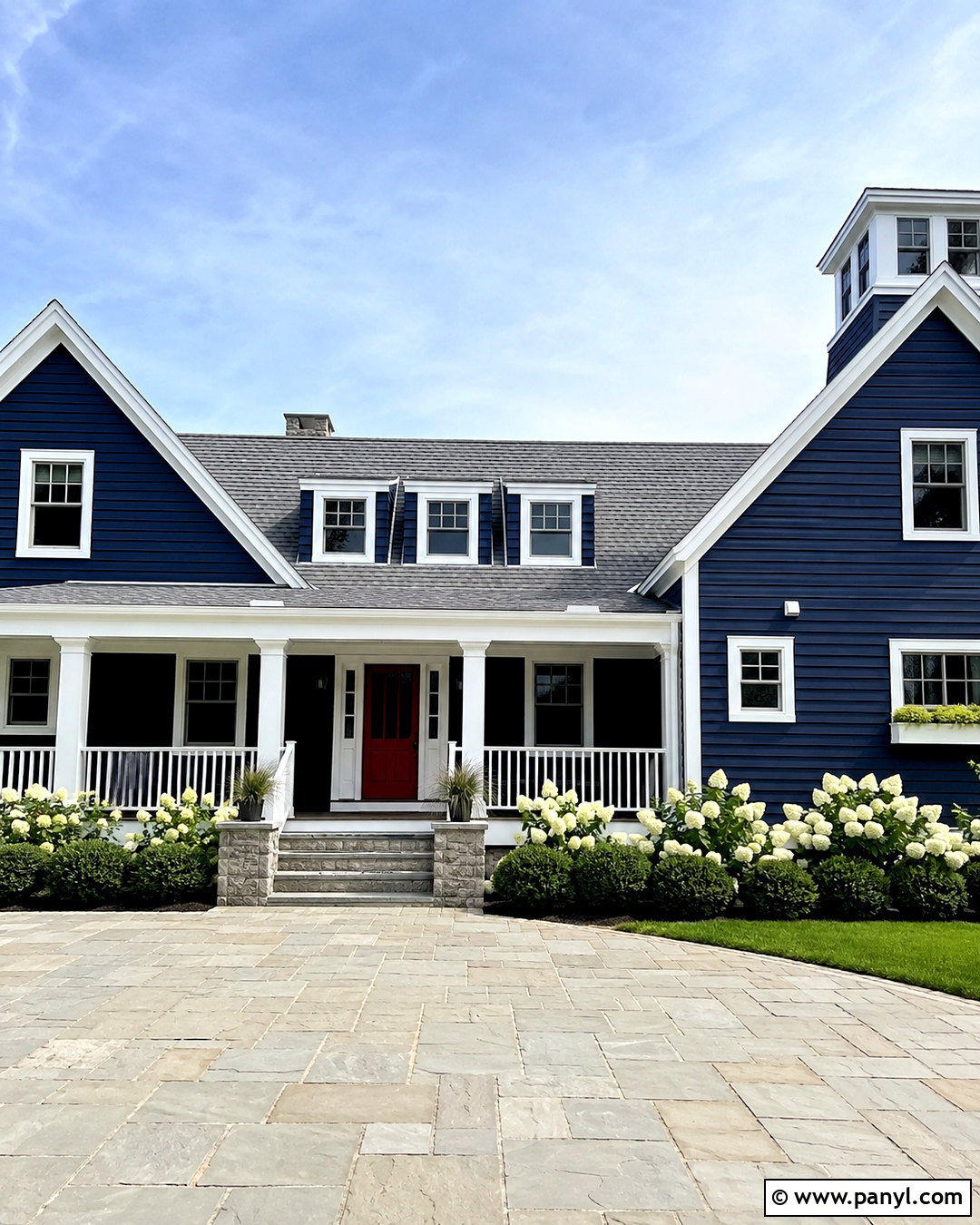
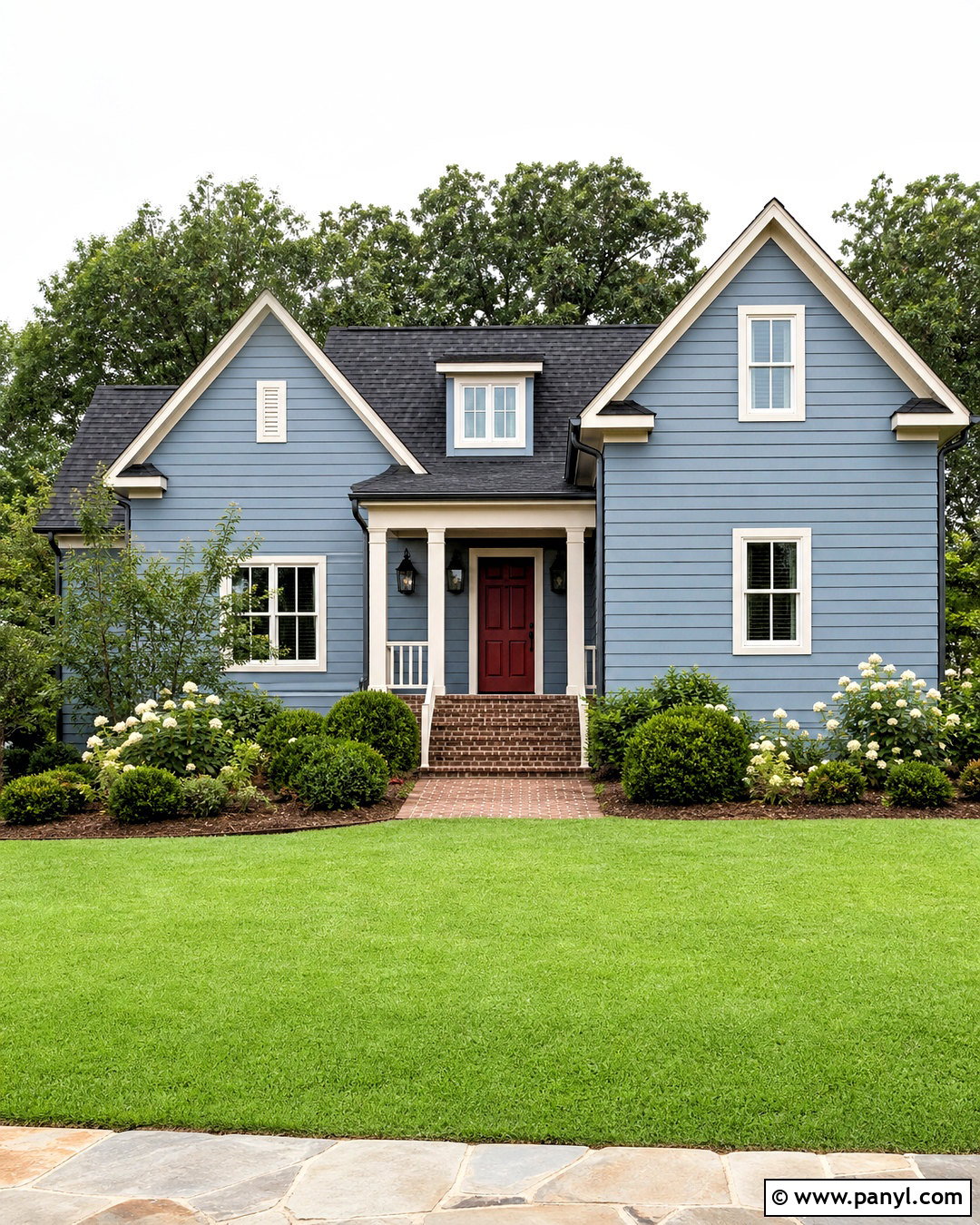
Deep navy walls give a home noticeable color while still feeling classic and controlled. Cover the siding or rendered facade in a slightly muted navy rather than an intensely bright blue. Use crisp white on the corner boards, window surrounds, porch railings, and roof trim to sharpen the architecture. A warm red, medium oak, or natural mahogany front door can become the welcoming focal point. Navy coordinates particularly well with light-gray shingles and silver metal roofing. Balance the darker facade with pale paving, white hydrangeas, and bright green foundation plants. If the house has a large garage, paint its door navy to reduce visual interruption. This complete palette suits coastal cottages, traditional two-story homes, and simple suburban exteriors.
5. Sand Beige Outside Wall With Dark Brown Trim
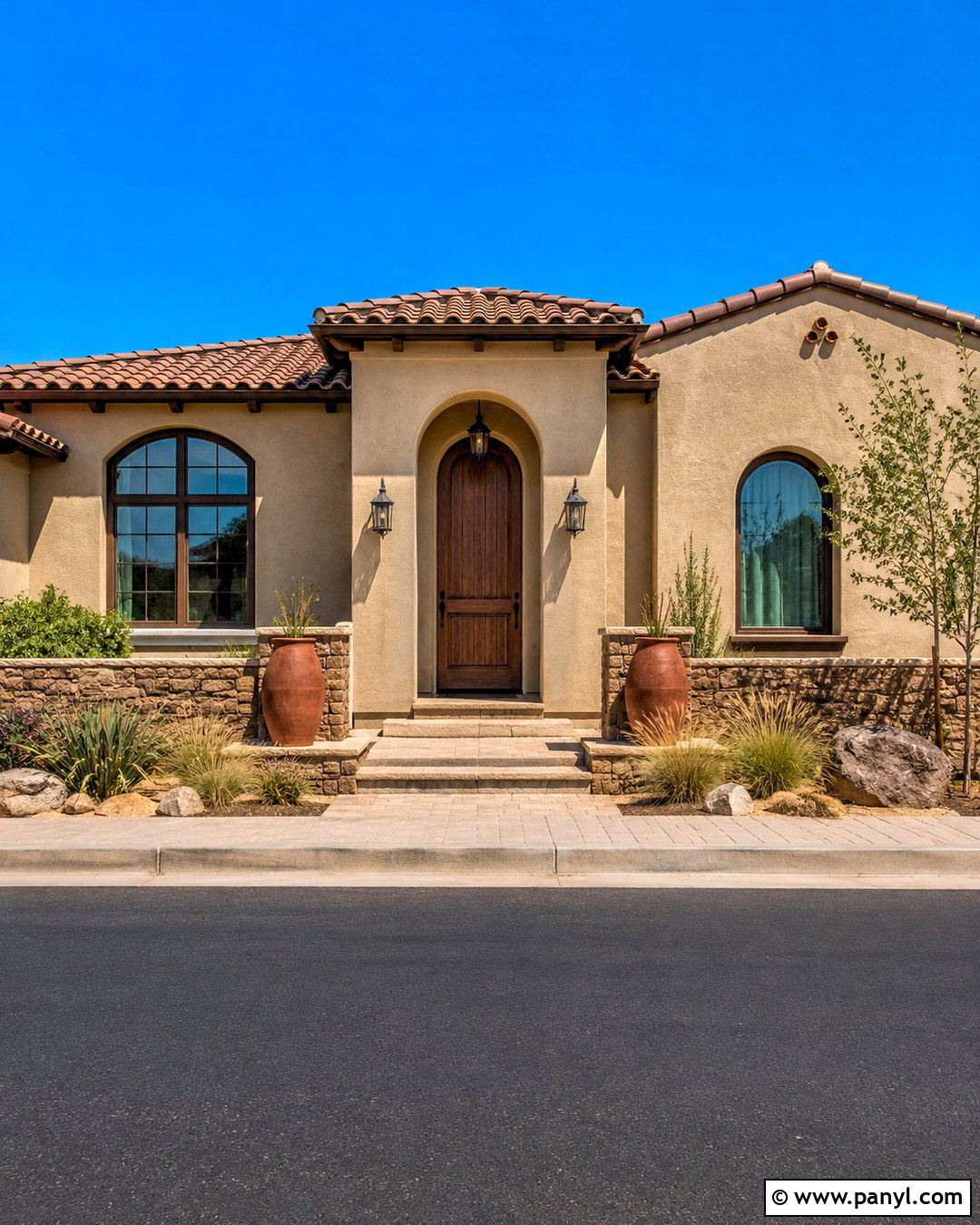
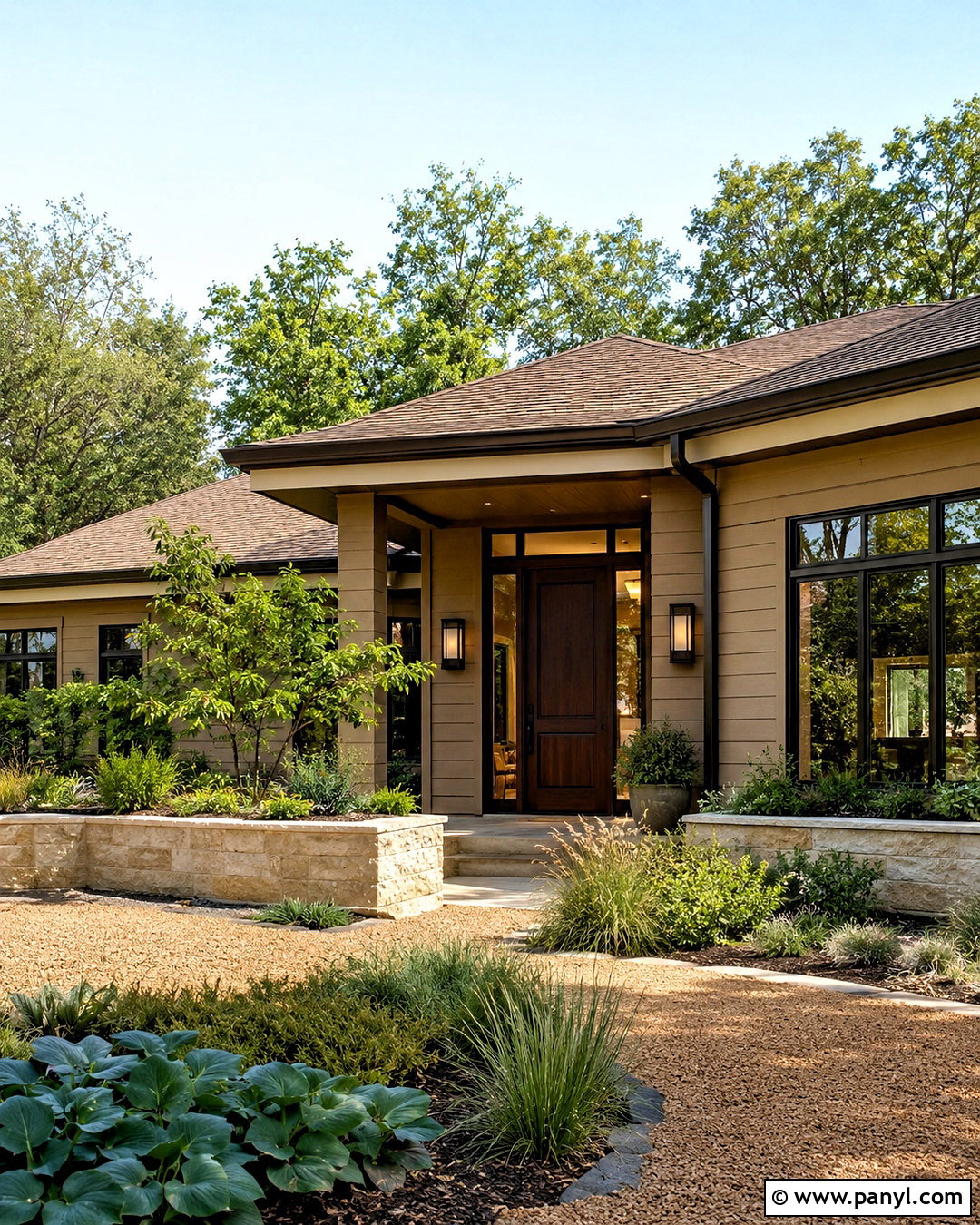
Sand beige creates a sun-warmed exterior that works beautifully with brown roofing and earthy surroundings. Choose a soft sandy color for the main walls, then define windows, beams, gutters, and fascia in deep chocolate brown. Add a walnut-stained front door and bronze hardware to strengthen the natural palette. Cream can be used sparingly on soffits or porch ceilings to keep shadowed areas from appearing heavy. Terracotta pots, tan pavers, and drought-tolerant grasses continue the warm color story through the landscape. On homes with stone cladding, select a beige that repeats one of the lighter stone tones. The completed scheme looks especially comfortable on Mediterranean, Southwestern, Craftsman, and stucco homes without relying on overly strong contrast.
6. Olive Green Outside Wall With Natural Wood
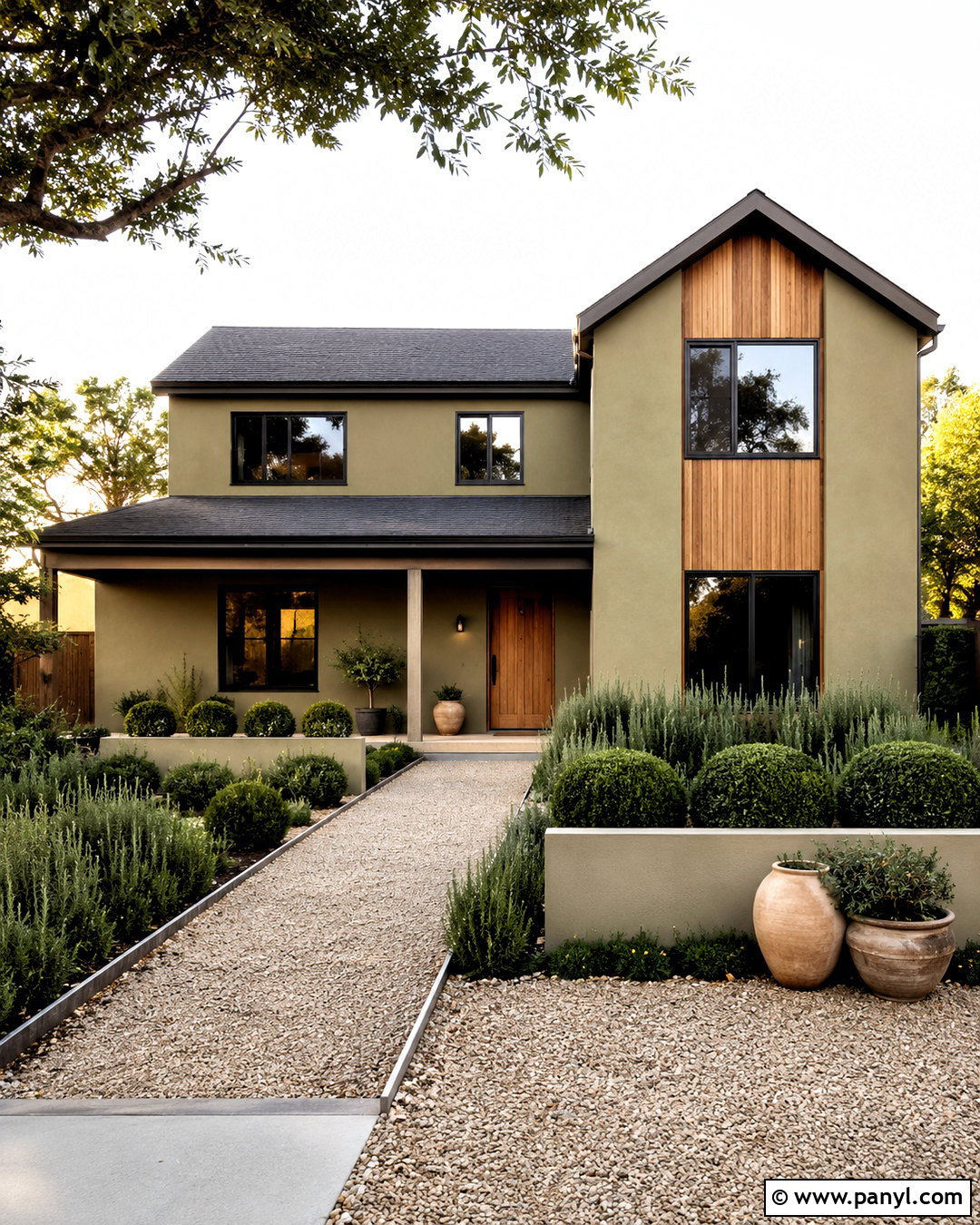
Olive green can give an ordinary facade a grounded, architectural presence. Apply a muted medium olive to the main outside walls and keep the trim in warm off-white or pale taupe. Introduce cedar or teak through the front door, porch columns, shutters, or a small section of vertical cladding. Matte black window frames and restrained black lighting provide a contemporary edge. A dark brown or weathered charcoal roof supports the earthy color combination. Repeat the palette in the yard with gravel, clipped shrubs, rosemary, and large clay planters. Because olive has considerable depth, use it on a home that receives good natural light. Together, the green walls, organic materials, and structured landscaping create a sophisticated nature-inspired exterior.
7. Light Gray Outside Wall With White Details
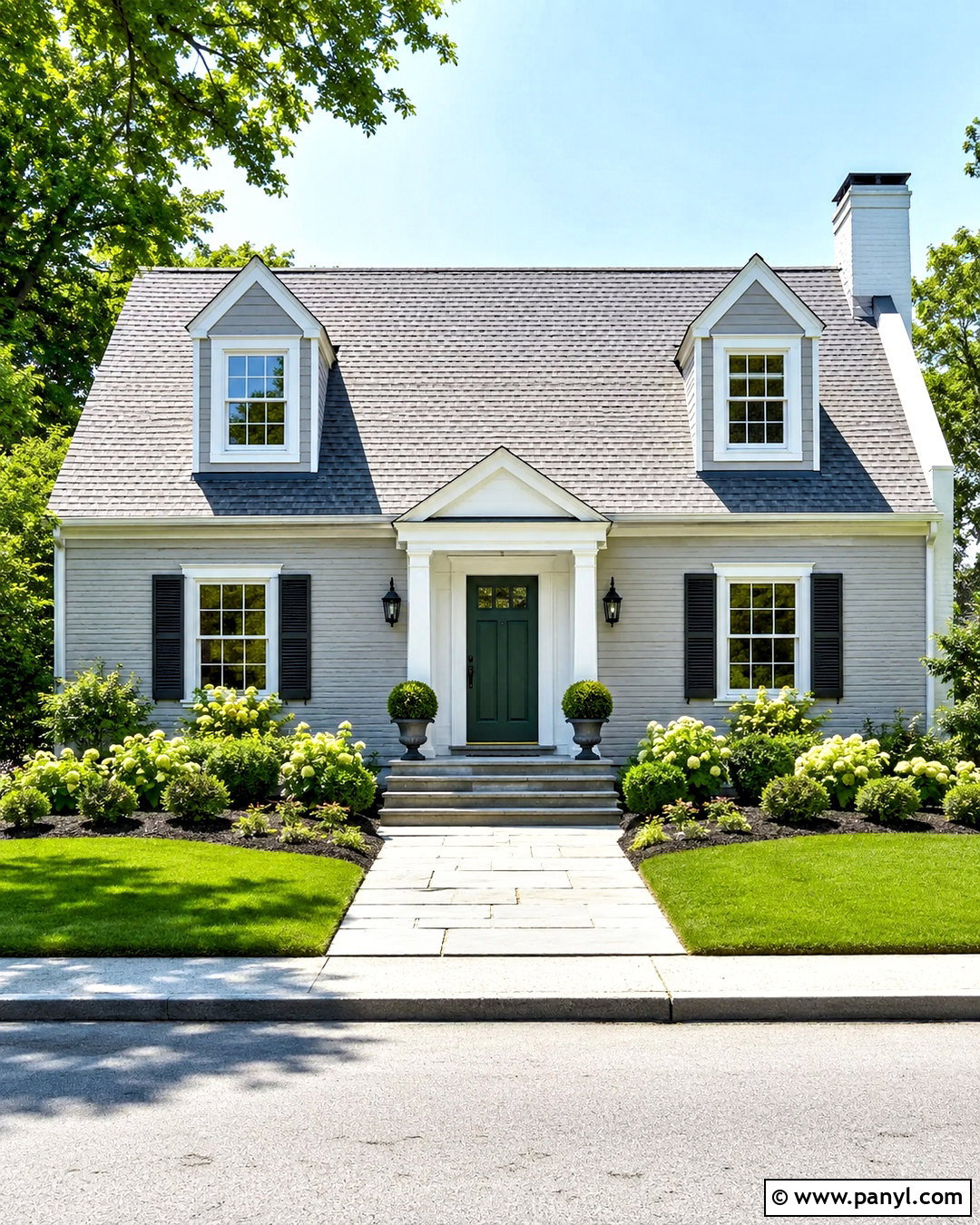
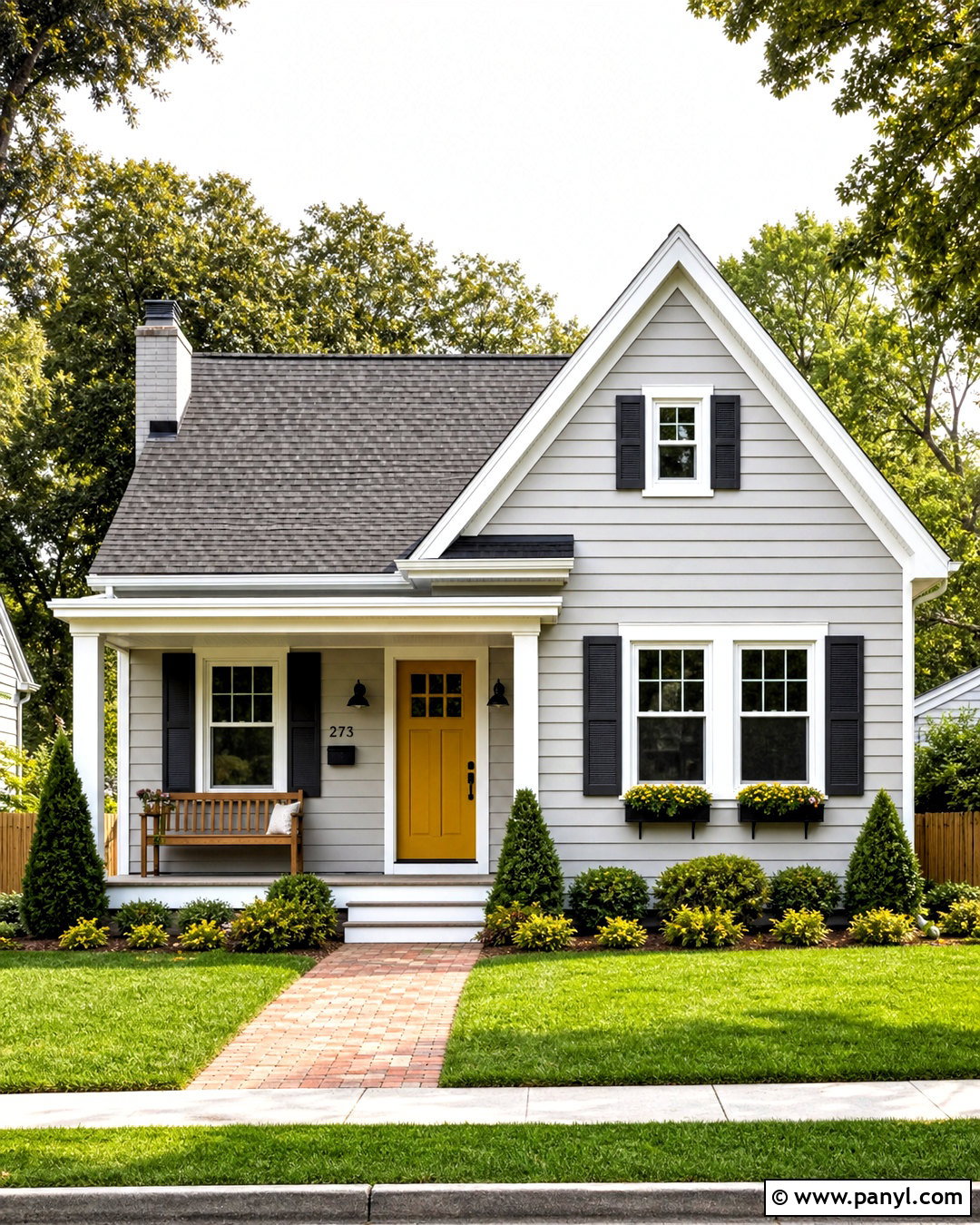
Light gray is an approachable choice when you want a fresh facade without committing to strong color. Select a gentle gray with warm undertones for the main walls, particularly when the roof or paving contains beige. Paint the trim, porch railings, garage door, and decorative moldings soft white. A dark navy or forest green front door adds a focused accent without overwhelming the neutral composition. Black lanterns and house numbers provide small points of contrast. Use medium-gray roof shingles and pale stone steps to connect the upper and lower parts of the exterior. Hydrangeas, boxwood, and neat mulch beds soften the finished look. This balanced scheme works on Colonial, Cape Cod, cottage, and suburban homes of many sizes.
8. Terracotta Outside Wall With Cream Trim
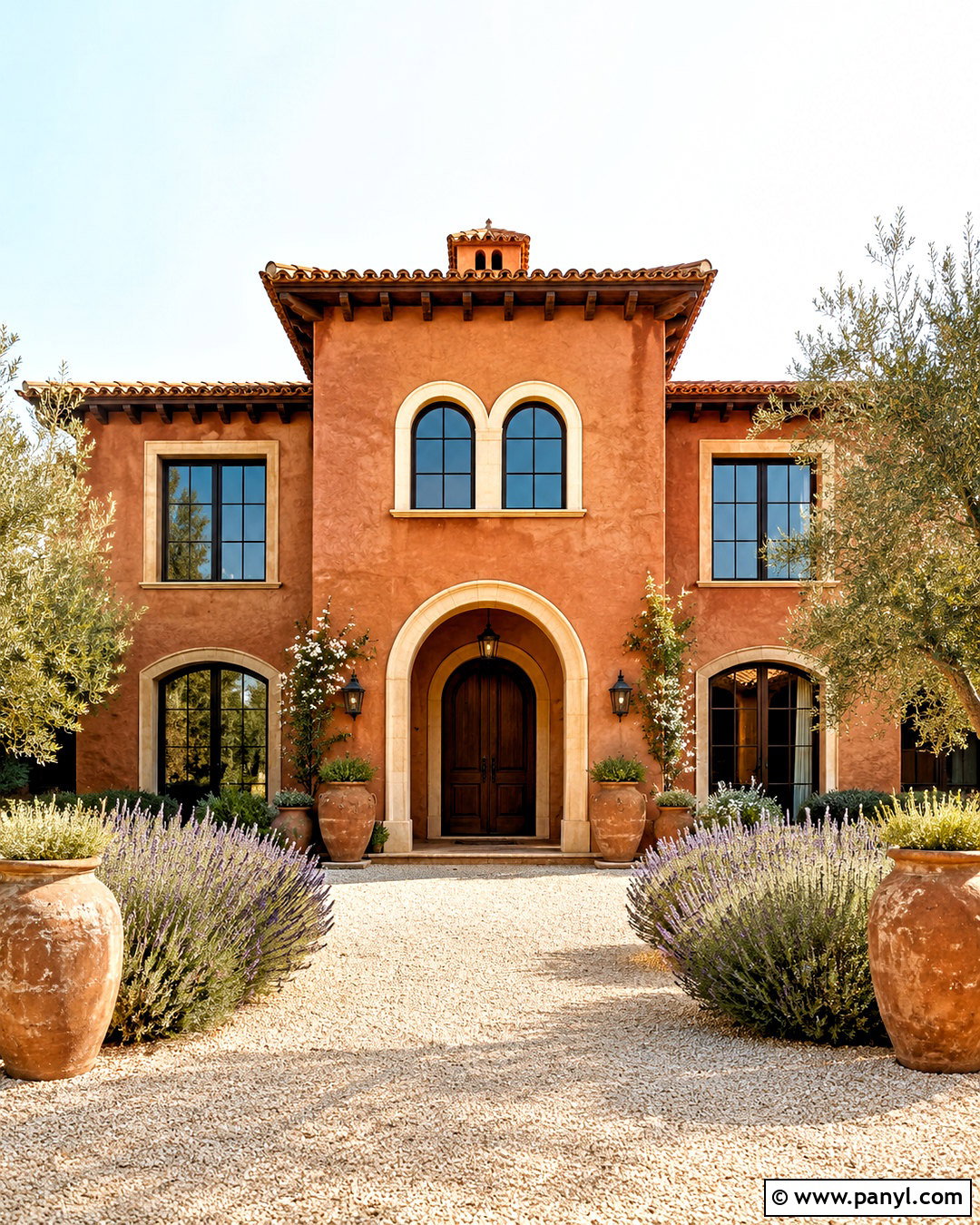
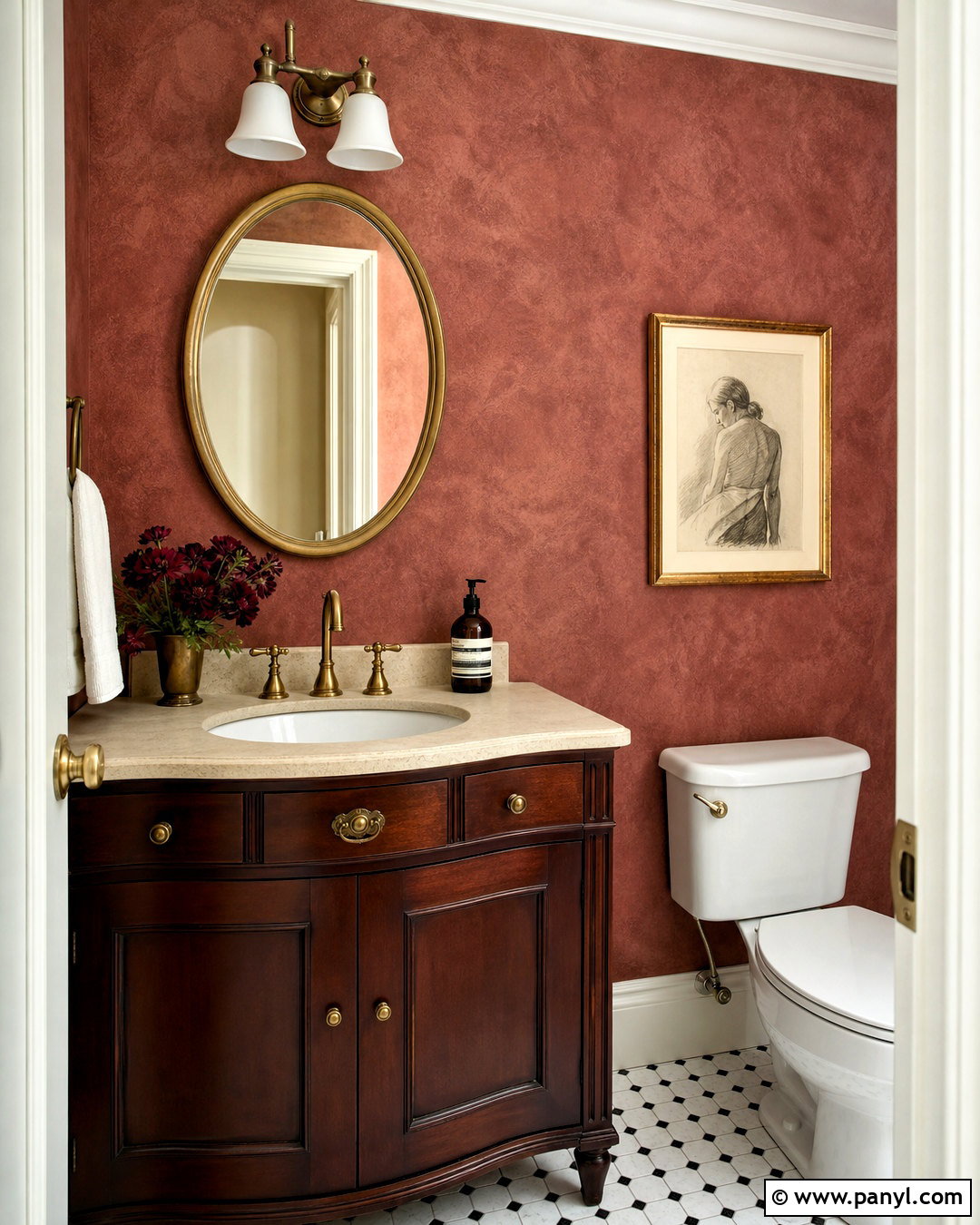
A terracotta facade brings warmth and personality to an outdoor setting, especially in sunny climates. Choose a dusty clay shade rather than vivid orange, allowing the walls to feel rich but livable. Frame windows, arches, balcony edges, and rooflines with warm cream. Use dark brown or bronze on metal gates, window frames, and exterior lights. A deep-stained wood door and traditional clay roof tiles complete the tonal composition. Add olive trees, lavender, rosemary, pale gravel, and oversized earthenware planters around the entrance. If the home has multiple stories, keep the terracotta consistent instead of introducing too many competing blocks of color. This complete exterior treatment delivers a welcoming Mediterranean character with strong visual warmth and practical curb appeal.
9. Charcoal Outside Wall With Cedar Details
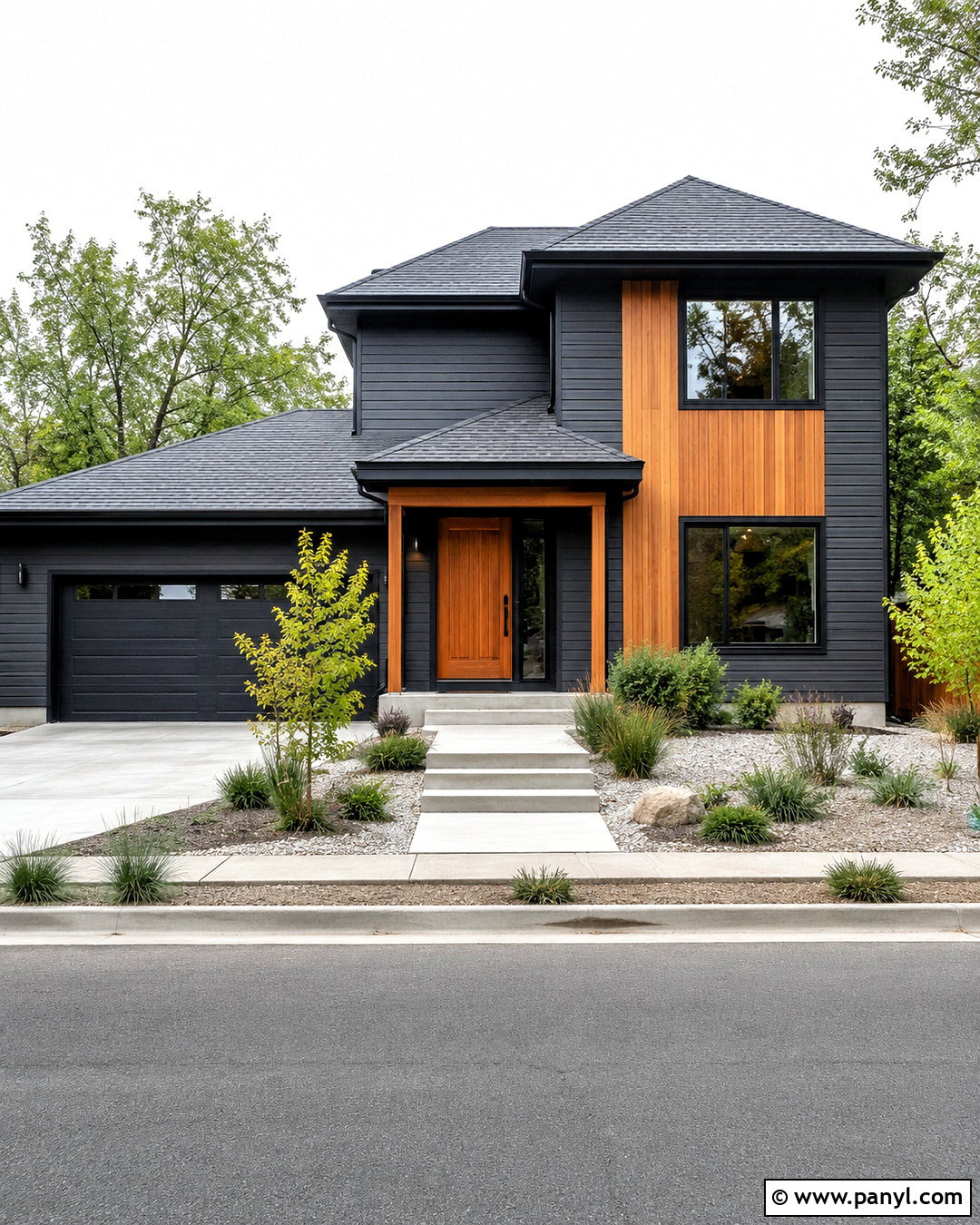
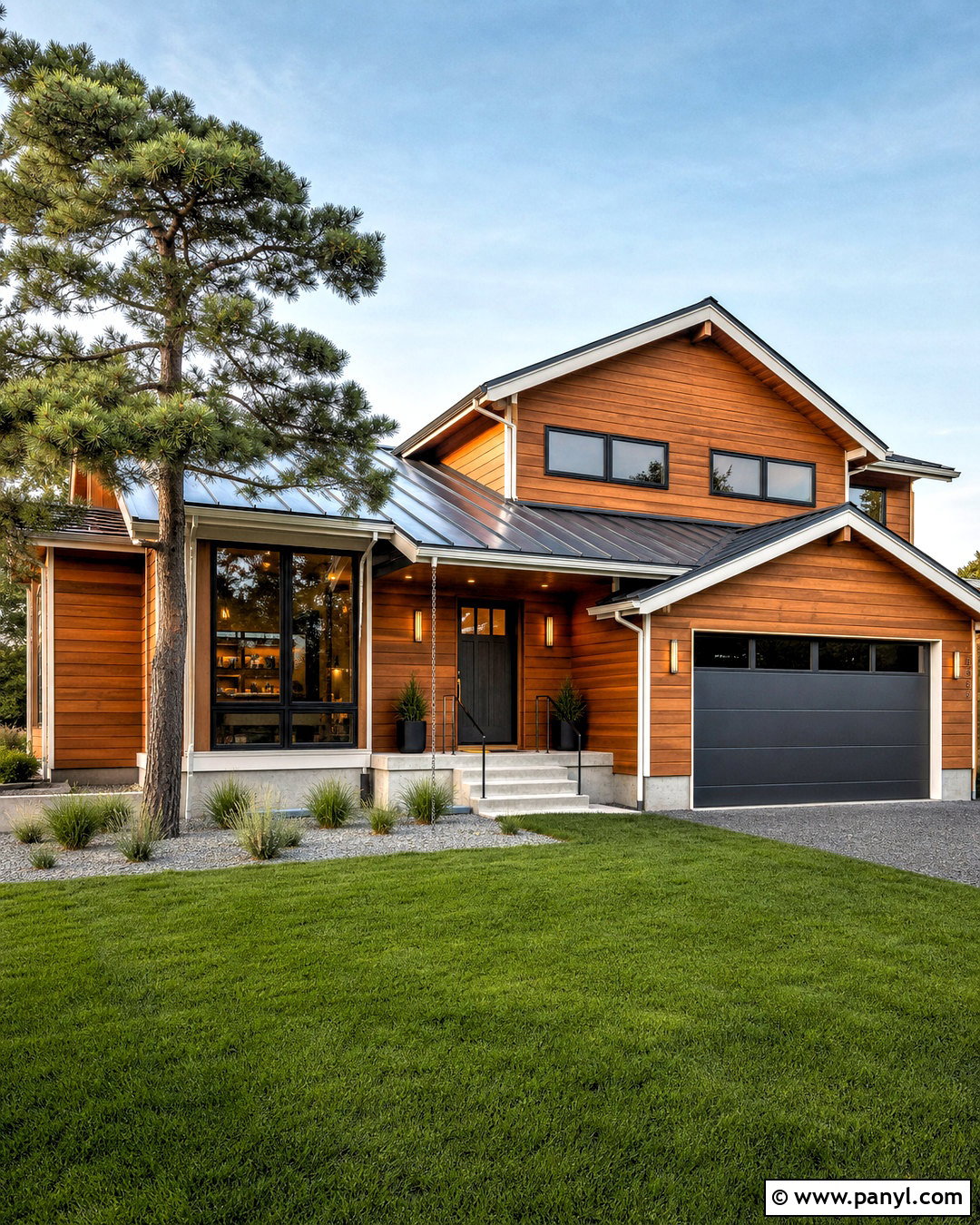
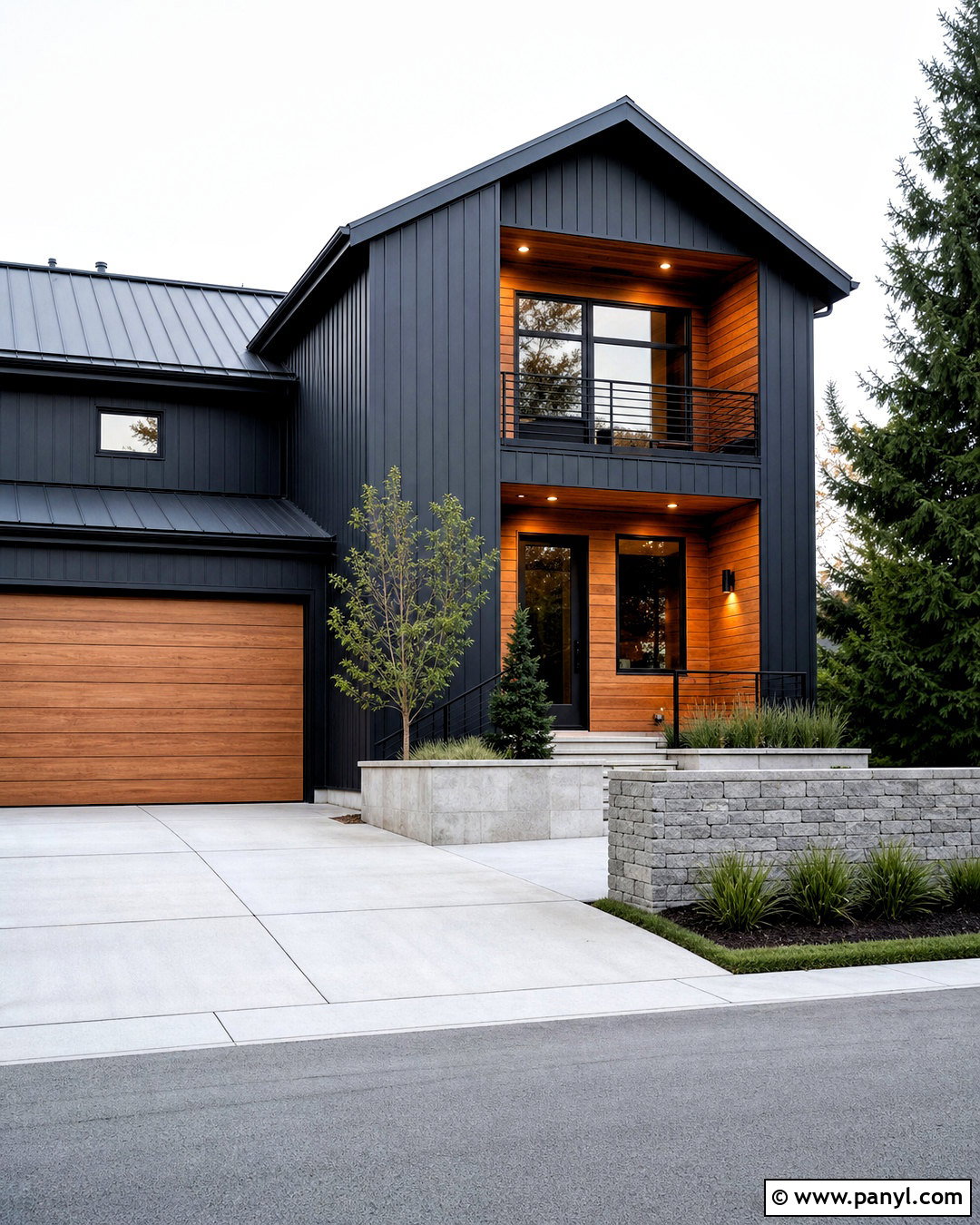
Dark charcoal can make a simple home look sharply defined when the surrounding elements provide enough warmth. Paint the main exterior walls a softened charcoal rather than pure black. Use natural cedar on the front door, porch ceiling, privacy screen, and selected vertical panels. Window frames and gutters can remain black for a seamless architectural outline. Choose a medium-gray roof so the top of the house does not disappear into the facade. Pale concrete steps, light gravel, and fresh green planting brighten the lower level. Keep the garage door charcoal to preserve the uninterrupted design. This scheme looks strongest on modern homes with simple forms, large windows, and uncluttered landscaping. The cedar prevents the finished exterior from feeling cold or industrial.
10. Soft Blue Outside Wall With Warm White Trim
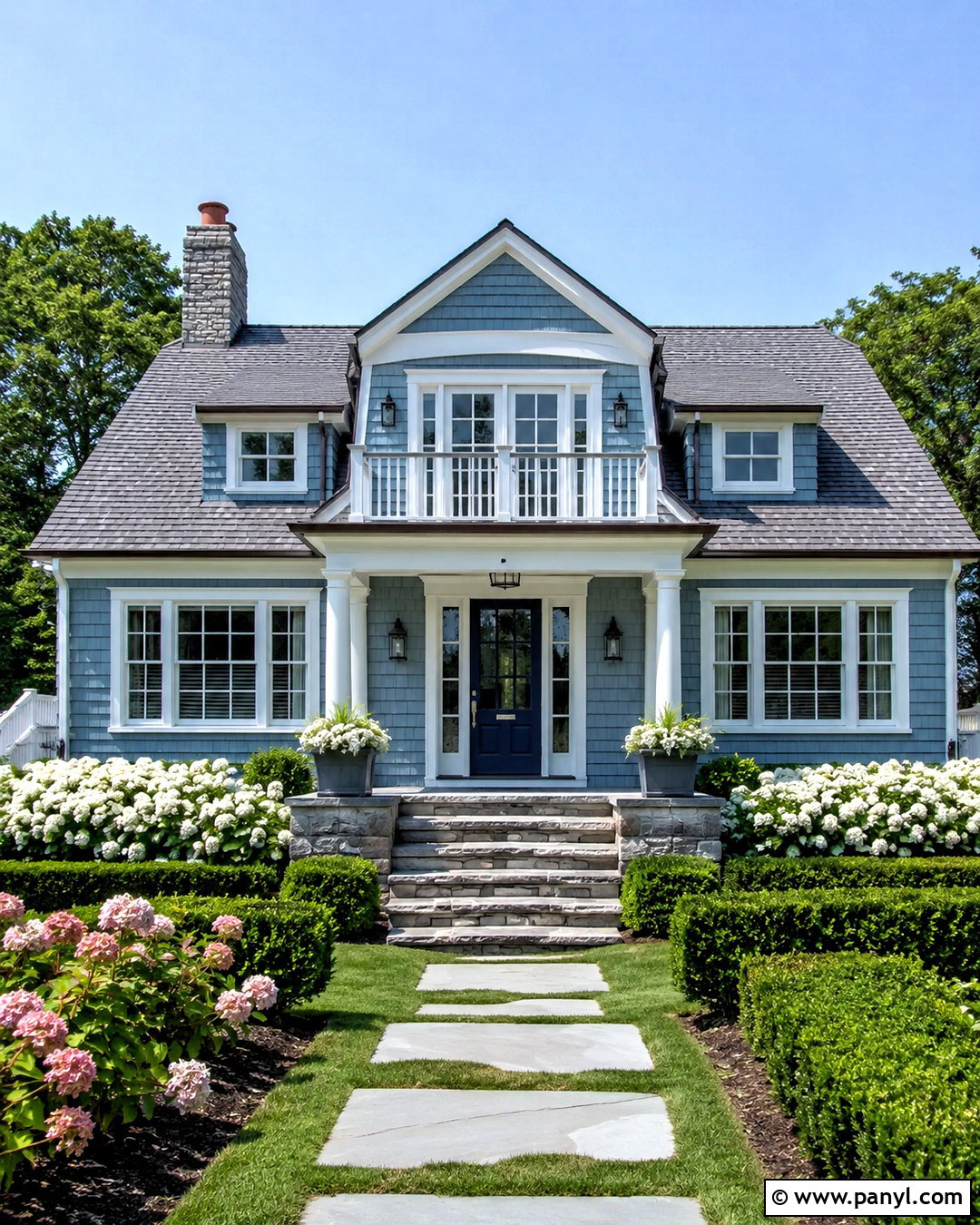
Soft blue walls can make a home feel cheerful, airy, and well suited to a garden setting. Look for a dusty blue with a slight gray undertone, which appears calmer across a large surface than a bright pastel. Use warm white on window frames, eaves, porch columns, and the garage door. A navy front door creates subtle layering, while brushed nickel or aged brass hardware adds a refined finish. Gray shingles and natural stone steps support the cool wall color without competing with it. Plant white flowers, clipped greenery, and pale pink blooms near the walkway. This harmonious combination works on cottages, coastal homes, and traditional facades, offering color that remains graceful rather than overly playful or theme-driven.
11. Taupe Outside Wall With Bronze Accents
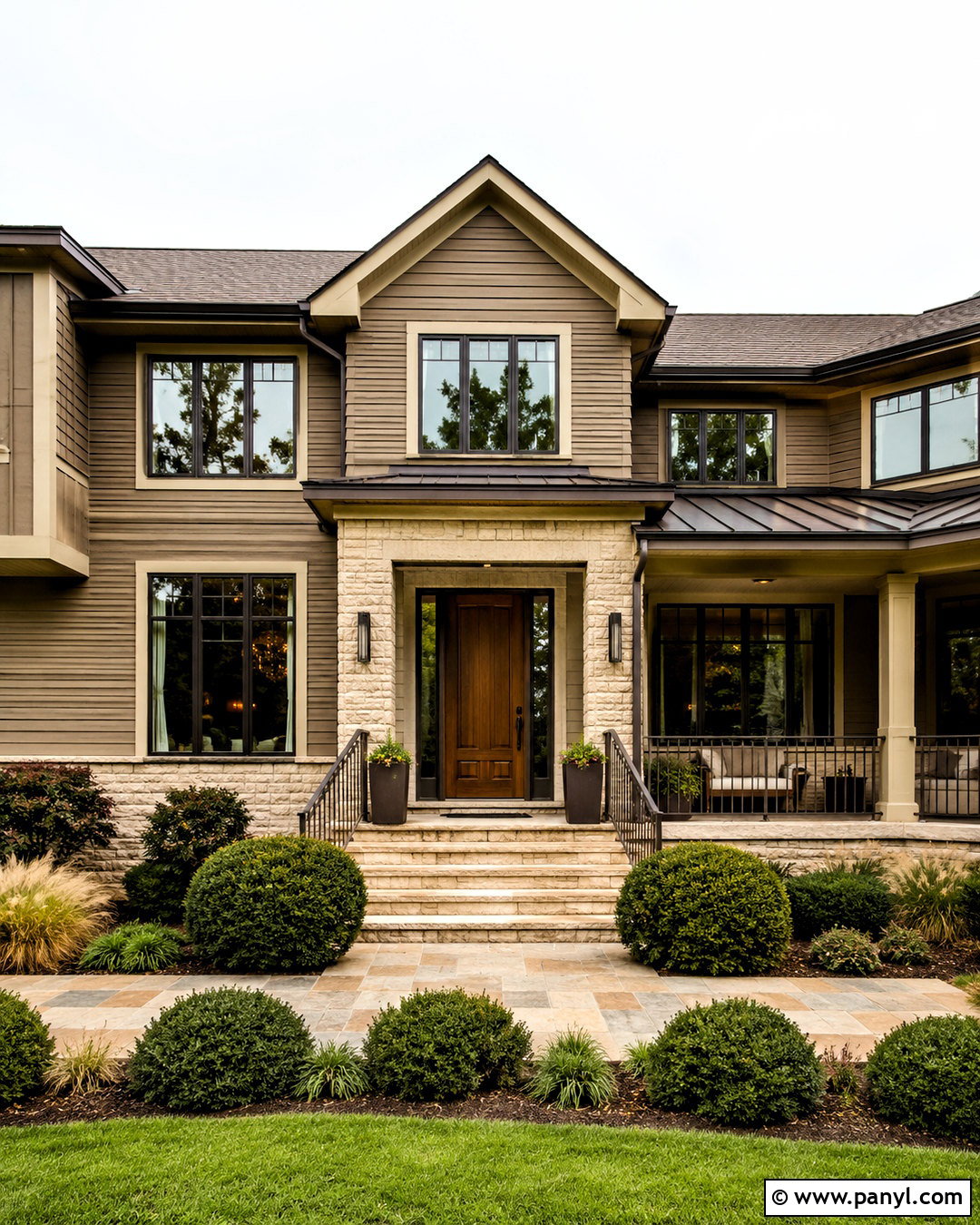
Taupe offers more depth than beige while remaining warmer and softer than many grays. Cover the primary walls in a medium taupe, then use light cream on the fascia, window trim, and porch ceiling. Dark bronze works beautifully for window frames, gutters, lighting, and metal railings. Choose a warm walnut front door to create a natural focal point. Brown-gray roof shingles, limestone steps, and tan paving maintain the layered neutral palette. For landscaping, combine rounded shrubs with ornamental grasses and understated clay pots. Painting the garage door taupe keeps it visually connected to the facade. This whole-house color plan suits transitional, Craftsman, and contemporary suburban architecture, delivering a polished appearance without stark contrast or complicated decorative details.
12. Forest Green Outside Wall With Stonework
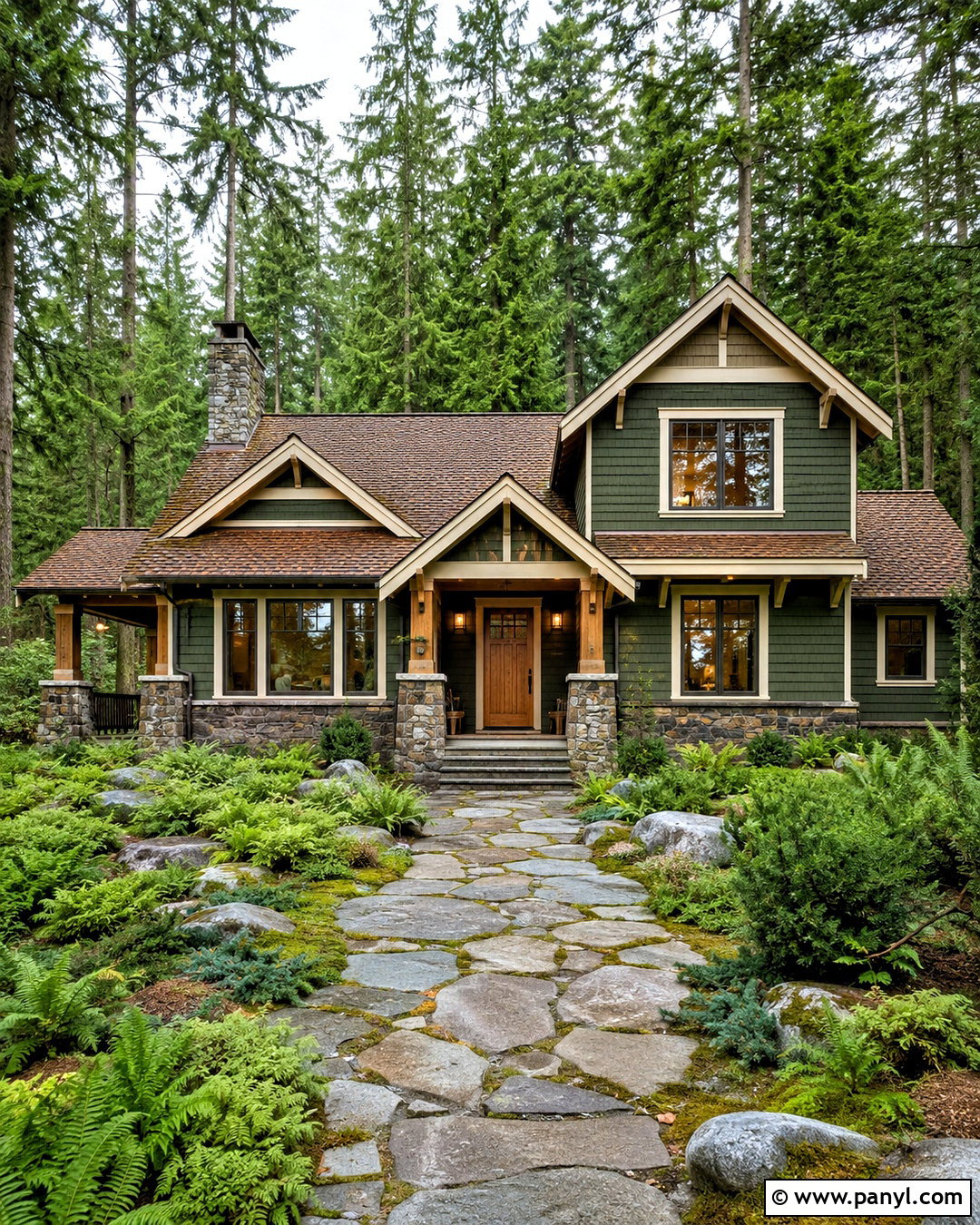
Forest green becomes especially convincing when it is coordinated with natural stone and a wooded setting. Use a deep, slightly muted green on the outside walls, then soften the edges with ivory trim around windows and rooflines. Incorporate gray-brown stone across the foundation, chimney, or entrance columns. A warm oak door and dark bronze hardware complete the earthy mix. Keep gutters and downspouts close to the wall color so they visually recede. Brown or charcoal roofing works better here than bright black. Surround the home with ferns, native grasses, evergreen shrubs, and a simple flagstone path. The finished design feels substantial and connected to nature, making it ideal for cabins, Craftsman houses, and woodland-inspired suburban homes.
13. Cream Outside Wall With Green Shutters
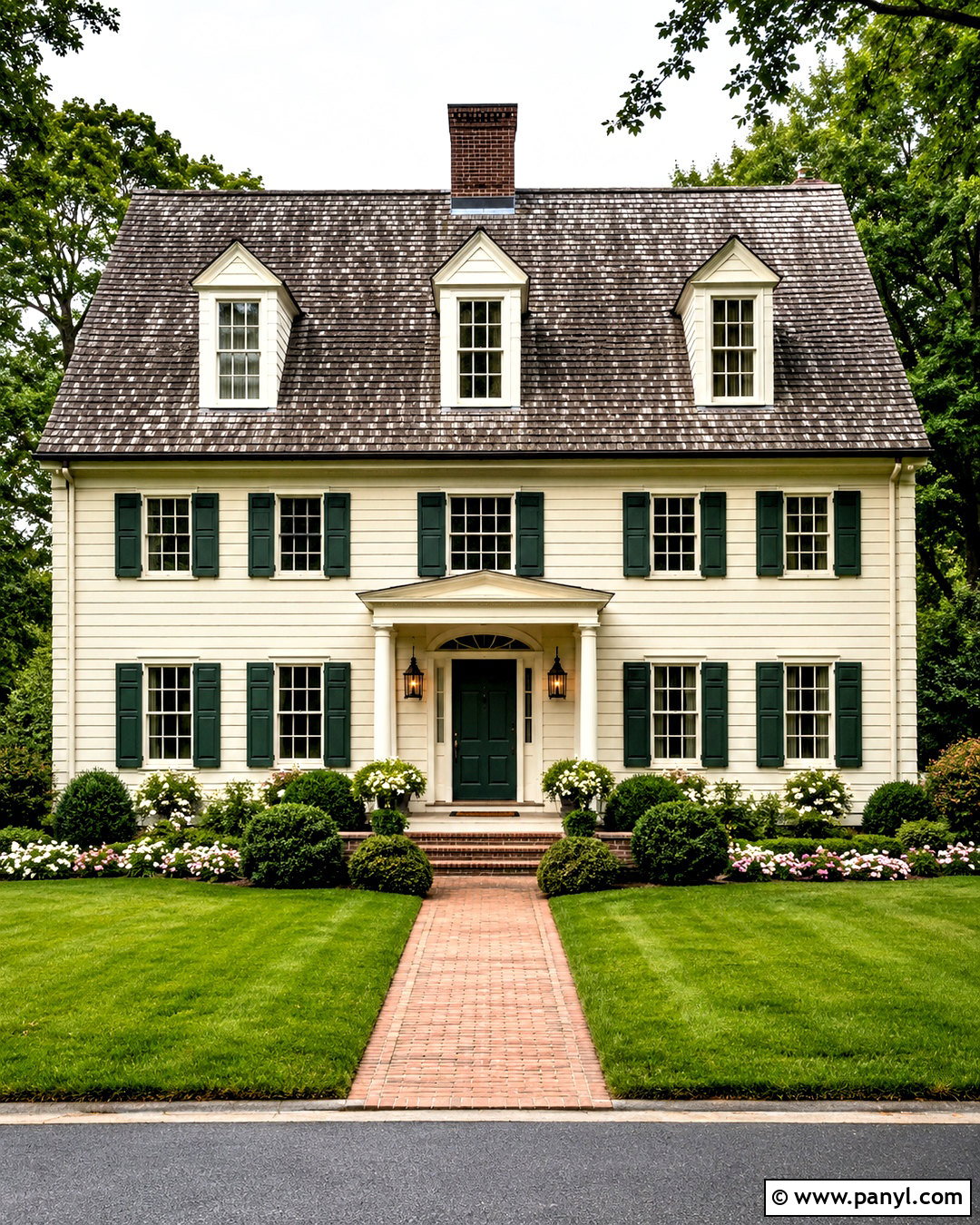
Cream walls and dark green shutters create a traditional exterior that feels warm rather than formal. Paint the main facade a buttery off-white, then frame the windows with deep olive or forest green shutters. Use the same green on the front door for a coordinated focal point. Keep window trim, columns, and railings creamy white to maintain a soft transition between colors. Weathered brown shingles, aged copper fixtures, and brick or stone steps add character. Finish the landscaping with symmetrical shrubs, flowering borders, and a straight walkway leading to the entrance. This scheme performs particularly well on Colonial, farmhouse, and cottage architecture. Its visual strength comes from repeating the green carefully instead of introducing several unrelated accent colors.
14. Dusty Pink Outside Wall With White Trim
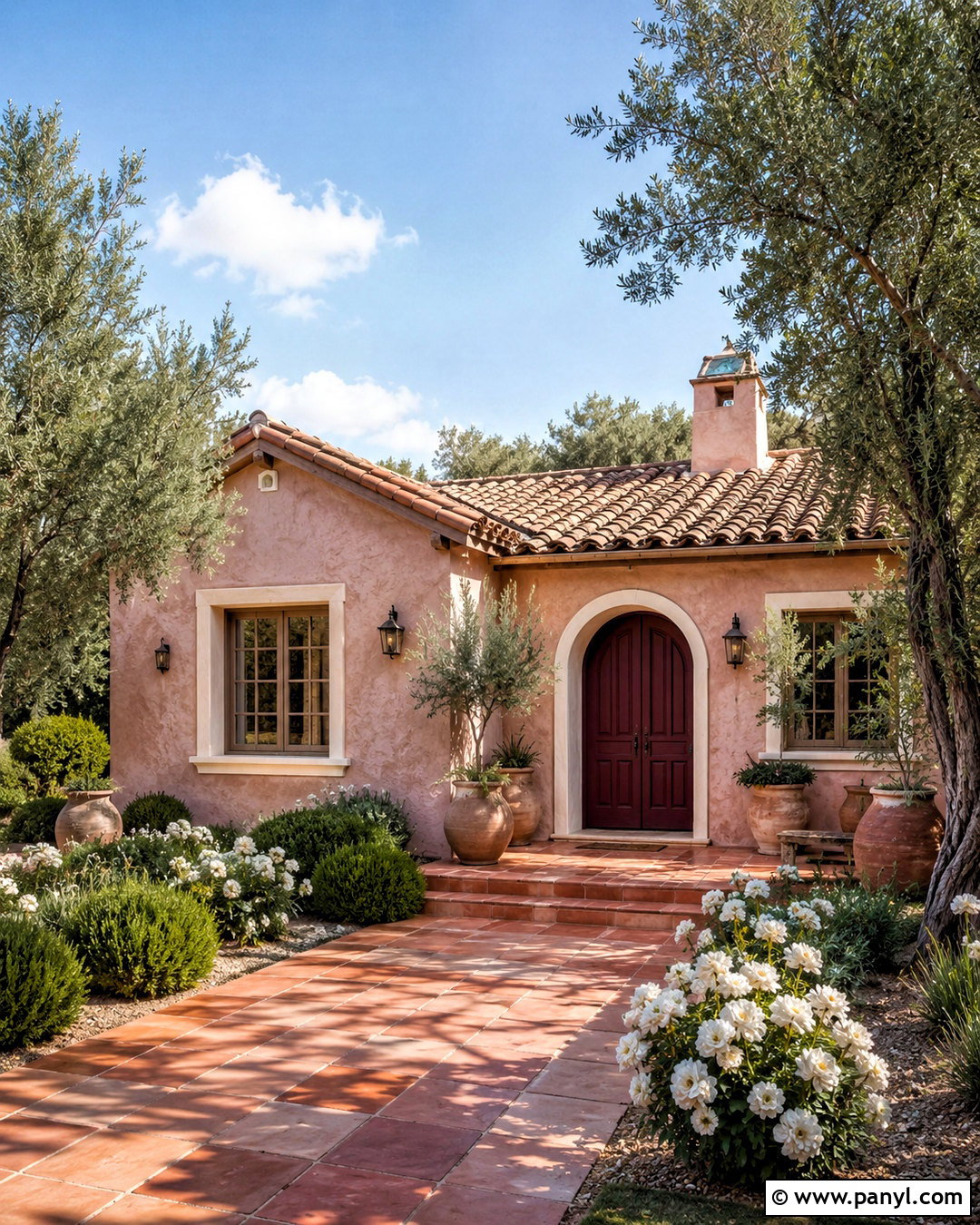
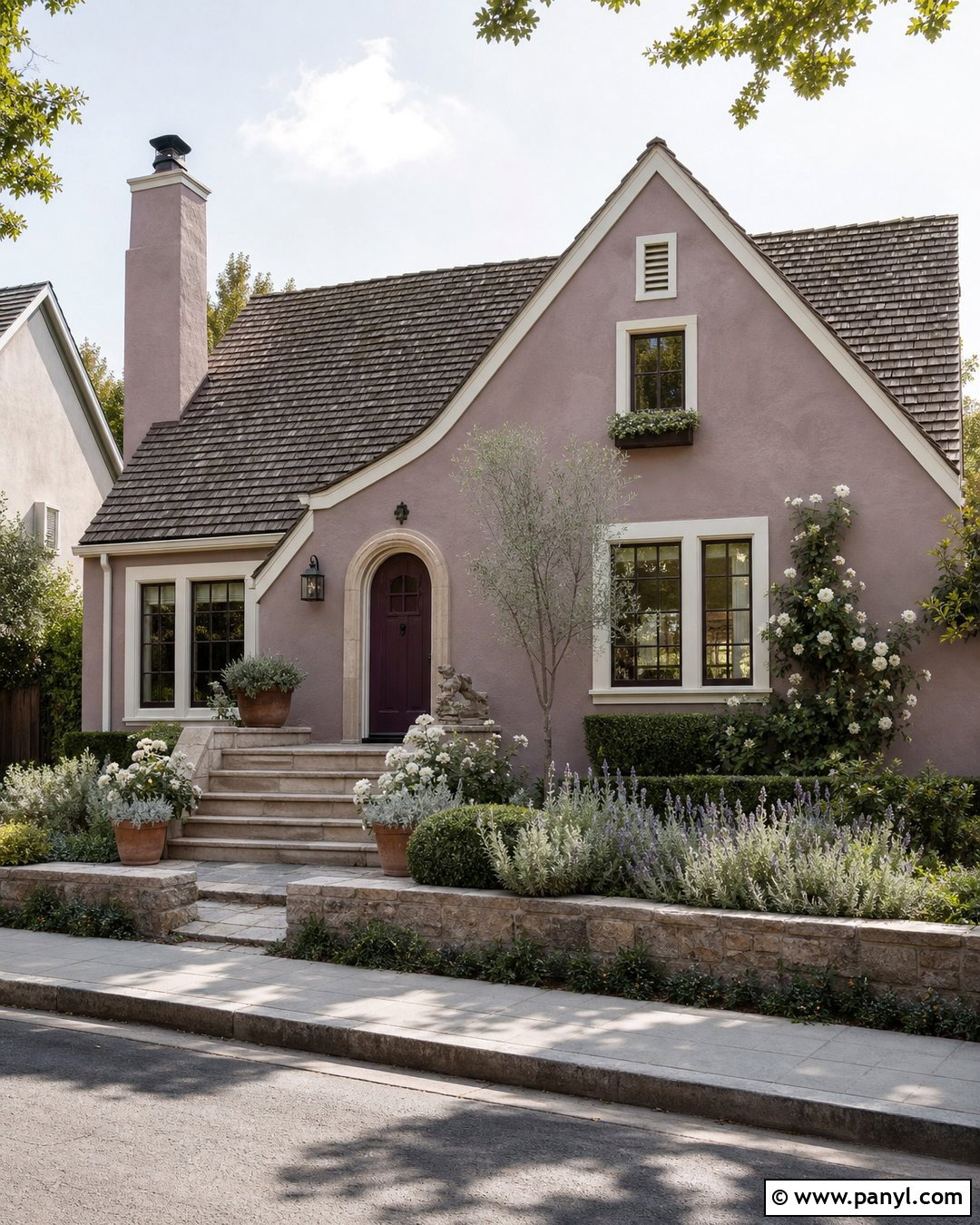
Could a pink exterior look sophisticated rather than overly sweet? A muted dusty pink with beige or clay undertones can produce a distinctive yet balanced facade. Use the color across smooth stucco or horizontal siding, then add clean warm-white trim around windows, corners, and the roofline. A deep burgundy or dark green front door gives the lighter walls necessary depth. Pair the scheme with brown roof tiles, terracotta paving, and antique bronze lighting. Simple greenery, white flowers, and olive trees keep the landscaping natural. Avoid bright pinks and decorative accents that compete for attention. When the shades remain earthy and restrained, this complete outside wall palette feels confident, welcoming, and particularly attractive on cottages or Mediterranean-inspired homes.
15. Two Tone Gray Outside Wall
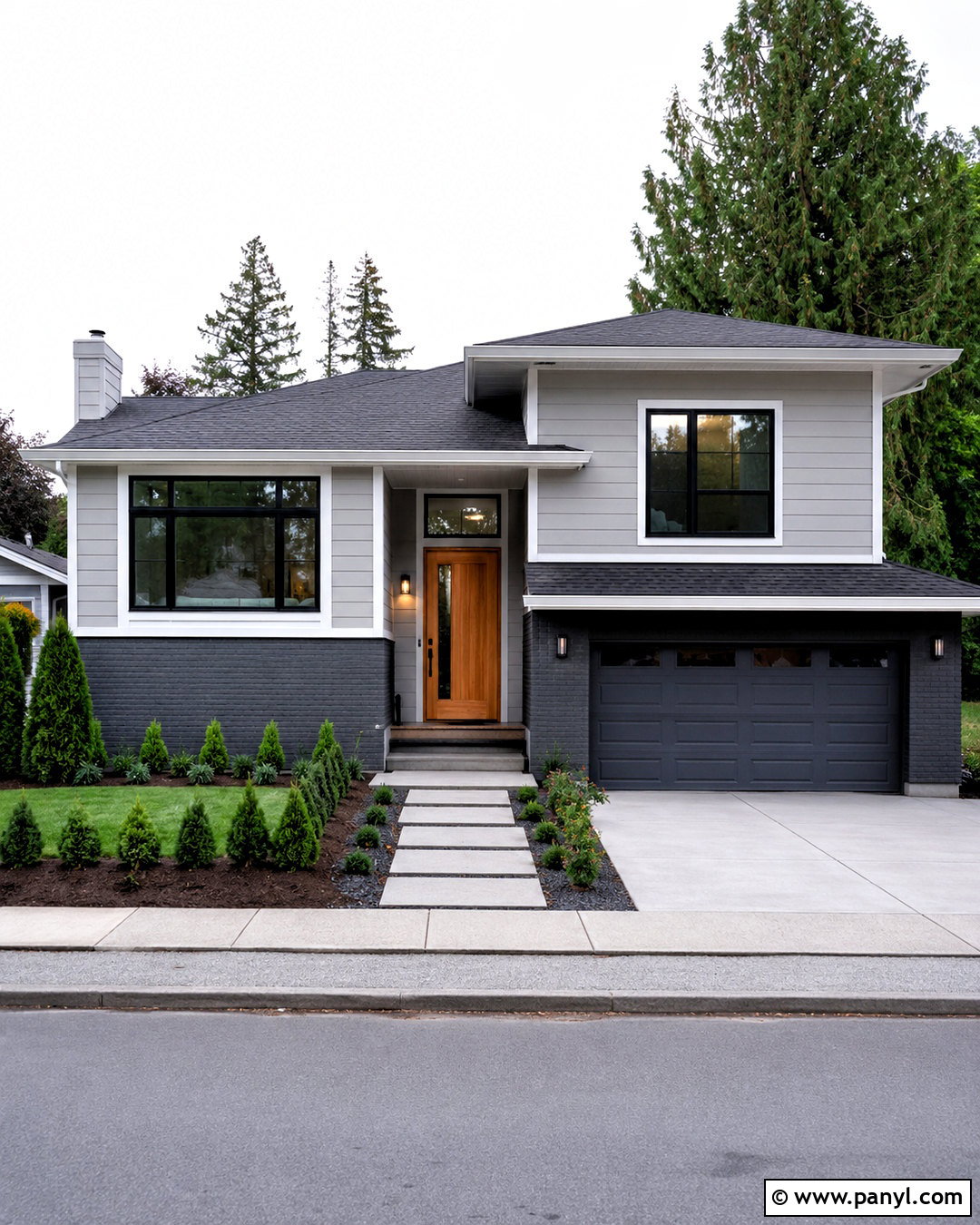
A two-tone gray scheme can emphasize a home’s shape without creating visual clutter. Paint the main upper walls a soft warm gray, then use a deeper graphite gray on the lower level, garage wing, or projecting entrance. Crisp white trim separates the two shades and keeps the facade from appearing heavy. A natural wood front door adds warmth at the center of the composition. Coordinate the roof with the darker gray, and use black for lighting, railings, and window frames. Pale concrete pavers and compact evergreen planting complete the modern look. Place the darker color on the section you want to visually anchor. This exterior treatment works particularly well on split-level, boxy, and contemporary suburban houses.
16. Pale Yellow Outside Wall With White Trim
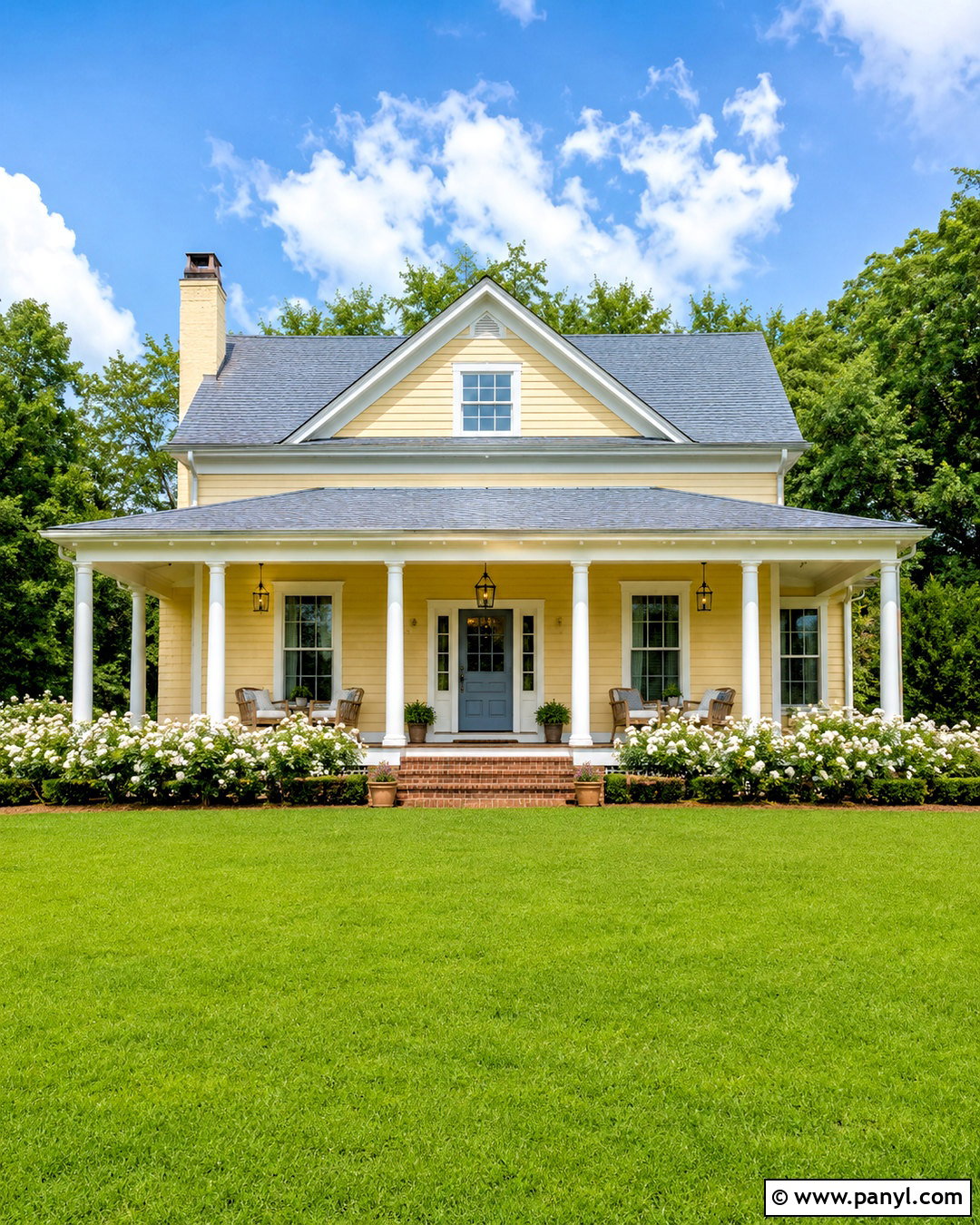
Pale yellow creates a friendly, sunlit appearance when its intensity is carefully controlled. Choose a muted butter or straw yellow for the main outside walls instead of a strong lemon shade. Pair it with soft white window trim, porch railings, fascia, and columns. A blue-gray or muted green front door adds gentle contrast, while aged brass or bronze fixtures preserve the traditional character. Medium-gray roofing helps calm the warmth of the walls. Use brick steps, white flowering shrubs, and a neat green lawn to complete the setting. This balanced palette feels especially appropriate for cottages, farmhouses, and older suburban homes. The overall exterior remains cheerful and inviting without becoming excessively bright or visually dated.
17. Mocha Brown Outside Wall With Cream Accents
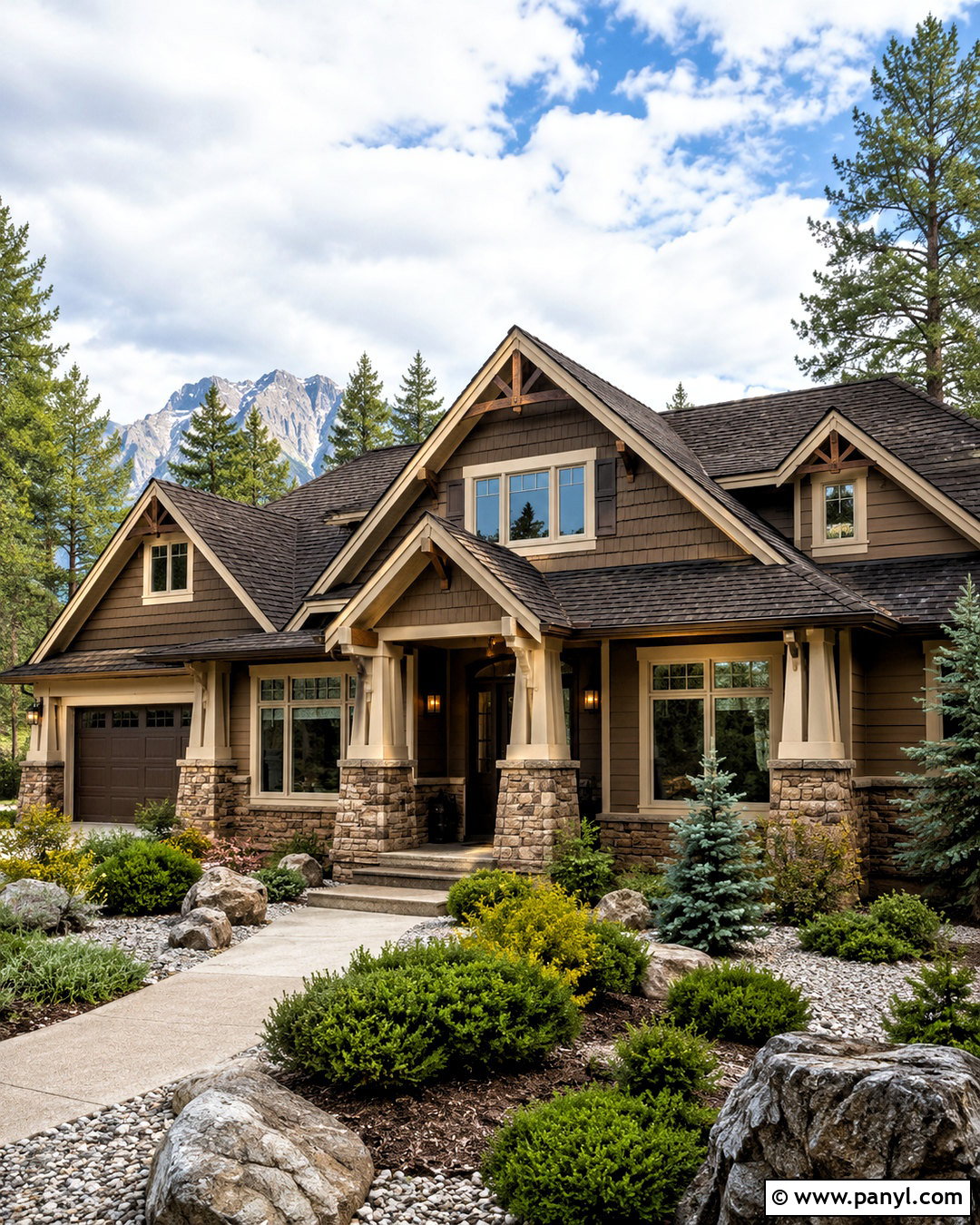
Mocha brown walls can create a rich exterior that feels comfortable and grounded. Select a medium brown with noticeable gray or taupe undertones, which is easier to use across large wall areas than a reddish brown. Add warm cream to the window surrounds, eaves, columns, and garage trim. A black or espresso front door brings deeper contrast, while natural stone around the entrance adds texture. Coordinate the facade with dark brown shingles and bronze gutters. Light-colored paths, pale gravel, and fresh green shrubs keep the lower exterior from looking too dark. This scheme is well suited to Craftsman homes, mountain houses, and shaded lots where warm neutrals complement trees, stone, and natural wood features.
18. White Outside Wall With Blue Accents
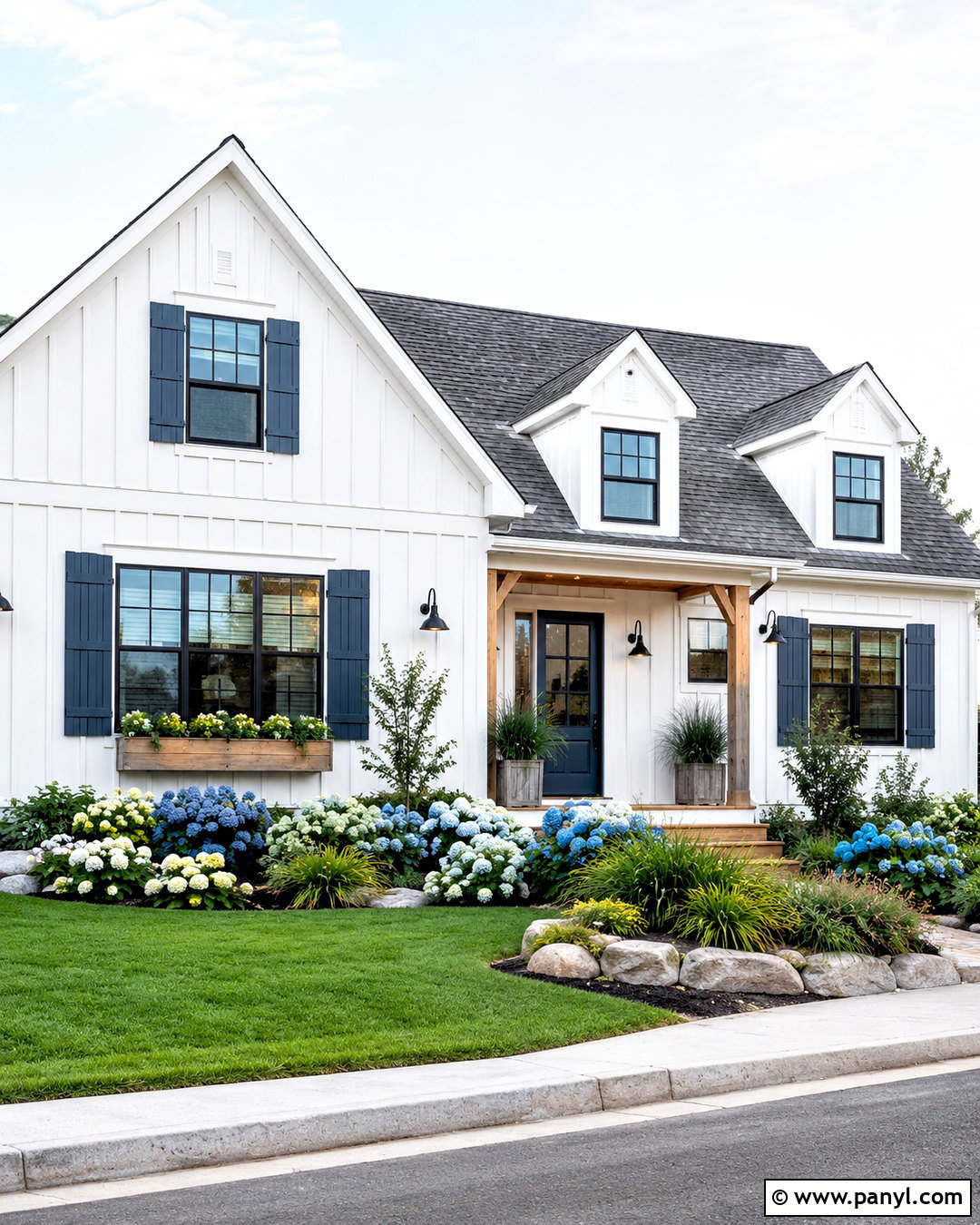
White walls provide the perfect background for carefully placed blue exterior details. Choose a warm white for the main facade and use muted blue on shutters, the front door, porch ceiling, or selected window frames. Navy creates a traditional look, while slate blue feels softer and more casual. Keep the roof gray and introduce natural wood through benches, planters, or a small porch detail. Black lighting can add definition without becoming another dominant color. Finish the yard with hydrangeas, ornamental grasses, and clean stone edging. Repeating the same blue in two or three areas makes the facade appear intentionally coordinated. This outside wall treatment suits coastal, cottage, Colonial, and relaxed farmhouse architecture without looking overly themed.
19. Black Outside Wall With White Trim
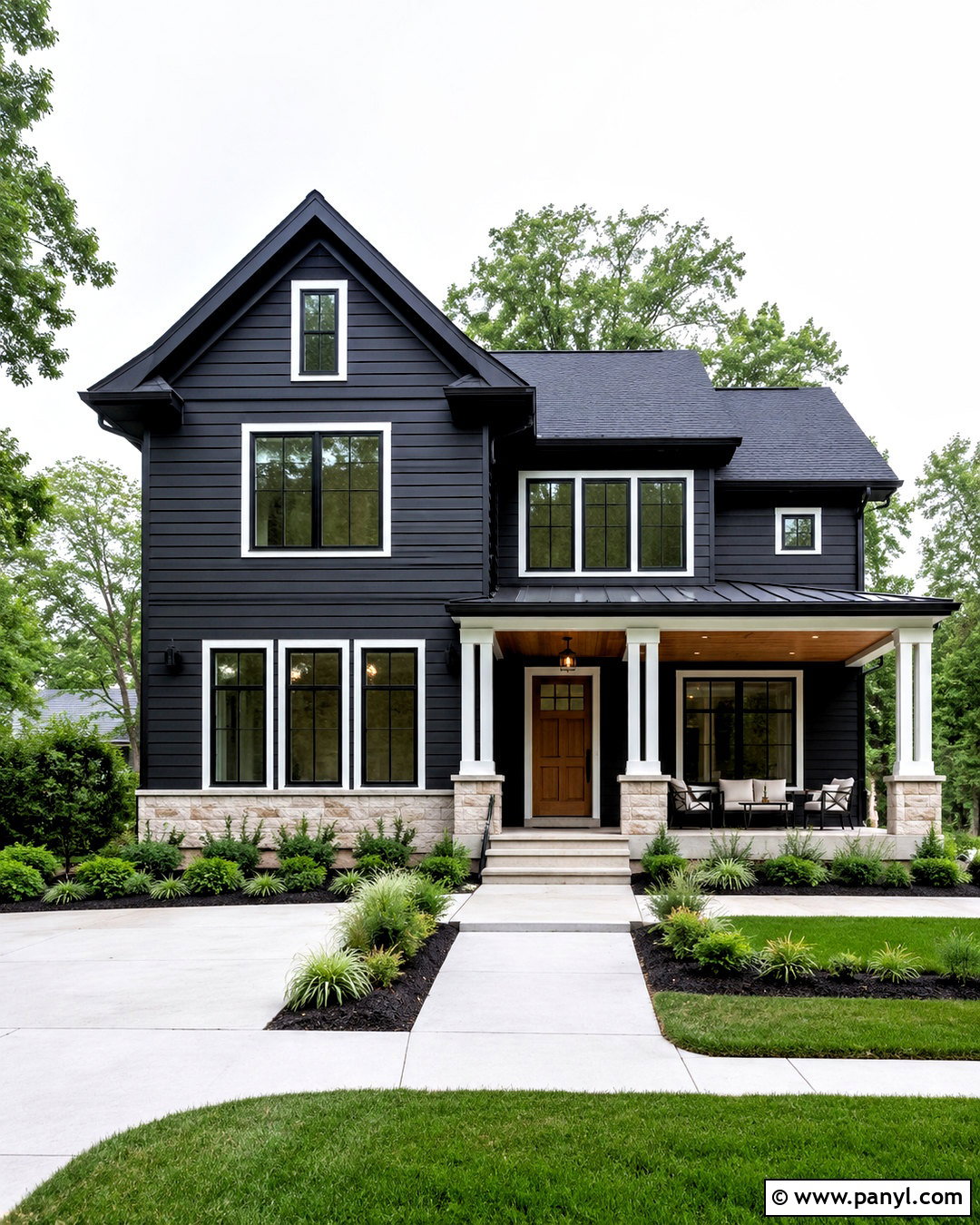
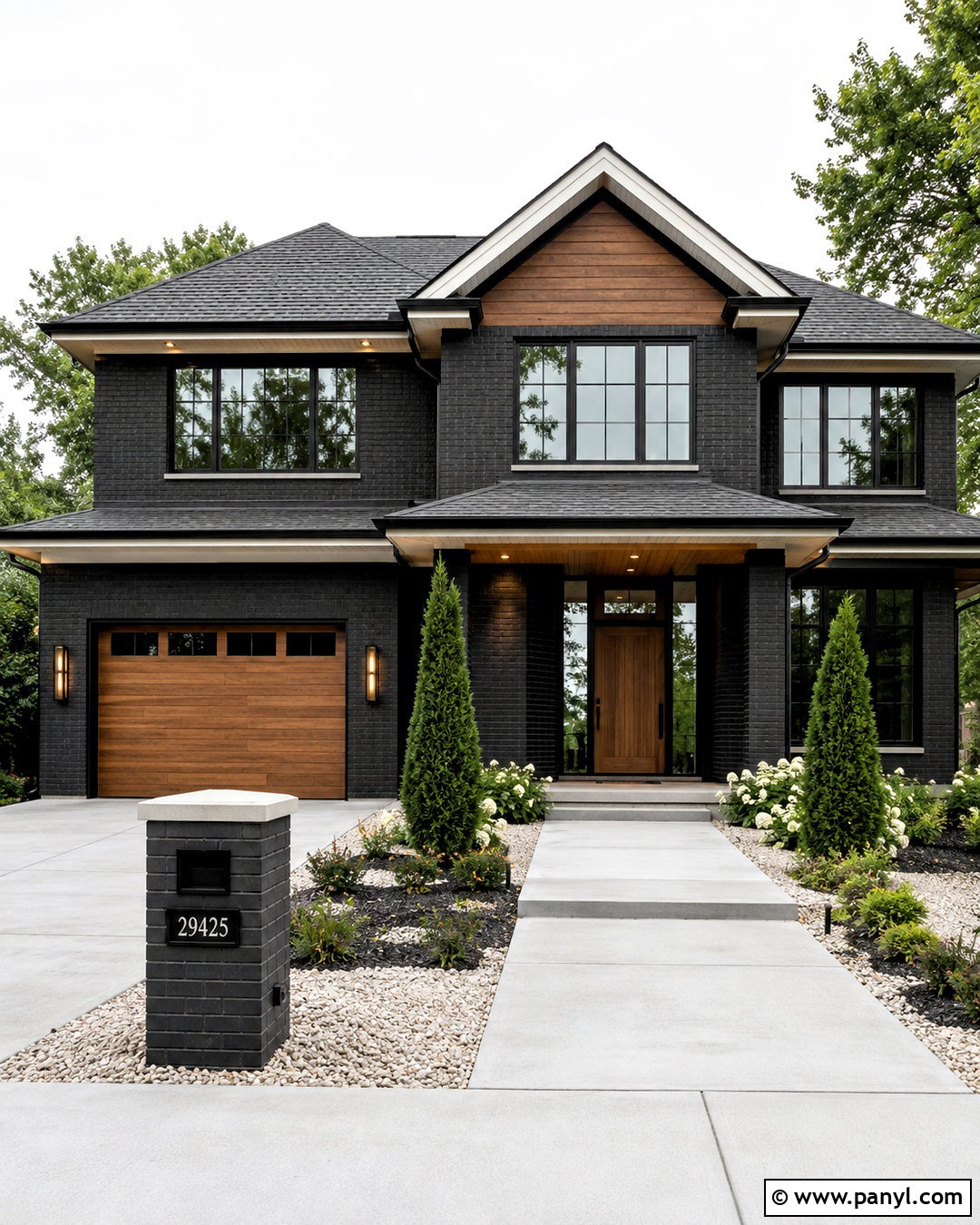
A black exterior can look dramatic and residential when it is softened with light details and natural materials. Choose a charcoal-black paint with a subtle warm undertone for the primary walls. Outline windows, fascia, and porch posts with soft white to reveal the architecture clearly. Use an oak front door, cedar porch ceiling, or pale stone foundation to introduce organic warmth. Keep the roof black or dark gray for a unified upper profile. Light concrete paving and lush green planting provide essential brightness around the base. Avoid filling the facade with too many small contrasting details. Large, simple areas of black, white, wood, and stone create a stronger composition. The final look is bold, modern, and carefully balanced.
20. Clay Beige Outside Wall With White And Wood
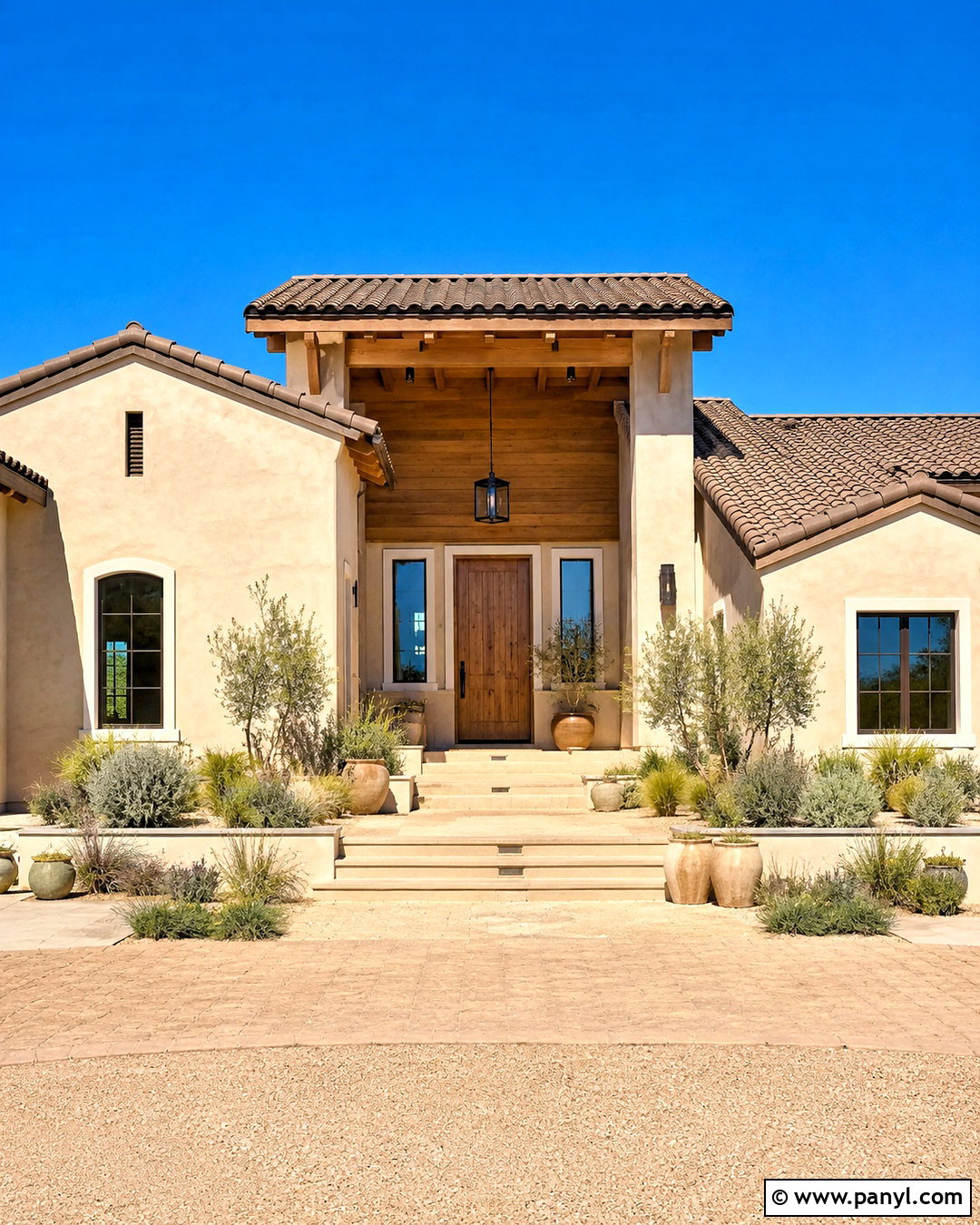
Clay beige sits between warm tan and muted terracotta, giving outside walls gentle depth without overwhelming the architecture. Apply it across the primary facade, then use creamy white for the eaves, window trim, porch columns, and garage framing. Add medium oak to the front door and vertical accent cladding near the entrance. Bronze or matte black fixtures supply small, practical contrasts. A brown-gray roof, warm limestone steps, and sand-colored pavers support the earthy palette. Complete the property with ornamental grasses, olive-toned shrubs, and simple ceramic planters. This coordinated scheme works across modern farmhouse, Southwestern, transitional, and contemporary homes. It feels current and inviting while remaining subtle enough for an entire exterior surface.
Conclusion:
Successful outside wall painting ideas treat the exterior as one complete design rather than a collection of unrelated colors. Start with permanent materials such as the roof, brick, stone, paving, and window frames. Then choose a main wall color that supports those features. Use trim to clarify the architecture and reserve the strongest shade for the door or a limited accent area. Warm whites, greige, sage, taupe, and clay tones create adaptable foundations, while navy, forest green, charcoal, or black add greater definition. Always view large samples outdoors during different parts of the day. With thoughtful coordination, these 20 outside wall painting ideas can create a balanced, welcoming, and distinctive home.

Related Ideas and Inspiration:
Leave a Reply