
Choosing colors becomes much easier when you plan a complete palette instead of selecting each room in isolation. The best interior paint schemes connect walls, trim, ceilings, flooring, furniture, and natural light so every space feels intentional. Current palettes favor warmer neutrals, nature-inspired greens, atmospheric blues, earthy reds, and expressive accent colors rather than flat gray throughout the home. Establishing a consistent base color also improves visual flow, especially when several rooms can be seen at once. Before committing, compare each palette with fixed finishes such as wood floors, stone counters, tile, and cabinetry, then test samples under changing daylight. () The following complete looks offer practical ways to use 20 interior paint schemes throughout rooms of different sizes and styles.

1. Warm White And Greige Interior Paint Scheme
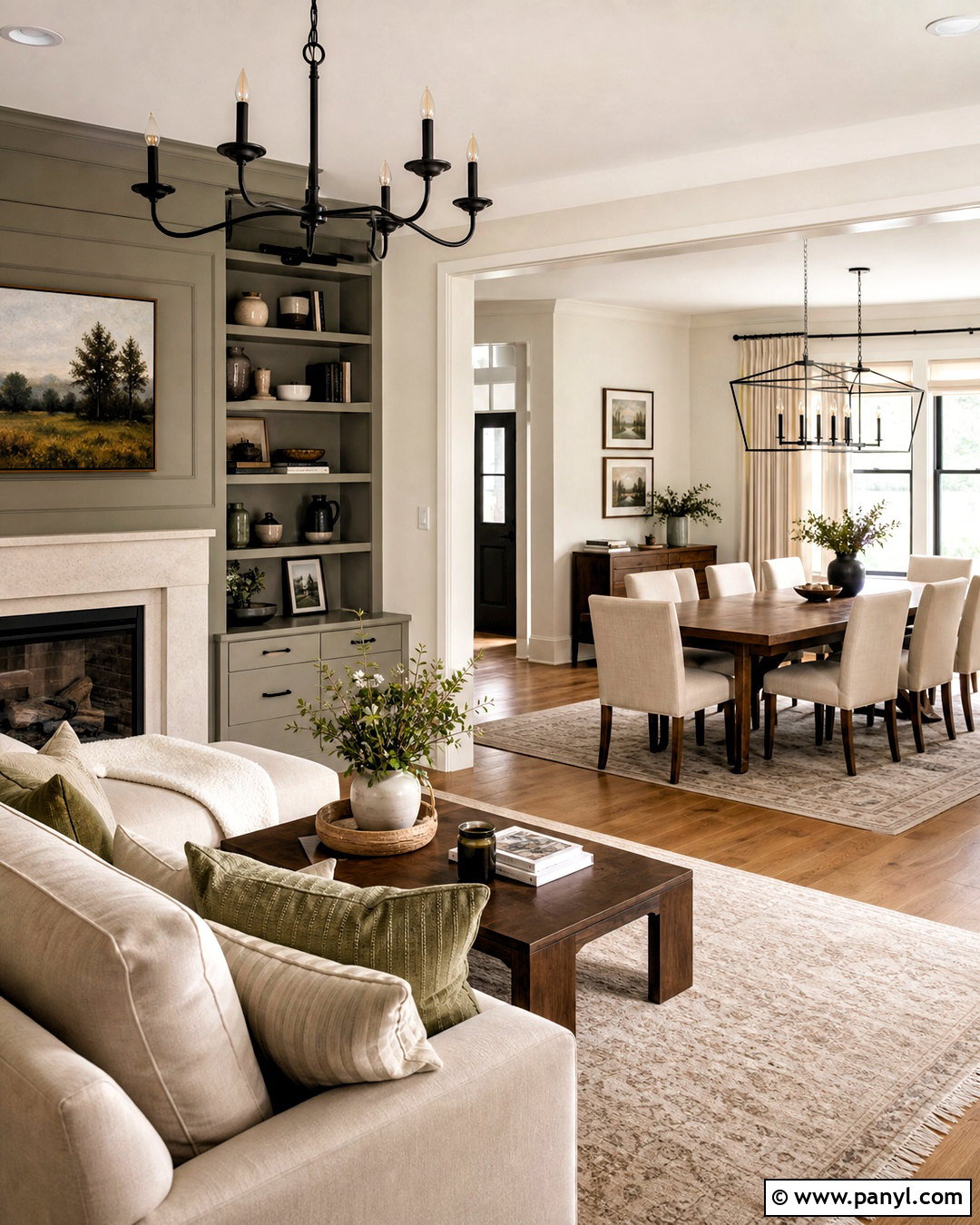
Warm white walls and soft greige accents create an easy foundation for a bright, comfortable home. Use creamy white on the main walls and ceiling, then introduce medium greige on built-in cabinets, an interior door, or the fireplace wall. Crisp ivory trim adds definition without creating a harsh border. Natural oak flooring, oatmeal upholstery, linen curtains, and a textured beige rug reinforce the warmth. Add contrast through matte black lighting, walnut side tables, and a few olive green accessories. This palette works especially well in open living and dining spaces because every color remains quiet and compatible. Choose whites with beige or yellow undertones rather than icy blue ones. The completed room will feel clean and spacious while still looking layered, welcoming, and lived in.
2. Sage Green And Cream Interior Paint Scheme
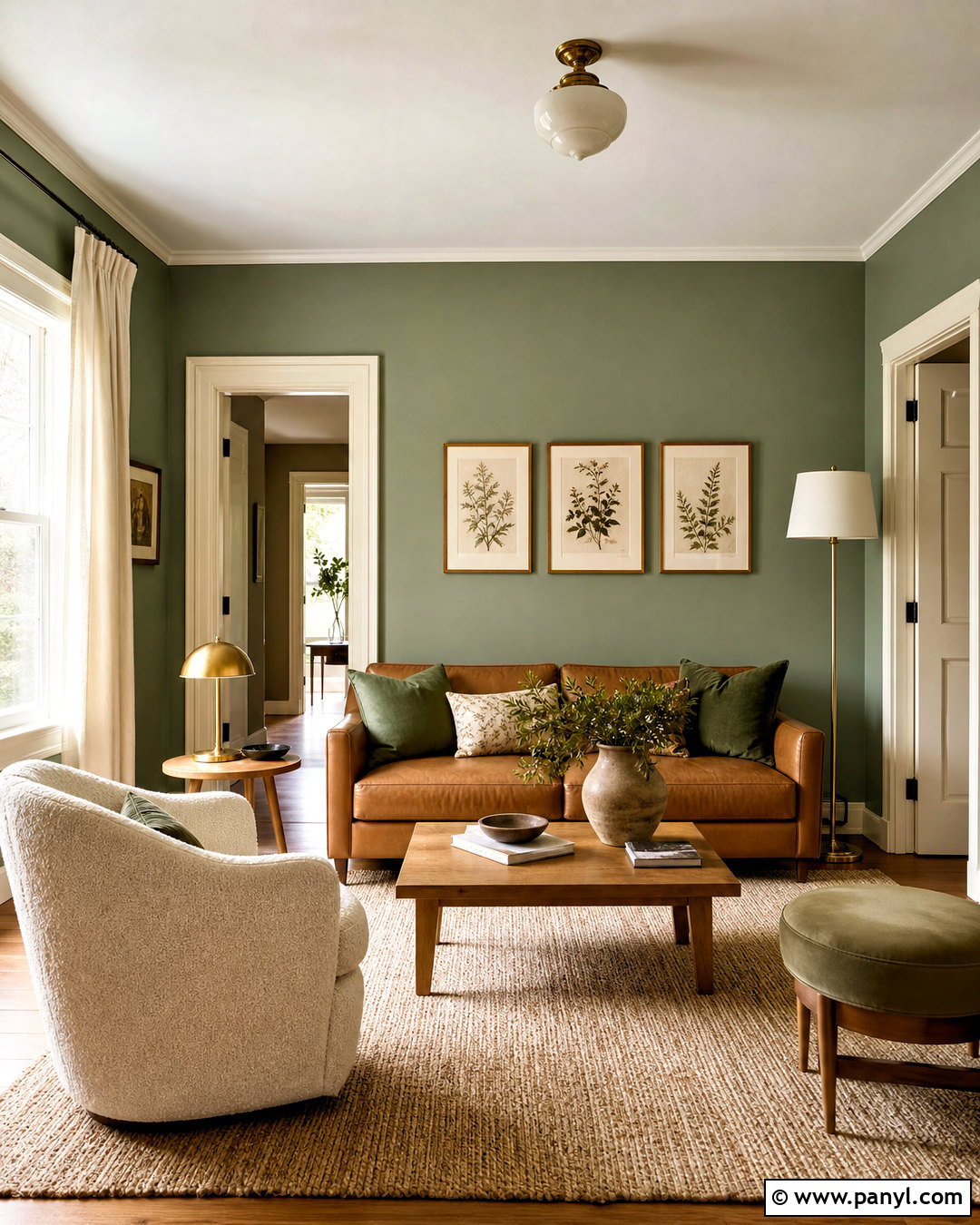
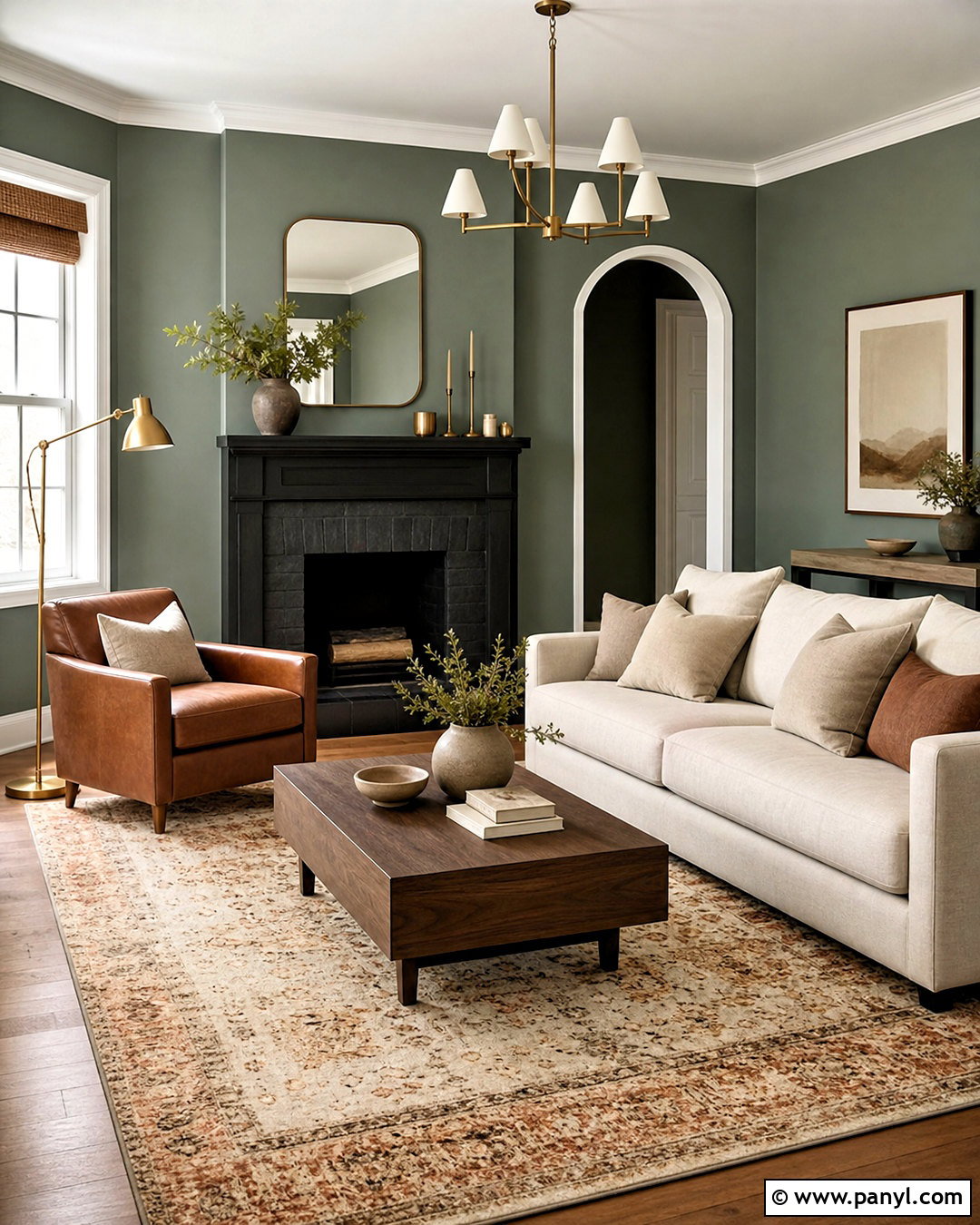
Imagine a relaxing living room with muted sage green walls, creamy trim, and sunlight falling across warm wood furniture. Sage works as a gentle background color because it feels distinctive without overwhelming the space. Paint the ceiling a soft cream instead of stark white to keep the contrast smooth. Pair the walls with a camel leather sofa, an ivory boucle chair, and medium oak tables. Botanical artwork and patterned pillows can repeat deeper forest, moss, and clay shades. Use aged brass lamps for warmth, while off-white linen curtains keep the windows light. A neutral wool rug grounds the entire arrangement. This interior paint scheme is particularly effective in rooms overlooking a garden because the indoor and outdoor colors create a natural visual connection.
3. Navy Blue And Warm White Interior Paint Scheme
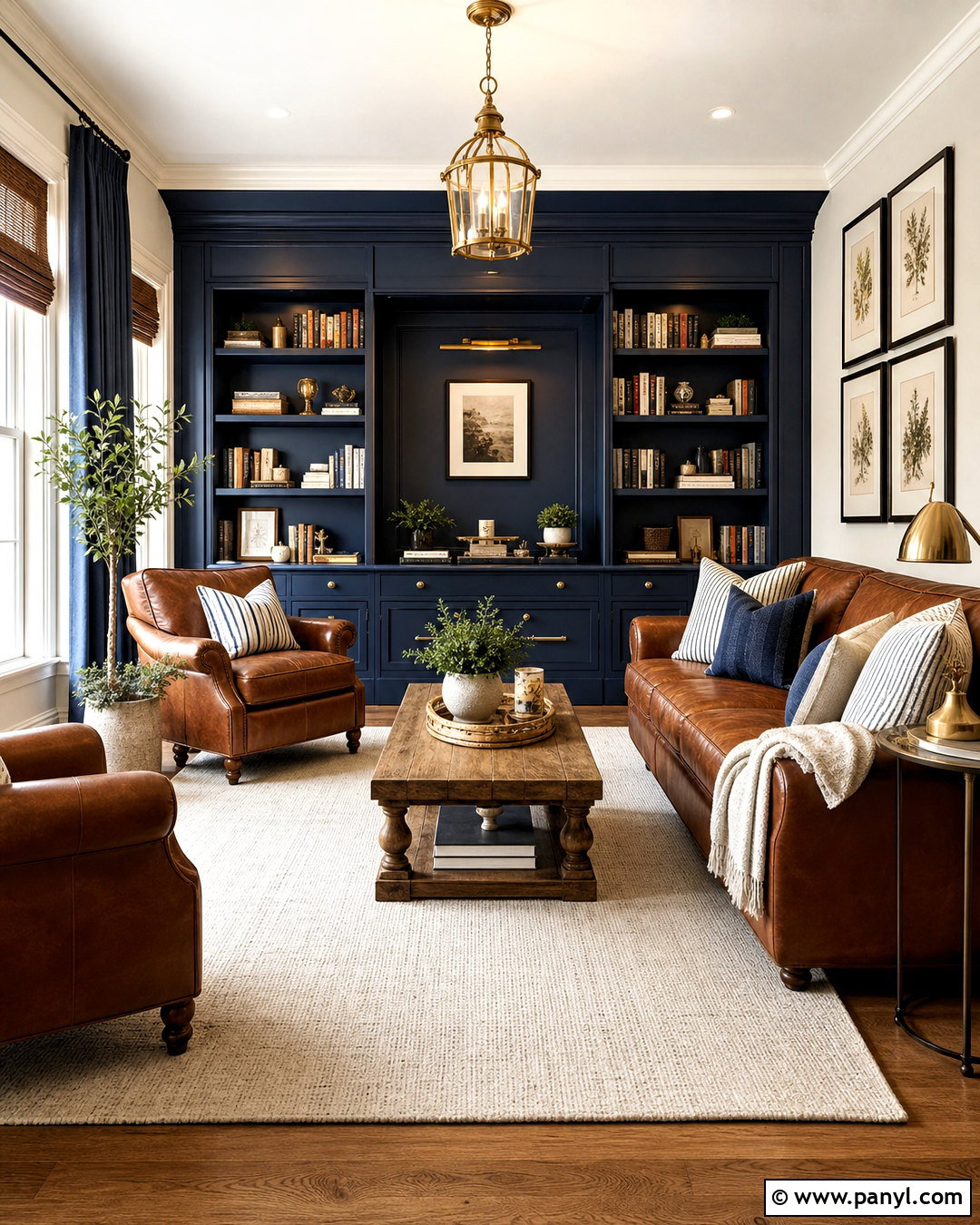
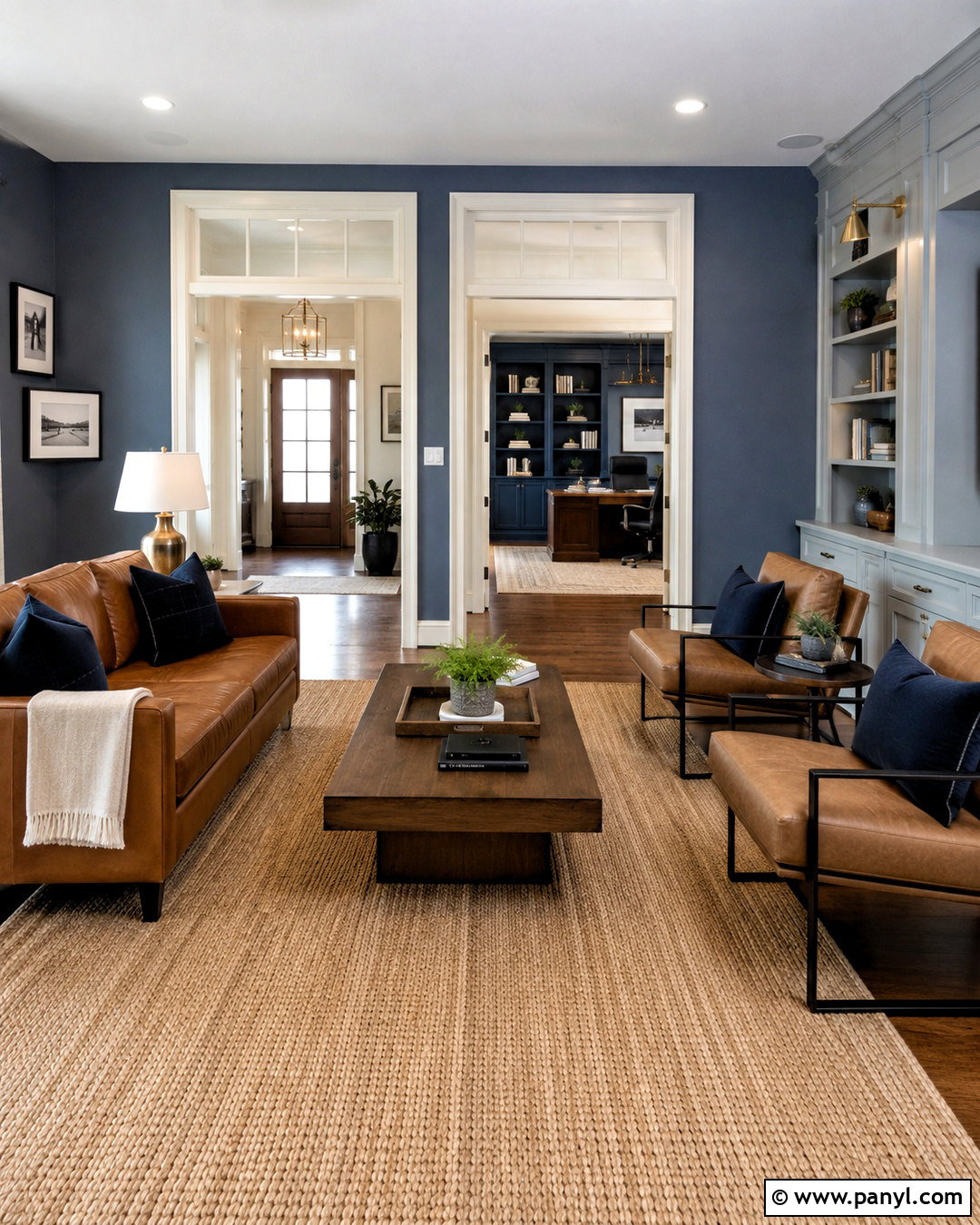
A navy and warm white palette can make a room feel polished without becoming formal or cold. Cover one substantial wall, the built-in bookcases, or the lower portion of paneled walls in deep navy blue. Balance that saturation with warm white on the remaining walls, ceiling, and trim. A cognac leather sofa, medium brown flooring, and antique brass hardware prevent the blue from appearing too sharp. Add a cream rug, striped textiles, and pale wood accessories for lighter visual breaks. If the room receives limited daylight, keep the navy to cabinetry or one architectural feature. In a sunny room, it can cover all four walls beautifully. The finished scheme feels tailored and comfortable, making it suitable for living rooms, offices, libraries, or traditional bedrooms.
4. Terracotta And Sand Interior Paint Scheme
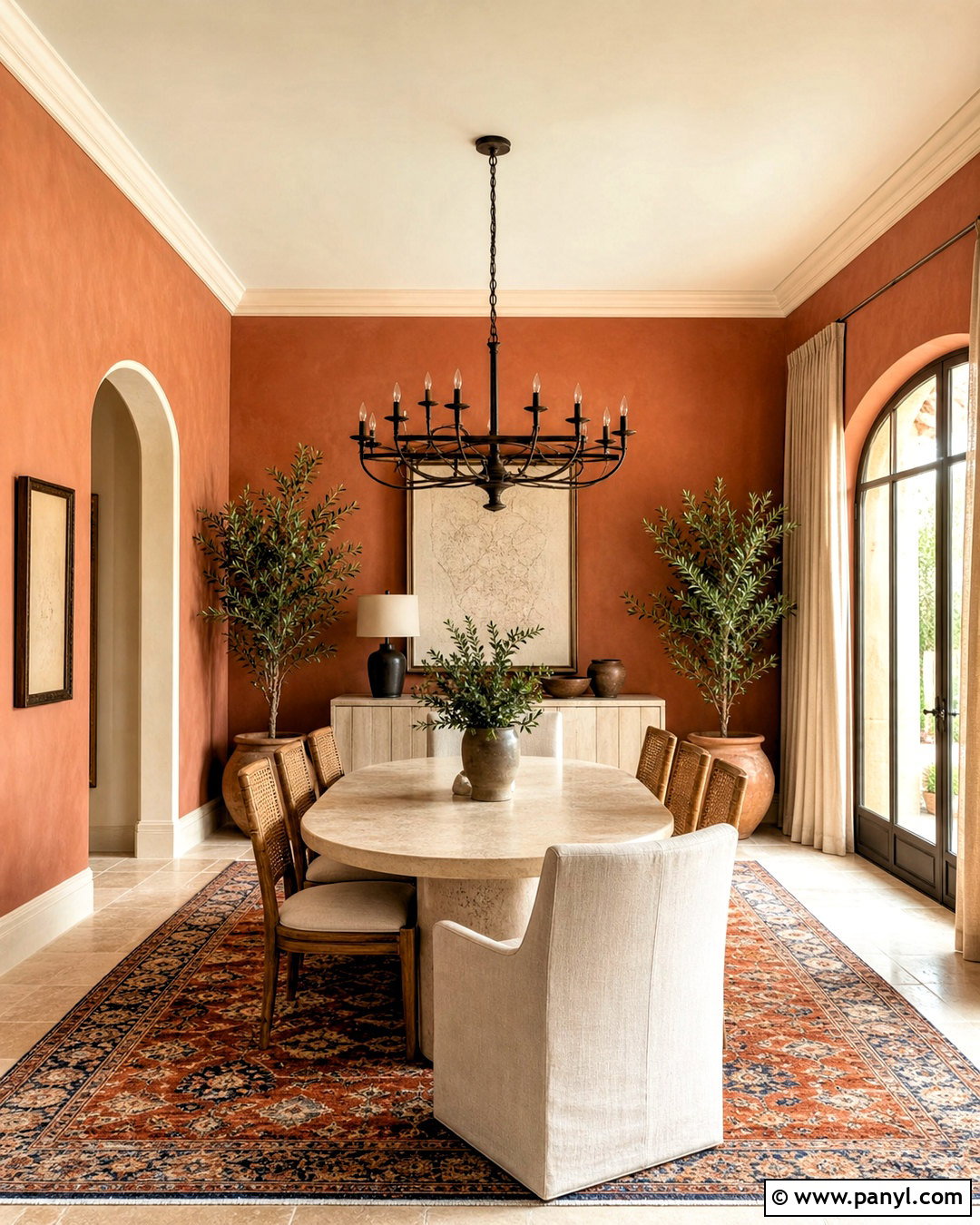
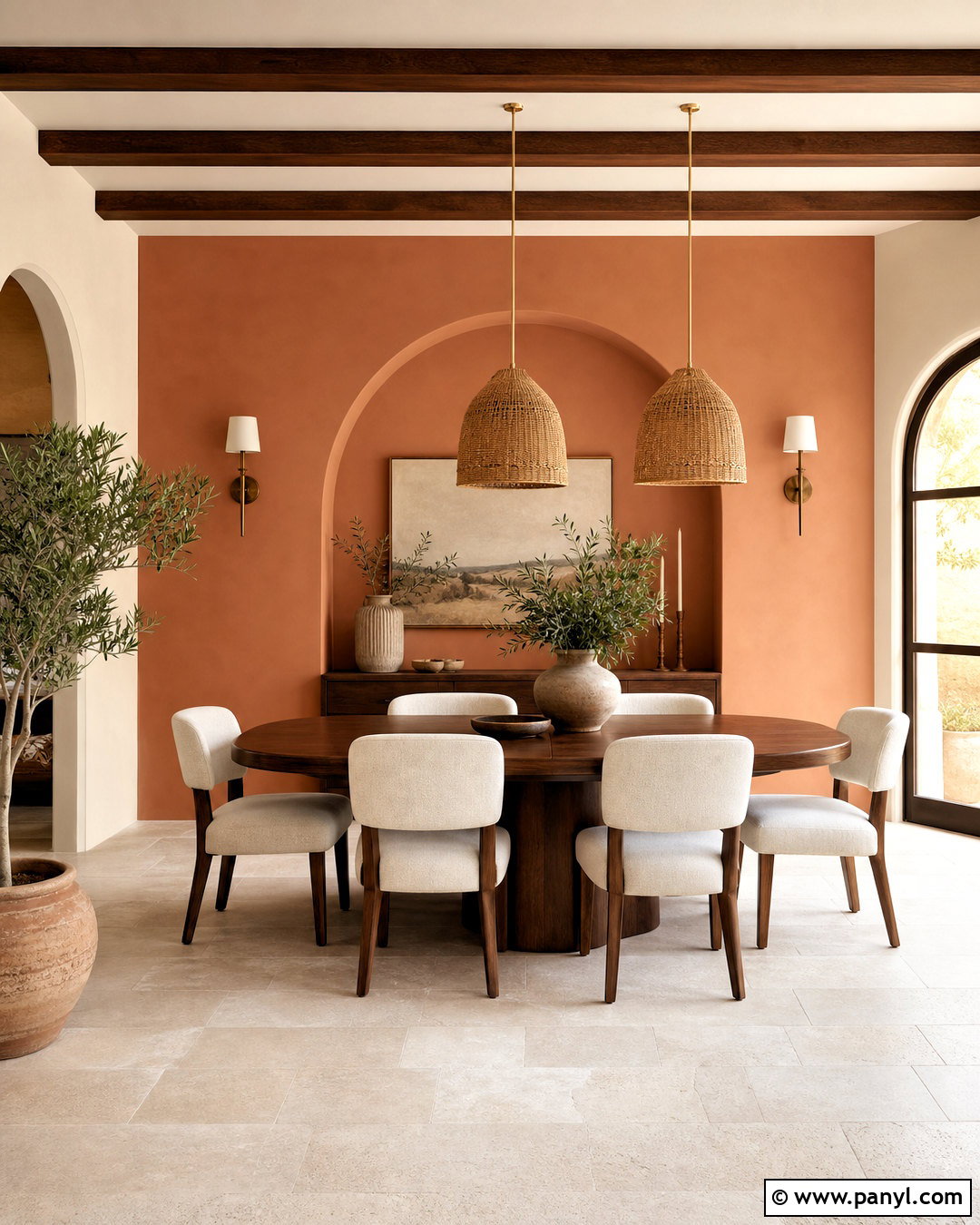
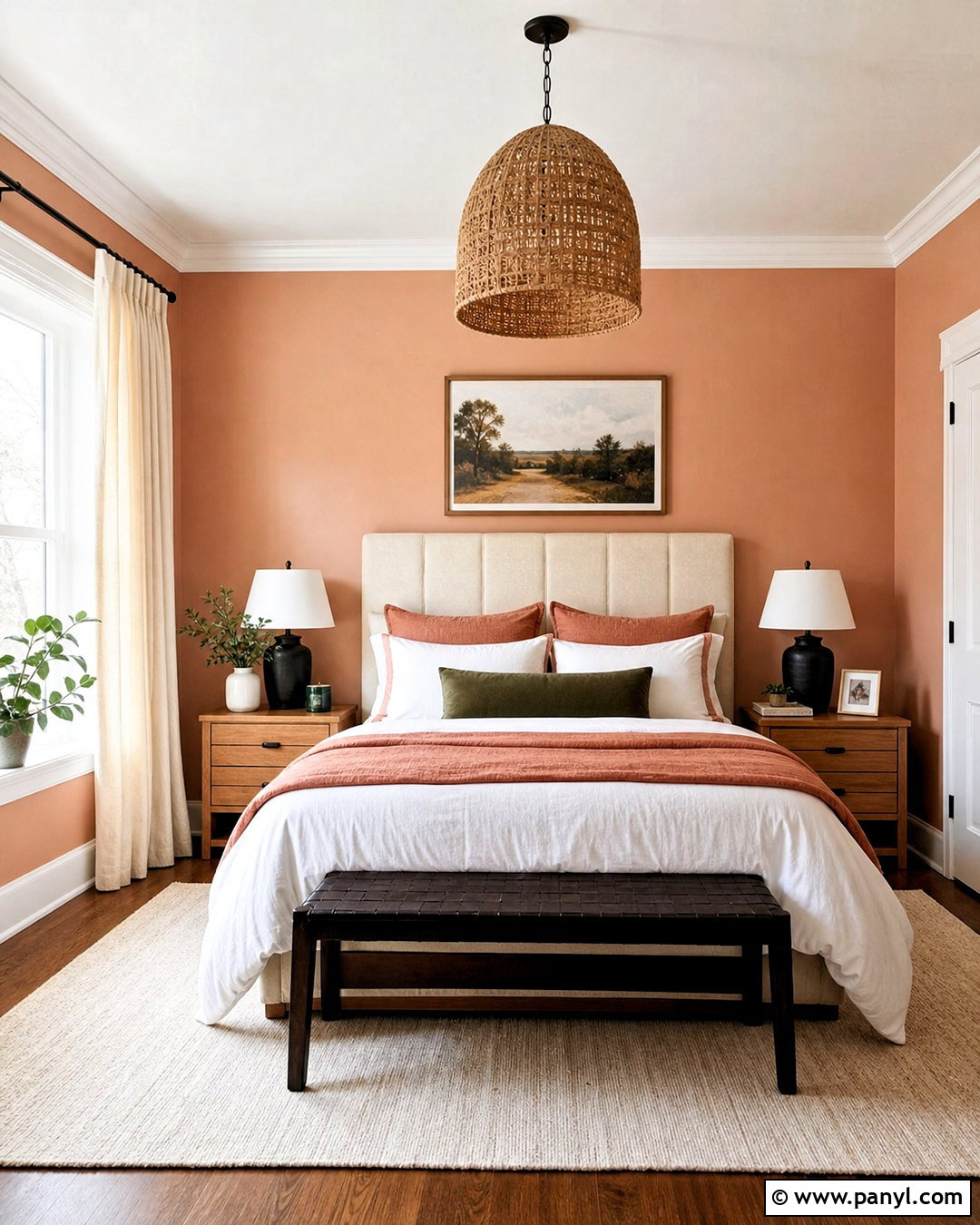
Earthy terracotta walls immediately add warmth, but the surrounding finishes determine whether the result feels sophisticated or heavy. Choose a softened clay shade rather than bright orange, then pair it with sandy beige trim and a warm off-white ceiling. Furnish the space with cream upholstery, woven wood chairs, and a pale oak or travertine coffee table. A patterned rug containing rust, tan, muted blue, and ivory will connect the full palette. Keep window treatments natural and understated, using oatmeal linen or bamboo shades. Matte black accents can provide structure in small doses. This complete interior paint scheme works especially well in dining rooms and sunrooms where warm colors encourage an inviting atmosphere. Green plants offer fresh contrast and stop the earthy palette from feeling overly monochromatic.
5. Dusty Blue And Soft Gray Interior Paint Scheme
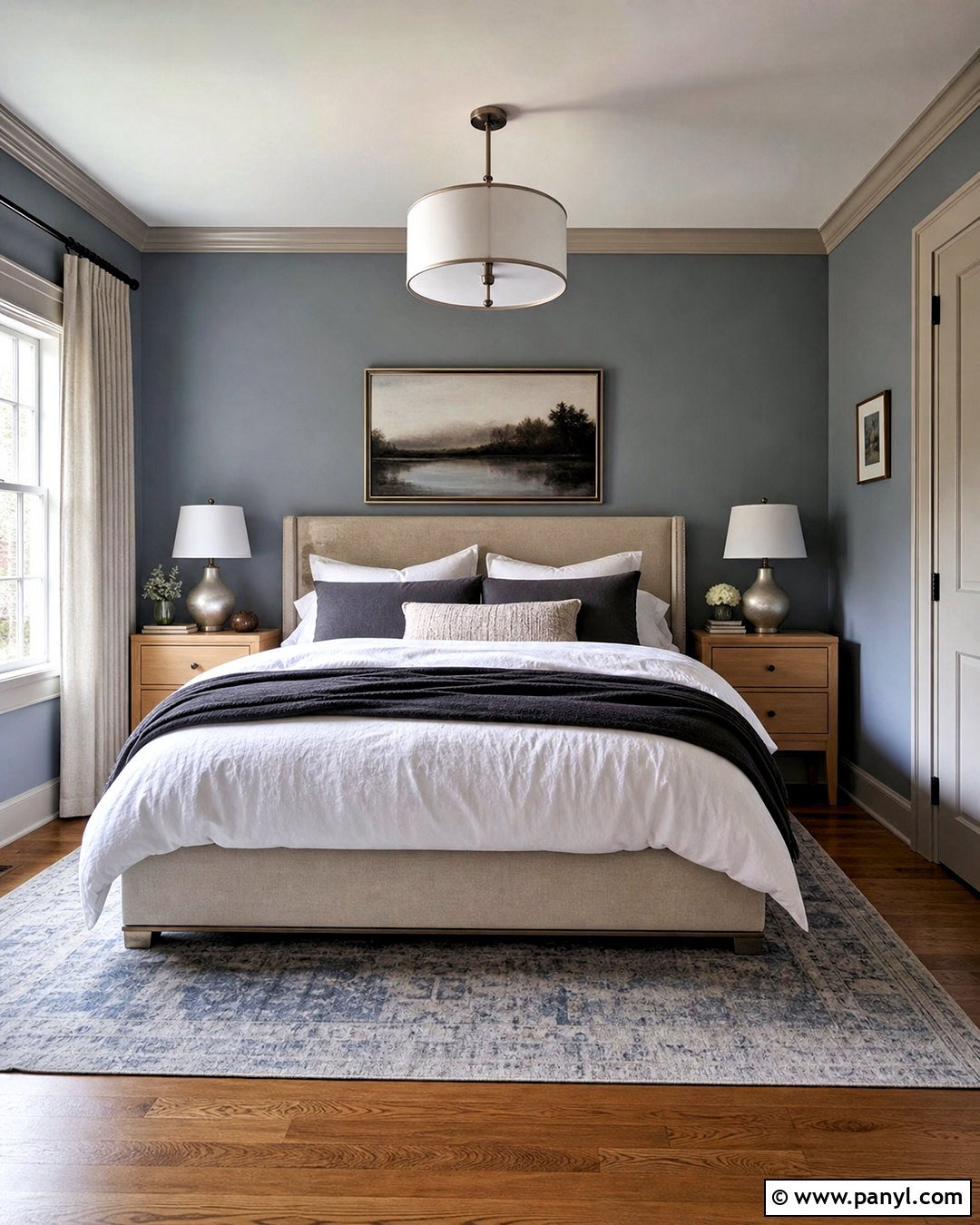
For a bedroom that feels cool, quiet, and restful, combine dusty blue walls with soft gray trim and a clean white ceiling. Select a blue with noticeable gray undertones so it remains calm in both daylight and evening light. An upholstered bed in light oatmeal, pale oak nightstands, and silver or brushed nickel lamps complement the cooler paint colors. Layer white bedding with slate blue pillows, a charcoal throw, and a faded blue-gray rug. Simple linen curtains can match the wall color closely, reducing visual interruption around the windows. Add warmth with framed wood artwork and one small cognac leather bench. The complete room should contain a mix of soft and structured textures. This balanced scheme suits coastal, transitional, contemporary, and casual traditional interiors without relying on obvious nautical decor.
6. Olive Green And Pale Blue Interior Paint Scheme
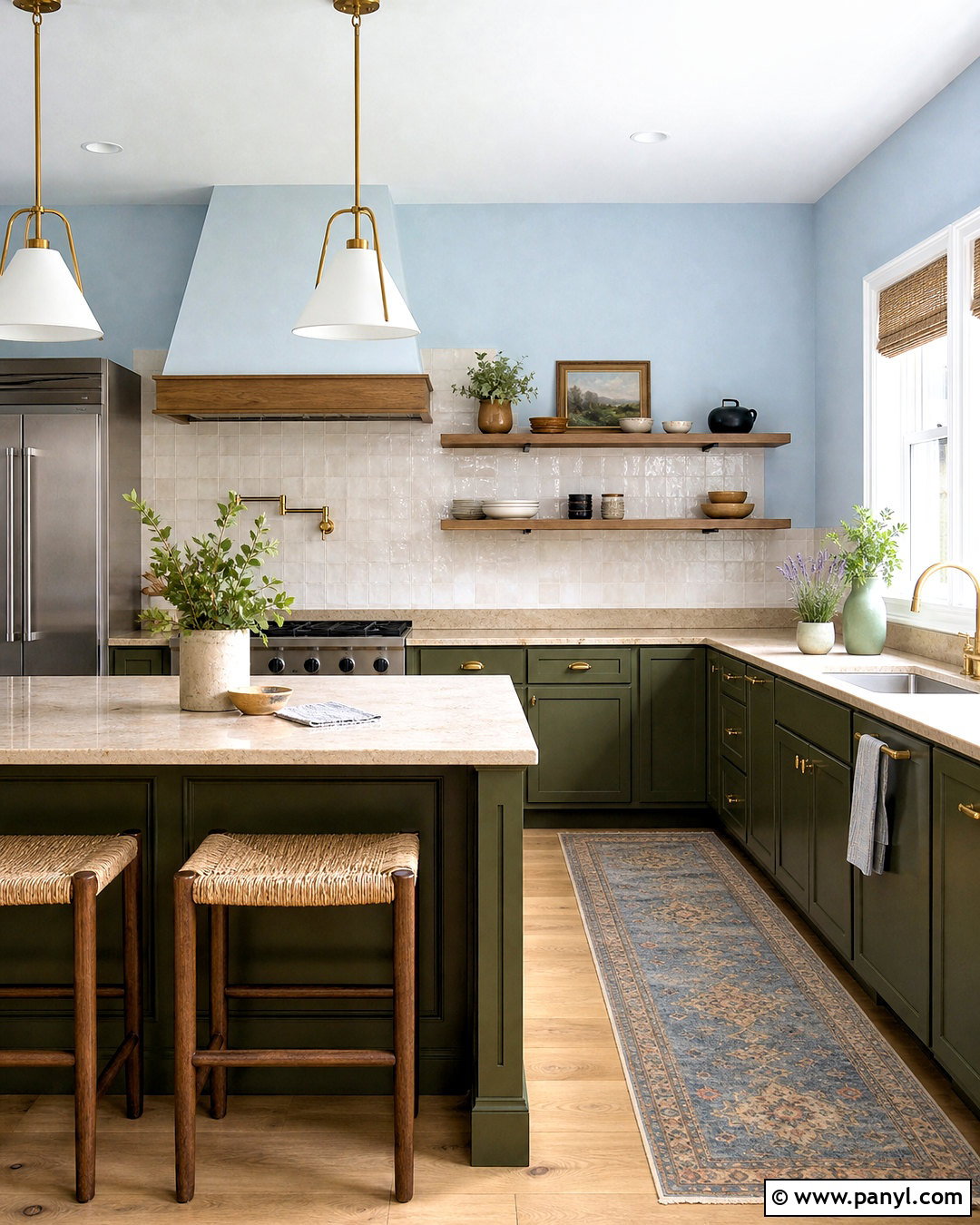
Would you like a kitchen that feels colorful yet grounded? Paint lower cabinets deep olive green and use pale blue on the upper walls, creating a natural balance between rich and airy tones. Warm white ceilings and trim maintain brightness, while a cream backsplash keeps the two main colors from competing. Add walnut shelving, brushed brass hardware, and honed beige stone counters for warmth. Light oak flooring can soften the heavier cabinetry, and simple woven stools reinforce the organic character. Repeat the pale blue through Roman shades or ceramic accessories, but keep countertops mostly clear. Dark olive has a deeper, more established presence than light sage, while blue brings freshness to the room. This full scheme feels welcoming, practical, and distinctive without depending on short-lived decorative details.
7. Charcoal And Mushroom Interior Paint Scheme
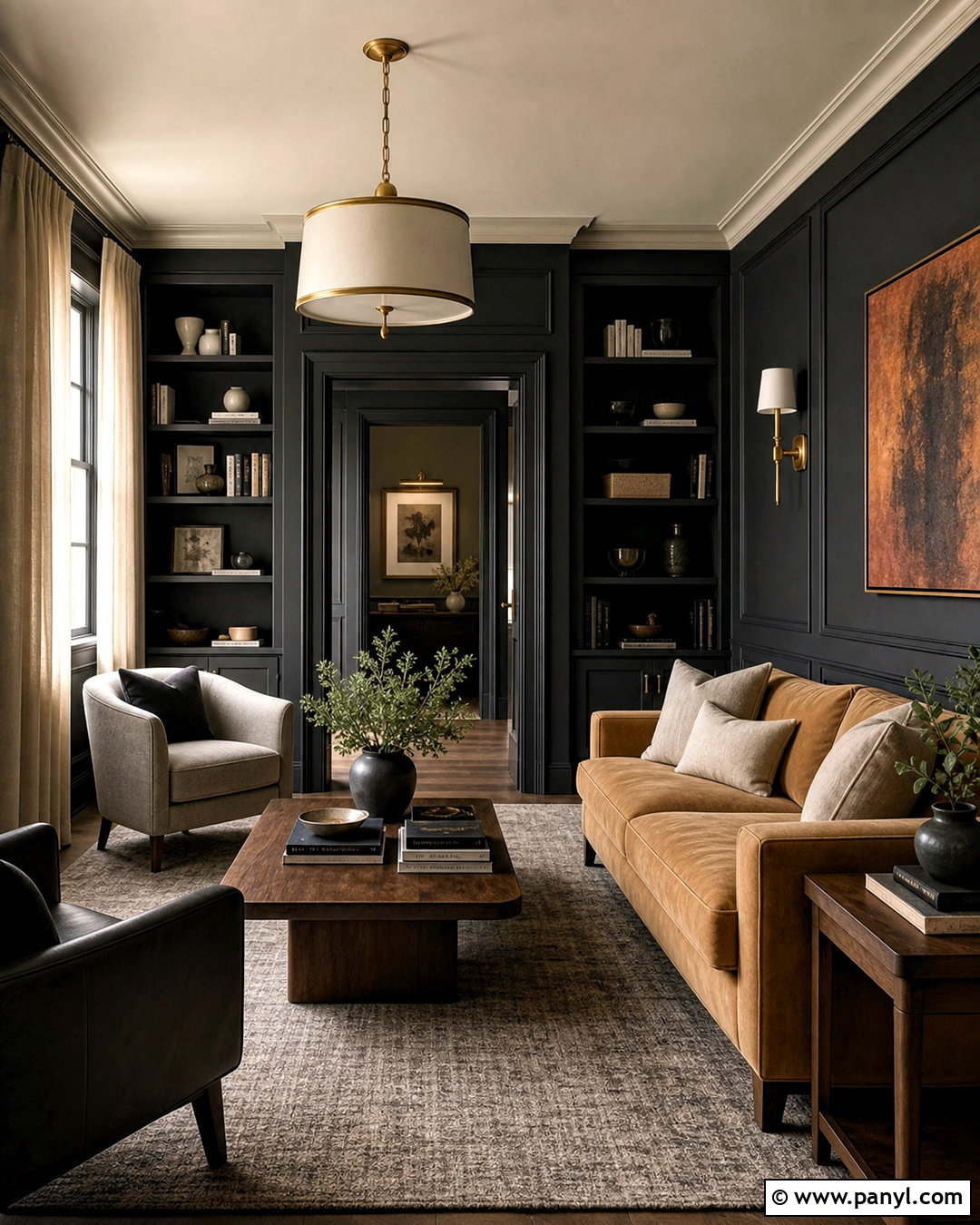
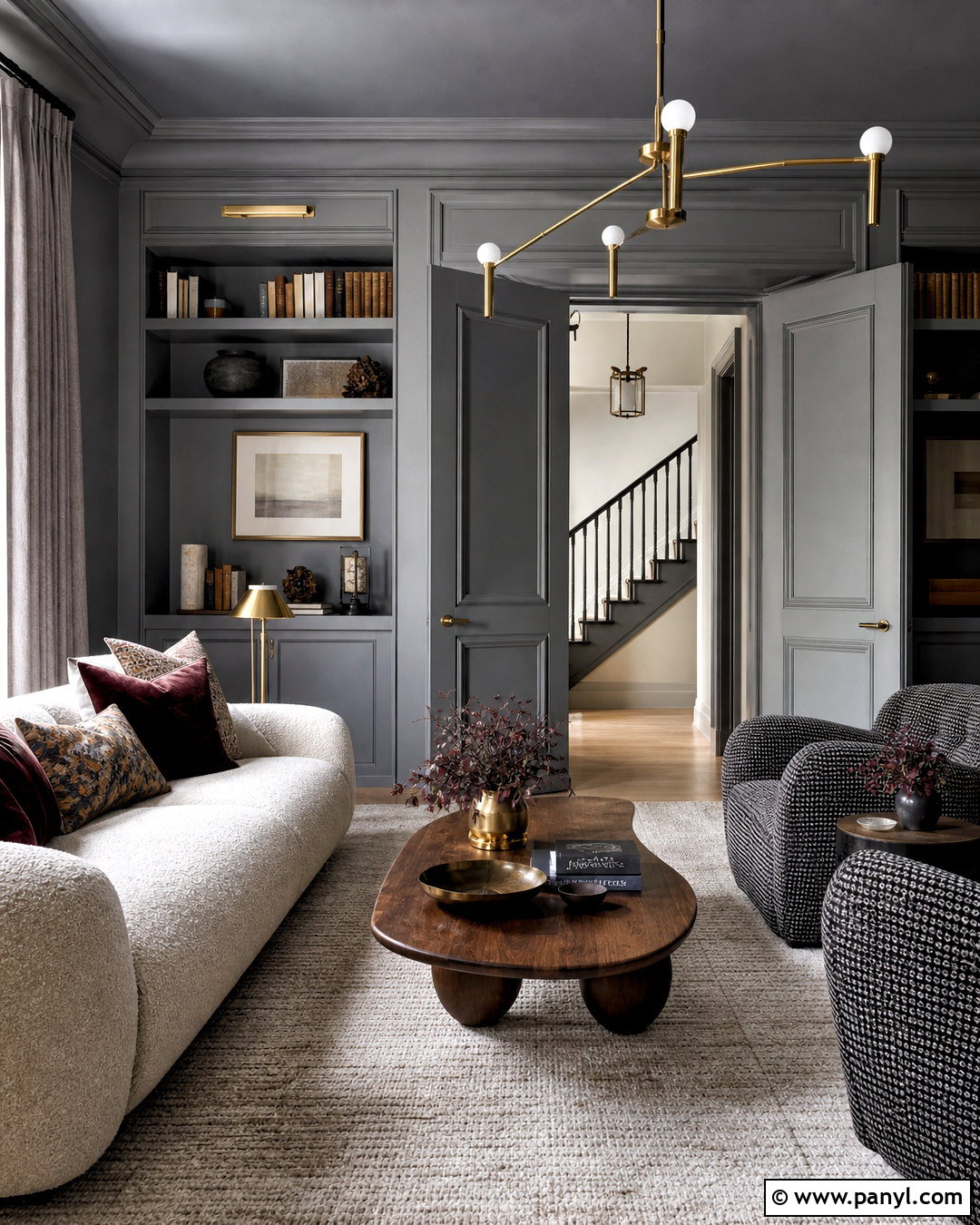
Charcoal paint can feel surprisingly comfortable when it is surrounded by warm, earthy neutrals. Use deep charcoal on a fireplace wall, paneled bookcases, or all walls in a room with generous natural light. Paint the trim and ceiling a mushroom beige to soften the dark surface rather than outlining it with bright white. Choose a camel sofa, walnut tables, and a large taupe rug to build a gradual transition between dark and light. Brass sconces and cream lampshades add gentle highlights. For artwork, select oversized pieces with ivory, brown, rust, and muted green details. Sheer beige curtains keep windows relaxed and luminous. The completed interior paint scheme is dramatic but not severe, making it an excellent option for a den, formal living room, home office, or media space.
8. Blush Pink And Deep Green Interior Paint Scheme
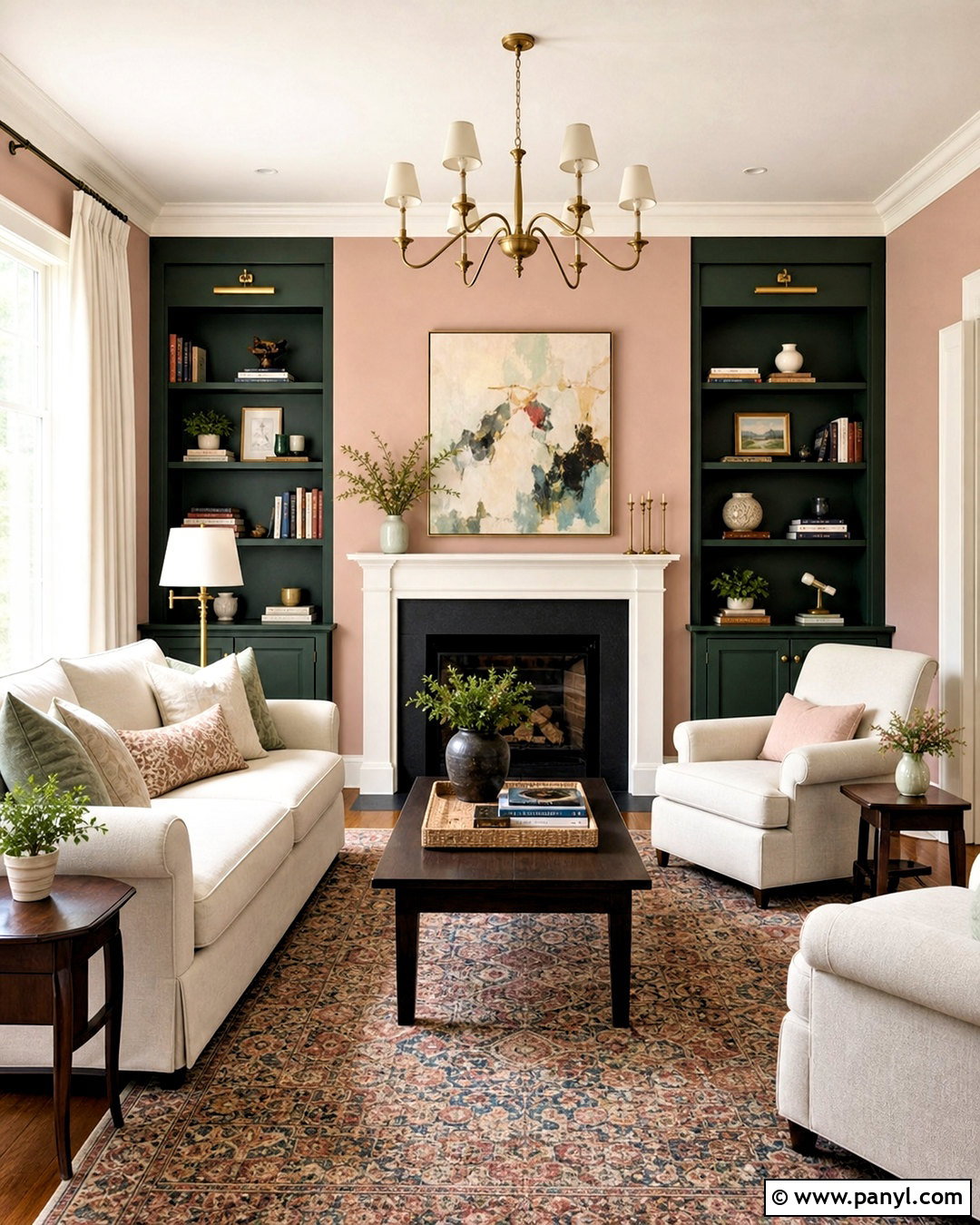
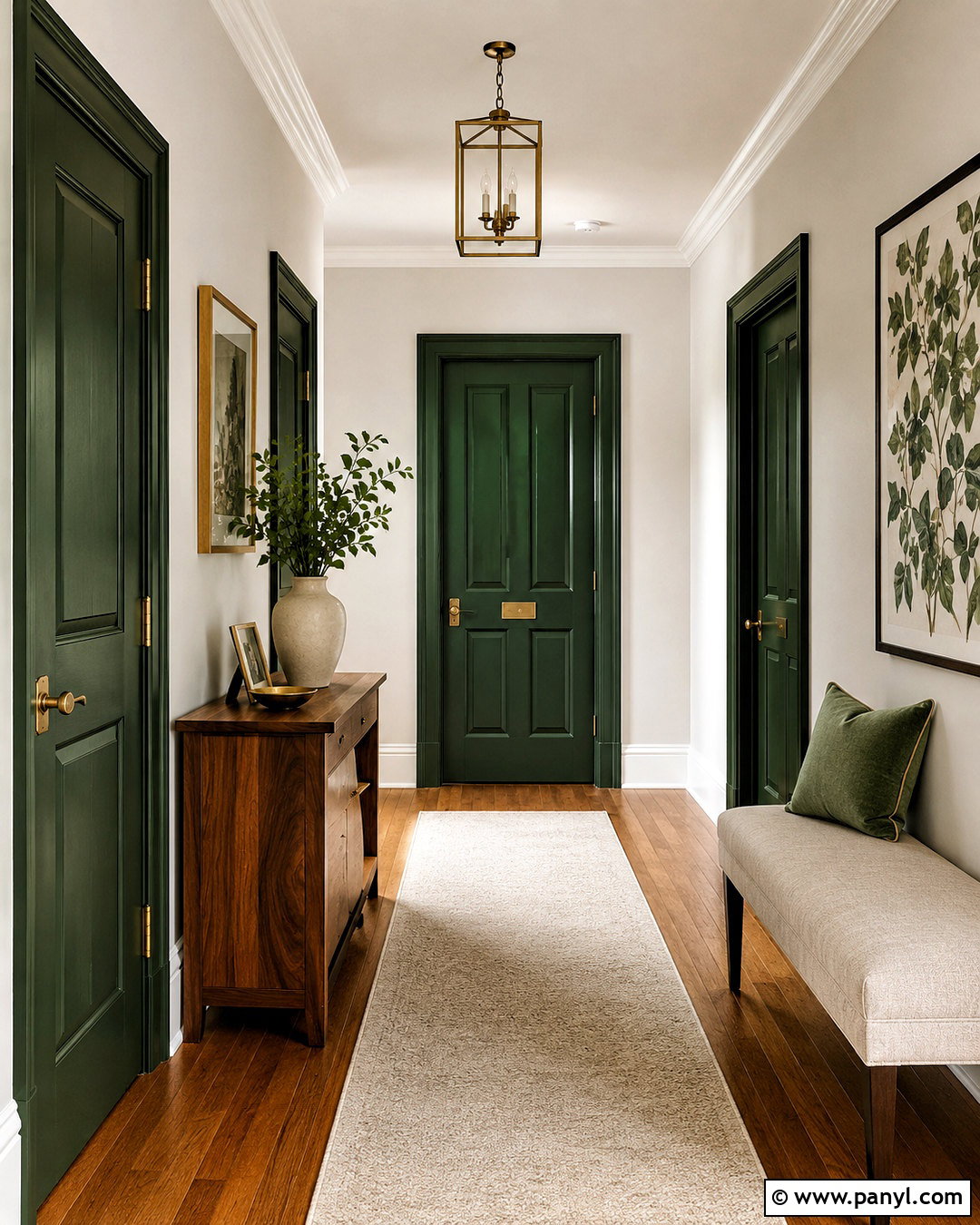
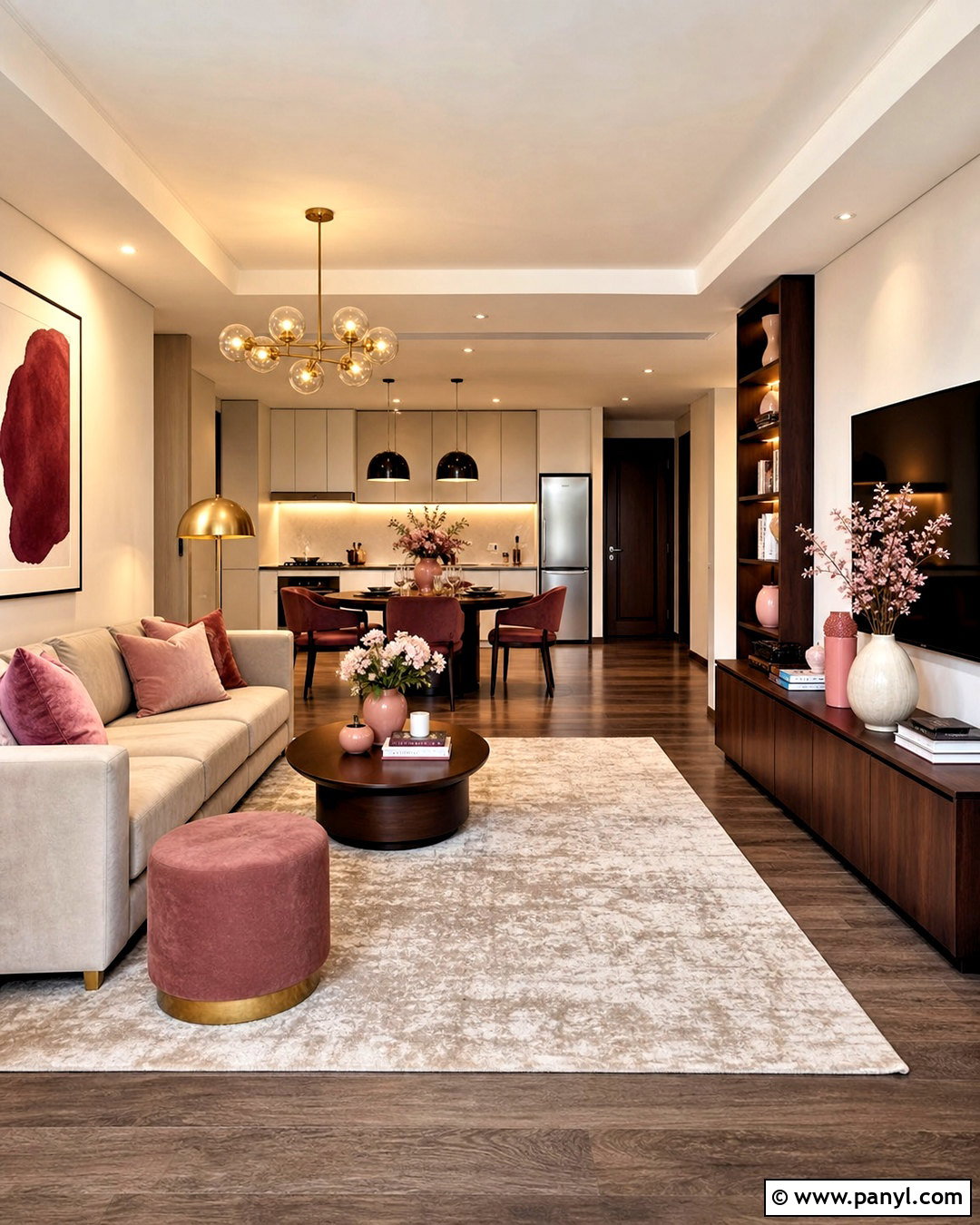
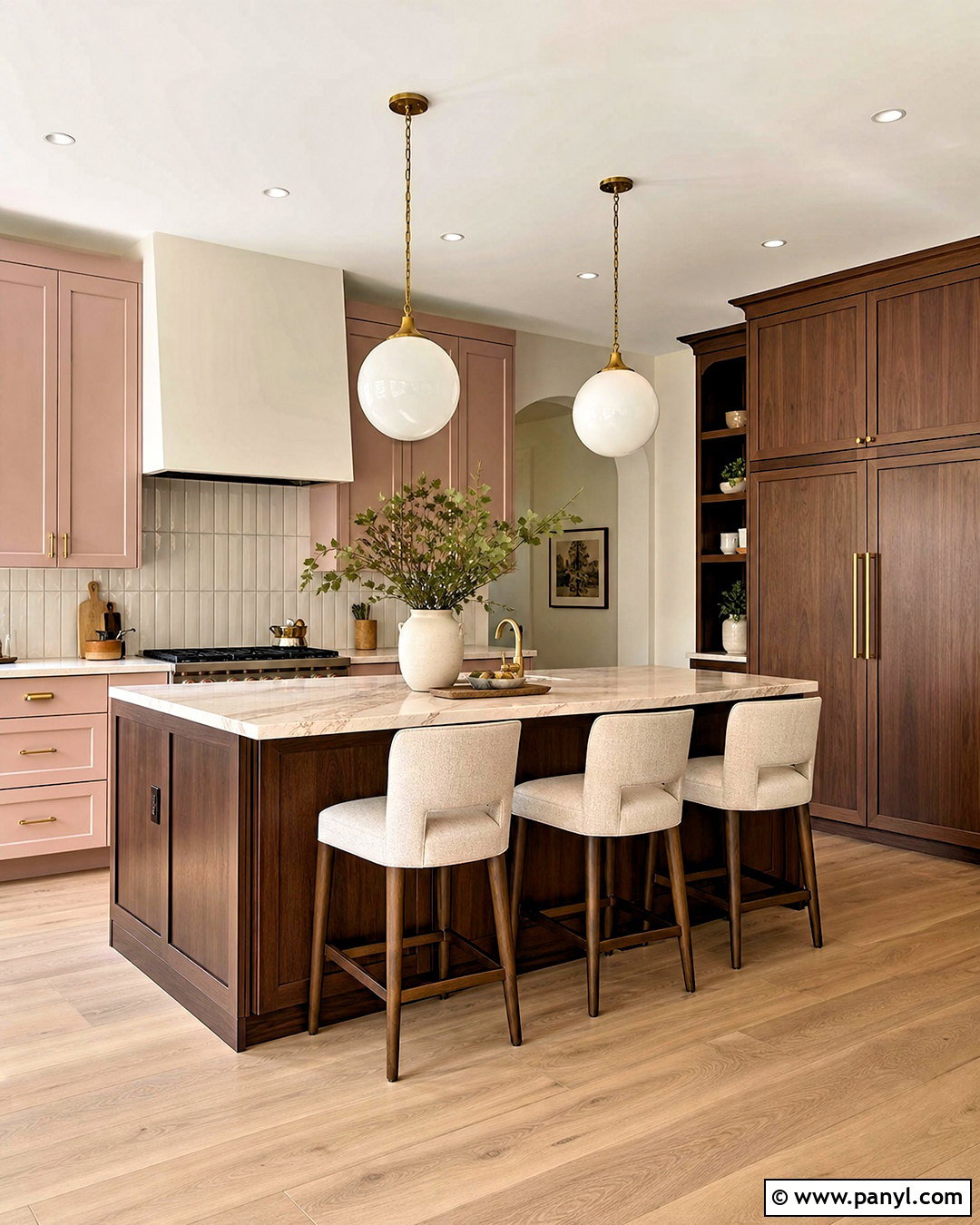
Soft blush walls paired with deep green accents create a refined palette that is playful without looking childish. Apply dusty blush to the main walls, then use saturated forest green on built-in cabinets, a window seat, or an interior door. Warm white trim keeps the edges fresh, while a pale cream ceiling reflects light. Furnish the room with an ivory sofa, dark wood tables, and a patterned rug that includes pink, green, tan, and burgundy. Brushed brass lighting adds warmth and connects naturally with both colors. Avoid overly sweet accessories; instead, choose abstract artwork, linen curtains, and sculptural ceramics. This interior paint scheme can transform a sitting room, bedroom, or creative office. The contrasting colors provide personality, while neutral furniture ensures that the complete room remains balanced and adaptable.
9. Pale Yellow And White Interior Paint Scheme
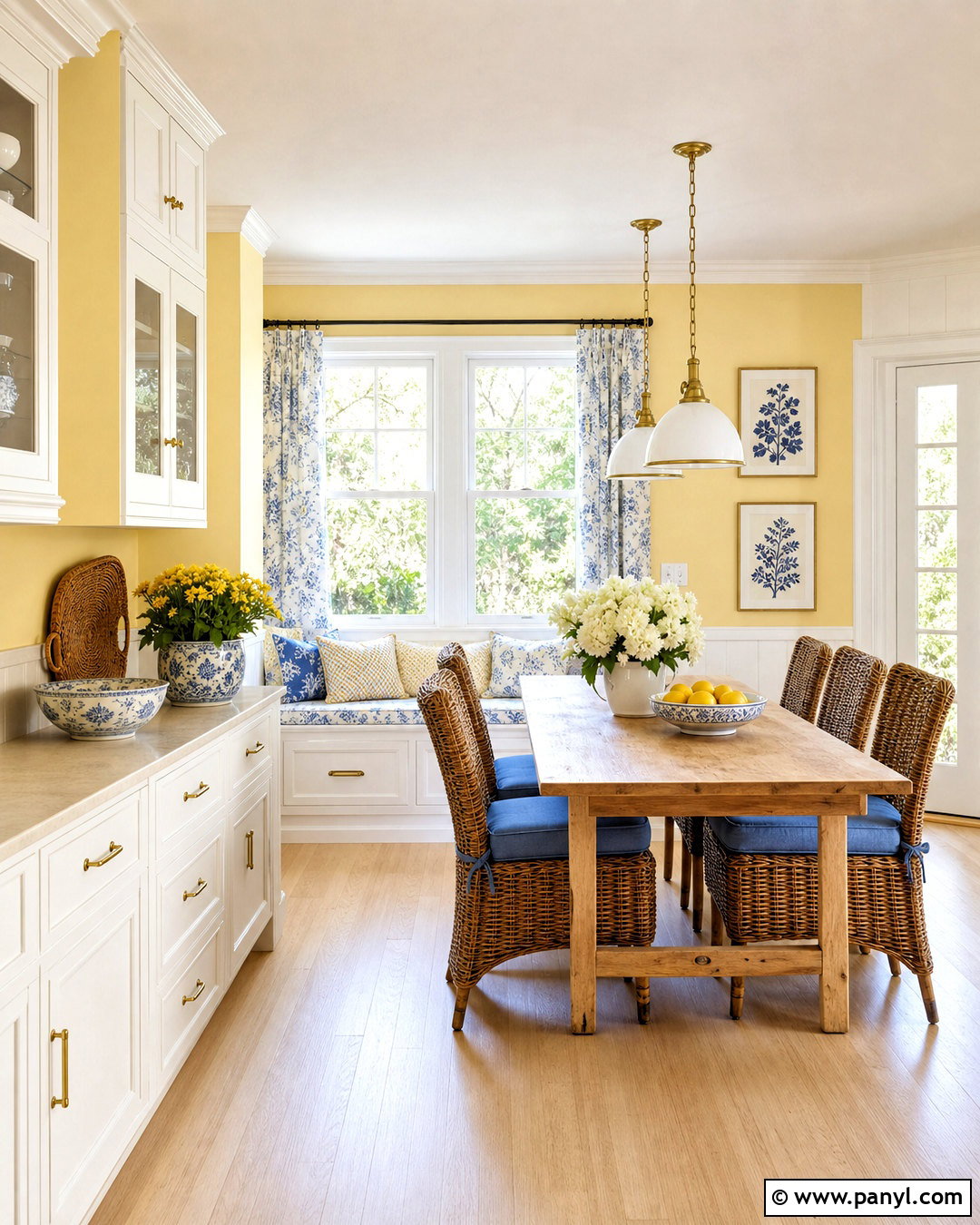
A soft yellow kitchen or breakfast room can feel sunny even when the weather outside is gray. Choose a pale buttery shade for the walls and pair it with clean warm white cabinetry, trim, and ceilings. Light maple or white oak flooring supports the cheerful quality without adding strong contrast. Introduce sky blue through seat cushions, patterned curtains, or small ceramics for a fresh secondary color. A farmhouse table, woven chairs, and simple brass pendants complete the welcoming look. Keep counters and large furnishings neutral so the yellow remains gentle rather than energetic. In a south-facing room, select a quieter cream-yellow that will not intensify too much. This full paint scheme is ideal for casual family spaces because it feels optimistic, familiar, and easy to coordinate with everyday finishes.
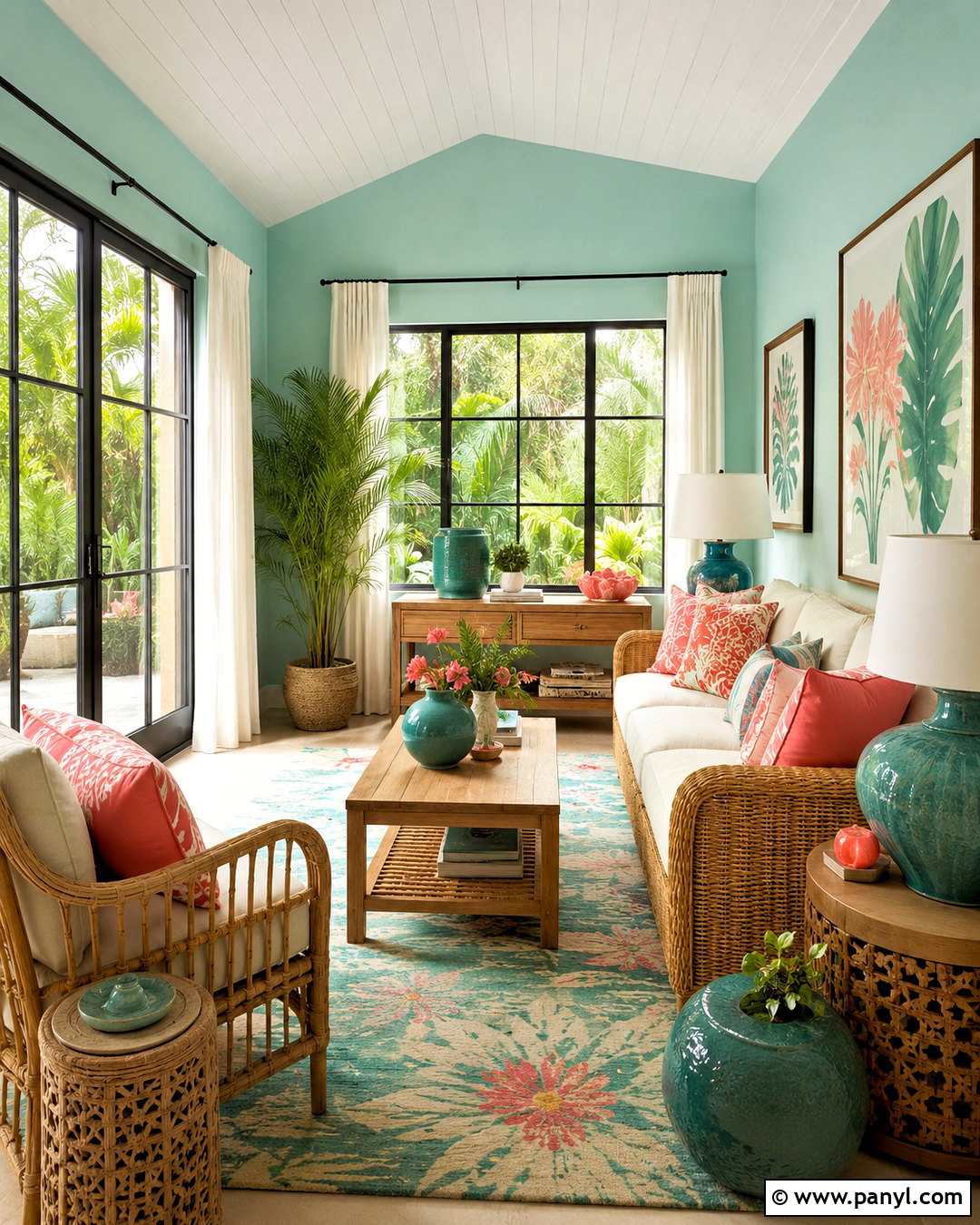
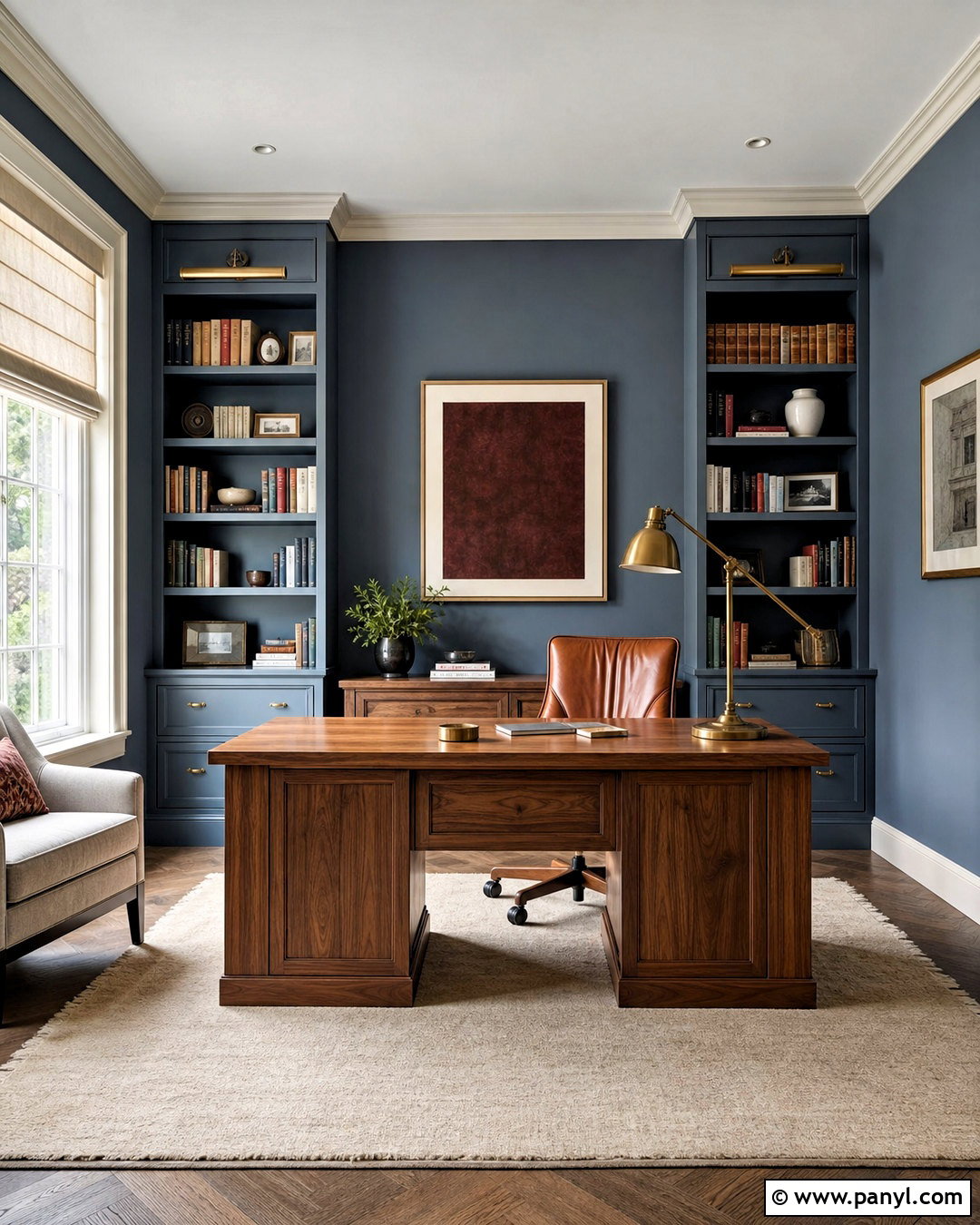

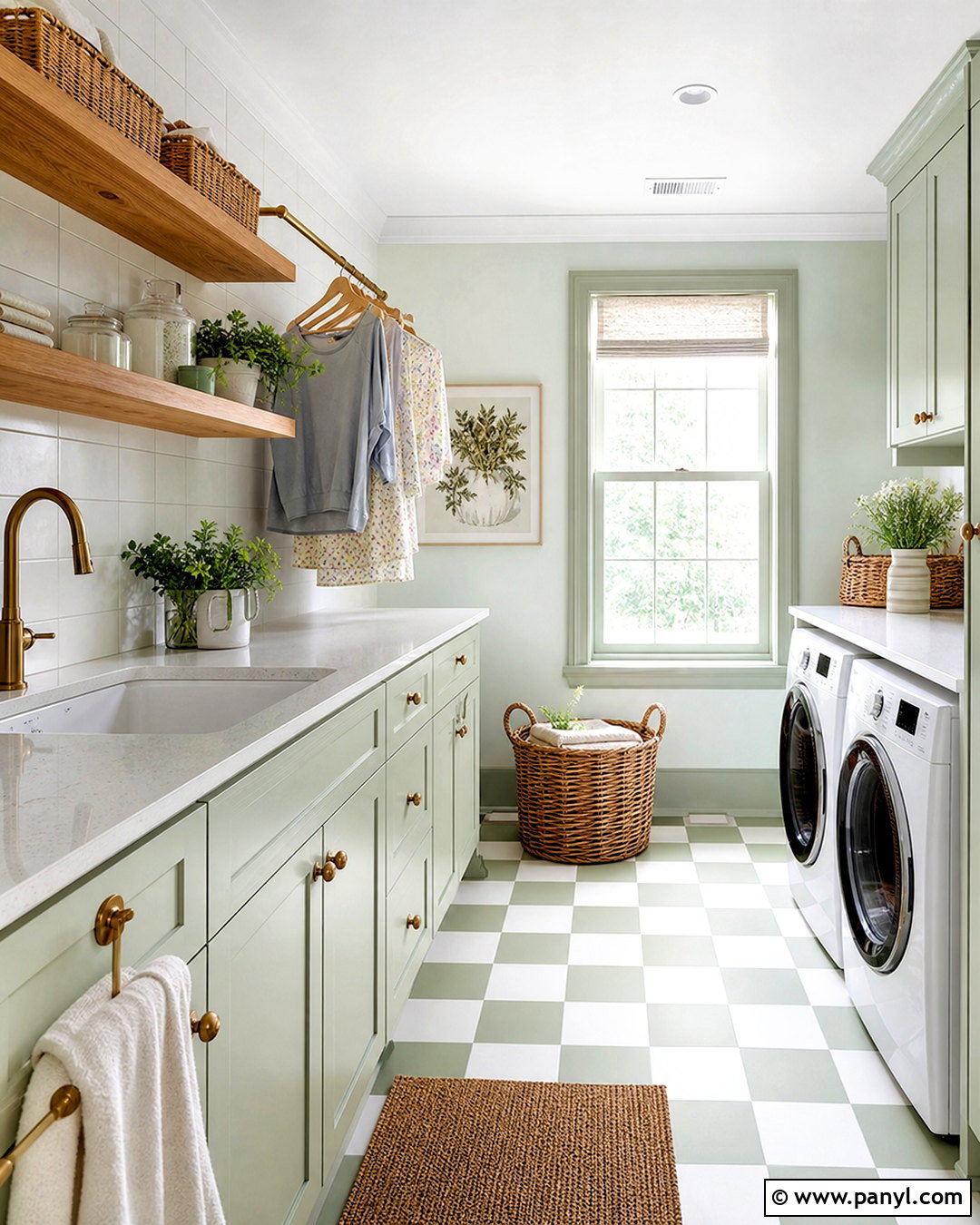
10. Taupe And Burgundy Interior Paint Scheme
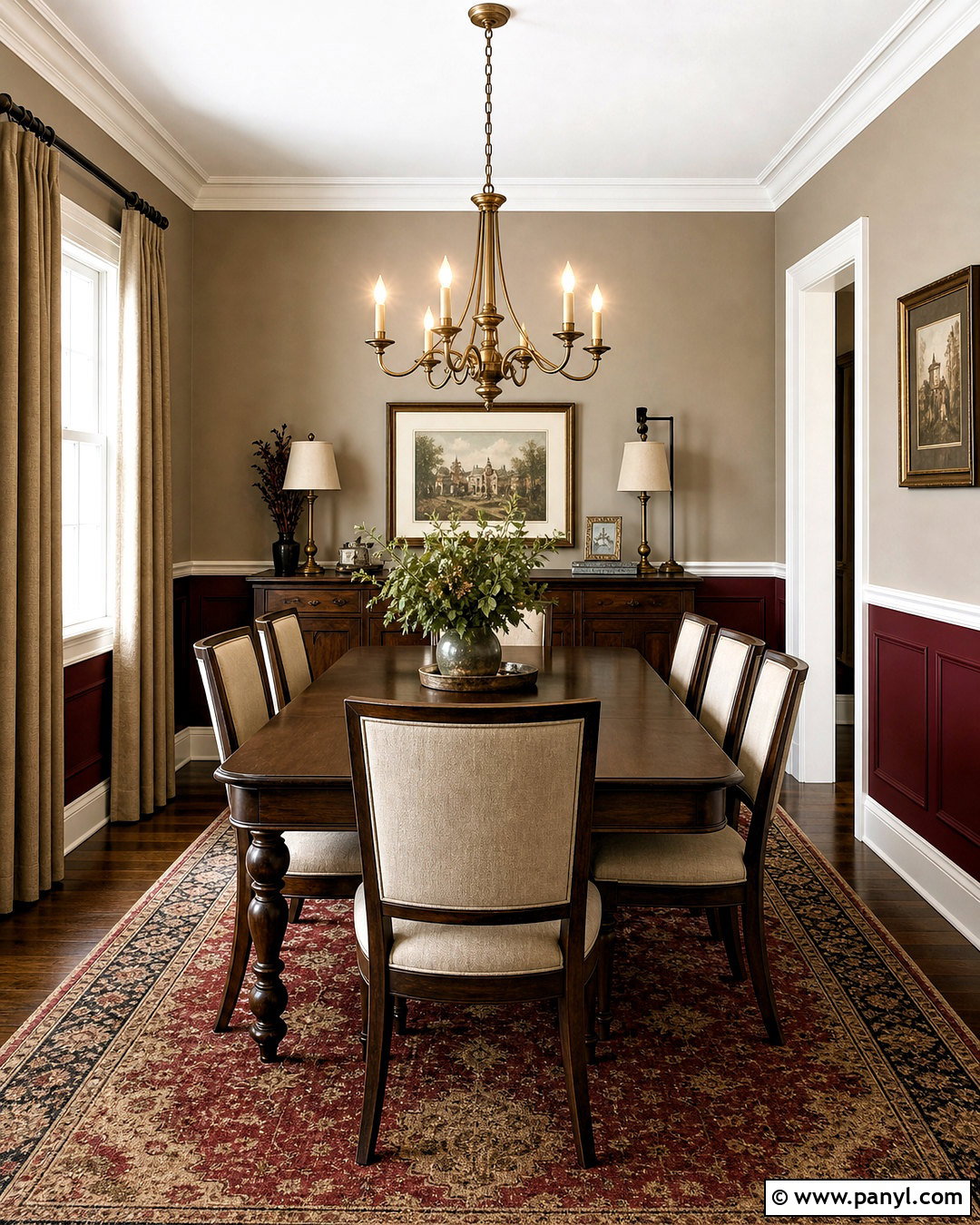
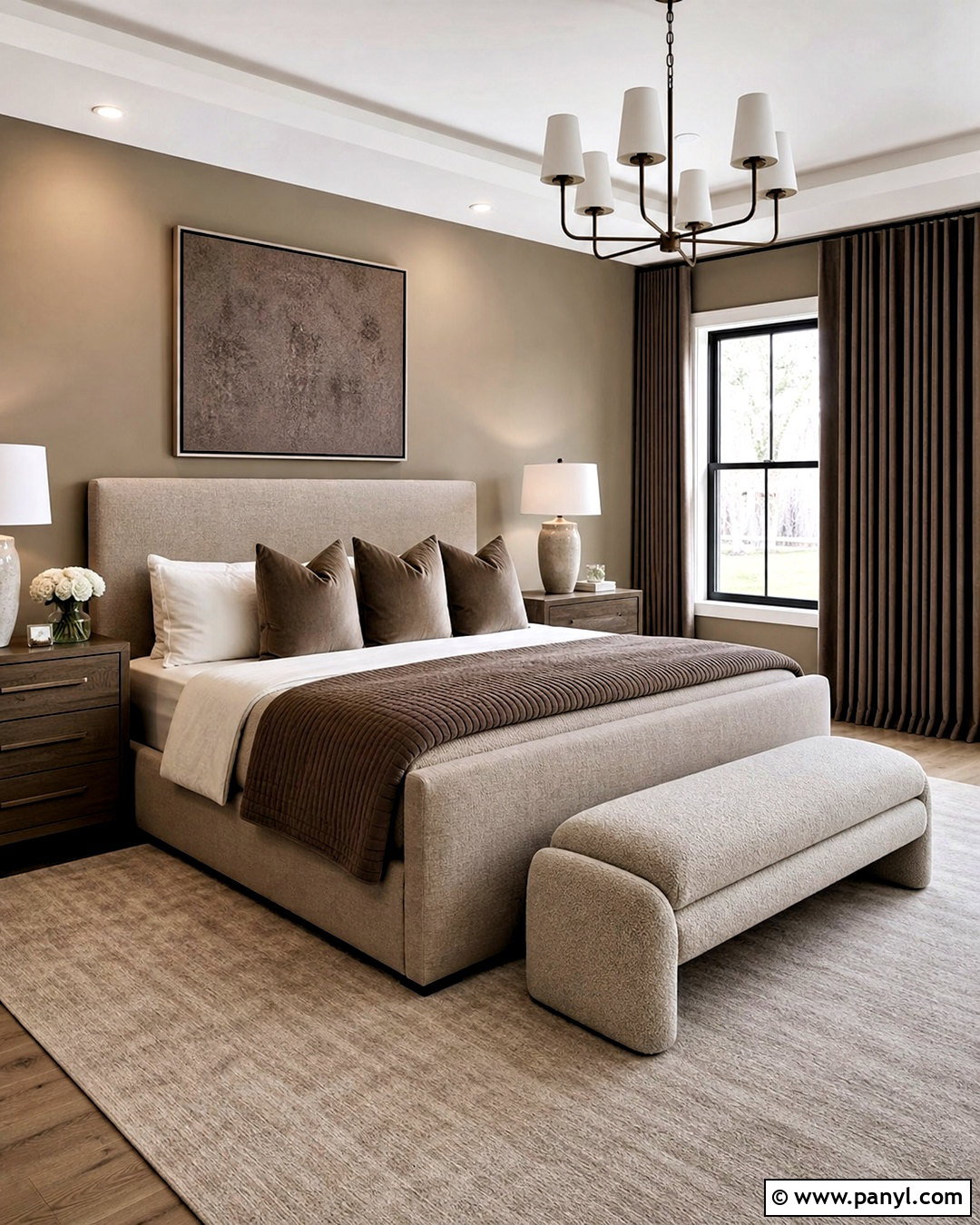
Rich burgundy becomes highly livable when used against a balanced taupe background. Paint the main walls a warm medium taupe, then apply burgundy to dining room wainscoting, a recessed cabinet, or the wall behind a bed. Use creamy white above the molding and across the ceiling to keep the room open. Dark walnut furniture, aged brass lighting, and beige upholstery strengthen the classic character. Add a vintage-inspired rug containing burgundy, brown, dusty blue, and ivory to tie every surface together. Linen curtains in natural flax prevent the palette from becoming too formal. Because burgundy absorbs light, place it on areas that receive direct or reflected daylight. The finished interior feels elegant and grounded, working particularly well in dining rooms, libraries, guest bedrooms, and traditional living spaces.
11. Teal And Ivory Interior Paint Scheme
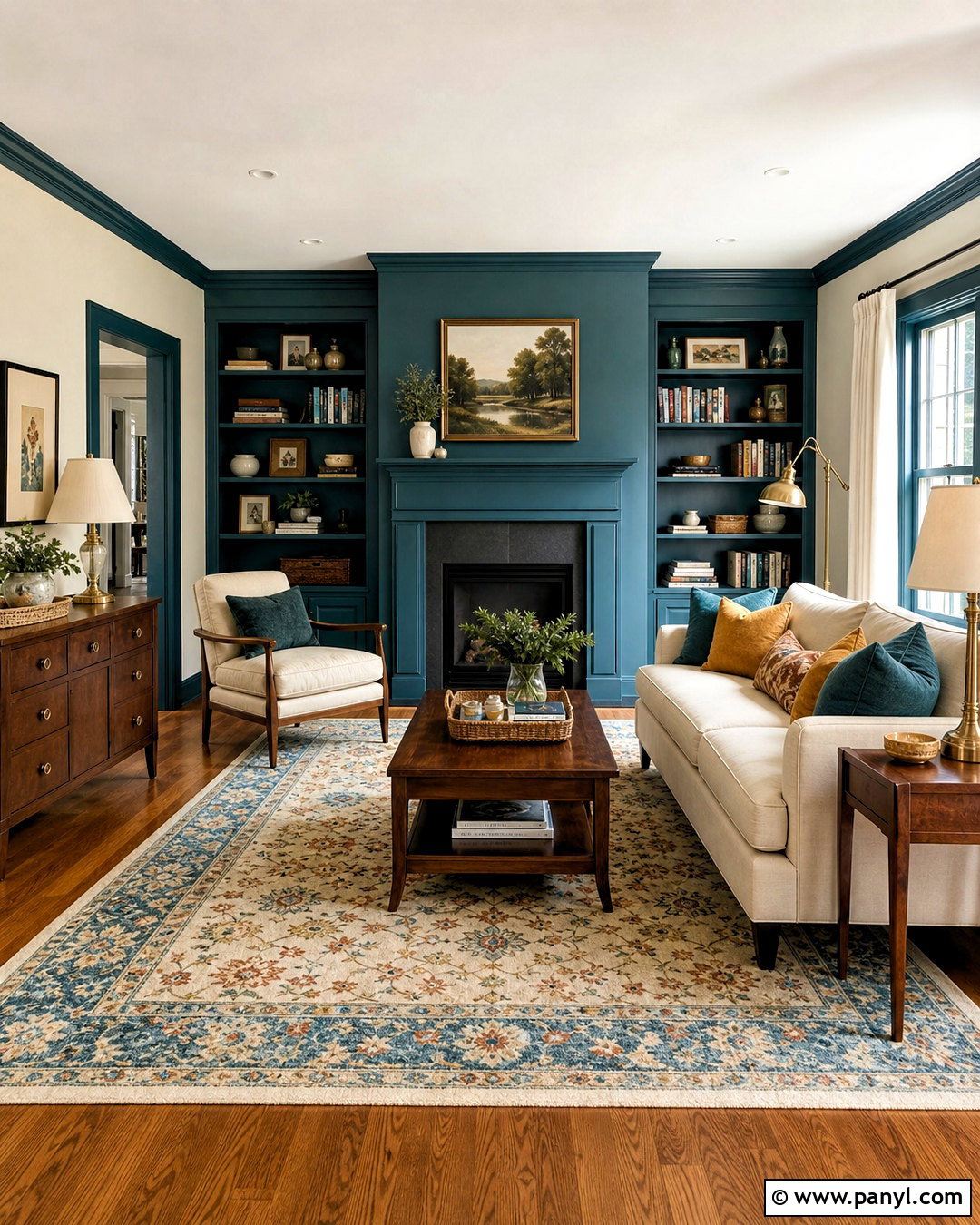
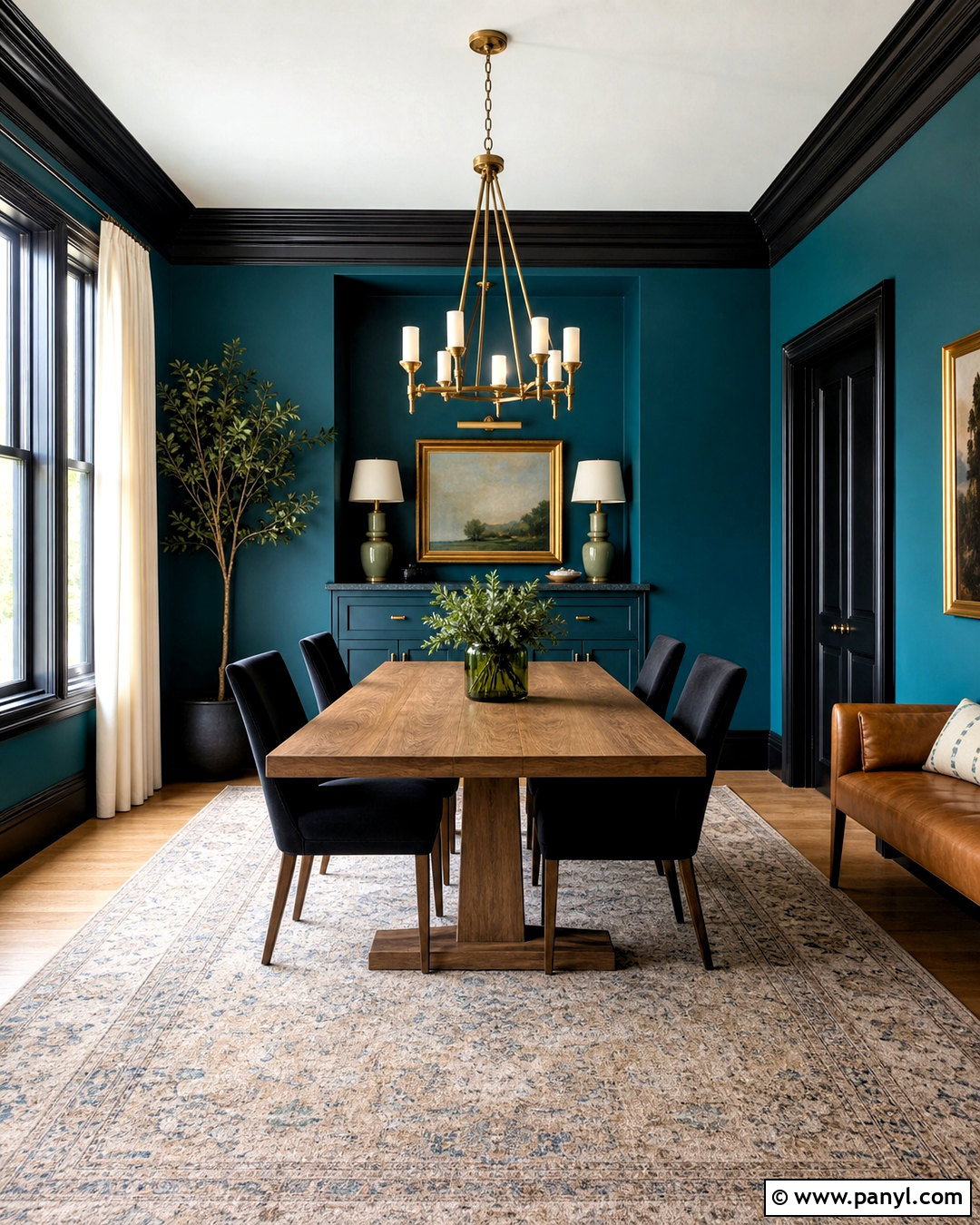
Teal provides a strong focal color while ivory keeps the overall room clear and inviting. Paint a fireplace surround, built-in shelving, or a paneled feature wall in deep blue-green. Cover the other walls with warm ivory and continue that lighter shade across the ceiling. Choose a neutral sofa, walnut or mahogany furniture, and a rug combining cream, teal, ochre, and rust. Mustard pillows add energy, while brass lamps reflect warmth against the cool painted surface. Use medium-toned wood flooring rather than gray flooring, which can make teal feel colder. If the room is small, concentrate the darker paint on a single architectural zone. This interior paint scheme delivers color and contrast while remaining versatile enough for an apartment living room, family room, office, or sophisticated bedroom.
12. Lavender And Warm Gray Interior Paint Scheme
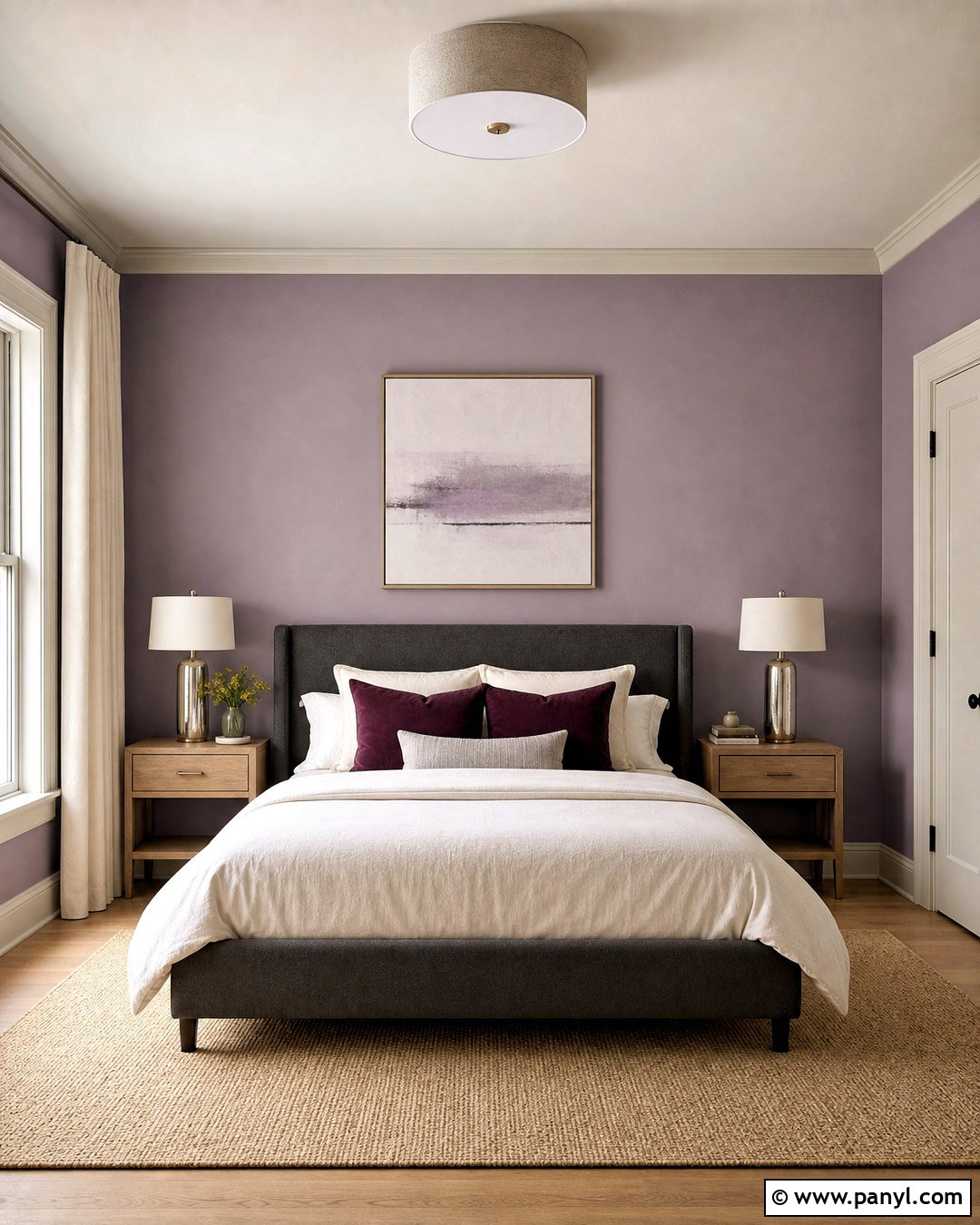
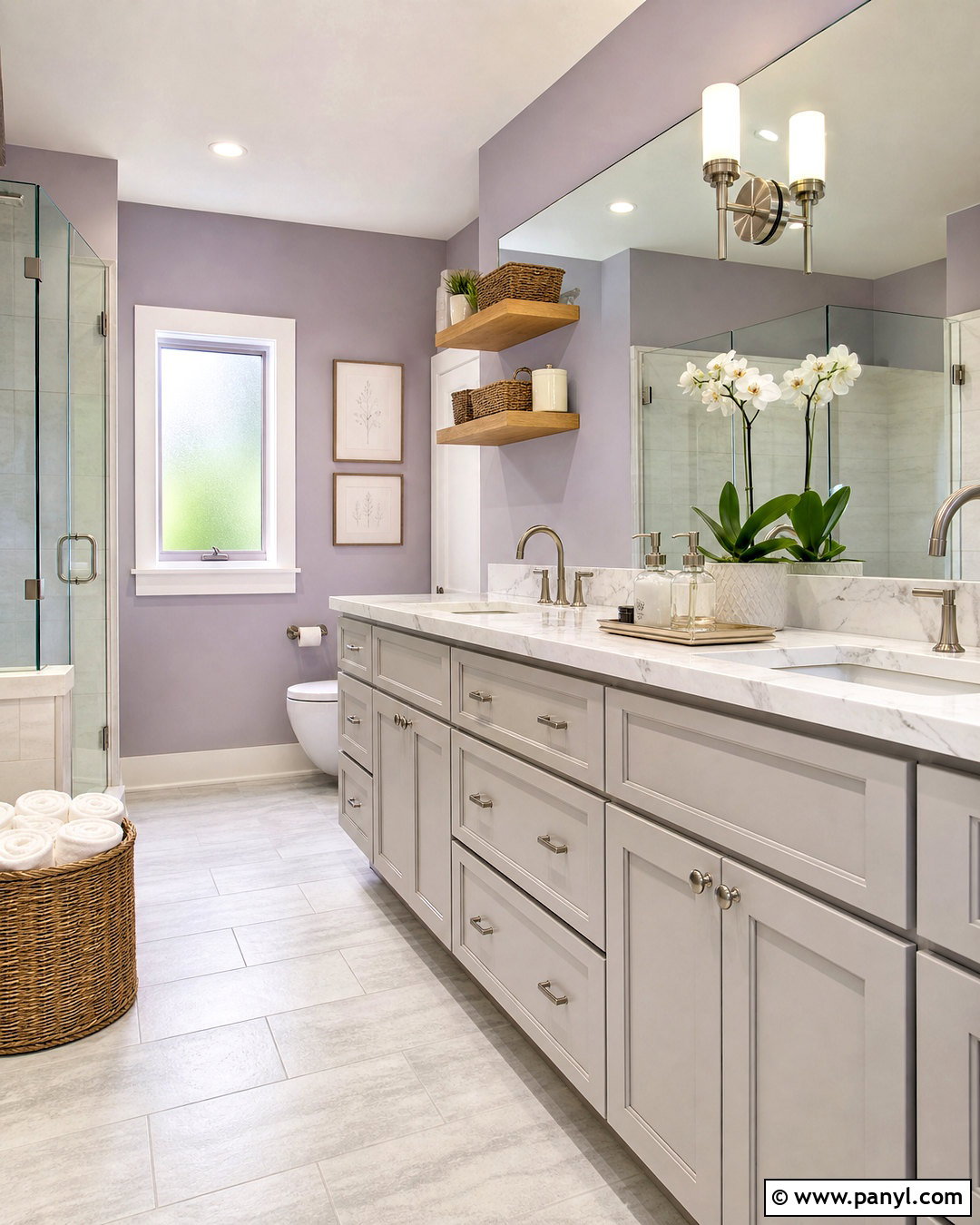
Muted lavender can create a serene adult bedroom when it is paired with warm gray rather than bright white. Paint the walls a smoky lavender with gray undertones, then use pale warm gray on the trim, doors, and ceiling. Add a charcoal upholstered bed, light oak nightstands, and off-white bedding for a balanced foundation. Deep plum pillows and a soft mauve throw provide tonal depth without making the room overly purple. Brushed nickel lamps work well with the cooler notes, while a natural jute or wool rug brings essential warmth. Keep artwork simple and repeat lavender sparingly in abstract prints. The complete design feels soft, polished, and restful. This paint scheme is also suitable for dressing rooms, quiet offices, and guest rooms with moderate natural light.
13. Chocolate Brown And Cream Interior Paint Scheme
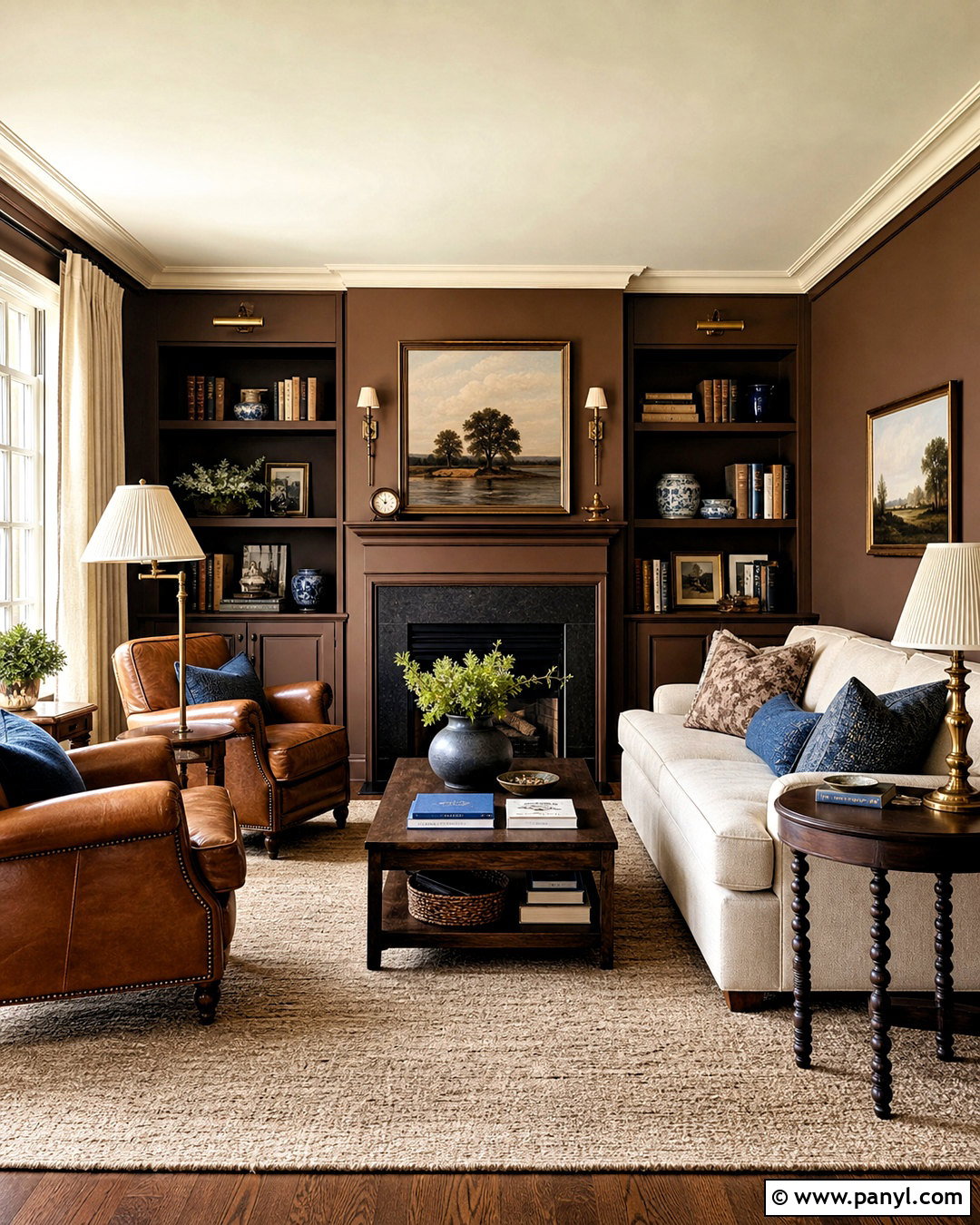
Chocolate brown walls can make a living room feel enveloping, especially when lighter furnishings keep the layout visually balanced. Select a rich brown with warm red undertones and apply it to the walls, built-ins, and interior doors for a cohesive effect. Use cream on the ceiling and window trim to preserve brightness. A large oatmeal sofa, ivory curtains, and a beige wool rug offer necessary contrast. Add walnut tables, cognac leather chairs, and antique brass lamps to build a layered tonal look. Small accents in muted blue or olive green will refresh the earth-based palette. Position mirrors opposite windows to spread natural light across the darker surfaces. The completed interior paint scheme feels intimate and substantial, making it well suited to dens, libraries, media rooms, and evening-focused living spaces.
14. Sky Blue And Natural Beige Interior Paint Scheme
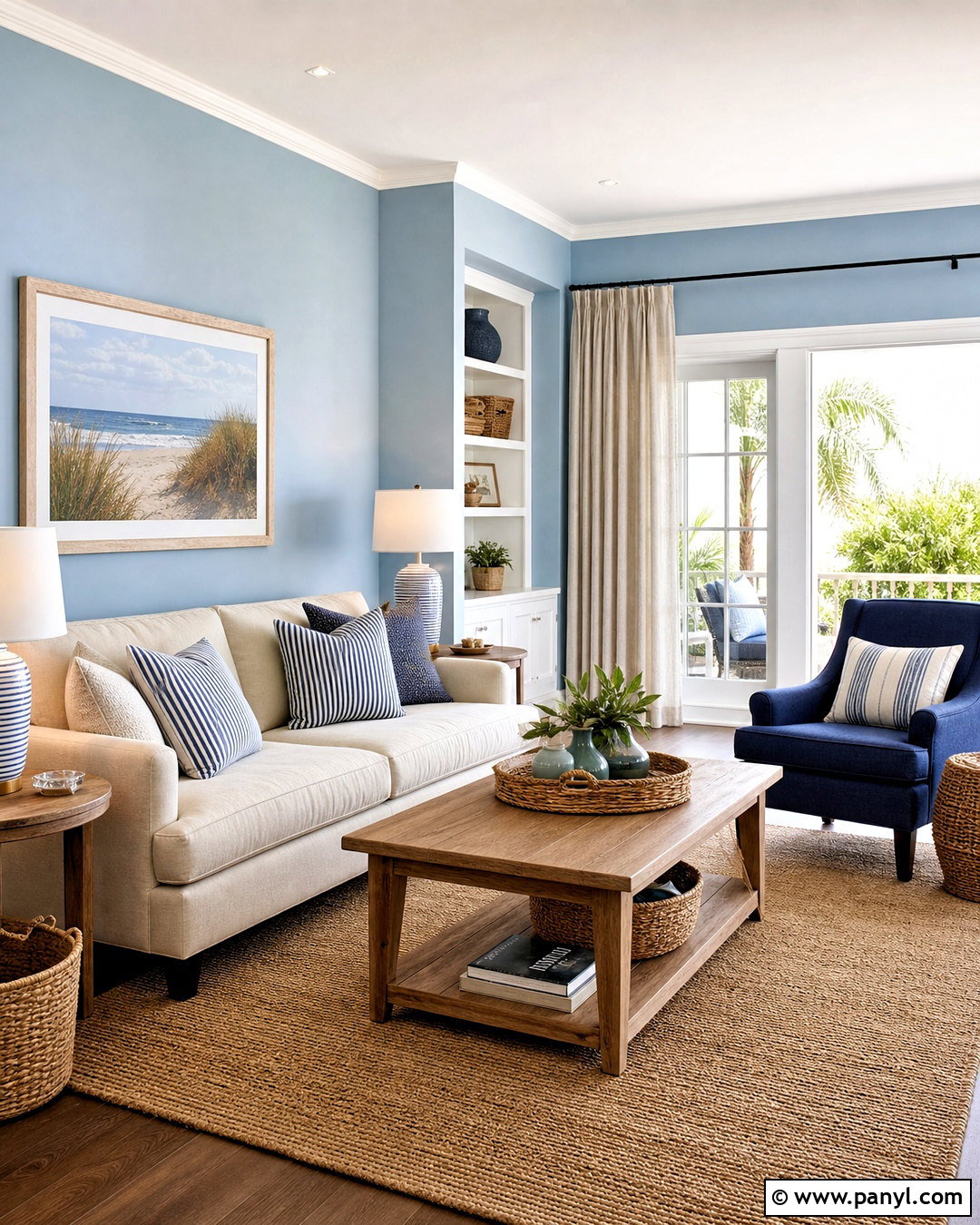
Light sky blue walls and natural beige furnishings create an airy interior without making the room feel cold. Choose a softened blue rather than a bright pastel, then use creamy white on the trim and ceiling. Ground the palette with a sand-colored sofa, woven rug, light oak tables, and flax linen curtains. Introduce darker blue through a single chair, striped pillows, or framed artwork. Wicker baskets and ceramic lamps add texture while maintaining the relaxed character. For an open-plan space, continue the same warm white trim into neighboring rooms and repeat the blue through small decorative details. This complete interior paint scheme fits coastal homes, but it can also look modern and urban when paired with clean-lined furniture. The result is fresh, bright, and comfortable throughout the day.
15. Black And Warm Beige Interior Paint Scheme
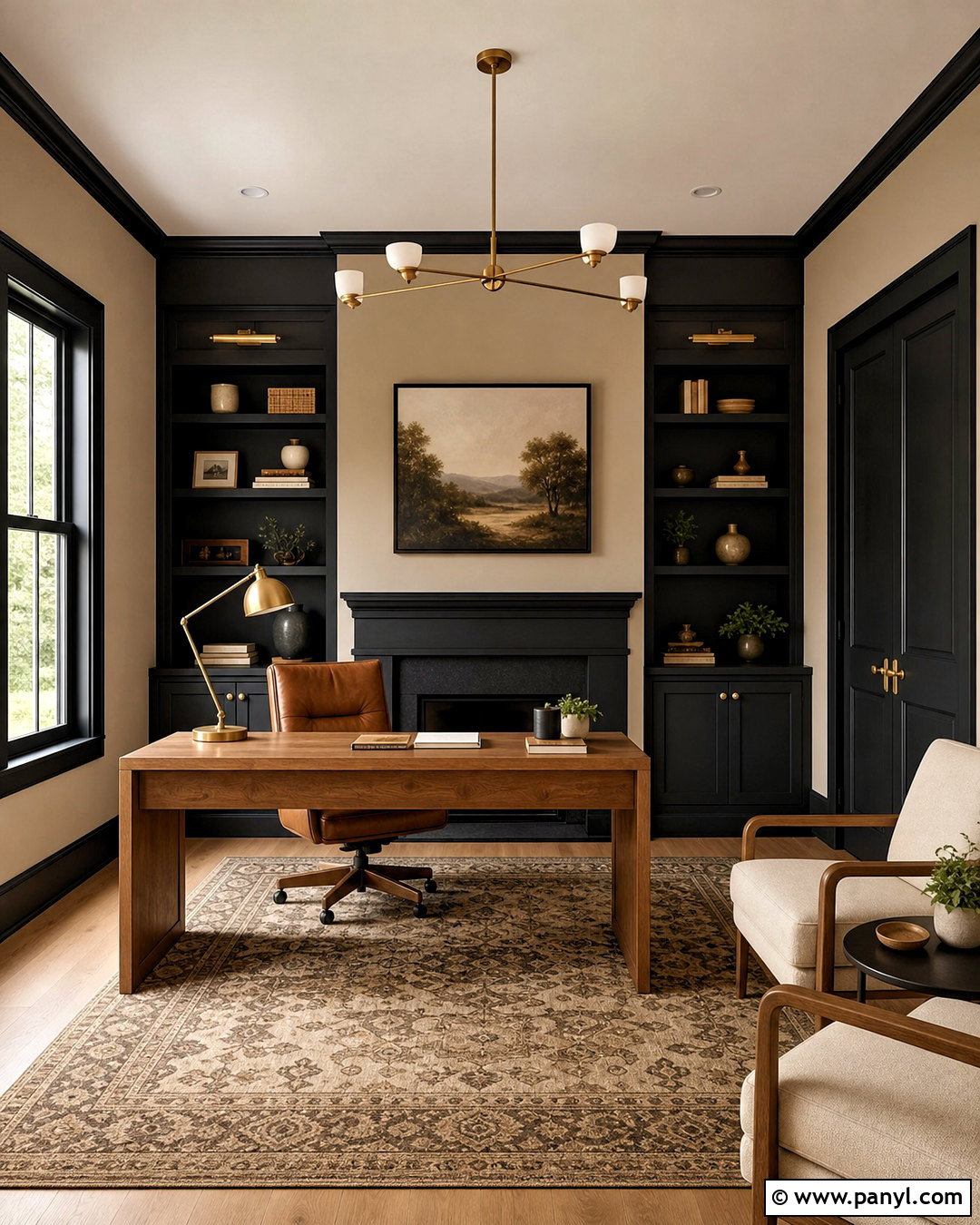
A black and beige room can look bold without feeling stark when the colors are distributed thoughtfully. Use matte black on interior doors, window frames, a fireplace, and lower built-in cabinets. Paint the walls a warm beige with subtle taupe undertones, then keep the ceiling a soft off-white. Select furniture in cream, cognac leather, and medium oak to bridge the strong contrast. A patterned rug with black, tan, and muted rust details will anchor the arrangement. Add brushed brass lighting and large-scale neutral artwork rather than filling the room with many small accessories. Black should outline key architectural features instead of covering every surface. This complete interior paint scheme works in modern living rooms, entryways, dining spaces, and home offices where a clean, graphic structure is desirable.
16. Peach And Clay Interior Paint Scheme
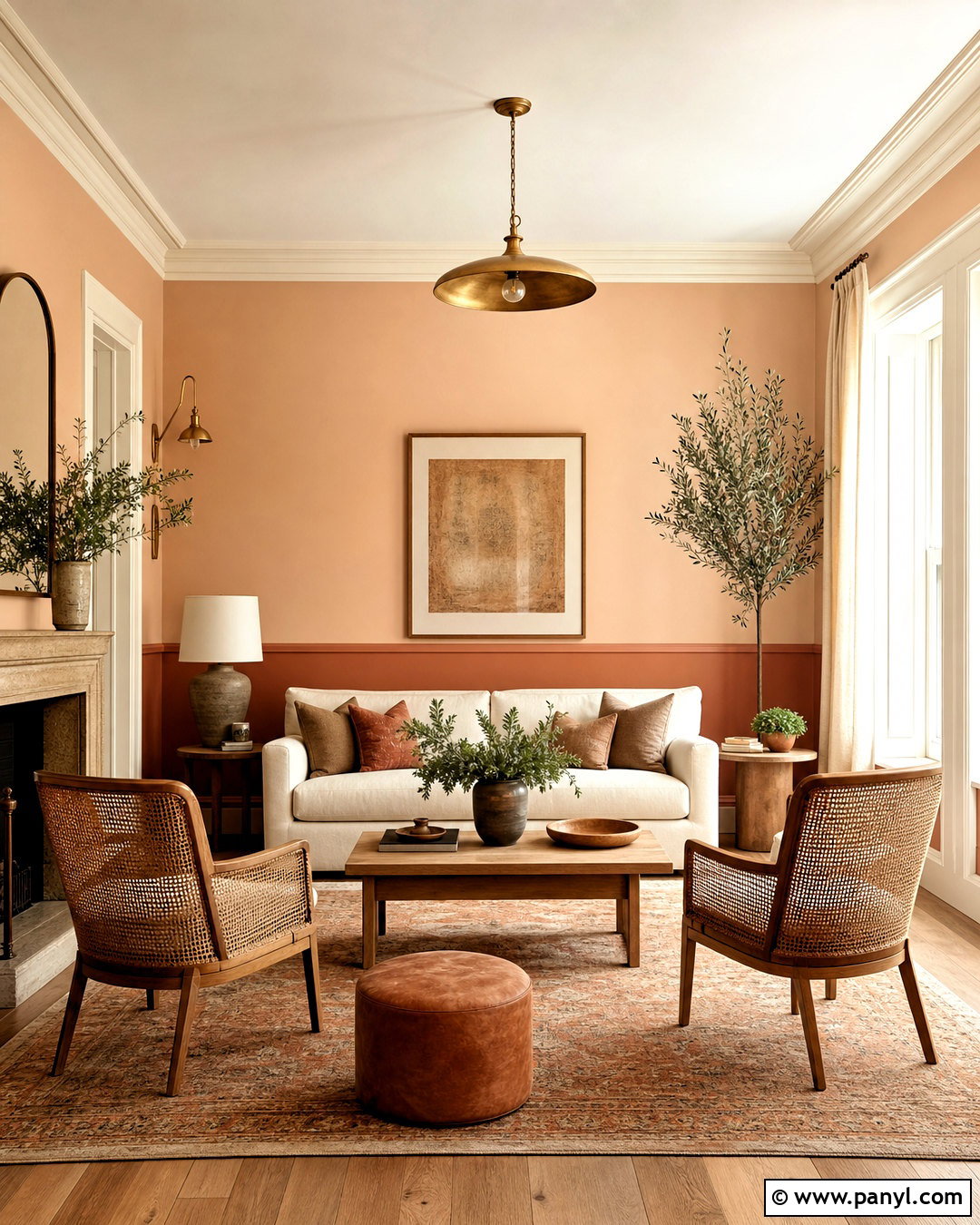
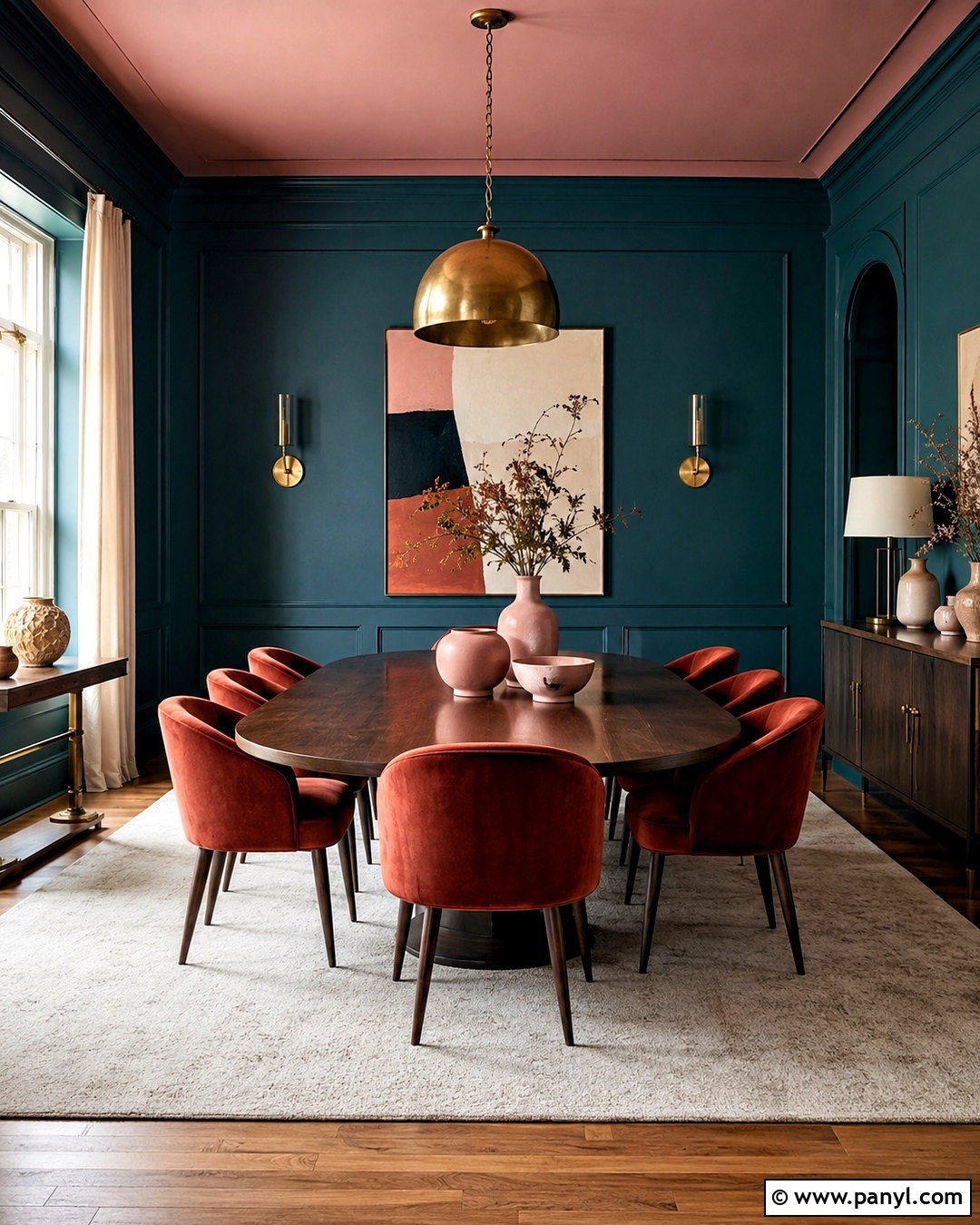
Soft peach and muted clay produce a warm, sun-washed room that feels more natural than sugary. Use pale peach on the upper walls and a deeper clay tone on lower paneling, built-in storage, or a broad accent wall. Paint the ceiling and trim a creamy off-white to connect the two colors smoothly. Furnish the room with an ivory sofa, light wood tables, and woven cane chairs. A faded rug containing rust, cream, and dusty rose can reinforce the palette without dominating it. Add olive green plants, aged brass fixtures, and simple linen curtains for contrast and texture. This interior paint scheme suits a cheerful sitting room, nursery, bedroom, or breakfast area. The finished space feels warm and optimistic while retaining enough earthy depth to remain sophisticated.
17. Forest Green And Tan Interior Paint Scheme
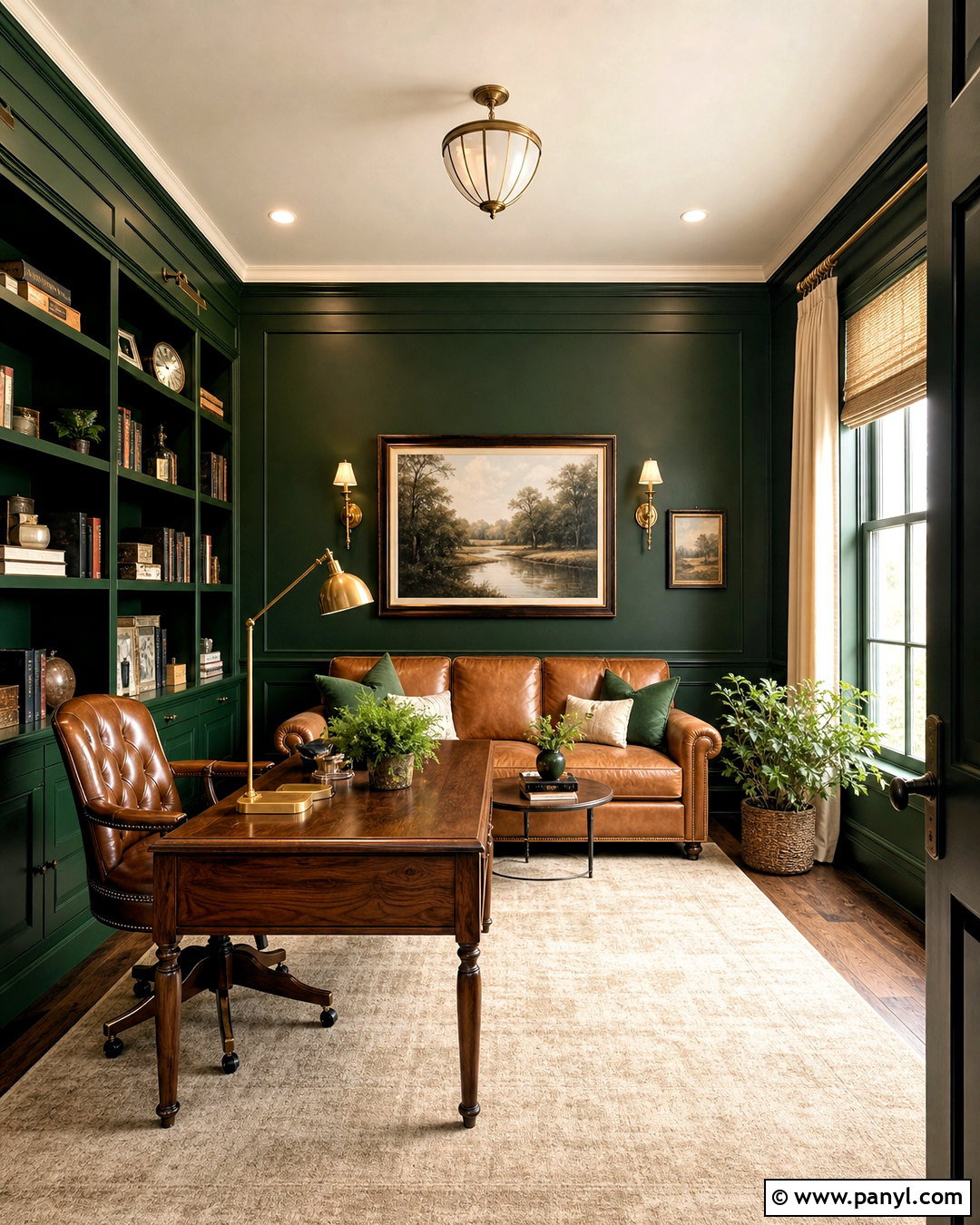
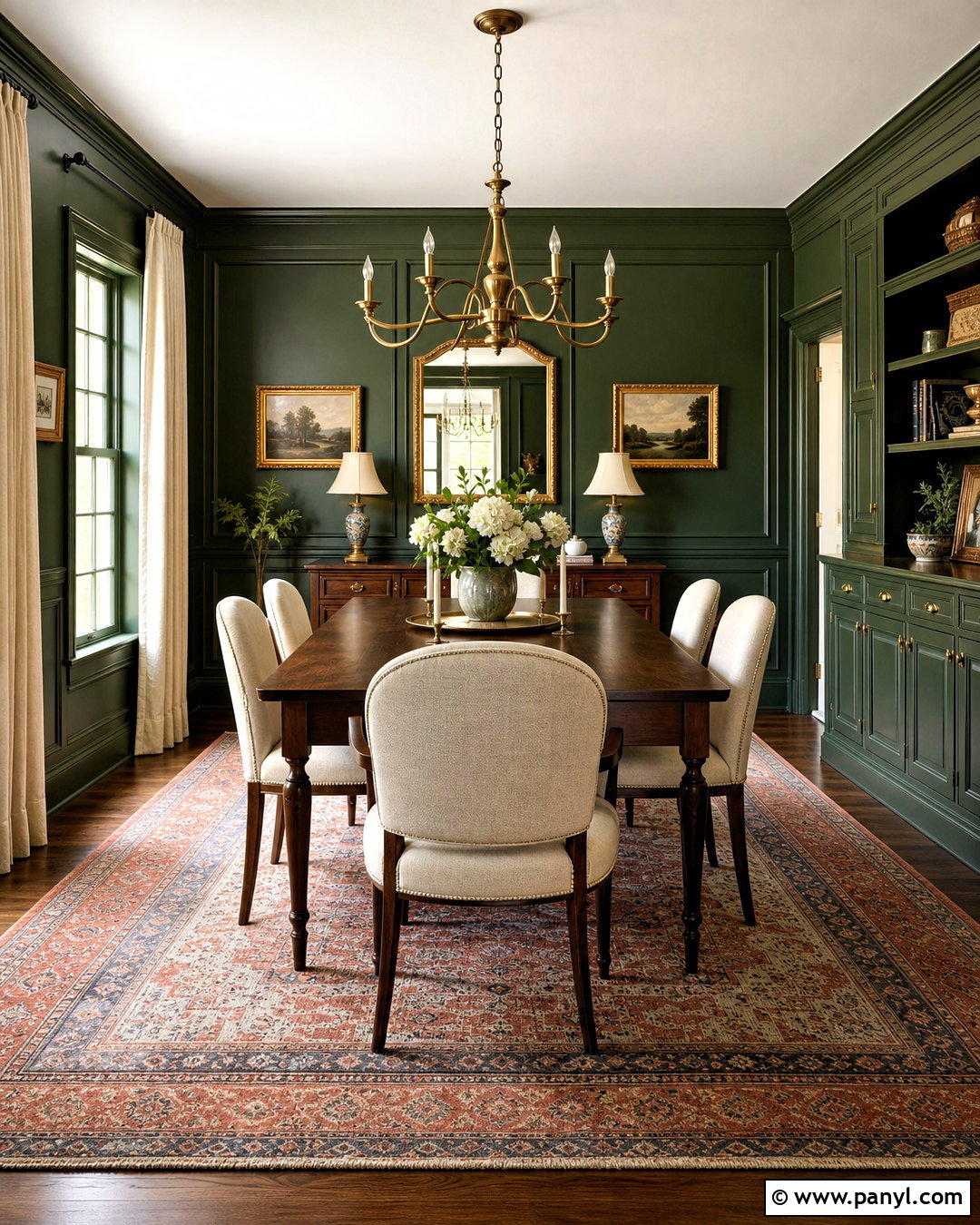
Deep forest green walls create a strong background for a room filled with tan leather, natural wood, and warm metal. Apply the green across all walls in a study or den, then use a slightly lighter tonal green on built-ins for subtle depth. Keep the ceiling warm white so the room does not feel visually compressed. Include a caramel leather sofa, walnut desk, beige rug, and cream window treatments. Antique brass sconces and framed landscape art complement the traditional qualities of the palette. In a contemporary space, choose streamlined furniture and simple black frames instead. Make sure several light surfaces are spread around the room rather than grouped in one area. This complete paint scheme feels grounded, calm, and connected to nature while offering a distinctive alternative to neutral walls.
18. Soft Gray And Mustard Interior Paint Scheme
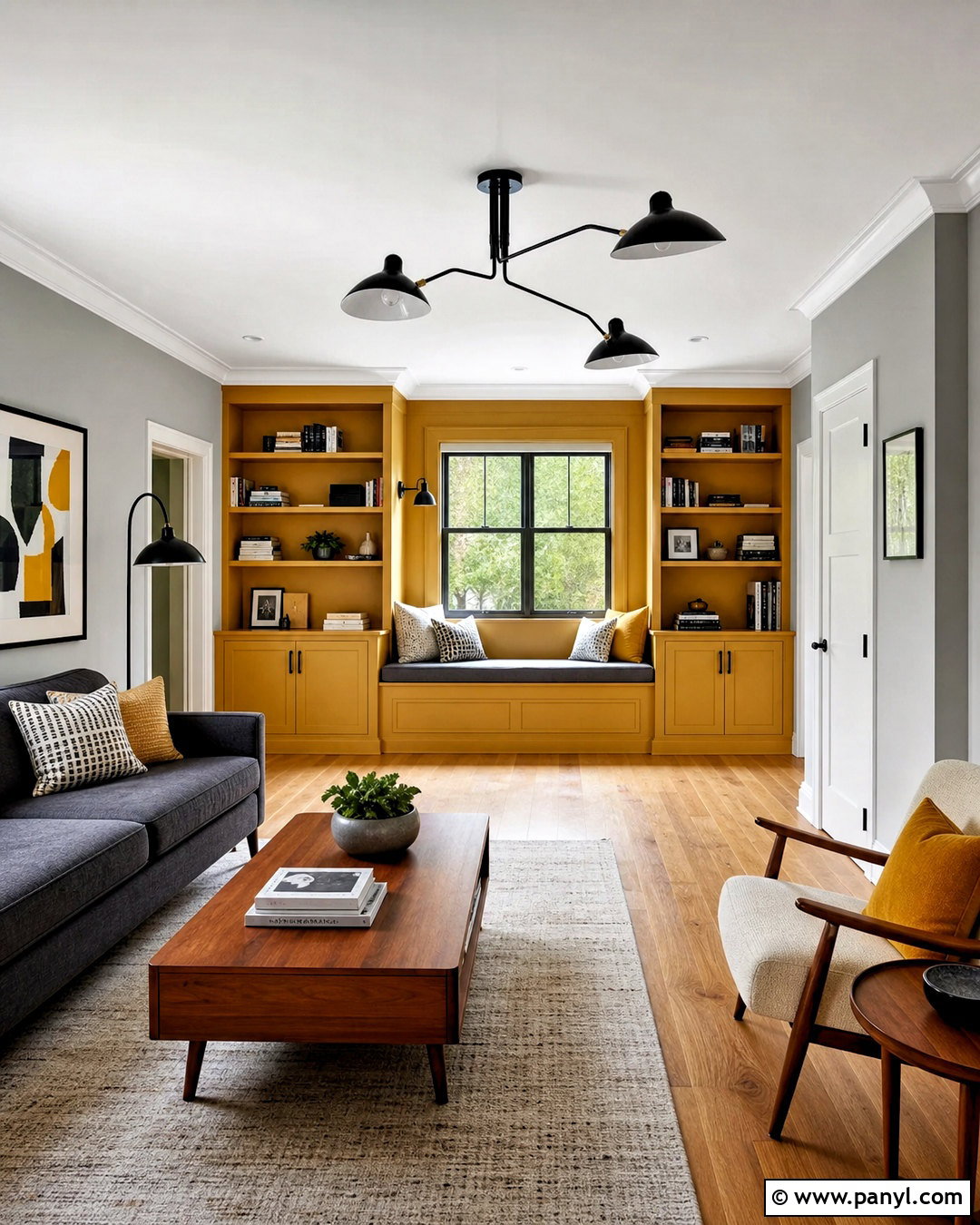
Soft gray becomes more expressive when paired with warm mustard and natural wood. Paint the main walls a light gray with balanced undertones, avoiding shades that appear noticeably blue or purple. Use mustard on a built-in cabinet, reading nook, or lower section of paneled walls. Bright white trim creates a clean edge, while an oak floor and beige rug warm the foundation. Choose a charcoal sofa, cream chair, and walnut tables, then repeat mustard through one or two textiles. Black lighting and simple graphic artwork add modern structure. Keep the room open and uncluttered so the yellow accent remains intentional. This interior paint scheme works especially well in apartments, family rooms, and home offices where residents want a mostly neutral space with a controlled burst of cheerful color.
19. Deep Plum And Putty Interior Paint Scheme
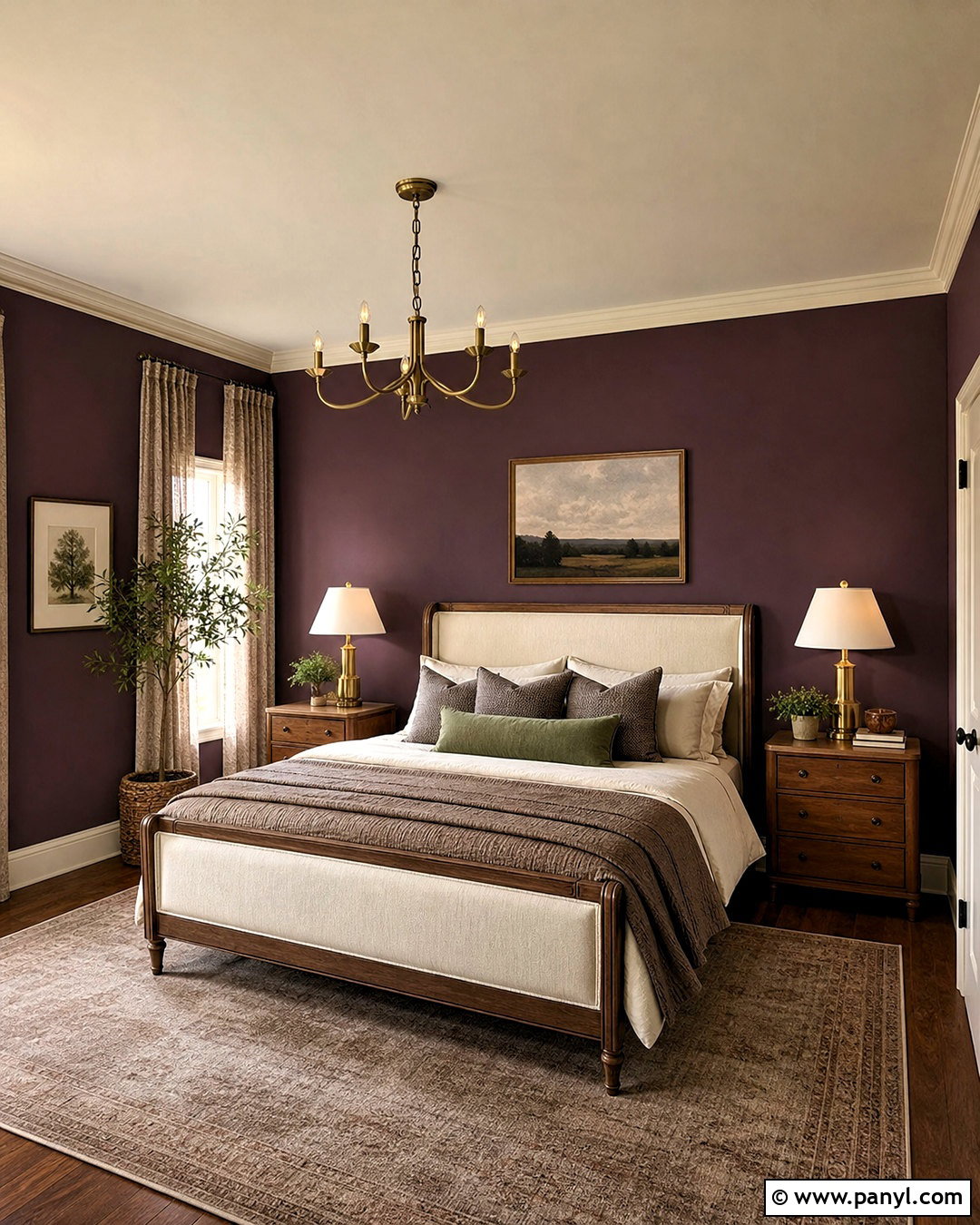
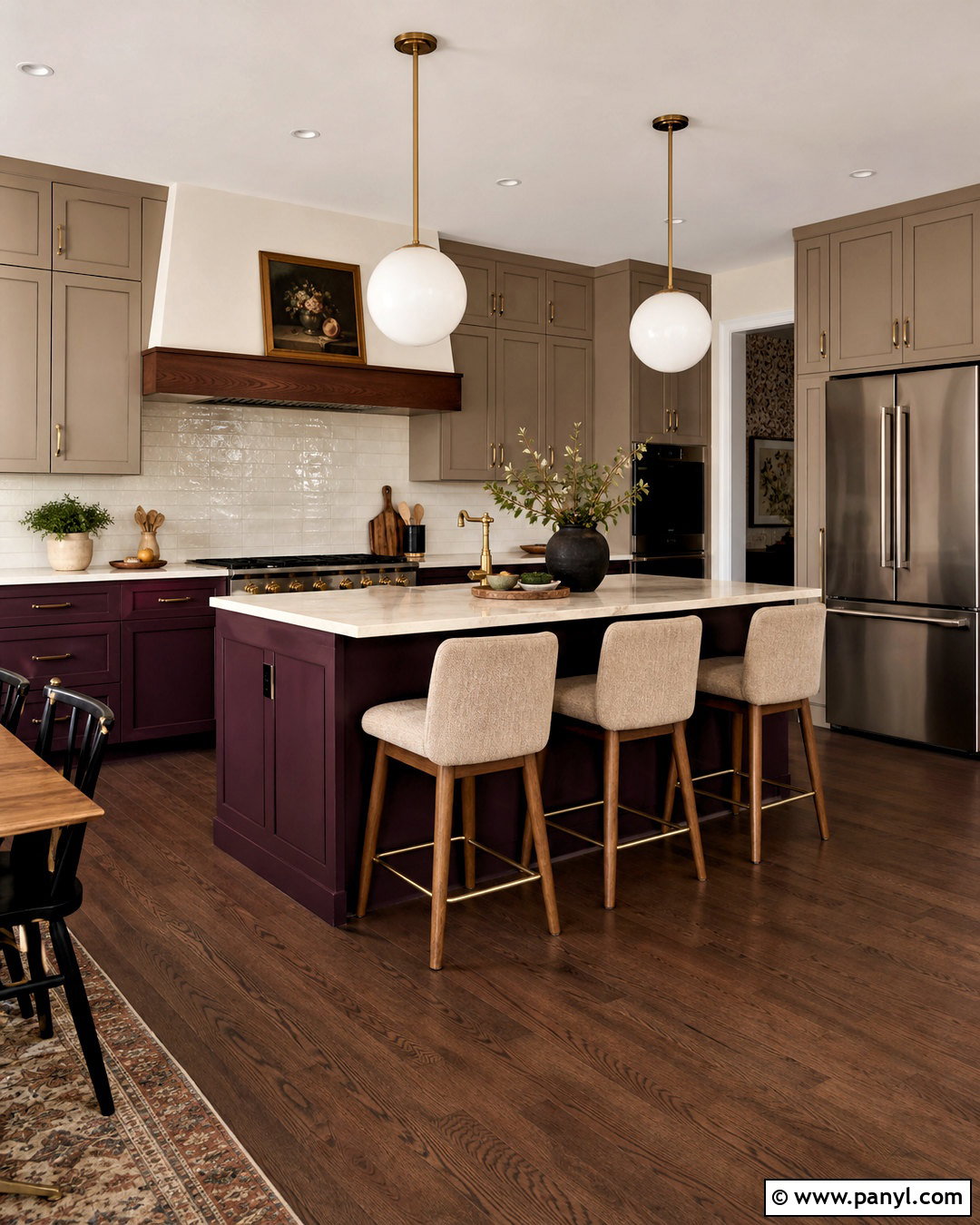
Deep plum can bring character to a dining room or bedroom without the intensity of bright purple. Paint the walls a brown-based plum, then choose putty beige for the trim, ceiling, and connecting hallway. The warmer neutral prevents the darker color from feeling theatrical. Add a medium oak dining table or bed frame, cream upholstery, and a taupe rug. Aged brass lighting enhances plum’s red undertones, while muted sage accessories provide understated contrast. Select curtains close to the wall color for a continuous, cocooning effect. If the room lacks natural light, use plum on paneling below chair-rail height and putty above it. The finished interior paint scheme feels intimate, mature, and carefully layered, with enough neutral space to keep everyday furniture and artwork easy to coordinate.
20. Blue Gray And Rust Interior Paint Scheme
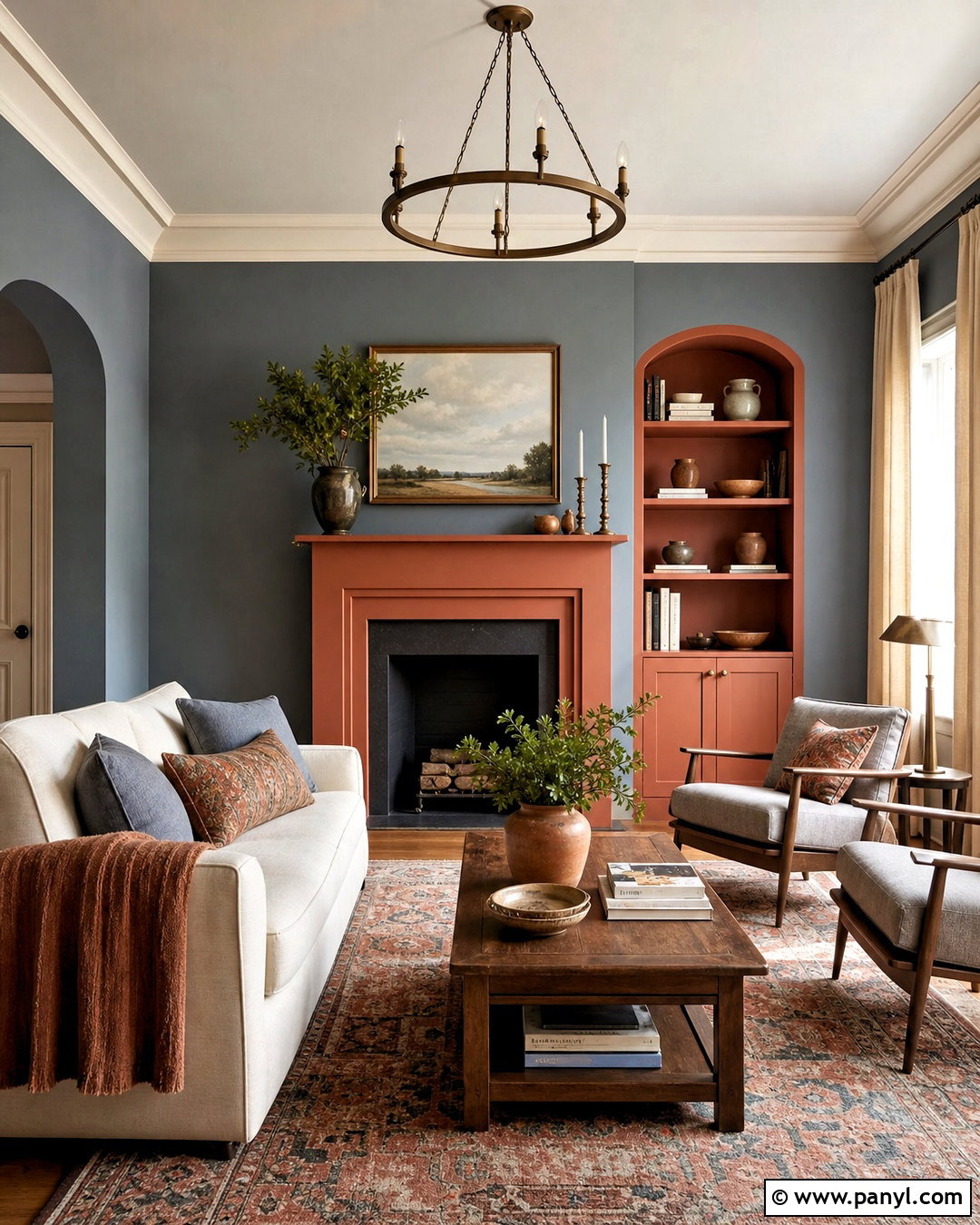
Blue-gray walls form a calm background, while rust accents add the warmth needed for a comfortable, balanced room. Choose a medium blue-gray for the walls and paint the trim a soft ivory rather than brilliant white. Introduce rust on a fireplace, built-in cabinet, or selected lower wall paneling. A cream sofa, walnut furniture, and a faded rug combining blue, rust, tan, and charcoal will unite the palette. Add linen curtains in natural beige and use black or aged bronze lighting for definition. Terracotta ceramics can repeat the warm accent without making the design overly coordinated. This complete interior paint scheme works beautifully in living rooms, guest bedrooms, and open-plan apartments. The contrast between cool and earthy colors gives the space visual depth while preserving a relaxed, approachable atmosphere.
Conclusion:
Successful interior paint schemes consider much more than attractive wall colors. They coordinate ceilings, trim, architectural features, fixed finishes, furniture, textiles, and light as one complete composition. Begin with the elements you cannot easily change, including flooring, counters, tile, and large furniture. Then select a dominant wall color, a supporting neutral, and one controlled accent. Test large samples on different walls and observe them during morning, afternoon, and evening hours before purchasing paint. You can also carry one trim color through adjoining rooms to improve continuity. Whether you prefer quiet greige, earthy green, dramatic plum, or cheerful yellow, these 20 interior paint schemes provide practical foundations that can be personalized for your home.

Related Ideas and Inspiration:
Leave a Reply