
Grey trim can make an interior feel tailored, architectural, and refreshingly different from the usual white woodwork. It works with warm neutrals, soft pastels, saturated colors, and even other shades of gray. The key is choosing the right undertone and repeating it through furniture, textiles, or metal finishes. Current approaches range from subtle greige baseboards to dramatic charcoal doors and color-drenched rooms, making gray-painted millwork a versatile choice for both traditional and modern homes. () Before painting, test large samples beside the flooring and view them throughout the day. The following complete room schemes show how walls, flooring, furniture, lighting, and accessories can work together in 20 grey trim interior ideas.

1. Grey Trim With White Walls
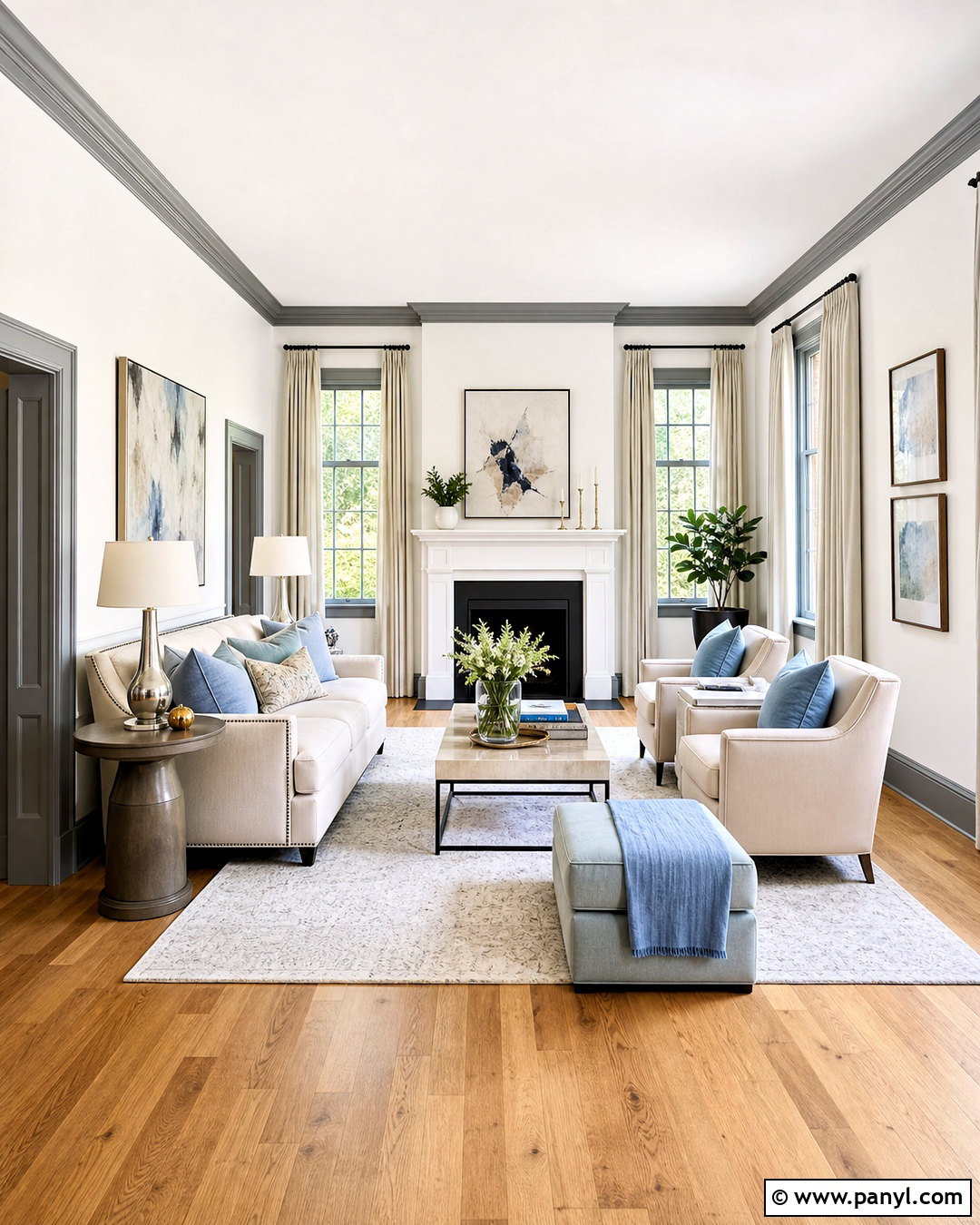
Crisp white walls and medium grey trim create a clean contrast without making the room feel stark. Use a soft, balanced gray on the baseboards, window casings, crown molding, and interior doors. Natural oak flooring brings warmth, while a cream sofa and two textured gray armchairs connect the woodwork to the furniture. Add a pale blue rug, linen curtains, and brushed nickel lighting for a calm living room palette. Keep larger surfaces light so the trim becomes a clear architectural feature rather than a heavy border. This combination is especially effective in rooms with attractive windows or substantial molding. Repeat the trim color in pillows, ceramic pieces, and framed artwork to make the complete space feel intentional.
2. Dark Grey Trim With Cream Walls
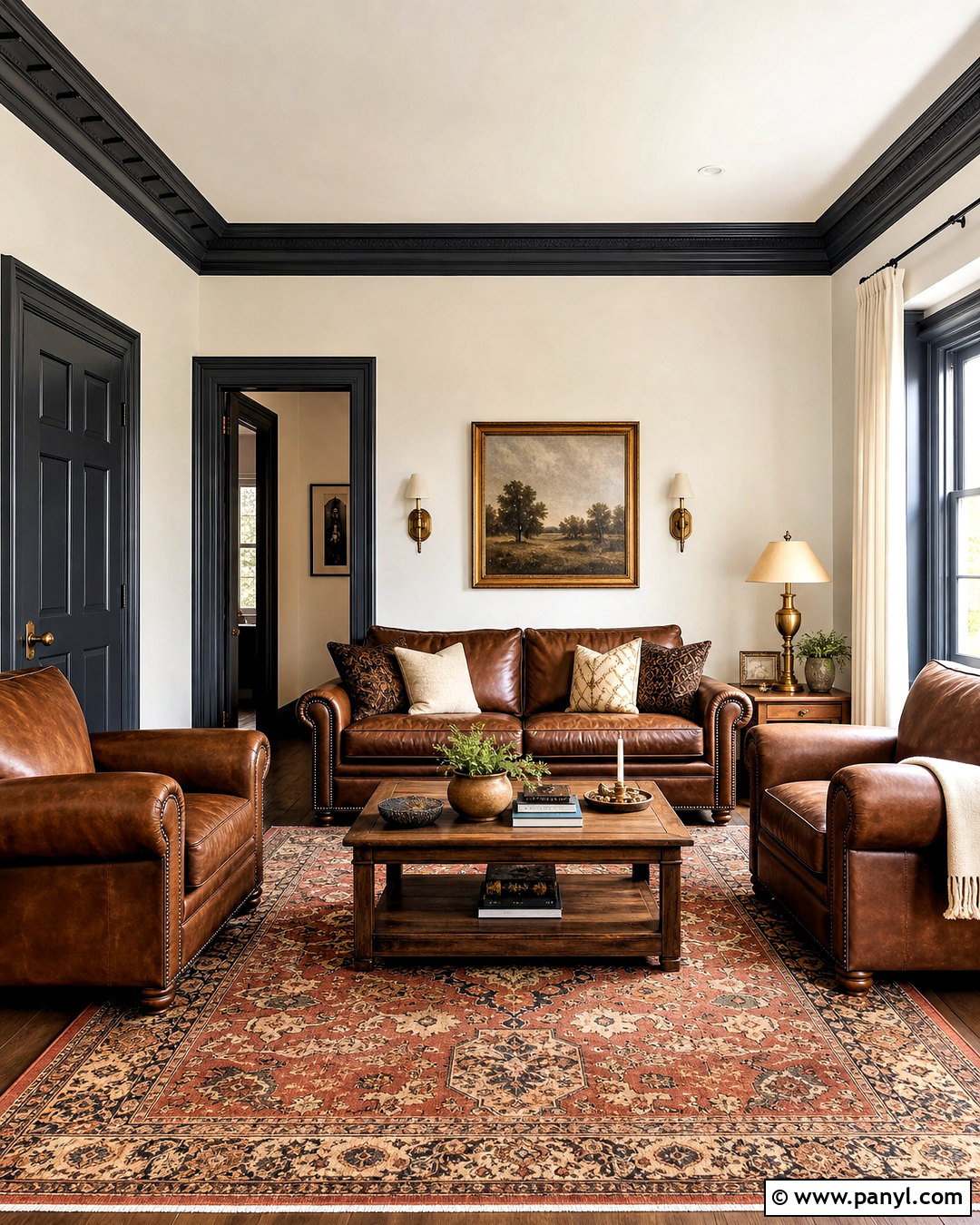
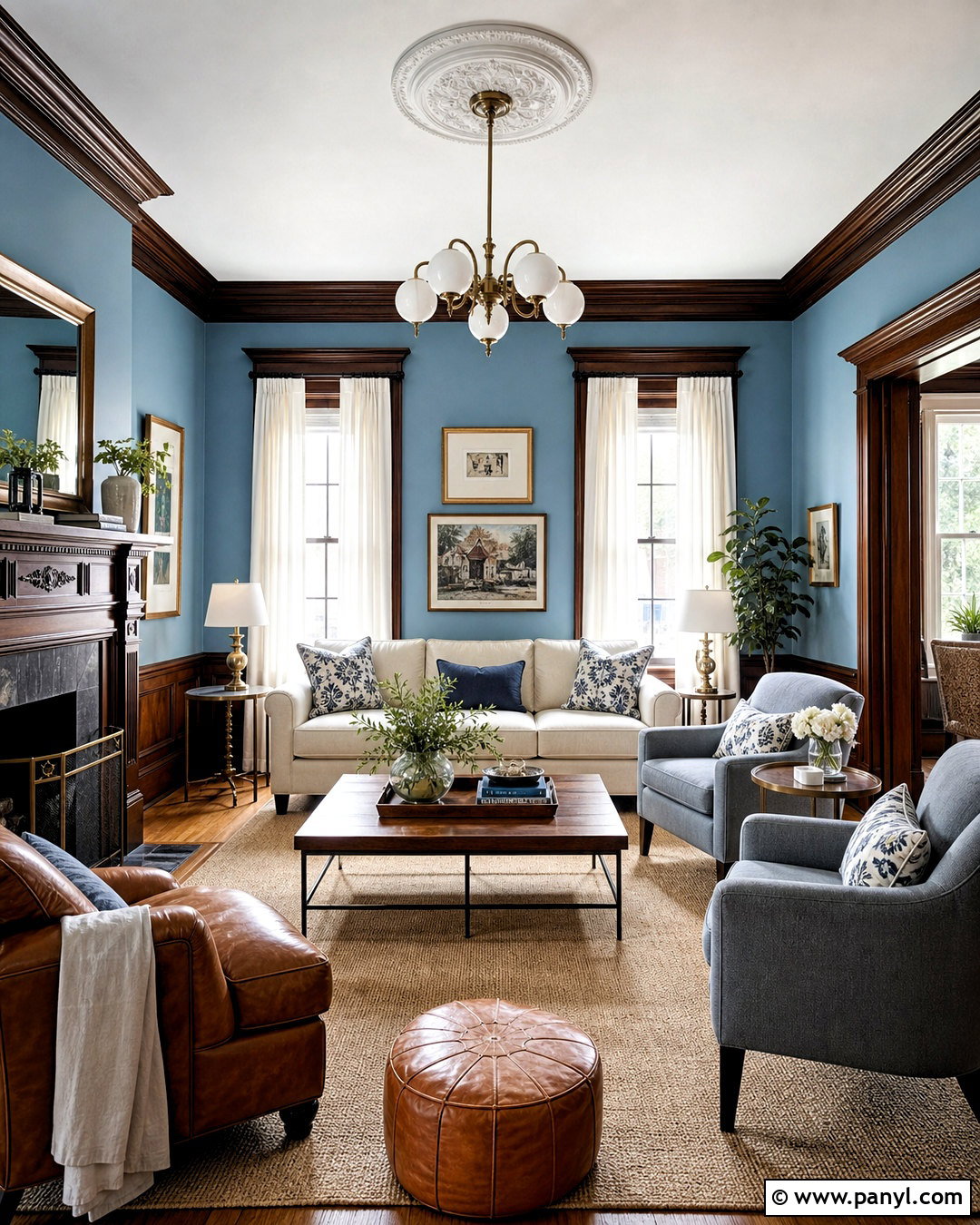
Warm cream walls soften dark grey trim and create an inviting alternative to black-and-white contrast. Choose a deep charcoal with warm undertones for the doors, window frames, crown molding, and baseboards. Furnish the room with a camel leather sofa, walnut coffee table, and oatmeal-colored chairs. A vintage-style rug containing charcoal, rust, and beige will tie the palette together. Antique brass lamps and warm white curtains keep the dark millwork from looking too cool. This scheme suits a cozy den, library, or traditional living room where depth feels appropriate. Allow plenty of cream wall space to balance the charcoal. Matte or eggshell paint on the walls and a satin trim finish provide subtle definition and practical durability.
3. Light Grey Trim With Beige Walls
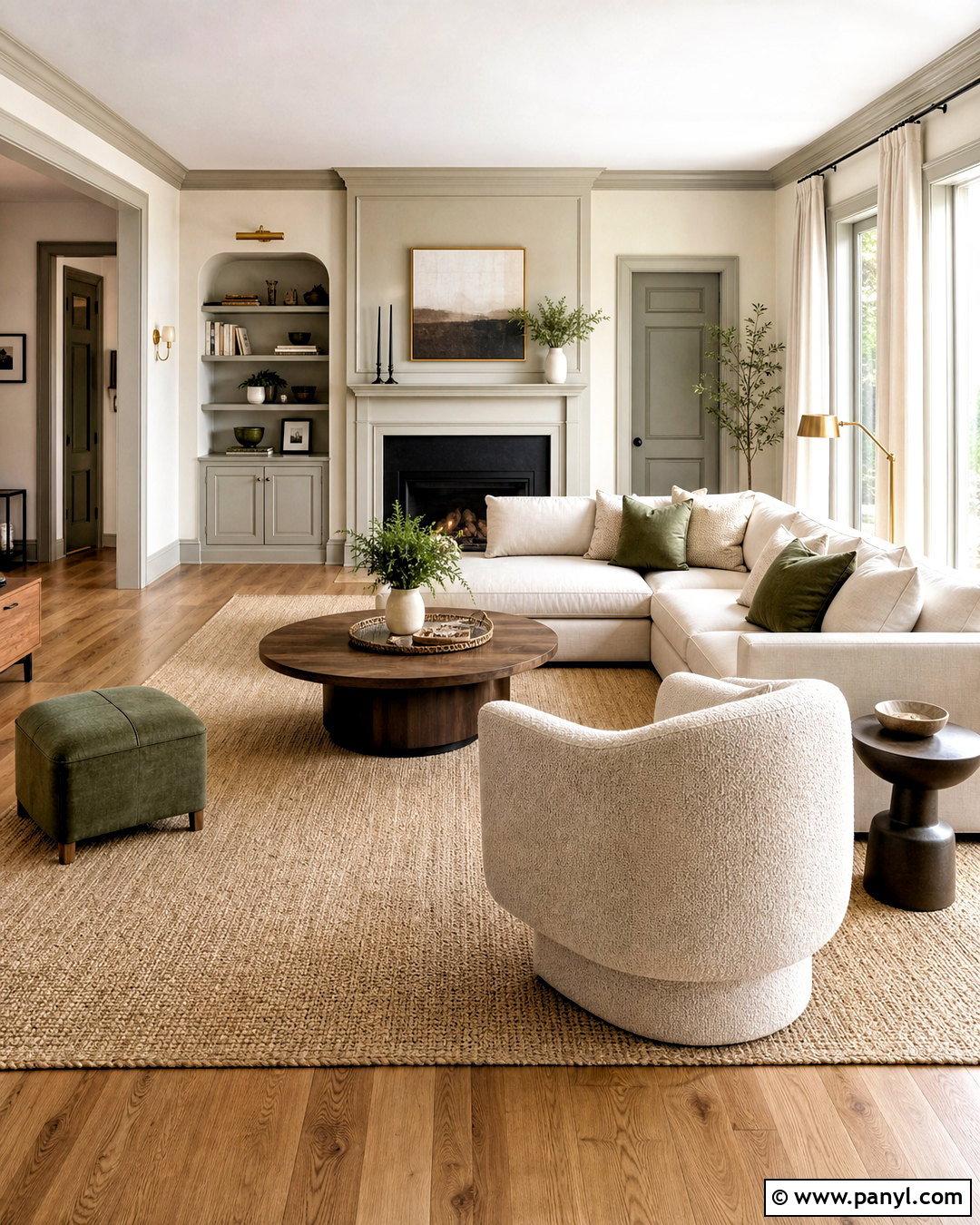
Imagine a sunny room where warm beige walls meet delicate light grey woodwork. The combination feels quiet and polished, particularly when the gray has a slight taupe undertone. Paint the baseboards, window casings, doors, and simple crown molding in the same pale gray. Use medium-tone oak floors, an ivory sectional, and a woven jute rug to build a comfortable foundation. Sage green pillows and leafy plants introduce gentle color without disturbing the neutral atmosphere. Choose warm brass lighting and natural linen curtains rather than icy silver finishes. The finished room should contain several textures, including wood, boucle, cotton, and woven fibers. These details prevent the restrained beige-and-gray palette from becoming flat or unfinished.
4. Charcoal Grey Trim With Sage Green Walls
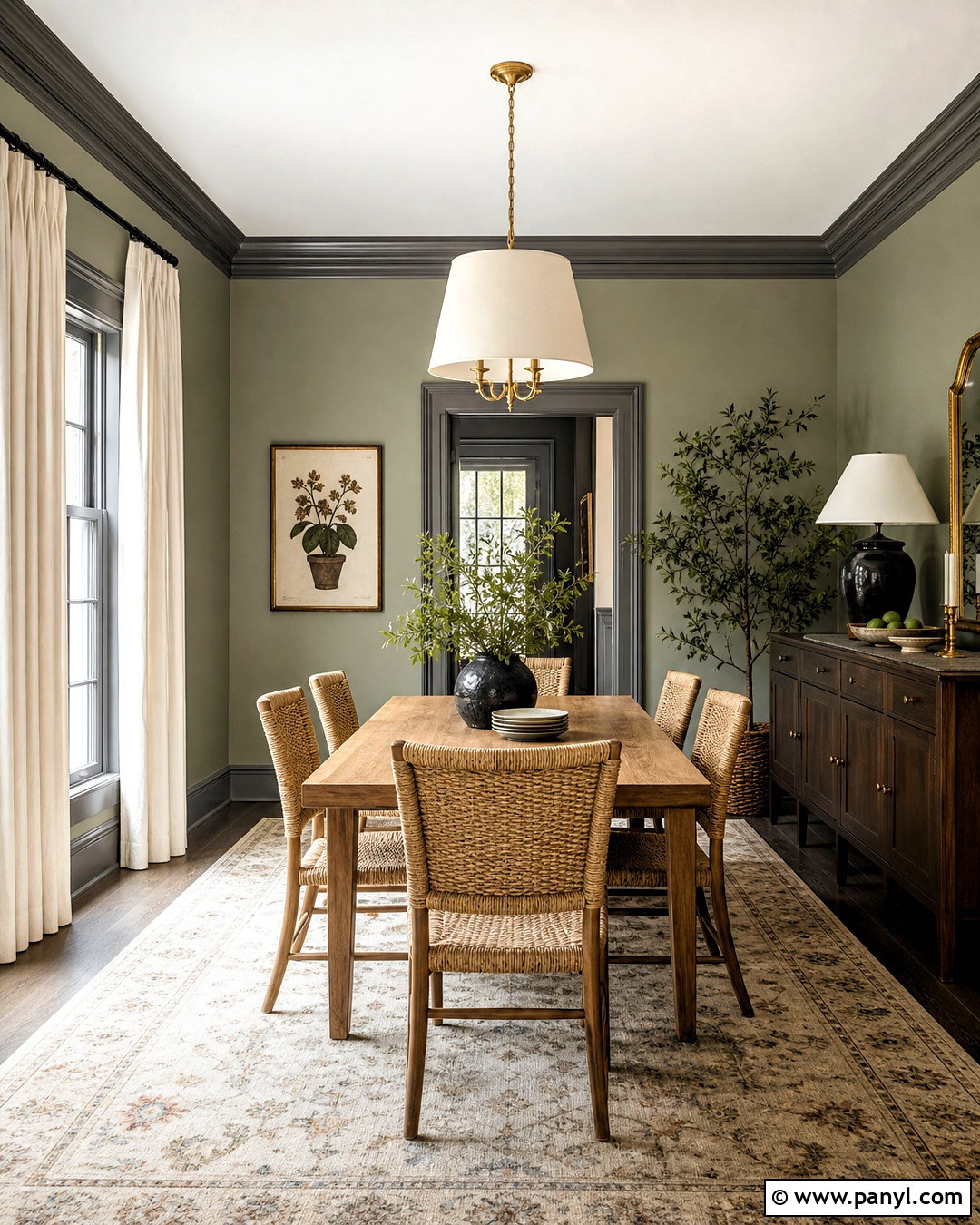
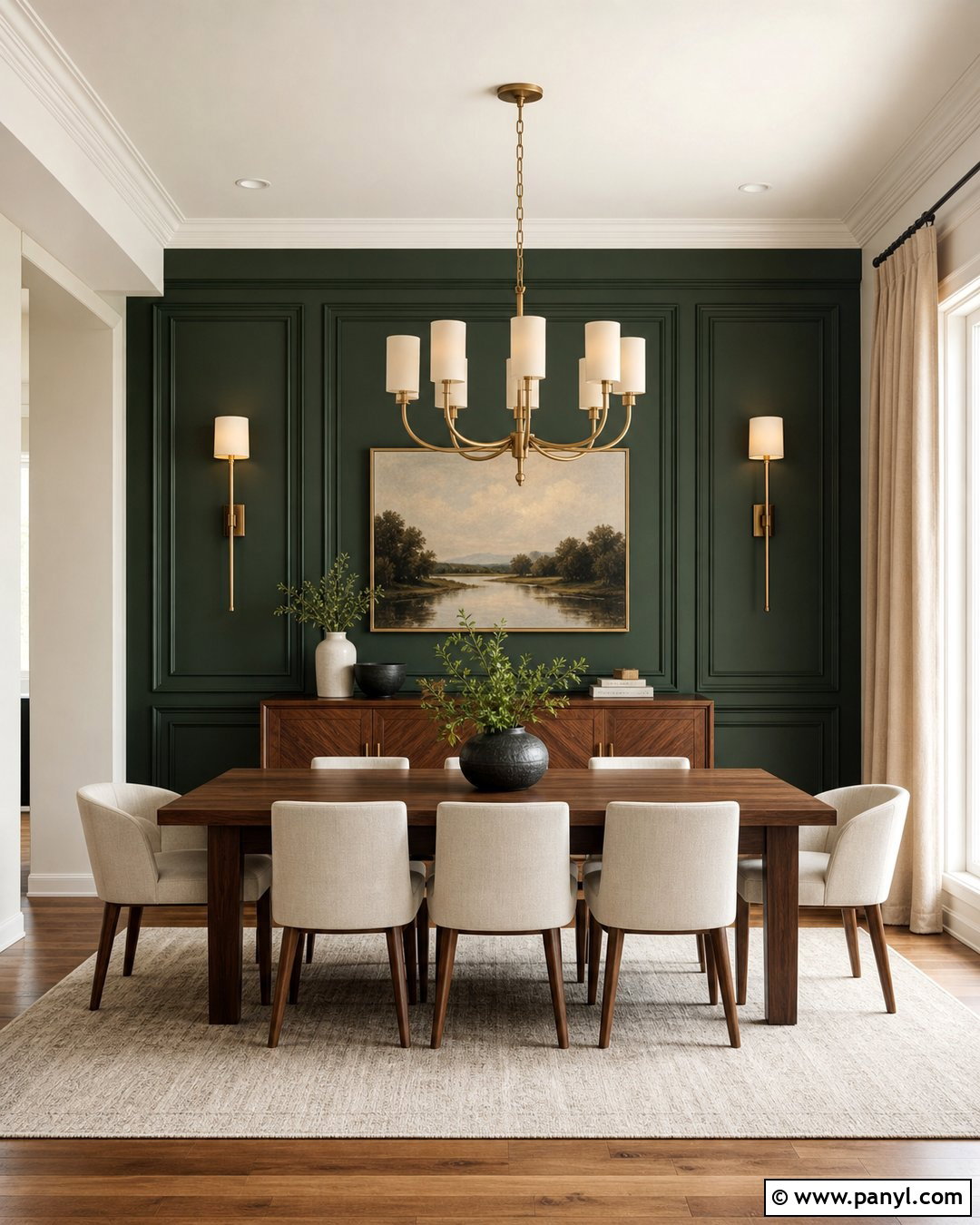
Sage green walls become more sophisticated when framed by charcoal grey trim. This earthy combination works beautifully in a dining room with traditional molding, tall windows, and a simple fireplace. Paint the baseboards, window casings, door, and mantel in a softened charcoal rather than a severe blue-black. Add a solid oak dining table, woven dining chairs, and a muted botanical rug. A large cream pendant light brightens the center of the room, while aged brass hardware adds warmth. Display a few ceramic vessels and landscape prints instead of filling every surface. Natural linen curtains can match the wall closely, keeping the windows relaxed. The complete design feels grounded, comfortable, and connected to garden-inspired colors.
5. Warm Grey Trim With Taupe Walls
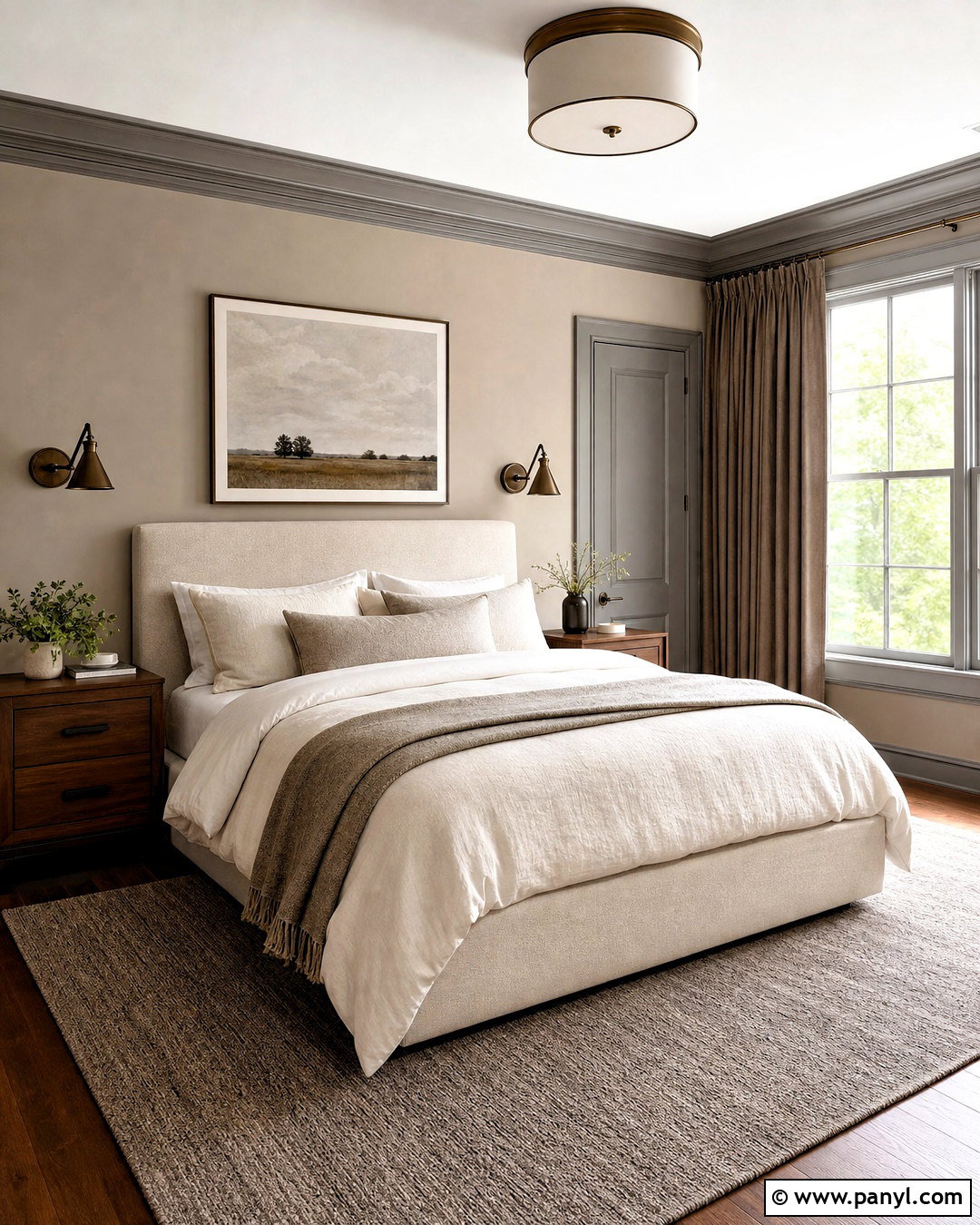
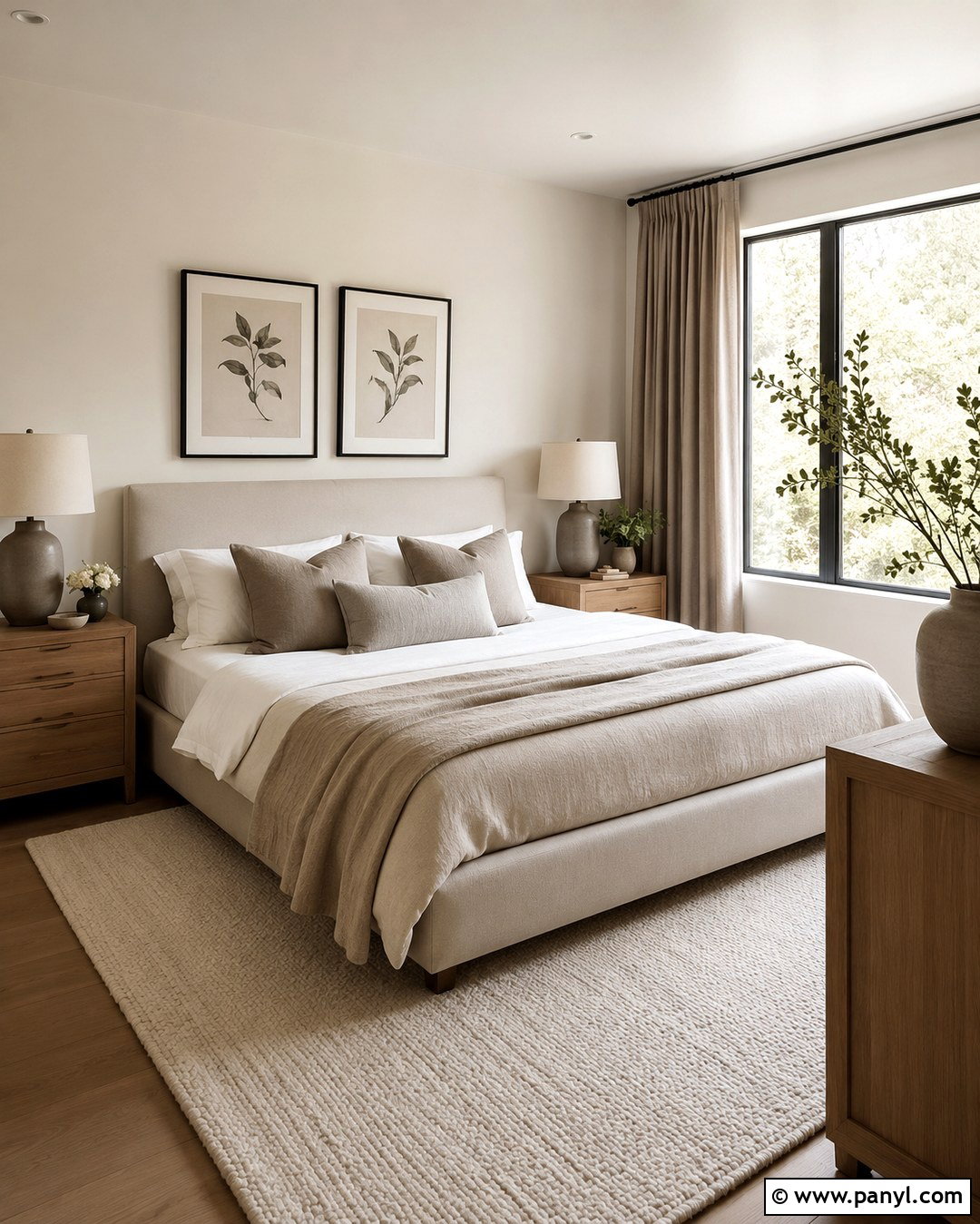
What if you want subtle definition rather than obvious contrast? Pair taupe walls with warm grey trim that is only two or three shades darker. The close tonal relationship highlights doors and molding while maintaining a restful, seamless appearance. Build a bedroom around this palette using an upholstered oatmeal bed, warm walnut nightstands, and layered ivory bedding. Add a taupe wool rug and soft brown curtains for extra depth. Bronze sconces and small black accents prevent the neutrals from appearing washed out. Paint the bedroom door, baseboards, window trim, and crown molding in the same warm gray. The finished space will feel especially cohesive when both paint colors share similar beige, brown, or slightly violet undertones.
6. Blue Grey Trim With Pale Blue Walls
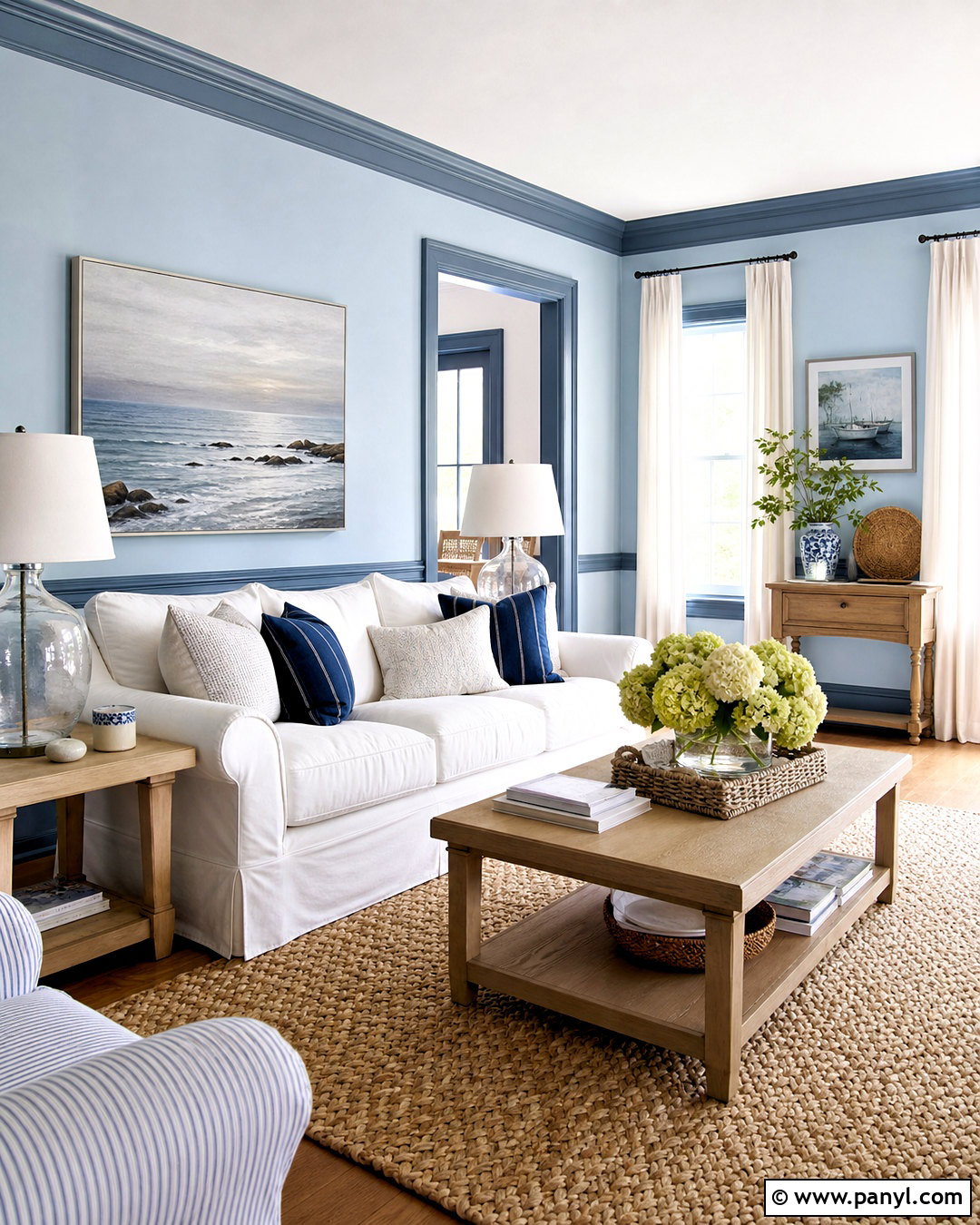
A pale blue room framed with blue grey trim feels fresh, airy, and gently coastal without relying on themed decorations. Select a muted blue-gray for the doors, baseboards, window casings, and built-in shelves. Keep the walls several shades lighter so the architecture remains visible. A white slipcovered sofa, pale oak coffee table, and natural woven rug create a casual living area. Add navy piping, soft striped pillows, and clear glass lamps for controlled contrast. White linen curtains help sunlight move through the room, while small touches of warm tan stop the blue palette from feeling cold. Finish with abstract seascape artwork and a few handmade ceramics. Every element should feel relaxed, practical, and connected through cool blue undertones.
7. Grey Trim With Blush Pink Walls
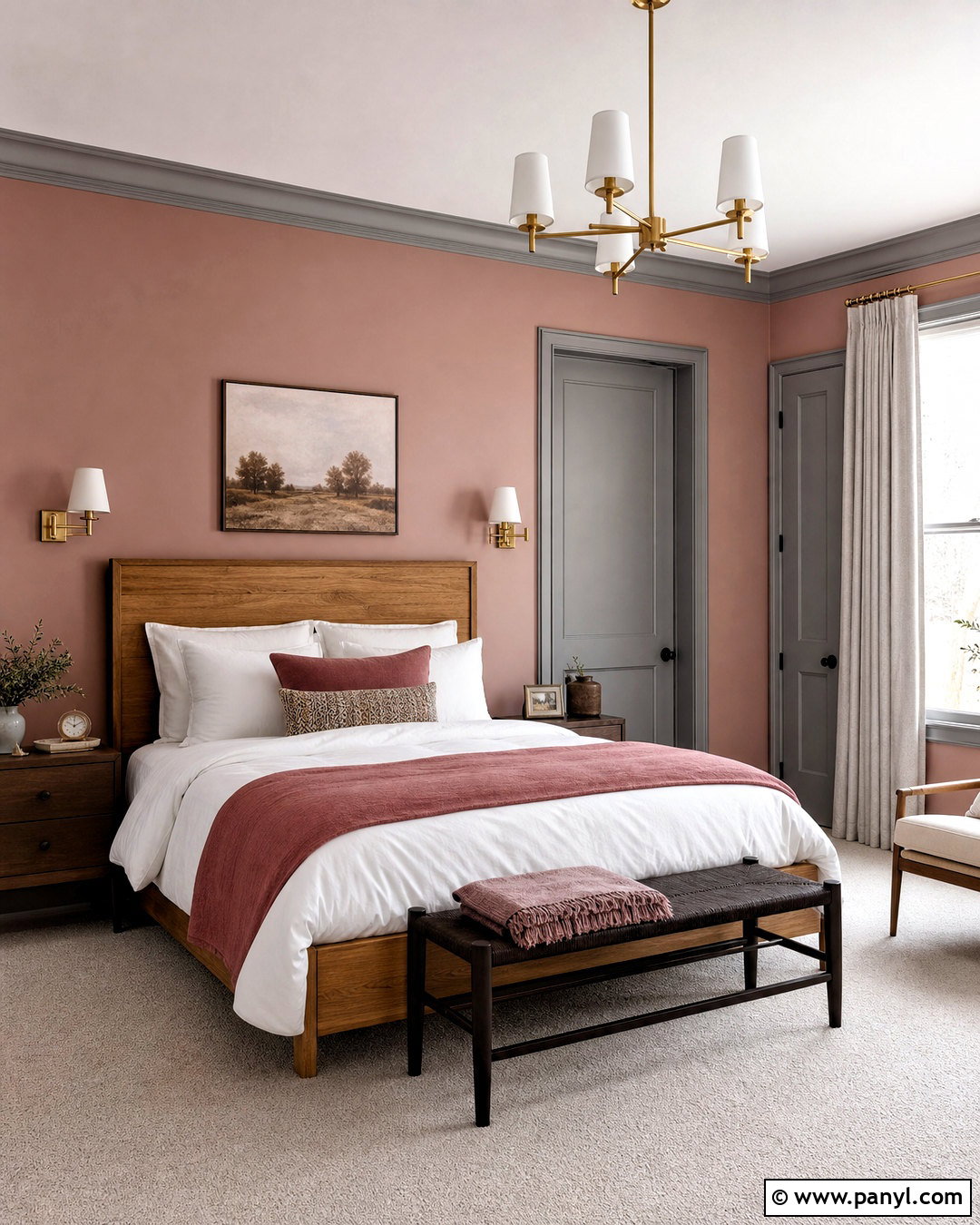
Blush pink walls gain structure and maturity when combined with soft grey trim. Use a warm dove gray around the windows, doors, crown molding, and baseboards rather than choosing a cold industrial tone. For a bedroom, introduce a natural oak bed, white bedding, and a muted rose throw. A cream rug and pale gray curtains balance the pink, while brushed brass sconces add a warm metallic detail. Include one deeper accent, such as a burgundy pillow or dark wood bench, to ground the pastel colors. Keep accessories simple and sculptural so the room feels refined rather than overly decorative. This complete palette works best when the pink is dusty and understated, allowing the gray woodwork to provide crisp but gentle definition.

8. Grey Trim With Soft Yellow Walls
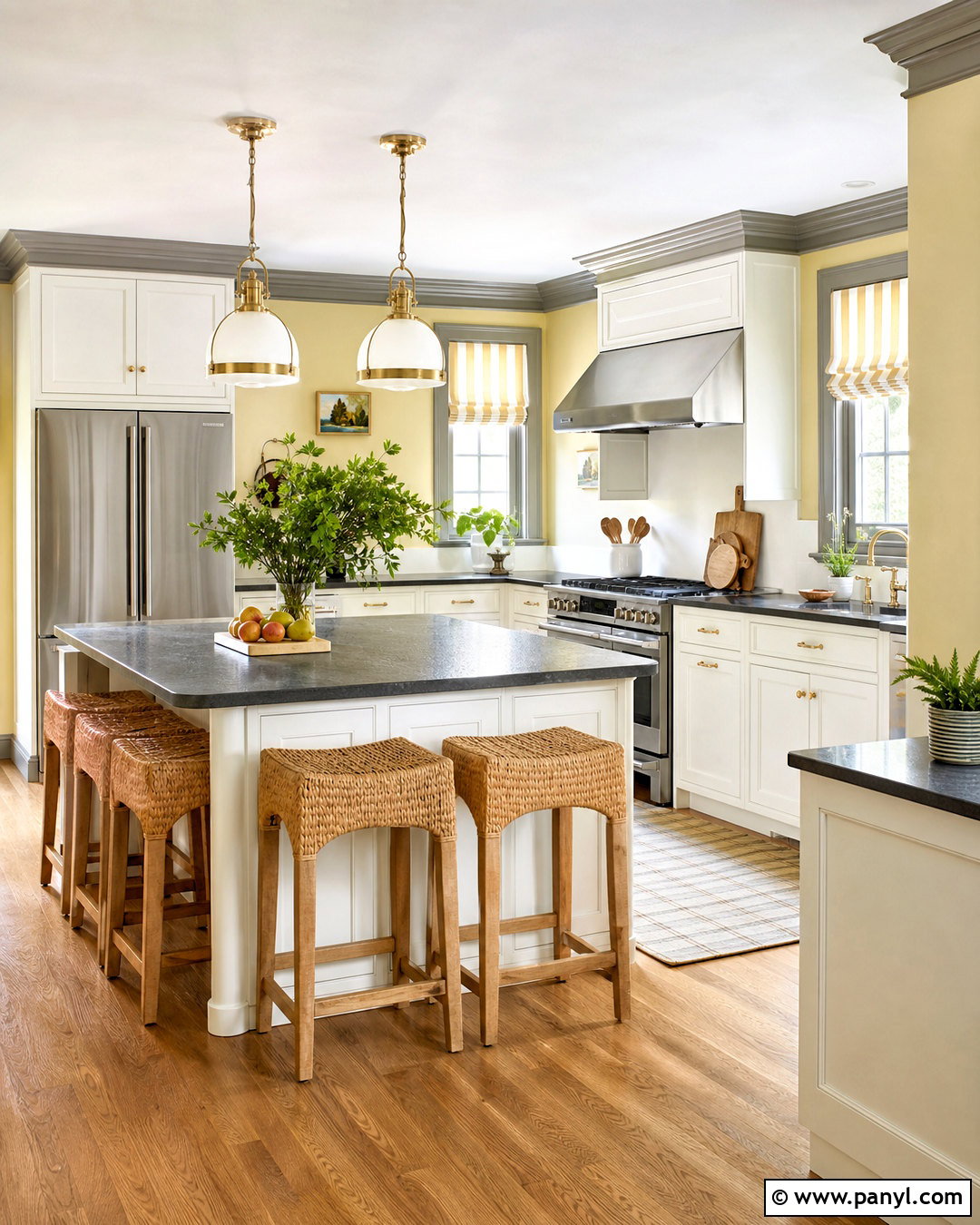
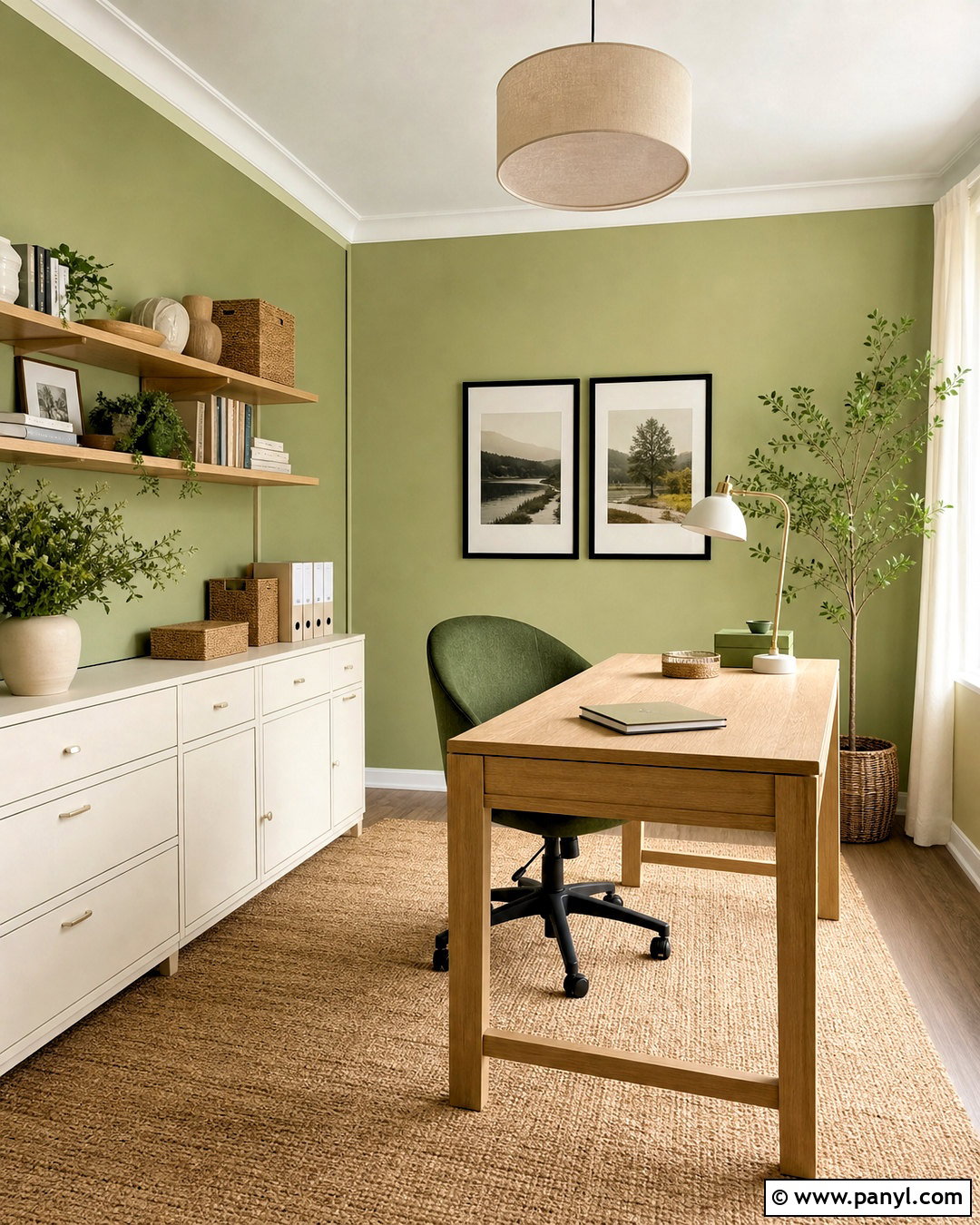
Soft yellow walls and grey trim can create a cheerful kitchen that still feels calm and livable. Choose a muted buttery yellow for the walls and a midtone warm gray for window frames, baseboards, door casings, and cabinetry details. Shaker cabinets in creamy white keep the room bright, while gray trim visually connects them to soapstone-look counters and stainless steel appliances. Add warm oak flooring, woven counter stools, and simple brass pendants. A small breakfast table with gray-painted chairs reinforces the woodwork color. Avoid intense lemon shades, which may overpower the trim. Instead, use gentle yellow with beige undertones. White ceramics, striped Roman shades, and fresh greenery complete this sunny, balanced kitchen design.
9. Grey Trim With Terracotta Walls
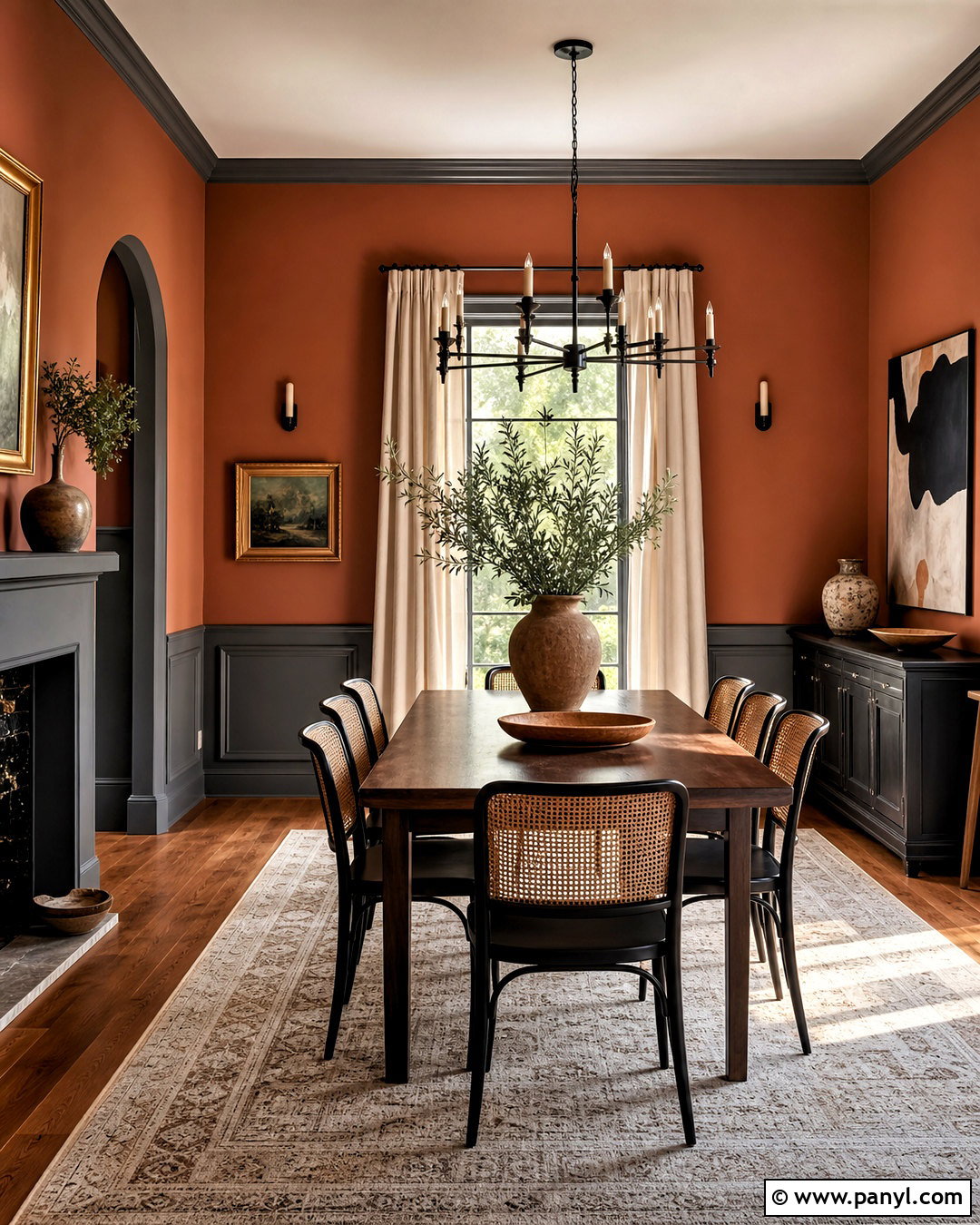
Terracotta walls create a rich backdrop for smoky grey trim in a warm, character-filled dining room. Select an earthy clay color rather than a vivid orange, then frame it with deep gray baseboards, doors, window casings, and picture molding. A dark oak dining table and cane-back chairs reinforce the natural palette. Ground the arrangement with a cream rug featuring faded rust and charcoal details. Linen curtains in a pale oatmeal tone soften the windows, while blackened bronze lighting adds definition overhead. Use handmade pottery, abstract art, and one large plant as restrained finishing touches. The cooler trim balances the warmth of the walls, producing a room that feels layered and comfortable rather than overly rustic or intensely colorful.
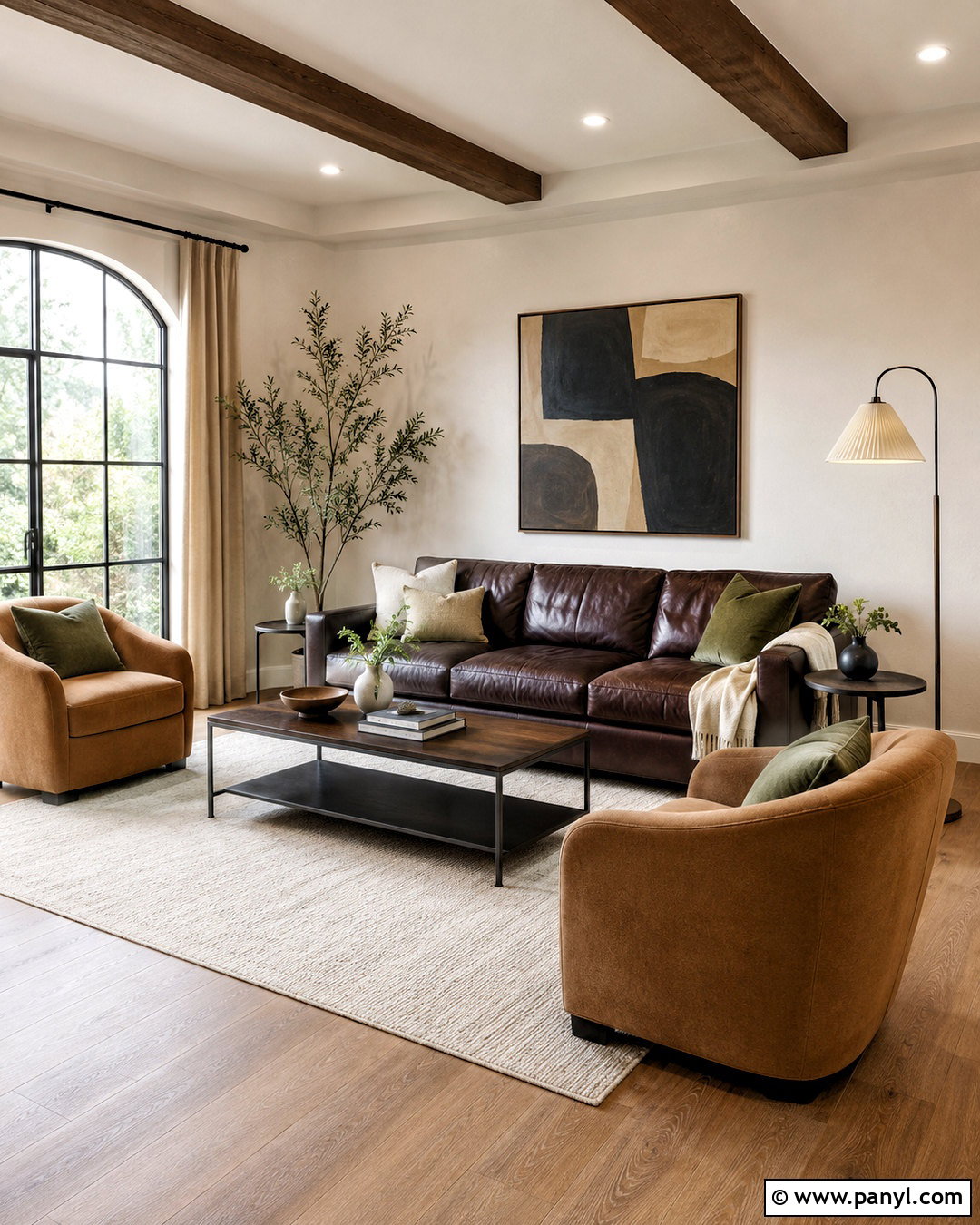
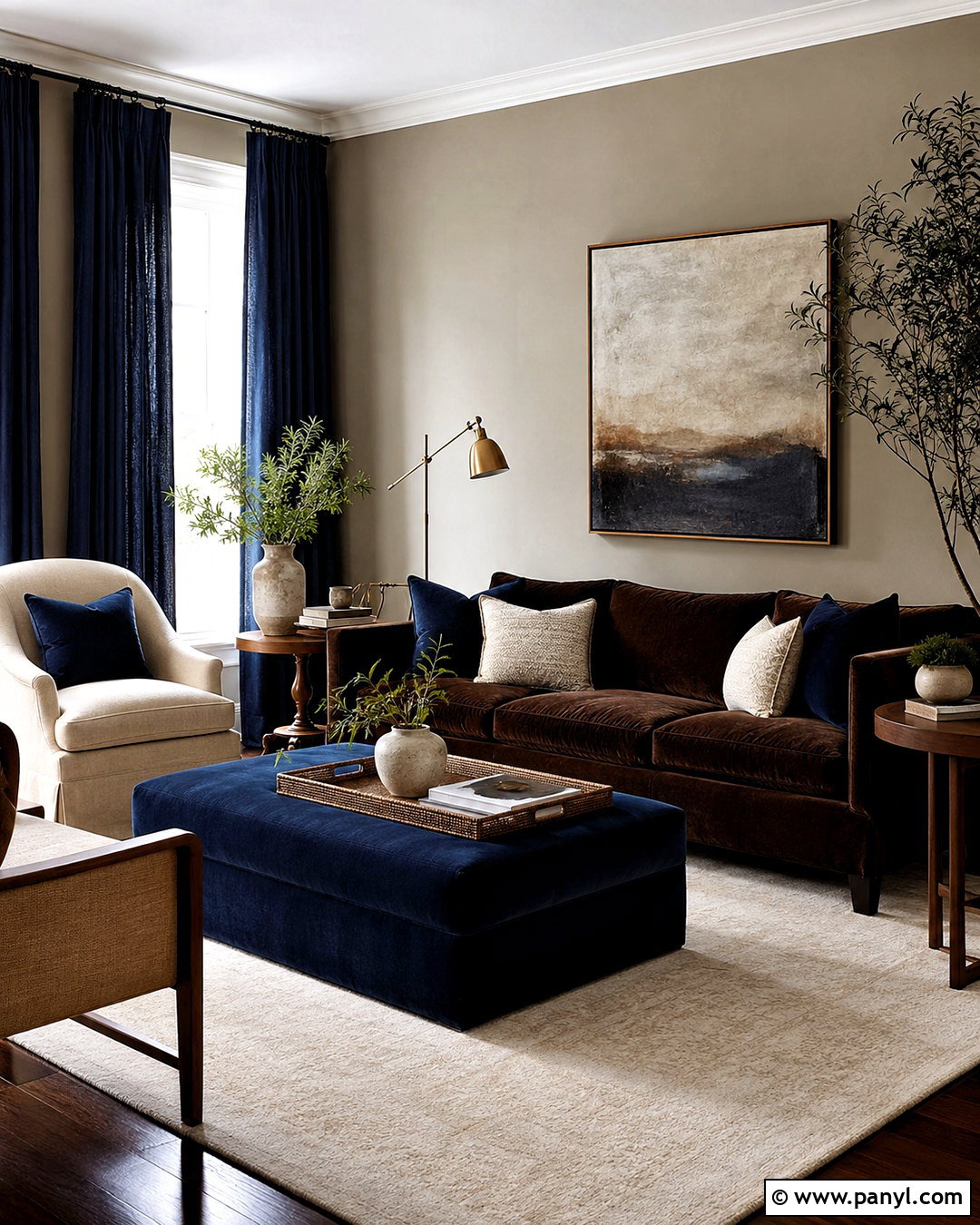
10. Grey Trim With Navy Blue Walls
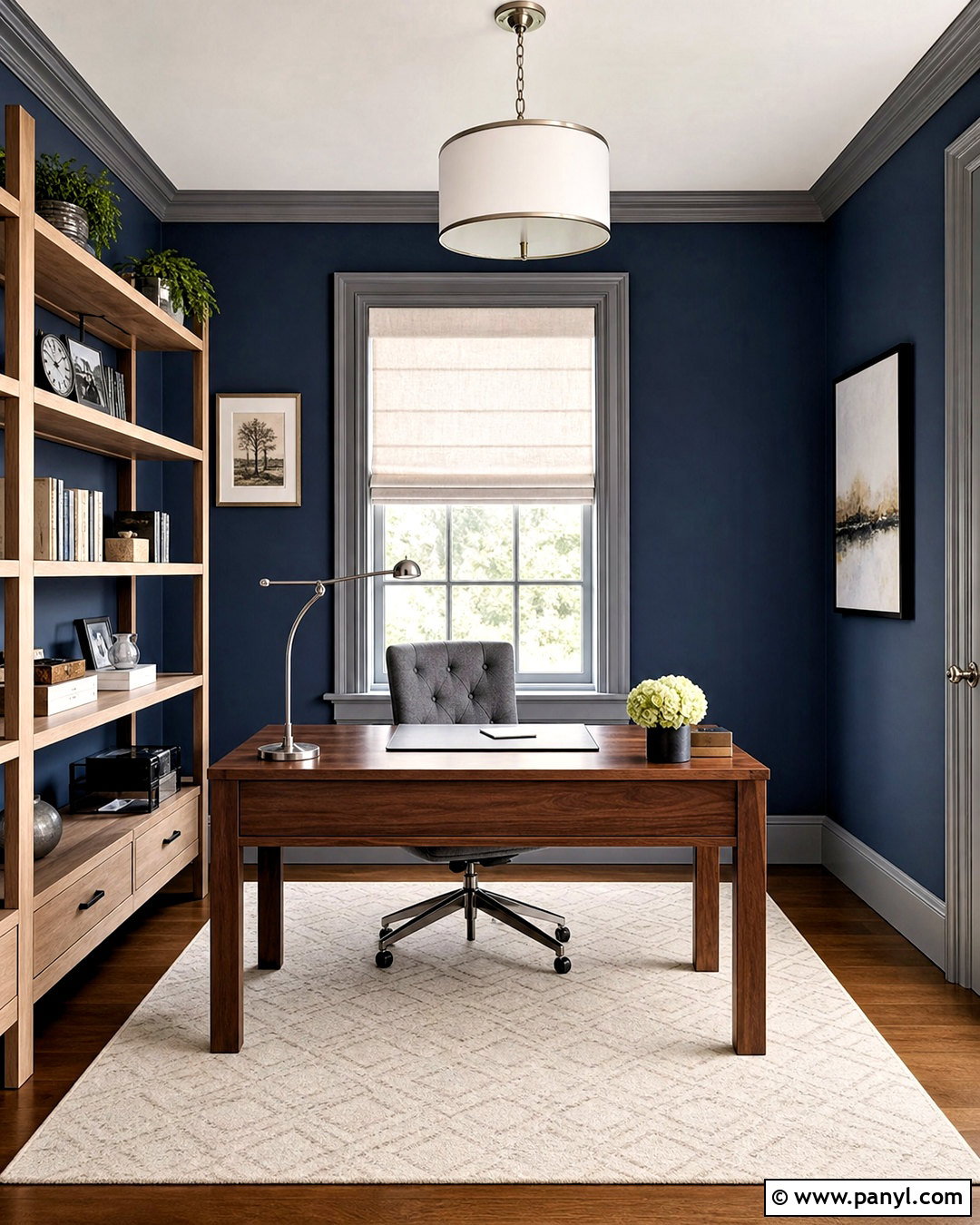
Navy blue walls framed by medium grey trim give a home office a confident, focused atmosphere. Use a softened navy across the walls, then paint the door, baseboards, crown molding, and window trim in a cool slate gray. A walnut desk introduces warmth, while a gray upholstered chair repeats the woodwork color. Install pale oak shelves or a low bookcase to prevent the darker palette from overwhelming the room. A cream geometric rug and off-white Roman shade will reflect valuable light. Add polished nickel hardware, a white ceramic lamp, and framed artwork containing blue, gray, and tan. The result is bold but balanced. Good overhead lighting and an uncluttered furniture arrangement are essential for keeping this scheme practical.
11. Grey Trim With Olive Green Walls
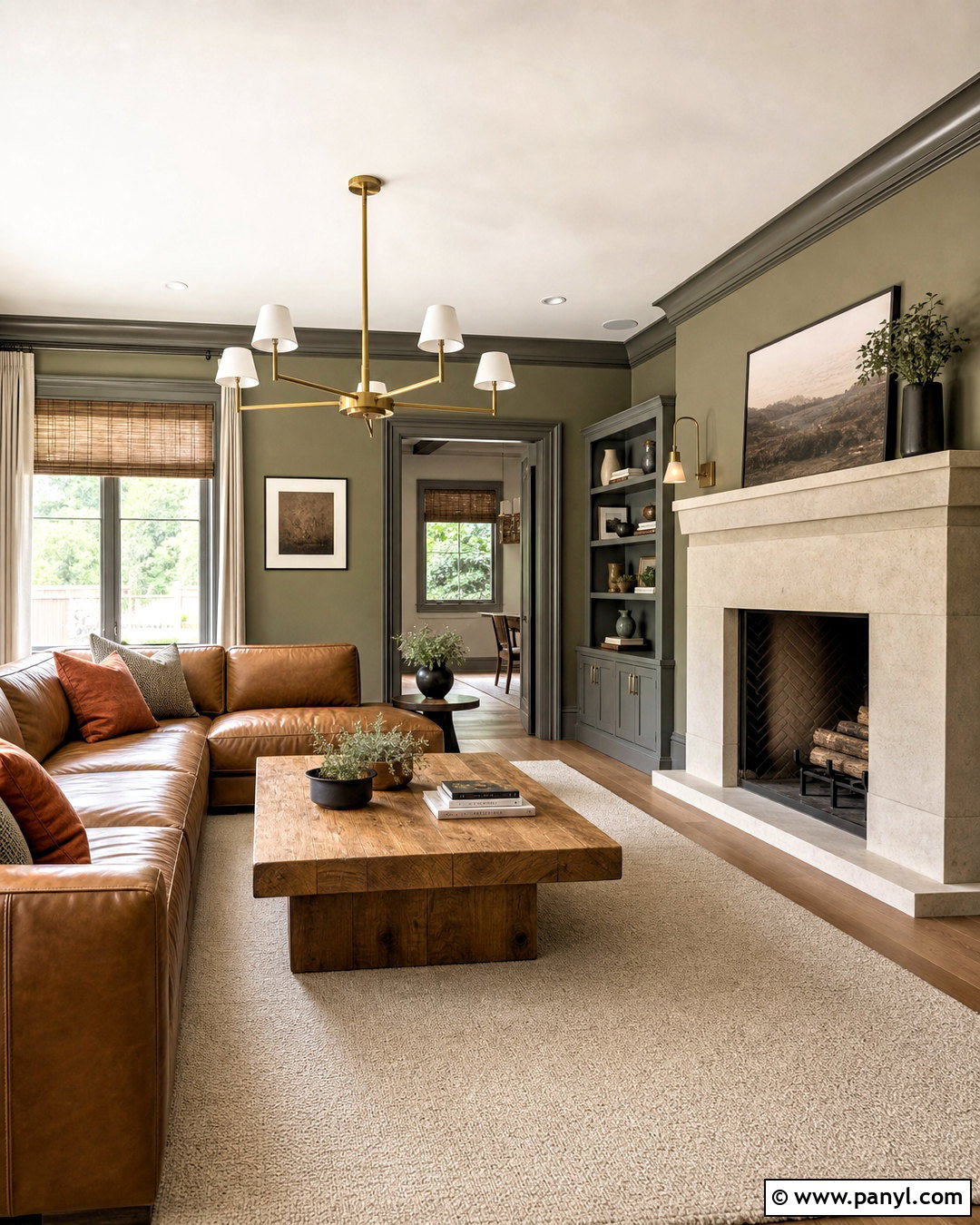
Olive green walls and warm grey trim form an earthy, enveloping palette for a relaxed family room. Pick an olive with muted brown undertones and a medium gray that leans slightly warm. Carry the gray across baseboards, window frames, interior doors, and fireplace molding. Furnish the space with a caramel leather sectional, a chunky oak coffee table, and an ivory wool rug. Rust-colored pillows and plaid textiles bring gentle pattern into the room. Choose aged brass lighting and woven shades to enhance the natural warmth. Cream artwork mats and a pale stone fireplace surround offer visual breathing room. This scheme feels most successful when textures are varied, colors remain slightly muted, and the room receives enough layered lighting.
12. Grey Trim With Patterned Wallpaper
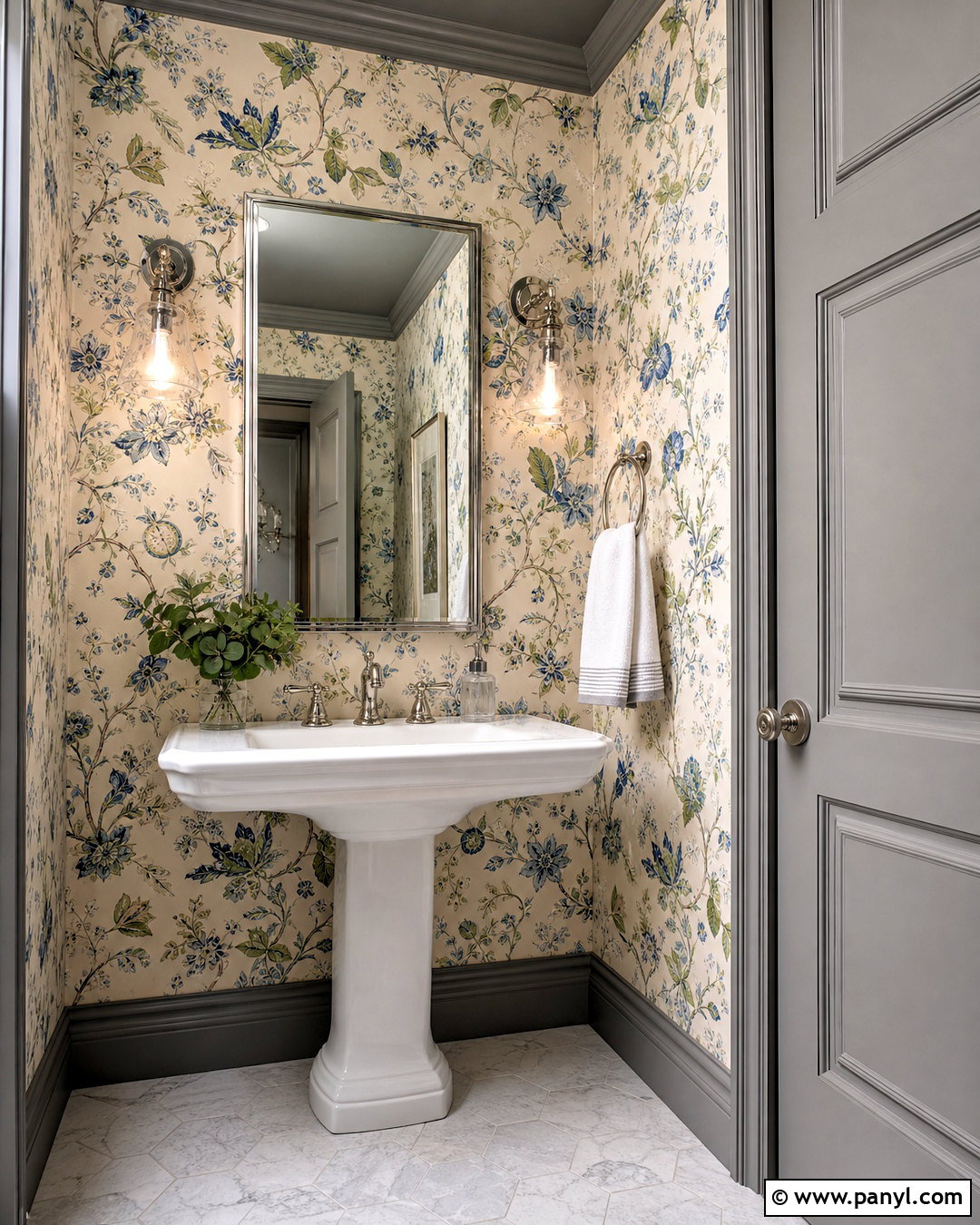
Patterned wallpaper looks more finished when its edges are defined by carefully selected grey trim. Choose a botanical paper containing cream, muted green, dusty blue, and small gray details. Pull the gray directly from the pattern for the door, baseboards, crown molding, and window casings. In a powder room, combine the wallpaper with a white pedestal sink, honed marble floor, and polished nickel faucet. Install a simple framed mirror and two clear glass sconces to keep the compact room bright. A gray-painted door can provide a strong visual anchor without adding another color. Keep towels and accessories mostly white. The resulting design feels decorative and complete because the trim connects the wallpaper to the room’s permanent architectural elements.
13. Grey Trim With White Shiplap Walls
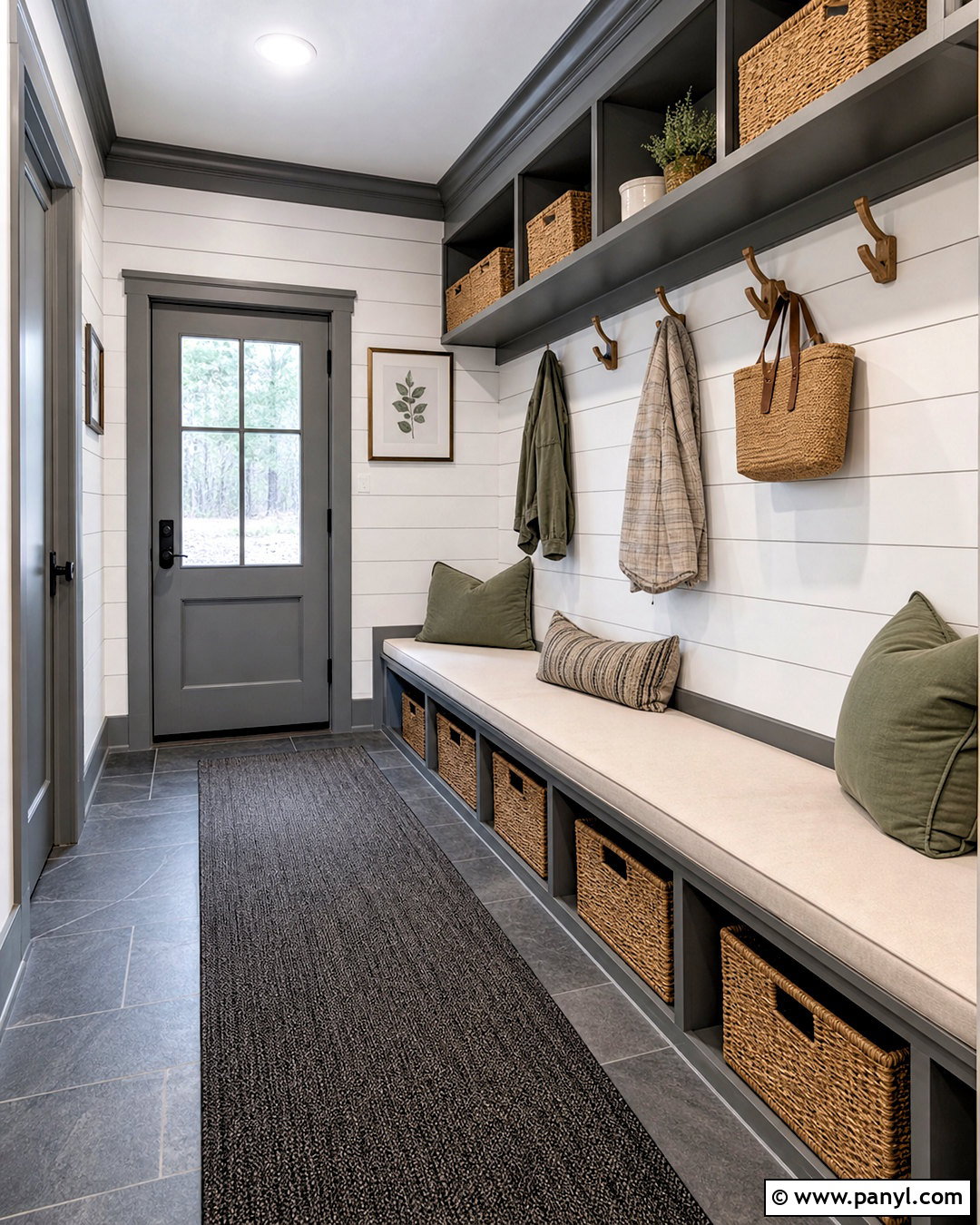
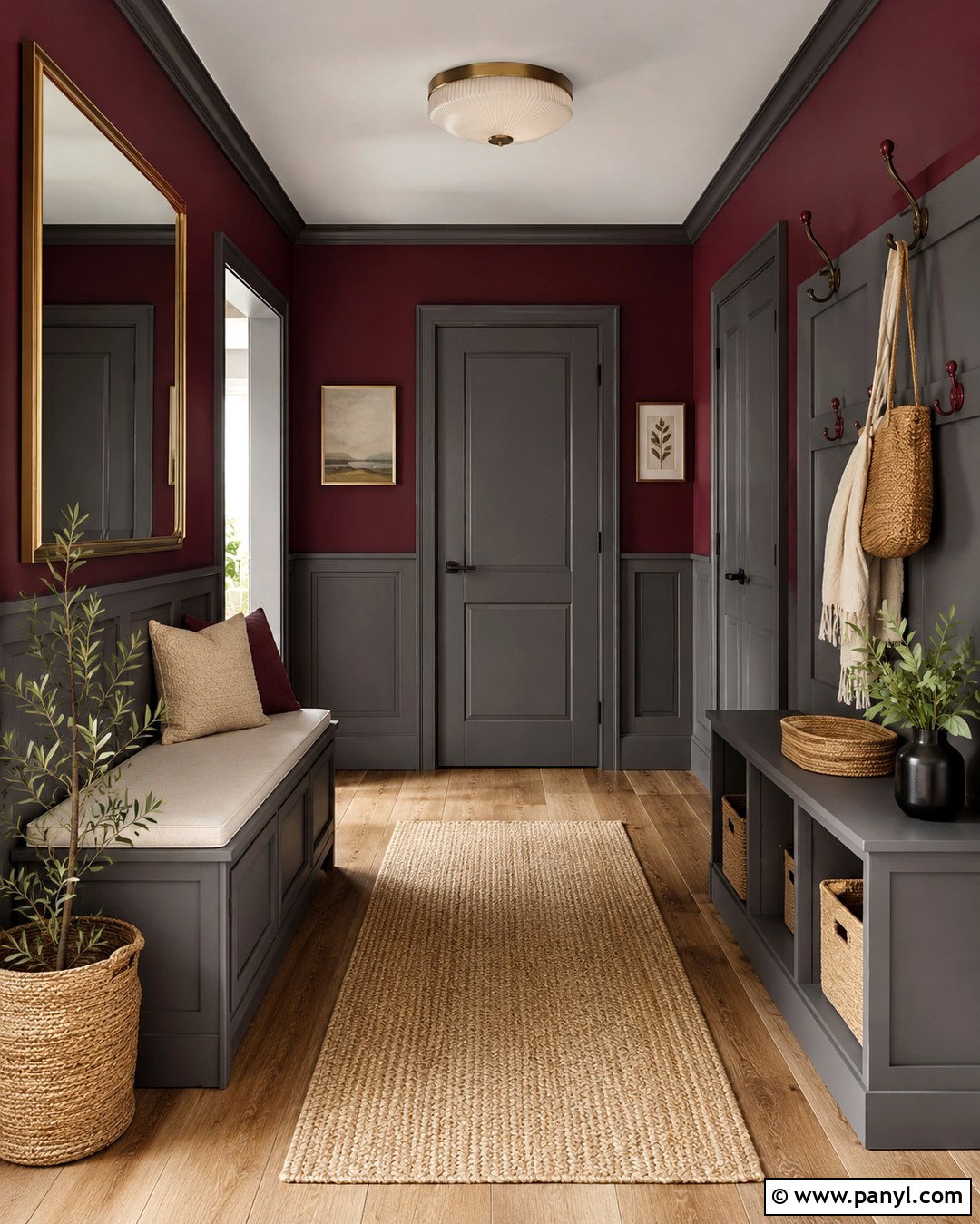
White shiplap gains a tailored edge when surrounded by medium grey trim. This pairing suits a mudroom where durability and clear architectural lines matter. Paint horizontal shiplap in a soft white, then use a warm medium gray on the baseboards, door frames, window casings, built-in bench, and storage cubbies. Add natural oak hooks, woven baskets, and a durable charcoal-and-cream runner. Slate-look floor tile grounds the room and hides everyday marks. A simple black lantern fixture provides contrast without competing with the gray millwork. Include cream seat cushions and sage green pillows for comfort. By treating the storage and trim as one connected gray feature, the compact entry looks organized, cohesive, and thoughtfully designed.
14. Grey Trim With Natural Wood Doors
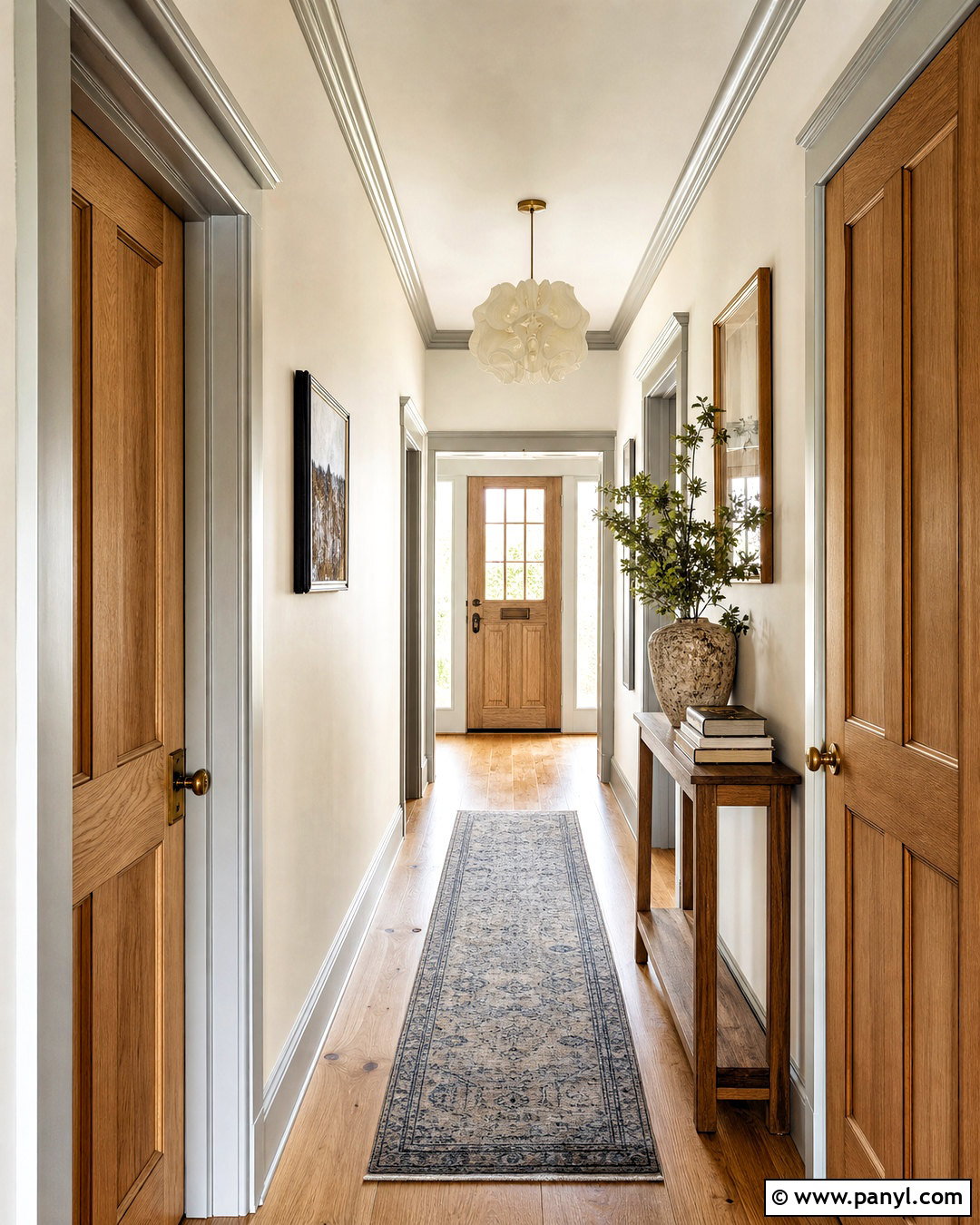
Grey trim does not require painted doors. Framing natural wood doors with soft gray casings creates a warm, custom appearance that highlights both materials. Use creamy white walls, pale warm-grey baseboards and window trim, and medium oak doors with simple flat panels. Continue the oak through the flooring or a hallway console to establish continuity. A narrow vintage runner containing gray, blue, and tan will soften the passage. Add aged brass door hardware and a sculptural ceiling fixture for warmth. Keep artwork minimal and use wood frames that match the doors. This approach is ideal for hallways or entry areas where several doors are visible at once. Consistent wood tones and restrained contrast help the architecture feel orderly.
15. Grey Trim With Black Interior Doors
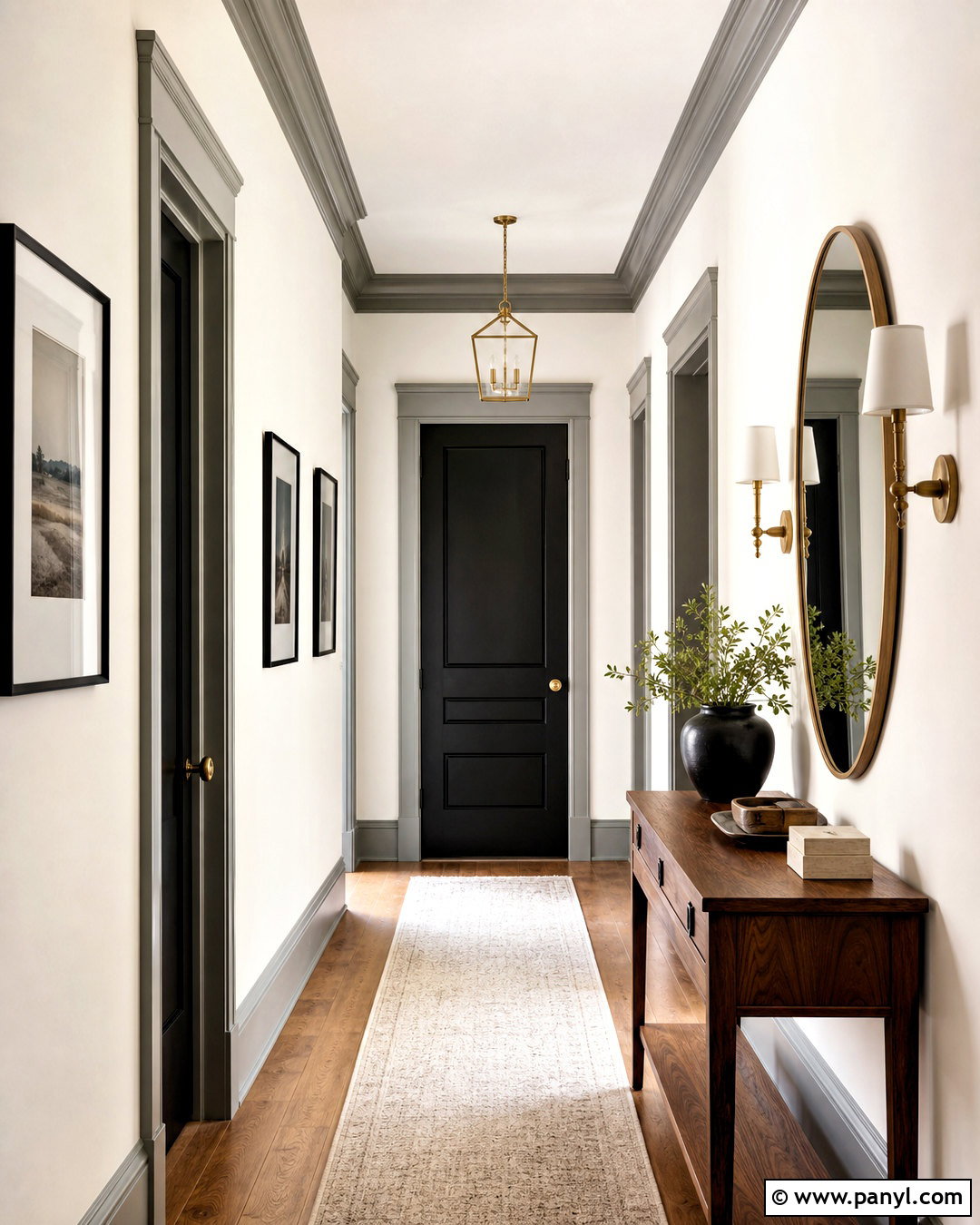
Black interior doors become less severe when surrounded by medium grey trim rather than bright white casings. Start with warm off-white walls, then use a balanced gray on the baseboards, crown molding, and door frames. Paint the doors a soft matte black and add unlacquered brass or satin nickel hardware. In a transitional hallway, combine this palette with oak flooring, a cream runner, and a slim walnut console. A rounded mirror and simple wall sconces add useful decoration without cluttering the walkway. Repeat black in small picture frames and the ceiling light, but avoid filling the space with dark furniture. The gray acts as a visual bridge between the pale walls and black doors, creating smoother, more deliberate transitions.
16. Grey Trim Color Drenched Room
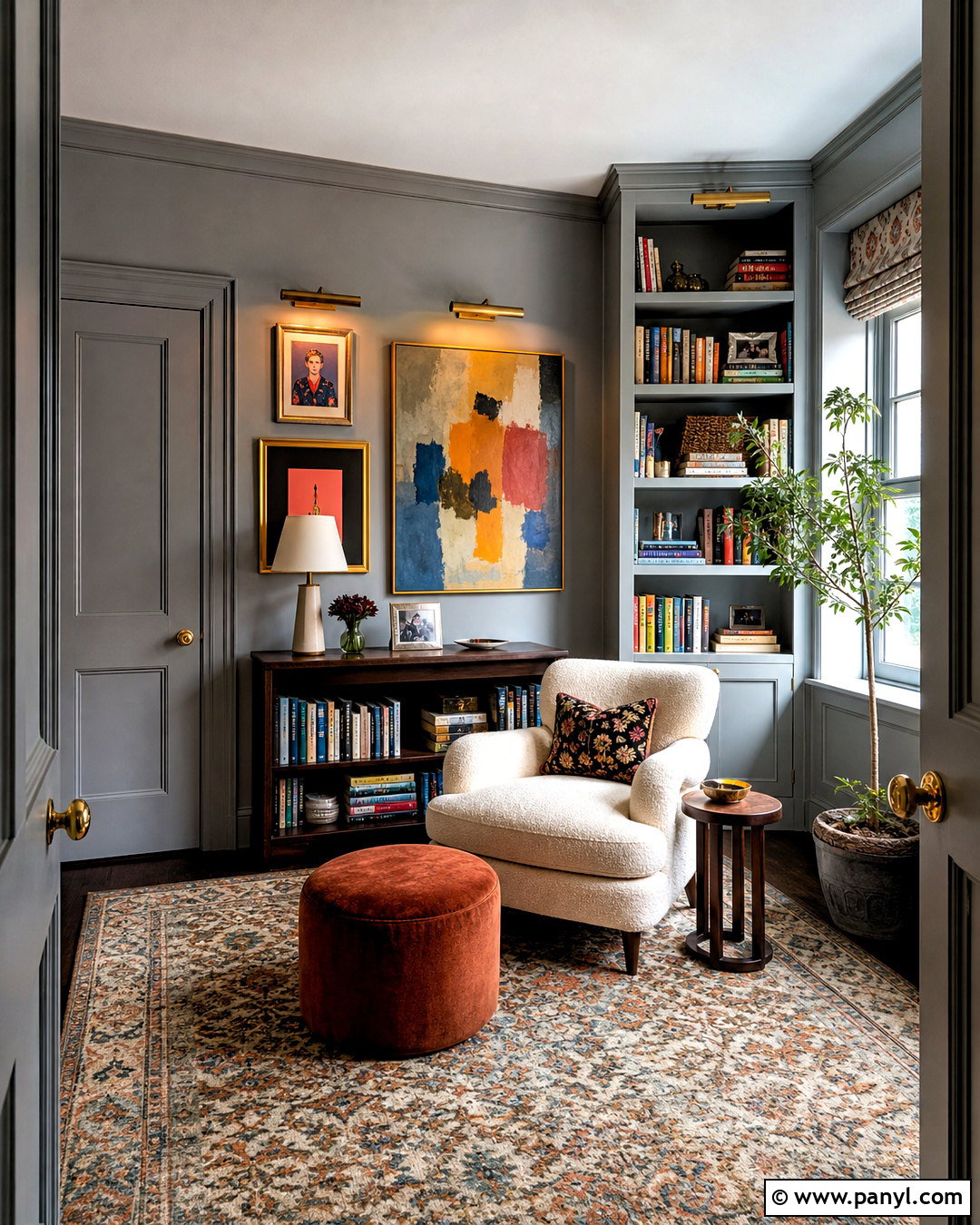
For an immersive look, paint the walls, trim, doors, and ceiling in related shades of gray. Use a medium warm gray on the walls and woodwork, then choose a slightly lighter version overhead to preserve a sense of height. This approach works in a small reading room with strong natural light. Add a cream boucle chair, dark walnut side table, and rust-colored footstool to break up the gray surfaces. A patterned rug containing ivory, brown, and muted blue adds softness underfoot. Choose brass picture lights and colorful artwork for contrast. Vary paint sheens instead of adding another trim color: matte walls, satin woodwork, and flat ceiling paint subtly reveal the room’s architectural layers without interrupting the enveloping effect.
17. Two Tone Grey Wall Trim
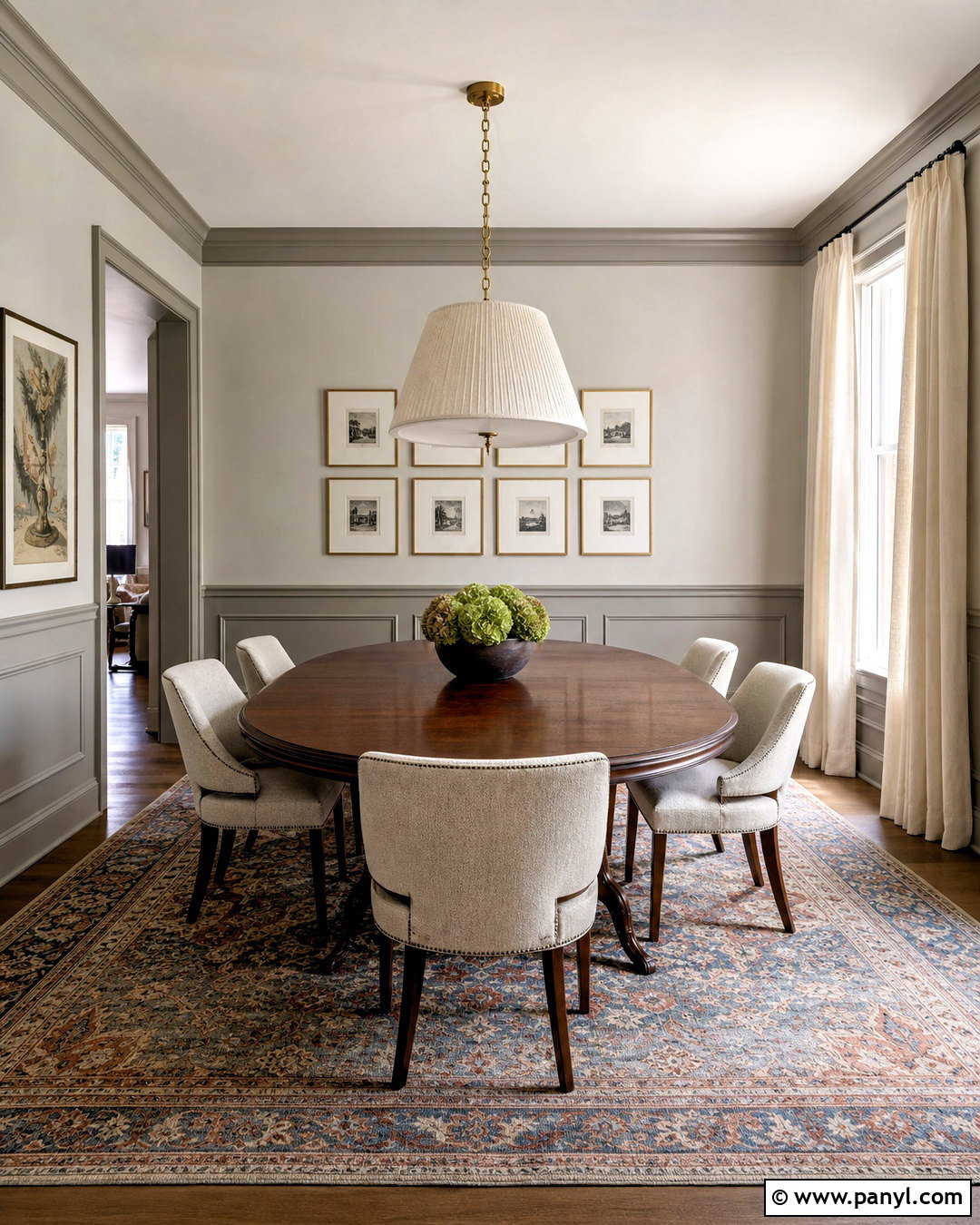
Two shades of gray can turn simple wall molding into a refined feature. Paint the upper walls a pale warm gray and use a deeper mushroom gray below, covering the picture-frame molding, chair rail, baseboards, and lower wall panels. In a dining room, add an oval walnut table, cream upholstered chairs, and a large linen pendant. A faded rug with blue and rust accents provides understated pattern. Hang artwork with generous white mats above the chair rail to keep the upper wall light. Floor-length ivory curtains soften the structured paneling. The darker lower section also gives the room visual weight and can be practical in a busy household. Matching undertones ensure the two gray shades look layered rather than mismatched.
18. Grey Trim Around Arched Doorways
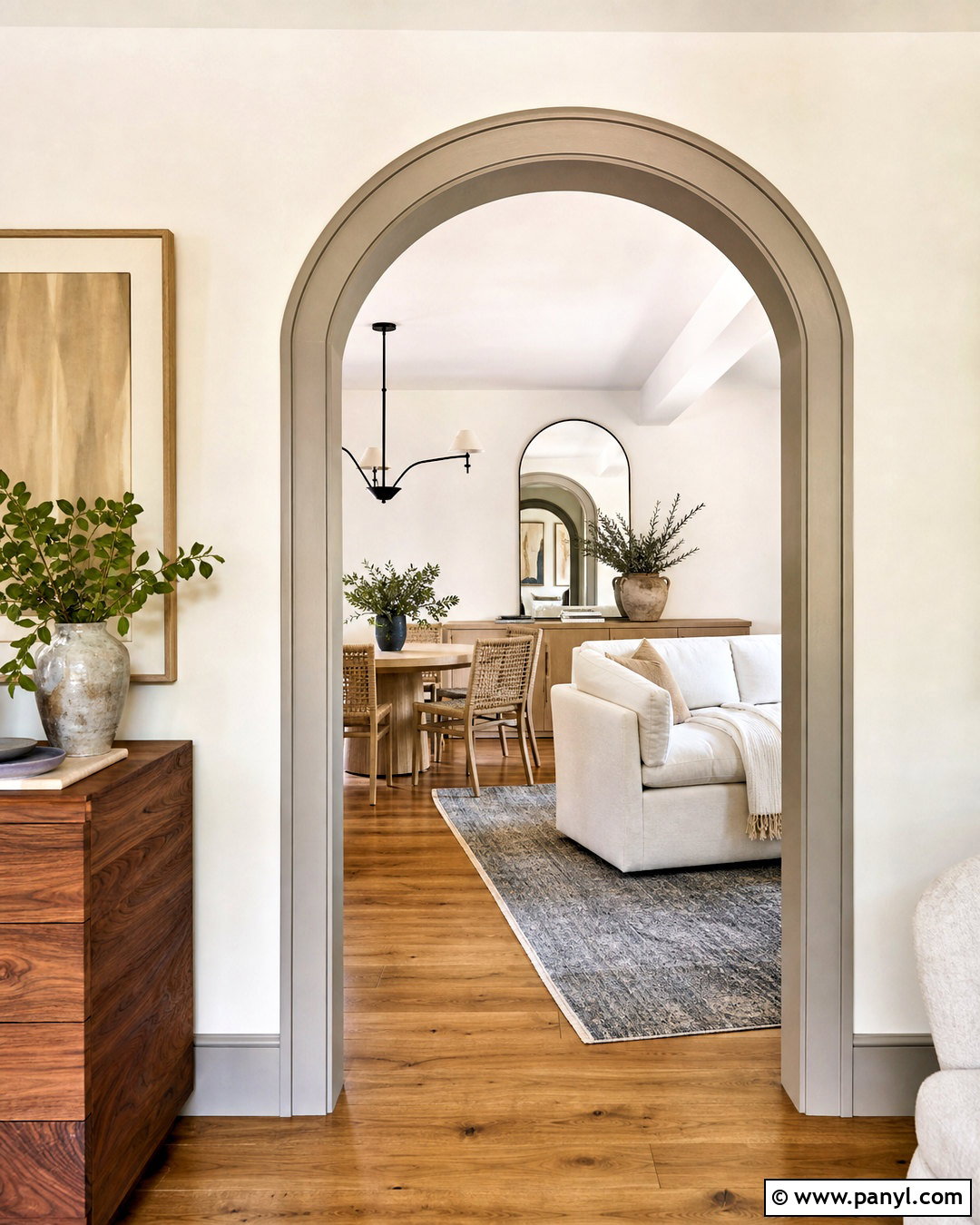
An arched doorway becomes a genuine focal point when its curved casing is painted gray. Keep adjoining walls warm white and use a medium greige on the arch trim, nearby baseboards, and connecting doors. The gentle contrast emphasizes the shape without making it feel disconnected. Create a welcoming view through the opening with oak flooring running continuously between rooms. Place a cream sofa and blue-gray rug in the living area, then use a round wood table and woven chairs in the dining space beyond. Repeating curved forms through mirrors, lamps, and furniture helps the architecture feel intentional. Use satin paint on the trim for a smooth finish. Keep both rooms within the same neutral palette so the highlighted arch unifies them.
19. Grey Trim With Painted Built Ins
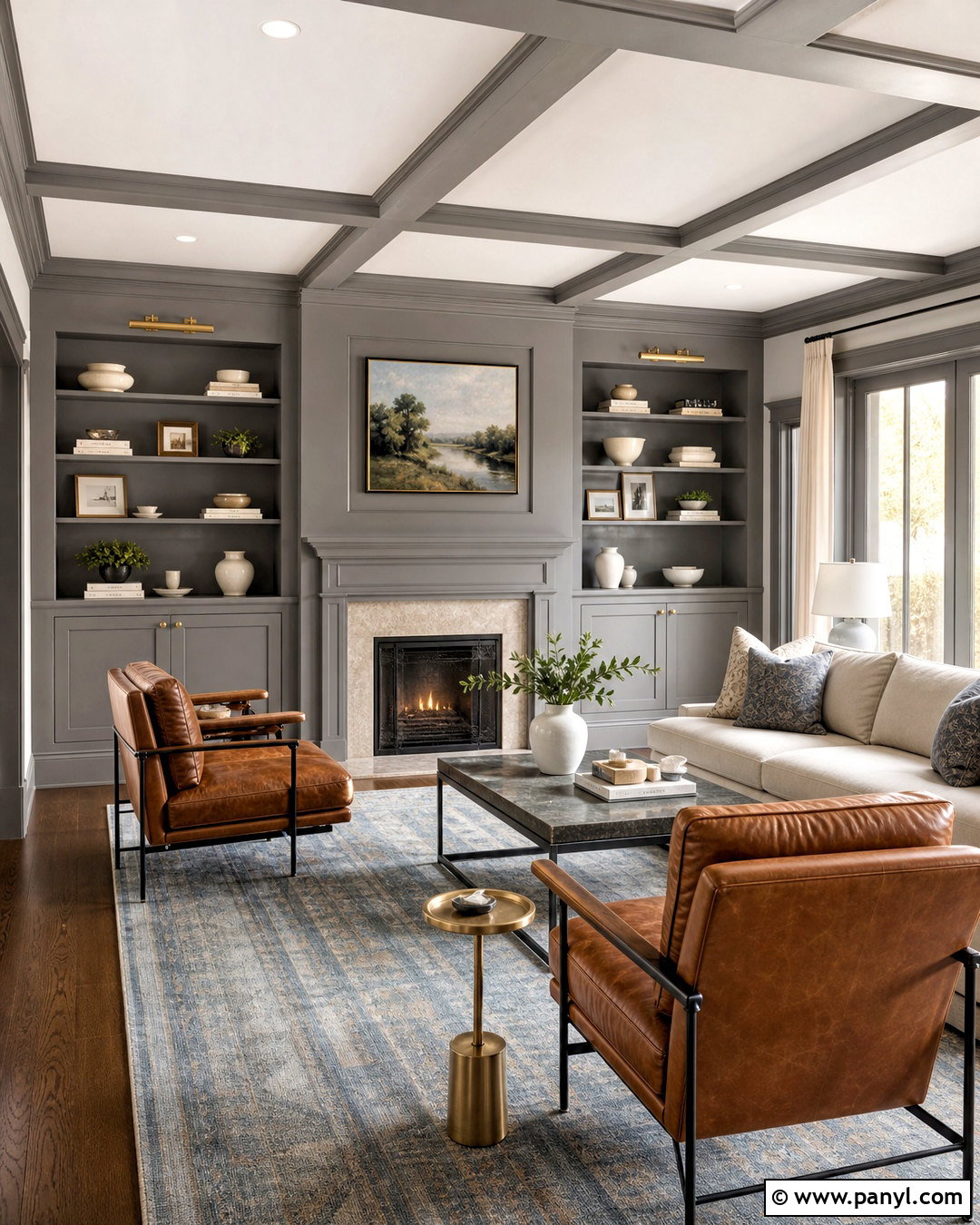
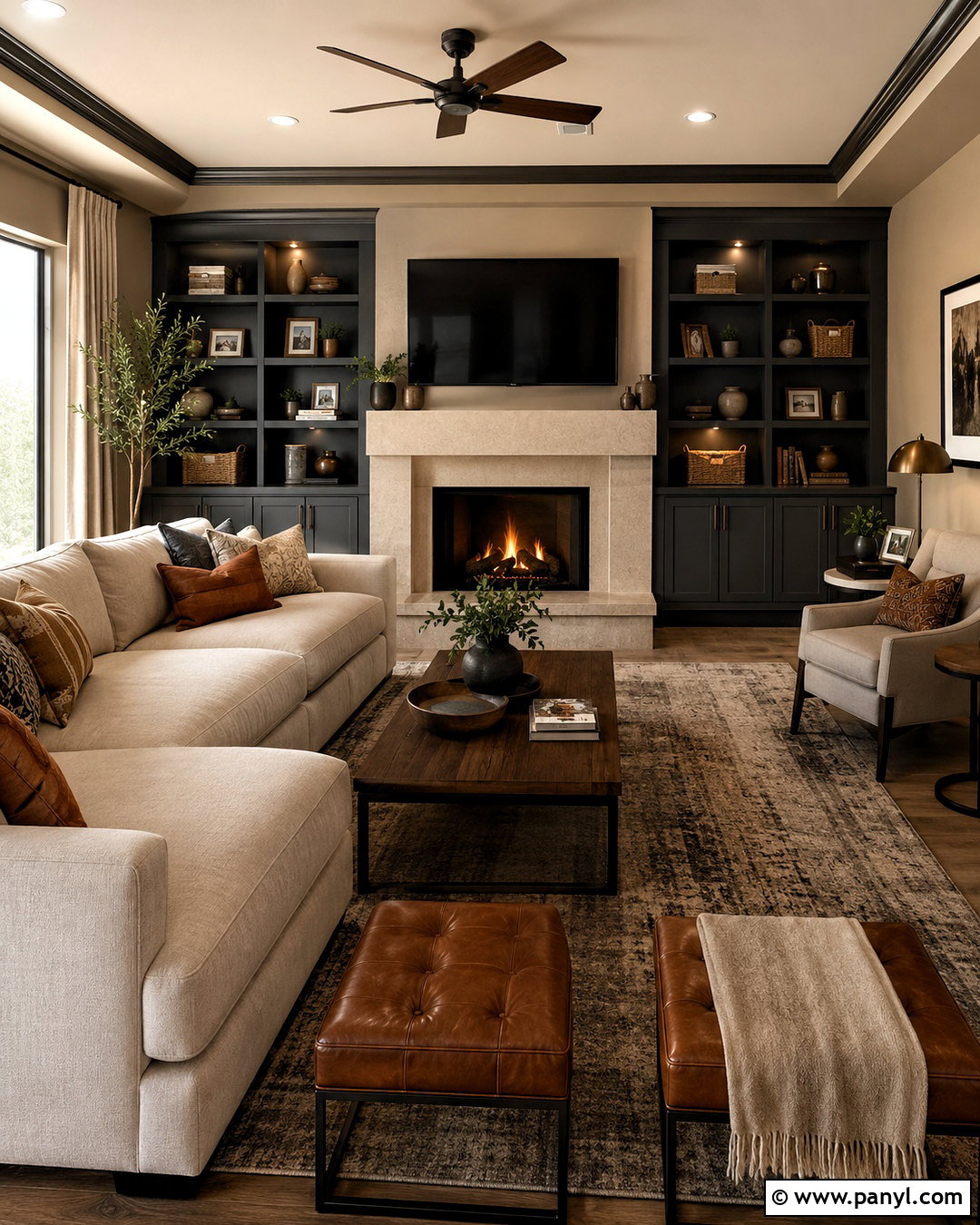
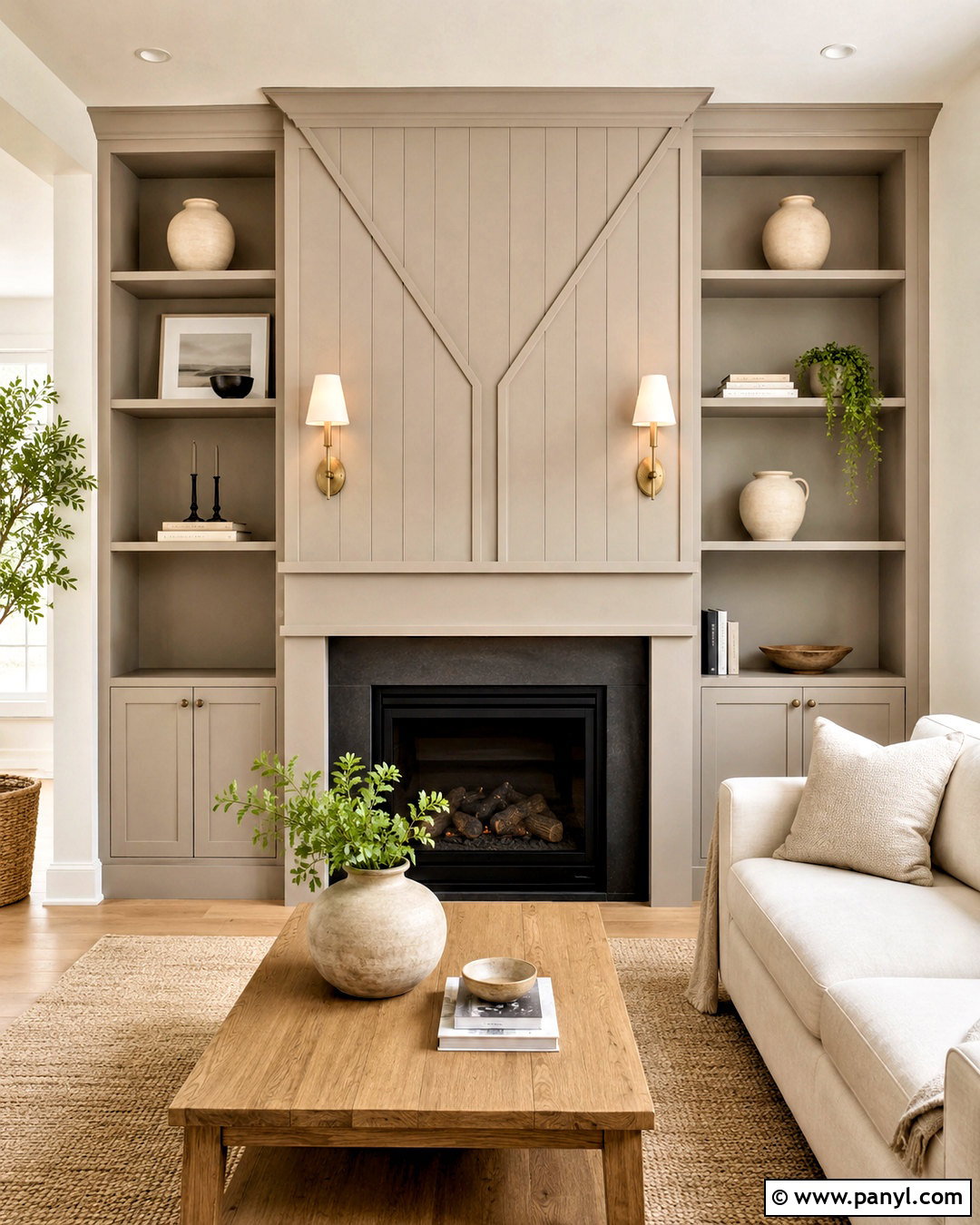
Painting built-ins and surrounding trim in the same gray creates a strong, furniture-like feature. Choose a deep warm gray for living room shelves, lower cabinets, baseboards, window casings, and the fireplace mantel. Keep the walls soft white to prevent the substantial millwork from dominating the space. Style the shelves with books, cream ceramics, framed art, and a few wood objects, leaving some open space around each group. Add a light oatmeal sofa, cognac leather chairs, and a faded blue rug. Brass library lights introduce warmth above the shelves, while a pale stone fireplace surround breaks up the darker paint. This complete arrangement makes storage, architecture, and furniture feel connected rather than assembled from unrelated pieces.
20. Grey Trim In A Small Entryway
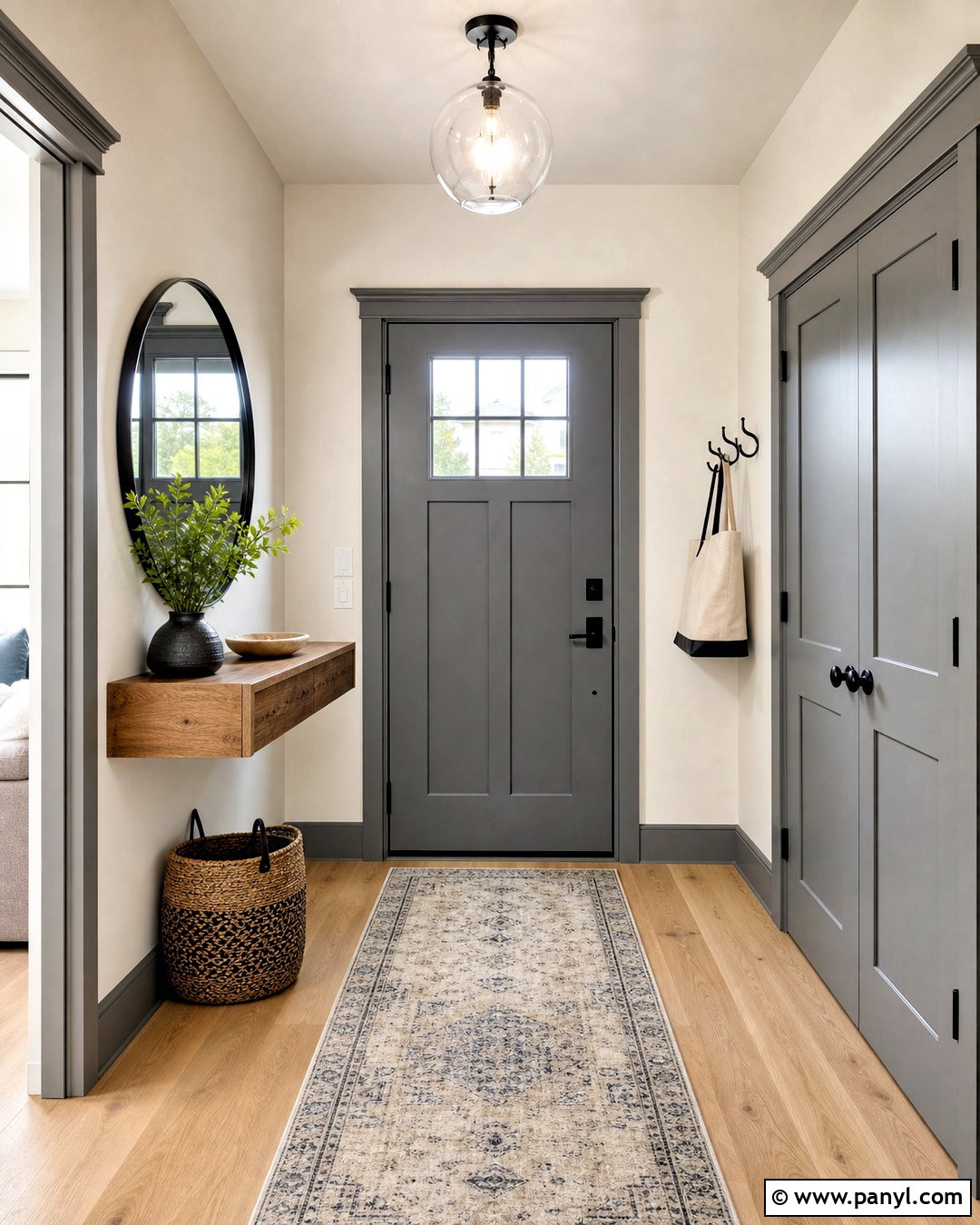
A small entryway can handle grey trim when the rest of the design remains bright and efficient. Paint the walls a luminous off-white and use a midtone gray on the front door, door casing, baseboards, and narrow coat closet. Choose light oak flooring or pale stone tile to reflect more light. A slim floating console preserves walking space, while a large round mirror visually expands the area. Add a washable cream-and-gray runner, one woven basket, and compact black wall hooks. A clear glass ceiling fixture keeps the view open. Repeat the trim color in a small upholstered stool or umbrella stand. The finished entry feels defined and practical, with enough contrast to make its modest architectural features look purposeful.
Conclusion:
The most effective grey trim interior ideas treat painted woodwork as part of a complete room rather than an isolated detail. White, cream, beige, green, blue, pink, and terracotta walls can all work when their undertones relate naturally to the selected gray. Flooring, furniture, hardware, textiles, and lighting should repeat or balance those temperatures. Test samples beside permanent surfaces before committing, and compare them in morning, afternoon, and evening light. Satin or semi-gloss finishes can make trim easier to clean while creating gentle contrast with flatter walls. Whether you prefer delicate dove gray or dramatic charcoal, these 20 grey trim interior ideas offer practical ways to give everyday rooms more definition and character.

Related Ideas and Inspiration:
Leave a Reply