
A green wall can do much more than add color. It can create a calm bedroom, a polished office backdrop, a dramatic dining space, or a fresh photo-ready focal point. The best designs connect the wall with furniture, lighting, flooring, textiles, and decorative accents, so the entire room feels intentional. Current green interiors range from soft sage and earthy olive to deep forest and vibrant emerald, often layered with wood, stone, warm metals, and botanical patterns. () Whether you prefer simple paint, dimensional paneling, wallpaper, or real greenery, these complete room concepts offer practical inspiration. Explore these 20 green wall background ideas to find a look that fits your space, style, and decorating budget.
1. Sage Green Living Room Wall
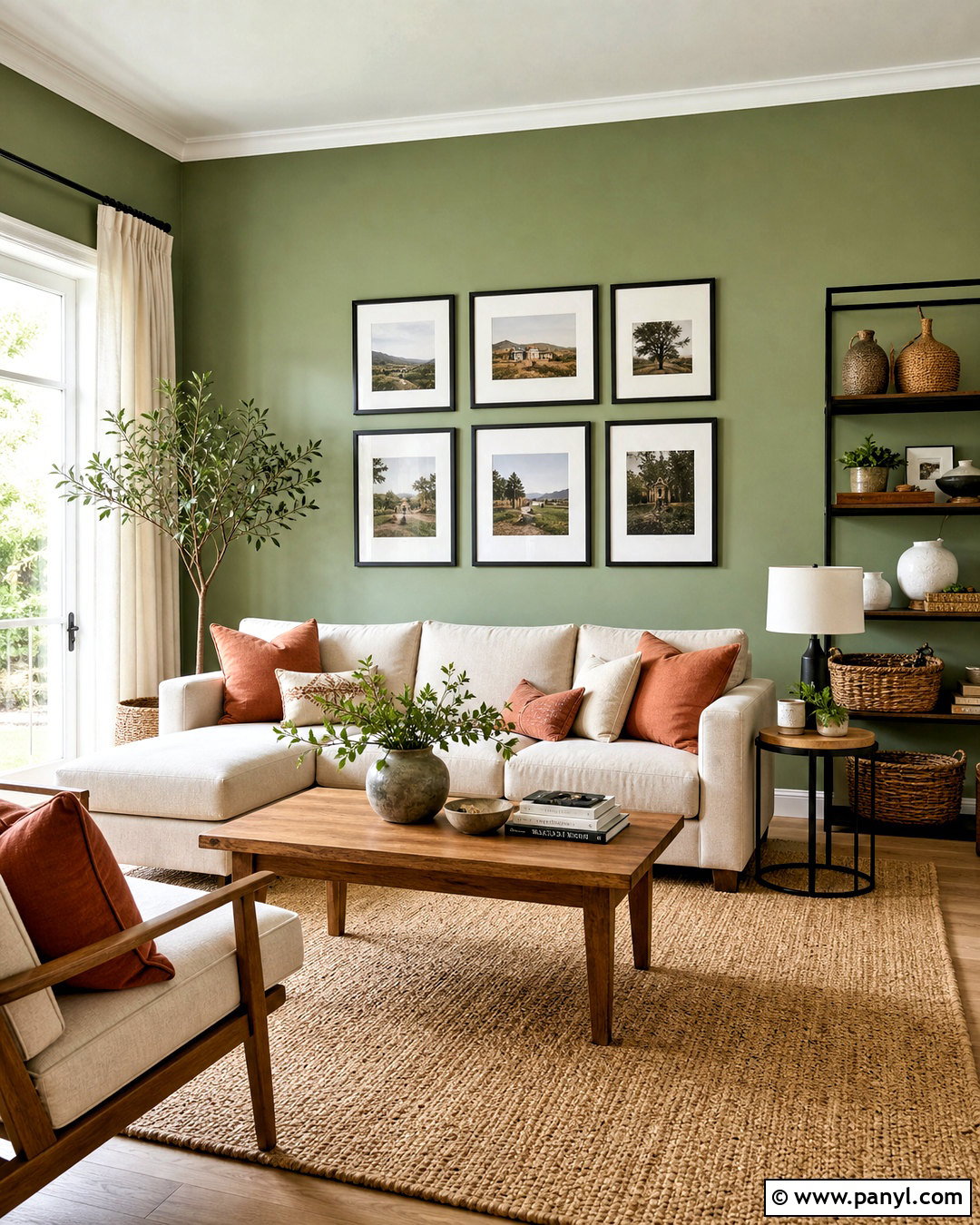
A soft sage green wall creates an easy, relaxing background for a bright living room. Position a warm white or oatmeal sofa against the wall, then anchor the seating area with a natural jute rug and a medium-tone oak coffee table. Add cream curtains that reach the floor to make the room appear taller. Black picture frames, a curved floor lamp, and a few ceramic vessels provide clean contrast without making the palette feel busy. Repeat sage through one or two patterned pillows, but use rust or muted terracotta for a warmer accent. Medium oak flooring and woven baskets complete this approachable look. Choose matte wall paint to reduce glare and give the green a soft, velvety appearance.
2. Forest Green Bedroom Wall
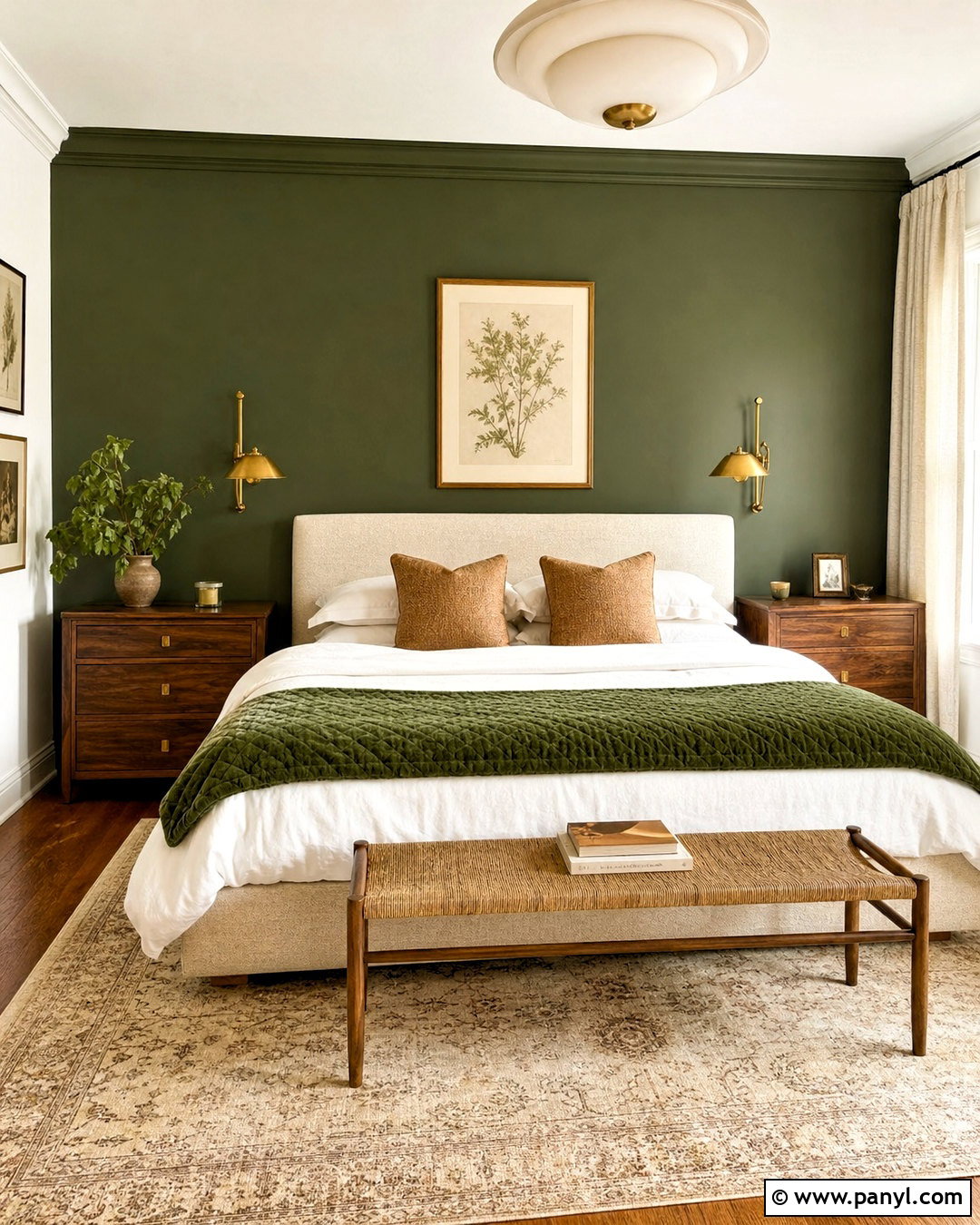
Deep forest green turns the wall behind a bed into a restful and dramatic focal point. Use an upholstered oatmeal headboard to lighten the composition, with walnut nightstands bringing natural warmth to both sides. Crisp white bedding keeps the room fresh, while a moss green quilt and camel-colored pillows connect the textiles to the wall. Hang matching brass sconces above the nightstands so the background remains balanced and practical. A vintage-inspired cream rug can soften dark wood flooring and add subtle pattern. Keep the remaining walls warm white rather than stark white. This helps the forest green feel rich instead of severe. Finish with simple botanical artwork, linen curtains, and one healthy floor plant near a sunny window.
3. Emerald Green Dining Room Wall
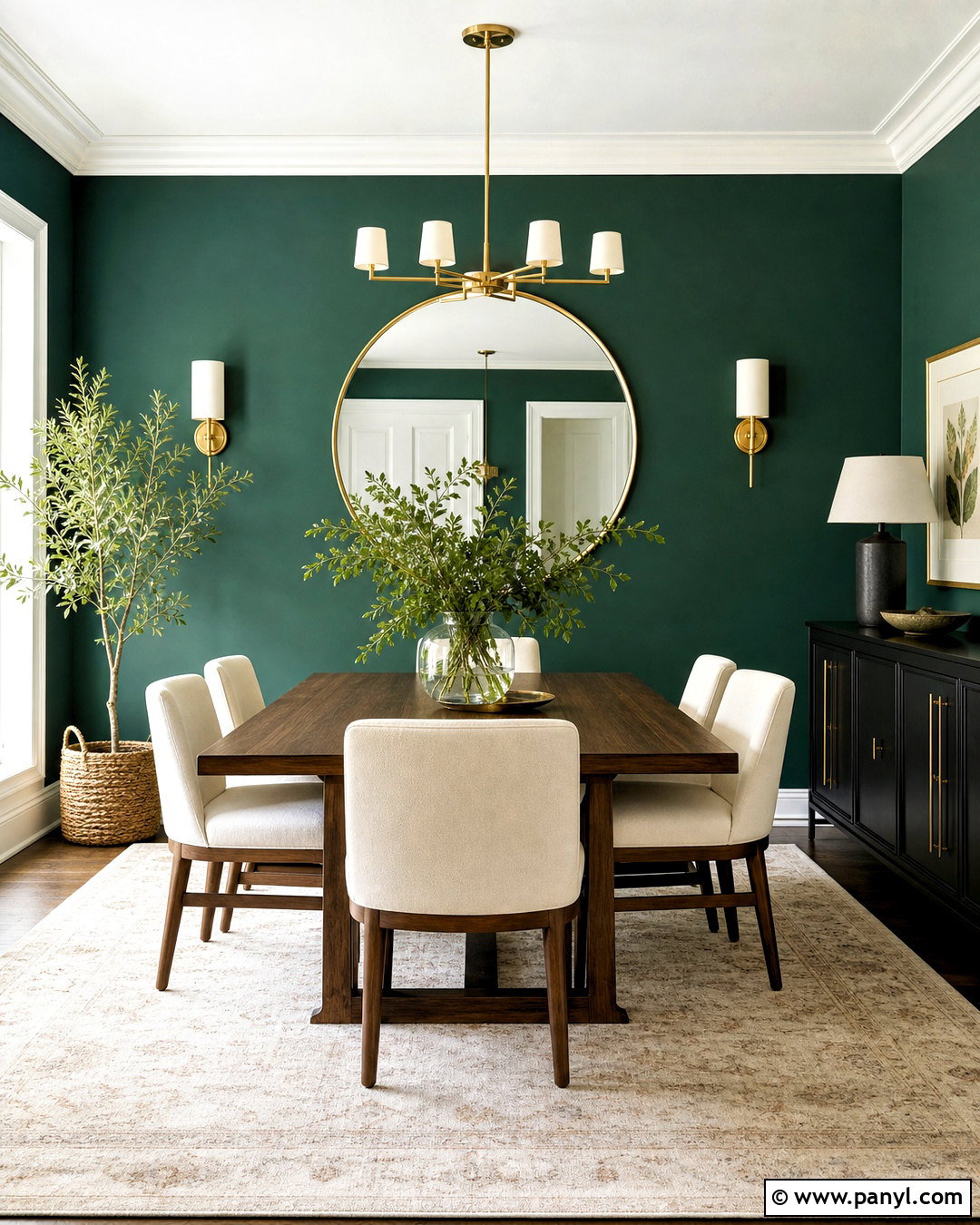
Want a dining room that feels polished without becoming overly formal? Paint the main wall saturated emerald green and place a streamlined walnut dining table in front of it. Surround the table with cream upholstered chairs, then center a brushed brass chandelier above the arrangement. An oversized round mirror with a slim brass frame can reflect daylight and prevent the dark color from overwhelming the room. Use a pale patterned rug beneath the table to define the dining zone. White trim and a warm white ceiling create a crisp boundary around the bold background. Finish the table with ceramic serving pieces and leafy branches. Small touches of black in the curtain rod, frames, or sideboard hardware will make the complete palette feel grounded.
4. Olive Green Home Office Wall
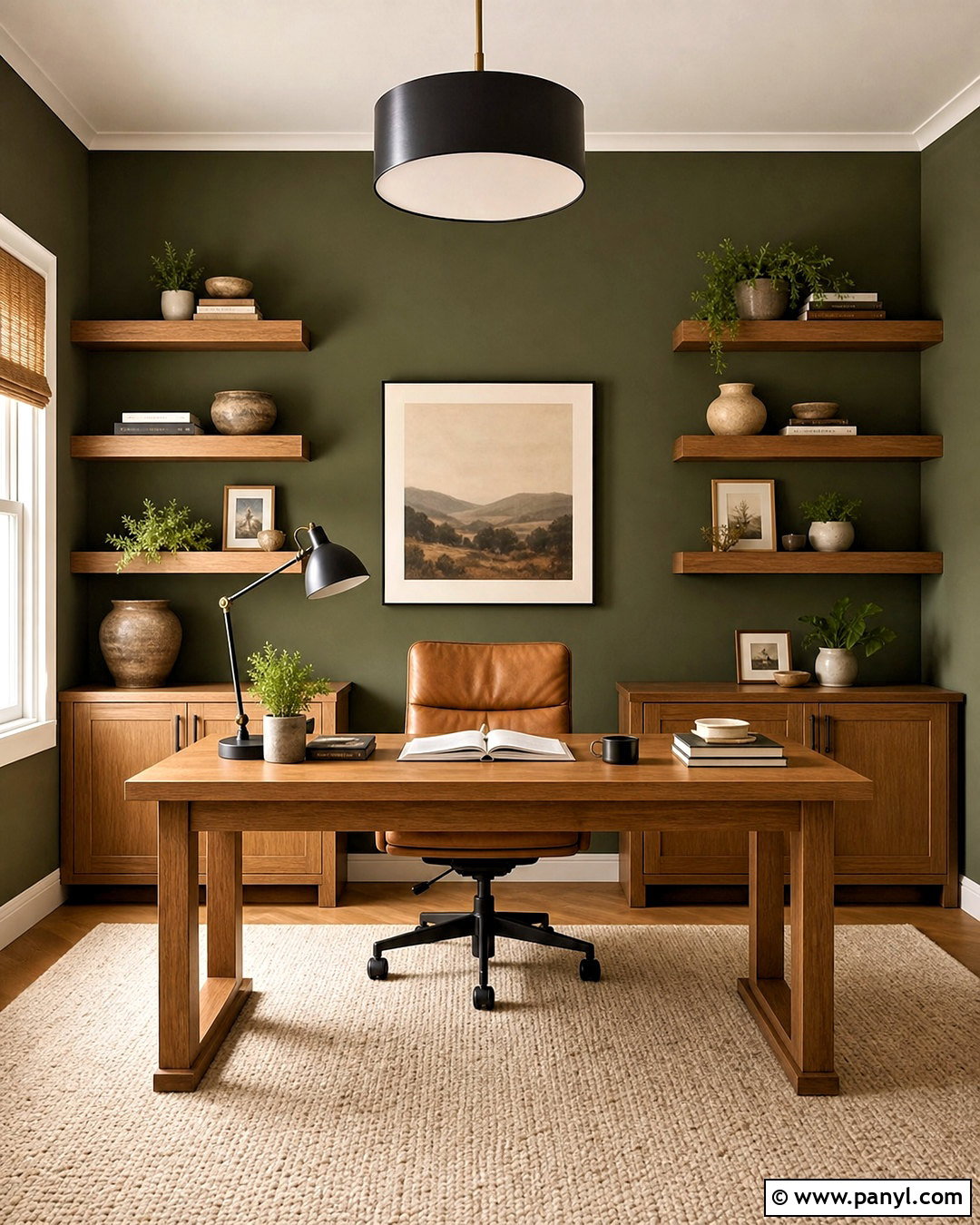
Earthy olive green gives a home office a focused, comfortable atmosphere that works especially well on video calls. Center a medium-tone oak desk against the painted wall and add a supportive chair upholstered in tan leather or textured beige fabric. Install two floating wood shelves above the desk, leaving enough open space to prevent a cluttered background. Style them with a few books, neutral pottery, and compact plants. A woven Roman shade filters harsh daylight, while an adjustable matte black desk lamp provides useful task lighting. Choose a low-pile cream rug and warm white paint for the adjoining walls. Organized storage cabinets in matching oak can sit along one side, creating a complete workspace that feels professional, personal, and visually balanced.
5. Green Board And Batten Wall
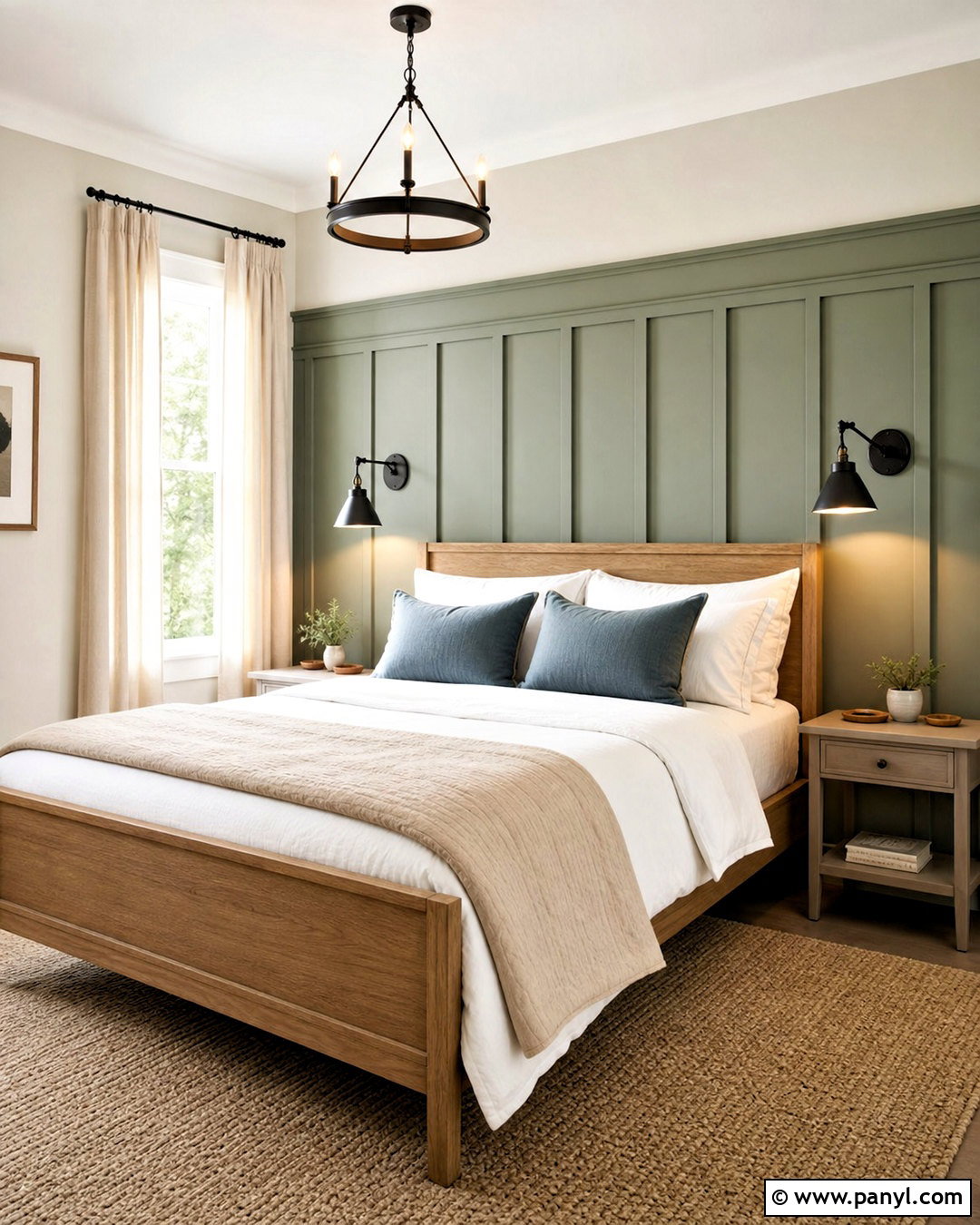
Board and batten molding adds architectural character to an ordinary green wall. Run the trim from the baseboard to about two-thirds of the wall height, then paint the entire treatment a muted eucalyptus green. Use warm white above the molding to keep the room bright. In a guest bedroom, place a simple oak bed against the paneled background and dress it with white linen, a beige coverlet, and dusty blue accents. Compact wood nightstands and black swing-arm sconces provide useful symmetry. A natural wool rug and linen curtains reinforce the relaxed palette. Keep artwork minimal because the molding already supplies texture. Carefully planned trim spacing is important, so center the pattern behind the bed before cutting or attaching any individual boards.
6. Green Vertical Slat Wall
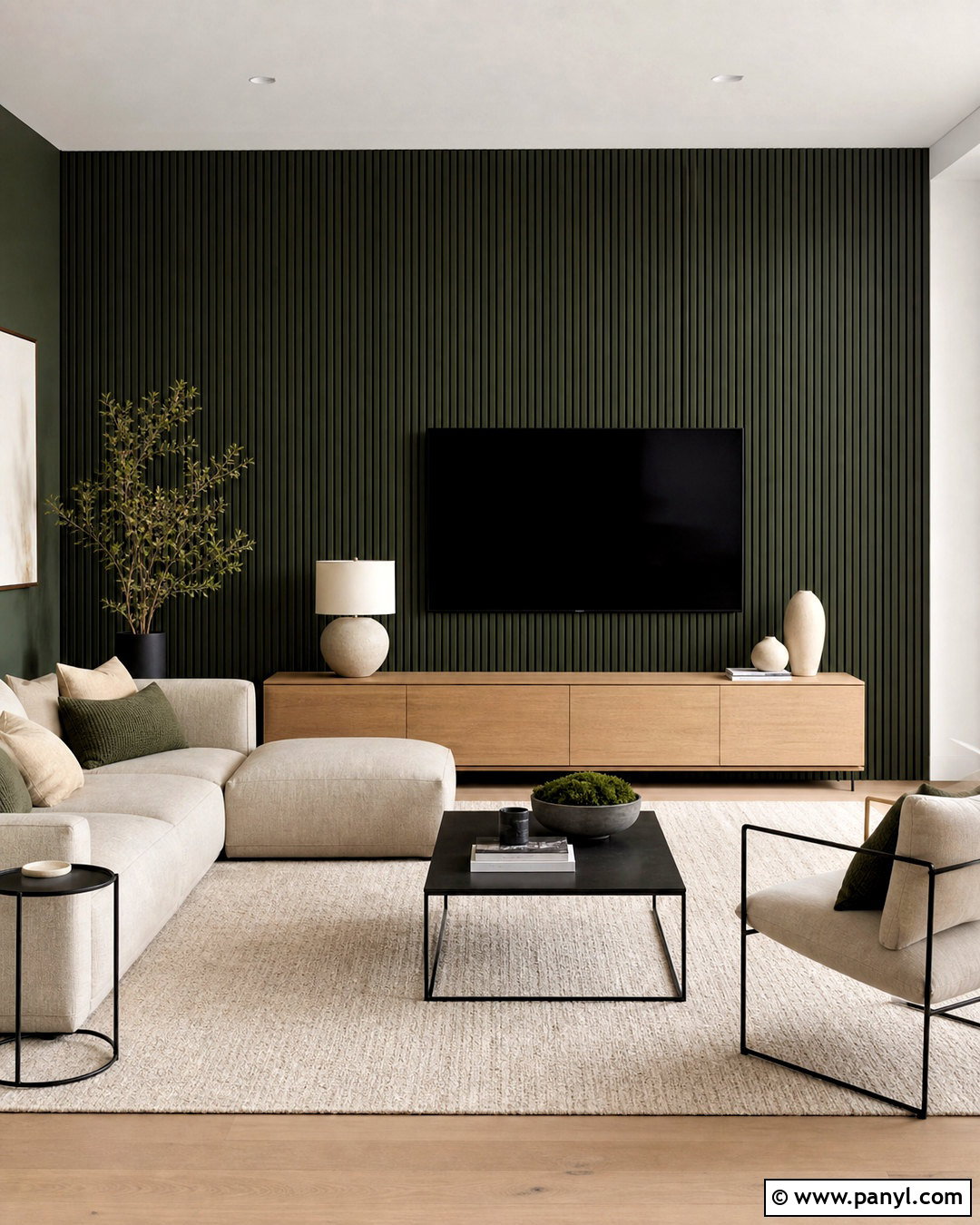
A vertical slat treatment makes a green wall feel taller, more dimensional, and distinctly modern. Create the background with narrow wood strips painted deep moss green, leaving small, consistent gaps between them. Place a low-profile cream sectional in front, allowing enough wall to remain visible above the furniture. Add a light oak media console or storage cabinet to introduce warmth and prevent the green from feeling heavy. A large off-white rug, black metal side tables, and sculptural ceramic lamps complete the contemporary composition. Use recessed ceiling lights or a slim picture light to emphasize the raised texture. Keep decorative accessories simple and generously spaced. This design works best when the slatted wall remains the room’s main architectural feature instead of competing with several bold patterns.
7. Green Limewash Wall
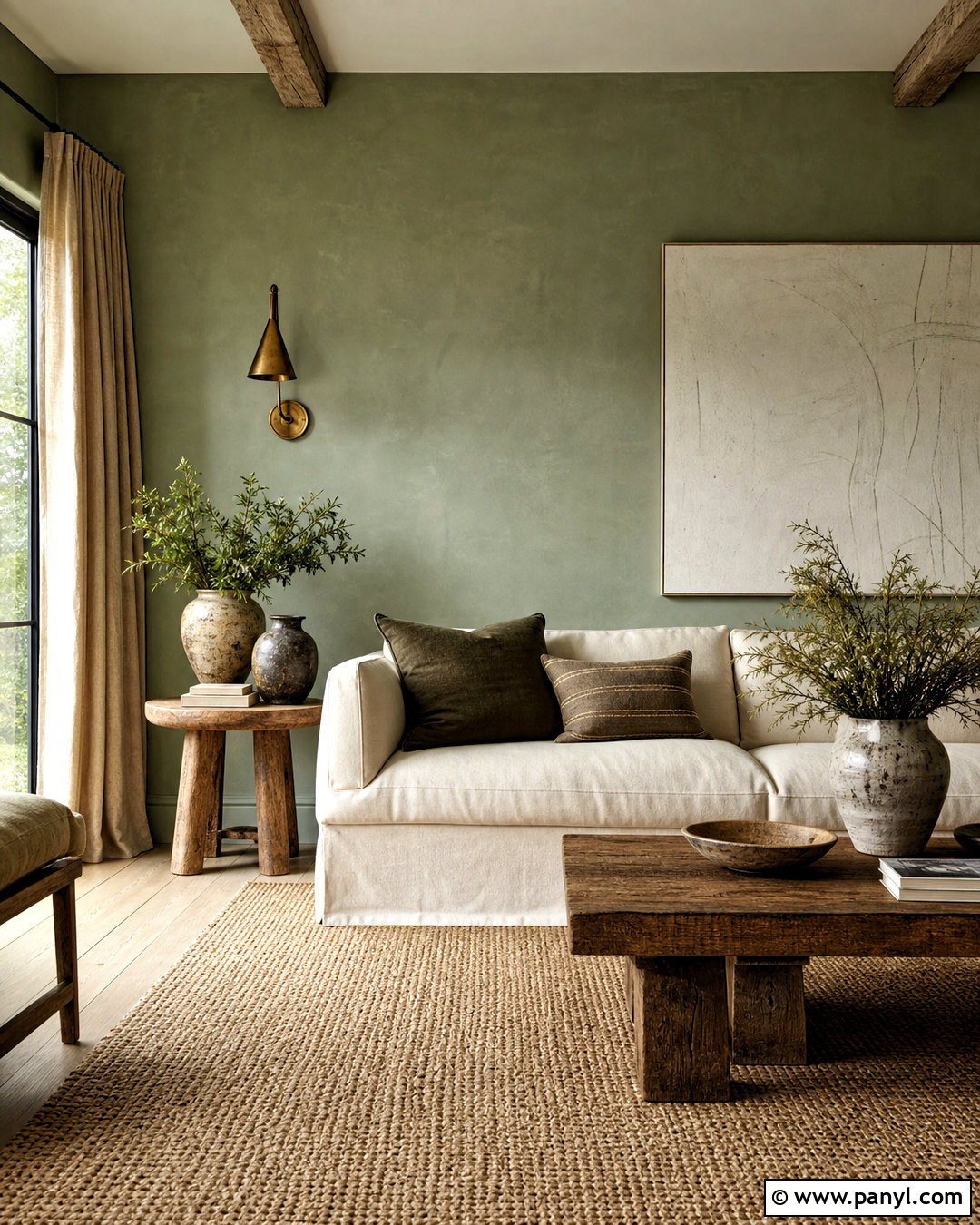
Limewash creates a softly clouded green background with natural variation and an artisan-made appearance. Choose a muted gray-green rather than a bright hue, then apply it across the main wall of a relaxed sitting room. Pair the finish with a slipcovered cream sofa, aged oak side tables, and a chunky woven rug. Linen curtains in warm beige enhance the organic quality of the wall. Add one large abstract canvas in ivory and brown, or leave the central area mostly bare so the tonal movement remains visible. Antique brass lighting and handmade pottery bring subtle depth without looking overly polished. Because limewash has visible movement, use quieter textiles and simple furniture silhouettes. The finished room should feel layered, tactile, and comfortable rather than perfectly matched.
8. Green Grasscloth Wallpaper Wall
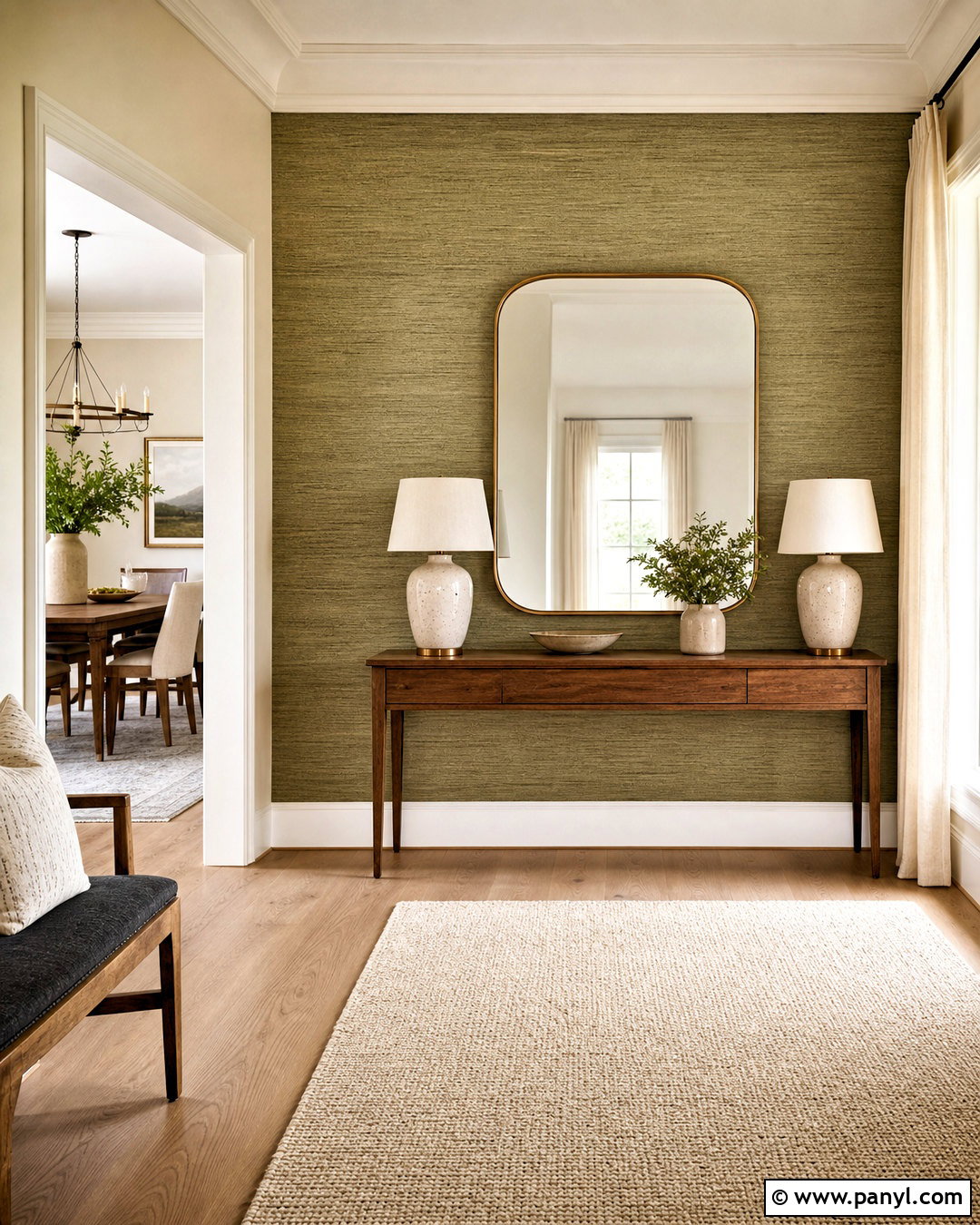
Green grasscloth wallpaper introduces fine texture and tailored warmth to a dining room, bedroom, or office. Select an olive or celadon covering with visible natural fibers, then install it on the wall behind a slim walnut console. Add a large rounded mirror, two ceramic table lamps, and a shallow tray for everyday objects. Pale oak flooring and a cream wool rug keep the design light underfoot. If the wall sits in a dining area, use a round wood table with woven chairs to continue the natural material story. Keep neighboring walls a warm ivory and choose simple linen window treatments. Grasscloth seams can remain slightly visible as part of the handcrafted look. Avoid crowding the background with numerous frames, since the woven surface already provides quiet visual detail.
9. Green Botanical Mural Wall
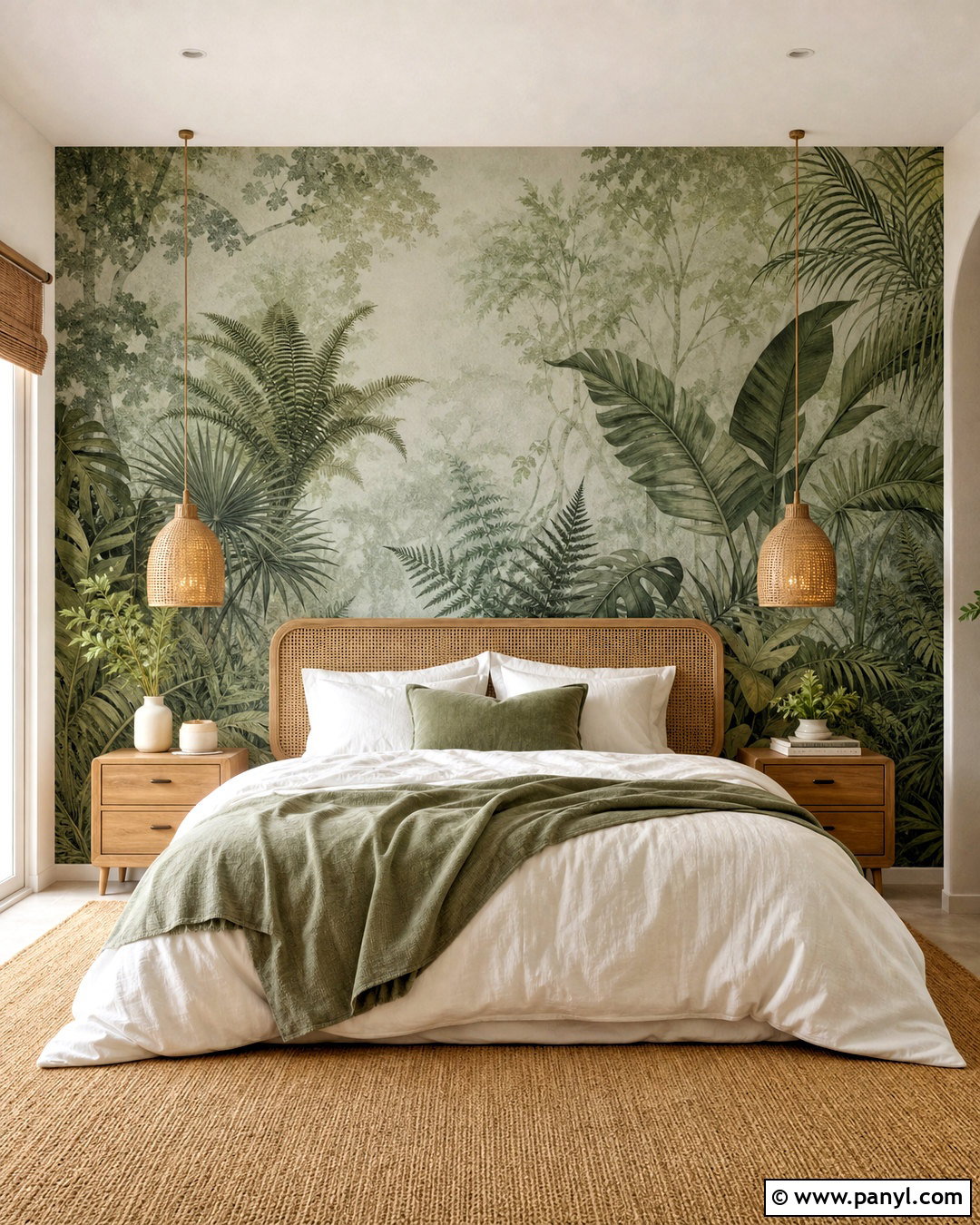
A large botanical mural can transform a plain wall into an immersive garden-inspired background. Choose a design with layered fern, palm, and woodland leaves in moss, sage, and deep green on a soft cream base. In a bedroom, position a simple cane or light oak bed in front of the mural. Use solid white bedding and a muted green blanket so the print remains the focus. Small wood nightstands, woven pendant lights, and a natural fiber rug maintain the organic theme. Avoid adding several real plants directly beside the mural, which can make the arrangement look crowded. Instead, place one tall plant near the window. Warm white surrounding walls and understated curtains will frame the scene and create a bright, balanced retreat.
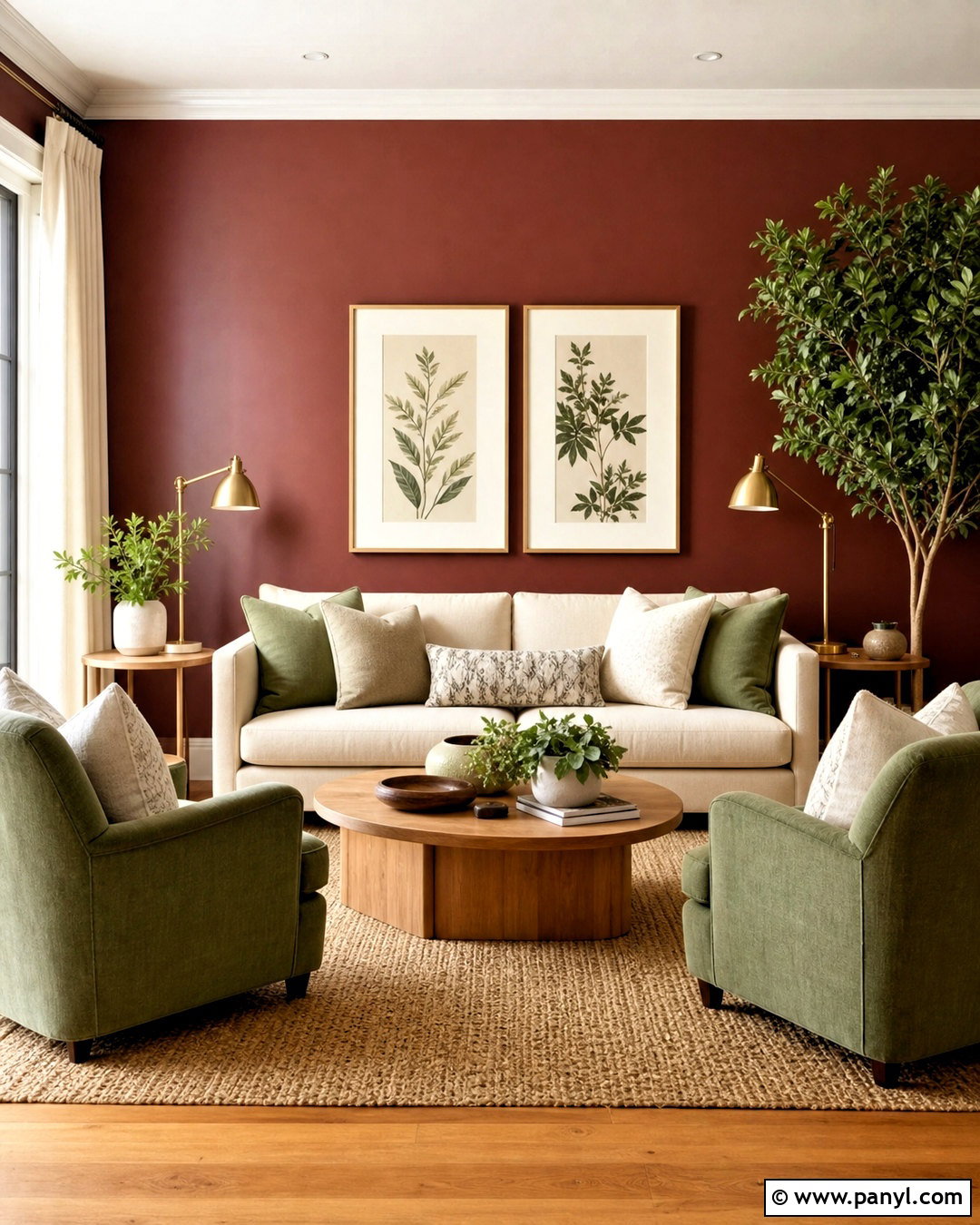
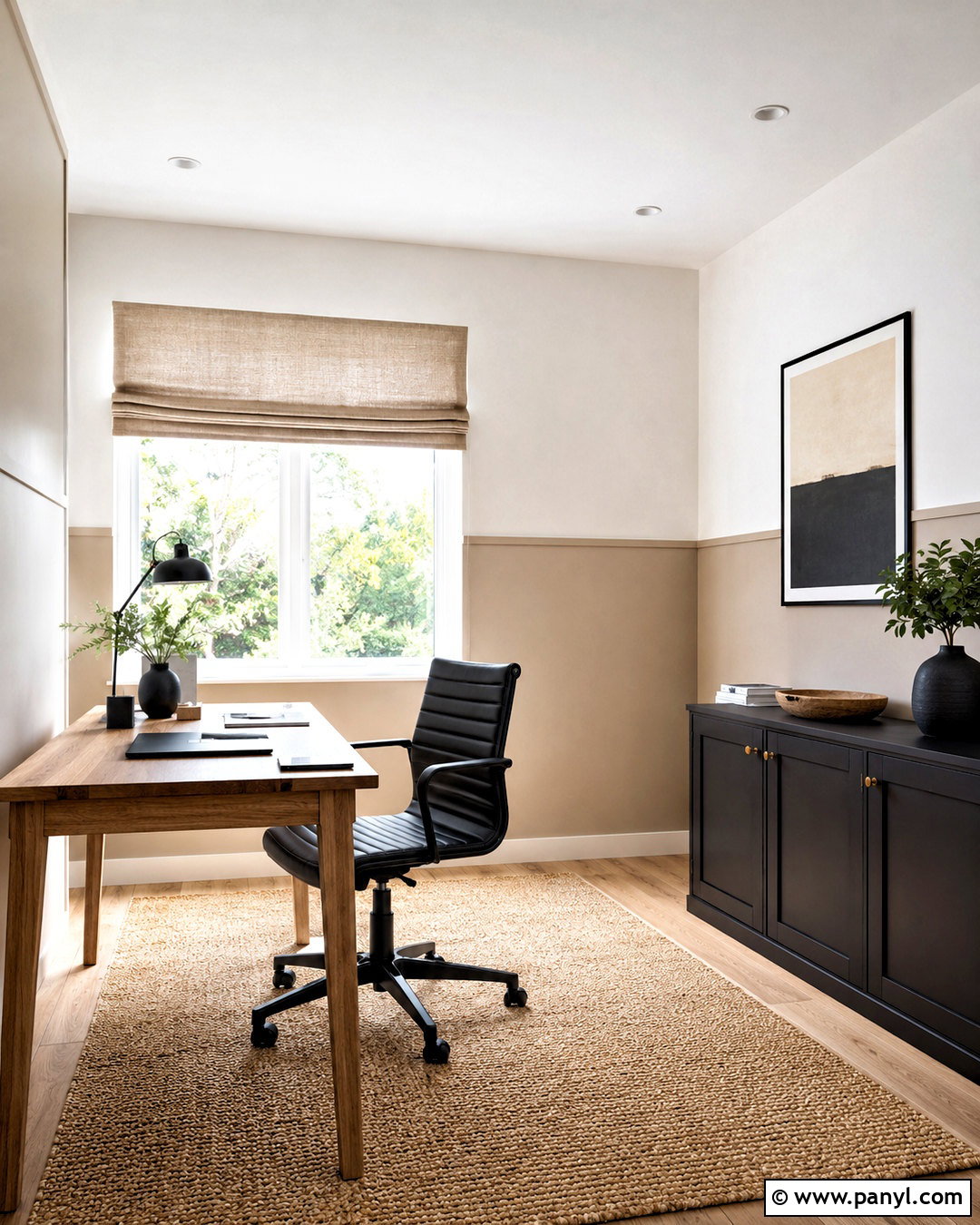
10. Green Geometric Painted Wall
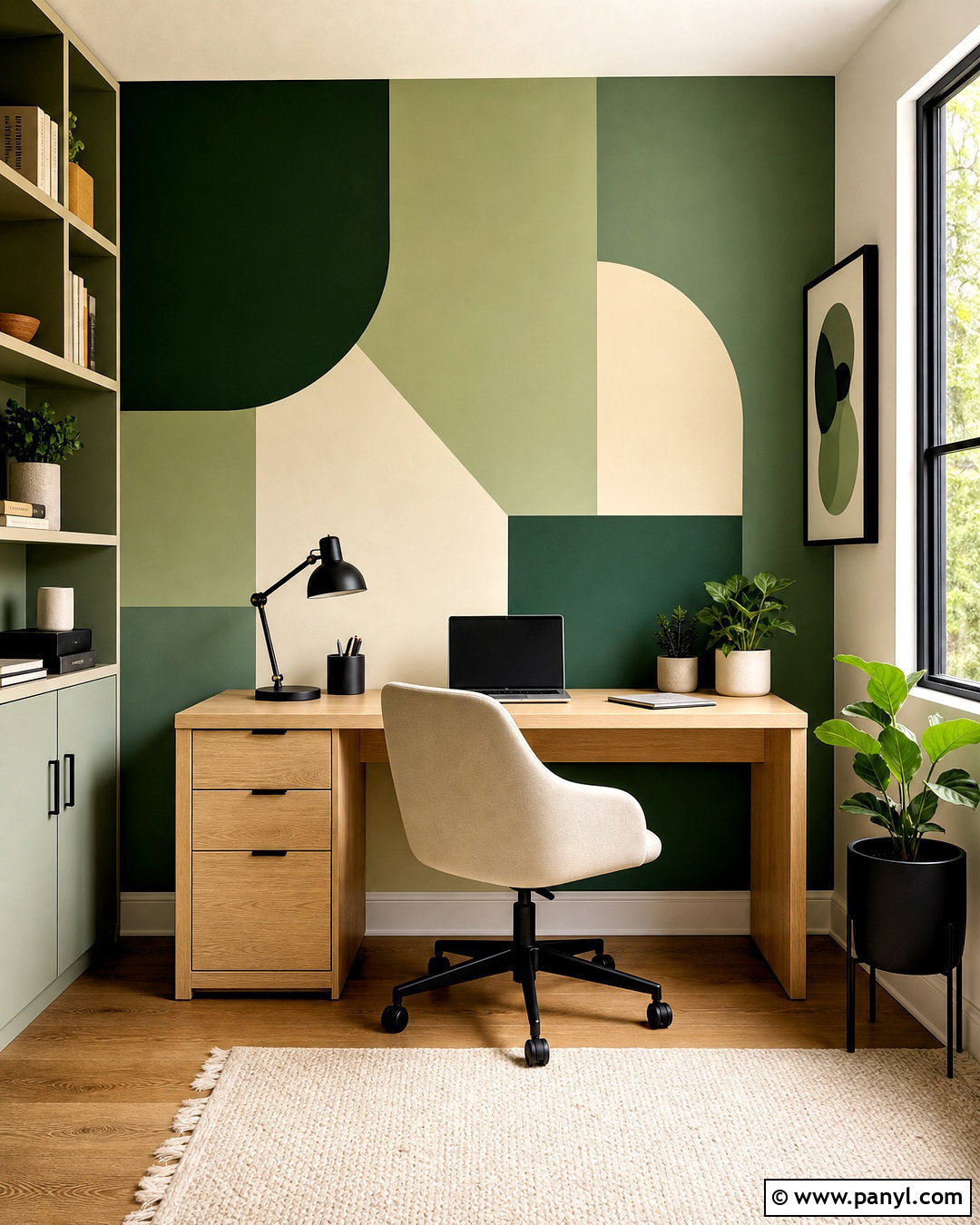
A geometric green wall can look sophisticated when the shapes are large and the palette stays controlled. Build the background with broad blocks or arches in sage, olive, cream, and deep pine green. Use painter’s tape for clean lines, and plan the composition around the furniture rather than decorating an empty wall first. In a creative workspace, center a simple white oak desk against the painted design. Add a cream swivel chair, a black desk lamp, and closed storage to keep the view organized. A neutral rug and pale wood floor will prevent the colorful background from becoming overwhelming. Repeat only one green tone in a desk accessory or planter. This complete arrangement creates energy and personality while remaining practical enough for everyday work.
11. Green Gallery Wall Background
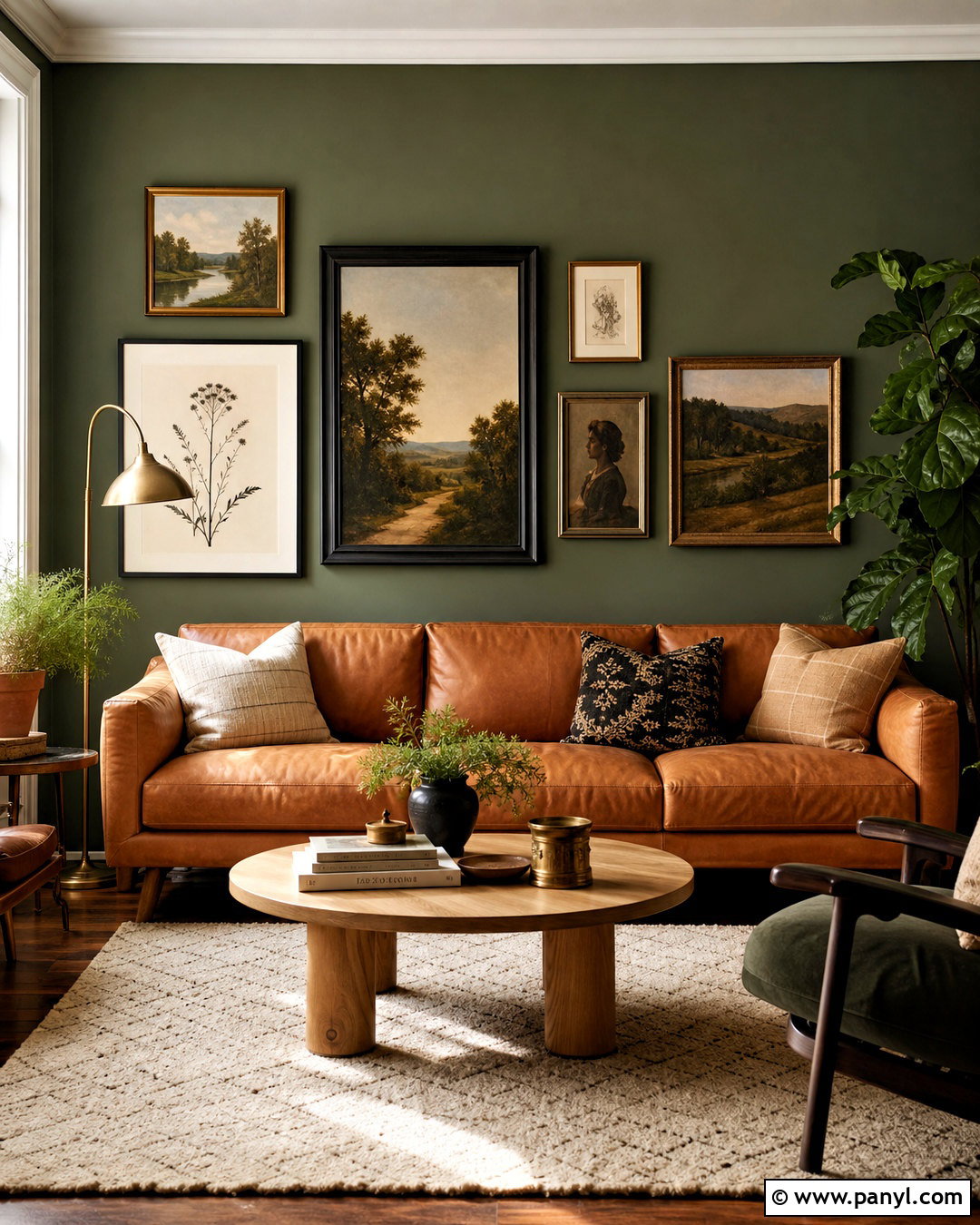
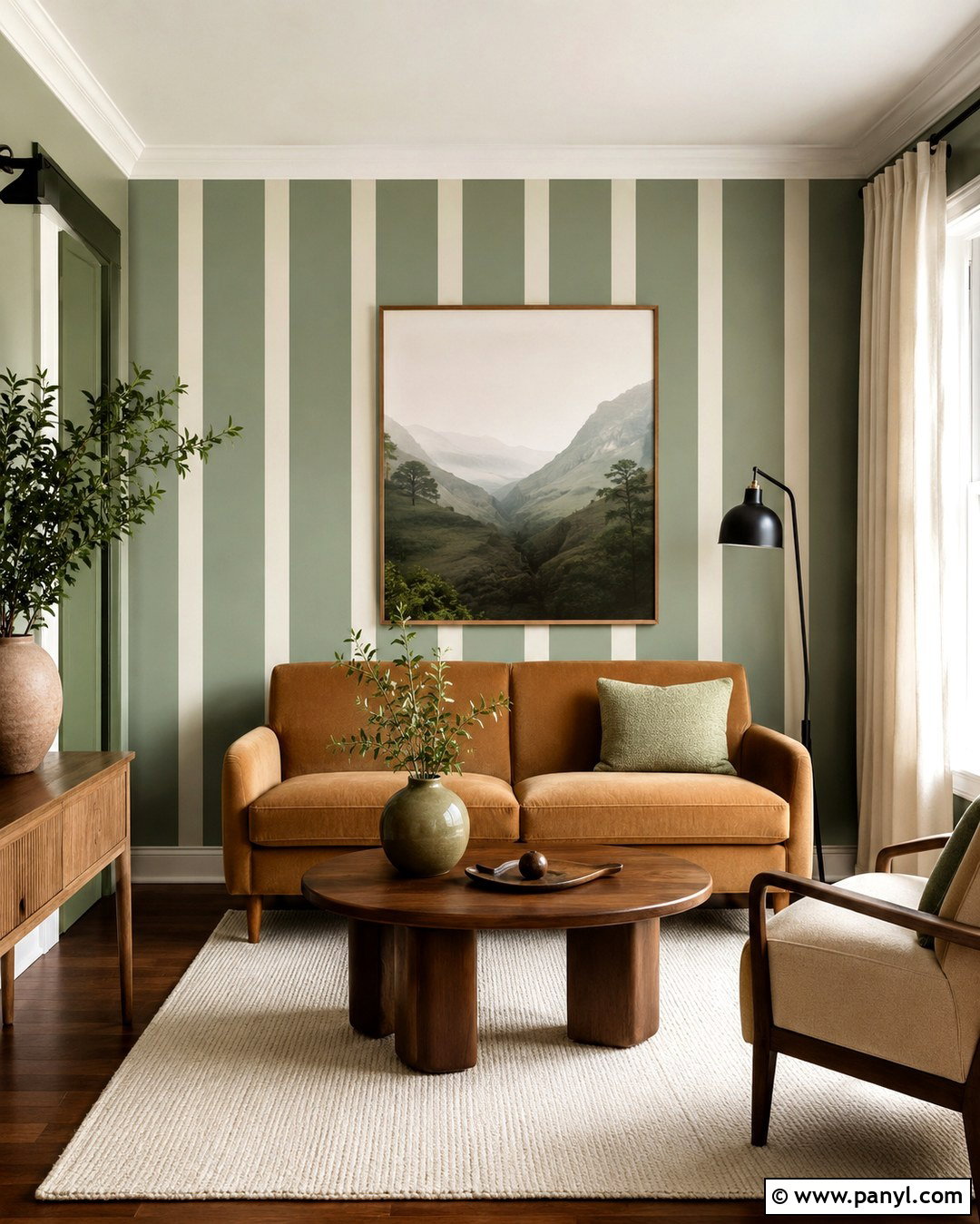
Painting a wall dusty green can unify an eclectic collection of artwork and photographs. Start with a muted shade that offers contrast without competing with every frame. Arrange the gallery above a caramel leather sofa, mixing black, walnut, and antique brass frames for a collected appearance. Maintain consistent spacing between pieces even when the sizes vary. Use artwork with warm neutrals, landscapes, and small touches of blue or rust to connect with the green background. A cream rug and light wood coffee table will brighten the lower half of the room. Add a brass floor lamp and a pair of patterned pillows for balance. Before hanging anything, arrange the complete layout on the floor or make paper templates to ensure the final grouping fits the sofa’s width.
12. Green TV Wall
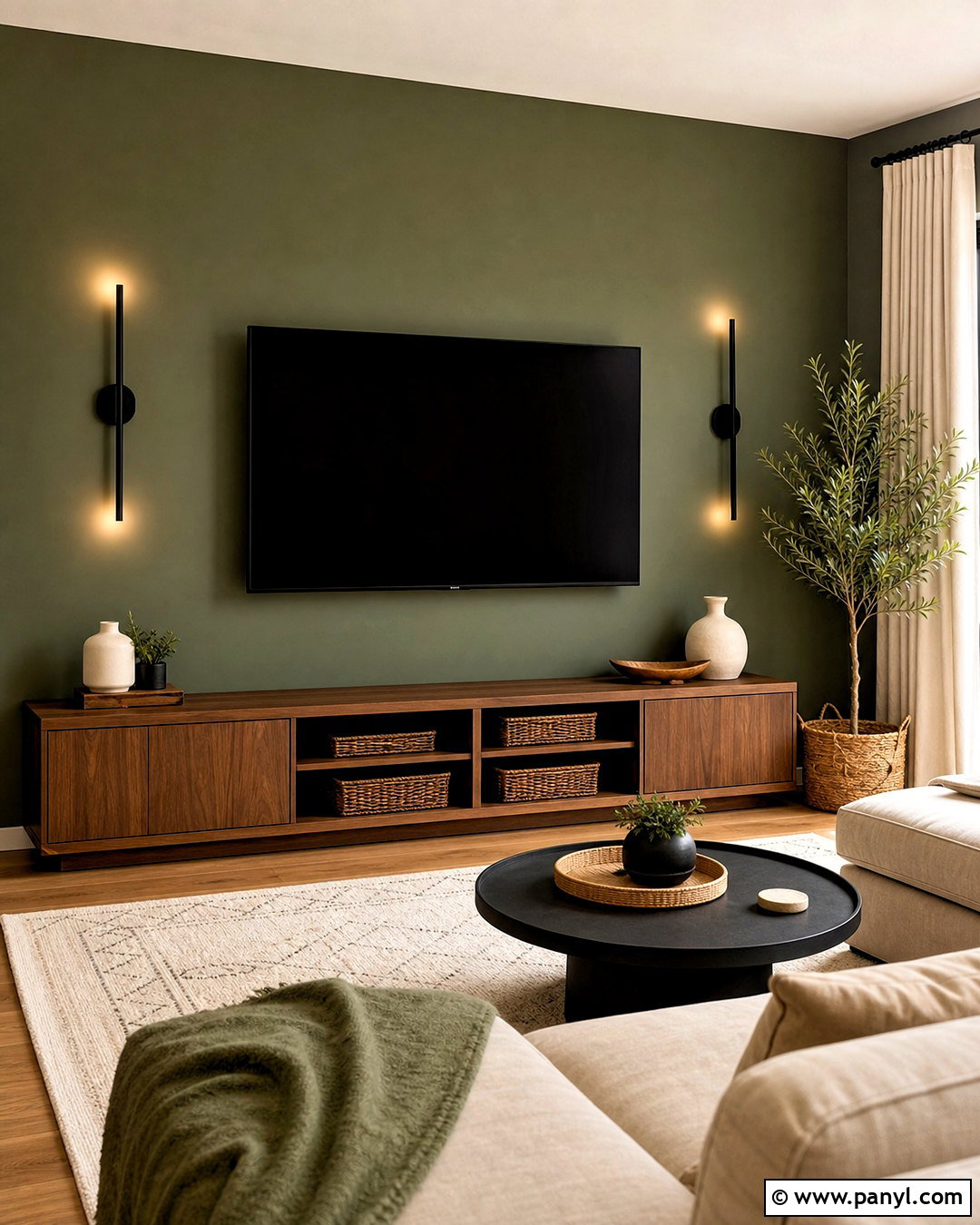
A dark green TV wall helps a black screen blend into the room instead of becoming the only visual focus. Paint the complete background deep olive or pine green, then mount the television above a long, low walnut console. Keep wires hidden inside the wall or use a paintable cable cover for a cleaner finish. Position a warm beige sectional opposite the screen and define the seating area with a softly patterned cream rug. Add closed storage for electronics, baskets, and remotes so the wall remains tidy. Slim black sconces on either side can create symmetry without reflecting heavily on the screen. Finish with a small plant, two ceramic objects, and simple curtains. Avoid surrounding the television with too many small decorations that could distract during viewing.
13. Green Fireplace Wall
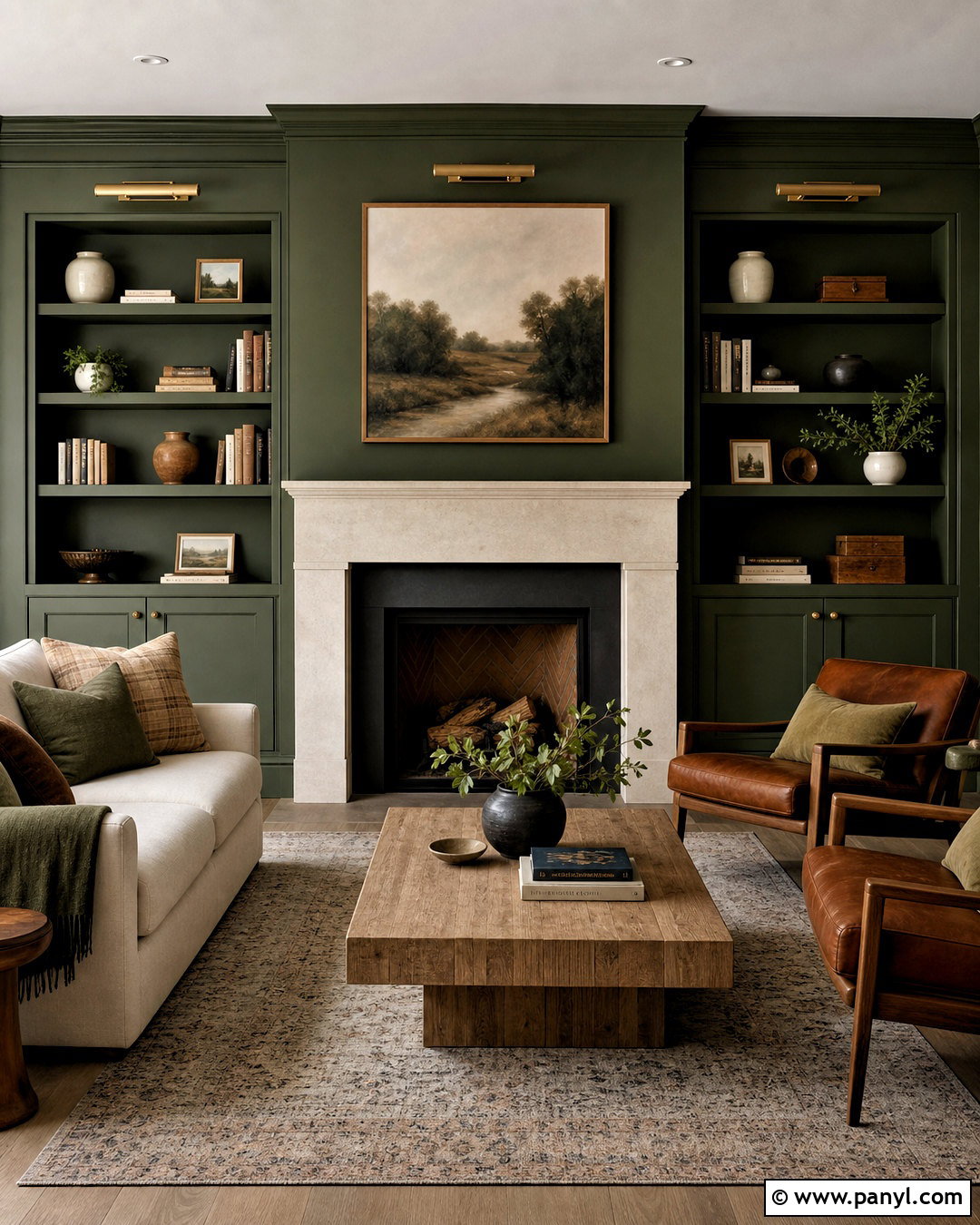
A fireplace becomes a stronger architectural anchor when its entire wall is wrapped in a rich green finish. Paint the wall, mantel, and built-in shelving the same muted forest green for a seamless look. Surround the firebox with pale limestone or warm white tile to provide contrast and reflect light. Arrange a cream sofa and two cognac leather chairs around a medium oak coffee table, creating a comfortable conversation zone. Style the shelves sparingly with books, pottery, framed art, and small trailing plants. A large neutral rug will connect all the seating pieces. Use brass picture lights above the shelving for warmth and definition. Keeping the ceiling and neighboring walls soft white ensures that the saturated fireplace background feels intentional rather than visually heavy.
14. Green Kitchen Breakfast Nook Wall
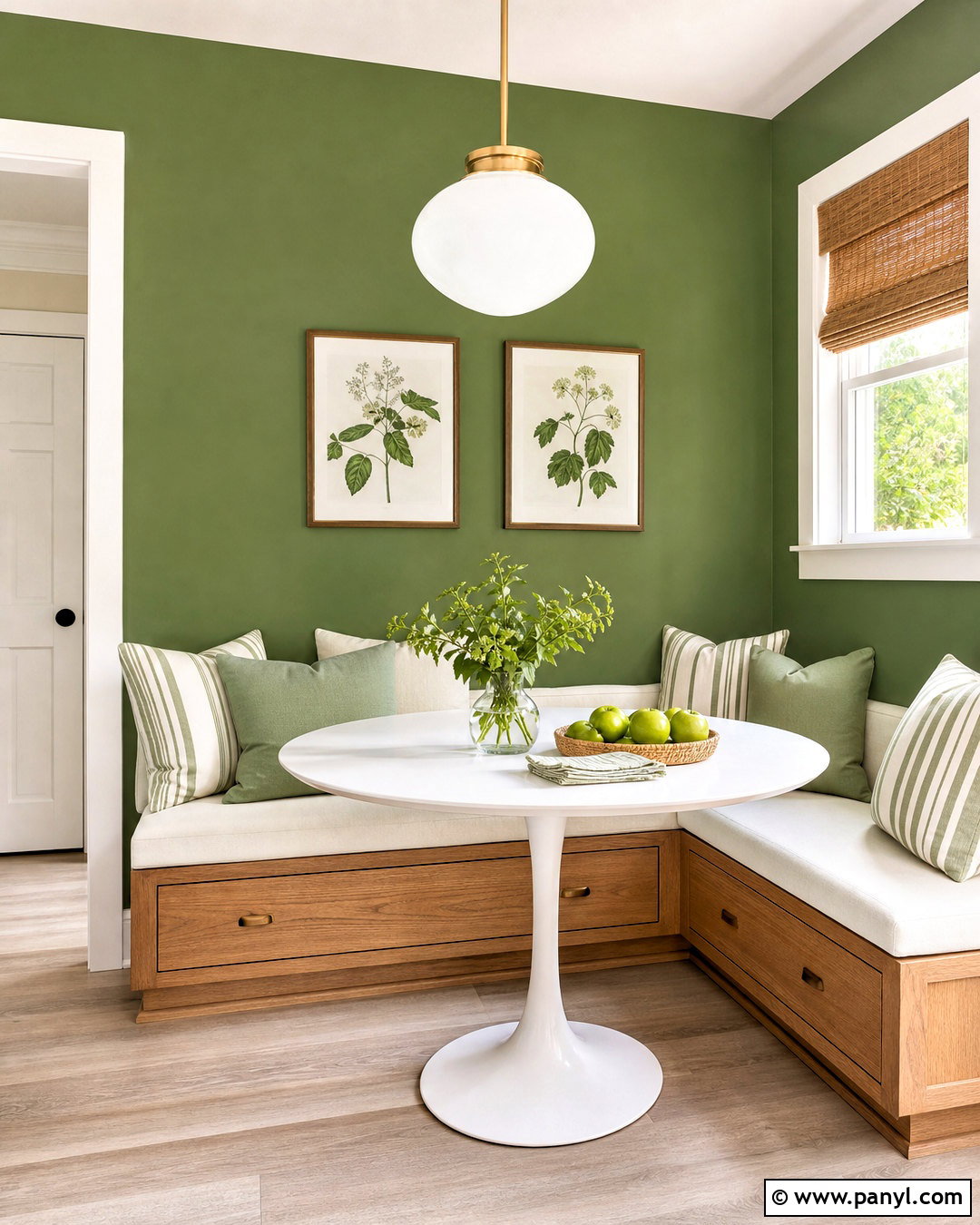
A cheerful green wall can help a small breakfast nook feel separate from the main kitchen. Paint the background warm apple green or fresh leafy green, then install an L-shaped oak bench with hidden storage. Add a round white pedestal table to improve movement through the compact area. Seat cushions in cream performance fabric will keep the look bright and practical, while striped green and beige pillows introduce subtle pattern. Hang a simple opal glass pendant above the table and place two framed botanical prints on the wall. White kitchen cabinets and light quartz counters can continue nearby without competing with the nook. Finish with washable flooring, woven shades, and a small ceramic vase. The result feels sunny, efficient, and ready for everyday meals.
15. Green Bathroom Vanity Wall
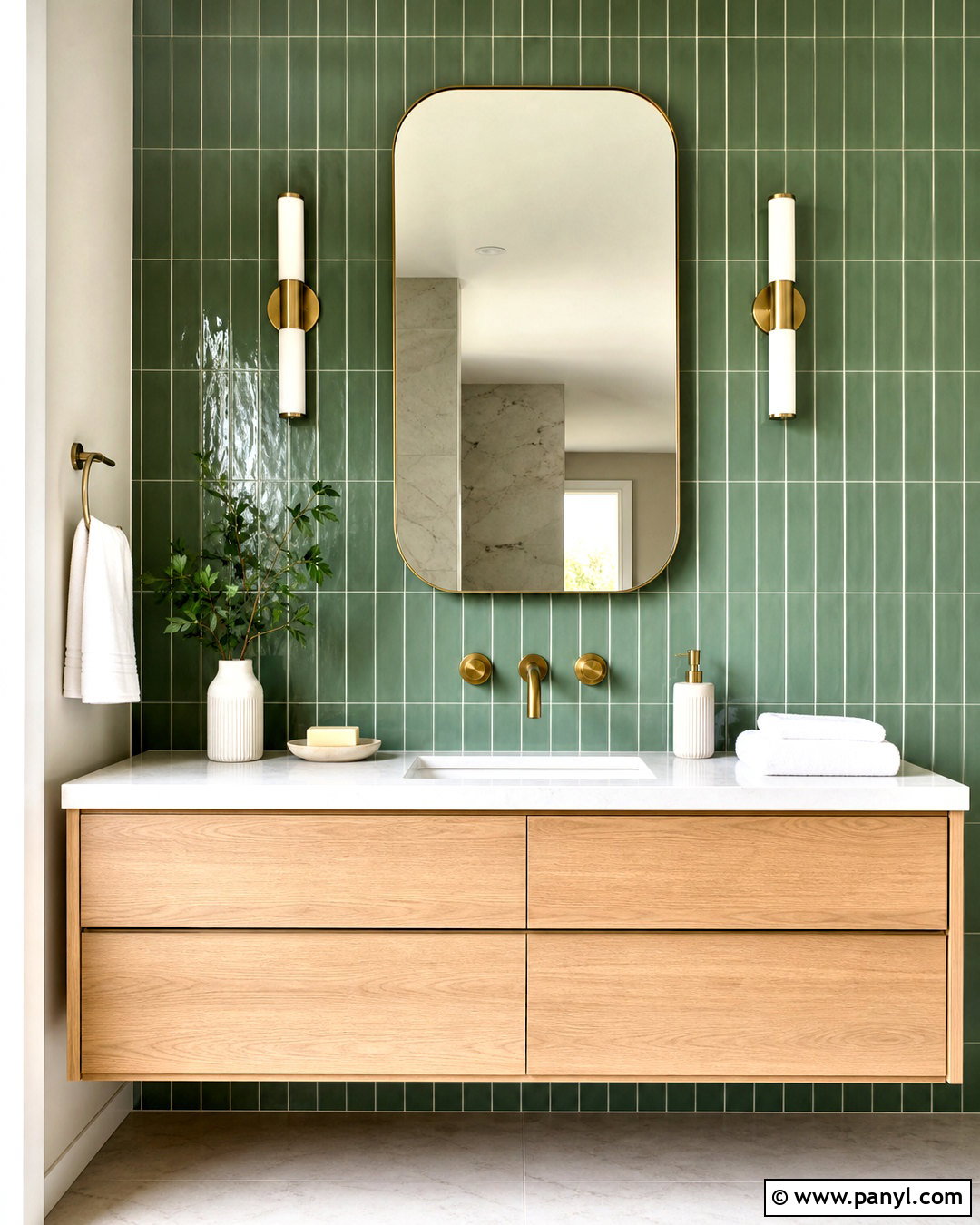
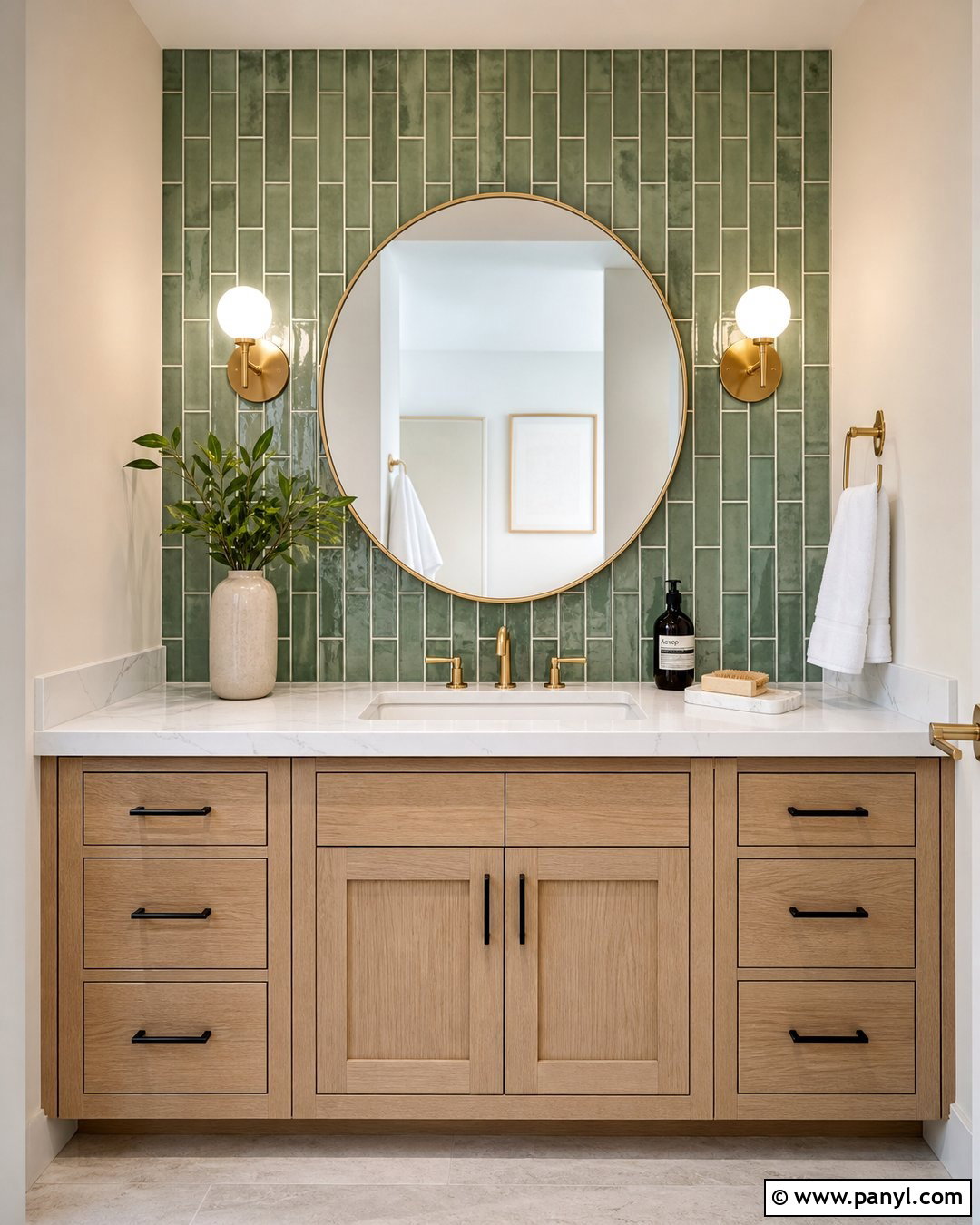
Green tile creates a durable, light-catching background behind a bathroom vanity. Choose glossy rectangular tiles in a medium jade or sea green, and install them vertically from the counter to the ceiling. Pair the tile with a floating white oak vanity and a clean white quartz countertop. A rounded mirror softens the straight tile lines, while brushed brass faucets and sconces add warmth. Use pale stone flooring and warm white paint elsewhere to keep the bathroom open and bright. Folded white towels, a small ceramic tray, and one compact plant are enough decoration. For a more seamless finish, select grout close to the tile color. This complete bathroom scheme balances practical surfaces with natural materials, creating a fresh wall background that still feels calm and timeless.
16. Green Nursery Wall
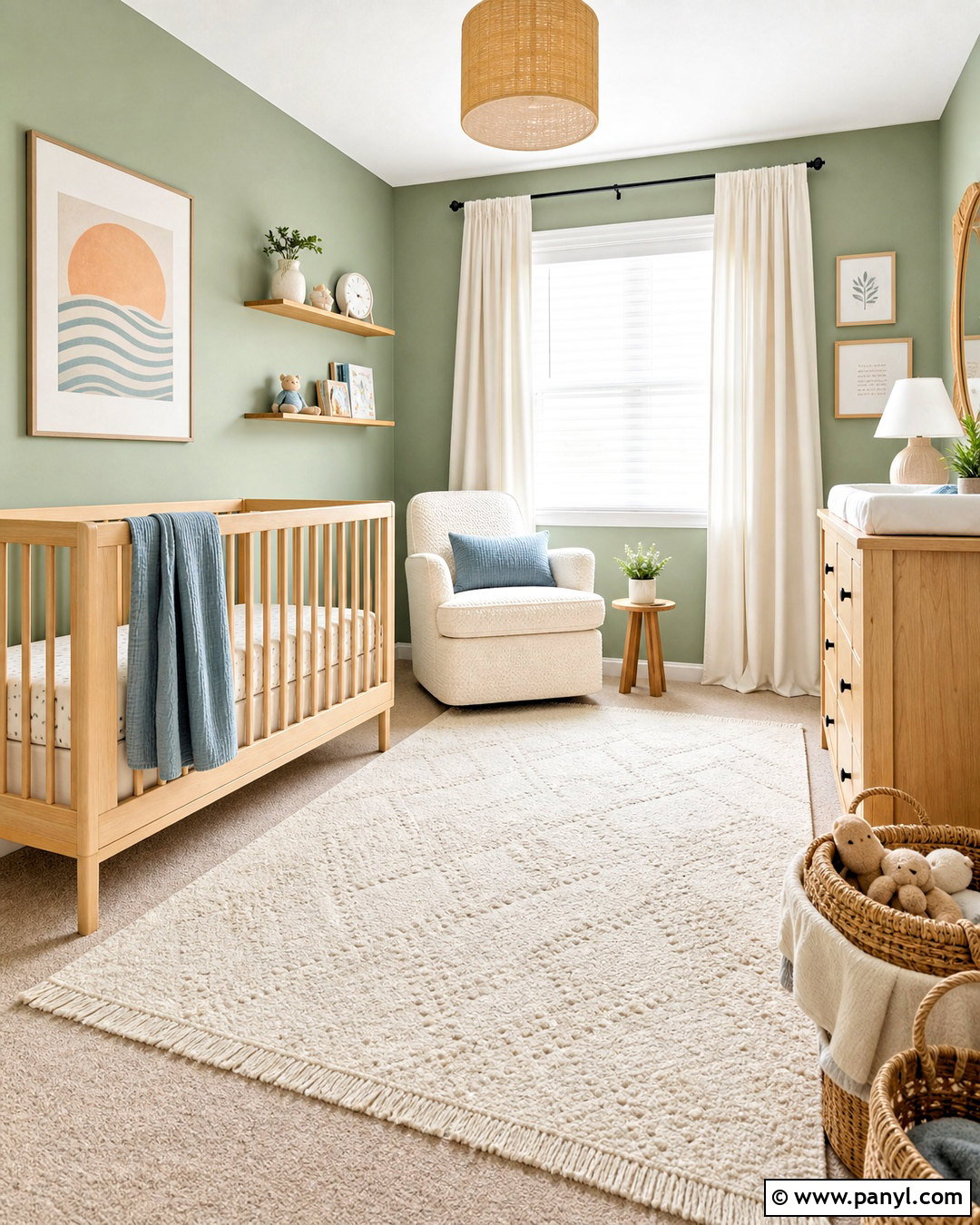
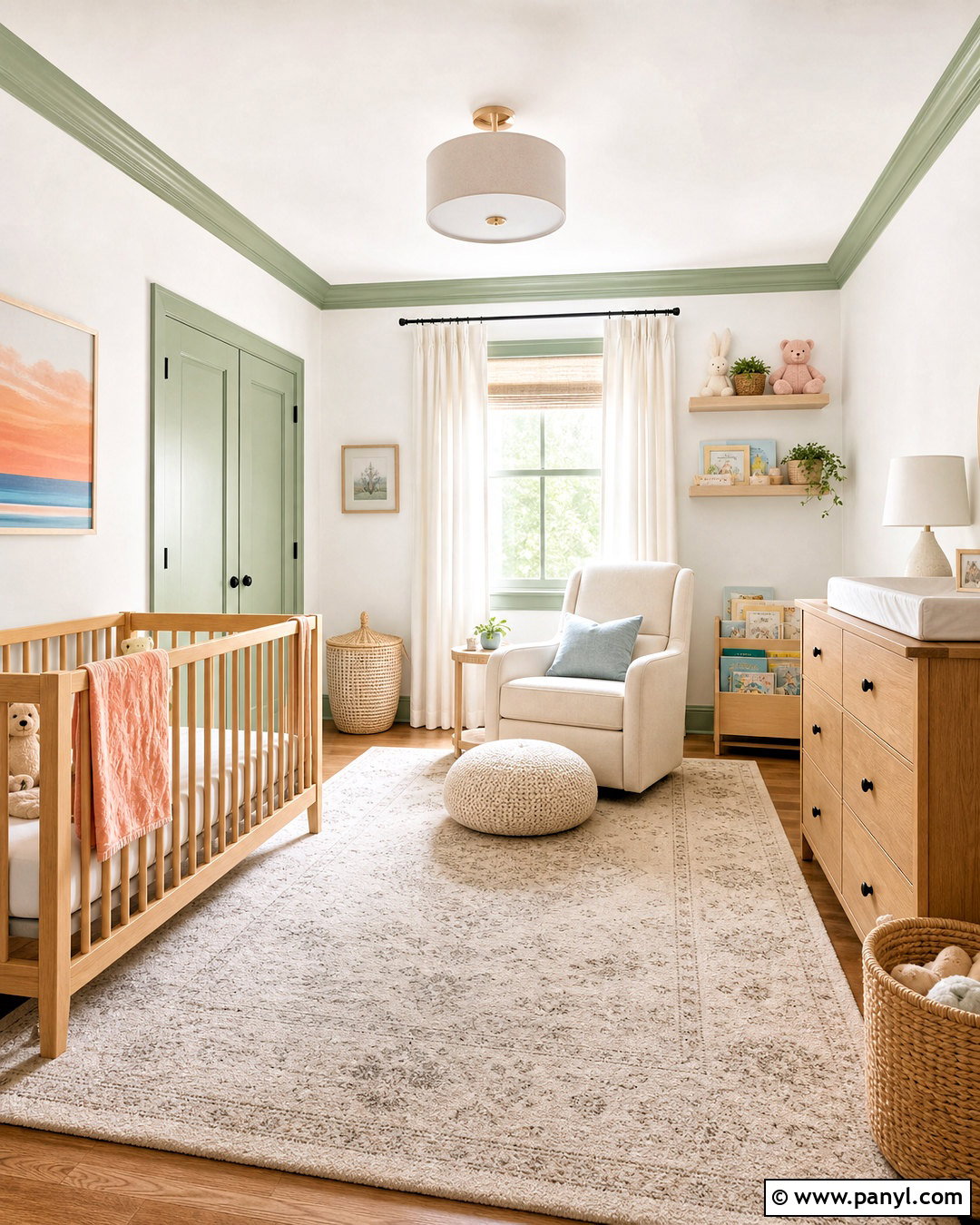
A soft green nursery wall offers gentle color without relying on a strong theme. Paint the crib wall pale mint, soft sage, or muted eucalyptus, then place a natural maple crib safely against the background without hanging heavy objects directly above it. Add a cream upholstered glider, a small wood side table, and a washable ivory rug. Blackout curtains in warm white help control daylight, while a dimmable ceiling fixture supports bedtime routines. Use animal illustrations or simple landscape prints on an adjacent wall, mounted securely and out of reach. Storage baskets, a low dresser, and closed shelving keep essentials organized. Add small accents in dusty blue, peach, or tan to warm the palette. The complete room will feel peaceful, practical, and adaptable as the child grows.
17. Green Entryway Wall
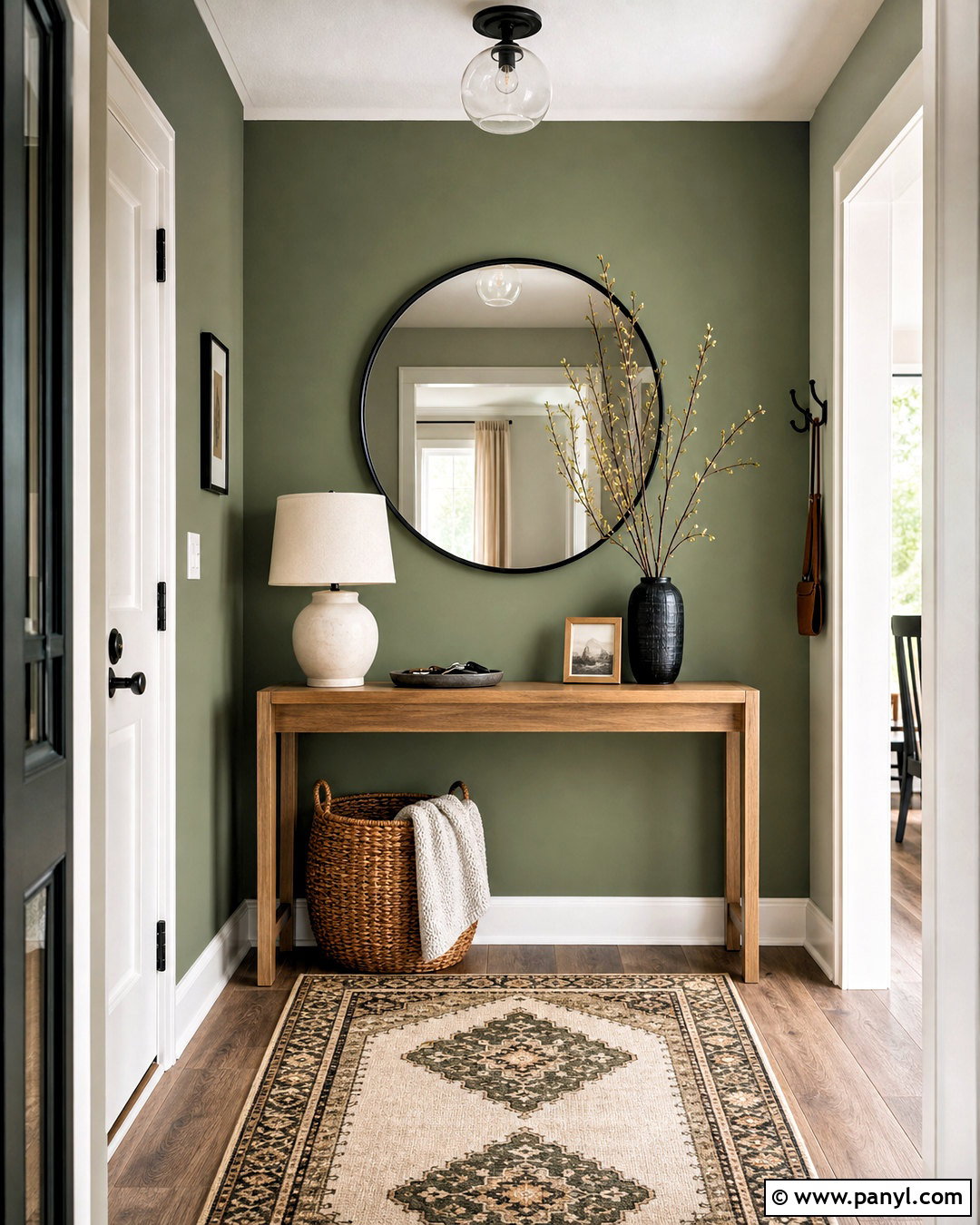
An entryway wall painted medium moss green creates a welcoming first impression and gives everyday storage a purposeful background. Position a narrow oak console against the wall, leaving a clear walkway through the space. Hang a large round black-framed mirror above it to reflect light and provide a convenient last look before leaving. Add a woven basket underneath for shoes or bags, along with a small ceramic lamp and a shallow key tray. A durable patterned runner in cream, brown, and green will hide minor marks while directing movement toward the interior rooms. Use black hooks or a compact peg rail on a nearby wall for coats. Warm white trim, a simple ceiling light, and one tall branch arrangement complete this organized, approachable entrance.
18. Living Green Plant Wall
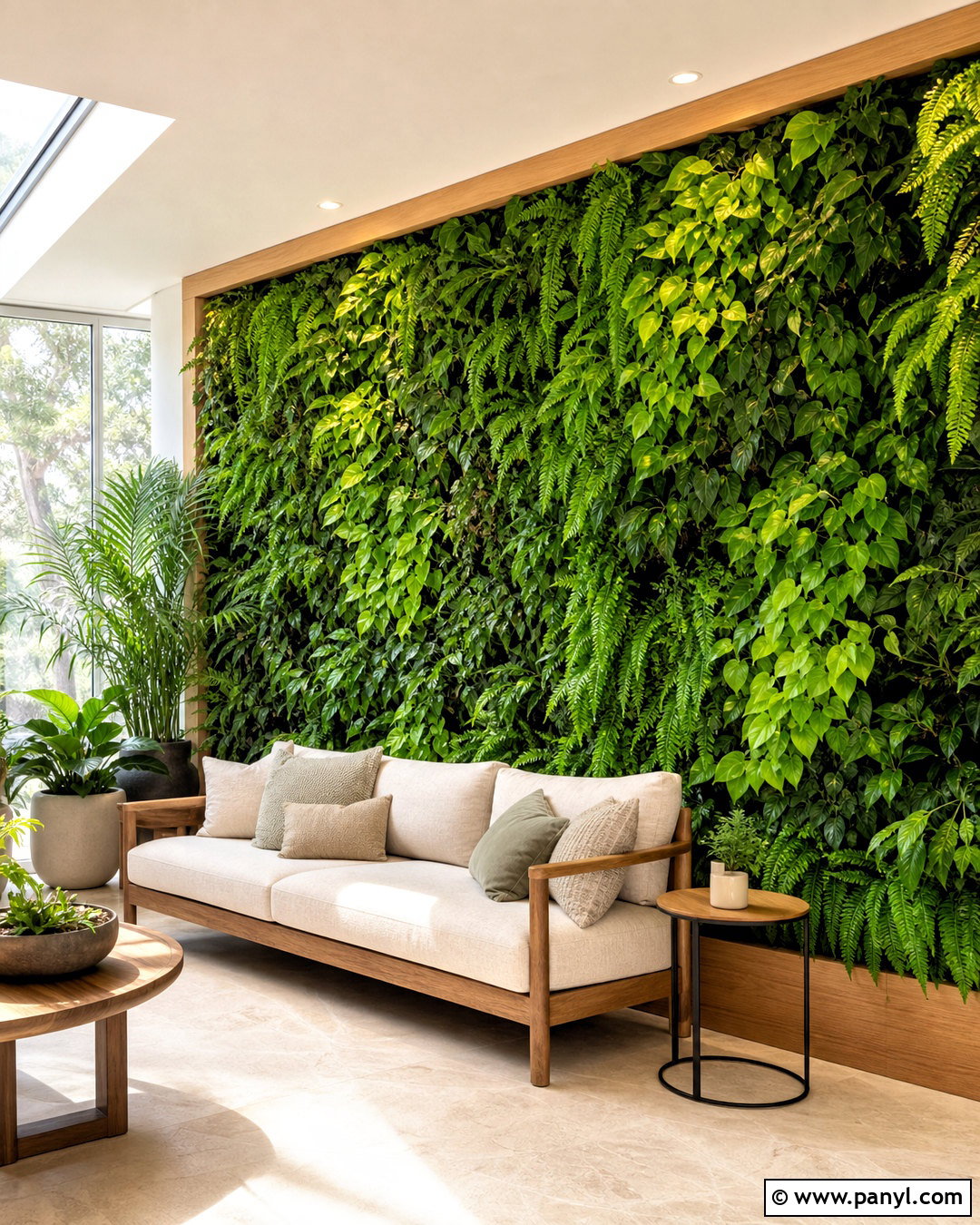
A living plant wall brings rich texture to a sunroom, dining area, or bright home office. Build the installation around a proper modular planting and irrigation system rather than attaching random pots to the wall. Combine compact ferns, pothos, philodendrons, and other plants suited to the available light and humidity. Frame the greenery with warm oak for a finished architectural appearance. Place a cream loveseat or simple dining table in front, but leave access for watering, pruning, and maintenance. Pale stone flooring, washable textiles, and understated furniture allow the foliage to remain the focal point. Add bright indirect lighting or dedicated grow lights when natural light is limited. The complete space should feel fresh and intentional while still allowing plants enough room to grow.
19. Faux Greenery Photo Wall
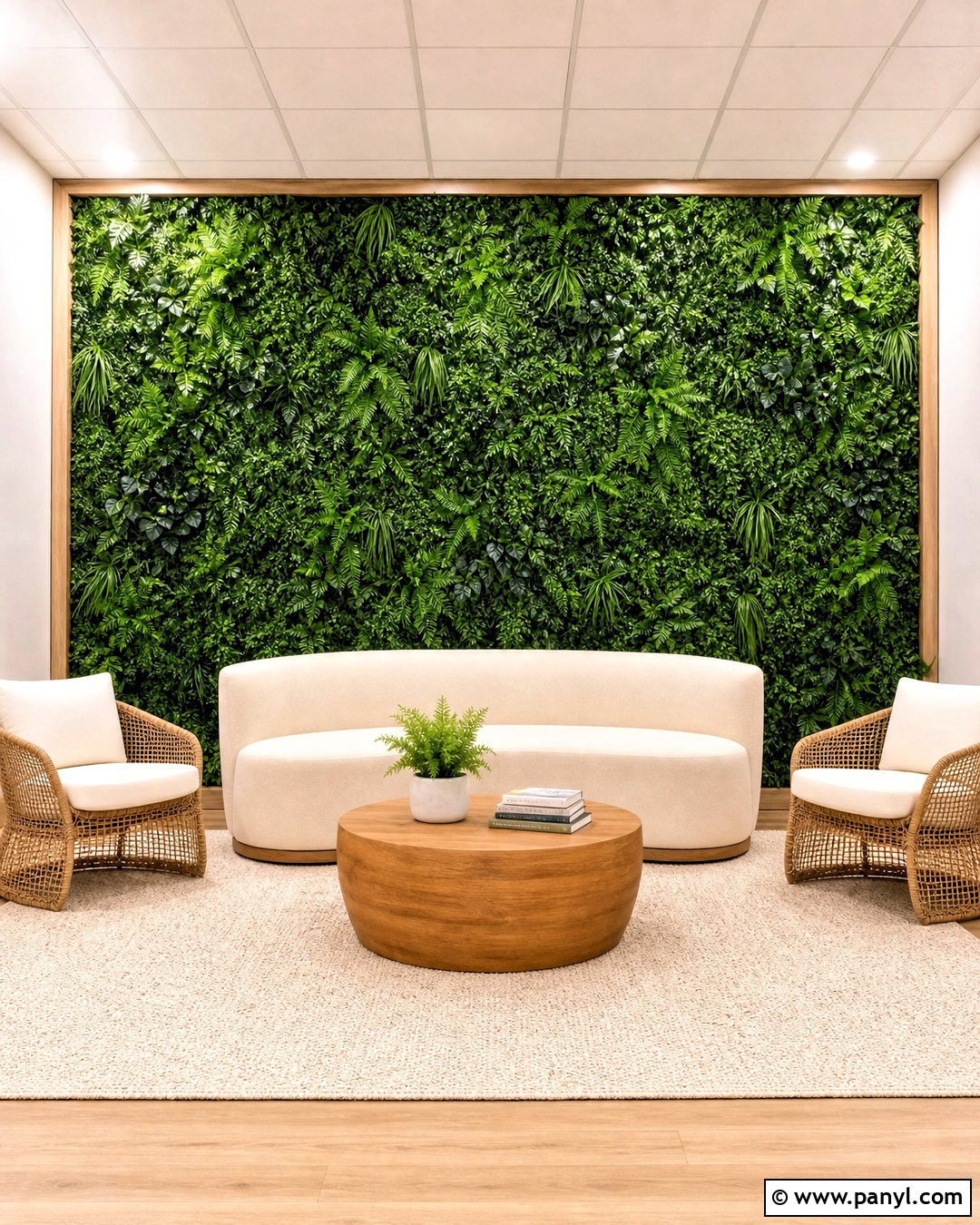
A faux greenery background can create a polished photo area without the upkeep required by living plants. Cover the wall with dense, realistic panels containing varied leaf shapes and several natural green tones. Hide panel seams carefully so the surface appears continuous. Frame the installation with slim light oak trim, then place a curved cream bench or two woven chairs in front. A pale wood floor and neutral rug will make the greenery appear brighter in photographs. Add white ceiling-mounted lights aimed evenly across the wall to reduce harsh shadows. Avoid oversized flowers, logos, or distracting decorations that limit how the backdrop can be used. This finished setup works well in a home studio, party room, creative workspace, or flexible entertaining area.
20. Green Home Studio Background
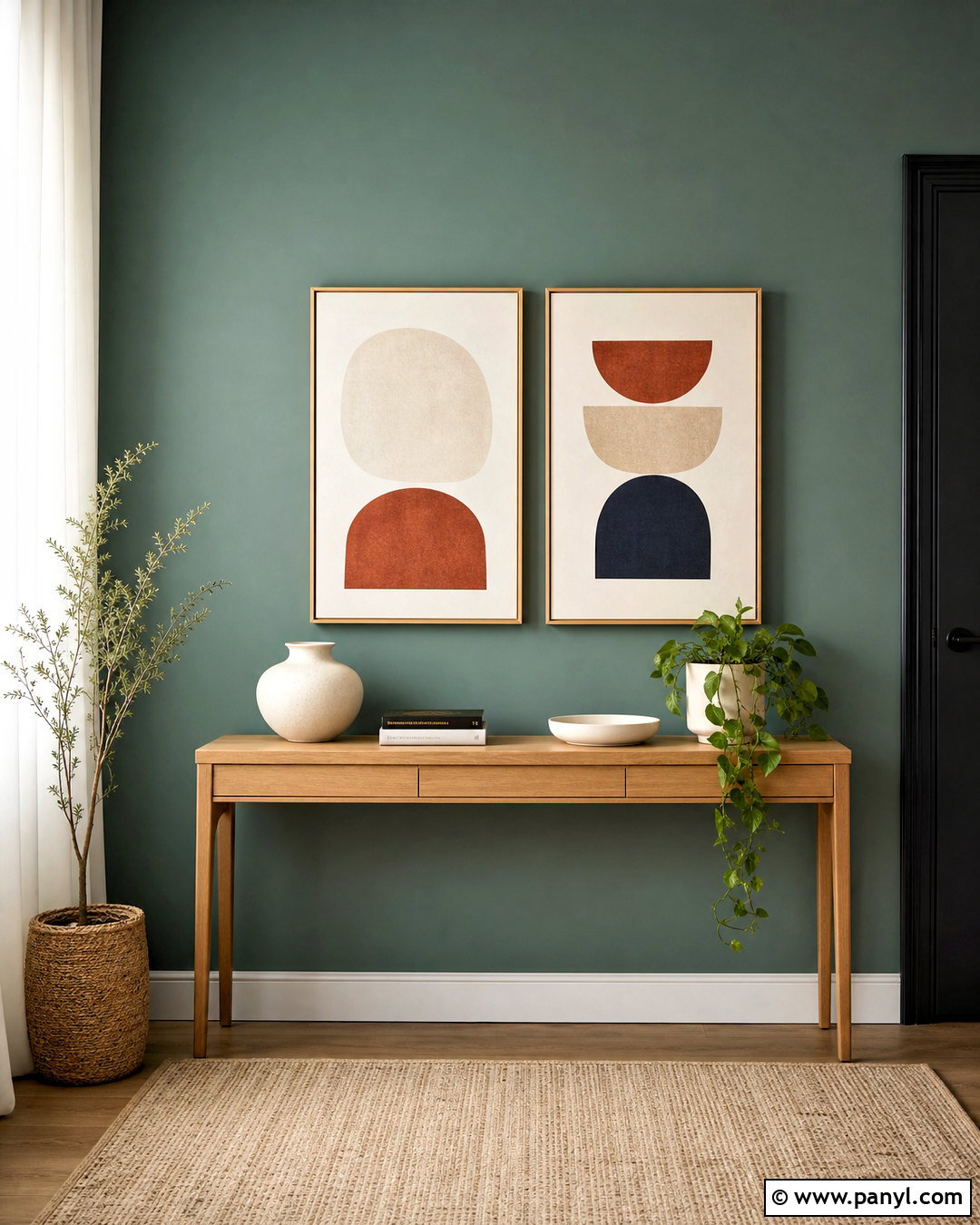
A thoughtfully styled green wall can provide a clean, recognizable background for video calls, tutorials, or home content creation. Paint the wall matte blue-green or muted teal-green to prevent excessive shine under lighting. Position a slim oak console behind the desk chair and style it with a balanced mix of books, ceramic pieces, and one trailing plant. Add two framed abstract prints with cream and rust details, keeping them at similar heights. Use a soft rug and white curtains to reduce visual and sound harshness. Place diffused lights in front of the seating position rather than relying only on overhead lighting. Keep cables, office supplies, and personal clutter outside the camera frame. The result feels professional but still warm enough for a residential setting.
Conclusion:
The strongest green backgrounds are not created by color alone. Furniture placement, material choices, lighting, texture, and organization all determine whether the finished space feels balanced. Soft sage works beautifully in relaxed rooms, while forest and emerald green provide greater drama. Wallpaper, paneling, tile, and greenery offer alternatives when flat paint feels too simple. Before committing, test the selected green under both daylight and evening lighting, then compare it with your flooring and largest furniture pieces. Build the remaining palette from warm neutrals, natural woods, and a limited number of accents. With thoughtful planning, these 20 green wall background ideas can help you create a complete space that feels personal, cohesive, practical, and visually memorable.

Related Ideas and Inspiration:


Leave a Reply