
The best **20 empty room background ideas** combine clean architecture, realistic materials, balanced lighting, and enough visual character to feel intentional without looking busy. These backgrounds can support virtual staging, video calls, presentations, product photography, social media graphics, or interior design mockups. A convincing image should have straight vertical lines, an open floor area, and bright, even illumination that clearly defines the room’s proportions. () Neutral rooms offer maximum flexibility, while colorful walls, architectural details, and distinctive flooring create a stronger visual identity. The key is designing a complete space in which the walls, floor, windows, trim, and lighting work naturally together. Explore these practical and visually appealing **20 empty room background ideas**.
1. Minimalist White Empty Room Background
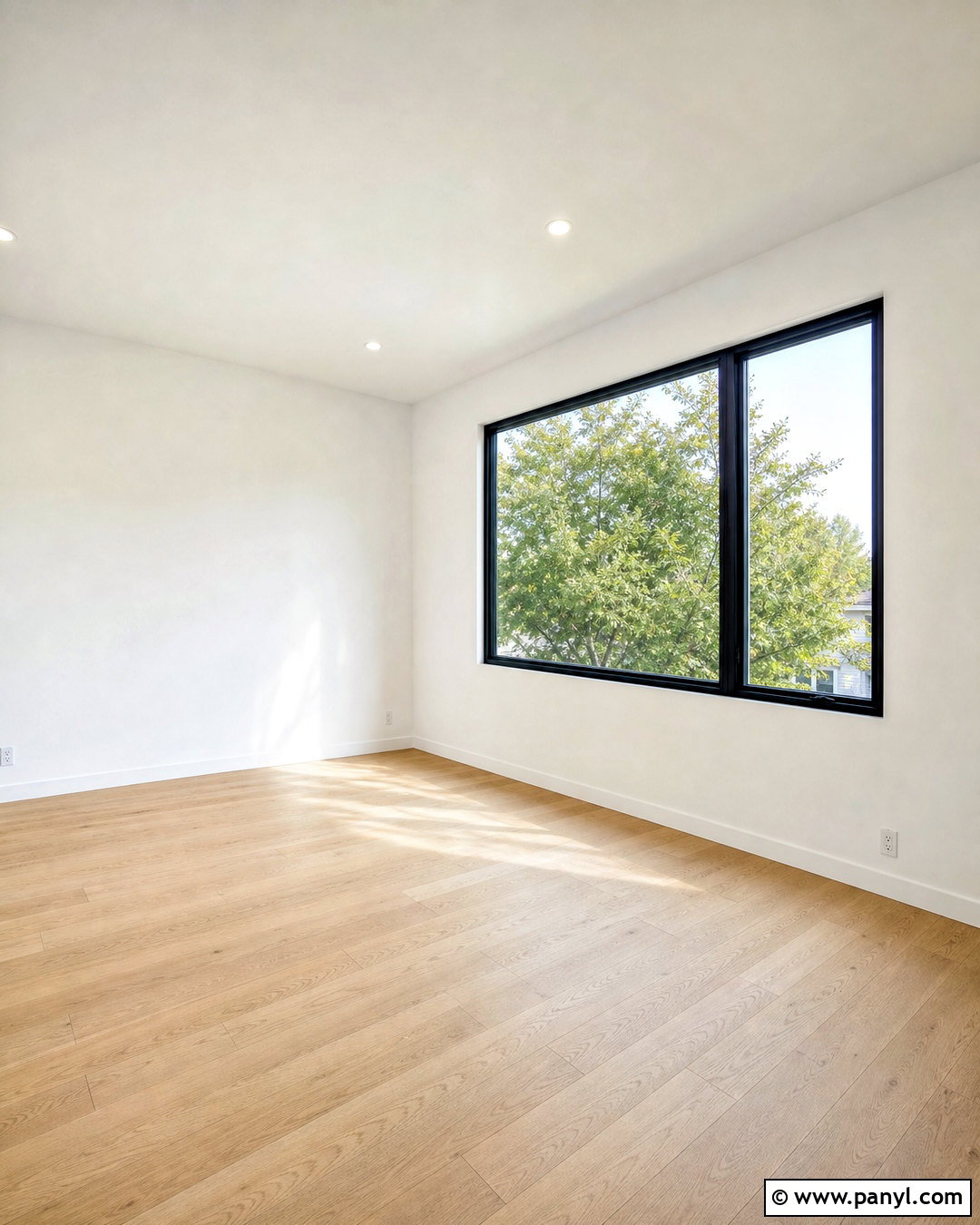
A minimalist white room creates a flexible background that works with almost any subject or digital overlay. Use soft white walls, a smooth white ceiling, and pale oak flooring to prevent the space from feeling cold or clinical. A large black-framed window adds definition and introduces natural scenery without overwhelming the room. Keep the baseboards slim and white so the architecture feels seamless. Recessed ceiling lights provide even brightness, while gentle window shadows give the image realistic depth. Avoid decorative molding, furniture, and unnecessary fixtures. This complete look is especially useful for virtual staging, product displays, artwork mockups, and modern video backgrounds because the clean surfaces leave plenty of open visual space.
2. Warm Beige Empty Room Background
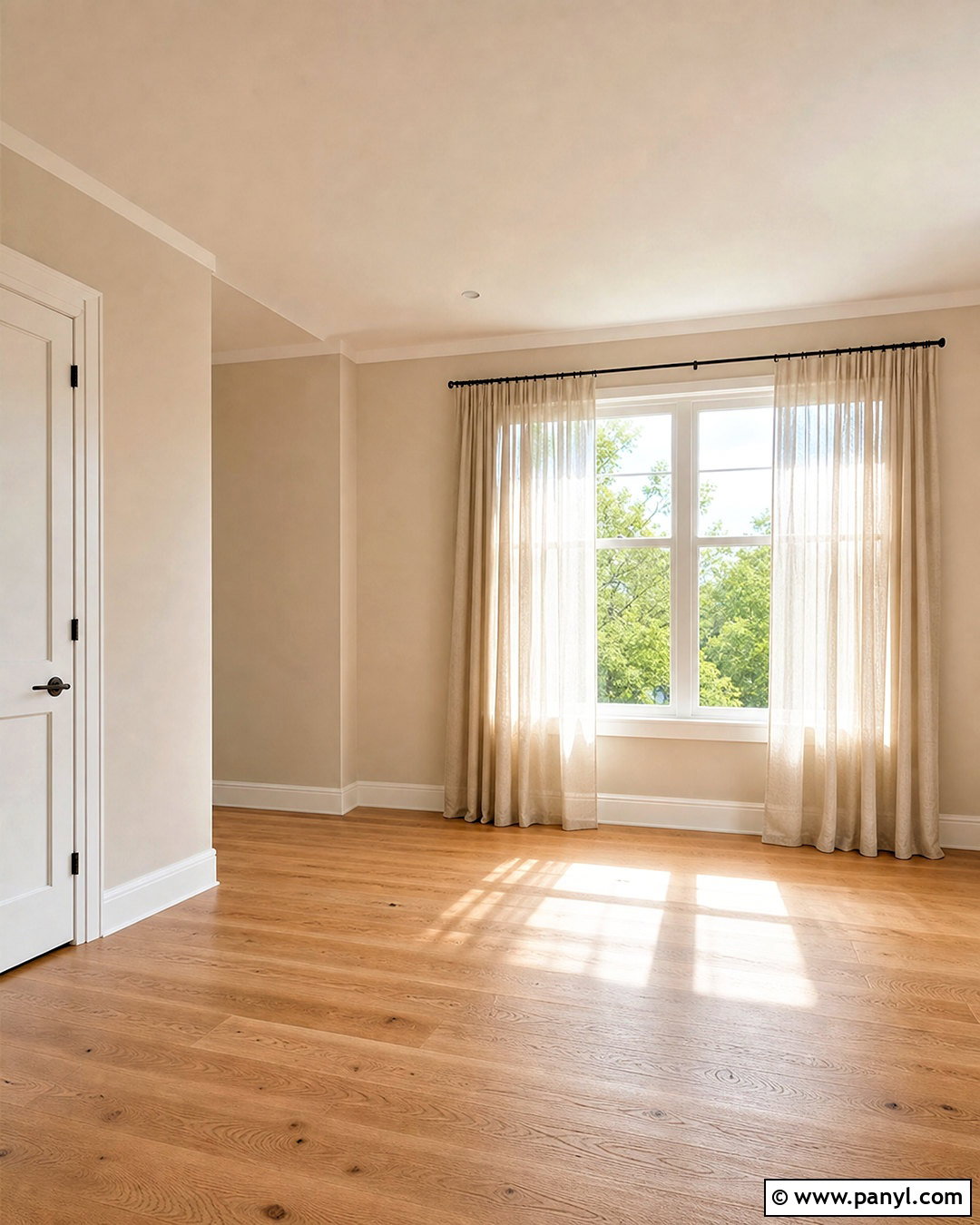
Soft beige walls immediately make an empty room feel warmer and more welcoming. Pair them with medium-tone white oak flooring, creamy white trim, and a simple flat ceiling for a calm, contemporary setting. One wide window with light linen curtains can soften the architecture while preserving the open appearance. Choose matte wall paint to reduce glare and create a smooth background for photography or digital furniture placement. Subtle sunlight across the floor adds dimension without producing harsh contrast. This room should remain completely unfurnished, allowing the warm palette and natural textures to define the atmosphere. The finished background suits lifestyle content, neutral product images, virtual staging, and presentations that need a relaxed residential setting rather than a stark studio.
3. Gray Modern Empty Room Background
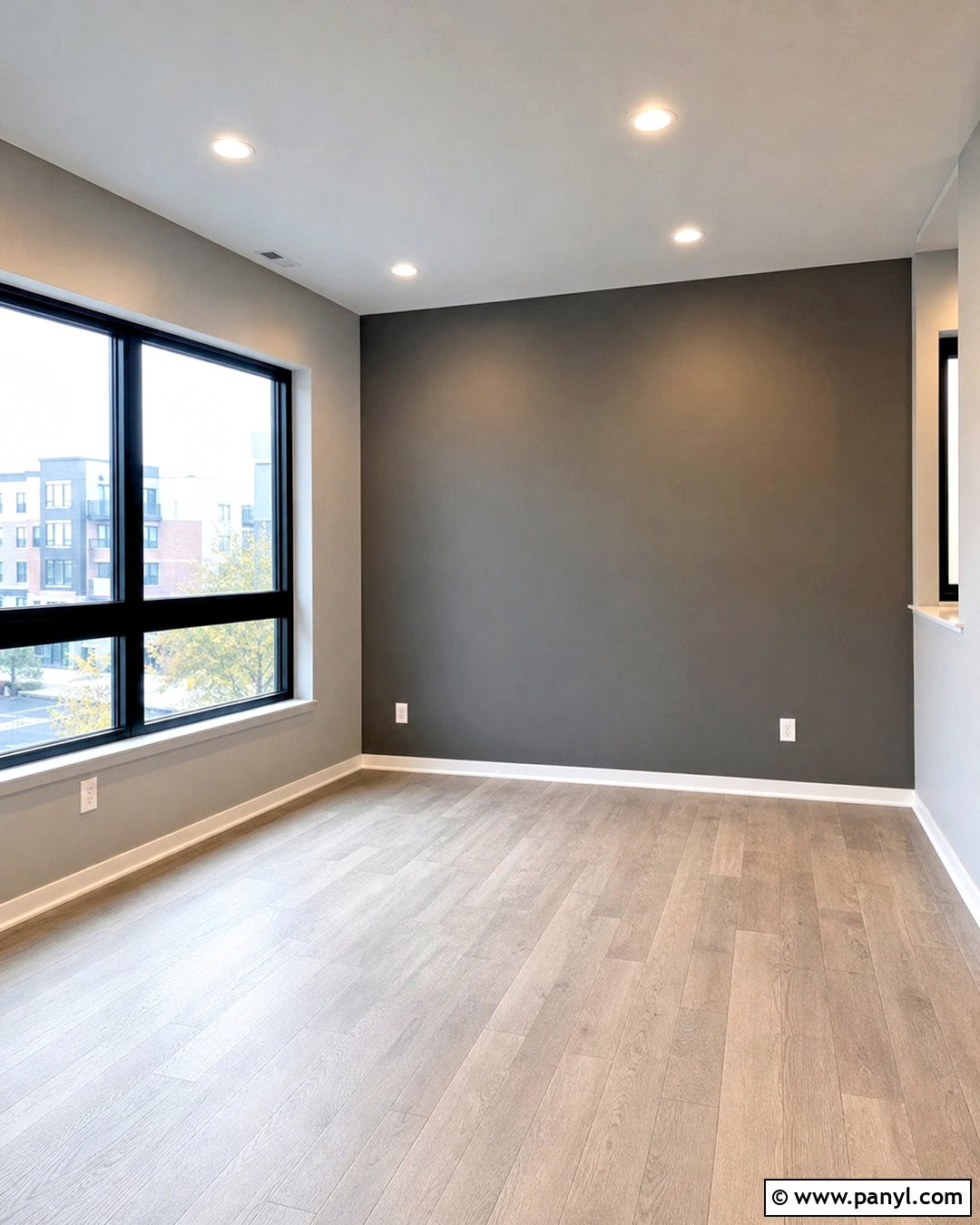
For a polished urban look, combine light gray walls with charcoal window frames and cool-toned oak flooring. The room can include a wide picture window, narrow white baseboards, and a smooth ceiling with simple recessed lighting. Keep the gray pale enough to maintain brightness, especially if the background will be used for video or product photography. A slightly darker feature wall adds depth and creates a natural focal area without requiring artwork or furniture. Clean corners and uncluttered surfaces help the room appear realistic and professionally finished. This balanced design works well for technology presentations, modern virtual staging, masculine lifestyle content, and neutral branding. It provides visual structure while allowing colorful foreground subjects to remain easy to see.
4. Scandinavian Empty Room Background
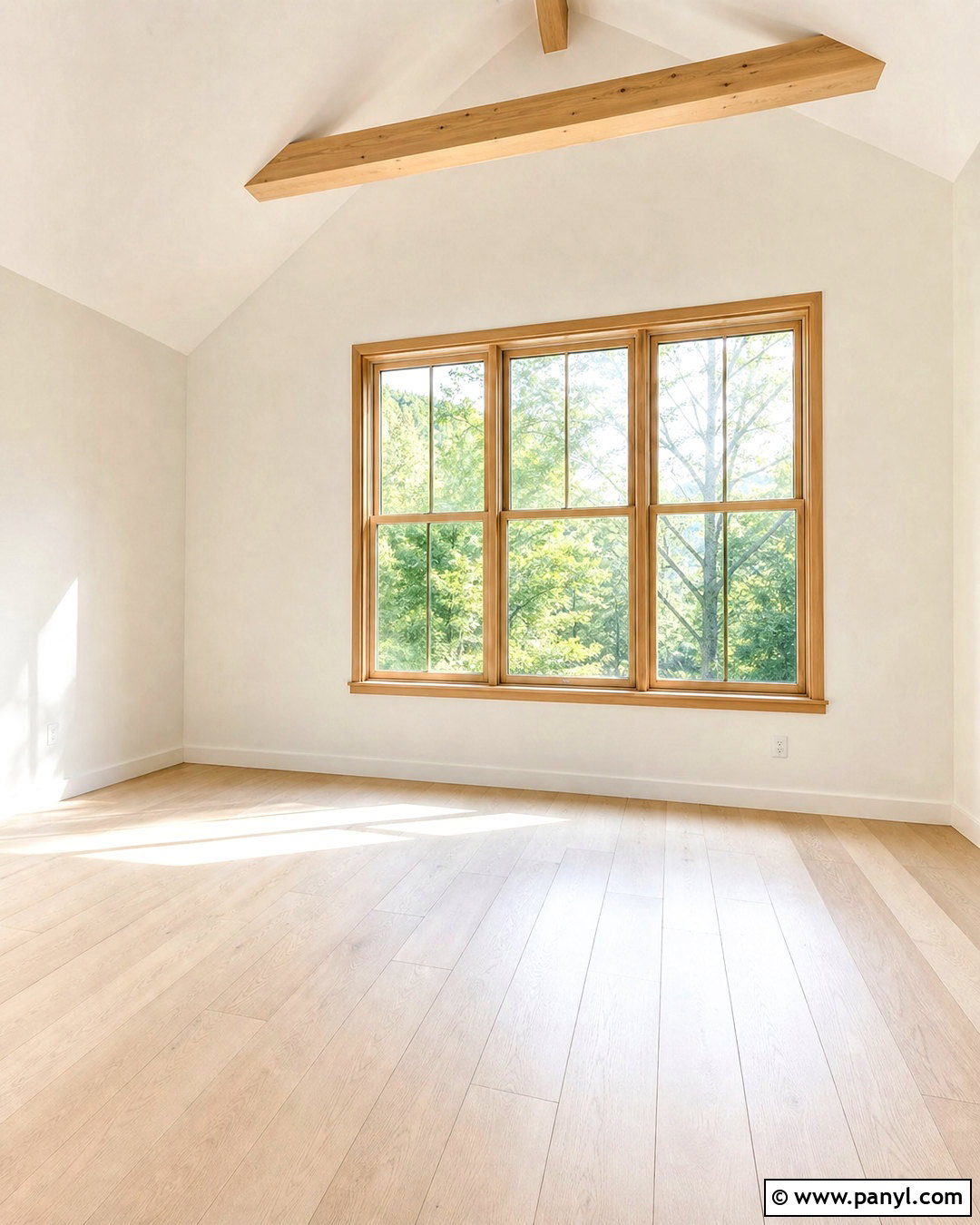
Can an empty room still feel cozy? A Scandinavian background achieves that balance through pale materials and gentle natural light. Start with warm white walls, light birch flooring, and crisp white baseboards. Add one large window with a simple wood frame and an outdoor view of leafy trees. A lightly pitched ceiling can make the architecture more distinctive while preserving the clean appearance. Keep the room empty, but use subtle wood grain, soft shadows, and a warm off-white palette to prevent it from looking unfinished. The final space feels bright, practical, and comfortable. It is an excellent choice for minimalist branding, virtual decor planning, home-related content, or any project needing a fresh residential background with approachable Nordic character.
5. Industrial Loft Empty Room Background
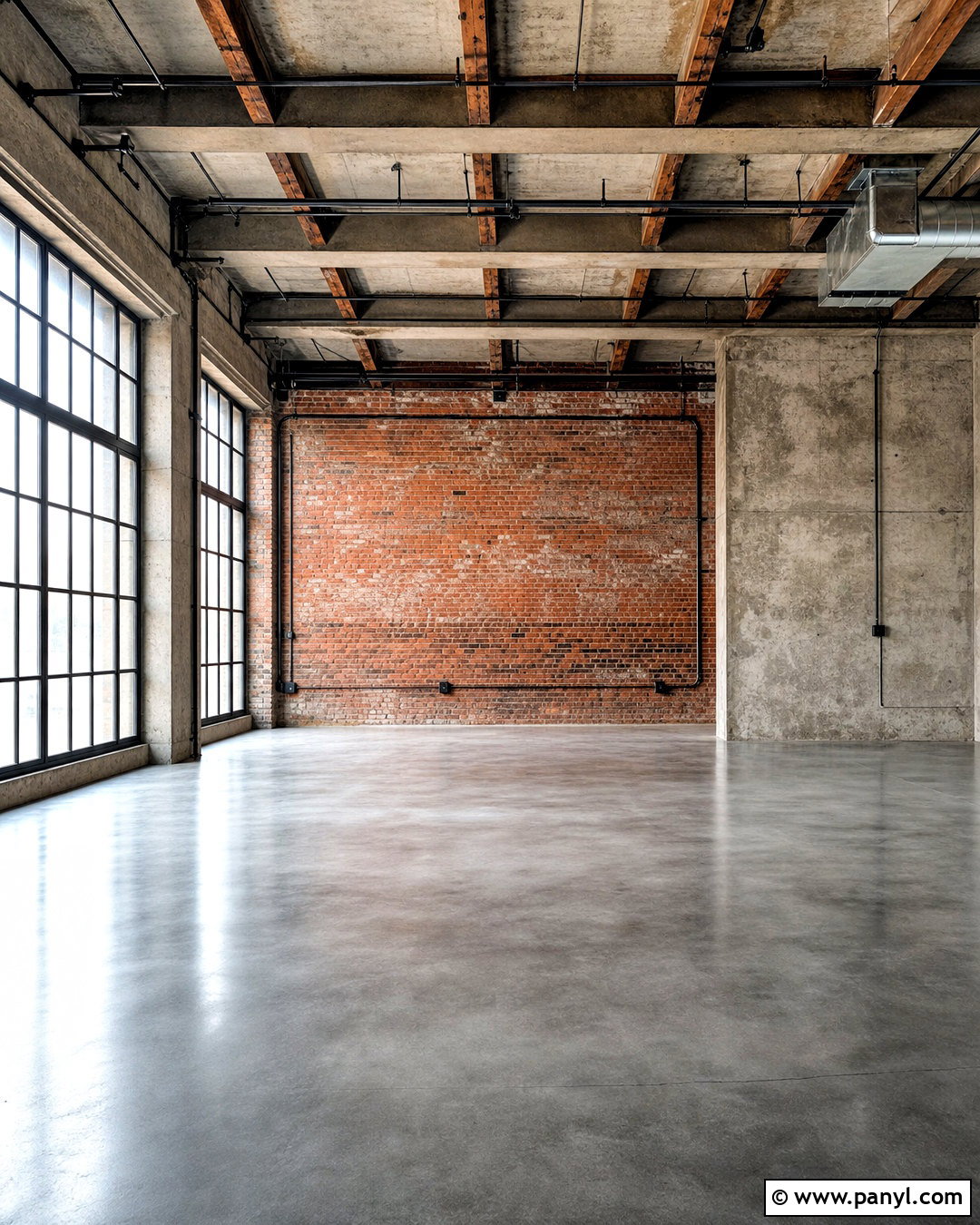
Exposed materials give an empty industrial room a strong identity without requiring furniture. Use one aged red brick wall, two smooth concrete walls, a high ceiling, and a sealed gray concrete floor. Large black metal factory windows should bring in generous daylight and create bold geometric lines. Exposed ceiling beams and neatly arranged black conduit can add believable loft character, but keep these details controlled rather than cluttered. Leave the center completely open so the room remains useful for product placement, virtual staging, or creative photography. This background works particularly well with fashion, fitness, art, and modern commercial content. The combination of brick, concrete, metal, and daylight produces a textured setting that feels authentic, spacious, and visually memorable.
6. Luxury Marble Empty Room Background
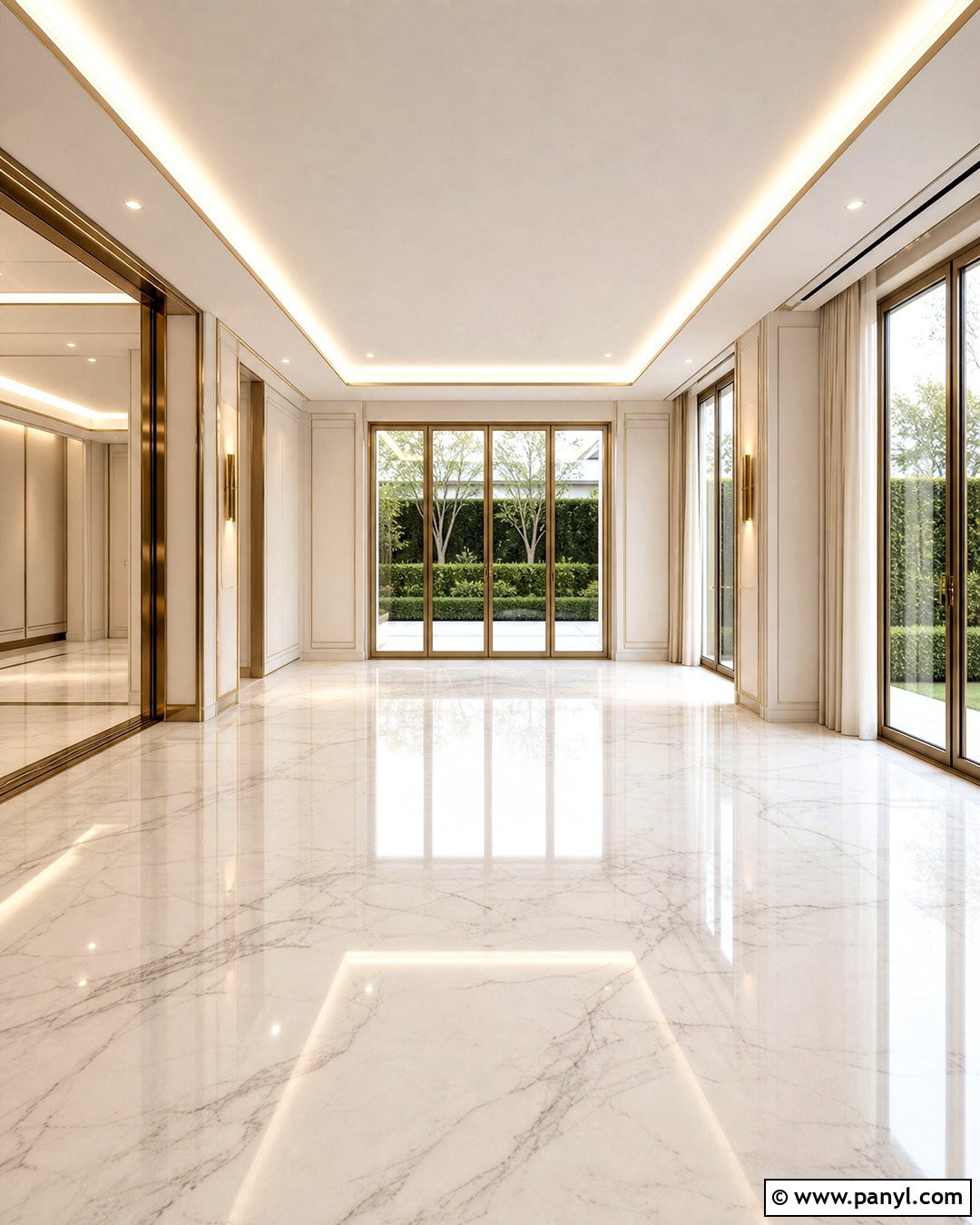
A marble room background offers an elegant setting for premium products and refined visual content. Cover the floor with large white marble tiles featuring subtle gray veining, then balance the glossy surface with warm ivory walls. Add tall wall panels with restrained molding and a wide doorway framed in brushed brass. A floor-to-ceiling window can provide natural light and a soft city or garden view. Keep the ceiling simple, using small recessed fixtures rather than a dramatic chandelier that could compete with the foreground. Although the room remains empty, its scale, finishes, and symmetrical architecture communicate luxury. This complete design is suitable for beauty campaigns, upscale virtual staging, formal presentations, and product photography requiring a sophisticated but uncluttered interior environment.
7. Japandi Empty Room Background
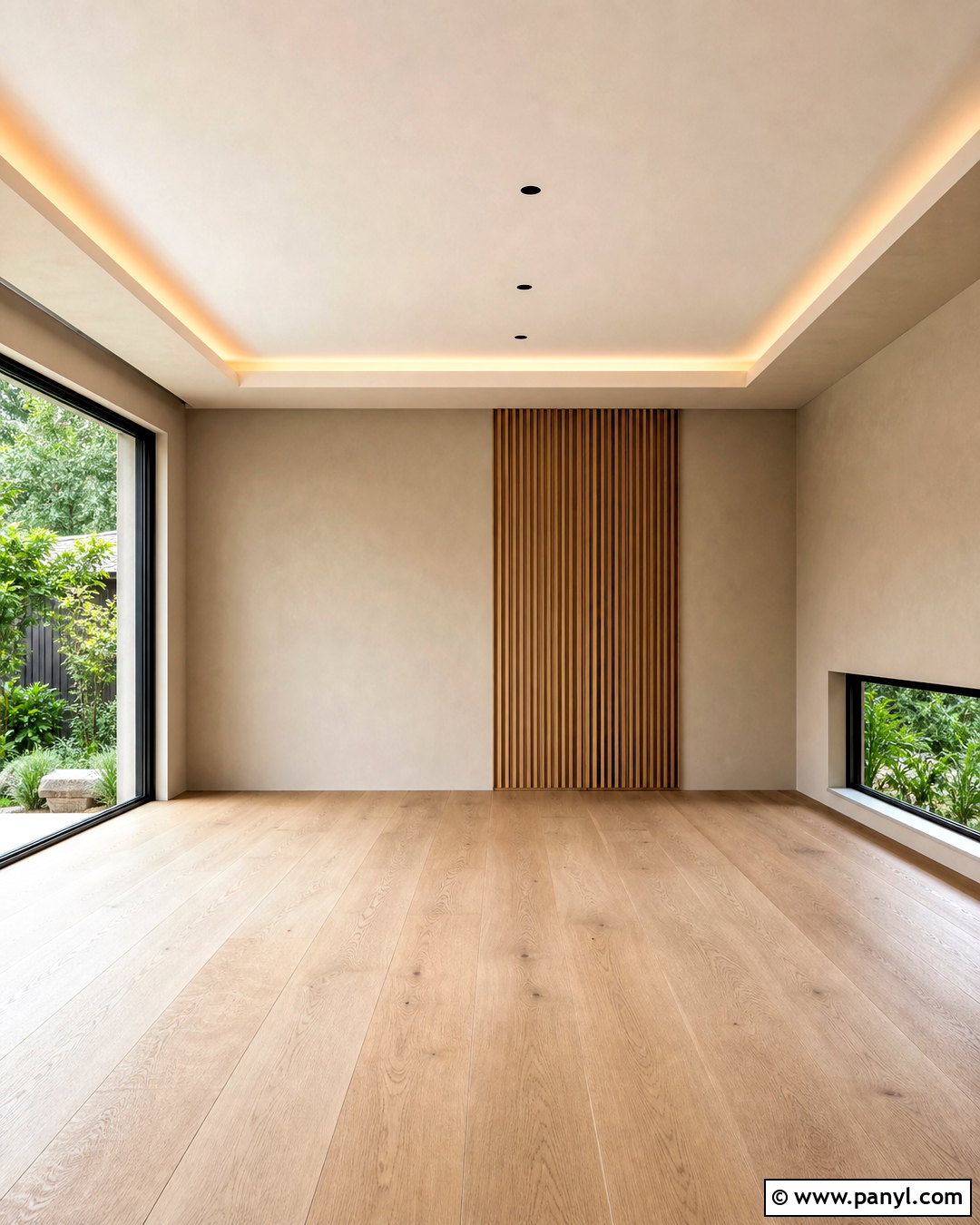
Quiet materials and careful proportions define a Japandi empty room. Combine warm greige plaster walls with wide light-oak floorboards and a simple slatted wood feature panel. A low rectangular window can frame a peaceful garden view while maintaining privacy and horizontal balance. Use flush baseboards, concealed ceiling lighting, and clean transitions between every surface. The room should have no furniture or small decorative objects, allowing the natural grain and handmade wall texture to become the main visual interest. Warm daylight creates soft shadows that emphasize the calm architecture. This background is ideal for wellness content, natural products, meditation visuals, or virtual staging with low-profile furnishings. It feels purposeful and serene without becoming sterile, themed, or overly decorative.
8. Coastal Empty Room Background
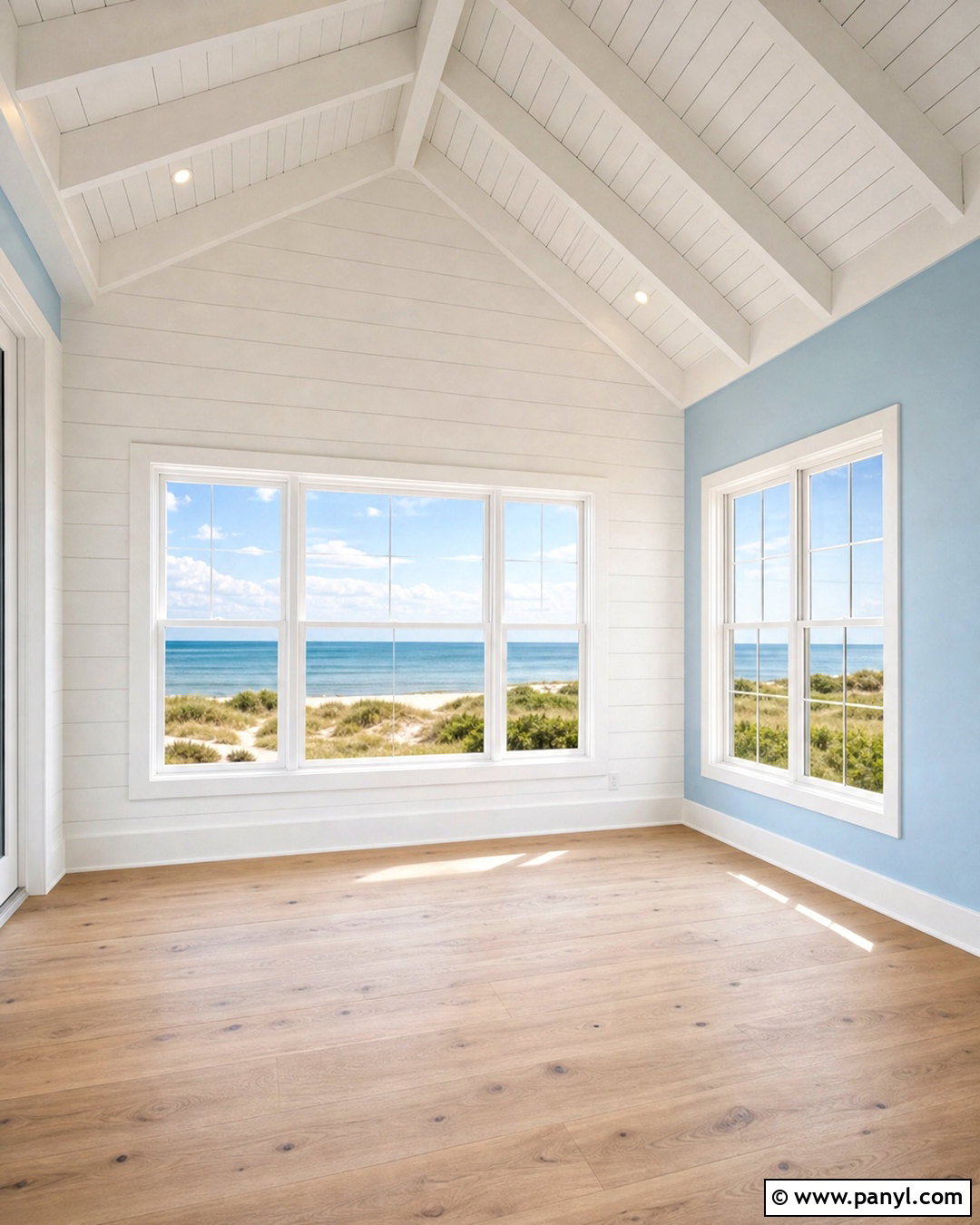
Bring an airy seaside mood into an empty room with white shiplap walls, pale natural oak flooring, and broad windows overlooking blue water or dunes. Soft sky-blue paint on one wall can create gentle color while keeping the room flexible. Use bright white trim and a lightly vaulted ceiling to enhance the sense of openness. Sheer white curtains may frame the windows, but they should remain pulled aside so the view and natural light stay visible. Avoid nautical signs or decorative accessories that could make the setting feel staged. Instead, rely on sunlight, weathered wood tones, and fresh coastal colors. This complete background suits summer content, vacation branding, virtual staging, and relaxed home presentations that need a clean, uplifting atmosphere.
9. Arched Window Empty Room Background
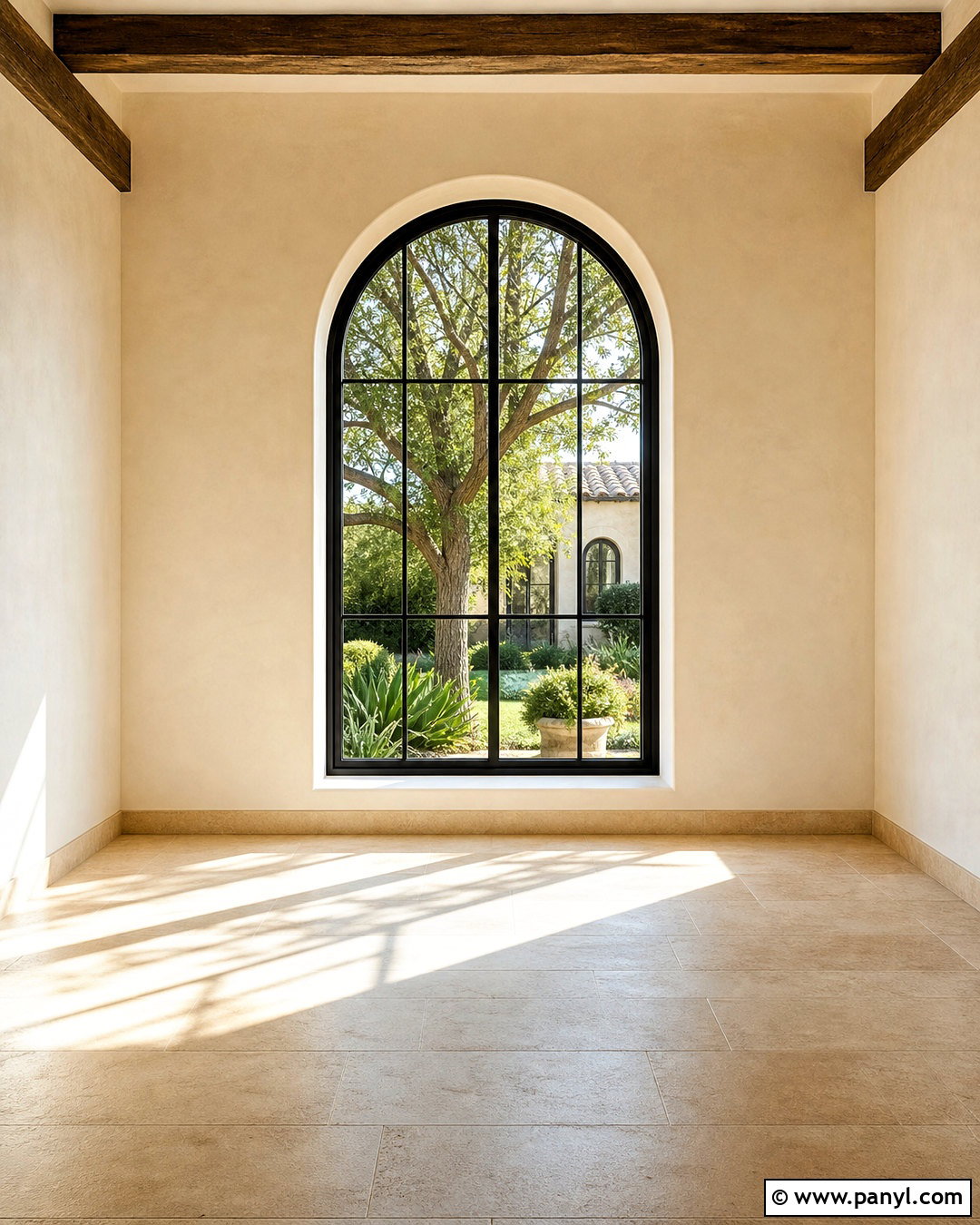
A tall arched window can serve as the architectural focal point of an otherwise simple room. Surround it with creamy plaster walls, warm limestone flooring, and minimal matching baseboards. The curved window frame may be matte black for contrast or natural oak for a softer appearance. Keep the remaining walls plain so the arch remains visually important and leaves usable negative space. Gentle sunlight should pass through the window and create a believable pattern across the floor. A high ceiling enhances the elegant proportions without making the room feel like an oversized hall. This background works beautifully for wedding-related graphics, fashion photography, refined product displays, and virtual interiors. Its graceful architecture provides character while the unfurnished layout remains versatile.
10. Boho Textured Empty Room Background
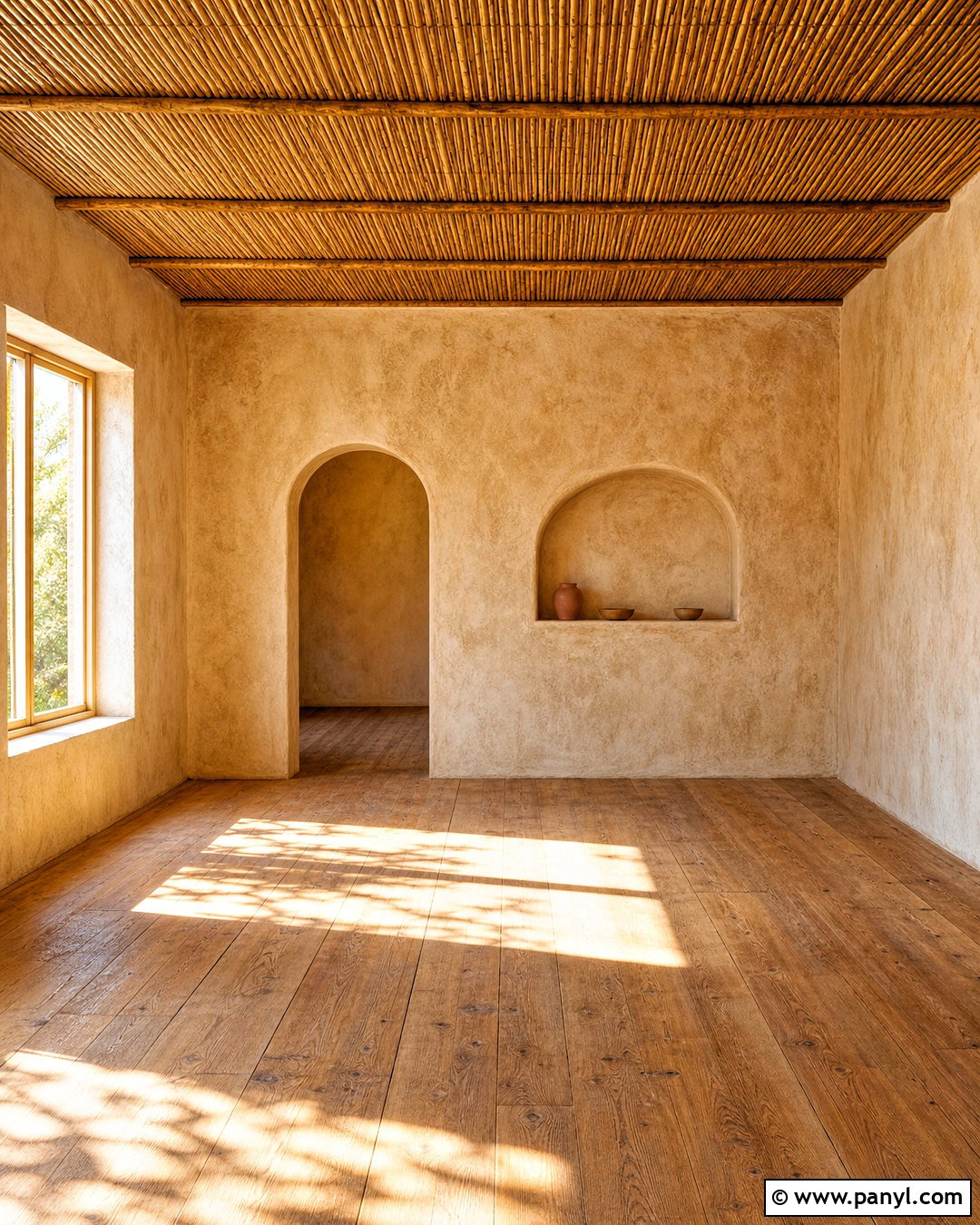
A boho-inspired empty room can feel earthy and creative without depending on layered furniture or accessories. Use warm terracotta plaster on one wall, sandy beige limewash on the others, and wide natural wood floorboards. Add a rounded doorway and a small arched wall niche to create organic architectural detail. A woven bamboo ceiling shade may be included as the only suspended feature, adding texture without occupying the open floor. Bright daylight from a side window should reveal the variation in the handmade wall finishes. Keep the room uncluttered and avoid baskets, rugs, and plants so it still functions as a true empty background. This setting works well for craft, wellness, fashion, and natural lifestyle imagery.
11. Pastel Pink Empty Room Background
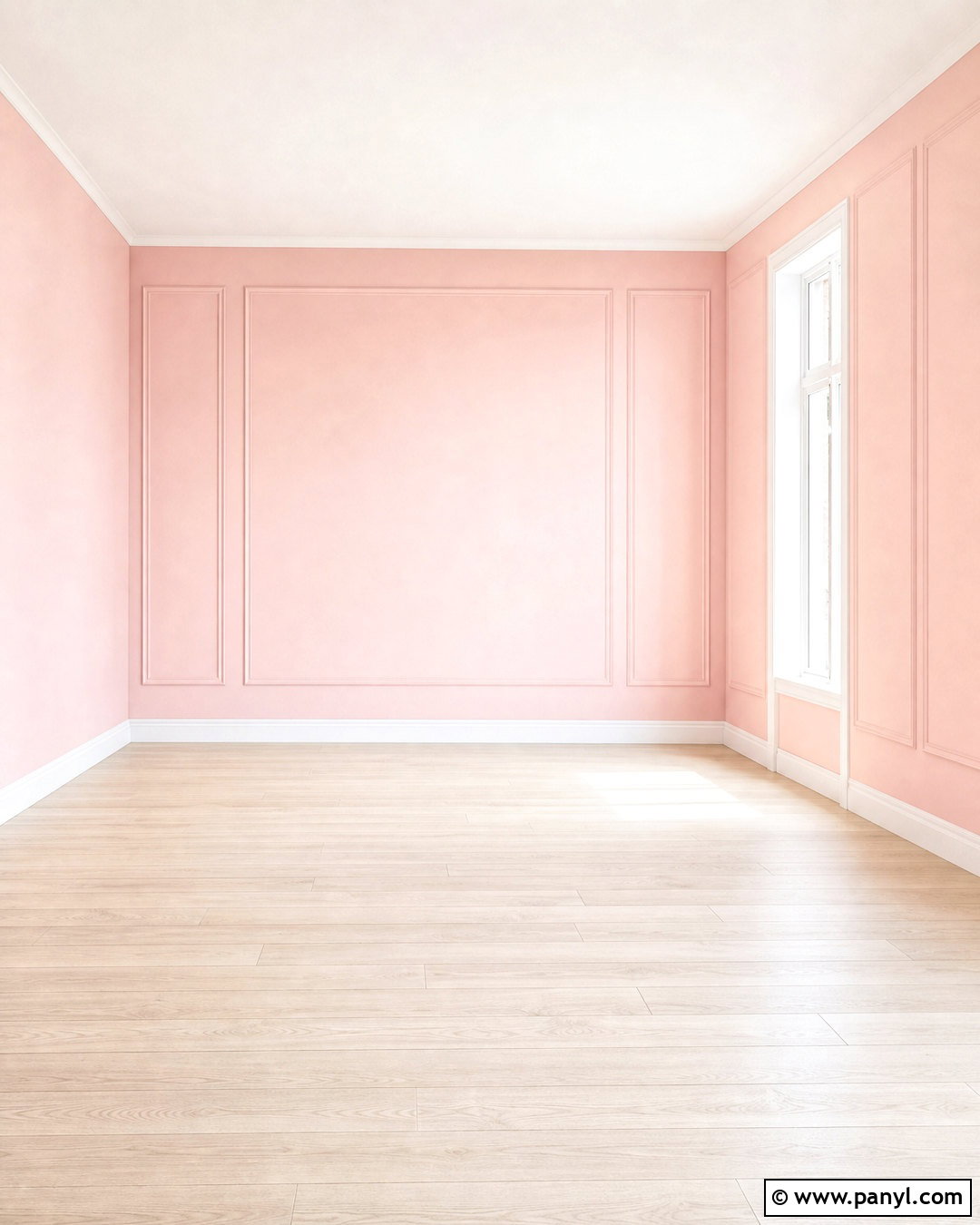
Soft blush pink walls create a playful background that still feels polished and grown-up. Pair them with bright white trim, pale maple flooring, and a clean white ceiling. One wall can feature subtle rectangular molding painted in the same pink tone, adding dimension without introducing a distracting pattern. Use a tall white-framed window to bring in clear daylight and balance the warm wall color. The floor should remain entirely open, giving space for digital products, graphics, or virtual furniture. This room is especially suitable for beauty content, children’s branding, celebrations, fashion, and cheerful social media visuals. Keeping the pink muted rather than neon helps the complete design remain versatile, sophisticated, and easy to combine with other colors.
12. Sage Green Empty Room Background
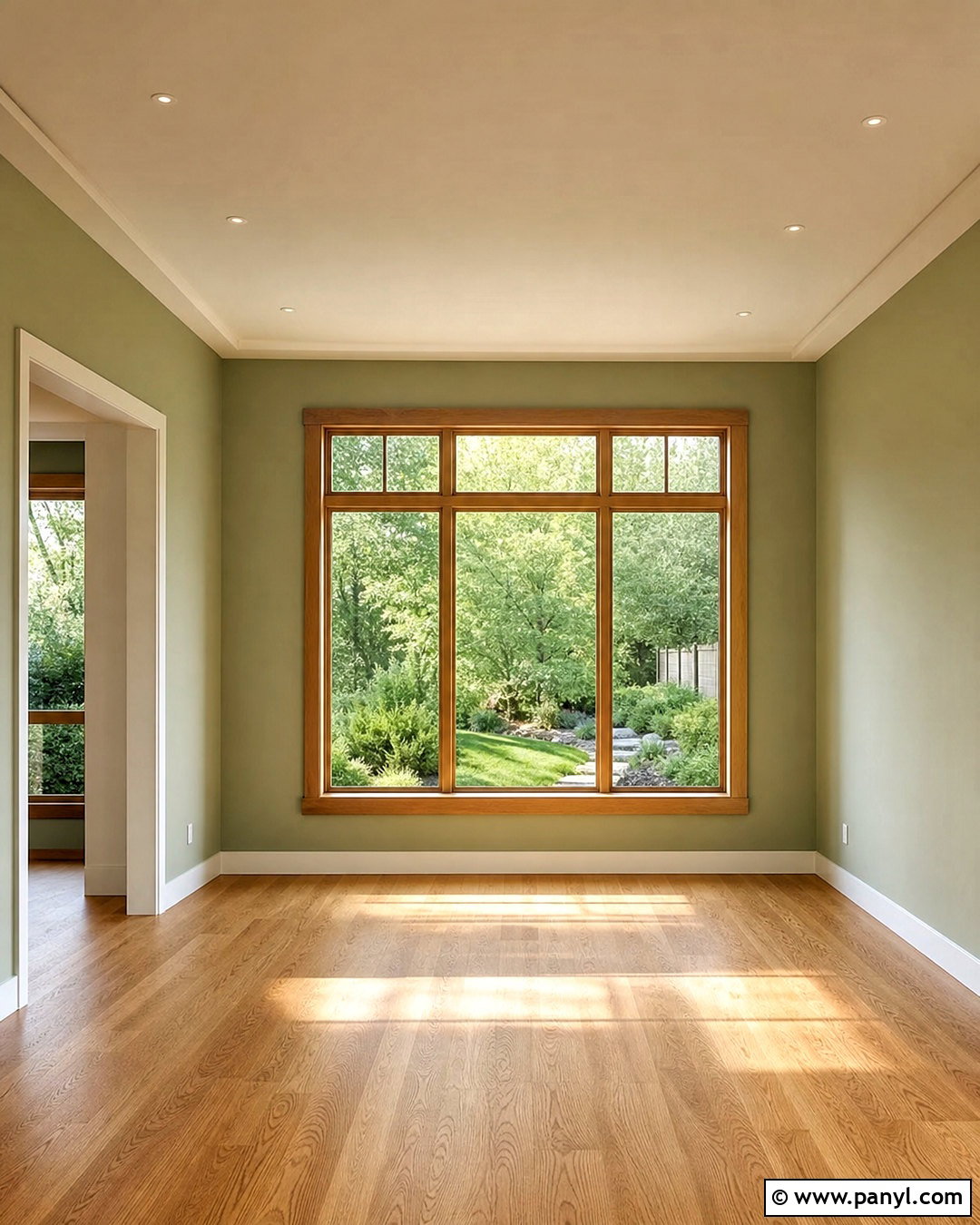
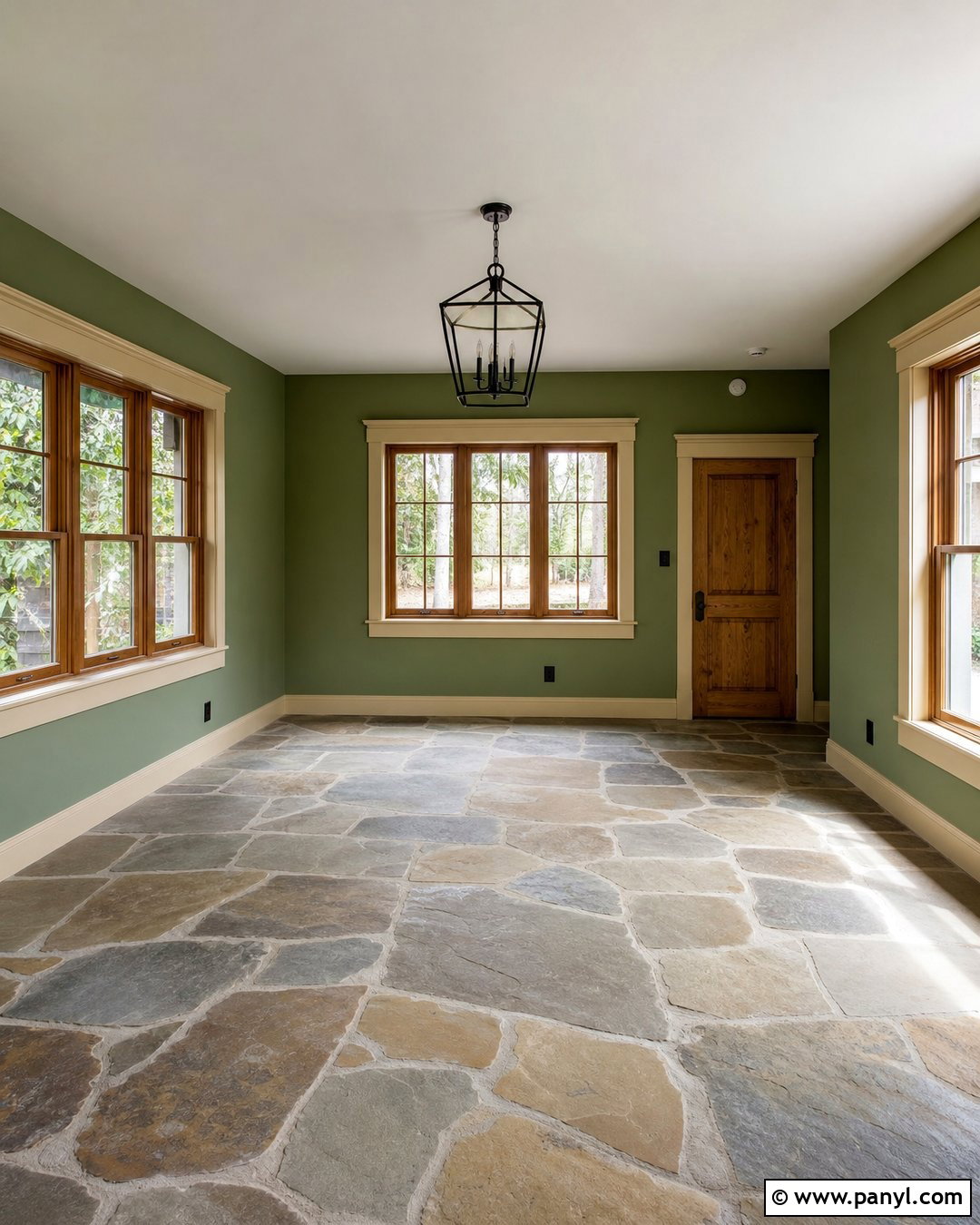
Muted sage green brings natural color into an empty room while remaining calm enough for everyday visual use. Apply it to all four walls, then add warm white trim and honey-toned oak flooring for contrast. A broad window with a slim natural wood frame can reveal a soft garden view that reinforces the organic palette. Use a simple white ceiling and discreet recessed lights to maintain a clean finish. The room needs no furniture, plants, or artwork because the green walls already provide a recognizable mood. Sunlight should fall gently across the floor to show its grain and make the room feel dimensional. This finished background supports gardening content, wellness brands, home presentations, and relaxed virtual staging with many complementary color options.
13. Navy Blue Empty Room Background
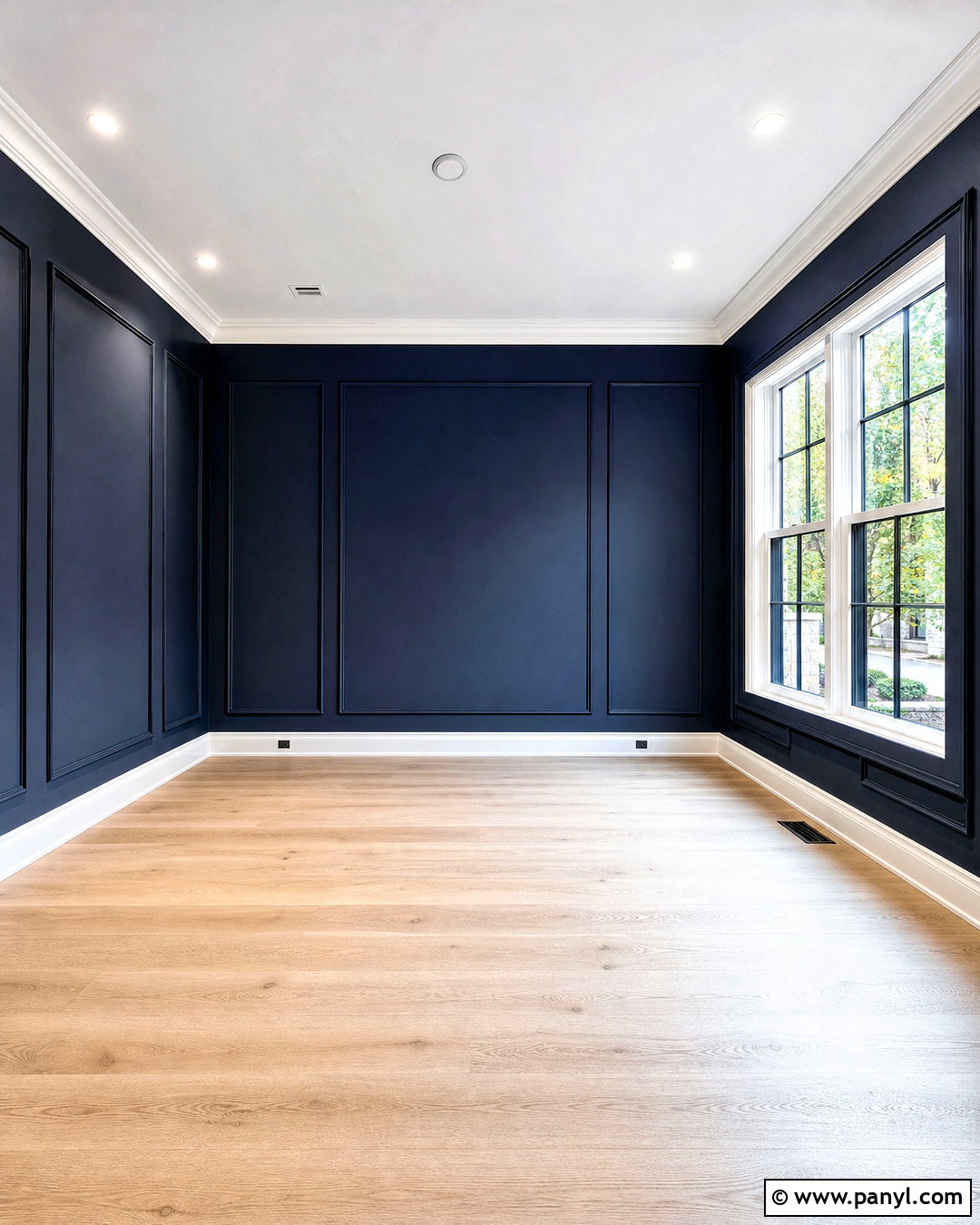
Deep navy walls produce a bold empty room background with excellent contrast for light-colored subjects. To keep the space bright, pair the walls with a white ceiling, substantial white baseboards, and light natural oak flooring. Add one large white-trimmed window and balanced ceiling lighting so the blue does not appear black or overly heavy. Simple wall molding painted in the same navy shade can give the room a tailored appearance without reducing its open quality. The center should remain fully clear, and the camera angle should show both the feature wall and enough floor for realistic scale. This complete room works well for business presentations, formal virtual staging, sports-related graphics, and premium product photography requiring a confident, structured backdrop.
14. Concrete Empty Room Background
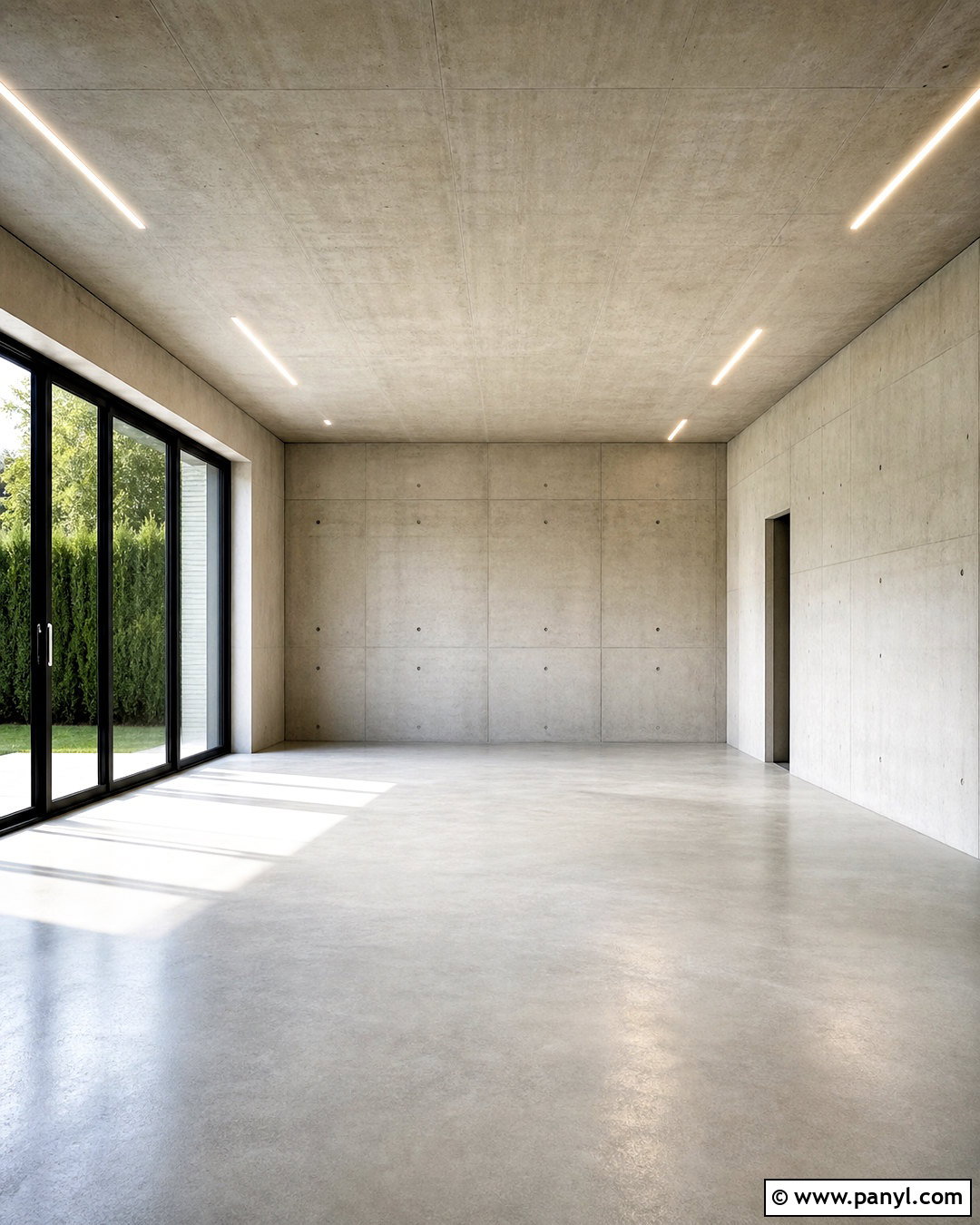
Raw concrete can look clean and contemporary when the surfaces are evenly finished and well lit. Use pale gray poured-concrete walls, a smooth sealed concrete floor, and a flat ceiling with a narrow recessed lighting channel. Include a wide black-framed window or glass door to break up the gray palette and bring in strong natural illumination. Subtle seams and variations in the concrete make the room believable, but avoid cracks, stains, and abandoned-building details. Keep all floor space clear to preserve the flexible studio effect. This background supports modern art, architecture, fitness, technology, and minimalist product content. Its monochromatic materials create a visually strong environment while allowing colorful digital additions or foreground subjects to attract immediate attention.
15. Classic Molding Empty Room Background
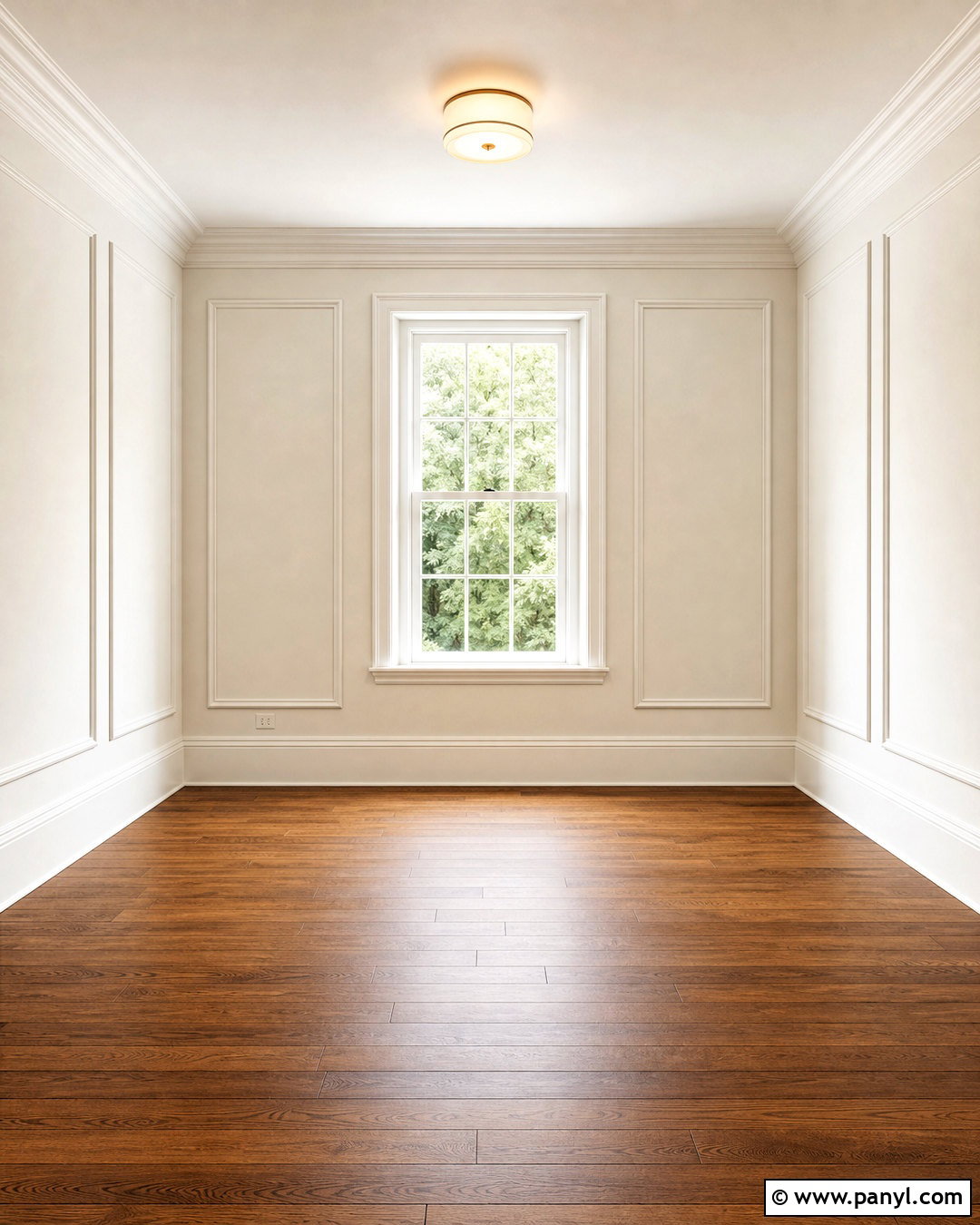
Traditional wall molding can make an empty room feel complete even without furnishings. Paint the paneled walls a soft warm white, then pair them with medium walnut flooring and tall matching baseboards. A centered sash window with white trim introduces symmetry and natural light. Crown molding should follow the room’s perimeter, while rectangular wall panels provide a tasteful framework for artwork mockups or digital displays. Keep the ceiling plain and use a small flush-mount light rather than an elaborate fixture. The finished background feels residential, timeless, and refined without becoming formal or crowded. It is a useful setting for heritage brands, real estate visualization, family-oriented content, and virtual staging that includes classic or transitional furniture arrangements.
16. Sunlit Wooden Floor Empty Room Background
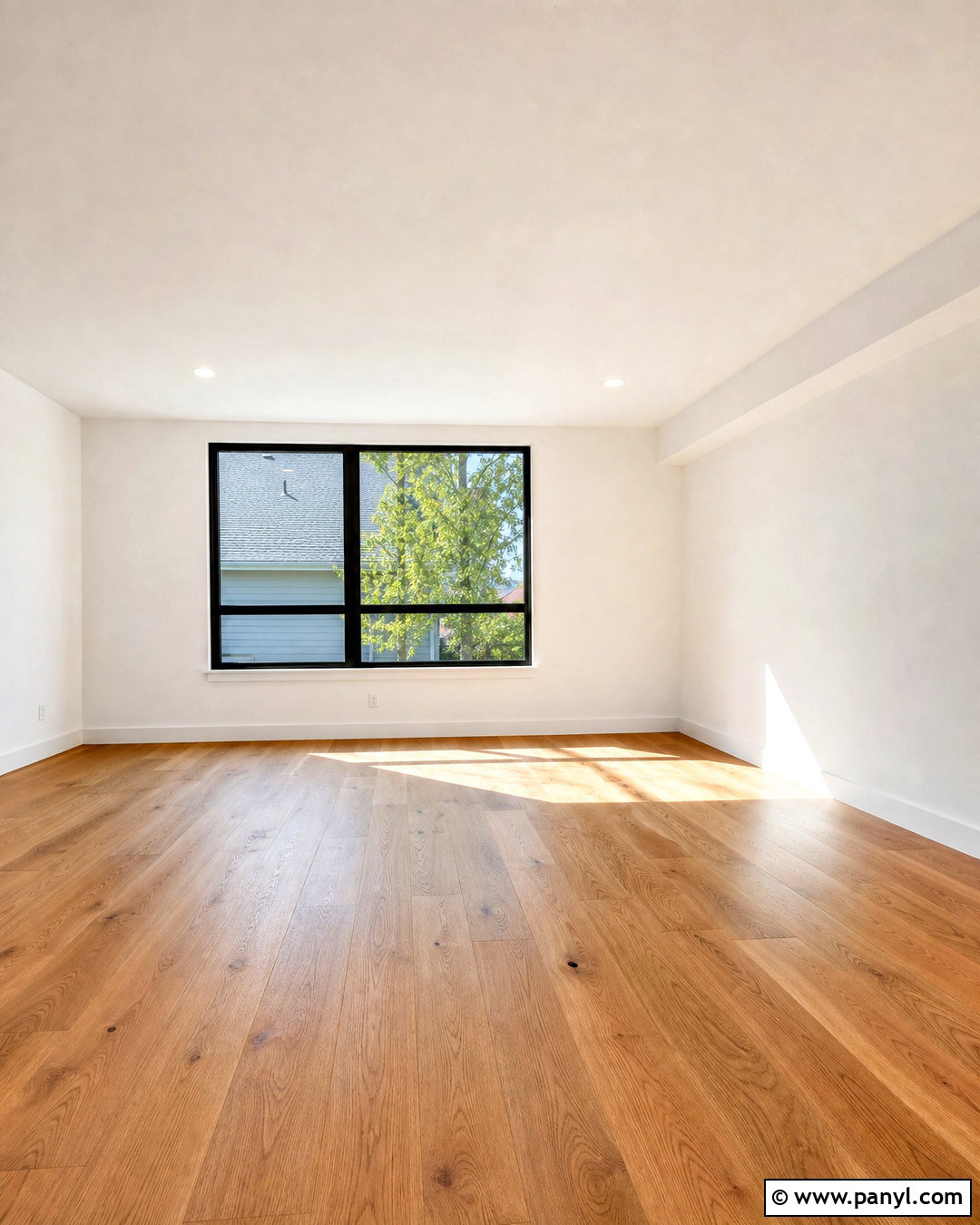
Sometimes the floor is the most important feature in an empty room. Use rich medium-oak planks with visible natural grain, paired with simple white walls and matching slim baseboards. Install a wide window on one side so bright sunlight stretches diagonally across the floor and creates a strong but realistic focal pattern. Keep the ceiling white and the window frame understated, allowing the warm wood to hold attention. The room should appear clean, freshly finished, and completely vacant. This adaptable background works particularly well for flooring promotions, furniture mockups, real estate photography, and home renovation content. Its warm surface adds character, while the plain walls provide generous negative space for text, products, or digitally staged furnishings.
17. Black And White Empty Room Background
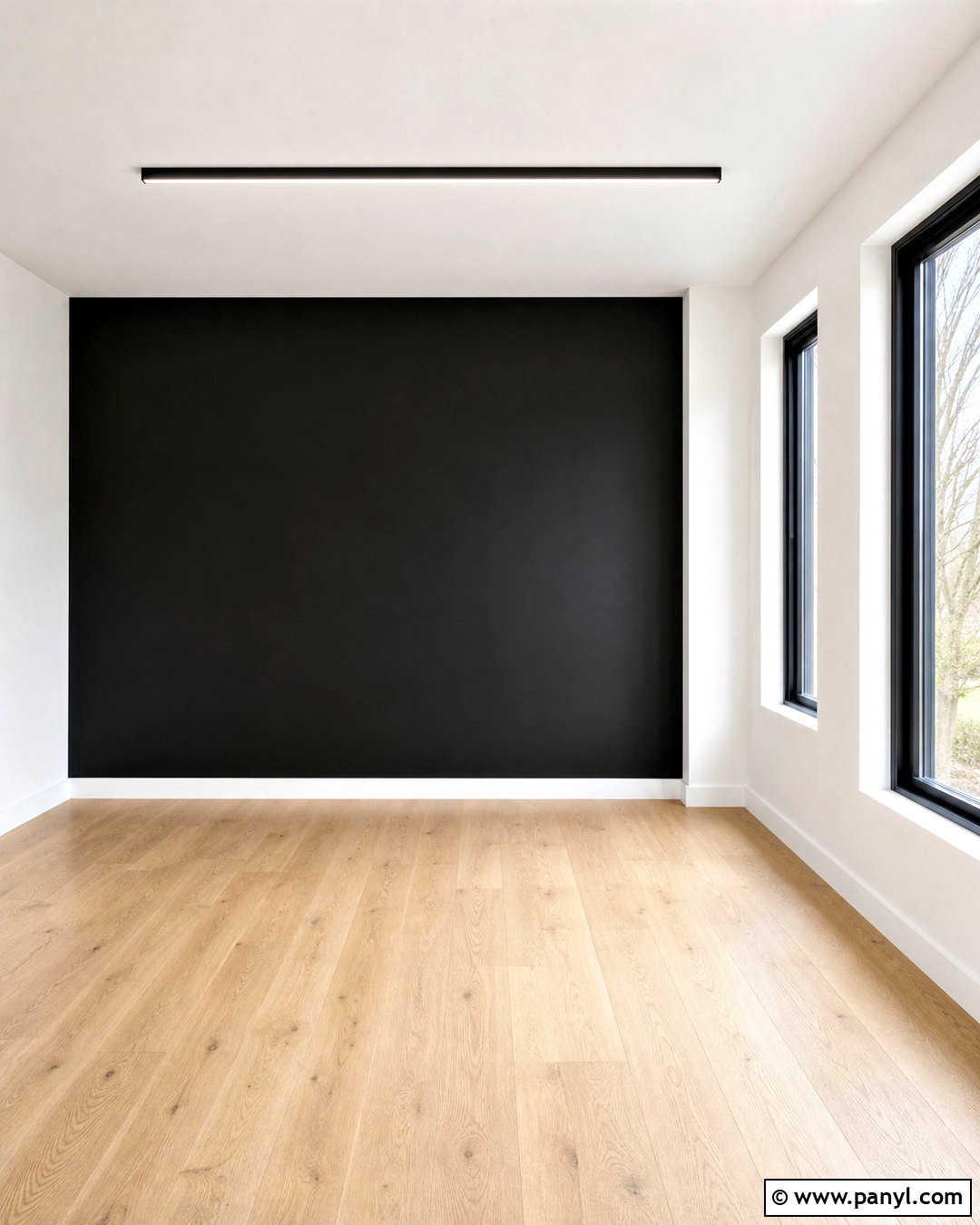
A black-and-white room delivers sharp visual contrast and a modern graphic quality. Paint one main wall matte black while keeping the adjacent walls and ceiling bright white. Use a light gray polished floor or pale oak boards to connect the two extremes. Black-framed windows, white baseboards, and a simple linear ceiling light should repeat the limited palette throughout the space. Avoid patterns and decorative objects, since the color blocking already gives the room a strong composition. Bright, even illumination is important for preserving detail on the dark wall. This complete background is effective for fashion, contemporary art, monochrome branding, and product photography. It can also support dramatic virtual staging without looking crowded or visually confusing.
18. Rustic Empty Room Background
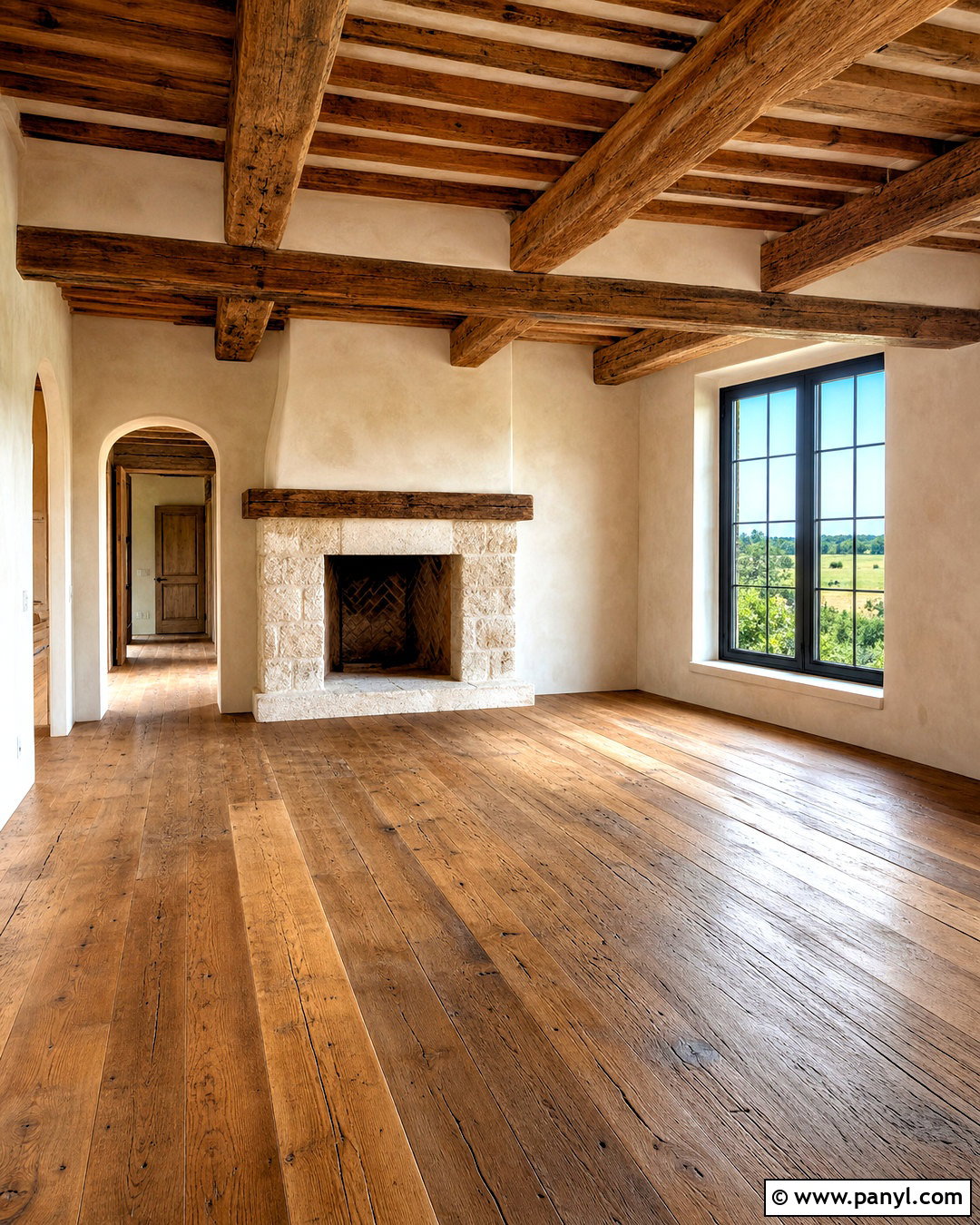
Natural wood and lightly aged surfaces can give an empty room warmth without making it look neglected. Use creamy white plaster walls, reclaimed oak floorboards, and exposed wood ceiling beams in a medium brown finish. A simple black-framed window should reveal countryside greenery and provide plenty of clean daylight. Add a broad stone or brick fireplace surround as an architectural feature, but leave the hearth and mantel completely undecorated. Keep the plaster smooth enough to look maintained, with only subtle handmade texture. This finished background suits farmhouse products, craft content, home renovation visuals, and rustic virtual staging. The mix of wood, plaster, stone, and outdoor scenery creates a comfortable setting while preserving a clear, open layout.
19. Colorful Geometric Empty Room Background
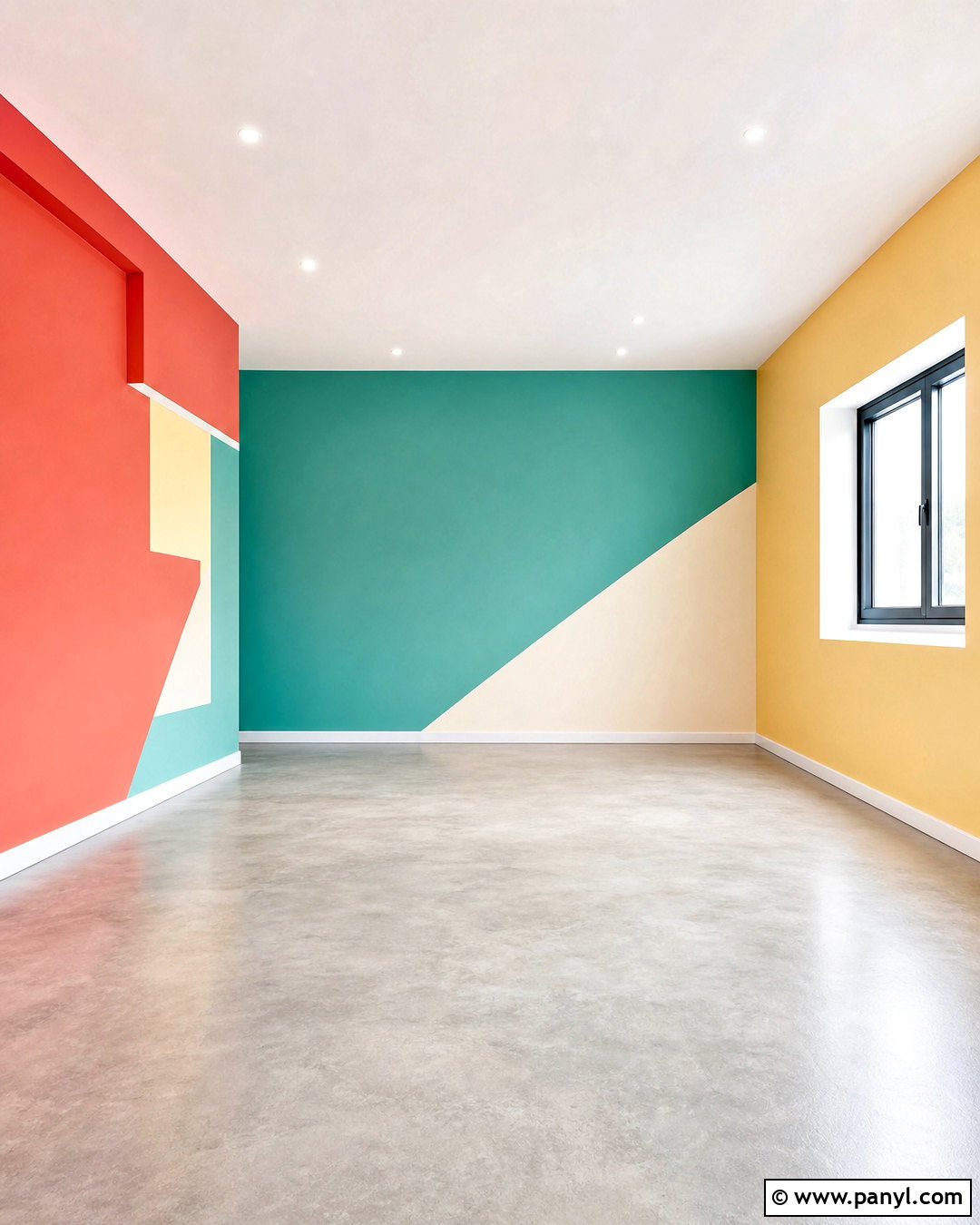
For a more energetic visual setting, divide the walls into large blocks of coral, teal, cream, and muted yellow. Keep the shapes broad and architectural rather than using a small, busy pattern. A smooth pale gray floor grounds the colorful walls, while a white ceiling prevents the room from feeling enclosed. Add one simple rectangular window with a white frame and use clean recessed lighting for consistent brightness. The floor should stay vacant, making it easy to add a subject, product, or digital object later. This room is ideal for creative campaigns, educational content, modern children’s graphics, and playful social media backgrounds. Its carefully balanced palette feels bold and contemporary while remaining organized enough for practical visual communication.
20. Floor-To-Ceiling Window Empty Room Background
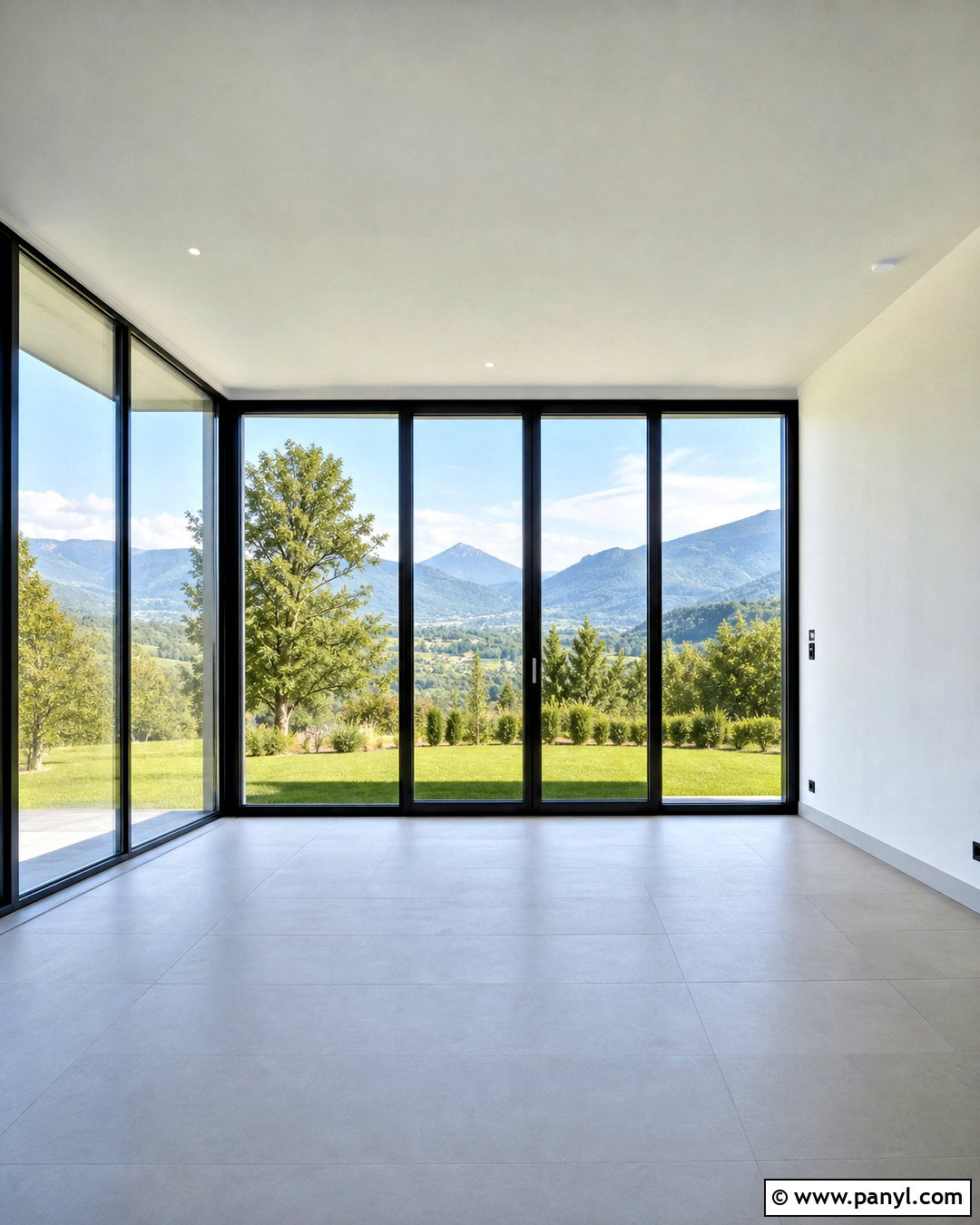
An expansive glass wall makes an empty room feel open, bright, and connected to its surroundings. Use floor-to-ceiling black-framed windows across one side, paired with soft white walls, light gray porcelain flooring, and a smooth white ceiling. Choose a clear city, garden, or mountain view that supports the intended mood without overpowering the interior. Slim frames and minimal baseboards maintain the contemporary architecture. Light should spread evenly through the room, creating soft reflections on the floor while preserving outdoor detail. Keep the entire interior empty so the windows, proportions, and view remain the focus. This complete background is excellent for real estate presentations, corporate visuals, luxury product photography, and spacious modern virtual staging.
Conclusion:
Choosing among these **20 empty room background ideas** depends on the mood, subject, and practical purpose of your image. White, beige, and Scandinavian rooms provide flexible neutral settings, while navy, pink, sage, and geometric spaces create a clearer visual identity. Materials also affect the atmosphere. Concrete feels modern, marble appears refined, and natural wood brings warmth. Whatever direction you choose, design the entire room as one coordinated environment. Match the walls, flooring, windows, trim, ceiling, and lighting instead of treating them as separate details. Most importantly, preserve open floor space, realistic proportions, and clear illumination. These elements make an empty background more believable, attractive, and useful across many creative applications.

Related Ideas and Inspiration:

Leave a Reply