
Concrete walls can feel cool and unfinished, but the right palette can turn their rugged texture into a purposeful design feature. These concrete wall paint ideas cover warm neutrals, dramatic dark shades, earthy colors, soft pastels, and decorative finishes for living rooms, bedrooms, basements, offices, and more. Before painting, clean the concrete thoroughly, repair cracks, address moisture problems, and apply a compatible primer so the finish bonds properly. Concrete paint creates opaque coverage, while solid masonry stain can preserve more of the surface variation. () Pair each color with thoughtful flooring, furniture, lighting, and decor rather than treating the wall as an isolated feature. Use the complete room schemes below to find practical, stylish concrete wall paint ideas.

1. Warm Gray Concrete Wall
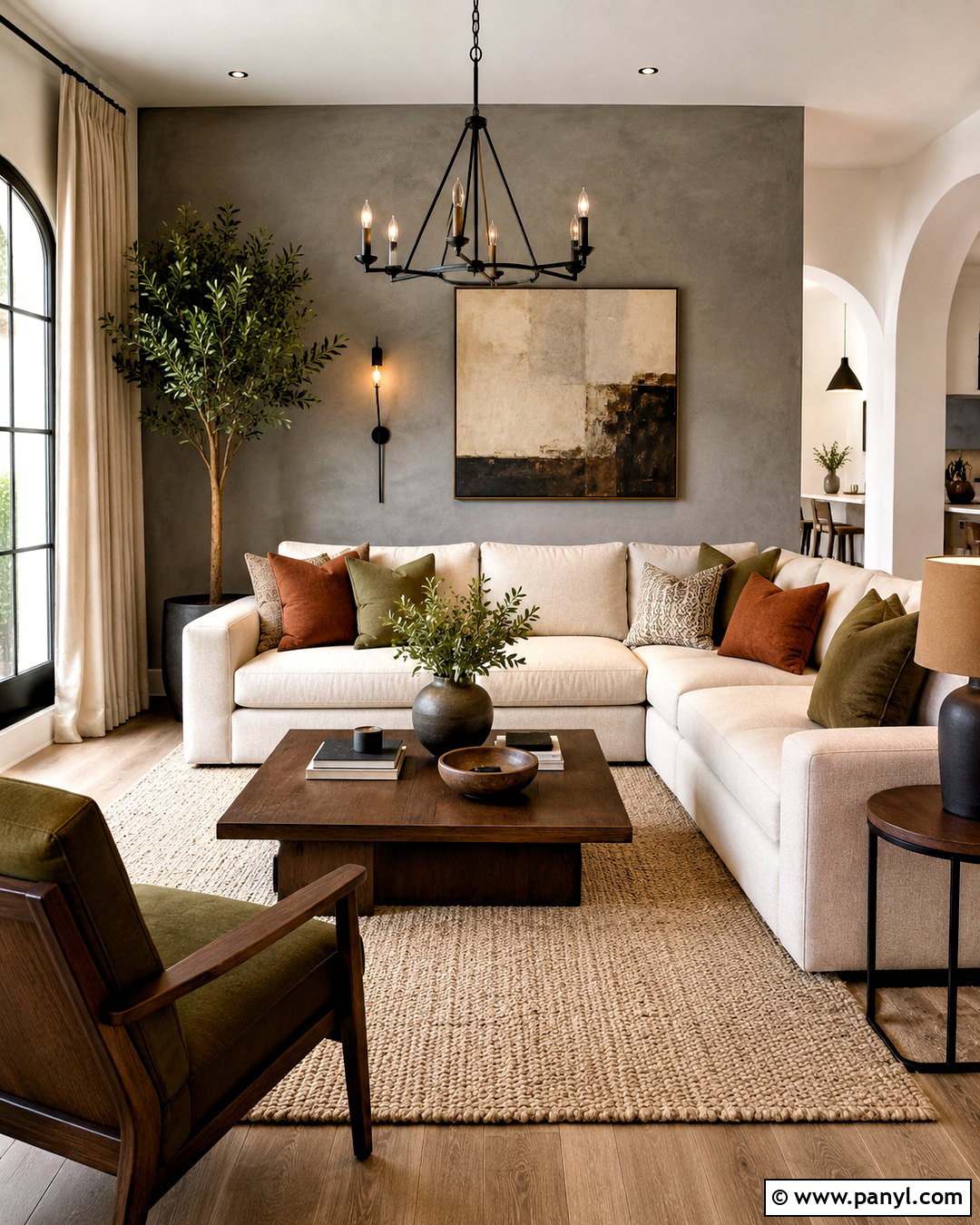
A warm gray concrete wall creates an inviting modern living room without hiding the material’s natural character. Choose a medium gray with subtle beige undertones in a low-sheen finish. Pair it with a cream sofa, walnut coffee table, and woven oatmeal rug to soften the industrial surface. Add black metal lighting and slim window frames for definition, then introduce rust, camel, and muted olive through pillows and ceramics. Keep the remaining walls warm white so the concrete feature feels balanced rather than heavy. Linen curtains will filter daylight and prevent the room from appearing stark. Finish the arrangement with one oversized abstract artwork, a tall indoor tree, and a simple floor lamp. The result feels relaxed, contemporary, and easy to update over time.
2. Charcoal Concrete Wall
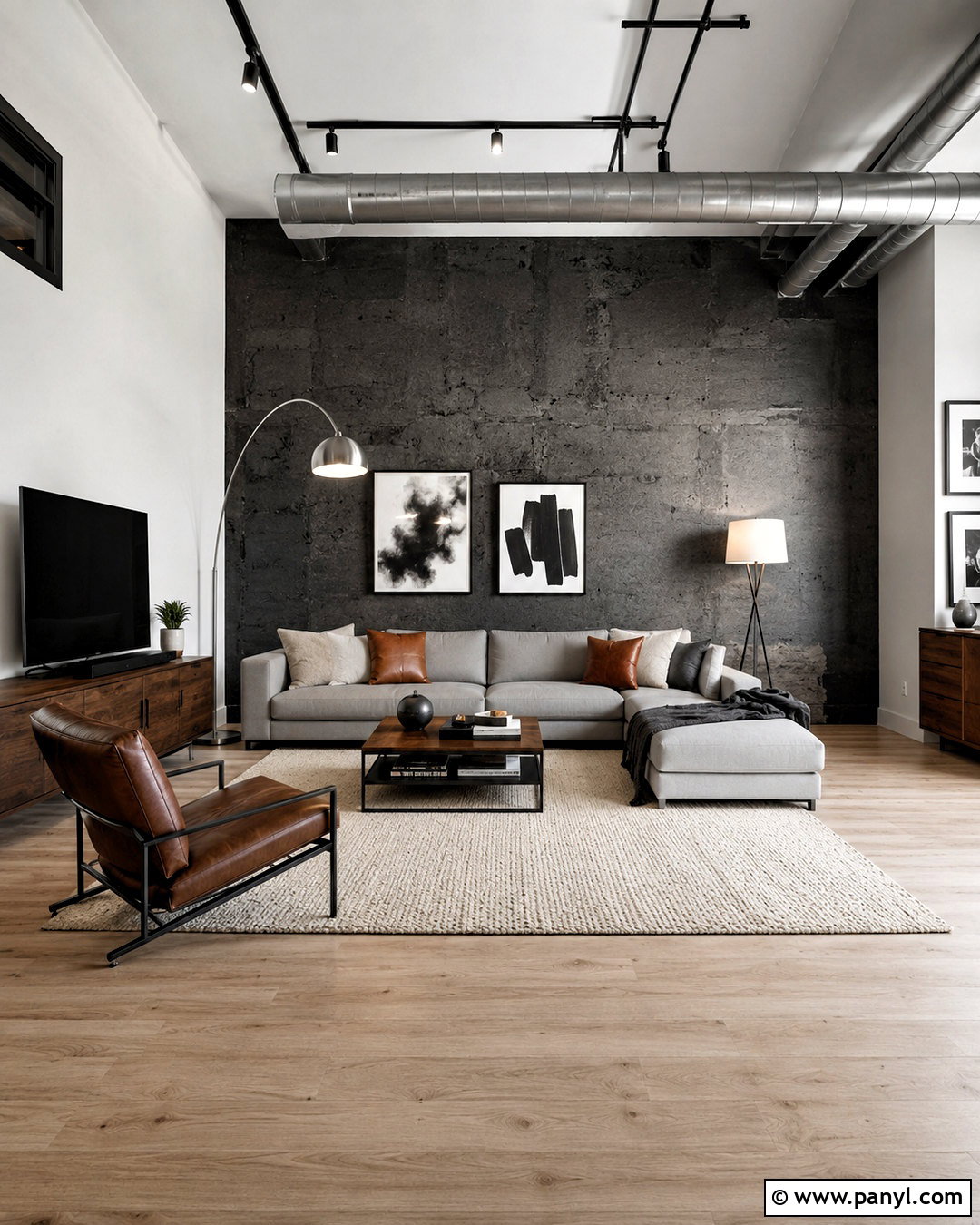
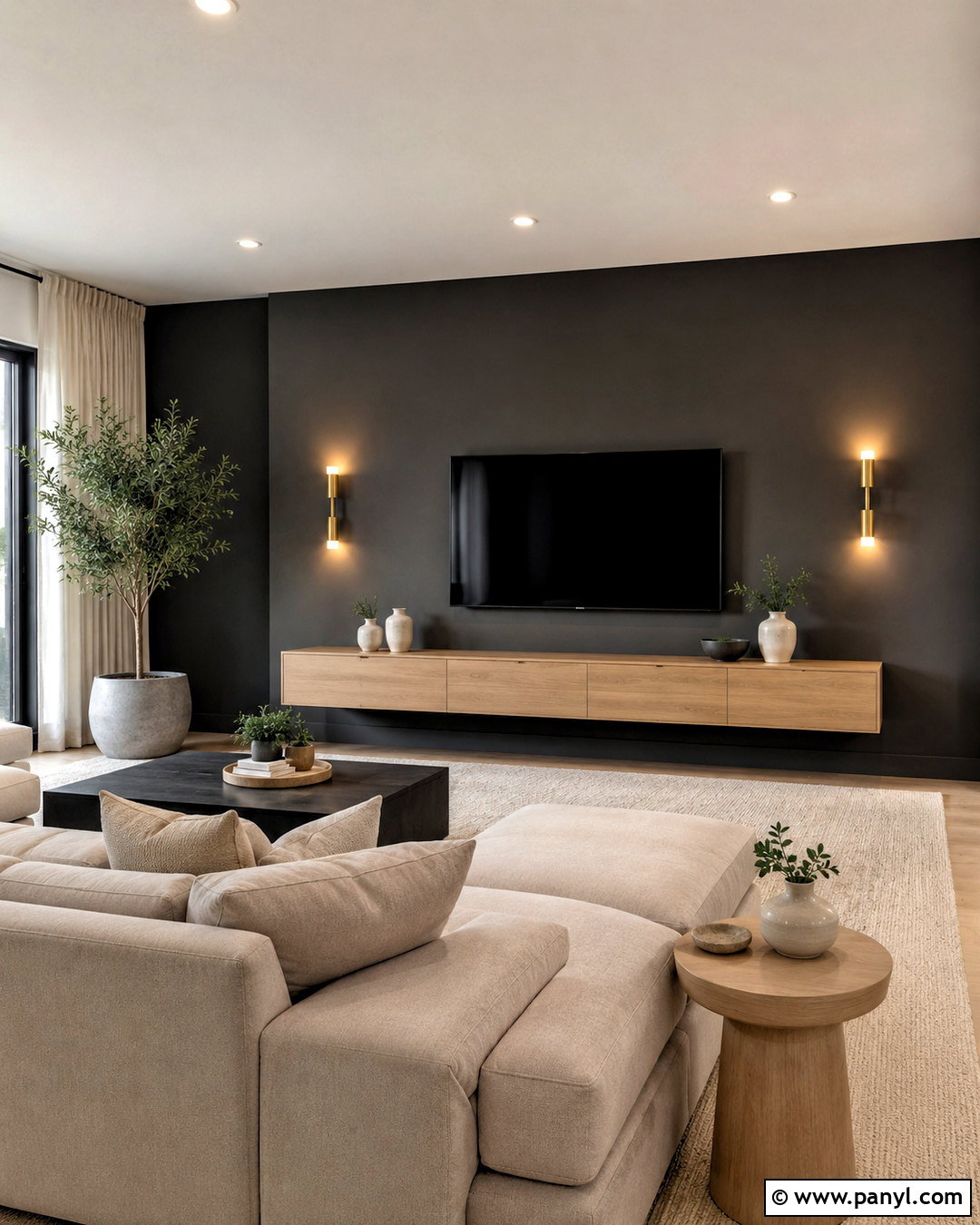
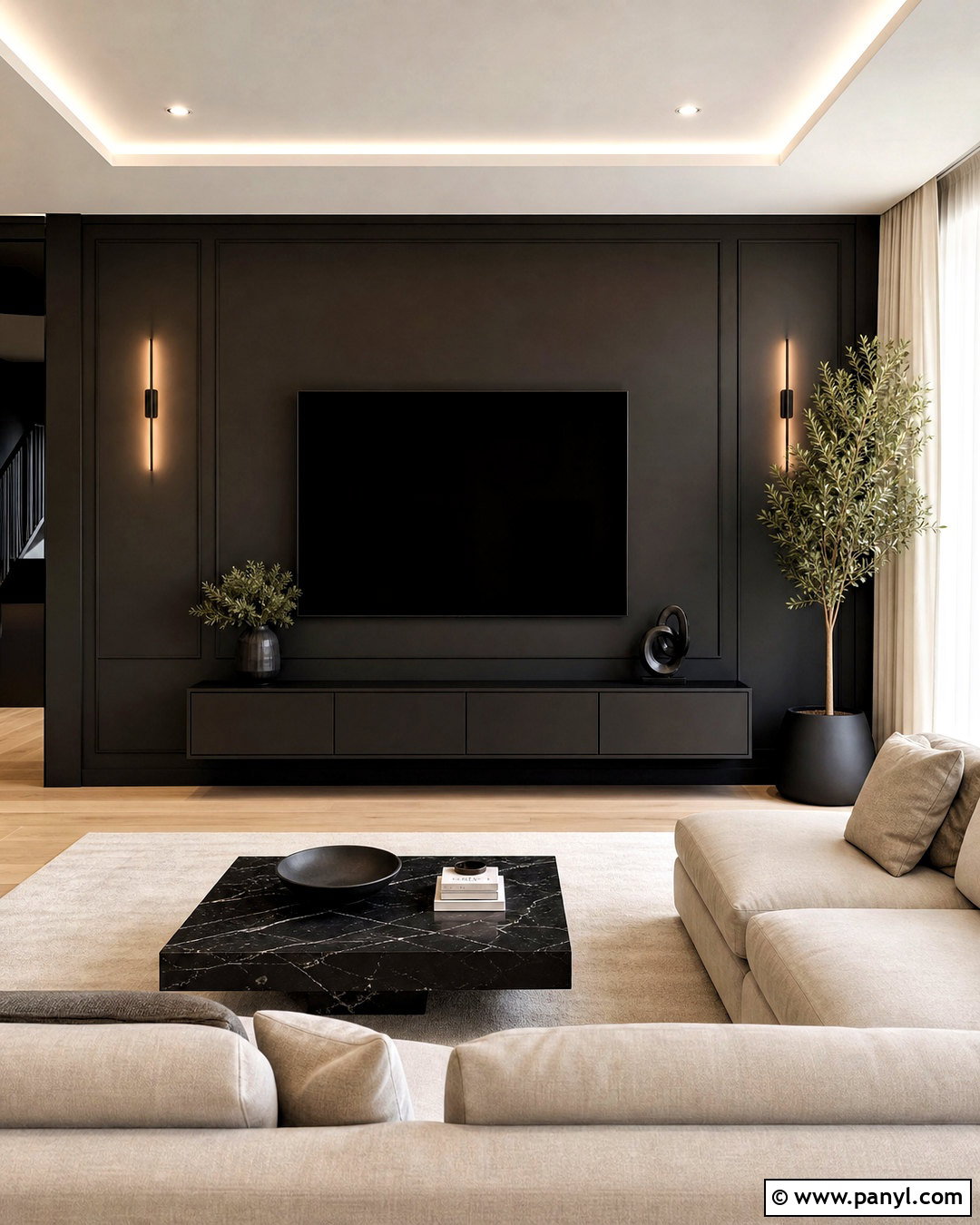
Deep charcoal paint can transform a rough concrete wall into a striking backdrop for a sophisticated loft-style living room. Use the dark shade on the largest uninterrupted wall, then balance it with pale oak flooring, a light gray sectional, and a large ivory rug. A low media console in warm wood keeps the arrangement grounded without disappearing against the background. Add brushed steel lighting, black-framed artwork, and a few cognac leather accents for warmth. Natural daylight is especially helpful, but layered illumination also matters. Include ceiling lights, a sculptural floor lamp, and small table lamps to brighten different corners. Leave the other walls soft white and keep accessories minimal. This complete scheme celebrates concrete texture while still feeling comfortable, polished, and suitable for everyday living.
3. Greige Concrete Wall Bedroom
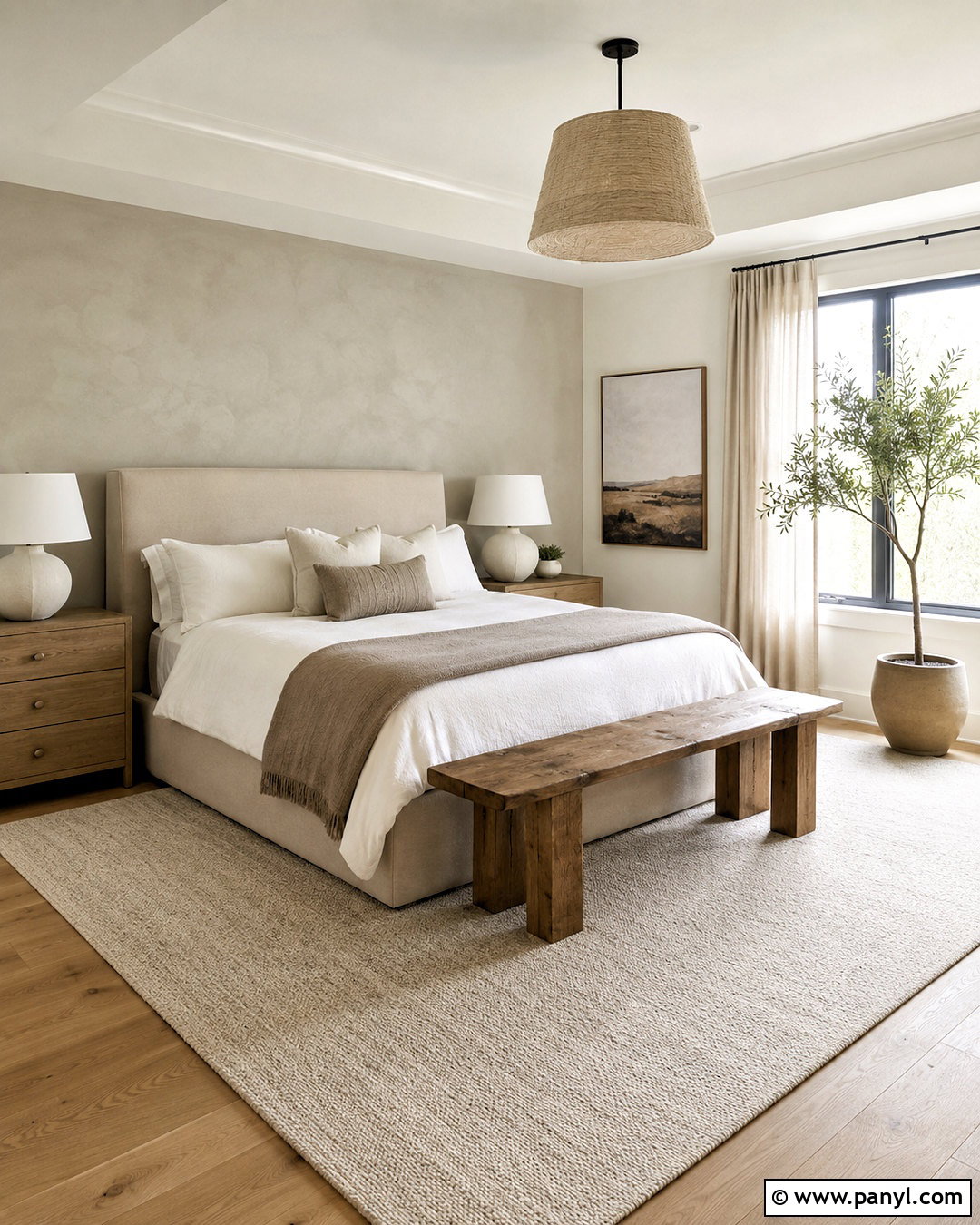
Soft greige gives a concrete bedroom wall enough warmth to feel restful while preserving a clean, architectural appearance. Paint the wall behind the bed in a matte gray-beige shade and use creamy off-white on the surrounding walls and ceiling. Center an upholstered oatmeal bed against the concrete, flanked by matching oak nightstands and simple ceramic lamps. Layer white bedding with taupe, mushroom, and muted brown textiles for subtle depth. A light wool rug beneath the bed will soften the floor and improve the room’s cozy quality. Add full-length linen curtains, one understated landscape print, and a narrow wood bench at the foot of the bed. Avoid too many small decorations. The limited palette allows the concrete texture, natural materials, and comfortable bedding to work together as one calming design.
4. White Concrete Basement Wall
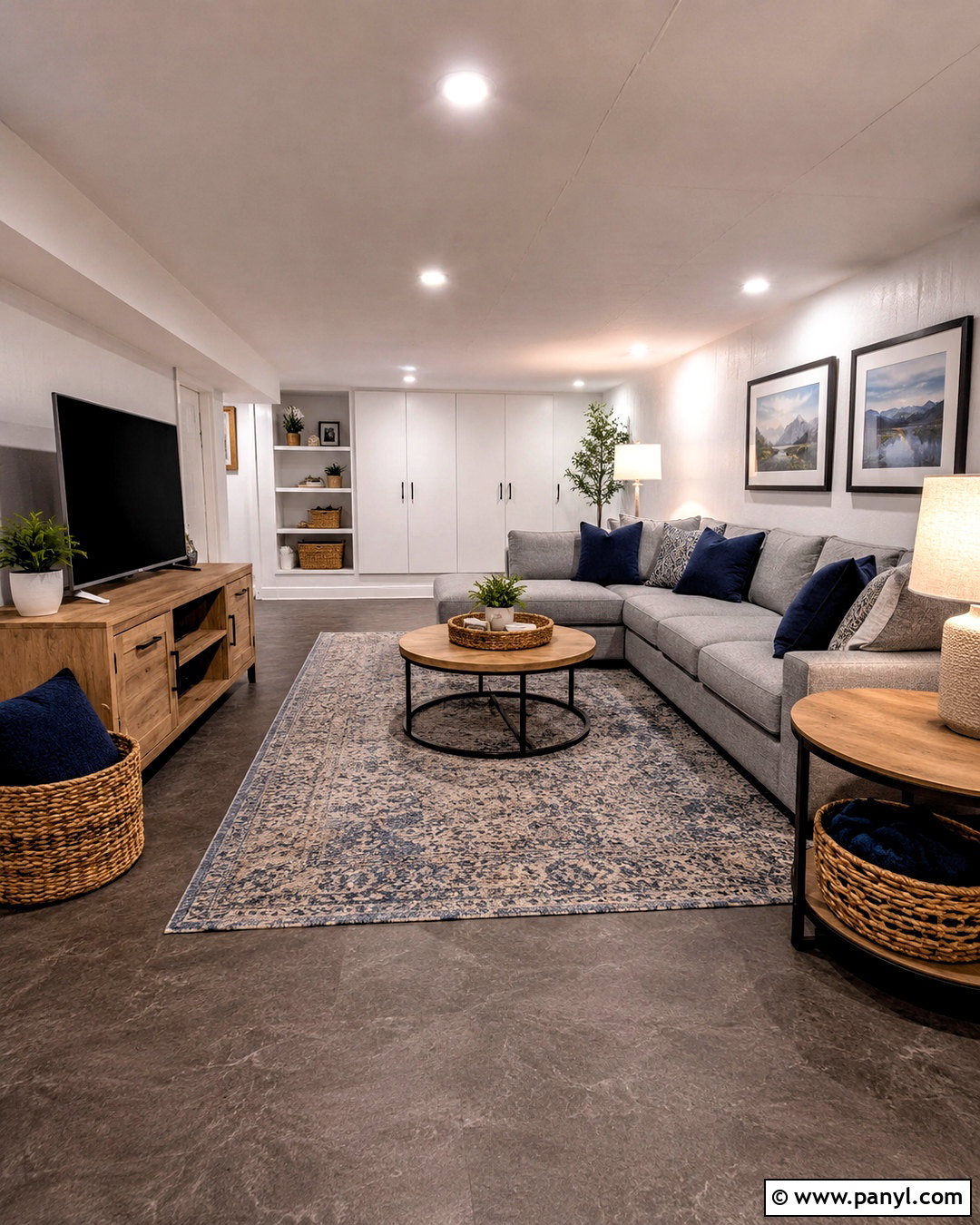
Fresh white paint can make a concrete basement feel brighter, cleaner, and more connected to the rest of the home. Choose a neutral or slightly cool white instead of a strongly creamy shade, especially when natural light is limited. Moisture problems should be corrected before the wall is coated, and the prepared surface needs a paint system suitable for concrete or masonry. () Build a comfortable family room with a medium-gray sectional, pale wood media cabinet, and washable blue-gray rug. Recessed ceiling lights provide general illumination, while table lamps keep the setting from feeling clinical. Introduce navy pillows, woven baskets, and framed photography for personality. Durable flooring and closed storage complete a practical basement that feels welcoming rather than unfinished.
5. Sage Green Concrete Wall Office
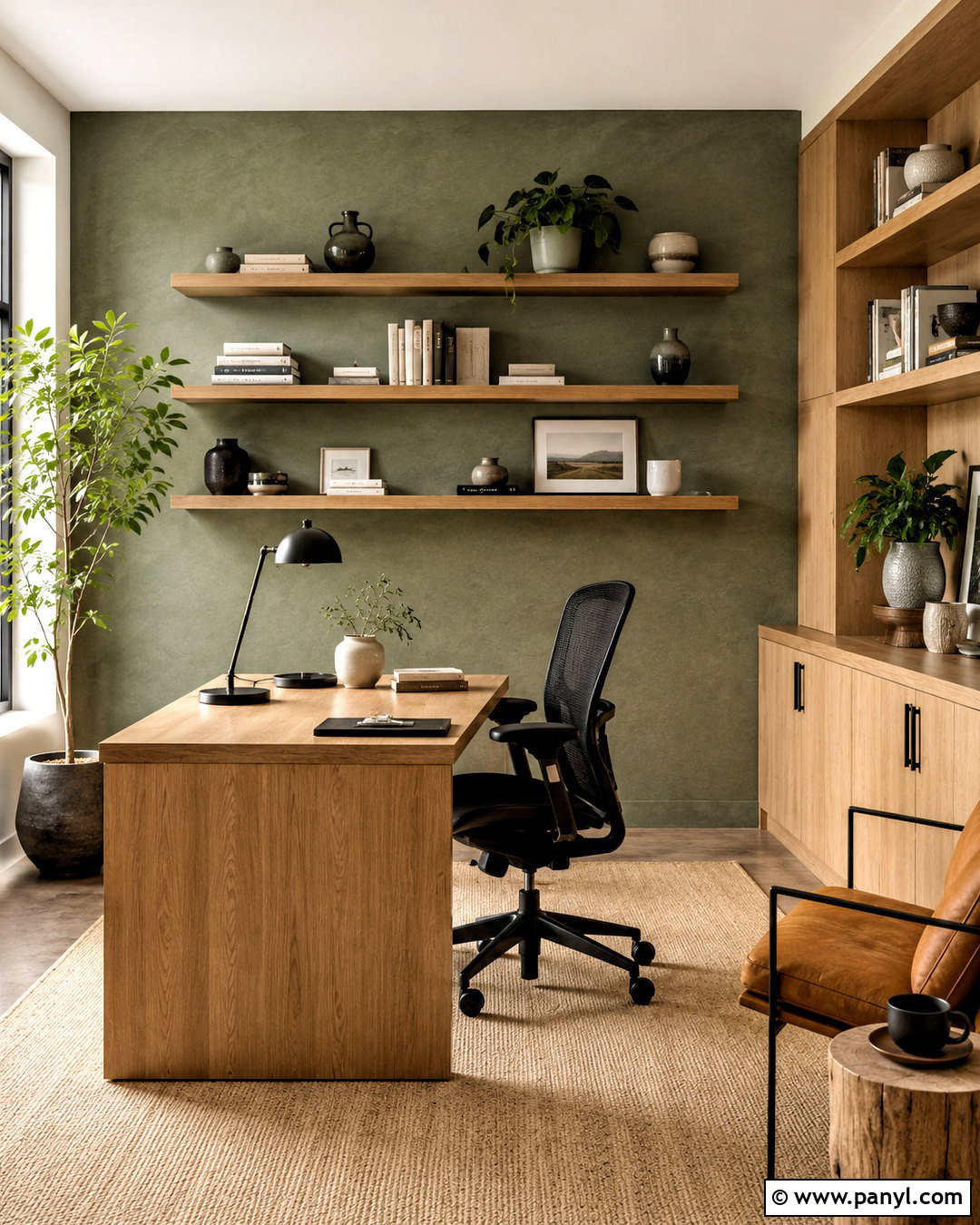
Muted sage green gives a concrete home office a calm, grounded atmosphere that works beautifully with wood and black accents. Paint the main wall behind the desk in a soft gray-green masonry finish, leaving enough texture visible to create depth. Position a streamlined oak desk in front of it with a comfortable black chair and matching metal task lamp. Use warm white on the other walls and add a flat-woven beige rug to soften hard flooring. Closed lower cabinets can conceal supplies, while two floating oak shelves display books, ceramics, and small plants. Hang simple linen curtains if the room has a window. A compact reading chair in tan fabric completes the layout. This palette feels professional and focused, but it remains warm enough for a multipurpose study or creative workspace.
6. Navy Concrete Wall Media Room
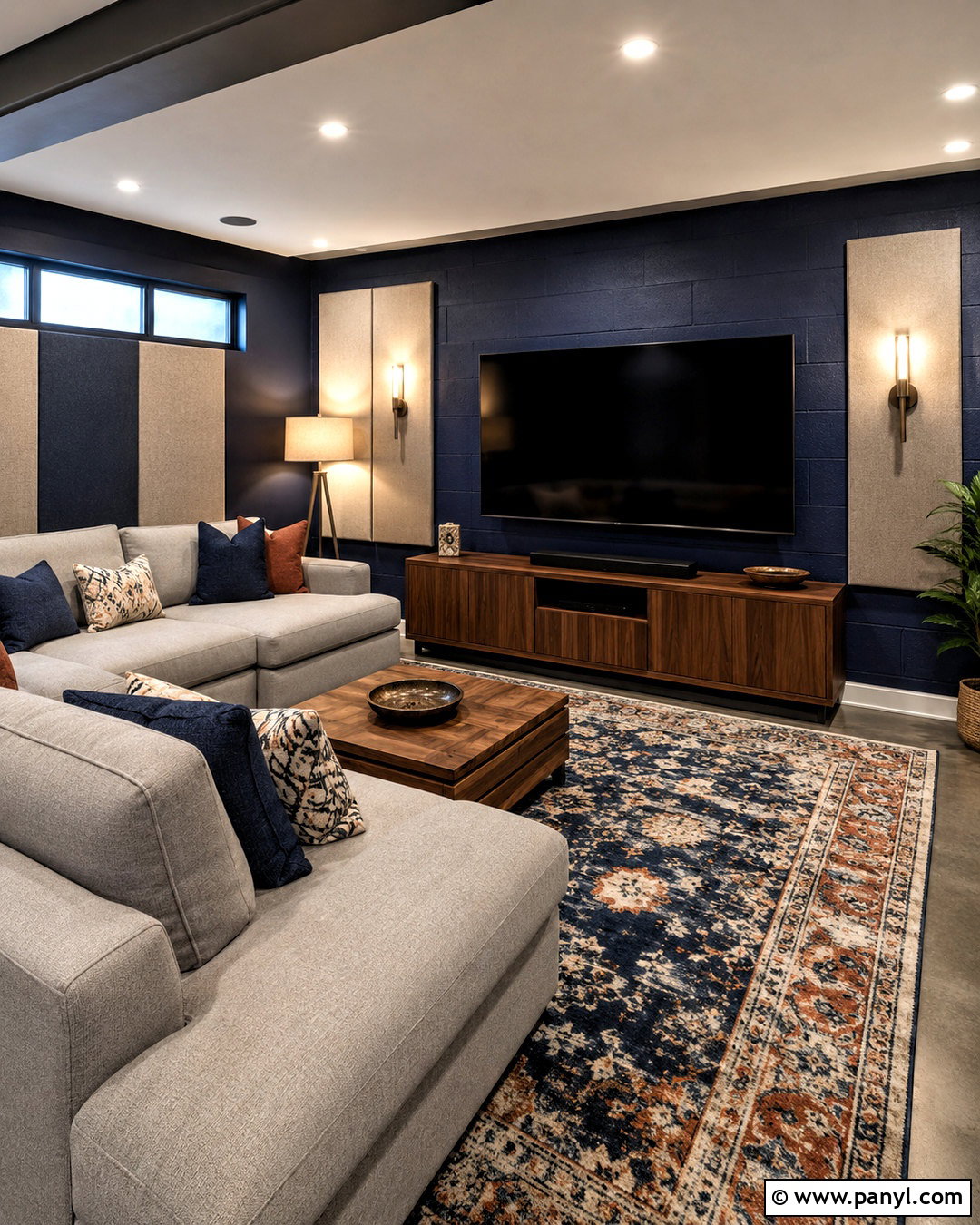
A navy concrete wall creates a focused media room that feels rich and immersive without relying on black throughout the space. Select a deep, slightly muted blue in a matte finish and continue it across the television wall. Add a low walnut media unit to provide warmth, then place a comfortable light-gray sectional opposite it. A patterned rug combining navy, cream, and muted rust will connect the room’s colors while softening the floor. Use dimmable recessed fixtures for flexible illumination, but include brighter wall sconces and a floor lamp for reading or cleaning. Acoustic fabric panels can be arranged like modern artwork on adjacent walls. Keep cords hidden and accessories restrained. The finished room feels dramatic during movie nights yet polished and welcoming when the television is not in use.
7. Terracotta Concrete Wall Dining Room
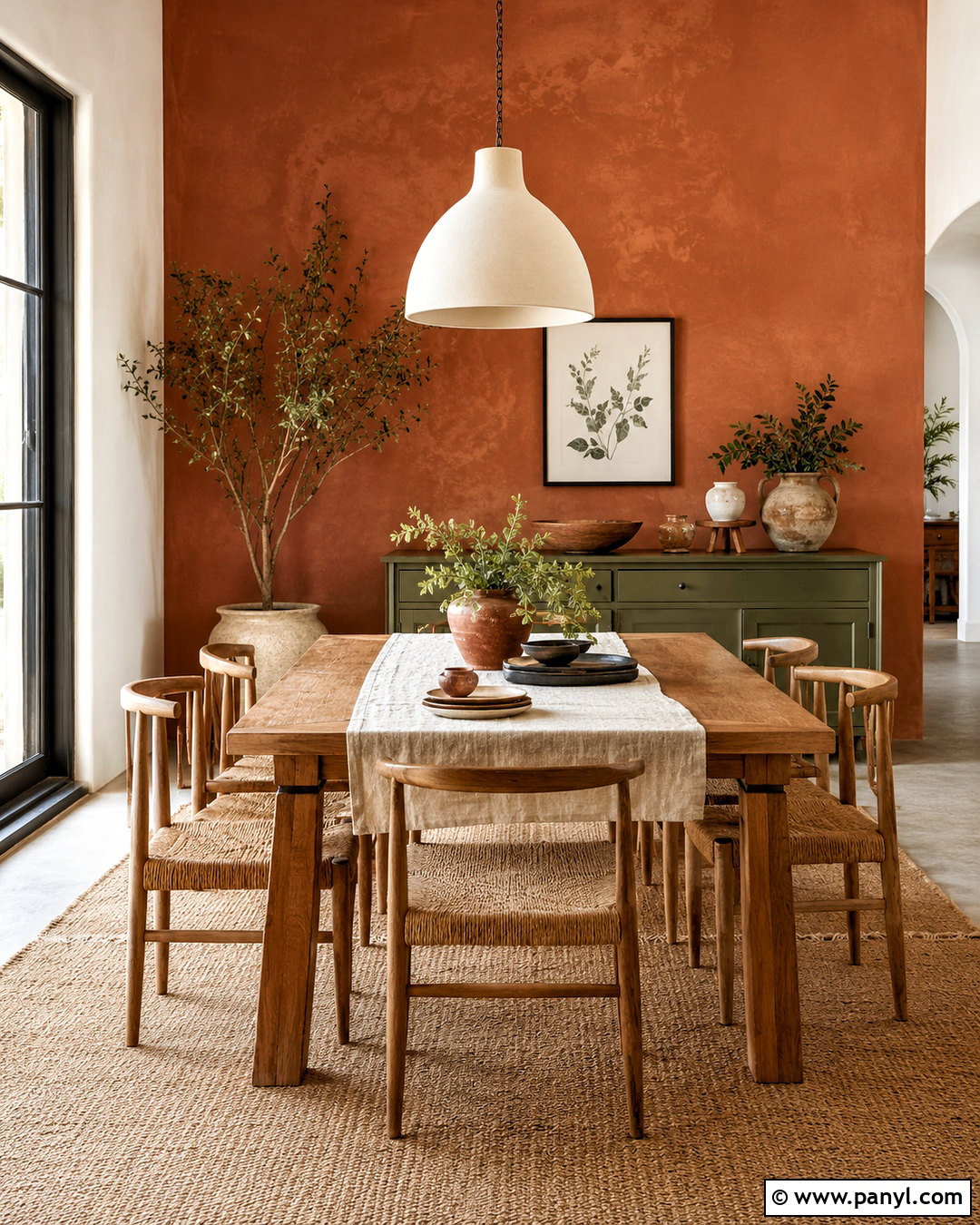
Earthy terracotta paint turns a cold concrete dining room wall into a warm focal point with Mediterranean character. Choose a dusty clay shade rather than a bright orange, allowing the wall’s texture to create natural tonal variation. Place a rectangular oak dining table in the center with woven-seat chairs and a simple cream pendant overhead. The remaining walls can be painted warm white, while a natural fiber rug defines the eating area. Add an olive-green sideboard or painted cabinet for a subtle complementary color. Handmade ceramics, linen napkins, and a large framed botanical print reinforce the relaxed atmosphere. Use black metal sparingly through curtain rods or chair details. This complete scheme feels sunny and collected, making the dining space comfortable for everyday meals as well as casual gatherings.
8. Dusty Blue Concrete Wall Bedroom
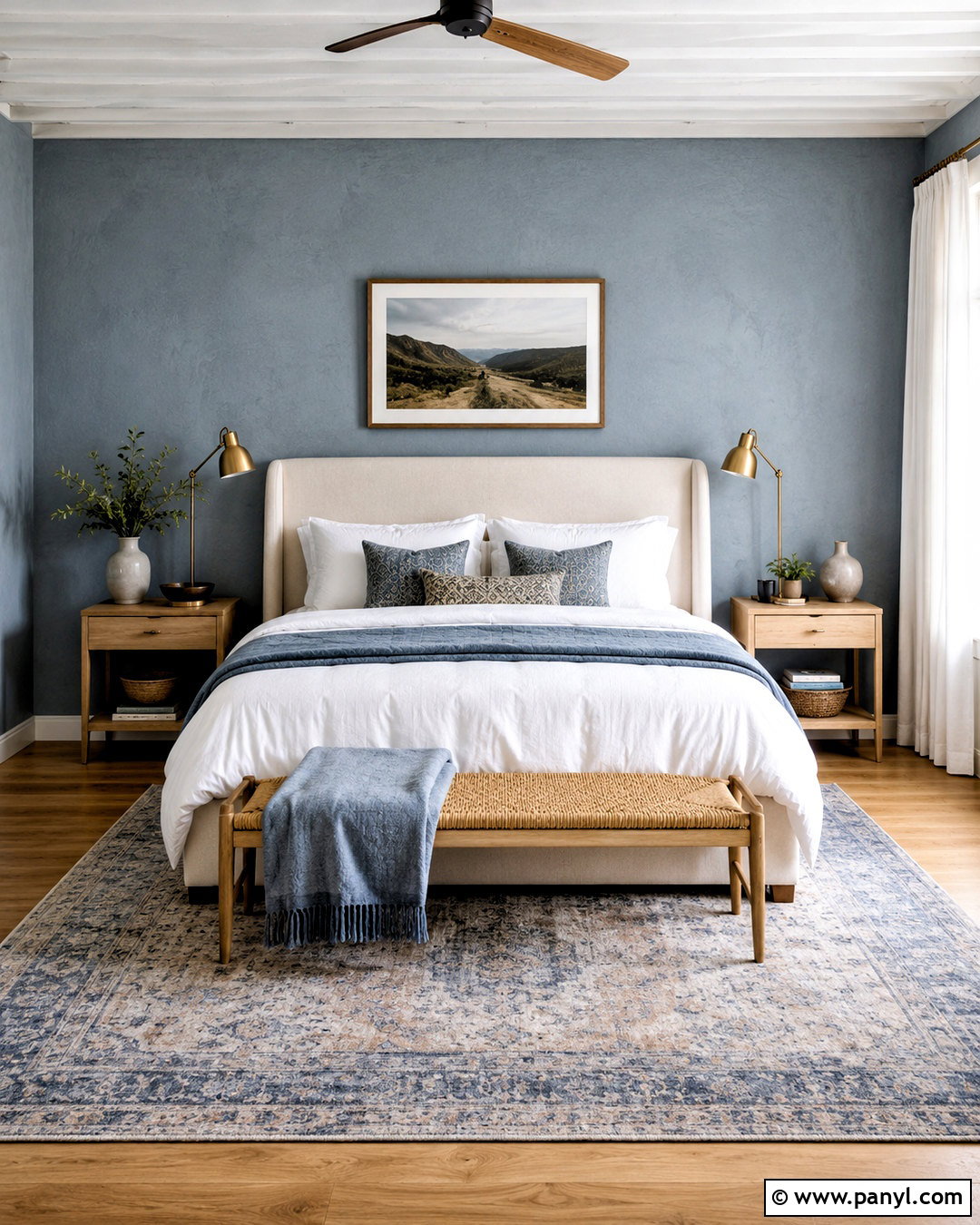
Dusty blue paint creates a soothing bedroom while giving a concrete wall more personality than a standard neutral finish. Apply a muted blue-gray shade behind the bed and pair it with warm white walls, natural oak flooring, and an upholstered cream headboard. White bedding provides a fresh foundation, while faded blue, soft brown, and pale gray layers bring depth. Use light wood nightstands with small brass lamps to introduce warmth without making the room overly formal. A vintage-inspired rug can tie the palette together and soften the hard architectural materials. Add airy white curtains and one large landscape photograph instead of a crowded gallery wall. A woven bench and simple ceramic vase finish the arrangement. The result is peaceful, balanced, and especially suitable for a primary or guest bedroom.
9. Black Concrete Accent Wall
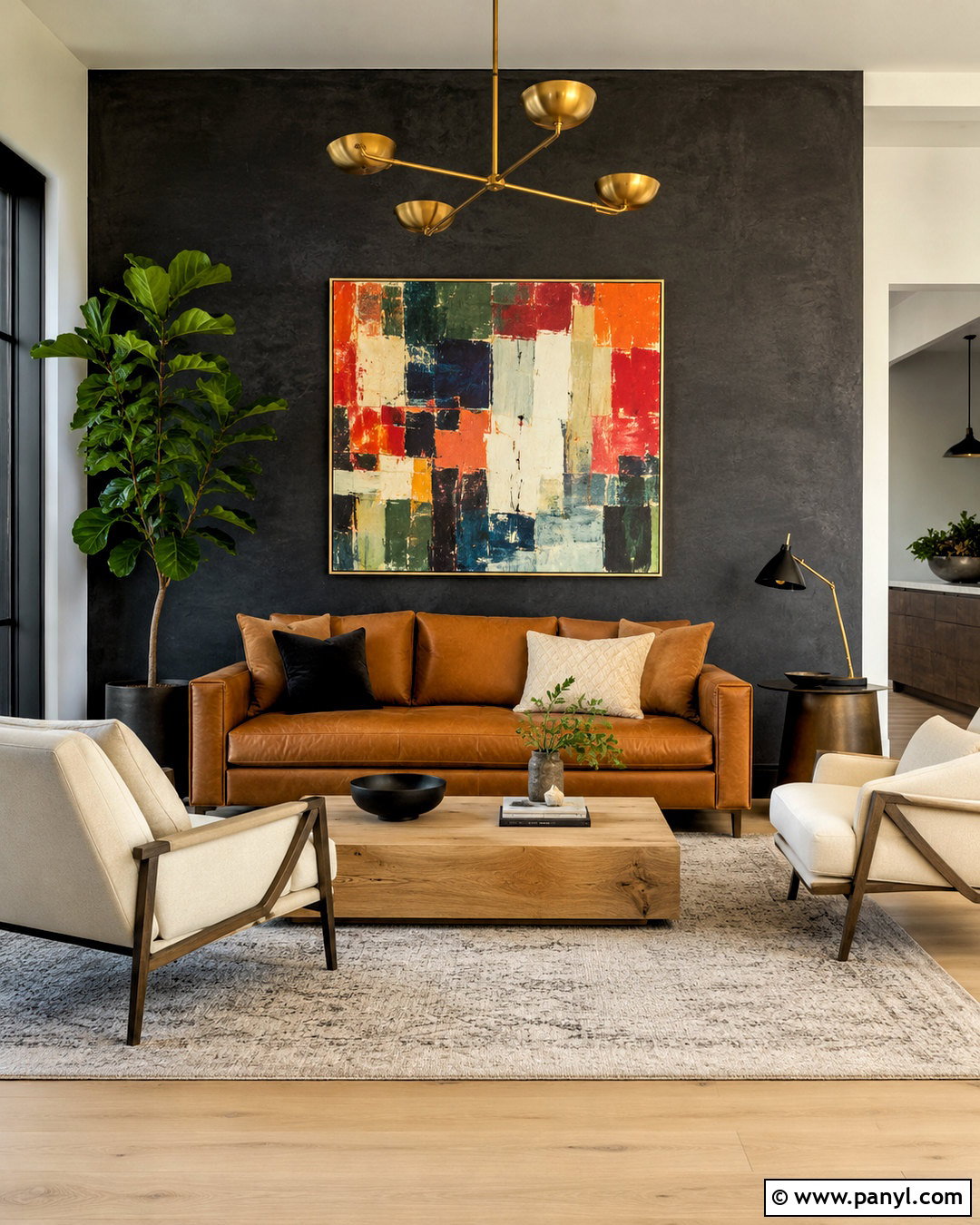
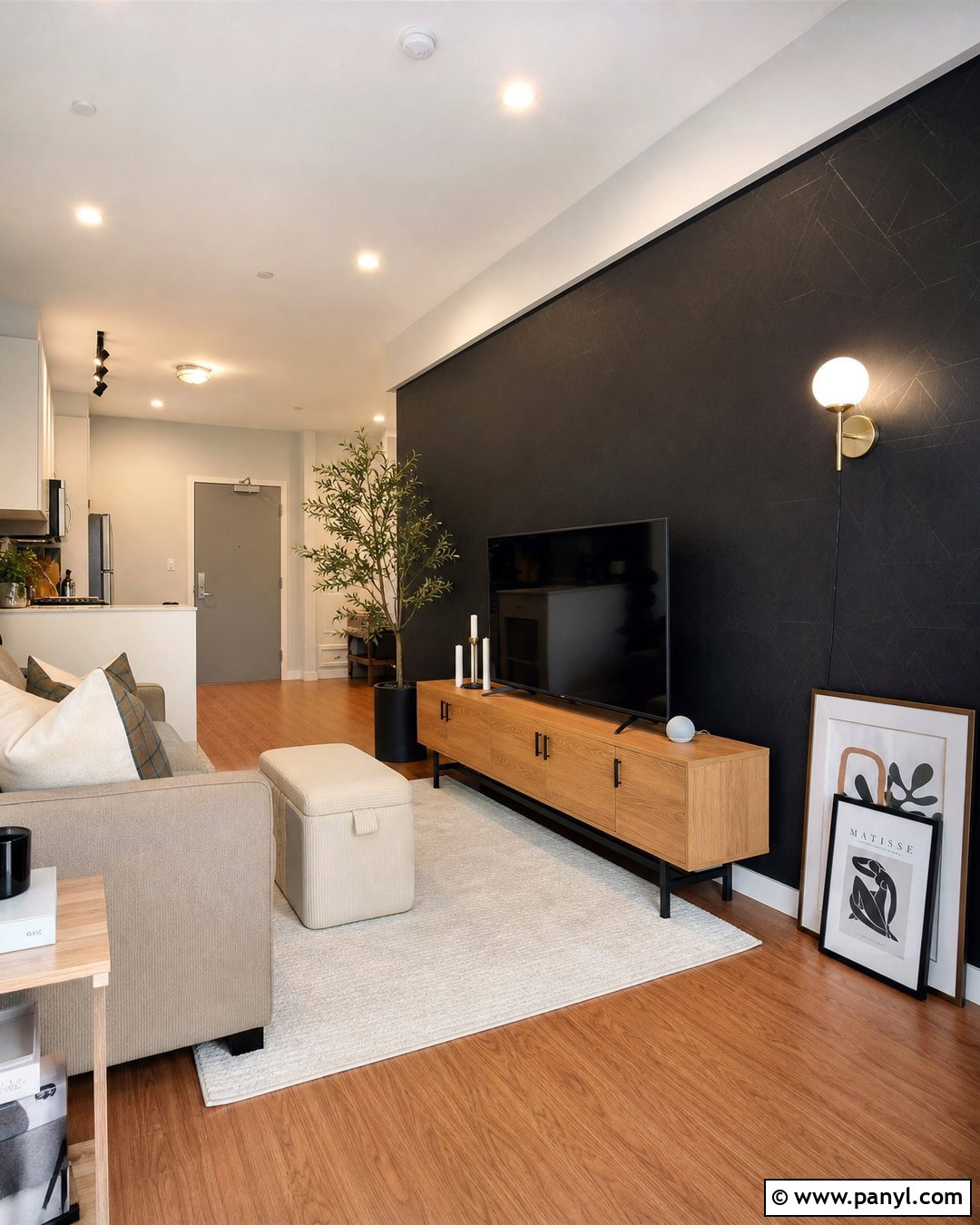
Matte black paint makes a textured concrete wall look bold and deliberate, especially in a modern living room with abundant daylight. Limit black to one focal wall and surround it with warm white paint so the room retains visual breathing space. Place a caramel leather sofa nearby, facing two cream lounge chairs and a low oak coffee table. A pale textured rug will brighten the center and provide contrast against the dark wall. Hang one large colorful artwork or a pair of light-toned prints where they remain clearly visible. Brass or aged bronze lighting adds warmth, while a tall leafy plant introduces an organic shape. Keep shelving, electronics, and small accessories organized. This high-contrast look feels dramatic, but the light furniture and natural materials prevent it from becoming severe or unwelcoming.

10. Taupe Concrete Wall Living Room
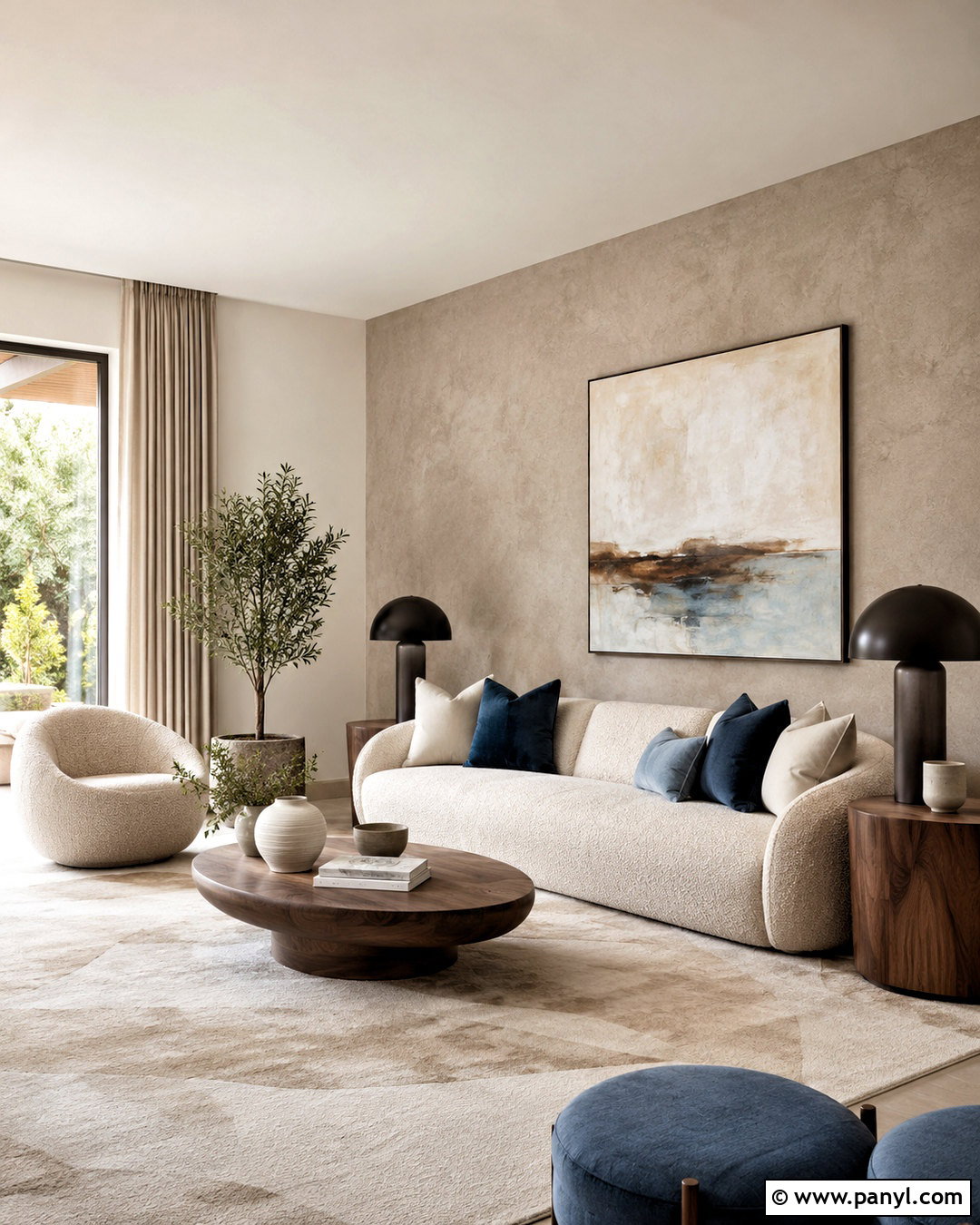
Taupe is an excellent choice when you want a concrete wall to feel soft, refined, and warmer than ordinary gray. Select a medium mushroom-toned shade with balanced brown and gray undertones. Build the living room around a cream boucle sofa, walnut side tables, and a plush rug in ivory and sand. Dark bronze lamps provide enough contrast to define the neutral palette, while muted blue pillows add a restrained accent color. Use off-white on adjoining walls and install full-length flax linen curtains to make windows appear larger. A rounded coffee table and curved accent chair will counter the wall’s hard, straight lines. Finish with textured ceramics, a large abstract canvas, and minimal greenery. The layered scheme feels contemporary but comfortable, with enough tonal variety to avoid looking flat.
11. Two Tone Concrete Wall
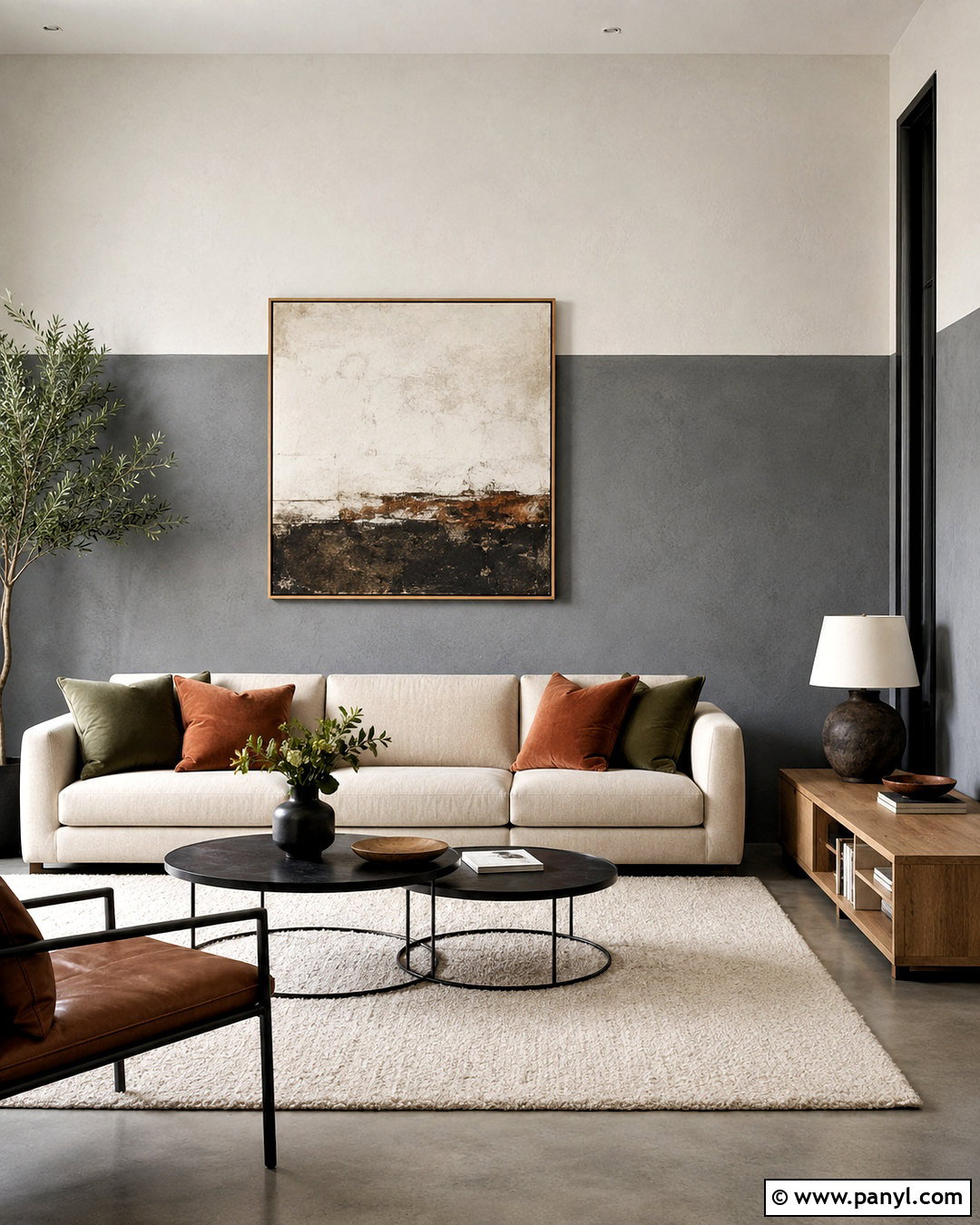
A two-tone treatment can give a tall concrete wall better proportion while adding color without overwhelming the room. Paint the lower two-thirds in medium slate gray and the upper section in warm white, using a perfectly level horizontal line between them. Choose a low oak console that sits fully within the darker area, then hang artwork so it crosses the color boundary and visually connects both sections. Furnish the room with a beige sofa, black metal side tables, and an ivory rug with subtle gray detailing. Mustard, rust, or olive pillows can introduce controlled warmth. Match the ceiling to the upper wall color to maintain an open feeling. This structured approach works particularly well in lofts and basement family rooms, where concrete walls may otherwise appear unusually high or visually imposing.
12. Limewash Concrete Wall Finish
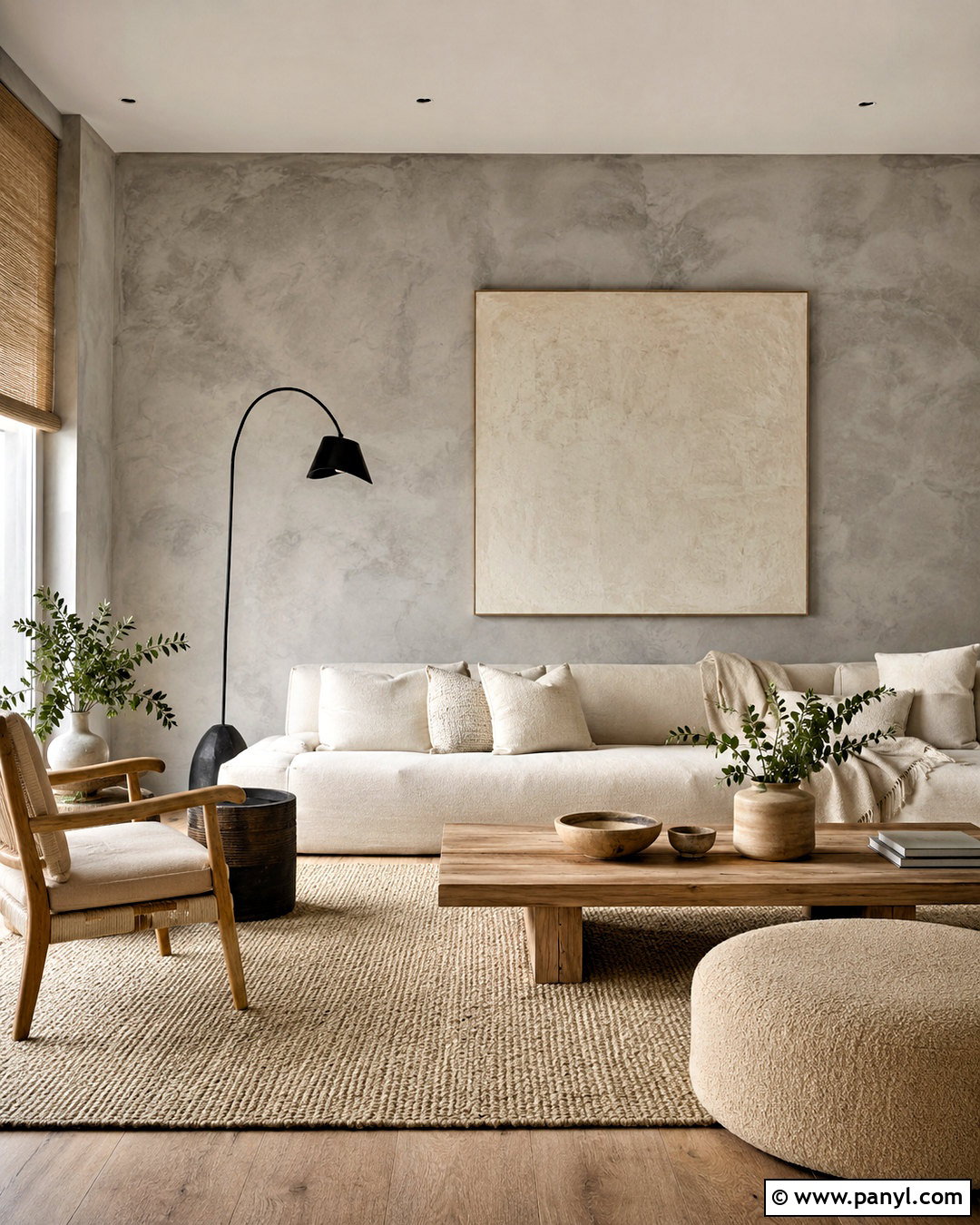
A gray limewash-style finish gives a concrete wall cloudy movement and mineral depth rather than a perfectly uniform coat. The application technique creates subtle color shifts that can resemble aged plaster, suede, or softly weathered concrete. () Use it across the main living room wall in a light stone-gray tone, then pair it with a low cream sofa and pale oak furniture. Boucle, linen, wool, and handmade ceramics will complement the finish without competing with it. Keep window coverings light and simple so natural daylight can reveal the wall’s variation. Add a sculptural black floor lamp and one oversized neutral canvas for contrast. Before beginning, confirm that the chosen limewash or specialty coating is compatible with the prepared substrate. The final space feels tactile, calm, and intentionally imperfect.
13. Color Block Concrete Wall
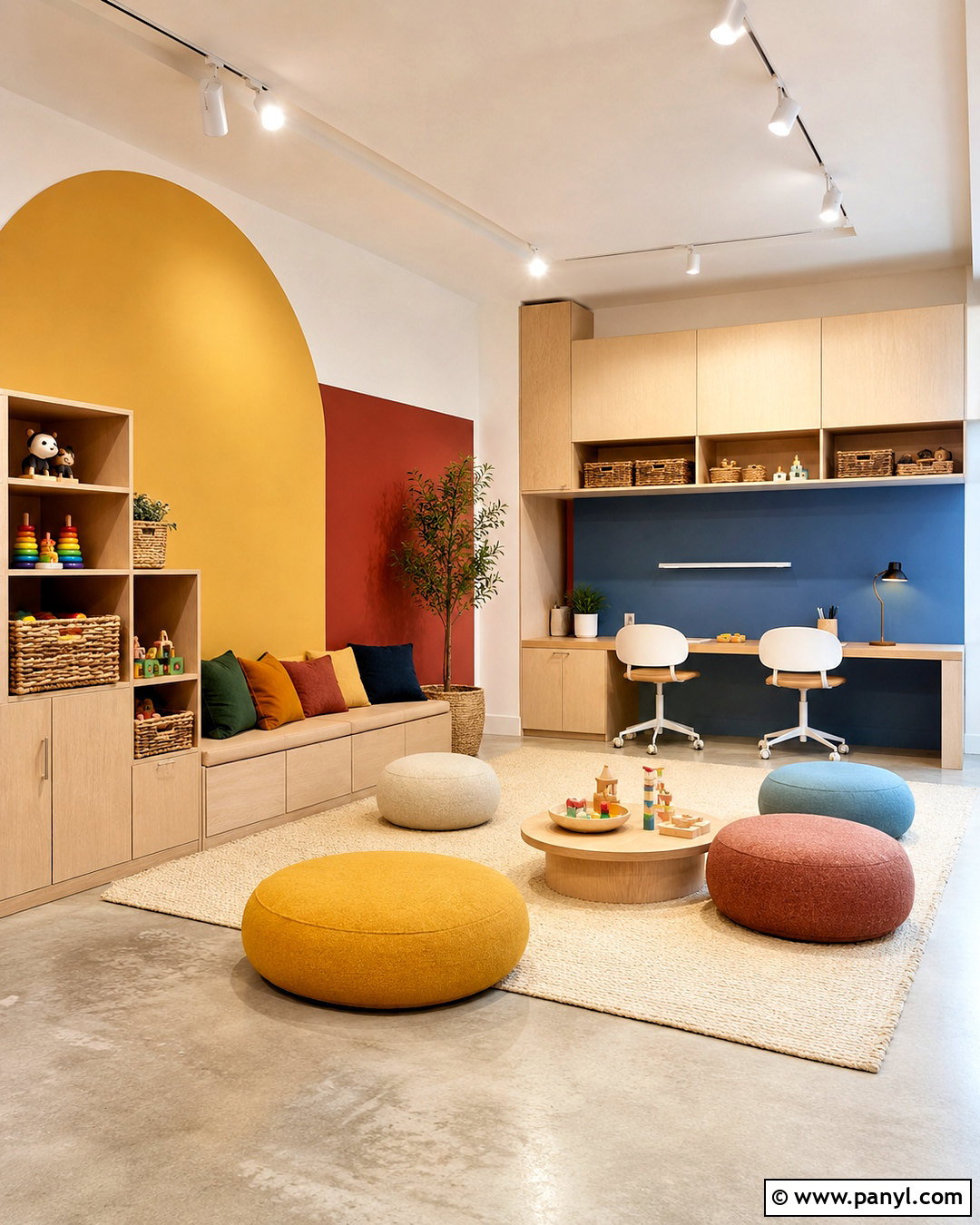
Geometric color blocking brings energy to a concrete playroom, studio, or casual family space while keeping the overall design organized. Start with a warm white base, then paint one large arch or rounded shape in muted mustard behind a storage cabinet. Add a smaller clay-red rectangle near the reading corner and a dusty blue section behind a compact desk. Limit the treatment to three coordinated colors so the wall remains playful without becoming chaotic. Use pale birch storage, a washable cream rug, and simple furniture with rounded edges. Baskets and closed cabinets will reduce visual clutter, while adjustable white track lighting keeps the entire wall bright. Repeat the paint colors through cushions and bins in small amounts. This complete design turns irregular concrete texture into part of a cheerful, practical, and cohesive room.
14. Blush Concrete Wall Bedroom
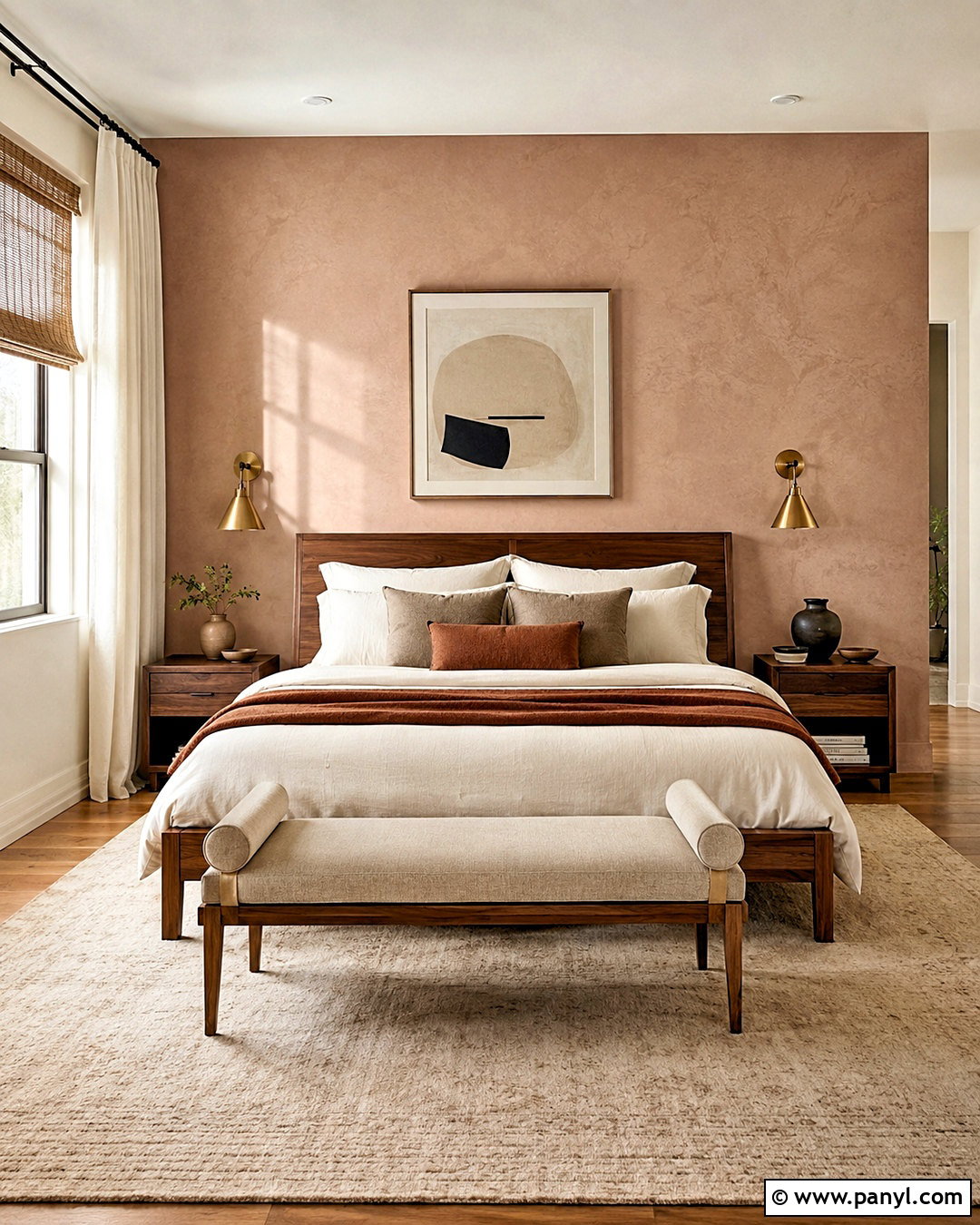
Muted blush paint softens a concrete bedroom wall without making the space feel overly sweet or themed. Look for a dusty pink shade with beige or gray undertones, then apply it behind a simple walnut bed. Dress the bed in ivory linen with accents of cinnamon, taupe, and faded rose. Matching wood nightstands and aged brass sconces bring structure and warmth to the gentle palette. Keep the surrounding walls creamy white and place a large neutral rug beneath the bed to balance the pink surface. One abstract print, a slim upholstered bench, and a pair of ceramic vases provide enough decoration. Add natural woven blinds beneath white curtains for privacy and texture. This restrained arrangement feels grown-up and relaxing, allowing the blush concrete wall to remain the room’s quiet focal point.
15. Olive Green Concrete Wall
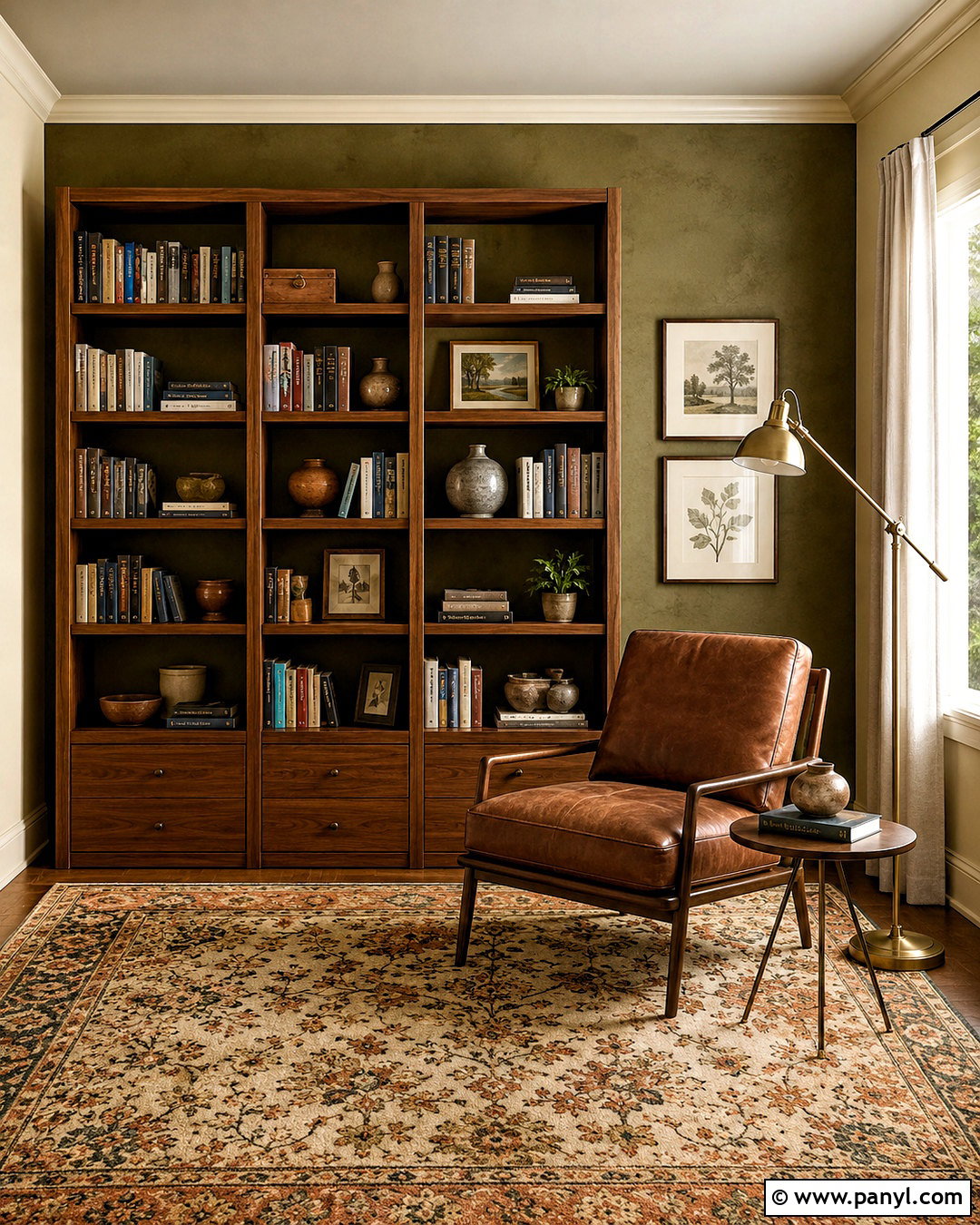
Deep olive green gives a concrete wall a rich, nature-inspired character that works well in a library, den, or reading room. Paint the focal wall in a muted olive with gray undertones, then place a walnut bookcase and low leather chair against it. Use warm beige on the other walls to prevent the room from becoming too dark. A traditional patterned rug in cream, rust, olive, and brown will make the space feel layered and established. Add an antique-brass floor lamp, linen curtains, and a small round side table for a comfortable reading setup. Books, framed prints, and pottery should be arranged with open space between them. The combination of textured concrete, dark green paint, warm wood, and soft textiles creates an intimate room that feels collected rather than overly rustic.
16. White Gallery Concrete Wall
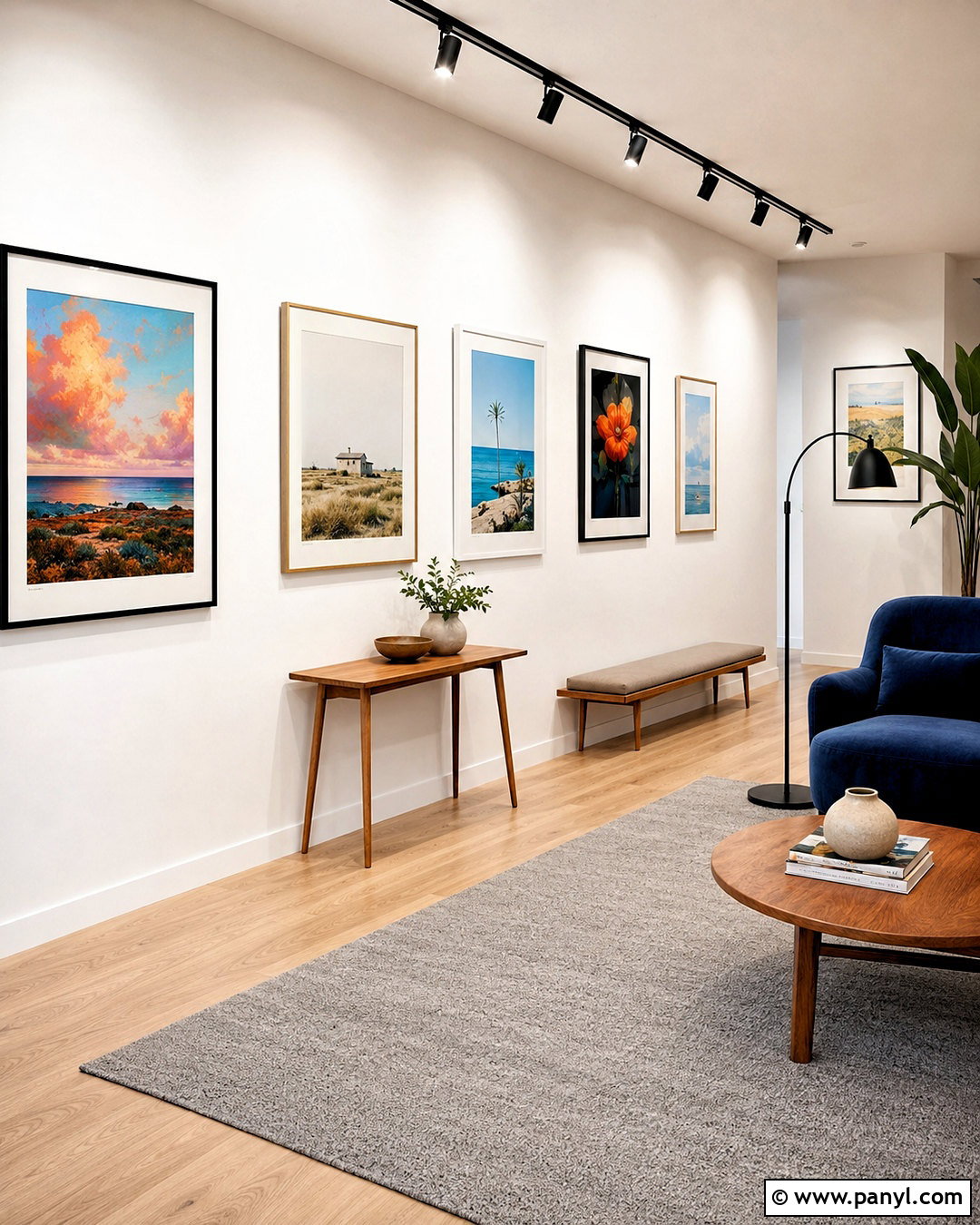
Crisp white paint can turn a long concrete wall into a bright gallery backdrop for artwork, books, and sculptural furniture. Choose a clean neutral white in a durable matte or low-sheen masonry-compatible finish. Arrange a curated group of framed prints with consistent spacing, mixing black, oak, and white frames for quiet variety. Place a streamlined bench or narrow console below the display, leaving enough open floor area for the wall to remain the focus. Pale wood flooring and a light gray rug will maintain the airy palette. Introduce contrast through a black floor lamp, a deep blue lounge chair, and one tall plant. Track lighting or adjustable ceiling fixtures can illuminate the art evenly. The complete look feels modern and personal while allowing the concrete texture to show beneath the simple color.
17. Deep Teal Concrete Bathroom Wall
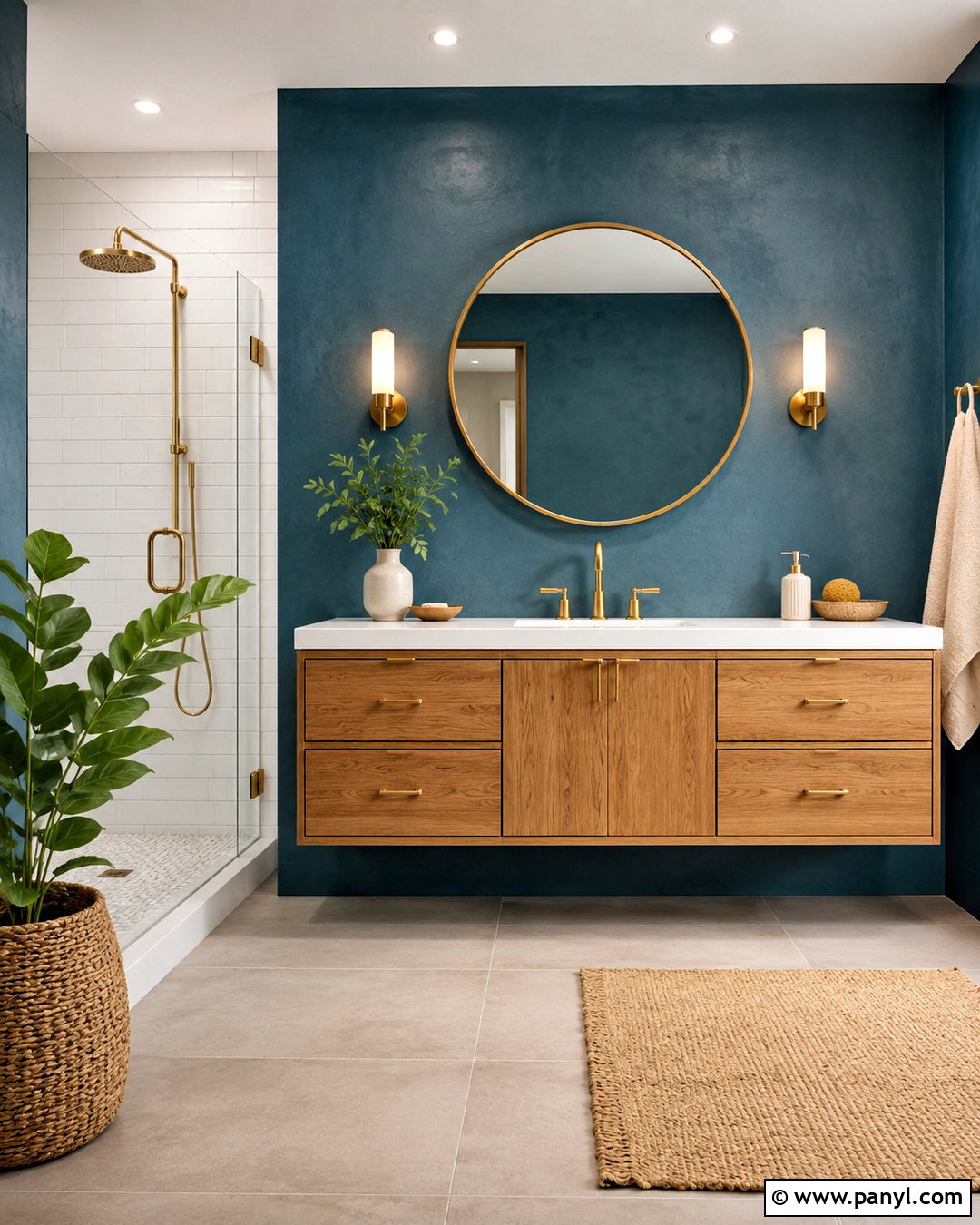
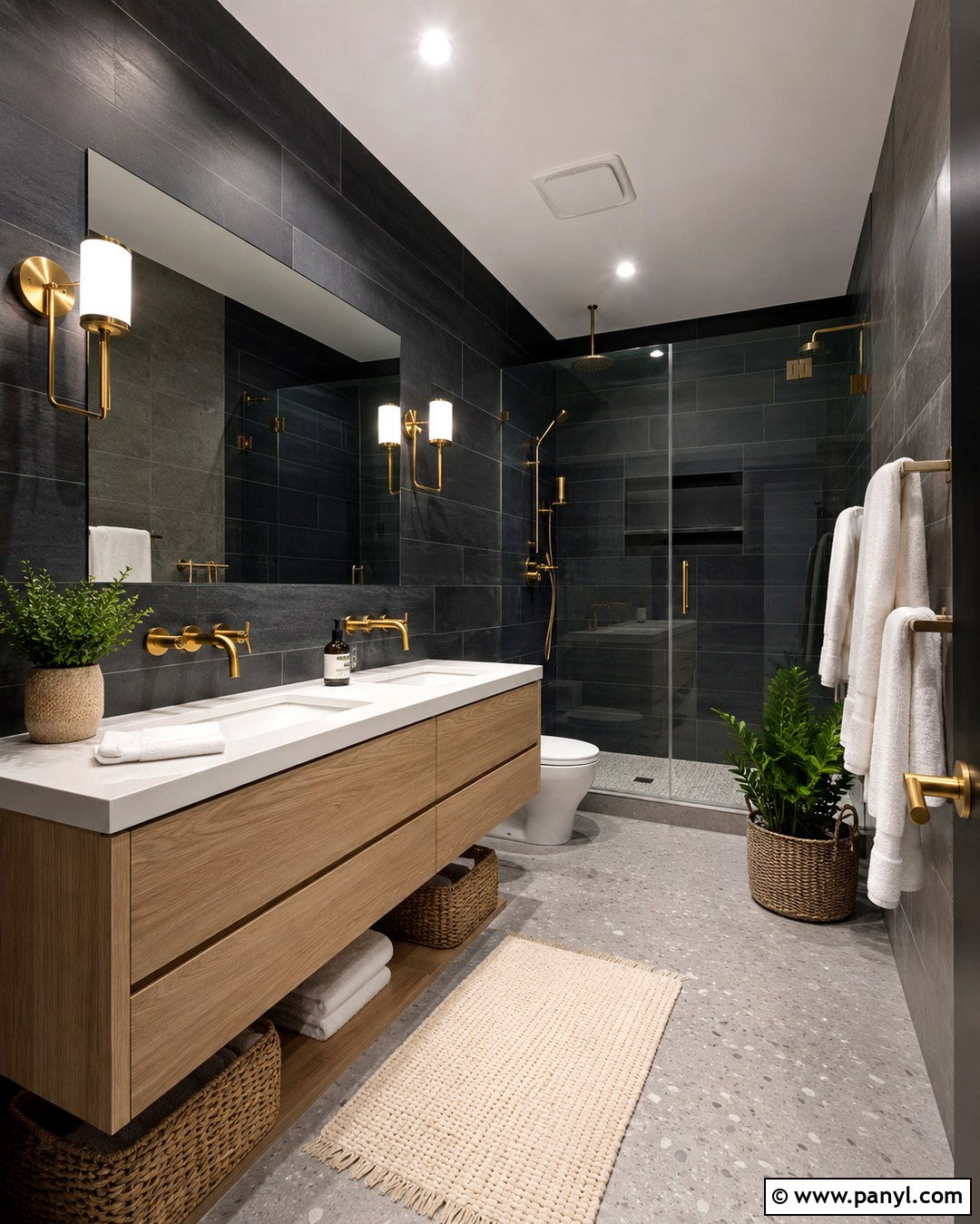
Deep teal paint can make a concrete bathroom wall feel luxurious, especially when balanced with pale tile and warm metal accents. Use a moisture-appropriate masonry coating on the vanity wall, choosing a saturated blue-green shade with a matte or eggshell appearance. Install a floating oak vanity, white countertop, and round brass-framed mirror against the painted surface. Large warm-gray floor tiles will relate to the concrete, while white shower tile keeps the room bright. Repeat brass through the faucet, sconces, and cabinet hardware. Add folded cream towels, a woven bath mat, and one humidity-tolerant plant for softness. Good ventilation remains important in any bathroom. The resulting scheme feels colorful and refined, yet every component supports a practical layout with clear surfaces, efficient storage, and easy-to-clean finishes.
18. Sand Beige Concrete Wall
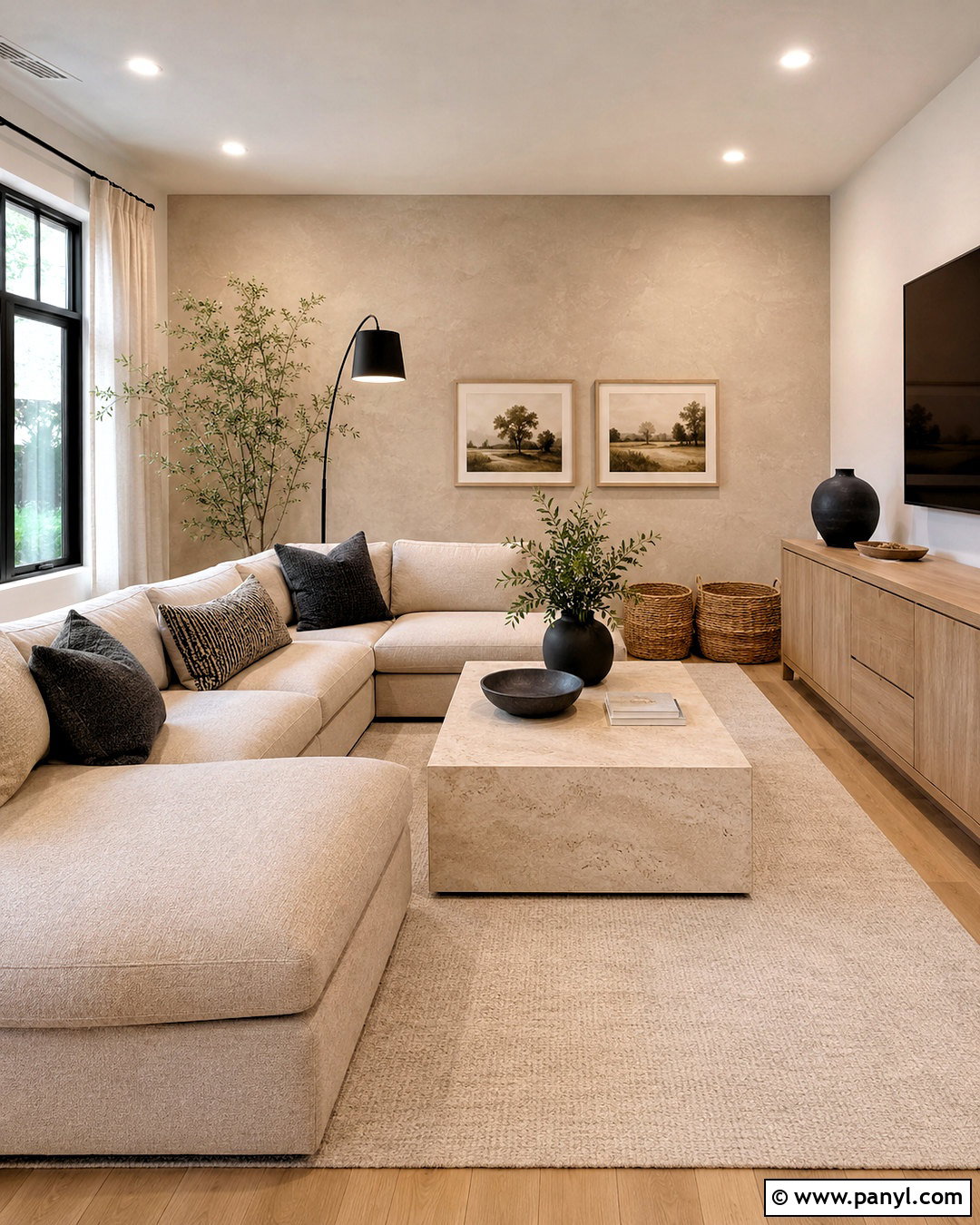
Sand beige paint brings warmth to a concrete family room while maintaining the simple, organic appearance of the material. Choose a light tan shade with a muted mineral undertone instead of a strongly yellow beige. Pair the painted wall with a roomy oatmeal sectional, a pale oak media cabinet, and a large cream rug. Introduce darker contrast through black window frames, a slim floor lamp, and a few charcoal pillows. Woven baskets, linen curtains, and a travertine-look coffee table add natural texture without cluttering the room. Keep the ceiling and adjacent walls warm white to reflect more light. A pair of subtle landscape prints can provide decoration above the sofa. This cohesive palette works especially well in open-plan homes because it connects easily with wood kitchens, neutral dining areas, and adjoining hallways.
19. Rust Red Concrete Entry Wall
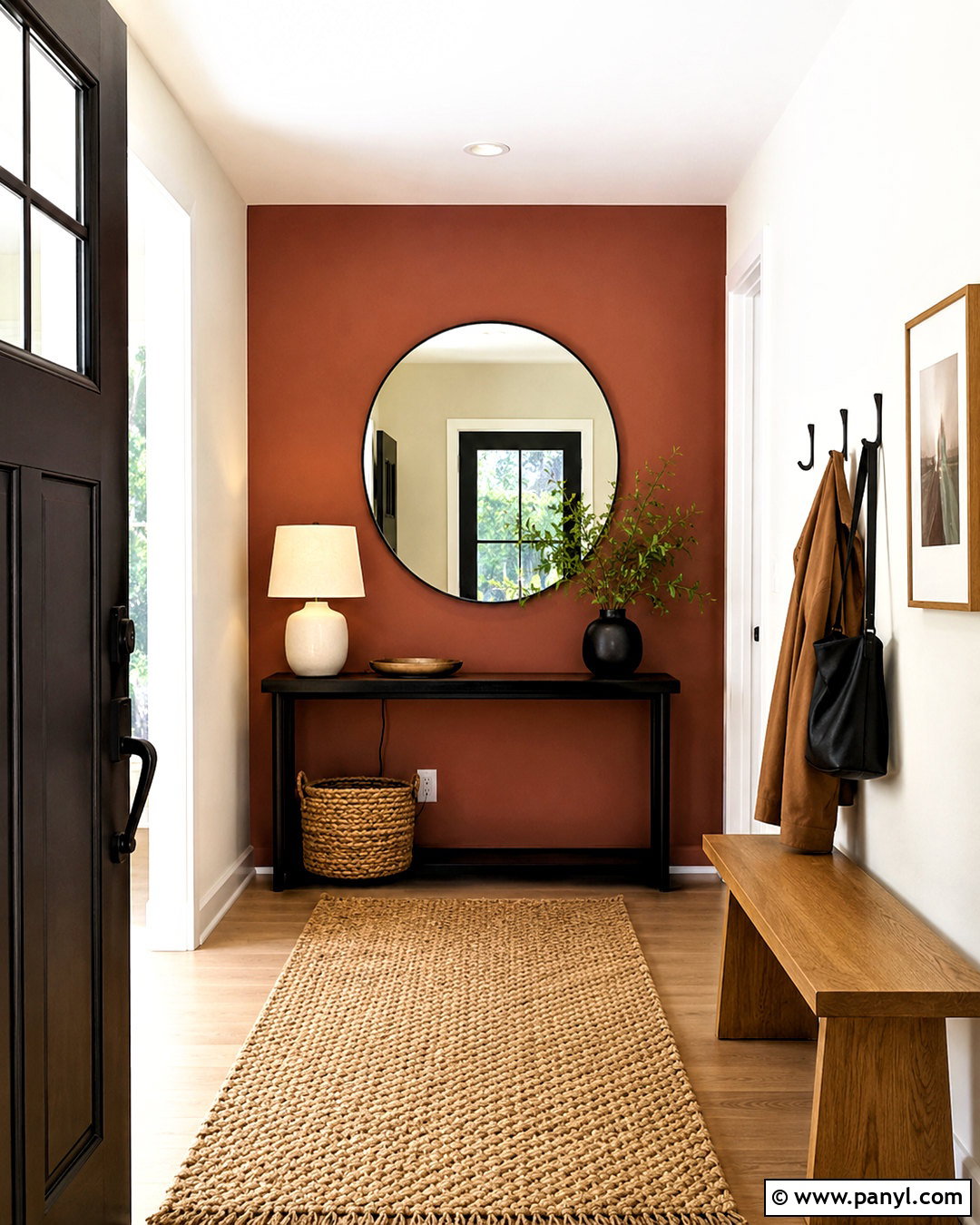
A rust-red concrete wall creates an inviting entryway that feels earthy, confident, and memorable. Select a muted red-brown shade inspired by iron oxide rather than a bright primary red. Place a narrow black console against the wall and hang a large round mirror above it to reflect light into the space. Add a natural jute runner, an oak bench, and simple wall hooks for practical storage. Warm white paint on the remaining surfaces keeps the entry balanced, while black metal accents sharpen the palette. Use a cream ceramic lamp and woven basket to soften the harder materials. If the entry is small, keep the floor clear and limit decorations to a tray, vase, and framed print. The finished space combines strong color with useful organization and an uncluttered everyday layout.
20. Smoky Ombre Concrete Wall
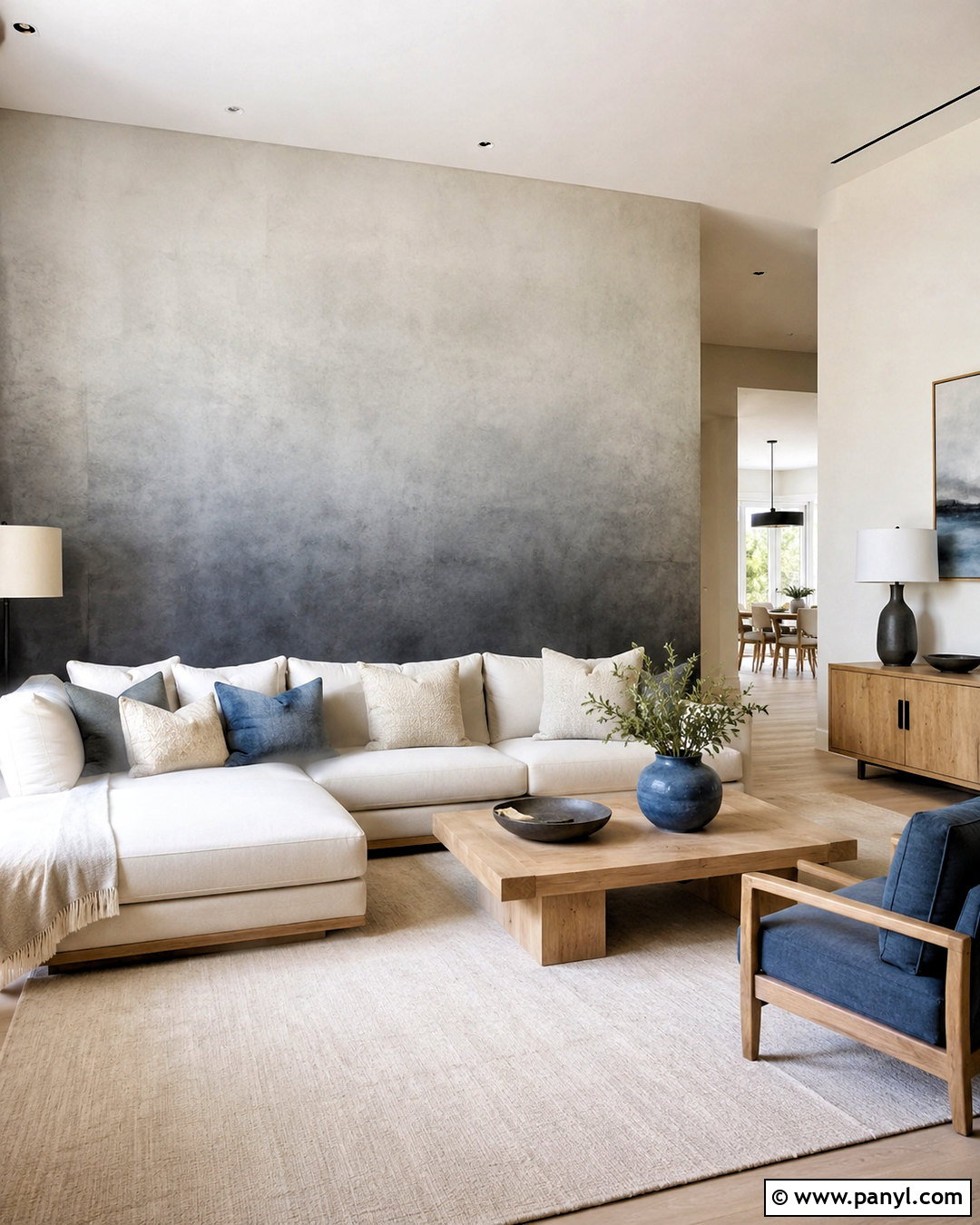
A smoky ombre finish gives a concrete wall artistic movement while preserving an understated neutral palette. Begin with deep charcoal near the floor, blend through medium gray at the center, and transition to pale mist gray toward the ceiling. Keep the gradient soft and irregular rather than creating obvious horizontal stripes. Use this treatment behind a low-profile bed or sofa so most of the painted effect remains visible. Choose light upholstery, blond wood furniture, and an ivory rug to balance the darker base. Black lighting and a few muted blue accessories will connect with the cool gray tones. Leave adjoining walls warm white and keep artwork minimal. The complete room feels modern and distinctive, with the painted concrete serving as a large atmospheric feature instead of a conventional accent wall.
Conclusion:
The best concrete wall paint ideas combine a suitable finish with a complete palette, practical layout, and materials that balance the wall’s rugged texture. Warm gray, greige, taupe, and sand create flexible neutral rooms, while navy, olive, teal, terracotta, and rust deliver stronger personality. White can brighten a basement or gallery, whereas charcoal and black provide drama when supported by pale furniture and good lighting. Decorative treatments such as limewash, color blocking, two-tone paint, and smoky ombre offer even more depth. Always prepare the surface carefully, address moisture, and test color in the room’s actual lighting. With those steps, a plain concrete wall can become a polished and purposeful part of your home.

Related Ideas and Inspiration:

Leave a Reply