
Accent walls work best when they feel connected to the entire room rather than added as an afterthought. The right wall can highlight a fireplace, frame a bed, define a dining zone, or bring character to a plain hallway. Paint remains an affordable option, but wood panels, wallpaper, tile, stone, and textured finishes can add even more depth. Before choosing a design, consider the room’s natural focal point, lighting, furniture placement, and existing color palette. A successful feature wall should strengthen those elements without overwhelming them. From calm neutral bedrooms to colorful family spaces, the following 20 accent wall ideas offer complete, practical looks that can be adapted to different homes, decorating preferences, and budgets.

1. Dark Green Living Room Accent Wall
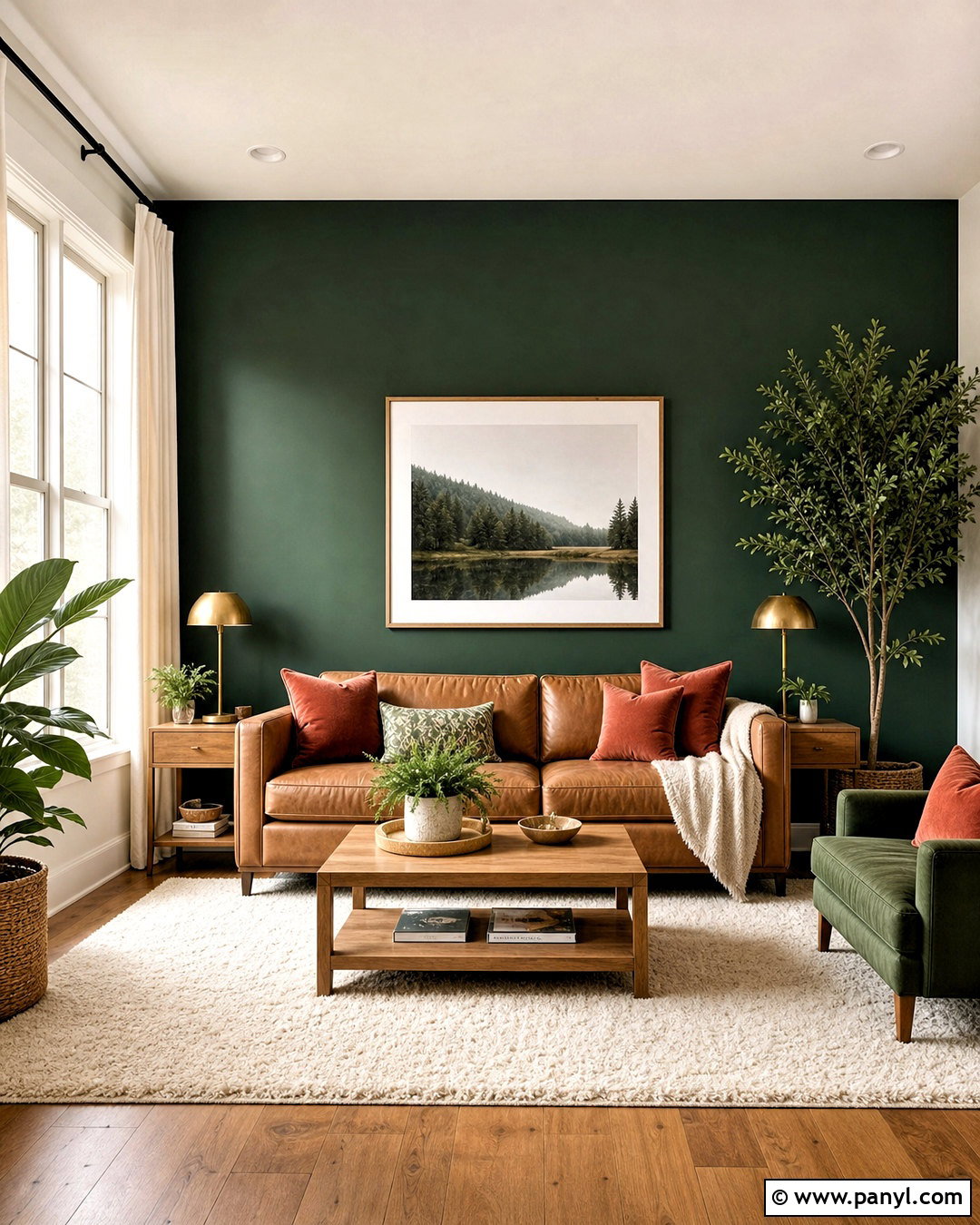
A dark green accent wall can give a living room depth while maintaining a calm, natural feeling. Place it behind the main sofa or fireplace so the color supports an existing focal point. Warm white paint on the surrounding walls will keep the room open and bright. Pair the green with a camel leather sofa, medium-tone oak tables, and an ivory wool rug. Brass lamps and cream curtains add gentle contrast without making the palette feel busy. Bring in rust, tan, and patterned green pillows to connect the wall with the seating area. A large landscape print or simple framed artwork completes the look. Finish with leafy plants in stoneware pots for a layered room that feels comfortable and thoughtfully coordinated.
2. Wood Slat TV Accent Wall
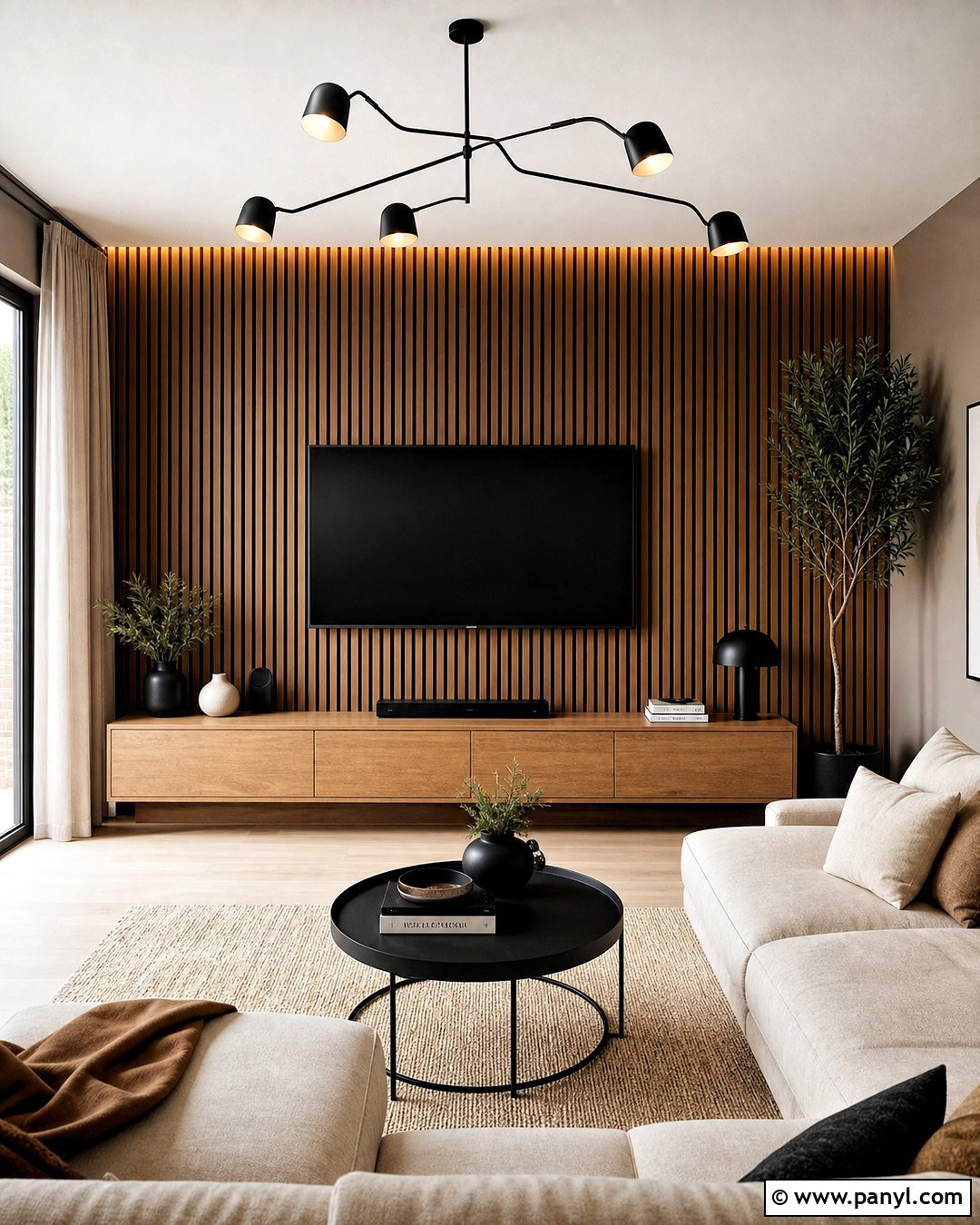
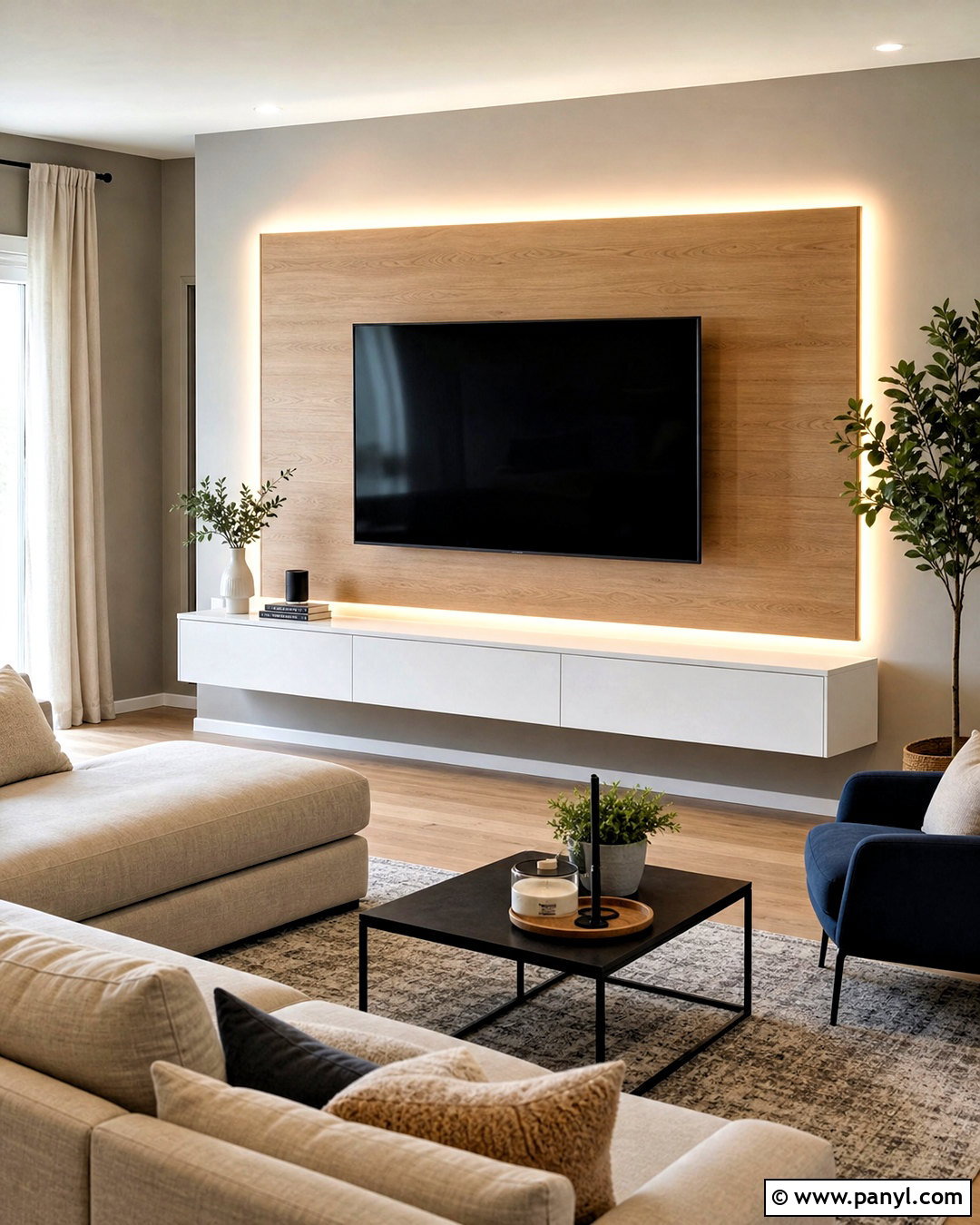
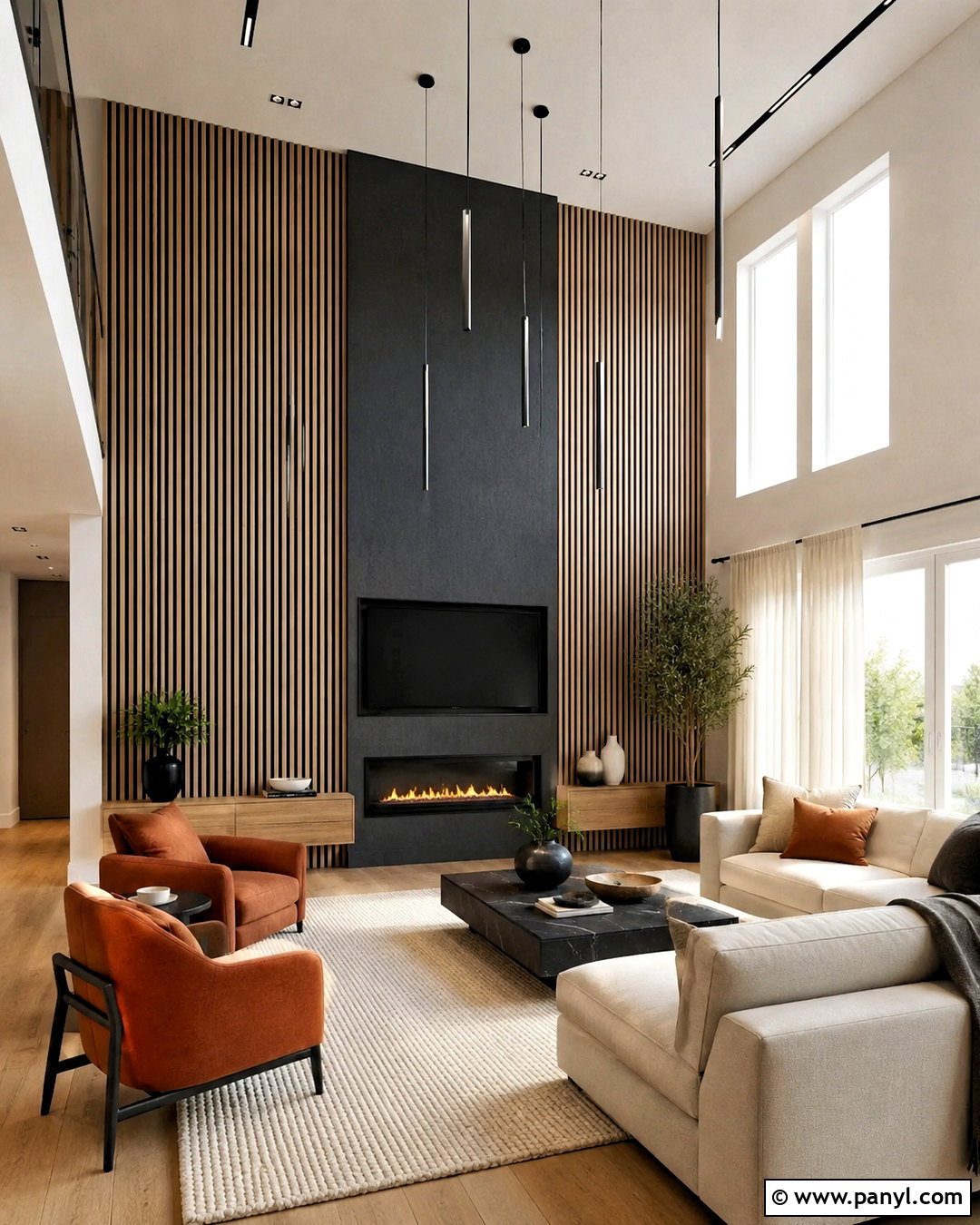
Vertical wood slats transform a television wall into an architectural feature while helping the black screen blend naturally into the room. Use warm walnut slats over a charcoal or matte black backing, leaving slim gaps that create depth. Mount the television in the center and place a long, low oak media cabinet underneath. Keep visible electronics concealed inside closed storage for a clean result. Soft greige walls, a light beige sectional, and a textured cream rug balance the darker wood. Add black metal lighting and a few ceramic accessories that repeat the neutral palette. The vertical lines visually raise the ceiling, while the natural wood introduces warmth. This complete setup suits modern living rooms without making them feel cold or overly minimal.
3. Floral Bedroom Wallpaper Accent Wall
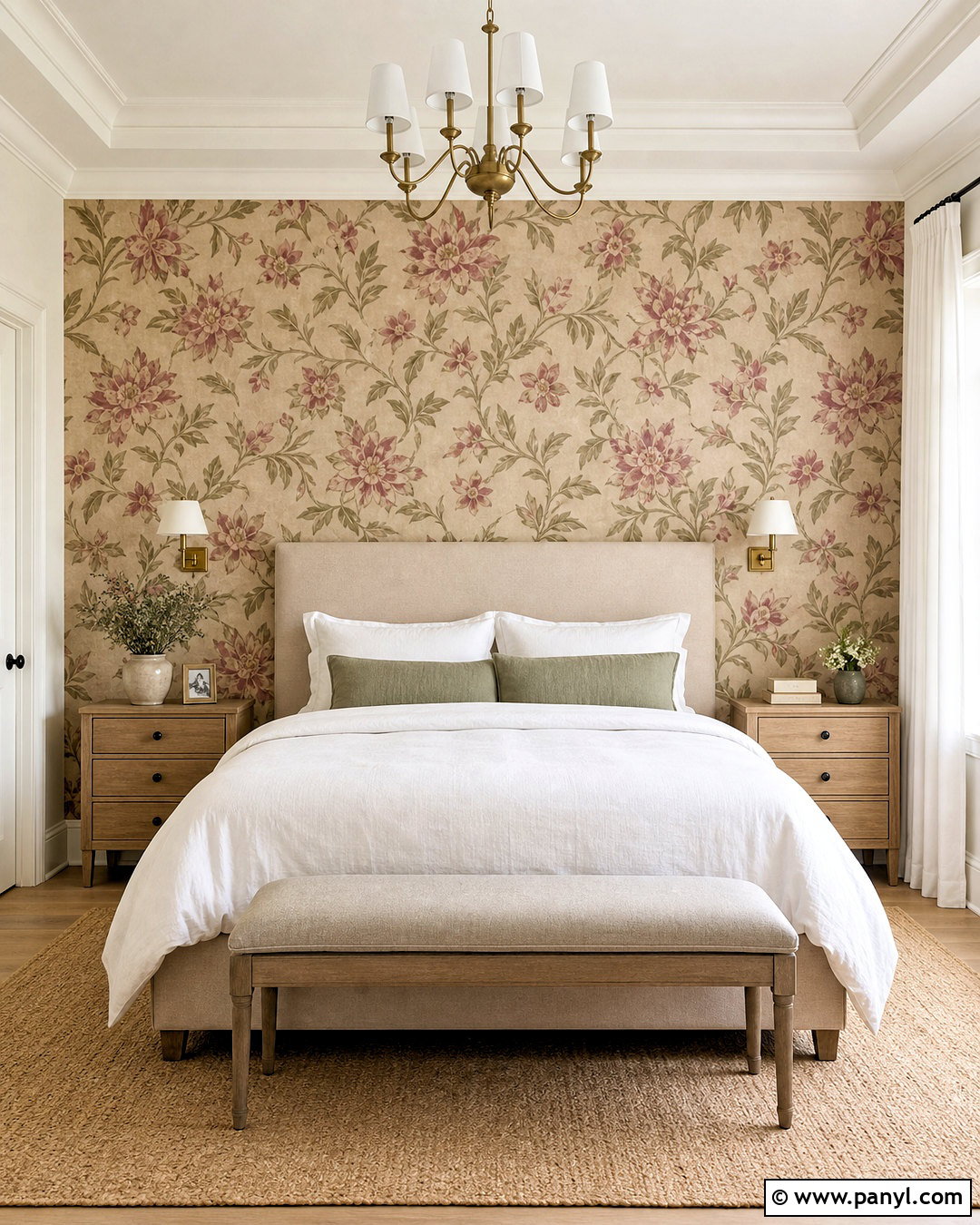
Large floral wallpaper creates a finished bedroom focal point when it frames the bed and guides the room’s color palette. Choose a pattern with muted olive leaves, dusty rose flowers, and a soft cream background. Place an upholstered oatmeal bed against the wallpaper, then repeat its colors through sage pillows, rose-colored cushions, and ivory bedding. Light oak nightstands keep the arrangement relaxed, while aged brass sconces add warmth on both sides. Paint the remaining walls a gentle creamy white taken directly from the wallpaper background. A woven rug and linen curtains soften the larger pattern. Keep artwork minimal because the wallpaper already provides visual interest. The result feels inviting and detailed without becoming overly formal, crowded, or difficult to live with.
4. Navy Blue Dining Room Accent Wall
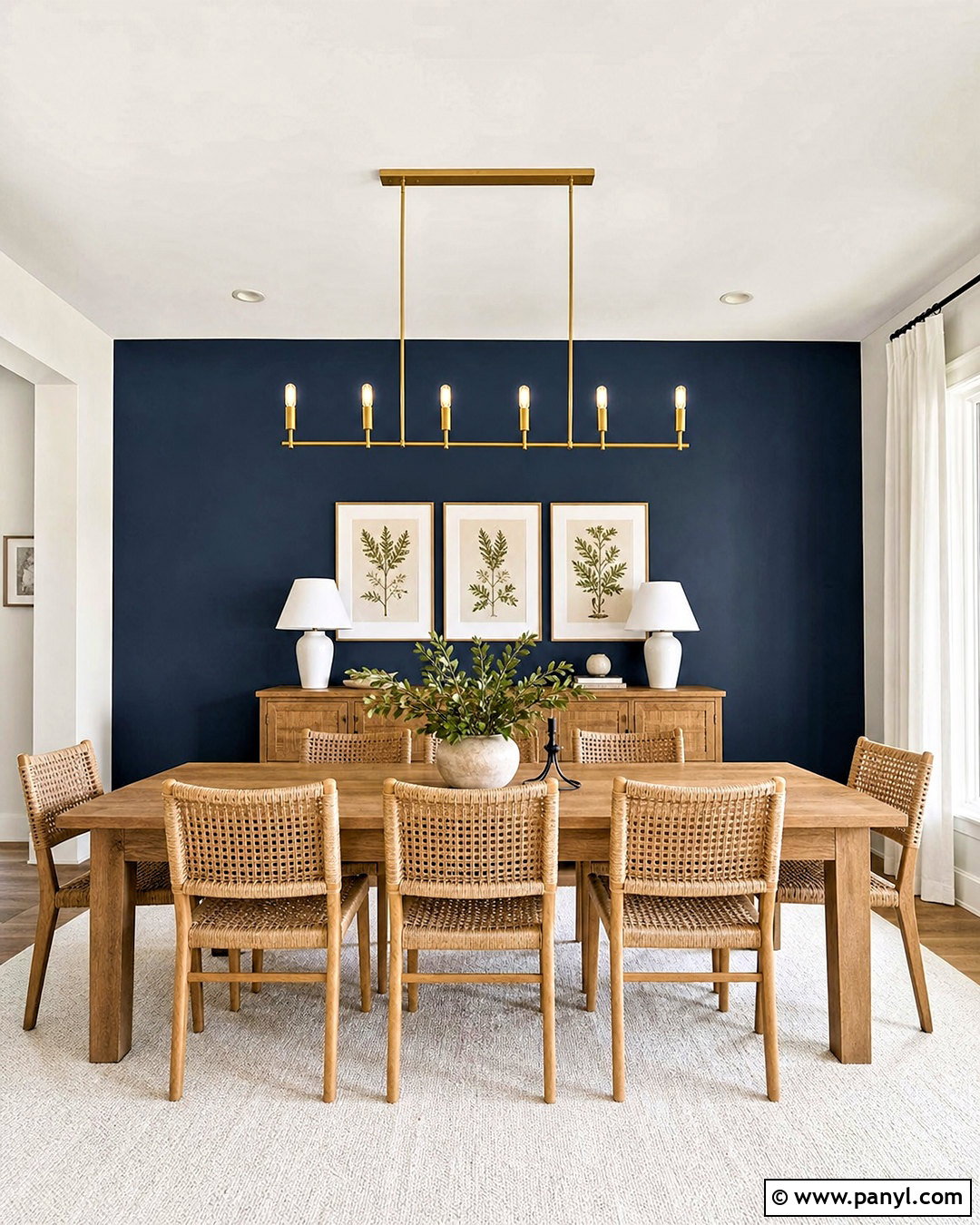
Deep navy gives a dining area a defined, polished background, especially in an open floor plan. Use it on the wall behind a sideboard or the wall most visible when entering the room. A natural oak dining table and woven dining chairs prevent the dark color from feeling heavy. Add a warm white ceiling, pale neutral surrounding walls, and a light textured rug to maintain brightness. A linear brass chandelier provides a sophisticated contrast, while white ceramic lamps and framed botanical prints break up the navy surface. Repeat the blue in small details such as striped cushions or table linens. This approach creates a complete dining space with a strong focal point, balanced colors, and enough warmth for casual meals as well as special gatherings.
5. Limewash Bedroom Accent Wall
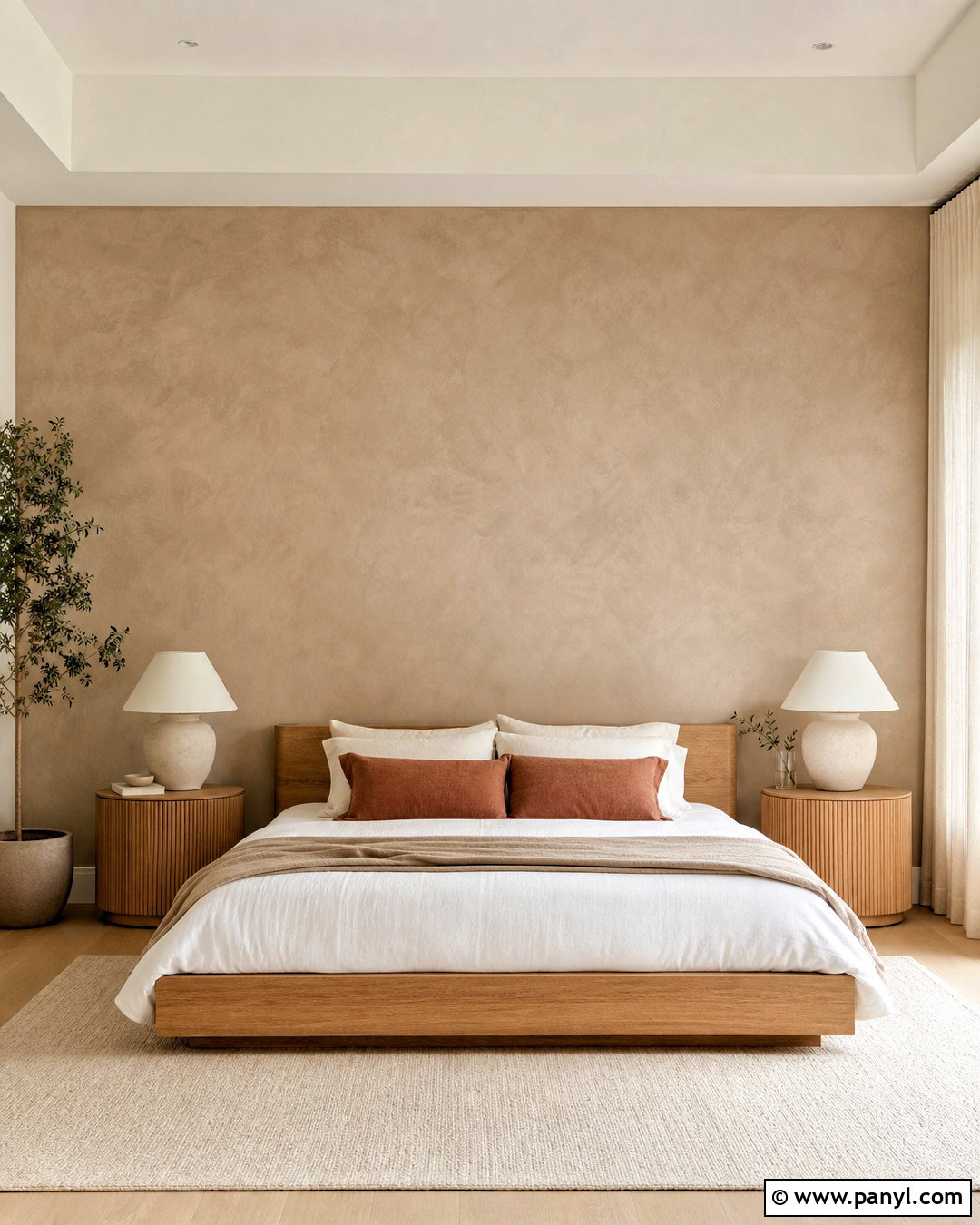
Soft limewash gives a bedroom subtle movement and an organic, handcrafted appearance. Apply a warm beige or mushroom-colored finish behind the bed, allowing visible brush variation to create depth without a bold pattern. Choose a low oak bed with layered white linen, taupe blankets, and clay-colored pillows. Rounded wood nightstands and small plaster lamps reinforce the natural materials. Keep the other walls warm white and use full-length oatmeal curtains to soften the windows. A flat-woven cream rug creates a quiet base under the furniture. Instead of covering the textured wall with multiple decorations, hang one wide, understated landscape above the bed. The finished room feels calm and contemporary, with texture supplying interest where a brighter paint color might feel too sharp.
6. Black Fireplace Accent Wall
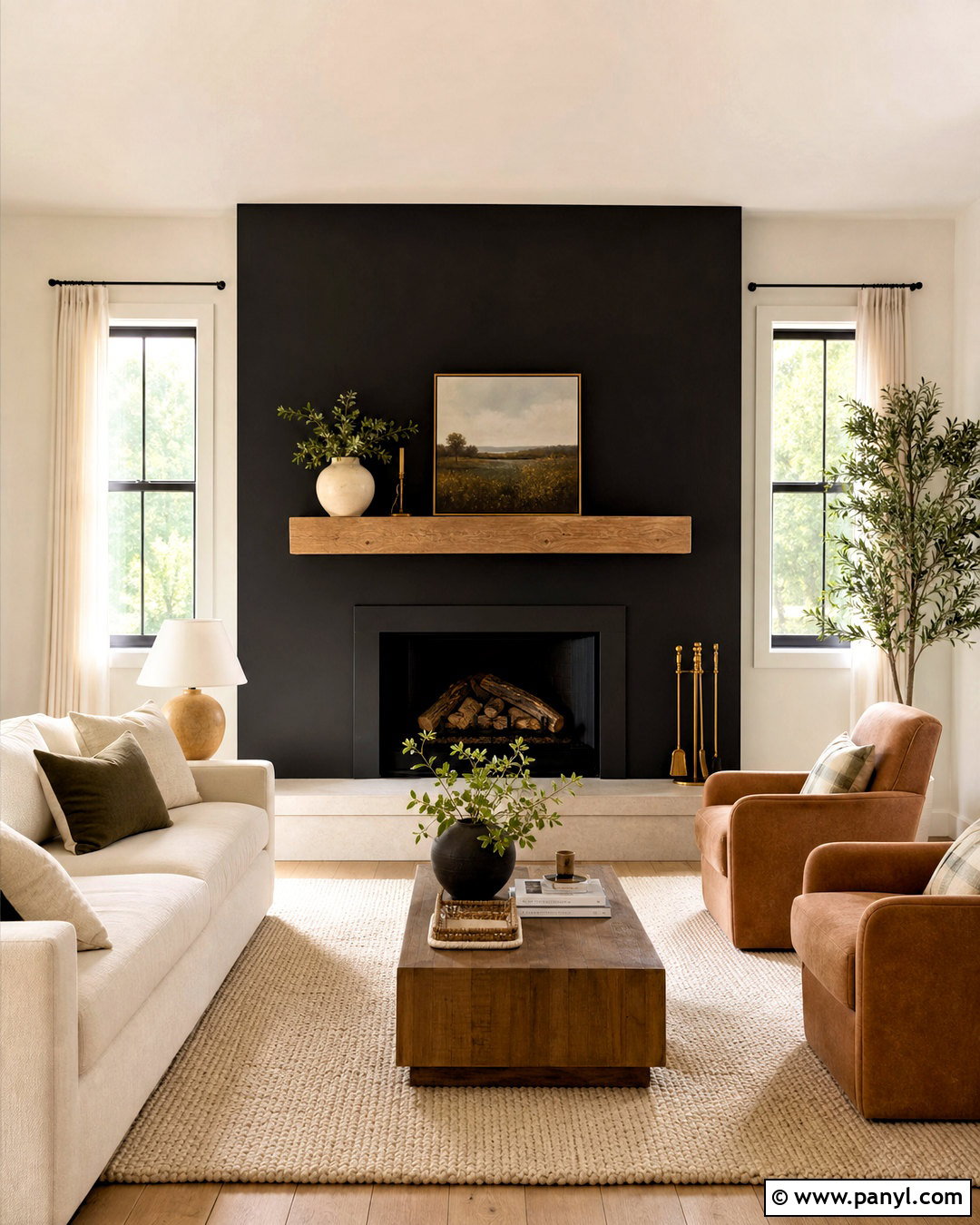
A black fireplace accent wall can feel warm and balanced when it is surrounded by lighter materials. Paint the entire chimney breast or fireplace projection soft matte black, including built-in niches if the room has them. Use a pale stone hearth and a simple oak mantel to break up the dark surface. Arrange a cream sofa, tan armchairs, and a light wool rug around the fireplace so the seating reinforces it as the main focal point. Warm white walls and sheer curtains keep daylight moving through the space. Add aged brass fireplace tools, neutral pottery, and one large piece of understated artwork above the mantel. Repeating black through thin window frames or a coffee table base helps the feature feel intentional rather than isolated.
7. Geometric Painted Accent Wall
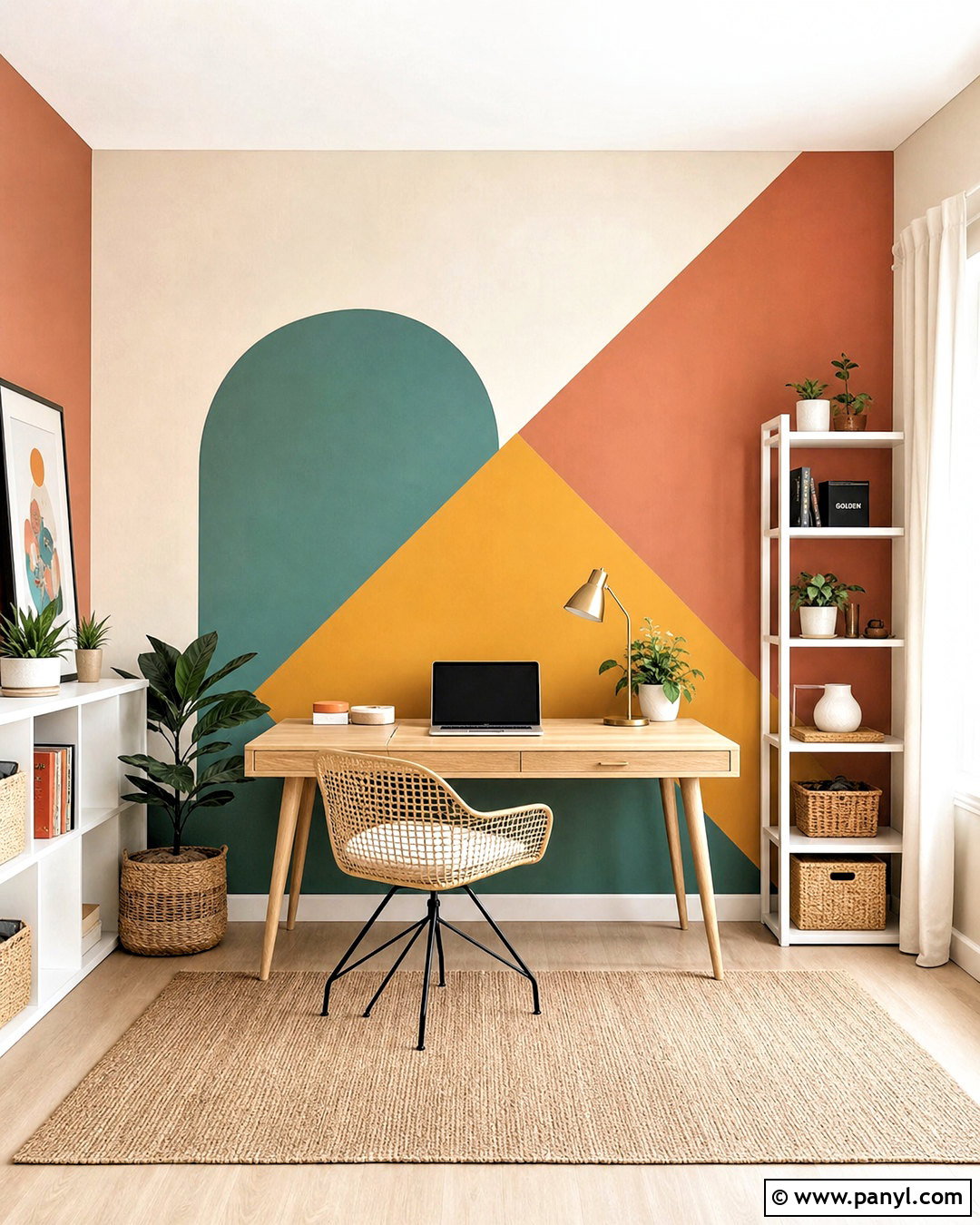
A geometric painted accent wall can bring energy to a playroom, creative office, or teen bedroom without requiring wallpaper. Start with a warm white base, then add broad overlapping shapes in terracotta, mustard, muted teal, and dusty peach. Keep the forms large and simple so the design feels modern rather than visually cluttered. Position a light oak desk or low storage cabinet against the wall, allowing part of the pattern to remain visible. Use white shelving, woven baskets, and a neutral rug to organize the room. Repeat two wall colors in cushions, desk accessories, or storage bins for consistency. Simple ceiling lighting and pale curtains help balance the bold feature. The complete space feels cheerful, useful, and coordinated instead of looking like a random painted project.
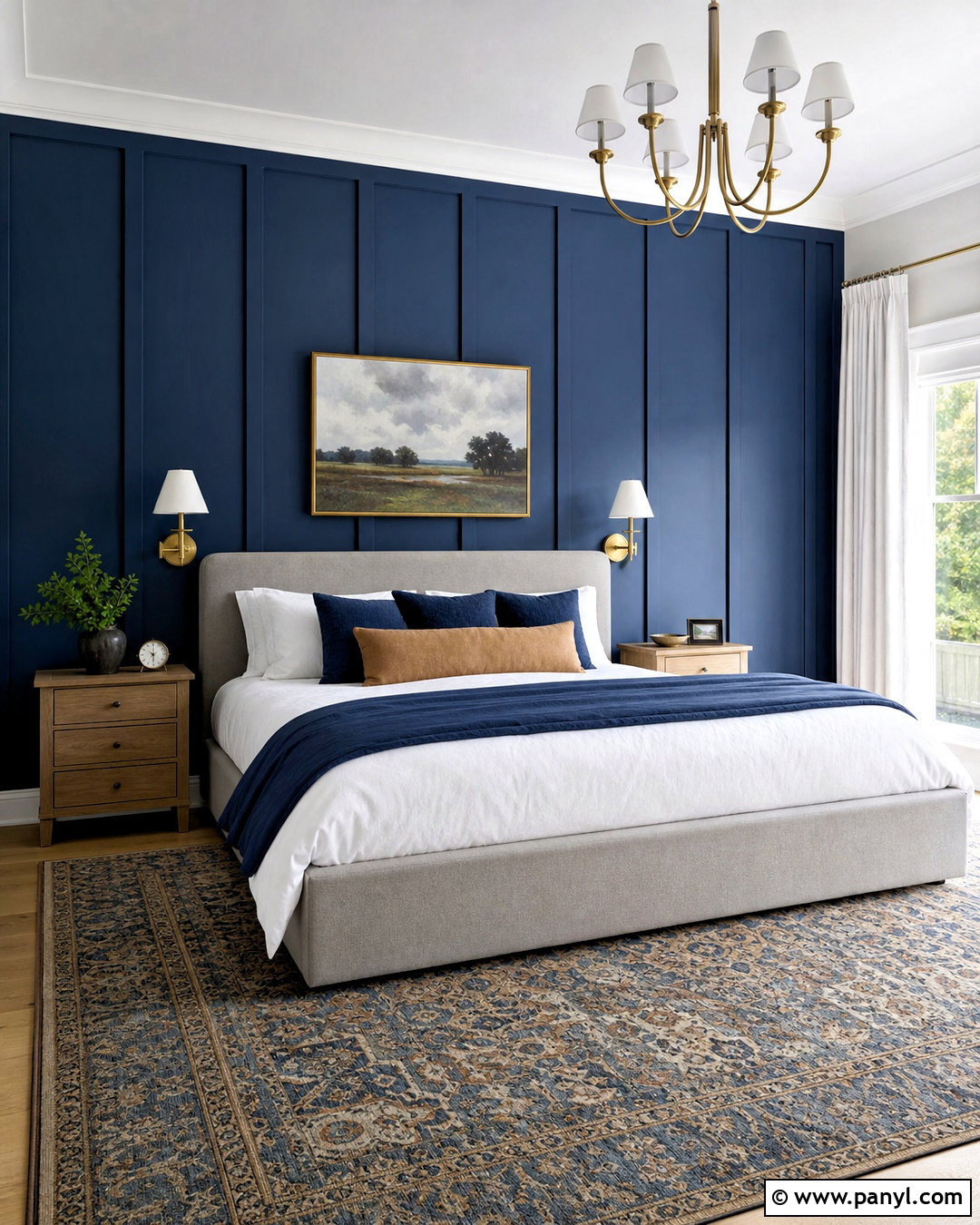
8. Board And Batten Bedroom Accent Wall
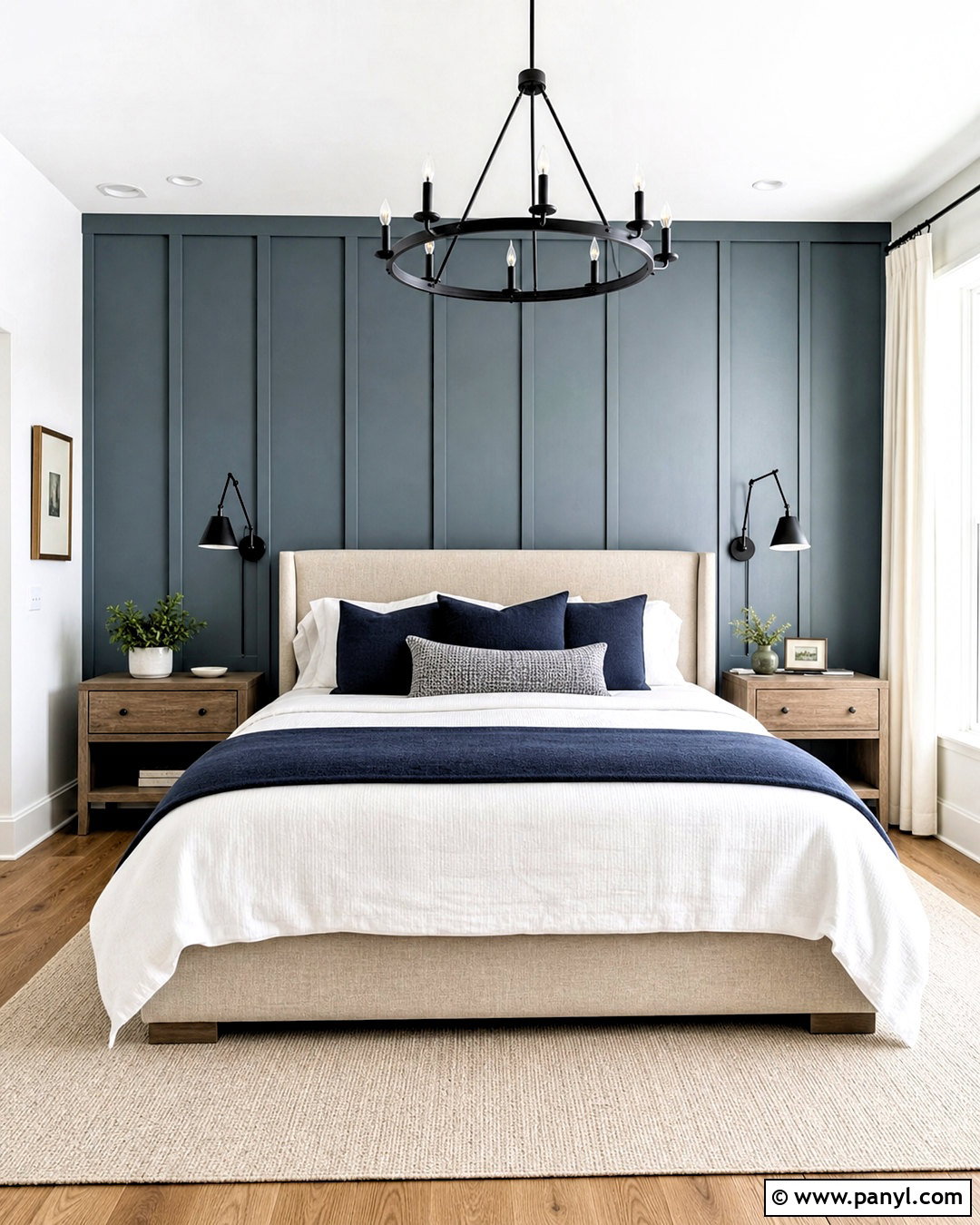
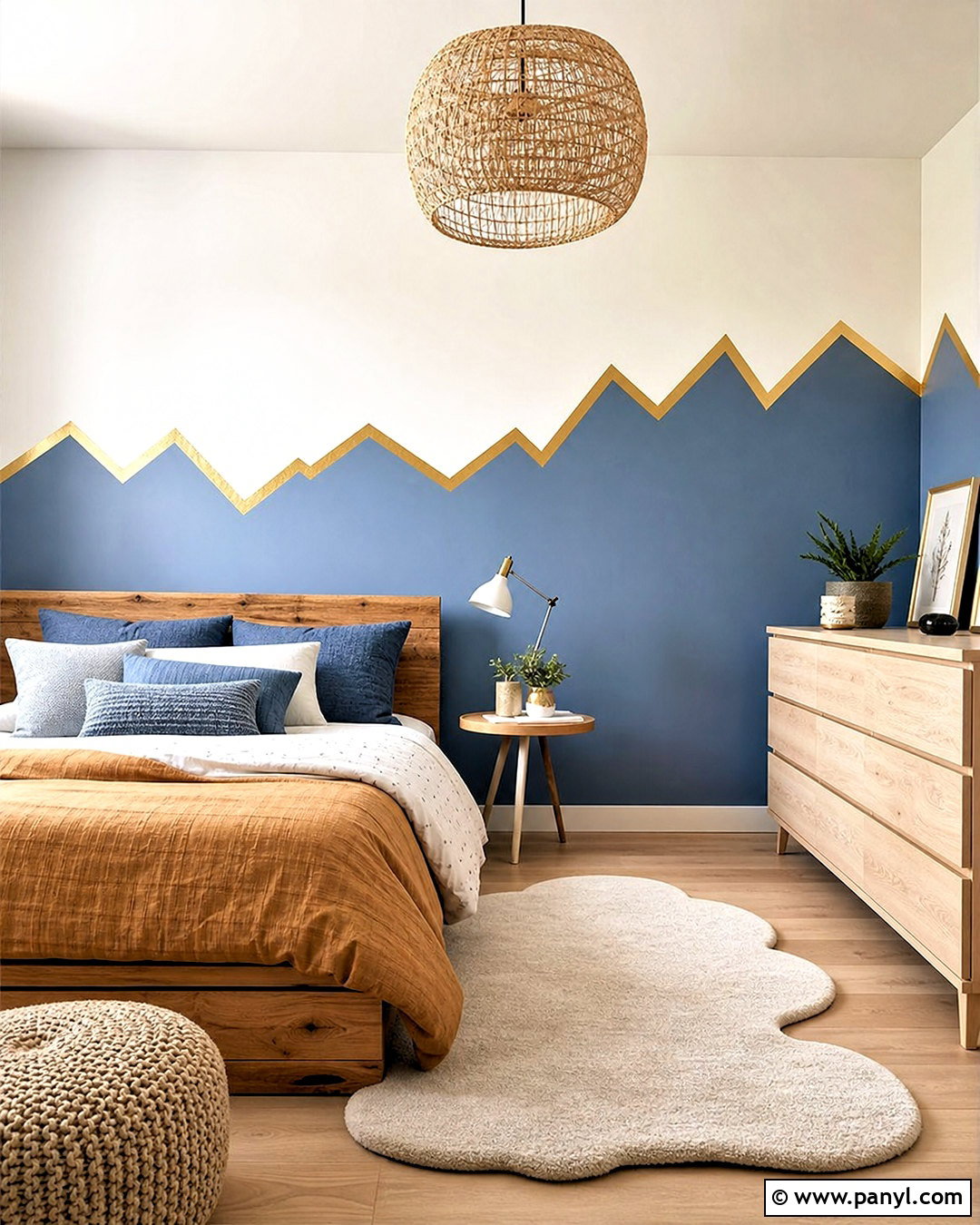
Board and batten adds character to a bedroom while creating a strong background for the bed. Install evenly spaced vertical battens across the full wall, with a horizontal top rail placed several inches below the ceiling. Paint the entire treatment a muted blue-gray for a soft, tailored finish. Center a natural linen bed against it and add crisp white bedding, a quilted navy coverlet, and pale blue pillows. Matching wood nightstands and black swing-arm sconces provide symmetry. Keep the remaining walls warm white and choose medium oak flooring with a cream area rug. Minimal framed prints can sit above the nightstands rather than over the bed. This arrangement feels architectural and complete, yet it remains approachable enough for an average-size primary bedroom or guest room.
9. Brick Kitchen Accent Wall
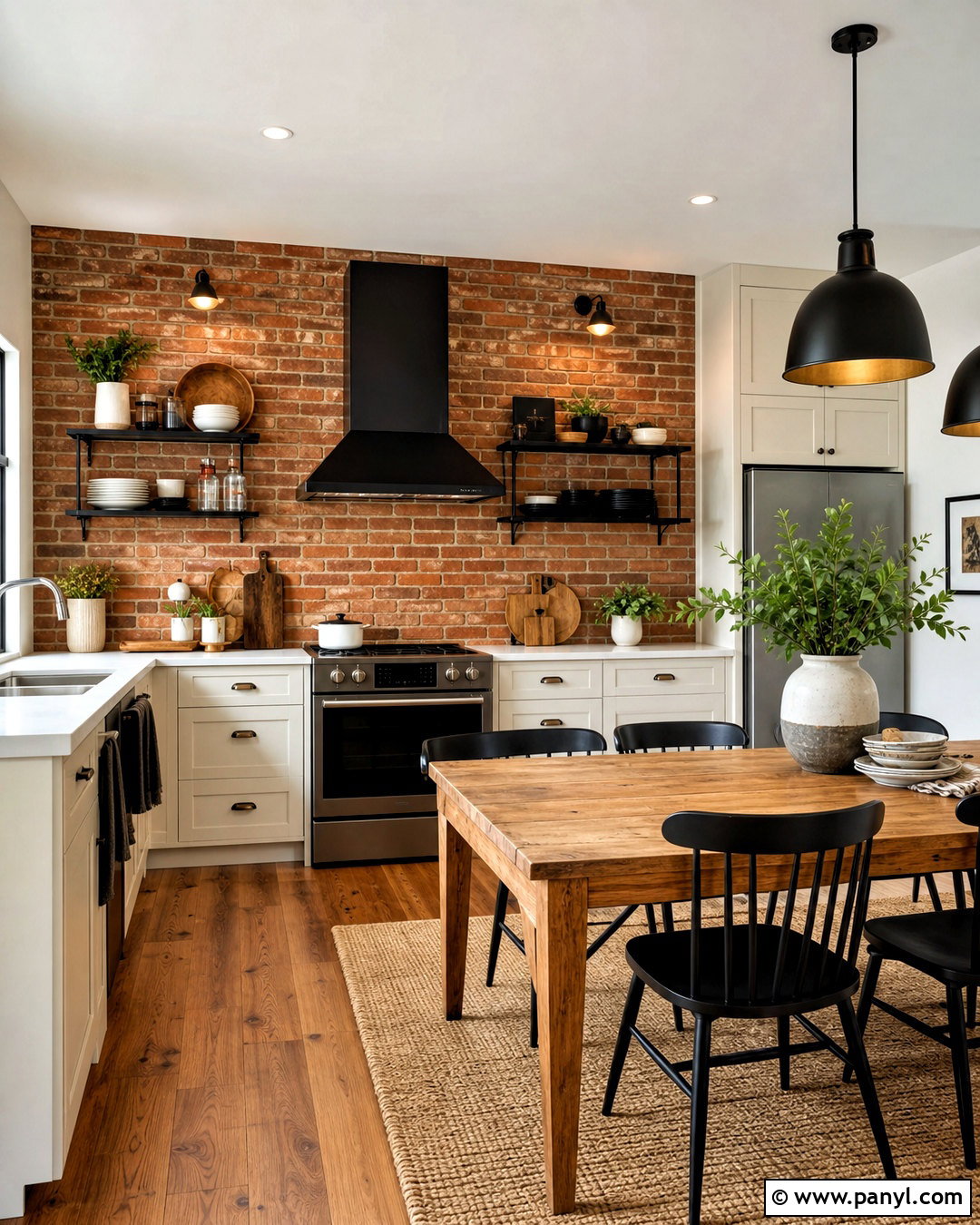
An exposed brick accent wall adds warmth and texture to a kitchen, particularly when paired with clean, simple cabinetry. Use reclaimed red brick or realistic thin brick veneer on the wall behind a breakfast table or open shelving, away from areas that receive frequent grease splashes. Balance the rustic surface with warm white cabinets, pale quartz countertops, and medium oak flooring. Black metal shelves can hold white dishes, wood cutting boards, and a few stoneware pieces. Include a compact round oak table with black spindle chairs to create a practical dining corner. Matte black pendants connect the furniture and shelving. The completed kitchen feels collected rather than themed because the brick is balanced by restrained colors, useful storage, and modern finishes throughout the surrounding space.
10. Arched Painted Accent Wall
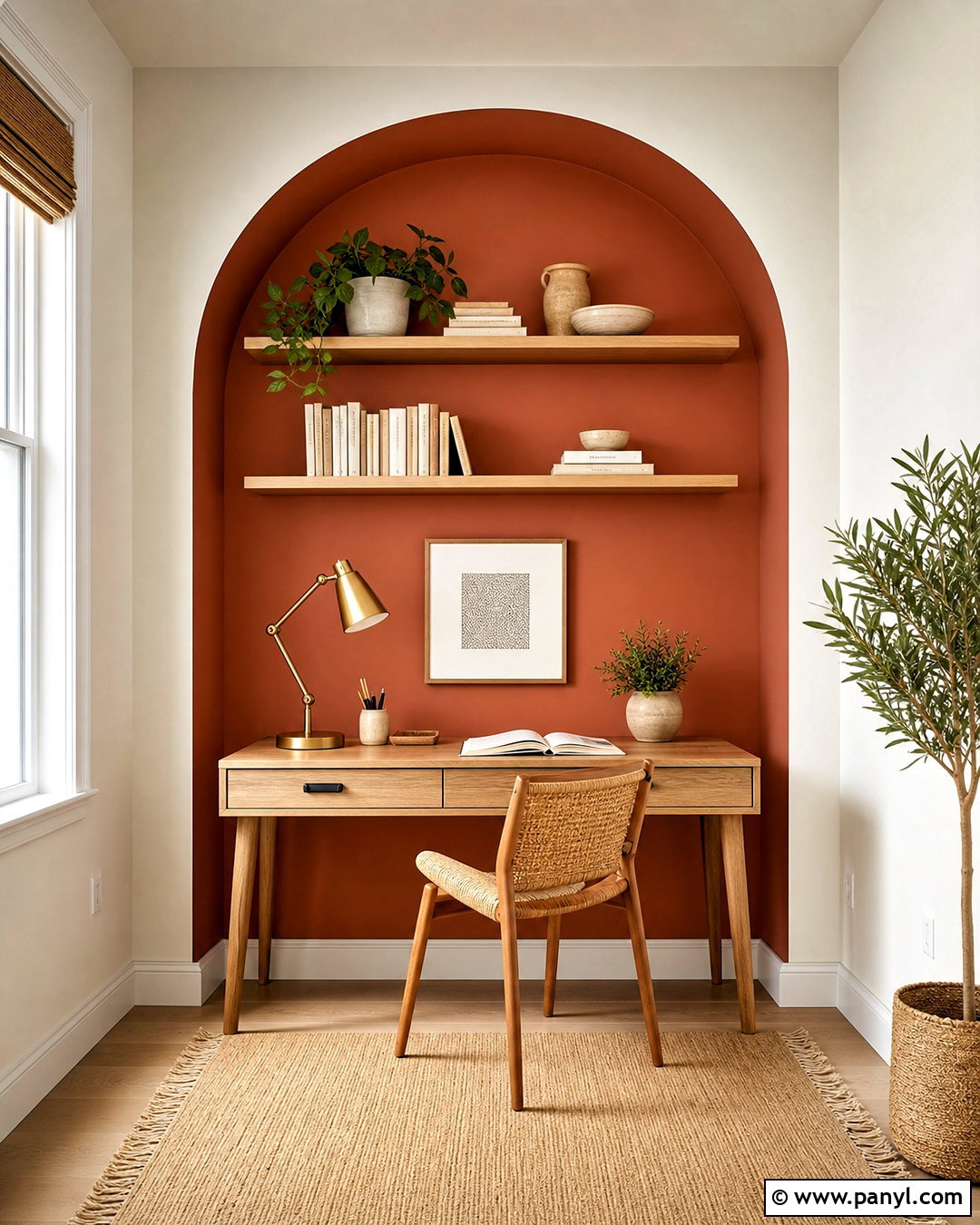
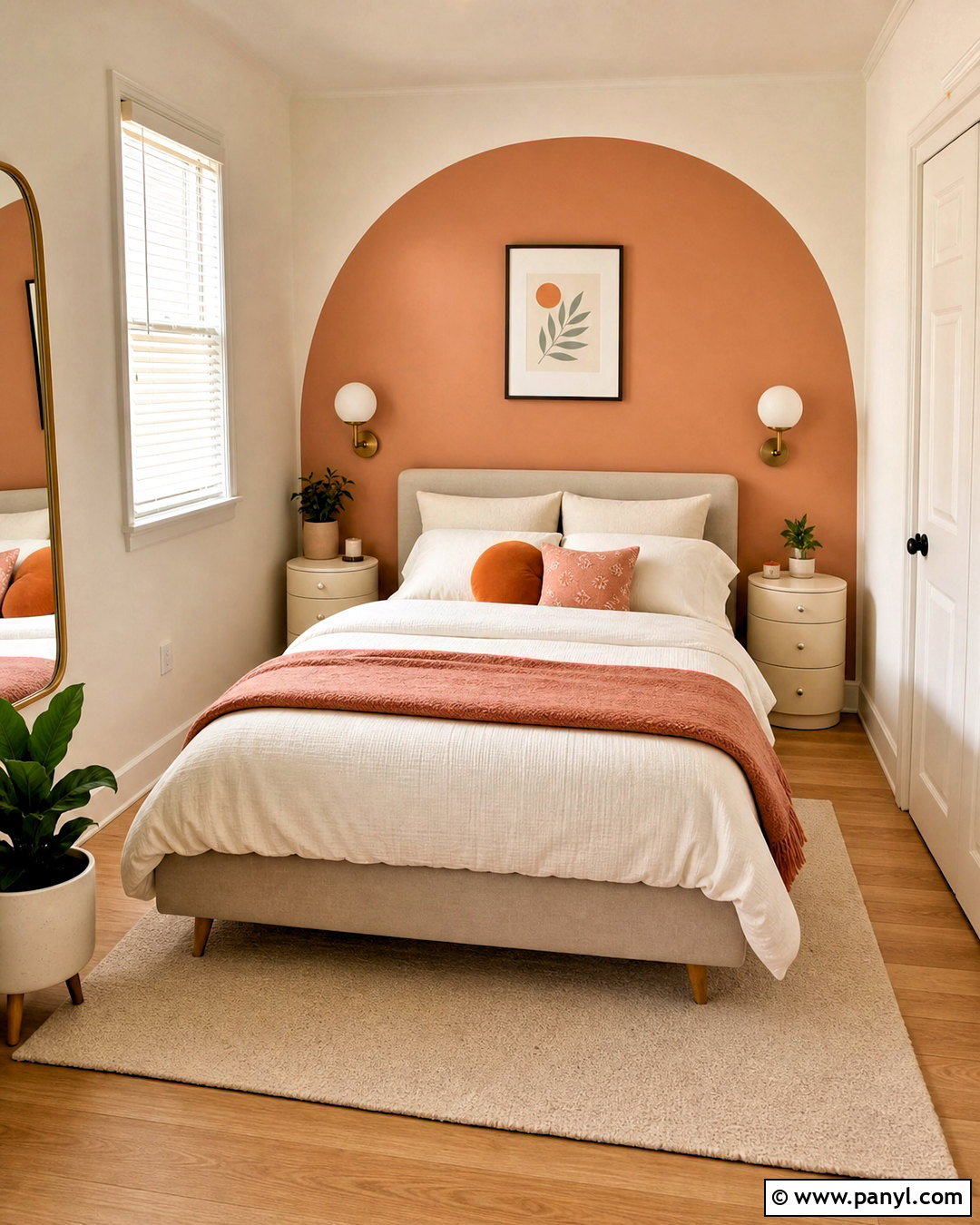
A painted arch offers an affordable way to frame furniture and create a visual zone without changing the room’s structure. In a home office, paint a wide terracotta arch behind a light oak desk, extending it from the baseboard to several inches above the shelving. Keep the surrounding wall creamy white for a clean contrast. Install two slim floating shelves within the arch and arrange them with neutral books, pottery, and one trailing plant. Add a woven desk chair, a compact brass lamp, and a flat-weave rug in tan and cream. The curved outline softens the straight lines of the desk and shelves. Keep the edges crisp and the accessories limited so the shape remains clear. This full workspace feels purposeful, warm, and visually separate from nearby living areas.
11. Stone Fireplace Accent Wall
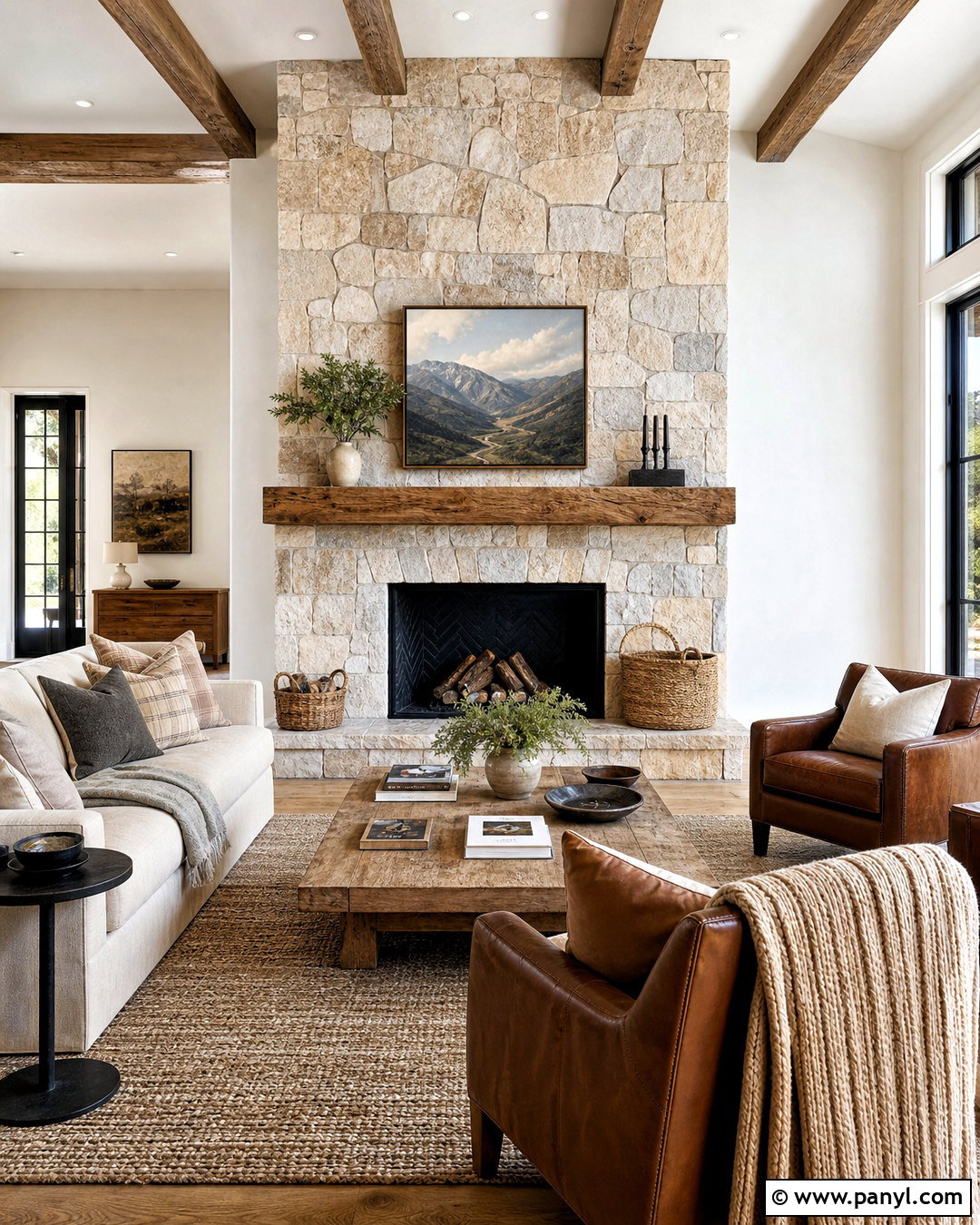
Floor-to-ceiling stone turns a fireplace into a substantial feature that anchors the entire living room. Choose irregular limestone in soft beige, cream, and pale gray tones for a natural look that works with several decorating styles. Use a thick reclaimed oak mantel and a simple black firebox for contrast. Arrange a linen sofa and two relaxed leather chairs toward the fireplace, placing a large wool rug beneath the seating group. Warm white walls allow the stone texture to stand out without competing colors. Add an oak coffee table, woven baskets, and understated ceramic lamps to continue the earthy palette. Avoid filling the stone with small decorations. One restrained mantel display is enough. The resulting room feels comfortable, grounded, and architecturally connected rather than excessively rustic.
12. Picture Molding Accent Wall
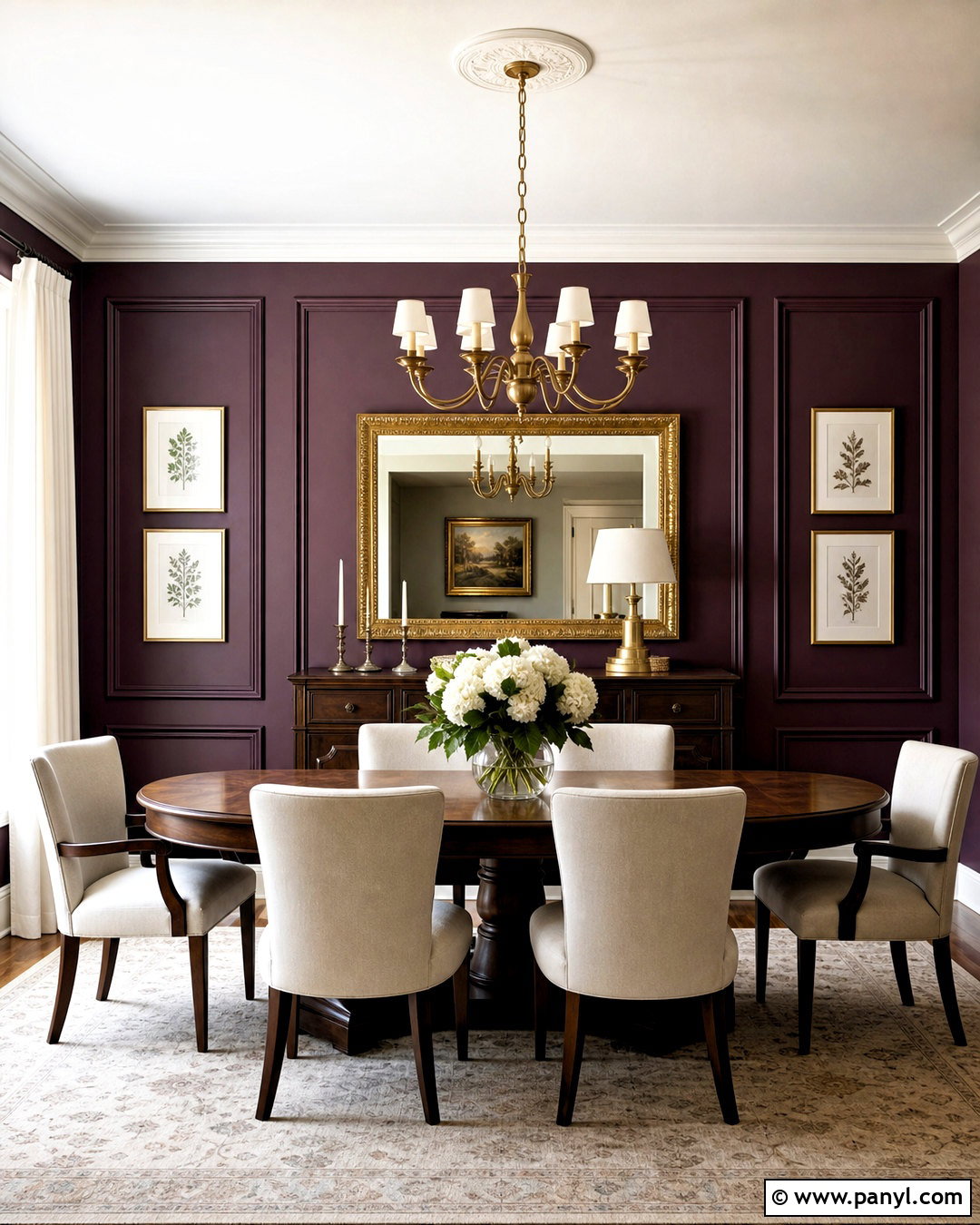
Picture molding gives a plain wall traditional detail while still allowing the room to feel fresh. Install balanced rectangular molding panels from baseboard to ceiling on the dining room’s main wall. Paint the molding and wall together in a rich burgundy or muted aubergine for a seamless, dimensional finish. Place a dark walnut sideboard against the center panel and hang one large gilded mirror above it. An oval wood dining table, cream upholstered chairs, and a patterned neutral rug lighten the deeper color. Use warm white paint on the other walls and linen drapery at the windows. A sculptural brass chandelier adds a refined focal point overhead. Limiting accessories to a pair of lamps and simple ceramics prevents the traditional architecture from becoming formal, crowded, or old-fashioned.
13. Peel And Stick Wallpaper Accent Wall
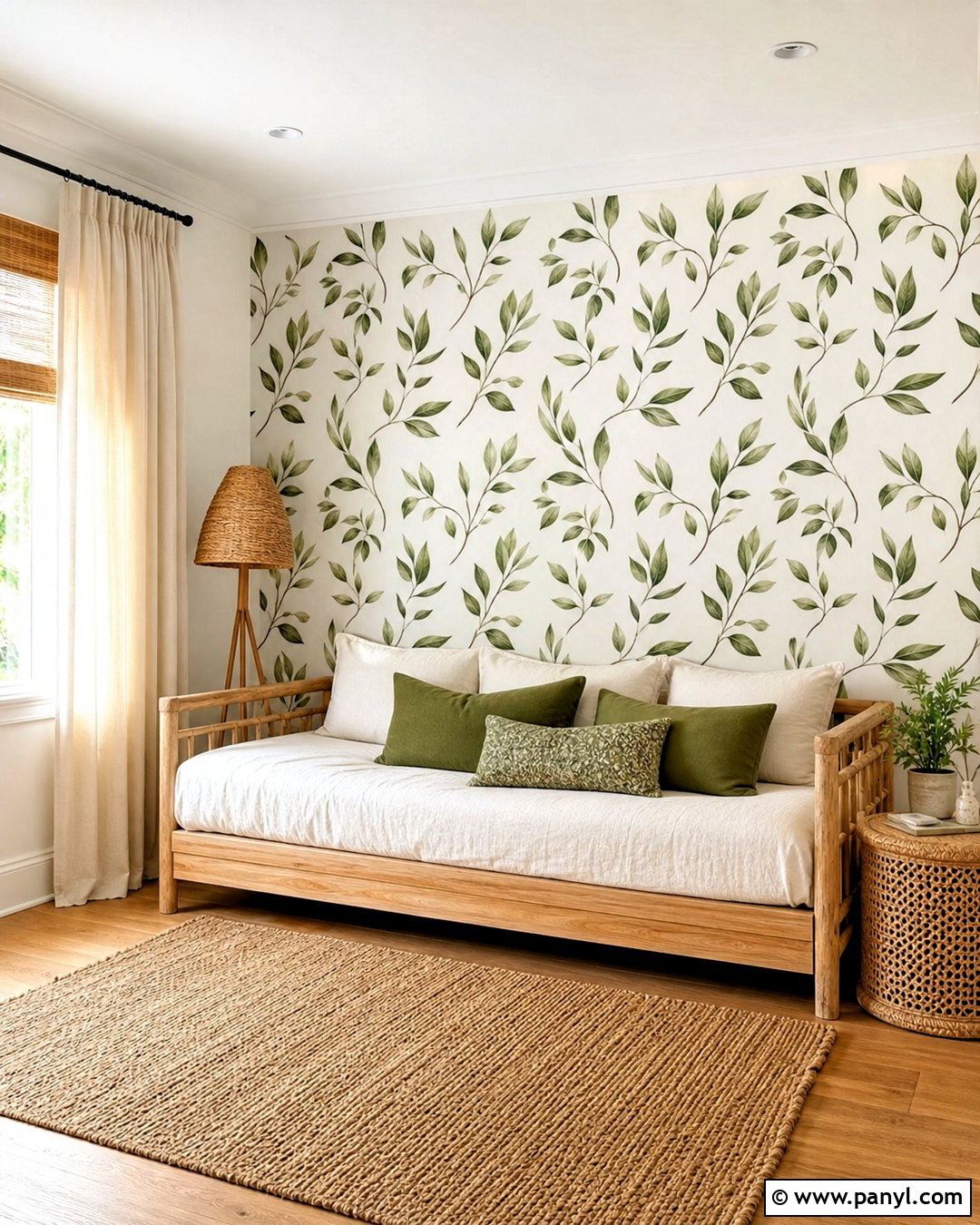
Peel-and-stick wallpaper provides a flexible option for rentals, guest rooms, or quick updates. Select a medium-scale botanical print with soft green leaves on a warm white background. Apply it behind a daybed or compact sofa, carefully aligning the pattern across each panel. Furnish the room with a simple natural wood daybed, ivory bedding, and olive and tan cushions. A narrow cane side table and woven floor lamp add texture without competing with the print. Keep the remaining walls light cream and use washable neutral curtains. A jute rug grounds the room and makes the temporary treatment feel integrated. Because removable wallpaper already adds pattern, limit nearby artwork and decorative objects. The space will look complete while remaining easy to update later.
14. Textured Plaster Accent Wall
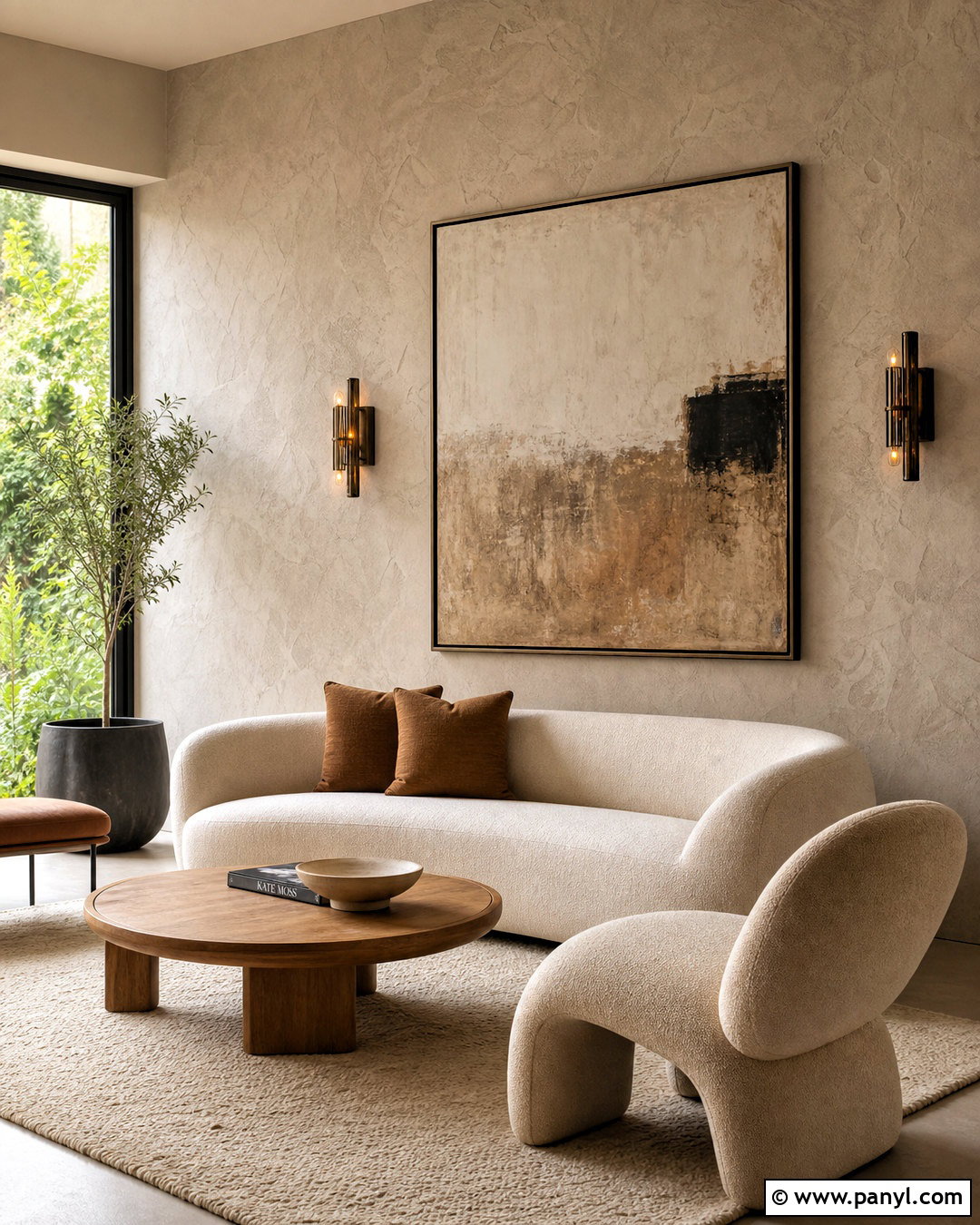
Textured plaster creates a quiet statement through movement, variation, and soft color rather than sharp contrast. Use a pale clay or warm greige plaster finish on the main wall of a minimalist living room. Position a curved cream sofa in front of it, leaving enough open wall visible for the texture to be appreciated. Pair the sofa with an oak coffee table, a sculptural beige chair, and a low-pile wool rug. Bronze floor lamps and dark brown cushions add definition to the restrained palette. Keep window treatments light and simple so natural light can reveal the plaster’s uneven surface. One oversized abstract canvas in cream and brown provides a focal point without hiding the finish. The overall room feels tactile, balanced, and comfortable instead of empty or overly stark.
15. Green Tile Bathroom Accent Wall
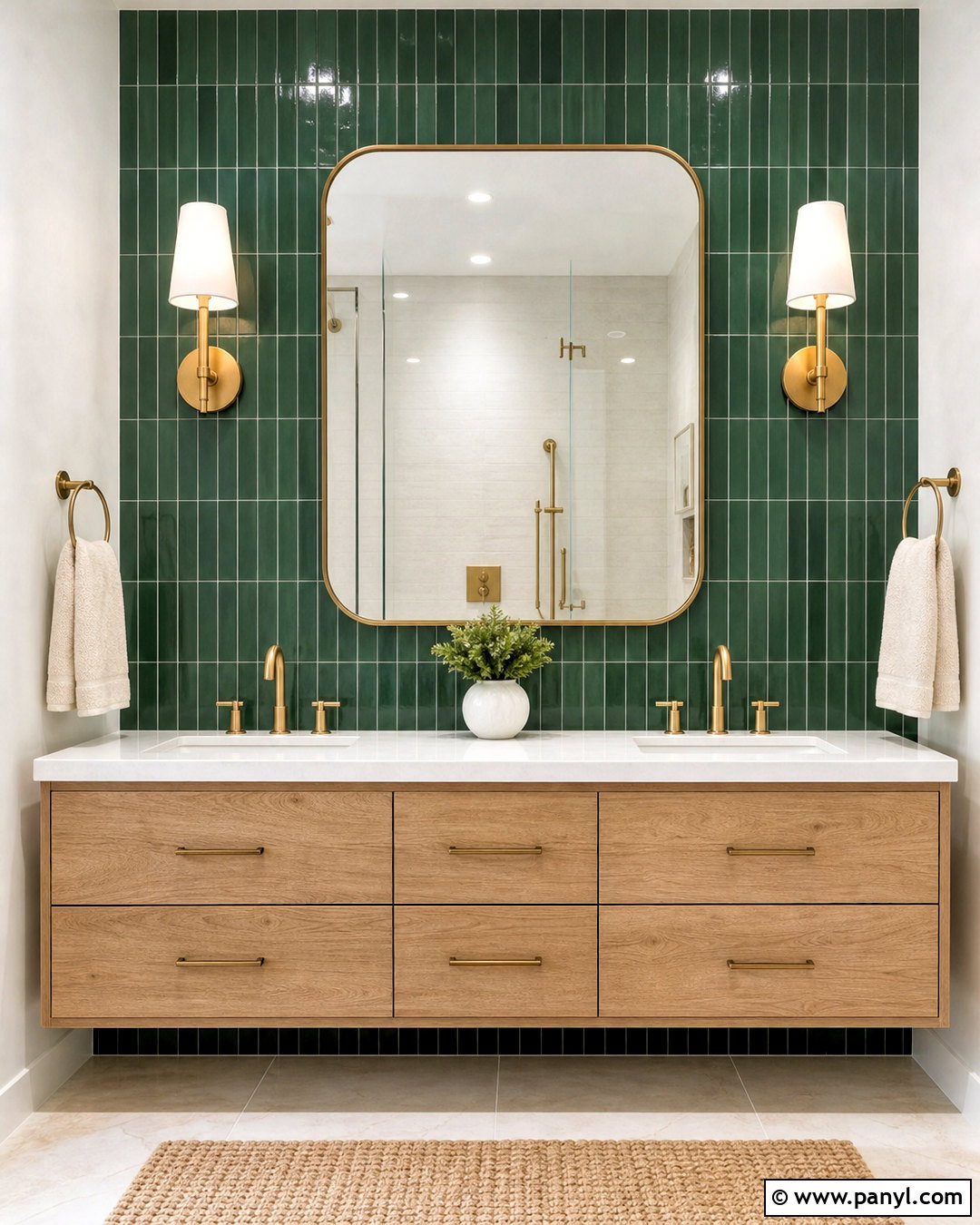
A green tile accent wall can give a bathroom rich color while providing a durable surface. Install glossy, deep emerald subway tiles vertically behind a floating vanity, extending them from the countertop to the ceiling. Their reflective finish helps bounce light around the room. Choose a white oak vanity, a white quartz counter, and a large rounded brass mirror to warm the green. Brass wall sconces and faucets create a cohesive metallic detail. Use large warm white floor tiles and matching paint on the remaining walls to prevent the room from feeling enclosed. A frameless glass shower keeps sightlines open, while cream towels and a small wood stool soften the harder materials. This complete scheme feels colorful and polished without relying on excessive patterns or decorative accessories.
16. Nursery Mural Accent Wall
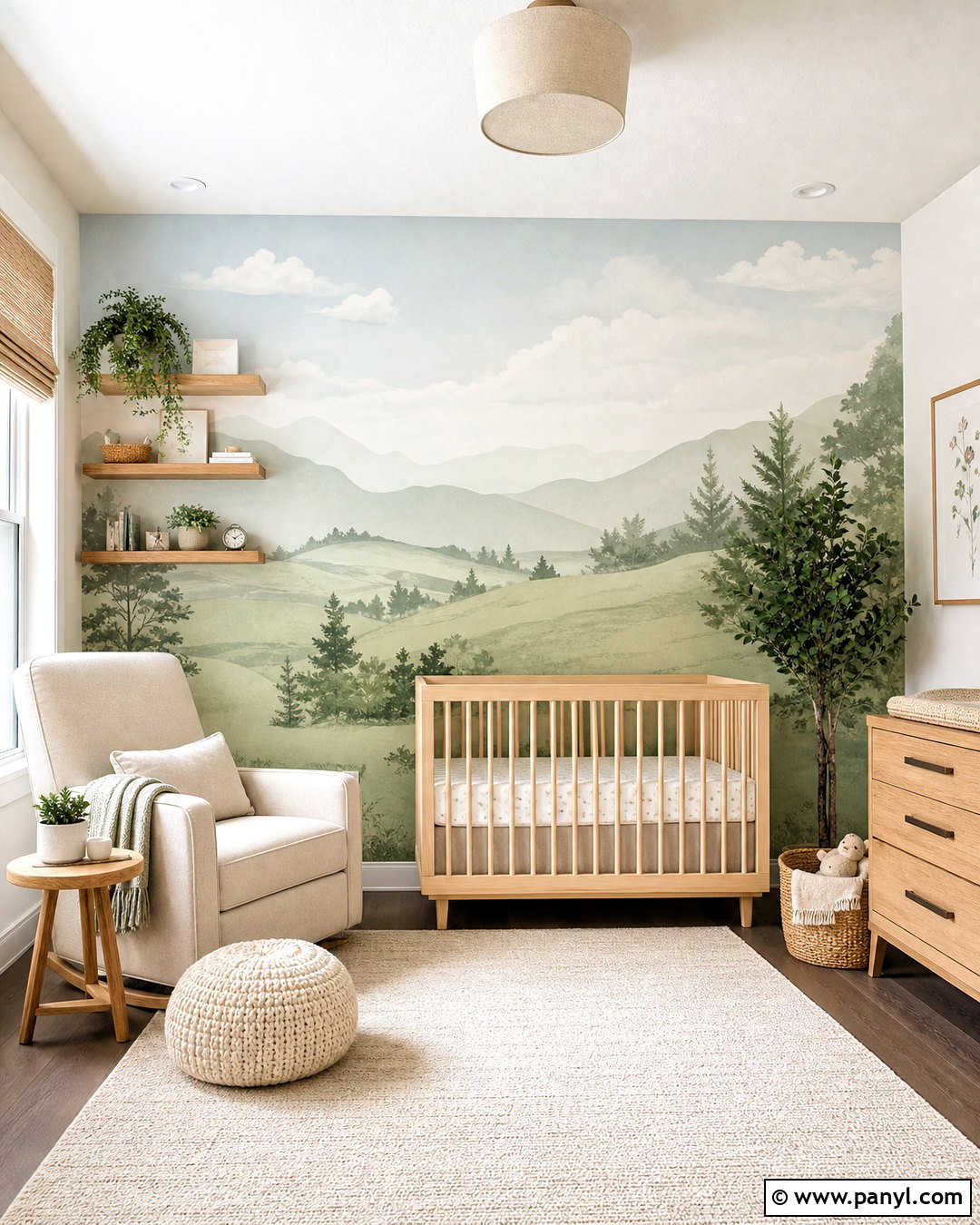
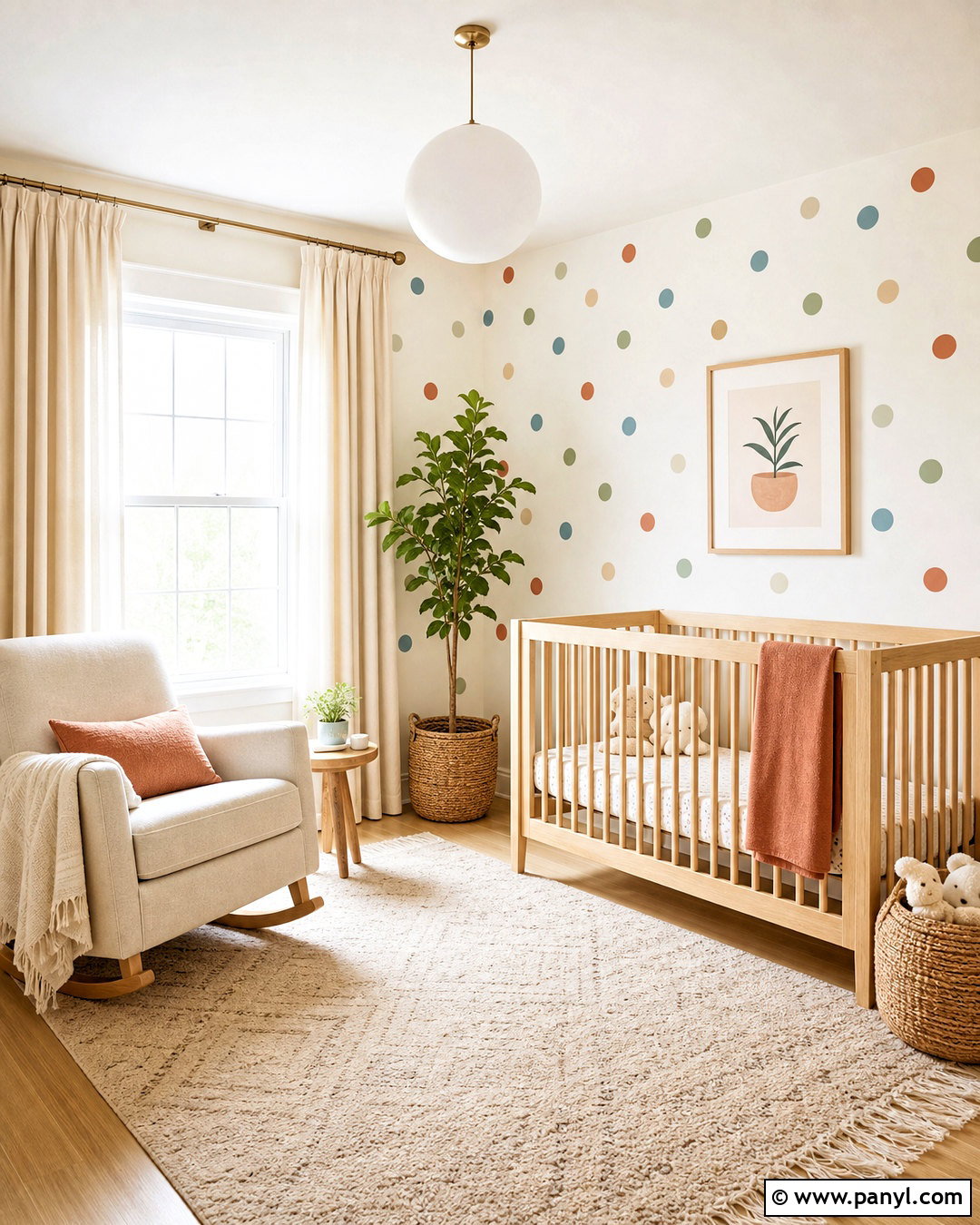
A gentle mural can create a memorable nursery without making the room feel overstimulating. Choose a hand-painted or wallpaper mural of rolling hills, small trees, and a pale blue sky in muted sage, beige, and dusty green. Center a natural maple crib against the mural, keeping cords, shelves, and heavy objects safely away from the sleeping area. Use warm white paint on the other walls and add an oatmeal glider with a small oak side table. A soft cream rug, linen curtains, and woven storage baskets maintain the calm palette. Repeat the mural colors through a sage crib sheet and light brown blanket. Simple ceiling lighting keeps the room practical. The finished nursery feels peaceful, imaginative, and cohesive enough to transition into a young child’s room later.
17. Black And White Gallery Accent Wall
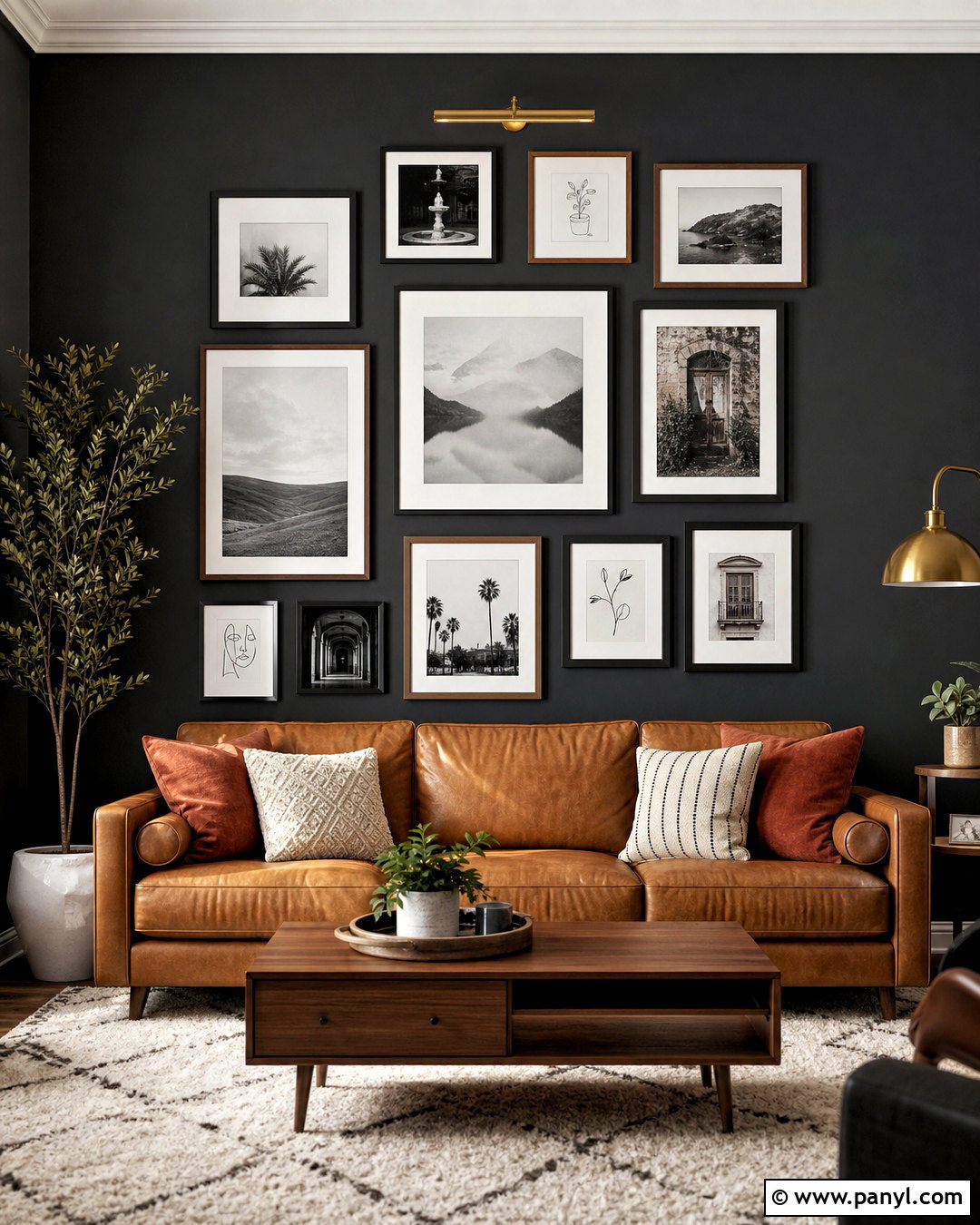
A gallery wall can function as an accent surface when the frames, furniture, and background color are treated as one composition. Paint the wall a warm charcoal, then arrange black, white, and natural oak frames in a balanced floor-to-ceiling grouping. Use family photography, line drawings, landscapes, and abstract prints with generous white mats. Place a camel leather sofa against the wall and add cream, rust, and charcoal pillows. A pale rug and light wood coffee table keep the living room from becoming too dark. Install a brass picture light above the arrangement for a finished appearance. Keep the surrounding walls warm white and repeat black in a floor lamp or side table. The result feels personal and layered while maintaining a clear, organized visual structure.
18. Vertical Shiplap Accent Wall
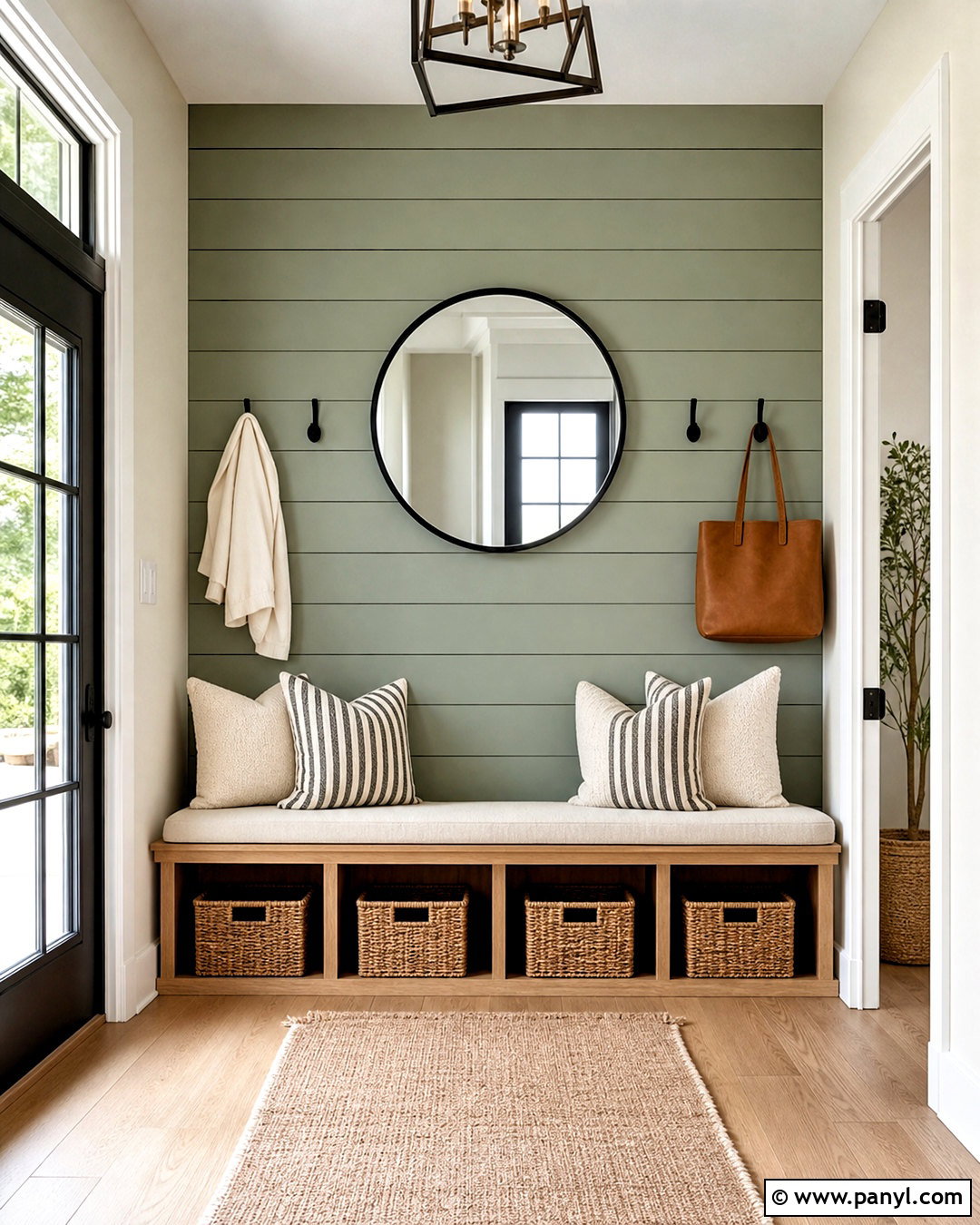
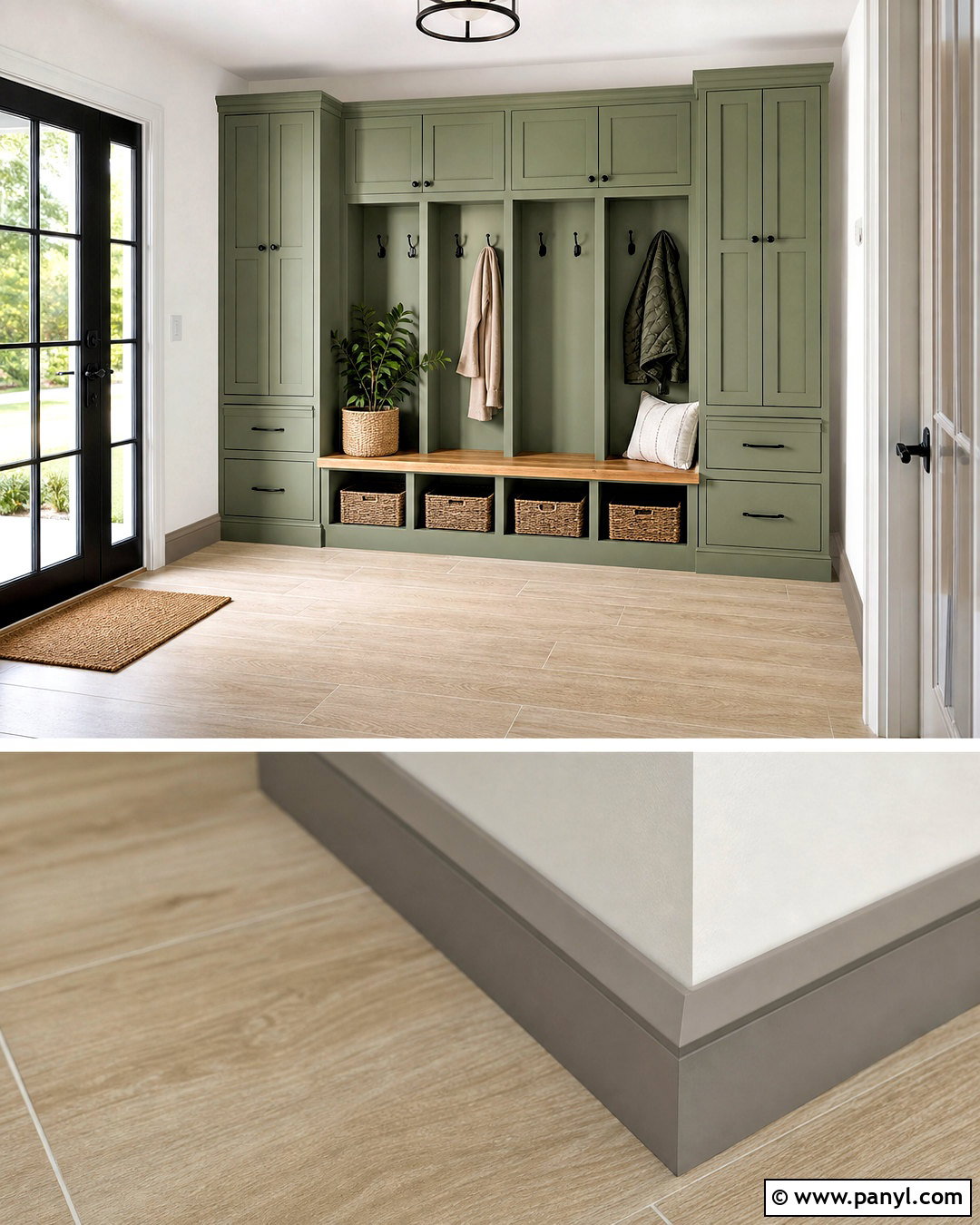
Vertical shiplap gives an entryway height, texture, and a practical sense of definition. Cover the wall behind a storage bench with wide wood planks and paint them a soft sage green. Add a built-in oak bench with closed shoe drawers and a row of matte black hooks above it. Cream cushions, a striped lumbar pillow, and woven baskets make the area comfortable and organized. Paint adjacent walls warm white and use durable light oak or stone-look flooring. A round black-framed mirror breaks up the vertical lines and provides a useful last-minute check near the door. Add a washable runner in beige and muted green. This complete entryway combines an attractive focal point with everyday storage, ensuring the accent wall supports the room’s function rather than serving as decoration alone.
19. Terrazzo Entryway Accent Wall
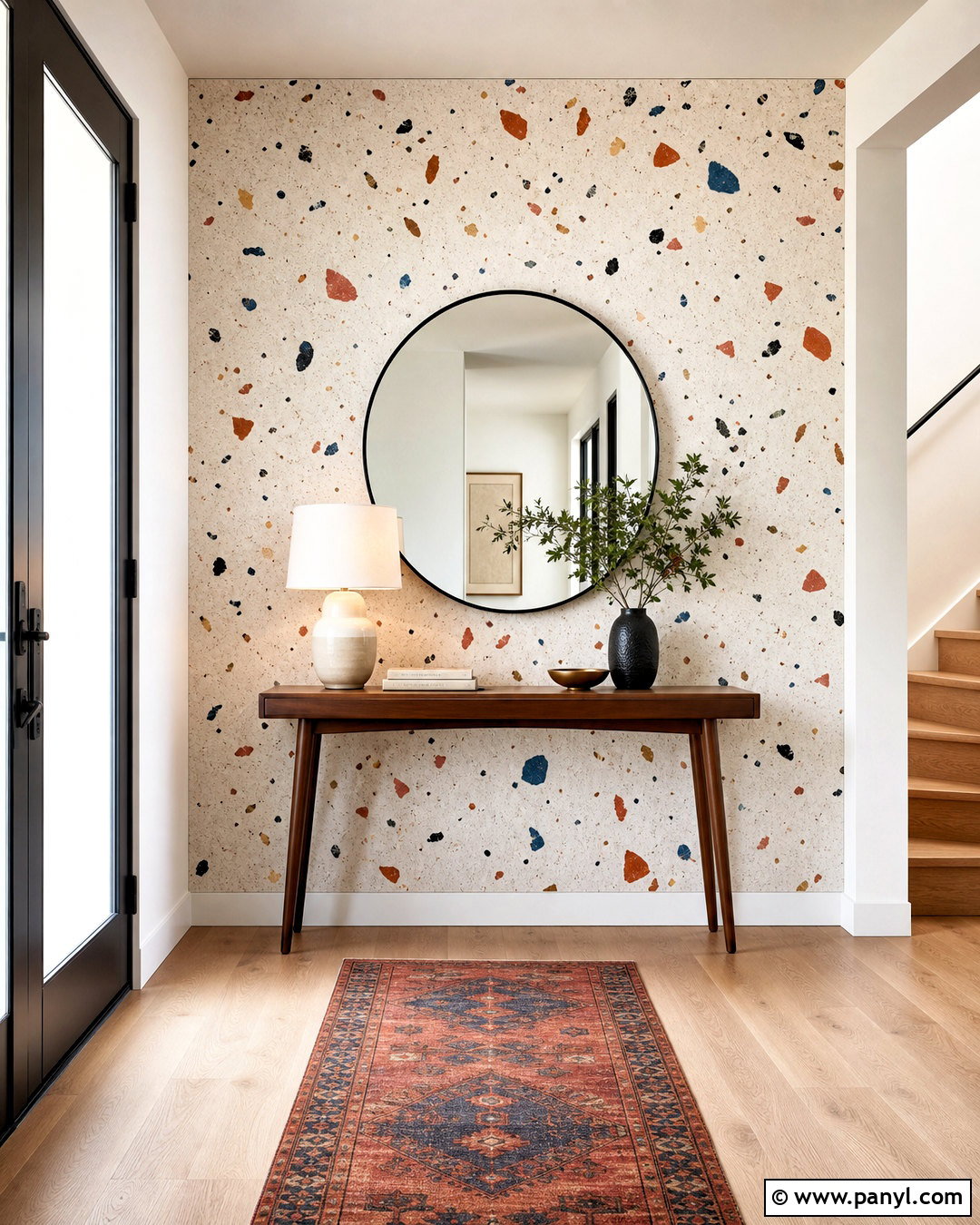
A terrazzo accent wall can introduce playful pattern to a small entryway while keeping the rest of the space simple. Use wallpaper or lightweight panels featuring a warm ivory base with scattered chips of terracotta, muted blue, ochre, and charcoal. Position a slim walnut console against the wall and hang a large round mirror with a thin black frame above it. Add a small ceramic lamp, a shallow tray, and one leafy branch in a simple vase. Keep surrounding walls creamy white and choose light oak flooring with a washable rust-colored runner. A black ceiling fixture connects with the mirror frame. The finished entry feels colorful but controlled because the terrazzo pattern is balanced by functional furniture, clean lines, and a limited selection of accessories.
20. Ombre Bedroom Accent Wall
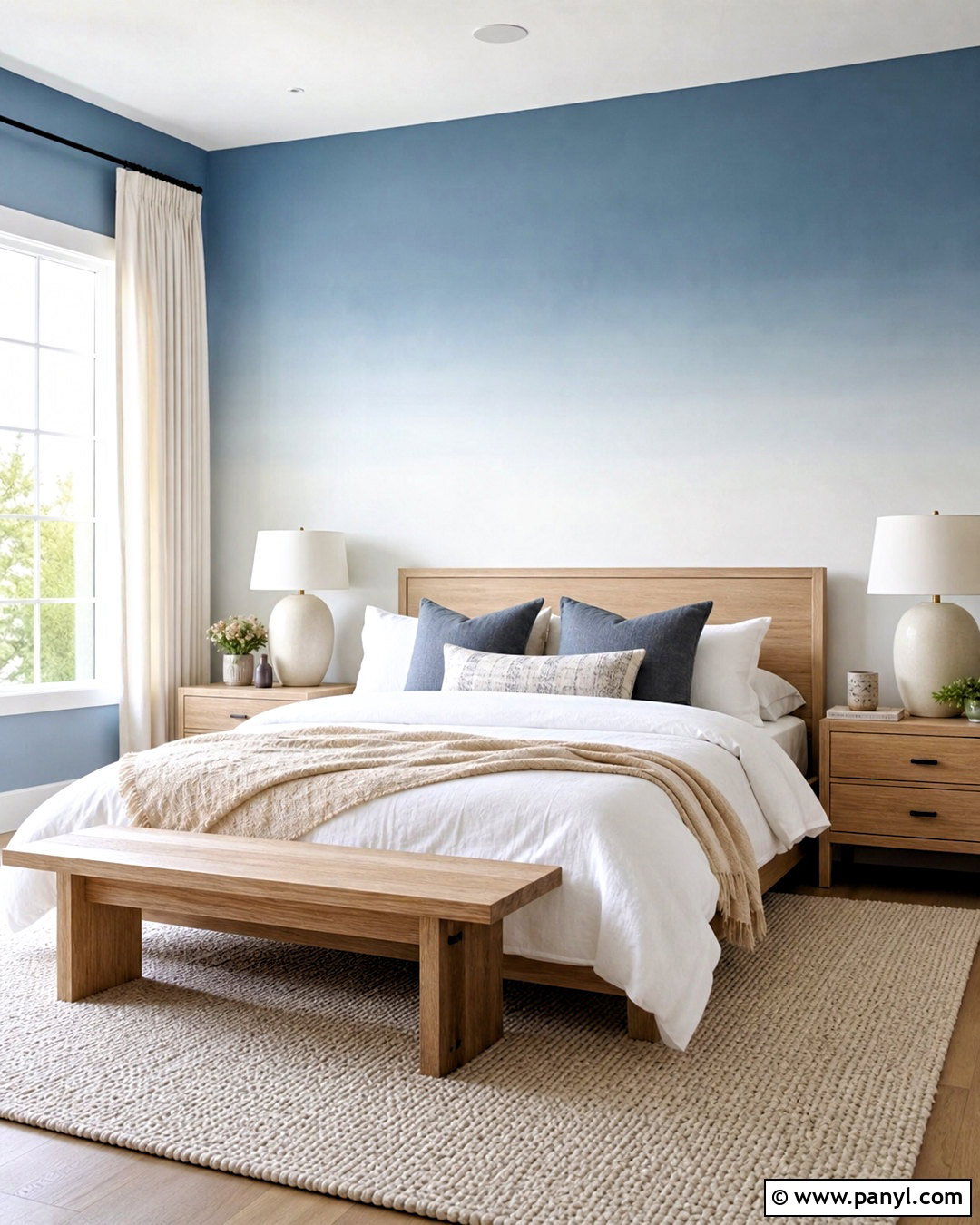
An ombre accent wall creates a soft, artistic focal point without using a repeating pattern. Begin with muted dusty blue near the floor and gradually blend it into pale sky blue, finishing with warm white near the ceiling. Place a simple white oak bed against the wall so the color transition remains visible around it. Layer the bed with white linen, blue-gray pillows, and a textured sand-colored throw. Use rounded oak nightstands and ceramic lamps in off-white. Pale curtains, a cream wool rug, and light wood flooring maintain the airy effect. Avoid heavy artwork that would interrupt the gradient. Instead, use one small sculptural object on each nightstand. The complete bedroom feels tranquil, spacious, and distinctive while keeping the color palette easy to coordinate.
Conclusion:
The best accent wall ideas do more than add color to an empty surface. They strengthen the room’s natural focal point and connect with its furniture, lighting, textures, and layout. A painted arch may define a small workspace, while stone, wood slats, or molding can bring architectural depth to a larger room. Wallpaper and murals introduce pattern, and limewash or plaster offers a quieter form of visual interest. Whichever approach you choose, sample colors and materials in the actual space before committing. Consider how the wall looks throughout the day and from adjoining rooms. With thoughtful planning, an accent wall can feel intentional, practical, and beautifully integrated into your home.

Related Ideas and Inspiration:
Leave a Reply