
Three colors can turn a plain surface into a striking feature without requiring wallpaper, paneling, or expensive construction. The best 20 Tricolor Wall Ideas use color with clear purpose. One shade creates the foundation, another adds structure, and the third provides contrast or warmth. Current wall-paint inspiration frequently features color blocking, stripes, arches, and geometric forms because these treatments can define areas while adding personality. () Whether you prefer earthy neutrals, soft pastels, or saturated tones, connect the wall palette to the furniture, flooring, textiles, and lighting. Always test large painted samples before committing, since daylight and lamps can shift how each shade appears. The complete room looks below make it easier to recreate these 20 Tricolor Wall Ideas.

1. Horizontal Tricolor Wall
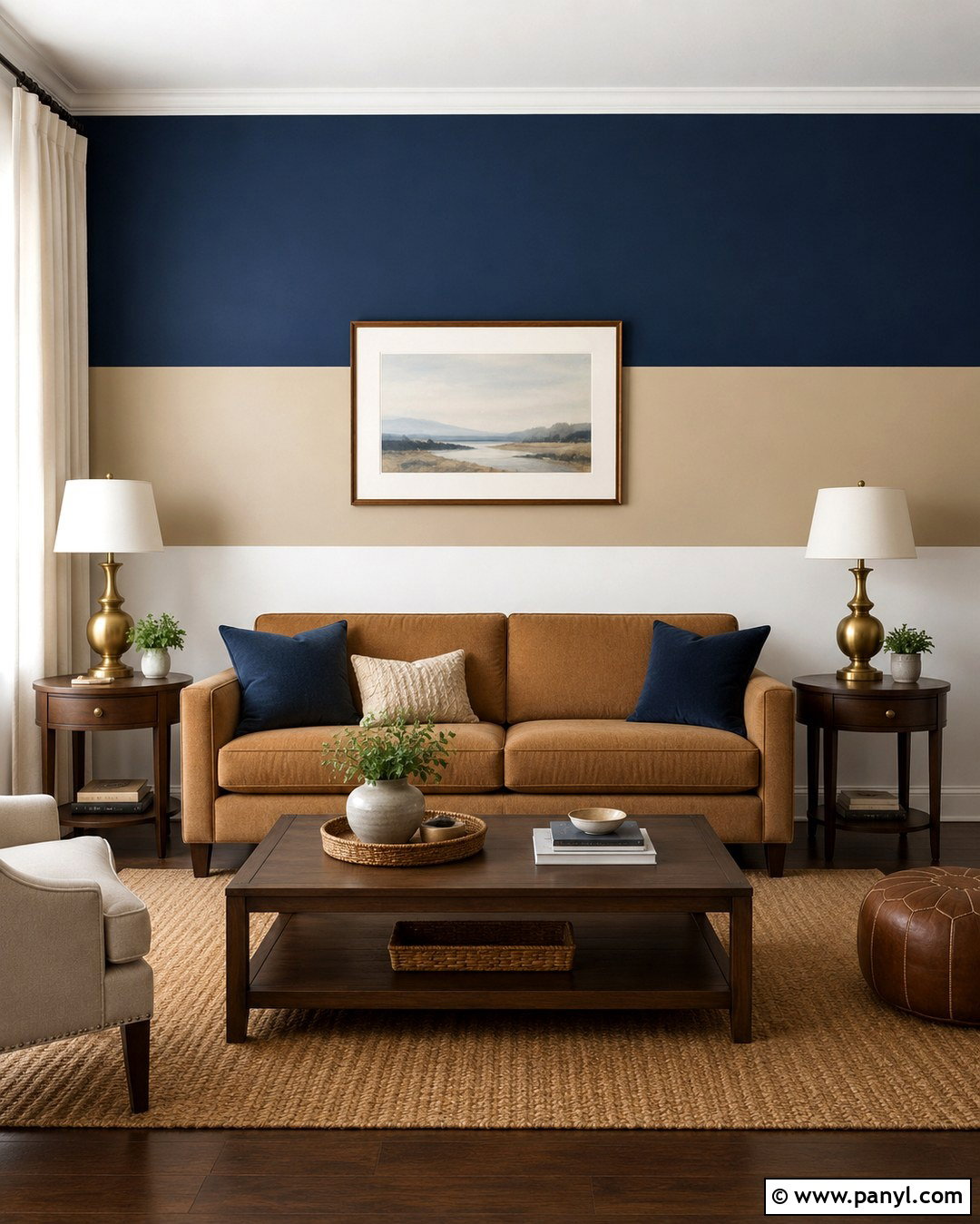
A horizontal layout is one of the easiest ways to bring three colors onto one wall without making the room feel busy. Paint the bottom section deep navy blue, the middle warm beige, and the upper section creamy white. Position the navy line slightly below chair-rail height so it visually anchors a camel-colored sofa and walnut side tables. The beige center creates a calm backdrop for artwork, while the white upper portion keeps the ceiling feeling open. Add a natural jute rug, ivory curtains, navy pillows, and aged brass lamps to repeat the palette throughout the living room. Crisp divisions work best here, so carefully measure each band and seal the painter’s tape before applying the next color.
2. Vertical Tricolor Wall
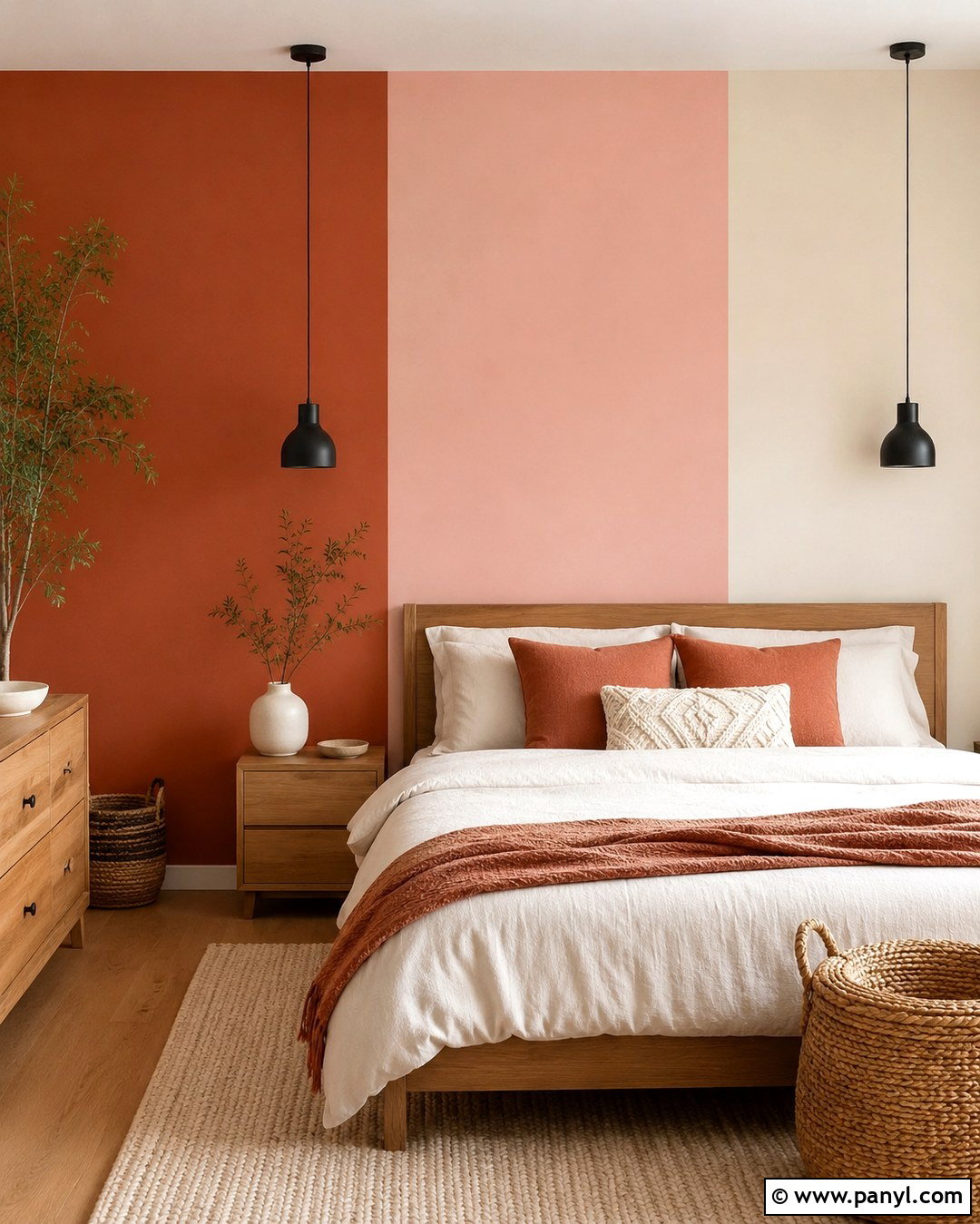
Could a narrow room benefit from stronger architectural rhythm? Divide one main wall into three vertical fields using muted terracotta, soft blush pink, and warm ivory. Make the ivory center slightly wider than the colored sides, then position an oak console or low-profile bed against it. This arrangement creates a balanced focal point while making the wall appear broader. Choose furniture with simple shapes so the paint remains noticeable without overwhelming the space. Rust-colored cushions, cream bedding, woven baskets, and a pale wool rug can connect the three sections. Finish the look with matte black lighting and a few ceramic accessories. The clean vertical boundaries provide structure, while the related warm colors keep the complete room soft, comfortable, and cohesive.
3. Geometric Tricolor Wall
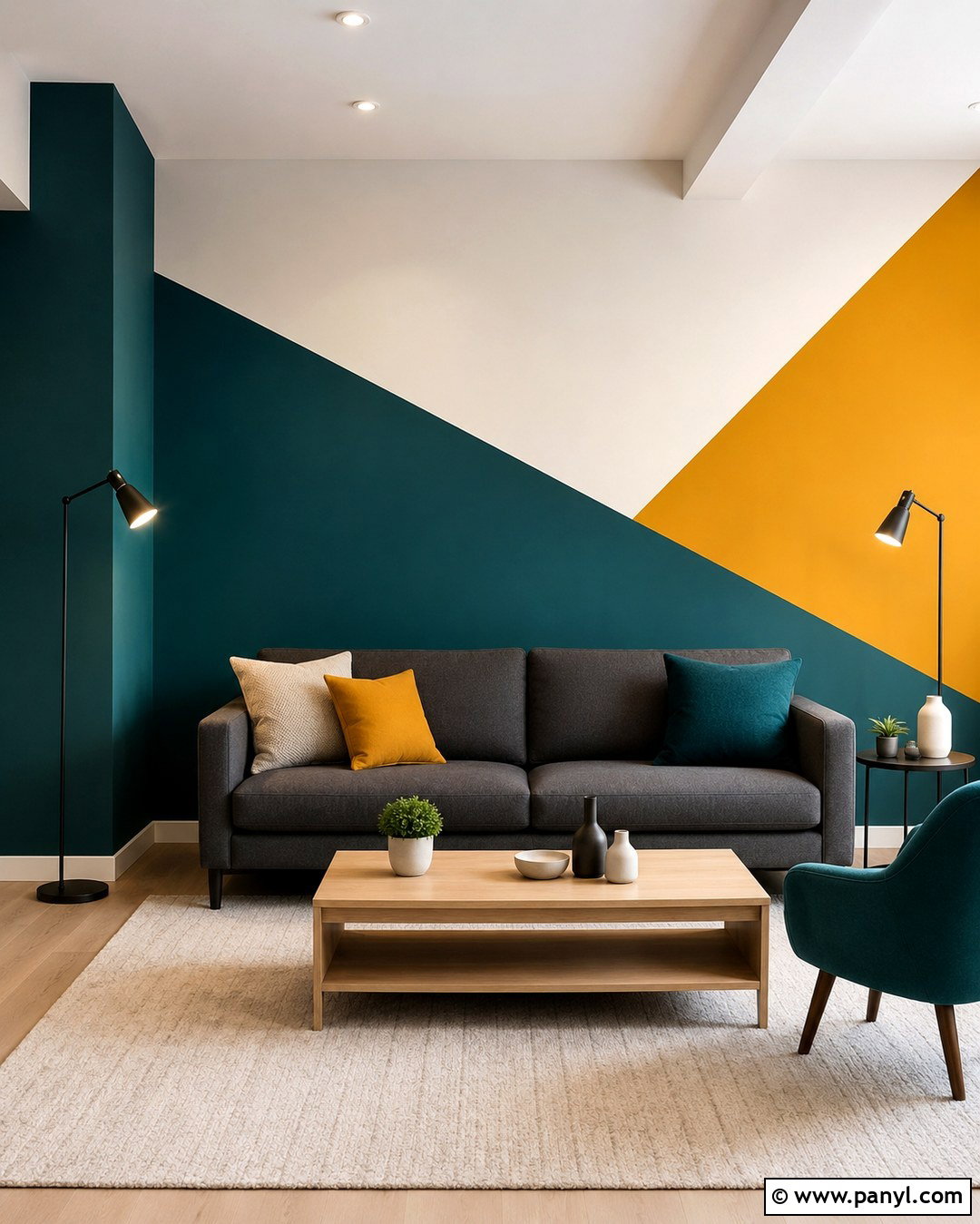
Sharp geometric forms give a modern room energy, especially when the furniture and accessories remain streamlined. Begin with a warm white base, then create overlapping angular sections in deep teal and golden mustard. Place the darker teal near the bottom or behind the largest furniture piece to ground the composition. Use mustard on a smaller upper shape, where it can brighten the room without dominating it. A charcoal sofa, light oak coffee table, cream rug, and teal accent chair will make the living area feel intentional. Keep wall decor minimal because the painted pattern already functions as large-scale artwork. Thin black floor lamps and simple cushions introduce definition. Carefully planned asymmetry makes this tricolor wall playful, polished, and suitable for contemporary homes.
4. Tricolor Painted Arch Wall
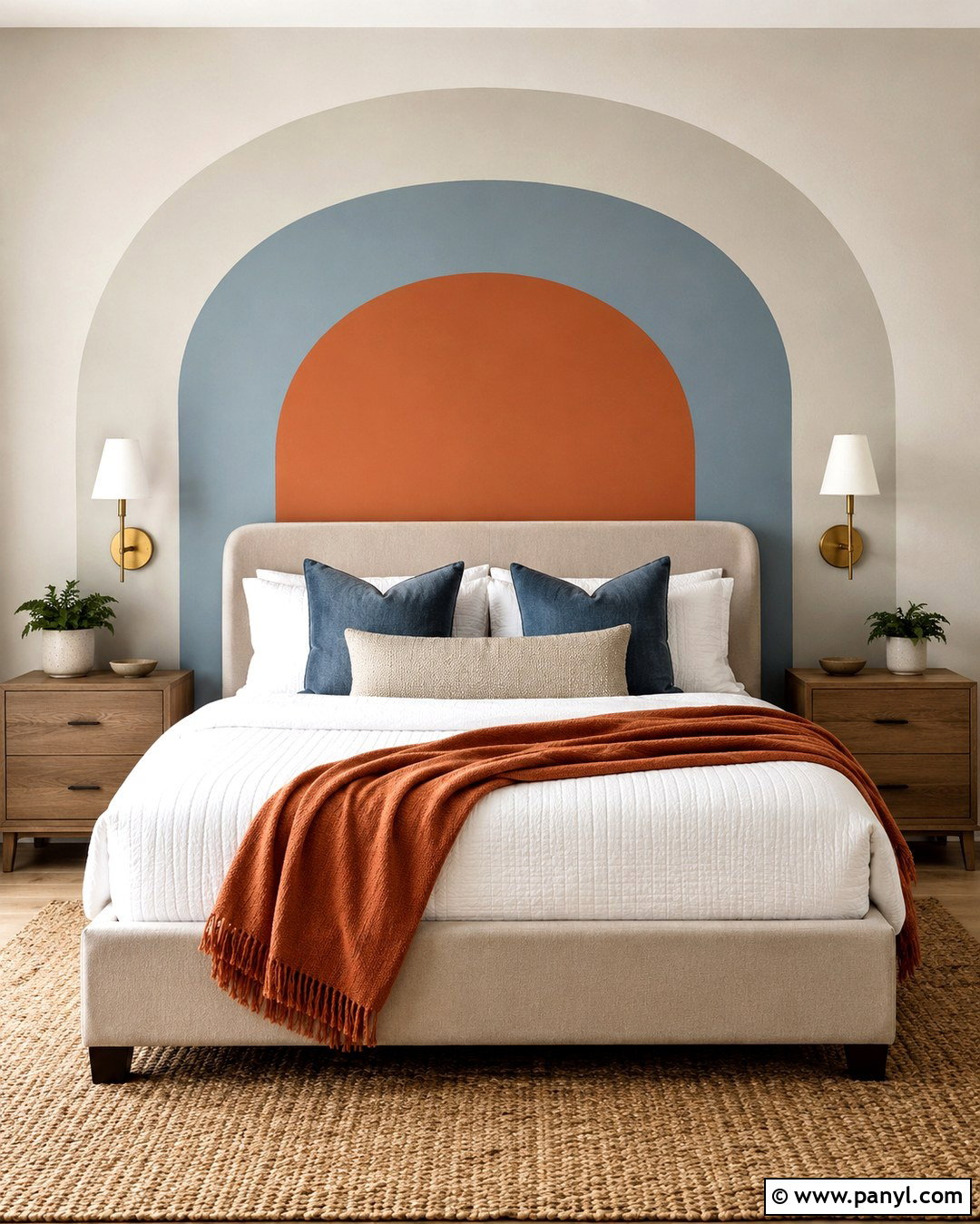
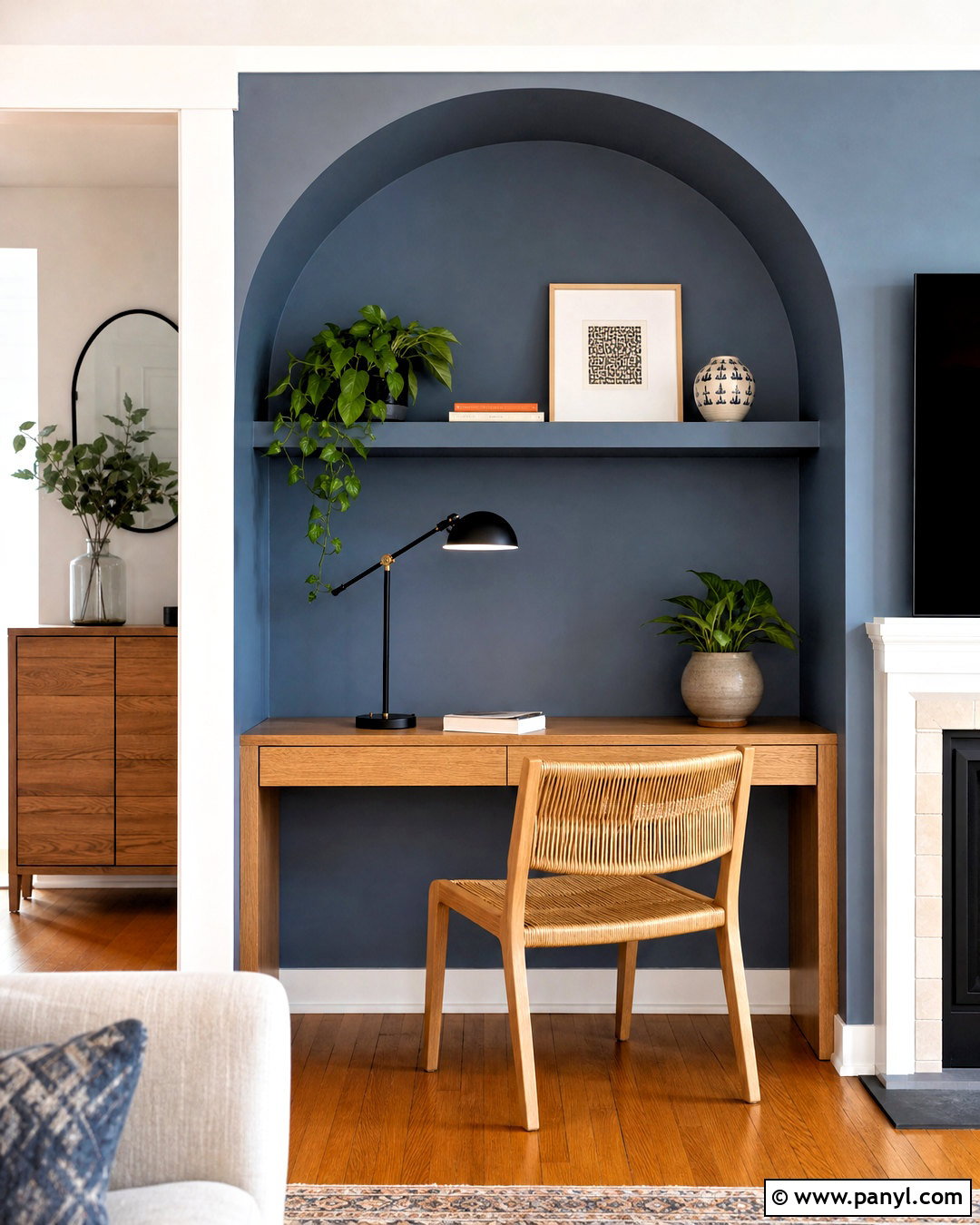
A painted arch can create the impression of an architectural niche around a bed, desk, or console. Cover the wall in pale greige, then paint a wide dusty blue arch behind the main furniture. Add a narrow rust-orange inner arch for the third color and stronger visual depth. In a bedroom, center an oatmeal upholstered bed within the shape and layer it with white bedding, blue pillows, and a rust throw. Light oak nightstands and brushed brass sconces soften the painted curves. Keep the remaining walls greige to maintain a restful atmosphere. The arch should extend beyond the furniture on both sides so the design feels generously proportioned. This complete scheme provides an attractive focal point without requiring a traditional headboard or structural renovation.
5. Scalloped Tricolor Wall
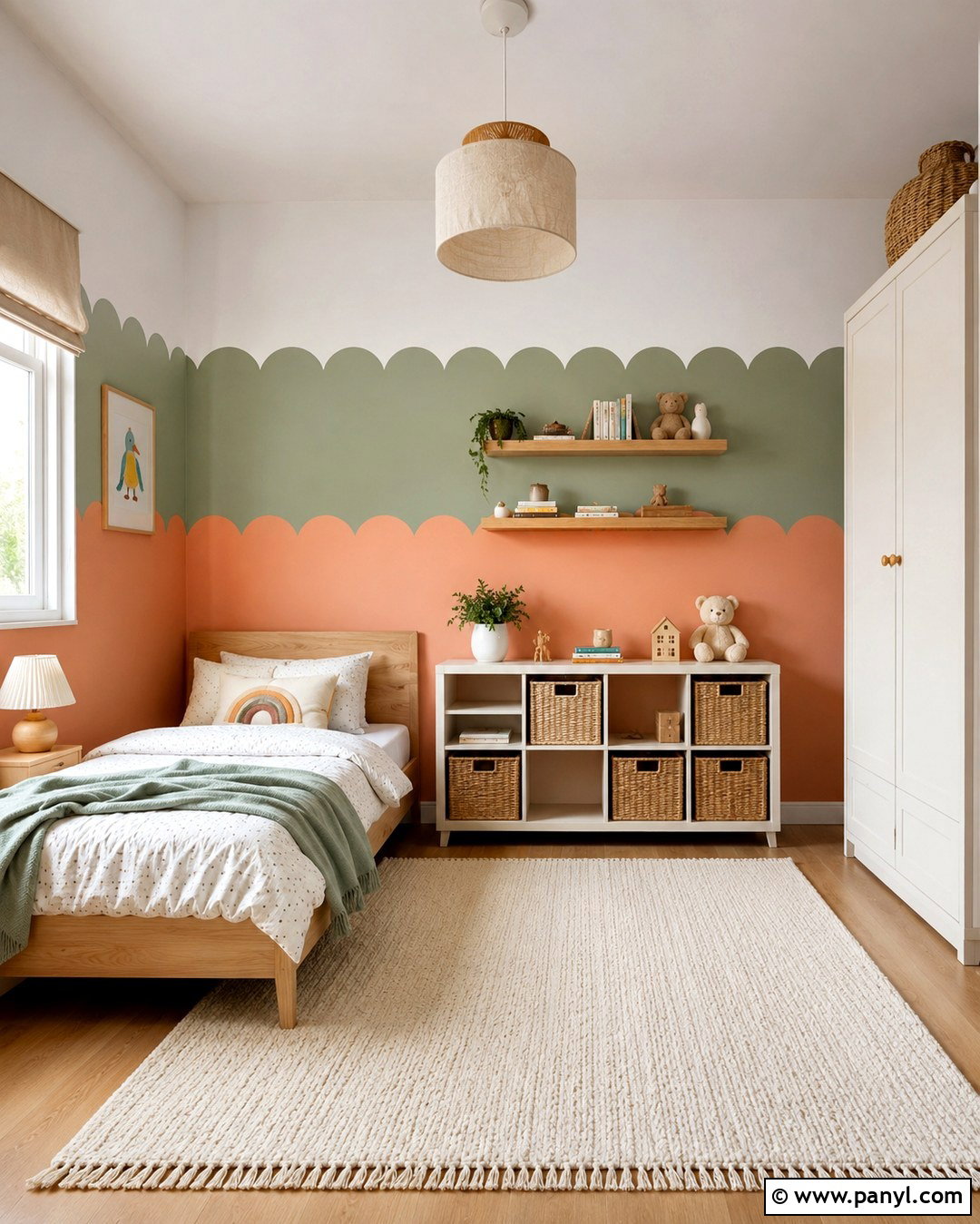
Soft scalloped bands create a cheerful wall treatment that can still look sophisticated with a controlled palette. Paint the upper wall creamy white, the middle section muted sage green, and the lower portion dusty peach. Use broad, evenly spaced curves where the sage meets the white, while keeping the lower color division straight. In a child’s bedroom or creative playroom, pair the wall with a natural wood bed, ivory storage cabinets, and woven floor baskets. A washable cream rug and simple green-and-peach bedding continue the colors without adding visual clutter. Choose light oak shelving for books and a linen pendant light for softness. The combination of curved detail, practical furniture, and gentle colors gives the entire room a welcoming, organized appearance that can mature over time.
6. Ombre Tricolor Wall
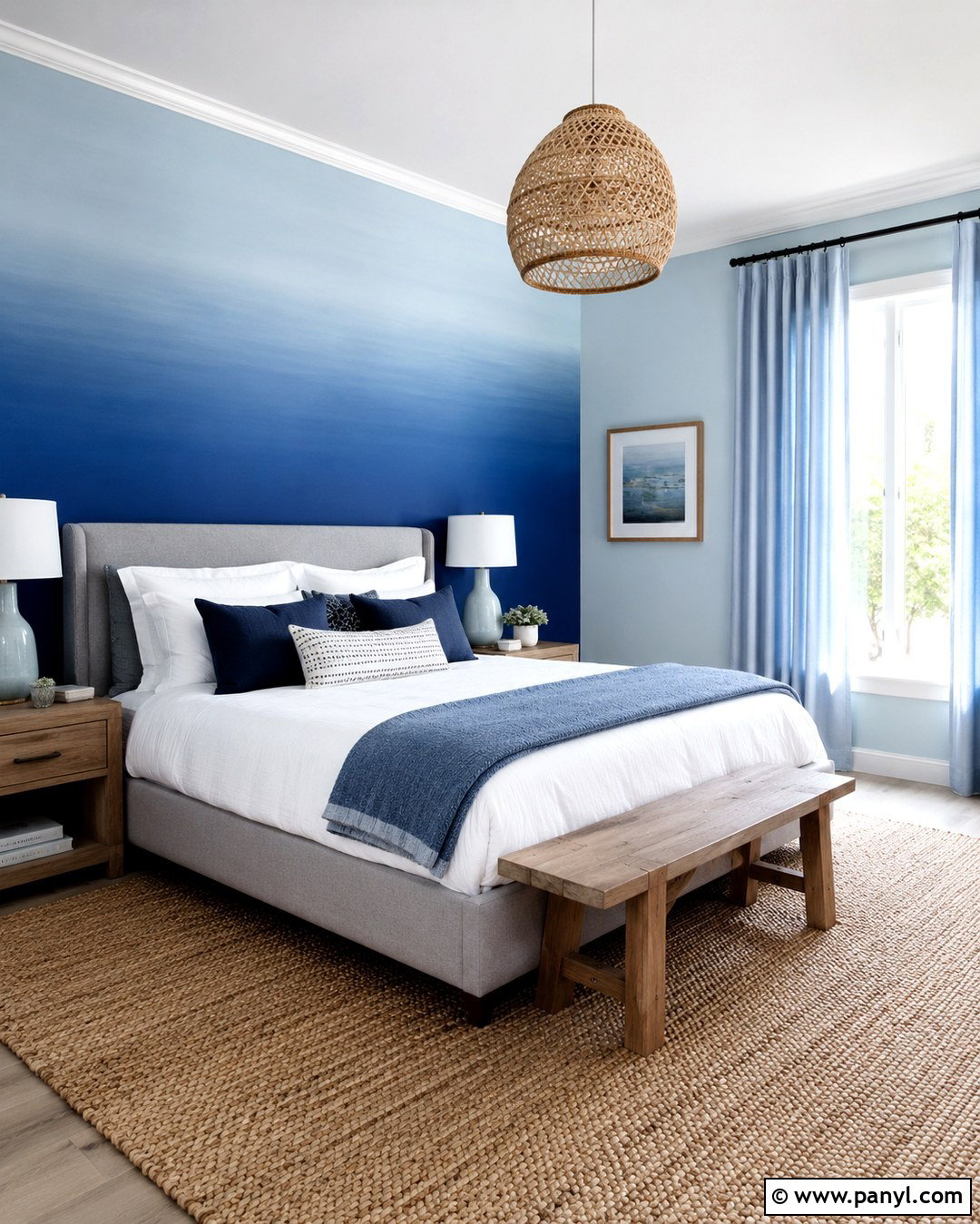
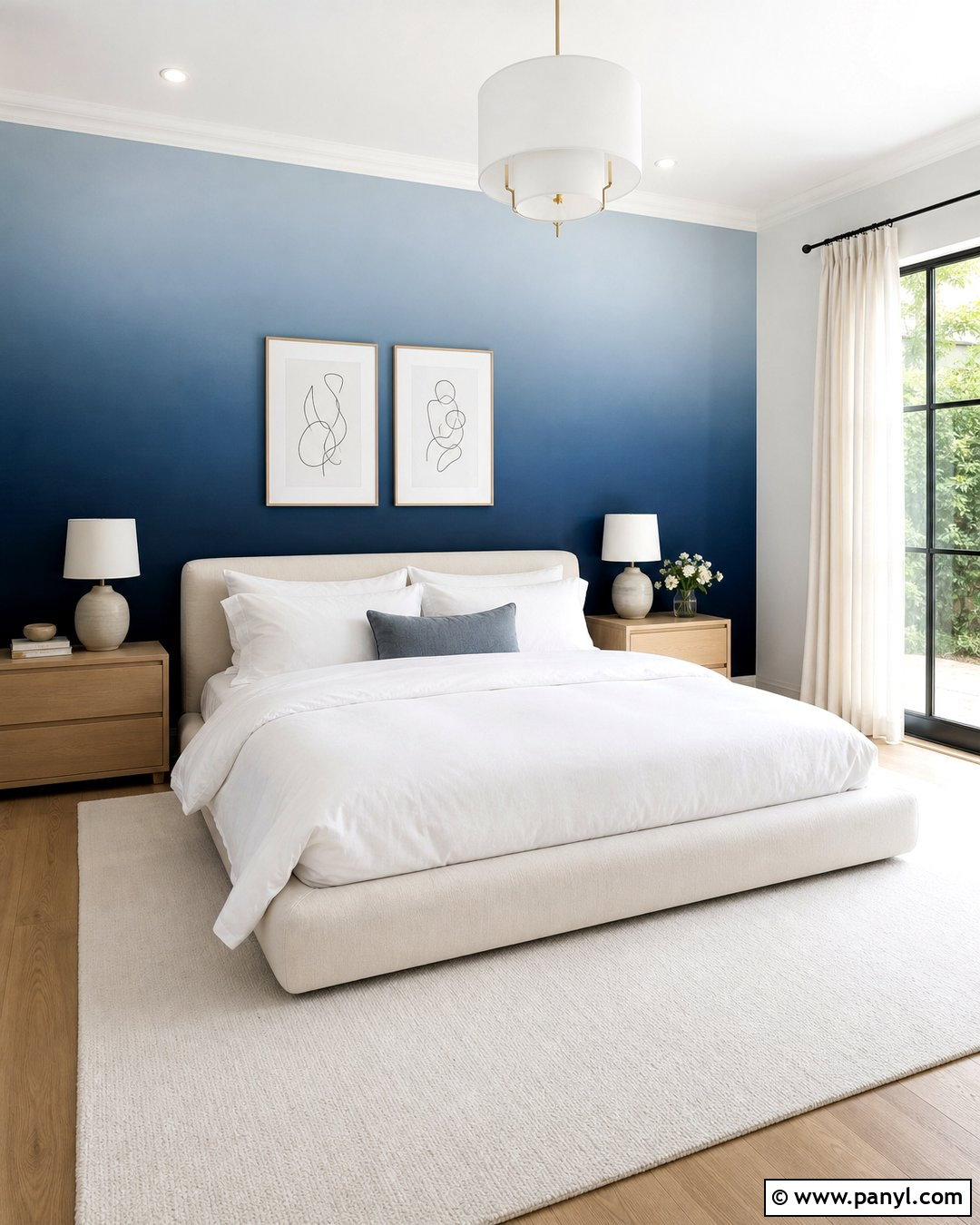
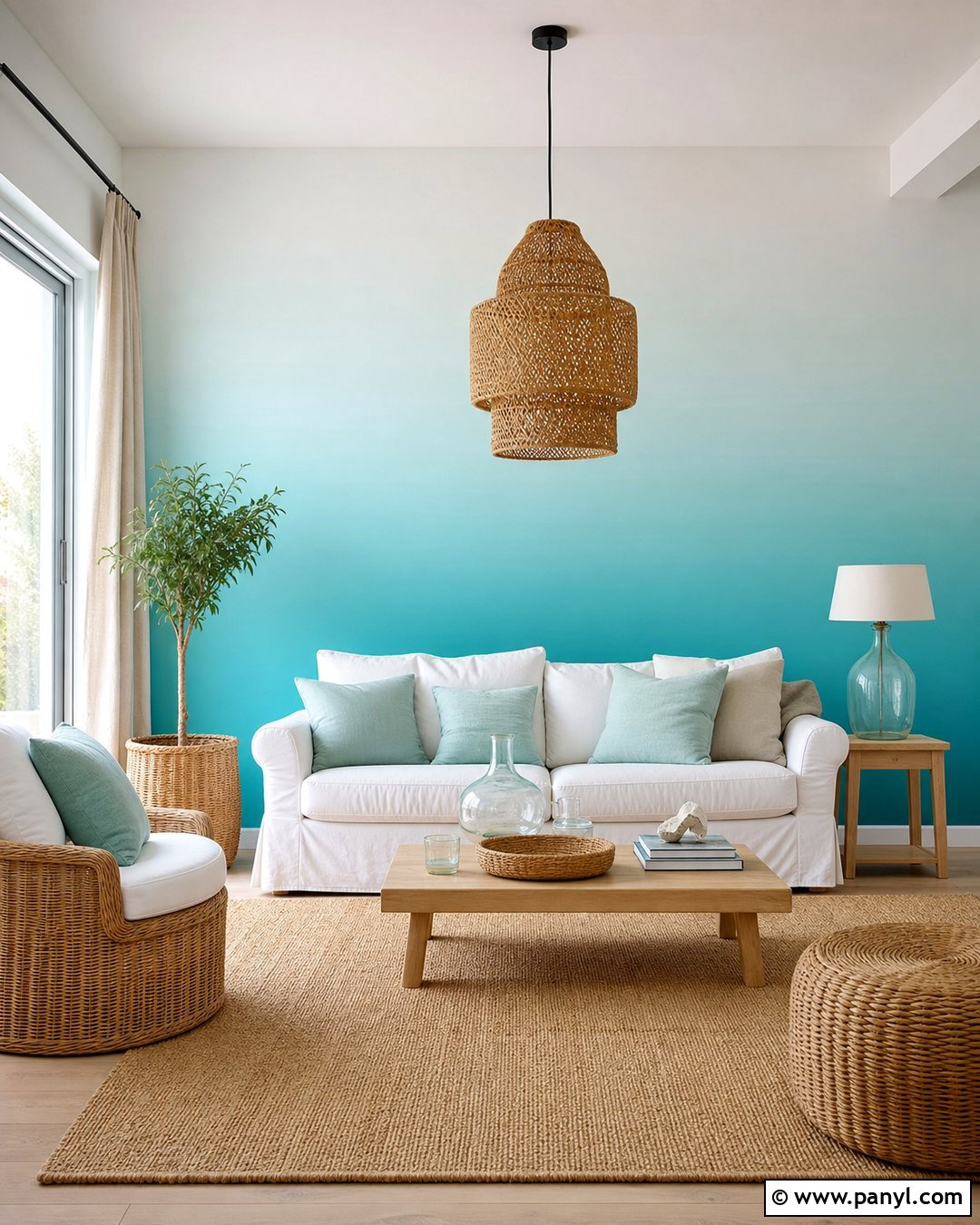
An ombre treatment makes three paint colors feel fluid rather than divided into obvious sections. Start with deep ocean blue along the floor, blend it into medium blue through the center, and finish with pale sky blue near the ceiling. This graduated effect works beautifully in a bedroom where a calm, immersive atmosphere is important. Add a light gray upholstered bed, crisp white bedding, navy linen pillows, and pale blue curtains. Warm the cool palette with an oak bench, woven pendant light, and natural fiber rug. The transitions should look intentionally soft, so blend adjacent colors while the paint remains workable. Keep artwork small and understated. The finished room will feel open and serene, with the darkest shade creating stability around the furniture.
7. Color Block Tricolor Wall
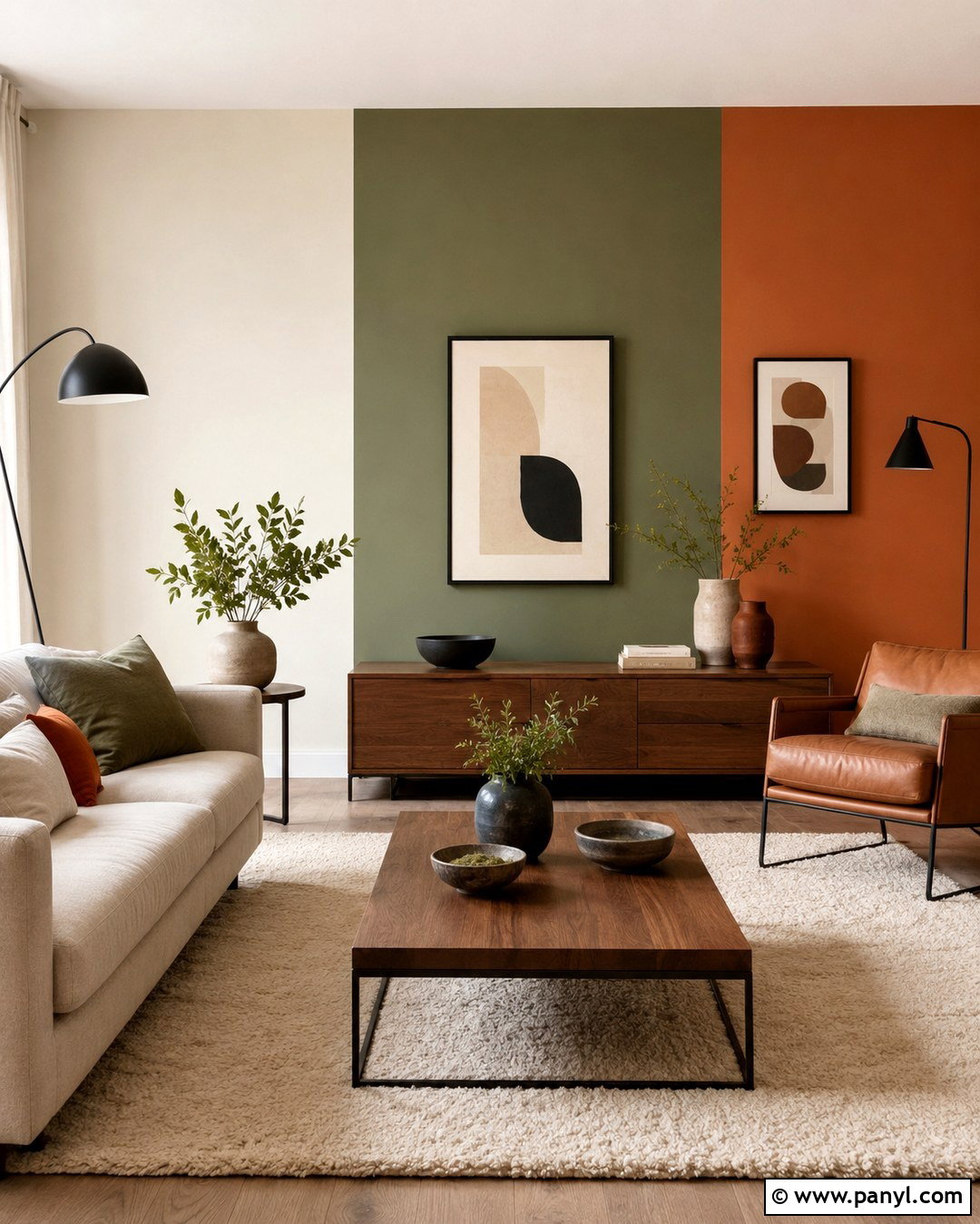
Large color blocks can define different functions in an open room while creating an artistic background. Use soft cream across most of the wall, then paint a tall olive-green rectangle behind a reading chair and a low terracotta block behind the media console. The shapes should connect visually without being equal in size. Furnish the room with a beige sofa, walnut television cabinet, cognac leather chair, and textured ivory rug. Add olive pillows, terracotta ceramics, and black metal lighting to distribute the wall colors naturally. Leaving generous cream space prevents the composition from becoming too heavy. This layout works particularly well in apartments because the painted zones give each activity a recognizable place without installing partitions, bulky shelving, or additional architectural features.
8. Diagonal Tricolor Wall
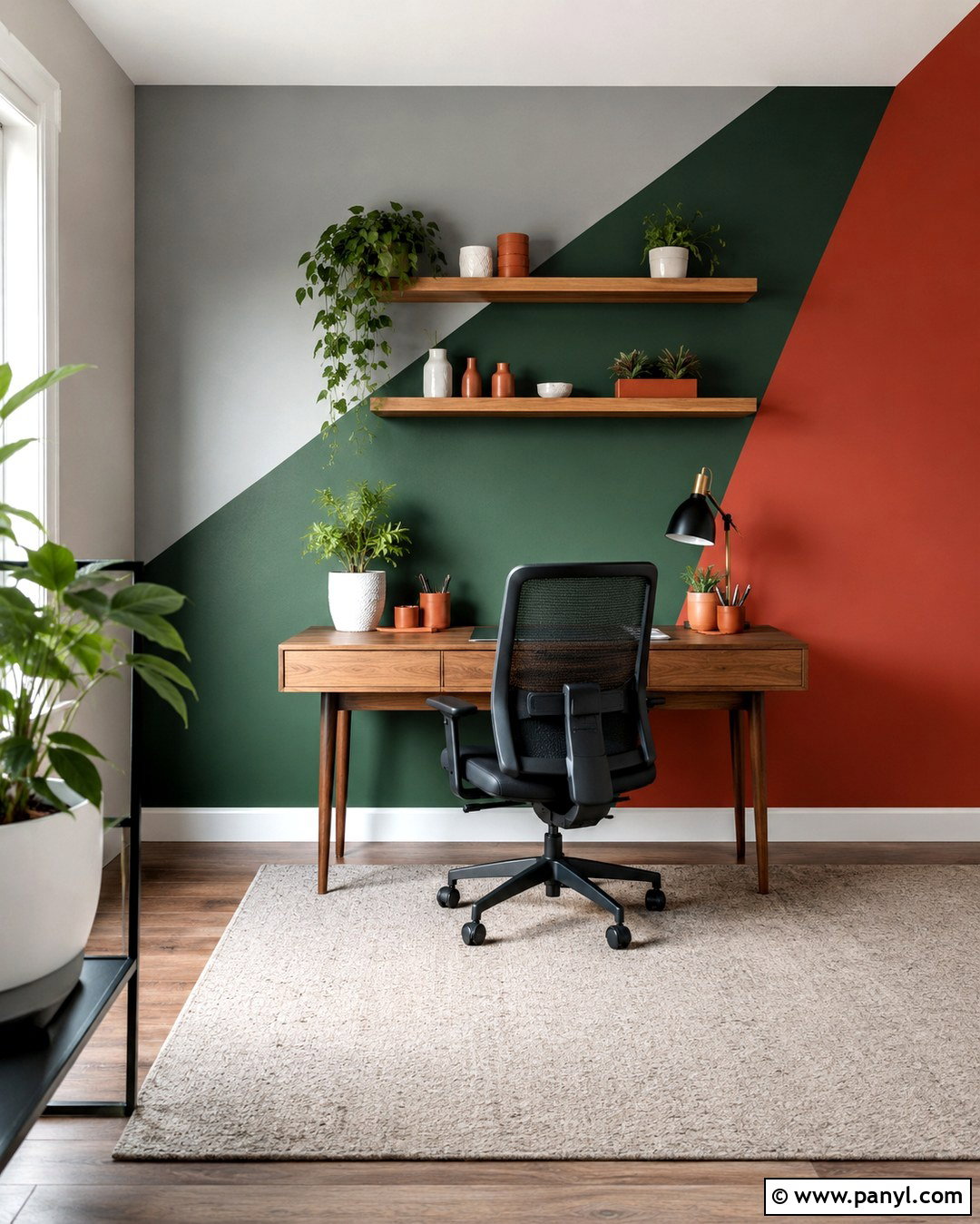
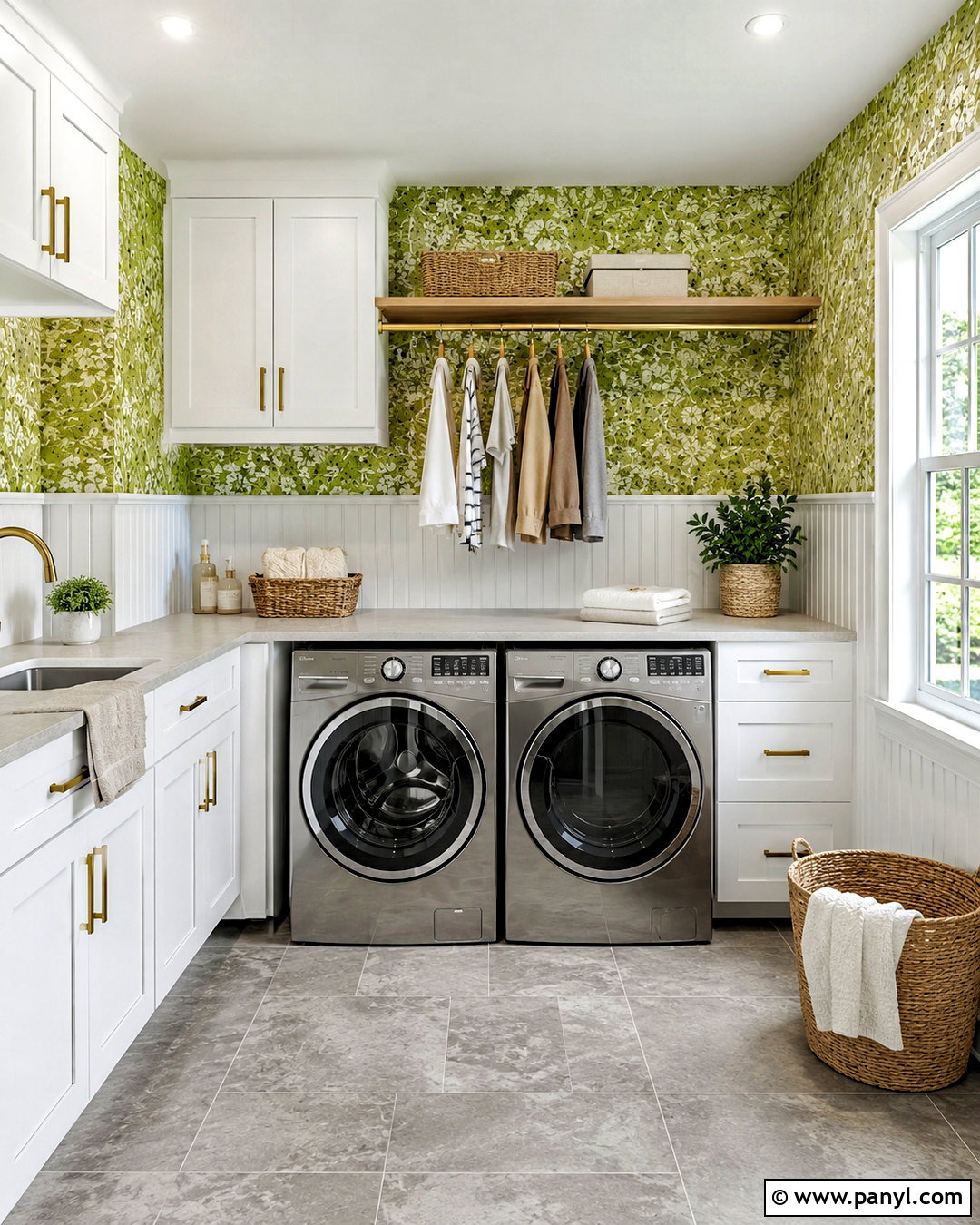
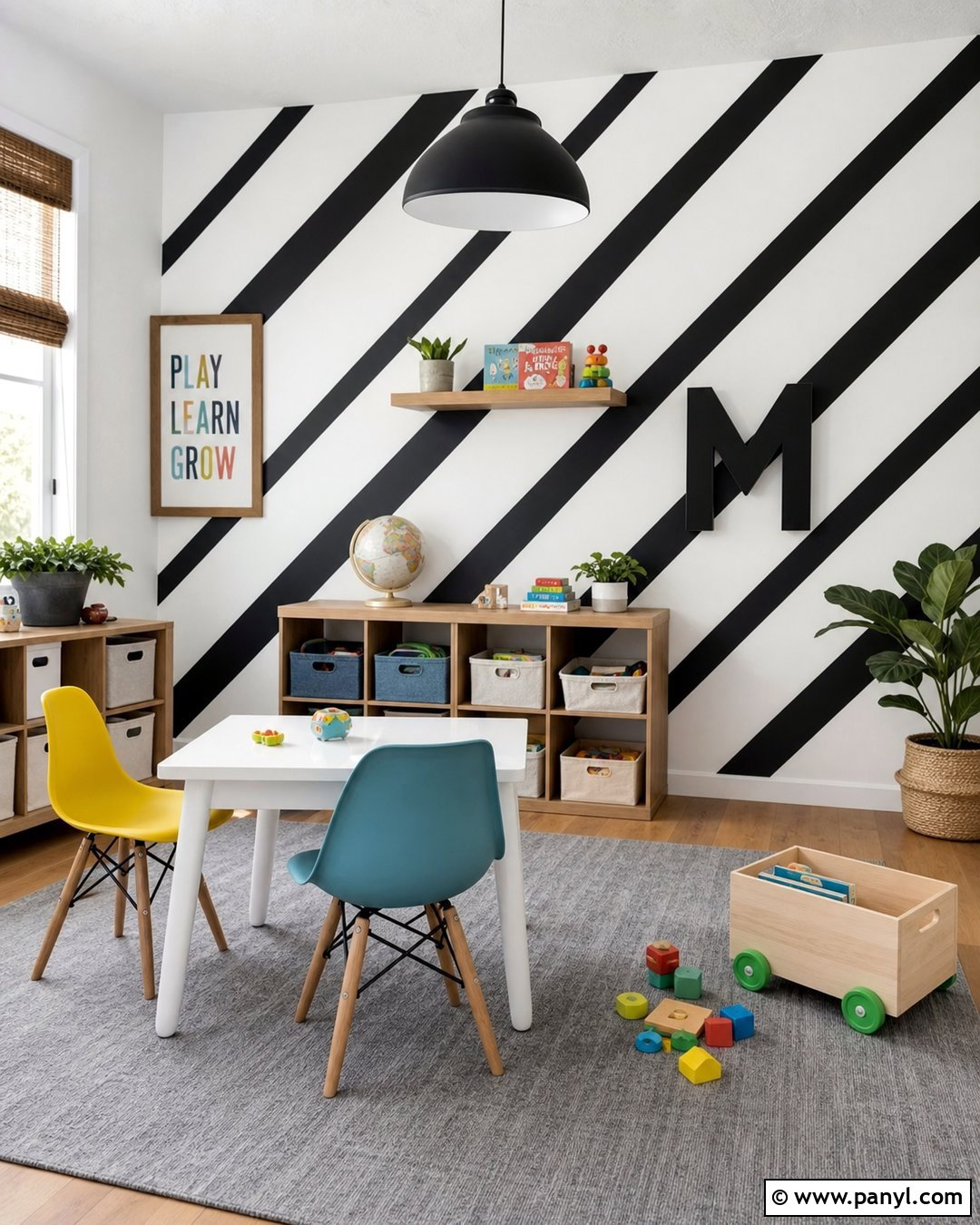
A diagonal design brings movement to a simple room and can visually lead the eye toward a focal point. Use pale gray as the main background, then add a broad diagonal field of forest green rising from one lower corner. Complete the composition with a smaller clay-red section along the opposite edge. Position a streamlined walnut desk where the colors intersect, creating a practical home office with a distinctive backdrop. Choose a black task chair, cream rug, floating oak shelves, and white ceramic planters. Repeat green through indoor foliage and use clay-colored organizers sparingly. The furniture should follow clean horizontal lines to balance the energetic wall. Careful taping and restrained decor help the angled tricolor treatment look architectural rather than random or unfinished.
9. Mountain Tricolor Wall
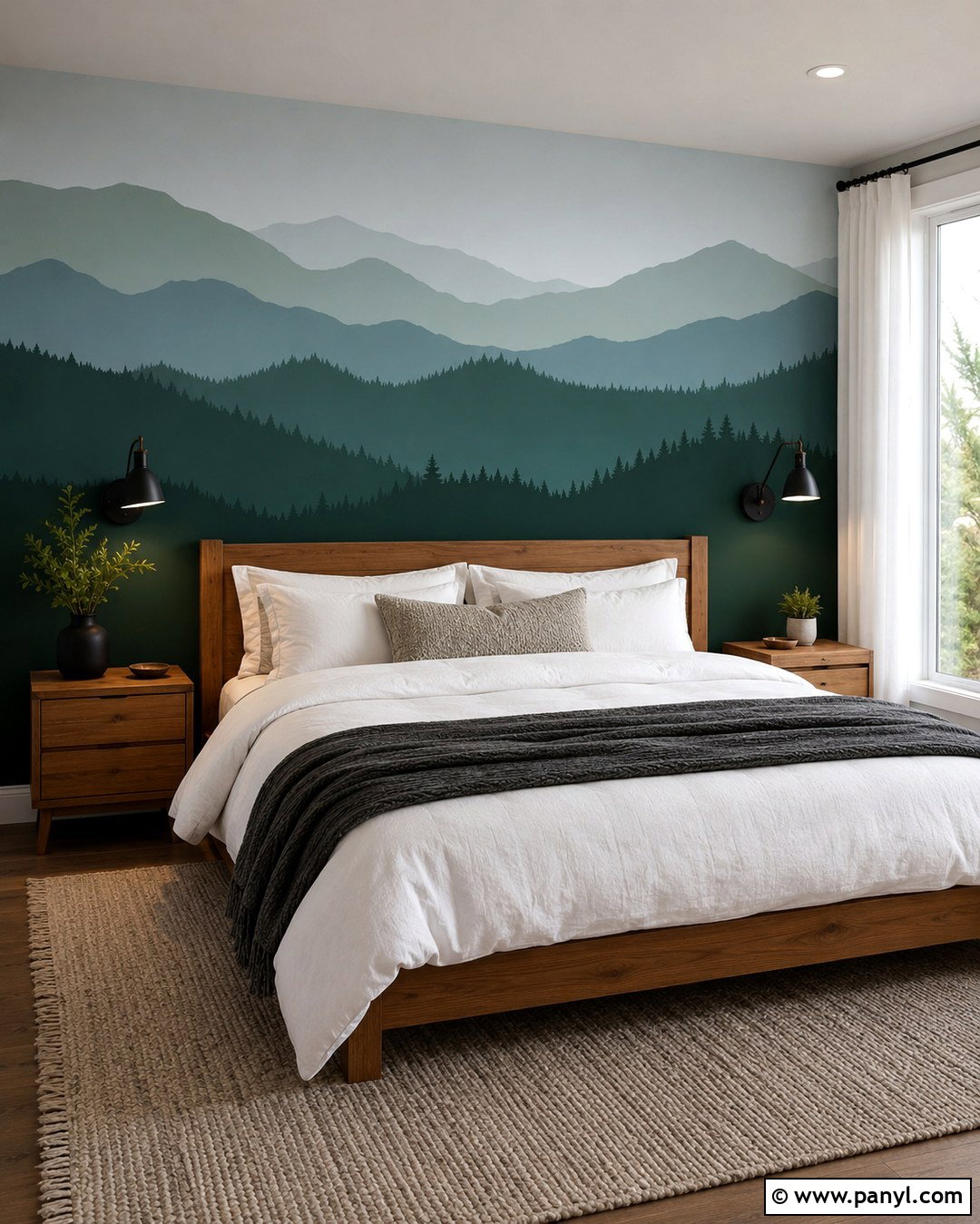
Layered mountain shapes create a scenic feature wall without relying on a detailed mural. Paint the upper wall pale blue-gray to resemble an open sky. Add a middle range in muted eucalyptus green and a darker foreground range in deep pine green. Keep the peaks broad and gently irregular rather than sharp or cartoonish. In a guest bedroom, pair this wall with a warm wood bed, white linen bedding, a charcoal throw, and simple green cushions. A wool rug, black sconces, and oak nightstands complete the relaxed nature-inspired scheme. Avoid adding artwork over the mountain forms because the wall already provides enough interest. The coordinated furnishings and subdued colors produce a peaceful retreat that feels creative, grown-up, and connected to the outdoors.
10. Tricolor Wall With Wainscoting
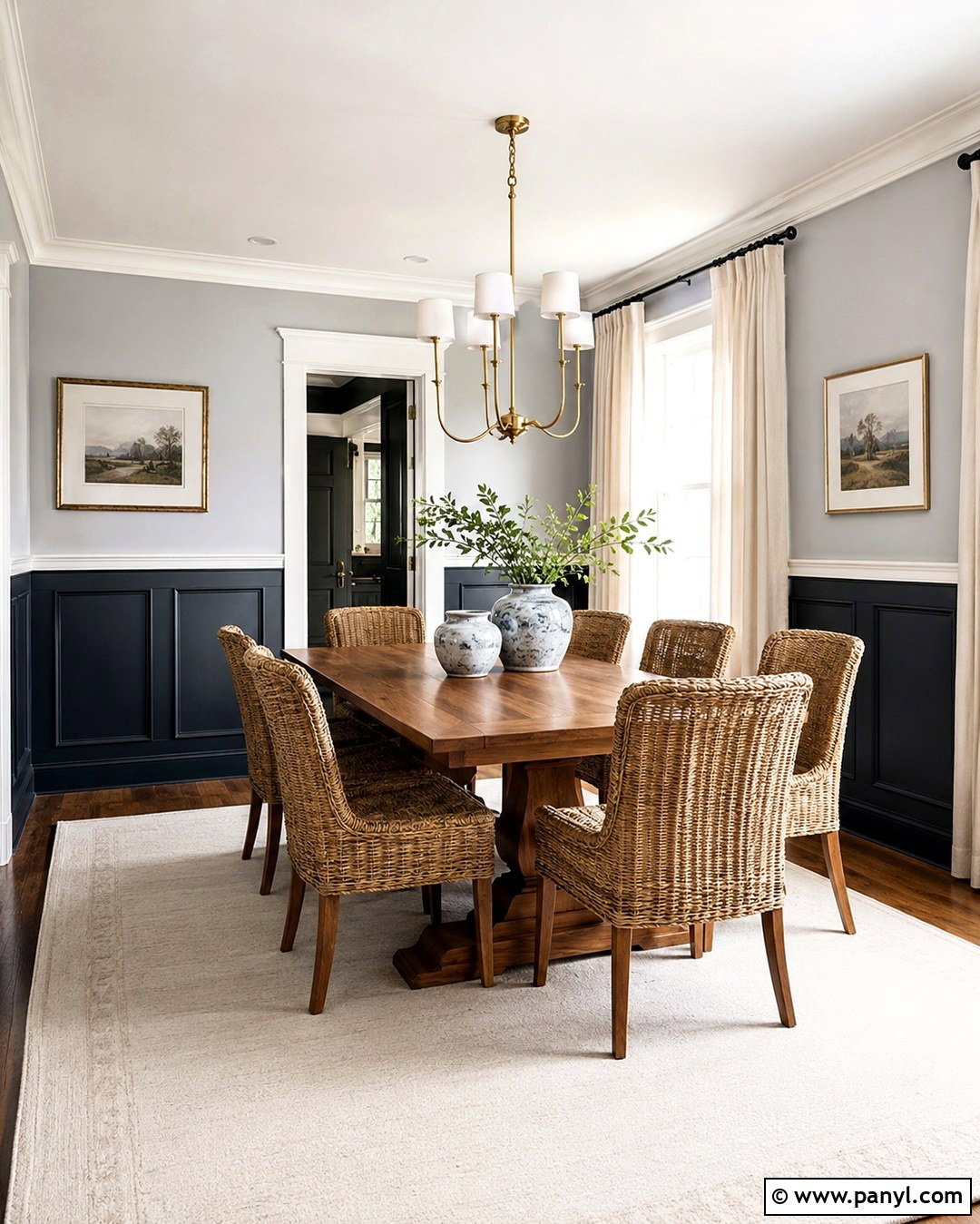
Traditional wainscoting becomes more distinctive when three related colors are distributed across the wall and trim. Paint the paneled lower section deep charcoal blue, the smooth upper wall soft gray-blue, and the window trim clean warm white. Use this treatment in a dining room with a medium oak table, woven dining chairs, and a large cream rug. Linen curtains should match the warm white trim, while blue-gray ceramic pieces can decorate a simple sideboard. Install an understated brushed brass chandelier to add warmth and balance the cool palette. Keeping the darkest color below the chair rail gives the room visual stability. The lighter upper section reflects more light, and the white detailing emphasizes the architecture without creating an overly formal or high-contrast appearance.
11. Tricolor Wall With Picture Frame Molding
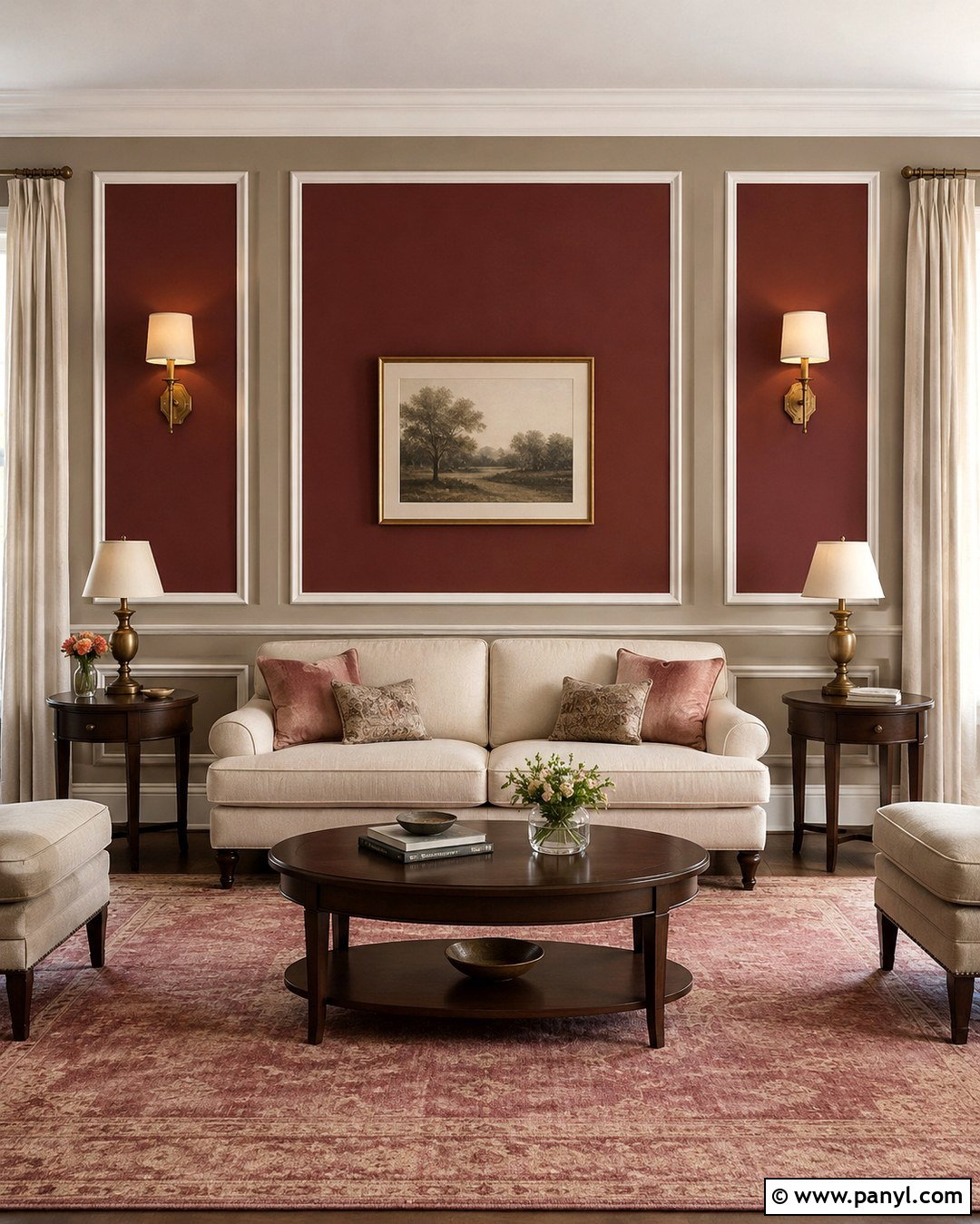
Picture frame molding offers natural boundaries for a refined three-color wall. Cover the main wall in warm mushroom beige, paint selected molding interiors muted burgundy, and finish the narrow trim profiles in soft ivory. Instead of filling every panel with burgundy, alternate the accent color so the composition remains balanced. Create a complete sitting room with a cream loveseat, dark walnut tables, a faded rose rug, and ivory linen curtains. Antique brass lighting and a few burgundy cushions echo the painted panels. Hang one understated landscape print inside the largest central frame. The combination feels detailed without depending on excessive decoration. Matching the molding layout to the furniture placement is essential, especially when centering the sofa, artwork, and side tables beneath individual panels.
12. Striped Tricolor Wall
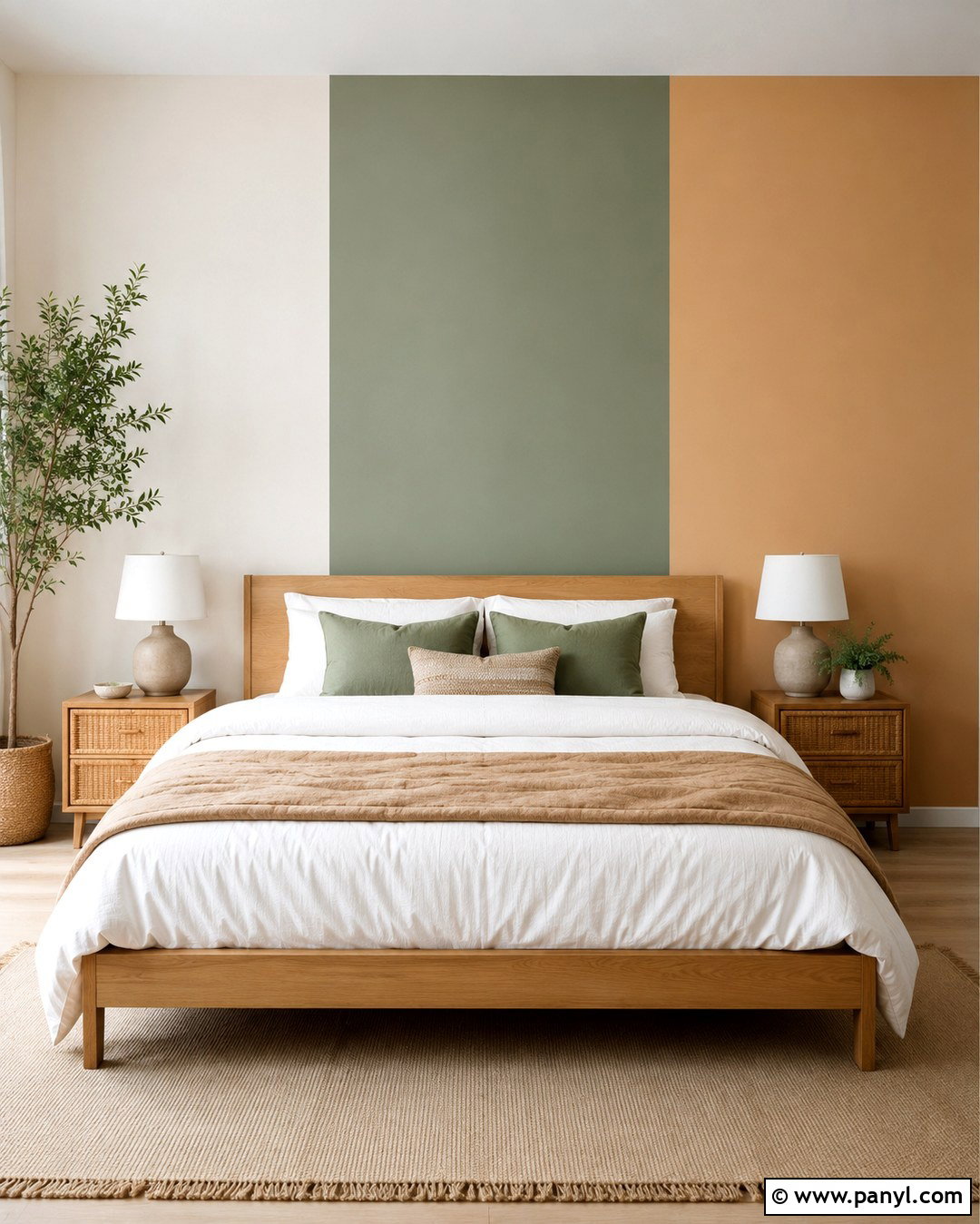
Wide stripes can add pattern while remaining calmer than thin, high-contrast lines. Alternate broad vertical stripes of creamy white, muted sage green, and pale tan across one bedroom wall. Make each stripe the same width and carry the pattern from the baseboard to the ceiling for a tailored finish. Position a simple natural oak bed against the wall, using solid white bedding, a tan quilt, and two sage pillows. Add cane-front nightstands, warm white lamps, and a light wool rug. Avoid patterned curtains or busy artwork because the stripes already establish a strong rhythm. The natural palette prevents the room from feeling childish, while vertical lines create the impression of greater height. Accurate measurements will keep every repeated band crisp and visually consistent.
13. Tricolor Living Room Wall
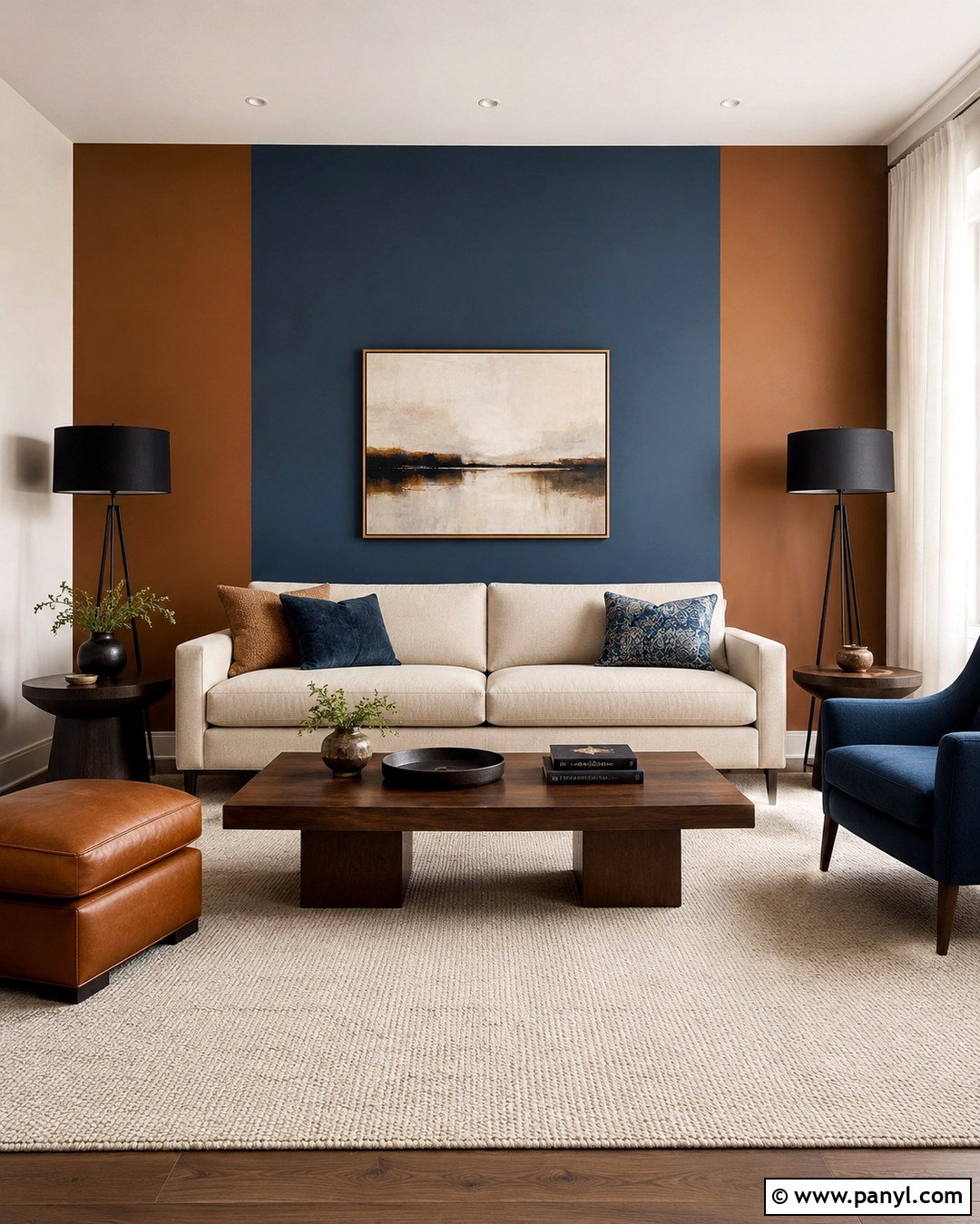
For a comfortable living room, use three colors to frame the seating arrangement rather than decorating every wall. Paint the main wall warm off-white, add a broad central section in muted blue, and use narrow caramel-brown panels along both outer edges. Center a light beige sofa within the blue area and place slim walnut tables in front of the caramel sections. A cream rug, blue armchair, caramel leather ottoman, and white curtains build a connected palette throughout the room. Keep the other walls off-white to provide breathing room. Black metal lamps and abstract art with small touches of all three shades create a polished finish. The symmetrical paint placement makes the entire living area feel orderly, welcoming, and deliberately designed.
14. Tricolor Bedroom Wall
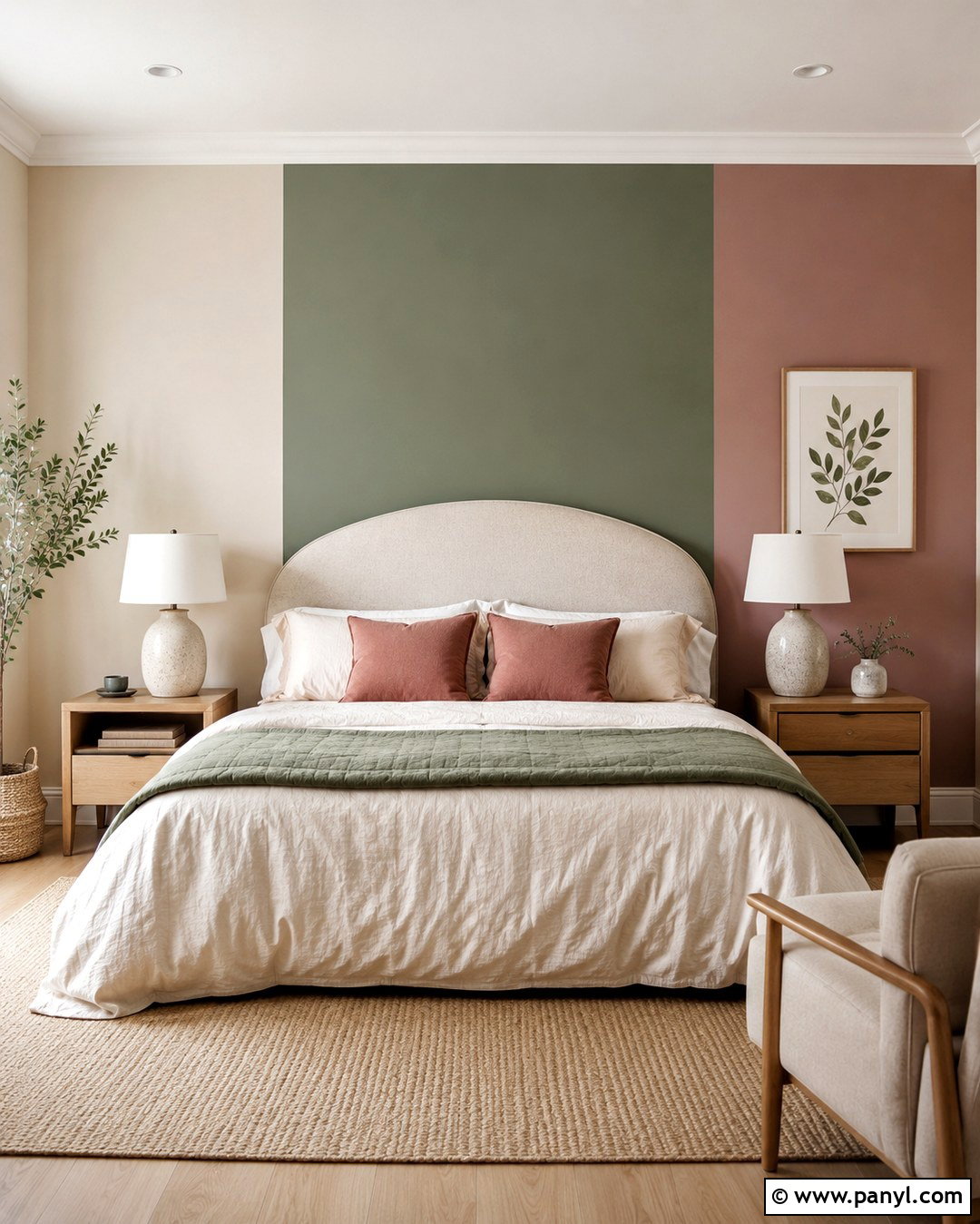
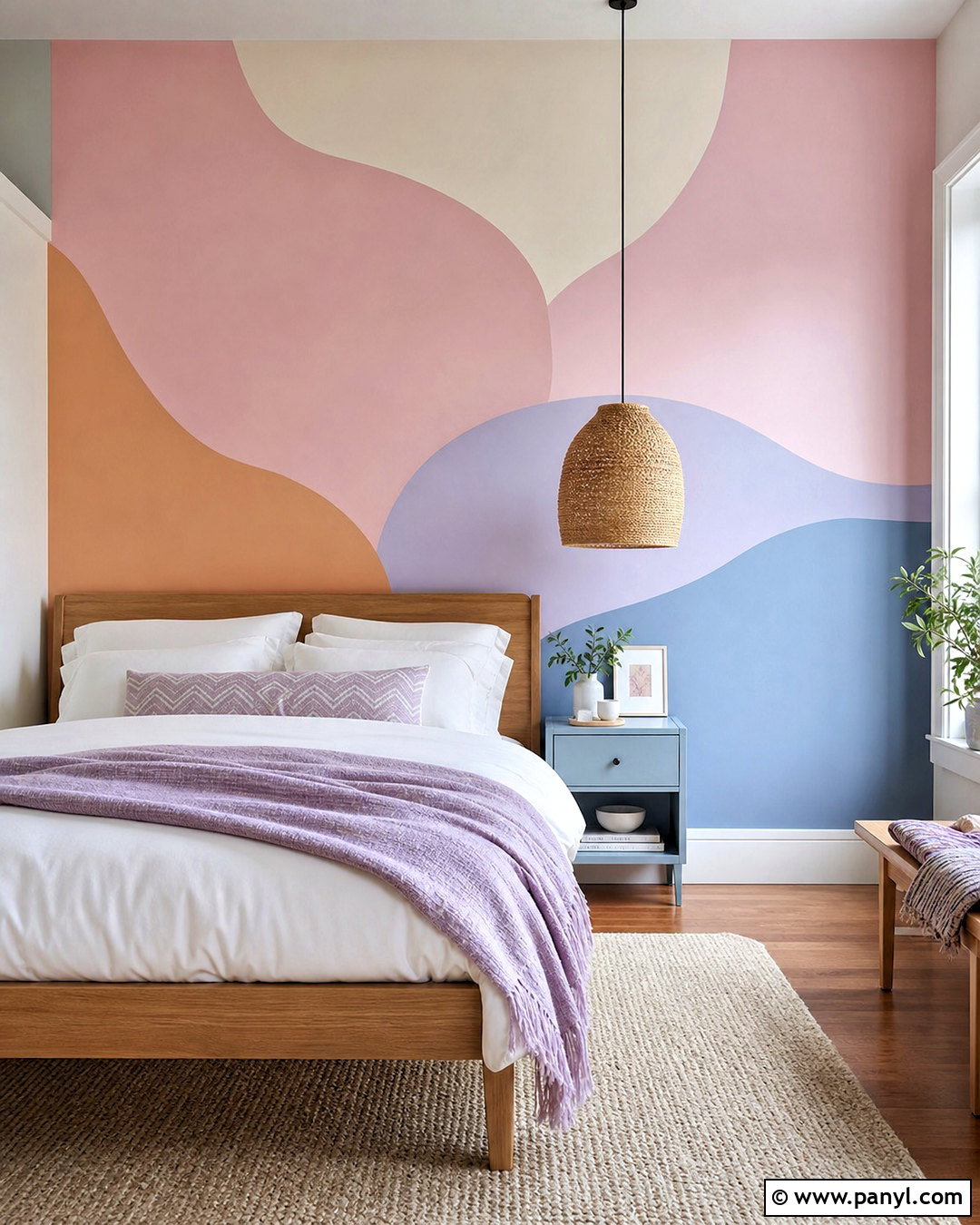
A restful tricolor bedroom works best when the shades have similar softness and intensity. Paint the lower wall muted mauve, the upper wall warm ivory, and create a wide sage-green rectangle directly behind the bed. Choose a curved oatmeal headboard that overlaps the green shape without completely hiding it. Dress the bed in ivory linen, dusty rose pillows, and a sage quilt. Pale oak nightstands, ceramic lamps, and a natural wool rug prevent the pastel palette from appearing overly sweet. Keep window treatments simple with floor-length ivory curtains. A small botanical print above each nightstand adds balance without crowding the focal wall. This arrangement clearly defines the sleeping zone and gives all three colors enough space to remain visible, calm, and connected.
15. Tricolor Nursery Wall
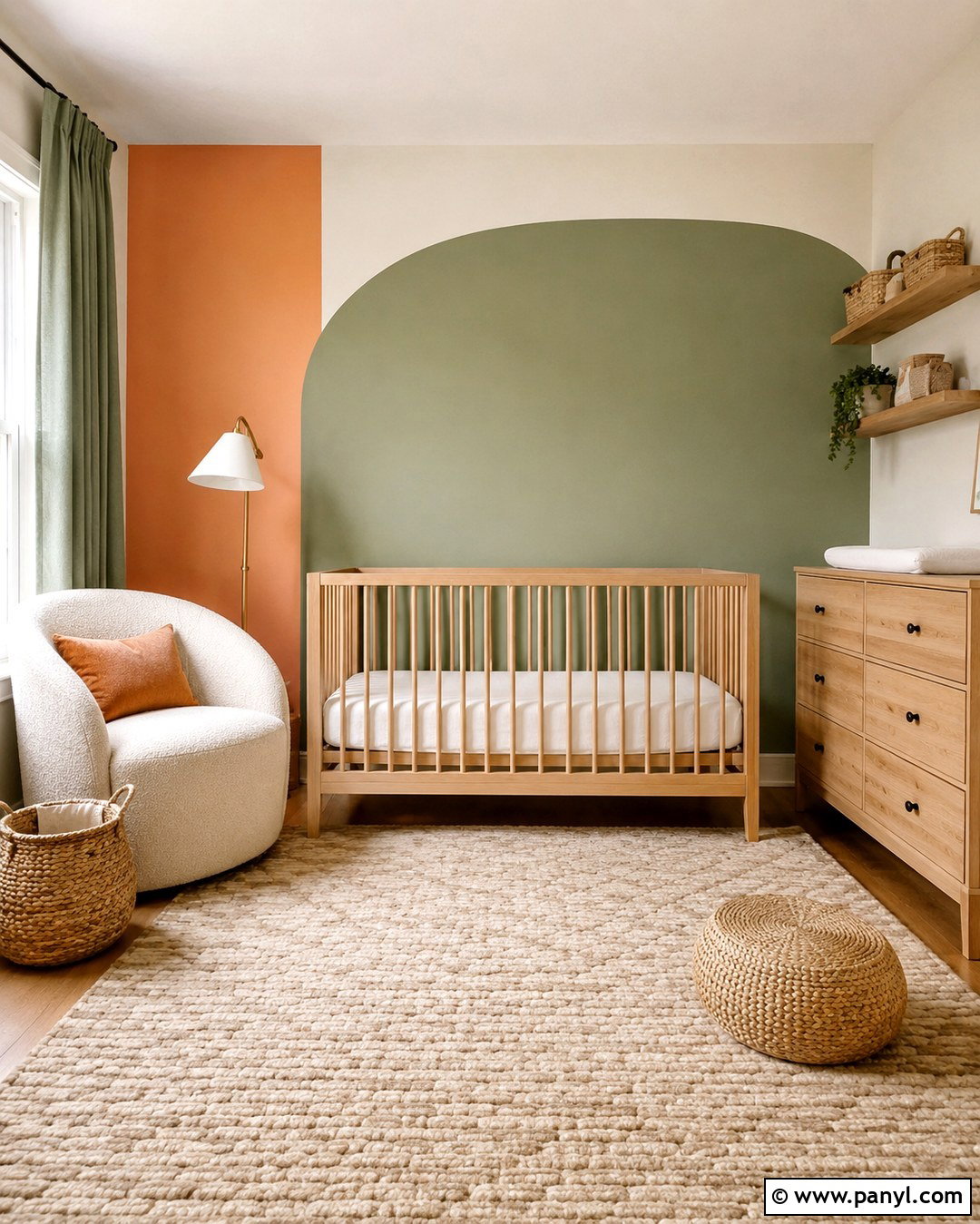
Gentle color blocking can make a nursery playful while maintaining a soothing atmosphere. Use warm white across the upper wall, muted apricot on the lower third, and a large rounded sage-green shape behind the crib. Choose a natural wood crib with simple white bedding, then place a cream boucle chair in the adjacent corner. A washable beige rug, oak dresser, woven baskets, and soft green curtains complete the practical room. Keep toys and accessories within the established palette instead of introducing many additional bright shades. Position the darkest color away from small windows so it does not reduce the available light. The combination of curved paintwork, warm wood, closed storage, and comfortable textiles creates a nursery that feels organized, welcoming, and adaptable beyond the baby years.
16. Tricolor Dining Room Wall
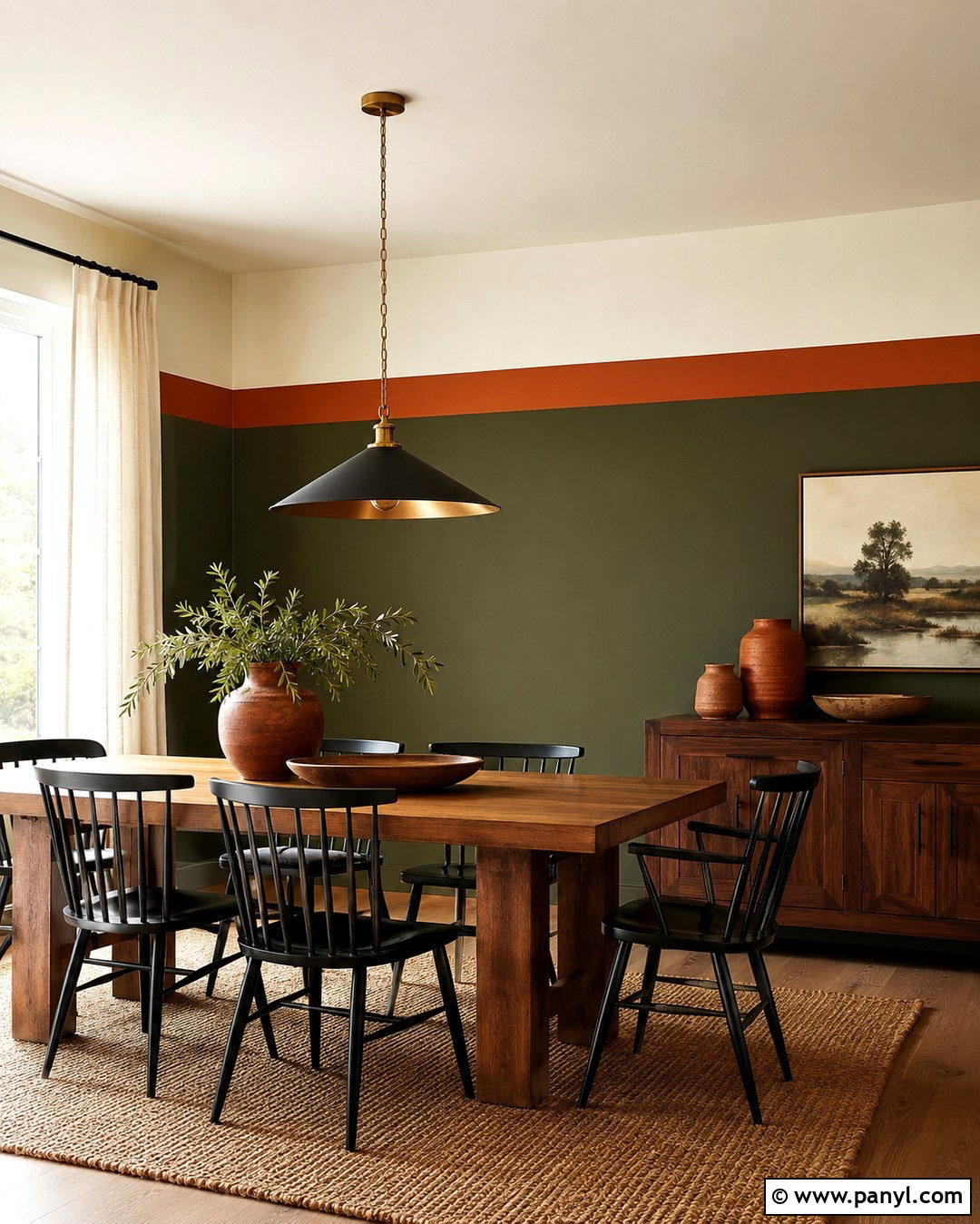
Rich colors can make a dining room feel inviting when they are balanced with natural materials. Paint the lower half deep olive green, the upper half warm cream, and frame the transition with a narrow burnt-orange painted band. Continue the olive around the door casing for a more finished, immersive effect. Add a solid oak dining table, black spindle-back chairs, and a low walnut sideboard. Cream linen curtains and a light woven rug keep the darker lower wall from weighing down the space. Display rust-colored ceramics and simple greenery on the sideboard. A large black-and-brass pendant should hang over the center of the table. This earthy tricolor scheme creates a cozy room that feels layered, grounded, and suitable for both everyday meals and gatherings.
17. Tricolor Home Office Wall
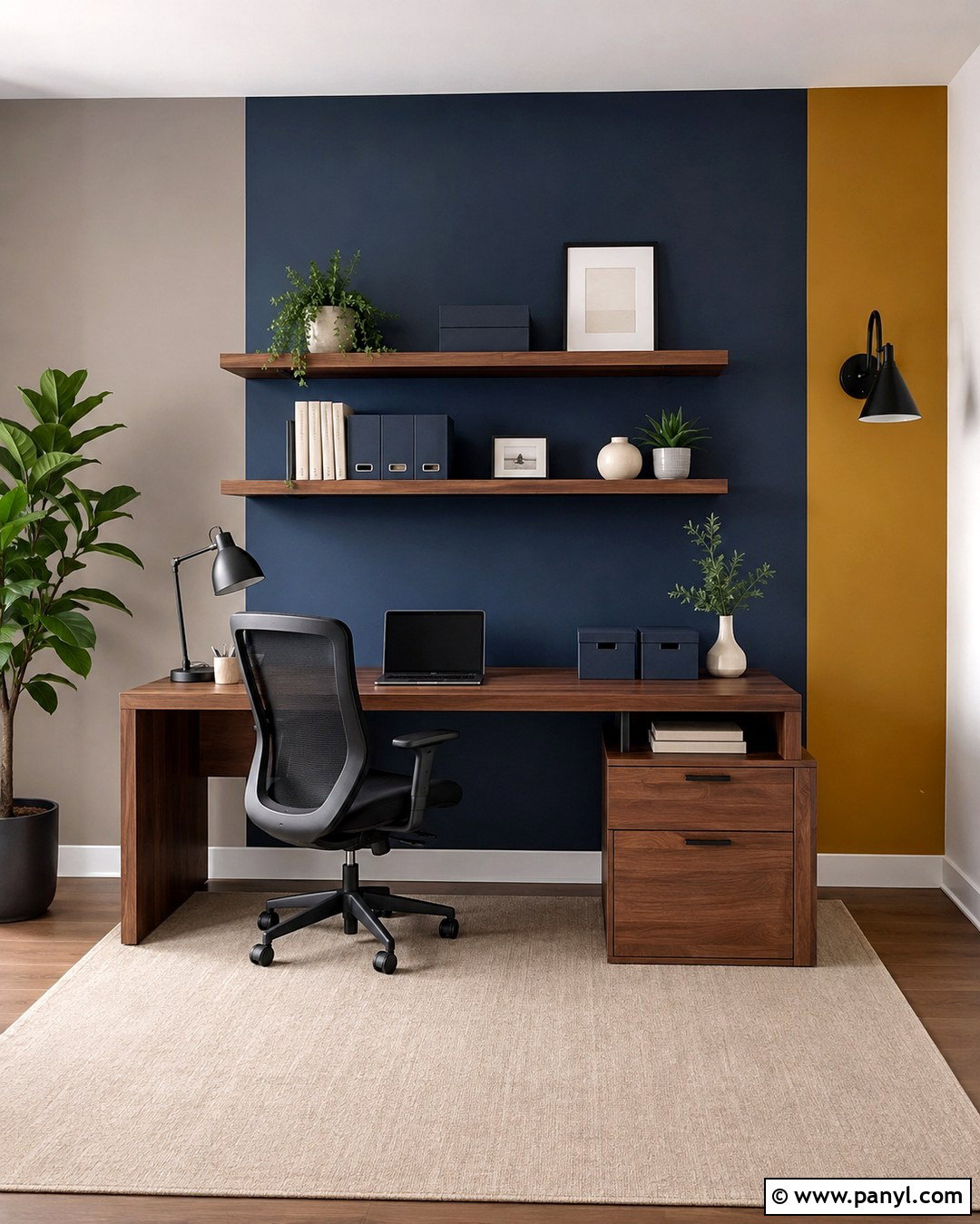
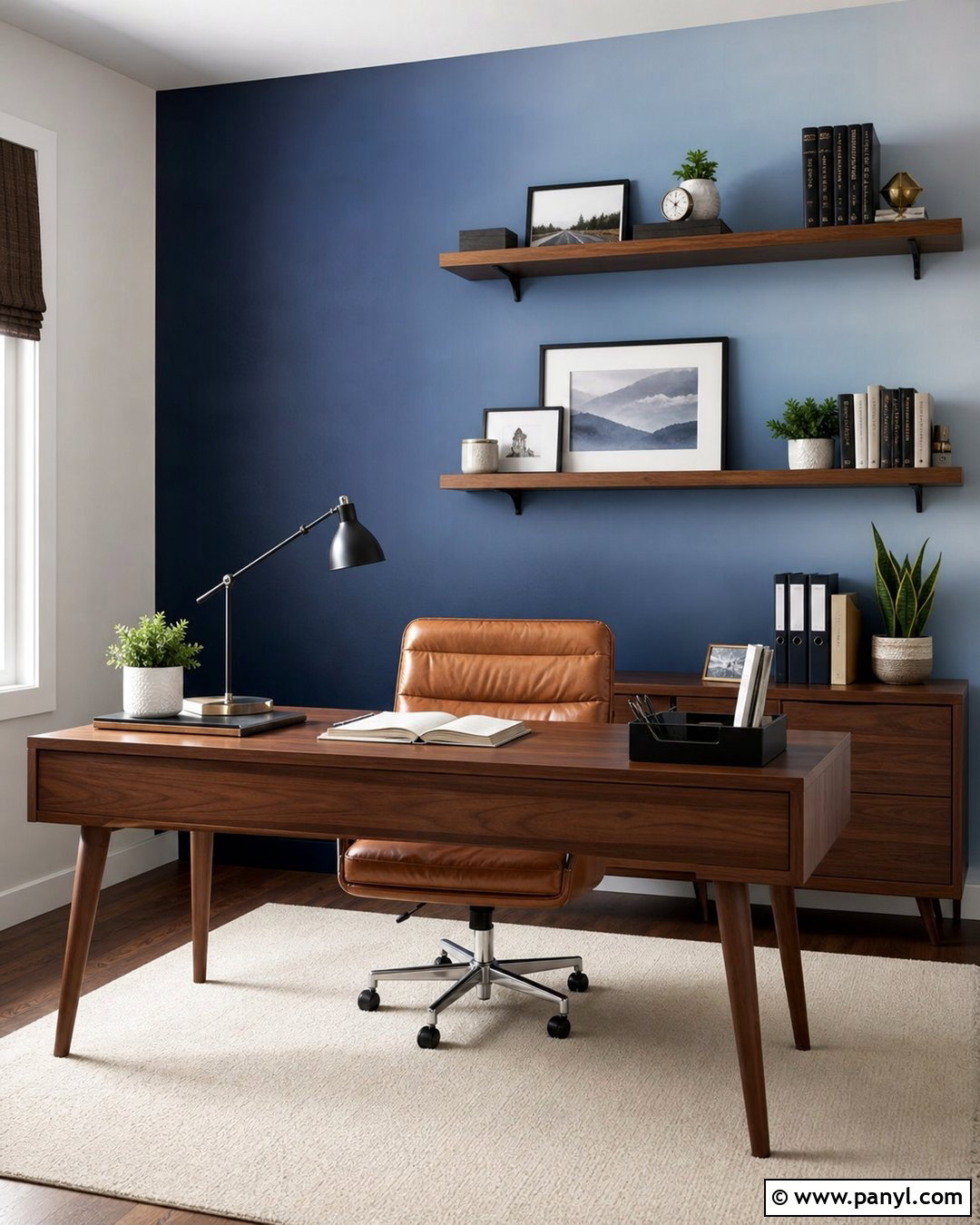
A focused workspace can still include bold color when the design supports organization. Start with a soft greige wall, then paint a wide navy-blue rectangle behind the desk and a slim mustard-yellow vertical block beside the shelving. Pair the wall with a walnut desk, black ergonomic chair, and matching floating shelves. Use navy storage boxes, cream notebooks, and one mustard desk accessory to repeat the palette without clutter. A flat-weave beige rug and white roller shade keep the room bright. Install an adjustable matte black sconce above the work surface, centering it inside the navy section. The strong blue background gives the desk a defined visual zone, while the yellow block adds energy and directs attention toward neatly arranged books and supplies.
18. Tricolor Entryway Wall
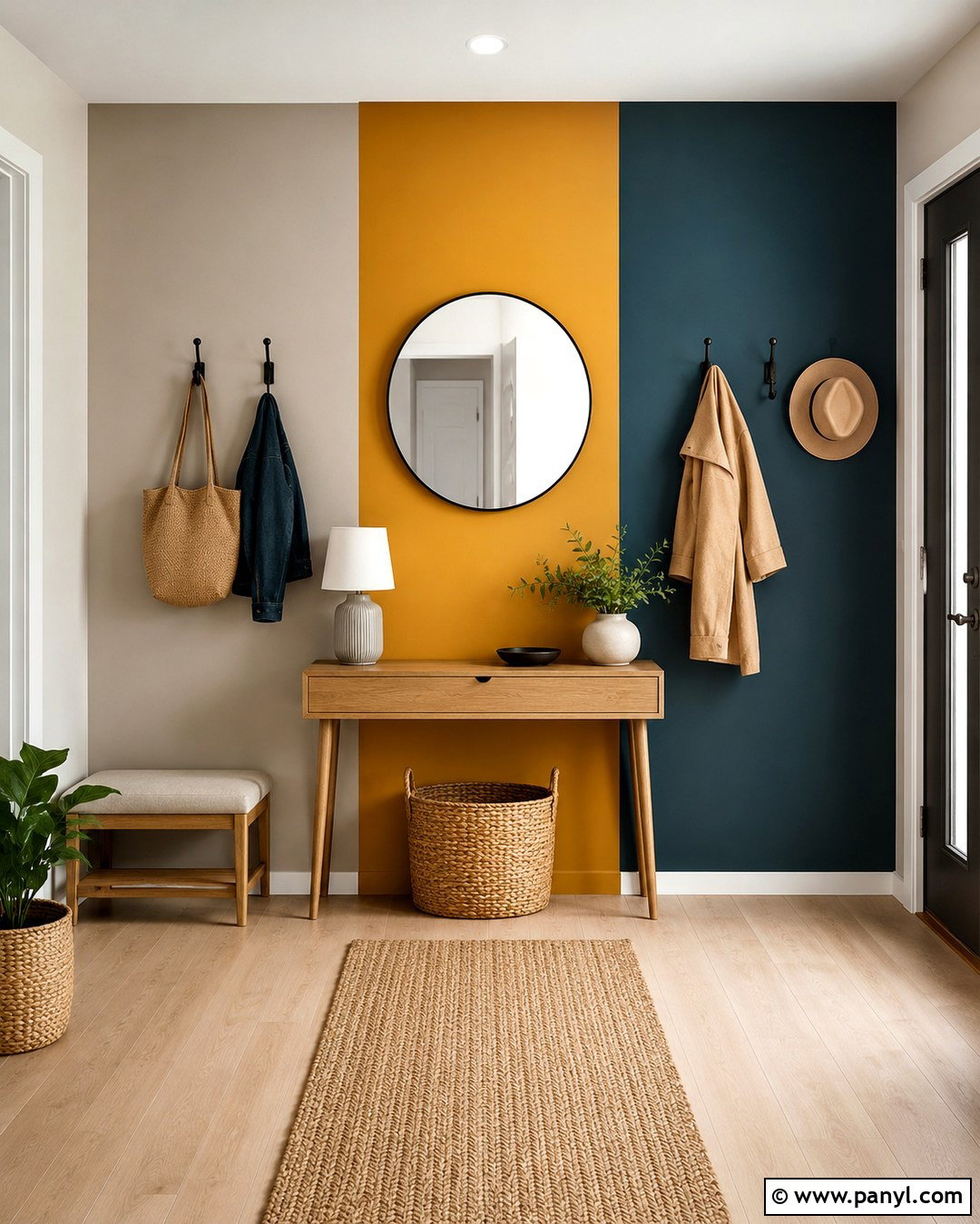
An entryway provides an ideal place to experiment because the wall is usually visible in short, focused moments. Paint the main surface pale greige, add a deep teal lower section, and create a narrow ochre-yellow vertical panel behind a round mirror. Place a slim oak console against the teal area and use matte black hooks on the adjacent wall. A woven runner, ceramic table lamp, lidded storage basket, and simple bench make the space practical as well as attractive. Keep accessories limited so keys, bags, and daily essentials have room. The ochre panel should be slightly wider than the mirror, creating a clear framed effect. Together, the three colors introduce personality while the coordinated furniture provides an orderly landing zone near the front door.
19. Tricolor Kitchen Banquette Wall
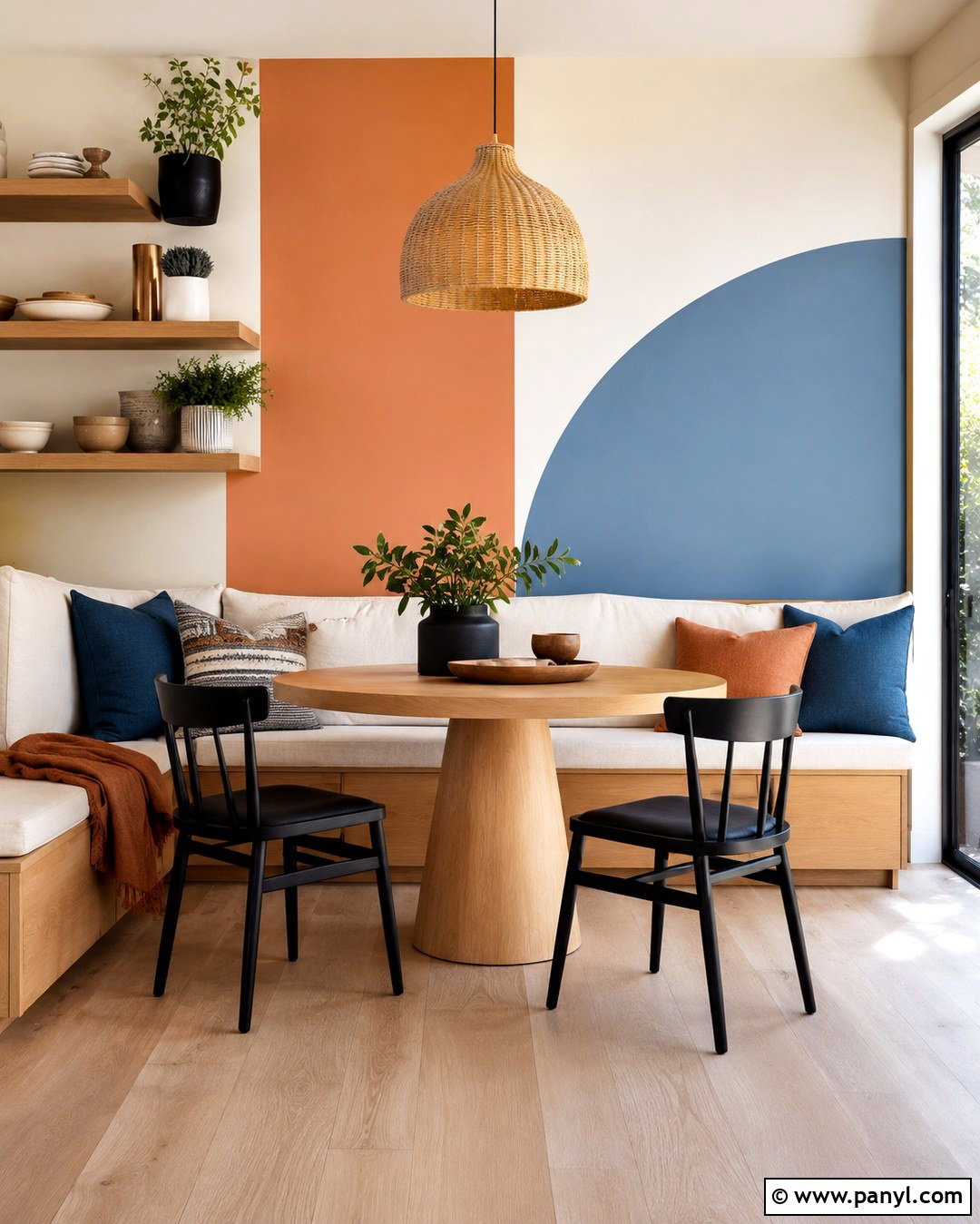
Turn a breakfast corner into a recognizable dining zone with a warm, durable tricolor backdrop. Paint the main wall soft ivory, use muted terracotta across the lower section, and add a large dusty blue semicircle behind the banquette. Install a built-in light oak bench with cream seat cushions, then place a small round pedestal table and two black chairs nearby. Blue pillows, terracotta-striped textiles, and a woven pendant repeat the paint colors. Choose washable finishes where the wall meets the seating and dining surfaces. Open oak shelves can hold white dishes and a few simple ceramics without concealing the painted shape. This complete nook feels cheerful and intimate, while the restrained furniture arrangement keeps traffic moving comfortably through the surrounding kitchen.
20. Tricolor Staircase Wall
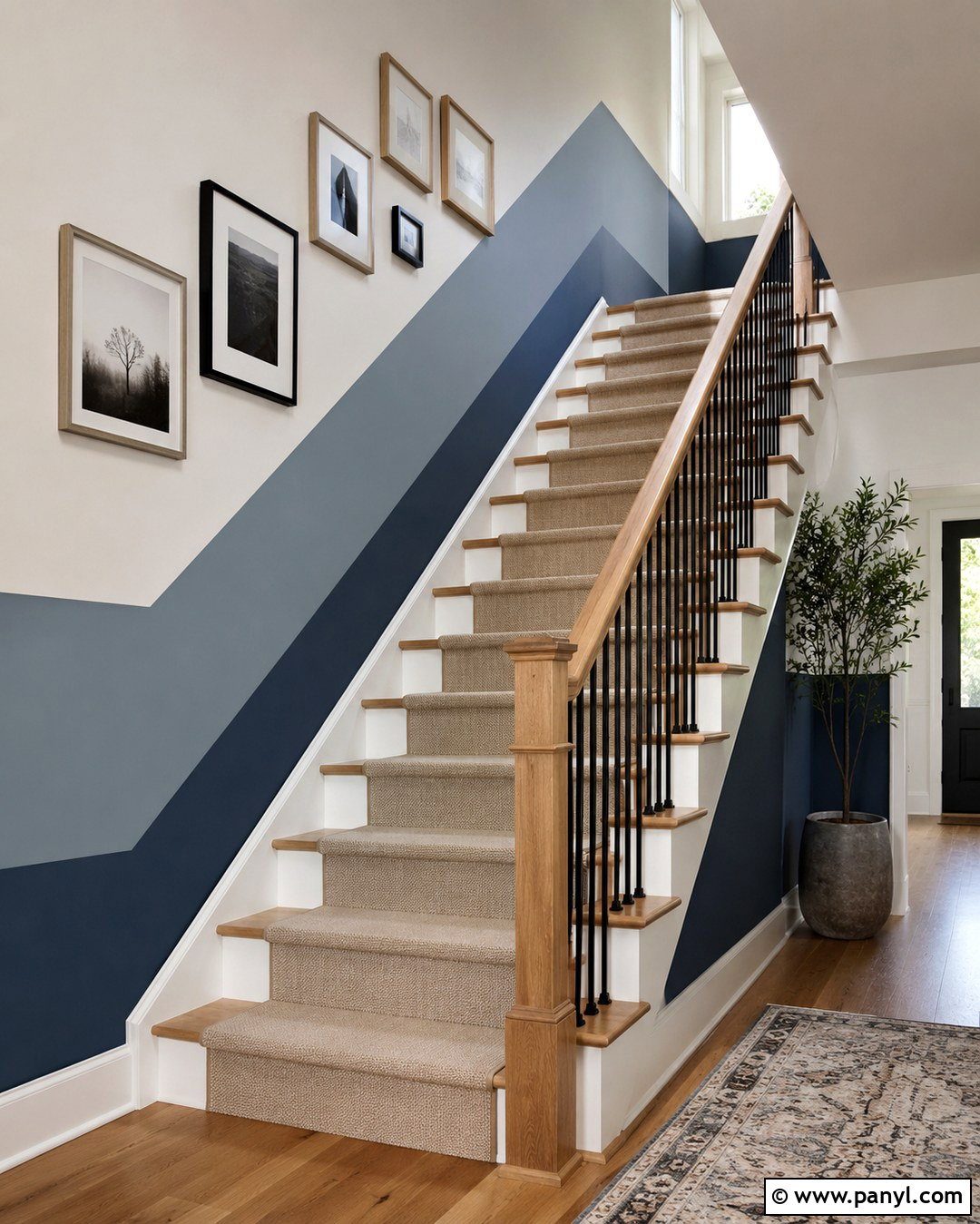
A staircase wall offers enough length to display three colors with gradual movement. Begin with warm white at the upper portion, use dusty blue through the center, and finish with deep slate blue along the lower stair line. Shape the divisions so they rise with the angle of the handrail rather than running straight across the wall. Add a natural oak rail, black metal balusters, and a pale woven runner to complete the staircase. Display a small collection of light wood and black frames within the white and pale blue areas. Keep the darkest paint below eye level so the stairway remains open and bright. The ascending color placement emphasizes the architecture, protects the lower wall visually, and turns a transitional area into a coordinated feature.
Conclusion:
The most successful 20 Tricolor Wall Ideas treat paint as part of a complete room rather than a separate decoration. Start with one dominant shade, choose a supporting color, and reserve the strongest hue for a smaller accent area. Consider the wall’s proportions, furniture placement, flooring, textiles, and available daylight before choosing a layout. Straight bands offer a structured finish, while arches, diagonals, scallops, and geometric blocks create more movement. Earthy palettes feel grounded, pastels appear gentle, and deeper tones bring definition. Measure carefully, test large samples, and use quality painter’s tape for cleaner boundaries. With thoughtful planning, a tricolor wall can add architecture, personality, and balance without requiring a major remodeling project.

Related Ideas and Inspiration:
Leave a Reply