
If you are searching for **20 home wall painting ideas living rooms**, this guide offers complete looks that are practical, stylish, and easy to personalize. Wall color should work with the room’s light, furniture, flooring, trim, and everyday purpose. Instead of choosing a shade by itself, build a balanced palette that connects every surface and furnishing. Warm neutrals can create an airy backdrop, while earthy greens, muted blues, and deep browns add character. Painted arches, murals, stripes, and two-tone treatments introduce pattern without relying on wallpaper. Always test large paint samples beside your sofa, flooring, and windows before committing. Whether your space is compact, open-plan, traditional, or modern, these complete **20 home wall painting ideas living rooms** provide a clear place to begin.

1. Warm White Living Room Walls
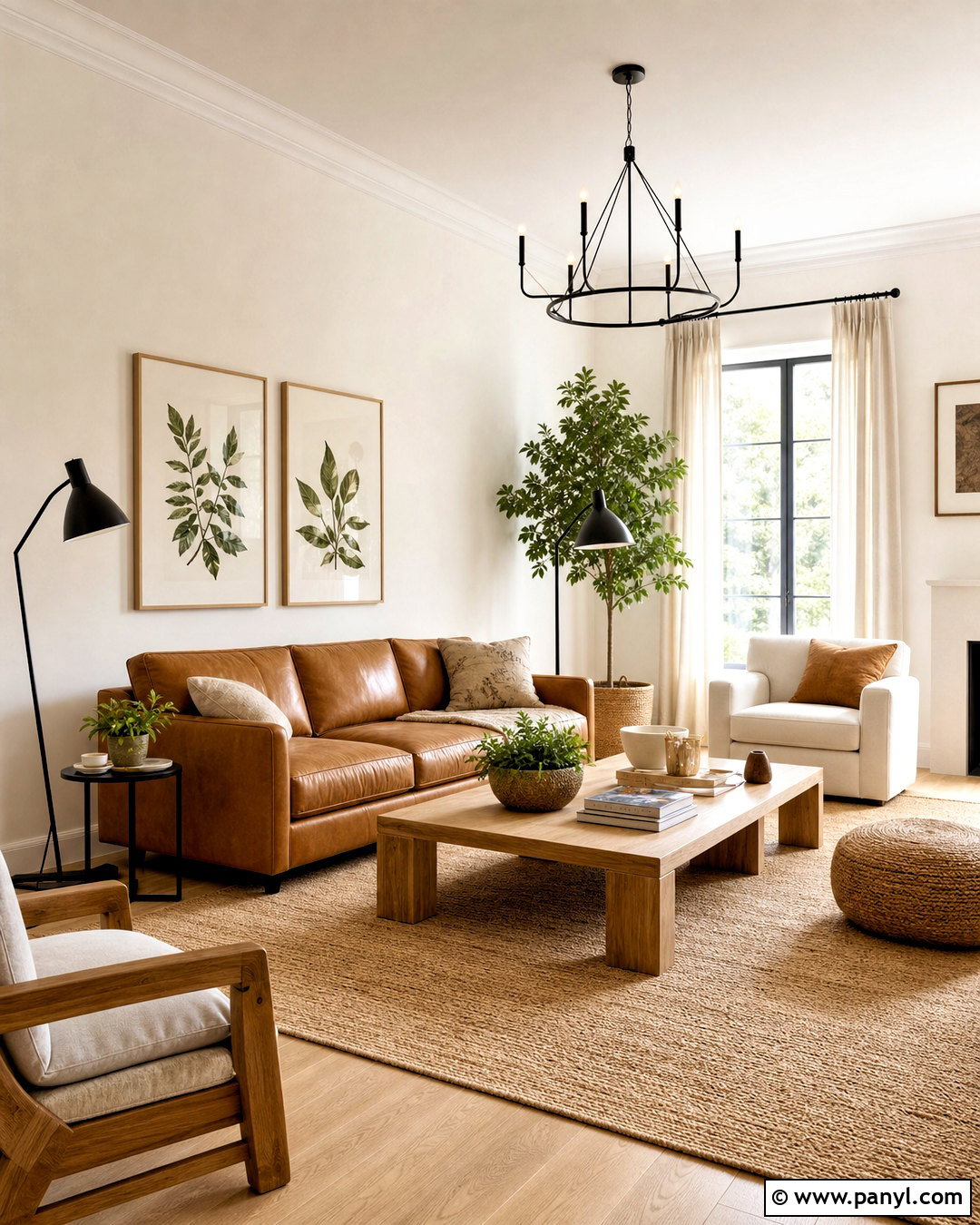
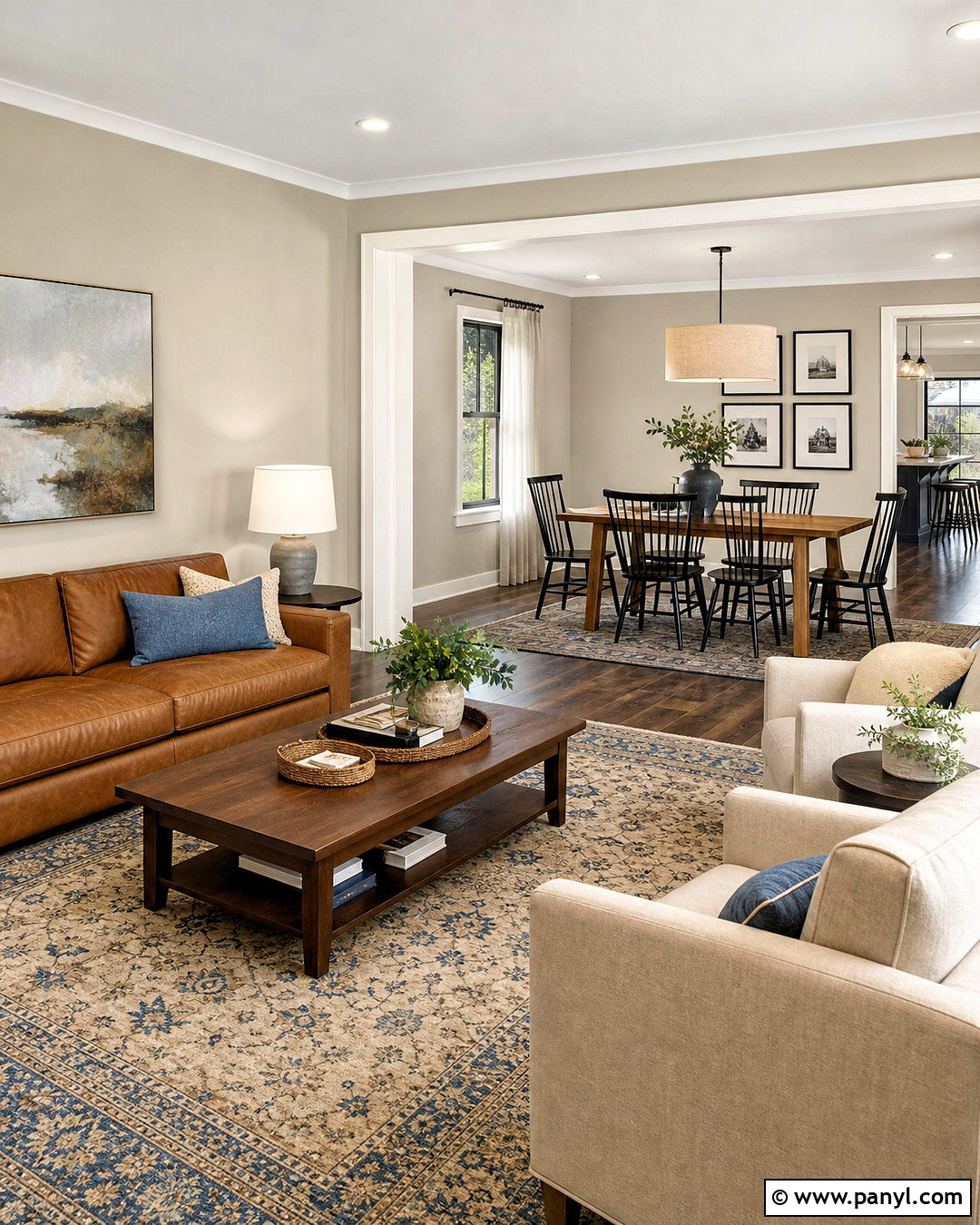
Warm white walls create a bright living room without the stark feeling of cool, blue-based white. Choose a creamy white with soft beige undertones for the walls, then paint the trim and ceiling in a slightly lighter version. Add a camel leather sofa, light oak coffee table, woven rug, and oatmeal linen curtains to continue the warmth. Matte black lamps and picture frames provide small areas of contrast. For artwork, use landscapes or abstract pieces containing tan, rust, olive, and charcoal. This complete palette works especially well in living rooms with moderate natural light. Avoid using too many gray furnishings, which can fight the creamy paint. Instead, layer natural wood, warm metals, textured pillows, and leafy plants for a relaxed, finished appearance.
2. Sage Green Color Drenched Living Room
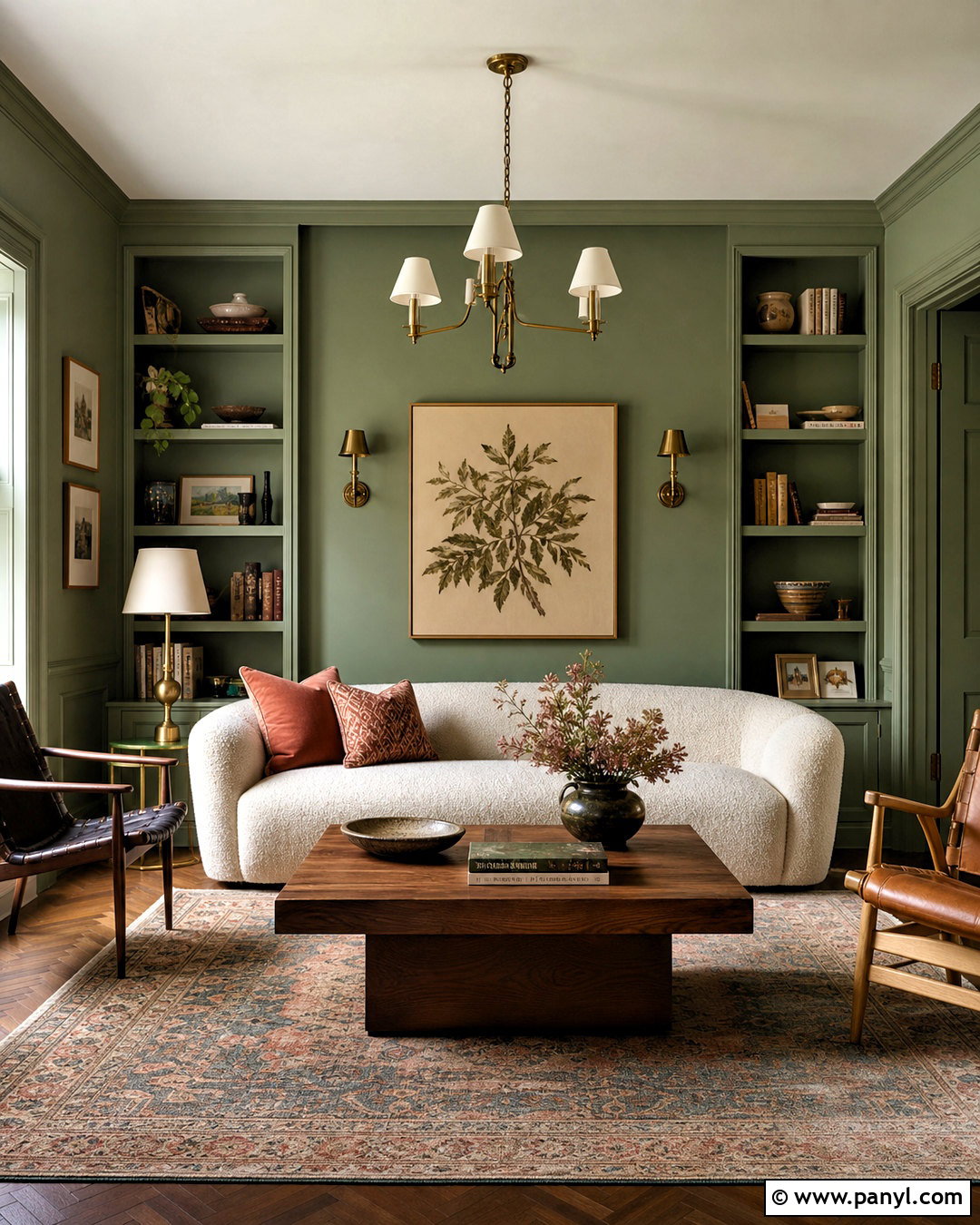
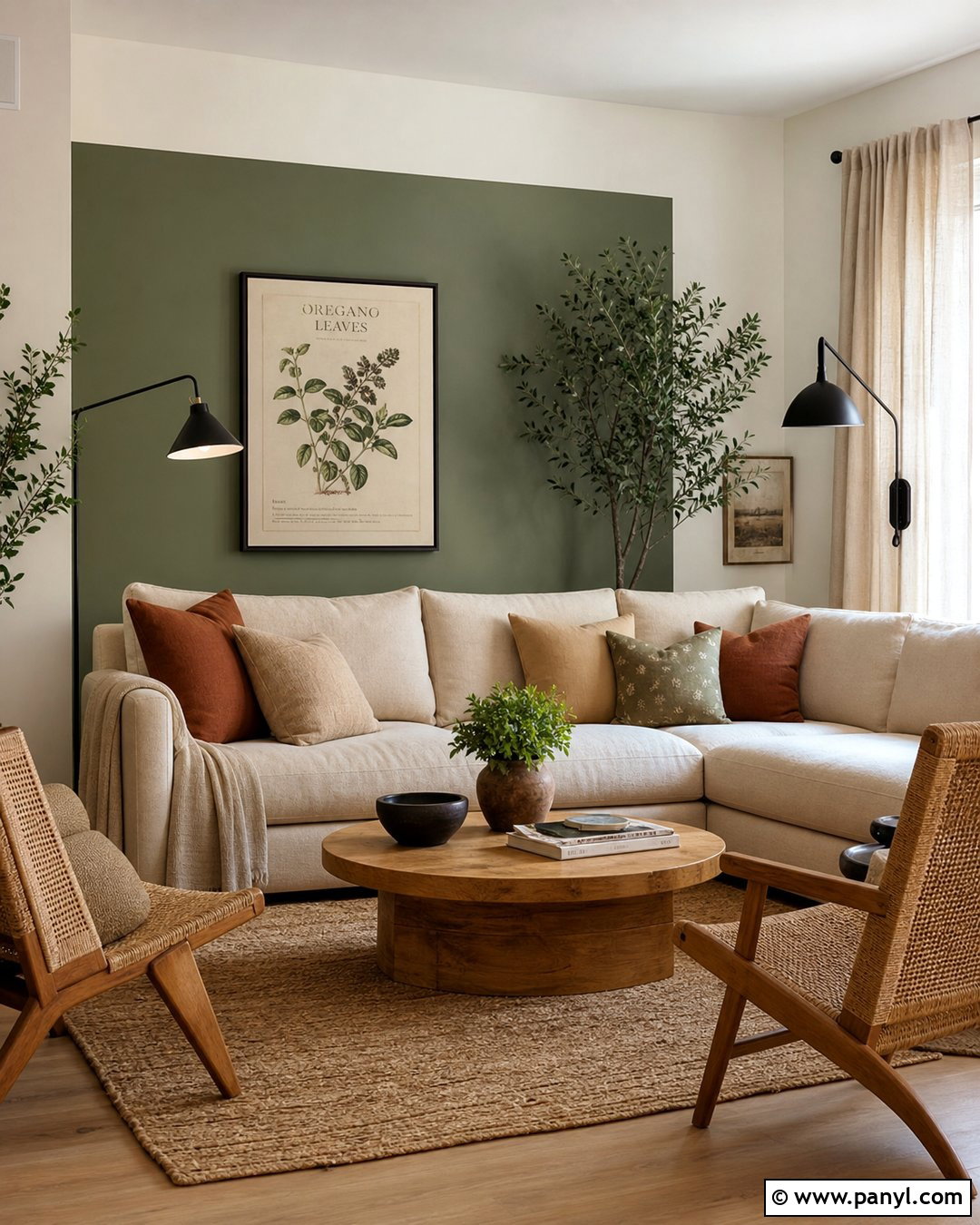
Soft sage green can wrap a living room in calm color while remaining easy to decorate. Paint the walls, baseboards, window trim, doors, and built-in shelves in the same muted sage shade. Use an eggshell finish on walls and satin on woodwork so the subtle change in sheen adds dimension. Keep the ceiling warm white if the room has limited daylight. Furnish the space with a cream boucle sofa, walnut coffee table, vintage-style rug, and aged brass lighting. Terracotta pillows and pottery bring warmth to the green backdrop. Hang botanical artwork in dark wood frames for a natural connection. This color-drenched treatment looks especially cohesive when architectural details would otherwise break up a small or awkwardly shaped living room.
3. Muted Teal Living Room Walls
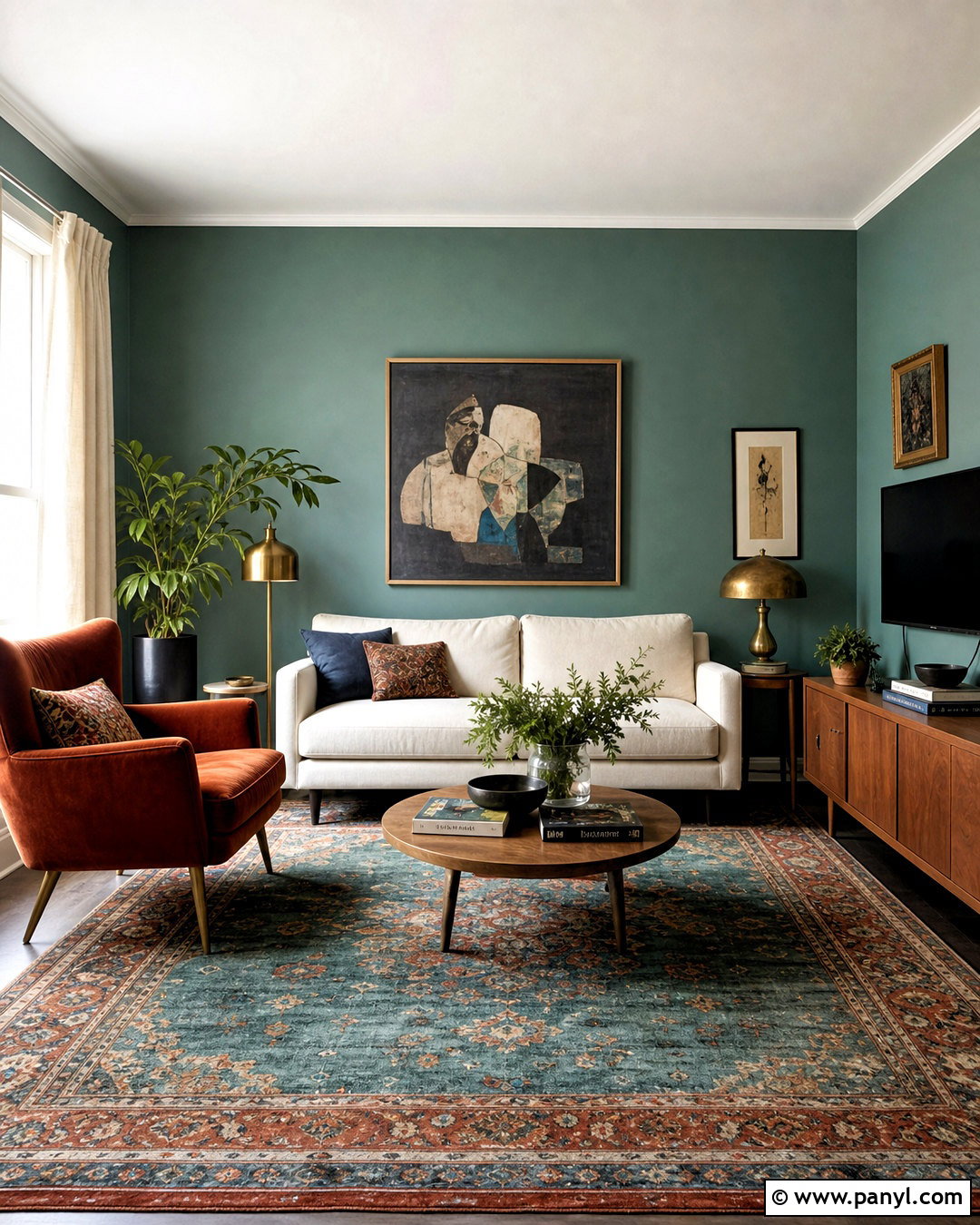
Muted teal walls offer richer color than pale blue while feeling softer than bright turquoise. Select a teal with noticeable gray or green undertones and use it across all four walls for an immersive look. Balance the depth with an ivory sofa, pale oak flooring, and full-length off-white curtains. A rust velvet chair introduces a warm complementary accent without overpowering the room. Choose a low walnut media console, antique brass floor lamp, and patterned rug containing teal, cream, rust, and dusty pink. Keep the ceiling and crown molding crisp but not icy white. This complete arrangement suits a social living room because the color feels expressive yet comfortable. Finish with ceramic lamps, framed art, and a few natural textures rather than excessive decorative accessories.
4. Beige Limewash Living Room Walls
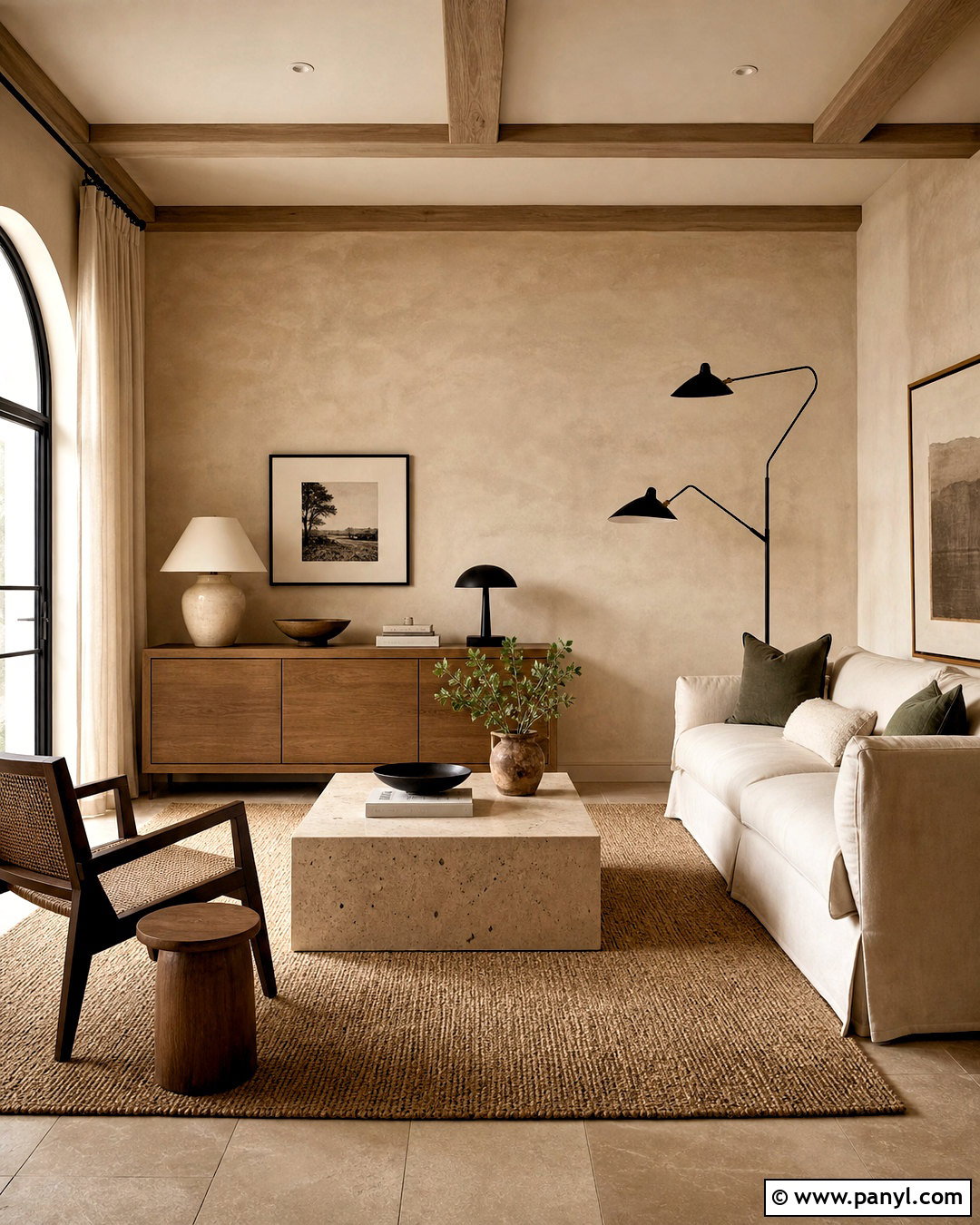
Beige limewash gives plain living room walls gentle movement and a handcrafted, mineral appearance. Apply a warm sand-colored finish across every wall using overlapping brush strokes rather than creating one isolated feature wall. The variation should remain subtle, with soft areas of cream, putty, and pale taupe. Pair the textured walls with a slipcovered ivory sofa, travertine coffee table, oak sideboard, and large natural jute rug. Linen curtains in a similar sandy tone will soften the windows without hiding the finish. Add black metal lighting for definition and use olive, clay, and chocolate brown in pillows and artwork. Simple pottery and sculptural branches complete the room. Keep furniture silhouettes clean so the softly mottled painted walls remain the main decorative layer.
5. Navy Blue Fireplace Wall
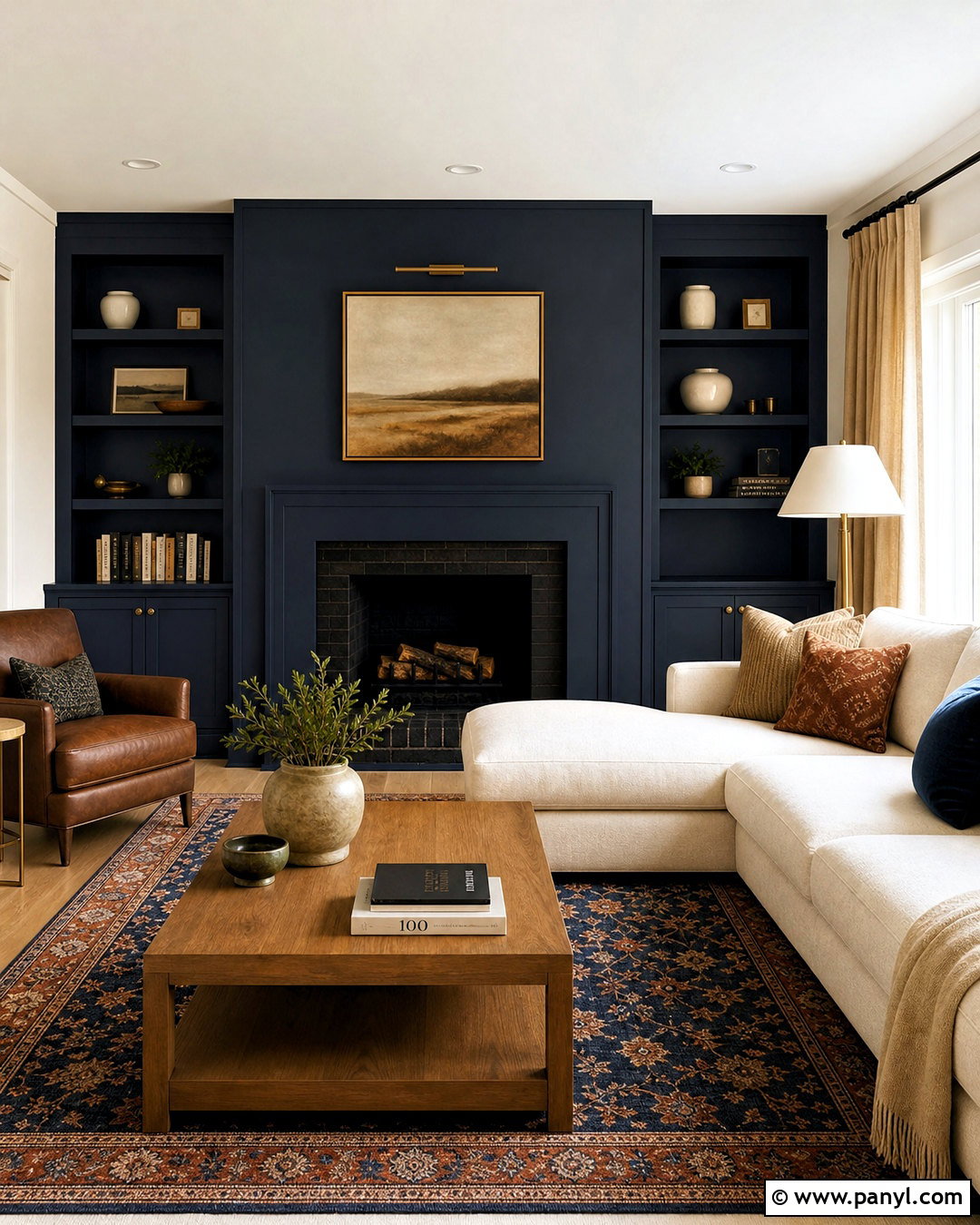
A navy blue fireplace wall can create a strong focal point while helping a television or dark firebox blend into the room. Paint the entire fireplace wall, including surrounding built-ins and shelving, in a deep navy with a soft matte finish. Keep the remaining walls warm white to maintain an open atmosphere. Place a light gray or cream sectional opposite the fireplace, then add a medium-toned oak coffee table and a blue-and-rust patterned rug. Style the shelves with pale ceramics, framed prints, books, and small brass objects to brighten the dark background. Natural linen curtains prevent the room from feeling overly formal. Repeat navy through a few pillows, but introduce cognac leather and warm wood so the finished living room feels balanced rather than heavily blue.
6. Terracotta Half Painted Living Room Walls
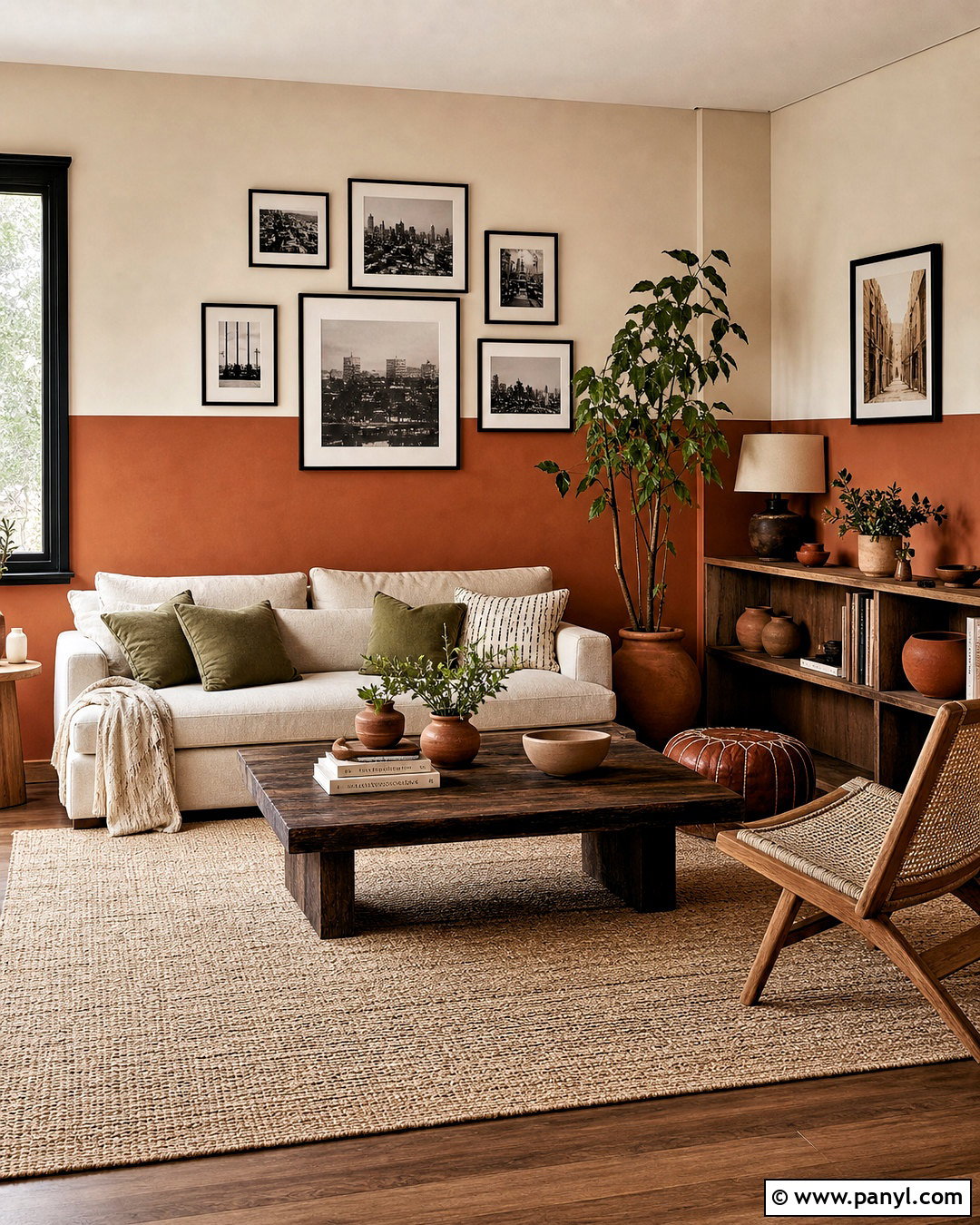
A terracotta half-wall treatment adds earthy color while preserving a light, spacious feeling. Paint the lower two-thirds of each wall in muted clay or sunbaked terracotta, then use warm cream above it and across the ceiling. Instead of dividing the colors at standard chair-rail height, raise the line slightly above the sofa for a more modern proportion. Add a natural linen sofa, dark wood coffee table, woven cane chair, and cream wool rug. Olive green pillows and striped textiles complement the warm wall color. Use simple black picture frames that cross the painted boundary for a relaxed gallery display. This complete scheme works beautifully with light oak or medium wood floors. Finish with ceramic lamps, woven baskets, and leafy plants in aged terracotta containers.
7. Dusty Pink Living Room Walls
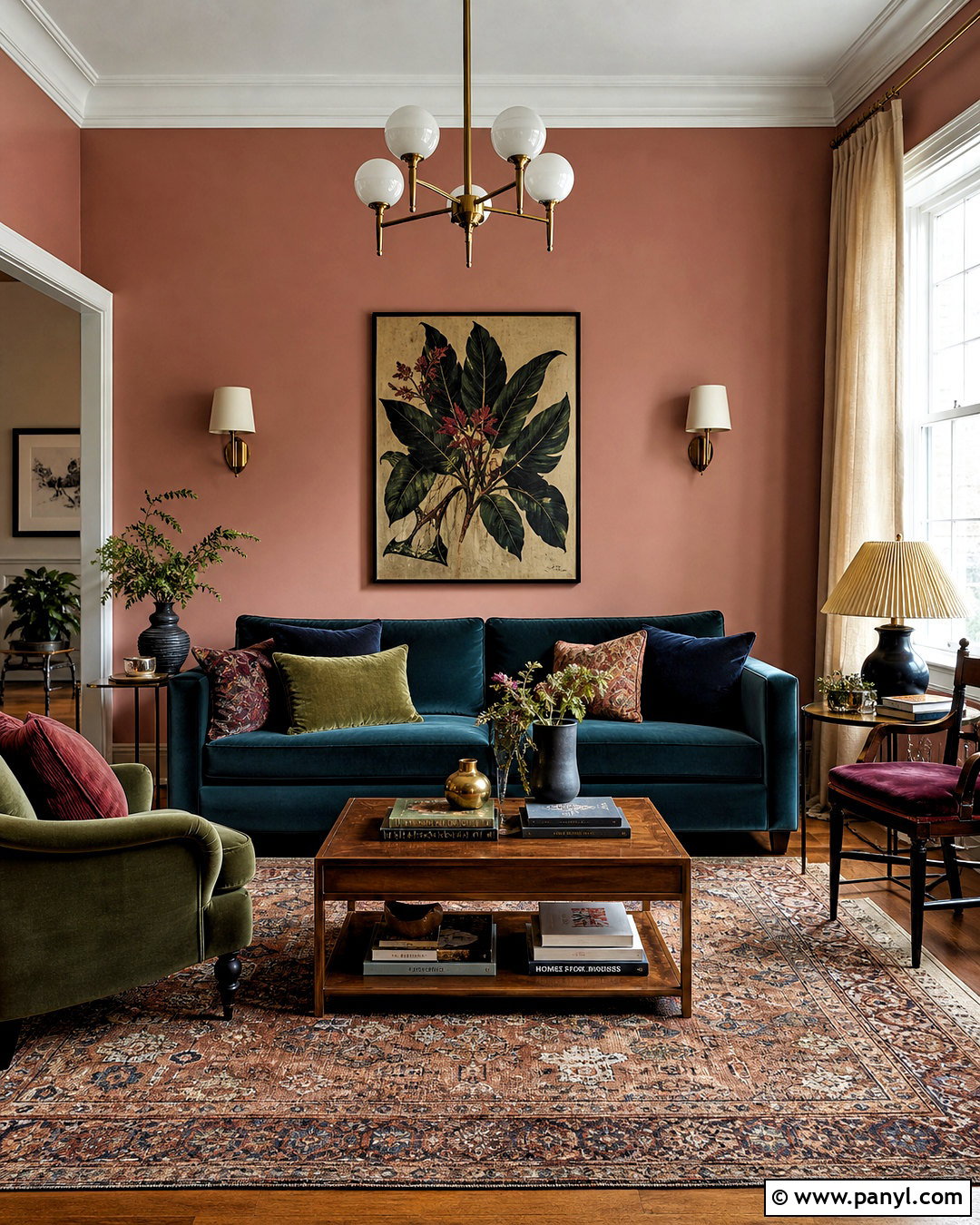
Dusty pink walls can look sophisticated when the shade contains muted brown or plaster-like undertones. Paint every wall in a soft clay pink, then use warm white on the ceiling and trim for gentle contrast. Anchor the room with a deep teal sofa or two teal armchairs, creating a balanced combination that feels colorful but not overly sweet. Add a walnut coffee table, faded traditional rug, and linen curtains in oatmeal. Brushed brass lighting will emphasize the warmth, while navy, olive, and burgundy pillows add depth. Choose artwork with abstract shapes or botanical forms in pink, cream, blue, and green. Avoid shiny decorative finishes or excessive pastel accessories. Natural wood, aged metal, textured upholstery, and handcrafted ceramics will give the finished living room a grounded, collected character.
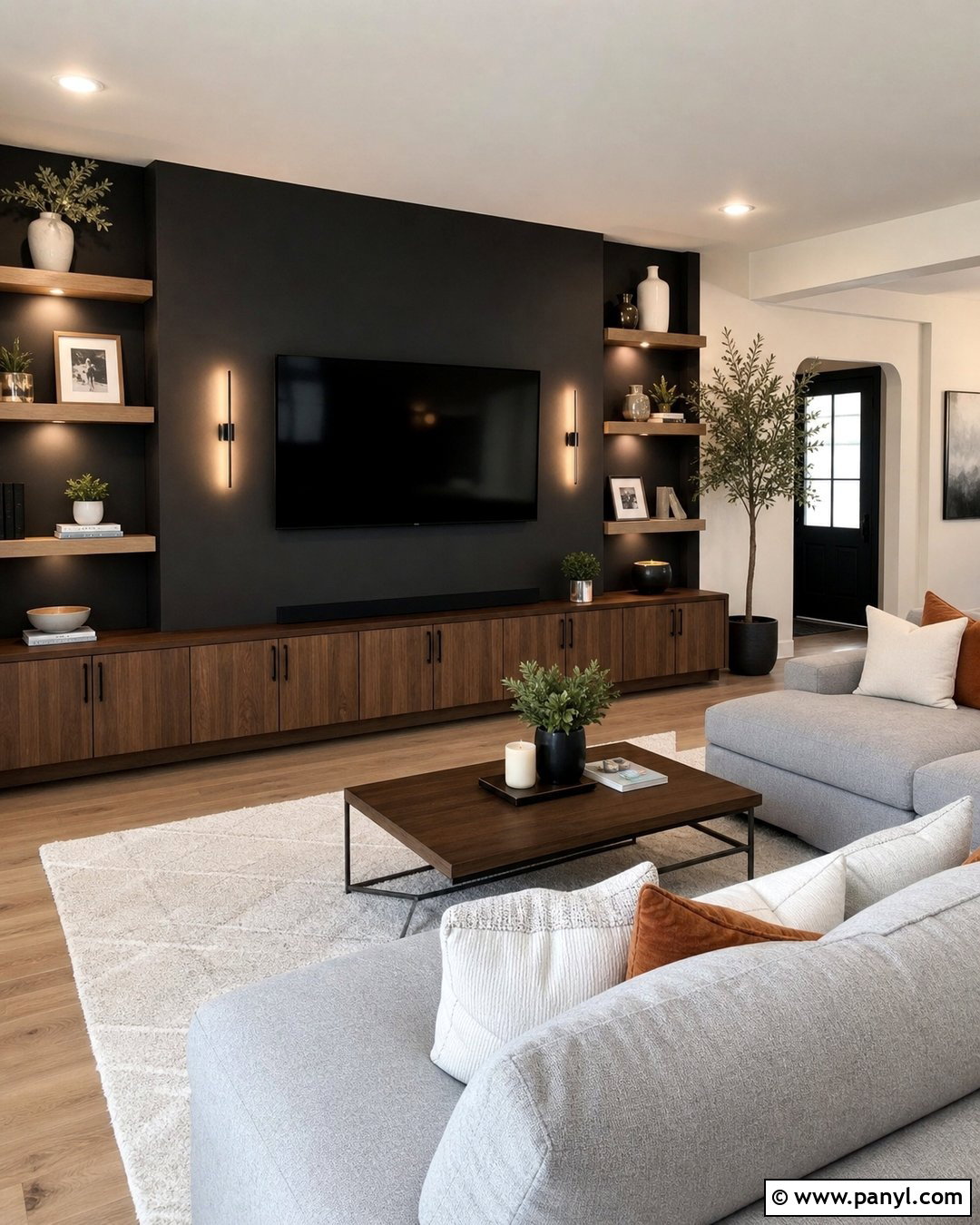
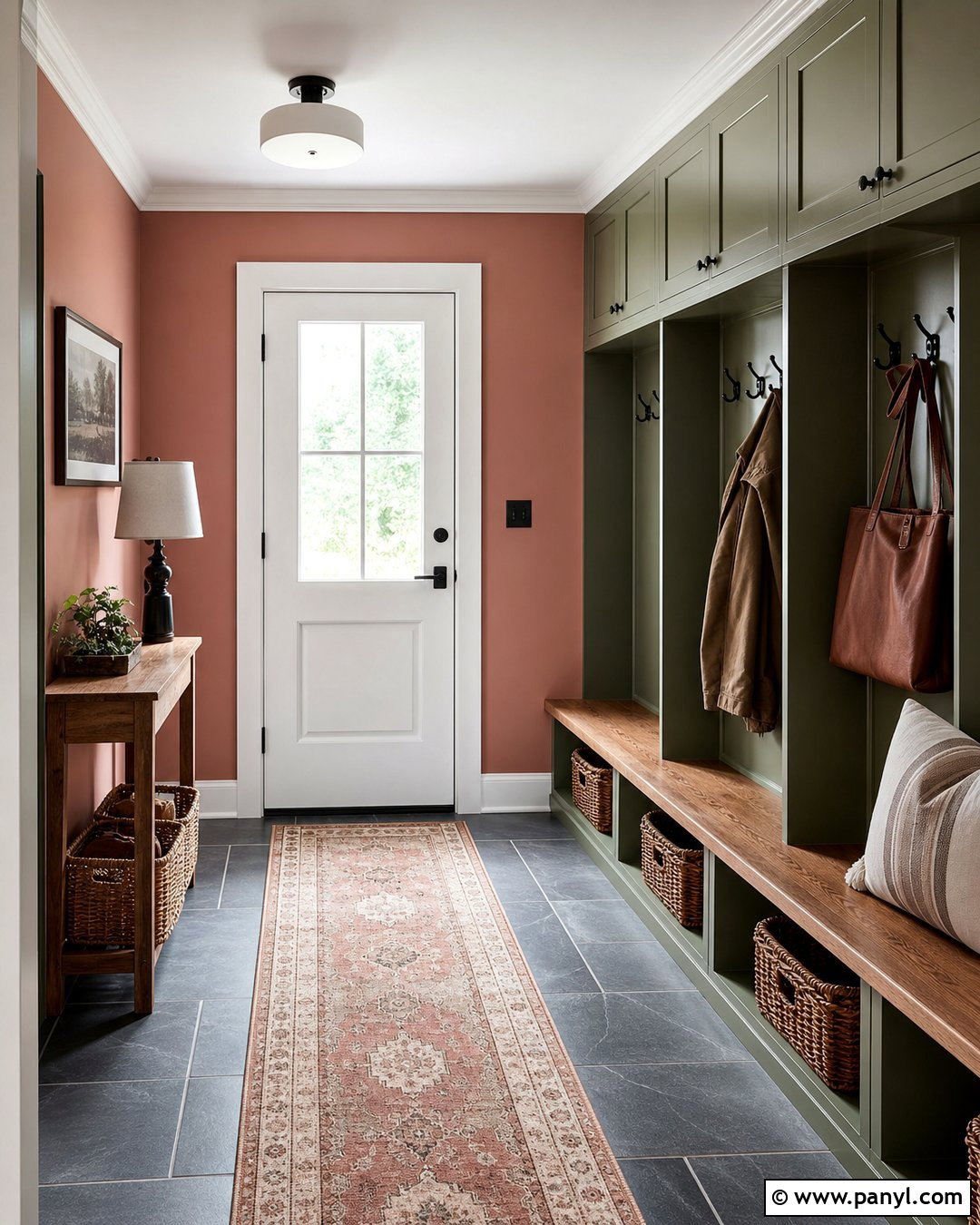
8. Painted Arch Behind Living Room Sofa
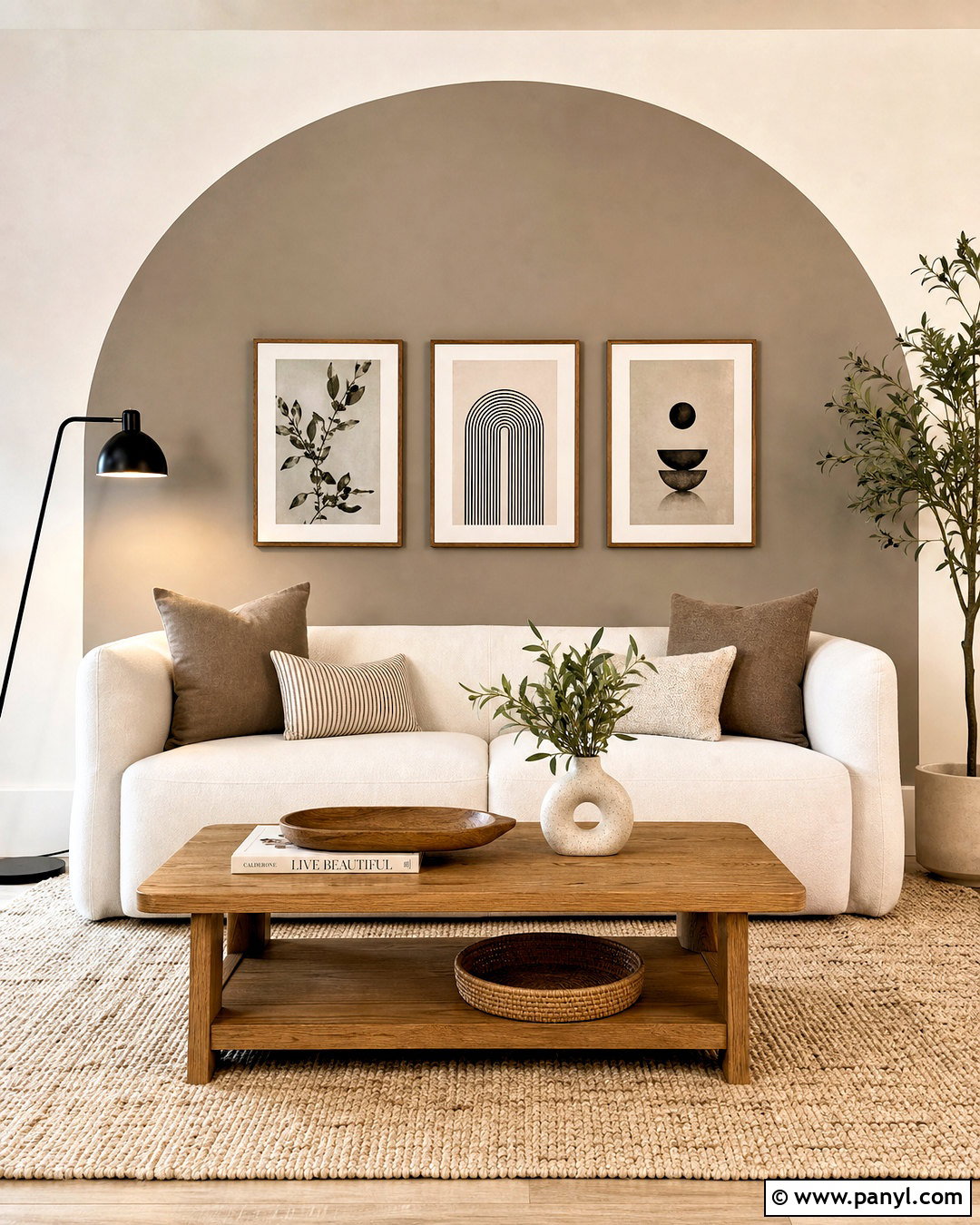
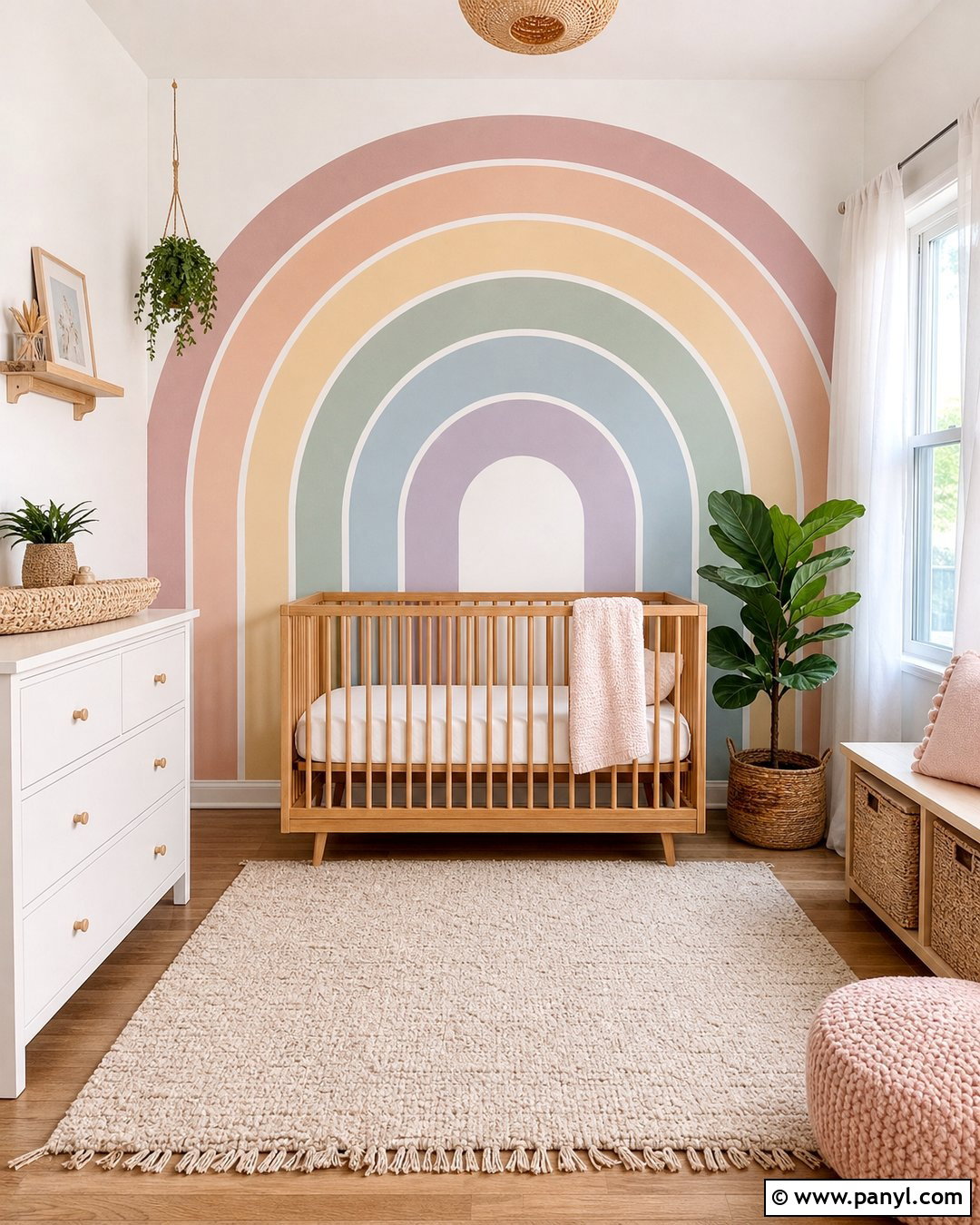
A large painted arch can visually frame the sofa and make a blank wall feel intentional. Use smoky taupe, muted ochre, or earthy olive for the arch against warm white walls. Make the shape wider than the sofa and extend it from behind the furniture toward the ceiling, keeping the curve smooth and symmetrical. Center a cream sofa within the painted area, then hang one large artwork or a balanced group of three prints inside it. Complete the space with an oak coffee table, textured neutral rug, black floor lamp, and pillows that repeat the arch color. Keep other walls simple so the shape remains clear. This painting treatment is particularly useful in rentals or compact rooms where architectural details are limited and a full dark accent wall could feel too heavy.
9. Soft Ombre Living Room Walls
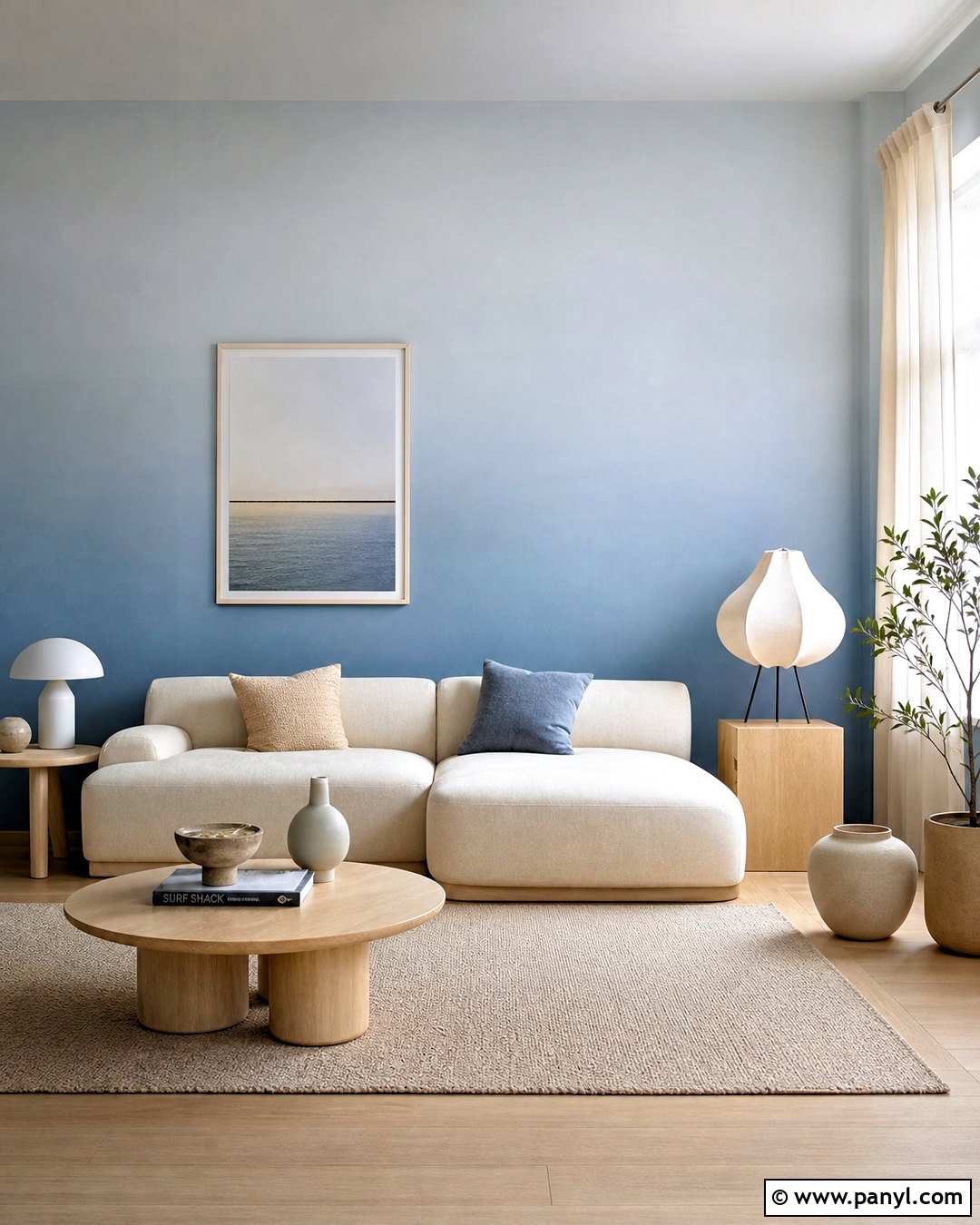
An ombre wall treatment creates atmospheric color without producing a hard dividing line. Begin with a deeper dusty blue or sage green near the floor, blend through a softened middle tone, and finish with a very pale version near the ceiling. Use the effect on the longest uninterrupted wall, while painting the remaining walls in the lightest shade from the gradient. Position a low cream sofa against the ombre surface so plenty of painted color remains visible. Add pale wood tables, a flat-woven rug, and curtains that closely match the upper wall tone. Keep artwork minimal because the gradient already provides movement. A few sculptural lamps, muted pillows, and ceramic vessels will complete the room. Professionally blended transitions are important, so practice the technique before covering the main wall.
10. Abstract Living Room Wall Mural
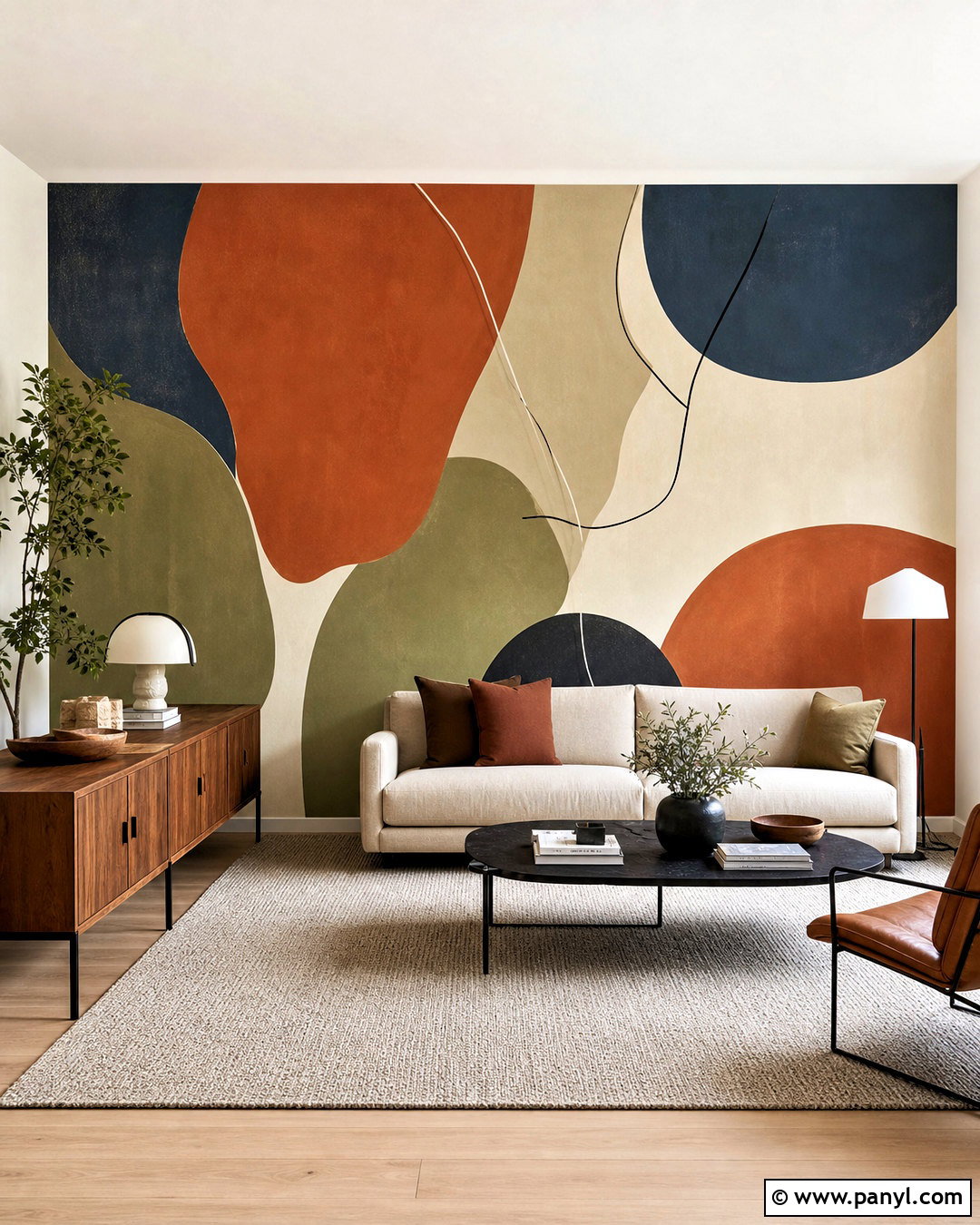
A hand-painted abstract mural can turn the living room into a personal, art-focused space. Cover one broad wall with oversized organic shapes in terracotta, muted blue, cream, olive, and soft black. Keep the composition open and asymmetrical rather than filling every inch with pattern. Paint the surrounding walls warm white to give the mural visual breathing room. Choose a simple oatmeal sofa, black metal coffee table, and low walnut console so the furnishings do not compete with the artwork. A neutral rug and solid-colored pillows will help the room remain restful. Pull two or three mural colors into small accessories, such as a blue lamp or rust throw. Before painting, sketch the full composition on paper and mark shapes lightly on the wall for accurate scale and placement.
11. Vertical Striped Living Room Walls
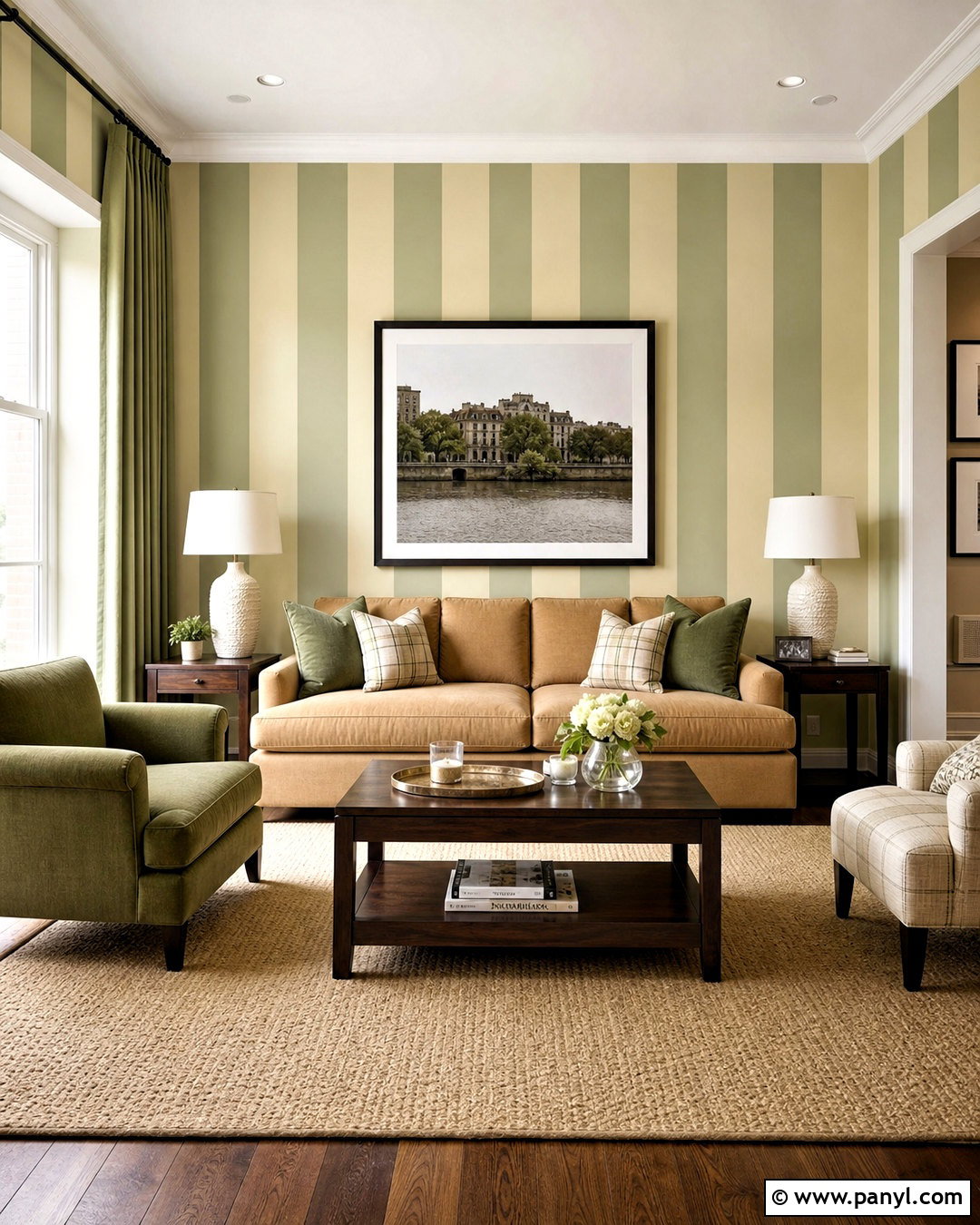
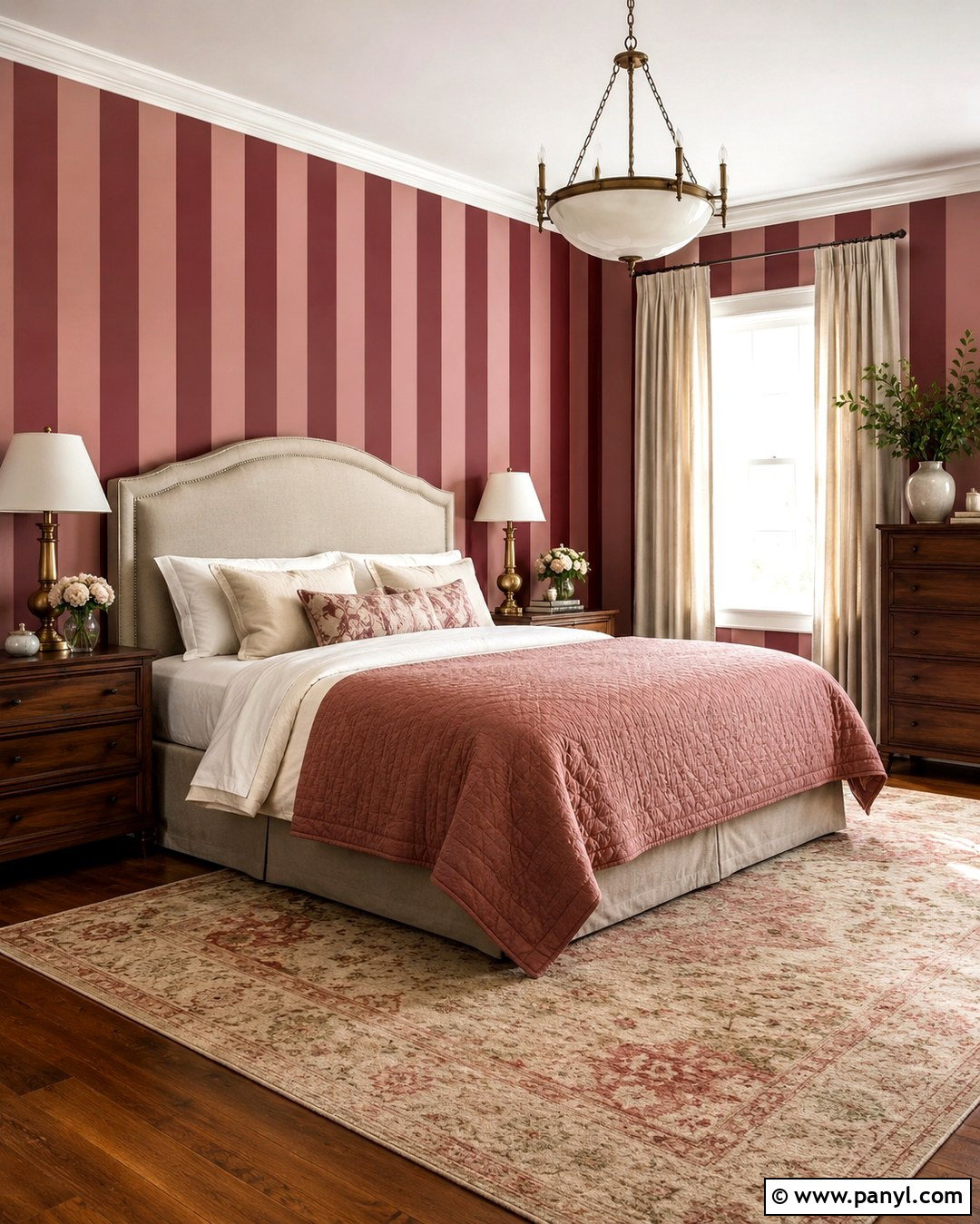
Vertical painted stripes can give a living room a tailored look while drawing attention upward. Use alternating bands of warm cream and pale beige, muted green, or powder blue. Make the stripes wide enough to feel architectural rather than busy, and continue them across one complete wall behind the main seating area. Paint the other walls in the lighter stripe color. Pair the treatment with a solid camel or ivory sofa, dark wood tables, and a simple wool rug. Curtains should closely match one of the stripe shades so they do not introduce another strong pattern. Add solid pillows with one small checked or floral accent for variety. Clean painter’s tape lines are essential. Keep wall art limited to one substantial piece that can hold its own against the repeating painted background.
12. Charcoal Paneled Living Room Walls
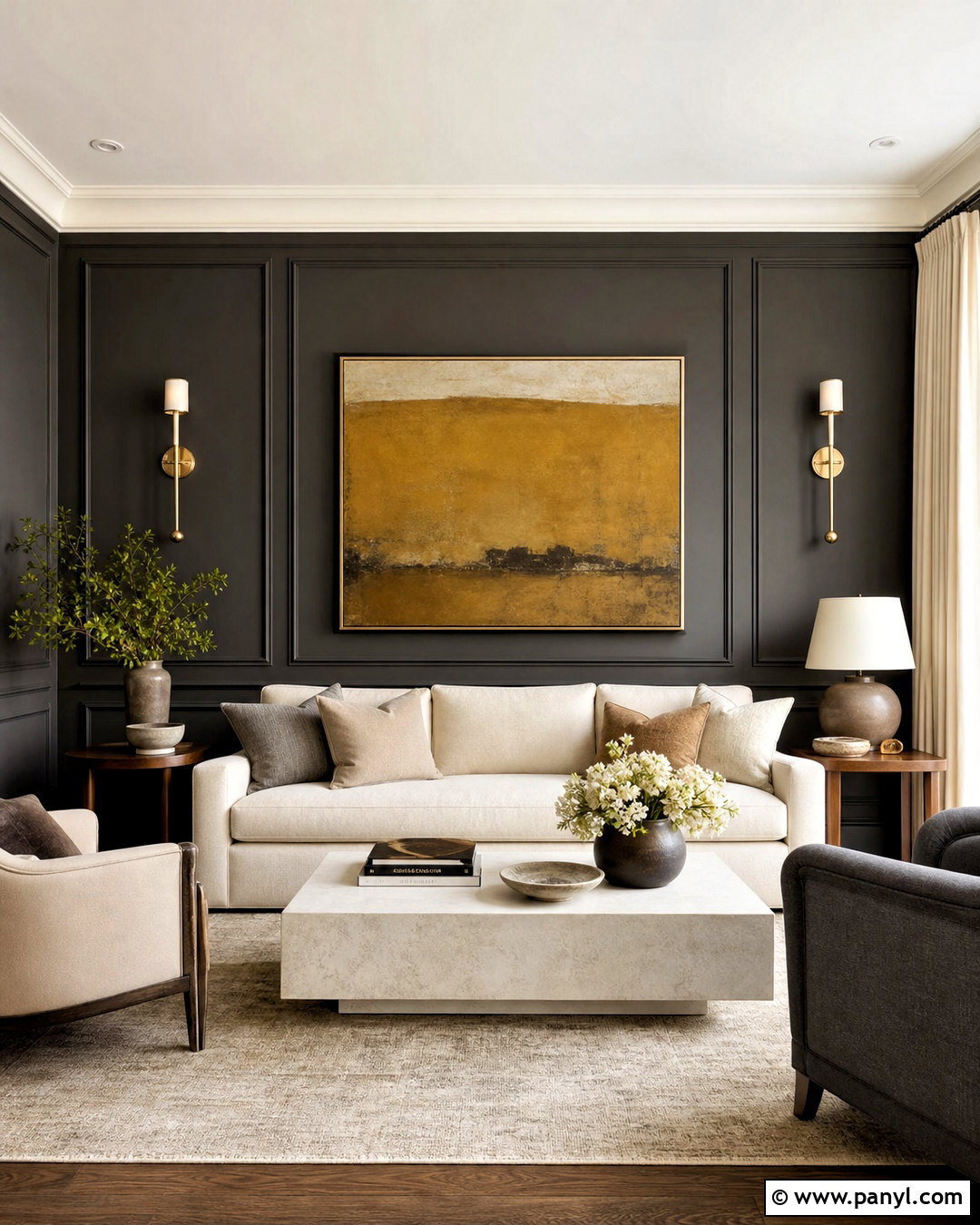
Charcoal-painted panel molding brings depth and architectural character to a formal or transitional living room. Install simple rectangular molding across the main walls, then paint the walls and molding together in a warm charcoal rather than a cold blue-gray. Use the same color on baseboards for a seamless finish, but keep the ceiling soft white. Lighten the arrangement with an ivory sofa, cream curtains, pale area rug, and a white stone coffee table. Walnut end tables and aged brass sconces will warm the darker paint. Choose large artwork with cream, ochre, and muted red to break up the charcoal surfaces. This complete room works best when several light-colored textiles balance the walls. Use layered lamps and sconces so the dark paint remains dimensional throughout the evening.
13. Olive Green And Cream Living Room Walls
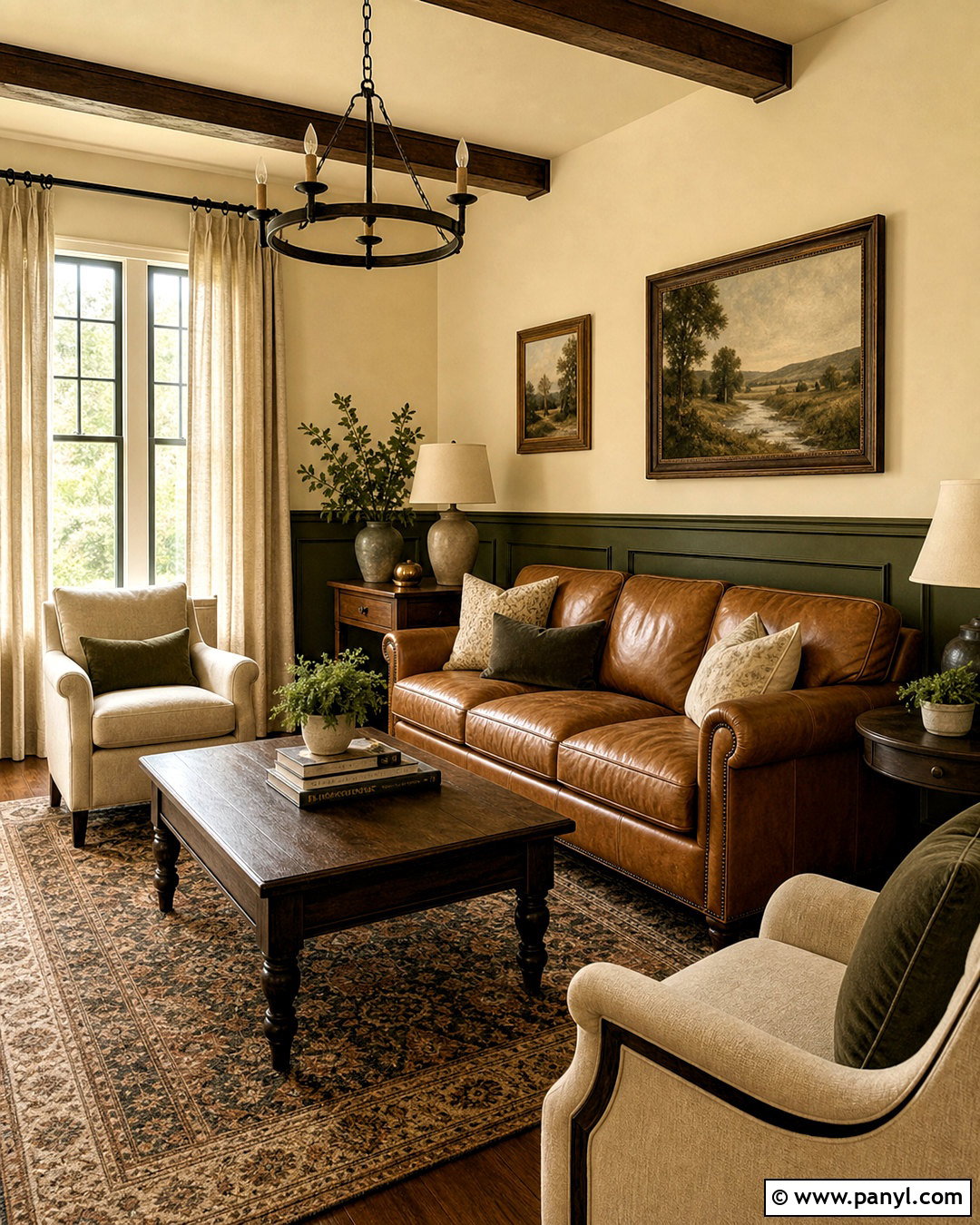
Olive green and cream create an earthy two-tone living room with a classic structure. Paint the lower wall, paneling, and baseboards in medium olive green. Use warm cream above the dividing rail and continue it onto the ceiling. The darker lower section can visually anchor furniture while the pale upper color keeps the room open. Add a caramel leather sofa, cream upholstered chairs, dark oak coffee table, and vintage rug with muted red and green details. Linen curtains in natural flax will bridge the two wall colors. Display landscape artwork in antique brass or dark wood frames above the rail. Black accents should be used sparingly. Complete the look with ceramic table lamps, books, woven baskets, and pillows in rust, mustard, and moss for a layered, welcoming finish.
14. Pale Blue Living Room And Ceiling
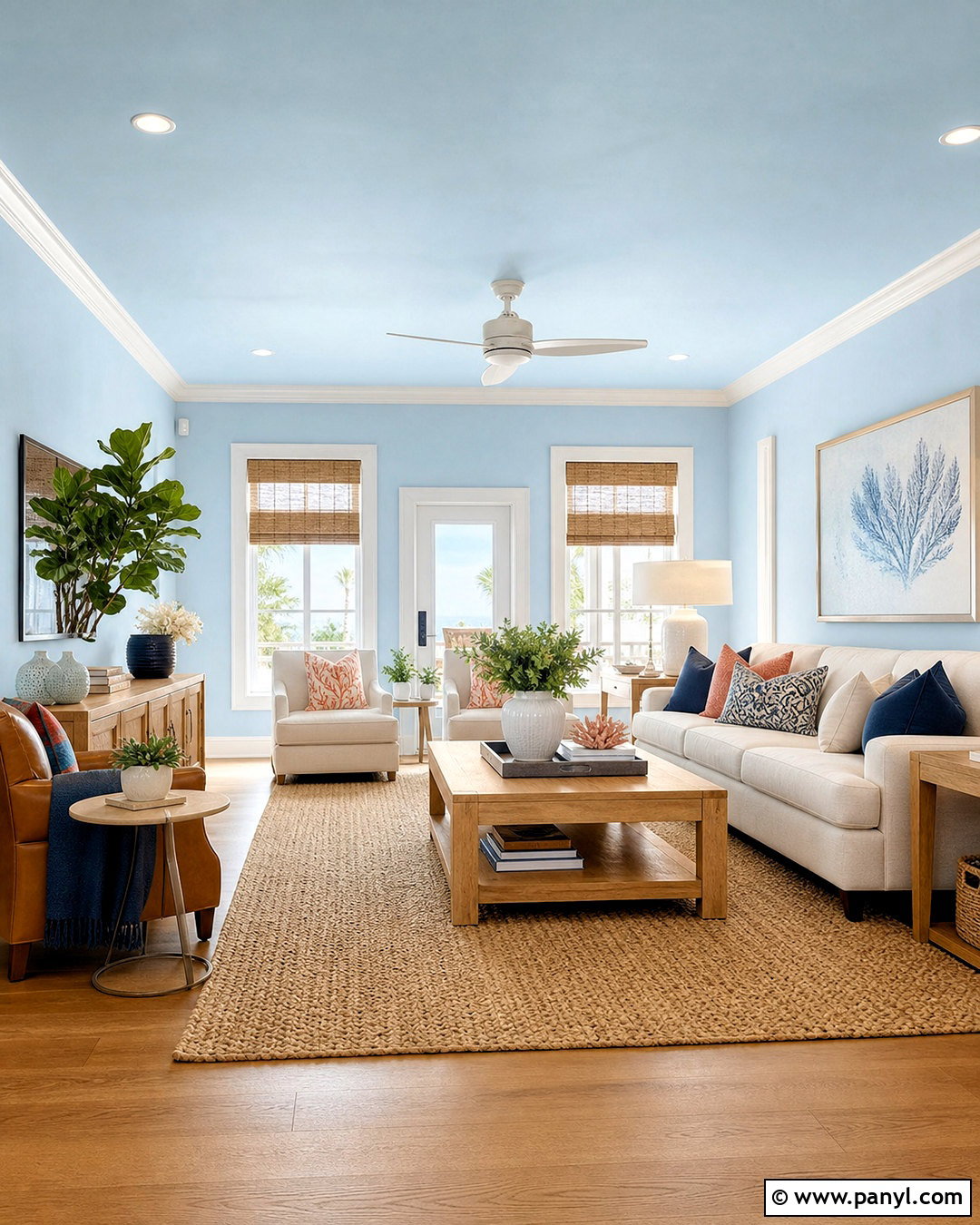
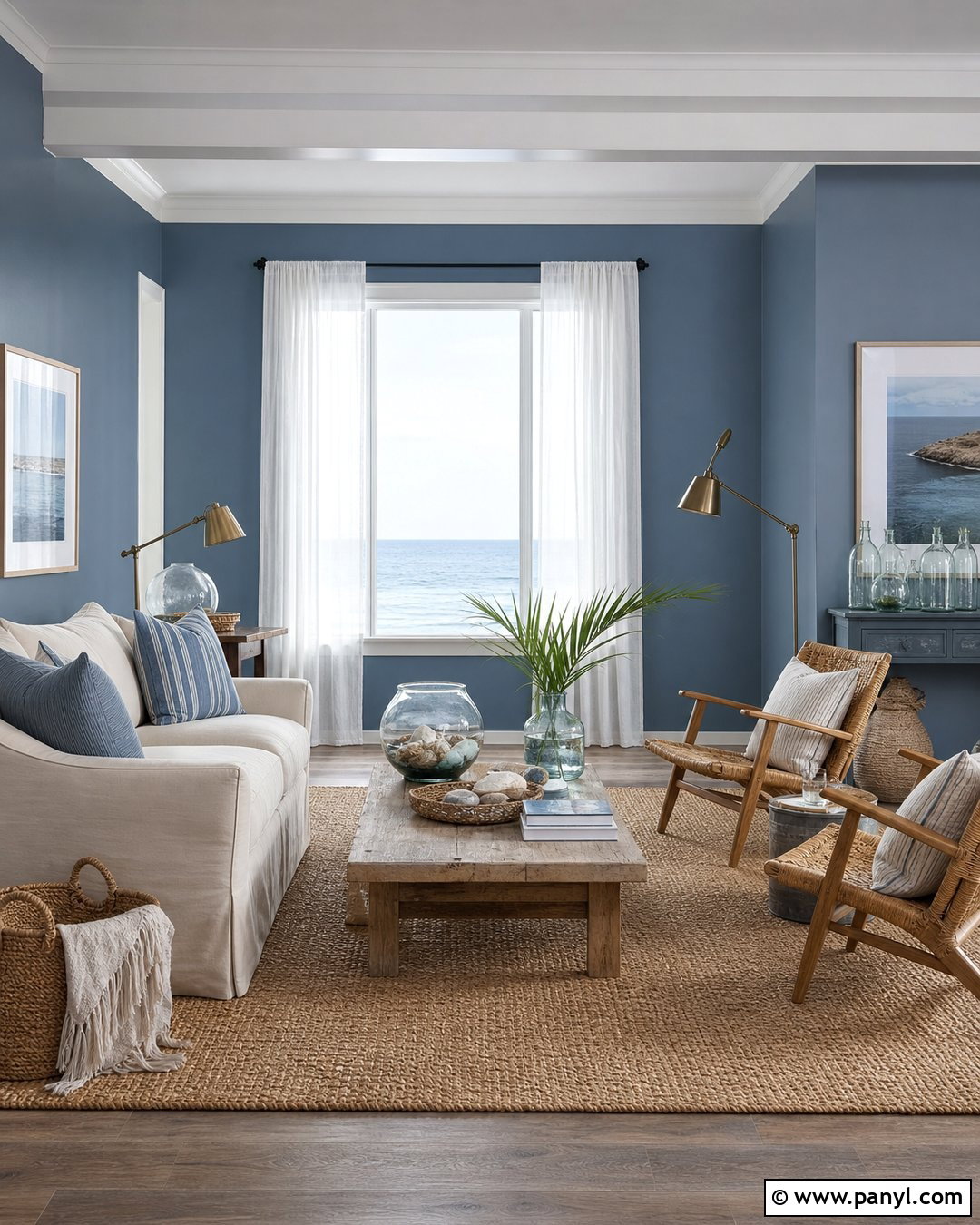
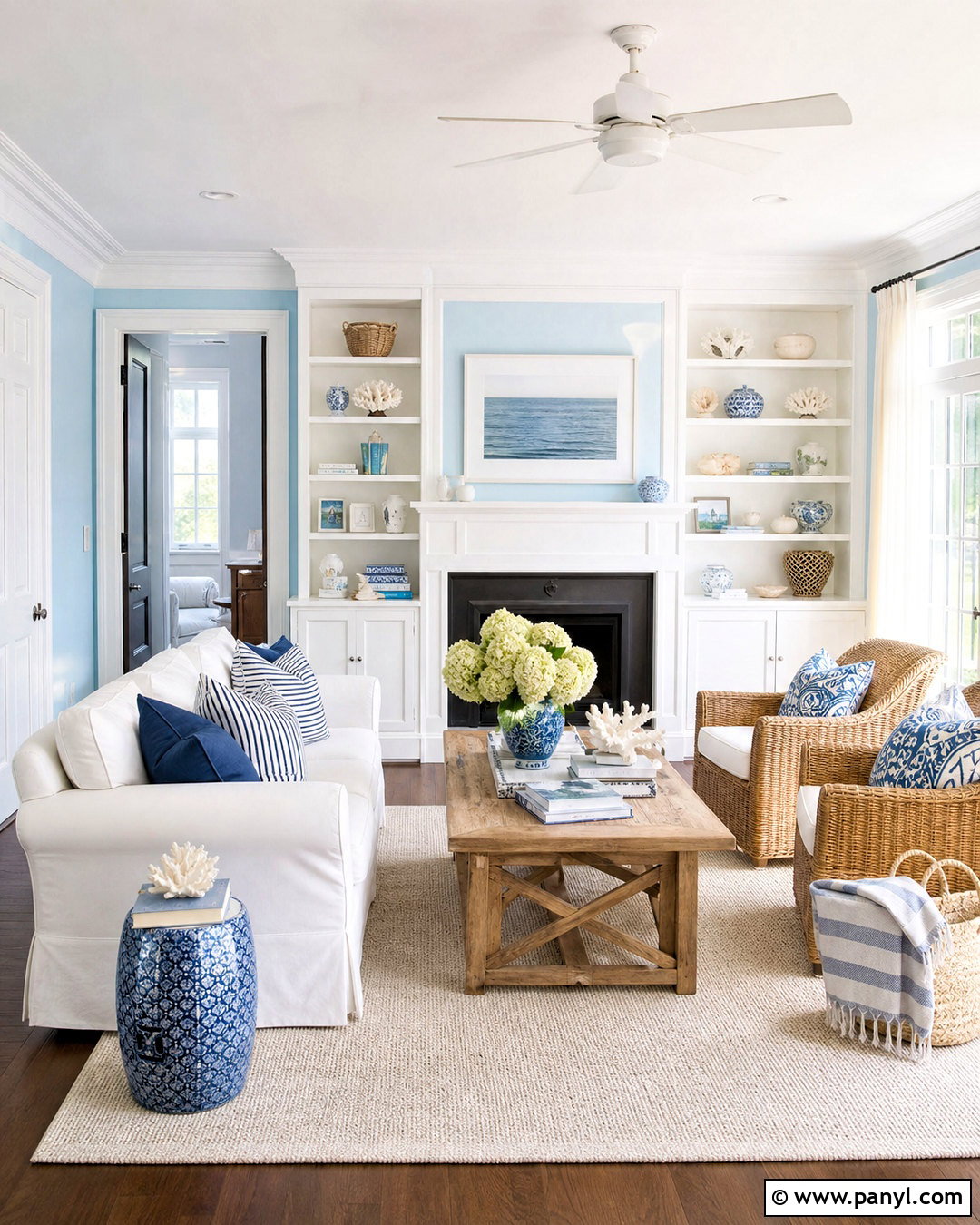
Pale blue walls and a coordinated ceiling can make a sunny living room feel fresh and gently enveloping. Choose an airy blue with slight gray-green undertones rather than a sugary pastel. Paint the walls in the main shade and use a version that is one or two steps lighter on the ceiling. Warm white trim will outline the architecture without creating harsh contrast. Furnish the room with a cream sofa, natural oak tables, woven shades, and a soft beige rug. Add navy pillows, warm tan leather, and small coral accents for definition. Coastal accessories are not necessary; abstract artwork and contemporary lighting keep the palette versatile. This complete treatment is especially effective in rooms with large windows because changing daylight brings out different sides of the understated blue color.
15. Chocolate Brown Living Room Walls
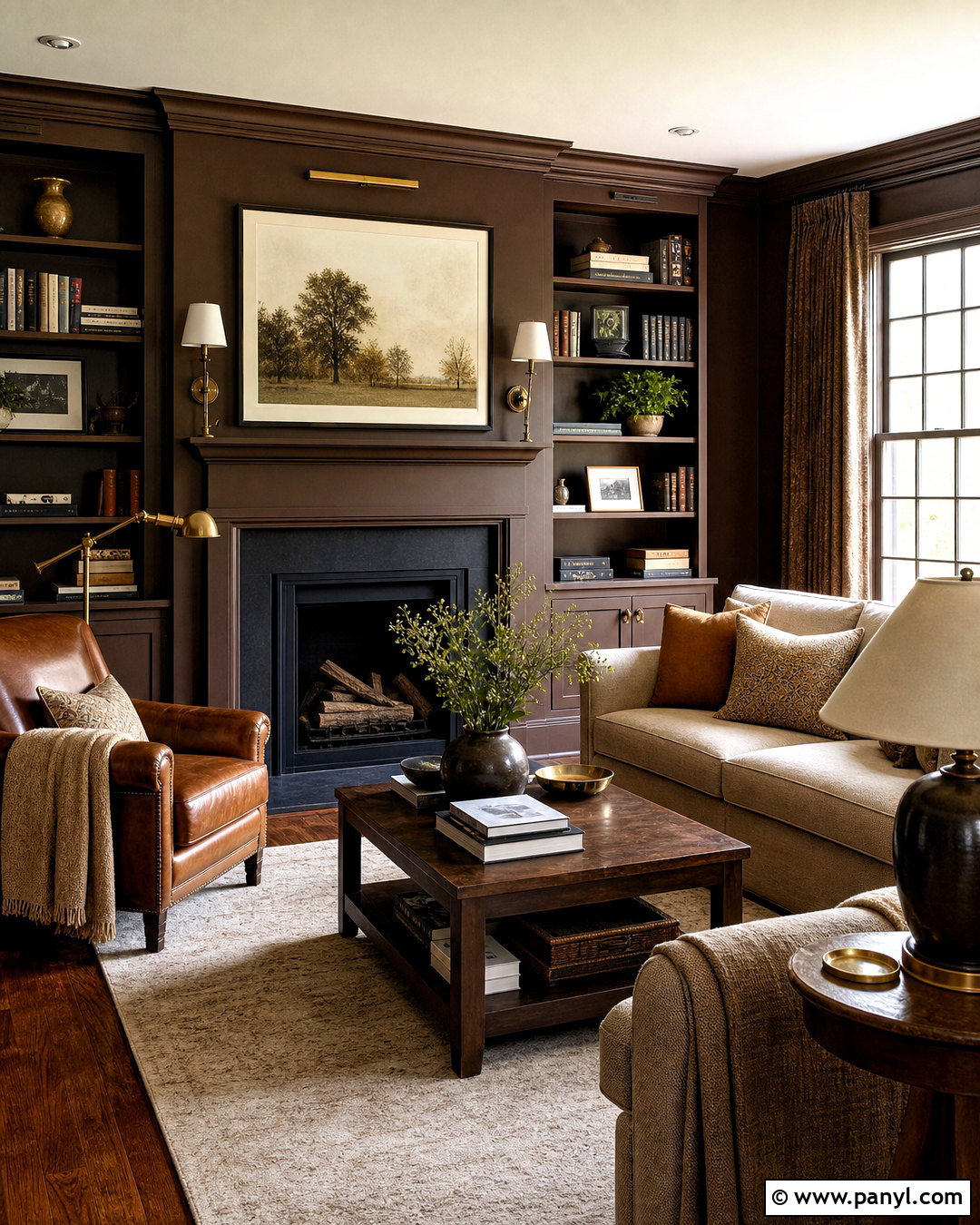
Chocolate brown walls can create a comfortable, grounded living room that feels richer than standard gray. Select a deep brown with warm plum or red undertones, then paint the walls, built-in bookcases, and trim in the same color. Keep the ceiling a creamy off-white to prevent the room from becoming visually closed. Add a flax linen sofa, cognac leather chair, walnut coffee table, and large cream rug. Ochre, dusty rose, and olive pillows will add color while respecting the earthy palette. Use aged brass lamps and picture lights to create warm highlights against the brown paint. Hang artwork with broad areas of cream or pale blue for contrast. This design looks most balanced when upholstery stays relatively light and several lamps provide illumination at different heights around the room.
16. Mustard Yellow Living Room Walls
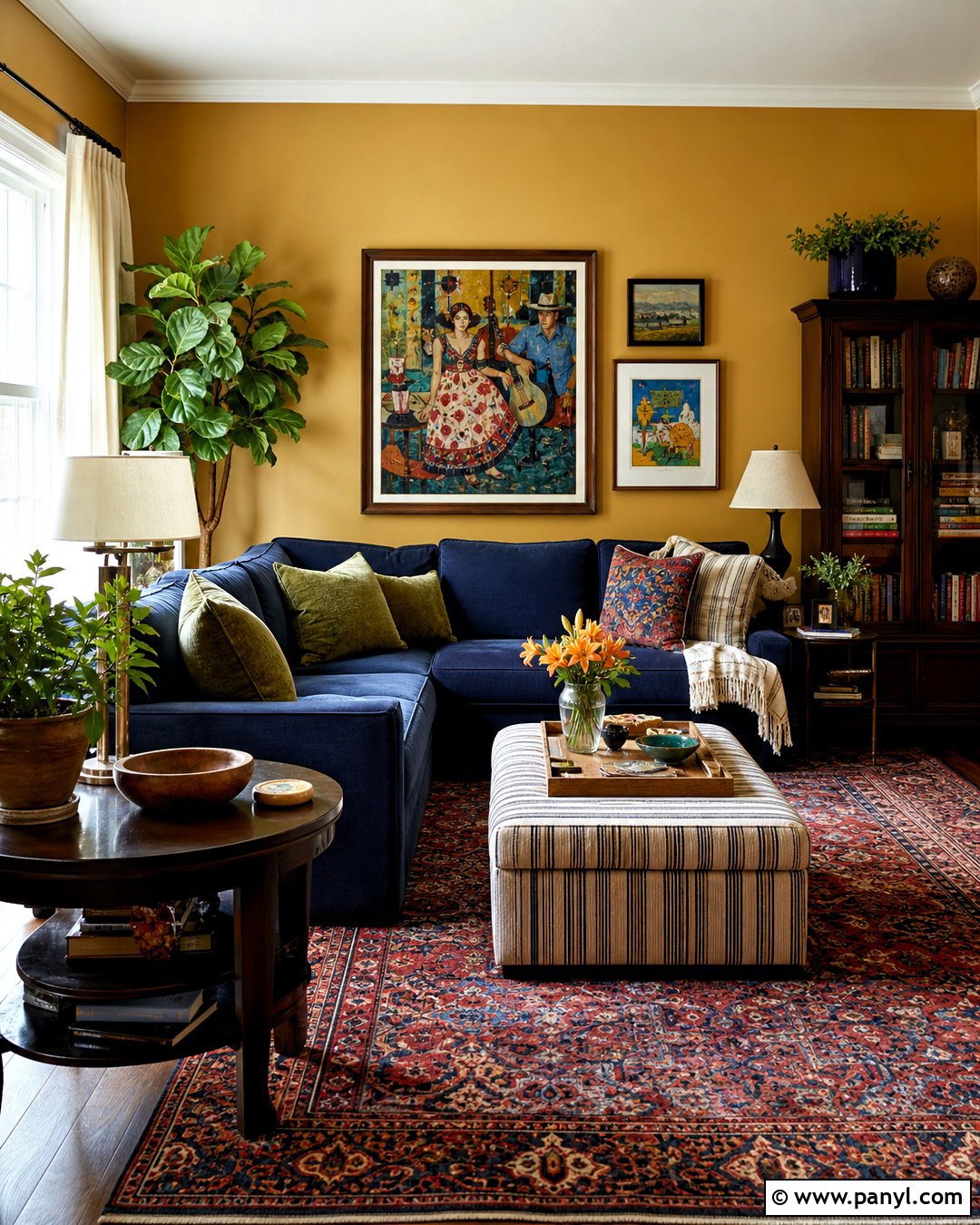
Muted mustard yellow brings warmth and energy to a living room without the sharpness of bright lemon. Choose an ochre-based yellow and use it across the walls, leaving the ceiling and substantial trim warm white. Ground the color with a deep blue sectional or navy sofa, then add a striped ottoman, dark wood side tables, and a faded red-and-blue rug. Natural linen curtains will soften the windows while allowing the walls to remain visible. Use framed artwork that combines cream, blue, rust, and black. A few olive green accents can connect the scheme to plants and natural materials. Because mustard is visually strong, keep decorative objects purposeful and furniture shapes uncomplicated. The final room should feel sunny, collected, and comfortable rather than crowded with competing colors and patterns.
17. Greige Two Tone Living Room Walls
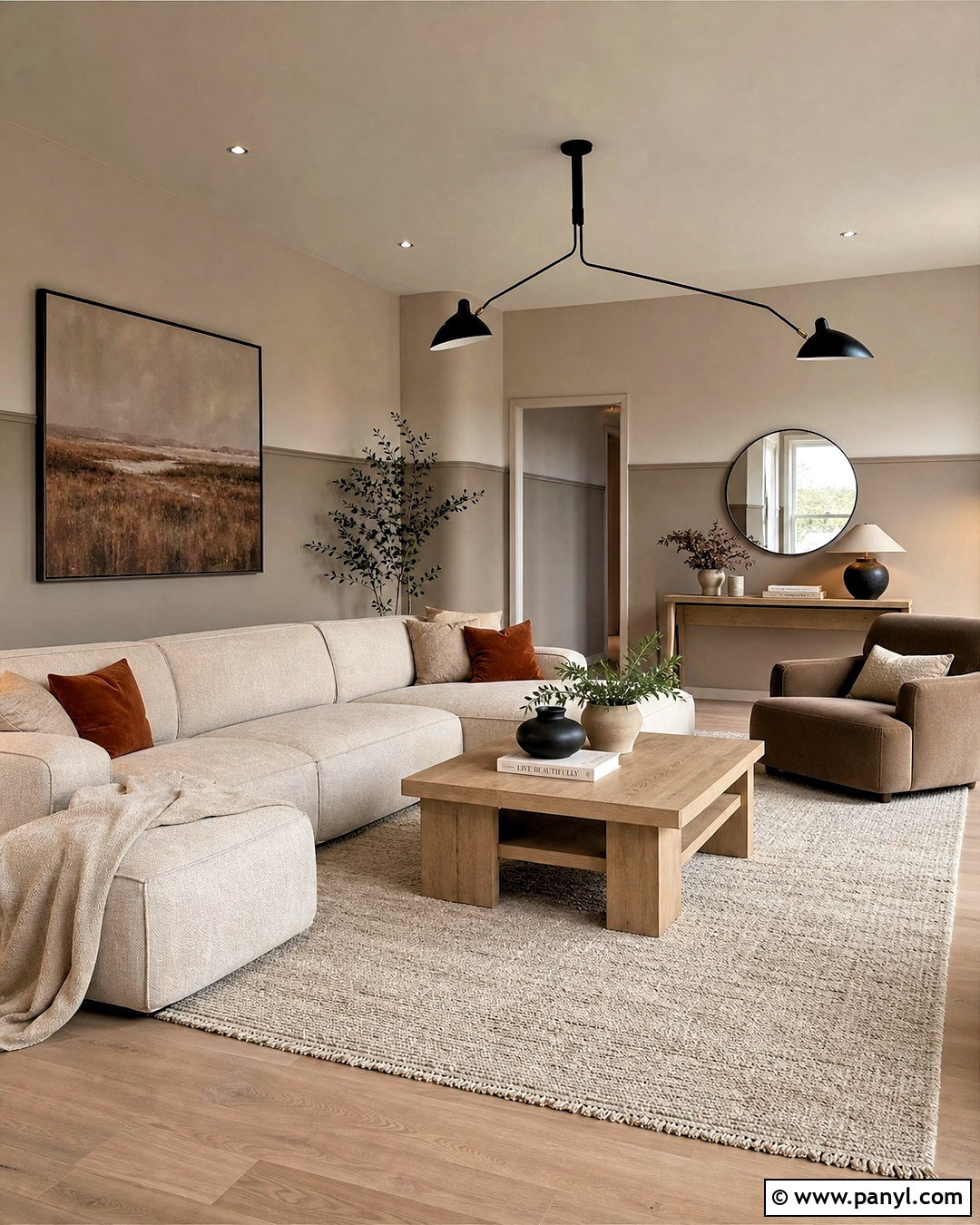
A two-tone greige palette can give a neutral living room more definition without introducing bold color. Paint the lower half of the walls in medium mushroom greige and the upper half in pale warm greige. Separate the shades with a slim painted molding in the darker color. Continue the lighter shade across the ceiling to create a soft transition. Add a cream sectional, taupe lounge chair, pale oak coffee table, and textured wool rug. Black metal lighting and dark picture frames will sharpen the quiet palette. Bring in warmth through rust pillows, walnut accessories, and a caramel throw. Instead of matching every neutral perfectly, mix several related tones and textures. Linen, boucle, wool, oak, and ceramic surfaces will prevent the finished living room from looking flat or unfinished.
18. Black Fireplace And Built In Wall
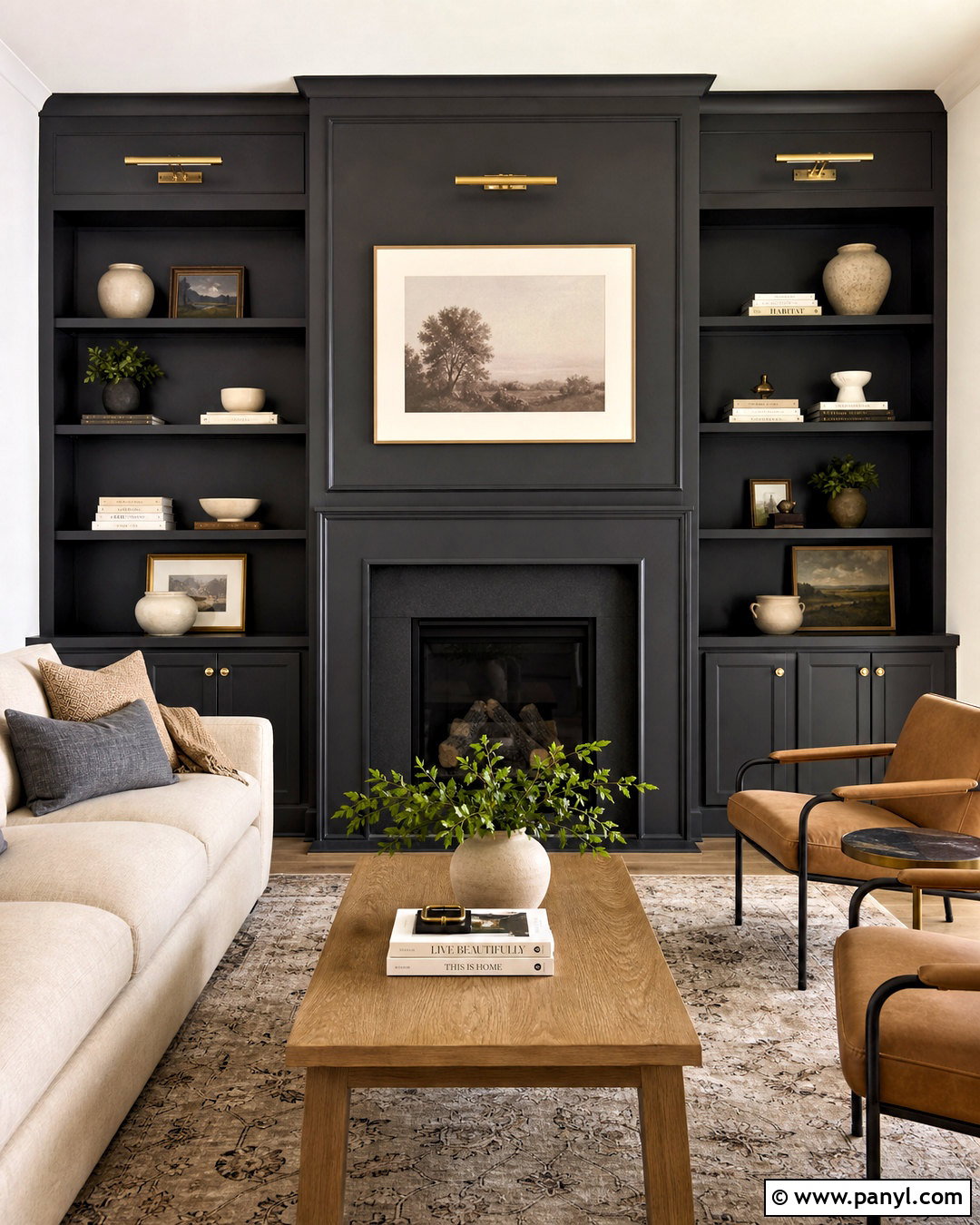
Painting a fireplace and its surrounding built-ins soft black can create a polished focal wall without darkening the entire living room. Choose a charcoal black with warm undertones and use it on the fireplace surround, shelves, cabinets, and wall behind them. Paint the remaining walls creamy white. Add a light beige sofa, tan leather chairs, oak coffee table, and patterned rug with black, rust, and ivory details. Style the shelving with pale pottery, wood objects, books, and framed art, leaving some open space around each item. A large brass or white plaster light fixture can balance the dark wall. Repeat black through slim curtain rods and table legs. This coordinated approach makes the feature feel integrated instead of resembling a random dark rectangle placed behind the television.
19. Modern Color Block Living Room Walls
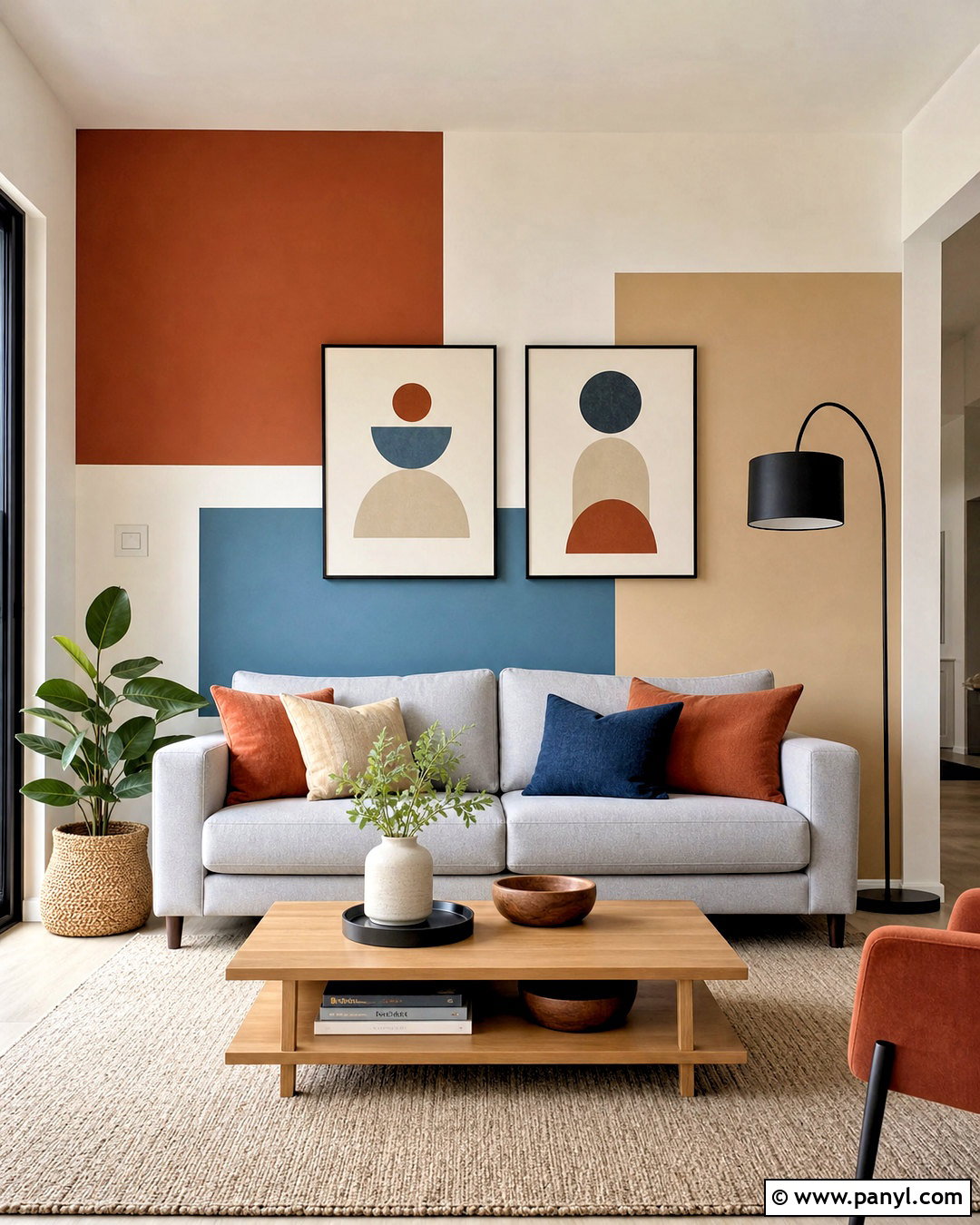
Large painted color blocks offer a playful alternative to one solid accent wall. Create two or three overlapping rectangles across the sofa wall using muted terracotta, dusty blue, and warm beige. Keep the shapes broad, with straight edges that relate to the sofa, console, and artwork. Paint the surrounding walls creamy white so the blocks remain visually organized. Choose a streamlined light gray sofa, oak coffee table, and solid neutral rug. Add pillows that repeat each painted shade, but avoid introducing extra patterns. A black floor lamp and slim metal frames will provide definition. The design should appear balanced even if the shapes are asymmetrical. Measure the wall carefully and test the arrangement with removable tape before painting, ensuring electrical outlets and furniture do not interrupt important edges.
20. Soft Lavender Living Room Walls
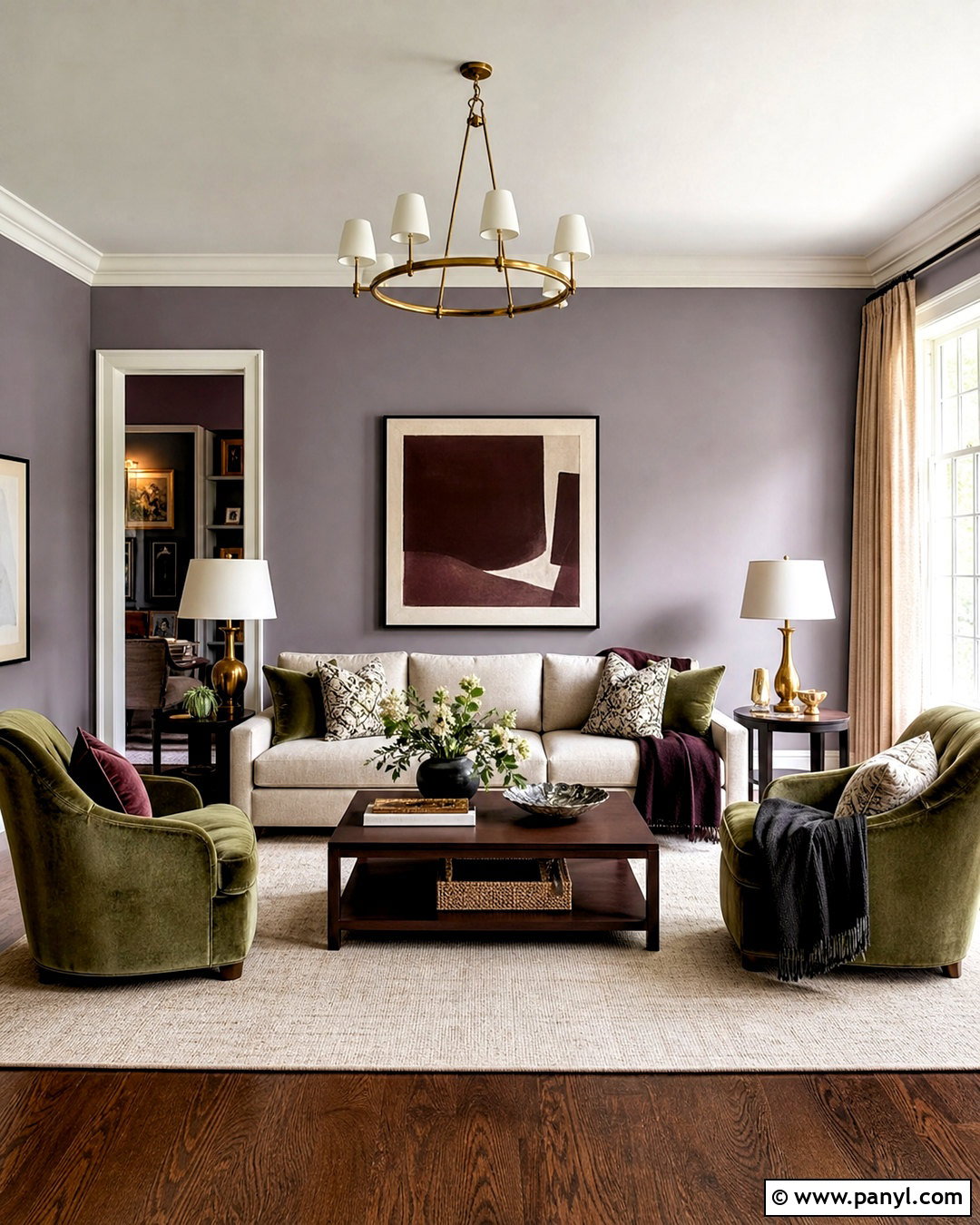
Soft lavender walls can give a living room subtle personality while still functioning like a versatile neutral. Look for a muted lavender with gray, taupe, or dusty blue undertones rather than a bright purple. Use it on all four walls with warm white trim and ceiling. Pair the color with an oatmeal sofa, walnut furniture, and a cream rug containing a small amount of faded plum. Moss green chairs or pillows will add an earthy contrast, while brushed brass lighting brings warmth. Choose curtains in pale flax instead of purple to keep the palette relaxed. Artwork can include burgundy, green, cream, and charcoal. Complete the room with ceramic vessels, textured throws, and simple plants. The finished look should feel grown-up, calm, and comfortably colorful without becoming overly themed.
Conclusion:
The best living room paint treatment connects the walls to everything already present in the space. Consider natural light, flooring, furniture, trim, and adjoining rooms before selecting a final palette. Warm white, greige, and limewash provide adaptable foundations, while teal, olive, navy, chocolate, and mustard create stronger character. Decorative treatments such as arches, murals, stripes, ombre finishes, and color blocks can also introduce structure without expensive remodeling. Test each option on large boards and observe it during the morning, afternoon, and evening. Most importantly, choose a complete scheme that suits how you actually use the room. These **20 home wall painting ideas living rooms** make it easier to create a cohesive, comfortable, and personal gathering space.

Related Ideas and Inspiration:
Leave a Reply