
Basements often need more visual warmth, texture, and definition than rooms filled with natural light. These 20 basement accent wall ideas turn an ordinary lower level into a comfortable, finished space for relaxing, entertaining, working, or playing. Current feature-wall designs extend beyond one contrasting paint color, with wood slats, dimensional molding, stone, brick, wallpaper, and textured finishes creating stronger focal points. () Before choosing a treatment, confirm that the wall is dry and structurally sound. Then consider ceiling height, artificial lighting, furniture placement, and the room’s purpose. Lighter materials can open a compact basement, while deeper finishes create a cozy media-room atmosphere. Explore the complete, practical looks below with these 20 basement accent wall ideas.
1. Vertical Wood Slat Basement Accent Wall
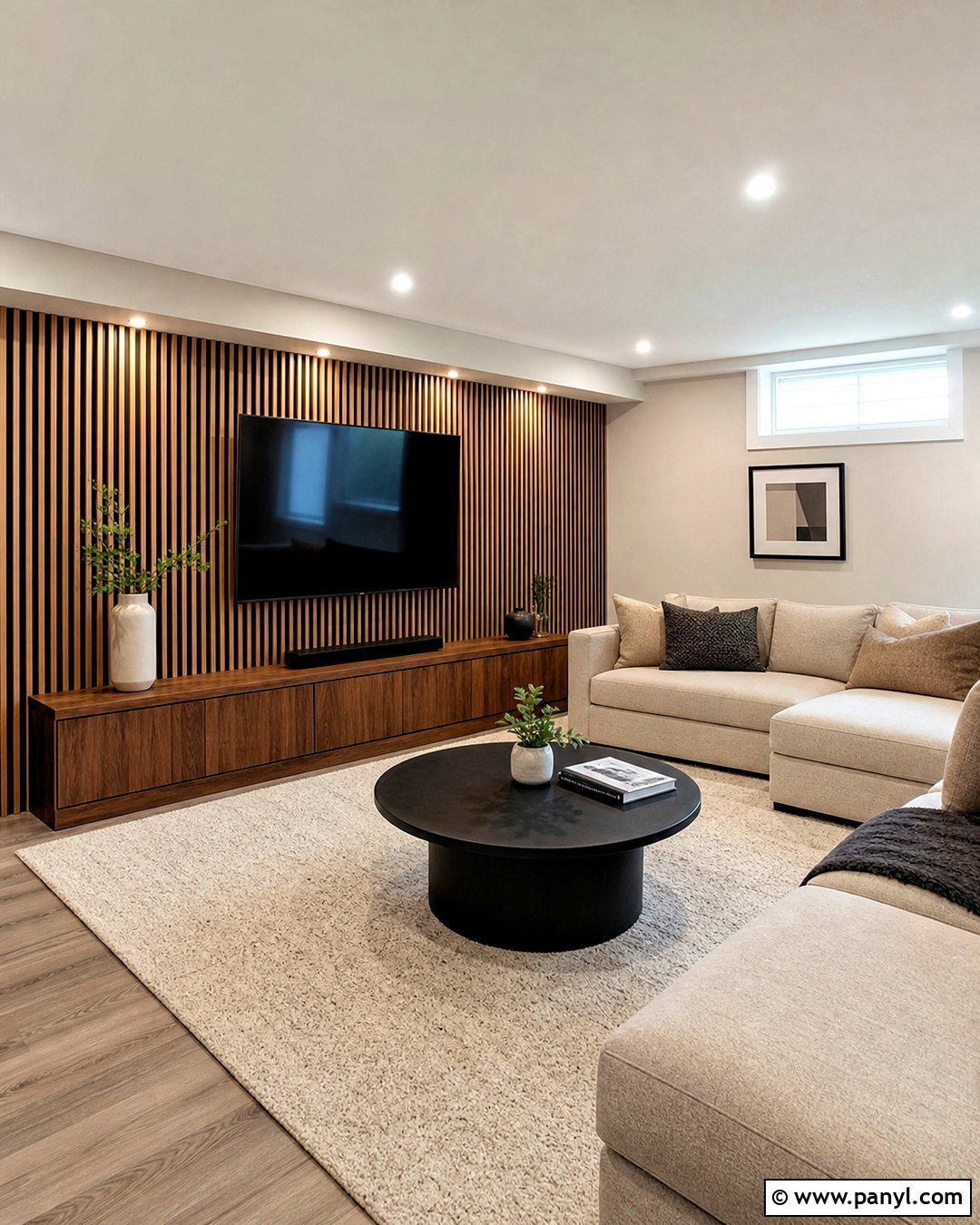
Floor-to-ceiling oak slats can make a low basement feel taller while bringing natural warmth into the room. Install evenly spaced light oak strips over a charcoal or matte black backing on the main television wall. Center a low walnut media cabinet beneath the screen and keep visible cables concealed. A warm greige sectional, cream area rug, and round black coffee table balance the linear wall treatment. Add recessed ceiling lights and slim wall washers so the wood grain remains visible without creating harsh shadows. This complete modern basement works best with simple furniture and limited accessories. If moisture is a concern, use sealed wood or moisture-resistant slat panels rather than attaching unfinished lumber directly to a questionable surface.
2. Stacked Stone Basement Accent Wall
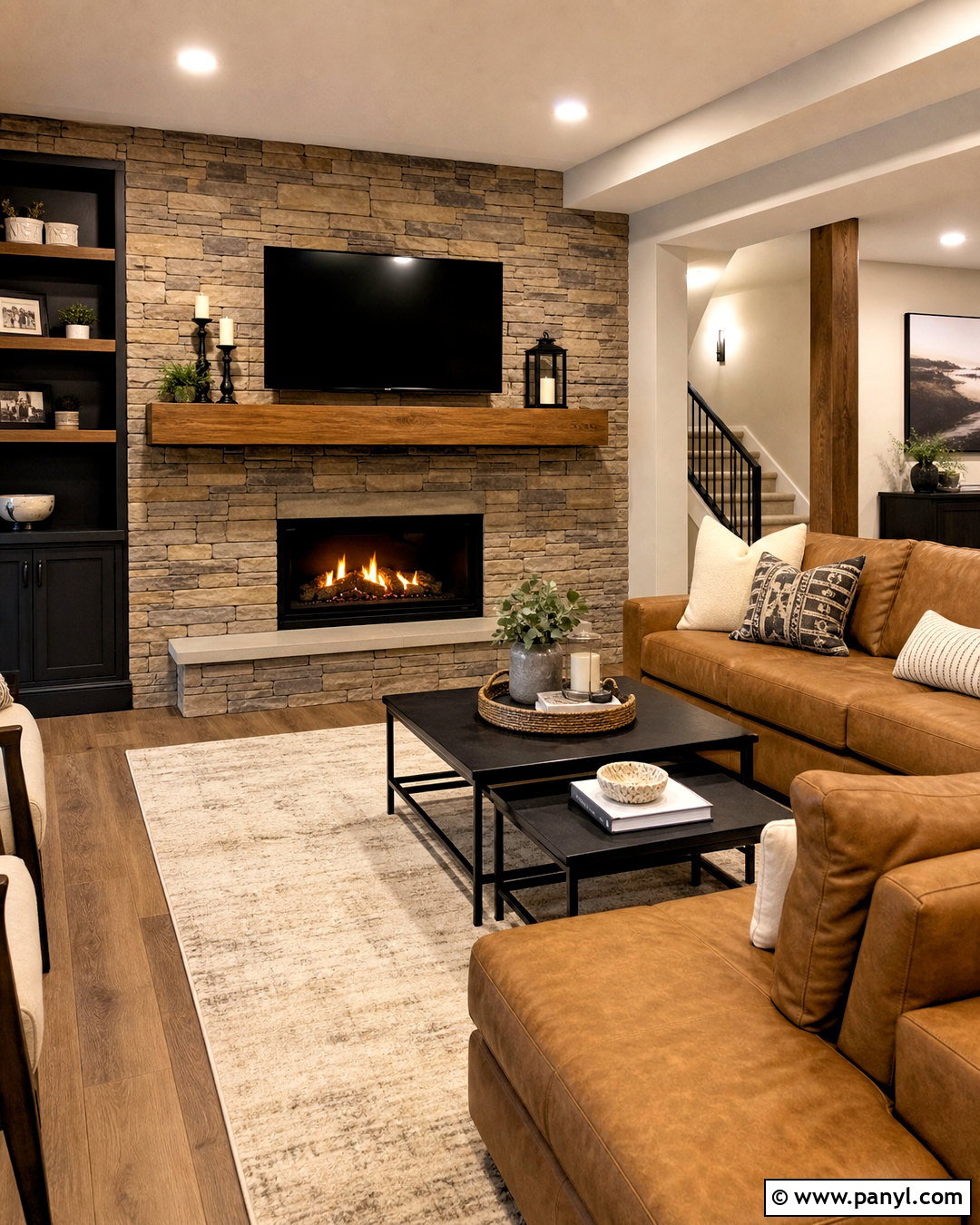
A stacked stone feature can give a basement family room the substantial, finished feeling of a comfortable lodge. Cover the fireplace and surrounding wall with thin stone veneer in mixed warm gray, taupe, and sandy beige tones. Use a simple oak mantel and install the television beside the fireplace instead of placing it too high above the flames. Arrange a camel-colored sectional around a large woven rug, then add black metal tables and soft ivory pillows. Warm white recessed lighting prevents the stone from appearing cold or heavy. Repeat one stone color in the flooring or upholstery to connect the room. Keep neighboring walls light greige so the masonry remains the clear focal point without visually shrinking the basement.
3. Whitewashed Brick Basement Accent Wall
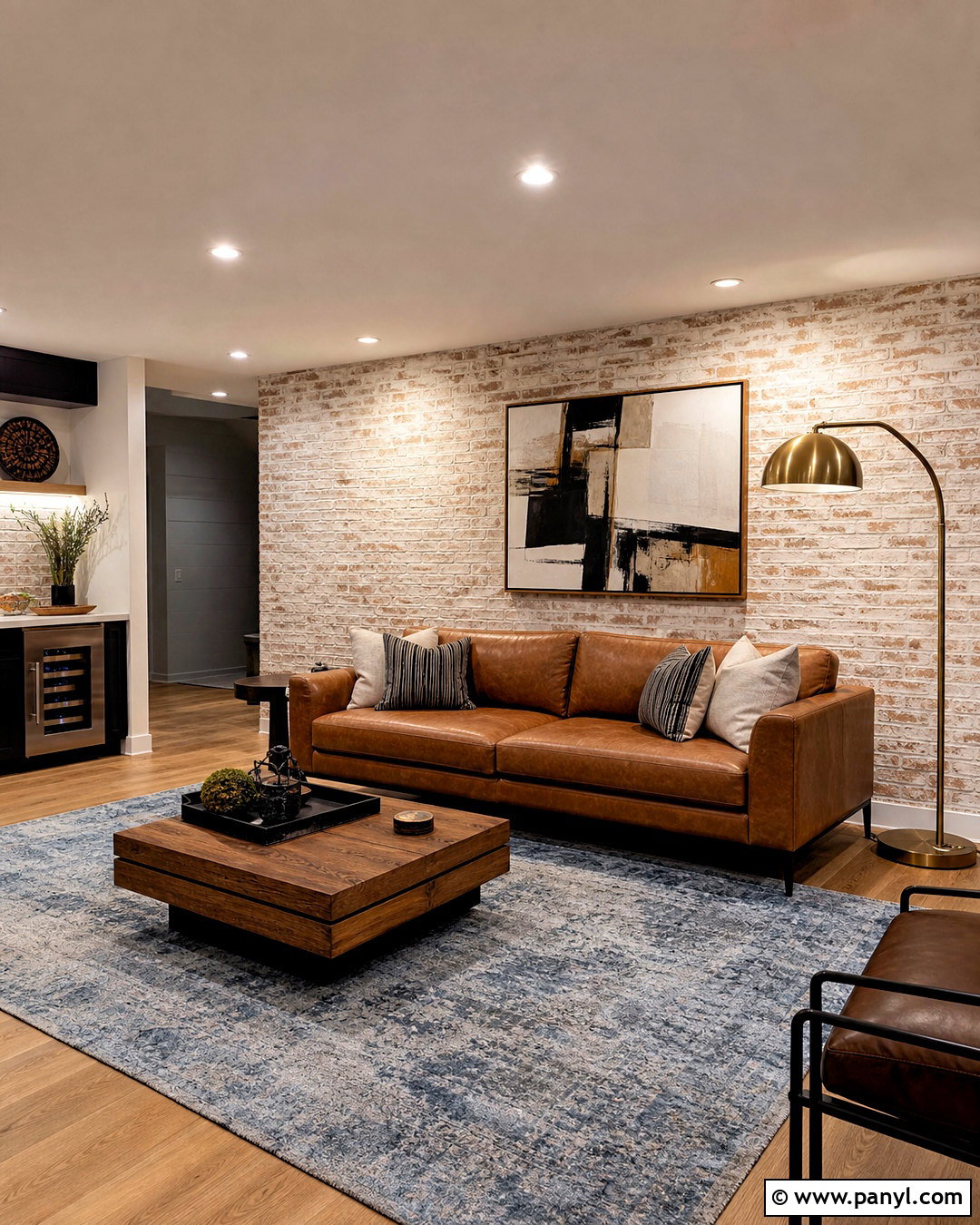
Soft whitewashed brick creates texture without making an underground room feel dark or enclosed. Use real brick veneer or realistic thin-brick panels behind a caramel leather sofa, then apply a translucent warm white finish that allows red and taupe undertones to remain visible. Paint the remaining walls creamy white and choose medium oak flooring for a relaxed, converted-loft appearance. Black picture frames, an aged bronze floor lamp, and a faded blue rug add definition. Instead of filling the brick with small decorations, hang one oversized abstract canvas or a simple round mirror. Finish the lounge with linen pillows and a substantial wood coffee table. The result feels casual and established, yet brighter than a traditional red brick basement wall.
4. Navy Board And Batten Basement Accent Wall
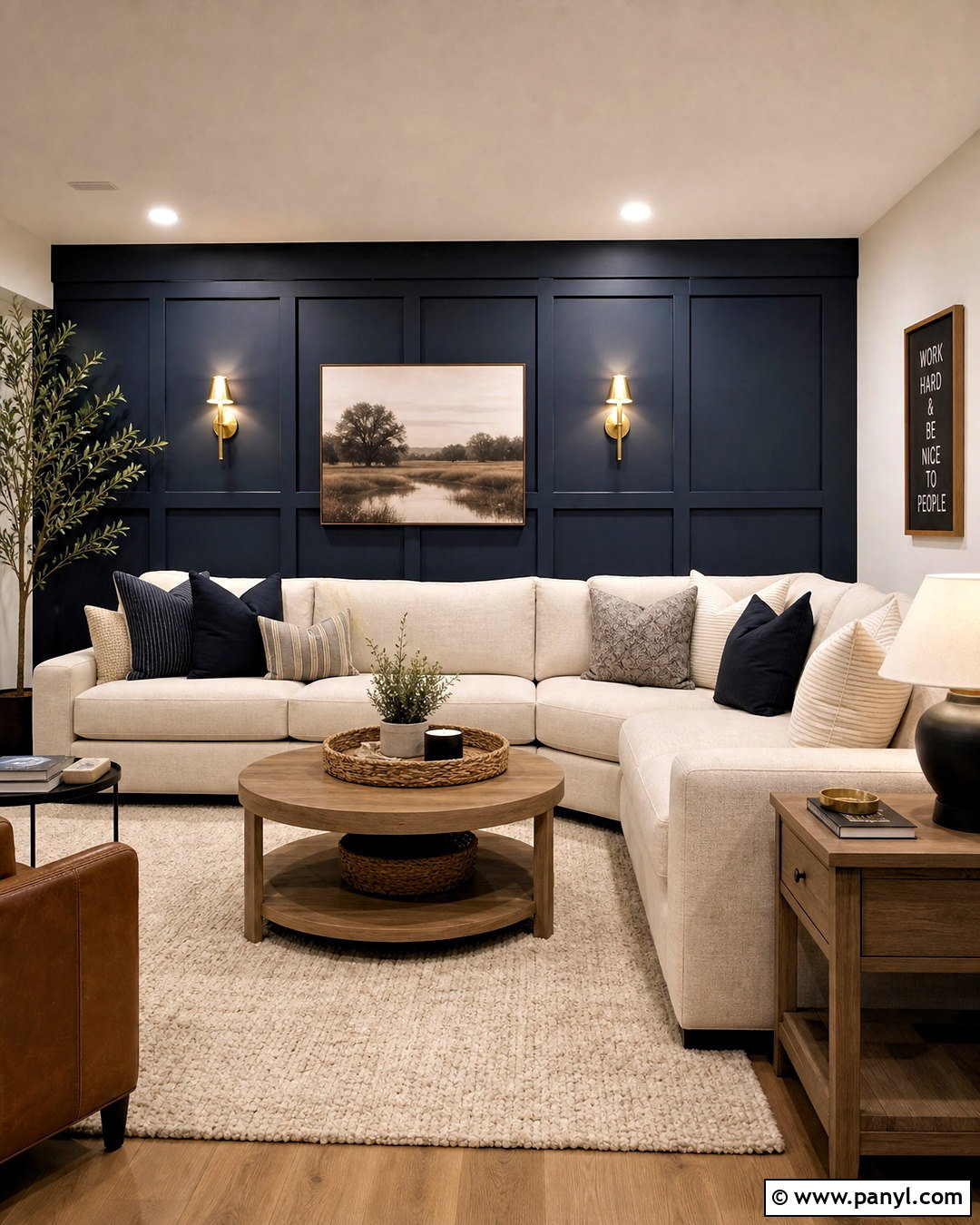
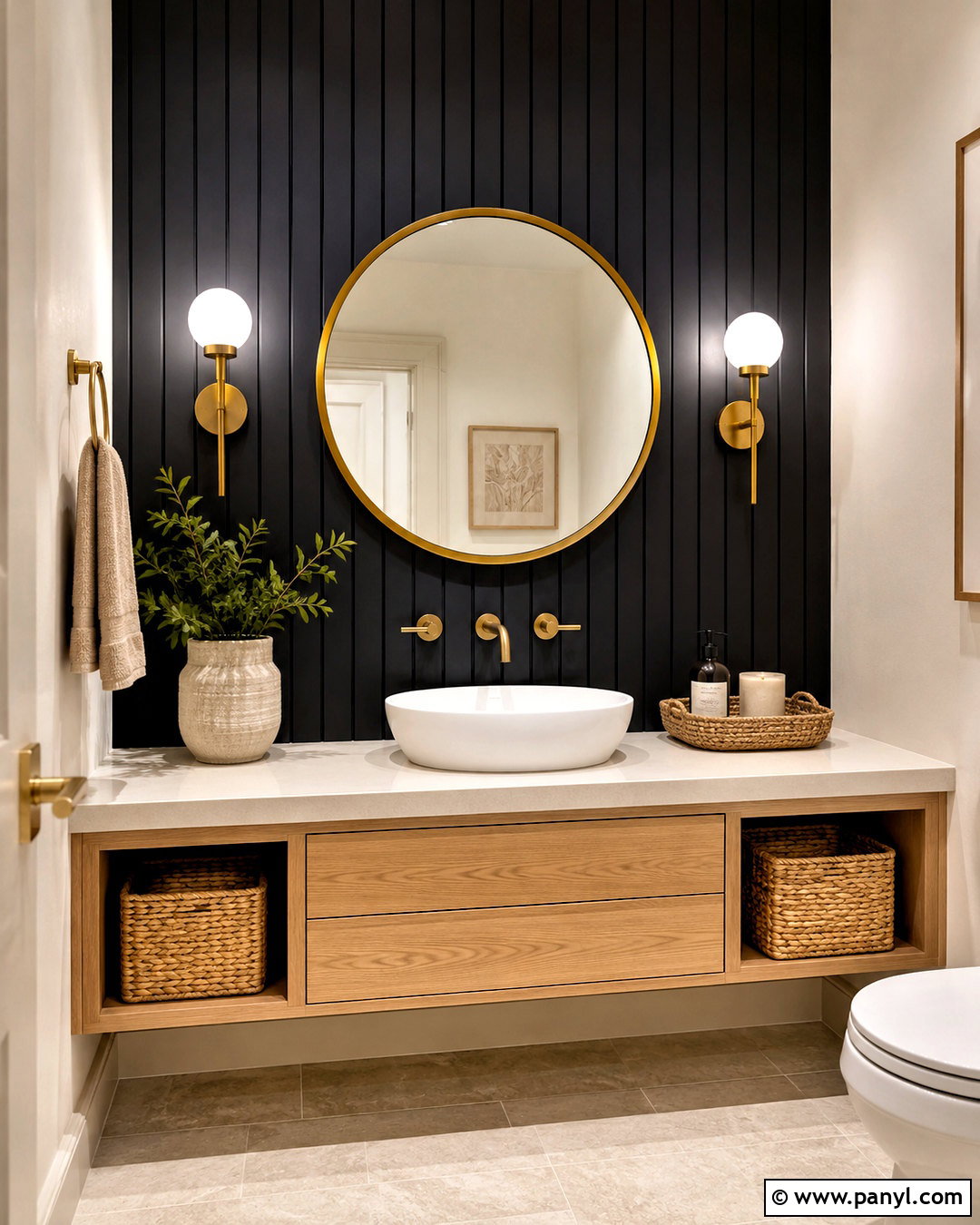
Looking for a polished wall treatment that still feels comfortable? Paint full-height board and batten in deep navy blue behind the basement sofa. Use wide vertical battens with a simple top rail, keeping the pattern symmetrical around outlets and wall fixtures. Pair the wall with an oatmeal sectional, pale oak tables, and a cream rug containing subtle navy lines. Two brushed brass sconces provide warm contrast and spread light across the dimensional surface. Paint the other walls soft warm white and repeat navy through only a few pillows or accessories. This coordinated setup suits a family room, reading lounge, or conversation area. The traditional paneling introduces architectural character, while the restrained color palette keeps the complete basement fresh and uncluttered.
5. Sage Green Molding Basement Accent Wall
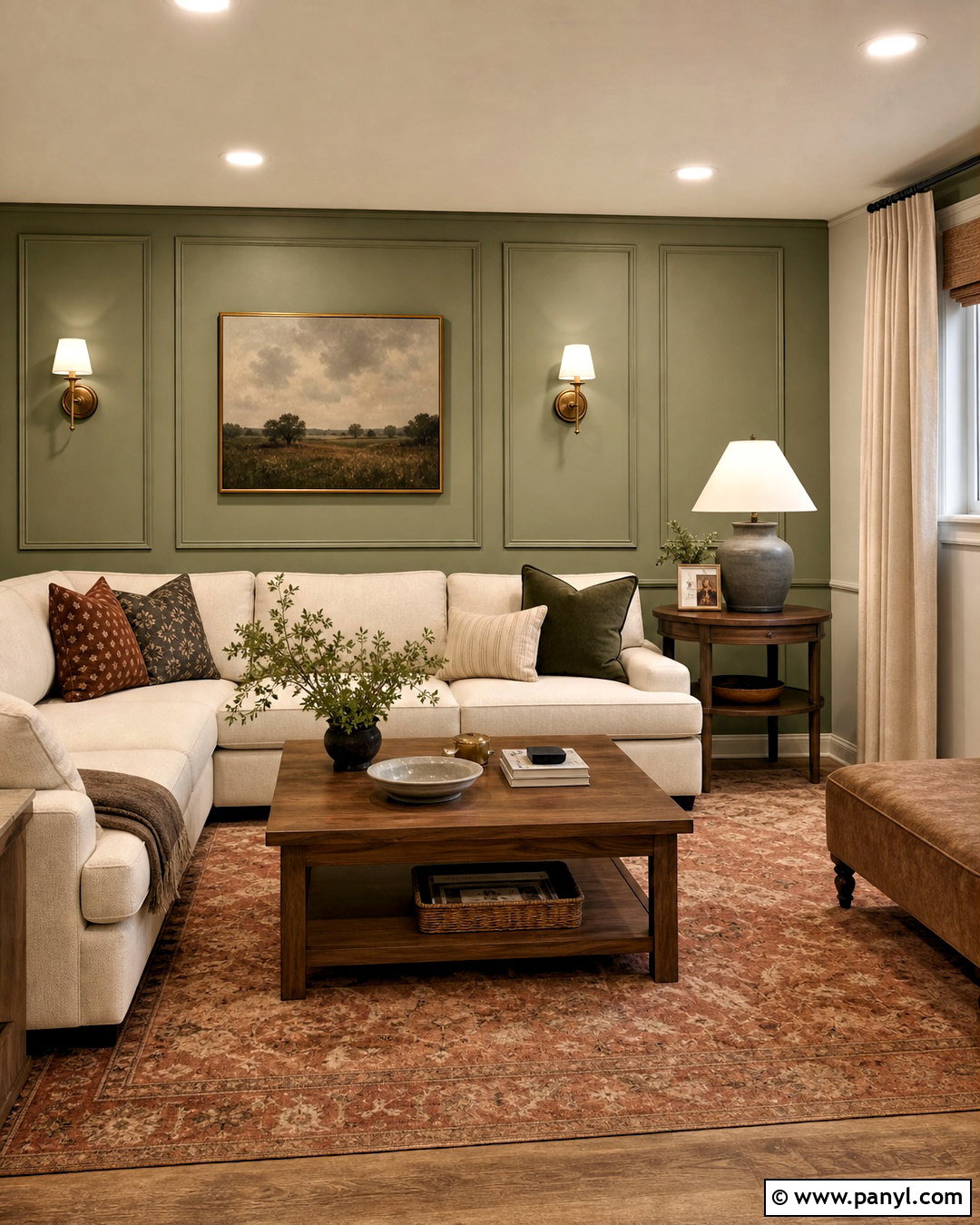
Picture-frame molding turns plain drywall into an elegant focal point without requiring heavy materials. Create three or five evenly spaced rectangular frames across the main seating wall, then paint the molding and drywall together in warm sage green. Place a tailored cream sofa in front, leaving enough open wall space for the panel proportions to remain visible. Add walnut end tables, a muted terracotta rug, and antique brass sconces for a grounded color scheme. Natural linen curtains can soften a small basement window without blocking valuable daylight. Continue a pale neutral paint across the other walls and ceiling. This complete look combines traditional detailing with relaxed colors, making it suitable for a guest lounge, quiet sitting area, or multipurpose basement family room.
6. Botanical Wallpaper Basement Accent Wall
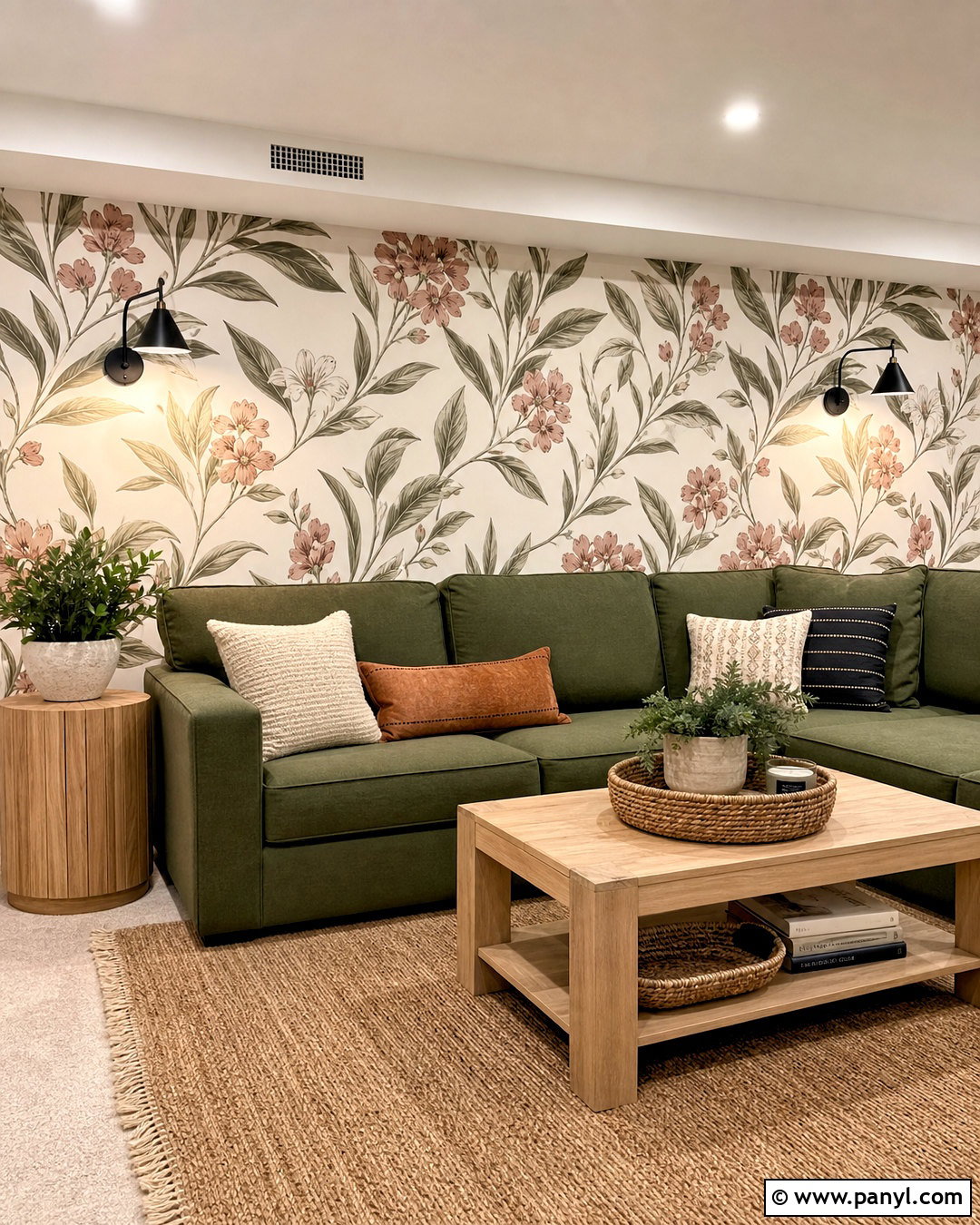
Large botanical wallpaper can bring outdoor energy to a window-limited basement when its colors remain light and controlled. Choose a soft cream paper with oversized olive green leaves and muted clay-colored flowers. Install it behind a streamlined moss green sofa, then keep the adjacent walls warm white. A natural jute-blend rug, light oak coffee table, and woven storage baskets reinforce the organic theme without making the room overly decorative. Add two simple black sconces to illuminate the pattern evenly. Solid pillows in cream, rust, and olive will look calmer than additional prints. For a cohesive finished room, repeat the wallpaper’s warm beige background through the flooring and upholstery. Select removable wallpaper if you want a less permanent basement update.
7. Geometric Painted Basement Accent Wall
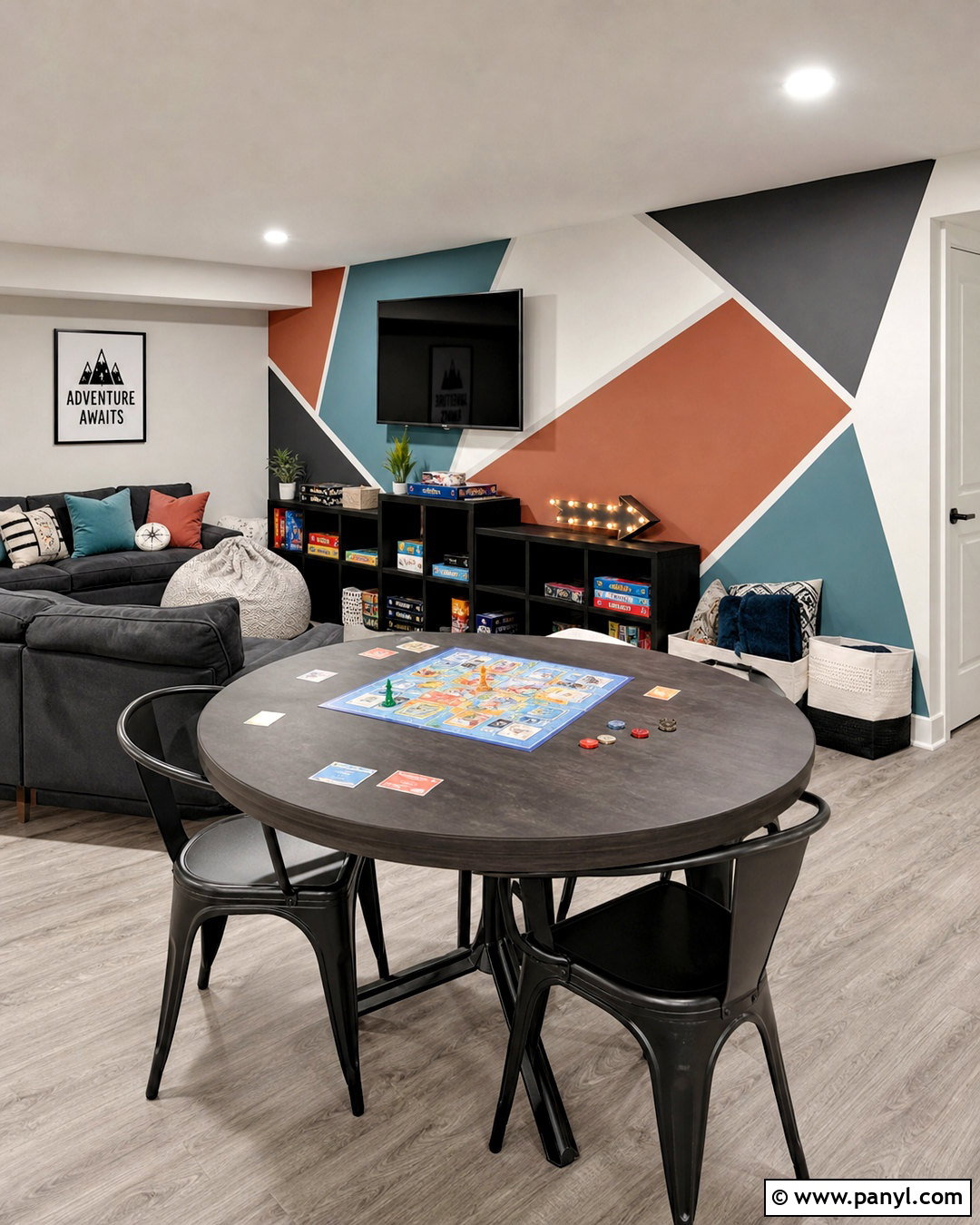
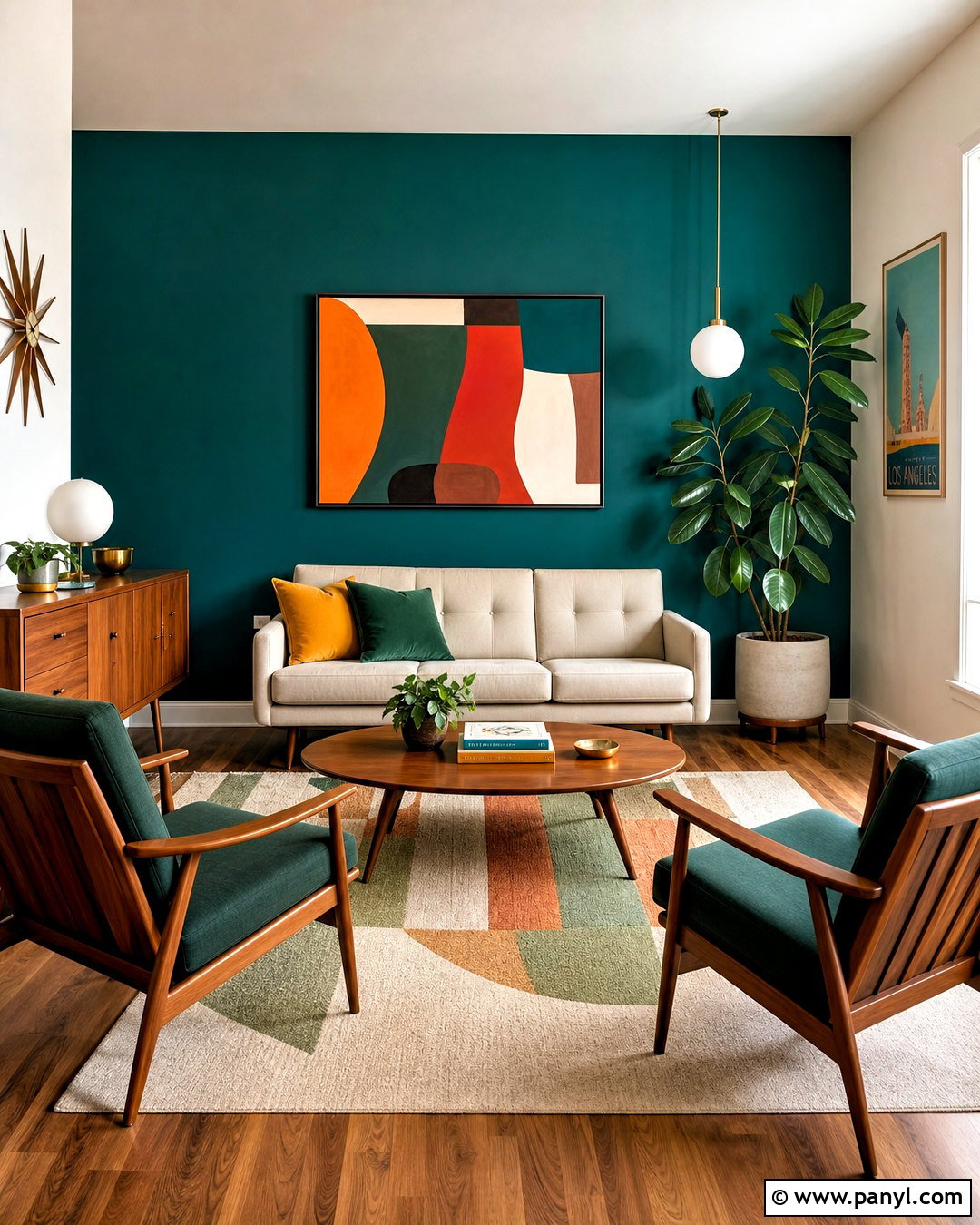
A painted geometric wall can energize a basement game room without requiring expensive paneling. Build the composition around large, simple shapes rather than many small triangles. Use warm white as the base, then layer broad sections of muted teal, dusty blue, clay, and charcoal. Position a low storage console against the wall and add a compact foosball table or family game table in front. Durable gray flooring, washable upholstery, and closed cabinets keep the space practical. Carry the accent colors into a few seat cushions and framed prints, but avoid repeating the full pattern elsewhere. Bright ceiling lights and an adjustable floor lamp will help the colors remain clear. Painter’s tape and careful measuring are essential for crisp, balanced edges.
8. Limewash Basement Accent Wall
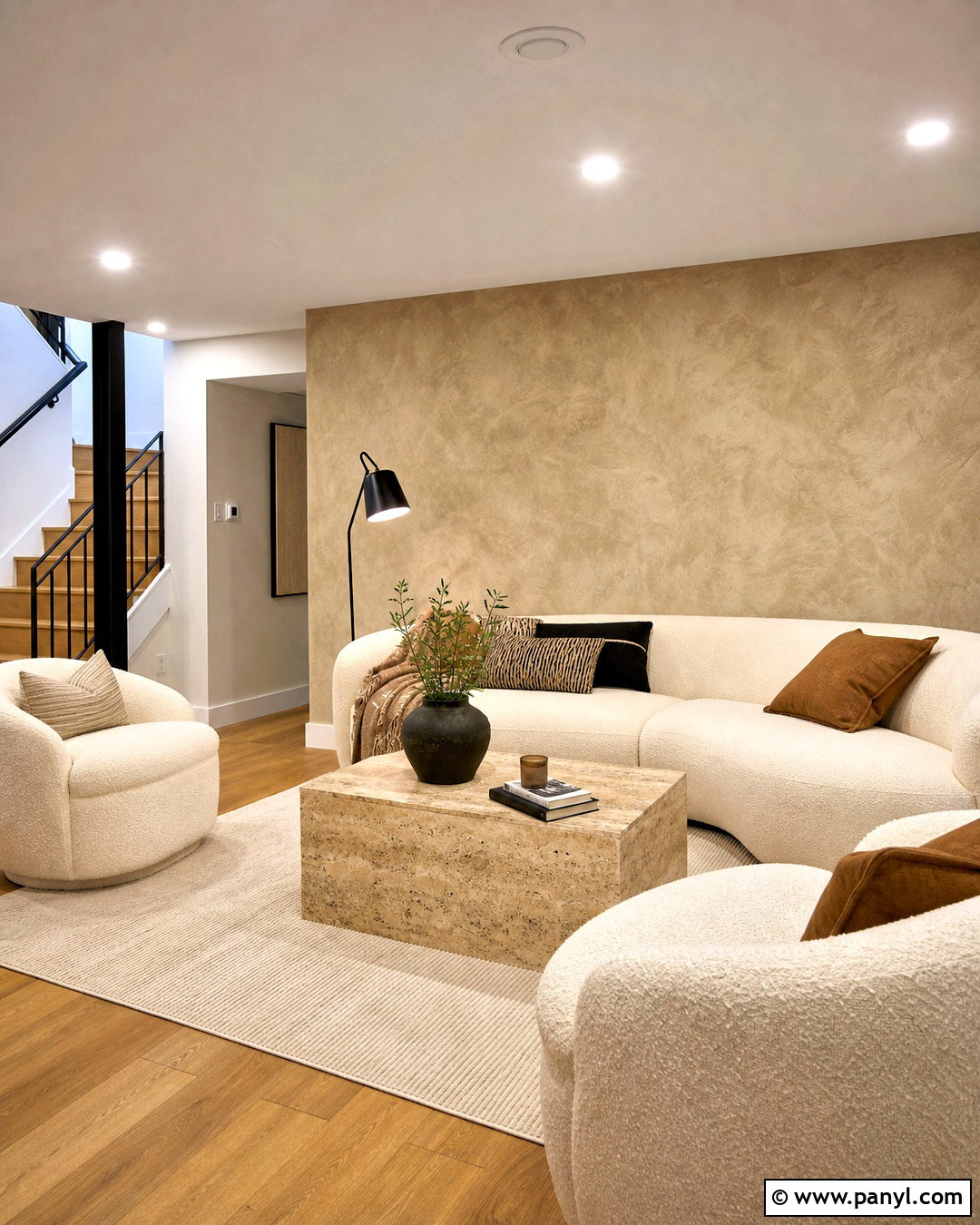
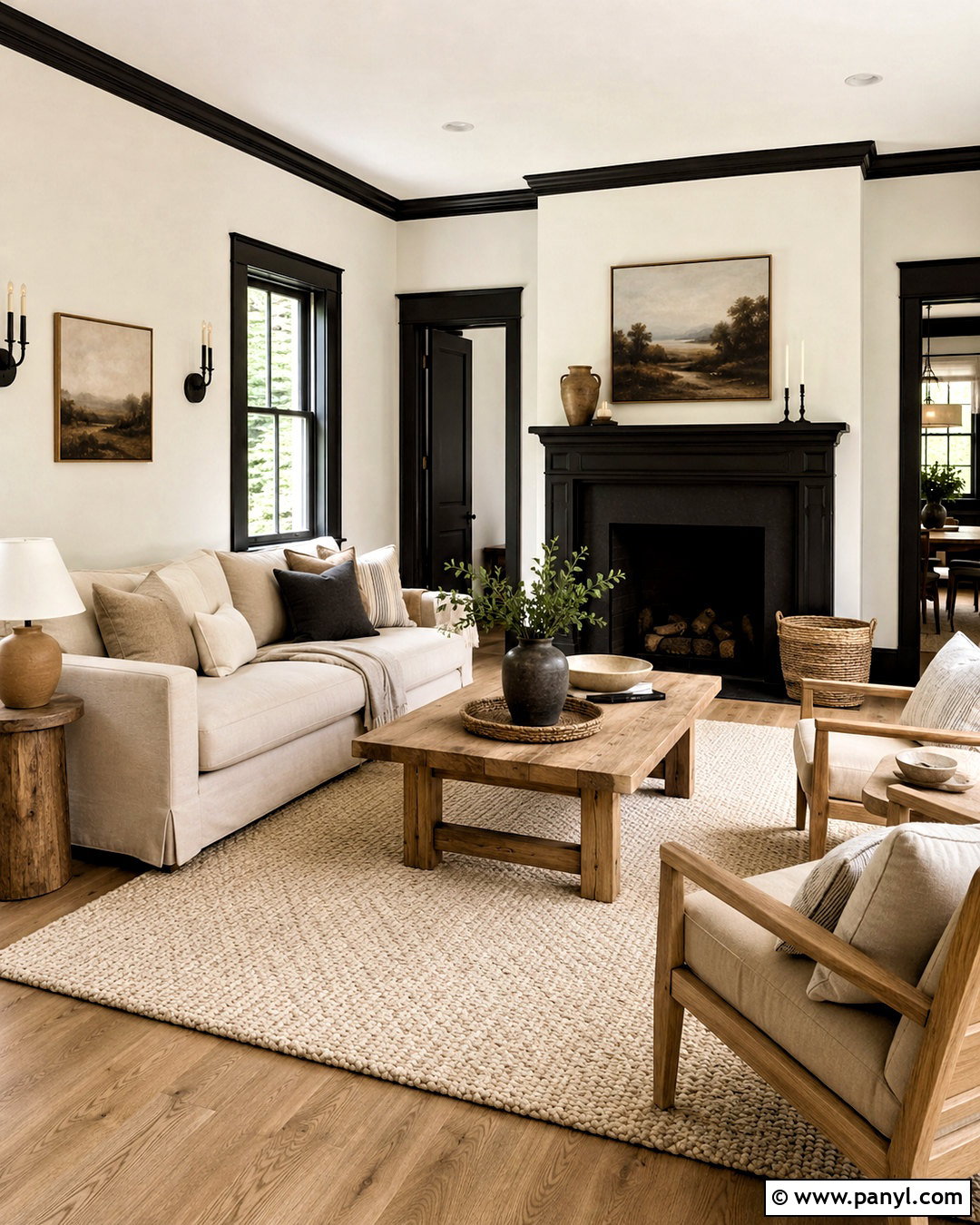
Limewash-style paint gives a basement wall soft movement and depth without introducing a strong pattern. Choose a warm mushroom beige or pale clay finish for the wall behind a curved cream sofa. Apply overlapping brushstrokes so the surface has subtle tonal variation rather than a perfectly solid appearance. Complete the room with a low travertine-look coffee table, medium oak flooring, boucle chairs, and an ivory textured rug. Black metal lighting adds contrast, while ceramic vessels and one large landscape print reinforce the earthy palette. Keep the ceiling and surrounding walls a clean warm white to maximize brightness. This calm, complete lounge works especially well in basements with modern finishes because the softly textured wall prevents the room from appearing flat or overly new.
9. Black Shiplap Basement Accent Wall
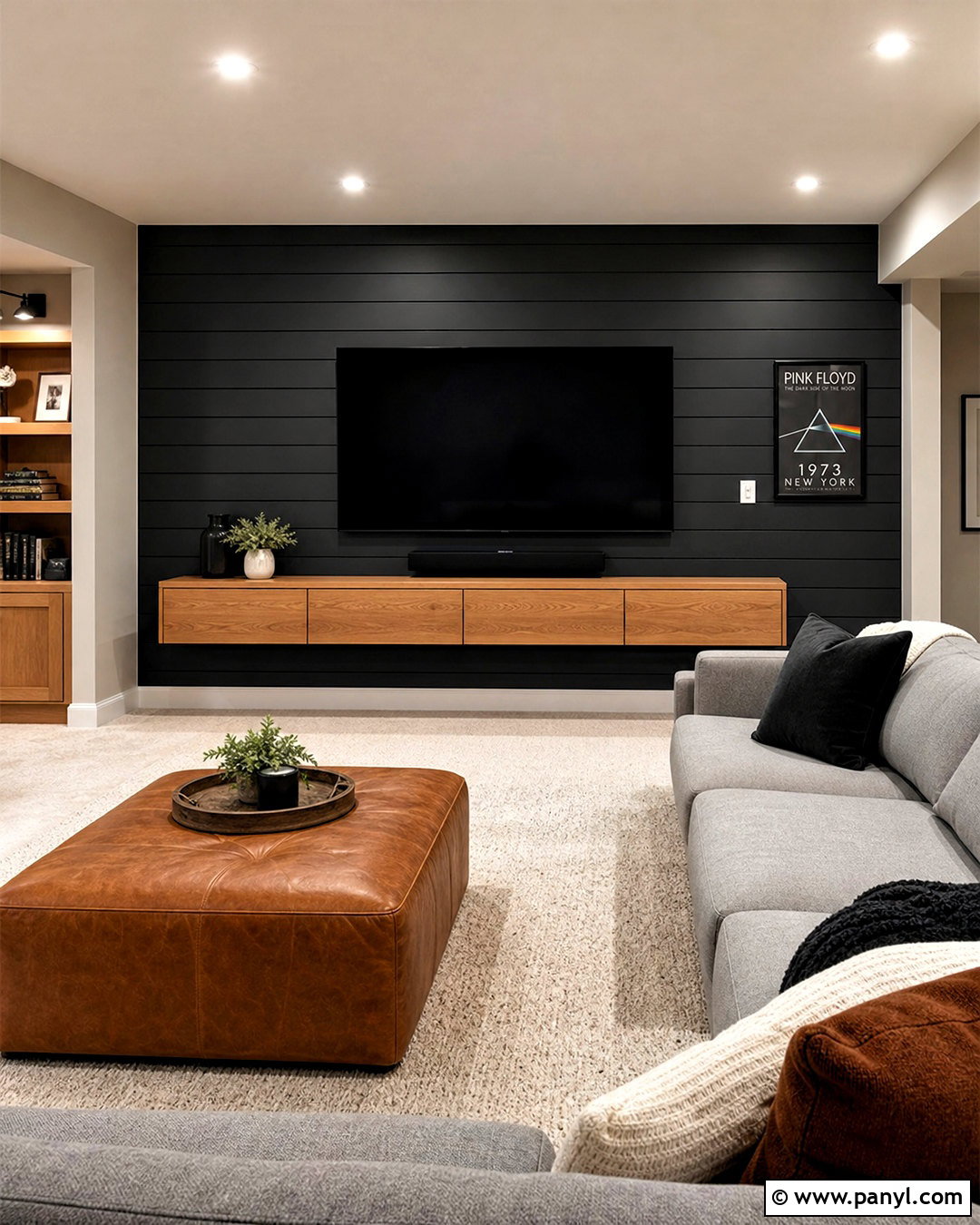
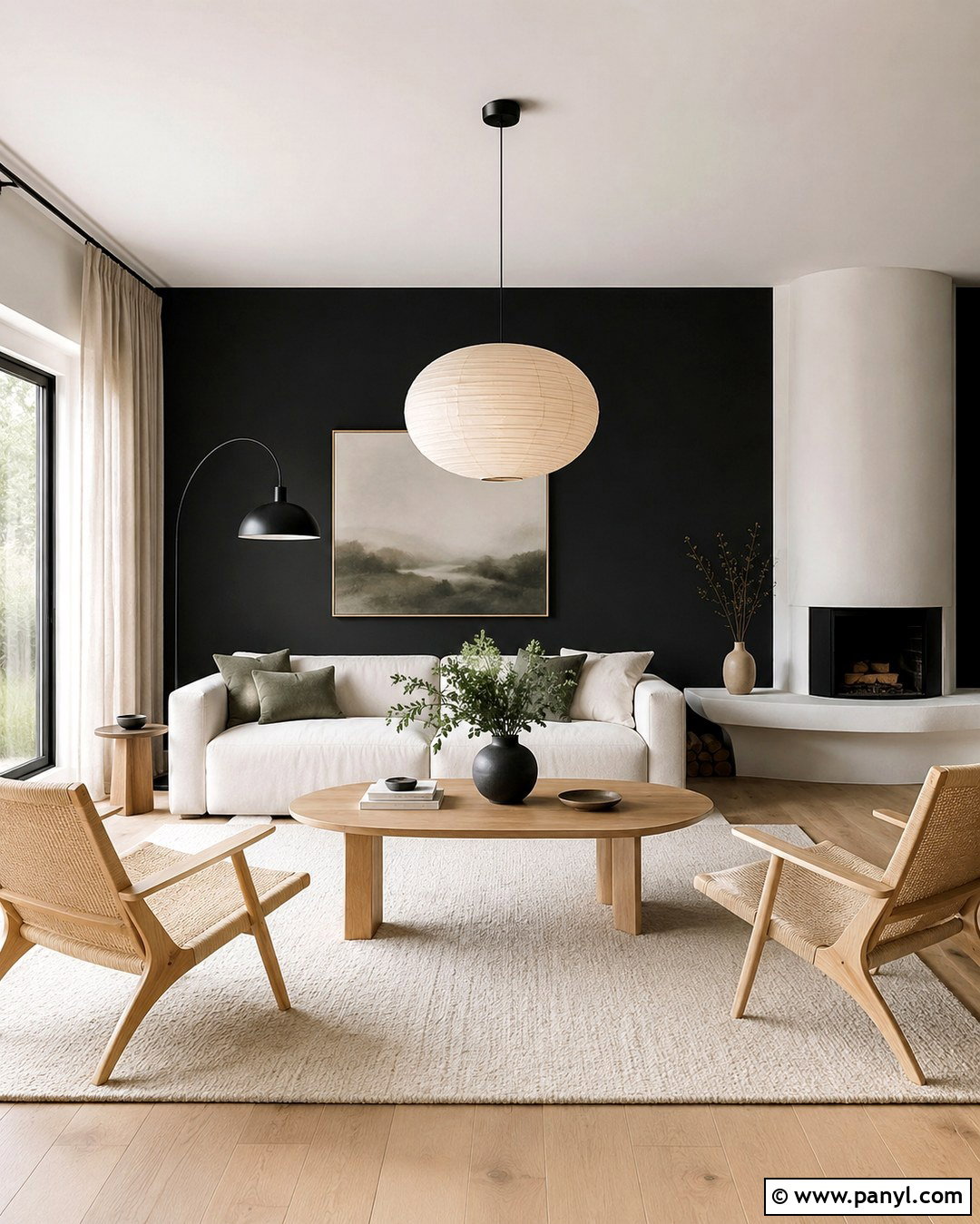
Horizontal black shiplap creates a strong media-room focal point when it is balanced with lighter furnishings and good lighting. Install wide boards across the television wall and finish them in soft matte black rather than a reflective gloss. Use a floating medium-oak media console to break up the dark surface and conceal entertainment equipment. A light gray sectional, ivory rug, and cognac leather ottoman keep the seating zone welcoming. Add dimmable recessed fixtures for movie viewing and narrow wall washers for everyday brightness. Paint the ceiling bright white and leave the neighboring walls pale greige. The horizontal lines can visually widen a narrow basement, while the controlled black-and-oak palette gives the entire room a clean, intentional appearance instead of a cave-like feeling.
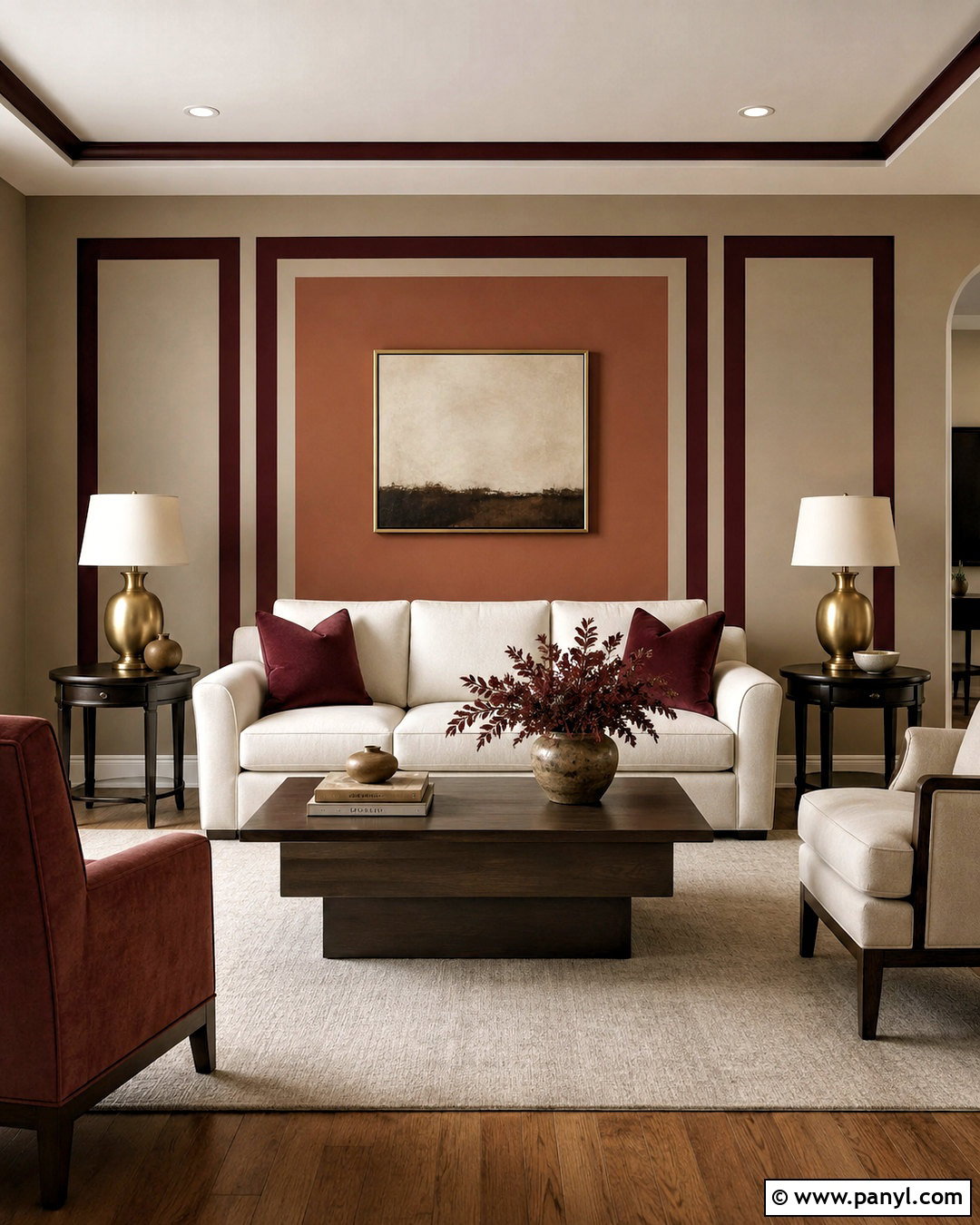
10. Reclaimed Wood Basement Accent Wall
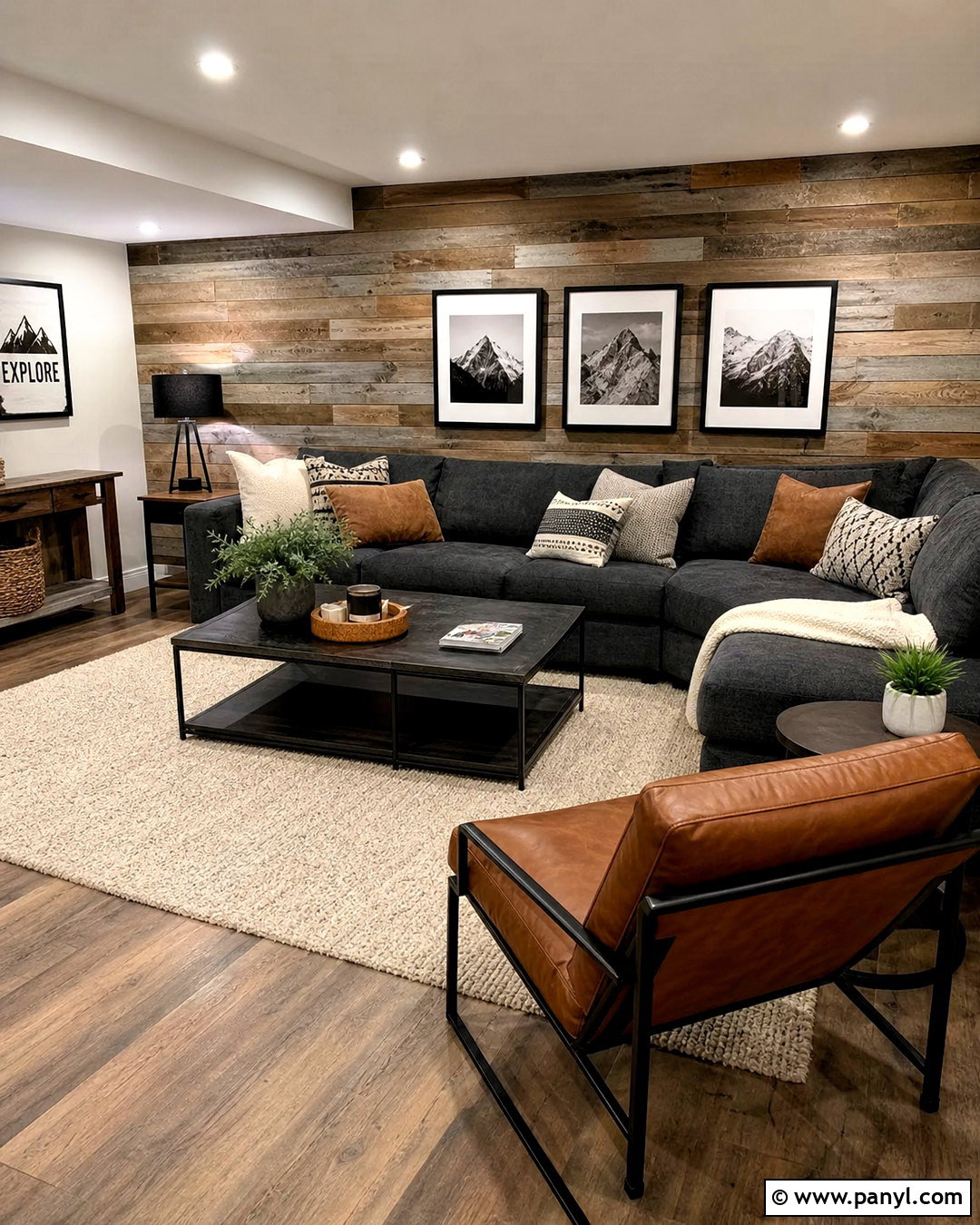
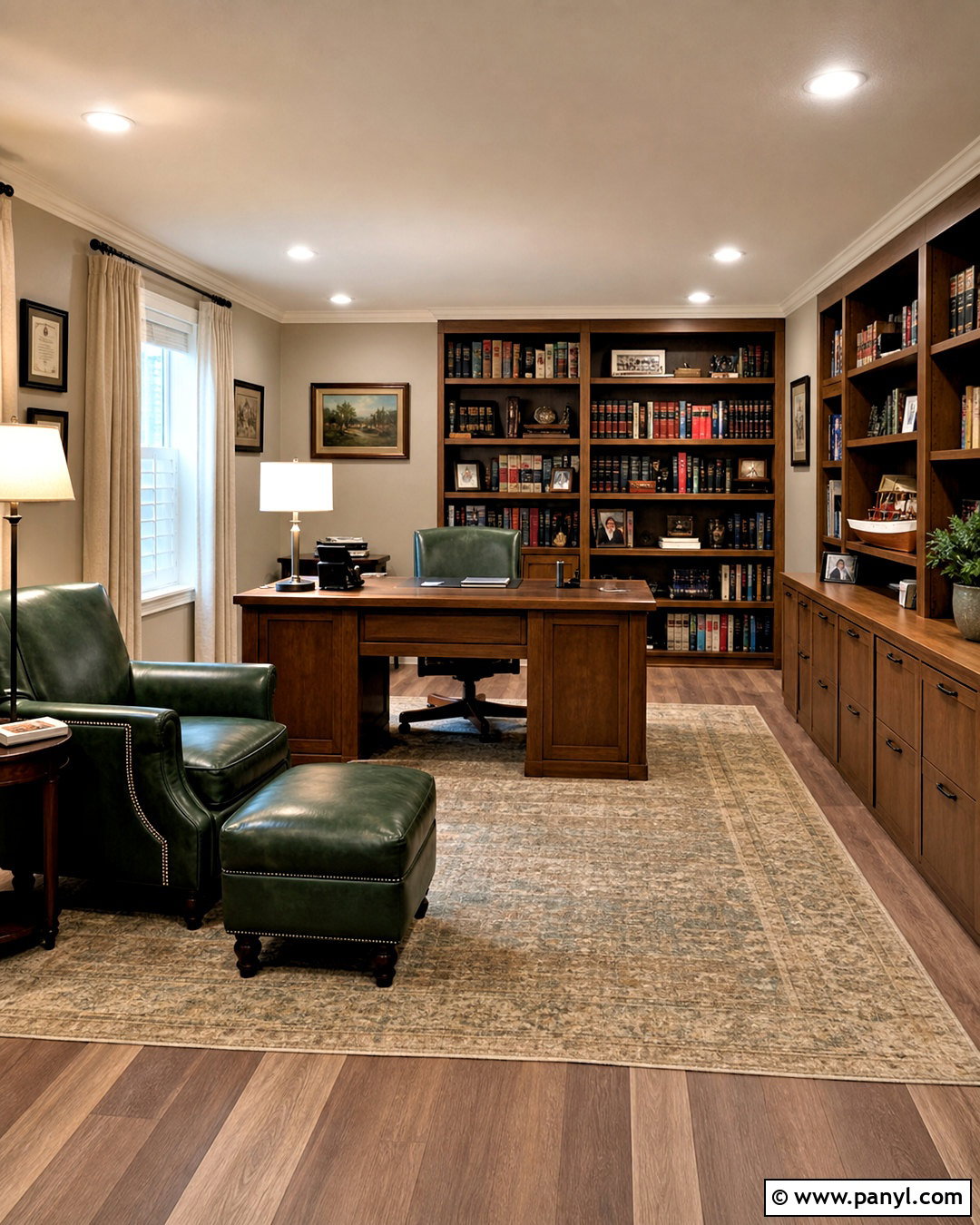
Weathered wood creates a relaxed basement retreat that feels collected rather than newly finished. Cover the main wall with sealed reclaimed planks in a balanced mixture of faded brown, soft gray, and natural tan. Arrange the boards horizontally and avoid pieces with excessive color variation. Place a deep charcoal sectional against the wall, then introduce a cream wool-look rug, leather lounge chair, and sturdy black metal coffee table. Warm recessed lighting should wash across the planks to reveal their grain and texture. Keep adjoining walls pale beige and use simple solid-color pillows instead of rustic-themed decorations. A few framed black-and-white landscape photographs complete the room. Kiln-dried, properly sealed boards are the practical choice for maintaining a stable, clean basement installation.
11. Fluted Panel Basement Bar Accent Wall
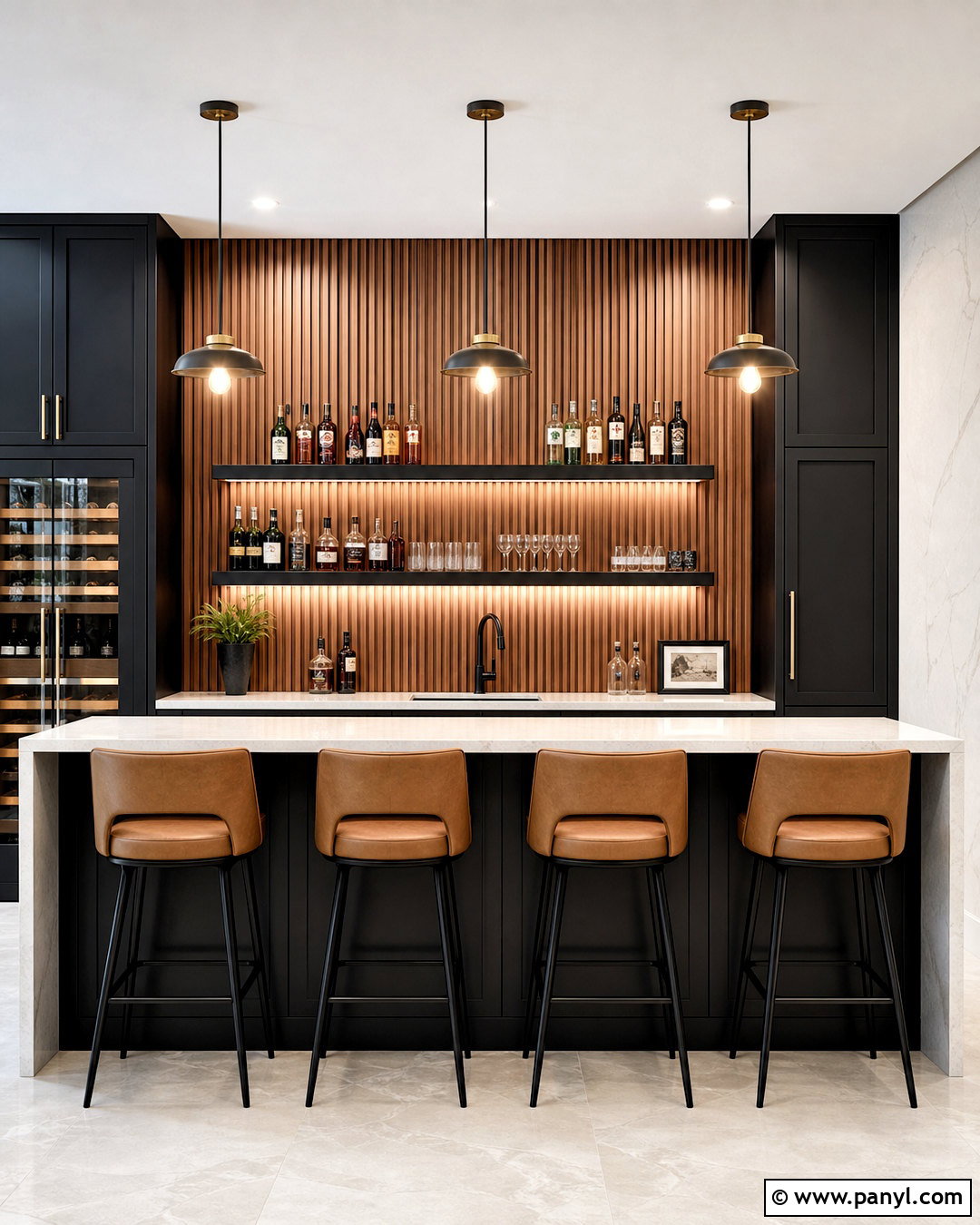
A fluted wood wall can transform a basic basement bar into a defined entertaining zone. Install walnut-toned vertical panels behind the entire back counter, framing open shelves and matte black cabinets. Use a pale quartz countertop and a short cream tile backsplash so the wood does not overwhelm the area. Display glassware, ceramic bowls, and a few decorative objects on slim black shelves, leaving plenty of open space. Three modern counter stools with tan upholstery connect the bar to the warm wood. Add under-shelf lighting and two simple pendants for clear task illumination. Continue light greige paint and oak-look flooring throughout the surrounding basement. This complete setup feels sophisticated and practical without depending on oversized cabinetry or elaborate decorative themes.
12. Concrete Finish Basement Accent Wall
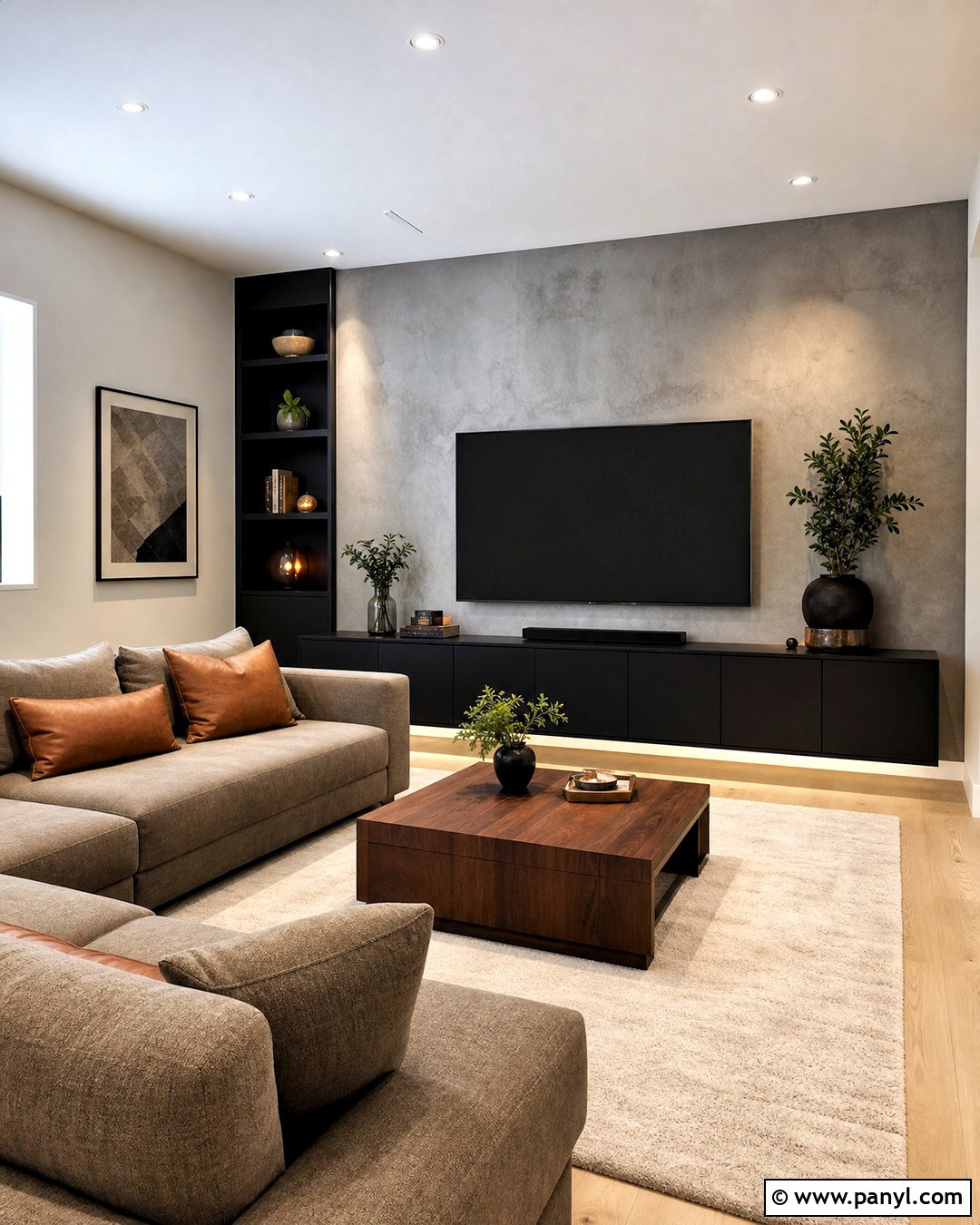
A concrete-effect feature wall complements a modern basement while providing more visual interest than standard gray paint. Use a hand-troweled plaster finish or convincing concrete-look panels in a medium warm gray behind the television. Pair the wall with a long black media cabinet, low taupe sectional, and large cream rug. Introduce warmth through a walnut coffee table, cognac pillows, and soft woven throws. Track lights or adjustable recessed fixtures can graze the surface and highlight its subtle variation. Keep the ceiling white and choose pale oak flooring to prevent the overall room from feeling industrial or unfinished. One sculptural floor lamp and a large leafy plant are enough decoration. The final look should feel clean, comfortable, and intentionally minimal.
13. Acoustic Panel Basement Accent Wall
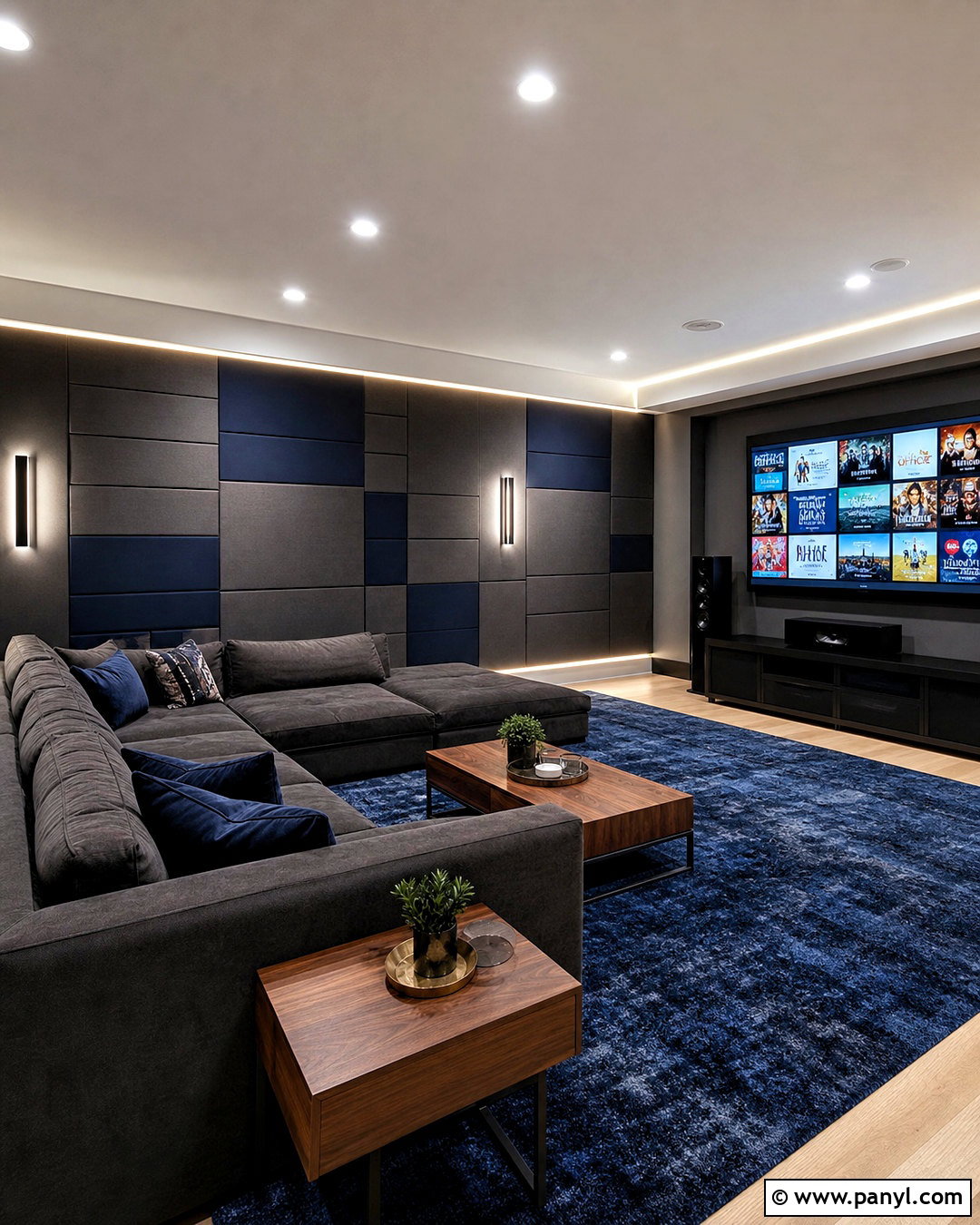
A home theater benefits from an accent wall that supports both the room’s appearance and its purpose. Cover the screen wall and selected side sections with upholstered acoustic panels in alternating charcoal gray and muted navy. Use large rectangular panels arranged in a clean grid rather than a busy pattern. Face a deep modular sectional toward the screen and add a dark blue area rug, black media cabinet, and small walnut side tables. Concealed LED strips around the panel edges can provide low-level guidance, while bright dimmable ceiling lights handle cleaning and everyday use. Keep the ceiling dark gray but use a lighter neutral on the rear wall. The coordinated textiles and sound-conscious surfaces make the theater feel immersive without relying on themed signs or unnecessary decoration.
14. Built-In Bookshelf Basement Accent Wall
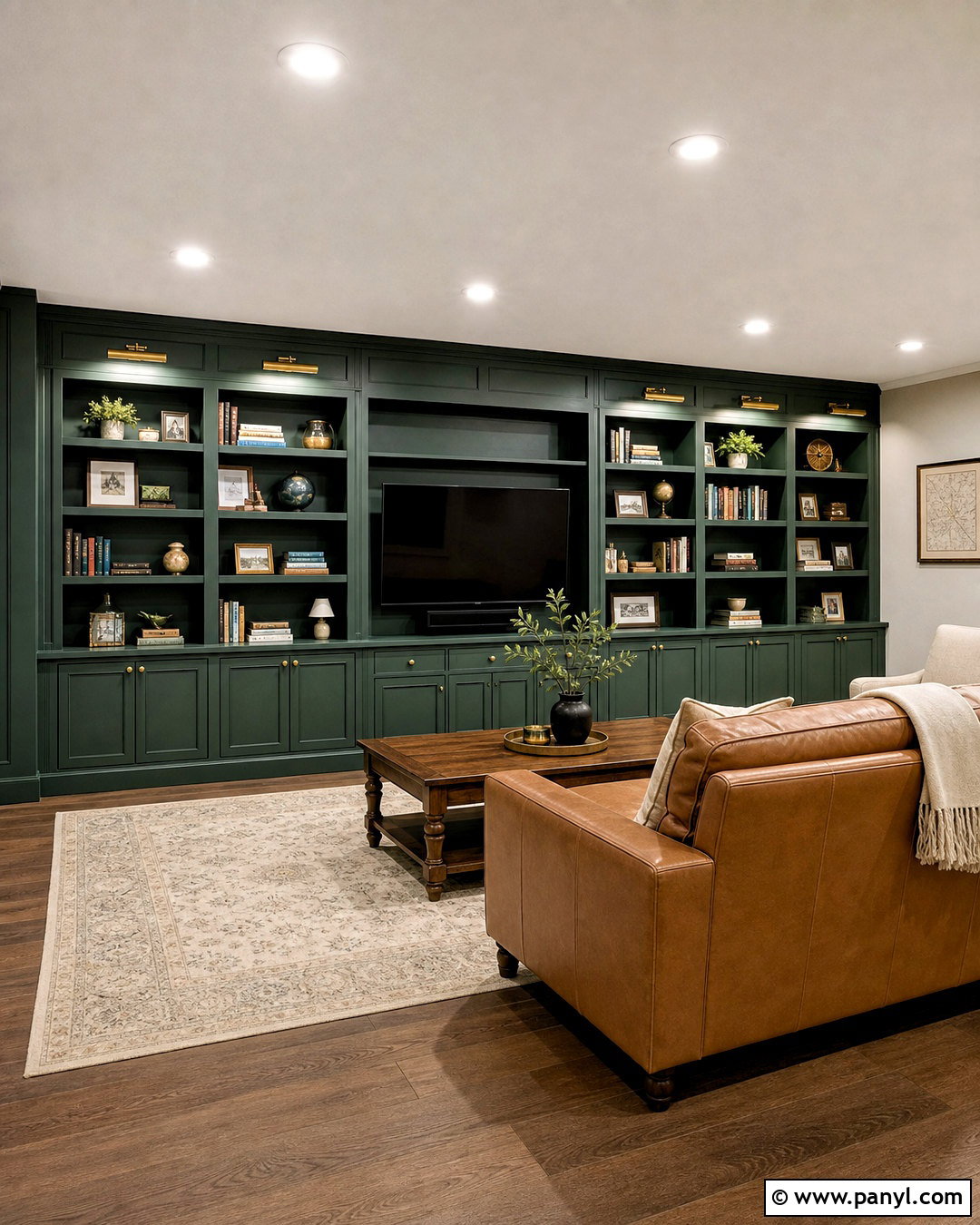
Built-in shelving can make an accent wall decorative and useful at the same time. Cover the main wall with deep forest green cabinetry, combining closed lower cupboards with open shelves above. Leave a central niche for a television, artwork, or compact electric fireplace. Paint the shelving, trim, and wall backing in the same green for a cohesive architectural effect. Furnish the room with a camel leather sofa, patterned cream rug, and round walnut coffee table. Style shelves with books, baskets, pottery, and framed photographs while preserving open areas. Small picture lights or integrated shelf lighting brighten the dark finish. Pale walls, white ceilings, and medium oak flooring provide balance, creating a comfortable basement library and family room with generous hidden storage.
15. Wallpaper And Wainscoting Basement Accent Wall
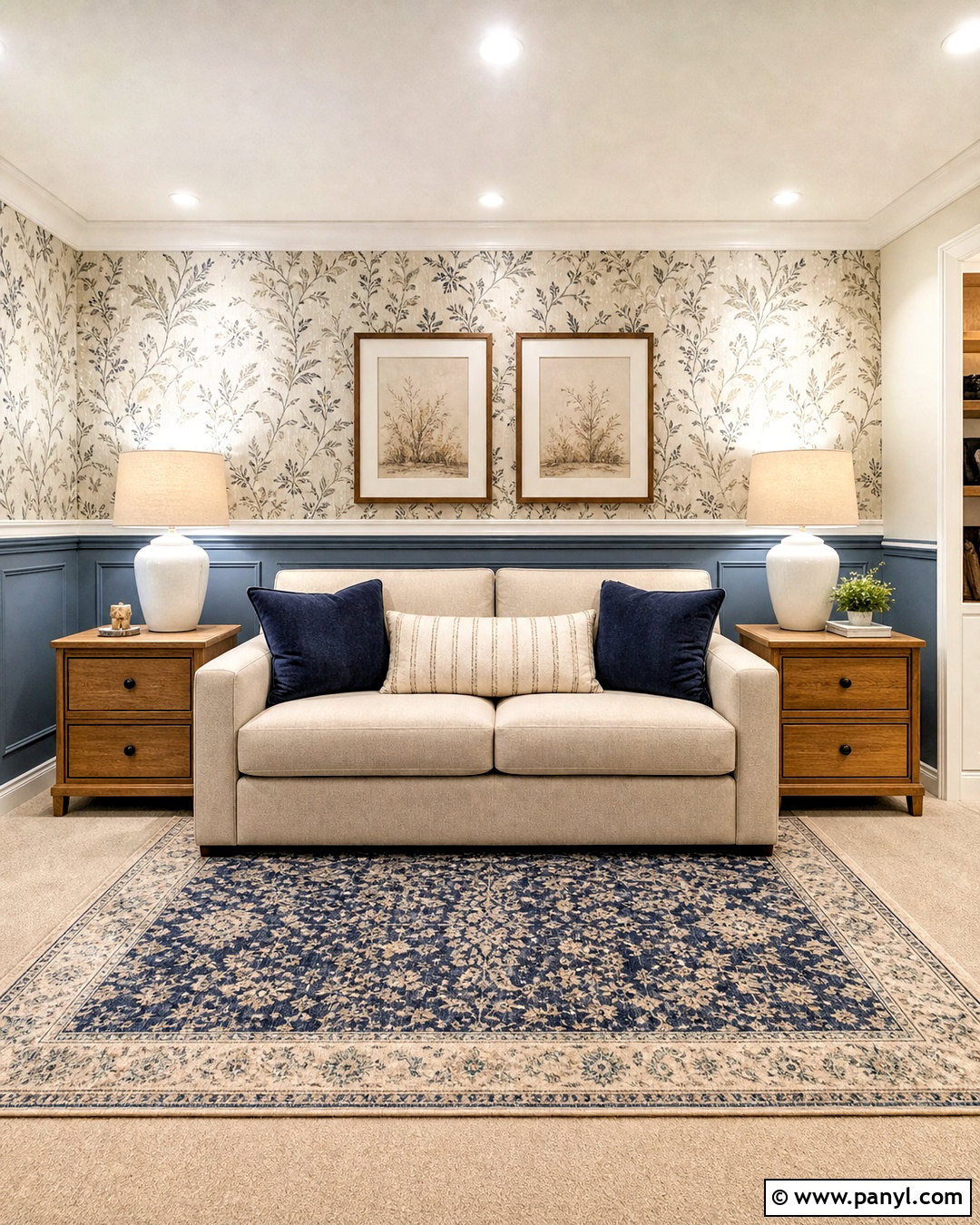
Combining wallpaper with painted wainscoting delivers pattern and structure without covering the entire wall. Install simple square paneling across the lower third and paint it muted blue-gray. Above it, hang cream wallpaper with a delicate blue botanical print. A narrow white chair rail creates a crisp division between the two finishes. Position a beige sleeper sofa against the wall, making the basement useful as both a lounge and guest area. Add medium oak nightstands, white ceramic lamps, and a soft navy-and-cream rug. Keep the remaining walls warm white and use plain bedding or pillows so the patterned wall remains balanced. This layered treatment works especially well when a full wallpaper wall would feel too busy or visually tall for the room.
16. Painted Mural Basement Accent Wall
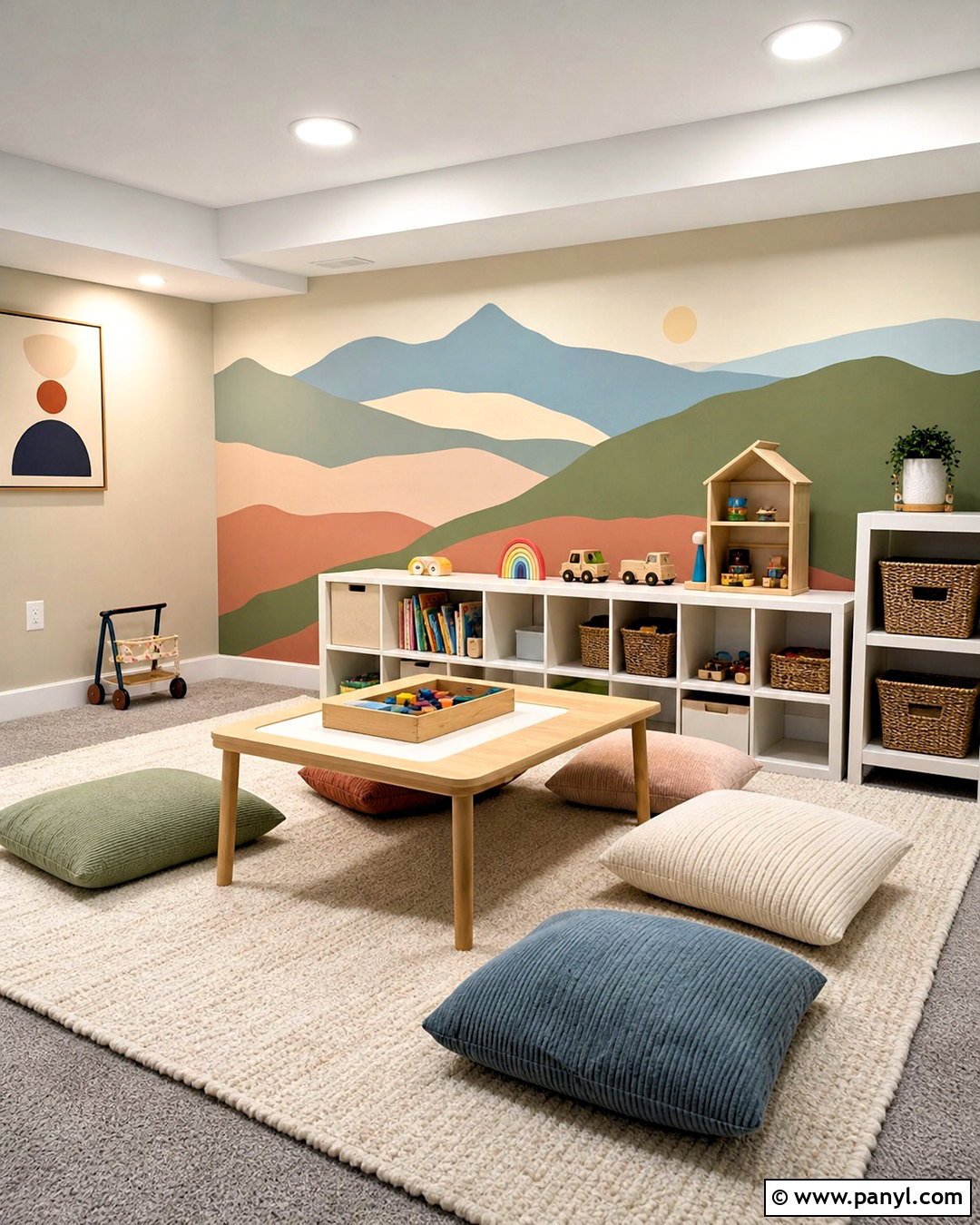
A mural can establish an imaginative basement playroom while still complementing the rest of the home. Paint a simplified landscape across the focal wall using rolling hills in sage green, dusty blue, warm beige, and muted terracotta. Keep the shapes broad and graphic so the design can grow with the children using the room. Arrange low white storage cabinets along the wall, leaving much of the mural visible. Add a washable cream rug, small natural wood activity table, soft floor cushions, and labeled storage bins without overcrowding the space. Bright flush-mount lights provide even illumination. Repeat the mural colors through a few toys and cushions. The finished playroom feels cheerful and organized rather than overly themed or visually chaotic.
17. Cork Basement Office Accent Wall
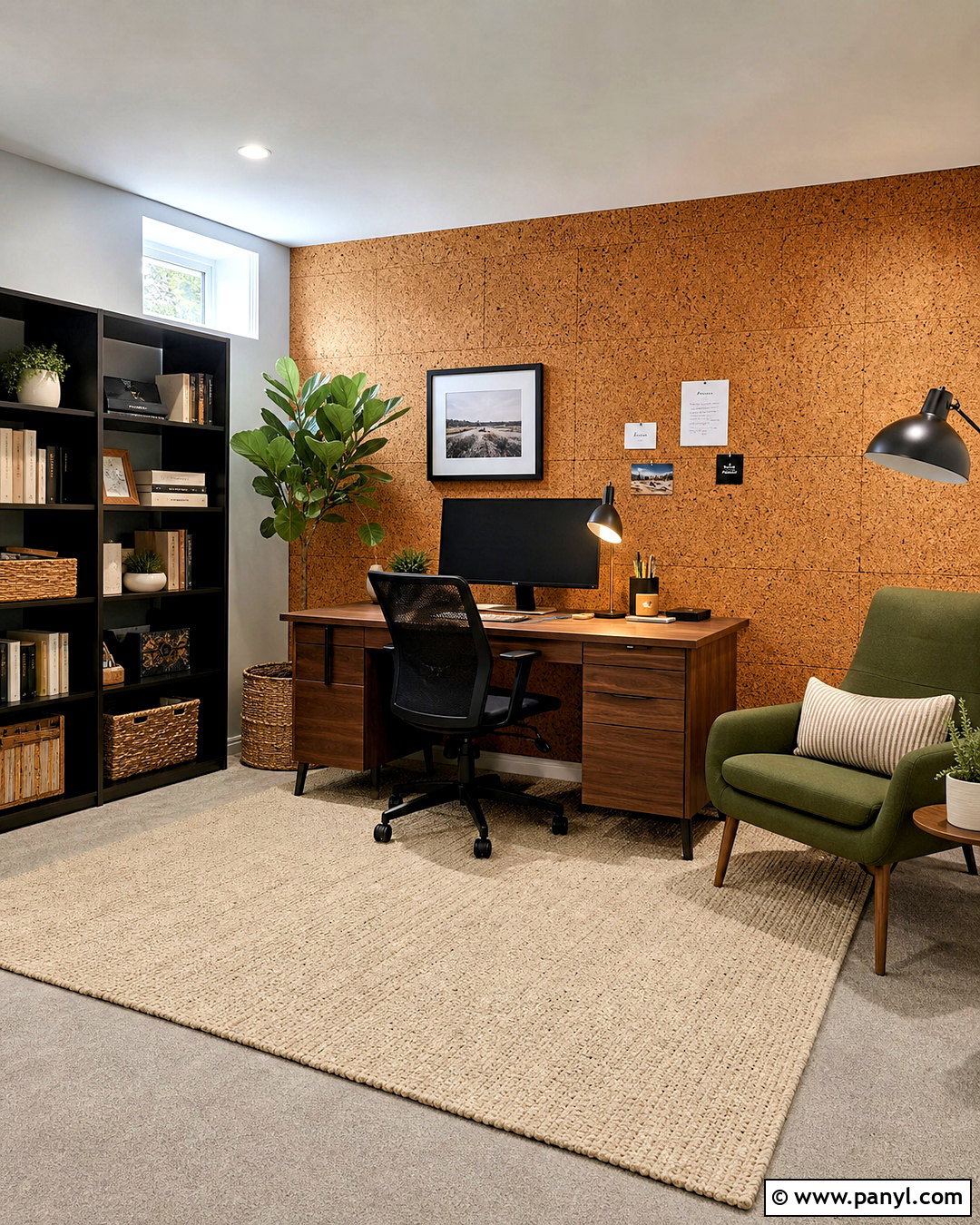
Warm cork panels provide an inviting focal point and a useful surface in a basement home office. Cover the wall behind the desk with square or rectangular natural cork tiles in consistent honey-brown tones. Center a simple walnut desk against the wall and add matte black shelves for books, baskets, and office supplies. A supportive black chair, flat-woven cream rug, and compact olive green lounge chair create a practical work zone. Pin a restrained arrangement of calendars, photographs, and notes to the cork, leaving generous blank areas. Use a bright desk lamp and ceiling fixtures with neutral white light. Paint the surrounding walls soft greige. The finished office feels organized, warm, and professional while avoiding the sterile appearance common in window-limited workspaces.
18. Mirrored Basement Gym Accent Wall
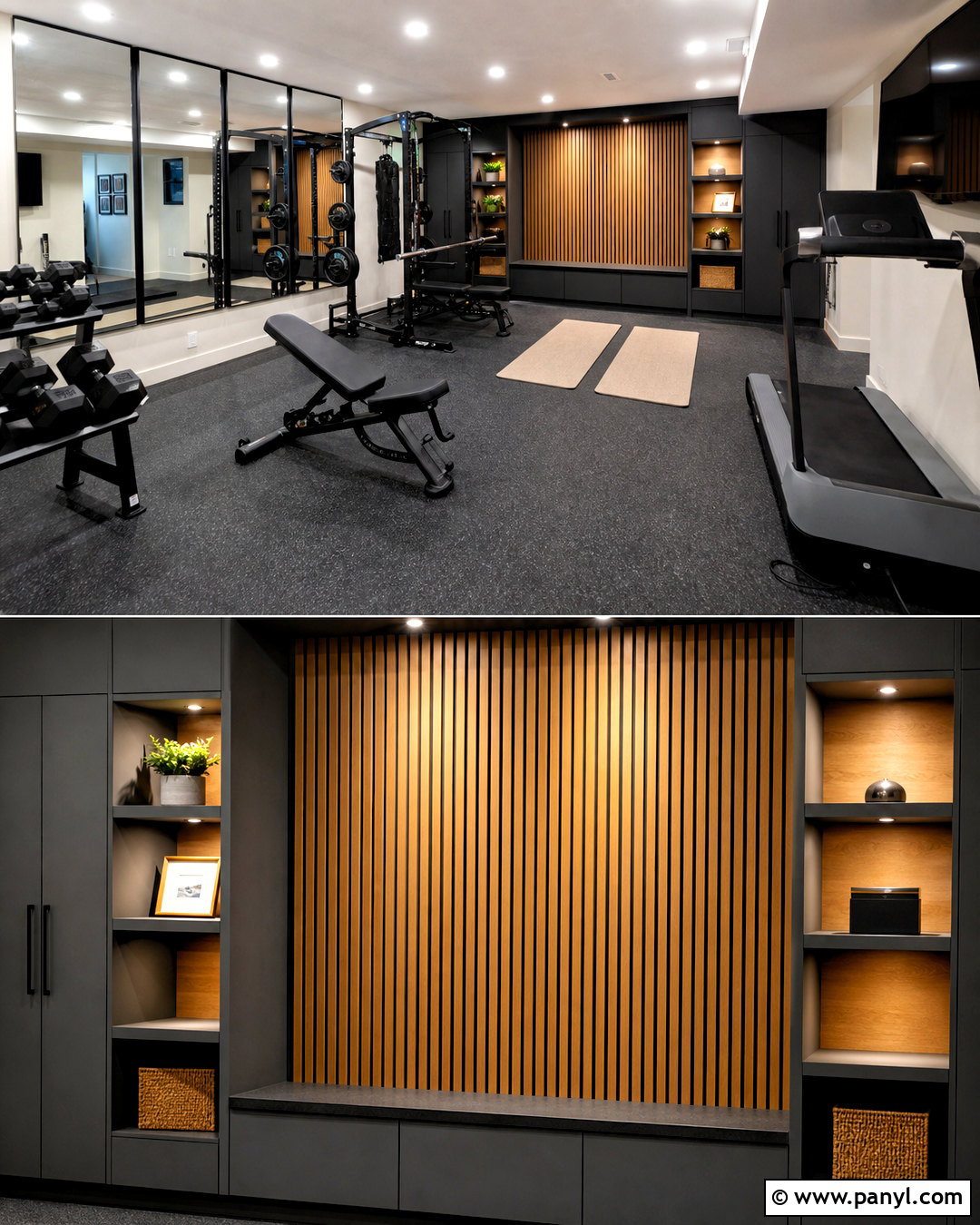
A mirror accent wall can make a compact basement gym feel more open while allowing users to check exercise form. Install large safety-backed mirror panels across the primary workout wall, using narrow matte black dividers for a clean grid. Add a warm oak slat section at one end to soften the reflective surface and hold hooks for resistance bands. Black rubber flooring, a simple weight rack, neutral exercise mats, and closed storage create an orderly layout. Paint the other walls crisp white and introduce muted green through a bench or equipment accents. Bright linear ceiling lights should illuminate the room evenly without creating harsh glare. Keep the floor clear so the mirrored wall reflects a spacious, purposeful gym rather than visible clutter.
19. Tile Basement Bar Accent Wall
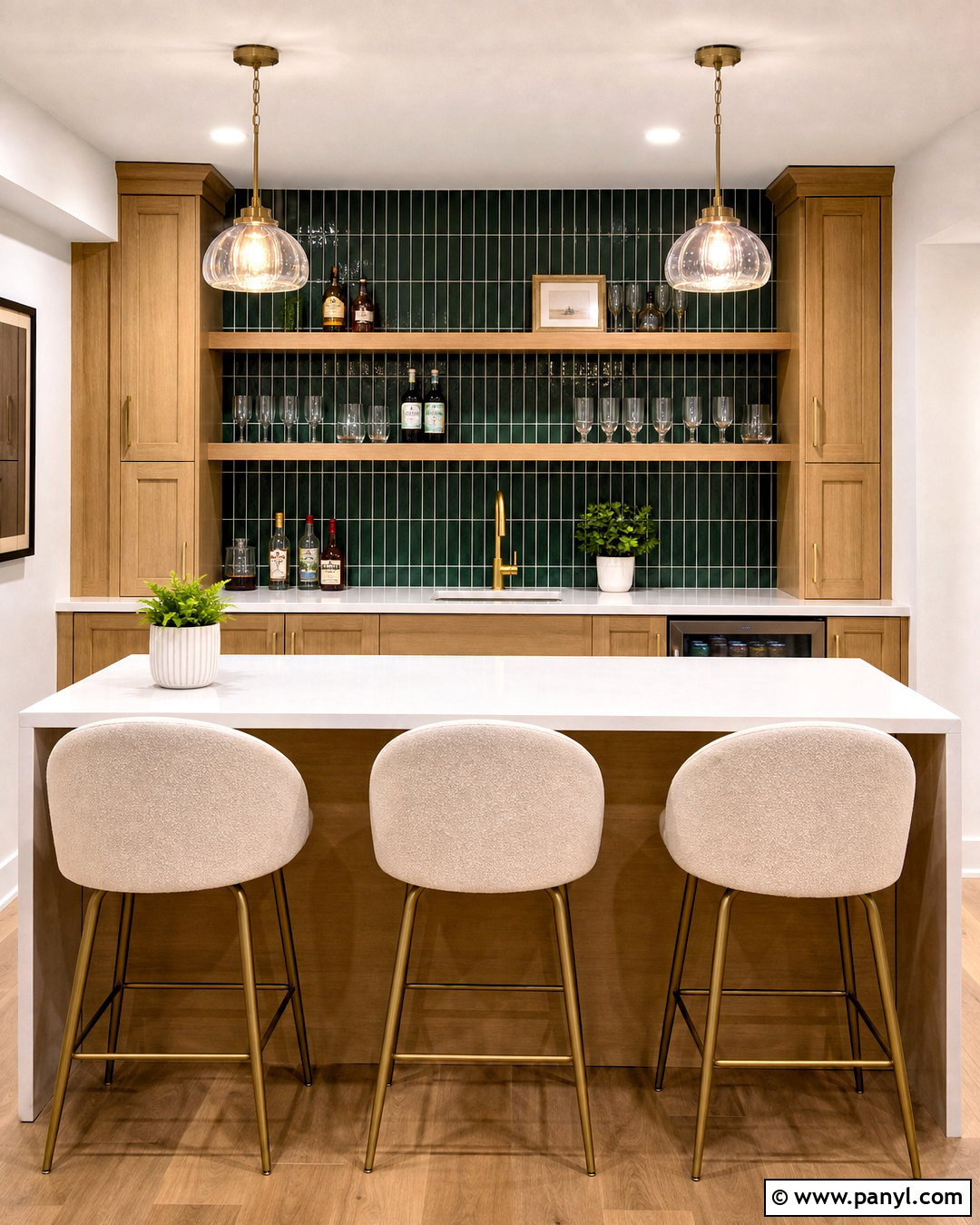
Floor-to-ceiling tile gives a basement bar a durable focal point with color, shine, and easy-to-clean character. Cover the back wall in elongated emerald green ceramic tiles with subtle surface variation. Stack them vertically to emphasize height, then use warm white grout for visible definition. Install natural oak lower cabinets, a white quartz counter, and two floating oak shelves against the tile. Brushed brass hardware and clear glass pendant lights add warmth without making the bar overly formal. Include three cream upholstered stools and continue pale wood-look flooring into the surrounding room. Paint adjacent walls warm white. The complete design feels fresh and polished, while the rich green tile clearly separates the entertaining area from the rest of the basement.
20. Color Block Basement Accent Wall
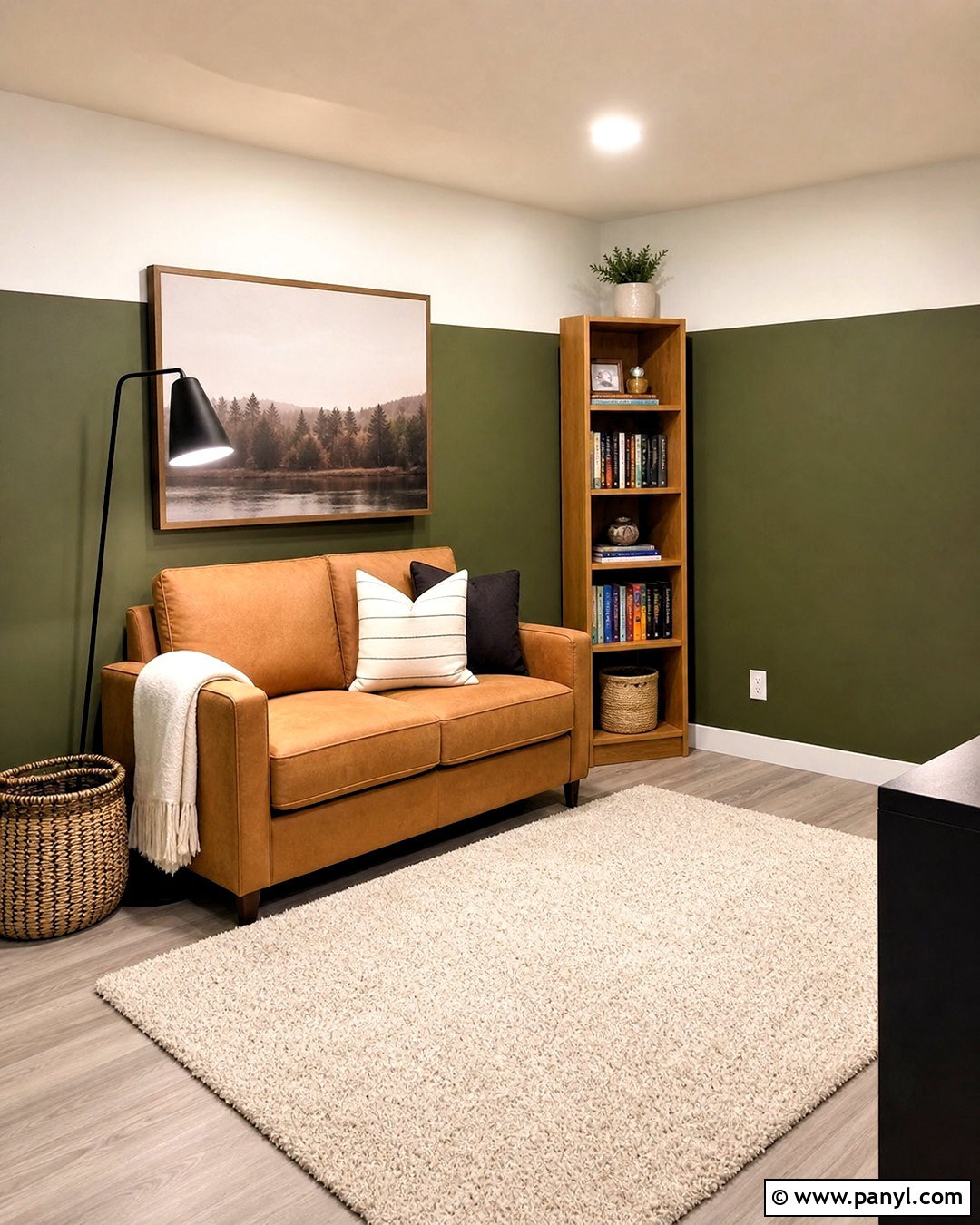
Color blocking offers a budget-friendly way to define a basement stair landing, reading corner, or multipurpose zone. Paint the lower two-thirds of the focal wall deep olive green and finish the upper section in warm white. Use a clean horizontal line that aligns with a nearby door frame or shelving unit. Place a compact tan loveseat against the wall, then add a cream rug, black floor lamp, and narrow oak bookcase. A large framed print should overlap the color boundary slightly, connecting both sections visually. Continue the olive tone through one pillow and a storage basket rather than matching every accessory. With bright ceiling lighting and uncluttered furniture placement, this simple wall treatment feels deliberate, modern, and fully integrated into the basement.
Conclusion:
The best 20 basement accent wall ideas combine visual character with practical decisions about lighting, scale, moisture, and room function. Wood slats and reclaimed boards bring warmth, while stone, brick, tile, and concrete finishes create strong texture. Wallpaper, murals, limewash, and color blocking offer flexible ways to introduce pattern or color. Dimensional molding and built-ins can make basic drywall feel like permanent architecture. Before starting, inspect the surface, repair moisture problems, measure around outlets, and test colors under the basement’s actual lighting. Most importantly, design the entire seating, media, office, bar, or play zone around the wall. A coordinated room will feel more comfortable and complete than an isolated decorative feature.

Related Ideas and Inspiration:
Leave a Reply