
The right bedroom paint can make an ordinary room feel calmer, cozier, and more personal. These 20 aesthetic wall colors bedroom ideas explore complete looks rather than isolated shades. Each palette includes furniture, bedding, lighting, flooring, and decor that work together. Current bedroom color trends favor warm earth tones, nuanced greens, powder blues, and deeper enveloping shades, but timeless neutrals remain practical for flexible decorating. () Whether you prefer an airy minimalist retreat or a dramatic cocoon, test paint samples beside your flooring and fabrics before making a final choice. Observe them during the morning, afternoon, and evening because changing light can alter the undertones. Use these 20 aesthetic wall colors bedroom ideas to create a finished space that feels intentional.

1. Sage Green Bedroom Walls
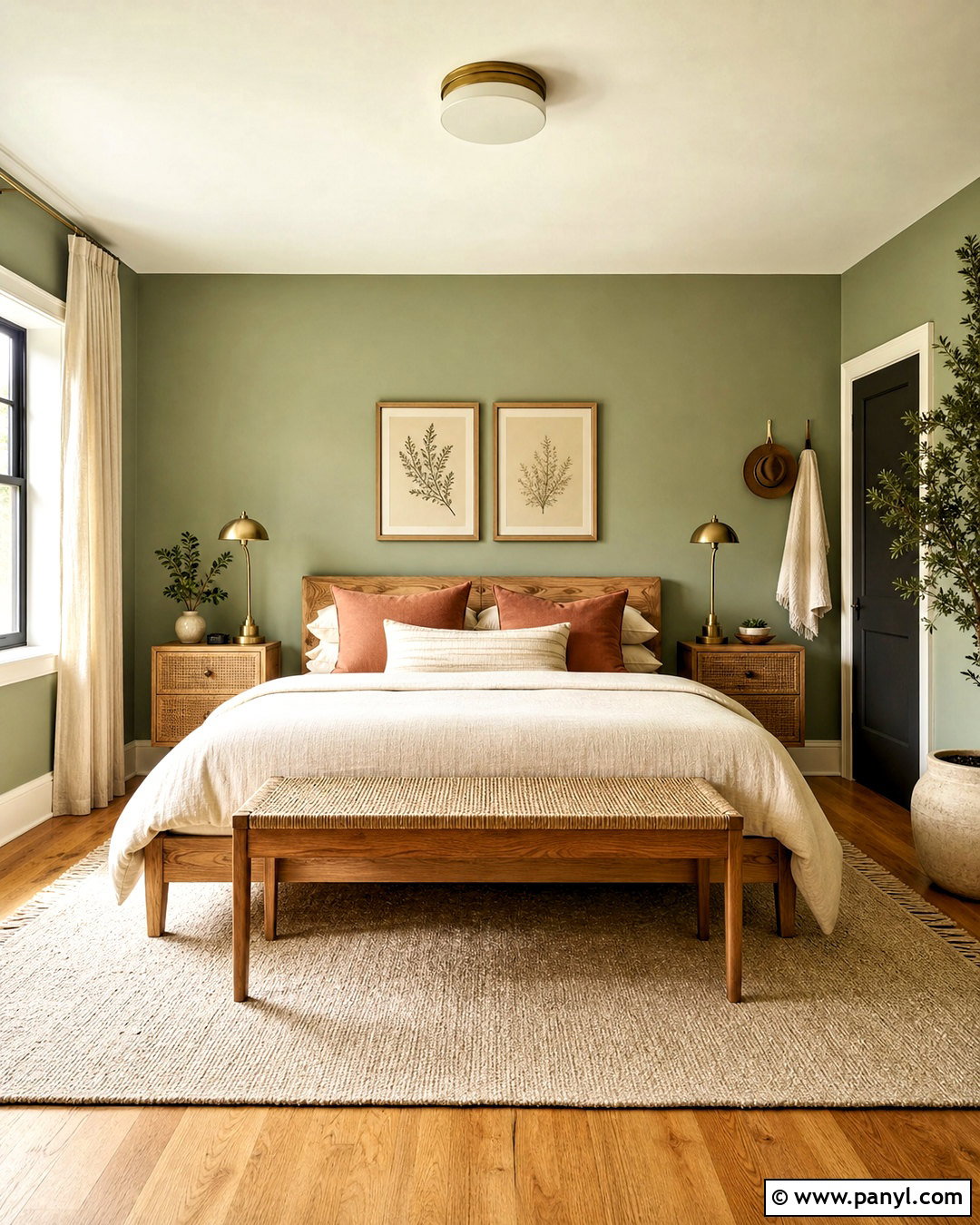
Sage green walls bring softness and natural character to a bedroom without making the space feel overly colorful. Choose a muted sage with warm gray undertones, then pair it with an oak bed, woven nightstands, and oatmeal linen bedding. Cream curtains and a light beige wool rug keep the room open and restful. Add small accents in terracotta, aged brass, and charcoal for definition. Botanical artwork can reinforce the organic palette without becoming too themed. For a seamless finish, paint every wall sage while leaving the ceiling warm white. This complete look works especially well in rooms with wood floors and plenty of daylight. Use simple ceramic lamps and layered neutral pillows to maintain the quiet, earthy aesthetic.
2. Warm Beige Bedroom Walls
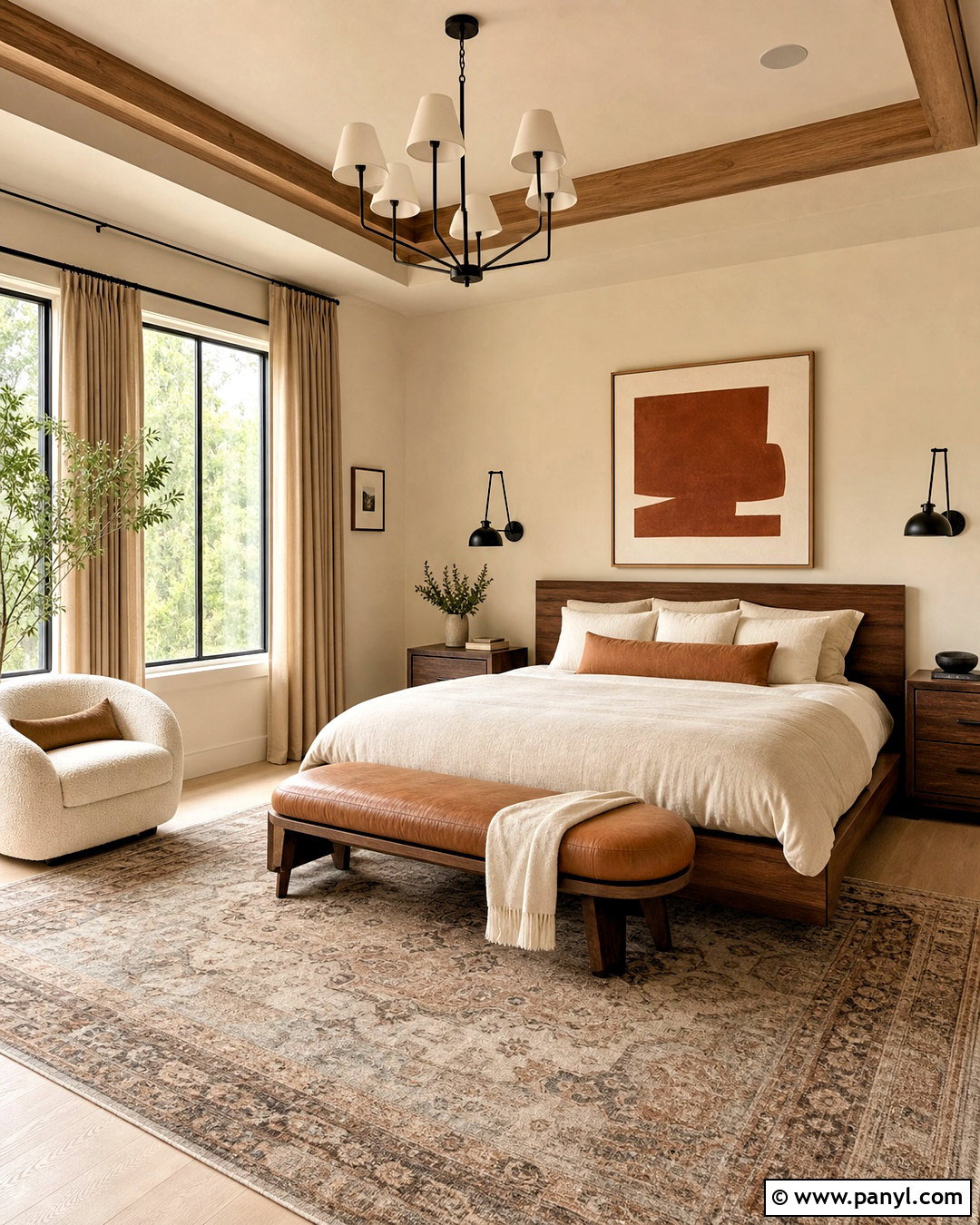
Warm beige creates an inviting foundation that feels softer than plain white and less dated than yellow-toned tan. Select a balanced beige with subtle cream or greige undertones. Furnish the room with a walnut platform bed, ivory bedding, and caramel leather accents. A textured bouclé bench at the foot of the bed adds softness, while black reading sconces provide clean contrast. Use natural linen curtains that nearly match the walls to make the room appear taller. An abstract artwork in rust, cream, and brown can become the focal point above the headboard. Finish the design with medium oak flooring, a faded patterned rug, and warm metallic details. The result is a cozy neutral bedroom that still feels layered, modern, and visually complete.
3. Dusty Blue Bedroom Walls
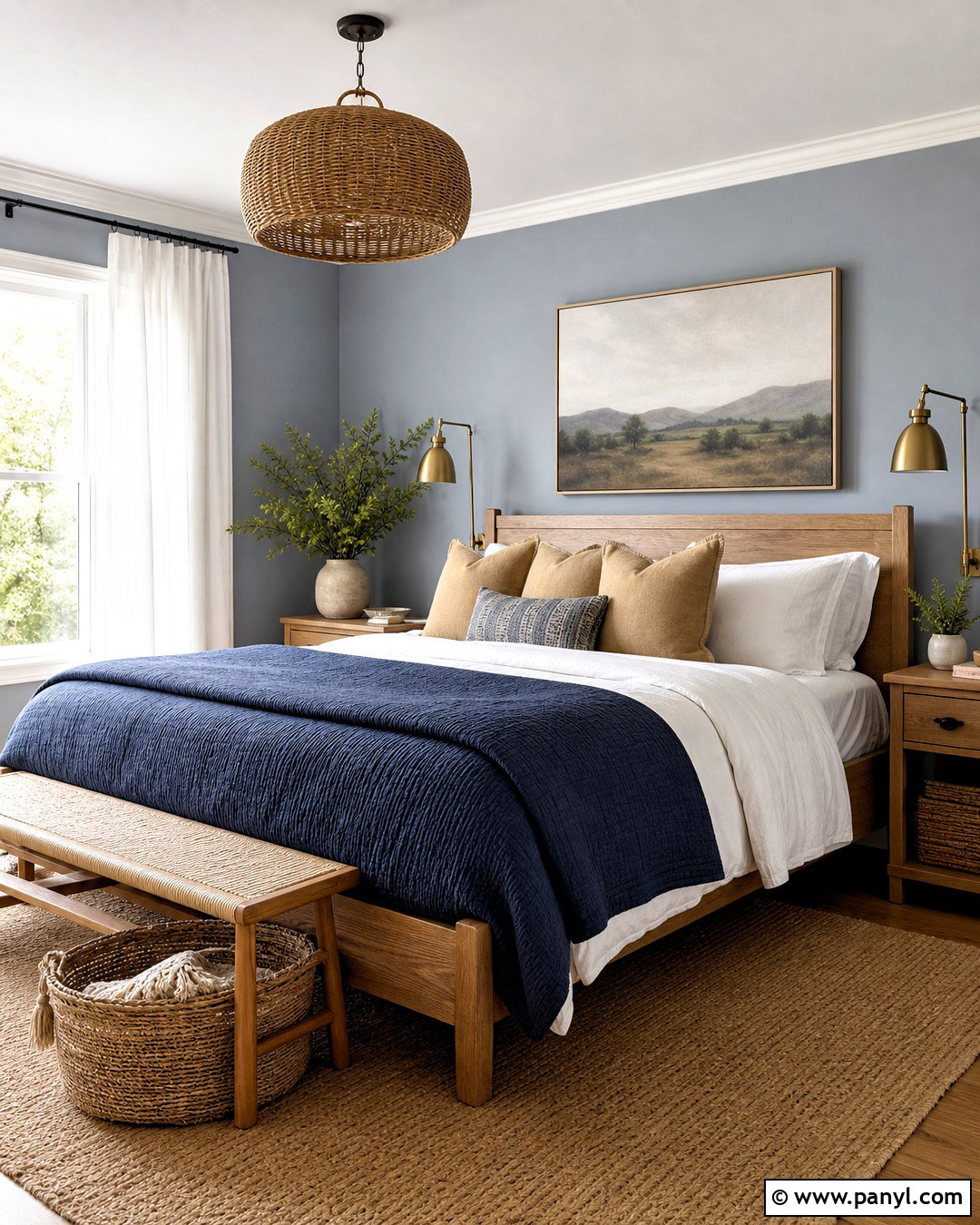
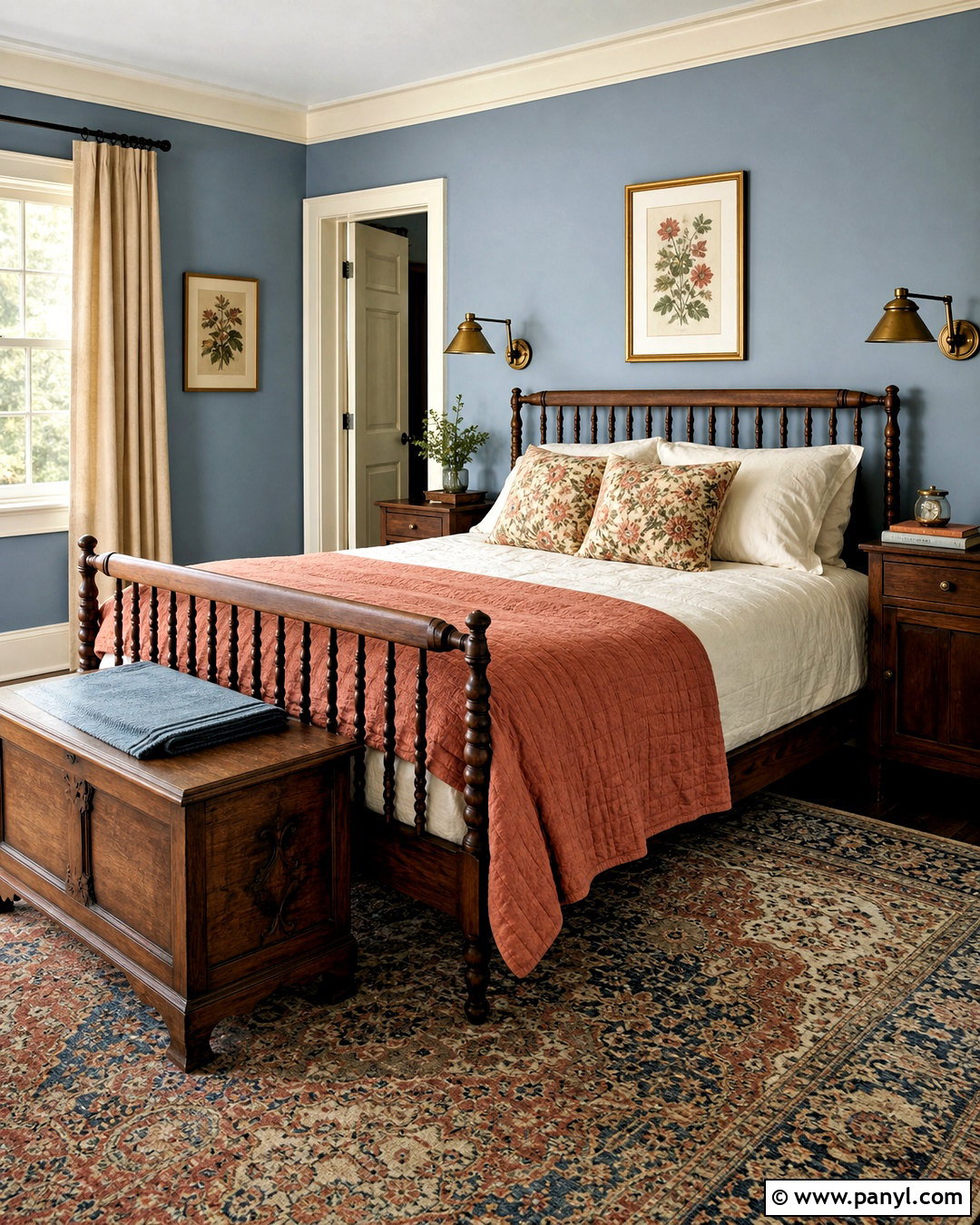
Dusty blue walls give a bedroom gentle color while maintaining a peaceful, understated appearance. Look for a softened blue with gray undertones rather than a bright coastal shade. Combine it with a light oak bed, crisp white sheets, and a quilt in muted navy or denim. Warm the cooler wall color with camel-colored pillows, woven baskets, and a natural jute rug. White trim keeps the edges fresh, while brushed nickel or antique brass lighting adds a polished finish. Hang one large landscape print over the bed instead of several small pieces. Sheer white curtains allow daylight to spread across the blue walls. This balanced scheme feels airy during the day and pleasantly cocooning when table lamps are turned on in the evening.
4. Terracotta Bedroom Walls
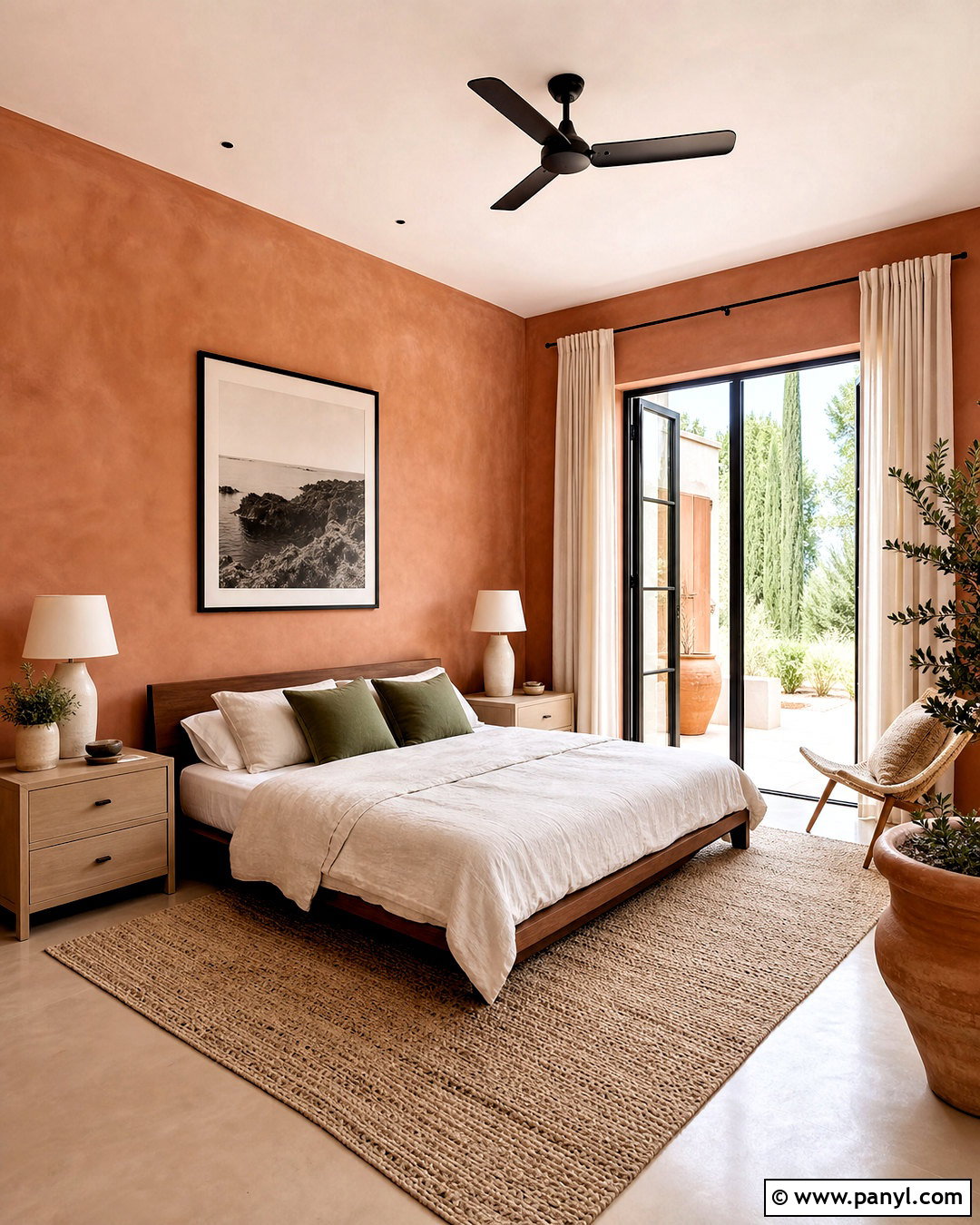
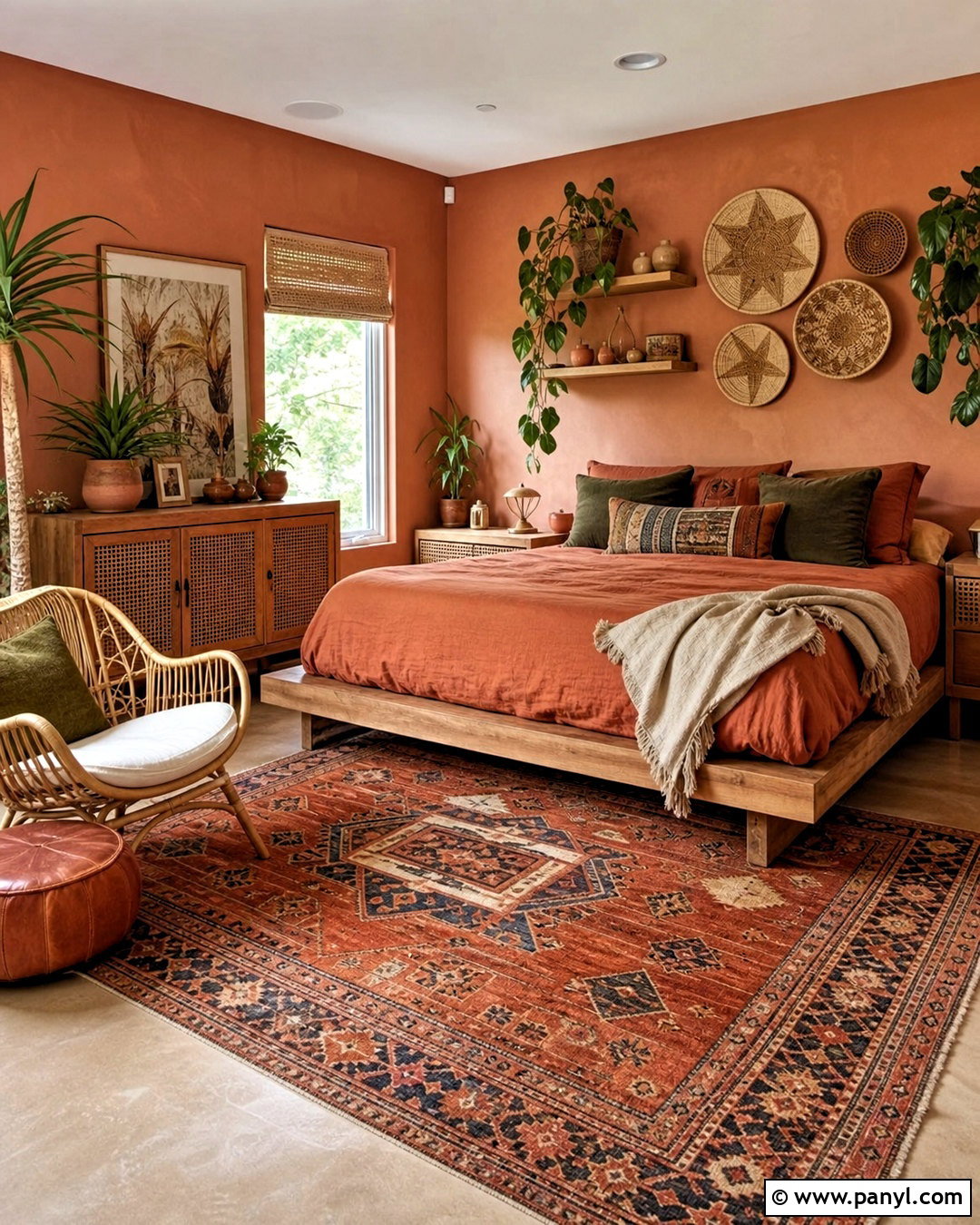
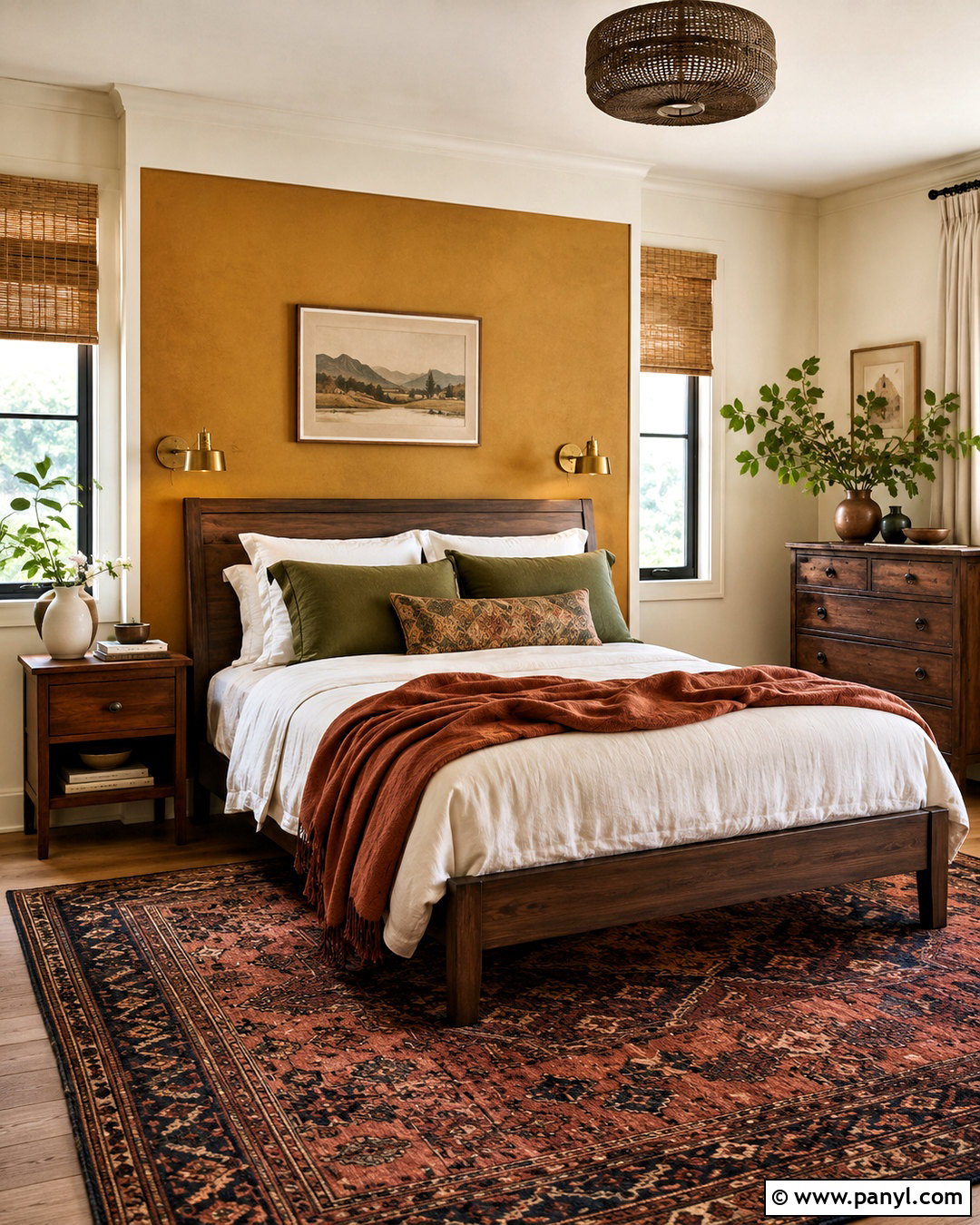
Terracotta walls can transform a basic bedroom into a warm, grounded retreat with Mediterranean character. Choose a softened clay shade with brown or dusty pink undertones instead of intense orange. Balance the color with a low walnut bed, cream linen bedding, and pale oak nightstands. Add olive green pillows and a striped beige throw to connect the palette to nature. Off-white curtains, a light woven rug, and simple plaster-style lamps prevent the deeper walls from feeling heavy. Black framed artwork introduces a crisp architectural note. Consider painting the walls in a matte or subtle limewash finish for added depth. The completed bedroom should feel sun-warmed and relaxed, with enough light upholstery and natural texture to keep the rich wall color visually comfortable.
5. Blush Pink Bedroom Walls
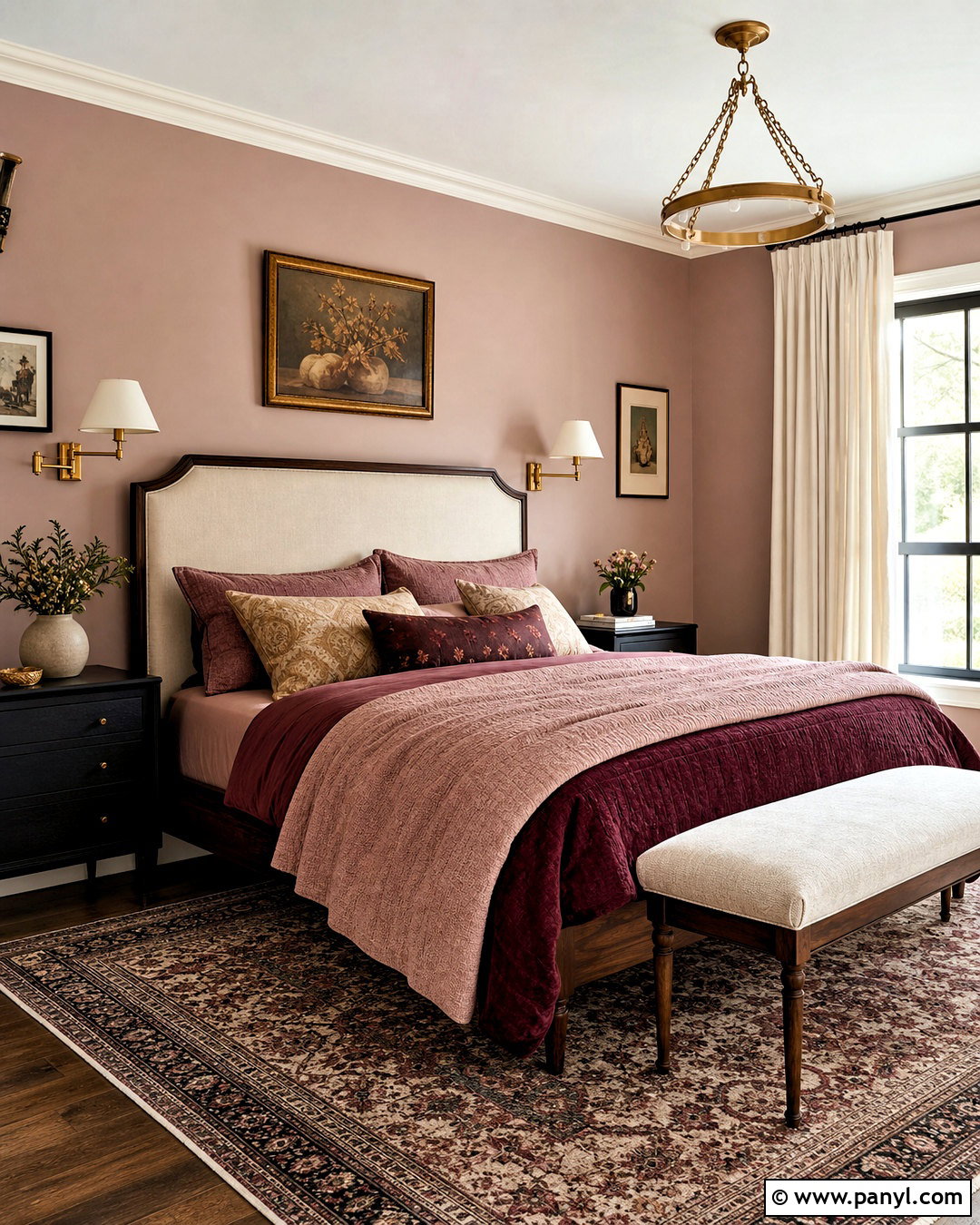
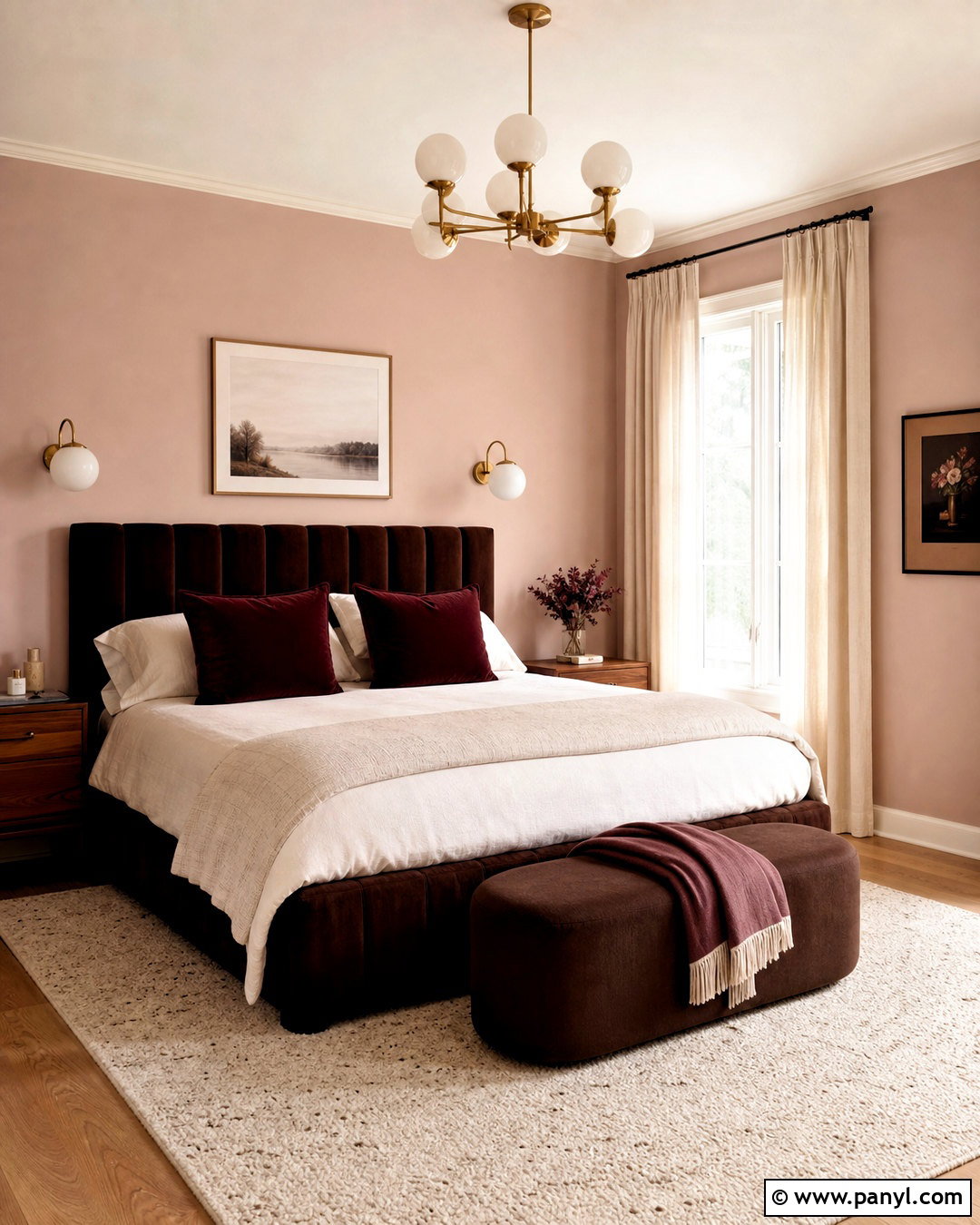
Blush pink walls can look sophisticated when the shade is muted, earthy, and supported by grown-up materials. Select a dusty blush with beige undertones and use it throughout the room rather than limiting it to one accent wall. Anchor the palette with a dark walnut bed and ivory upholstered headboard. Layer white, taupe, and muted burgundy bedding for contrast. Brass sconces, cream curtains, and a vintage-inspired rug add warmth without making the room appear overly sweet. Choose abstract art containing soft brown, rust, and faded rose. A black side table or narrow black picture frames will sharpen the gentle colors. This complete scheme works beautifully for modern, transitional, and vintage bedrooms, creating a comfortable atmosphere that remains polished and adaptable.
6. Olive Green Bedroom Walls
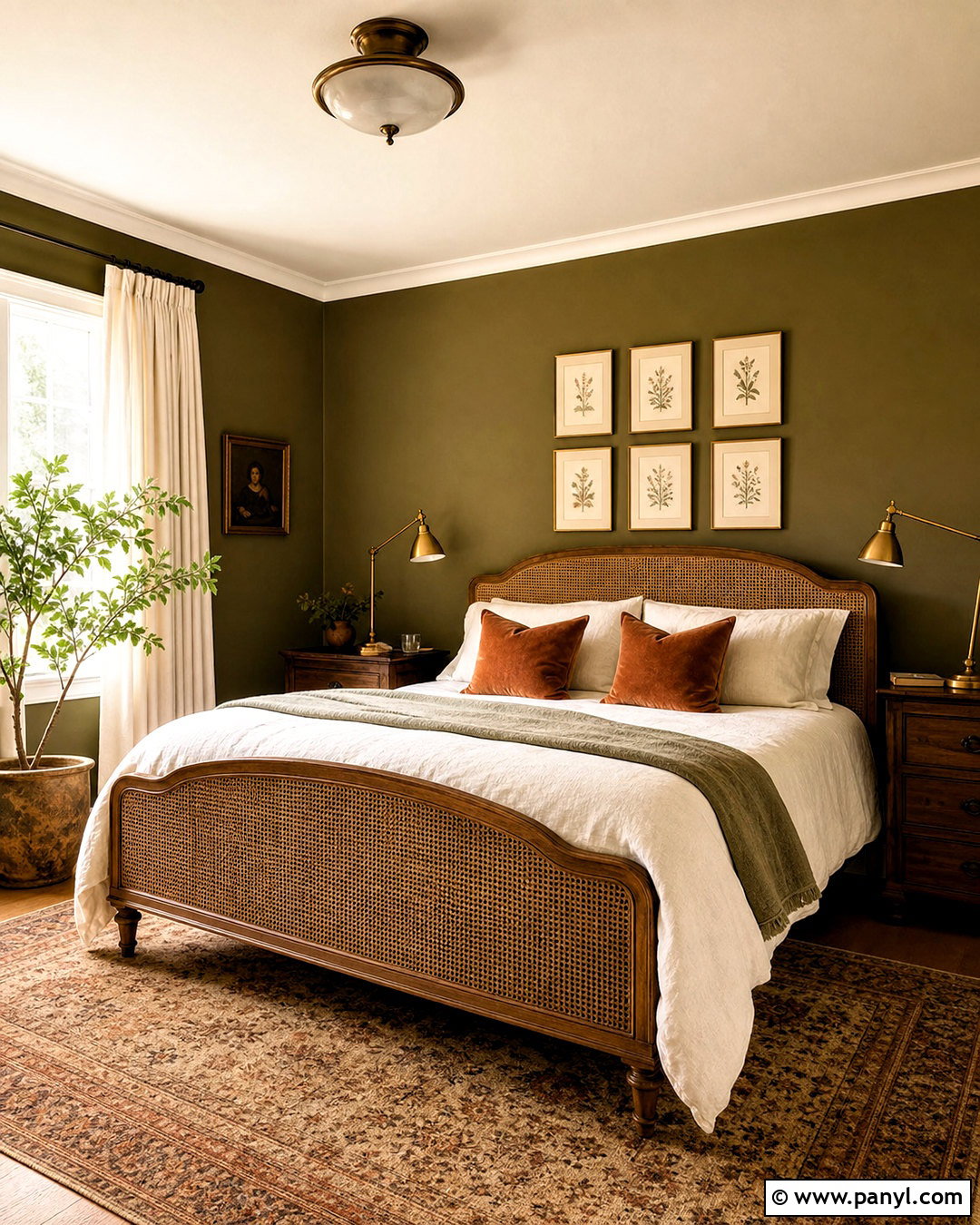
Olive green creates a deeper, earthier bedroom than pale sage while still feeling connected to the outdoors. Choose a warm olive with noticeable brown undertones and apply it across all four walls for an enveloping effect. Pair it with a cane or medium oak bed, creamy linen bedding, and rust-colored accent pillows. A patterned rug in olive, tan, and faded red gives the room a collected look. Use warm white on the ceiling and trim to provide a clean boundary around the darker paint. Antique brass lamps and framed botanical sketches suit the palette, while natural curtains soften incoming light. Add one substantial leafy plant near a window. The finished room feels grounded, cozy, and richly layered without requiring excessive furniture or decoration.
7. Cream Bedroom Walls
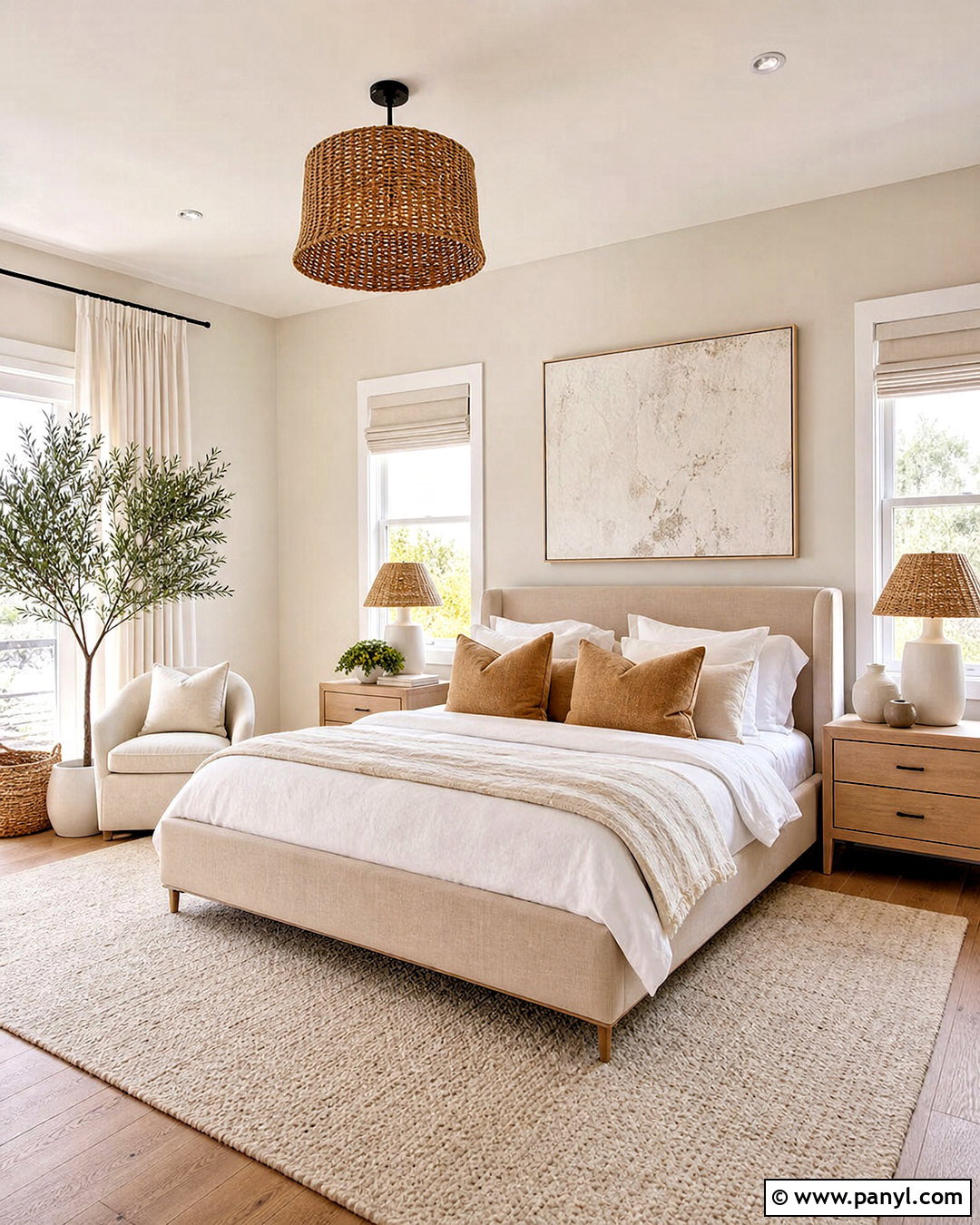
Cream walls offer the brightness of white with a warmer, more relaxing finish. Choose a creamy shade that looks soft rather than yellow, particularly if the bedroom receives cool northern light. Build dimension with an oatmeal upholstered bed, white cotton sheets, a chunky beige throw, and pillows in camel and soft brown. Light oak nightstands and woven lampshades continue the warm palette. Install full-length linen curtains slightly darker than the walls to give the windows gentle definition. A large neutral landscape or textured canvas can fill the area above the headboard. Use a medium-toned wood floor and a plush ivory rug for visual balance. This tonal bedroom feels airy and refined because its interest comes from varied materials, subtle contrast, and thoughtful layering.
8. Charcoal Gray Bedroom Walls
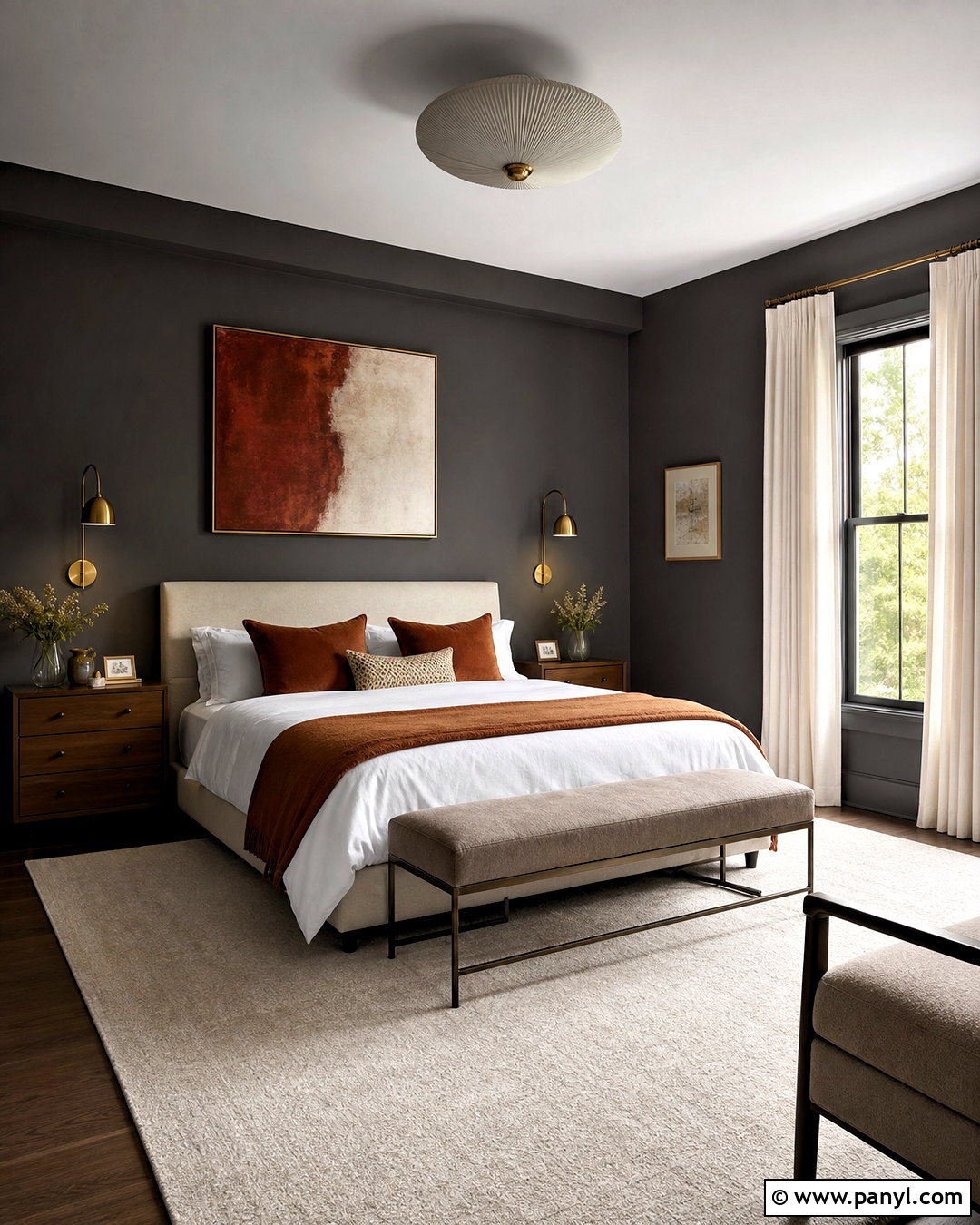
Charcoal gray walls create a dramatic bedroom that feels intimate rather than cold when balanced with warm finishes. Pick a charcoal containing brown or green undertones and use it on every wall for a consistent cocooning effect. Contrast the paint with a light upholstered bed, white bedding, and a camel wool blanket. Walnut nightstands and warm brass sconces introduce richness. Keep the ceiling and trim soft white to preserve structure and brightness. A pale rug under the bed prevents dark walls and flooring from visually merging. Add oversized artwork featuring cream, rust, and muted gold. Window treatments should be full and light, preferably natural linen. The completed scheme feels modern and restful, with carefully placed warm materials preventing the charcoal backdrop from becoming stark or industrial.
9. Lavender Bedroom Walls
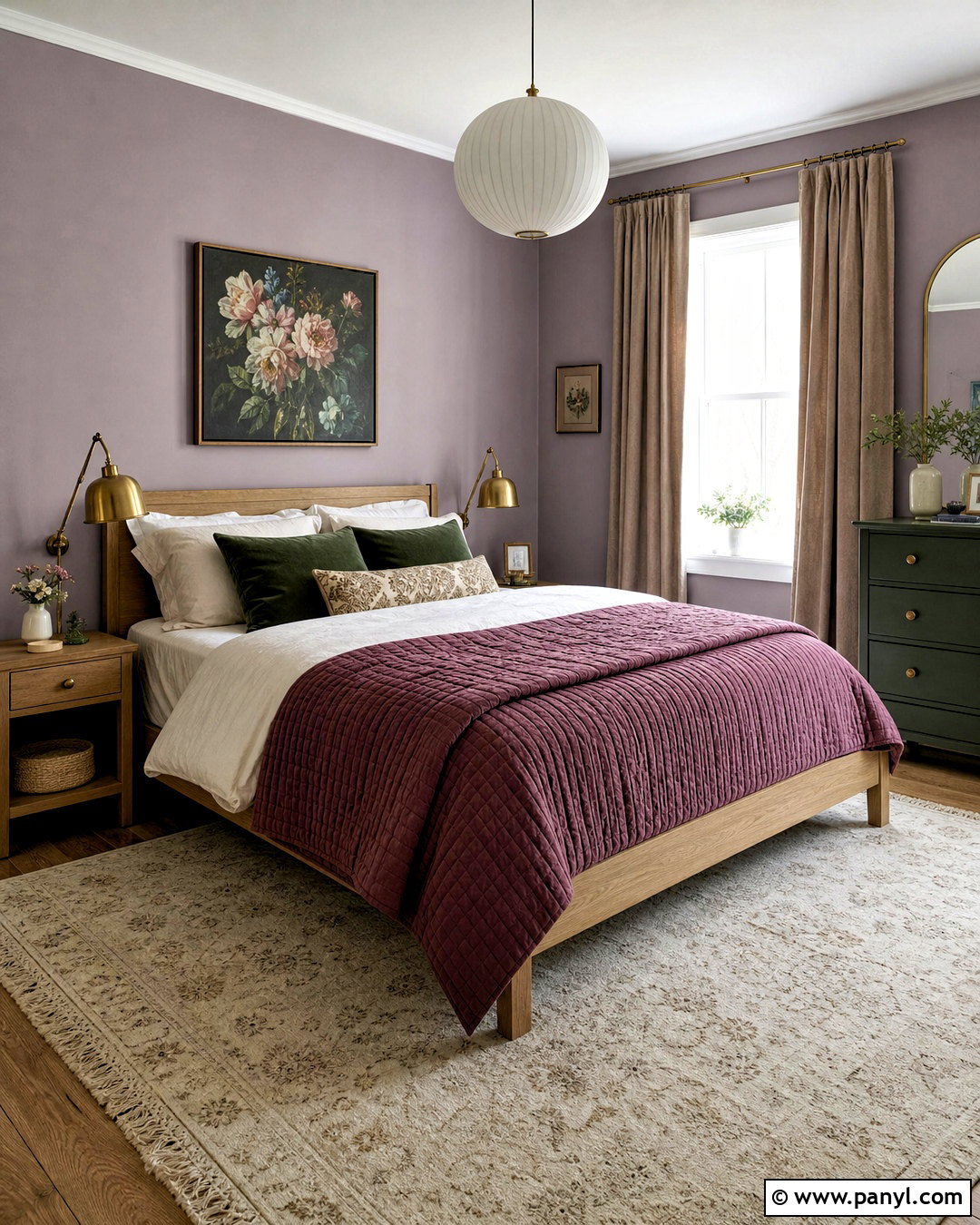
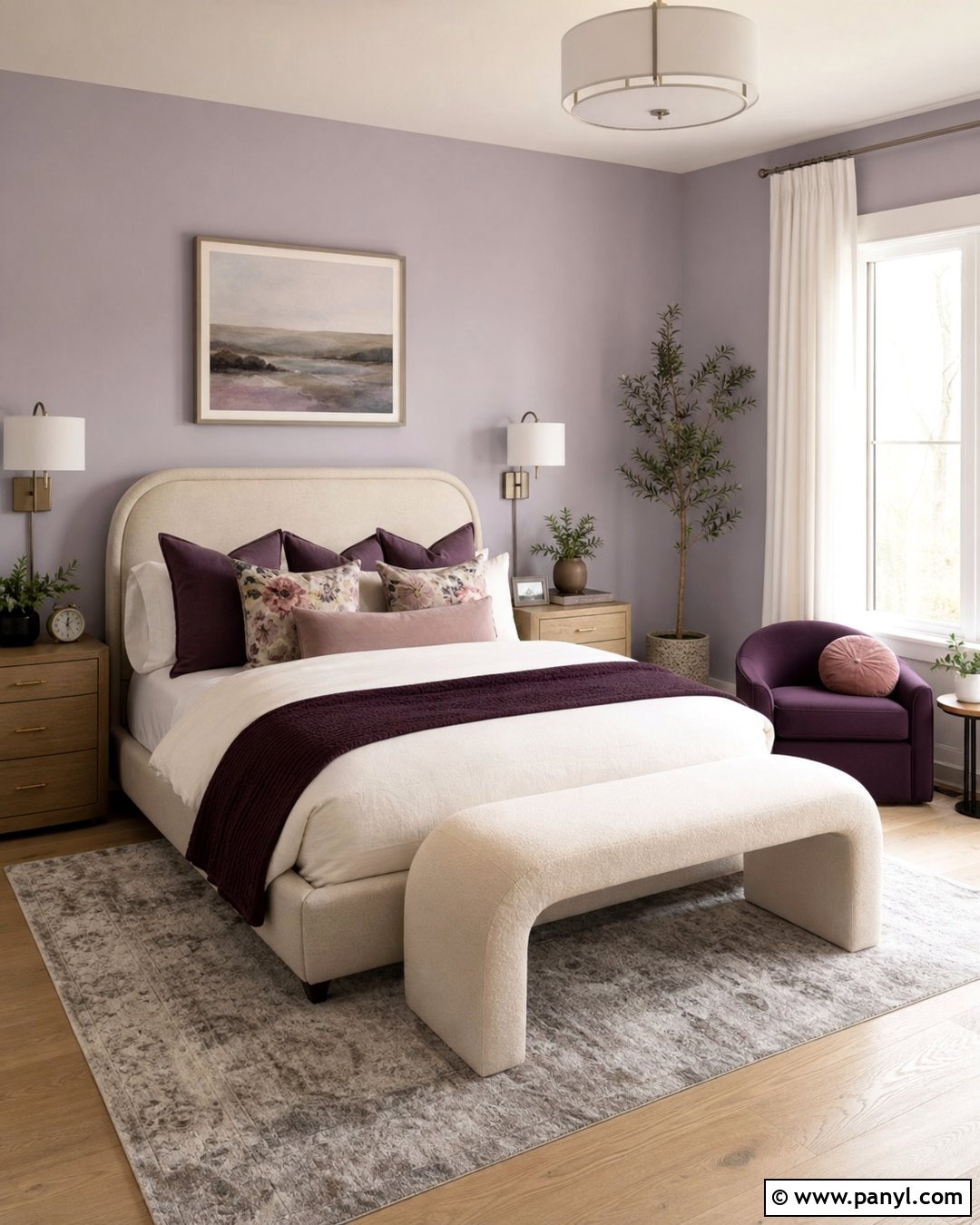
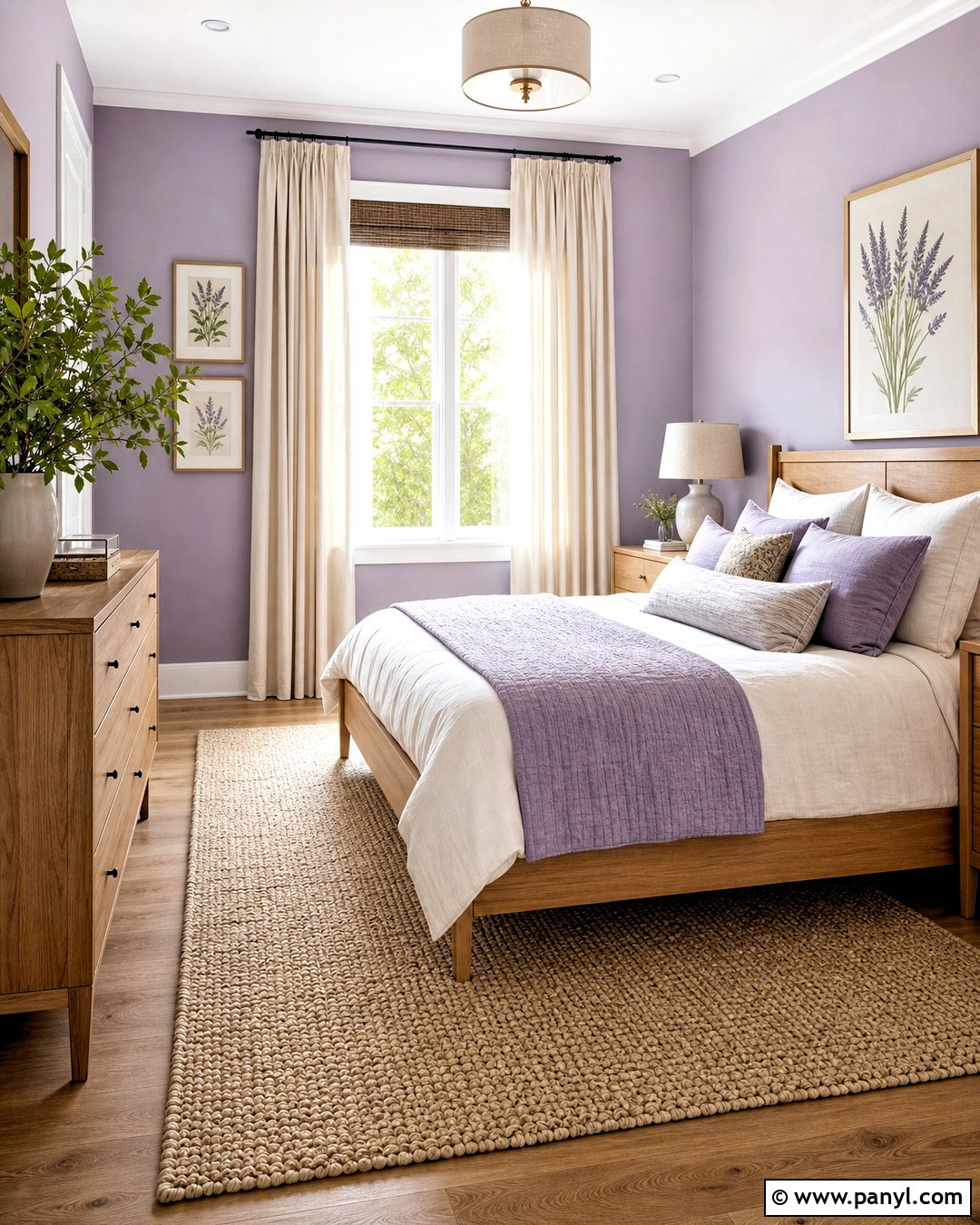
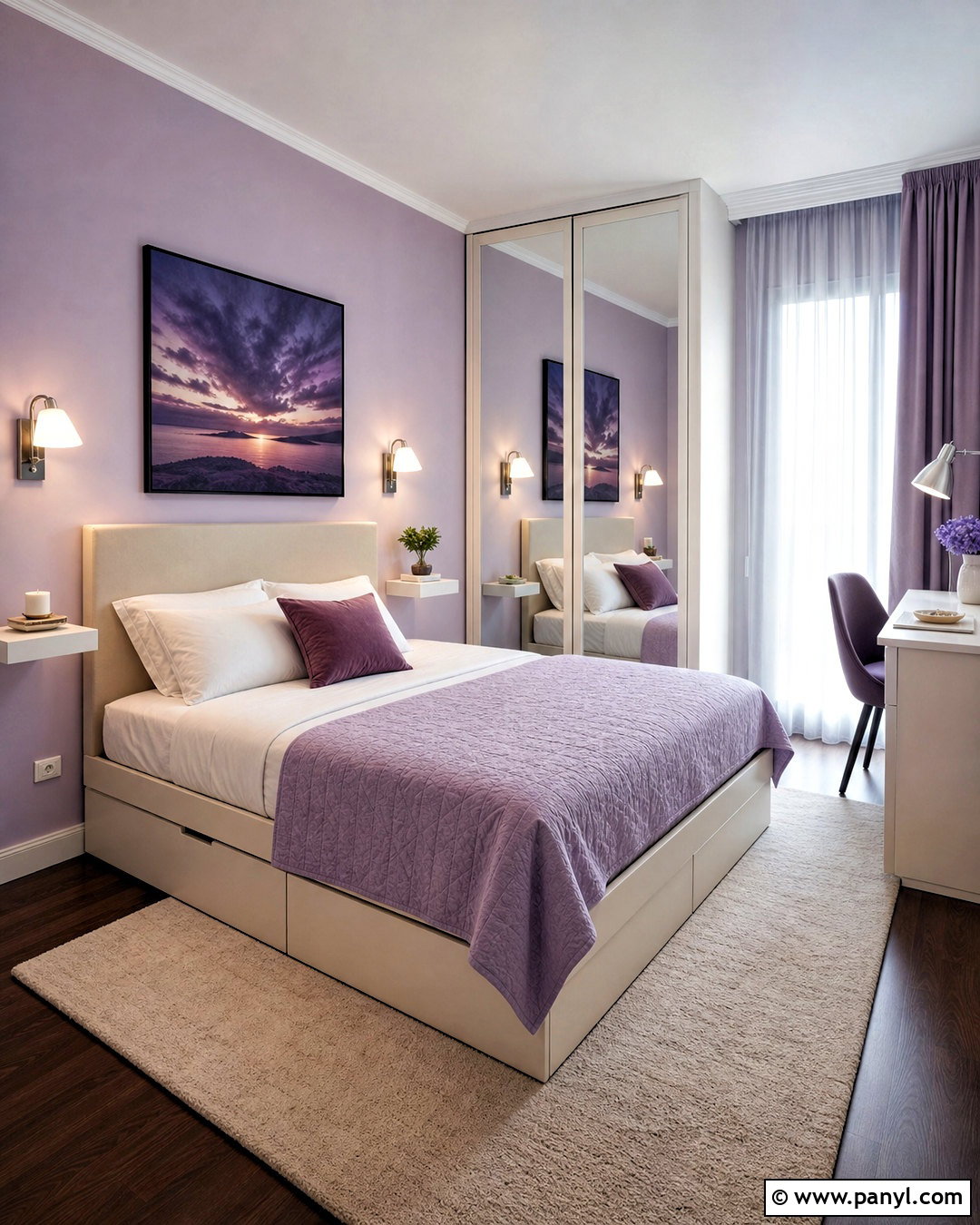
Muted lavender walls provide delicate color without turning the bedroom into a bright pastel space. Search for a smoky lavender with gray or taupe undertones, which will coordinate more easily with natural materials. Pair it with a pale oak bed, white bedding, and a quilt in dusty plum. Mushroom-colored curtains and an ivory rug give the room a soft neutral base. Add antique brass lighting and small accents of deep green to make the lavender appear more grounded. Simple floral artwork or an abstract print can connect the purple tones with cream and beige. Avoid using lavender for every accessory. Instead, let the wall color remain the main feature. This restrained approach creates a serene, elegant bedroom suitable for cottage, vintage, Scandinavian, or transitional interiors.

10. Forest Green Bedroom Walls
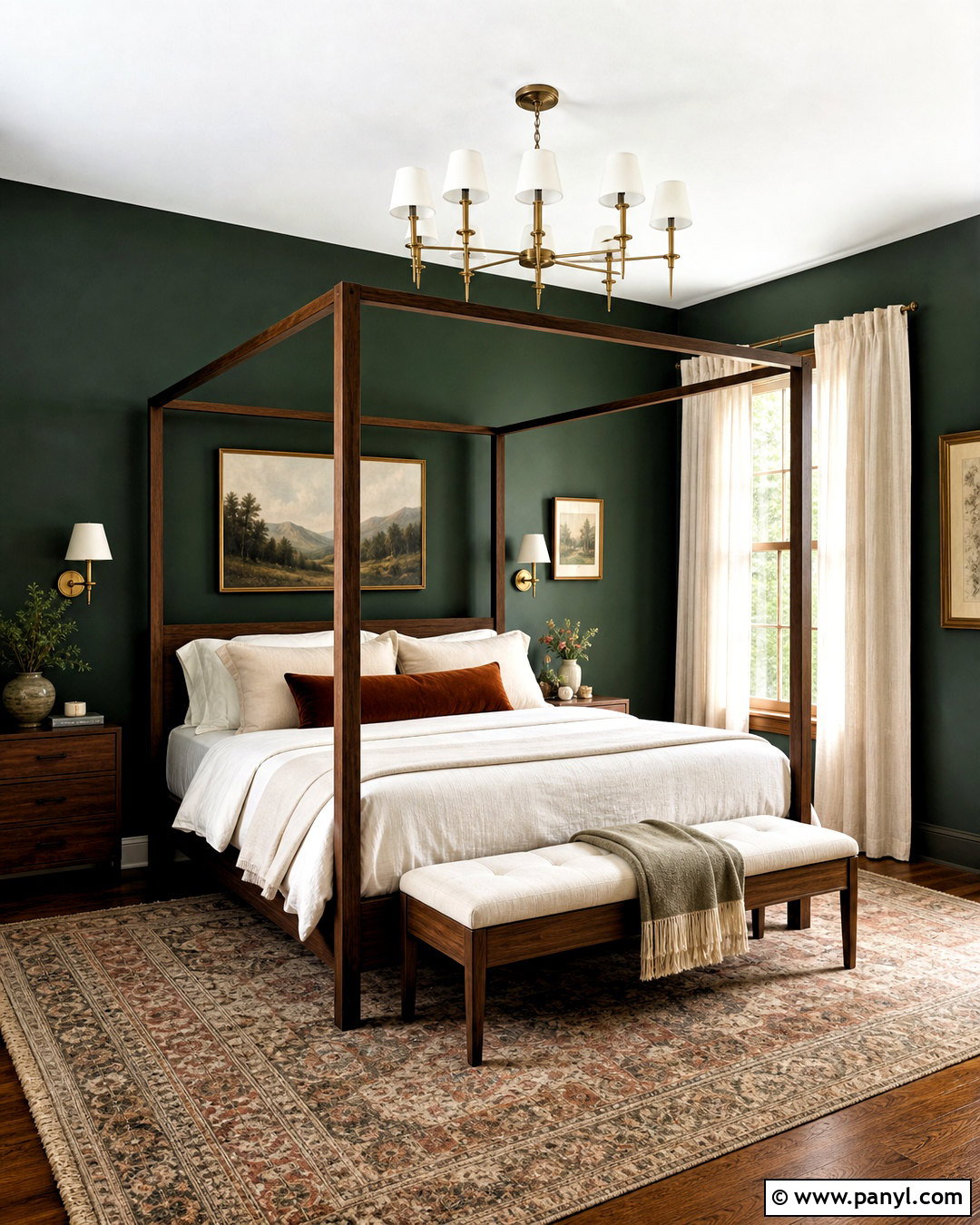
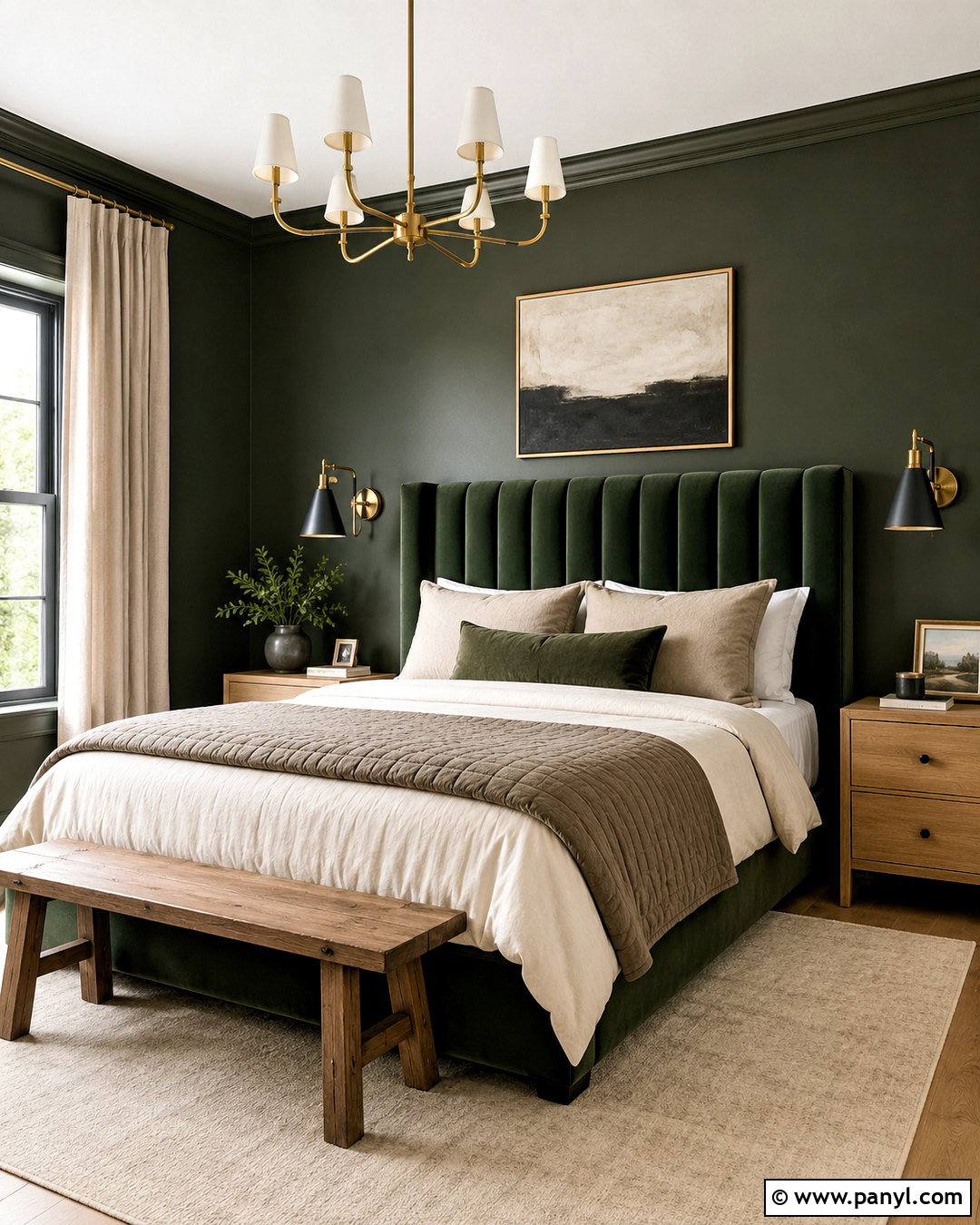
Forest green walls produce a rich, enveloping bedroom with a strong connection to classic and natural design. Choose a deep green that remains recognizable in both daylight and artificial light. Pair it with a walnut four-poster or simple wood bed, crisp ivory bedding, and a rust velvet lumbar pillow. Warm brass wall lights stand out beautifully against the dark paint. Add natural linen curtains, a faded traditional rug, and framed landscapes with substantial wood frames. Paint the ceiling warm white to prevent the room from feeling closed in, or continue the green overhead in a spacious bedroom for a full color-drenched effect. The finished look should balance dark surfaces with light textiles, warm wood, and reflective metal so the space remains comfortable and visually detailed.
11. Powder Blue Bedroom Walls
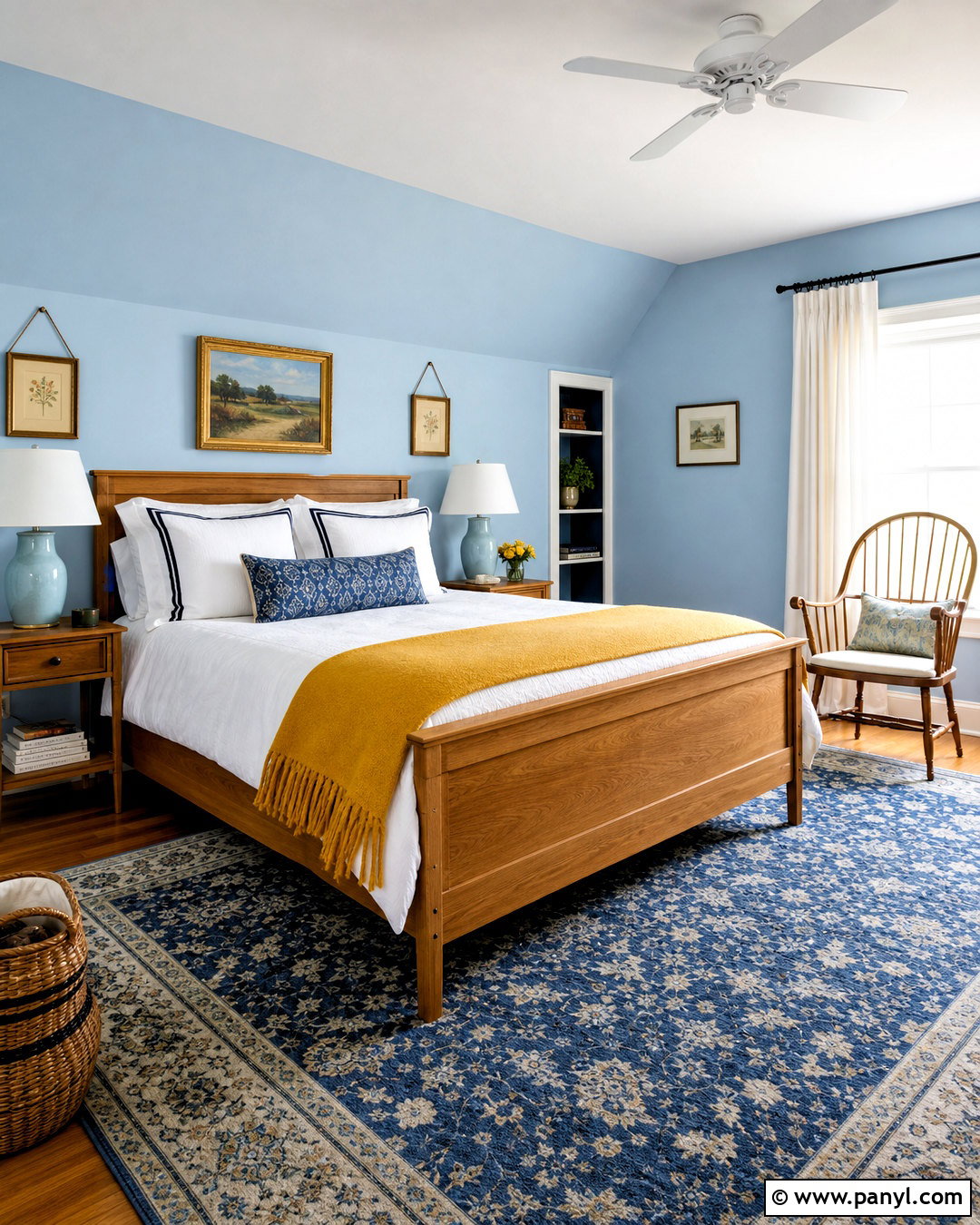
Powder blue walls create a fresh, light bedroom that feels more distinctive than white while remaining easy to decorate. Select a chalky blue with a hint of gray to avoid a nursery-like effect. Combine it with a warm oak bed, white linen bedding, and a mustard or ochre throw for contrast. Navy piping on pillows can add definition without overpowering the soft walls. Use a blue patterned rug containing cream and tan to unify the palette. White window trim and flowing ivory curtains maintain the airy character. Add ceramic lamps, natural baskets, and one vintage wood chair in a corner. This complete design balances cool blue paint with sunny earth tones and wood, producing a cheerful bedroom that still feels calm enough for everyday relaxation.
12. Chocolate Brown Bedroom Walls
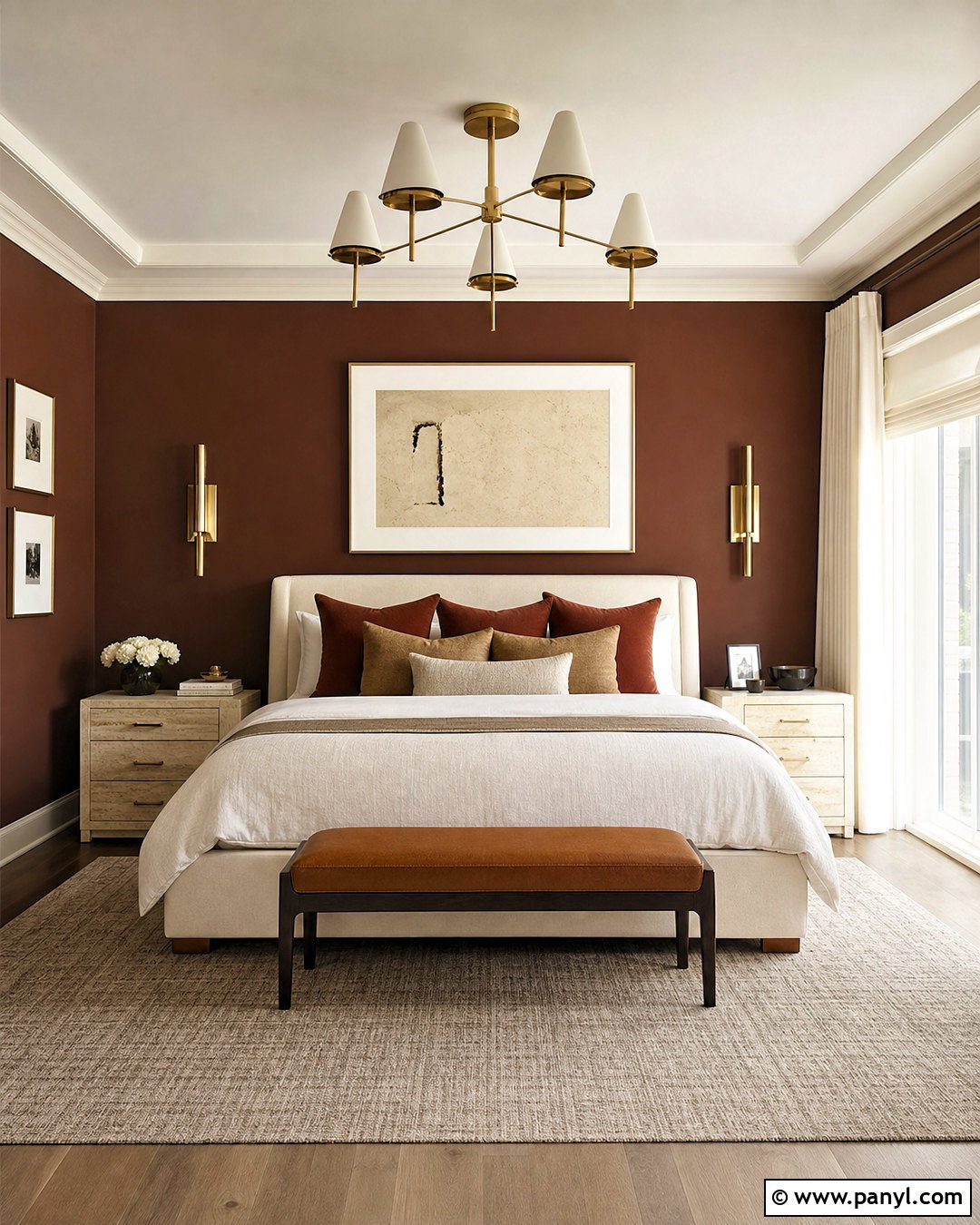
Chocolate brown walls can make a bedroom feel exceptionally warm, tailored, and cocooning. Choose a deep brown with subtle red undertones, then balance its visual weight with an ivory upholstered bed and light bedding. Layer camel, rust, and beige pillows across the bed for a tonal effect. Medium oak nightstands may disappear against the walls, so consider pale wood, travertine, or cream-painted pieces instead. Brushed brass sconces provide gentle contrast and reflect light around the room. Hang artwork with generous white matting to create breathing space. Use full-length cream curtains and a large neutral rug to brighten the lower half of the room. The final bedroom feels luxurious but approachable, especially when natural textiles and uncluttered furniture soften the saturated wall color.
13. Soft Greige Bedroom Walls
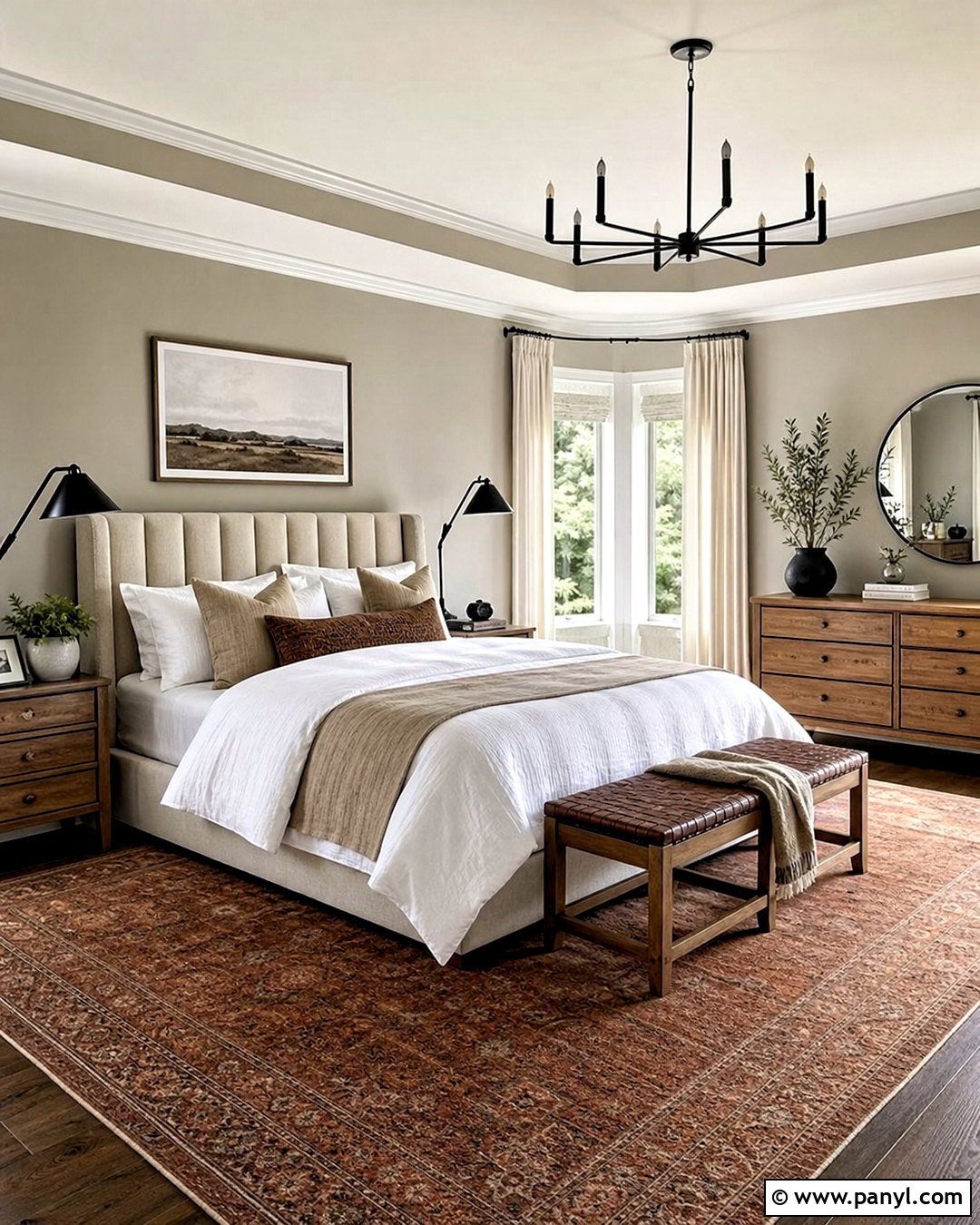
Soft greige is an adaptable bedroom wall color that sits comfortably between warm beige and gentle gray. Select a version with warm undertones so it coordinates with wood furniture and creamy fabrics. Create a calm modern scheme using a channel-tufted beige headboard, white bedding, and taupe accent pillows. Black bedside lamps and slim black frames give the neutral room necessary structure. Add warmth through an oak dresser, woven bench, and faded rust rug. Hang linen curtains close to the wall color for a seamless, spacious appearance. Greenery or a small olive tree can introduce natural color without changing the understated aesthetic. This finished bedroom is ideal for anyone who likes flexible decorating because bedding, artwork, and accessories can be updated easily as tastes change.
14. Deep Navy Bedroom Walls
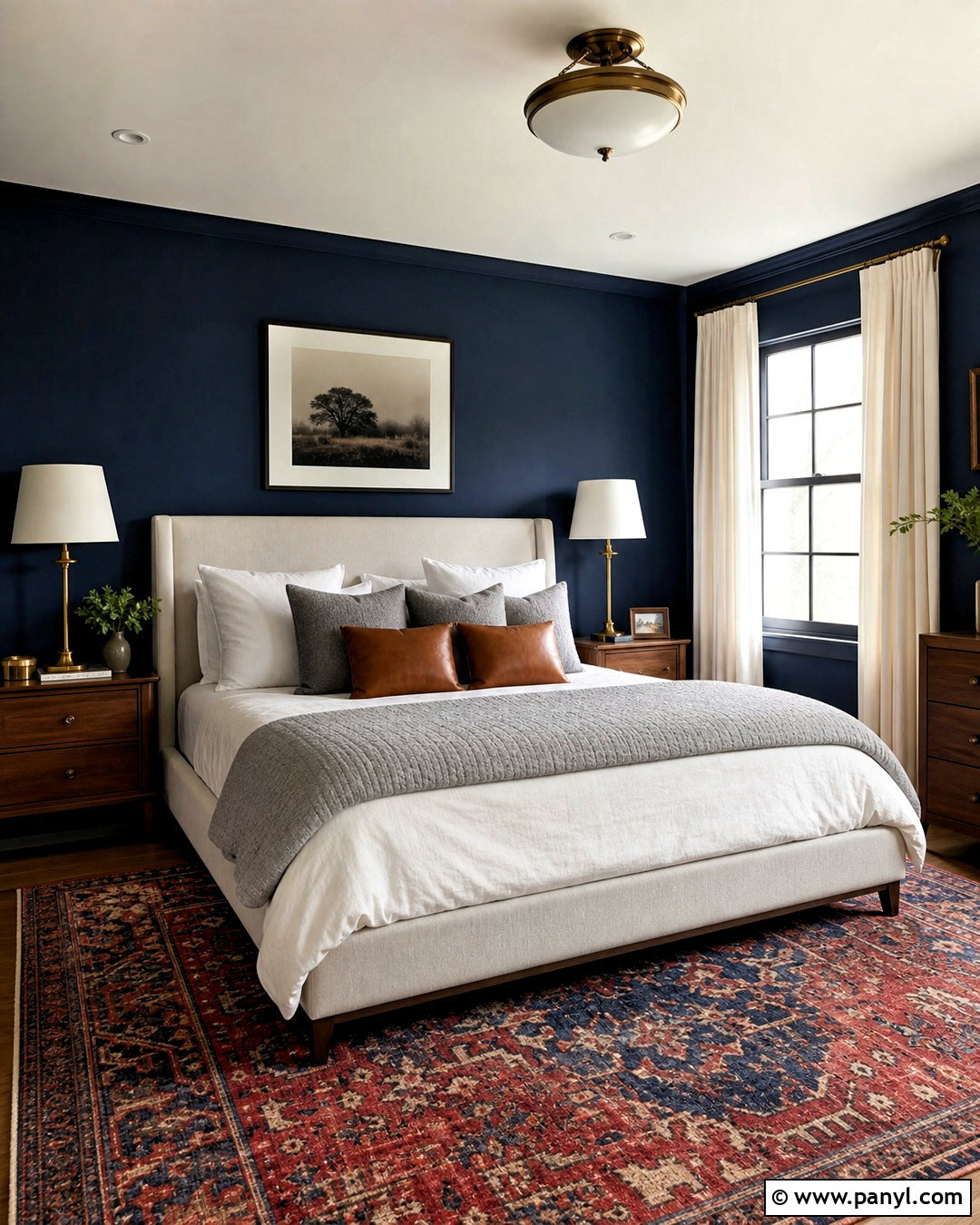
Deep navy walls establish a polished bedroom that feels dramatic, classic, and restful. Choose a navy with a slightly muted finish rather than an intensely bright blue. Use it on every wall, then introduce an oatmeal upholstered bed to create a strong but comfortable contrast. Layer white sheets with a light gray duvet and cognac accent pillows. Walnut nightstands, brass lamps, and a vintage rug in faded red and blue complete the sophisticated palette. Keep the ceiling warm white and use wide cream curtains to reflect daylight. Artwork with white matting will remain visible against the dark background. This cohesive design works in both compact and spacious bedrooms because the repeated navy creates visual continuity, while pale textiles and warm materials keep the room from appearing overly formal.
15. Warm White Bedroom Walls
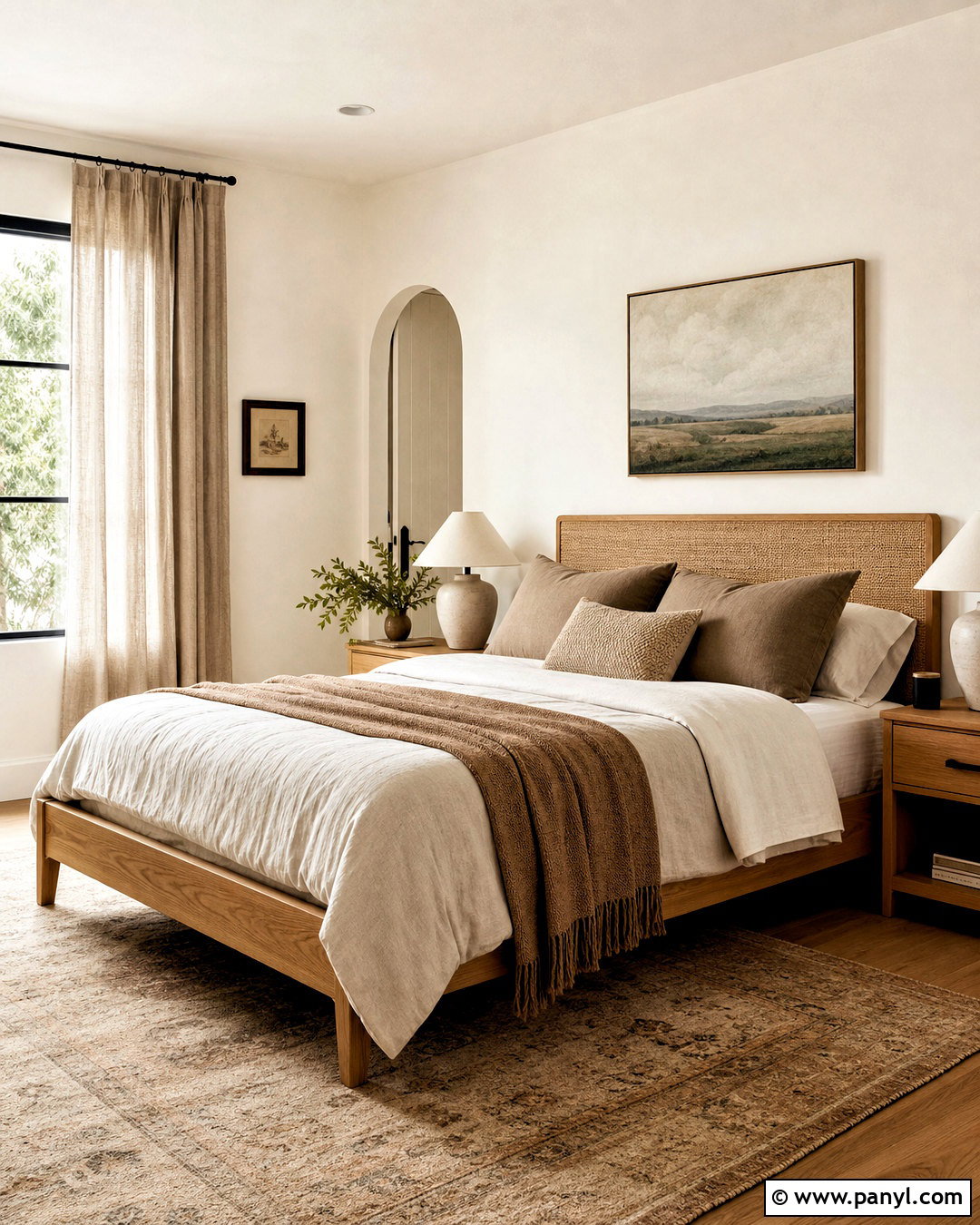
Warm white walls create a clean bedroom without the harsh or sterile appearance of brilliant white paint. Look for a soft white with cream, beige, or subtle red undertones. Pair it with a natural oak bed, mushroom-colored bedding, and a textured camel throw. A woven headboard can add pattern while staying within the quiet palette. Use light-filtering flax linen curtains, plaster lamps, and a large vintage-style rug in faded tan and charcoal. Black hardware adds small moments of contrast and keeps the design contemporary. Bring in one oversized landscape or architectural print above the bed. Because the walls are simple, vary the textures throughout the room with boucle, linen, wool, wood, and ceramic. The resulting space feels bright, comfortable, and thoughtfully finished.
16. Dusty Mauve Bedroom Walls
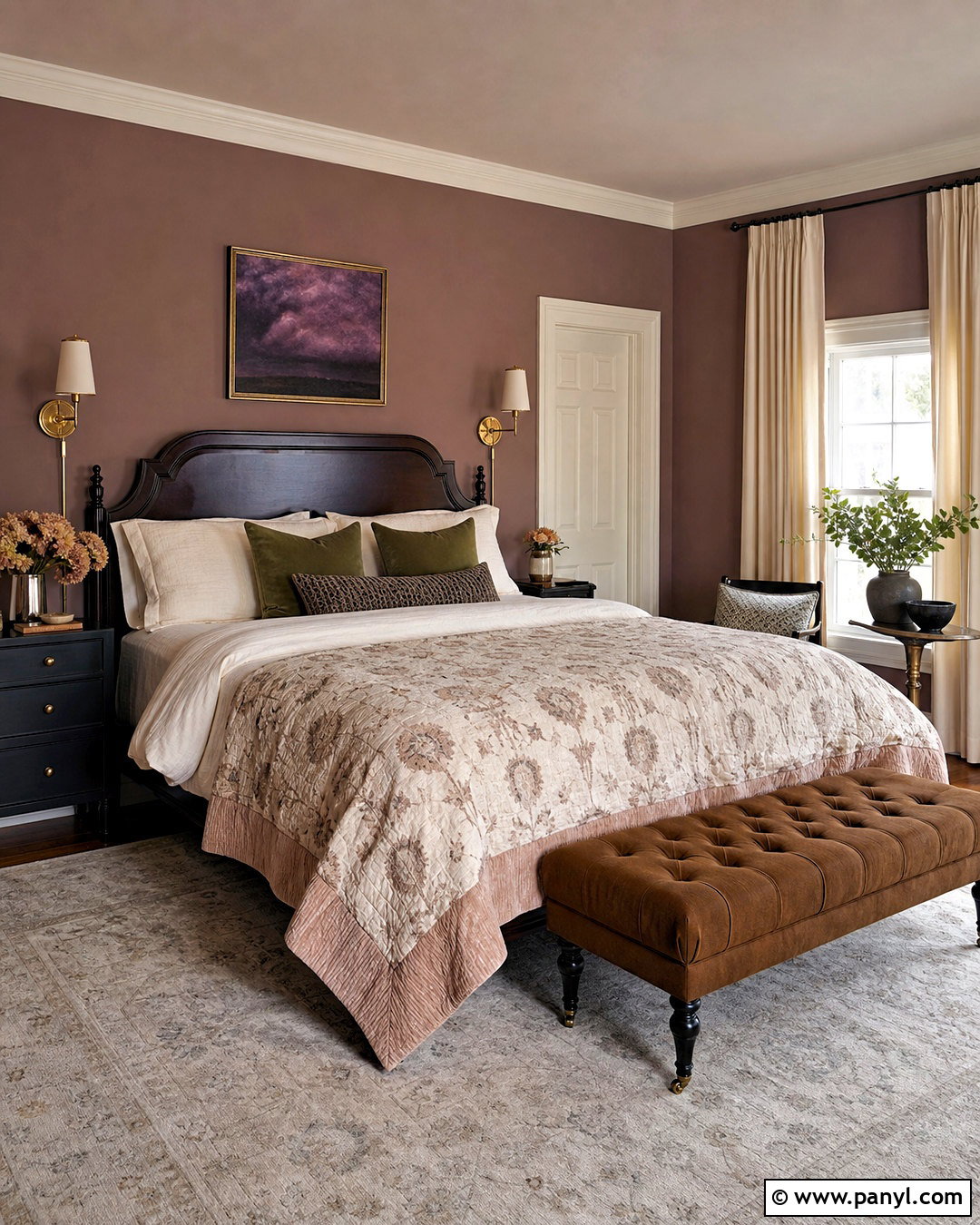
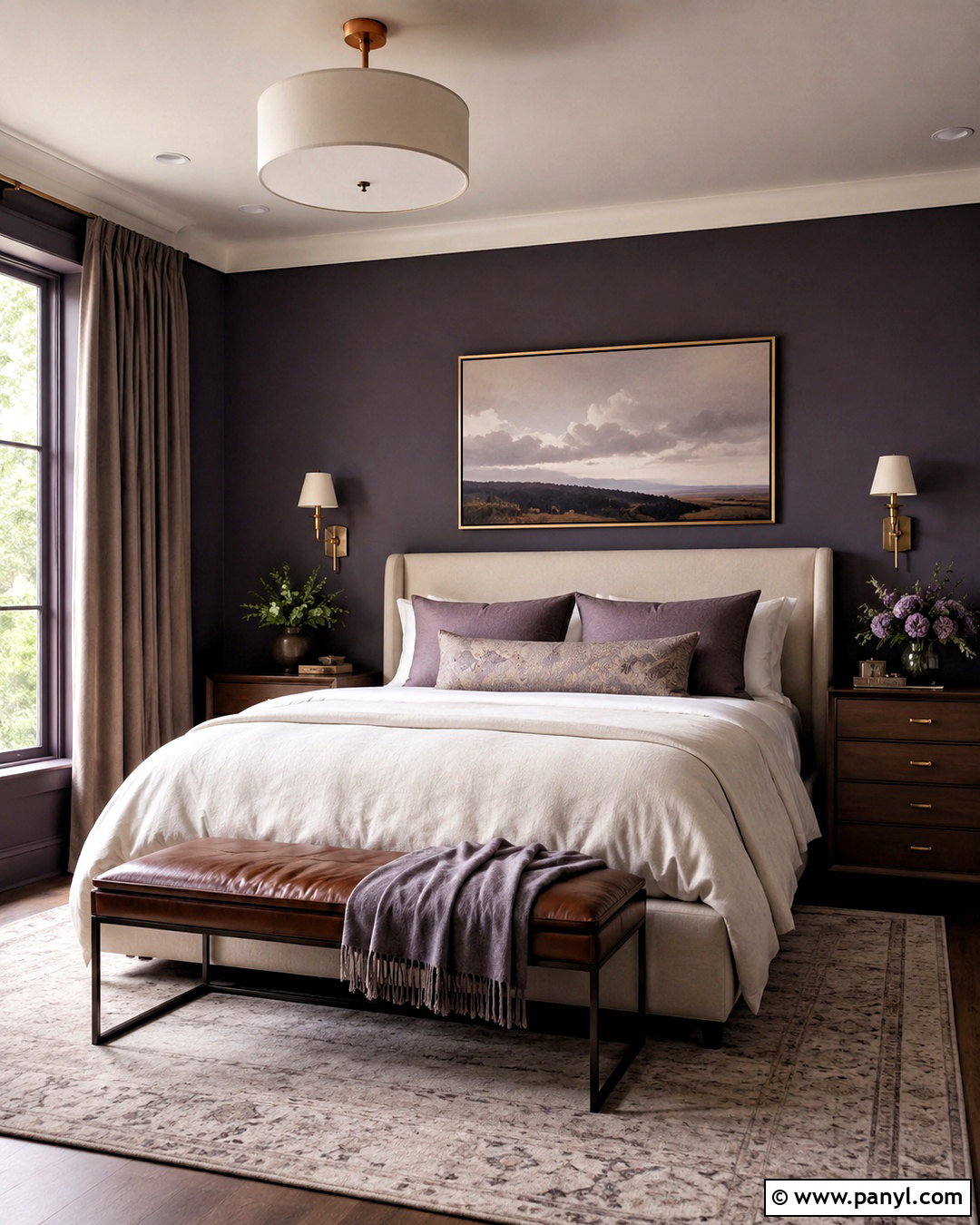
Dusty mauve walls offer more depth than blush pink and more warmth than cool lavender. Choose a restrained mauve with brown or gray undertones for an elegant, livable finish. Ground the room with a dark wood bed, warm white sheets, and a quilt in mushroom beige. Add burgundy piping, olive pillows, or a caramel bench to build a richer palette. Antique brass sconces complement the warm side of the paint, while ivory curtains and a pale rug keep the scheme balanced. Select artwork containing plum, cream, brown, and muted green. Keep the remaining furniture simple so the nuanced wall color stays prominent. This complete bedroom feels romantic without being overly feminine, making it suitable for vintage, eclectic, contemporary, and transitional homes.
17. Pale Peach Bedroom Walls
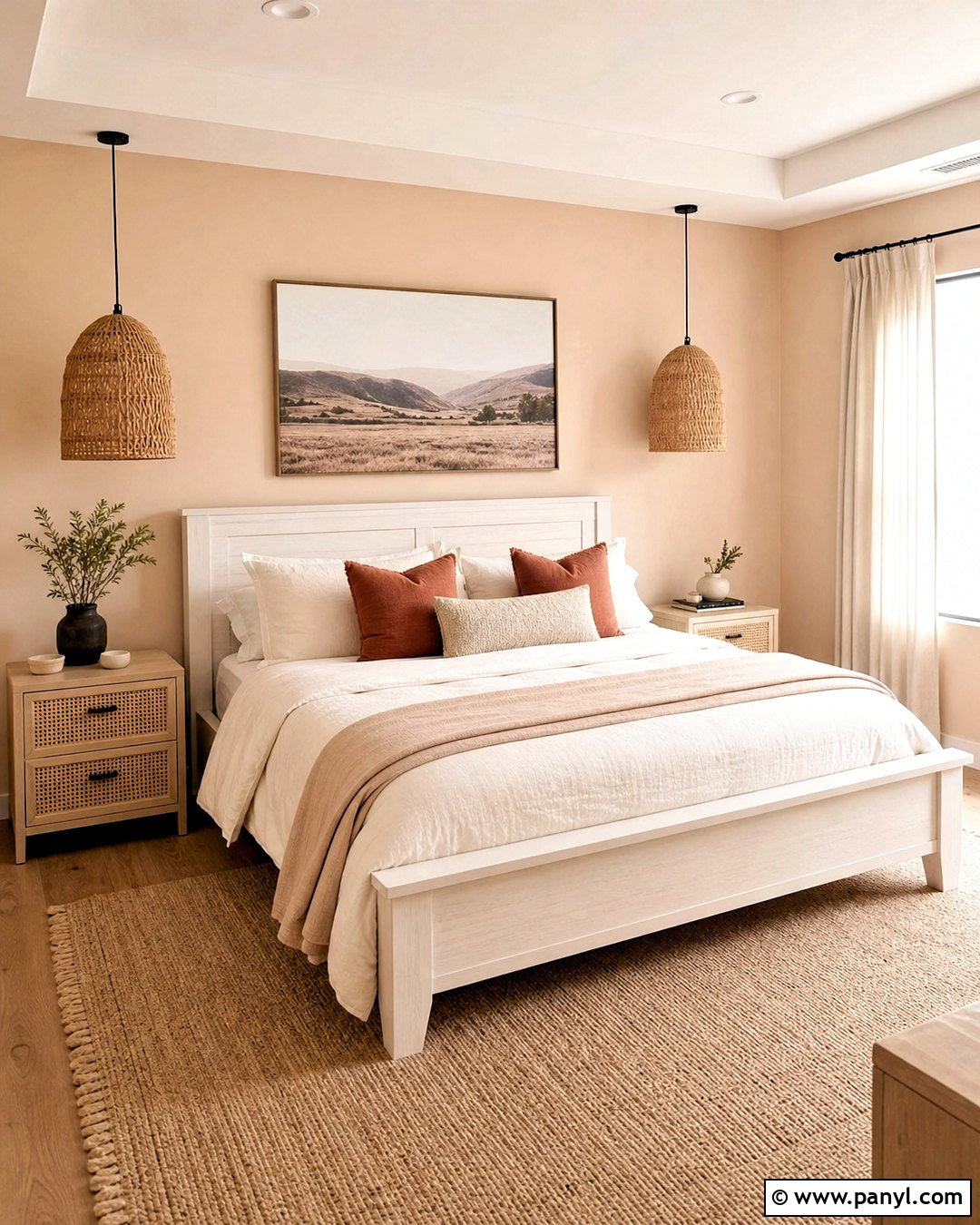
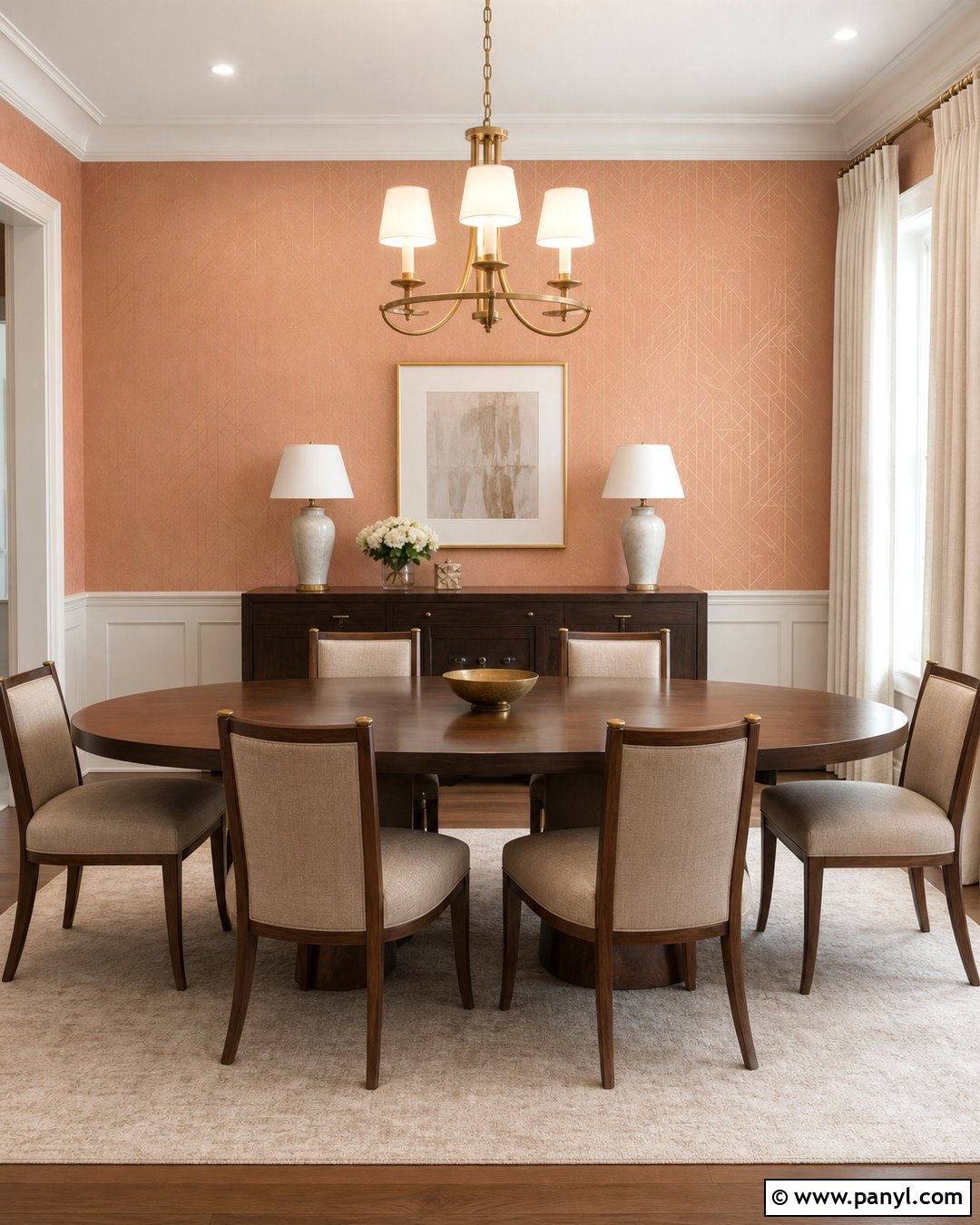
Pale peach walls fill a bedroom with gentle warmth and work especially well in spaces that receive soft natural light. Choose a quiet peach with beige or clay undertones rather than a saturated orange-pink shade. Furnish the room with a white oak bed, creamy bedding, and pillows in terracotta and warm gray. Woven pendant lighting and cane-front nightstands strengthen the relaxed, organic appearance. Use ivory curtains and a beige rug to keep the palette open. A simple landscape print with soft blue, sand, and peach provides a refreshing cooler accent. Add brushed brass hardware and handmade ceramic decor for subtle character. The completed bedroom feels sunny, welcoming, and modern, with natural materials preventing the peach walls from becoming too playful or visually sweet.
18. Teal Bedroom Walls
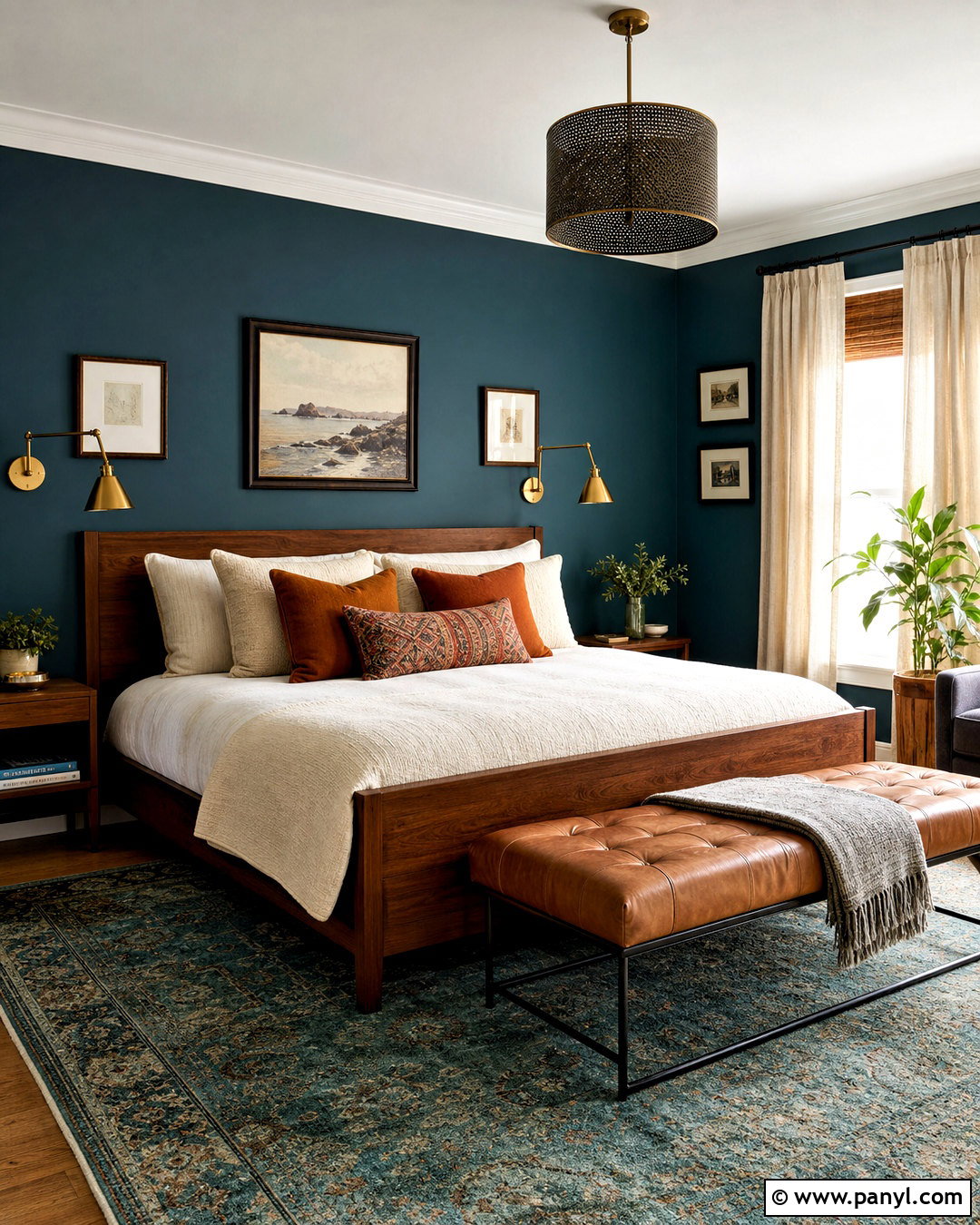
Teal walls give a bedroom confident color while combining the restful qualities of blue with the richness of green. Select a deep, muted teal rather than a highly saturated tropical tone. Pair it with a medium walnut bed, crisp cream bedding, and burnt orange or cinnamon pillows. Brass reading lights create a warm glow against the blue-green backdrop. Introduce a vintage rug containing teal, beige, and faded red to connect every part of the scheme. Natural linen curtains help soften the stronger wall color. Keep artwork simple, using cream matting and dark wood frames. A leather bench can add another earthy texture at the foot of the bed. This layered bedroom feels bold and sophisticated while remaining comfortable enough for a peaceful personal retreat.
19. Butter Yellow Bedroom Walls
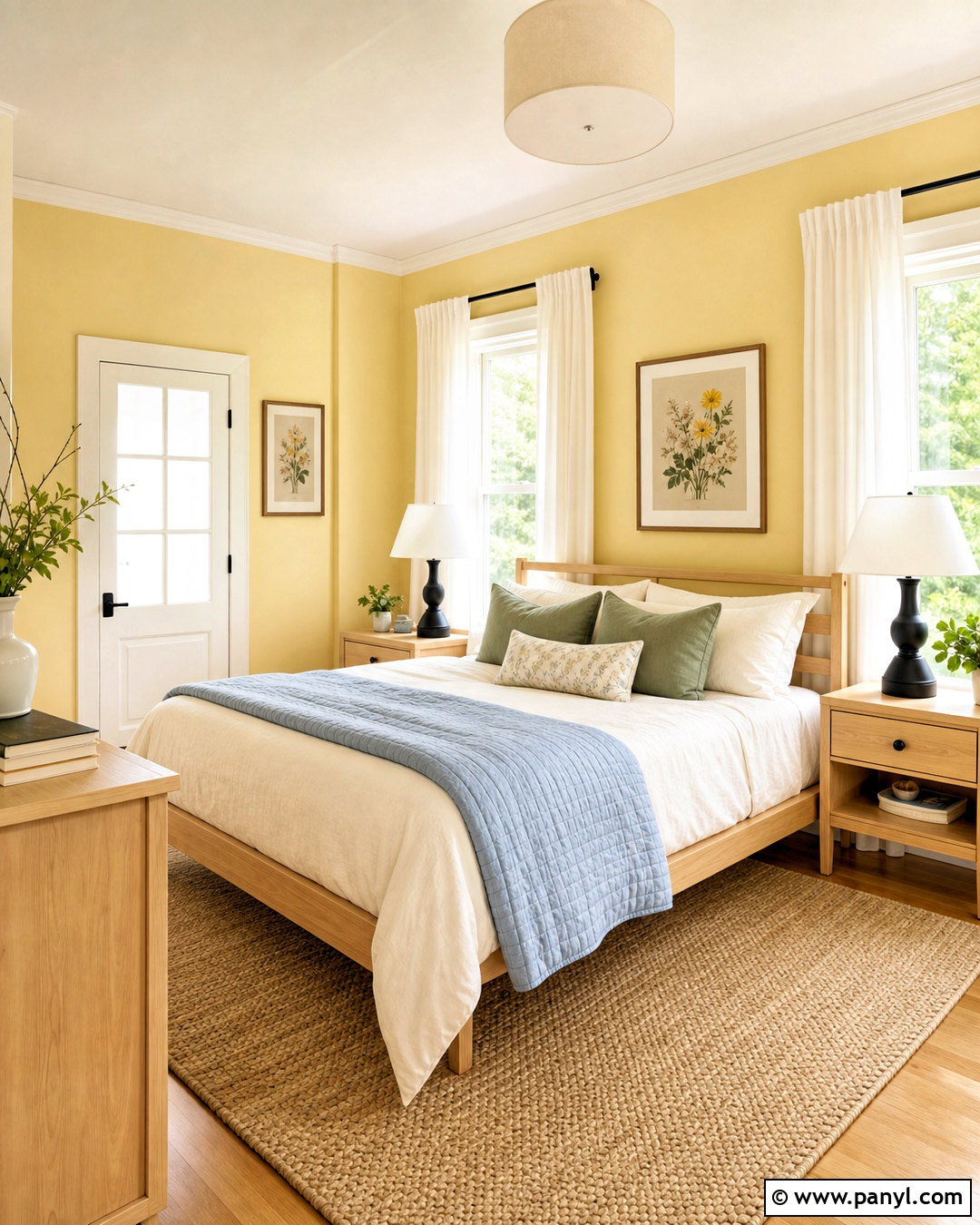
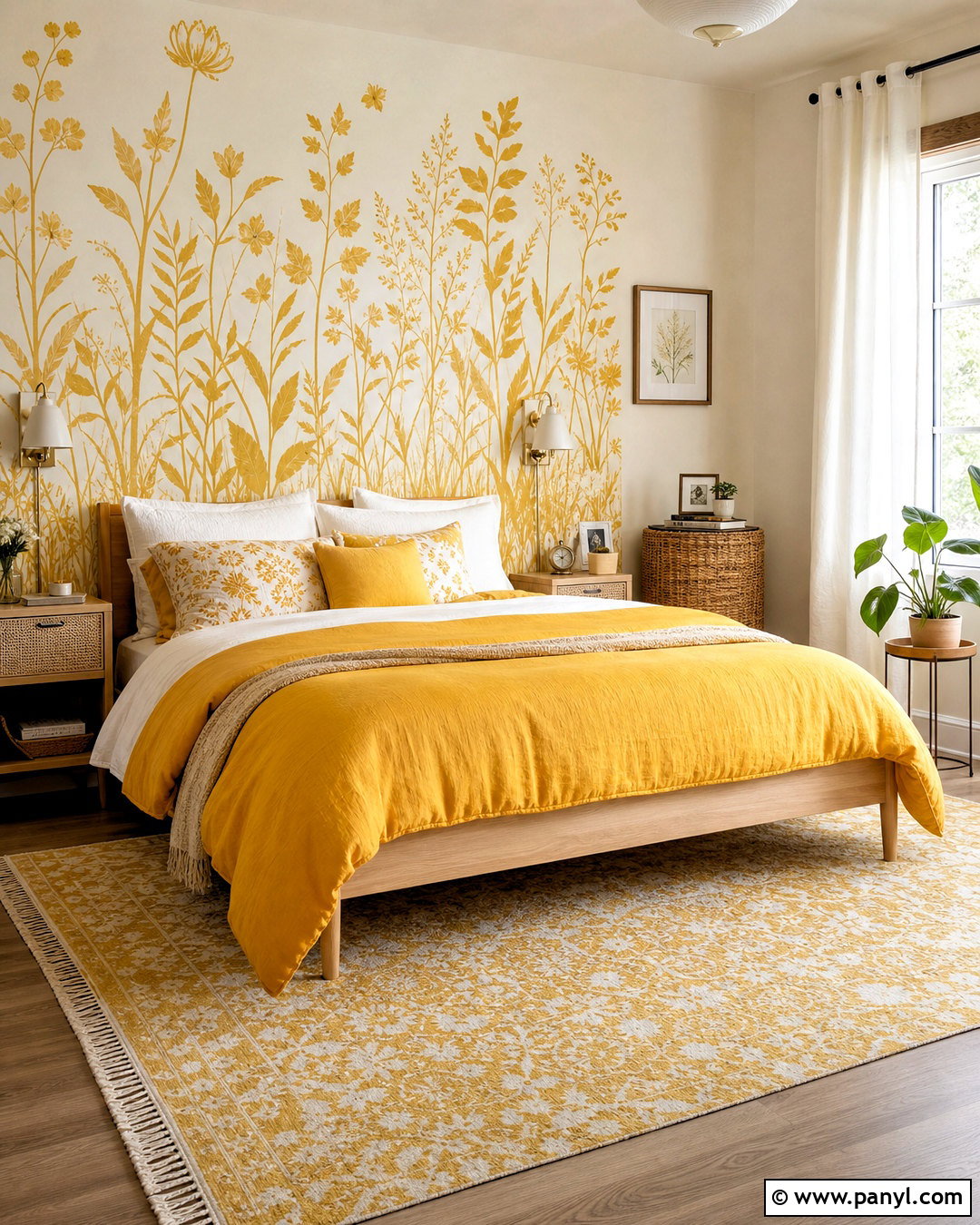
Butter yellow walls can brighten a bedroom without becoming energetic or overwhelming when the shade is pale and creamy. Choose a muted yellow that resembles warm sunlight rather than vivid lemon. Pair it with a white-painted or natural maple bed, ivory bedding, and a soft blue quilt. Small accents of sage green add balance and connect the sunny palette to nature. Use simple white curtains, a woven rug, and light wood nightstands to maintain the open feeling. Vintage floral artwork or a quiet landscape can introduce character without crowding the walls. Matte black lamp bases provide just enough contrast. This finished bedroom is cheerful but restful, making it particularly effective in rooms with limited daylight or windows facing a shaded outdoor area.
20. Burgundy Bedroom Walls
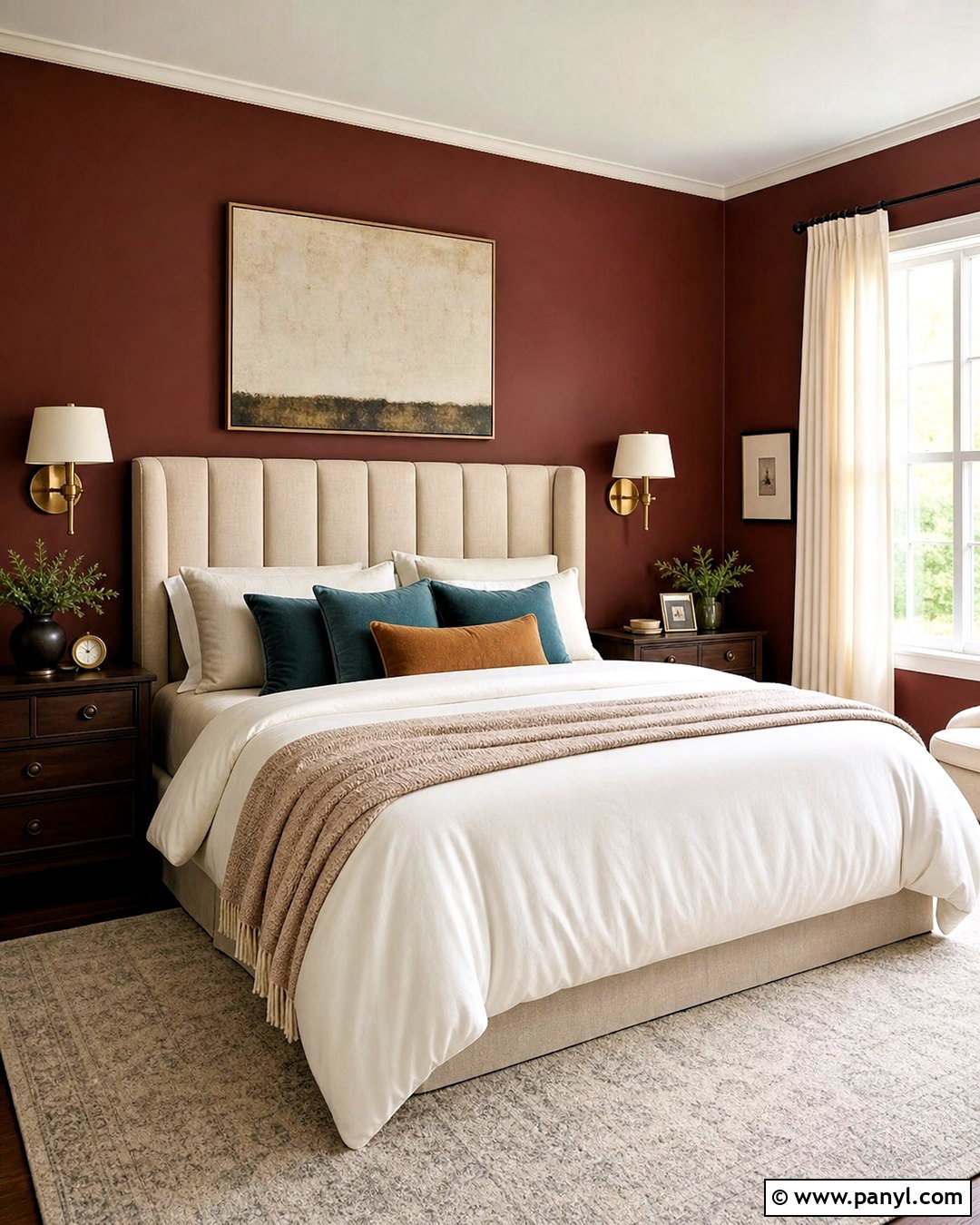
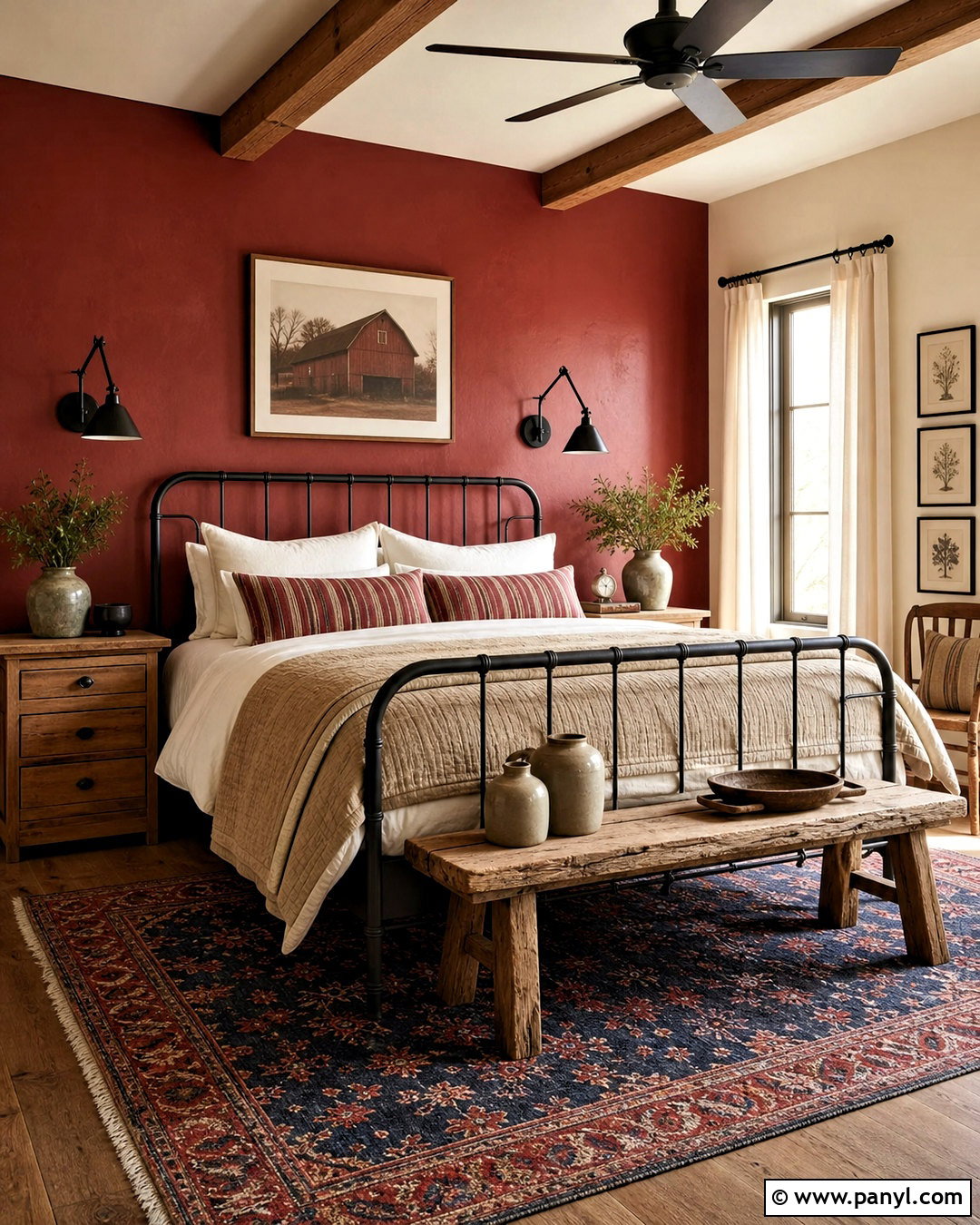
Burgundy walls create a dramatic bedroom with warmth, depth, and an elegant vintage influence. Choose an earthy burgundy containing brown undertones rather than a vivid jewel red. Balance it with a tall oatmeal headboard, ivory sheets, and a taupe or pale gray duvet. Add muted teal, dusty rose, or caramel pillows for layered contrast. Dark walnut nightstands reinforce the richness, while aged brass sconces provide definition against the walls. Use a light neutral rug and full cream curtains to stop the palette from feeling too heavy. Framed sketches or abstract artwork with generous pale backgrounds will remain visible. The complete bedroom feels enveloping and personal, combining saturated paint with enough softness and neutral space to support comfortable everyday living.
Conclusion:
Choosing a bedroom wall color is easier when you consider the entire room rather than judging paint in isolation. Flooring, natural light, furniture, bedding, trim, and metal finishes all influence how a color appears. Before painting, sample two or three shades on large boards and move them around the bedroom throughout the day. Muted greens and blues offer natural calm, while clay, brown, burgundy, and mauve create a warmer cocoon. Cream, greige, and warm white provide greater decorating flexibility. Whichever palette you prefer, repeat its undertones across fabrics and decor for a connected look. These 20 aesthetic wall colors bedroom ideas provide practical starting points for creating a personal, polished, and comfortable retreat.

Related Ideas and Inspiration:
Leave a Reply