
The right color palette can turn an ordinary room into a space that feels personal, polished, and comfortable. These aesthetic room colour ideas combine wall colors, furniture, flooring, textiles, lighting, and decor into complete looks you can realistically recreate. Some palettes are soft and calming, while others use richer shades for character and contrast. Before committing, test your colors in morning, afternoon, and evening light. Then repeat each important shade at least twice through bedding, artwork, rugs, or accessories. This helps the finished room feel intentional rather than randomly decorated. Whether you prefer earthy neutrals, dreamy pastels, dramatic jewel tones, or playful retro combinations, the following aesthetic room colour ideas offer practical inspiration for building a cohesive space from the walls to the smallest finishing details.

1. Sage Green And Warm White Room
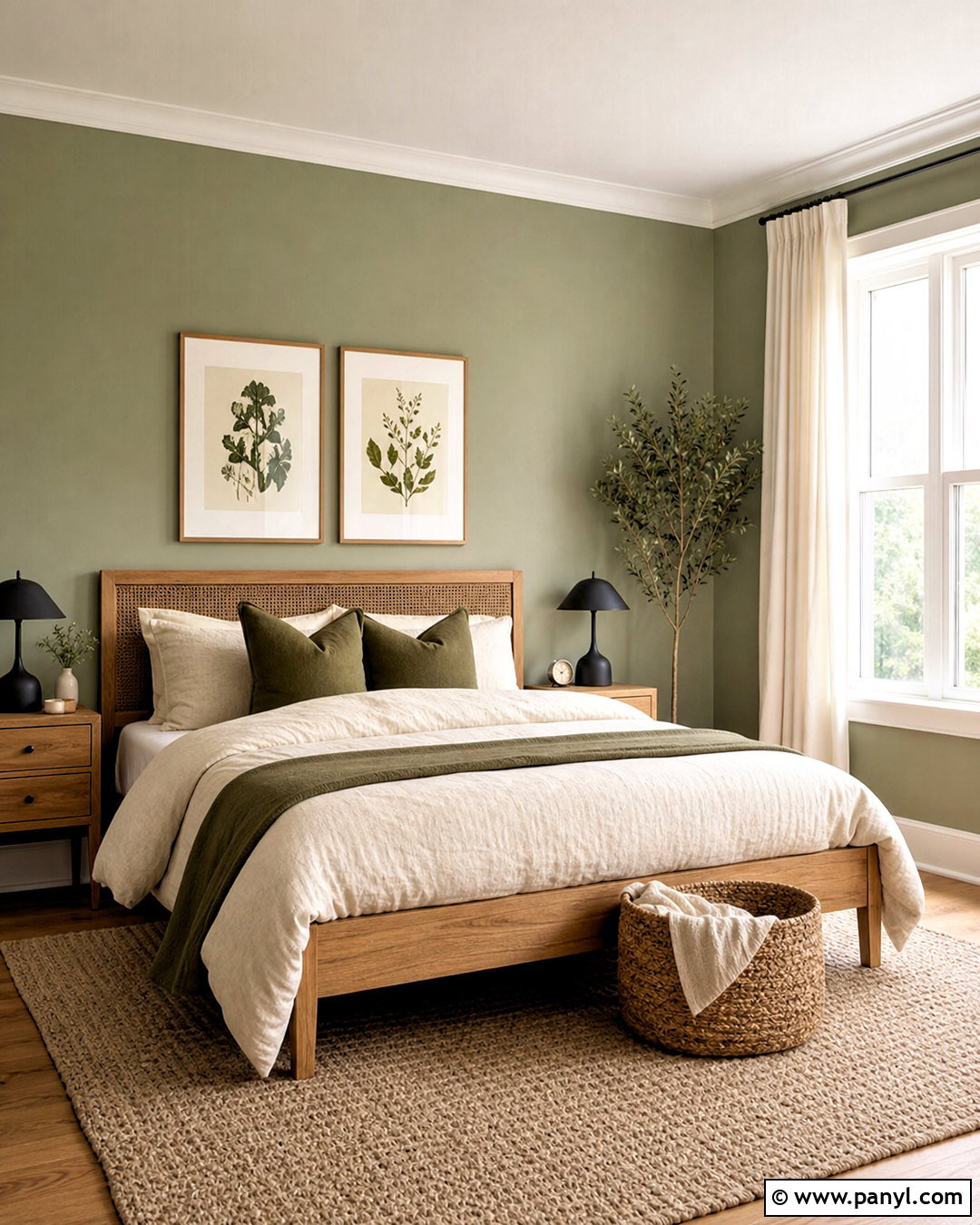
Sage green walls create a restful foundation that feels fresh without looking overly colorful. Use warm white on the ceiling, trim, and doors to keep the room bright and provide clean definition. A natural oak bed or low-profile sofa introduces warmth, while ivory curtains and a cream wool rug soften the overall palette. Repeat the green through striped pillows, botanical artwork, or a ceramic lamp instead of matching every accessory exactly. Matte black hardware adds a crisp modern edge, and woven baskets bring in relaxed texture. Complete the room with white bedding, a light wood nightstand, and one darker olive throw. This balanced combination works especially well in bedrooms, reading rooms, and compact living spaces with plenty of natural materials.
2. Dusty Pink And Cream Room
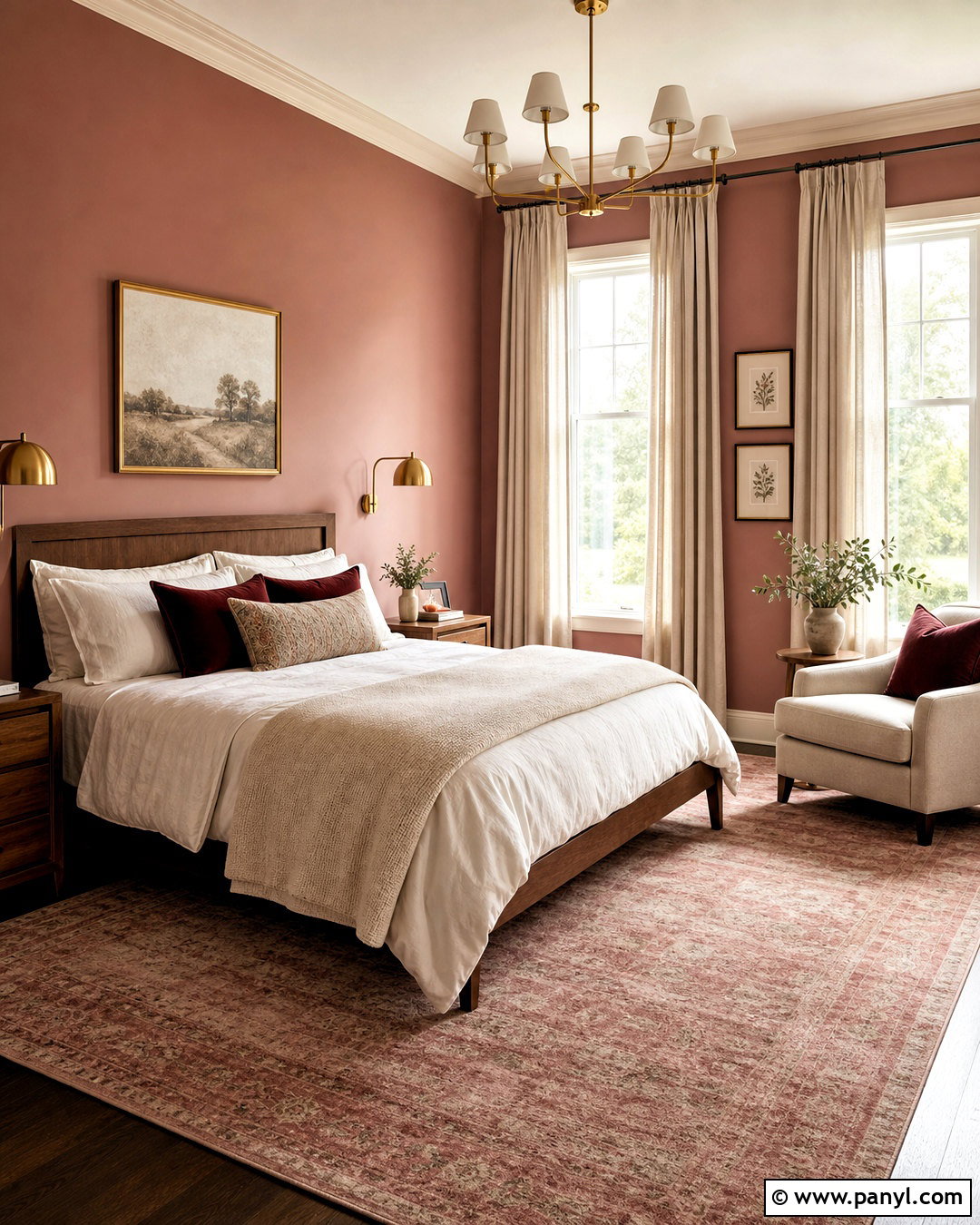
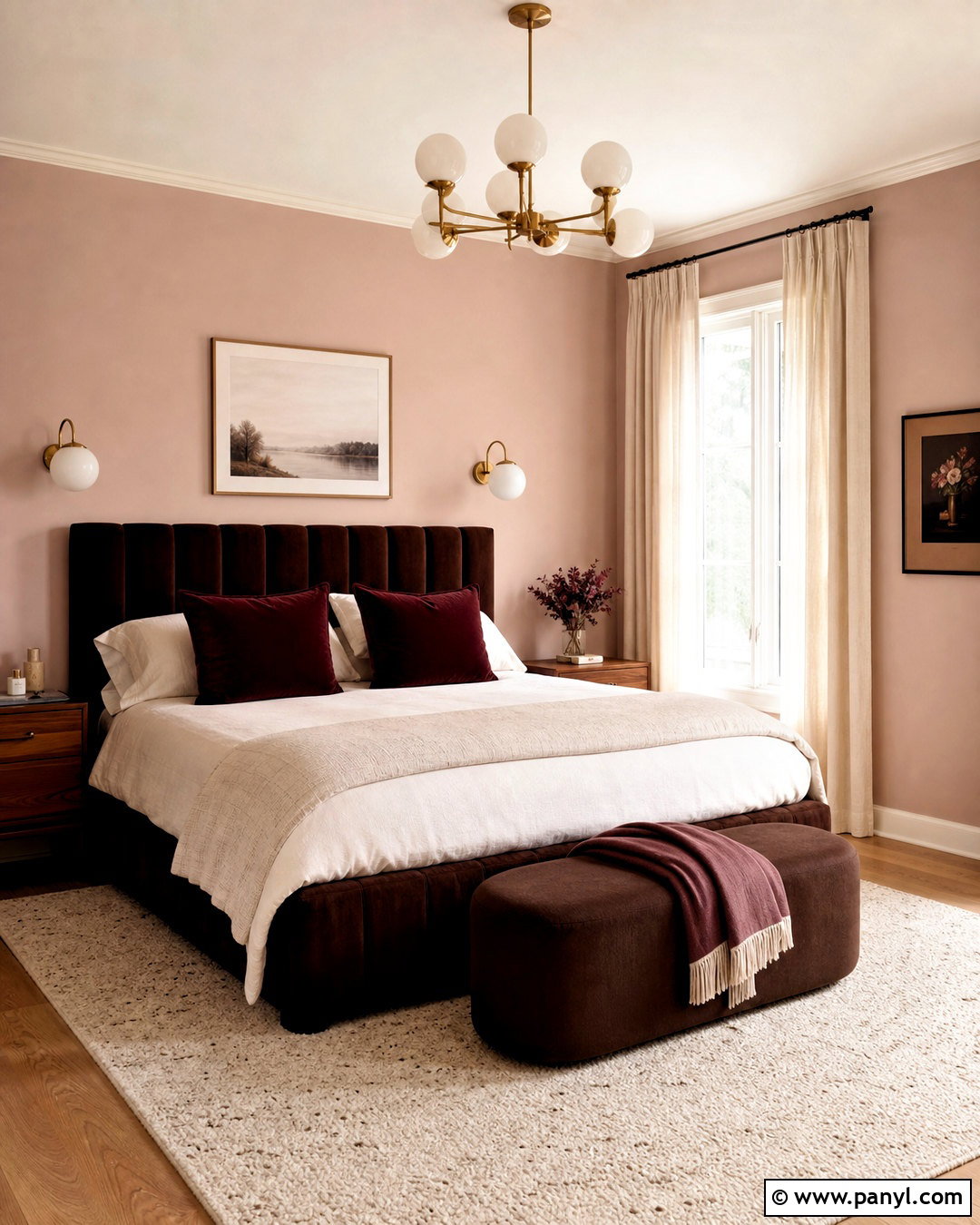
Imagine a softly colored room that feels mature, inviting, and quietly romantic. Choose dusty pink for the walls and creamy white for the ceiling, trim, and larger upholstered pieces. The pink should have muted beige or gray undertones rather than a sugary bubblegum finish. Add a walnut bed frame or console to ground the lighter colors. Ivory linen bedding, oatmeal curtains, and a faded rose rug create gentle tonal variation. A small amount of brushed brass on lamps, handles, and picture frames brings subtle warmth. Deep burgundy pillows or artwork prevent the scheme from feeling too delicate. Keep furniture shapes simple and avoid excessive decorative details. The finished room will feel cozy, modern, and sophisticated while still maintaining the dreamy quality associated with pink interiors.
3. Navy Blue And Soft Beige Room
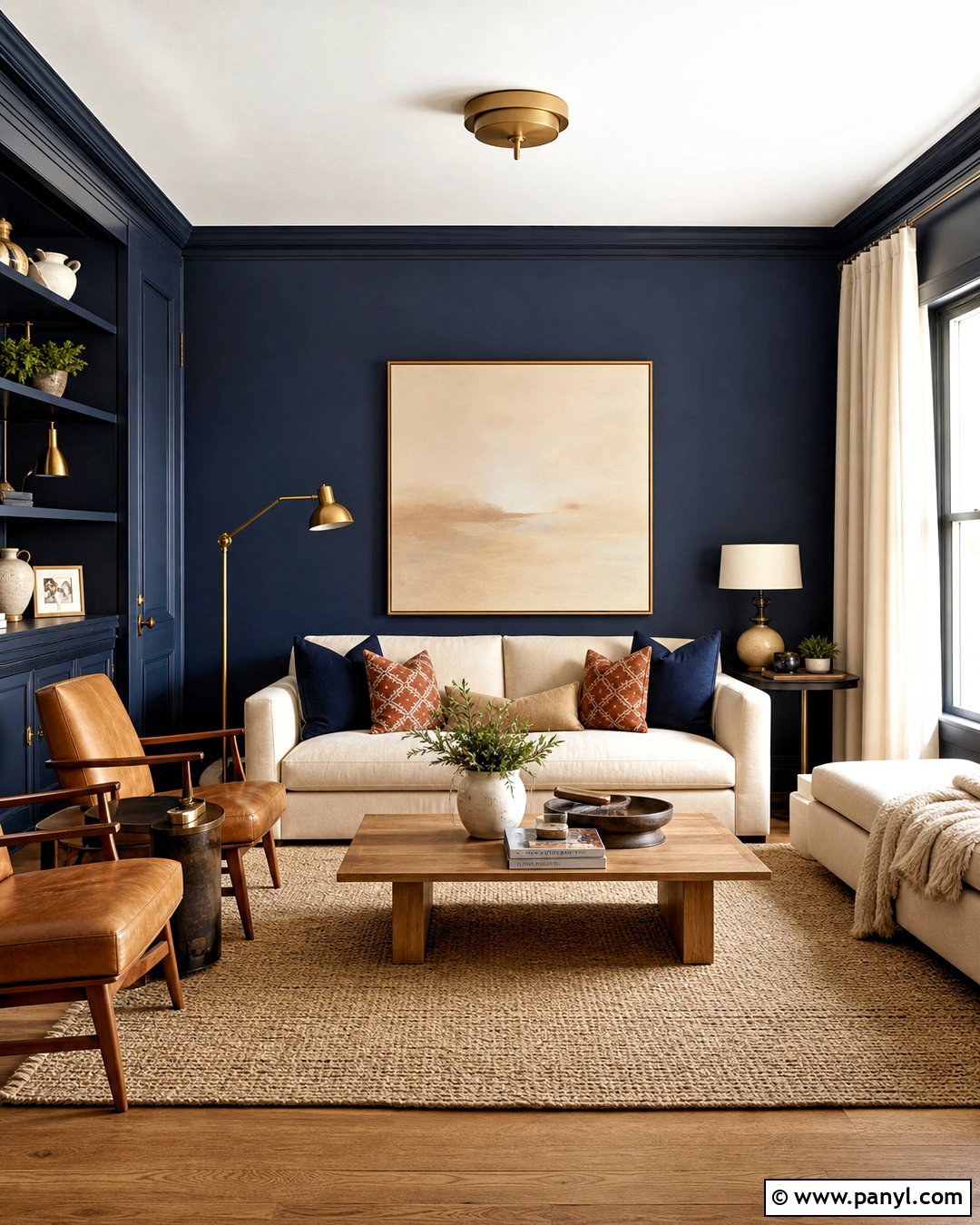
Could your room handle a darker, more dramatic wall color? Deep navy blue creates a cocooning backdrop when balanced with soft beige upholstery, pale flooring, and generous lighting. Paint the walls navy while leaving the ceiling warm white to avoid making the space feel visually heavy. Choose a beige linen bed, sofa, or armchair as the main furniture piece. Layer in a sand-colored rug, natural wood side tables, and off-white curtains that allow daylight to filter through. Aged brass lighting complements the depth of the blue, while caramel leather provides an attractive secondary accent. Use patterned textiles that combine navy, cream, and muted rust. Finish with simple artwork in pale frames so the walls remain dramatic without becoming crowded or overly formal.
4. Terracotta And Sand Room
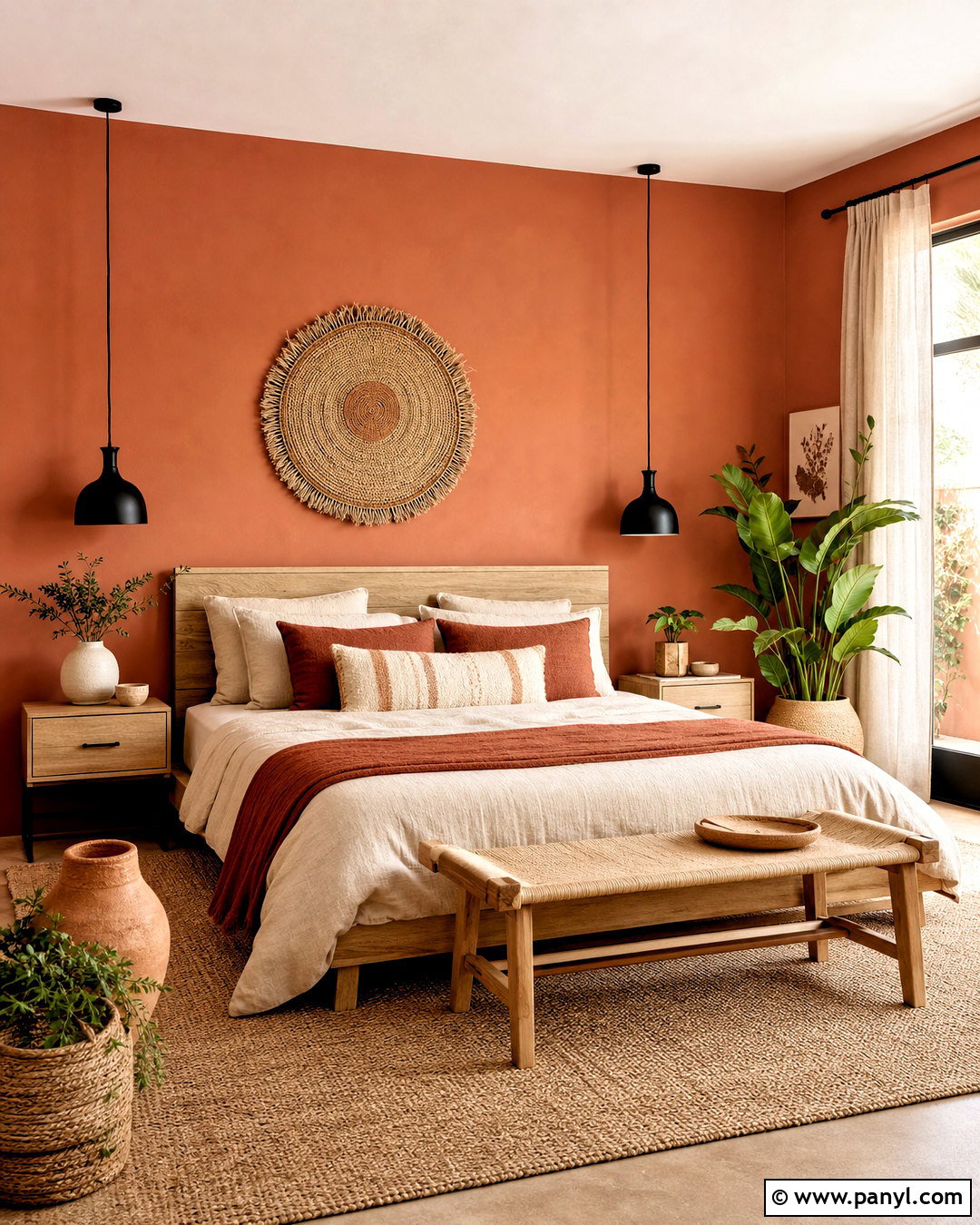
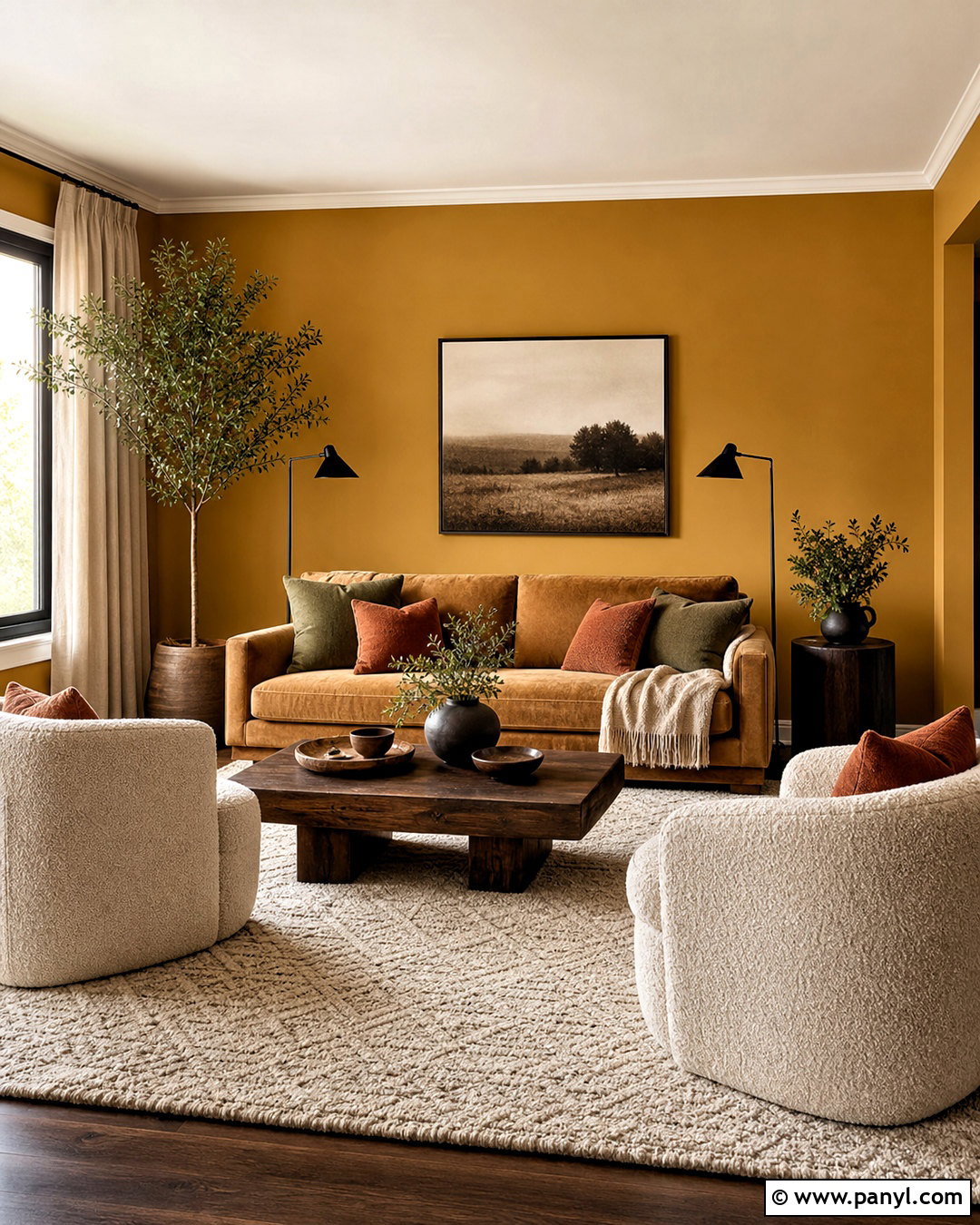
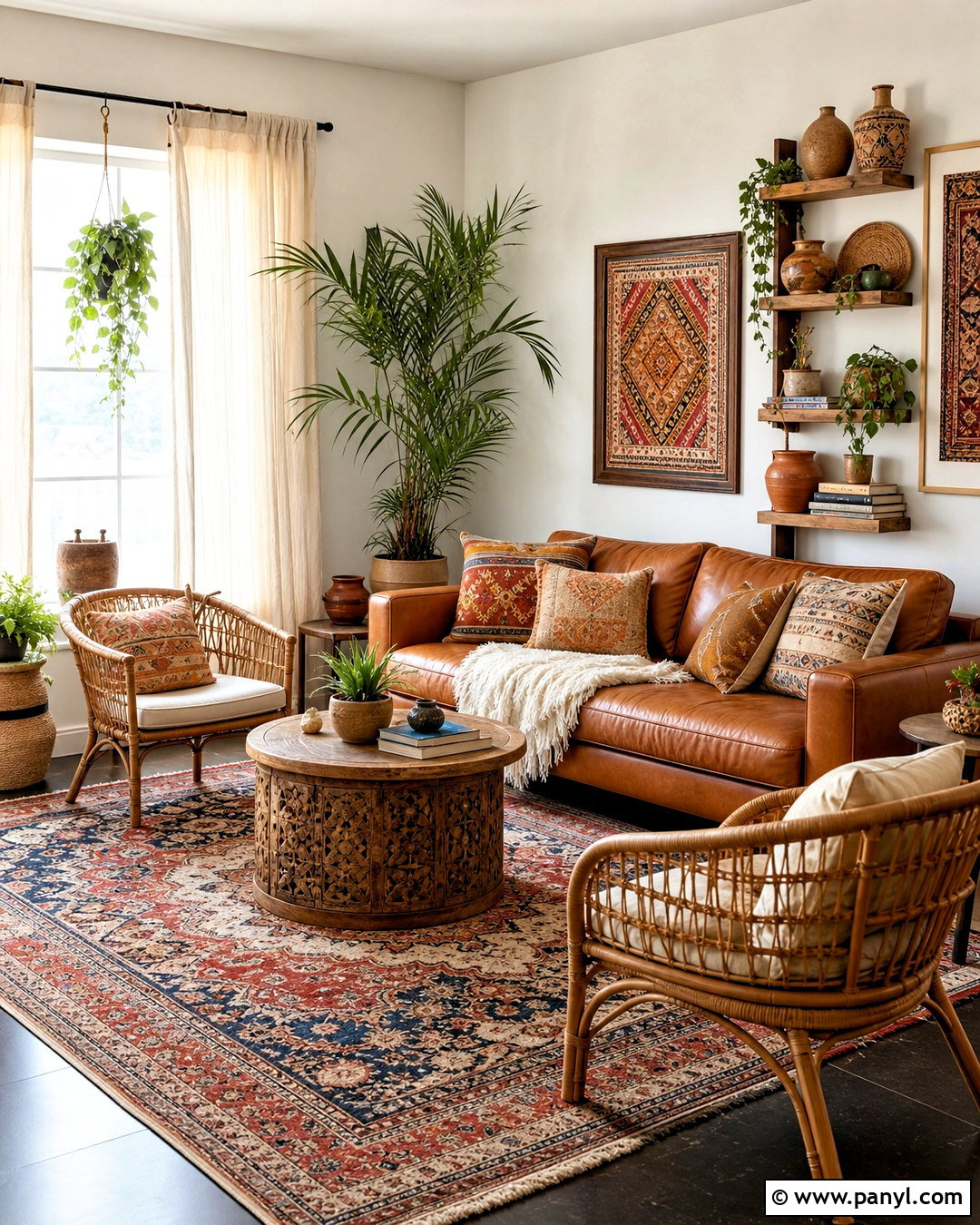
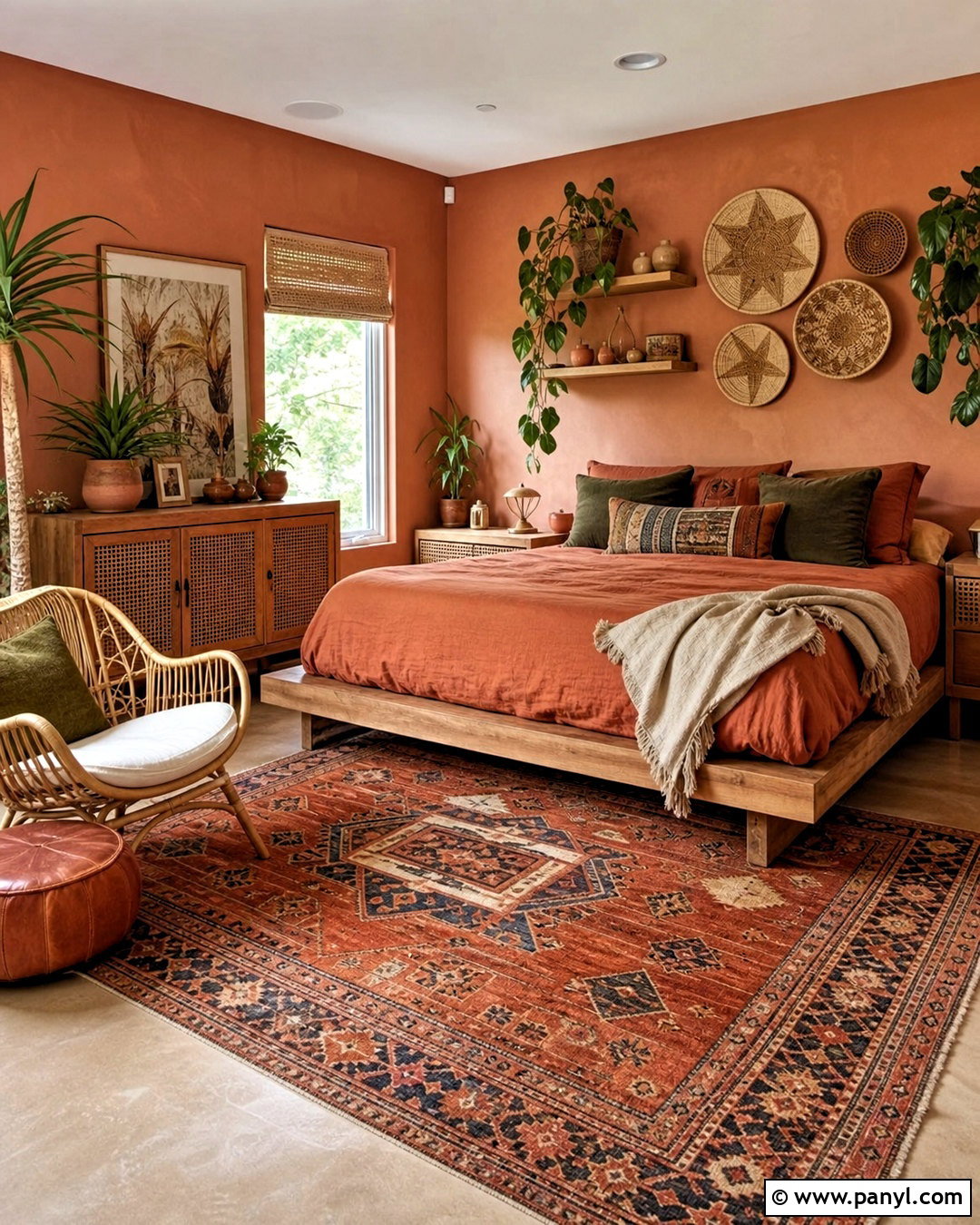
Warm terracotta walls can make a plain room feel welcoming, earthy, and full of character. Pair the clay-colored backdrop with sand, camel, and creamy white instead of introducing too many competing shades. A light oak bed or rounded beige sofa establishes a relaxed focal point. Choose linen curtains, a natural jute rug, and tactile cushions in rust, oatmeal, and faded peach. Handmade-looking ceramics and woven wall decor support the organic atmosphere without turning the room into a theme. Use black sparingly through a slim floor lamp or small hardware details. Green from one or two leafy plants provides a fresh contrast. The complete look works best with warm wood flooring and simple furniture, allowing the rich wall color and layered natural textures to carry the design.
5. Lavender And Light Gray Room
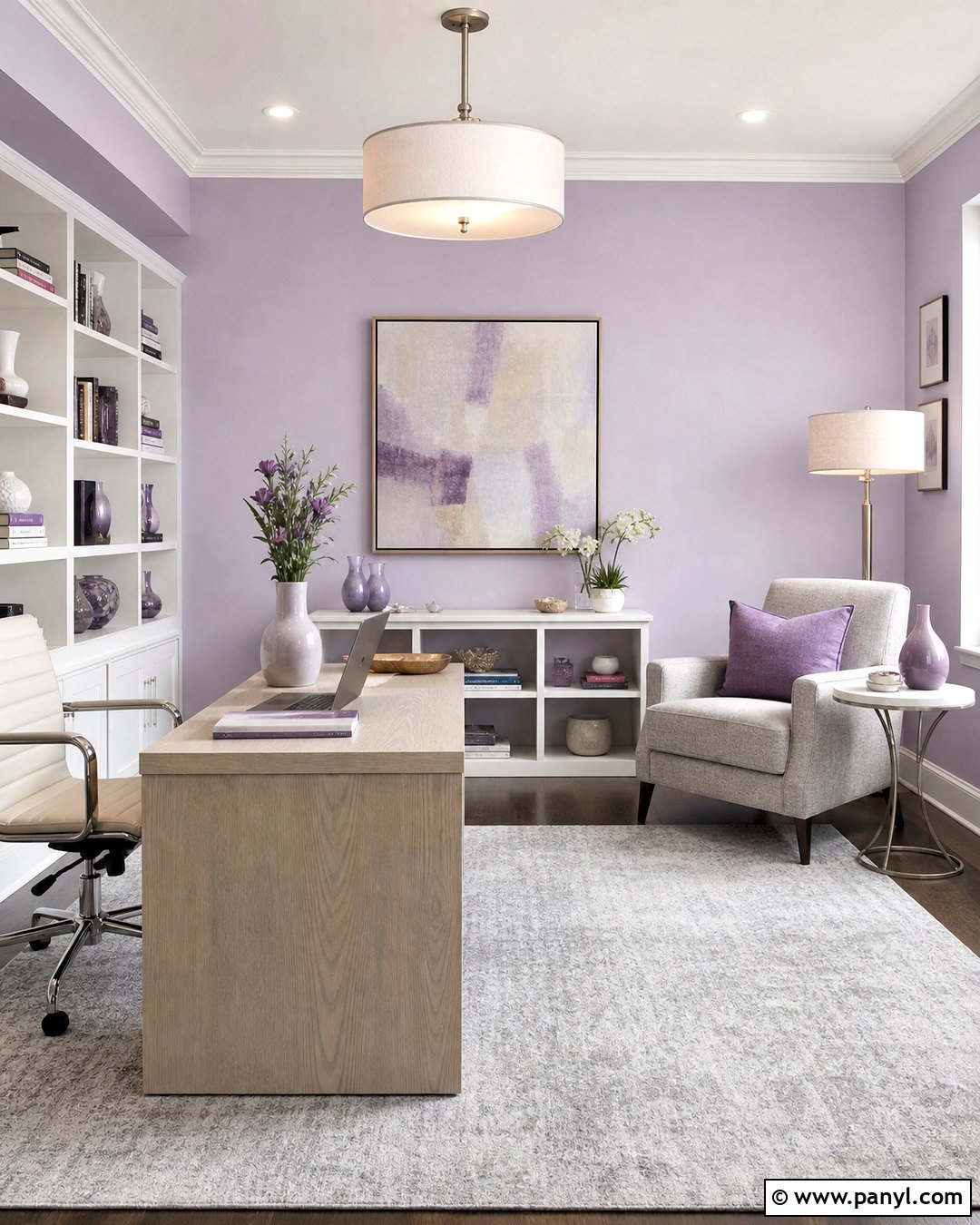
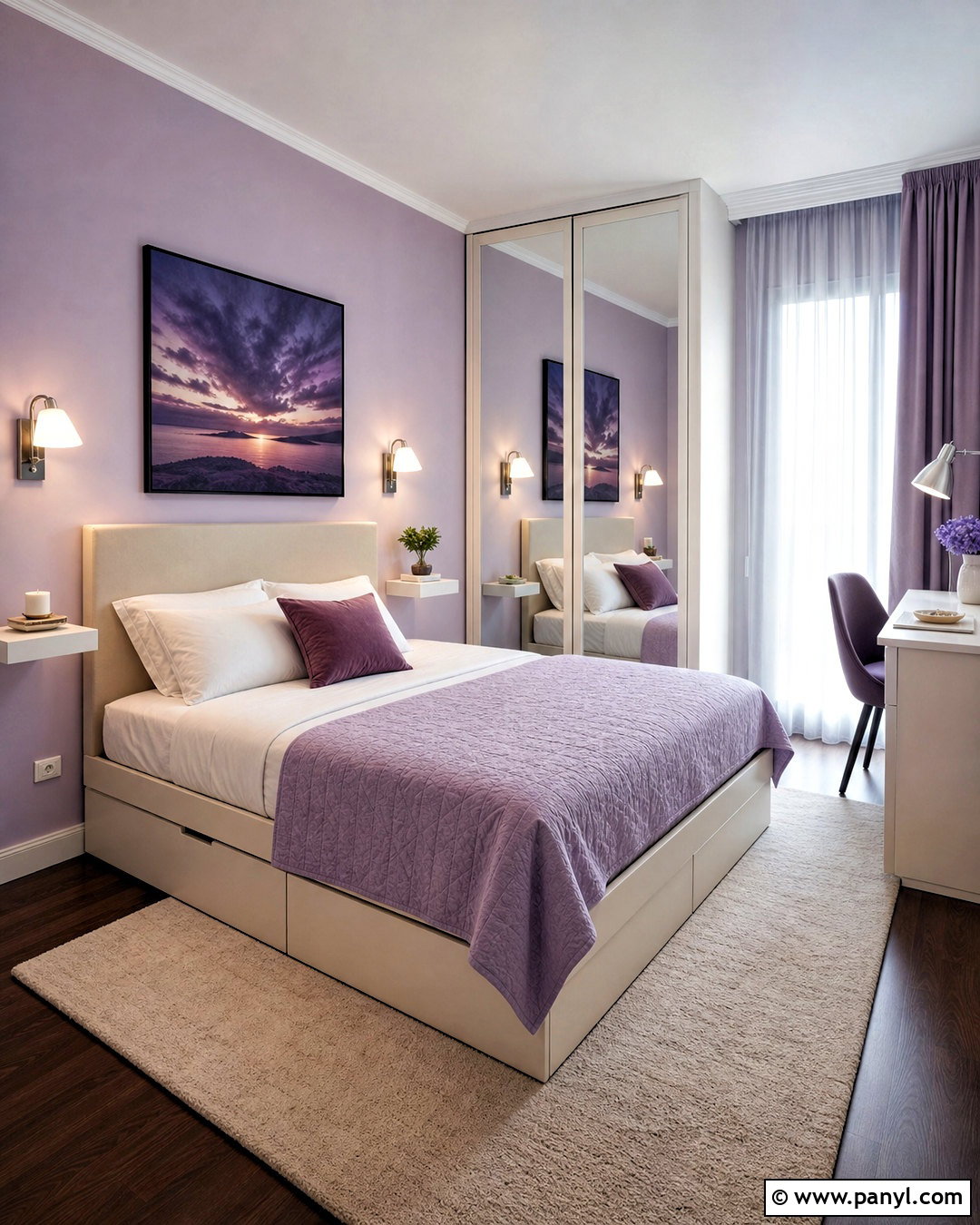
Lavender can look calm and contemporary when paired with cool gray, crisp white, and pale wood. Select a muted lavender wall color with subtle blue undertones, then use light gray for the upholstered bed, sofa, or reading chair. White bedding and trim keep the scheme fresh, while a silver-gray rug creates a soft connection between the main colors. Introduce pale ash wood through a desk, nightstand, or open shelving. Small accents in plum or charcoal give the pastel palette more structure and prevent it from appearing juvenile. Choose brushed nickel or chrome lighting for a clean finish. Minimal abstract artwork, neatly arranged books, and smooth ceramic accessories complete the room. This gentle combination suits bedrooms, creative studios, and quiet home offices particularly well.
6. Chocolate Brown And Oatmeal Room
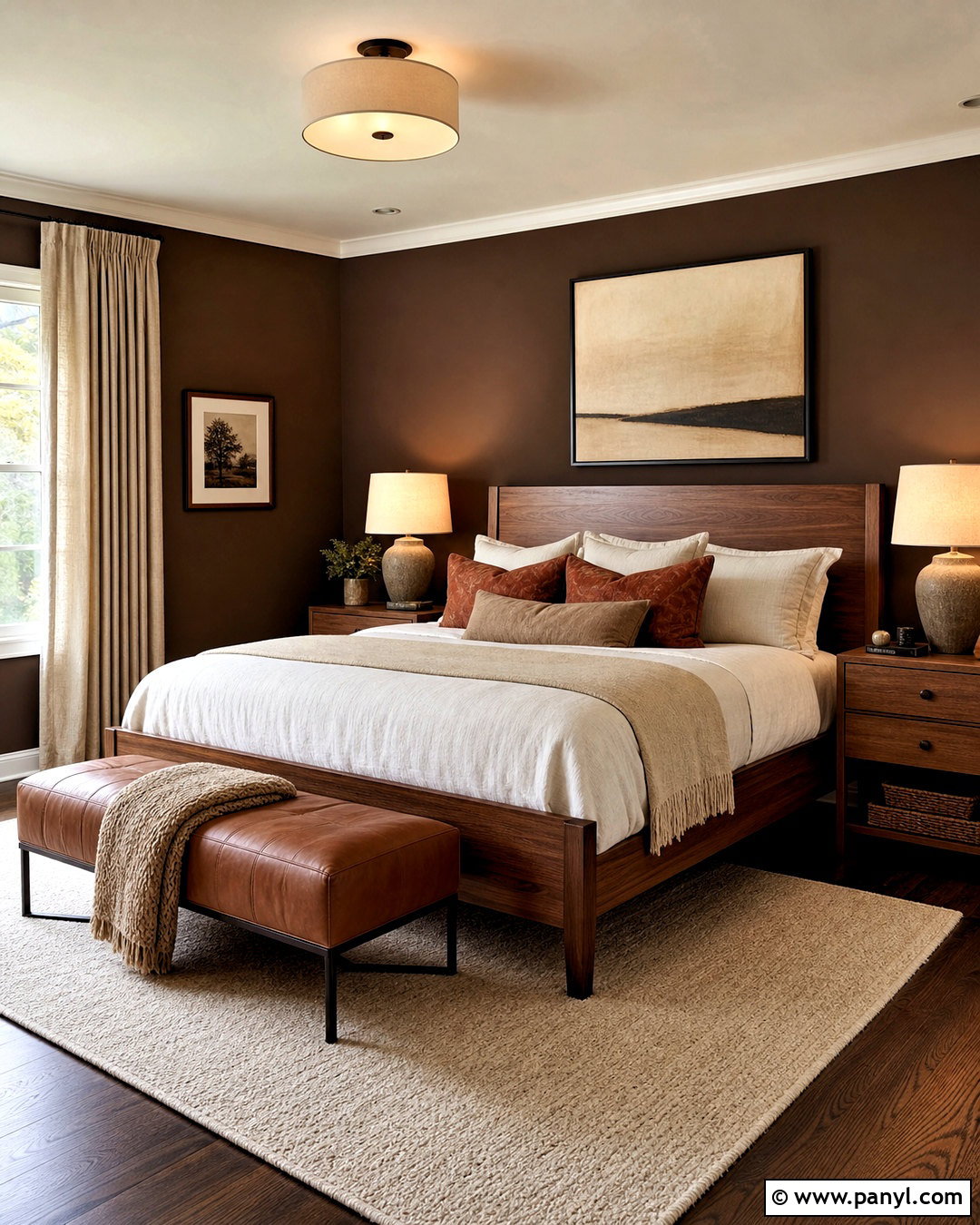
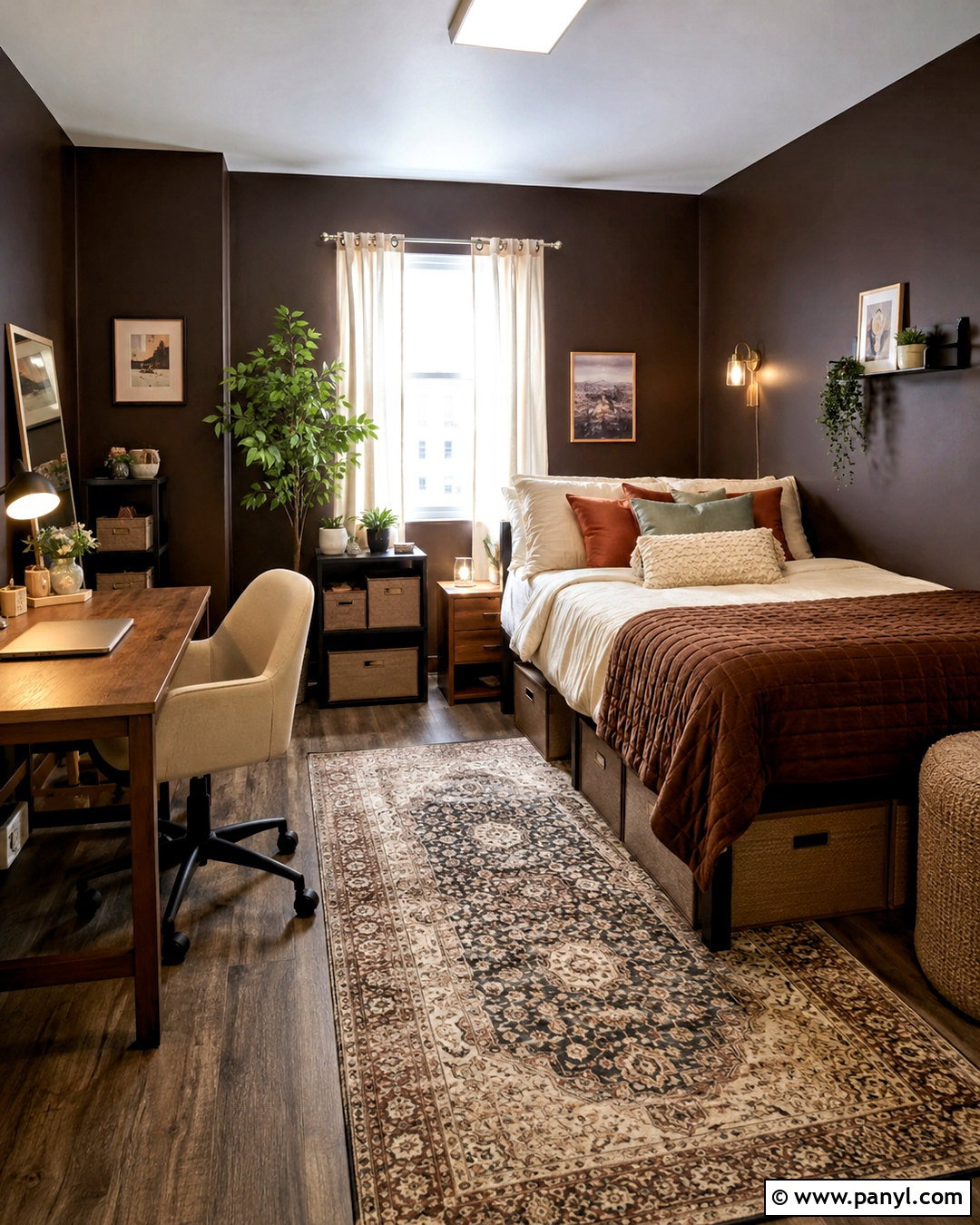
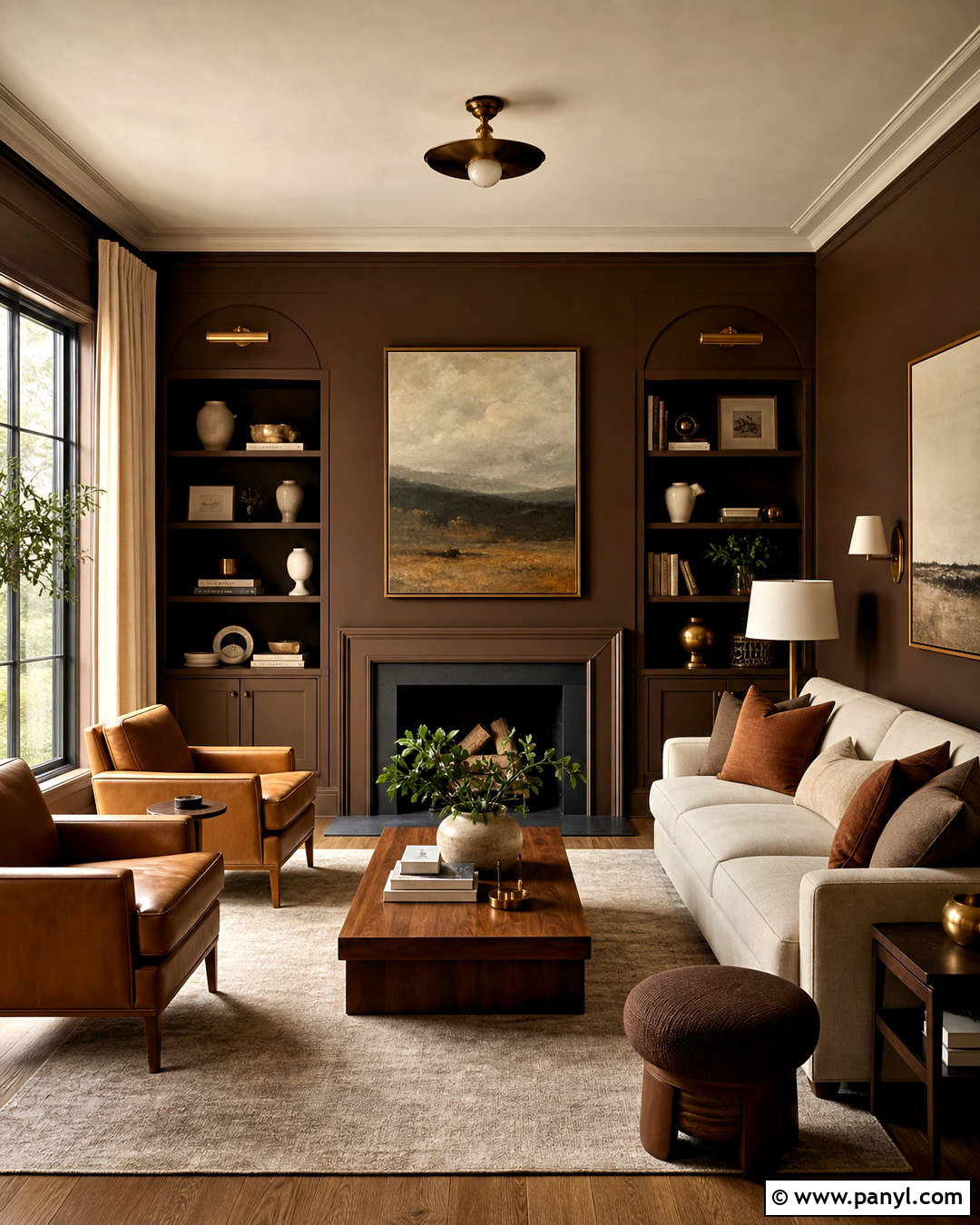
Rich chocolate brown creates an enveloping room that feels grounded rather than gloomy when lighter neutrals are layered throughout. Paint the walls a deep cocoa shade and use oatmeal linen for curtains, bedding, and the main upholstered furniture. Warm white on the ceiling provides a subtle lift without creating harsh contrast. Add medium-toned walnut furniture so the wood remains visible against the darker walls. A large cream rug brightens the floor and anchors the layout. Caramel leather, muted gold, and soft rust accessories add depth within the warm palette. Select lamps with parchment shades to spread comfortable light across the brown surfaces. Keep artwork simple and generously sized. The result is a sophisticated, cozy room with enough tonal variation to make every material and furniture shape stand out.
7. Sky Blue And Crisp White Room
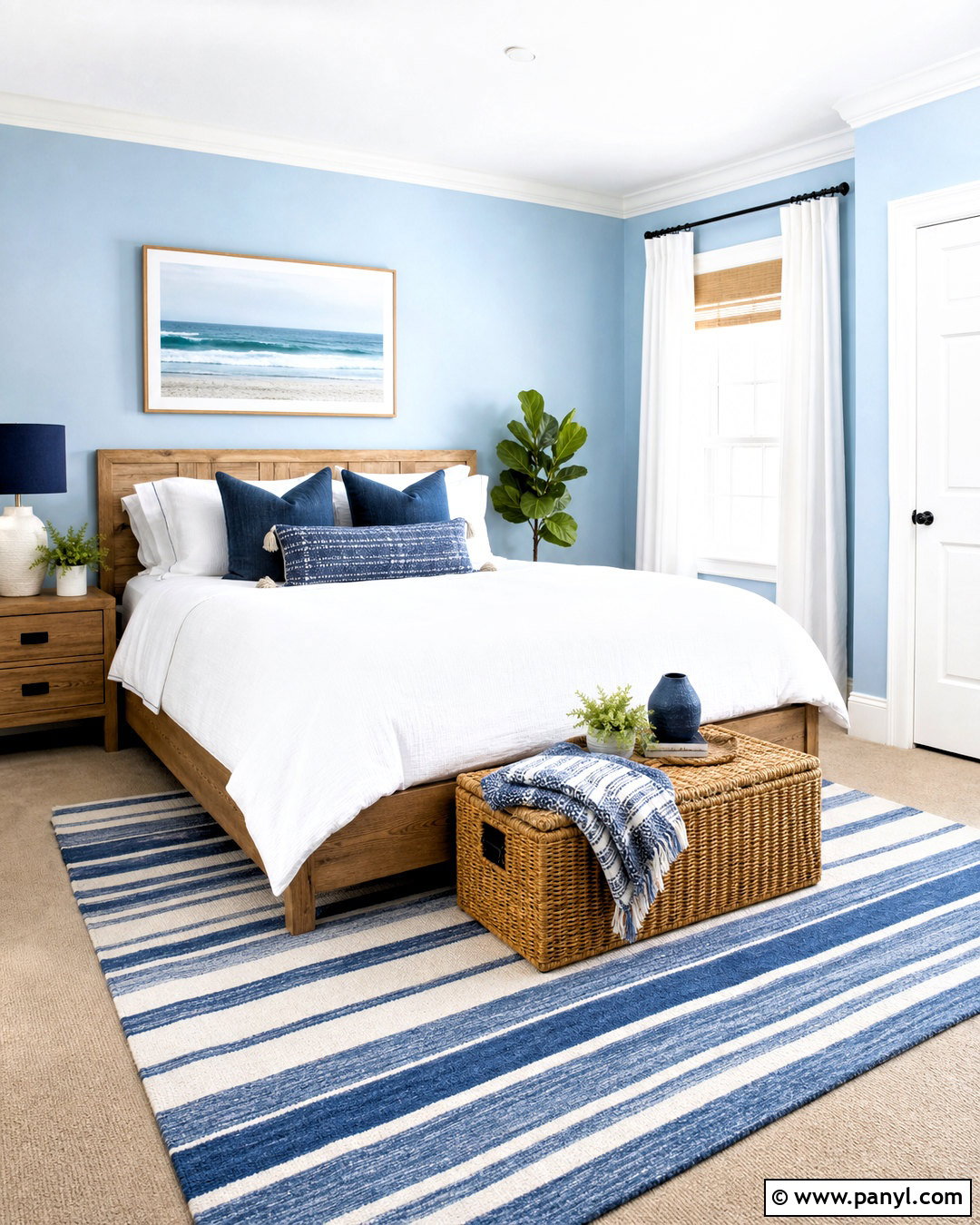
A sky blue and crisp white palette gives a room a clean, uplifting quality without feeling cold. Use soft blue across the walls, then repeat bright white on trim, curtains, bedding, and painted furniture. Introduce light oak flooring or a natural wood bed to warm the cooler colors. A striped blue-and-white rug can define the main furniture area while adding gentle pattern. For more depth, include a few denim blue pillows and one navy accessory, such as a lamp or framed print. Woven baskets and linen textiles keep the design relaxed rather than formal. Arrange furniture to preserve open floor space and maximize available daylight. This fresh scheme works for bedrooms, guest rooms, and small living rooms where an airy, uncluttered appearance is the main priority.
8. Butter Yellow And Warm White Room
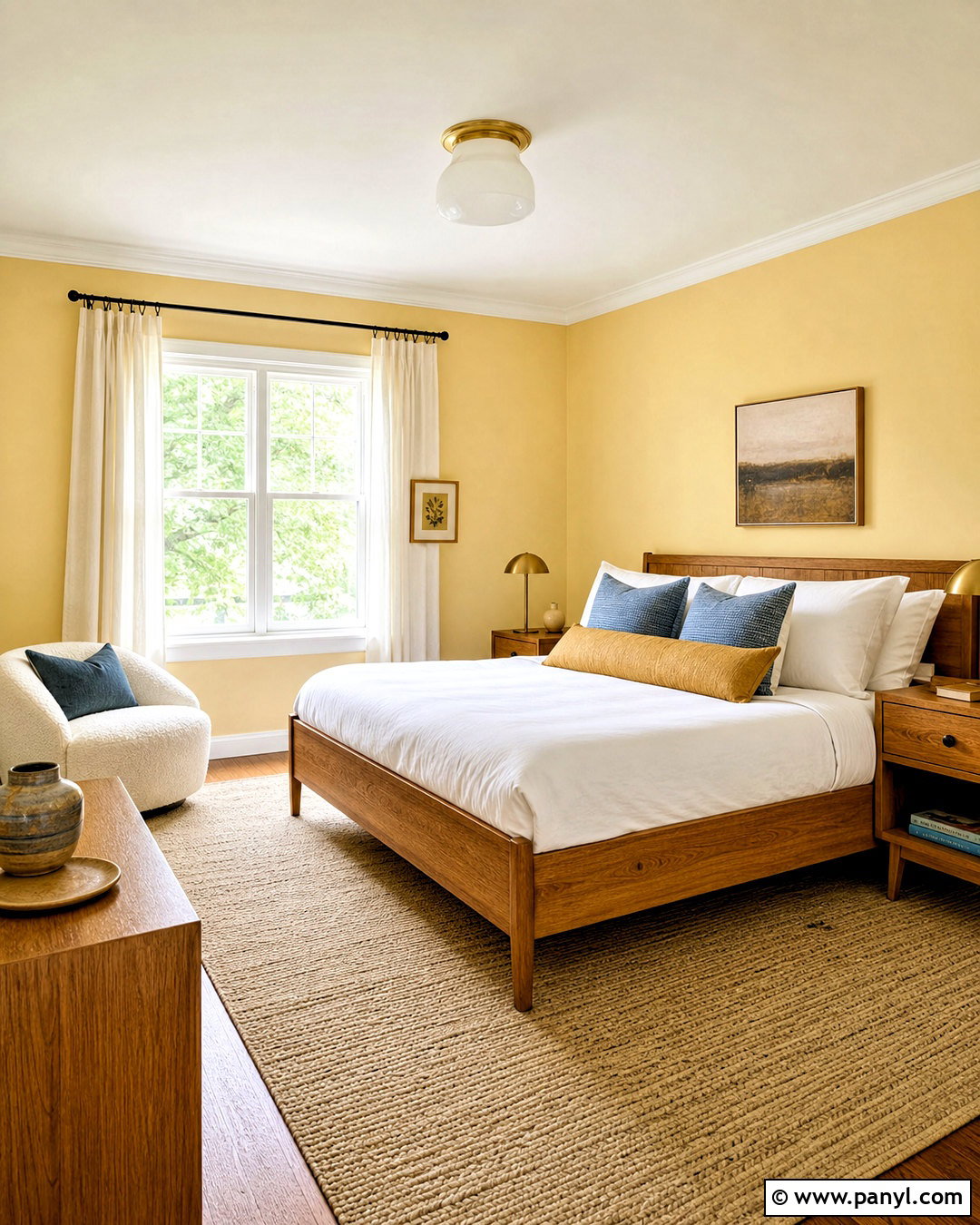
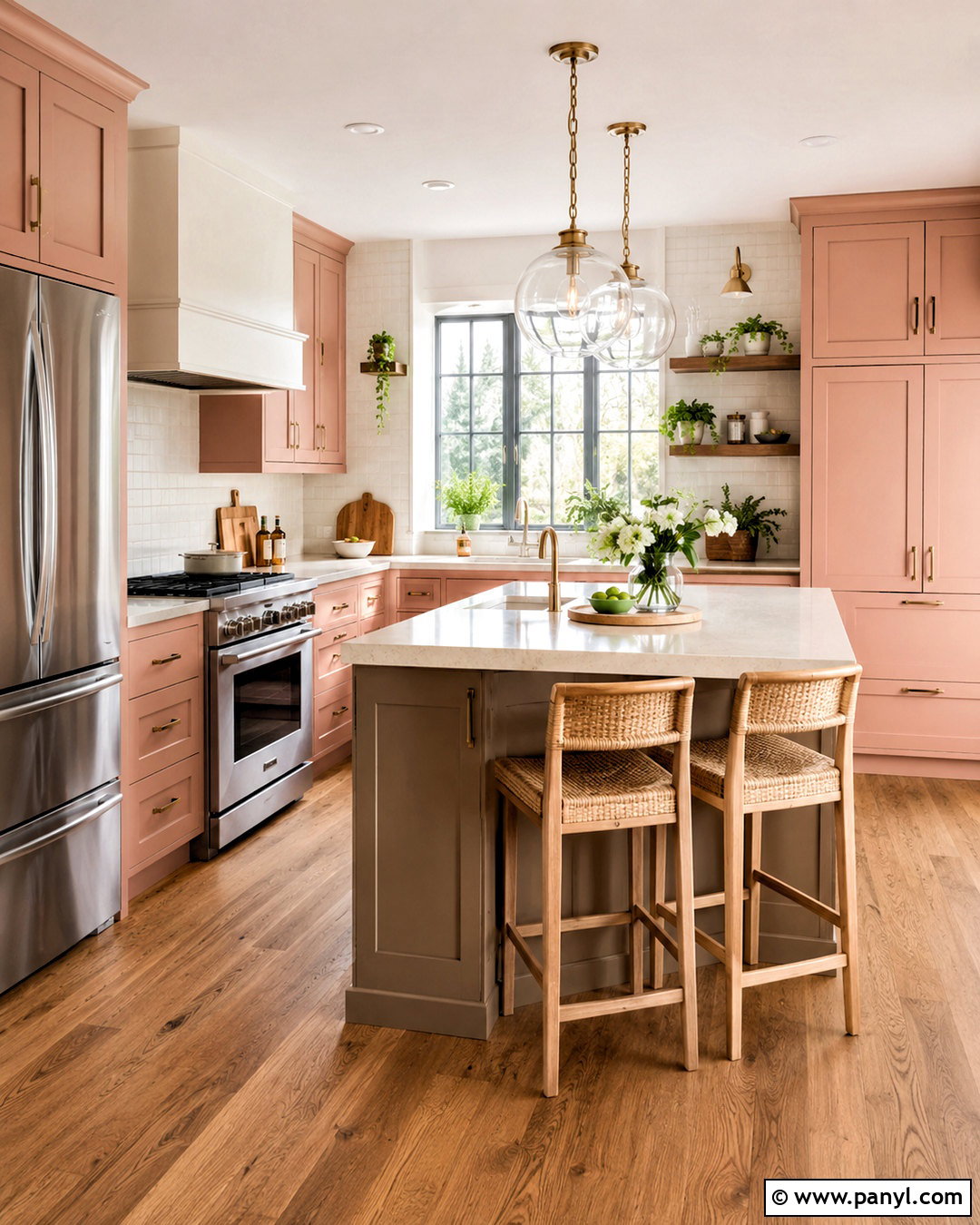
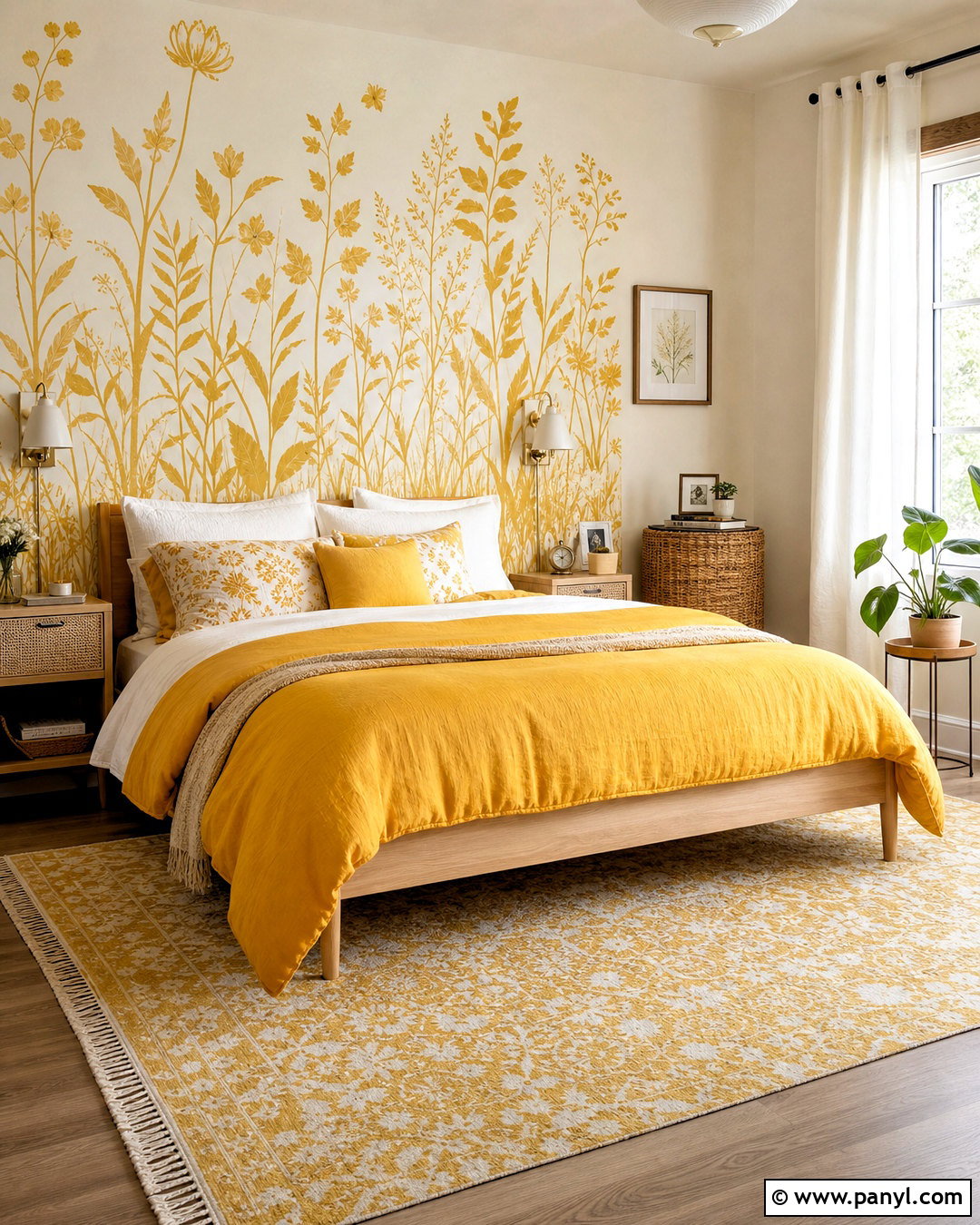
Butter yellow brings cheerful color into a room while remaining softer and easier to decorate with than bright lemon. Cover the walls in a creamy yellow and use warm white for the ceiling, trim, and large textiles. An oak desk, bed, or bookcase reinforces the sunny warmth. Add a cream boucle chair, white cotton bedding, and a beige flat-weave rug to create a comfortable neutral base. Muted blue accessories offer gentle contrast, while small touches of ochre make the palette feel layered. Choose simple brass lighting and handmade ceramic decor for a polished finish. Avoid filling every surface with yellow objects; the walls already provide enough color. This complete look feels especially welcoming in rooms that receive limited daylight or need a more optimistic, energized atmosphere.
9. Forest Green And Walnut Room
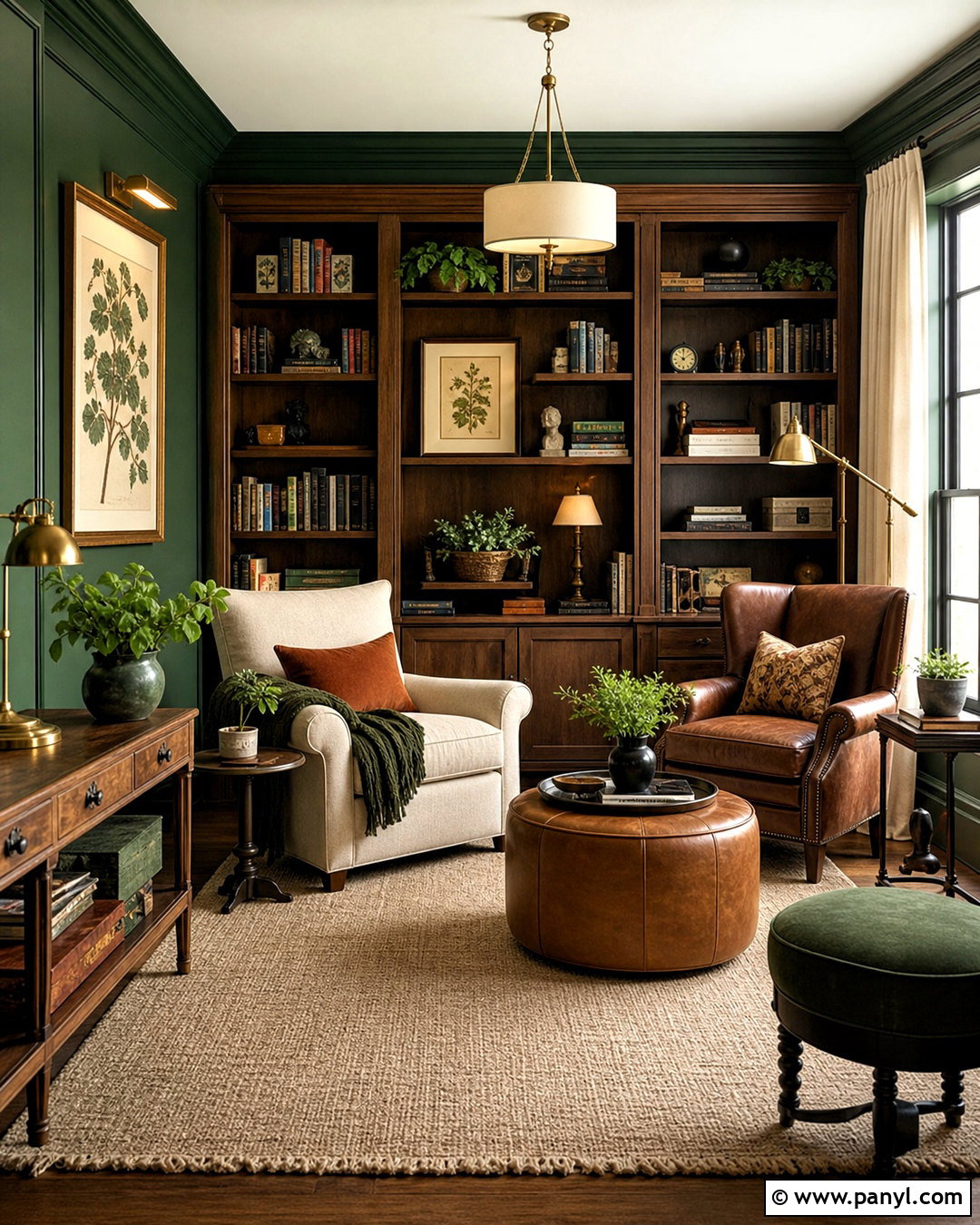
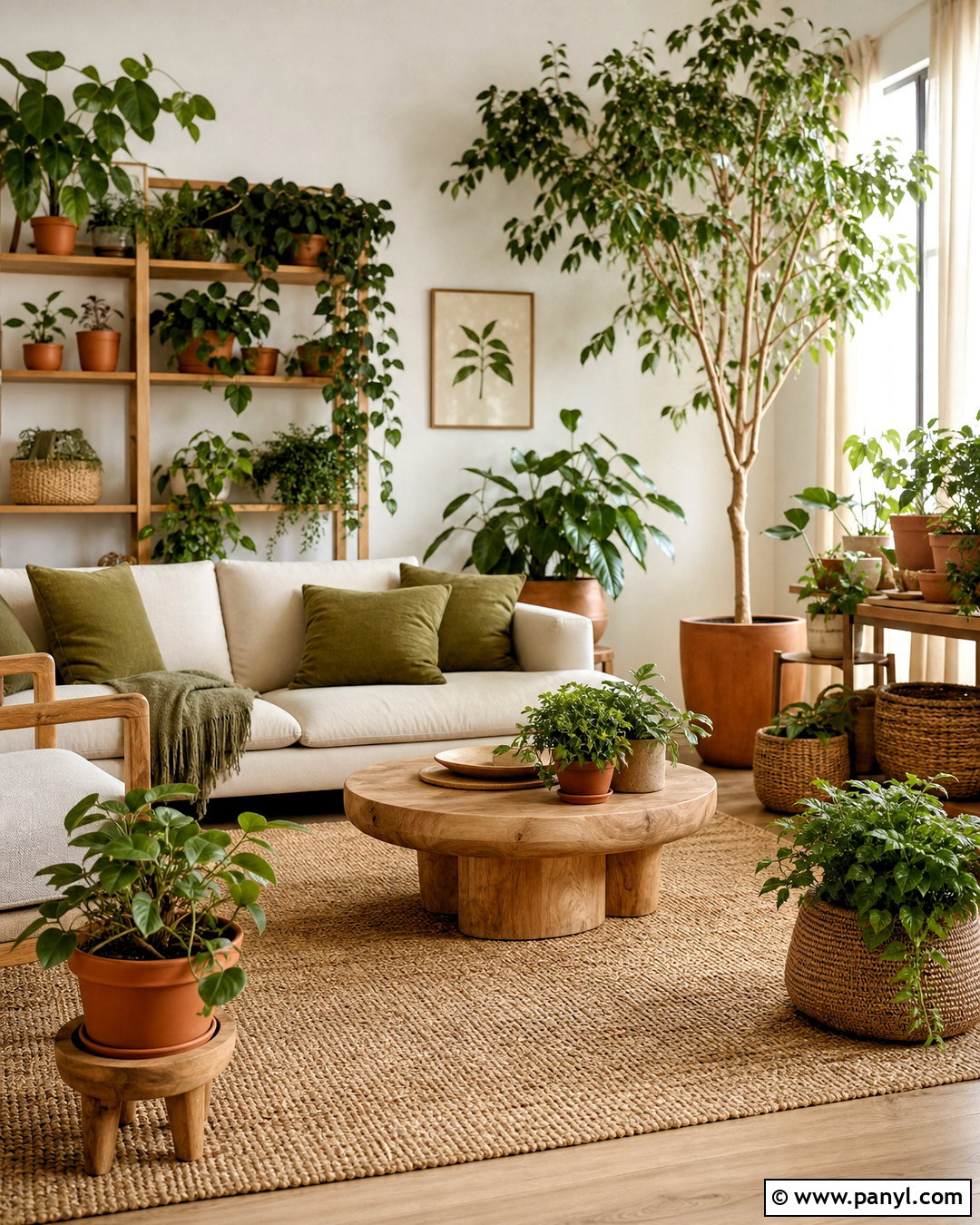
Forest green walls provide a striking backdrop for rich walnut furniture and warm neutral fabrics. Use the deep green on every wall for an immersive effect, but keep the ceiling and window treatments creamy white. Position a walnut bed, desk, or media console as the main focal point, allowing its natural grain to contrast with the painted surface. Choose a beige rug and oatmeal upholstery to brighten the center of the room. Antique brass lamps, tan leather, and restrained rust accents reinforce the warm, collected appearance. Add botanical prints or abstract art with cream backgrounds so the walls are not overwhelmed. Several light sources are important in this darker palette. The finished room should feel comfortable and refined, with clear furniture placement and plenty of tactile natural materials.
10. Peach And Pale Blue Room
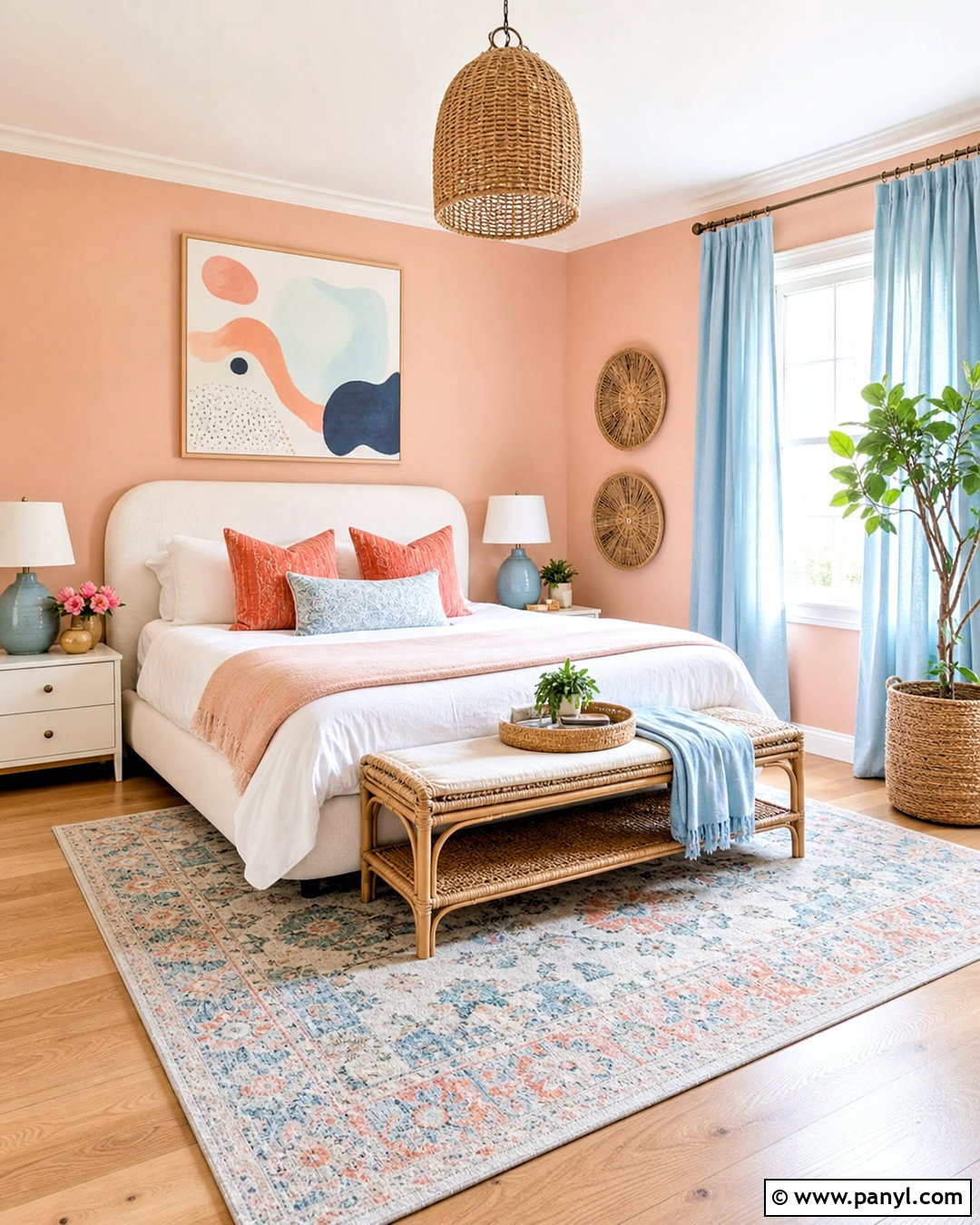
Soft peach and pale blue create a balanced palette that feels playful without becoming overly sweet. Start with muted peach walls, then introduce pale blue through curtains, bedding, a rug, or one upholstered chair. Use warm white furniture to give both colors a clean background. Light oak flooring and woven storage prevent the pastel combination from feeling flat. Add a few stronger accents, such as coral pillows or a dusty blue lamp, to establish visual depth. Artwork can combine both main colors through abstract shapes or subtle landscape imagery. Choose simple cotton, linen, and boucle textures instead of shiny fabrics. Keep accessories organized and leave some surfaces open. This bright, approachable room works well for bedrooms, guest spaces, creative studios, or cheerful multipurpose rooms.
11. Charcoal Gray And Blush Room
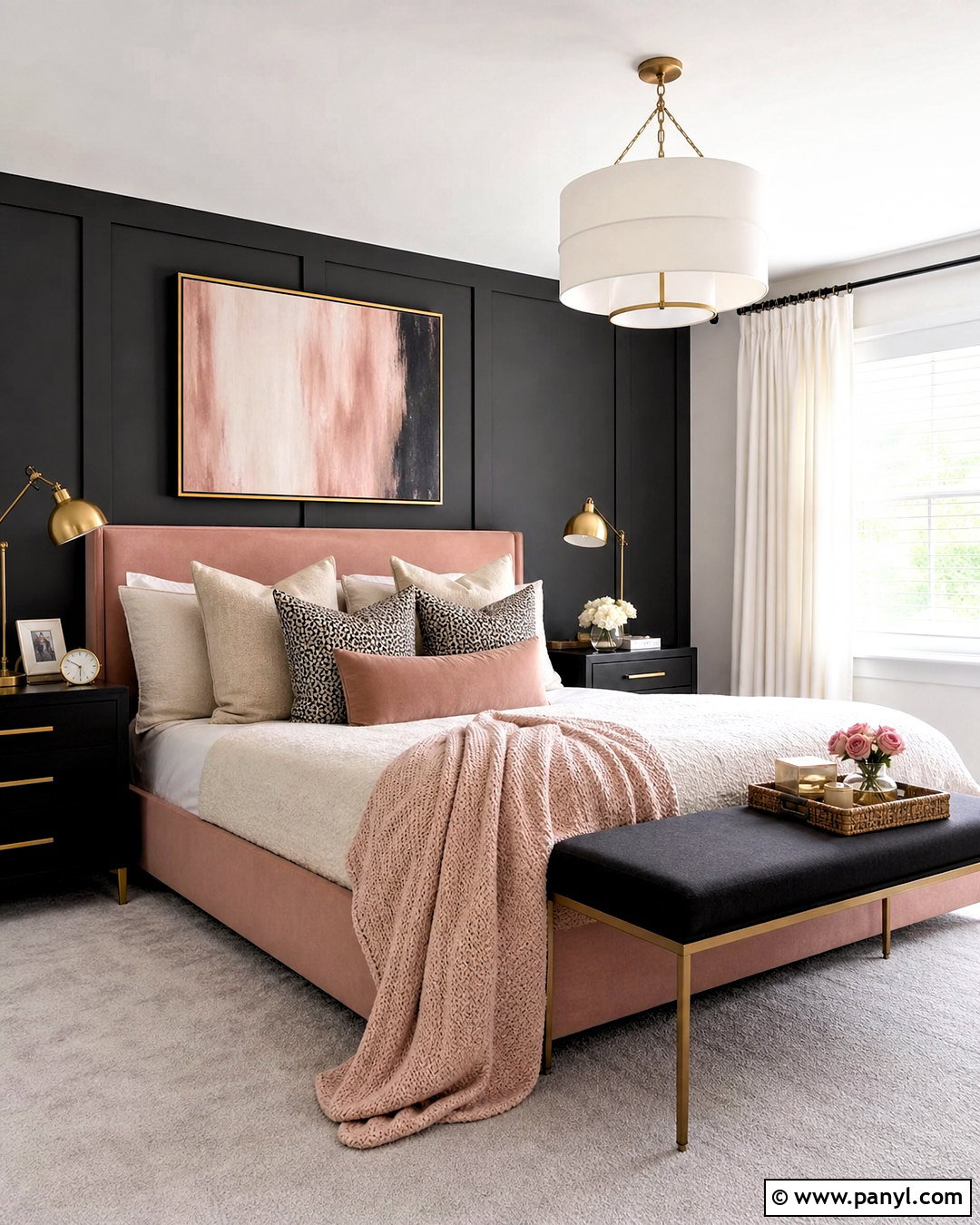
Charcoal gray gives blush pink a stronger, more sophisticated setting. Paint one prominent wall charcoal or use the shade throughout a naturally bright room. Balance it with a blush upholstered bed, sofa, or pair of curtains rather than scattering many tiny pink objects around the space. Warm white trim and a pale gray rug keep the composition from feeling too dark. Add black furniture with clean lines, then soften it with cream bedding and textured cushions. Brushed brass lighting introduces warmth and reflects light against the gray backdrop. Select abstract artwork containing charcoal, beige, and muted rose to tie the room together. The result feels dramatic but comfortable, making this palette suitable for modern bedrooms, dressing rooms, or compact lounges with a polished aesthetic.
12. Olive Green And Rust Room
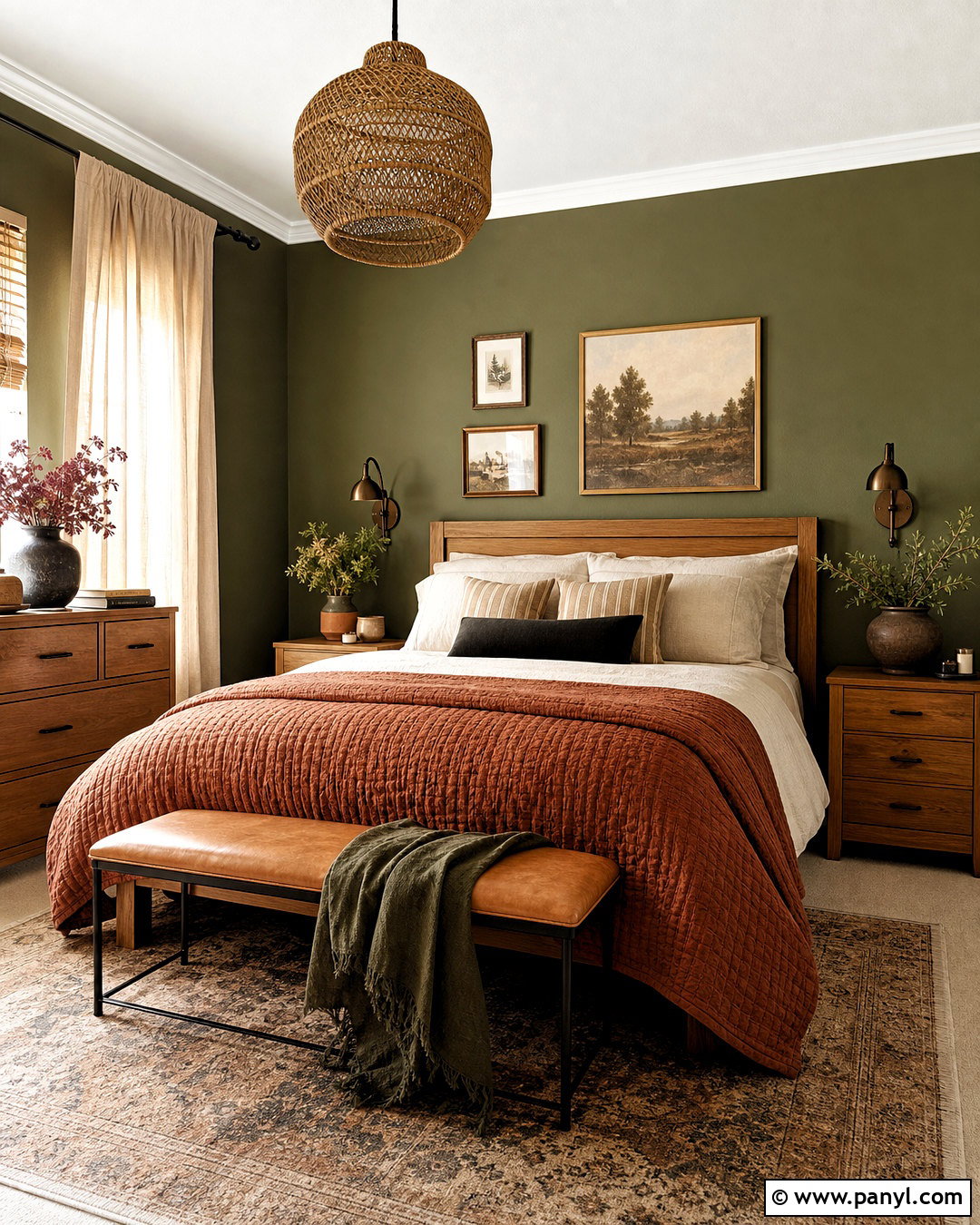
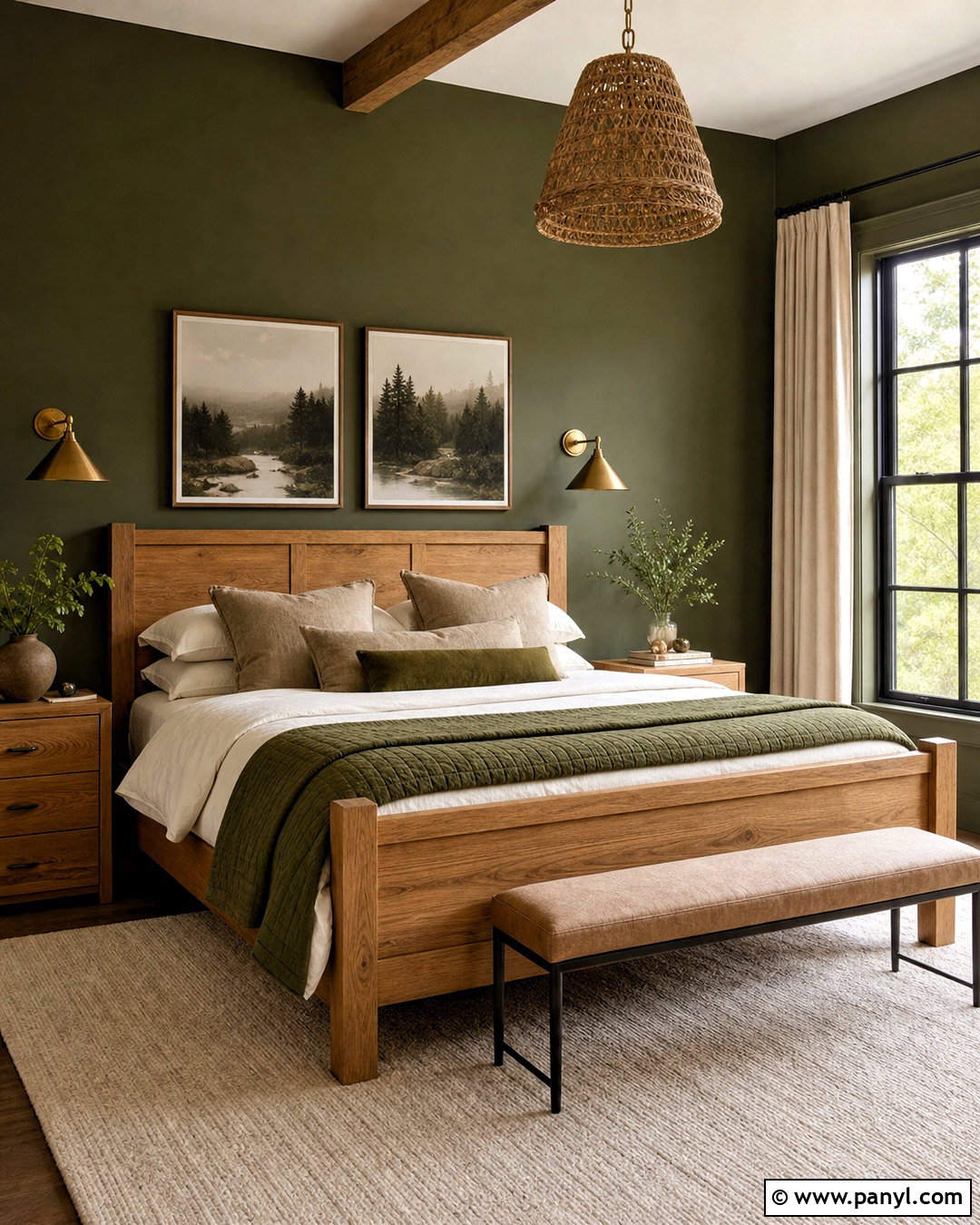
Olive green and rust bring the colors of autumn indoors in a way that can work throughout the year. Cover the walls in muted olive, then use rust as a concentrated secondary color on a quilt, armchair, curtains, or large rug. Choose tan leather and medium oak furniture to connect the two earthy shades. Cream bedding or upholstery creates necessary breathing room, while dark bronze hardware adds subtle definition. Patterns should remain simple, such as narrow stripes, checks, or understated botanical prints. Add a woven pendant, pottery, and a few aged-looking picture frames for texture and character. Avoid overly bright orange, which can compete with the calm green base. This full room scheme feels warm, relaxed, and especially suited to cozy bedrooms or reading spaces.
13. Black And Ivory Room
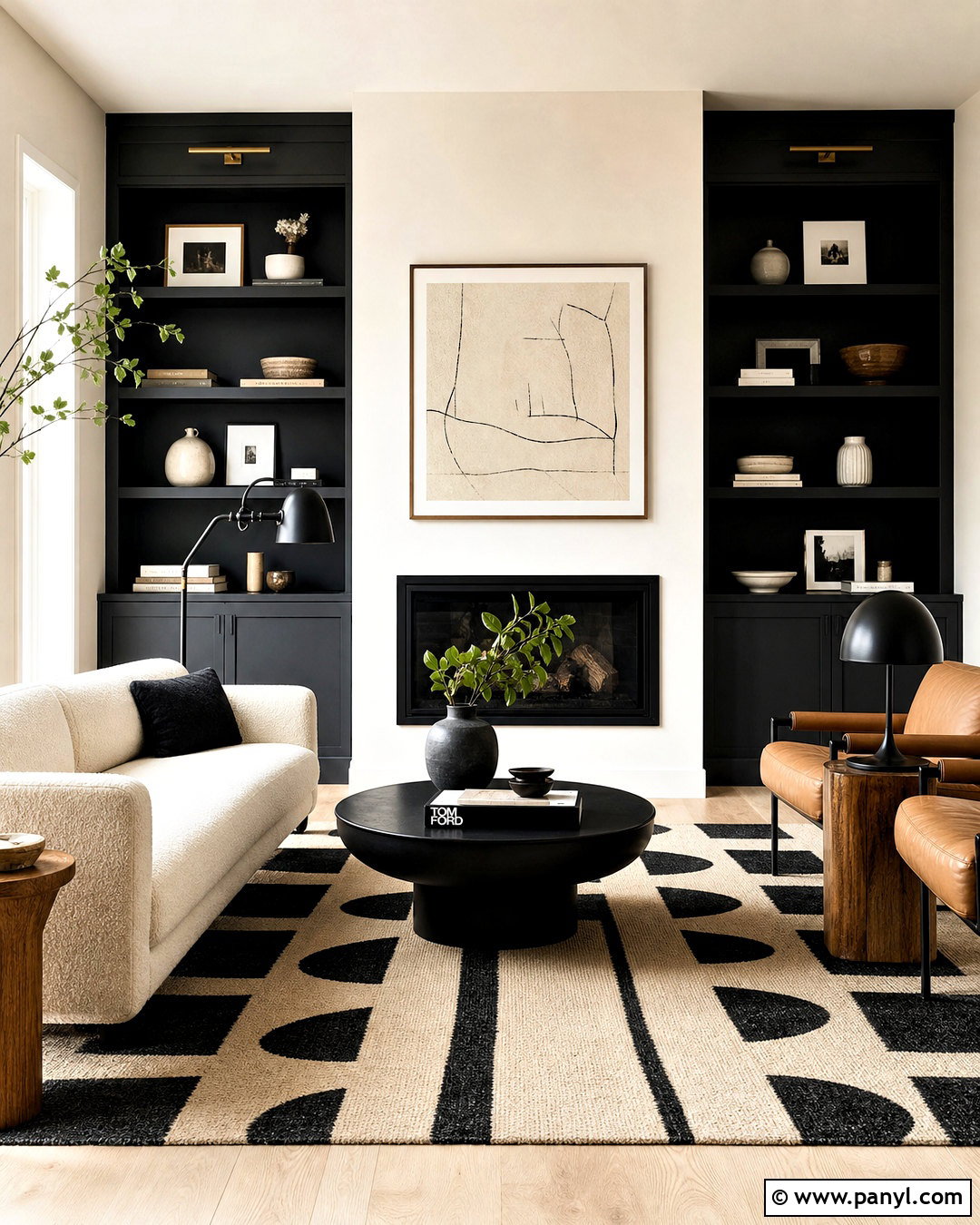
A black and ivory room can feel clean and comfortable rather than stark when texture and warm materials are included. Use ivory on most walls and reserve matte black for built-in shelving, one focal wall, or a substantial bed frame. An ivory sofa or upholstered bed keeps the larger furniture visually light. Add a patterned rug that combines black, cream, and soft beige to connect both colors across the floor. Natural oak side tables and tan leather accessories prevent the monochrome palette from becoming cold. Choose black-framed artwork, sculptural lamps, and simple ceramic decor, but maintain generous empty space around each object. Soft curtains and boucle cushions bring tactile contrast. The completed room feels graphic, modern, and timeless without relying on excessive decoration or complicated color combinations.
14. Teal And Burnt Orange Room
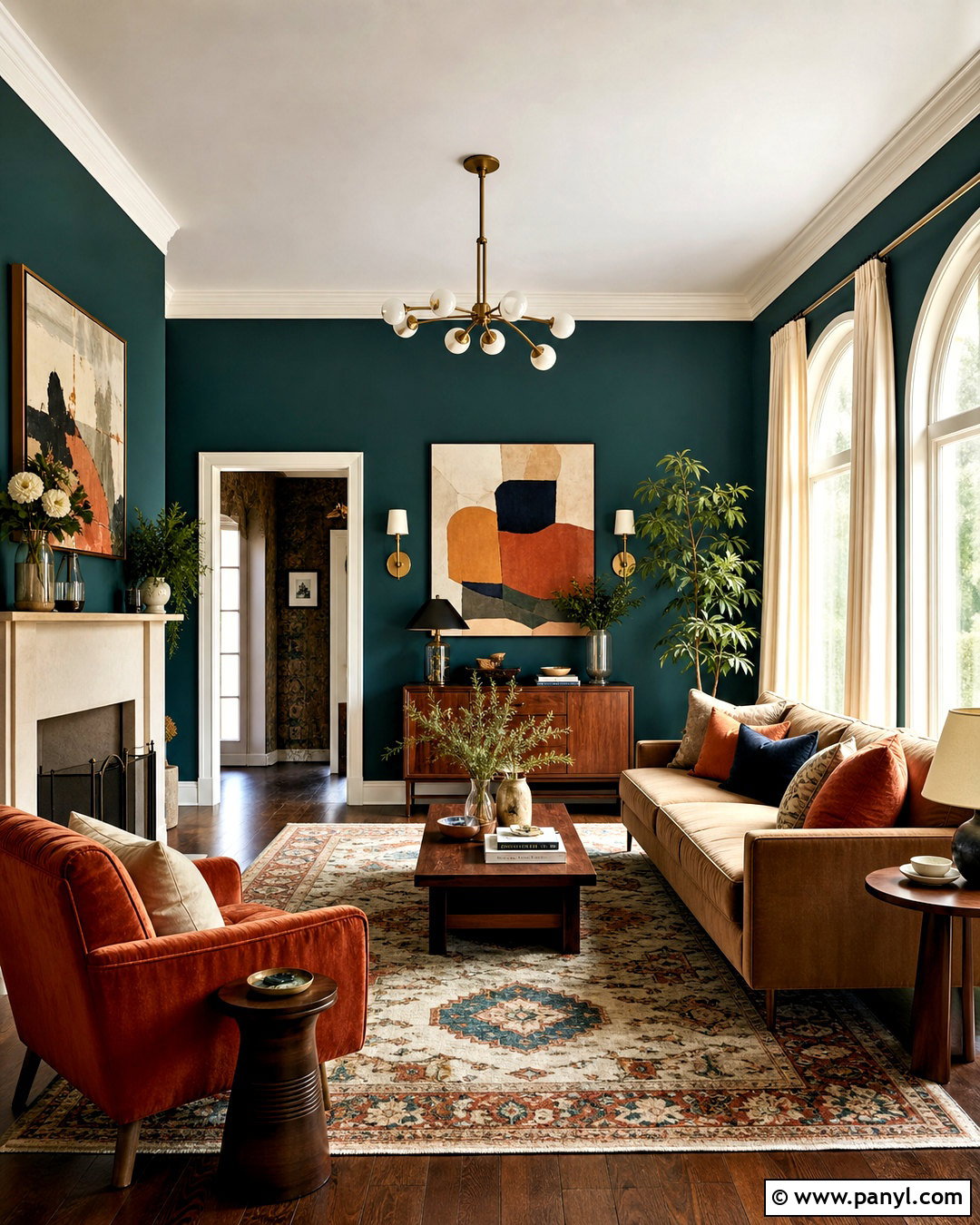
For a room with confident personality, pair rich teal with concentrated accents of burnt orange. Use teal on the walls or built-in cabinetry, then choose an orange velvet chair, patterned rug, or substantial throw as the secondary feature. A camel sofa or warm wood bed provides a neutral bridge between the two stronger colors. Cream curtains and a pale ceiling brighten the upper half of the room. Add walnut furniture, antique brass lighting, and artwork that repeats teal, orange, and beige in measured amounts. Avoid using equal quantities of both bold shades; allowing teal to dominate creates a more settled composition. The finished room feels energetic yet coordinated, making it an excellent option for living rooms, home libraries, creative offices, and personality-filled bedrooms.
15. Greige And Natural Wood Room
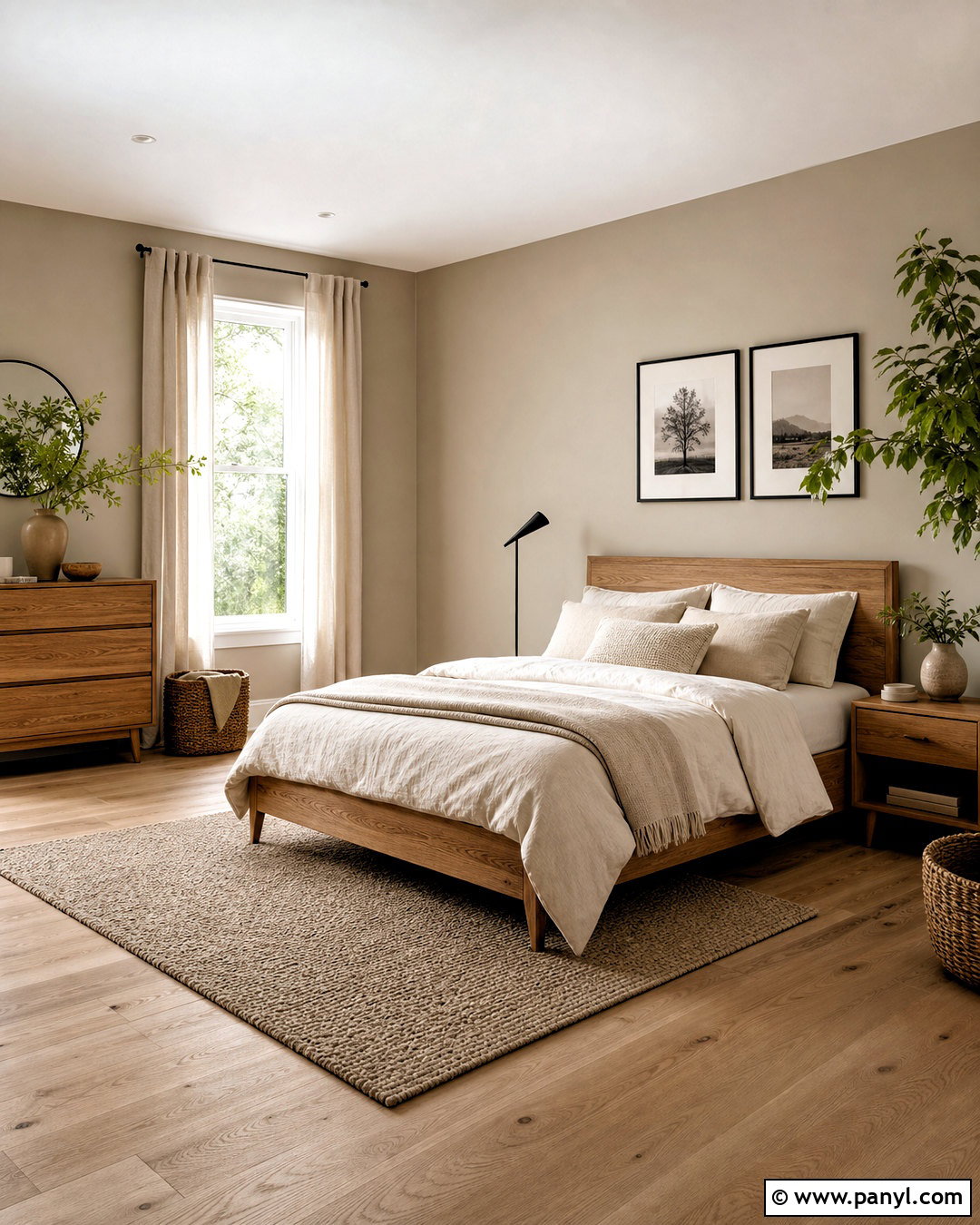
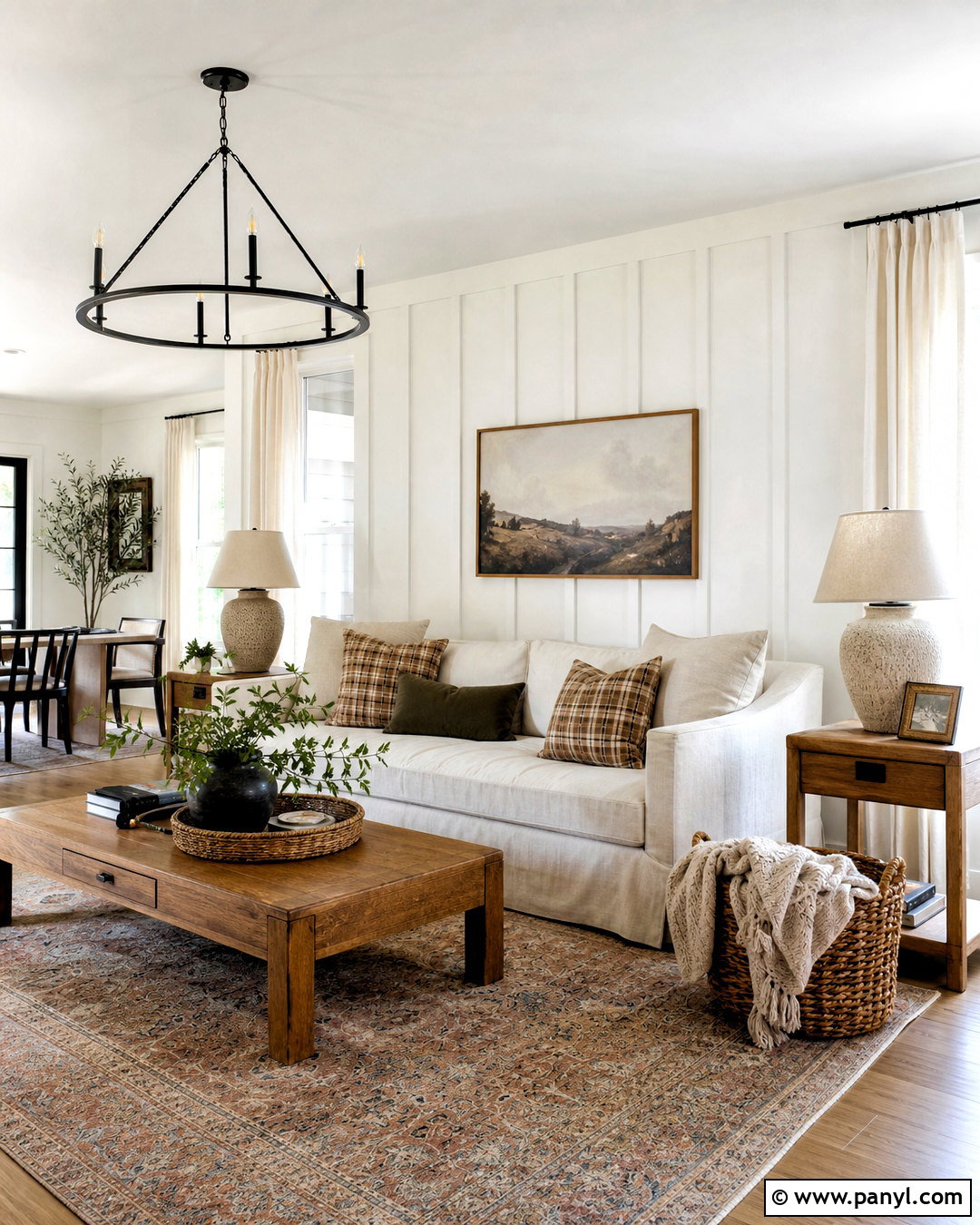
Some rooms feel most relaxing when the palette is quiet and materials provide the interest. Choose a warm greige for the walls, avoiding shades that appear overly cool or purple. Pair it with natural oak furniture, cream upholstery, and off-white curtains. A textured wool rug in beige grounds the room while maintaining the soft tonal effect. Introduce contrast through black window frames, a slim floor lamp, or dark picture frames. Layer linen, boucle, woven fibers, and unfinished-looking ceramics so the neutral design feels rich rather than empty. Green plants can serve as the only noticeable color accent. Keep the furniture layout open and practical, with concealed storage limiting visual clutter. This understated room is versatile, bright, and easy to refresh with changing seasonal accessories.
16. Burgundy And Soft Pink Room
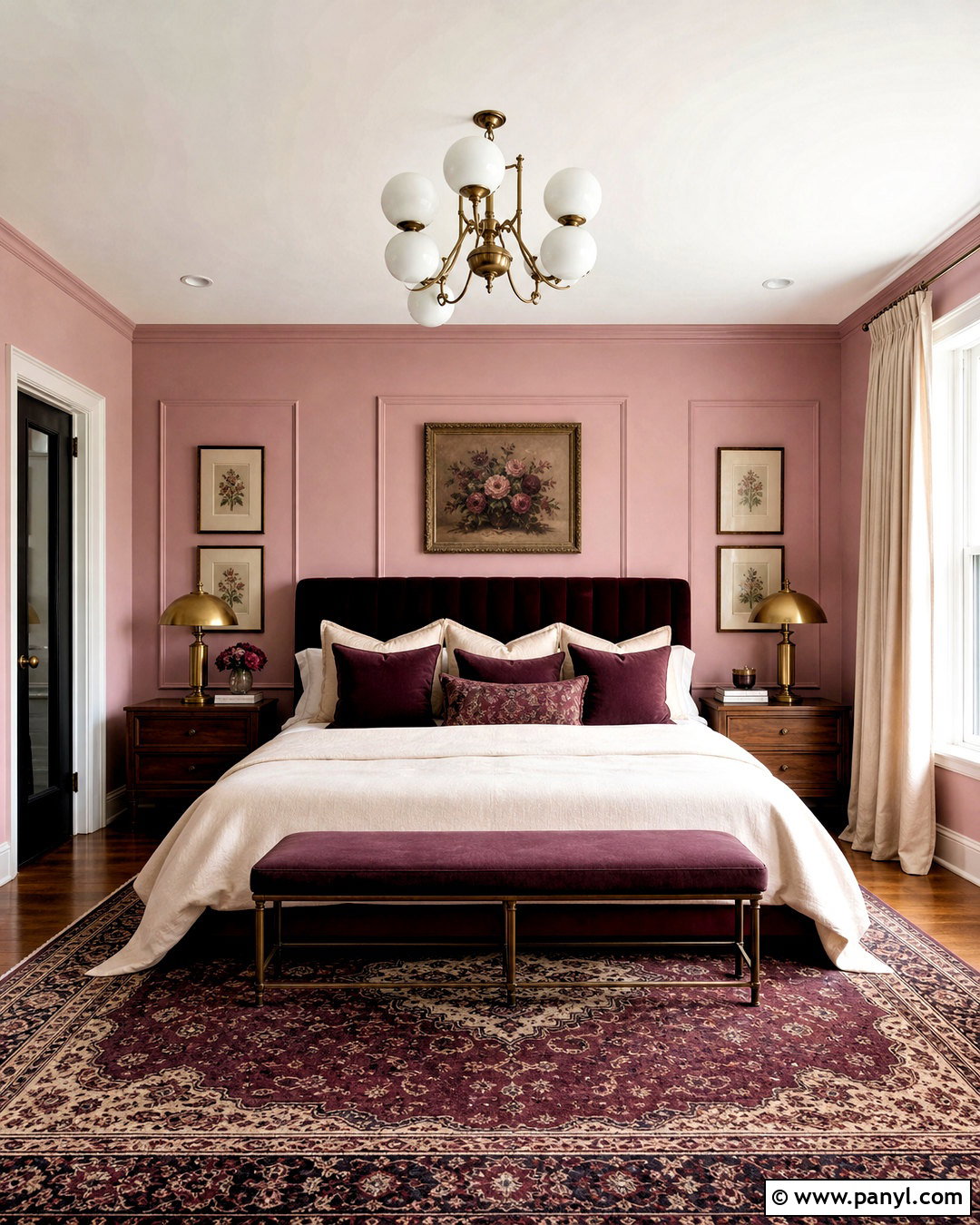
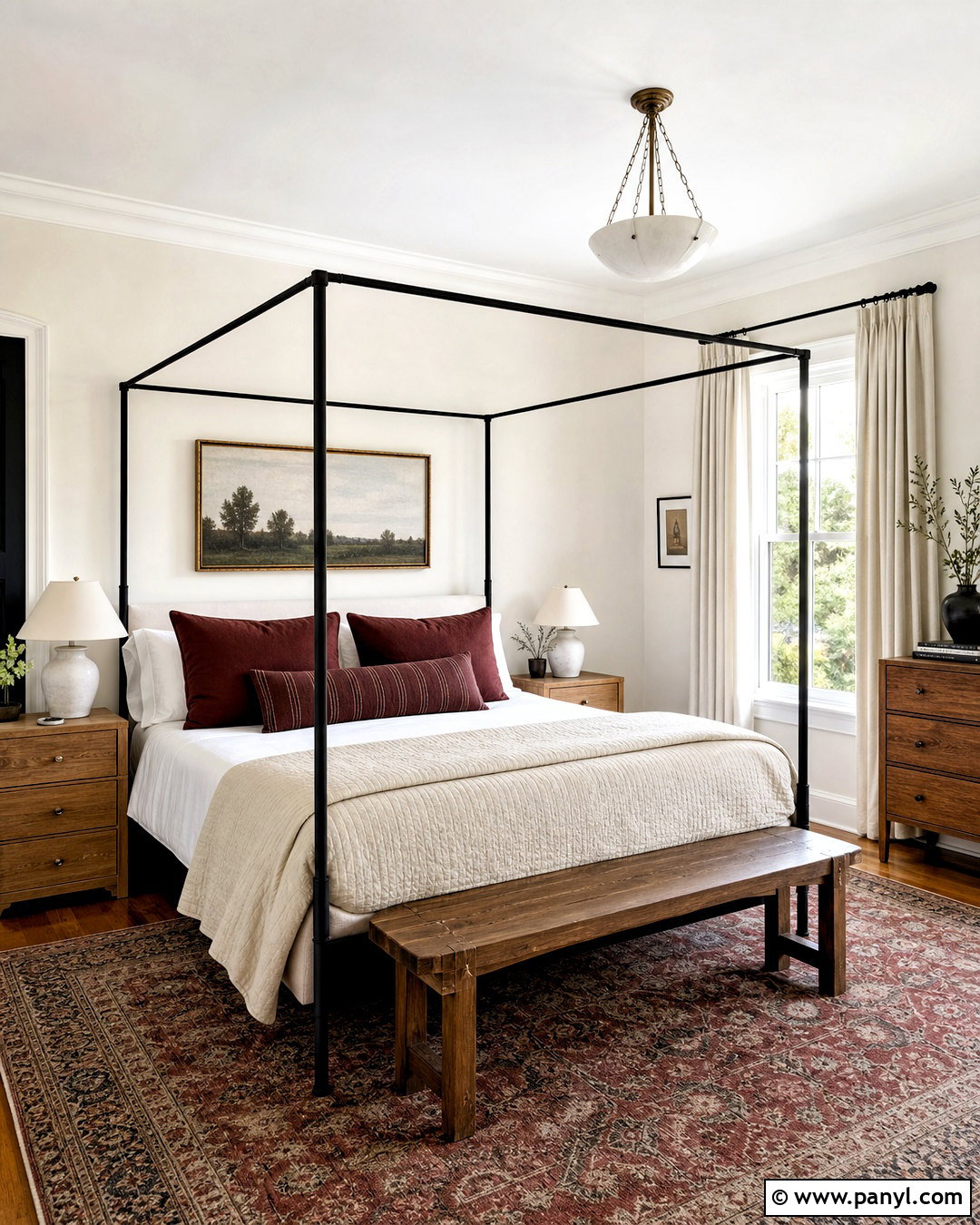
Burgundy and soft pink form a rich tonal palette that feels dramatic, warm, and unexpectedly versatile. Paint the walls dusty pink, then use burgundy on one or two larger elements, such as a velvet headboard, sofa, area rug, or floor-length curtains. Cream bedding and a pale ceiling stop the darker red from dominating the room. Walnut furniture and aged brass lighting complement both colors and add a sense of depth. Introduce small plum or chocolate details through cushions and artwork. Patterns can include narrow stripes or vintage-inspired florals, but keep the background colors muted. A balanced layout with simple furniture will prevent the scheme from looking overly decorative. This combination creates a cozy, polished room that is particularly effective in bedrooms and intimate sitting areas.
17. Mint Green And Soft Peach Room
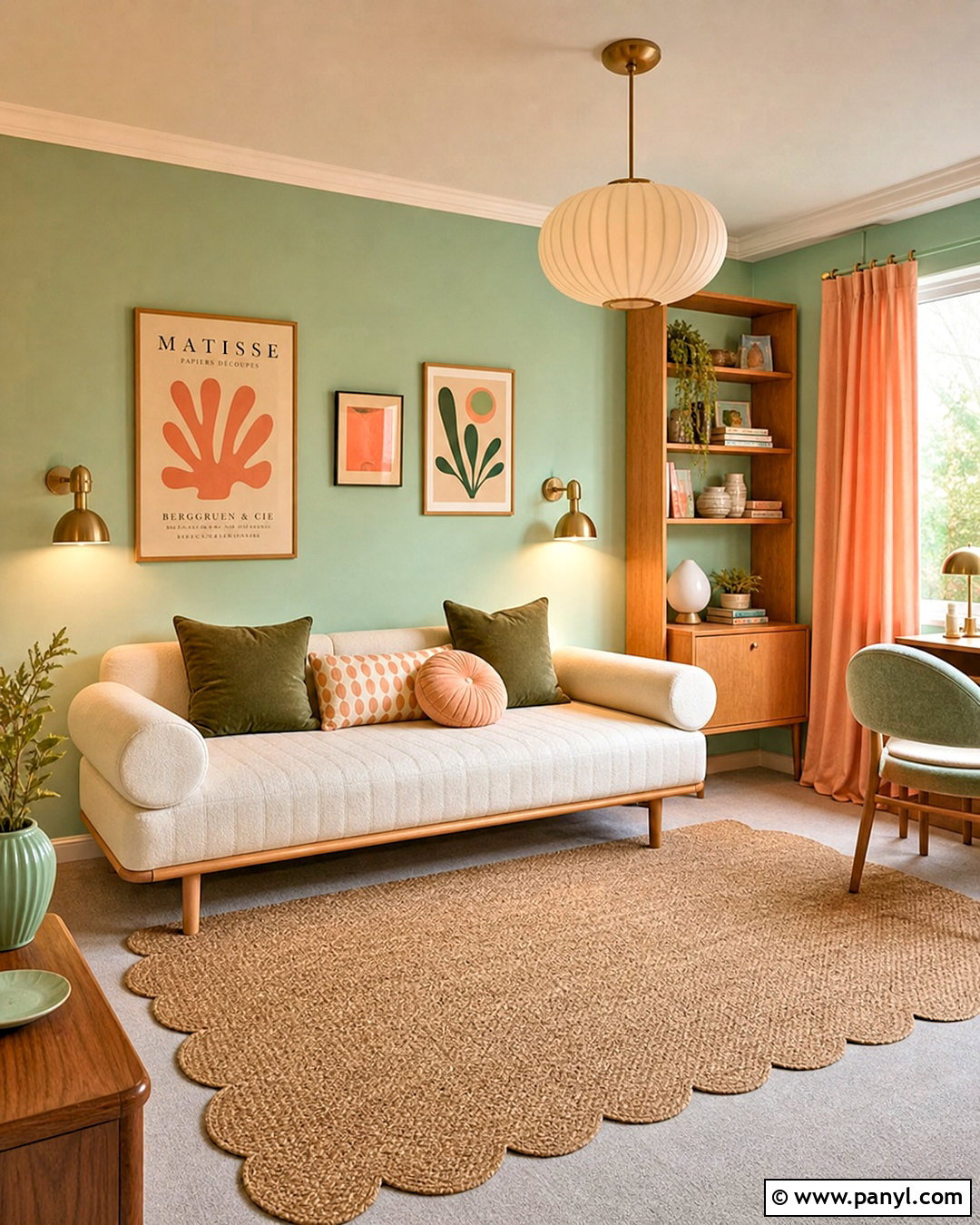
Mint green walls can give a room a fresh vintage character, especially when they are warmed with soft peach and natural wood. Select a subdued mint rather than a highly saturated green. Introduce peach through curtains, bedding, or an upholstered chair, then use creamy white for the largest remaining surfaces. A pale wood bed, desk, or dresser supports the light atmosphere. Ground the room with a beige rug and a few darker green details, such as cushions or framed artwork. Rounded furniture and small brass accents enhance the gentle retro influence. Keep patterns limited to one or two pieces so the pastel colors remain easy on the eye. The overall room feels cheerful, tidy, and welcoming without appearing childish or excessively themed.
18. Cobalt Blue And Warm Beige Room
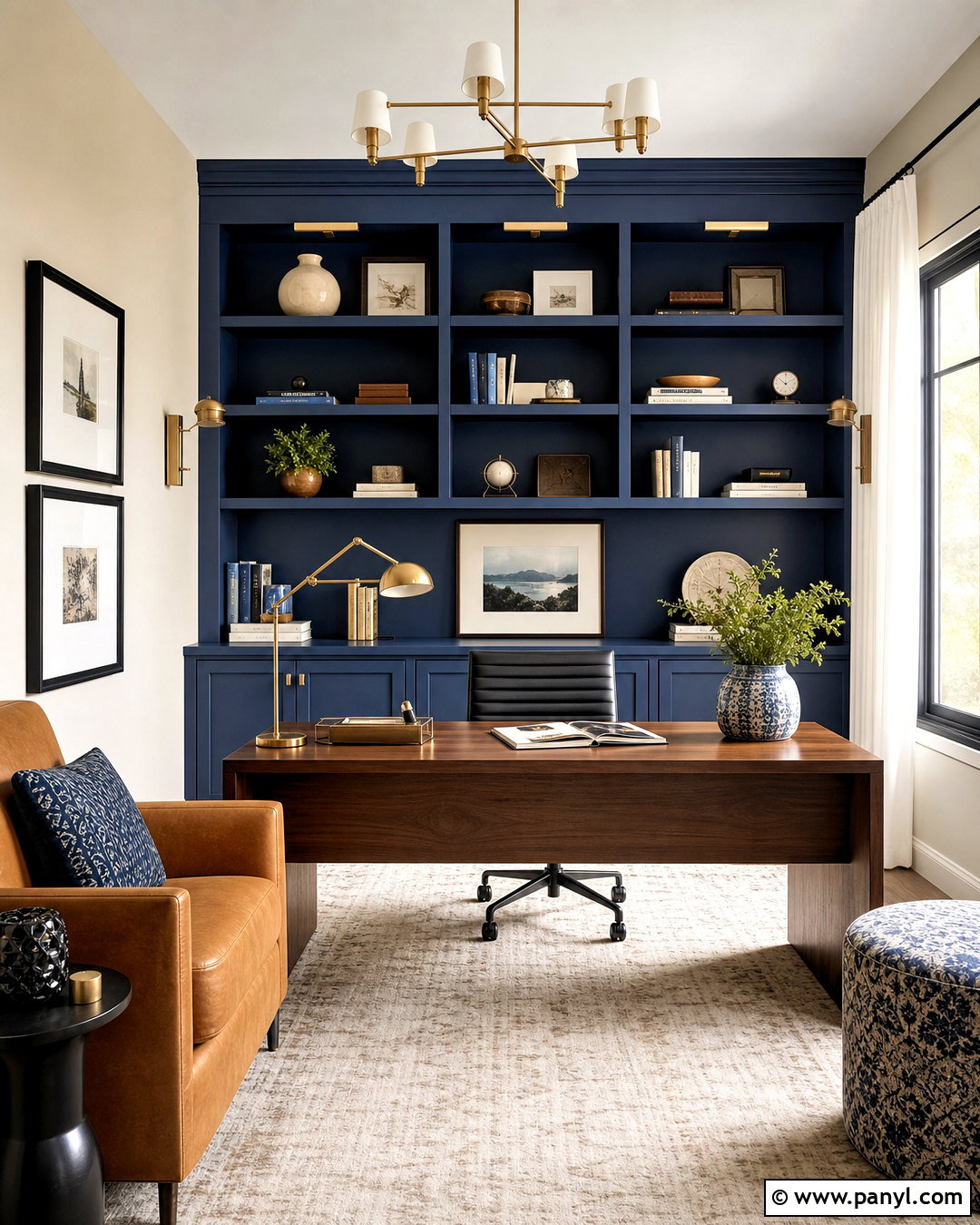
Cobalt blue delivers striking color, but a warm beige foundation makes it easier to live with. Paint one large wall cobalt or choose blue built-in shelving as the room’s focal point. Keep the remaining walls beige and select a camel sofa, cream bed, or oatmeal upholstered chair for balance. A patterned rug can distribute smaller amounts of blue throughout the floor area. Add walnut furniture and brushed brass lighting to warm the palette further. White curtains provide a fresh break around the windows, while black details sharpen the edges of the design. Use cobalt accessories selectively because the focal surface already carries significant visual weight. This finished room feels artistic, energetic, and modern while maintaining enough neutral space for relaxing, studying, or entertaining.
19. Plum And Mushroom Room
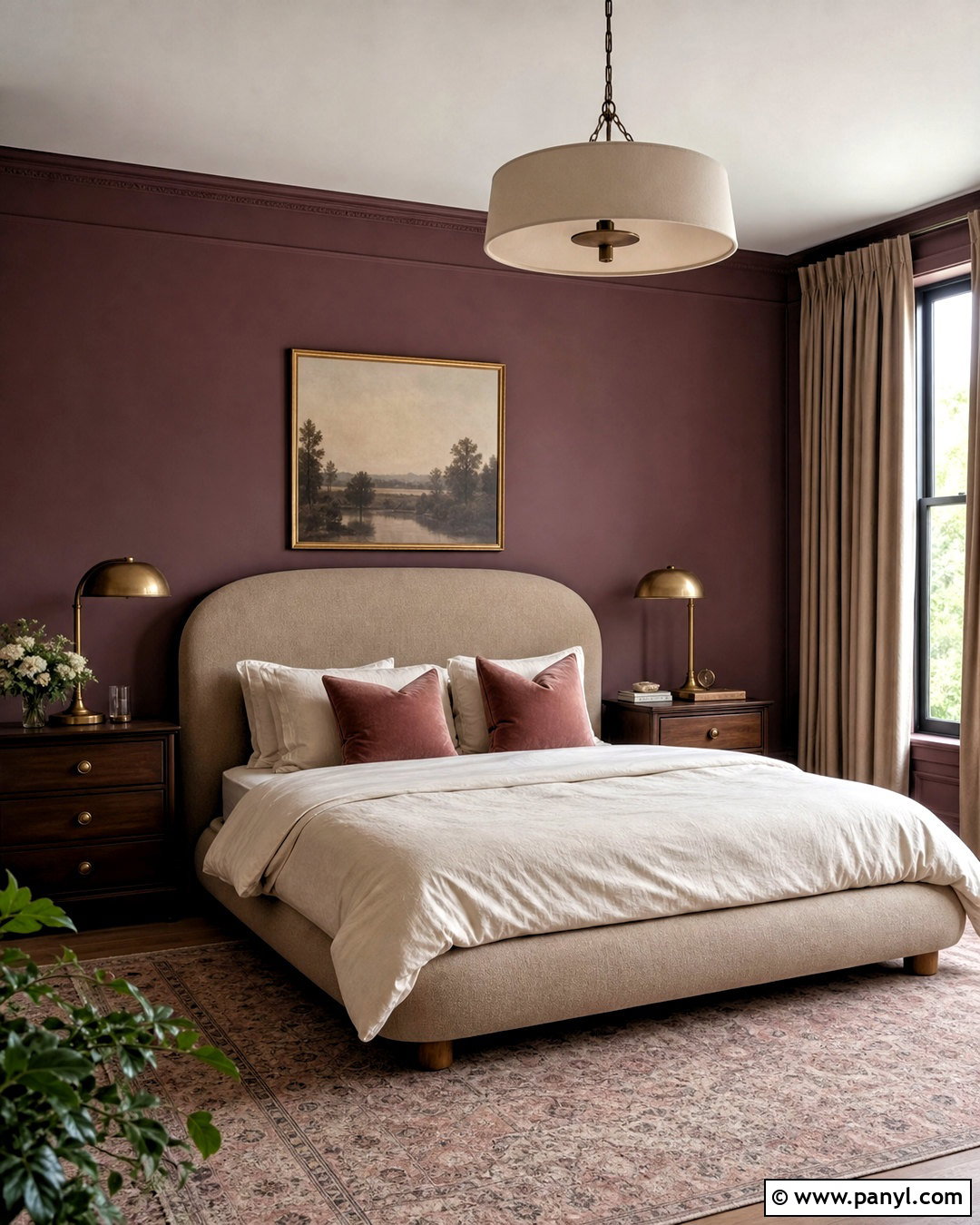
Plum walls create an intimate atmosphere, while mushroom beige keeps the room grounded and approachable. Choose a muted, brown-leaning plum instead of a bright purple. Pair it with a mushroom-colored bed, sofa, or large rug, then add cream curtains and bedding to lift the palette. Dark walnut furniture strengthens the warmth and looks especially attractive against the plum background. Antique brass lamps and soft amber-toned accessories provide restrained highlights without making the space flashy. Introduce dusty rose or taupe through pillows and artwork for subtle tonal layering. A pale ceiling and multiple lamps will help distribute light evenly. This sophisticated room color combination suits bedrooms, reading rooms, and formal lounges where a cozy, enveloping appearance is more important than maximum visual brightness.
20. Red And Powder Blue Room
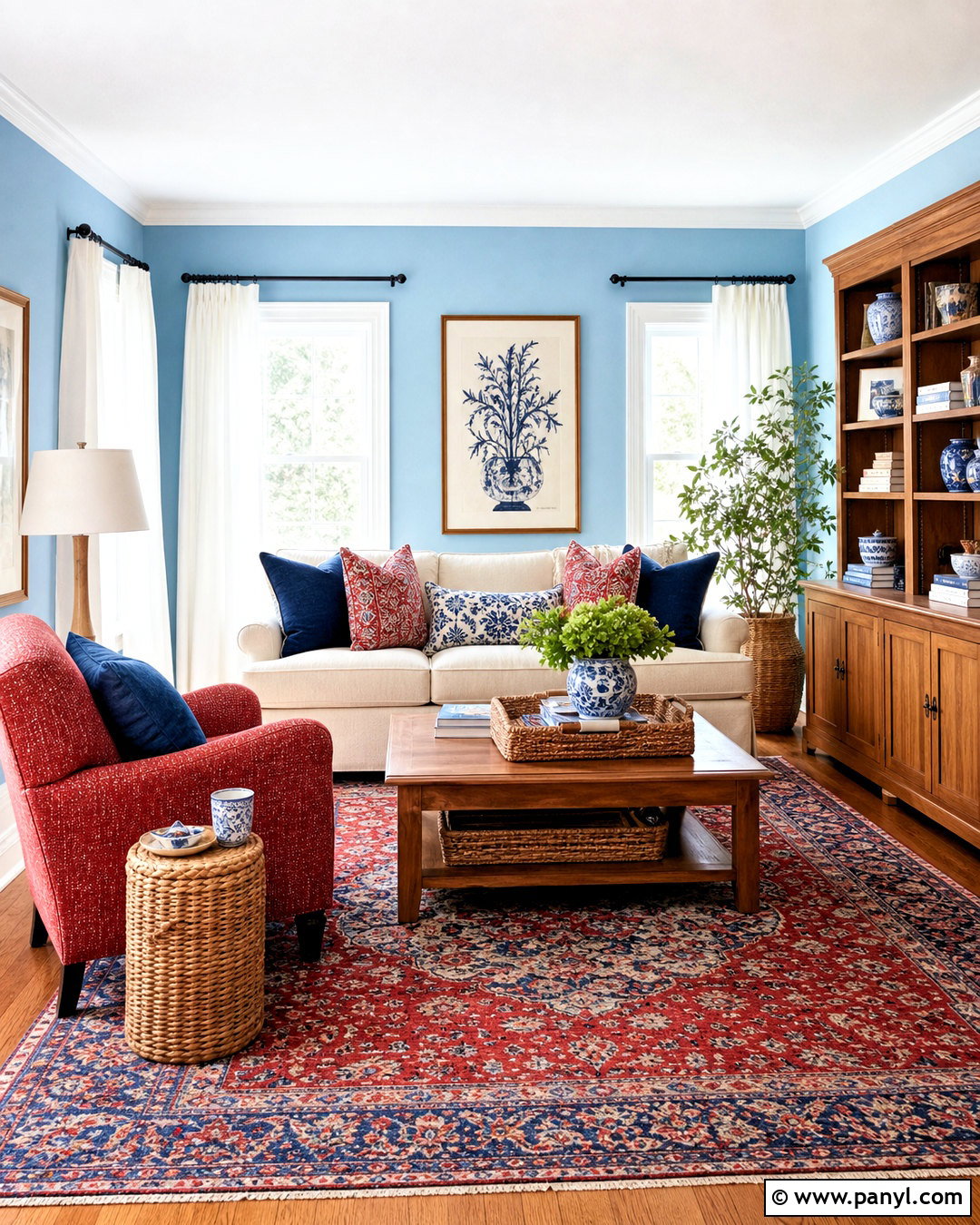
Red and powder blue can create a joyful, collected room when both shades are carefully controlled. Use powder blue on the walls to establish a calm base, then add brick red or tomato red through a rug, headboard, armchair, or painted cabinet. Warm white curtains and upholstery give the eye a place to rest between the contrasting colors. Choose medium oak furniture and woven textures to make the palette feel relaxed rather than overly graphic. Smaller accents in navy can provide depth, while patterned textiles help connect the red and blue naturally. Keep the layout simple and avoid introducing several additional bright colors. The completed room feels upbeat, distinctive, and slightly nostalgic, making it suitable for bedrooms, family rooms, studios, or creative home offices.
Conclusion:
Choosing a room palette becomes much easier when you consider the entire space instead of selecting wall paint alone. Furniture, flooring, trim, textiles, lighting, and decor should support the same visual direction while providing enough contrast to keep the design interesting. These 20 aesthetic room colour ideas range from quiet greige and natural wood to expressive teal, burgundy, cobalt, and red combinations. Use one shade as the dominant color, another as support, and a smaller accent for personality. Test samples beside your existing furniture before making a final decision. Most importantly, choose colors that suit the room’s light and the mood you want to experience every day. A cohesive palette will make even a simple space feel thoughtfully finished.

Related Ideas and Inspiration:
Leave a Reply