
Neutral walls create a flexible backdrop, but the most beautiful rooms go far beyond plain white paint. Today’s neutral palette includes warm ivory, sandy beige, mushroom, taupe, greige, soft gray, earthy putty, and deep charcoal. The right shade depends on natural light, flooring, furniture, and the undertones already present in the room. Sampling paint on several walls is essential because neutral colors can shift noticeably throughout the day. () Just as important, a successful neutral room needs contrast, texture, and natural materials to keep it from feeling flat. From airy living rooms to cozy bedrooms and hardworking kitchens, these complete looks show how color and furnishings can work together. Explore these 30 neutral walls.

1. Warm White Neutral Walls
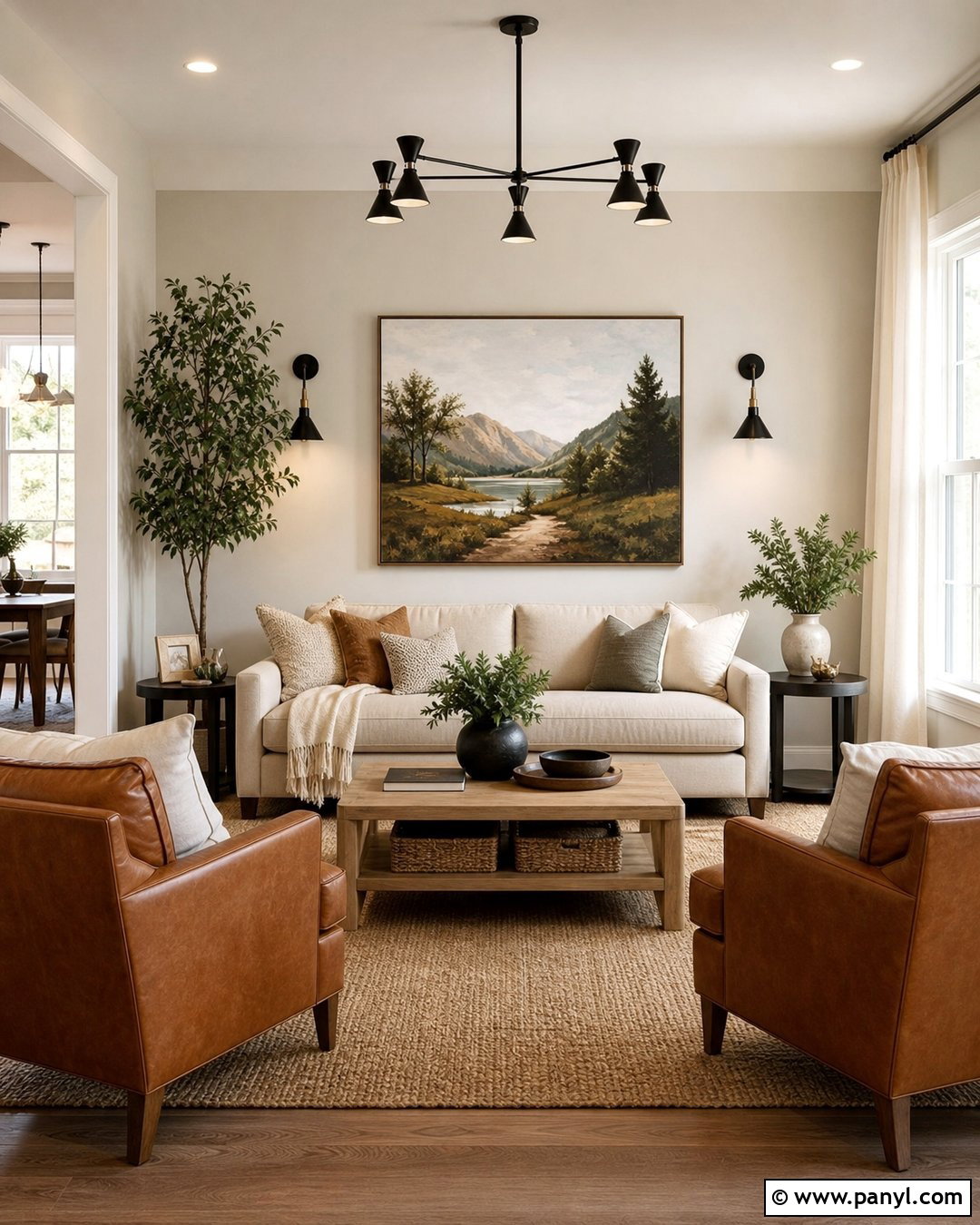
Warm white walls make a living room feel bright without creating the cold, clinical effect of a brilliant white. Choose an off-white with subtle cream or beige undertones, then repeat that warmth through an oatmeal sofa, ivory linen curtains, and a light oak coffee table. A woven wool rug grounds the seating area, while cognac leather chairs add richer contrast. Keep the trim in the same warm white but use a satin finish so the architecture remains visible. Matte black curtain rods and a simple black floor lamp provide definition. Finish the room with ceramic vases, textured cushions, soft landscape artwork, and one leafy plant for a relaxed, balanced living space.
2. Creamy Beige Neutral Walls
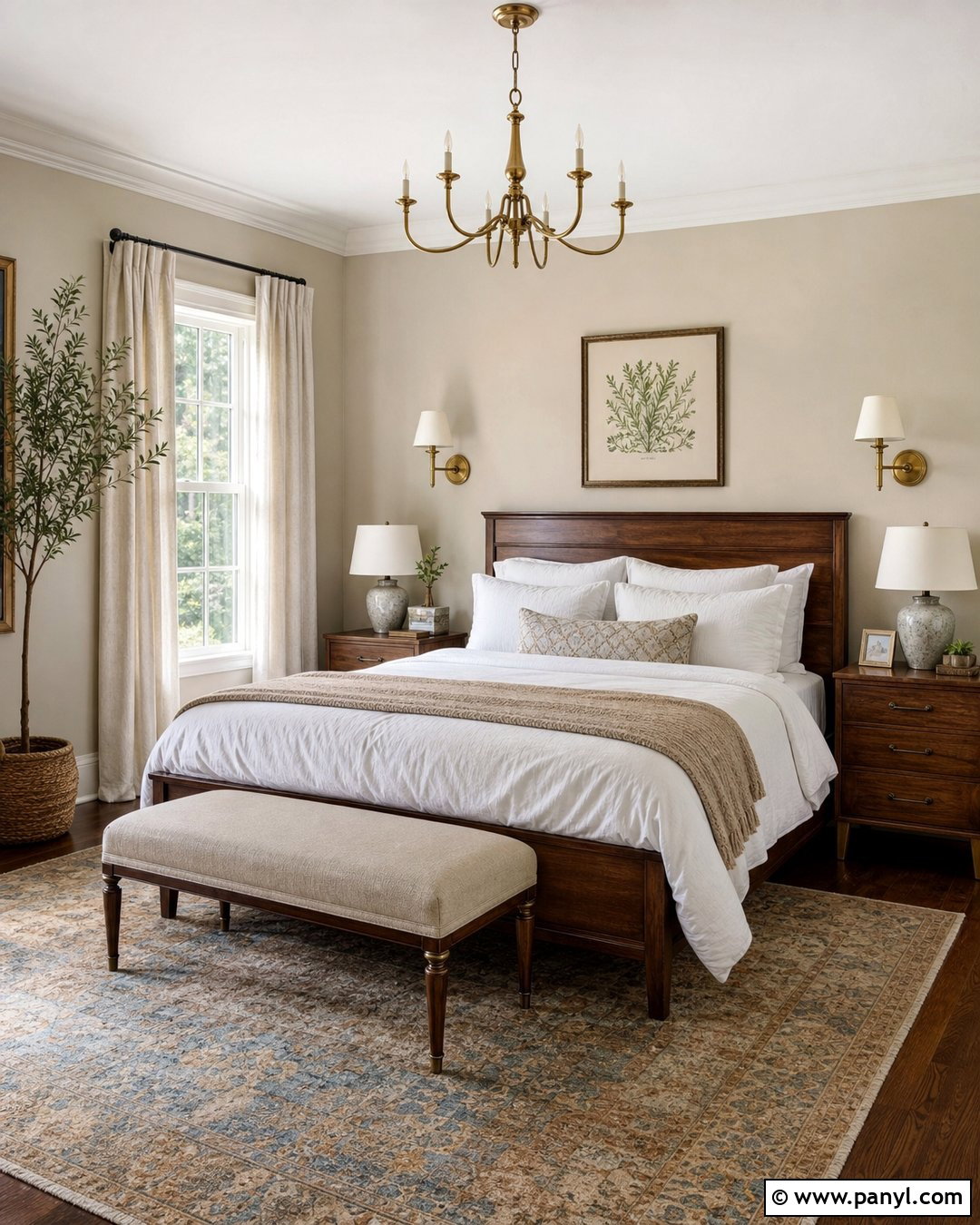
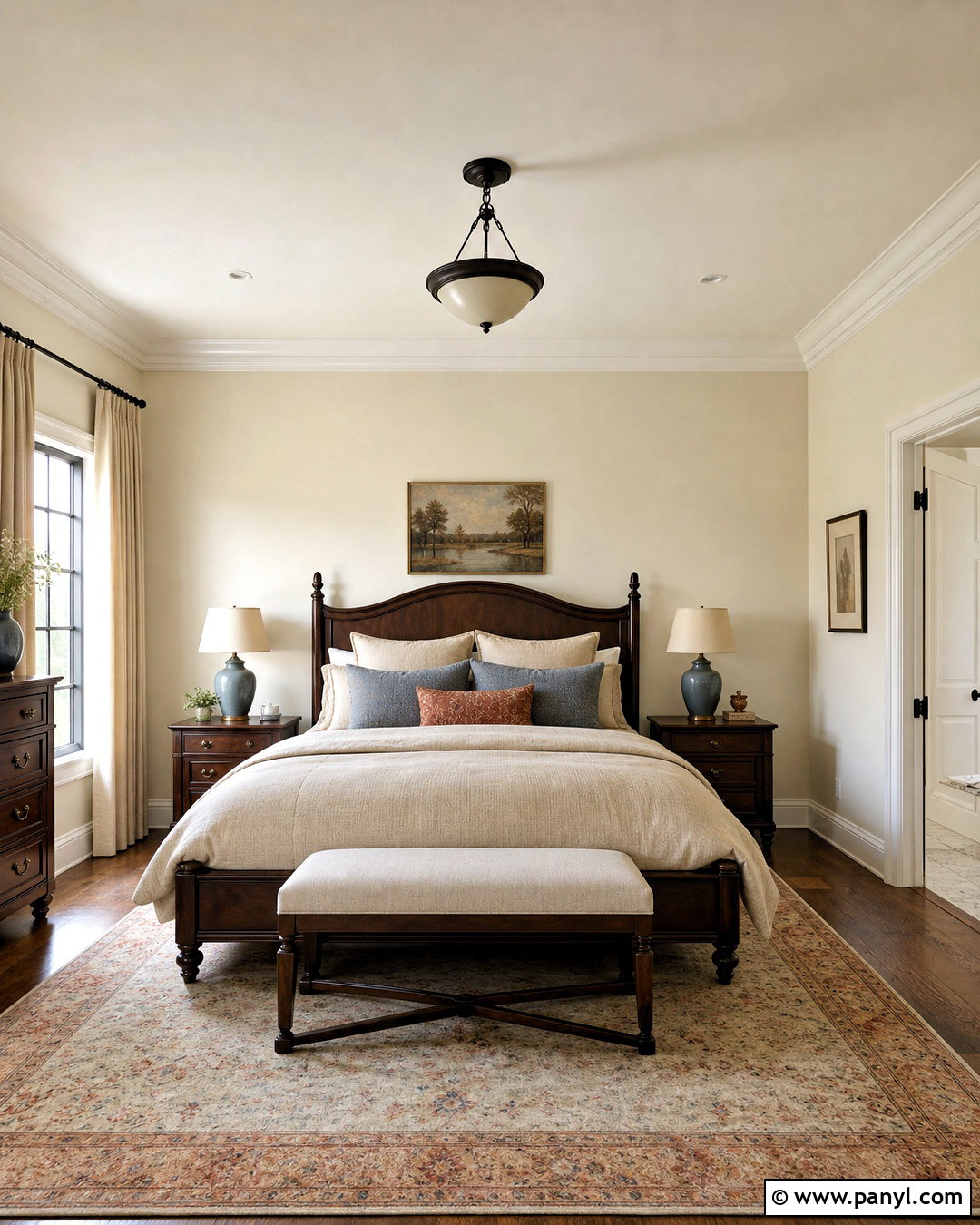
Creamy beige walls can turn a bedroom into a cozy retreat when every element supports their gentle warmth. Pair the paint with a walnut bed, crisp white bedding, and a thick oatmeal-colored throw. Matching wood nightstands create symmetry, while aged brass sconces bring a soft glow and subtle polish. Use full-length ivory curtains to frame the windows without introducing a sharp color change. Underfoot, select a muted vintage-style rug that combines tan, dusty blue, and faded brown. A simple upholstered bench can sit at the foot of the bed. Complete the room with understated botanical artwork, a ceramic table lamp, and minimal accessories so the peaceful beige palette remains the main feature.
3. Greige Neutral Walls
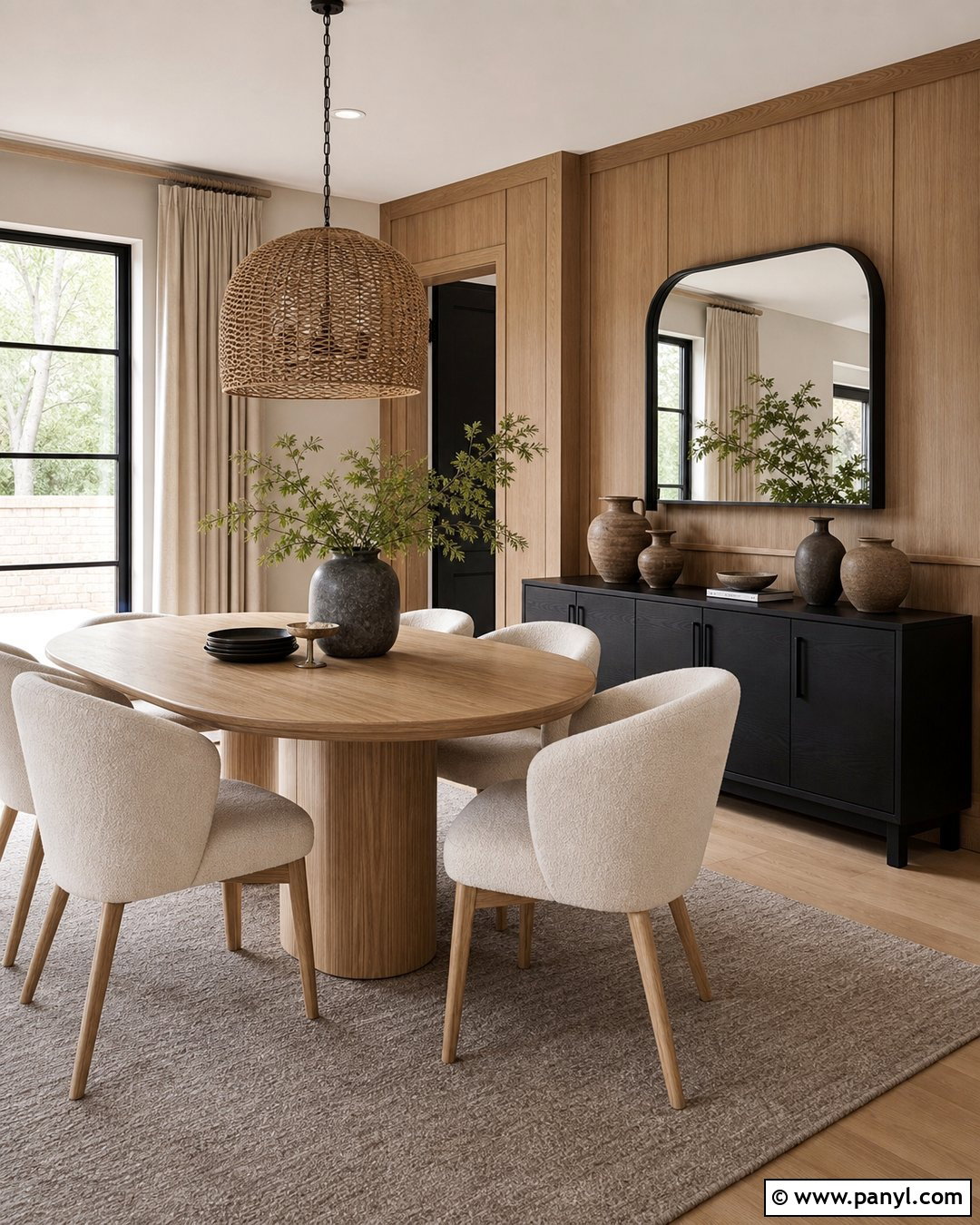
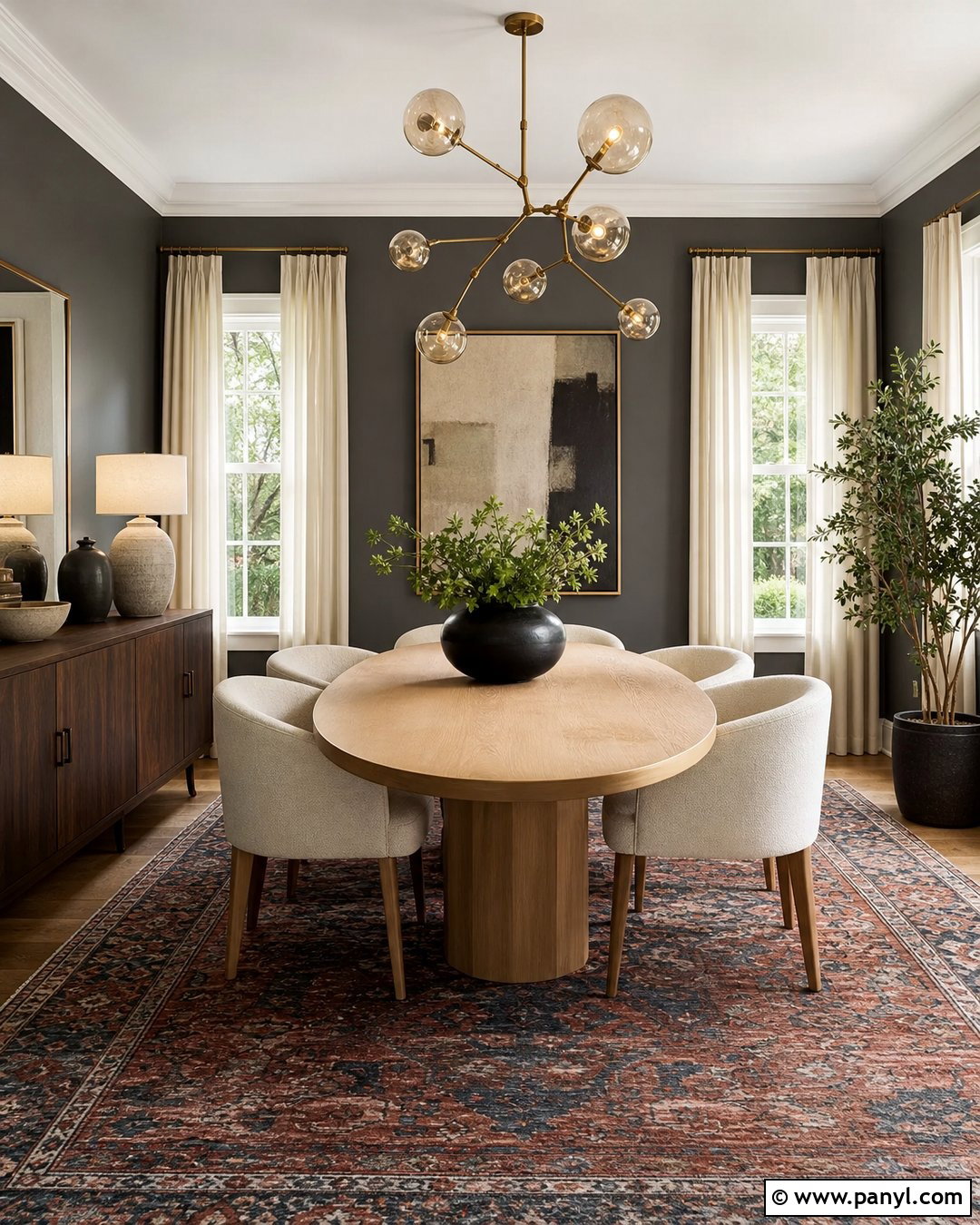
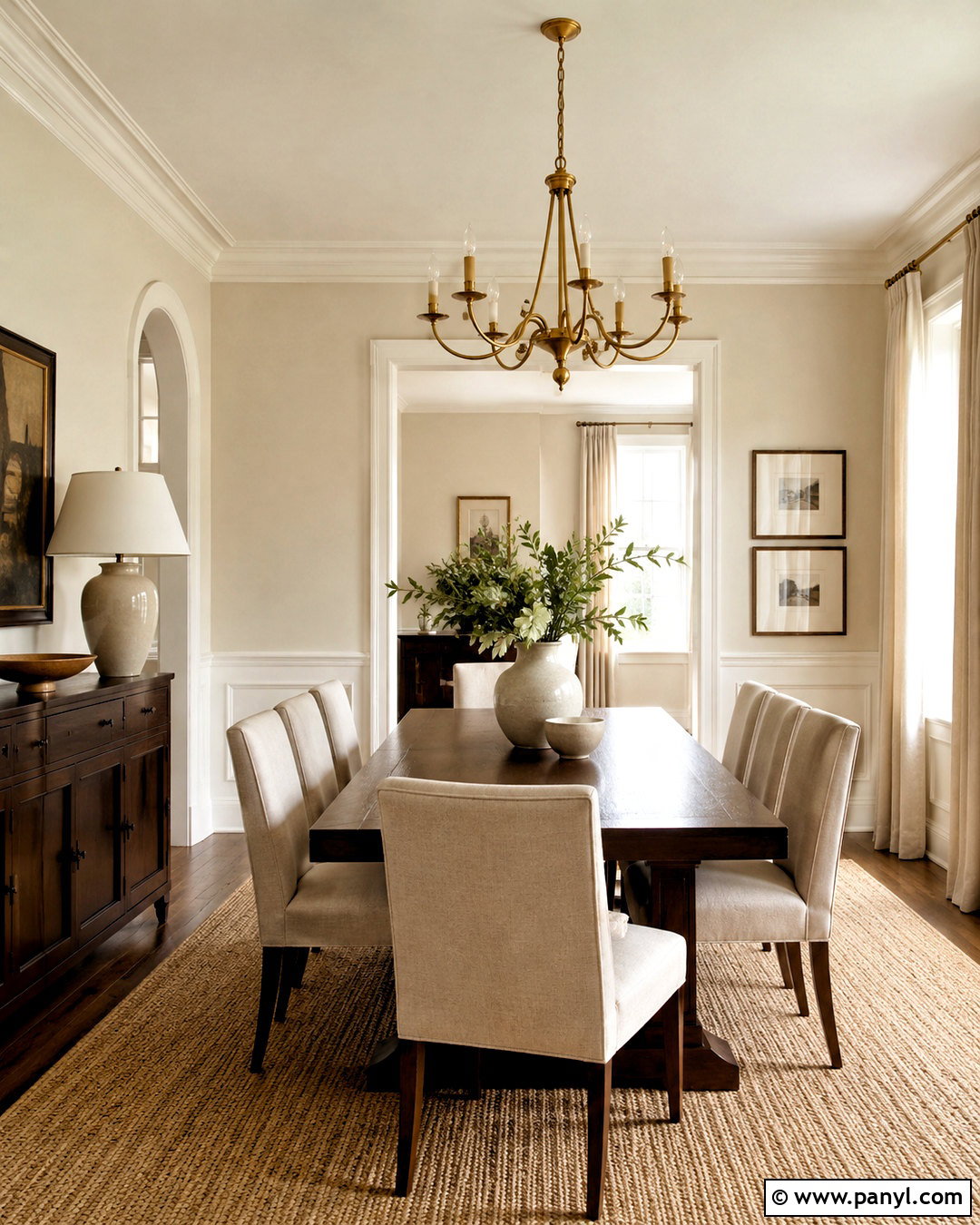
Greige walls bring together the warmth of beige and the modern appearance of gray, making them especially useful in an open dining room. Build the room around a natural oak table with rounded edges and upholstered chairs in textured cream fabric. A large woven pendant adds warmth overhead, while dark bronze hardware and a black-framed mirror sharpen the softer palette. Choose light wood flooring or a flat-weave rug with subtle gray-beige stripes. A low sideboard offers storage and a place for sculptural pottery, stacked books, and leafy branches. Paint the baseboards in a slightly lighter greige rather than stark white. The result feels connected, comfortable, and polished enough for everyday meals or gatherings.
4. Taupe Neutral Walls
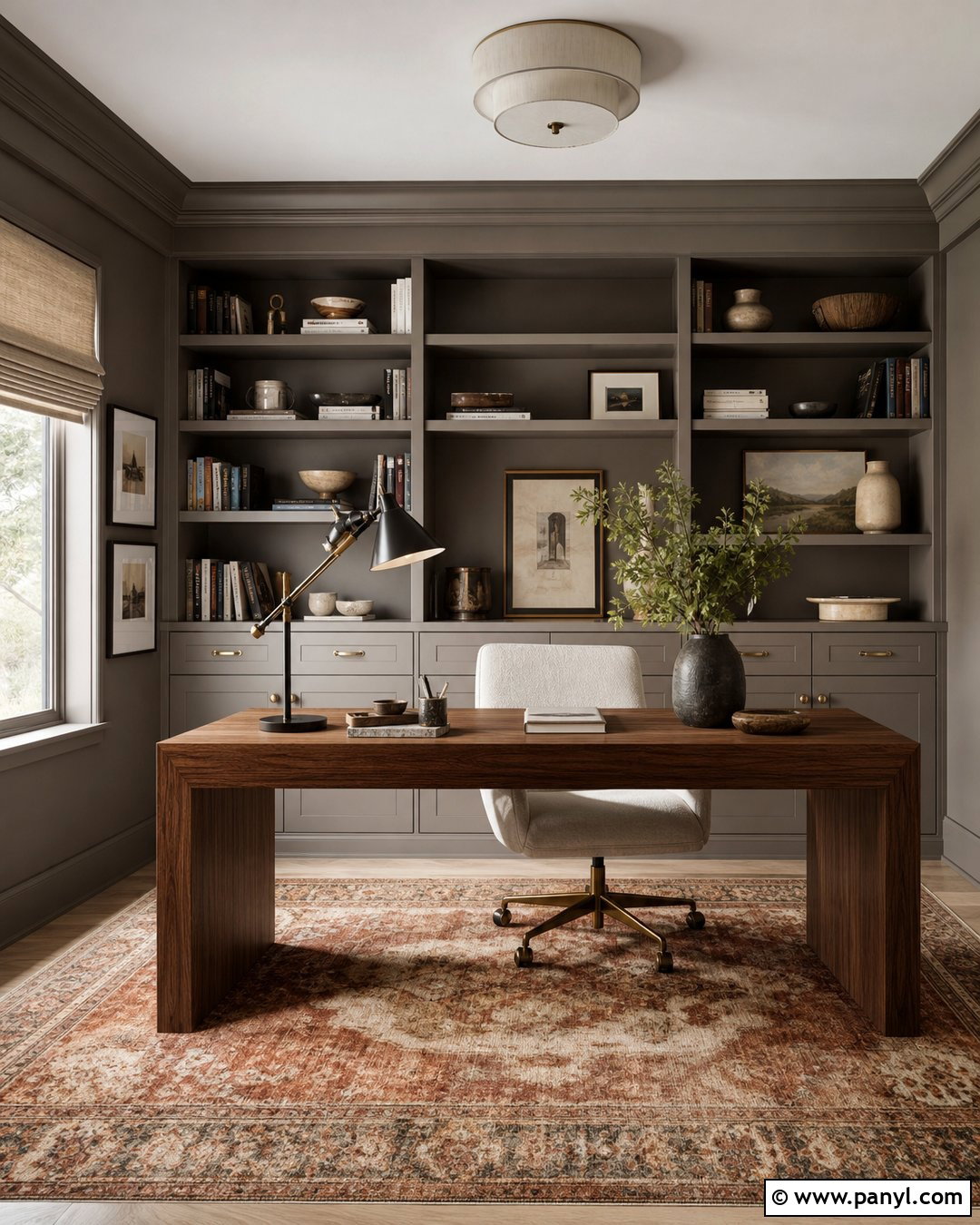
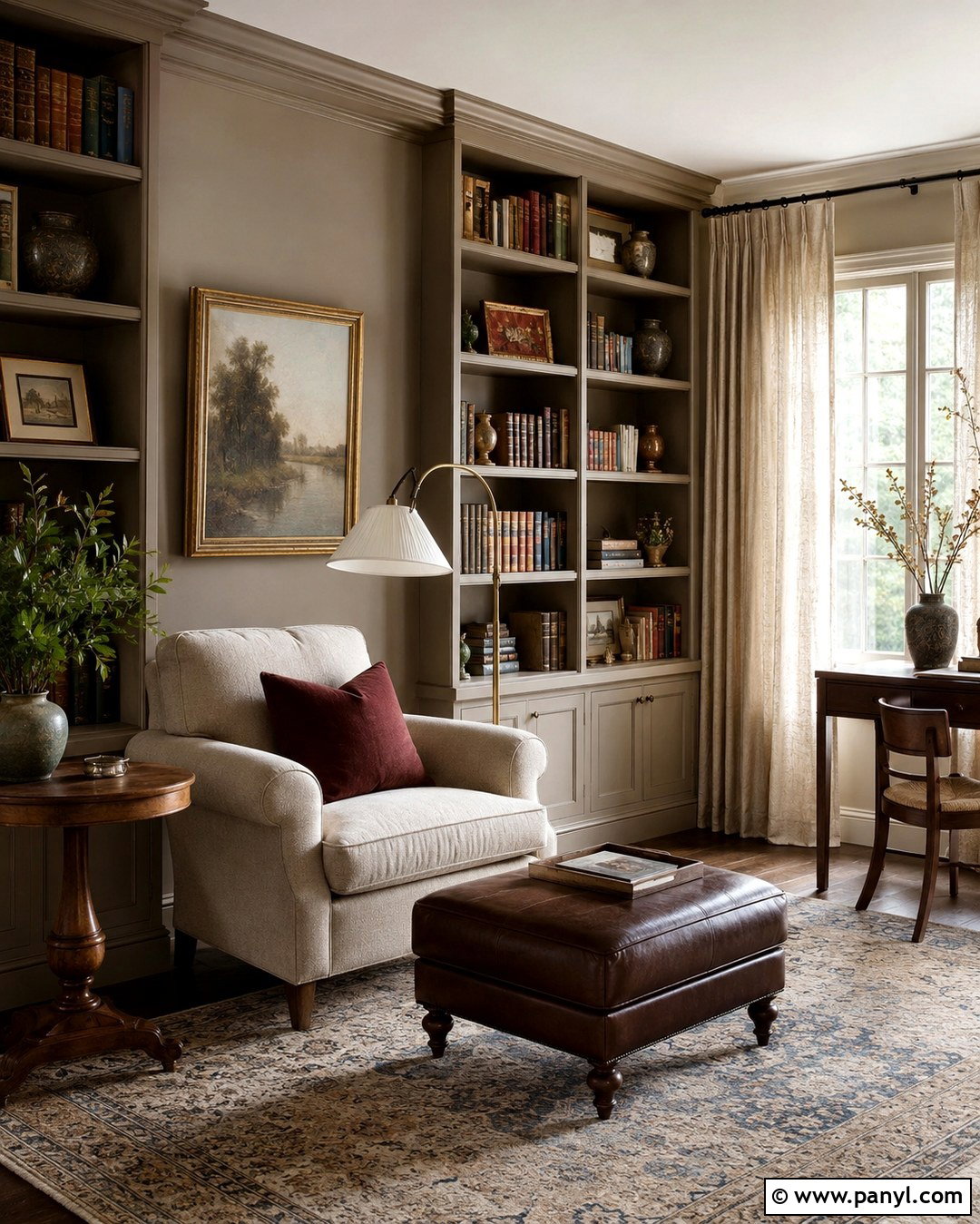
Taupe walls give a home office more depth than pale beige while remaining calm enough for focused work. Select a balanced taupe with brown and gray undertones, then pair it with a substantial walnut desk and a cream bouclé desk chair. Built-in shelves painted in the same wall color create a seamless, tailored appearance. Add a faded rust and beige rug to warm the floor, along with linen Roman shades that filter harsh sunlight. Black picture frames, a slim task lamp, and dark metal cabinet pulls introduce crisp structure. Keep desktop accessories simple and coordinated. A leather storage box, stoneware pencil cup, and a few well-placed books will make the office functional without disturbing its quiet atmosphere.
5. Mushroom Neutral Walls
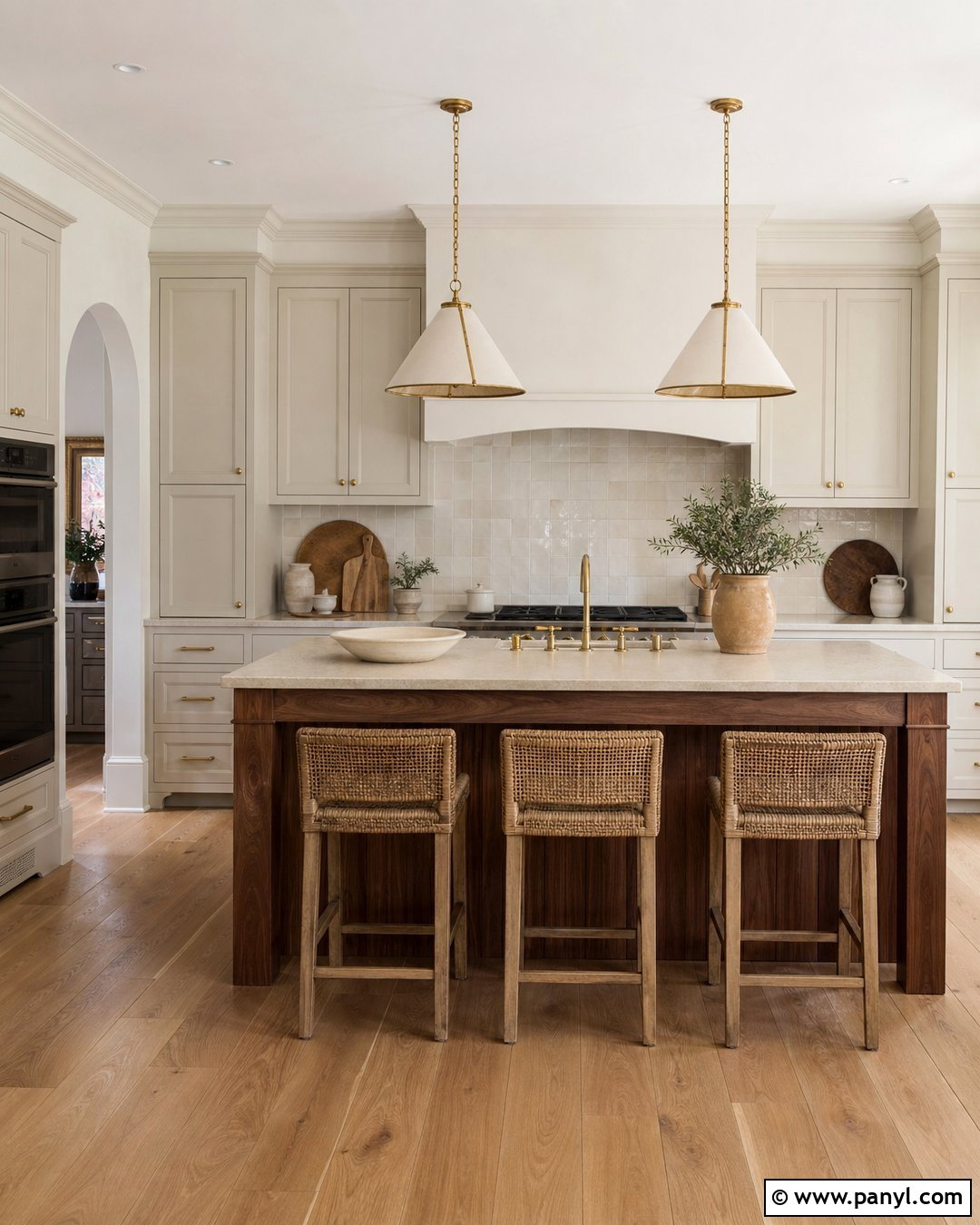
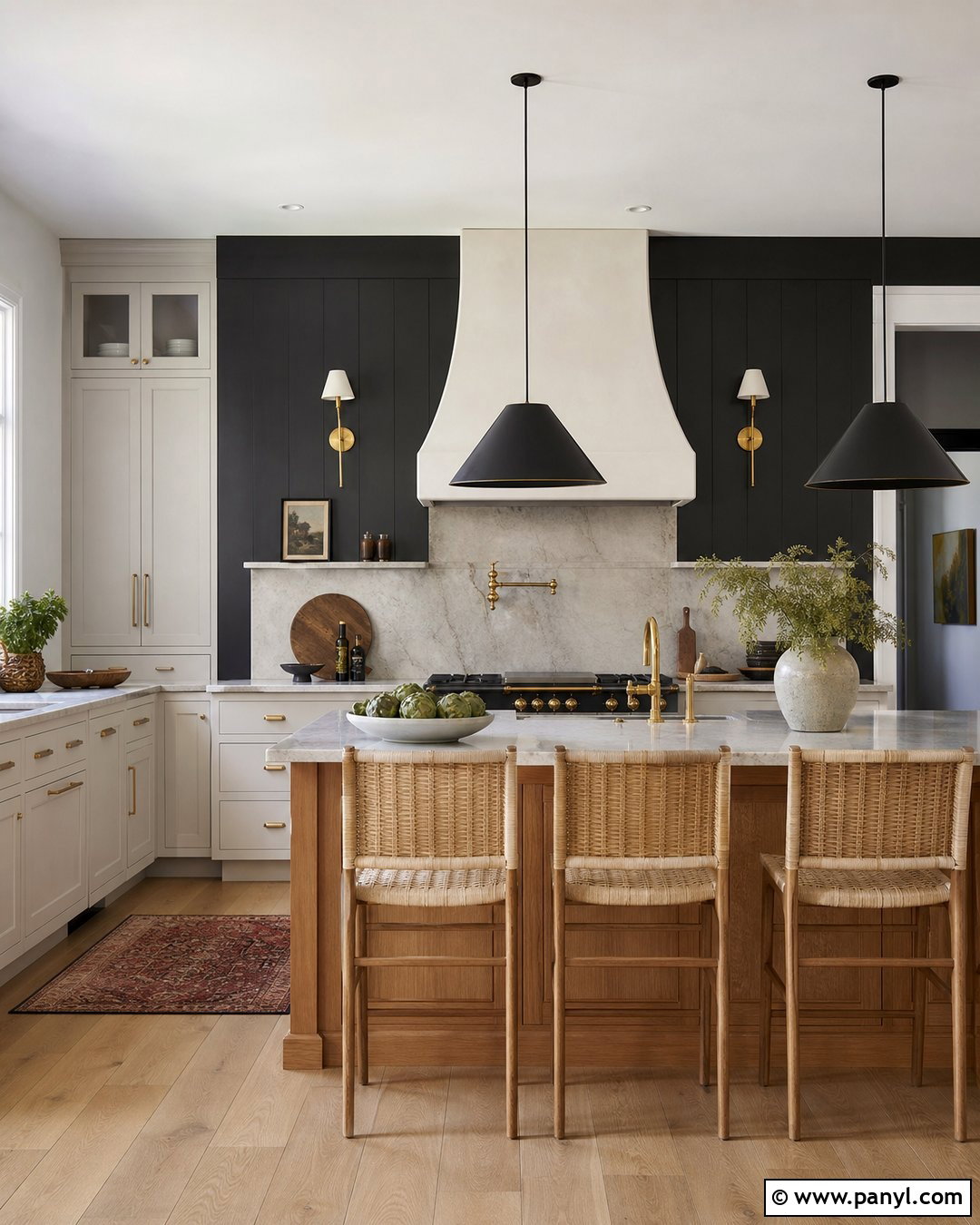
Mushroom walls offer an earthy middle ground between beige, brown, and gray. They work beautifully in a kitchen with warm wood and natural stone. Use mushroom paint on the walls and soft cream on the cabinets to create gentle separation. A walnut island adds depth, while honed beige quartz or limestone-look countertops reinforce the organic palette. Choose handmade ivory backsplash tile with slight surface variation rather than glossy, perfectly uniform tile. Antique brass pendants, aged brass cabinet pulls, and medium oak flooring add warmth throughout the room. Finish the kitchen with woven counter stools, neutral dishware, and a wooden bowl. The complete scheme feels welcoming, practical, and more layered than a basic white kitchen.
6. Soft Gray Neutral Walls
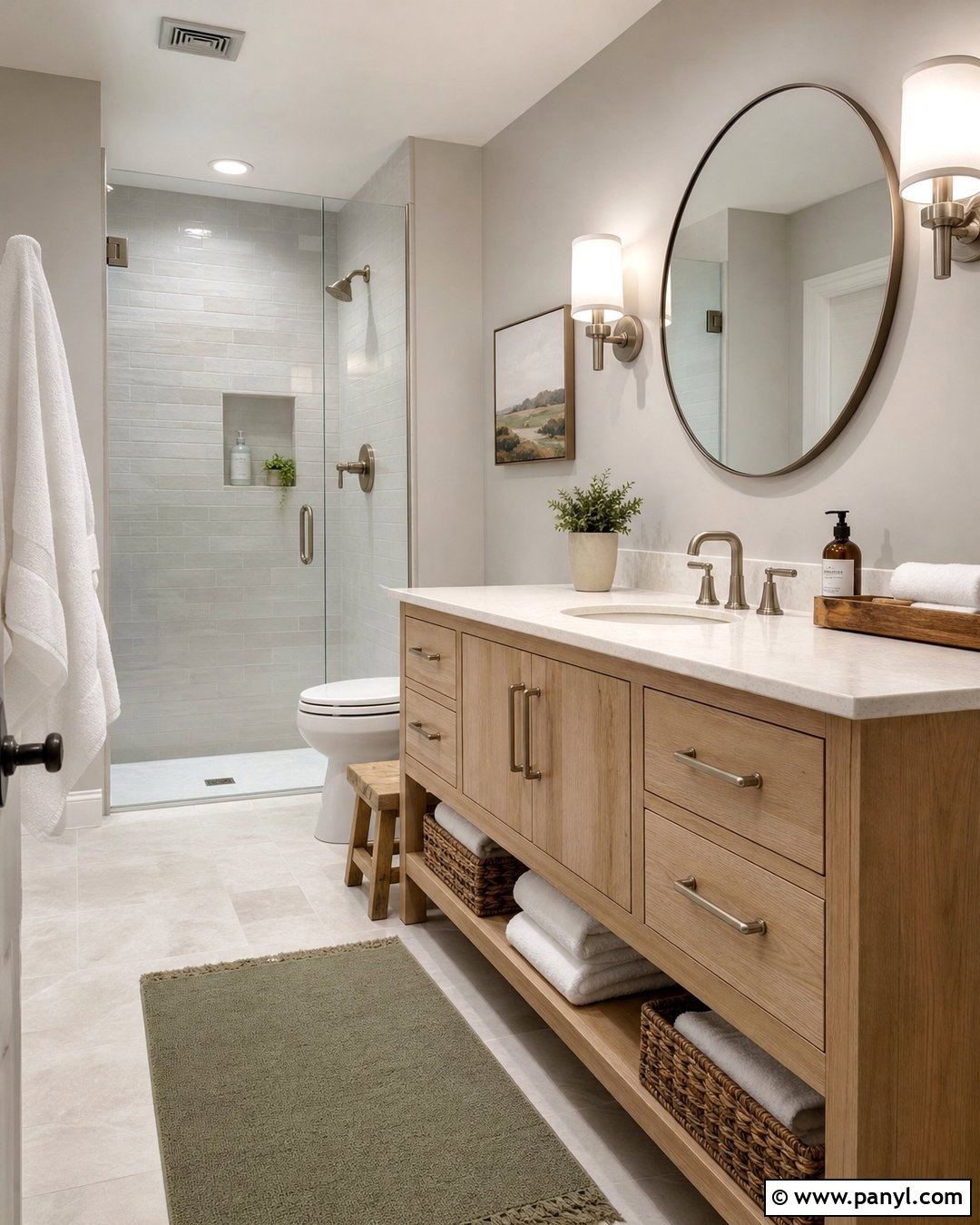
Soft gray walls can feel airy and inviting when they are warmed with natural materials and gentle color. In a bathroom, choose a pale gray with a subtle green or beige undertone rather than an icy blue-gray. Combine it with a white oak vanity, brushed nickel fixtures, and creamy white quartz. Large stone-look floor tiles provide quiet movement, while a frameless glass shower keeps the layout visually open. Use white towels for freshness, then add warmth through a small wooden stool, woven basket, and muted sage bath mat. A rounded mirror softens the straight lines of the vanity. Simple wall sconces with frosted shades complete a clean bathroom that feels restful instead of stark.
7. Ivory Neutral Walls
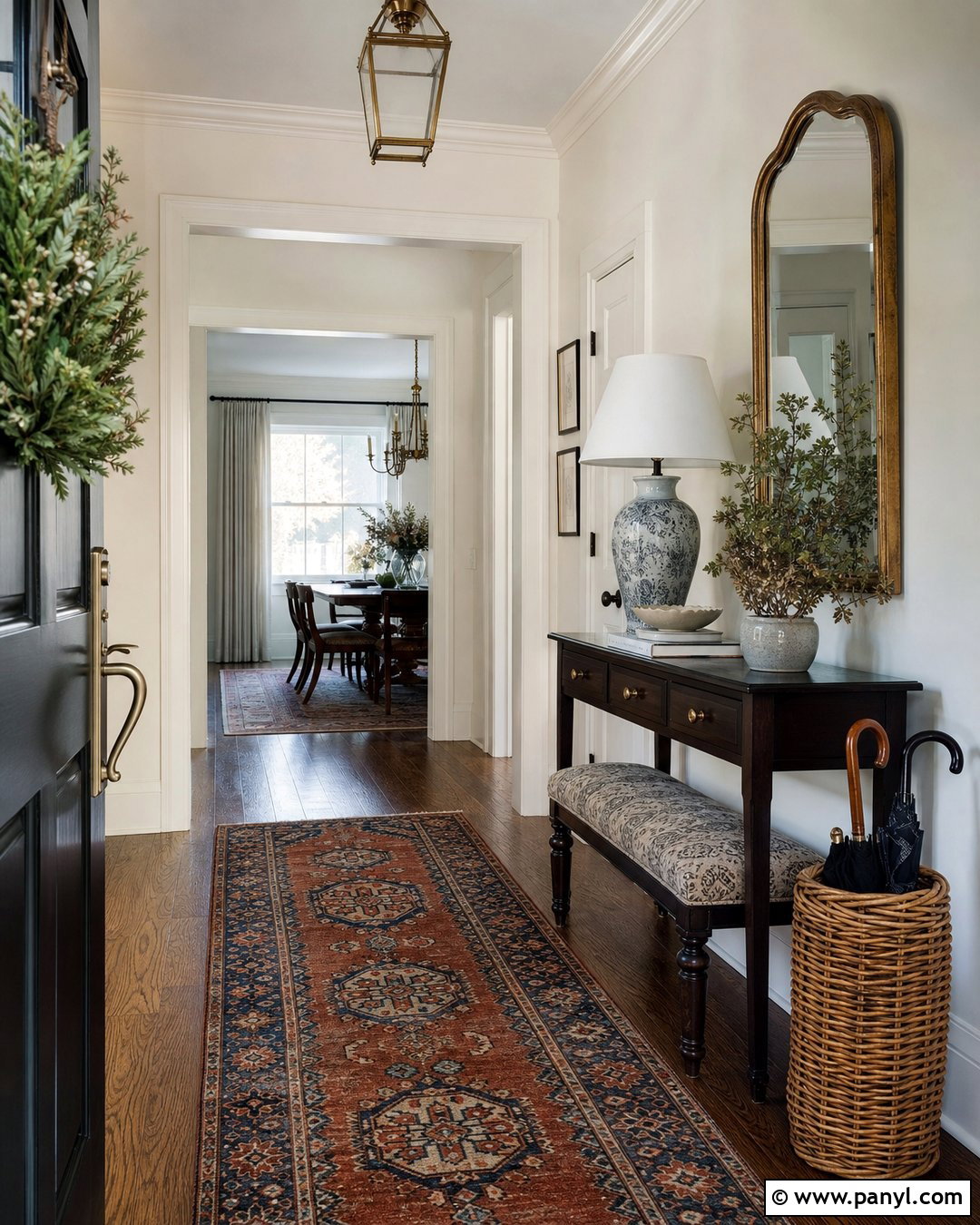
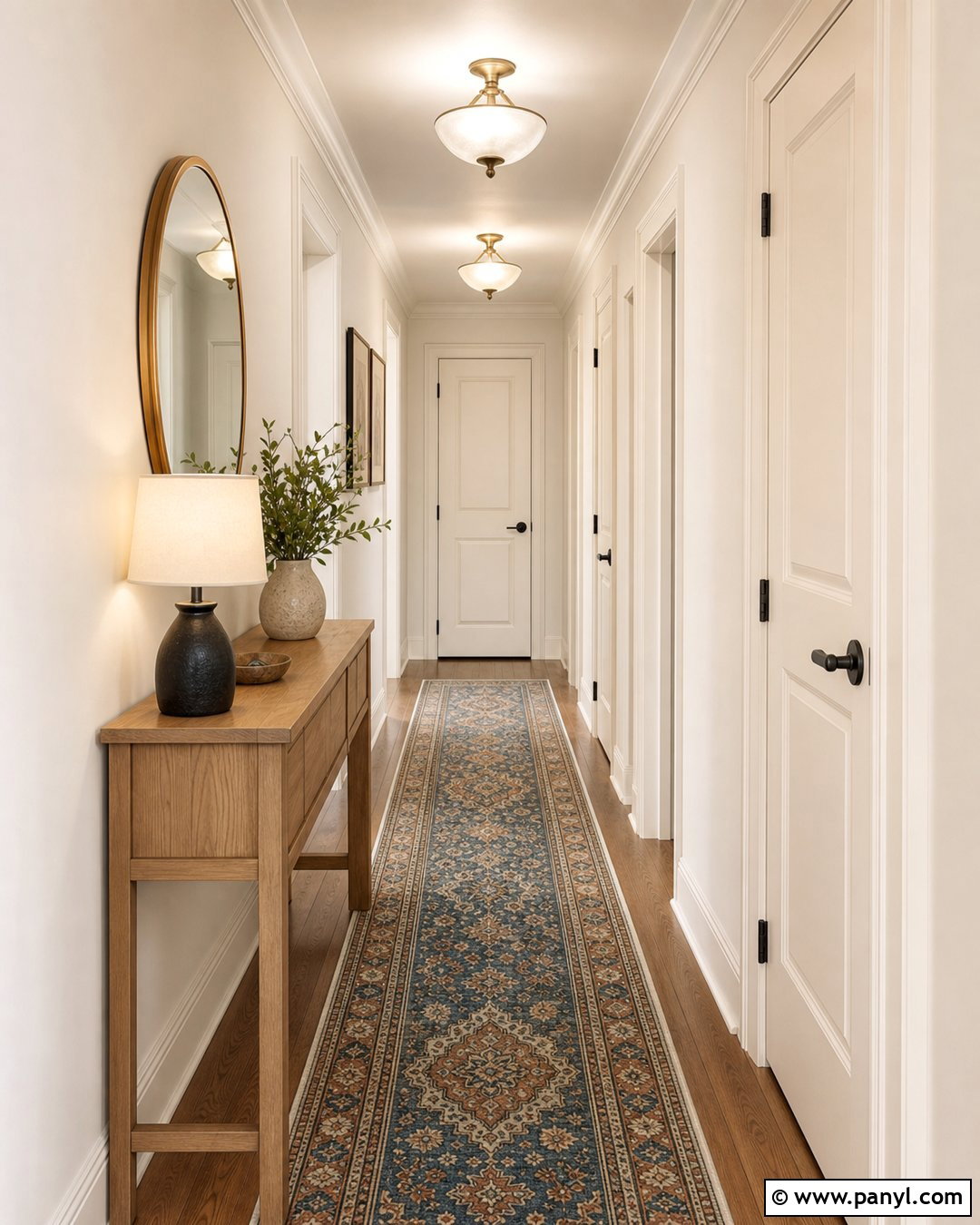
Ivory walls bring softness to an entryway and work especially well with traditional architectural details. Paint the walls a pale, buttery ivory and use the same color on molding in a satin finish. Place a narrow dark wood console against the longest wall to create strong contrast. Above it, hang a large antique-style brass mirror that reflects light into the space. A patterned runner in faded rust, tan, and navy makes the entrance more forgiving of everyday traffic. Add a ceramic lamp, a shallow catchall bowl, and a simple vase of greenery. A woven umbrella basket and compact upholstered bench provide practical storage. The finished entry feels bright, gracious, and thoughtfully organized from the front door onward.
8. Sand Neutral Walls
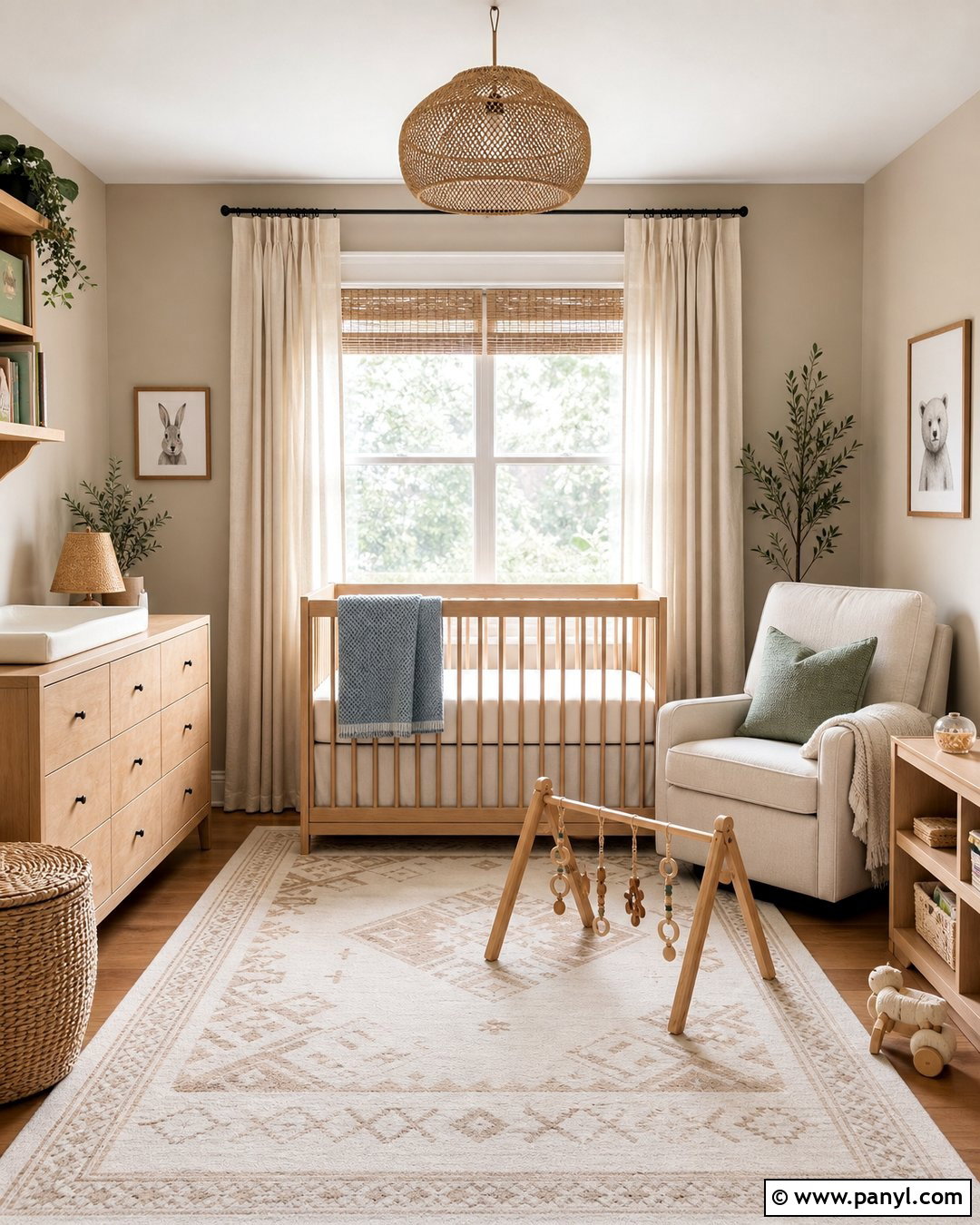
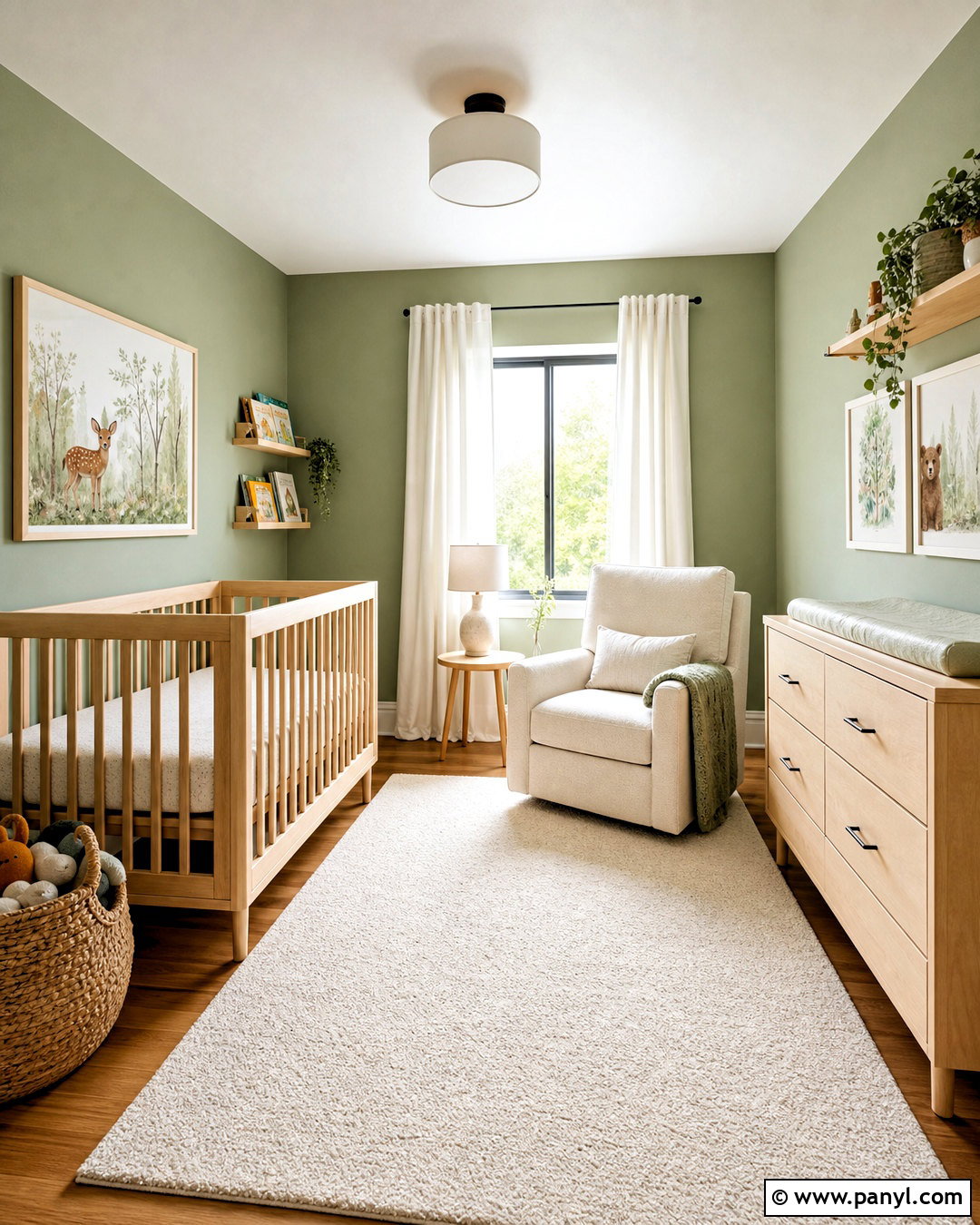
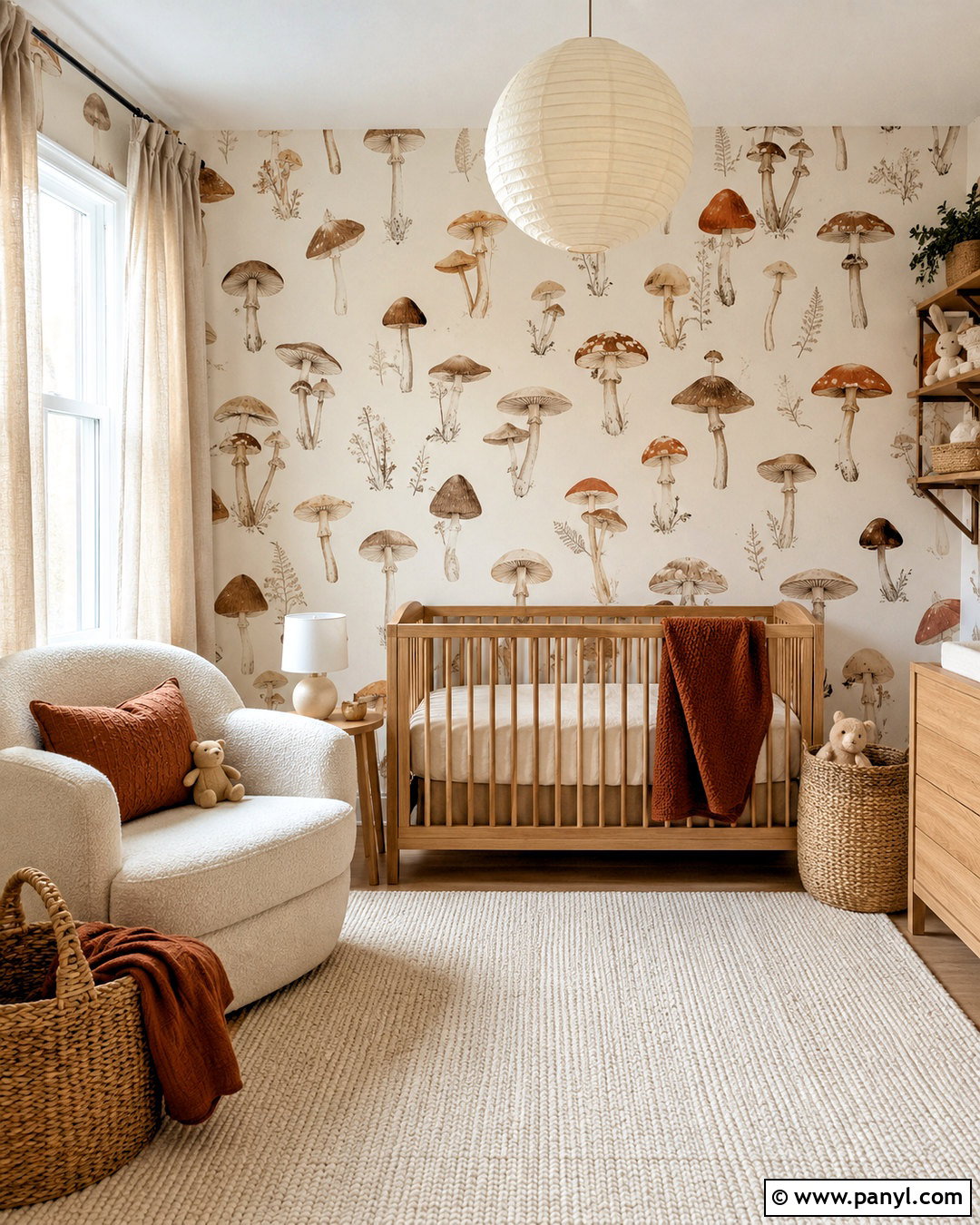
Sand-colored walls create a soft foundation for a nursery that can adapt as a child grows. Choose a light sandy beige without strong yellow undertones, then pair it with a natural maple crib and a comfortable cream glider. A washable wool-look rug in ivory and tan makes the floor feel warmer while defining the center of the room. Add light-filtering linen curtains and a simple woven ceiling fixture. Instead of using a strict theme, decorate with framed animal drawings, wooden toys, and small touches of muted sage and dusty blue. A low dresser can double as a changing surface. Closed baskets, picture ledges, and a soft floor cushion keep the nursery useful, calm, and easy to update.
9. Oatmeal Neutral Walls
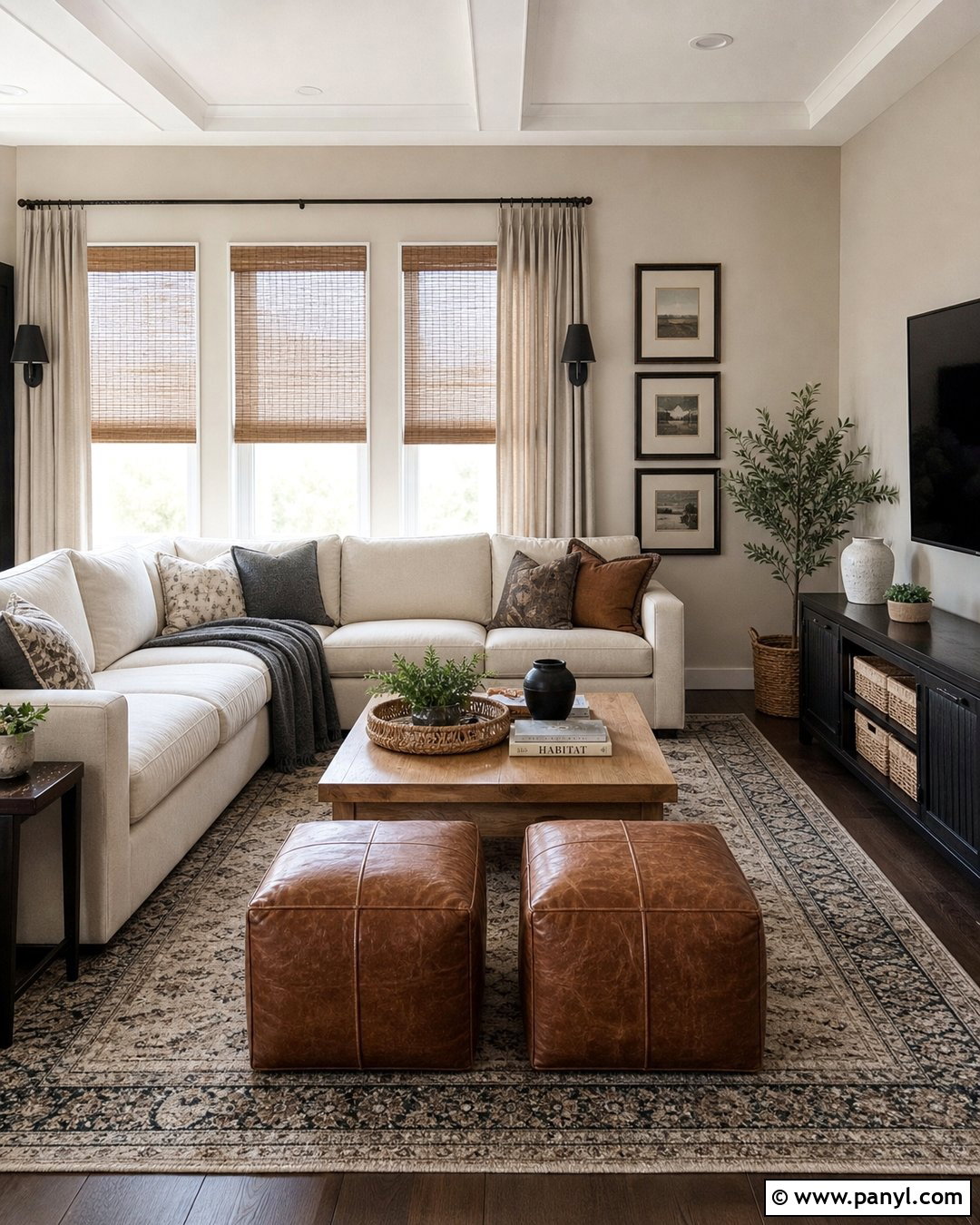
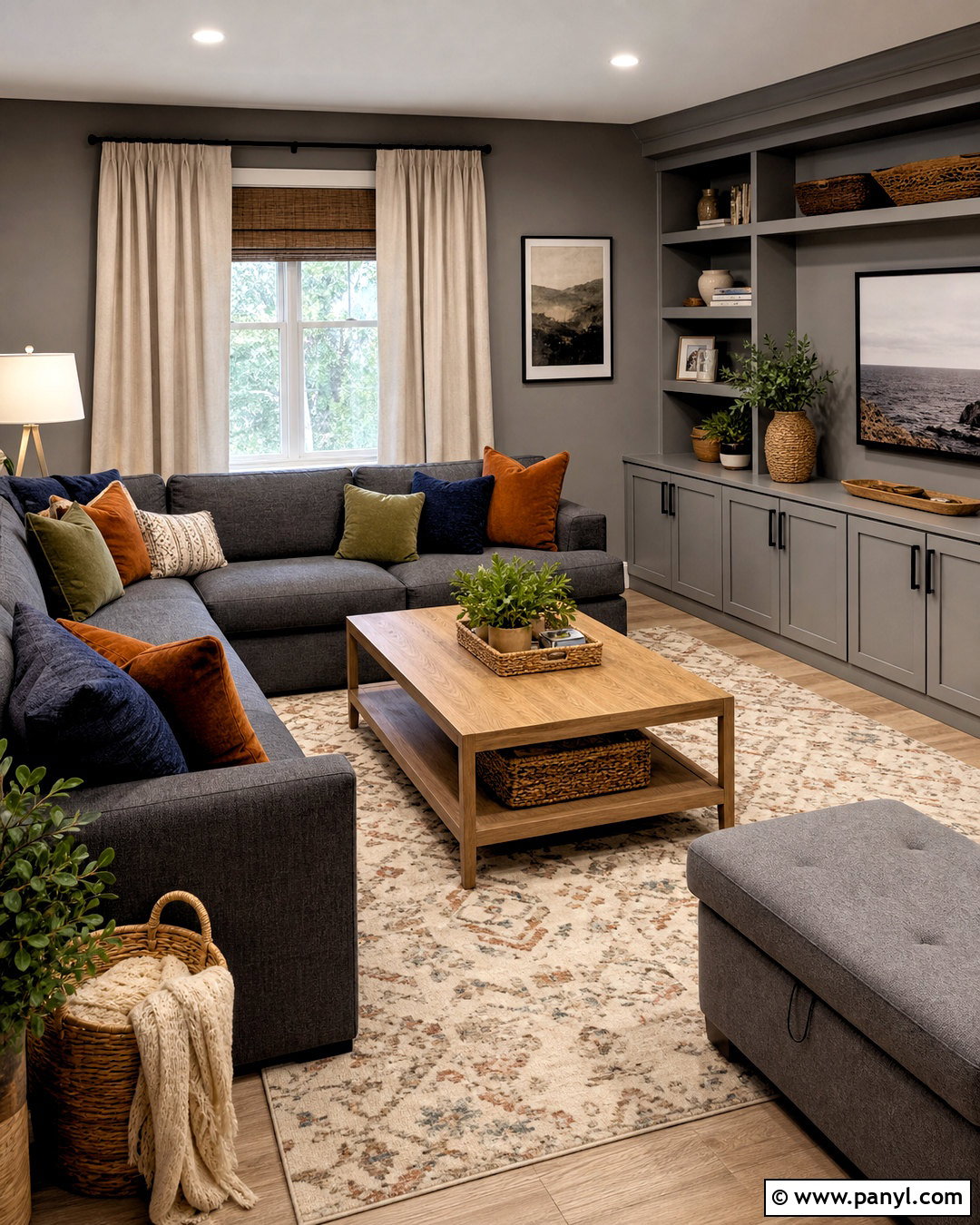
Oatmeal walls give a family room a warm, lived-in quality that works with durable furniture and casual accessories. Start with a large performance-fabric sectional in a slightly lighter cream tone. Add a washable patterned rug blending beige, brown, and charcoal to disguise daily wear. A substantial oak coffee table provides space for books, trays, and family activities, while a pair of leather ottomans can serve as extra seating. Use woven shades beneath full-length curtains for adjustable light control. Black sconces and dark picture frames prevent the neutral palette from becoming blurry. Finish with textured pillows, sturdy baskets, and a low media cabinet. Every element should feel comfortable, useful, and visually connected.
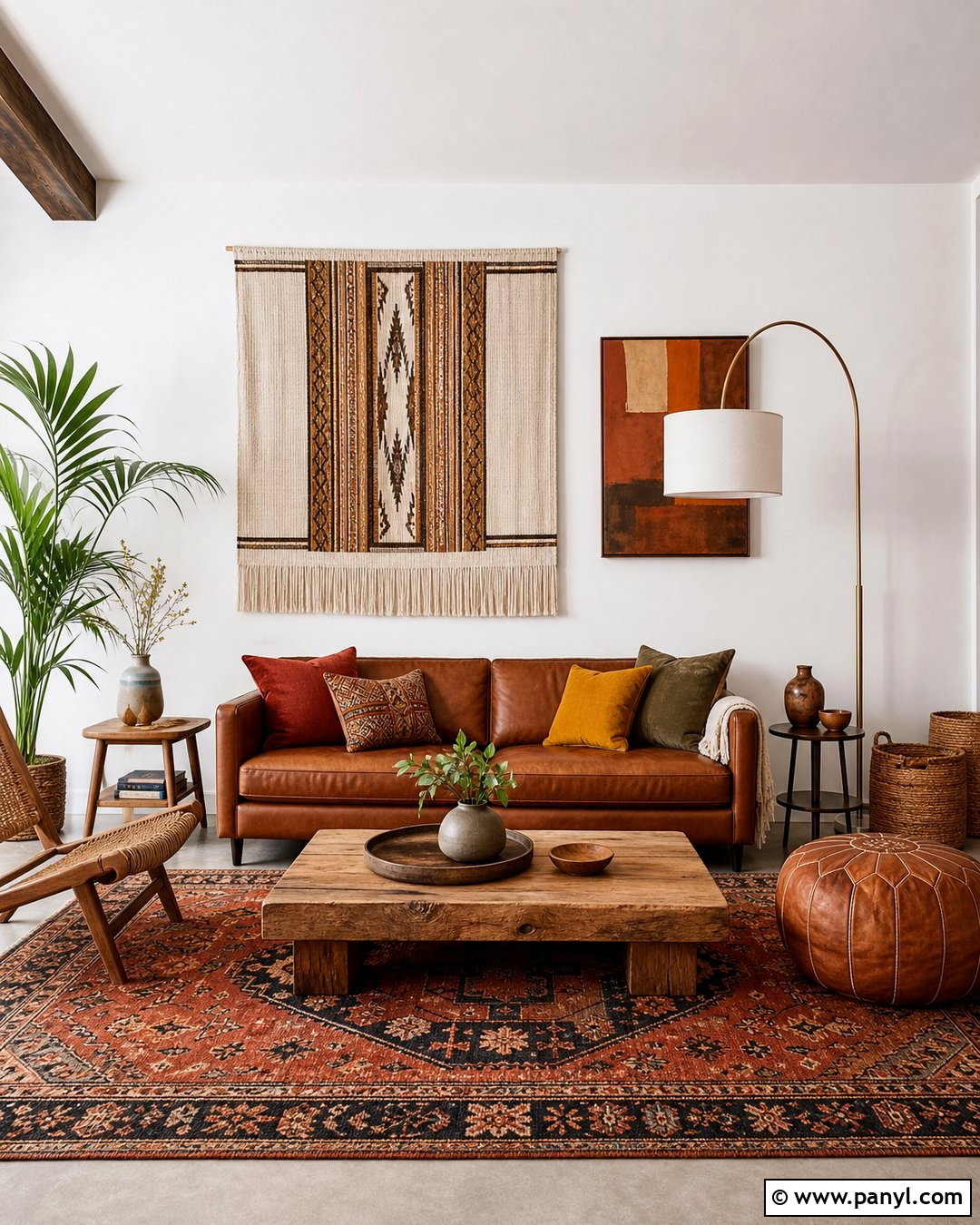
10. Stone Neutral Walls
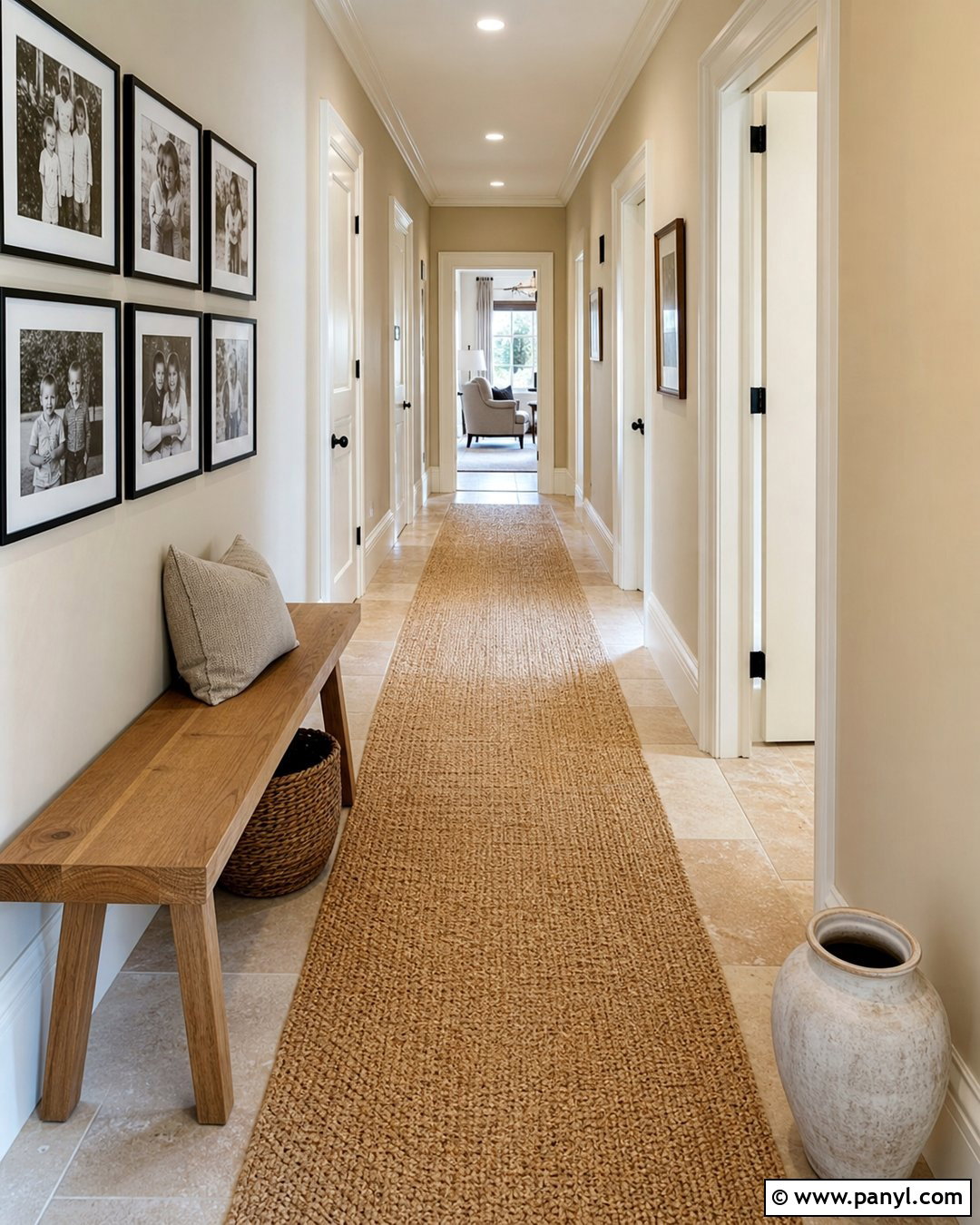
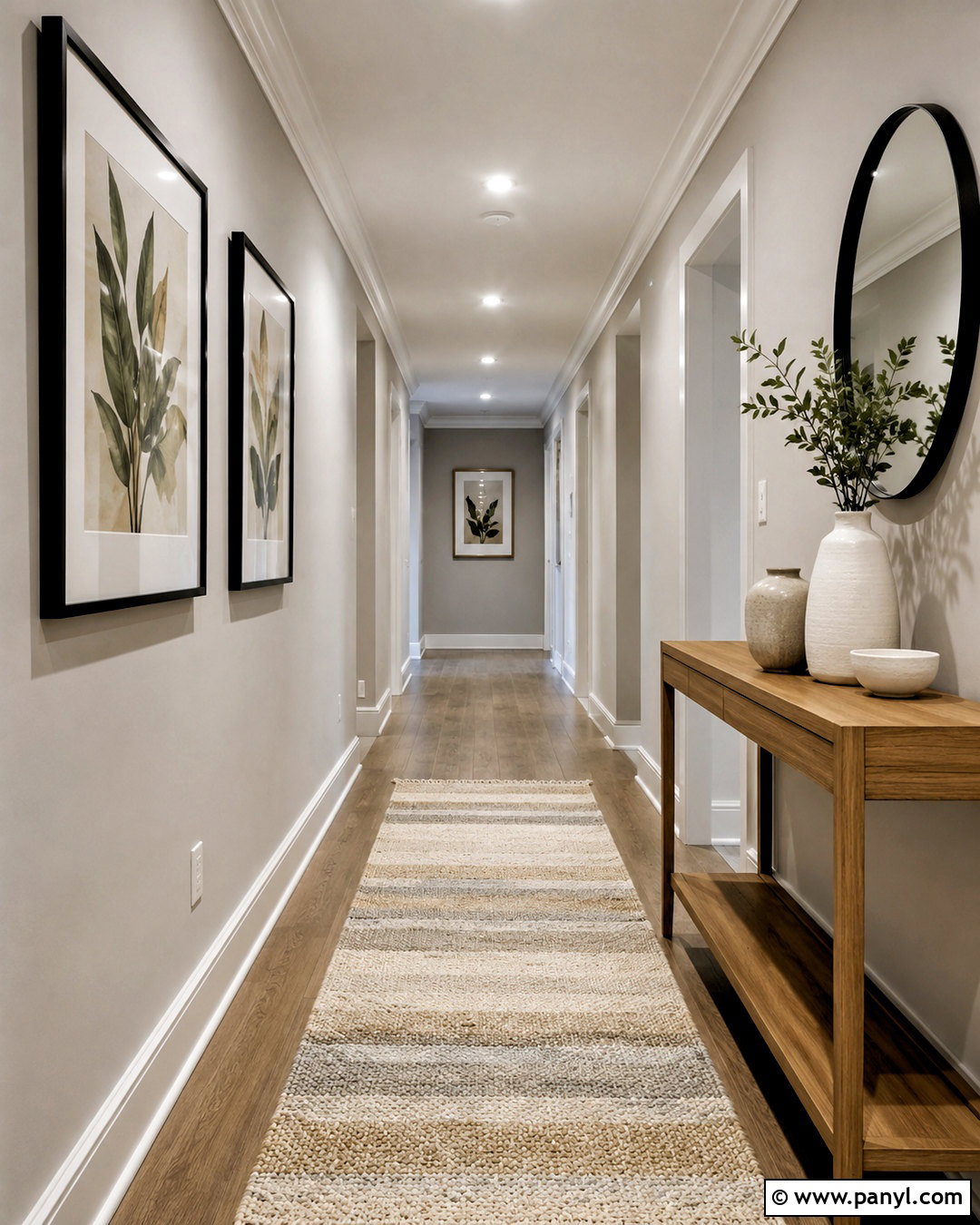
Stone-colored walls help a hallway feel more intentional, particularly when the area connects rooms with different color schemes. Choose a medium-light neutral that combines warm gray and muted beige. Paint the doors and trim in a soft off-white to create clean definition. A long natural-fiber runner adds texture underfoot, while evenly spaced black-framed photographs establish rhythm along the wall. If space allows, place a slim oak bench near the entrance or at the end of the corridor. Use flush-mount ceiling lights with warm white bulbs to keep the passage evenly illuminated. A small ceramic vase and woven basket add function without creating clutter. The completed hallway feels cohesive rather than merely transitional.
11. Putty Neutral Walls
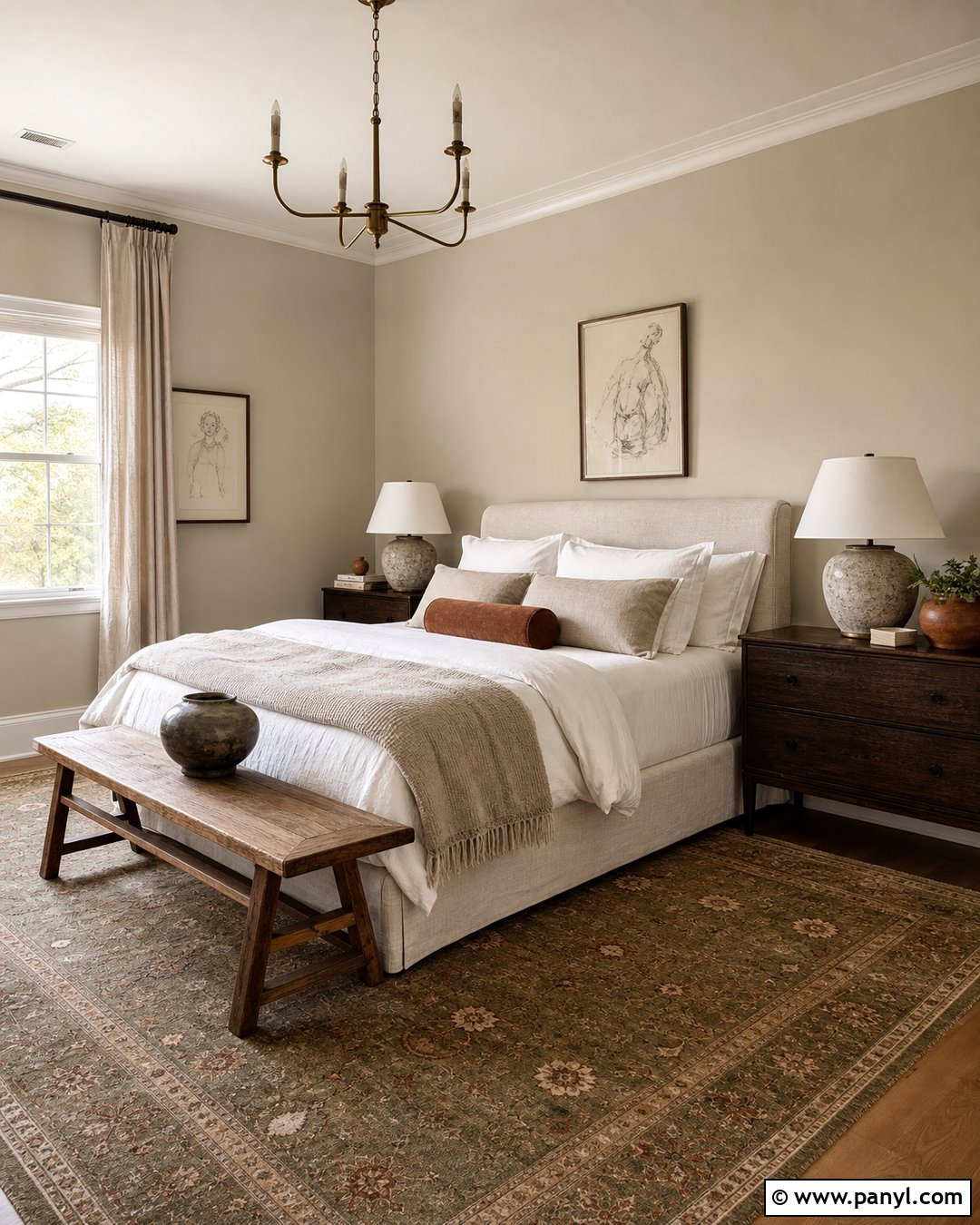
Putty walls create a grounded bedroom palette that feels richer than cream but lighter than traditional brown. Pair this earthy wall color with an upholstered bed in warm ivory linen and bedding that layers white, flax, and soft taupe. Dark oak nightstands add contrast, while ceramic lamps with textured bases reinforce the natural mood. Choose curtains that closely match the walls to make the room appear taller and less visually divided. A vintage-inspired rug with faded olive and rust details brings understated color beneath the bed. Finish the look with a simple wooden bench, framed charcoal sketches, and a few matte pottery pieces. Keep surfaces mostly clear so the restful, enveloping palette can take center stage.
12. Clay Beige Neutral Walls
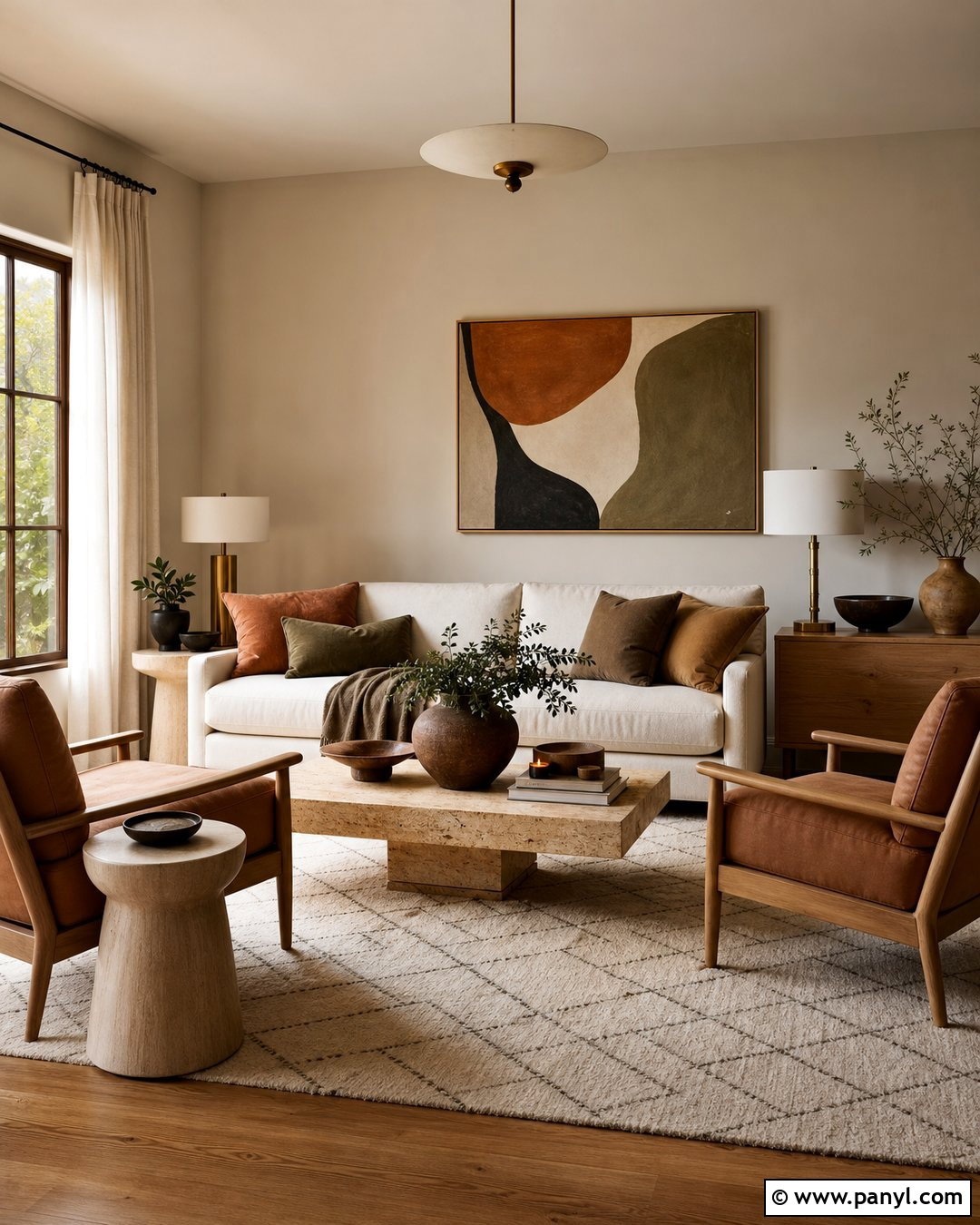
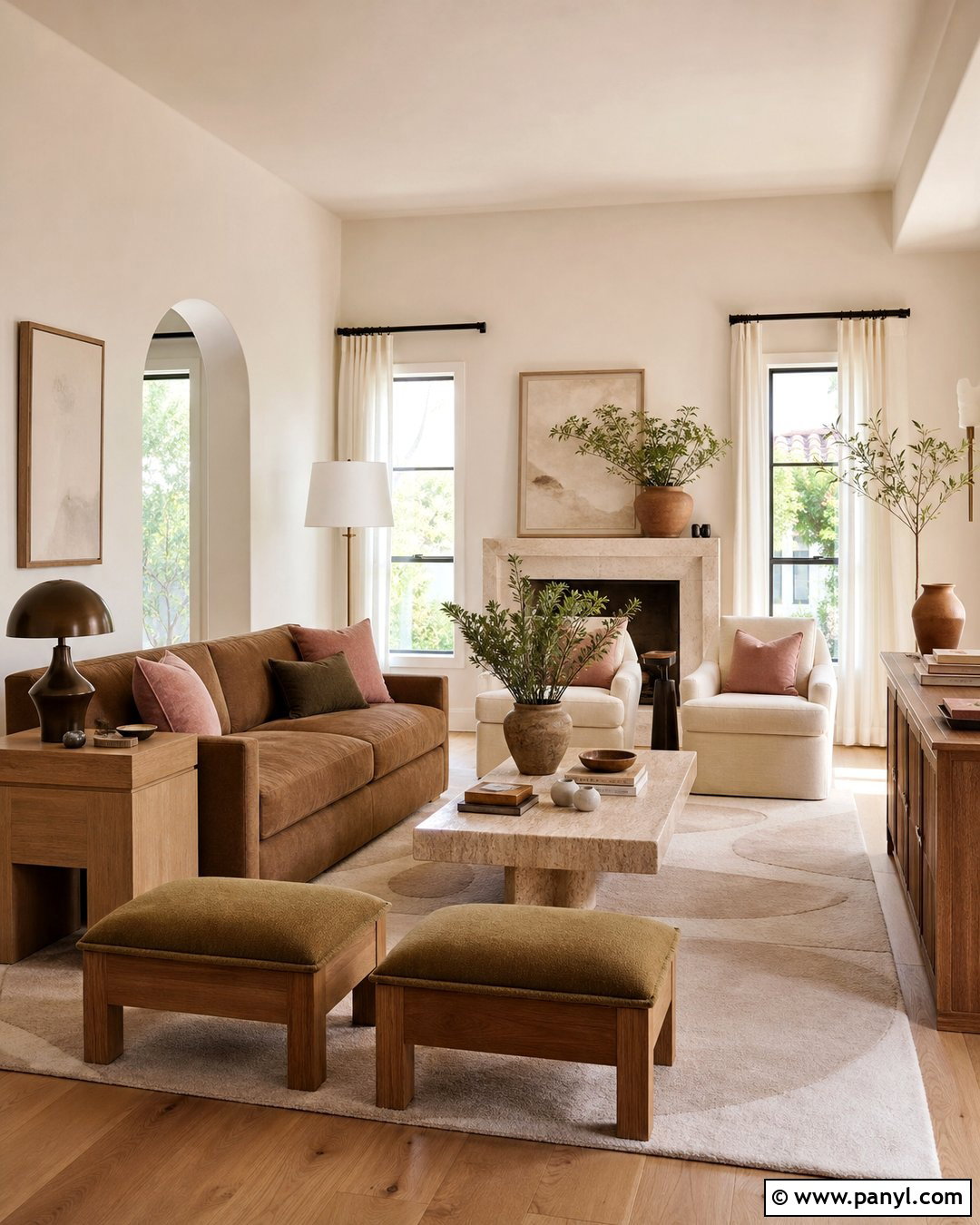
Clay-beige walls introduce quiet earthy color to a living room without overwhelming the space. Look for a muted beige with subtle terracotta or pink undertones, then balance it with a cream sofa and light oak furniture. Two accent chairs in warm camel upholstery can deepen the palette while maintaining its neutral character. Choose a large wool rug in ivory with a restrained geometric pattern. Natural linen curtains soften the windows, and aged brass lamps add a warmer metallic finish. Decorate with abstract artwork that repeats clay, cream, olive, and charcoal. A low stone coffee table adds another organic material. Together, these pieces create a relaxed room that feels sun-washed, current, and comfortably layered.
13. Linen Neutral Walls
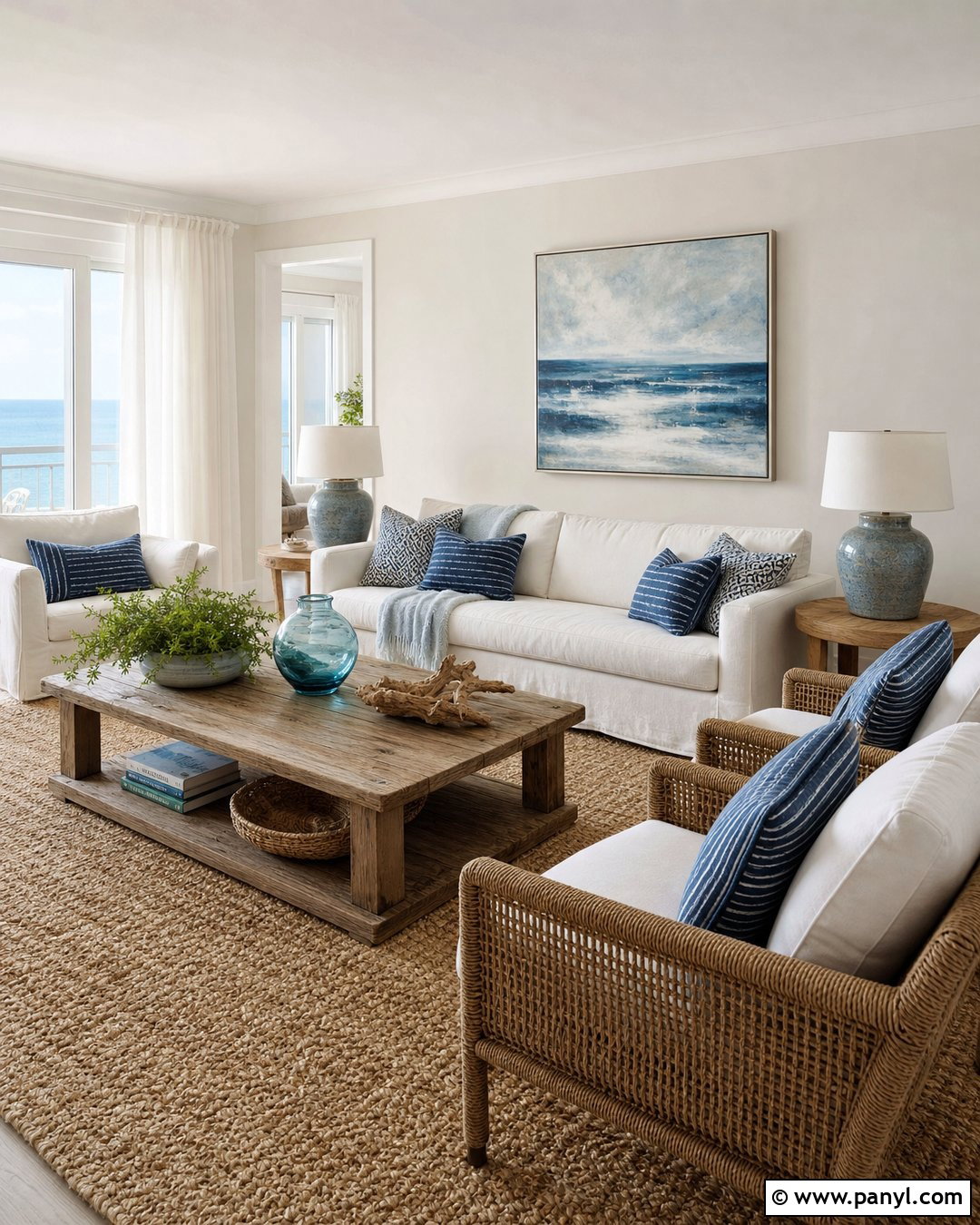
Linen-colored walls are ideal for a coastal living room that feels relaxed rather than heavily themed. Use a pale beige with a soft gray undertone, then combine it with slipcovered seating in warm white. A weathered oak coffee table, woven side chairs, and a chunky jute rug introduce the natural textures associated with casual coastal homes. Bring in muted blue through striped cushions, ceramic lamps, and one large piece of ocean-inspired abstract art. Avoid obvious nautical decorations. Instead, display sculptural driftwood, clear glass vessels, and woven baskets. White oak flooring and sheer curtains keep the room bright. The complete design suggests an easy seaside atmosphere while remaining appropriate for homes far from the coast.
14. Khaki Neutral Walls
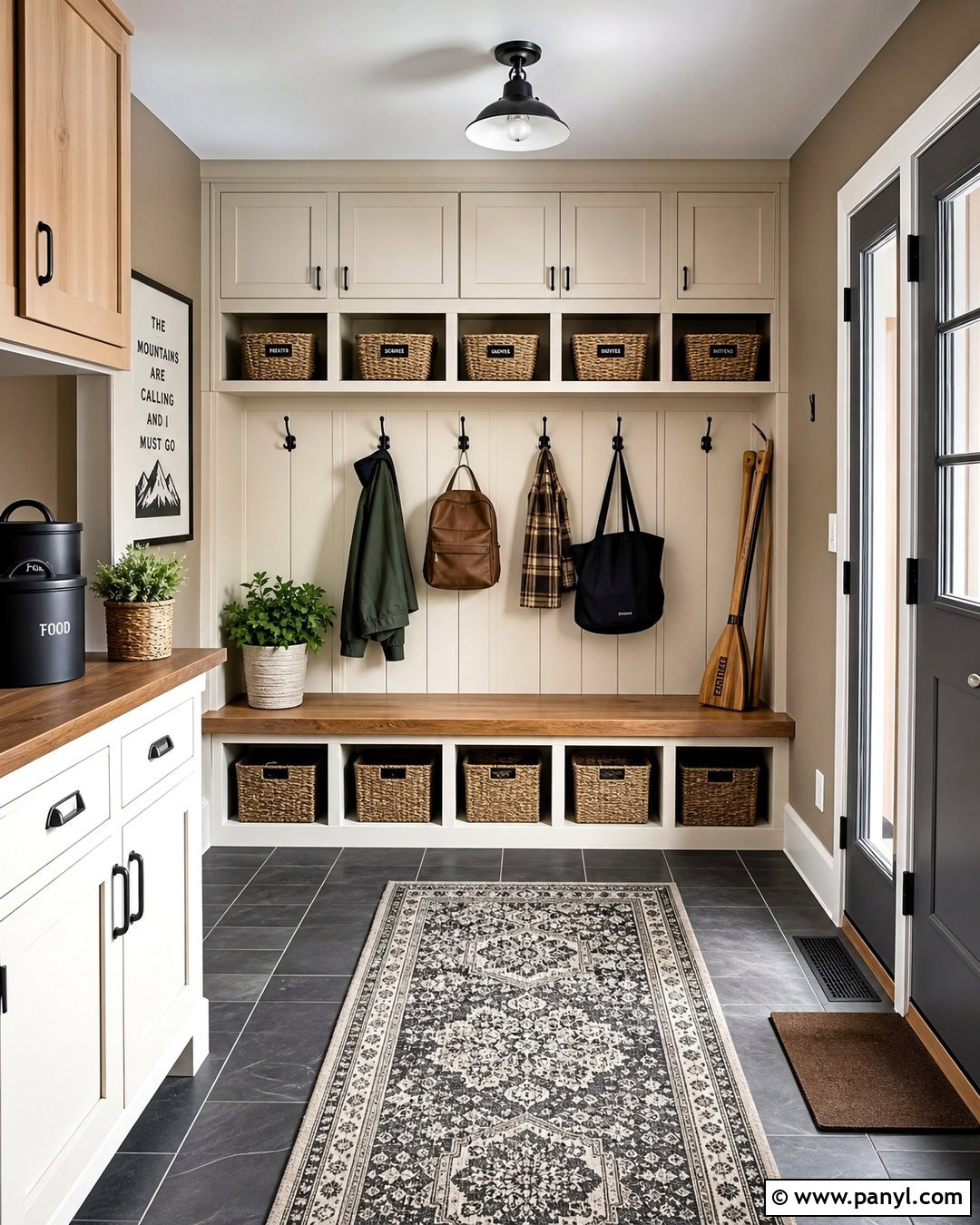
Khaki walls give a mudroom an earthy, practical identity while hiding minor scuffs better than very pale paint. Choose a warm khaki with olive undertones and combine it with built-in storage painted in creamy off-white. A solid oak bench provides a comfortable place to remove shoes, while black hooks and cabinet pulls add durable contrast. Use slate-look porcelain tile on the floor for easy maintenance and include a patterned washable runner to soften the walkway. Woven baskets can hold hats, gloves, and outdoor accessories above the cubbies. Add a narrow shelf for labeled containers and everyday essentials. The completed mudroom feels organized, sturdy, and welcoming, with every surface supporting the room’s hardworking purpose.
15. Pale Blush Neutral Walls
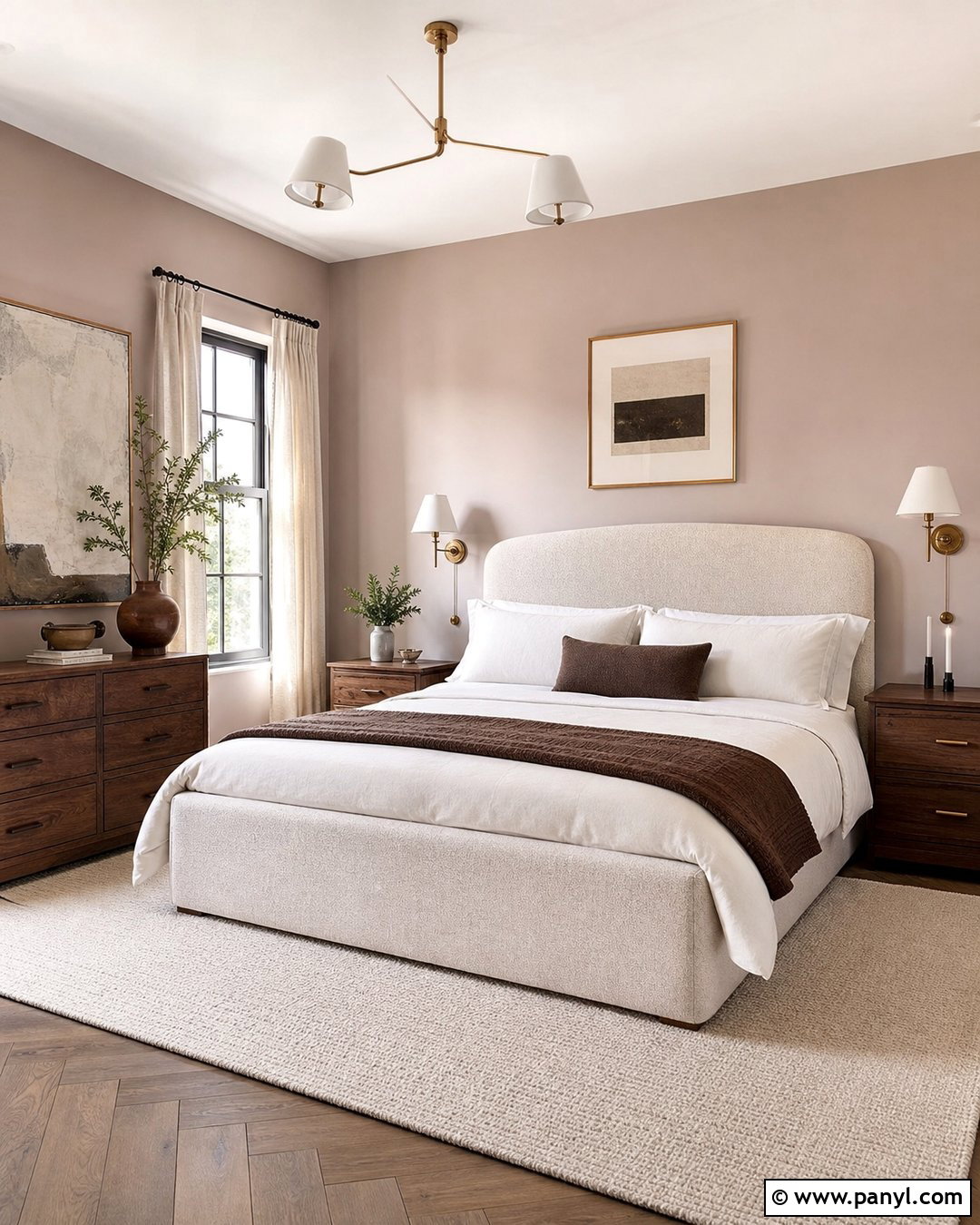
Pale blush can function as a neutral when the color is muted with beige, gray, or brown. In a bedroom, use a dusty blush on every wall and balance it with an oatmeal upholstered bed. Layer the bedding in white, taupe, and soft cocoa rather than adding more pink. Walnut nightstands and a medium-tone wood dresser give the gentle wall color greater depth. Choose aged brass sconces and a cream wool rug for warmth. Full-length flax curtains can frame the windows and soften daylight. Hang abstract artwork featuring charcoal lines and muted earth tones above the bed. With restrained accessories and substantial wood furniture, the room feels sophisticated and restful instead of overly sweet or theme-driven.
16. Green Gray Neutral Walls
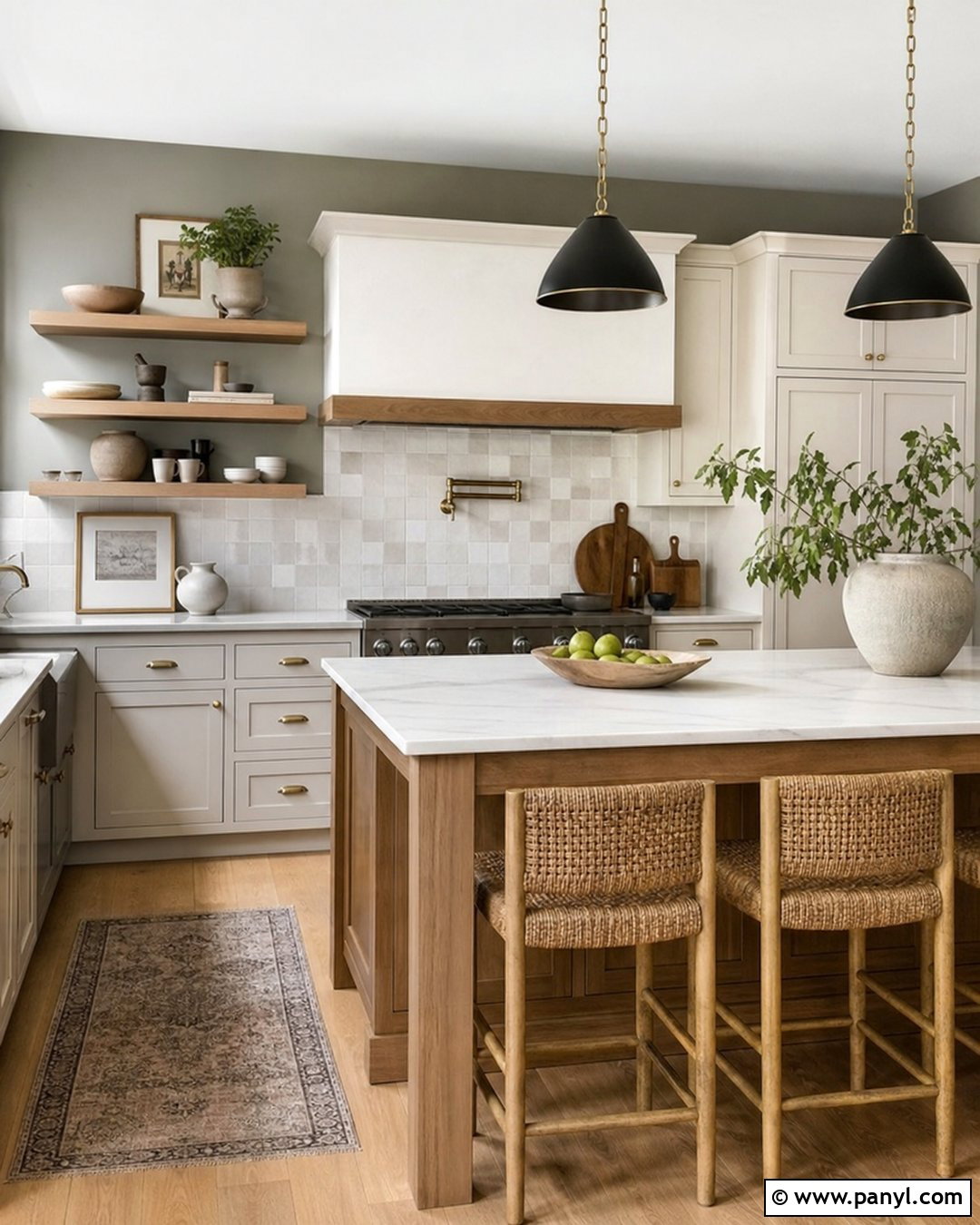
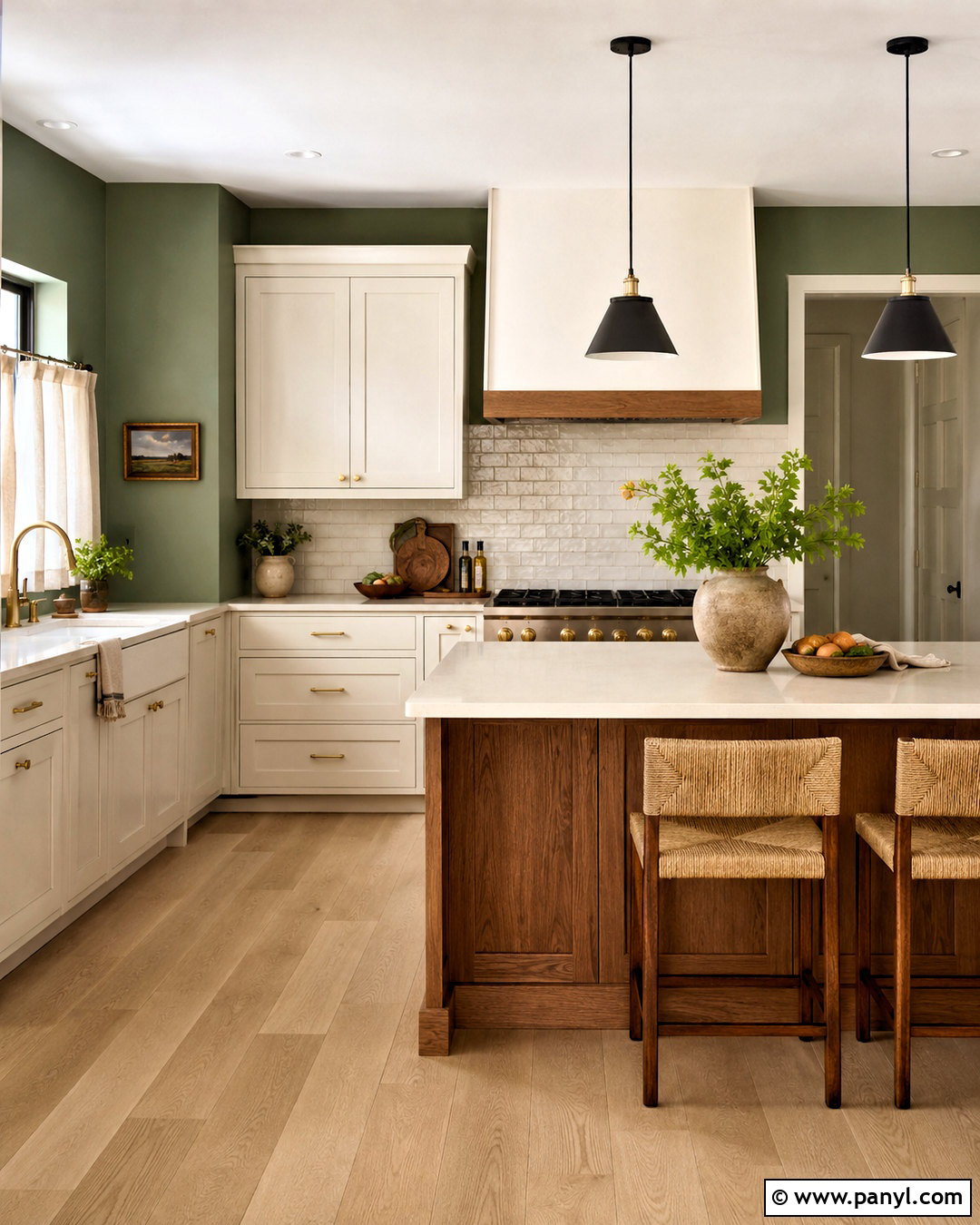
Green-gray walls bring subtle natural color into a kitchen while remaining versatile enough for changing accessories. Select a muted shade that reads as soft gray in some light and gentle sage in others. Pair it with warm white cabinets, honed marble-look counters, and medium oak flooring. A simple square tile backsplash in creamy white keeps the surfaces bright. Use brushed brass cabinet hardware and matte black pendants for a balanced mix of finishes. Upholster counter stools in textured tan fabric or use woven seats for additional warmth. Open shelves can display neutral ceramics and wood cutting boards. This complete kitchen feels fresh and organic, yet the wall color remains quiet enough to support everyday living.
17. Charcoal Neutral Walls
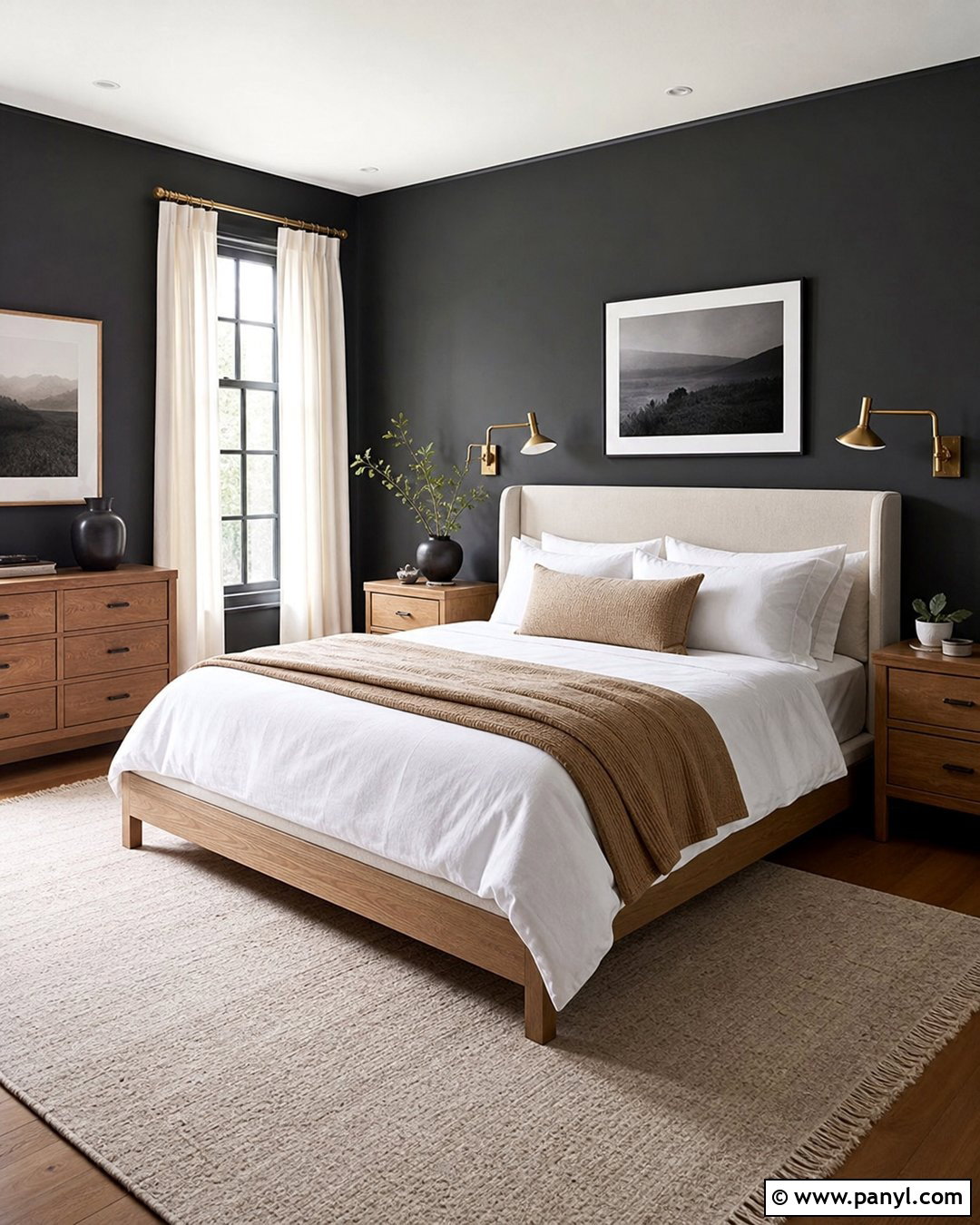
Charcoal walls create a dramatic bedroom that can still feel restful when balanced with light textiles and warm wood. Paint all four walls a deep charcoal with a soft brown undertone, then use a pale oak bed or an upholstered cream headboard as the central contrast. Choose white bedding layered with gray, camel, and oatmeal blankets. Light linen curtains prevent the windows from disappearing against the darker background. Add brass reading sconces, a warm wood dresser, and a large cream rug to lift the room. Artwork with broad white mats will stand out clearly. Keep the ceiling pale and the lighting bright enough for daily tasks. The finished space feels intimate, modern, and carefully balanced.
18. Cocoa Neutral Walls
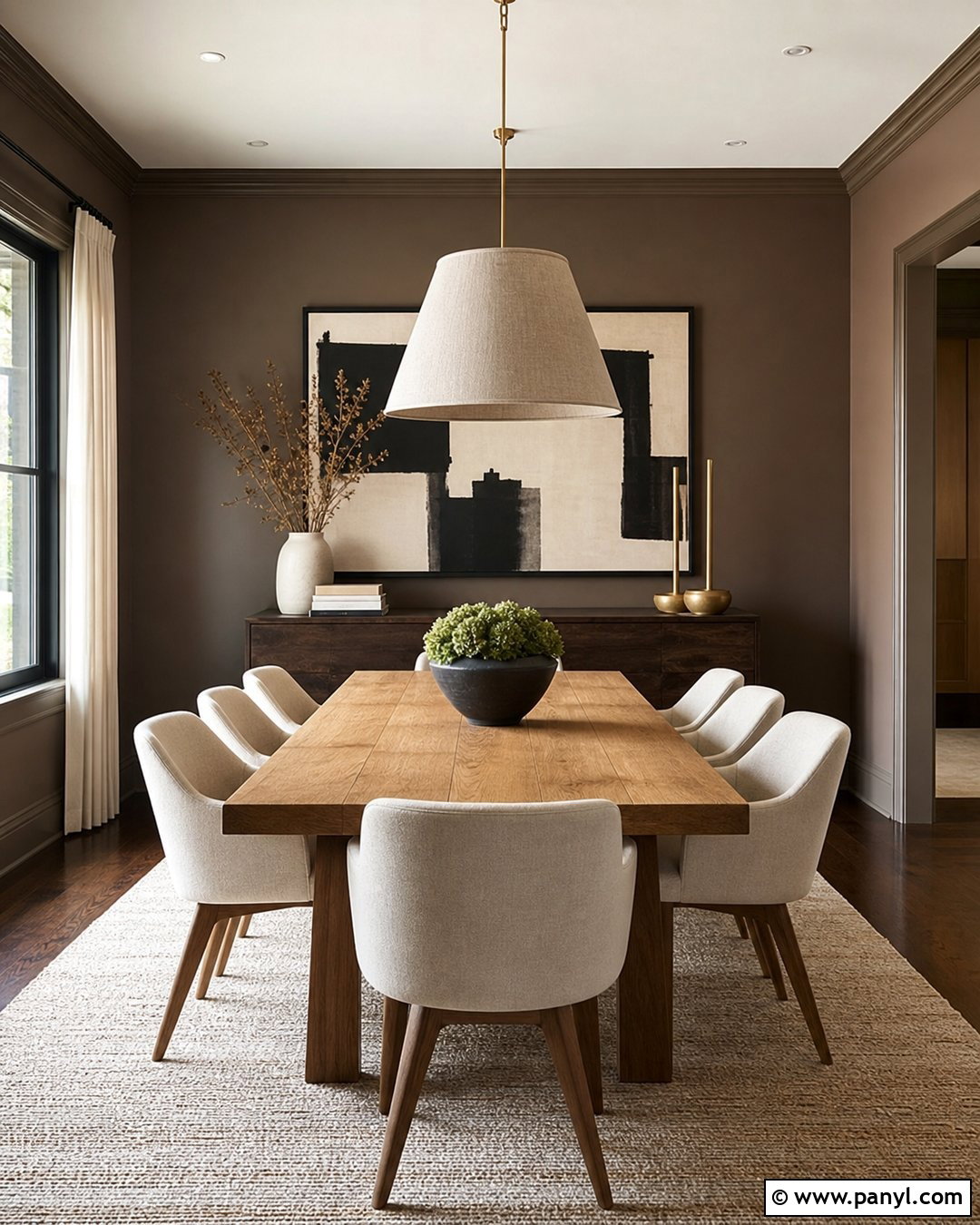
Cocoa-brown walls can make a dining room feel enveloping and elegant without relying on bright color. Choose a medium cocoa shade rather than an almost-black brown, and paint the trim in the same color with a subtle sheen. Center the room around a long oak dining table with cream upholstered chairs. A large linen pendant or plaster chandelier provides a light focal point overhead. Add a pale textured rug to contrast with the walls and define the dining zone. A dark wood sideboard can hold serving pieces, while oversized artwork in cream, tan, and black prevents the room from appearing too traditional. Brass candleholders and simple pottery complete this warm, sophisticated gathering space.
19. Textured Plaster Neutral Walls
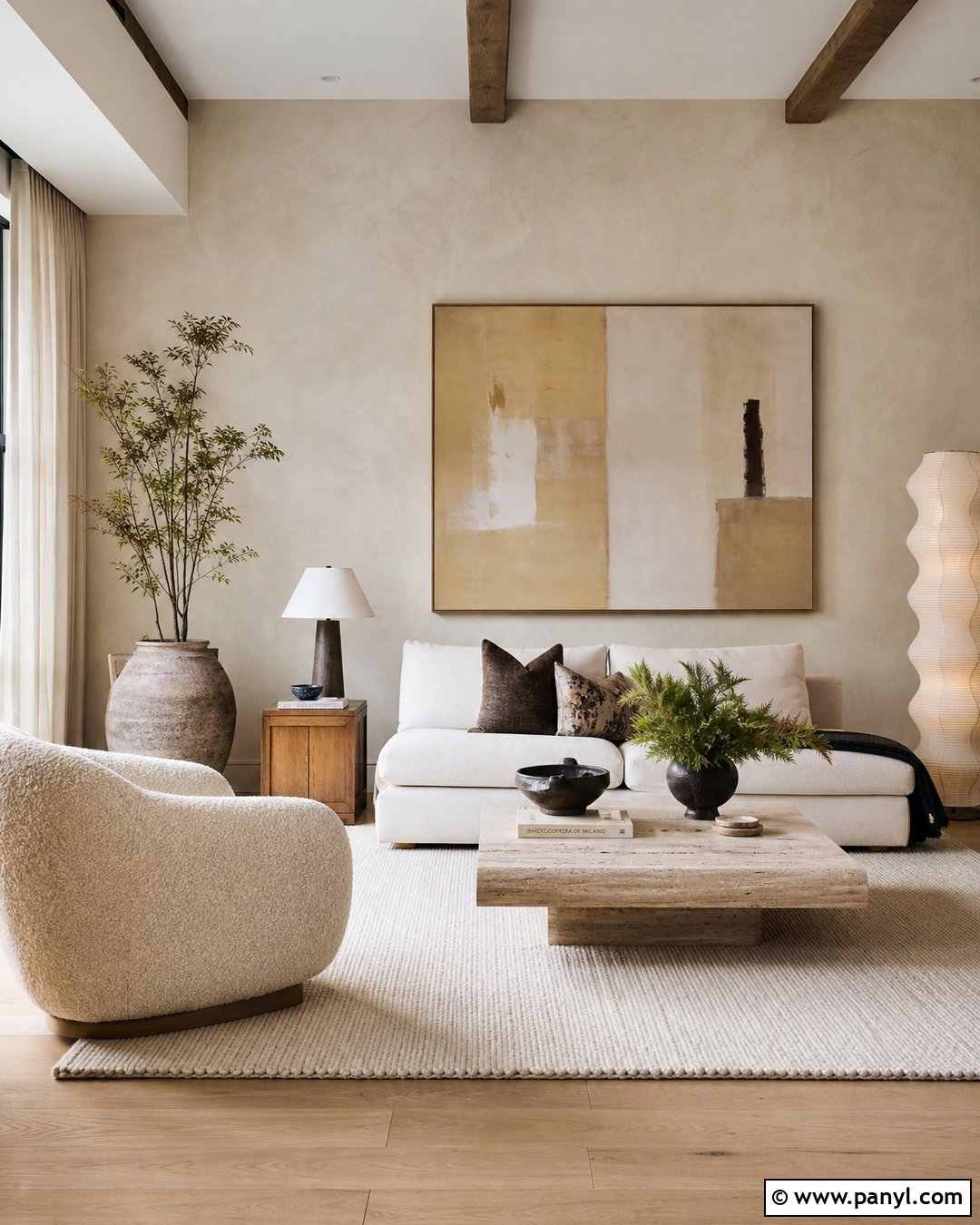
Textured plaster walls introduce gentle movement and handcrafted character without requiring bold decoration. Use a warm limestone or pale taupe plaster finish in a living room, allowing subtle tonal variation to remain visible. Pair the walls with a low cream sofa, a curved bouclé chair, and a travertine coffee table. Light oak flooring and a thick wool rug support the soft, organic palette. Choose sculptural lamps and a few large ceramic pieces instead of many small accessories. Linen curtains should fall from ceiling to floor to emphasize the room’s height. One oversized abstract canvas can provide quiet contrast. The final space feels warm and dimensional because materials, shapes, and finishes replace unnecessary color and clutter.
20. Taupe Color Drenched Walls
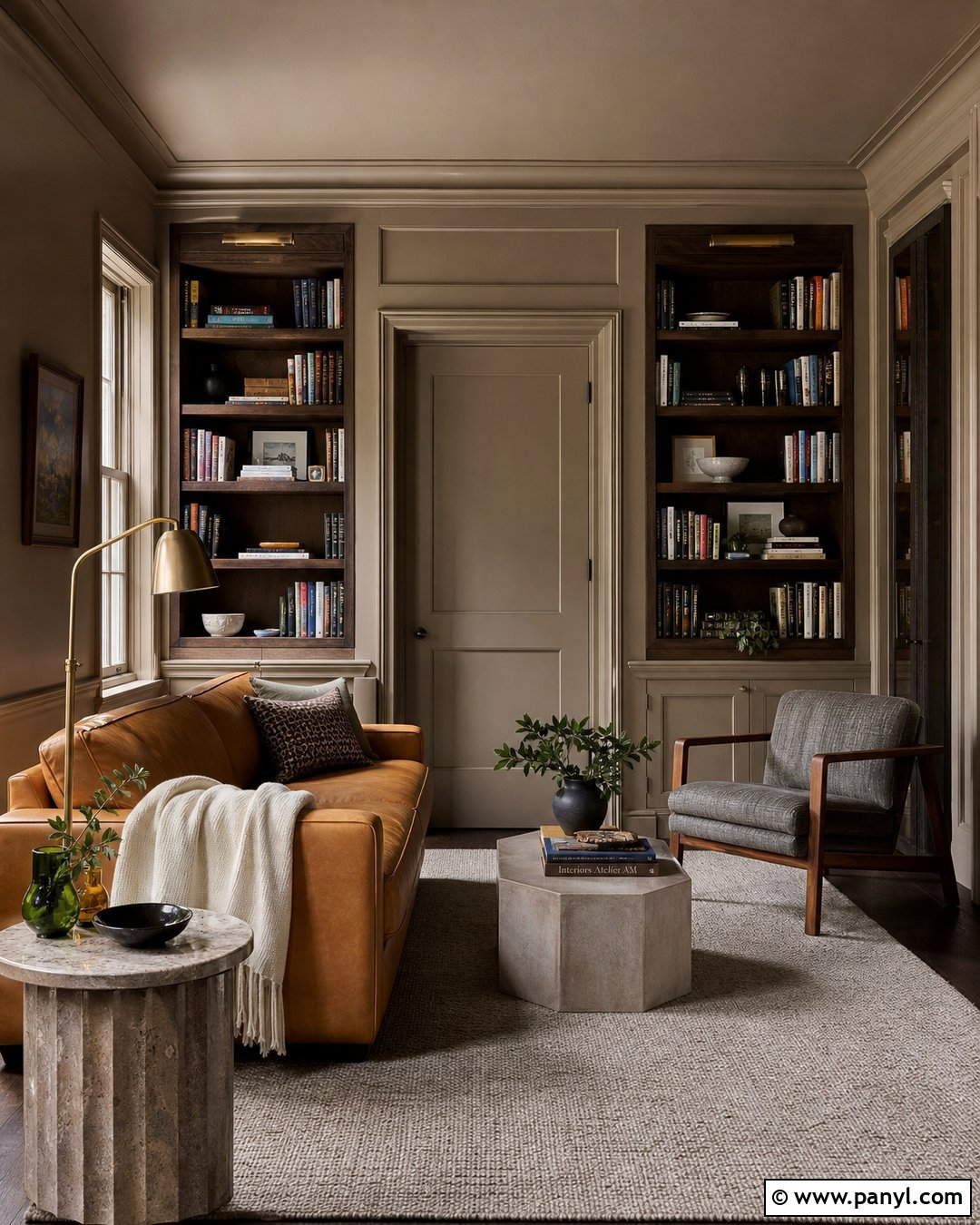
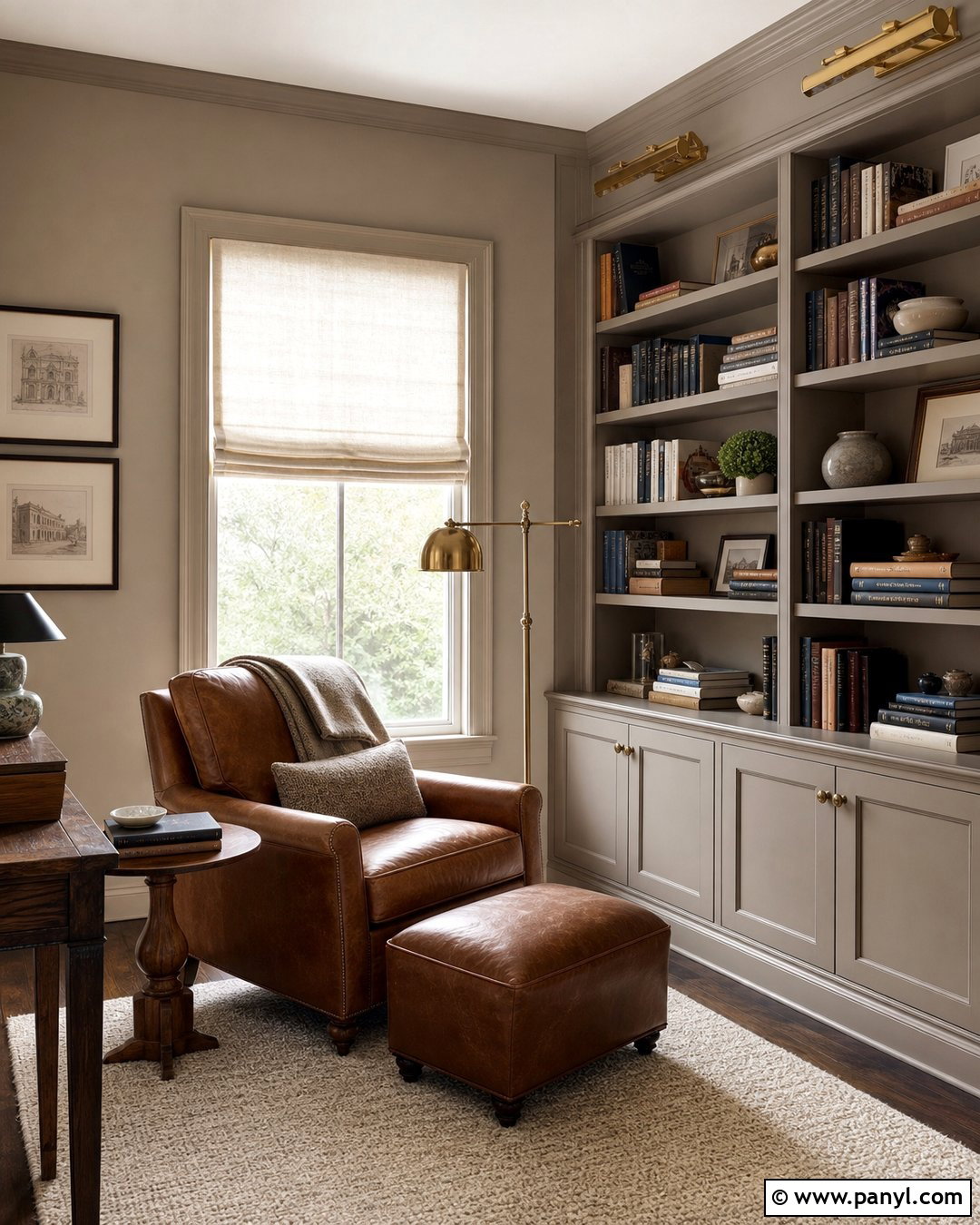
Color drenching creates an enveloping room by carrying one taupe shade across walls, trim, doors, built-ins, and sometimes the ceiling. Use this approach in a small reading room or library where coziness is an advantage. Select a medium taupe with warm undertones and vary the finish instead of the color: matte on walls, satin on woodwork, and flat on the ceiling. Add a compact camel leather sofa, a wool rug, and dark oak shelving filled with neatly arranged books. A brass floor lamp and shaded wall sconces create layered task lighting. Include one cream throw and a pale stone side table for contrast. The finished room feels unified, intimate, and architecturally detailed.
21. White Neutral Walls With Texture
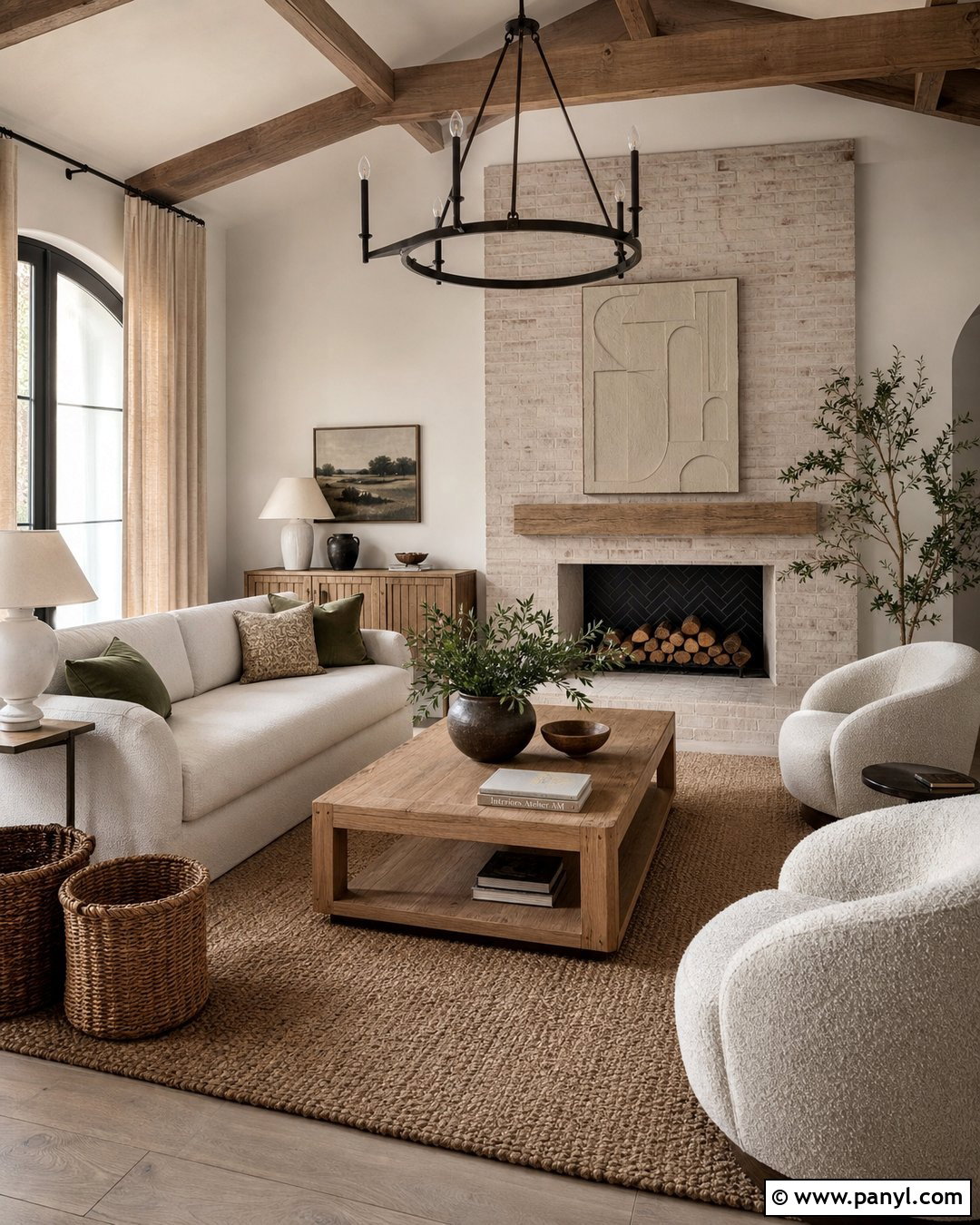
White neutral walls become more inviting when the room contains several visible textures and a clear range of warm tones. Choose a soft white, then build the living area with a nubby cream sofa, boucle armchairs, and a chunky woven rug. Add pale oak furniture, linen curtains, and a limewashed brick fireplace to prevent the white surfaces from looking flat. Black metal window frames or curtain rods can outline the room without dominating it. Use large ceramic lamps, handwoven baskets, and subtle relief artwork for additional dimension. Keep decorative color limited to muted tan and olive. This combination preserves the freshness of white walls while creating a tactile, comfortable space that feels complete rather than unfinished.
22. Neutral Walls With Dark Trim
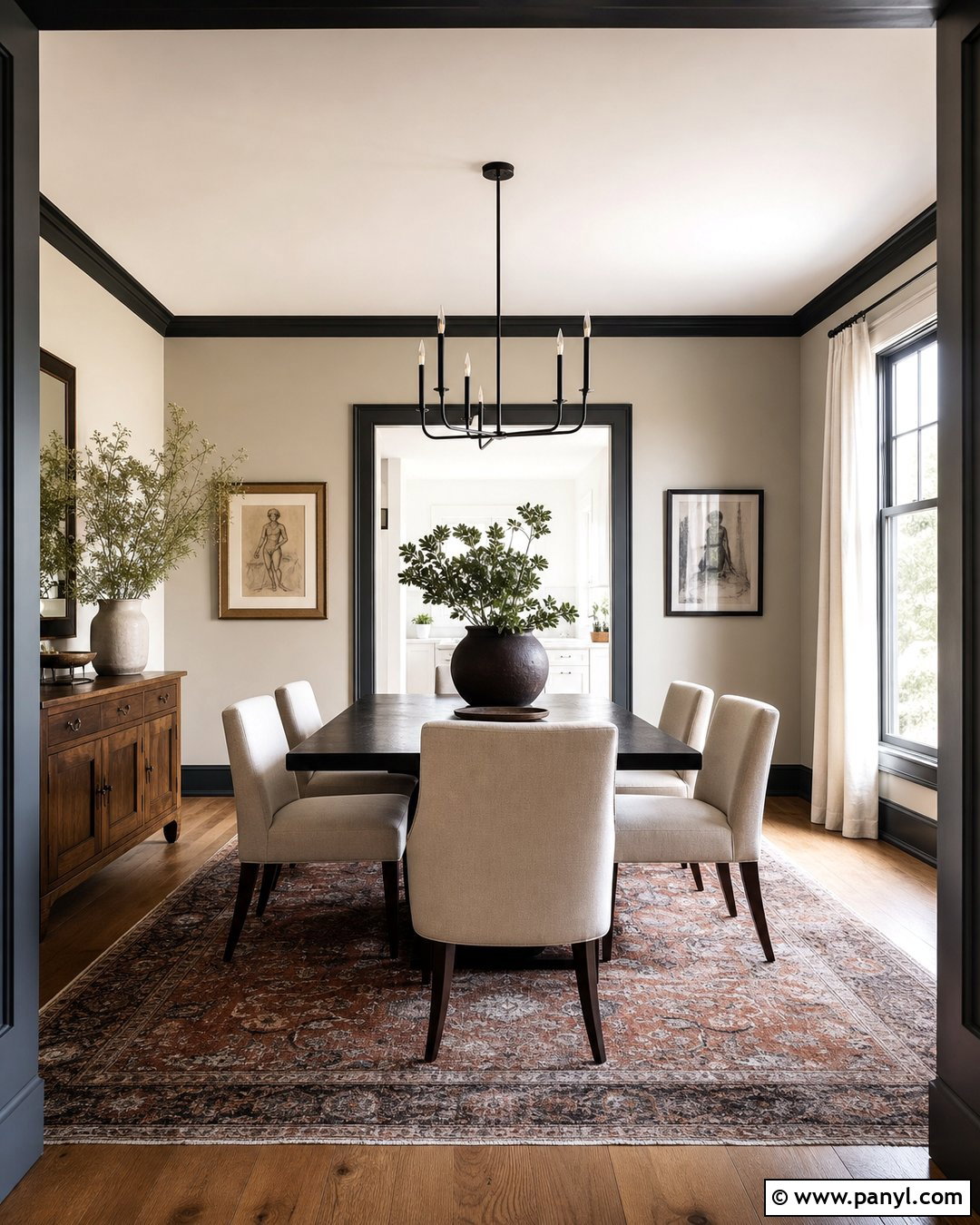
Dark trim gives pale neutral walls stronger architectural definition and a more customized appearance. In a dining room, combine light greige walls with deep charcoal baseboards, door casings, window frames, and interior doors. Repeat the dark tone in a black-stained dining table and slim metal chandelier. Upholstered chairs in warm beige soften the contrast, while a vintage rug blending gray, tan, and rust connects both ends of the palette. Use natural linen curtains so the windows still feel approachable. A medium oak sideboard adds warmth and prevents the design from becoming too monochromatic. Complete the room with cream pottery, framed drawings, and a leafy arrangement that brings a small amount of natural color indoors.
23. Neutral Walls With Oak Paneling
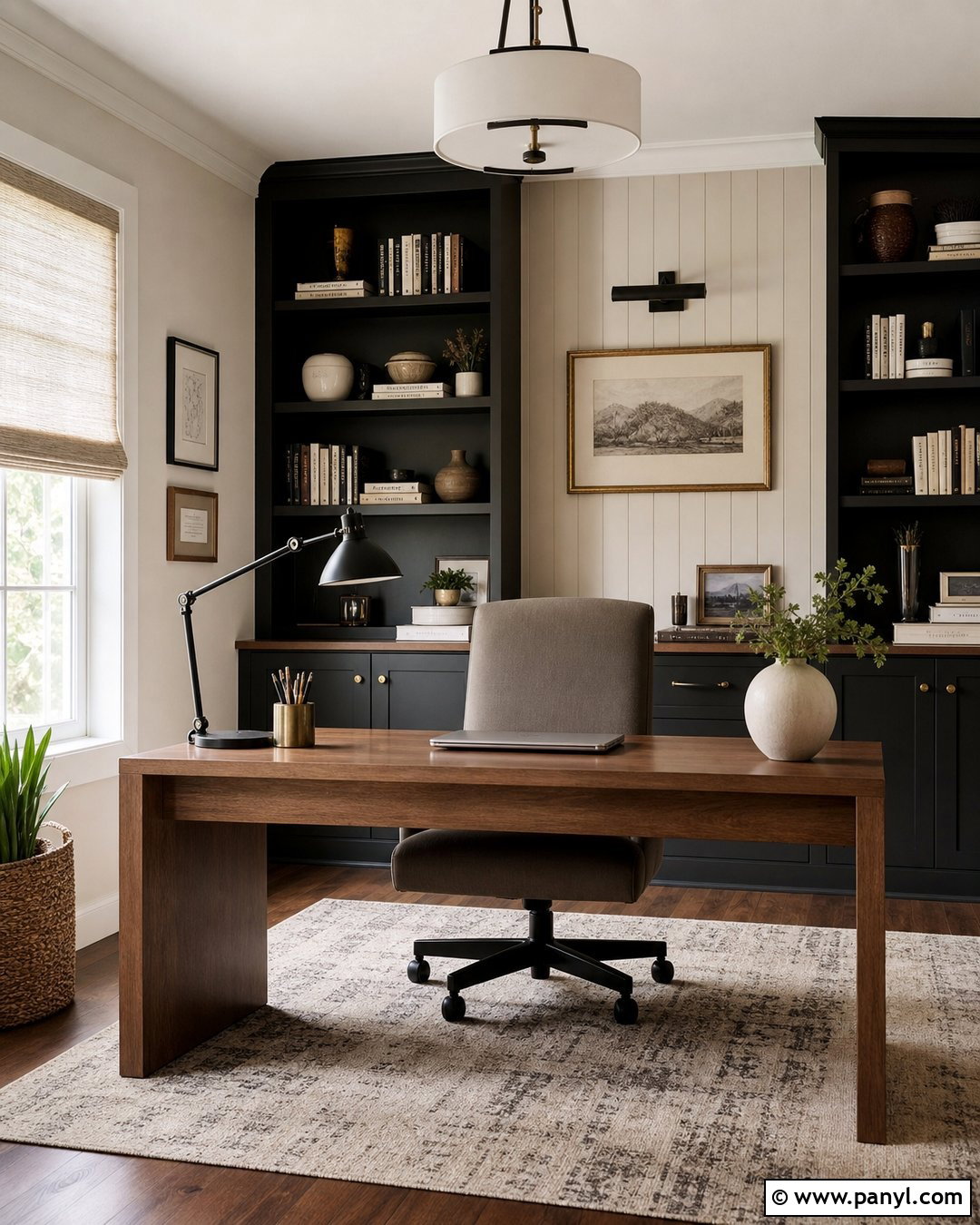
Combining neutral paint with oak paneling gives a room both softness and structure. In a home office, use warm ivory walls above vertical white oak paneling or slatted panels placed behind the desk. A streamlined oak desk keeps the wood tones consistent, while a comfortable taupe chair adds contrast without introducing a strong color. Choose a flat-weave rug in cream and charcoal, then use matte black shelving and lighting to sharpen the design. Linen shades filter daylight and reduce glare at the workstation. Add closed storage for paperwork and display only a few ceramic objects, books, and framed prints. The completed office feels organized, warm, and visually interesting from every angle.
24. Neutral Walls With Black Accents
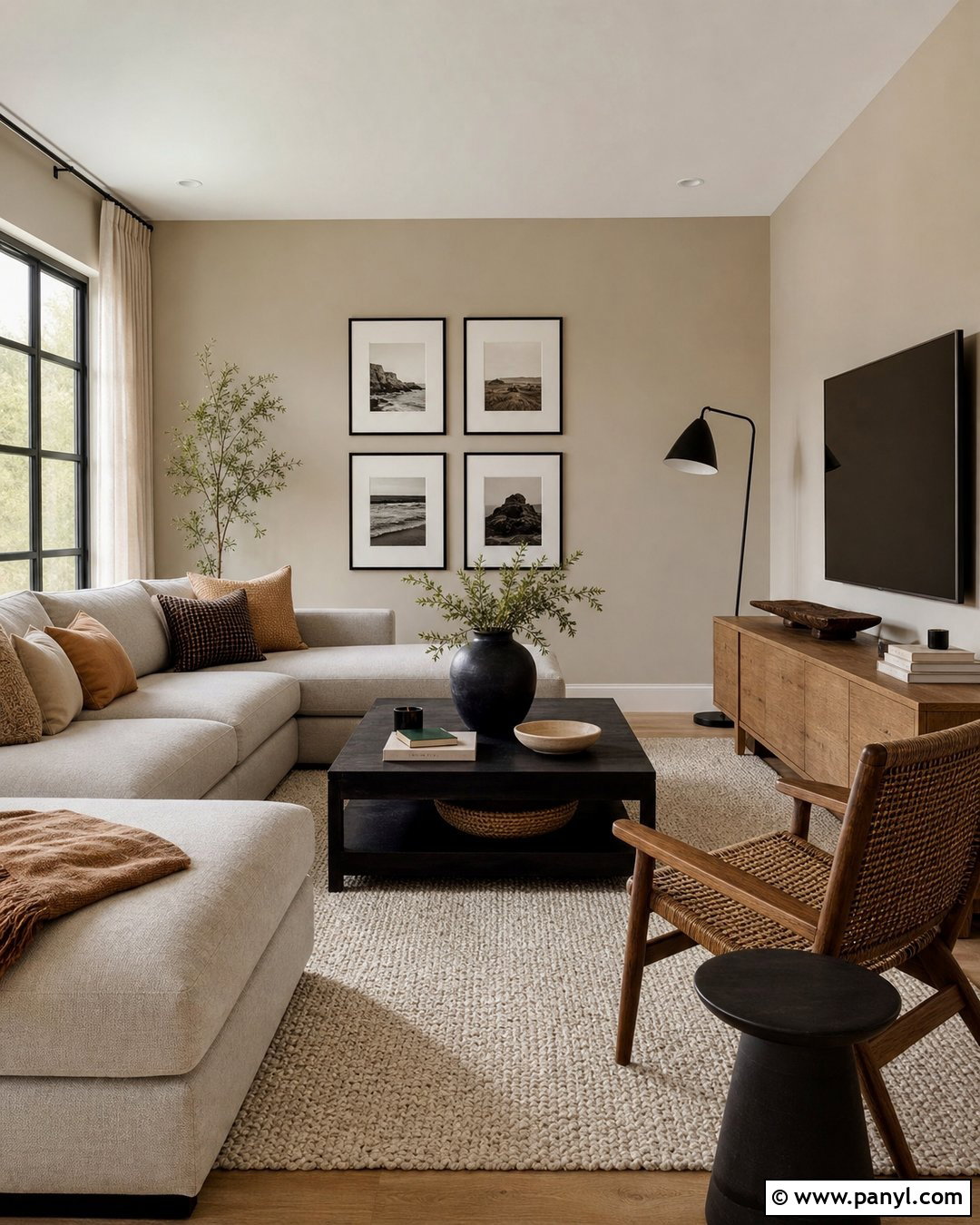
Black accents can make beige neutral walls feel cleaner and more modern. Start with warm beige walls in a living room, then repeat matte black through the window frames, floor lamp, picture frames, and coffee table base. A light gray-beige sectional prevents the palette from becoming too heavy. Add a natural oak media console, cream wool rug, and woven accent chair to restore warmth. Cushions in ivory, camel, and charcoal connect the light and dark elements. Choose one oversized black-and-white artwork rather than a busy gallery wall. Full-length linen curtains soften the strong lines. The room remains approachable because black is used as a controlled outline, not as the dominant surface.
25. Neutral Walls With Brass Accents
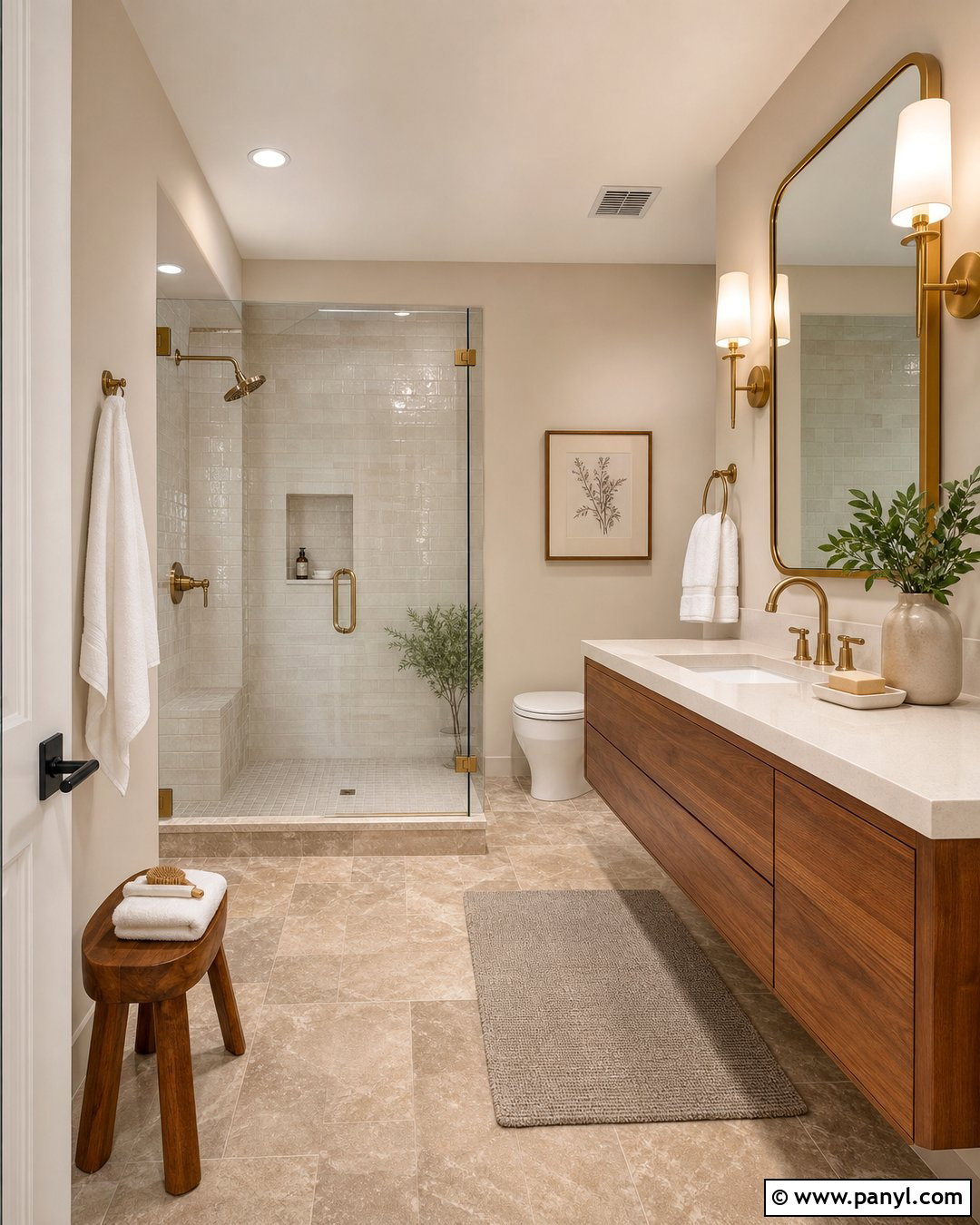
Brass accents bring warmth and gentle shine to neutral walls, especially in a bathroom with understated finishes. Paint the walls a pale mushroom beige and pair them with a floating walnut vanity. Use creamy quartz counters, an ivory tile shower, and warm stone-look flooring to maintain a soft tonal palette. A brushed brass faucet, framed mirror, wall sconces, and cabinet pulls create continuity around the room. Keep the brass finish muted rather than highly polished. Add white towels, a taupe bath mat, and a wooden stool beside the shower. A small vase of greenery provides the only strong natural color. The completed bathroom feels warm, coordinated, and refined without looking overly decorative.
26. Neutral Walls With Terracotta Accents
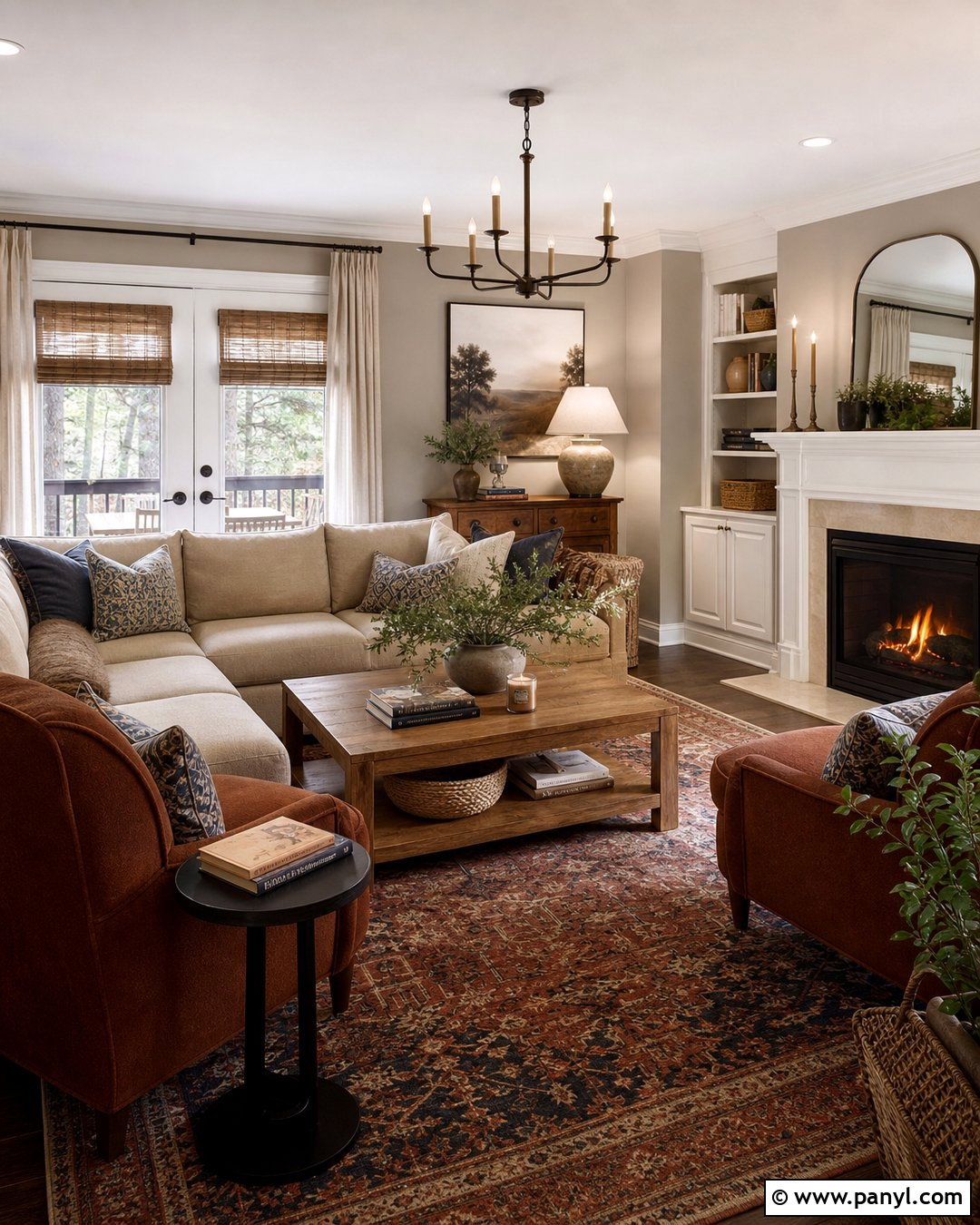
Terracotta gives neutral walls an earthy focal color that feels warm and grounded. In a family room, begin with sandy greige walls and a comfortable oatmeal sectional. Introduce terracotta through a pair of upholstered accent chairs, patterned pillows, and a large ceramic table lamp. A vintage-inspired rug can blend rust, beige, faded navy, and soft brown, making the stronger color easier to repeat. Choose a medium oak coffee table and woven window shades to strengthen the natural palette. Cream curtains and off-white artwork keep the space bright. Finish with baskets, books, and dark bronze lighting. The result is a complete neutral room with enough warm color to feel personal and energetic.
27. Neutral Walls With Sage Accents
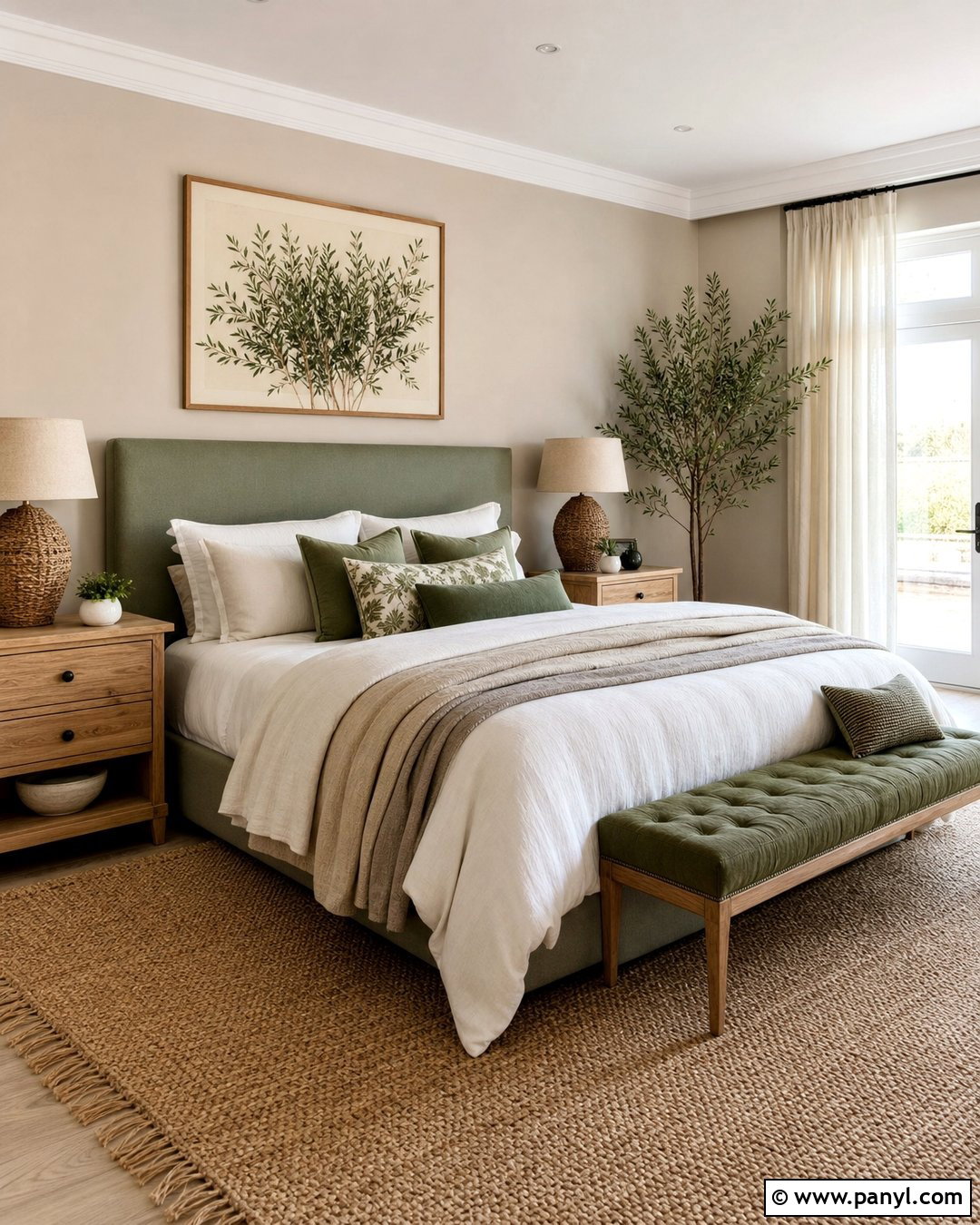
Sage green adds a soft organic layer to creamy neutral walls without disturbing their calm appearance. Use warm cream paint in a bedroom, then place a muted sage upholstered headboard against the main wall. Dress the bed in white linen with oatmeal blankets and a few green-gray cushions. Light oak nightstands, woven lamps, and a natural-fiber rug maintain the relaxed palette. Hang botanical artwork with generous cream matting rather than filling the room with live plants. Linen curtains in a shade close to the walls create a seamless backdrop. A small olive-green bench can repeat the accent color at the foot of the bed. The finished room feels fresh, restorative, and easy to live with.
28. Neutral Walls With Navy Accents
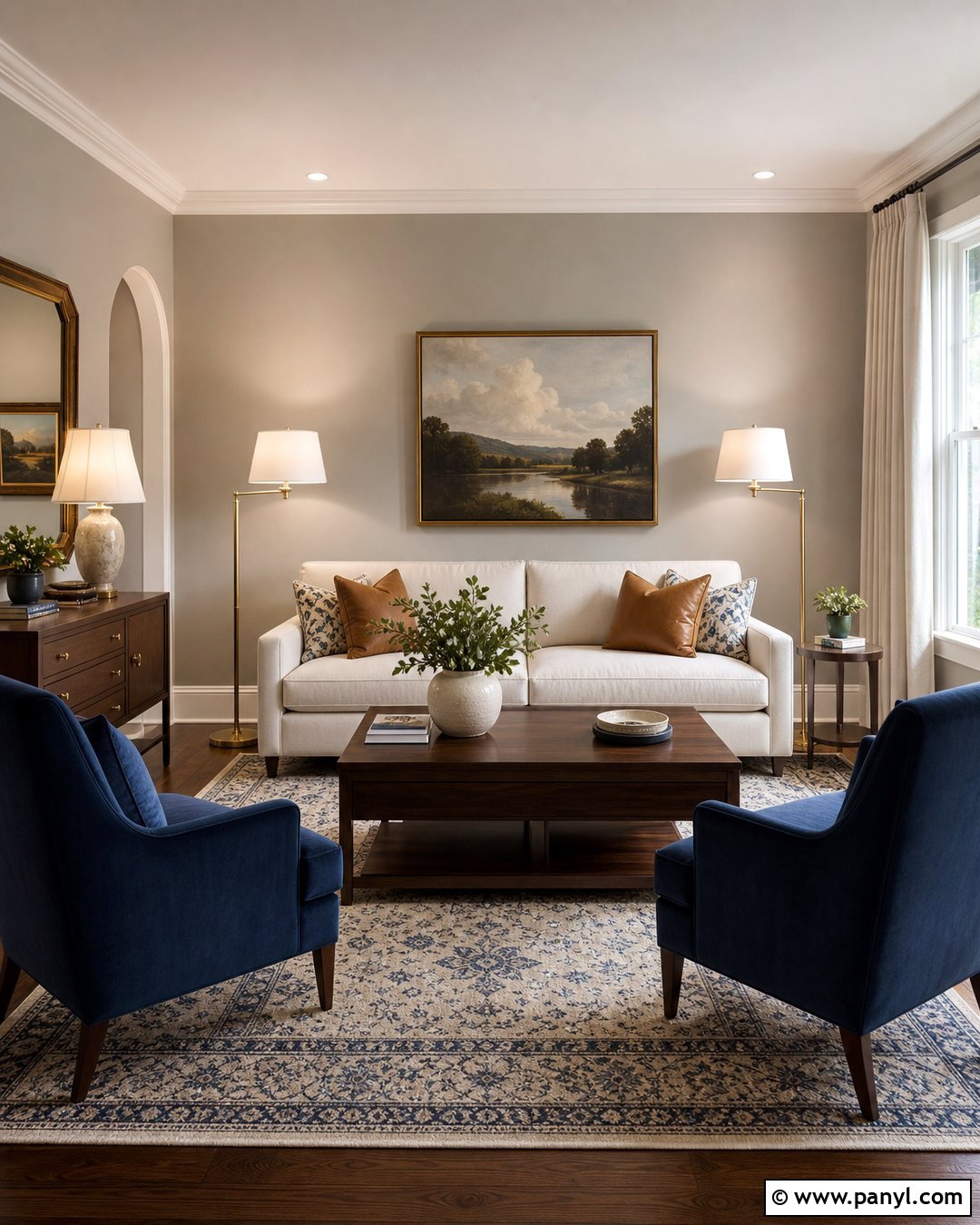
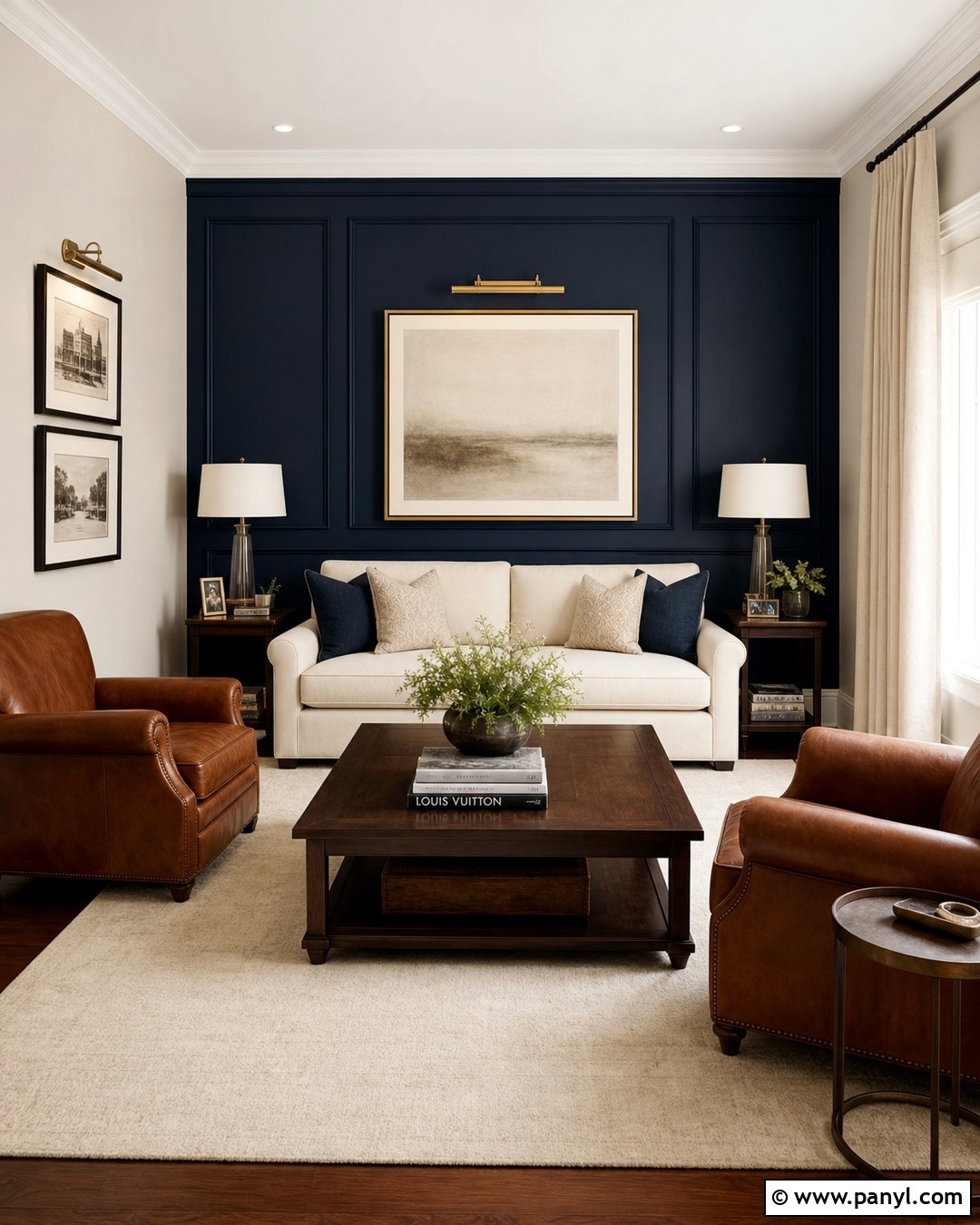
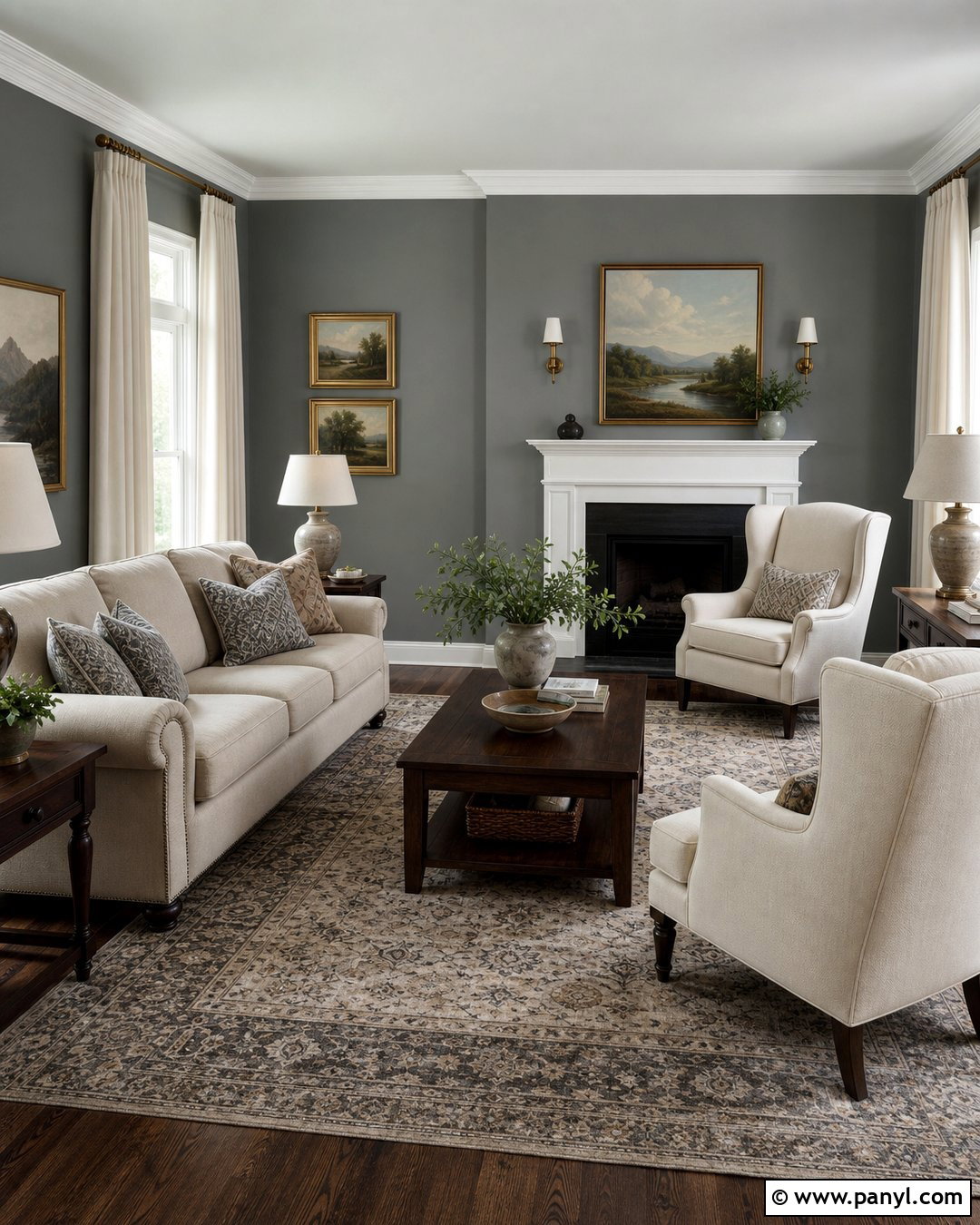
Navy accents bring crisp contrast to light neutral walls and work particularly well in a polished living room. Paint the walls a soft warm gray, then pair them with a cream sofa and two deep navy armchairs. A patterned rug combining ivory, blue, and muted brown connects the seating arrangement. Use a dark walnut coffee table and sideboard to give the room additional weight. Brass table lamps add warmth and prevent the blue from feeling cool. Choose full-length off-white curtains and hang one large landscape painting that repeats the navy and beige palette. A few camel leather cushions complete the scheme. The balanced result feels classic, comfortable, and appropriate for everyday use.
29. Rental Neutral Walls
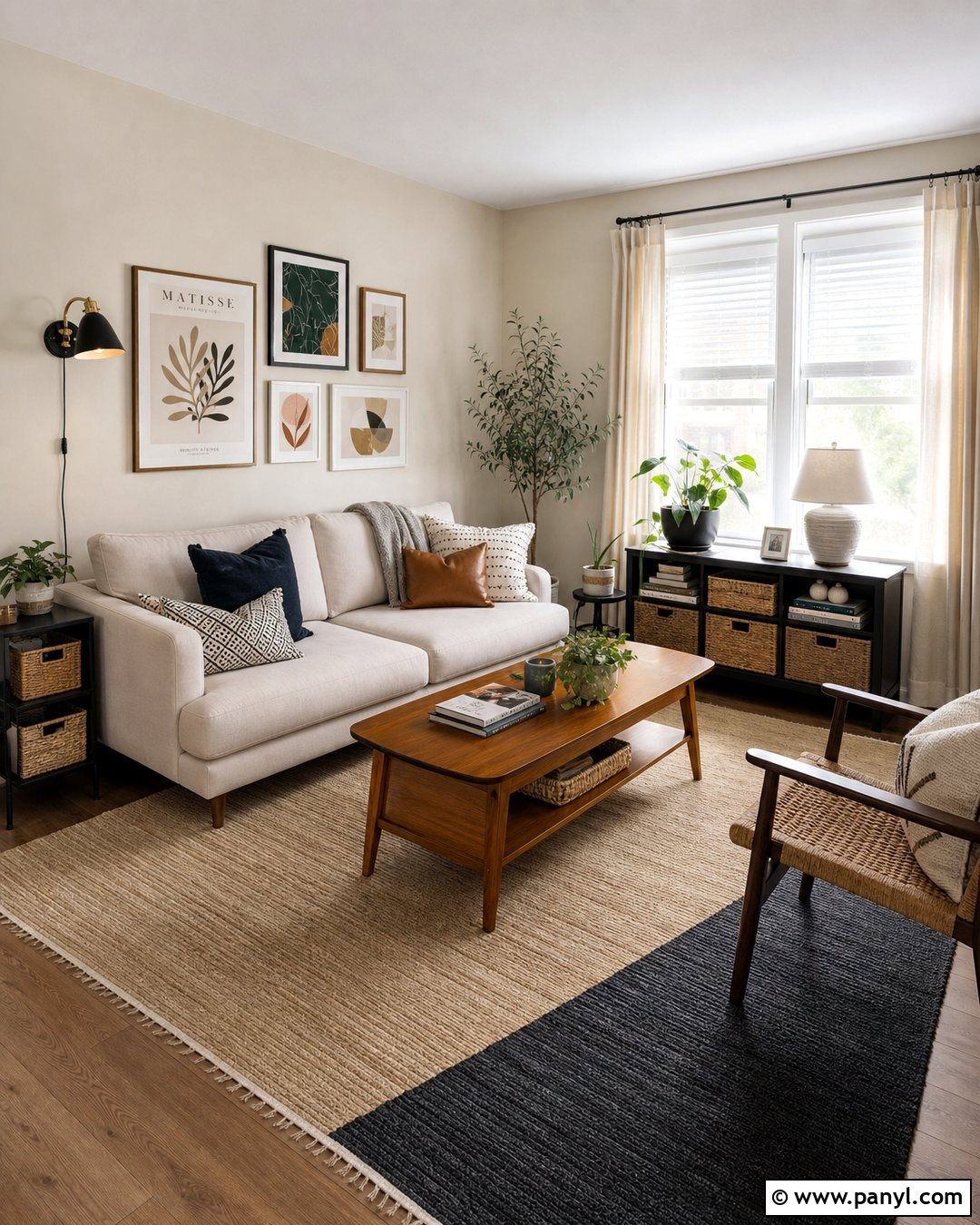
Standard rental walls can become part of a thoughtful design even when painting is not allowed. Work with existing white, beige, or light gray walls by adding large-scale furnishings and removable layers. In a living room, center a cream sofa on an oversized patterned rug with tan, charcoal, and muted green details. Add a medium wood coffee table, black floor lamp, and woven accent chair for contrast. Full-length curtains hung high above the window make the walls appear taller, while removable picture hooks allow for a generous gallery arrangement. Use plug-in sconces when hardwiring is unavailable. Coordinated cushions, baskets, plants, and portable storage create a finished room without making permanent changes to the property.
30. Small Room Neutral Walls
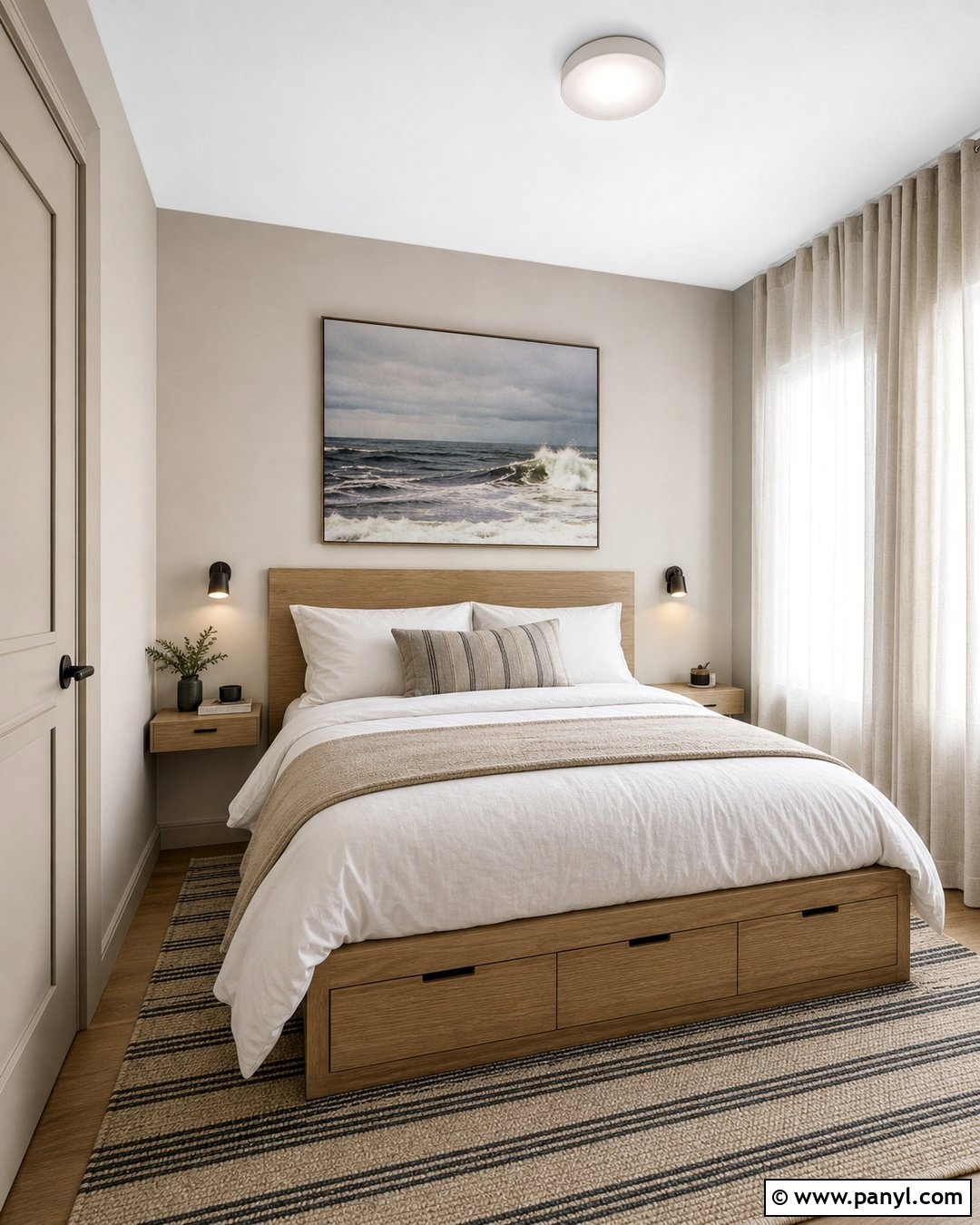
A small room benefits from neutral walls that connect visually with the trim and larger furniture. Paint the walls, baseboards, and door in the same pale warm greige, using satin paint on the woodwork. In a compact guest bedroom, choose a simple oak bed with built-in drawers and narrow wall-mounted nightstands. White bedding and a textured beige throw keep the center of the room bright. Replace table lamps with small sconces to free valuable surface space. A striped flat-weave rug can visually lengthen the floor, while curtains mounted near the ceiling increase the sense of height. Add one large artwork instead of several small pieces. The final layout feels spacious, comfortable, and intentionally designed.
Conclusion:
The best neutral interiors combine carefully chosen wall color with furniture, lighting, texture, and practical details. Warm whites offer brightness, while beige, greige, mushroom, and taupe create softer, more enveloping rooms. Earthy variations such as putty, khaki, cocoa, and green-gray can add character without sacrificing versatility. Before committing, place large paint samples beside flooring, upholstery, cabinets, and trim, then observe them during the morning, afternoon, and evening. Neutral colors are especially sensitive to surrounding light and undertones. () Whether your home is traditional, coastal, modern, or casual, these 30 neutral walls provide complete, practical looks that can be adapted to real rooms and everyday budgets.

Related Ideas and Inspiration:
Leave a Reply