
Choosing among 20 beige wall paints can feel surprisingly difficult because every beige carries its own balance of cream, gray, gold, pink, or green. Today’s most useful beige colors look warmer and more layered than the flat builder beiges of the past. They also pair naturally with wood, stone, linen, and earthy accent colors. () Before committing, test large samples beside your flooring, trim, countertops, and upholstered furniture. Check them in morning light, afternoon sun, and under your evening bulbs. The designs below show how each color can shape a complete room rather than simply fill a wall. Use these coordinated palettes, materials, and furnishings to compare 20 beige wall paints.

1. Accessible Beige Living Room
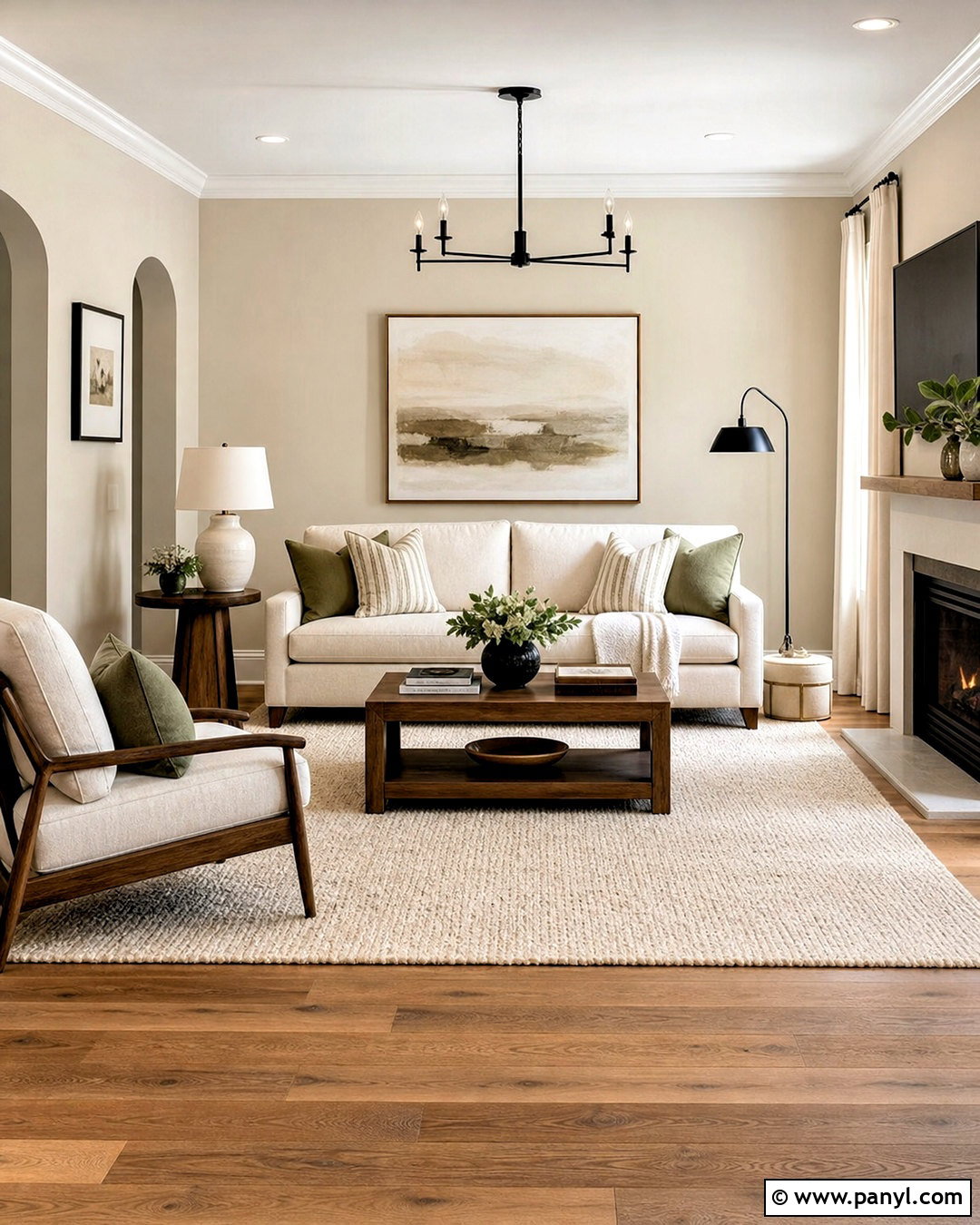
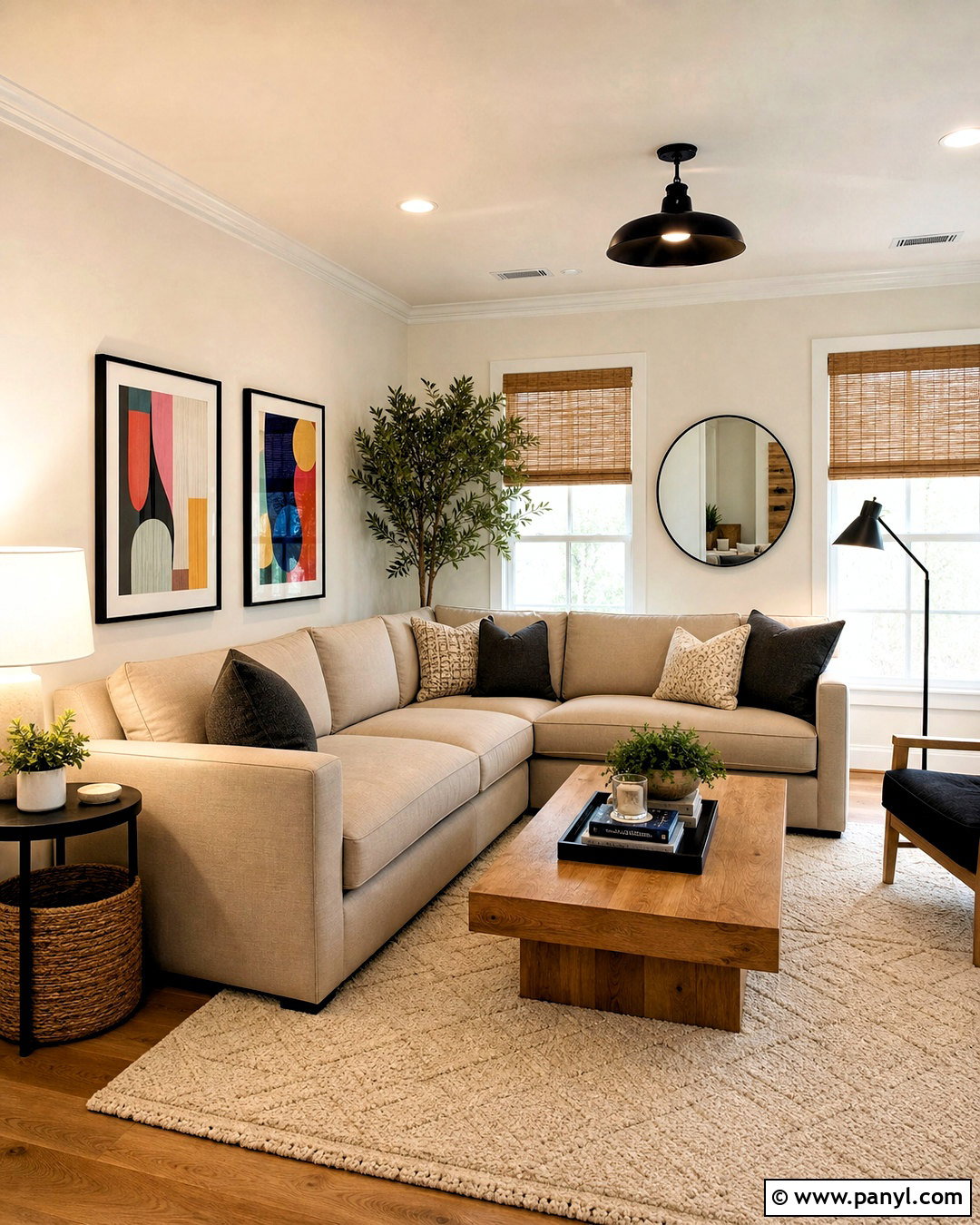
Sherwin-Williams Accessible Beige creates a warm living room that feels current without becoming overly gray or yellow. Its balanced greige character works especially well with medium oak flooring, an oatmeal sofa, and ivory curtains. Add a textured cream rug to brighten the floor, then bring in walnut side tables for depth. Matte black lighting gives the soft palette a clean outline, while muted olive pillows connect the room to natural colors. Keep the ceiling and trim warm white instead of brilliant white, which may make the walls look duller. Finish the space with large abstract artwork in cream, charcoal, and faded brown. This complete combination suits transitional, modern farmhouse, and relaxed contemporary homes. ()
2. Natural Linen Dining Room
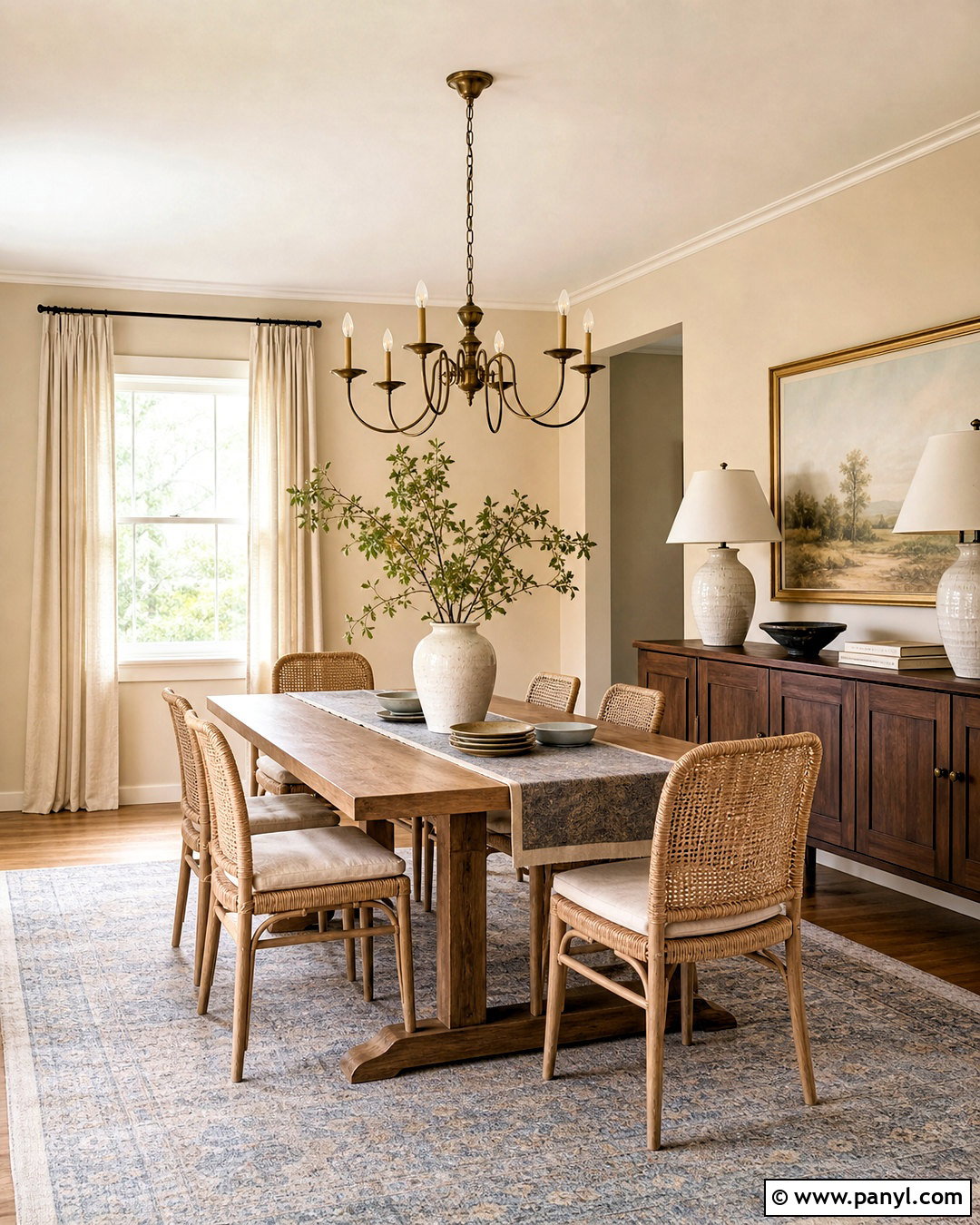
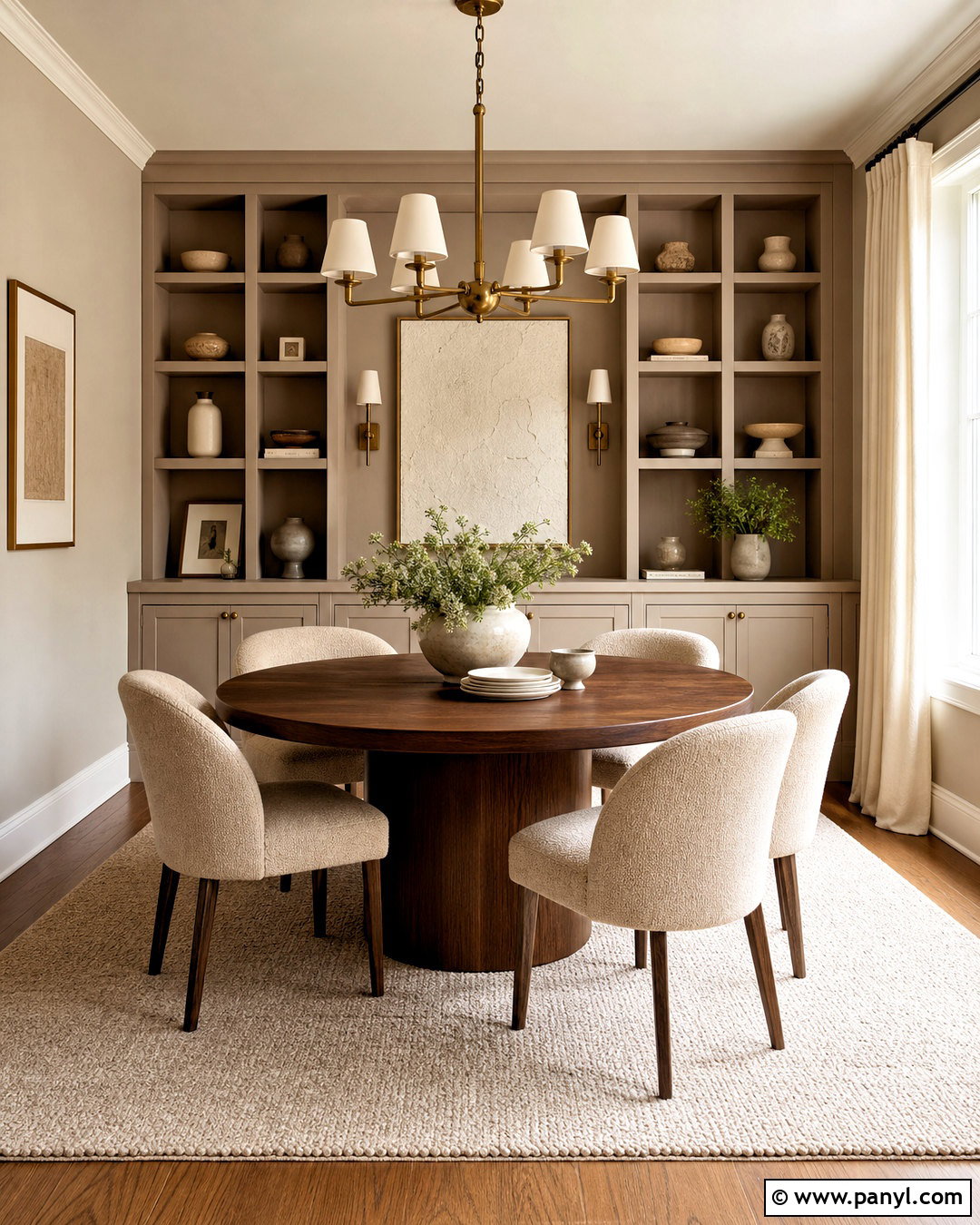
Sherwin-Williams Natural Linen brings gentle golden warmth to a dining room, making it a strong choice for spaces used in the evening. Pair the walls with a medium-toned oak table and woven dining chairs to strengthen the relaxed, natural look. Cream drapery and warm white trim keep the room feeling light, while an aged brass chandelier adds a soft glow without introducing a harsh metallic finish. Ground the arrangement with a faded blue and beige rug that provides quiet contrast. A dark walnut buffet prevents the palette from looking washed out. Ceramic lamps, landscape artwork, and a simple arrangement of leafy branches complete the design. The result feels comfortable, polished, and welcoming rather than formal or overly traditional.
3. Shiitake Bedroom
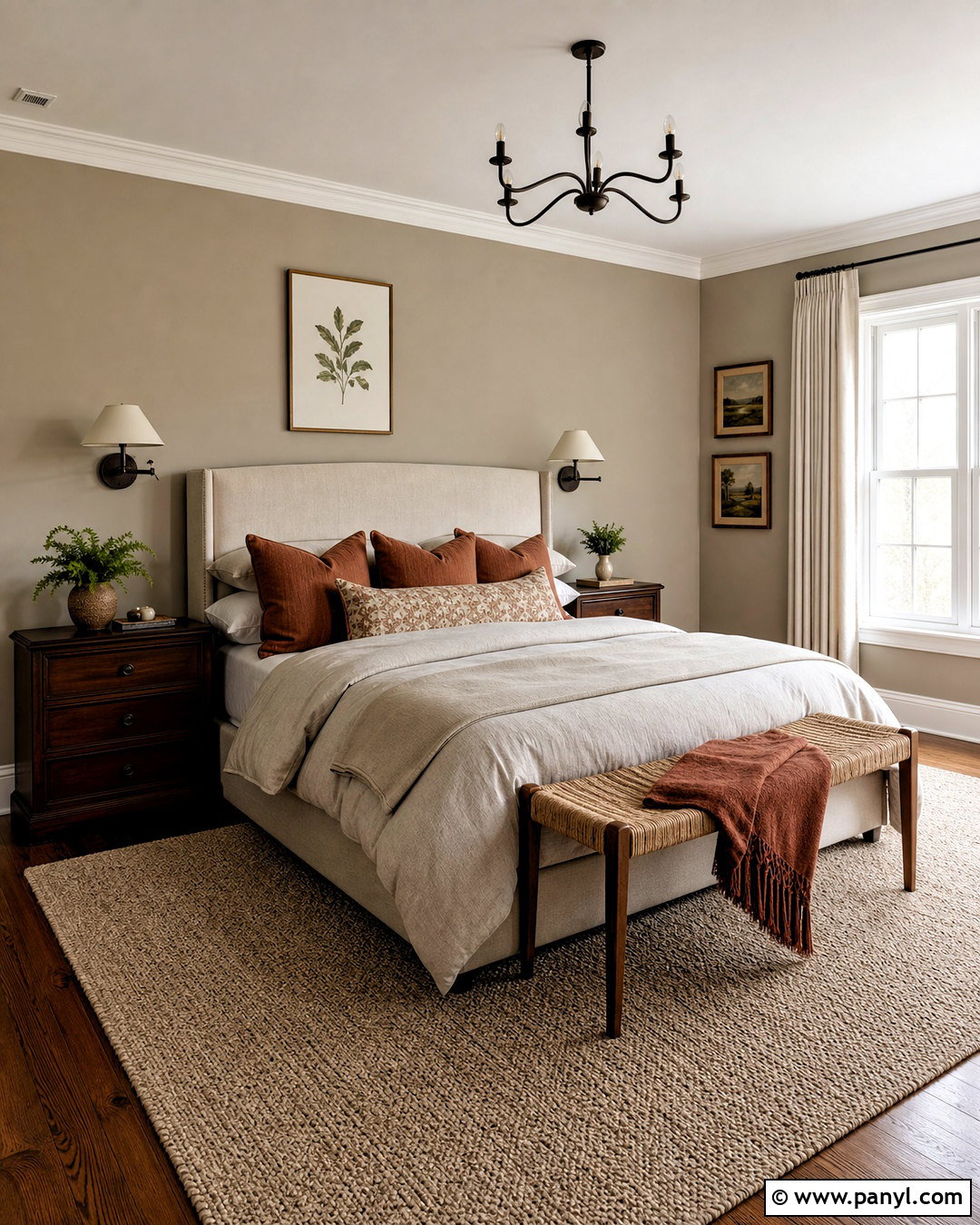
Imagine a calm bedroom where every surface feels soft and grounded. Sherwin-Williams Shiitake offers an earthy gray-beige backdrop that looks beautiful with layered taupe bedding, an upholstered oatmeal headboard, and medium walnut nightstands. Because the paint can reveal subtle rosy warmth in strong sunlight, compare samples on multiple walls before covering the room. () Use warm white for the ceiling, baseboards, and doors to create gentle definition. A natural wool rug adds texture beneath the bed, while bronze sconces provide darker accents. Complete the room with muted terracotta pillows, linen curtains, and simple botanical artwork. The overall look is cozy and sophisticated, making it particularly effective for transitional bedrooms with wood floors and soft natural light.
4. Rivers Edge Home Office
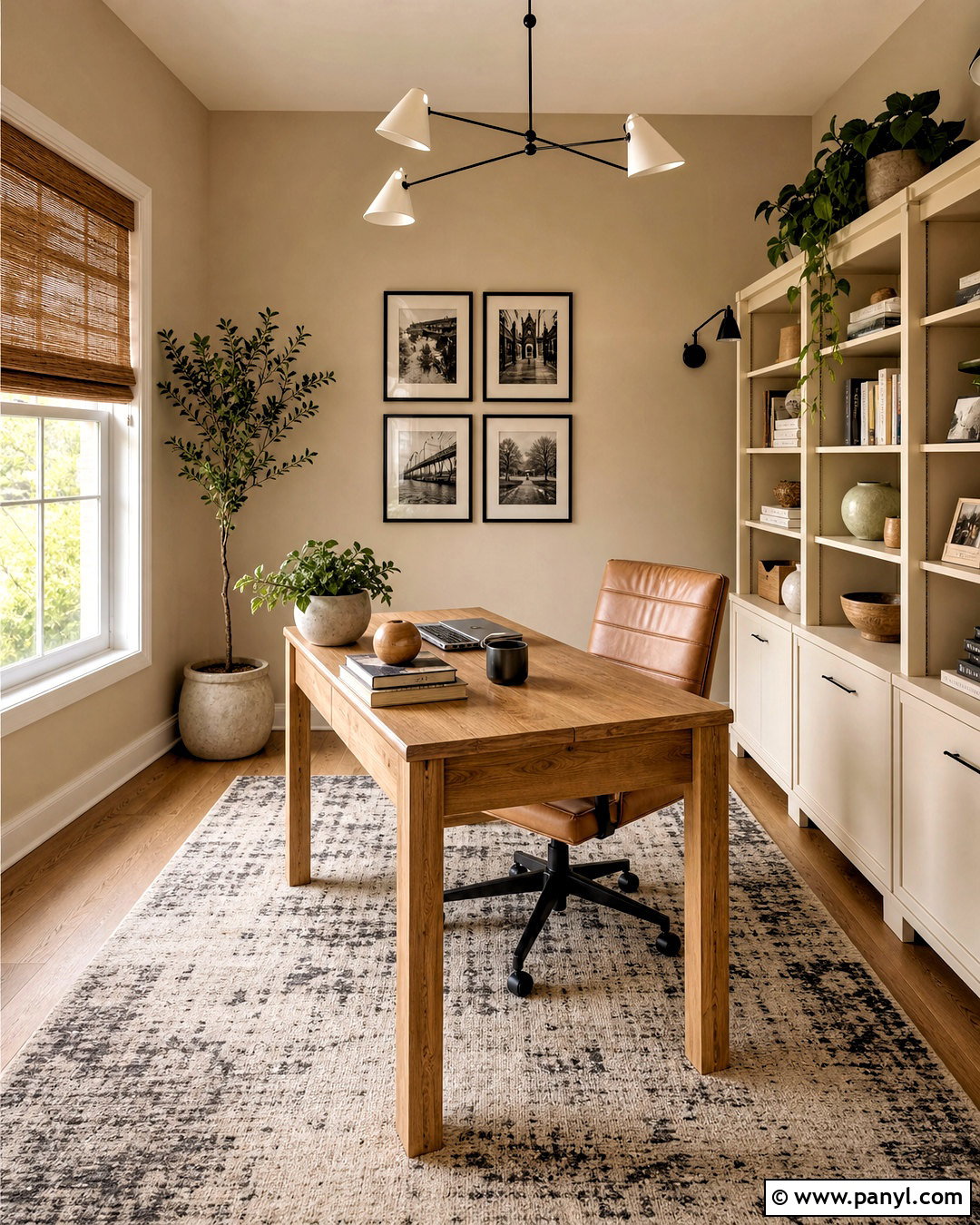
A home office should feel focused but never cold. Sherwin-Williams Rivers Edge provides a warm beige foundation that can soften computer equipment, filing cabinets, and other practical features. Paint the walls this understated neutral, then install a natural oak desk with streamlined drawers. A camel leather chair and a low cream bookcase create useful contrast without overwhelming the compact space. Choose an ivory and charcoal rug to define the work zone, especially in an open room. Black picture frames, a matte black desk lamp, and dark bronze hardware add structure. Finish with woven shades and a few leafy plants in stone-colored pots. This balanced office design feels professional enough for video calls yet comfortable enough for long, productive work sessions.
5. Kilim Beige Family Room
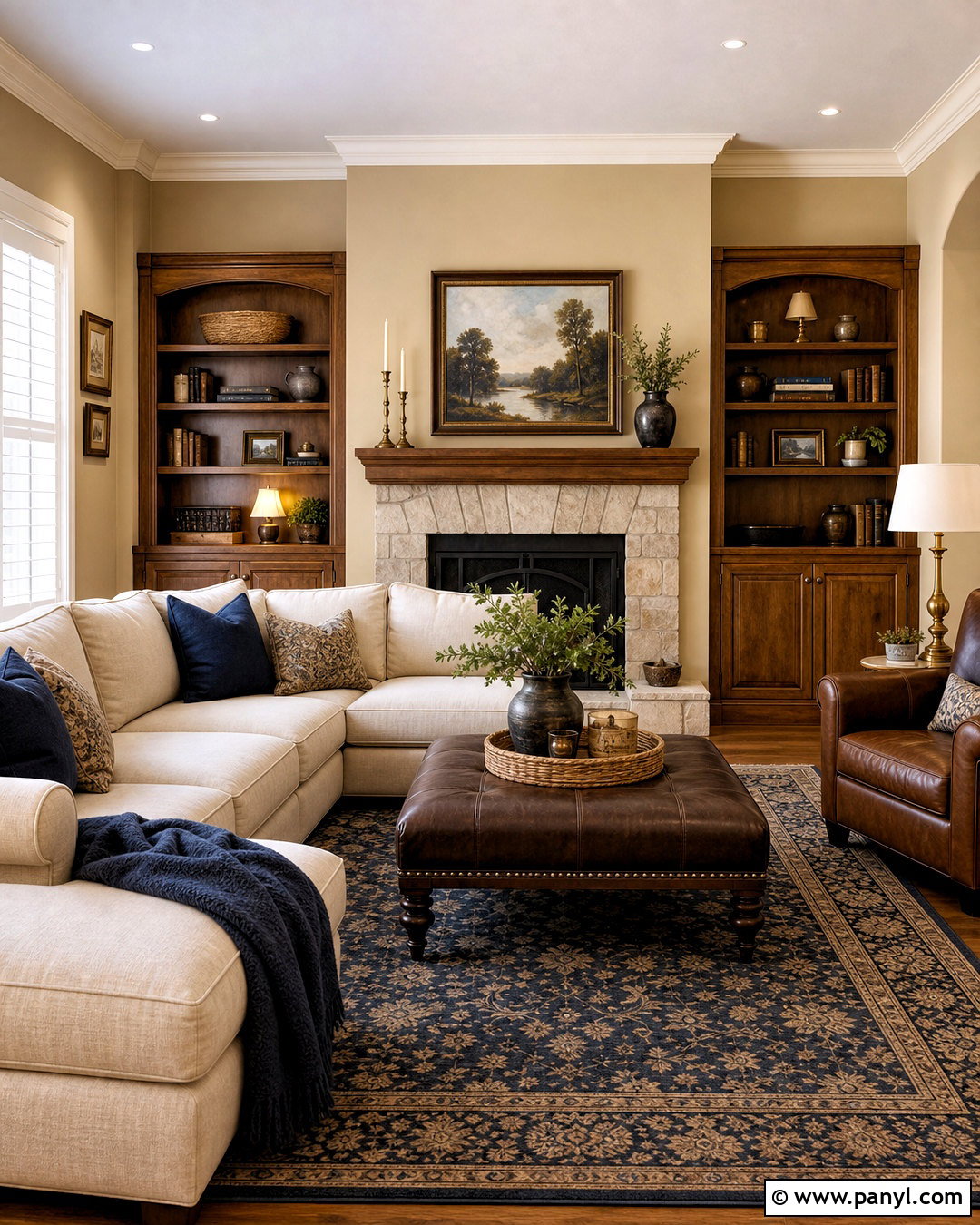
Sherwin-Williams Kilim Beige has noticeable warmth, making it ideal for a family room filled with traditional woods and comfortable furniture. Build the design around a large cream sectional and a warm brown leather ottoman that can handle everyday use. Medium cherry or walnut cabinetry will relate naturally to the walls, while navy pillows and a faded navy rug provide cooling contrast. Use soft white trim instead of a blue-based white to maintain a smooth transition around doors and windows. A stone fireplace, woven baskets, and antique brass lamps reinforce the room’s inviting character. Because this beige can appear richer in warm afternoon light, balance it with pale upholstery and substantial white or cream surfaces. The finished room feels familiar, relaxed, and intentionally coordinated.
6. City Loft Open Living Room
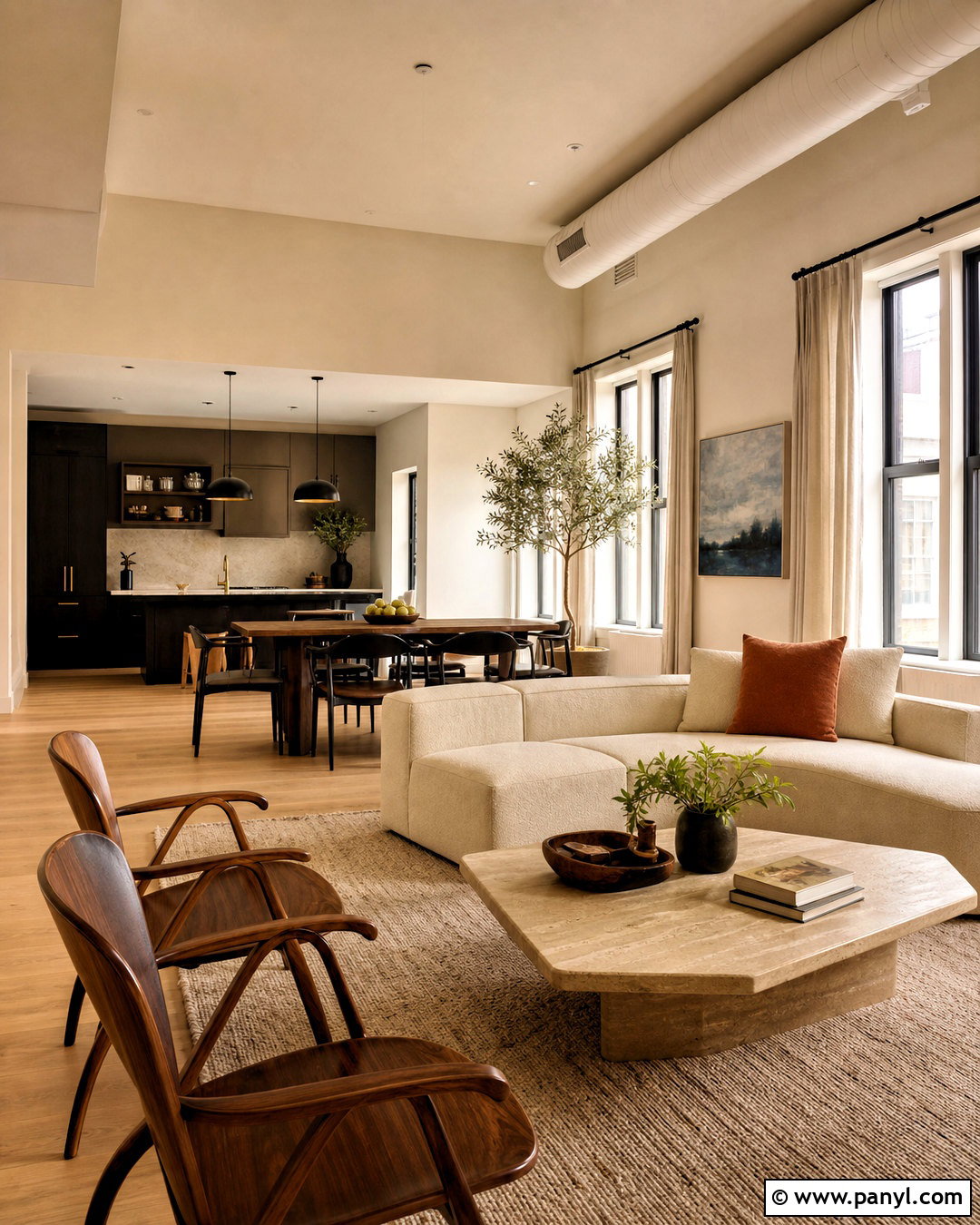
Sherwin-Williams City Loft is a light, adaptable greige-beige that can make an open living area feel airy while retaining more warmth than a typical pale gray. () Carry the color across the living room, hallway, and nearby dining area to create a continuous background. Use pale oak flooring and an off-white modular sofa as the foundation. Add a light taupe rug, curved wood chairs, and a travertine coffee table for subtle variations in tone. Black window frames or slim black curtain rods offer crisp contrast without disrupting the softness. Muted rust cushions introduce warmth, while dusty blue artwork prevents the scheme from becoming too monochromatic. The complete palette works especially well in modern open-plan homes where several areas need to connect visually.
7. Edgecomb Gray Entryway
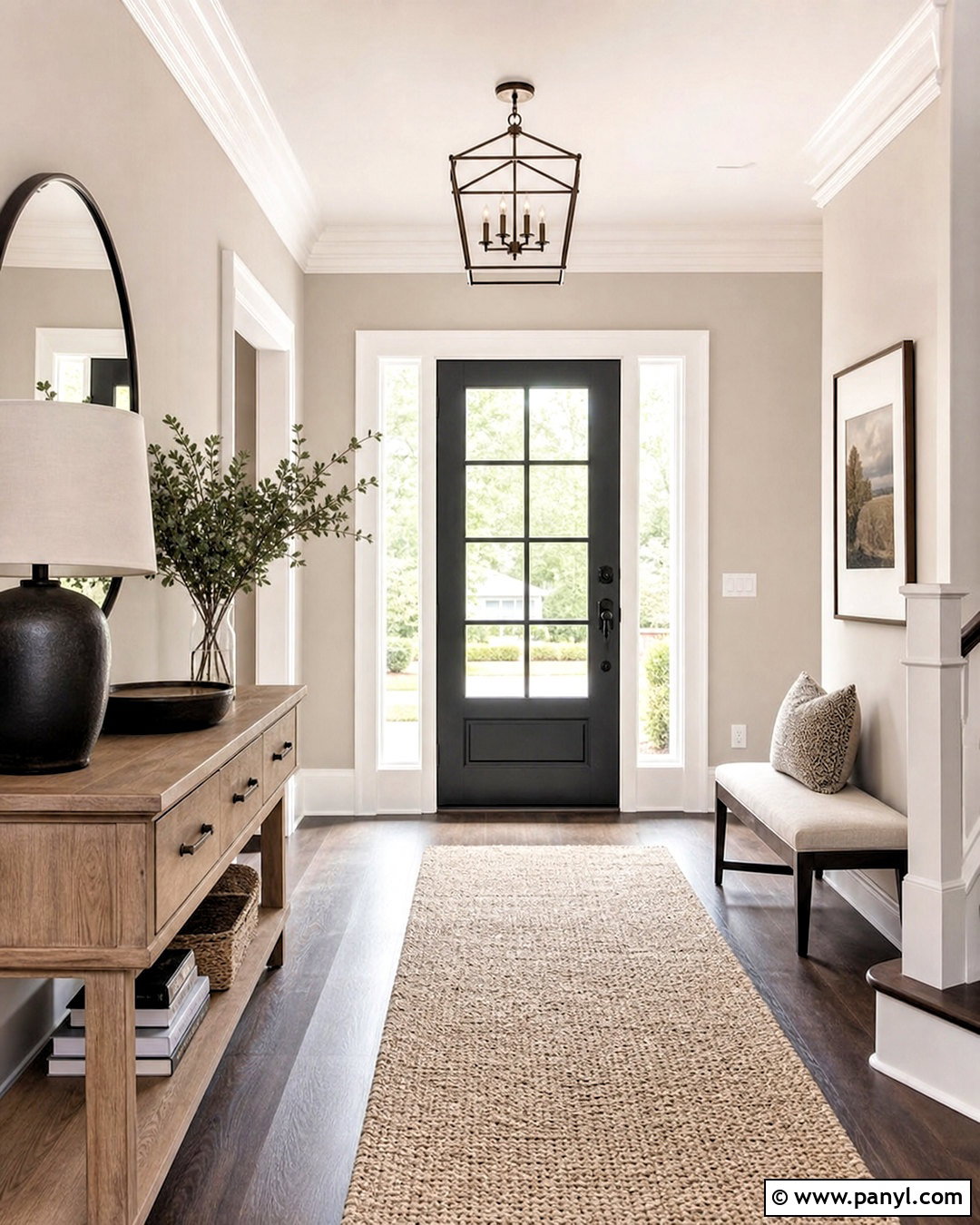
Benjamin Moore Edgecomb Gray offers the warmth of beige with enough gray influence to keep an entryway feeling fresh and versatile. It adapts well to changing light, which is helpful in foyers connected to several rooms. () Pair it with warm white millwork and a natural oak console for a clean, welcoming combination. A woven runner in ivory, tan, and charcoal will hide everyday wear while reinforcing the neutral palette. Add a large round mirror with a thin bronze frame to reflect available light. A black ceramic lamp and a dark wood bowl give the pale surfaces needed contrast. Complete the entry with simple framed artwork and an upholstered bench. This design creates a polished first impression without feeling overly decorated or disconnected from adjoining spaces.
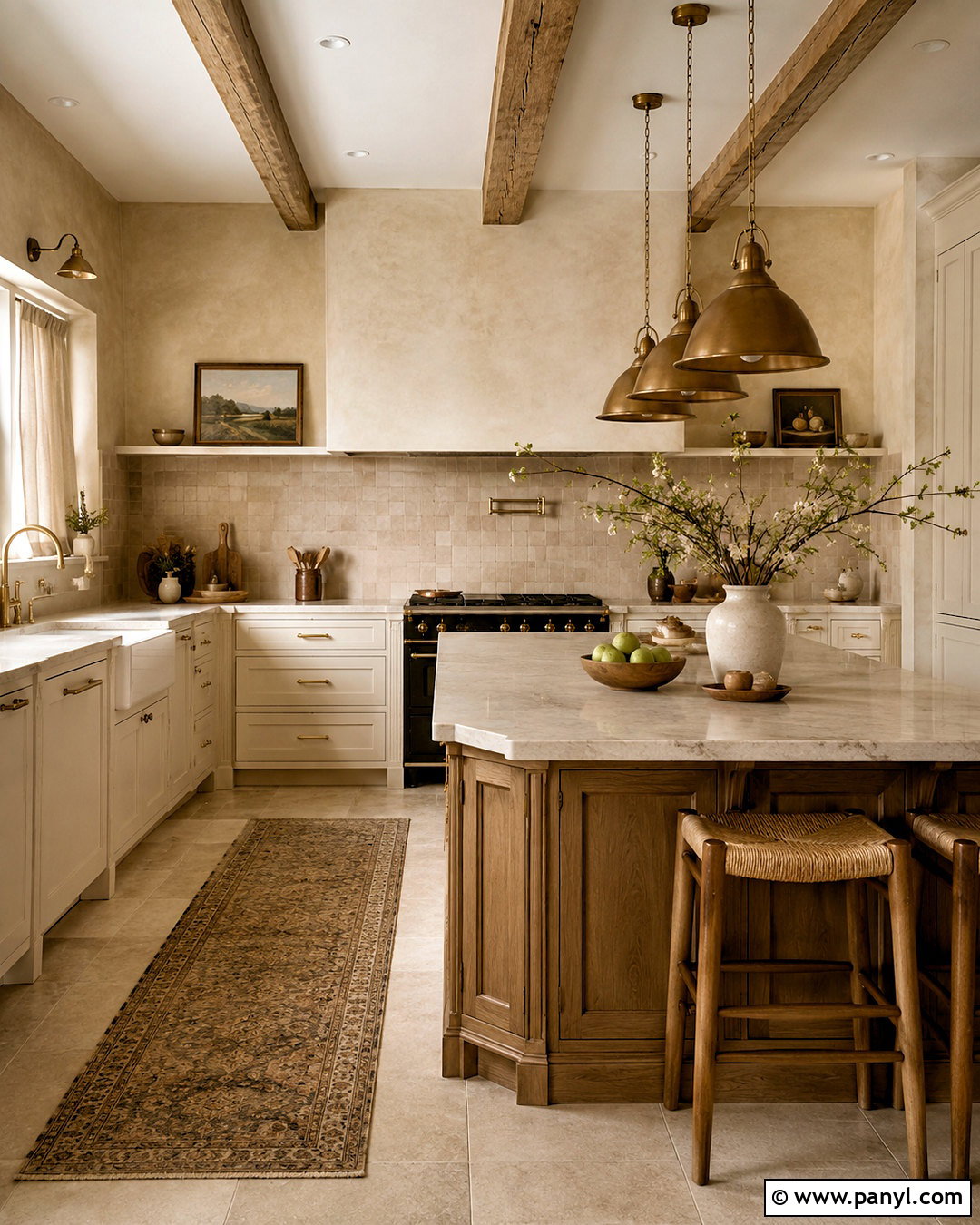
8. Pale Oak Small Bedroom
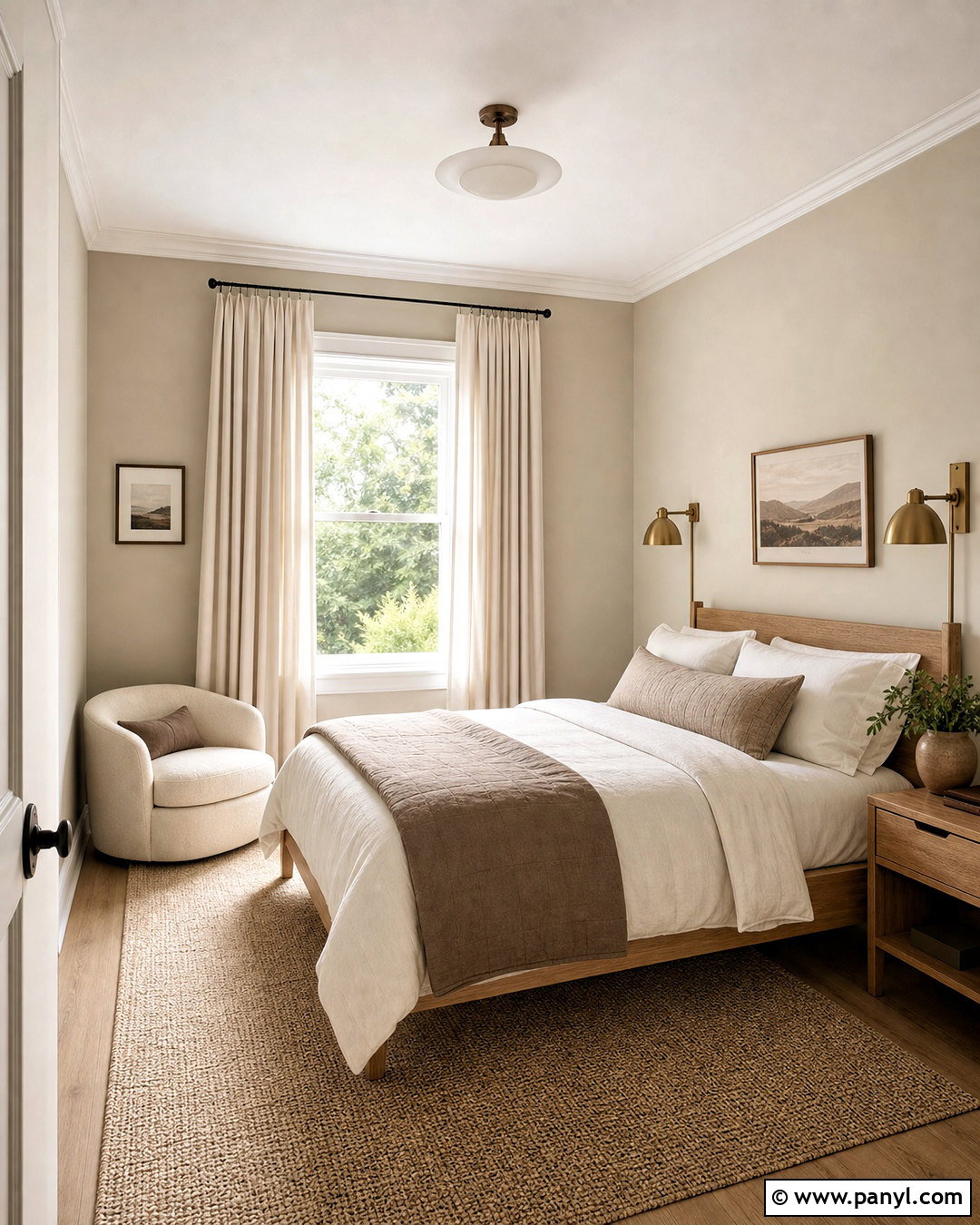
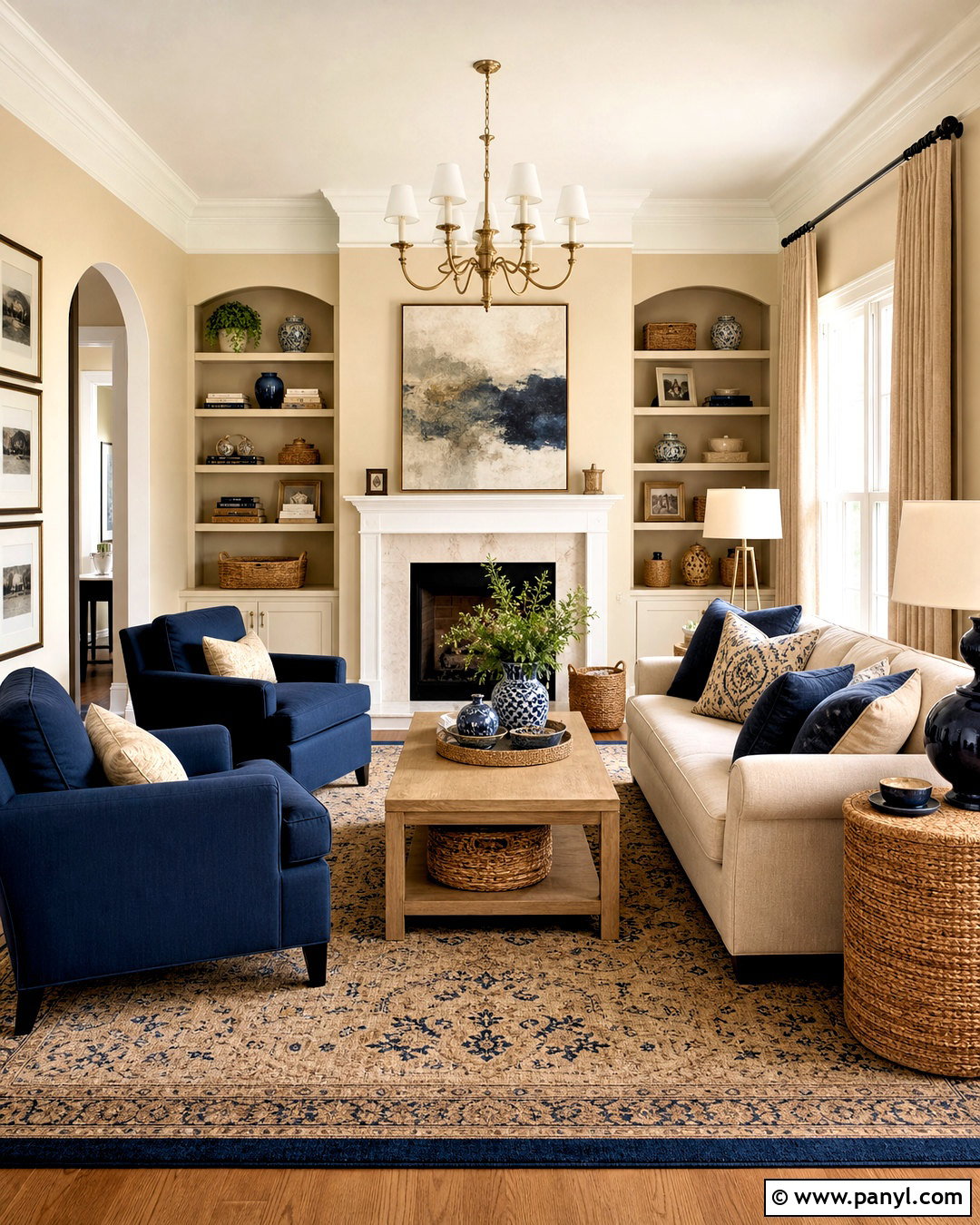
Could a small bedroom feel warm and spacious at the same time? Benjamin Moore Pale Oak offers a pale beige-greige background that supports both goals. Its soft gray influence keeps the color restrained, while subtle warmth prevents the room from feeling sterile. () Pair it with a slim oak bed, ivory linen bedding, and warm white trim. Keep the window treatment simple with full-length off-white curtains hung near the ceiling. A light natural-fiber rug will visually expand the floor, while one mushroom-colored throw adds depth. Use small brushed brass sconces instead of table lamps to free the nightstands. Pale landscape prints, a curved cream chair, and minimal accessories finish the look. The result is restful, practical, and visually uncluttered.
9. Manchester Tan Kitchen
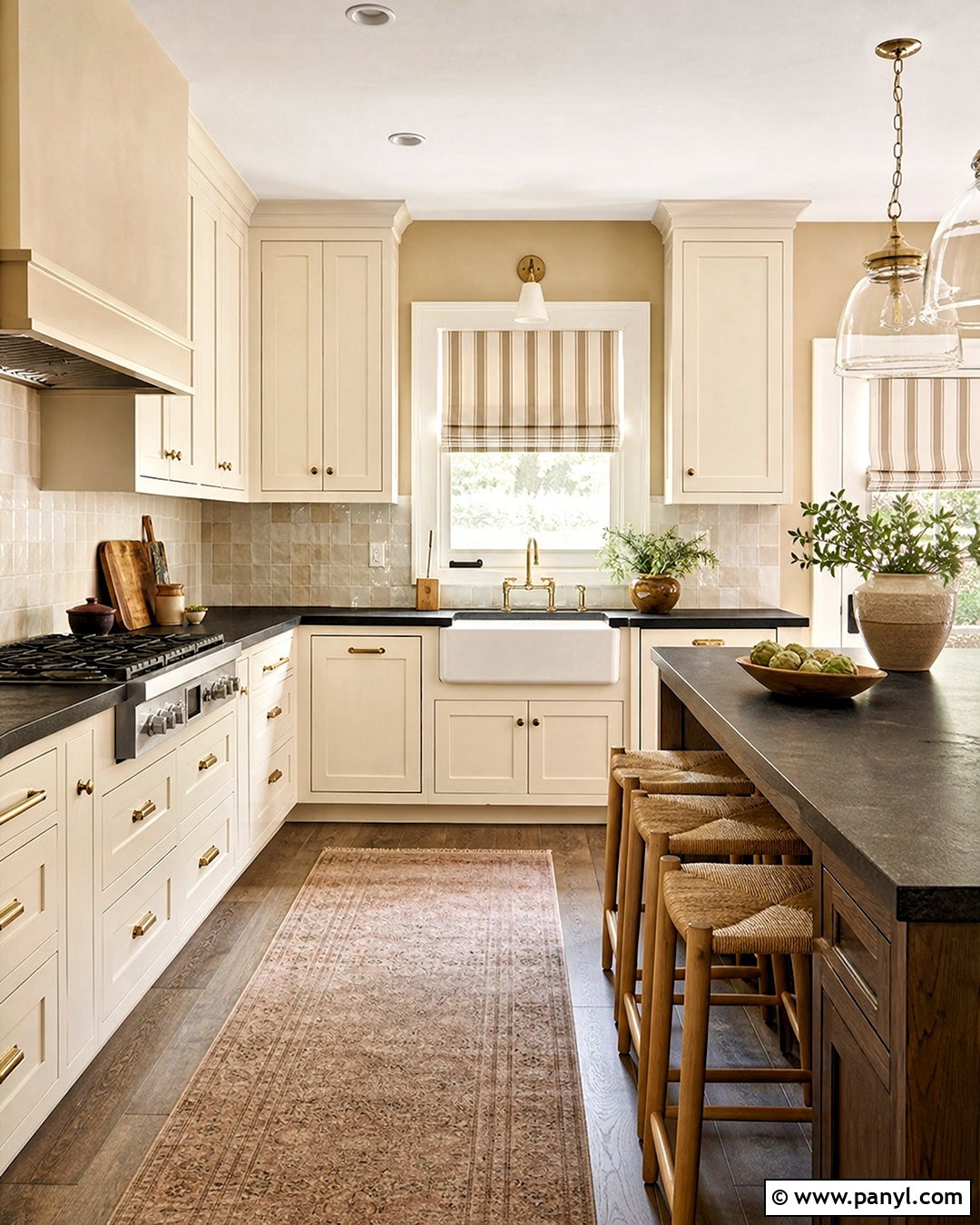
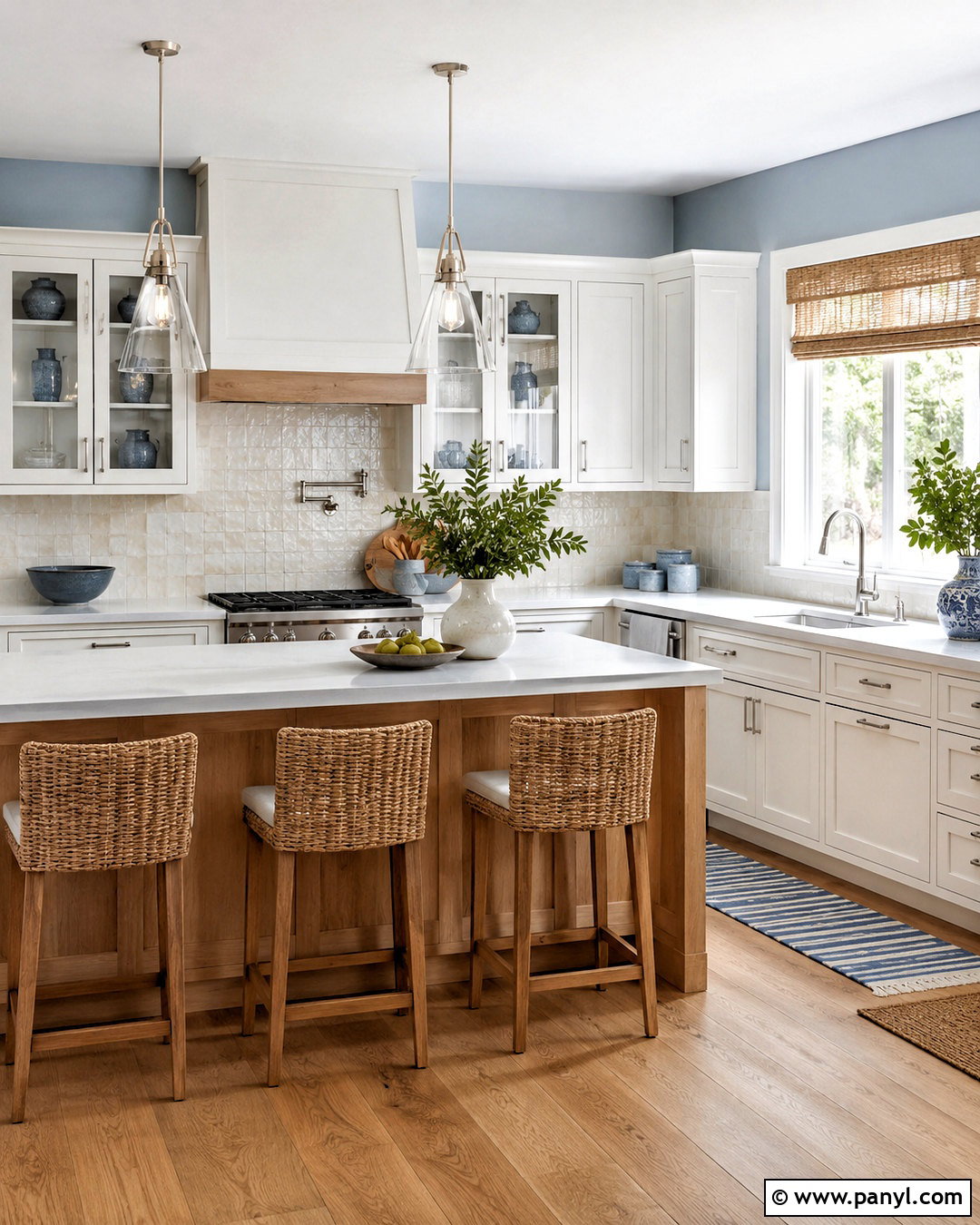
Benjamin Moore Manchester Tan can give a kitchen gentle warmth without competing with cabinetry, countertops, or flooring. Use it on the walls beside creamy white cabinets and a backsplash of handmade ivory tile. Natural oak barstools and medium brown flooring will strengthen the warm undertones, while soapstone or dark charcoal counters provide essential visual weight. Choose aged brass cabinet pulls and simple glass pendants for a traditional touch that still feels current. A Roman shade in a subtle beige-and-blue stripe introduces pattern without making the room busy. Complete the design with stoneware, wood cutting boards, and a washable tan runner. This coordinated kitchen works best when the fixed finishes already lean warm, creating a smooth and comfortable transition between paint, wood, tile, and metal.
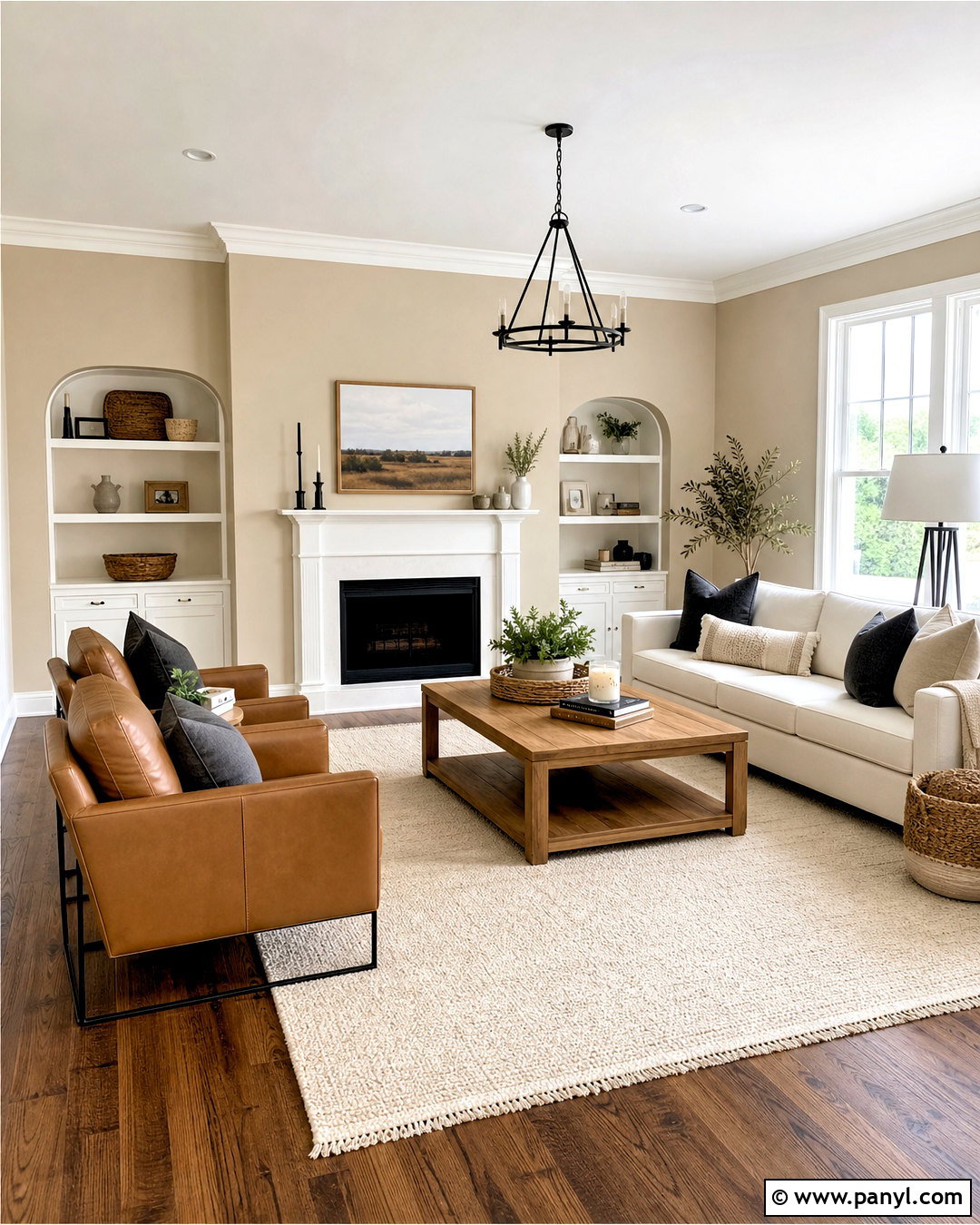
10. Shaker Beige Traditional Living Room
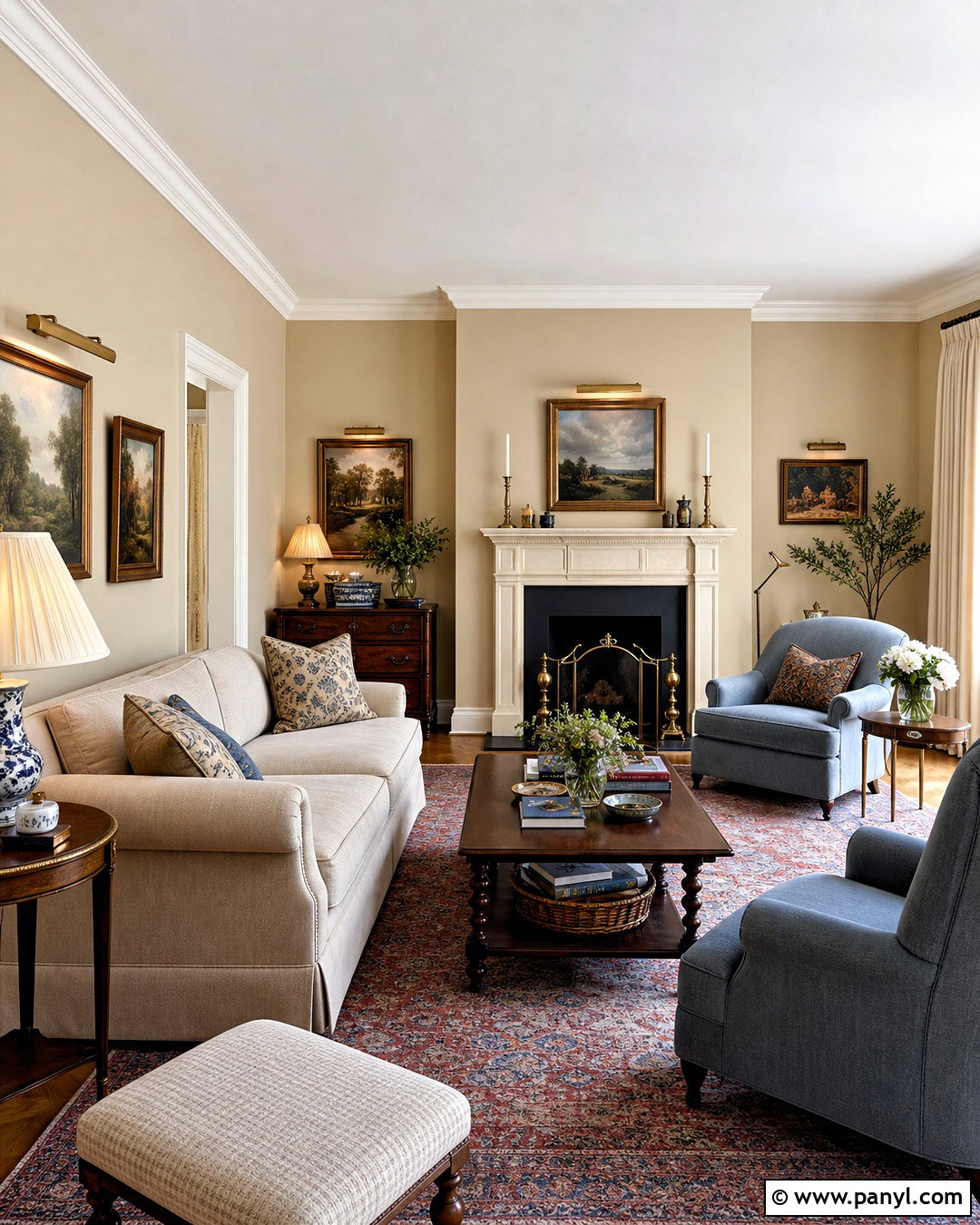
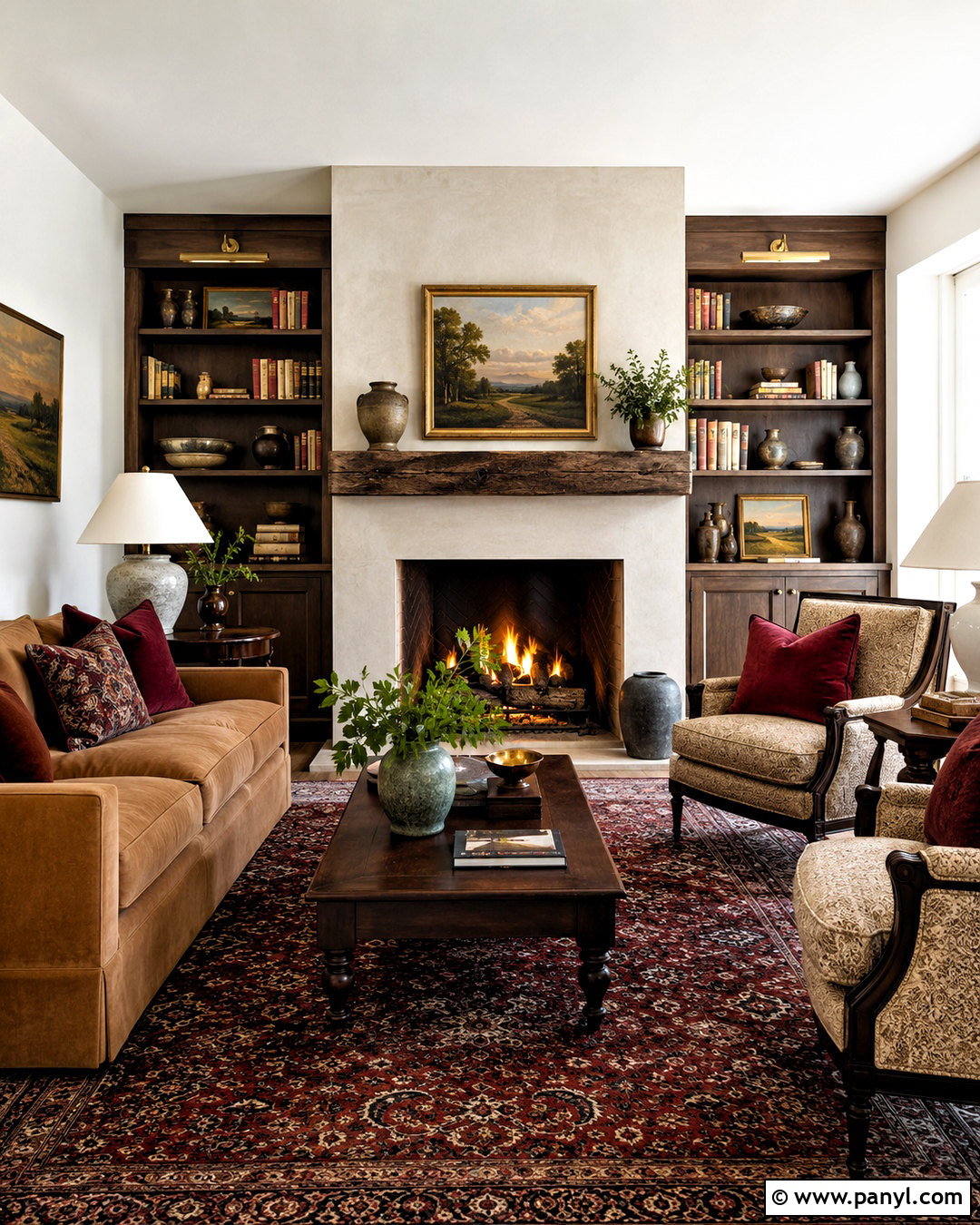
Benjamin Moore Shaker Beige is well suited to a traditional living room where classic furniture and architectural details need a warm, substantial background. Designers often pair this type of classic beige with wood cabinetry, millwork, and time-honored furnishings. () Use creamy trim around the windows, crown molding, and fireplace instead of a stark white. Arrange a tailored linen sofa opposite two muted blue armchairs, then center the seating around a dark walnut coffee table. An oriental-style rug in faded red, tan, and blue will bring the palette together. Add brass picture lights, pleated lampshades, and framed landscapes for character. The blue upholstery cools the warmth of the walls, while the darker wood keeps the room grounded. This complete look feels established, comfortable, and collected over time.
11. Revere Pewter Great Room
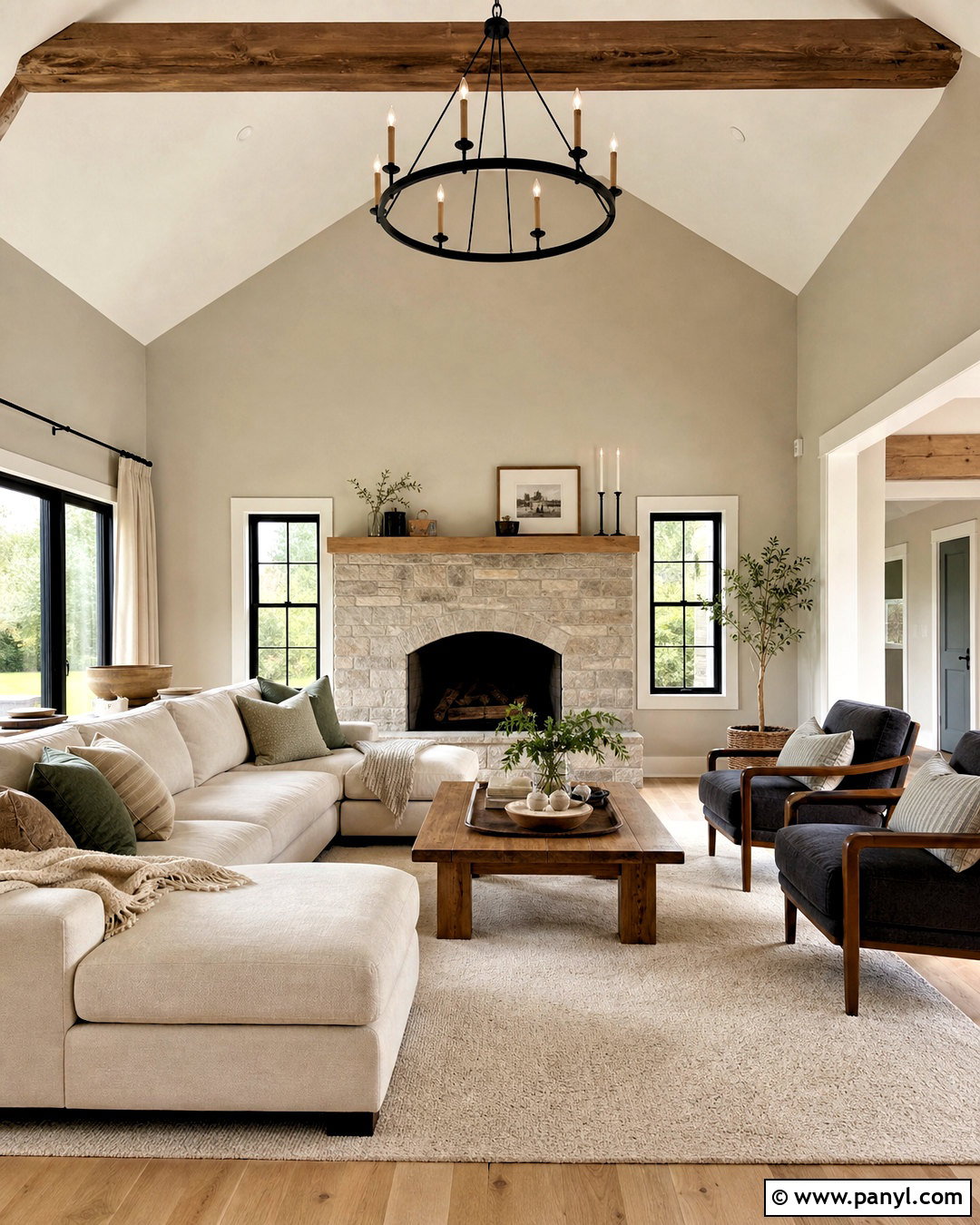
Benjamin Moore Revere Pewter bridges warm and cool neutrals, which makes it useful in a great room containing several materials and furniture finishes. () Paint the expansive walls this beige-leaning greige, then add warm white trim to define the architecture. A large oatmeal sectional, charcoal accent chairs, and a medium oak coffee table create a balanced seating group. Use a broad cream rug to prevent the room from feeling heavy. Muted green pillows and natural stone around the fireplace add earthy color without disrupting the neutral scheme. Black iron lighting supplies a sharp contemporary accent. Because a great room receives light from several directions, place samples near windows, corners, and the fireplace before deciding. The finished design feels unified without becoming flat or overly coordinated.
12. Pashmina Reading Room
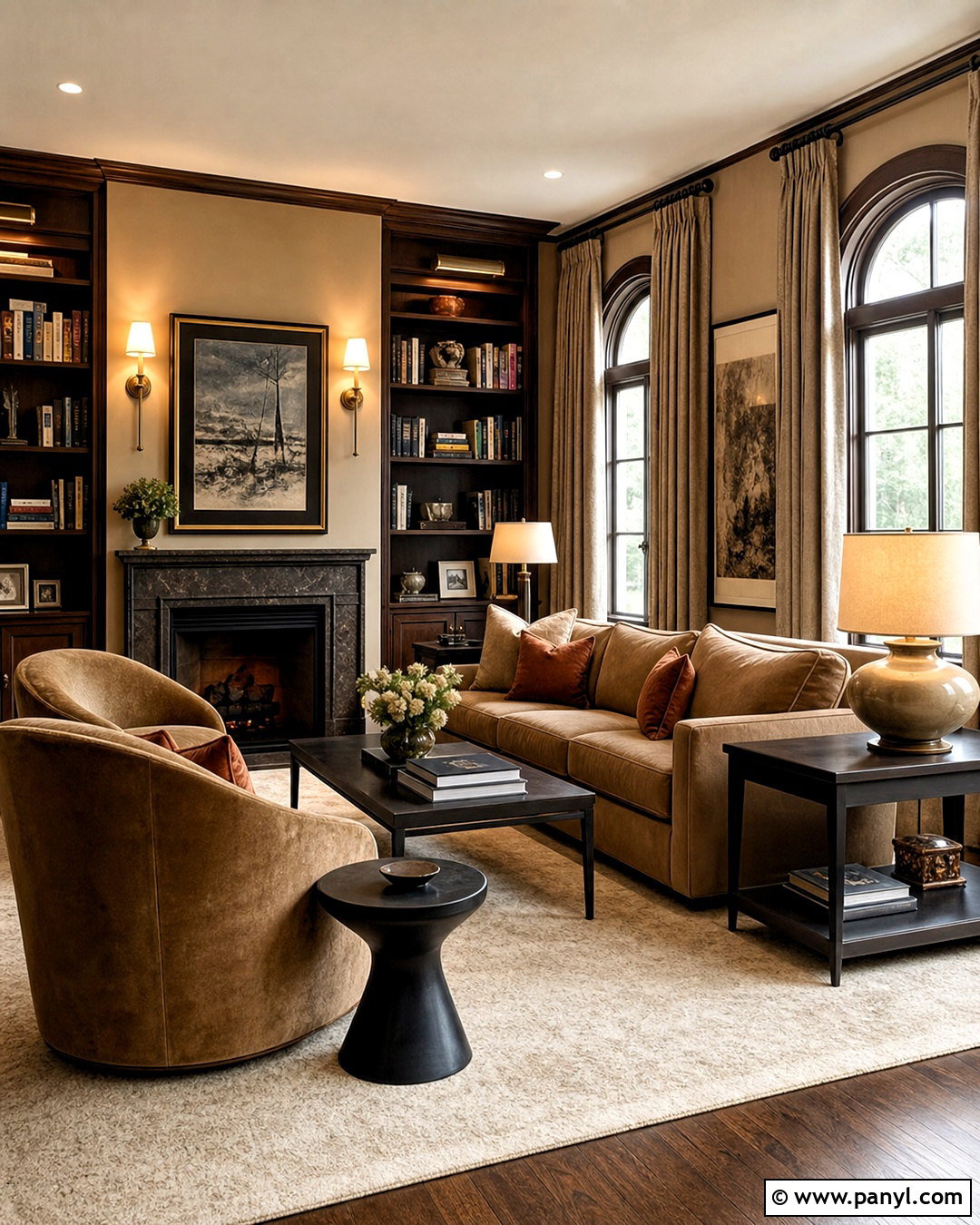
For a richer neutral, Benjamin Moore Pashmina creates an intimate reading room with more depth than a pale beige. Its layered beige-taupe appearance works beautifully with natural materials and substantial textures. () Paint all four walls, then add a camel velvet sofa or a pair of deep cream lounge chairs. Dark walnut bookcases will make the room feel established, while an ivory wool rug keeps the floor from disappearing into the darker palette. Use antique brass sconces, textured linen curtains, and rust-colored cushions to reinforce the warmth. A black side table and charcoal artwork introduce controlled contrast. This shade can look deeper in low light, so include several lamps at different heights. The resulting room feels cozy, sophisticated, and designed for quiet evenings.
13. Slipper Satin Kitchen
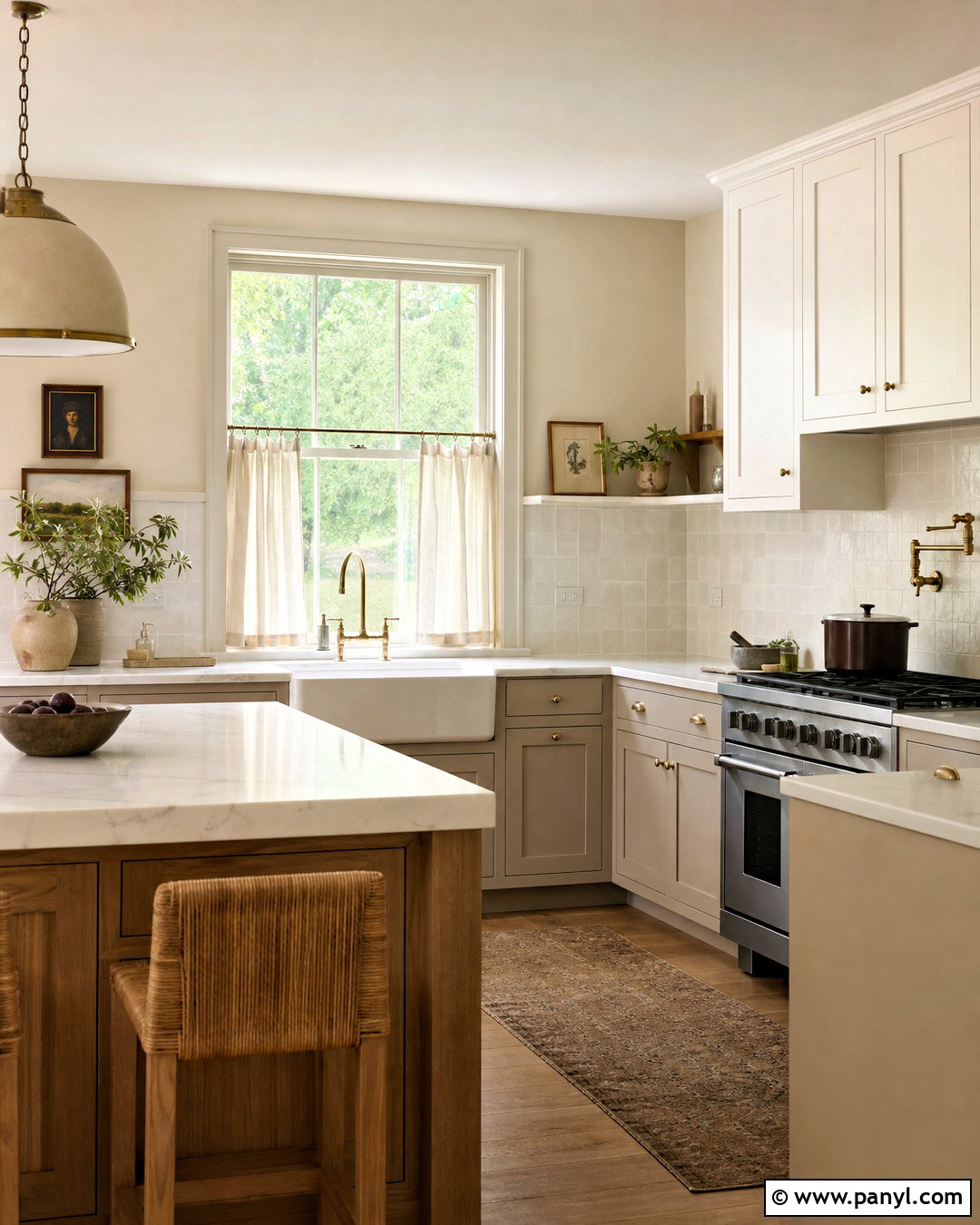
Farrow & Ball Slipper Satin sits close to an off-white, making it a graceful option for a kitchen that needs a soft beige rather than obvious color. Its pale, understated appearance can read creamy or gently gray depending on the surrounding finishes and light. () Use it across the walls with putty-colored lower cabinets and warm white upper cabinets. Add honed marble counters, unlacquered brass hardware, and natural oak flooring for a layered but quiet palette. A simple plaster pendant keeps the design light, while woven counter stools introduce organic texture. Use handmade cream backsplash tile instead of bright white subway tile. Finish with linen café curtains and a muted green runner. This complete kitchen feels refined and timeless without appearing formal or precious.
14. Skimming Stone Primary Bedroom
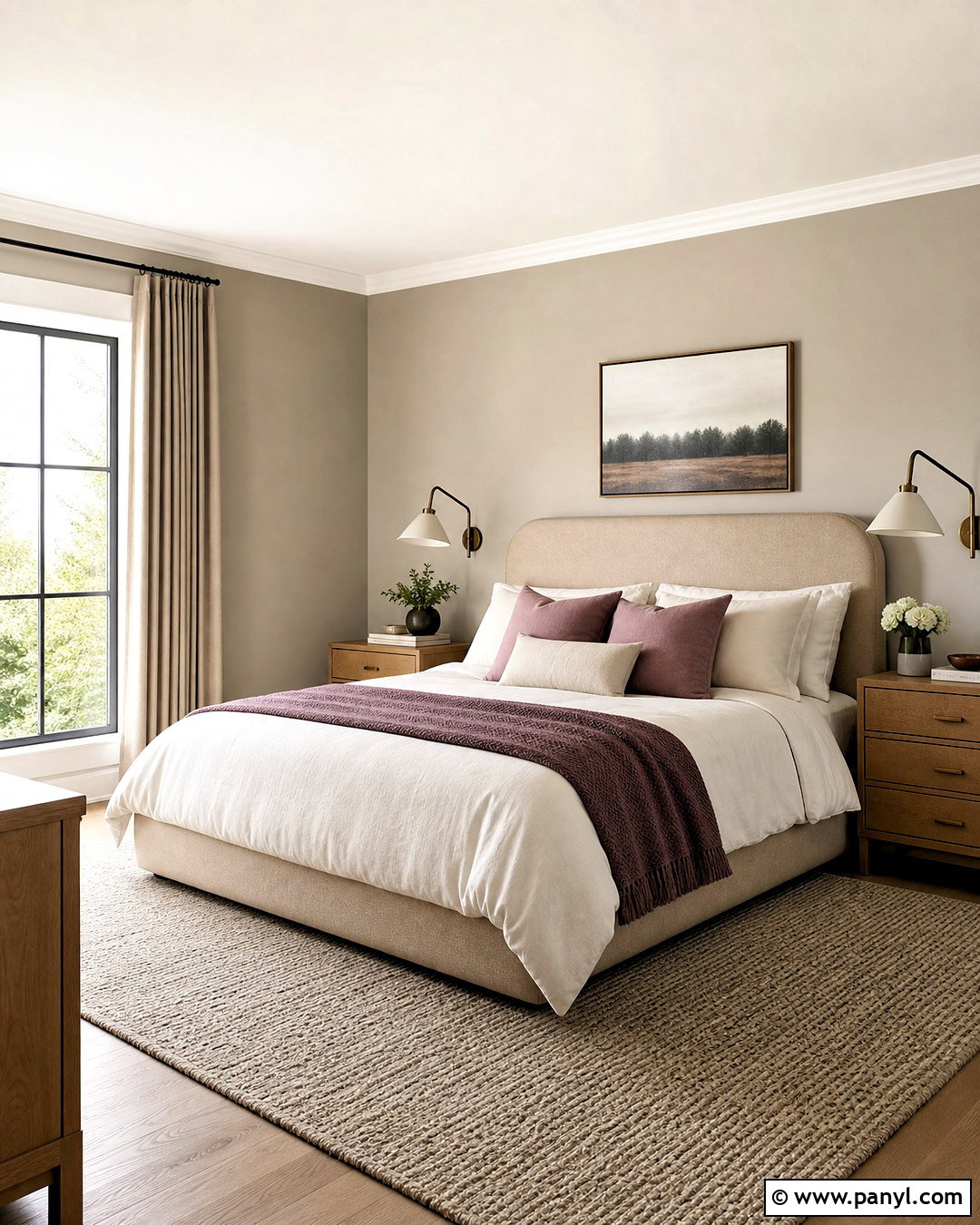
Farrow & Ball Skimming Stone brings soft gray-beige warmth to a primary bedroom designed around restful, tonal layers. Paint the walls and consider using a related warm white on the ceiling rather than creating strong contrast. An upholstered bed in mushroom-colored linen will deepen the neutral scheme, while crisp ivory bedding keeps it fresh. Place light oak nightstands on each side and add bronze reading lamps with simple fabric shades. A large wool rug in cream and taupe softens the floor and anchors the bed. For subtle color, introduce dusty rose pillows and one muted plum throw. Full-length flax curtains complete the enveloping effect. This room works because the textiles, wood, and paint vary in depth, preventing the quiet palette from looking plain or unfinished.
15. Stony Ground Dining Room
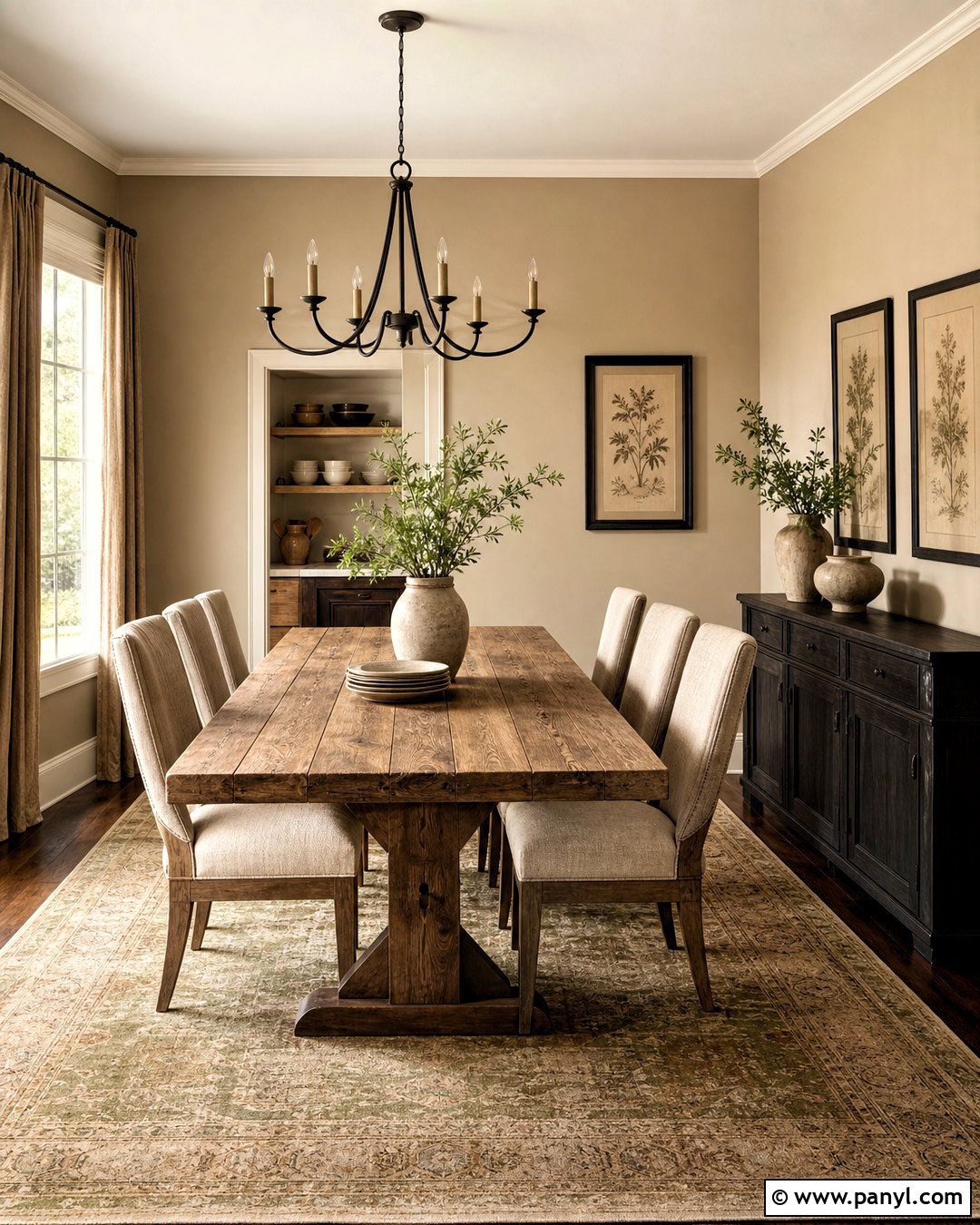
Farrow & Ball Stony Ground creates an earthy dining room that feels warmer and more grounded than a pale cream interior. Use the beige walls with a substantial reclaimed oak table and chairs upholstered in natural flax. Cream-painted trim will frame the room softly, while a dark bronze chandelier creates a defined focal point above the table. Add a large vintage-style rug containing olive, tan, and faded black to provide pattern and protect the flooring. A black-stained sideboard gives the design contemporary weight and prevents the beige from feeling overly rustic. Complete the room with stoneware, linen curtains, and botanical artwork in dark wood frames. This full scheme works especially well in rooms with garden views, aged wood floors, or other natural architectural materials.
16. Drop Cloth Mudroom
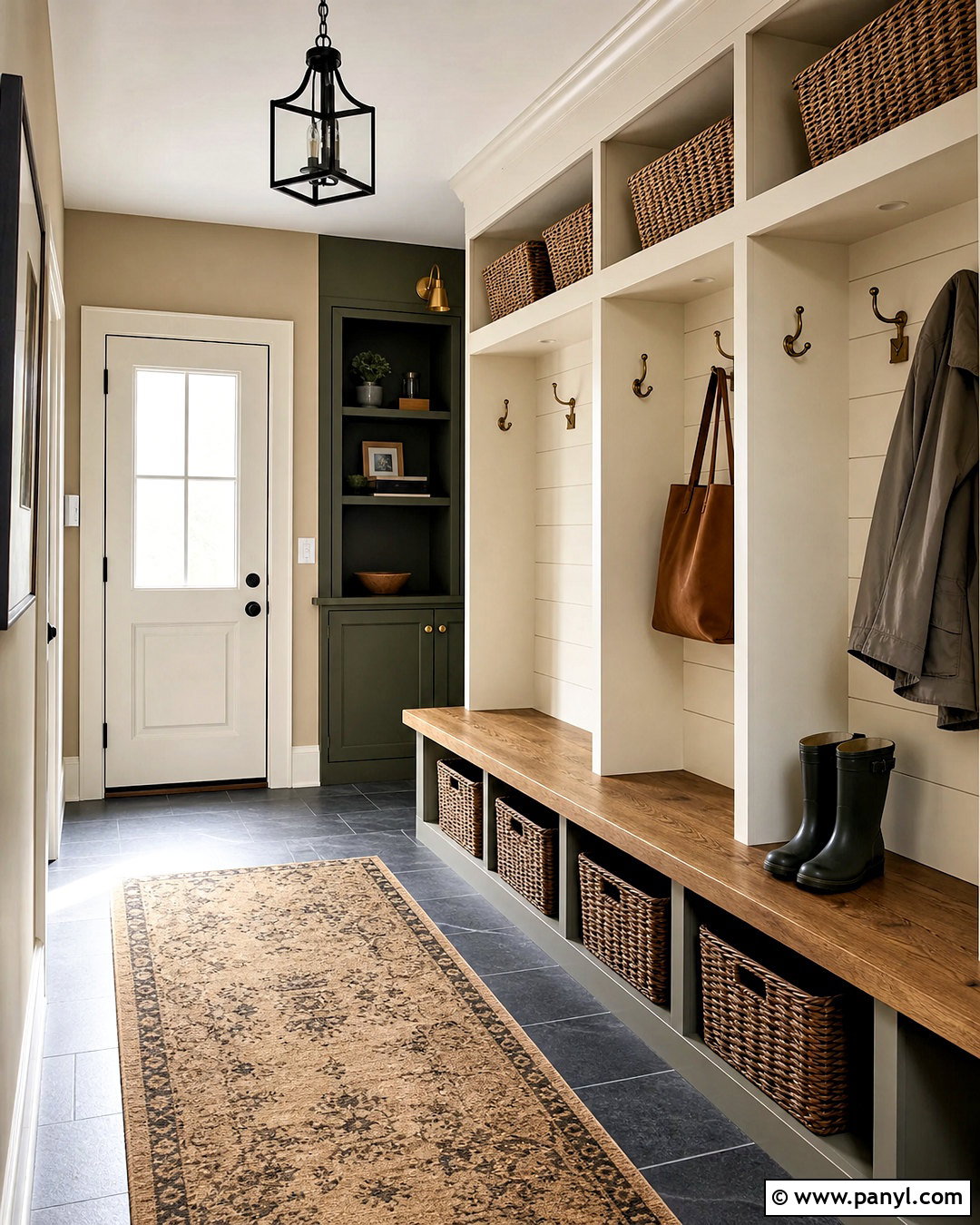
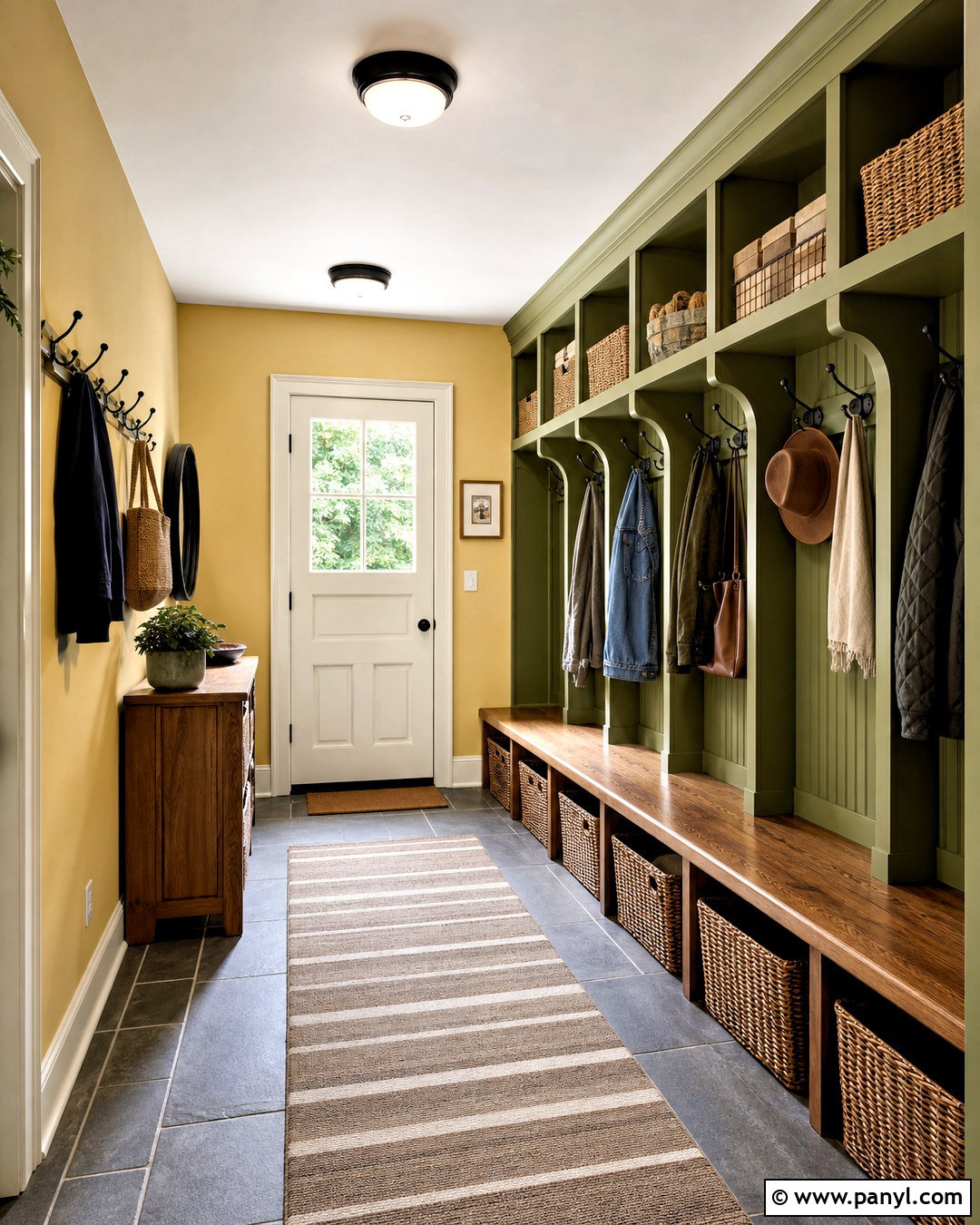
Busy spaces can still feel considered. Farrow & Ball Drop Cloth gives a mudroom a practical, earthy beige background that pairs naturally with durable materials. Use the paint on the upper walls and choose warm off-white cabinetry for built-in lockers and drawers. A medium oak bench adds warmth, while charcoal slate-look flooring hides dirt and provides strong contrast. Install aged brass hooks, woven baskets, and a washable striped runner in tan and black. For extra depth, use dark olive on the interior of an open storage niche or the back door. Bright ceiling lighting will keep the compact room functional and stop the beige from appearing muddy. The complete design feels organized and welcoming while remaining realistic for coats, shoes, bags, and daily household traffic.
17. Almond Wisp Guest Room
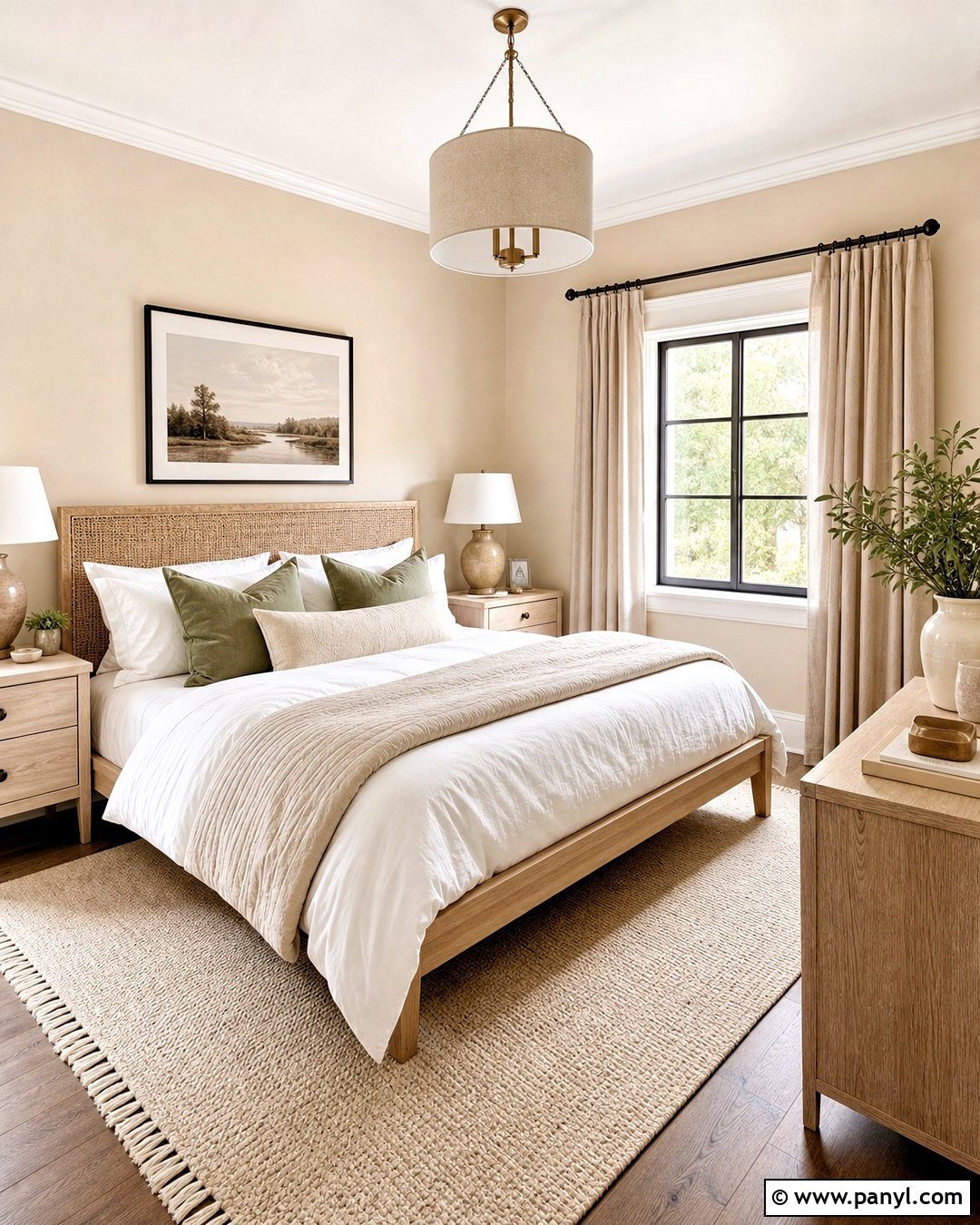
Behr Almond Wisp is a light, warm beige that can make a guest room feel comfortable, clean, and brighter without relying on plain white walls. () Pair it with a white oak bed and a woven cane headboard for an airy natural foundation. Use white bedding with a sand-colored quilt, then add muted sage pillows for a gentle accent. Soft white trim will maintain warmth around the windows and doors. A cream rug, linen curtains, and ceramic bedside lamps add texture without cluttering the modest space. Include one dark element, such as a black-framed landscape or a charcoal bench, to sharpen the pale palette. This complete guest room feels restful and approachable, with enough contrast to look designed but not so much decoration that visitors feel crowded.
18. Even Better Beige Basement
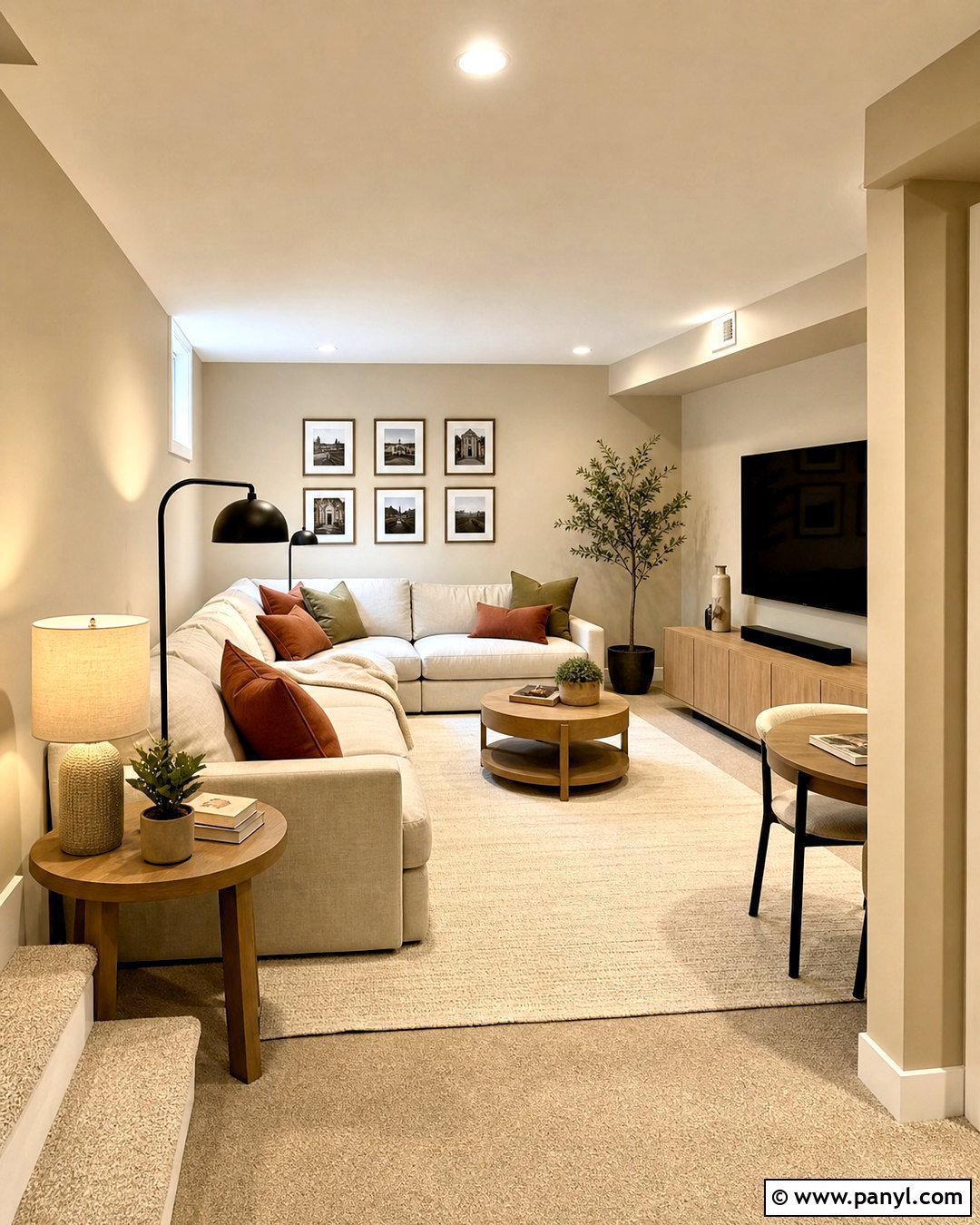
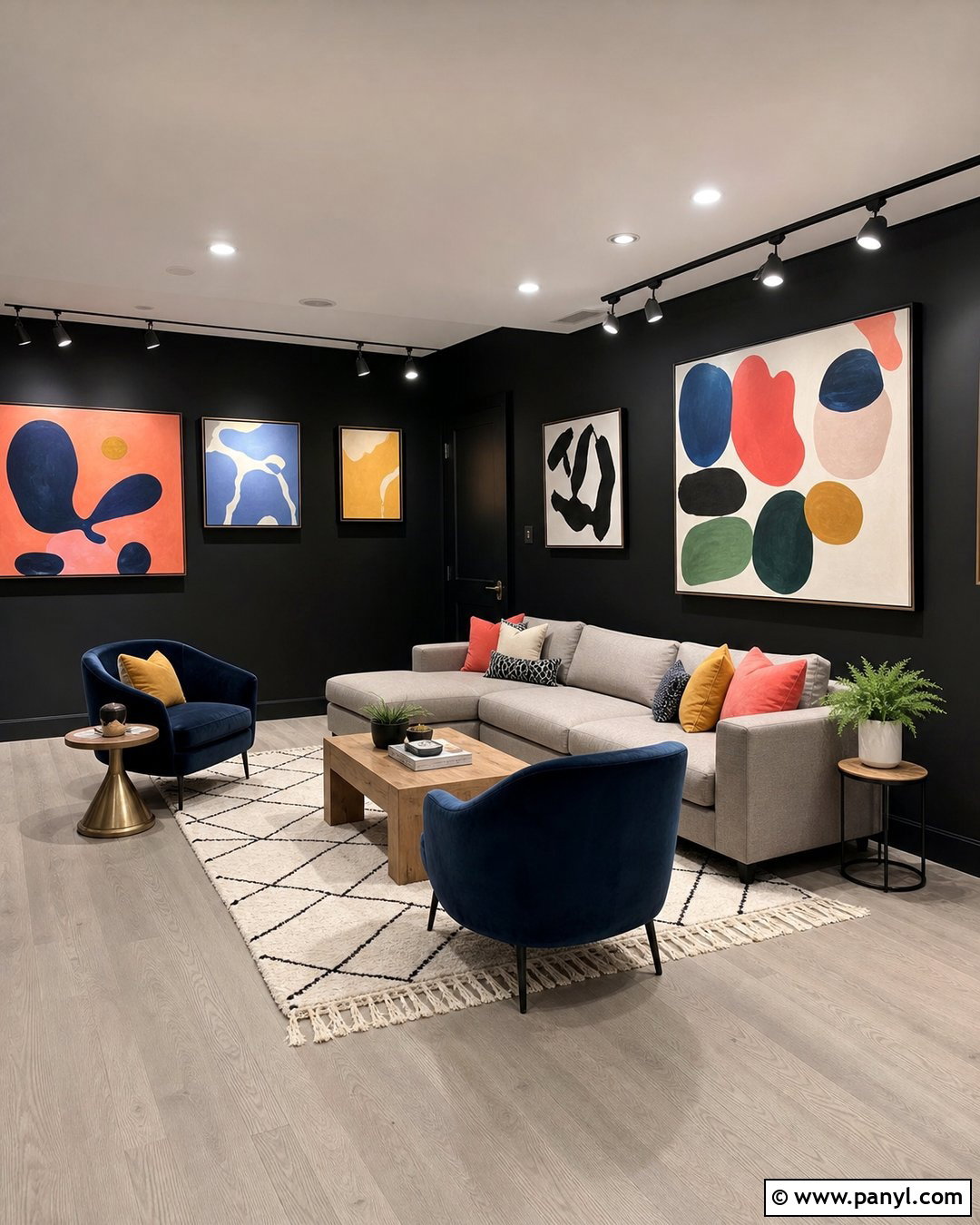
Behr Even Better Beige can warm up a basement that receives limited natural light, especially when paired with pale finishes and strong layered lighting. Build the room around a light cream sectional and bleached oak media console. Choose warm white for the ceiling and trim to prevent the beige walls from feeling enclosed. A large ivory rug will brighten dark flooring, while terracotta and olive pillows bring natural color into the seating area. Use black floor lamps and bronze picture frames to define the neutral surfaces. Recessed lights should have a consistent warm-neutral color temperature so the walls do not shift dramatically from one corner to another. Add a game table or reading area nearby, creating a complete lower-level retreat that feels comfortable rather than forgotten. ()
19. Safari Beige Sunroom
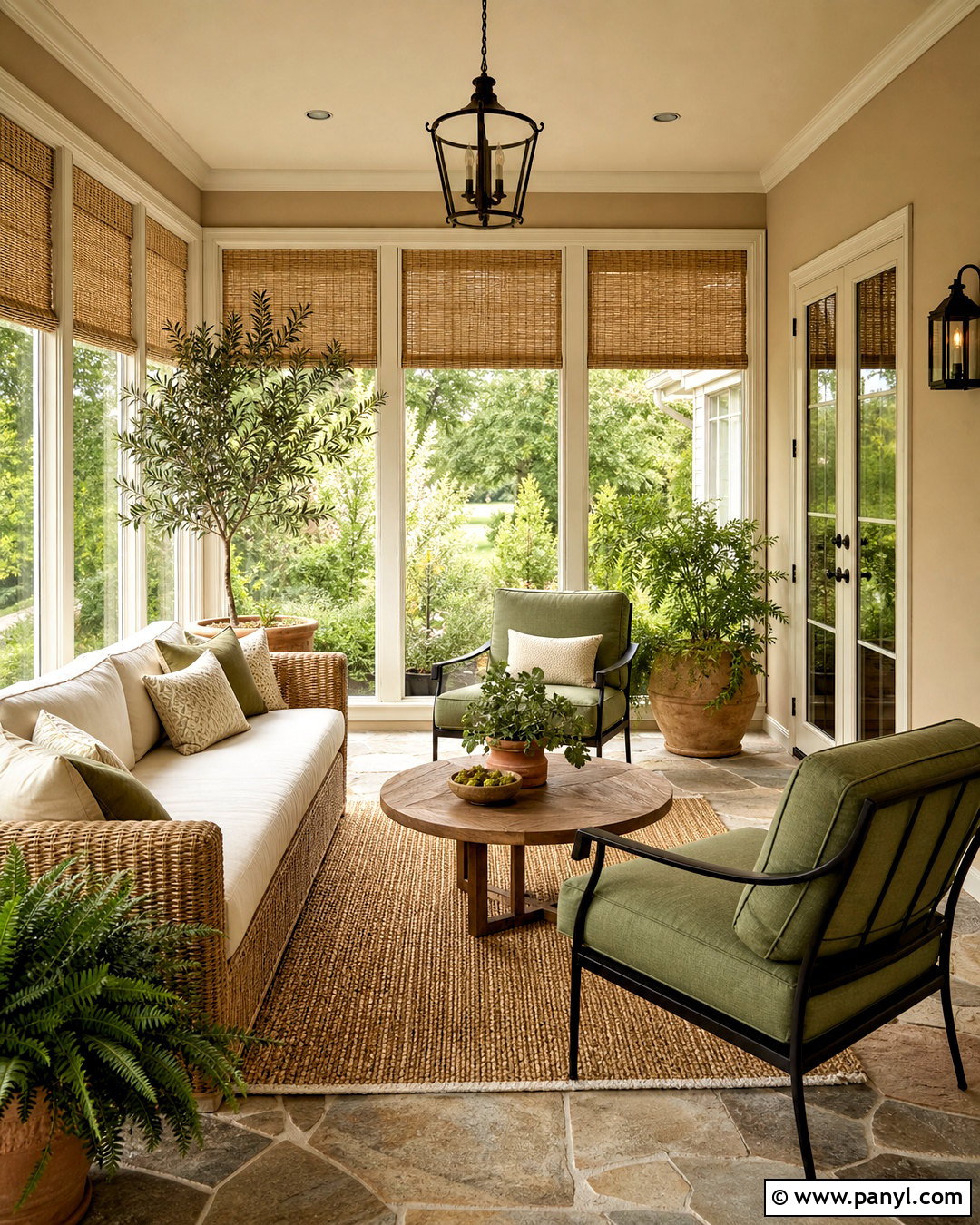
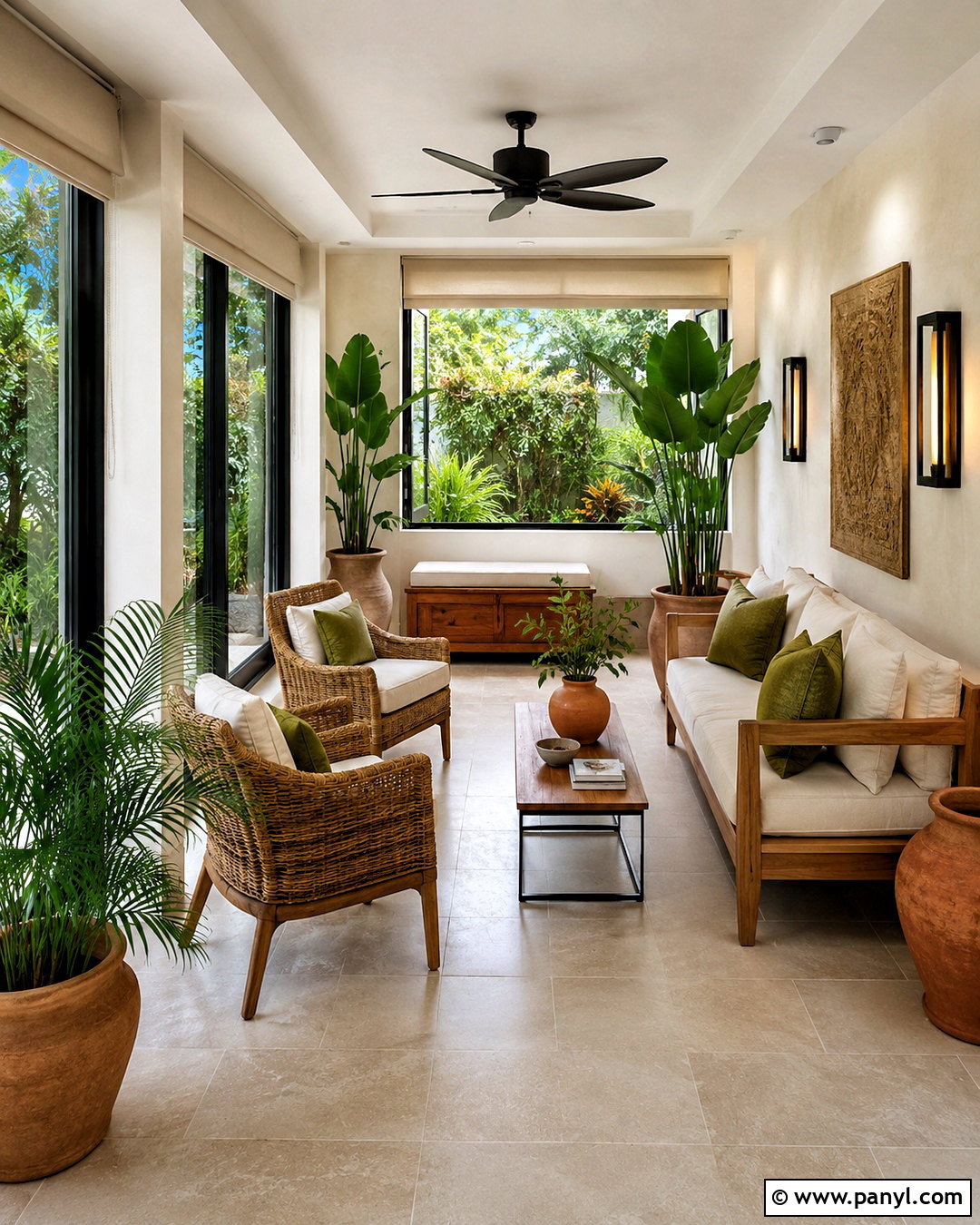
Valspar Safari Beige offers warm, noticeable color that can make a sunroom feel connected to outdoor scenery. Pair the walls with creamy trim and light oak or natural stone flooring. Arrange a woven sofa with ivory cushions beside two olive green lounge chairs, then center everything around a round wood coffee table. A washable indoor-outdoor rug in cream and faded brown will define the seating area without fighting the view. Use bamboo shades to filter strong sunlight and reduce dramatic color changes throughout the day. Black-framed botanical prints and aged bronze lighting provide small, grounding accents. Finish with terracotta planters and leafy houseplants. This layered design embraces the warmth of the beige while using green, cream, and dark metal to keep it lively.
20. Neutral Territory Nursery
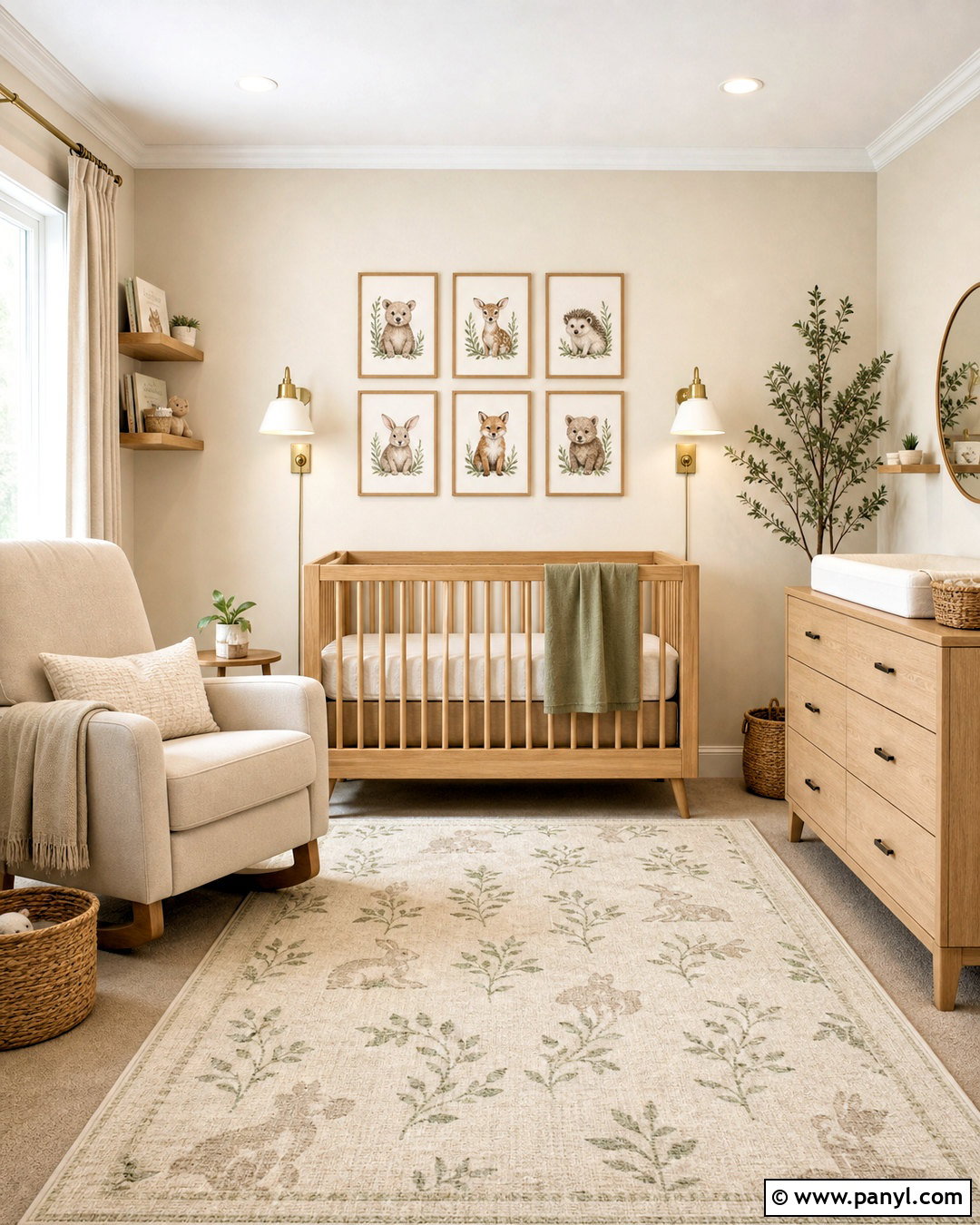
Clare Neutral Territory provides a gentle beige base for a nursery that can adapt as the child grows. Cover the walls in this calm neutral, then use warm white on the trim, ceiling, and interior doors. Choose a natural maple crib, an oatmeal upholstered glider, and a low white oak dresser to create a light foundation. A washable cream rug with a simple sage pattern introduces soft color and everyday practicality. Add flax curtains with blackout lining, woven baskets for toys, and small brass wall lights near the reading corner. Framed animal or landscape artwork in muted green and brown will complete the room without making it theme-heavy. The finished nursery feels warm, uncluttered, and flexible enough to become a toddler room or quiet study space later.
Conclusion:
The best beige is not simply the most popular shade. It is the color that connects your room’s light, flooring, trim, furniture, and permanent finishes. Pale greige-beiges can open smaller rooms, while richer tan and taupe versions create comfort in bedrooms, dining rooms, and reading spaces. Always sample several finalists on large boards or separate walls. Move the samples around and observe them throughout the day before buying gallons. Remember to compare them with your preferred trim white because that relationship can change how beige appears. Whether you want an airy neutral or an earthy backdrop, these complete room combinations offer a practical starting point for choosing from 20 beige wall paints.

Related Ideas and Inspiration:
Leave a Reply