
White walls and grey doors create a clean, flexible color combination that can work throughout almost any home. The white background keeps rooms bright, while grey doors add enough contrast to highlight architectural details. The key is choosing the right grey undertone, door style, trim treatment, flooring, and hardware for the overall space. Pale grey feels airy and relaxed, warm greige looks inviting, and charcoal creates a bolder finish. Natural wood, woven textiles, black metal, and brass accents can also prevent this neutral pairing from feeling flat. Whether you are updating a hallway, bedroom, kitchen, or entryway, these complete room schemes show how to coordinate furniture, finishes, and decor around **white walls grey doors**.

1. Light Grey Doors With White Walls
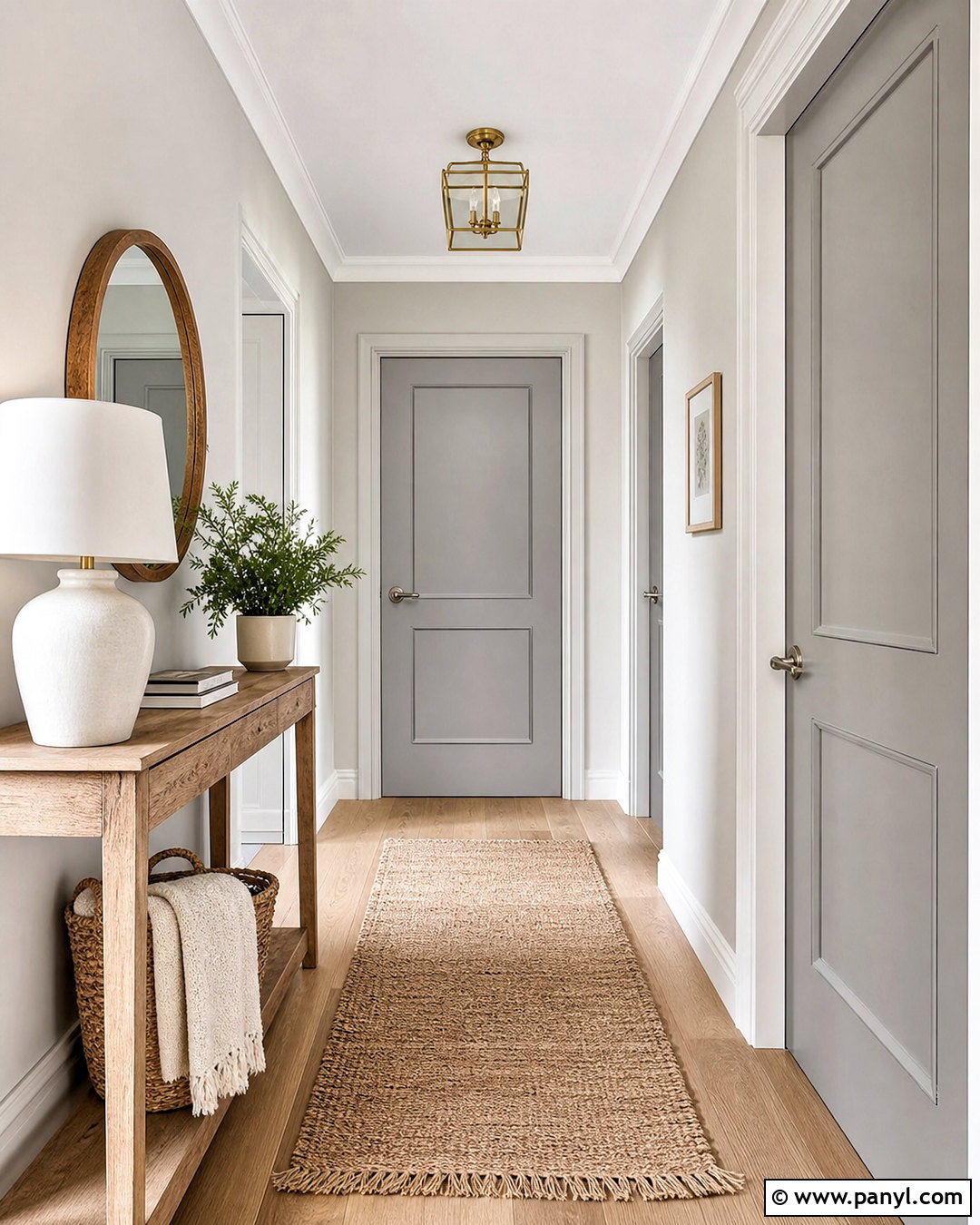
Soft grey doors are perfect when you want gentle definition without creating a dramatic contrast. Use a warm white on the walls and paint simple Shaker doors in a pale stone grey. Keep the trim white so the door panels stand out while the room still feels open. Light oak flooring, a natural jute runner, and a slim wooden console will warm the neutral palette. Add brushed nickel handles for a quiet, polished finish. In a hallway, include a round mirror, a ceramic lamp, and one leafy plant for a complete look. This combination works especially well in smaller homes because the light colors flow smoothly from one area to another without making doorways feel heavy.
2. Charcoal Grey Doors With White Walls
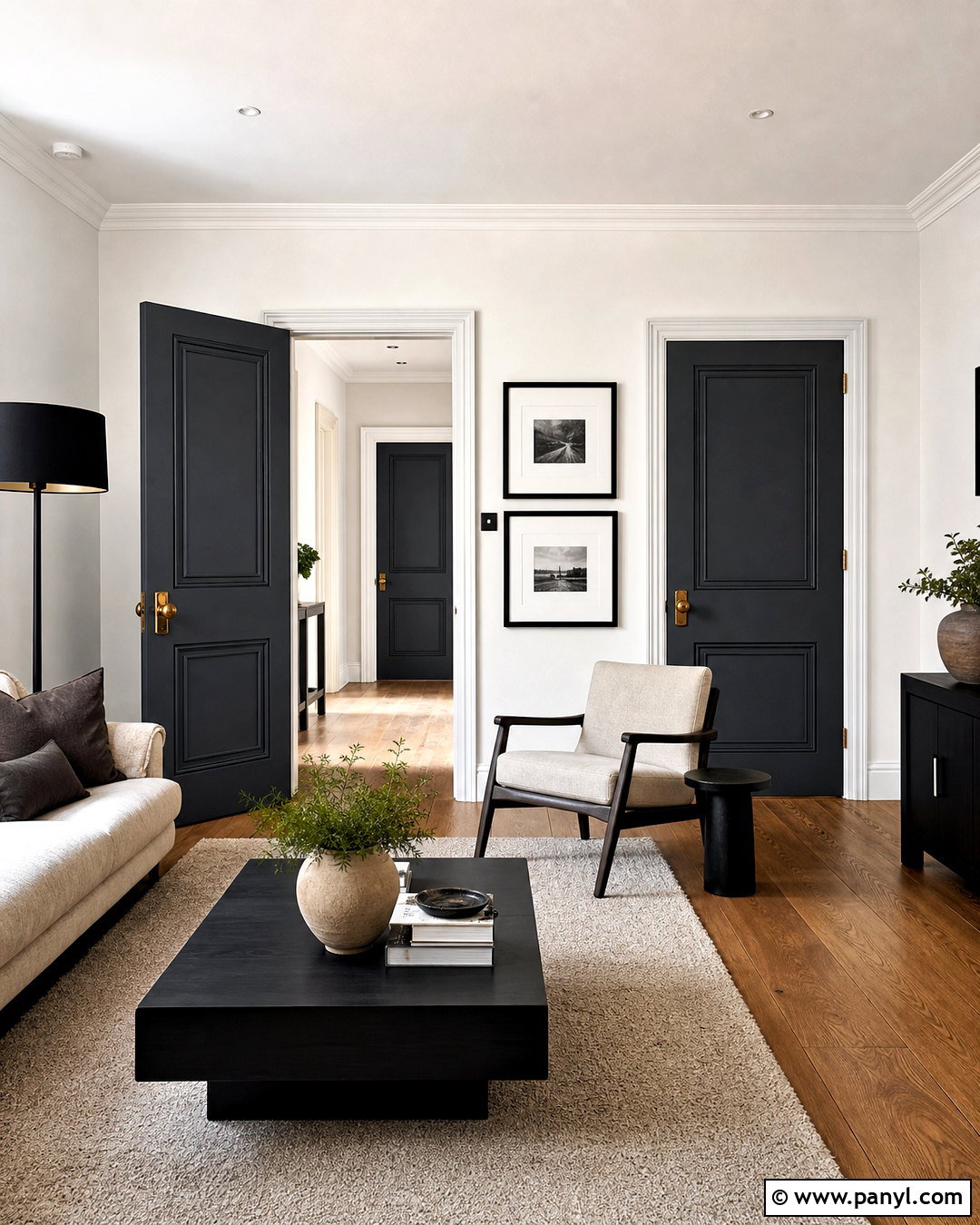
Deep charcoal doors bring structure and personality to bright white rooms. Choose a soft matte finish to keep the dark color sophisticated rather than harsh. Crisp white trim can frame each door clearly, or matching charcoal trim can create a stronger architectural statement. Balance the depth with medium oak flooring, cream upholstery, and a textured beige rug. Matte black handles offer a streamlined effect, while aged brass hardware adds warmth. In a living room, repeat the charcoal through picture frames, a floor lamp, and small patterned cushions. Keep larger furniture light so the room does not become visually crowded. This complete scheme feels modern but remains comfortable enough for an everyday family home.
3. Warm Greige Doors With White Walls
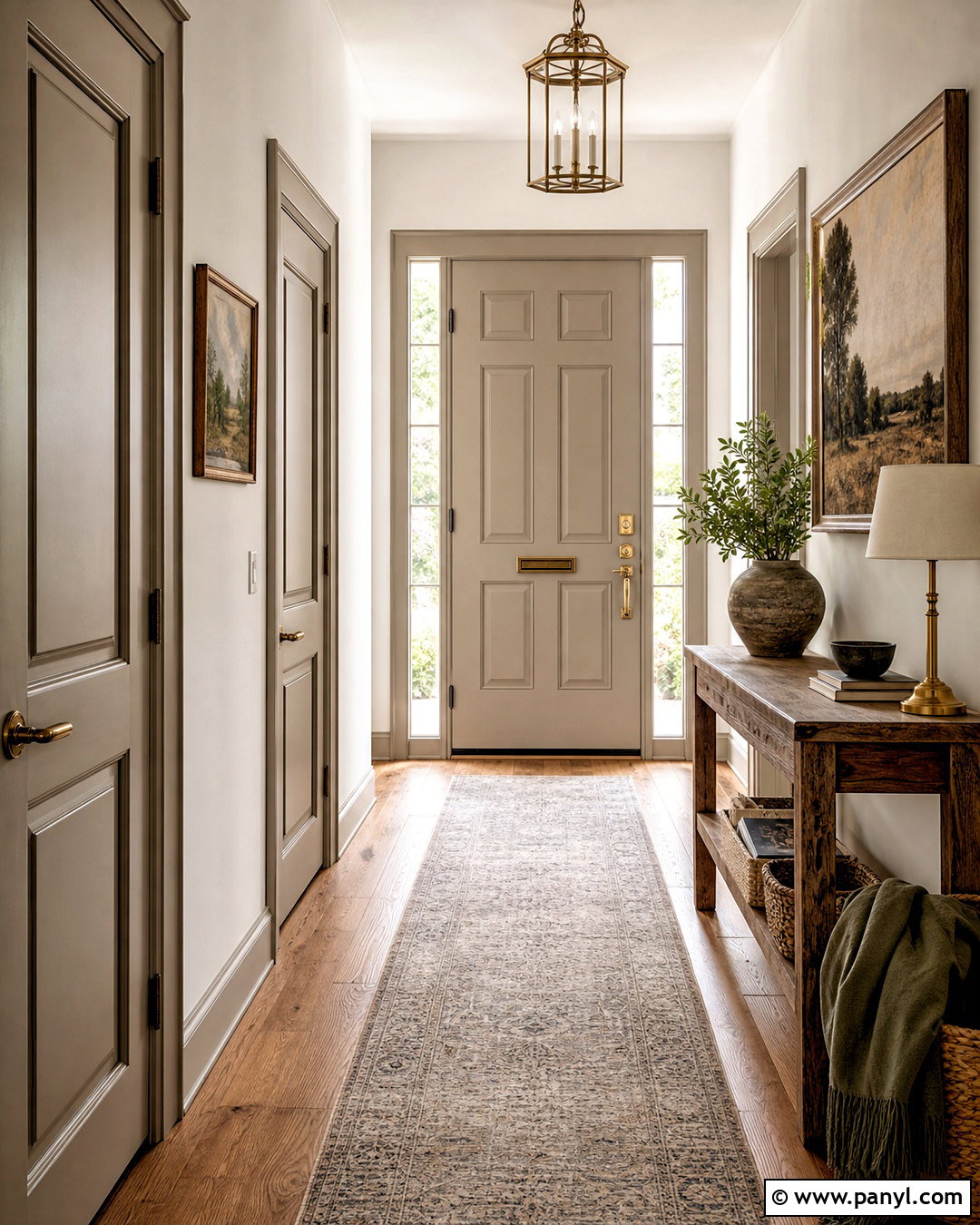
Greige doors blend grey with subtle beige undertones, making them easy to pair with warm white walls. This combination feels softer than cool grey and works beautifully with natural materials. Choose wide-plank oak floors, linen curtains, and a cream upholstered bench to build an inviting foundation. Paint the trim the same greige as the doors for a cohesive, built-in appearance. Antique brass levers and warm ceramic lighting will reinforce the welcoming palette. A hallway can be completed with a faded neutral runner, framed landscape prints, and a narrow wood console. Avoid icy blue-grey accessories, which may clash with the warmer undertones. Instead, add muted olive, clay, or caramel accents for depth and a comfortable lived-in finish.
4. Grey Shaker Doors With White Walls
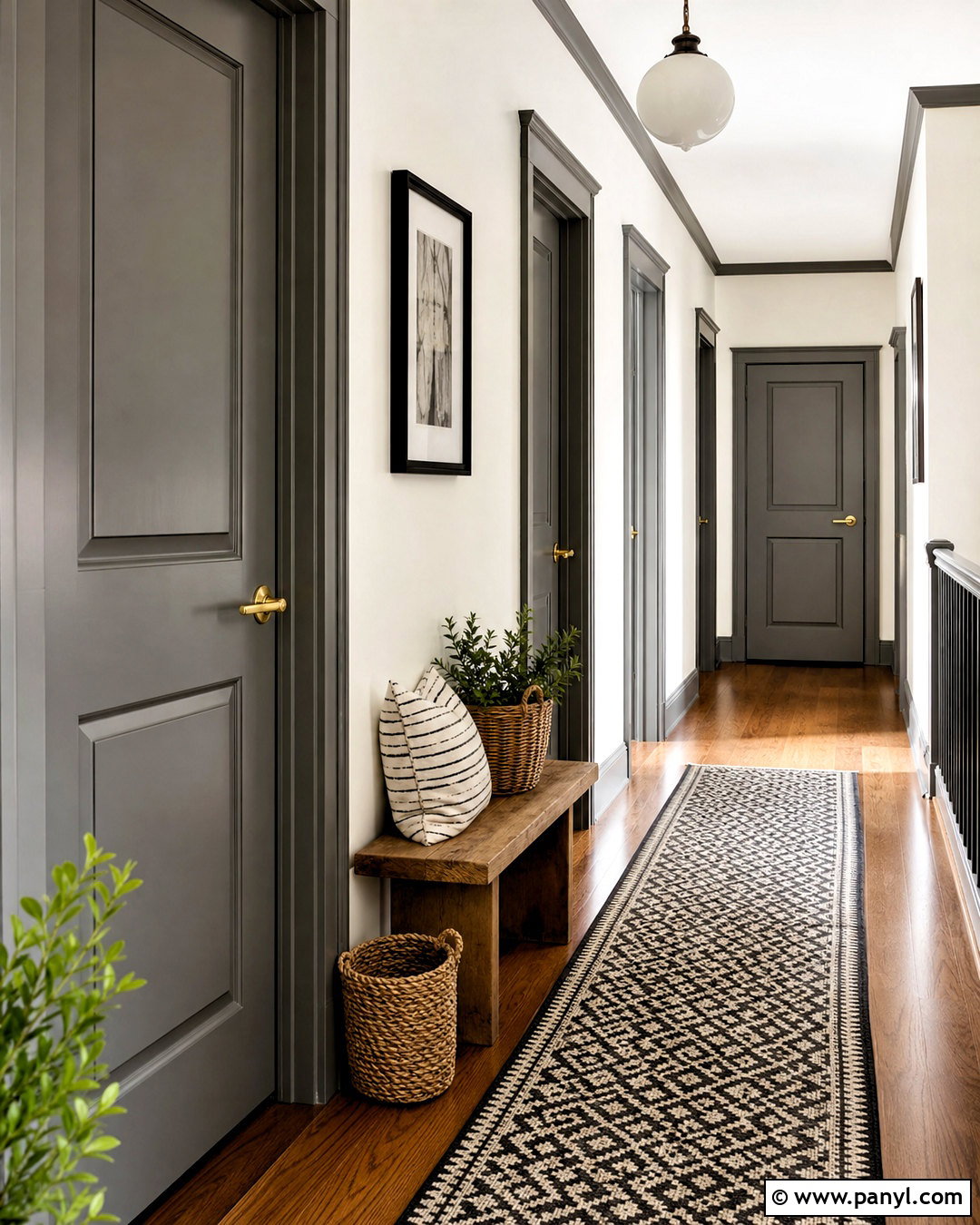
Shaker doors provide clean lines and just enough detail to make a white hallway feel finished. Paint the doors a balanced medium grey and use the same shade on the frames for a tailored effect. Keep the surrounding walls a clear, slightly warm white to prevent the space from looking cold. A black-and-white patterned runner adds movement, while warm oak flooring keeps the design grounded. Finish the doors with satin brass levers for an updated traditional touch. Add a simple wooden bench, woven storage baskets, and black-framed artwork along the hallway. The repeated door panels create rhythm, so keep the remaining decor restrained. This approach suits transitional homes where modern simplicity and classic architectural details need to work together.
5. Grey Panel Doors With White Walls
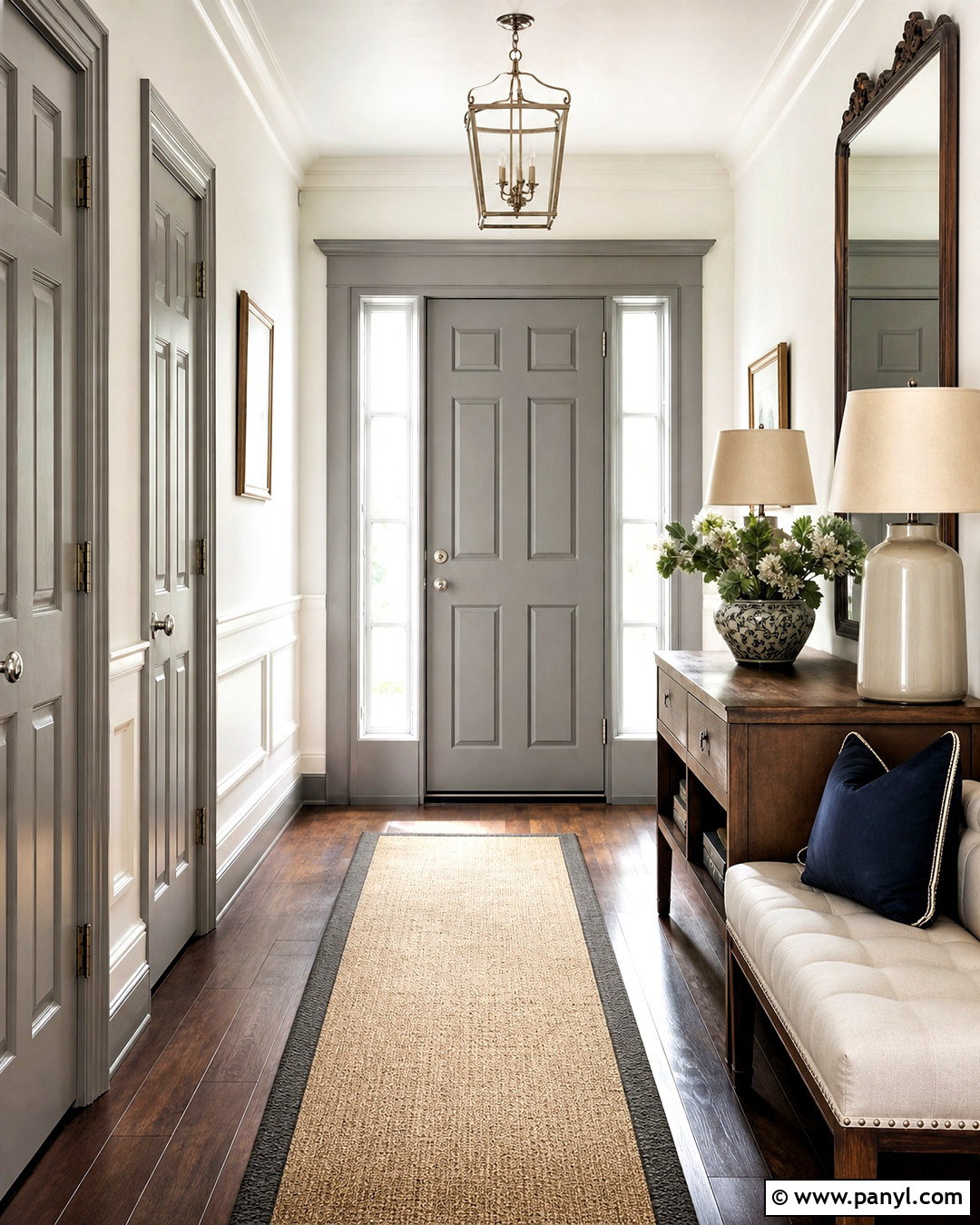
Traditional panel doors look especially refined in a medium grey finish against simple white walls. Select doors with four or six recessed panels to add architectural character without introducing extra patterns. Paint the frames grey as well, then keep baseboards and crown molding white for a layered, intentional result. Dark walnut flooring or a rich wood console can bring warmth to the cooler palette. Use polished nickel knobs for a classic finish and add a long neutral runner with a subtle border. In the entryway, complete the look with a tailored bench, an oversized mirror, and a pair of ceramic table lamps. This coordinated design makes ordinary interior doors feel like an important part of the home’s architecture.
6. Grey French Doors With White Walls
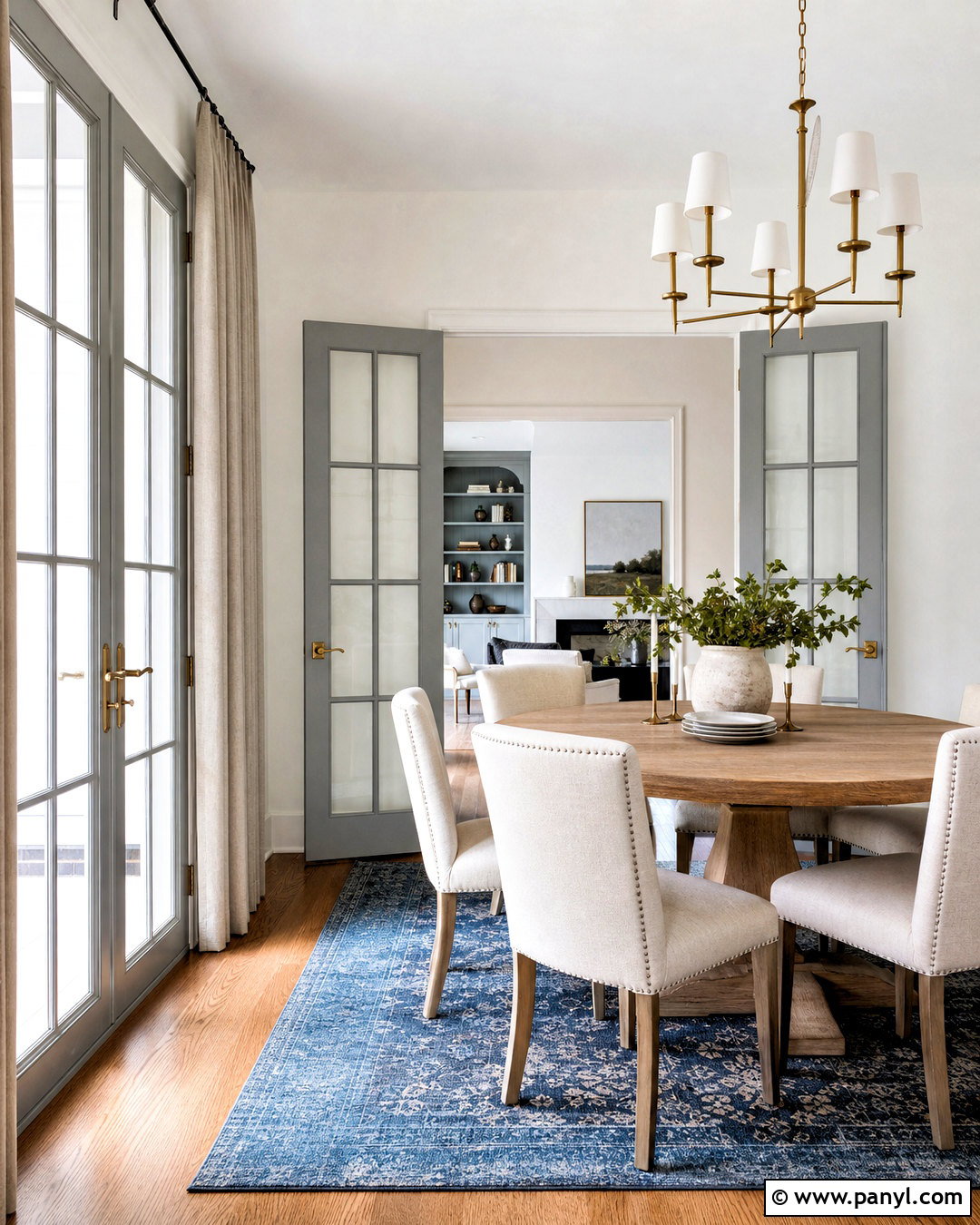
Grey French doors can divide rooms while allowing natural light to continue through the home. Choose a soft slate grey for the frames and clear glass panes for an elegant but practical transition. White walls keep the surrounding dining and living spaces connected, while medium-tone wood flooring provides continuity. Use aged brass handles to add warmth and coordinate them with a simple chandelier above the dining table. A round oak table, upholstered cream chairs, and muted blue textiles complement the grey without overwhelming it. Hang full-length linen curtains near the windows and introduce greenery through a tall potted tree. The finished scheme feels open, polished, and suitable for both relaxed meals and more formal gatherings.
7. Grey Double Doors With White Walls
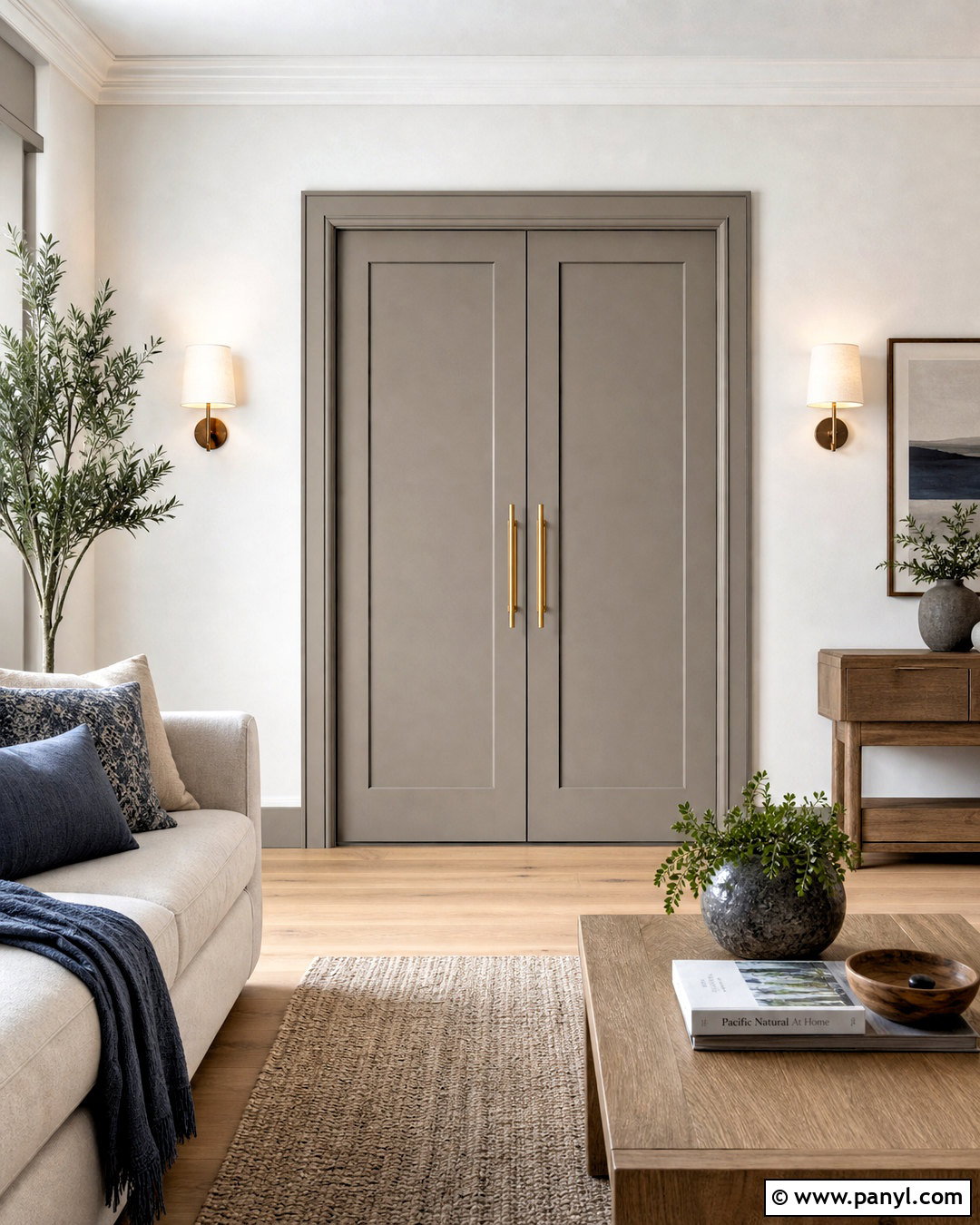
Wide grey double doors make a bedroom, office, or dining room entrance feel more substantial. Paint both doors in a warm mid-grey and continue the color onto the surrounding casing for a unified focal point. Keep the walls bright white and use pale oak flooring to balance the stronger doorway. Long brushed brass handles emphasize the height of the doors and bring a clean contemporary detail. Furnish the adjoining room with a light neutral sofa, an oak coffee table, and soft grey-blue textiles. A large woven rug can define the seating area without competing with the entrance. Place matching wall sconces beside the doorway when space allows, creating symmetry and making the complete arrangement feel carefully planned.
8. Grey Pocket Doors With White Walls
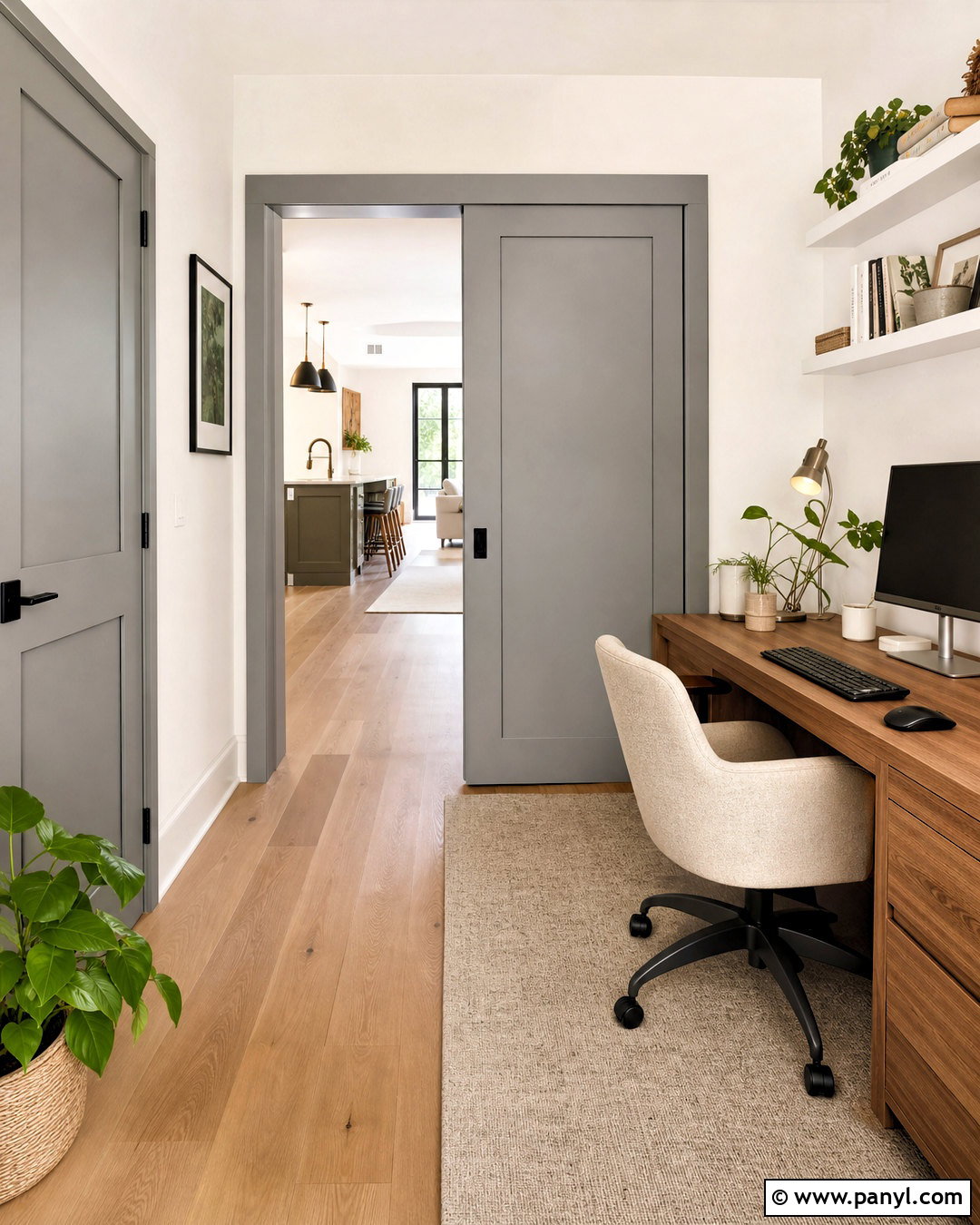
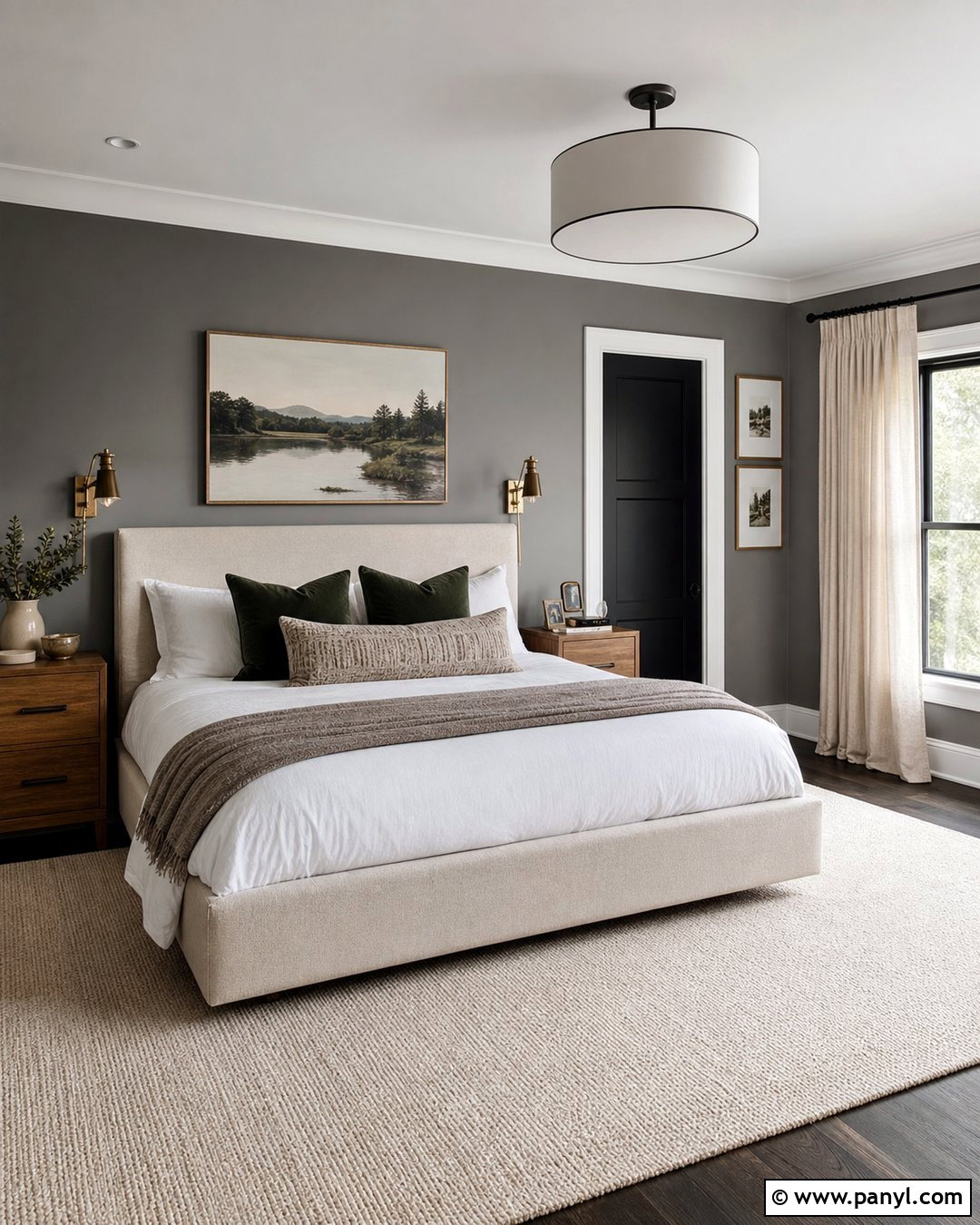
Pocket doors are an effective solution for smaller rooms where swinging doors use valuable floor space. A smooth grey pocket door set against white walls becomes a practical feature rather than something to hide. Choose a medium warm grey and use matching recessed pulls in black or brushed brass. Continue light wood flooring through both connected spaces to create a seamless visual flow. In a compact home office, add a simple oak desk, an upholstered task chair, white shelving, and a textured neutral rug. Soft green accessories and a few plants can warm the grey-and-white palette. When closed, the door provides privacy; when open, it disappears neatly into the wall and keeps the layout feeling spacious.
9. Grey Barn Doors With White Walls
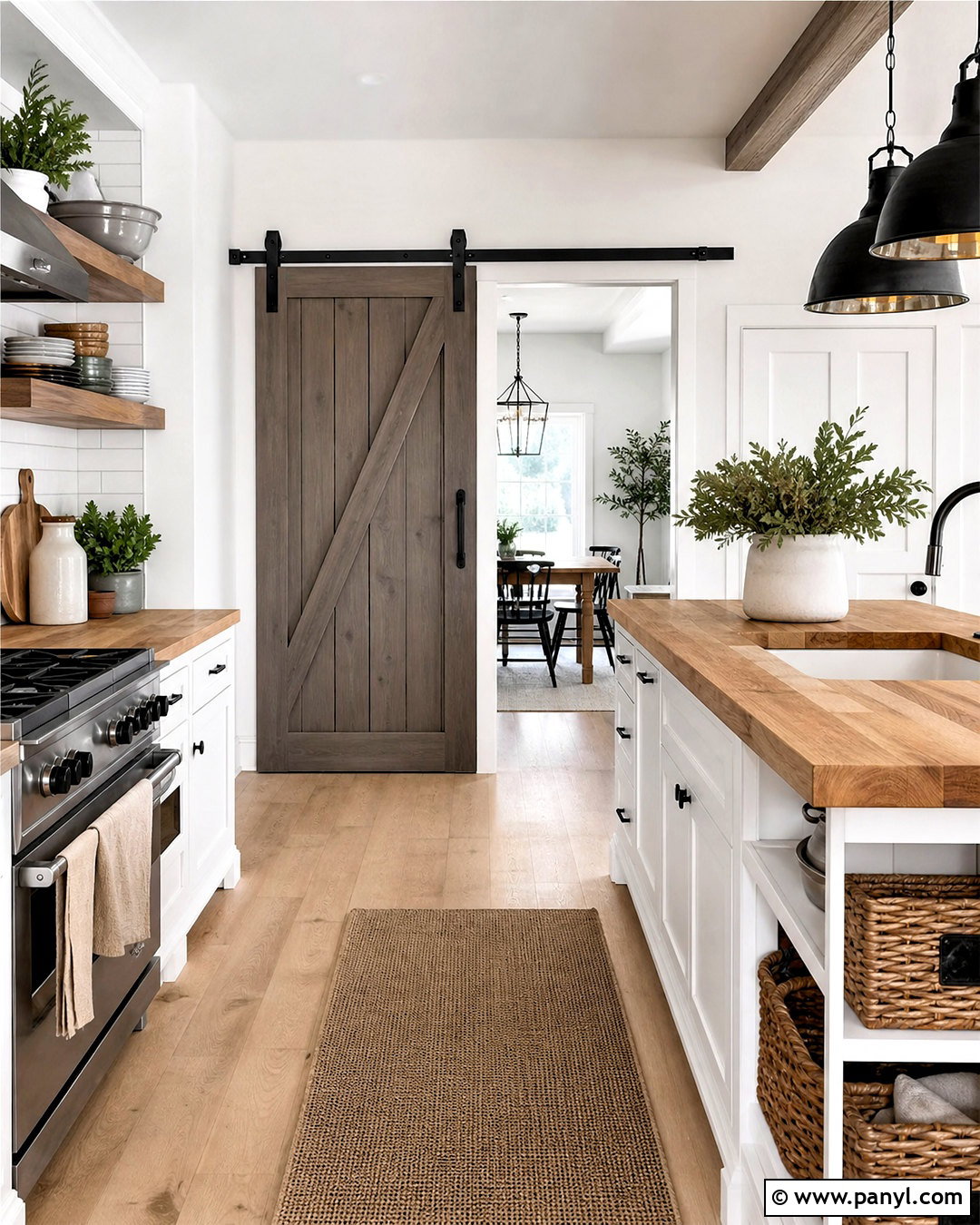
A grey barn door can suit a relaxed farmhouse interior when the finish feels natural rather than overly rustic. Choose a wide plank door painted in a weathered warm grey and install it on a simple matte black track. Surrounding white walls and pale oak floors will keep the feature bright and balanced. Use the door between a kitchen and pantry or between a bedroom and bathroom. Complete the room with white cabinetry, a butcher-block counter, black metal lighting, and woven baskets. Introduce soft beige textiles to reduce the contrast between the white walls and dark hardware. The barn door should have enough clear wall space to slide fully open, preserving both function and an uncluttered appearance.
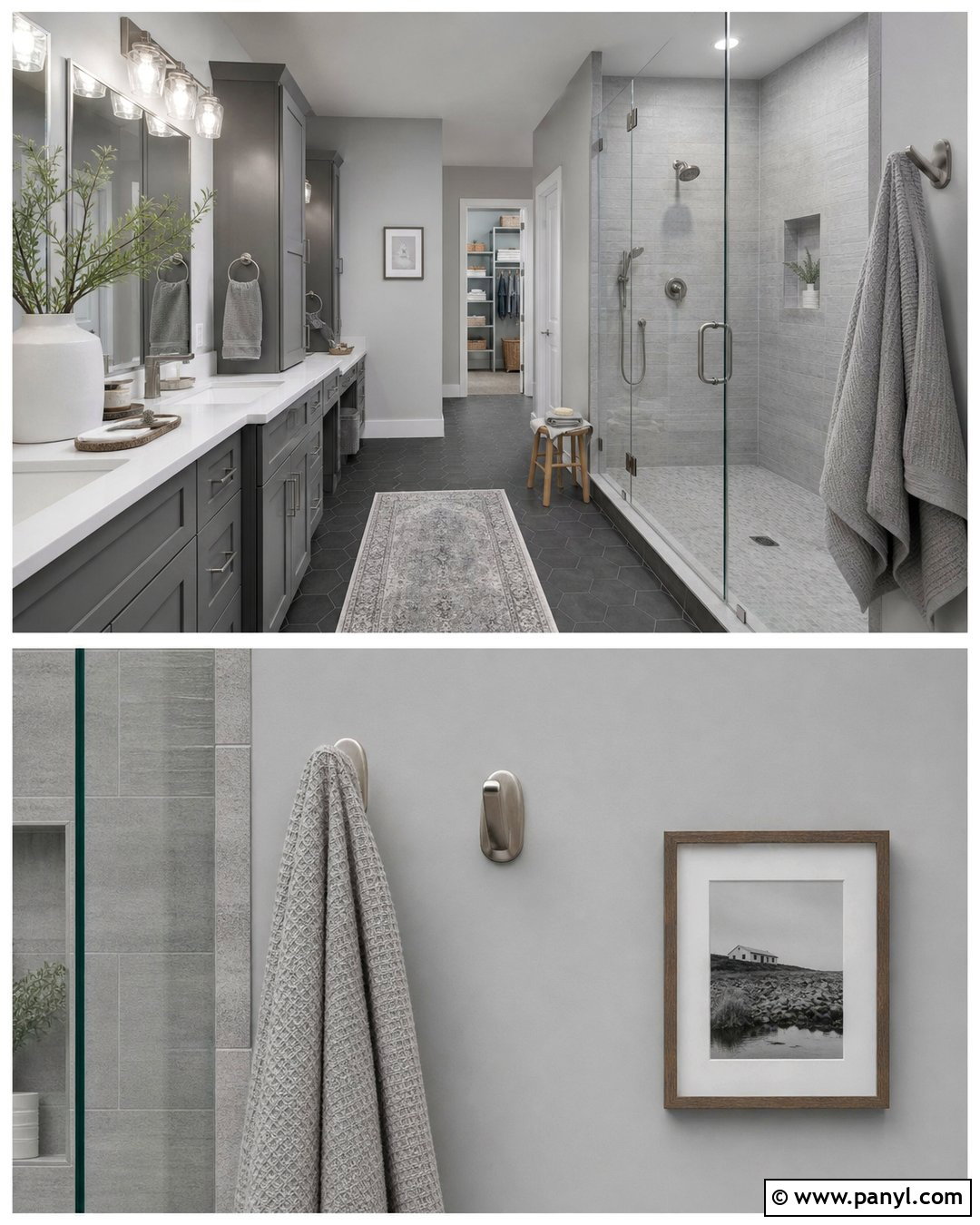
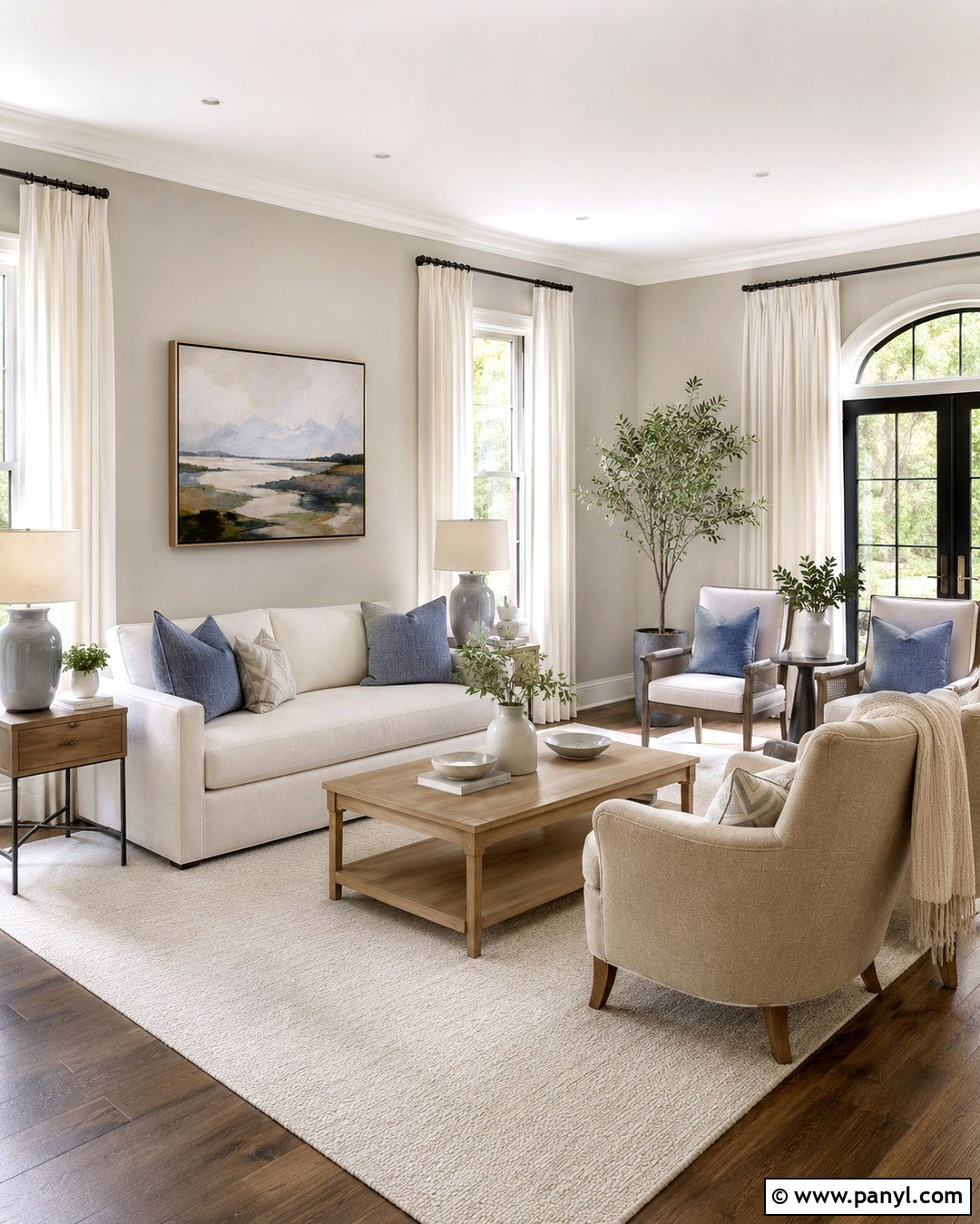
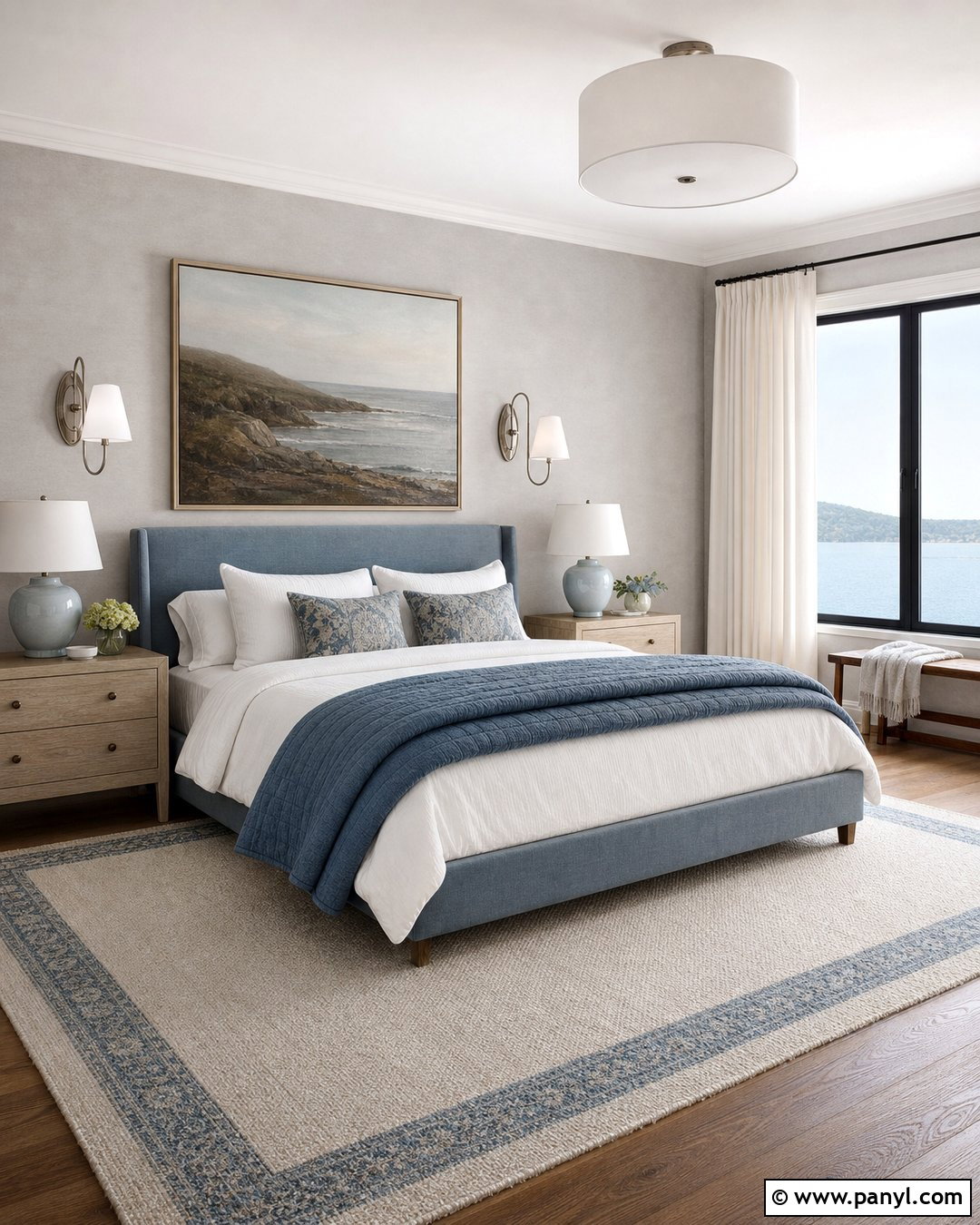
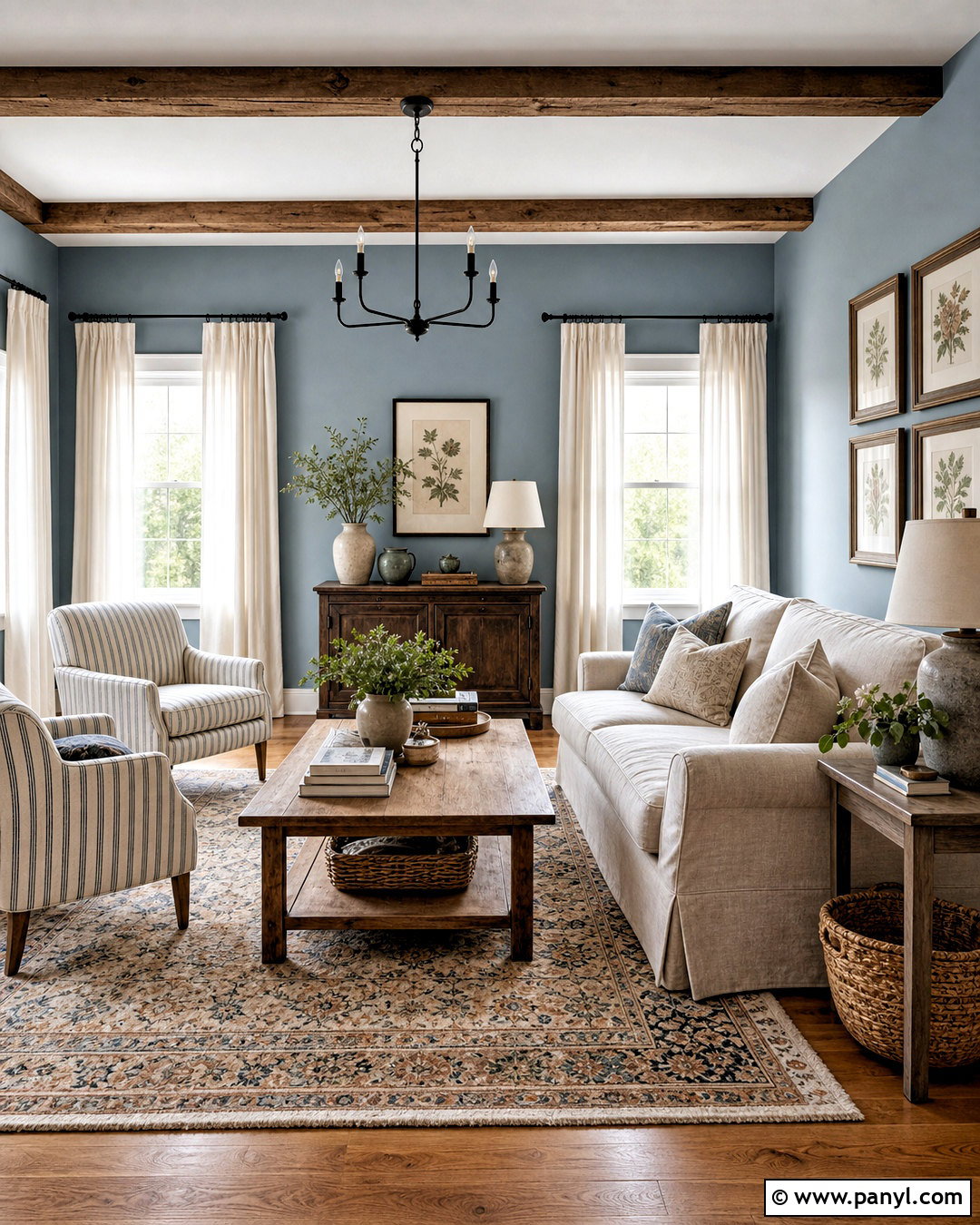
10. Grey Glass Doors With White Walls
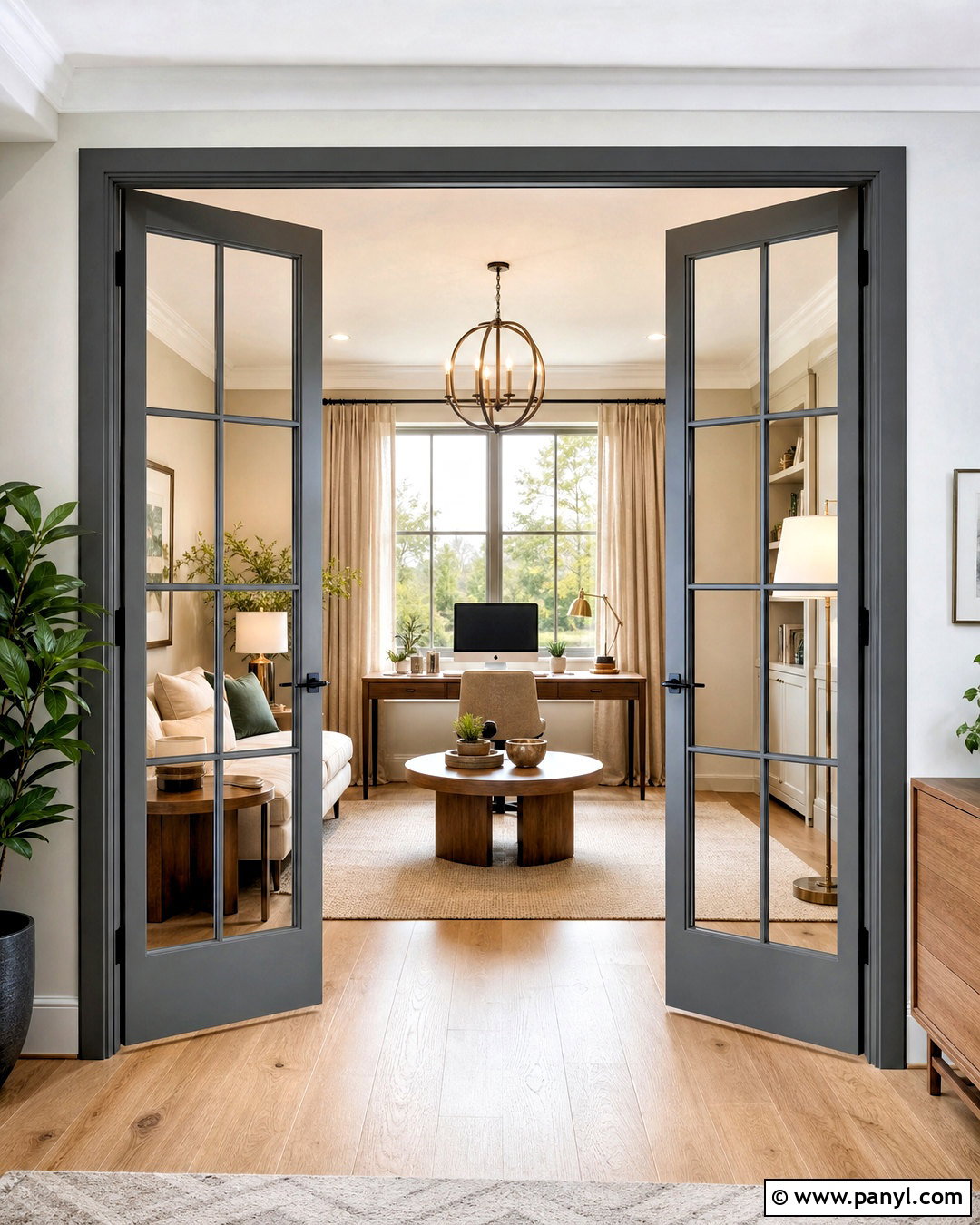
Grey-framed glass doors give a bright white interior a crisp architectural edge. Select slim frames in a medium graphite grey and use divided clear glass panels to define a kitchen, office, or sunroom. White walls maintain the airy feeling, while pale stone or light oak flooring softens the structured door design. Repeat the grey in window frames, shelving supports, or a single pendant light. Furnish the space with a cream sofa, rounded wood tables, and linen curtains to balance the straighter lines. Keep decorative accessories minimal and choose ceramics in white, sand, and muted green. This complete look allows rooms to feel separate without blocking light or making an open layout feel closed off.
11. Grey Flush Doors With White Walls
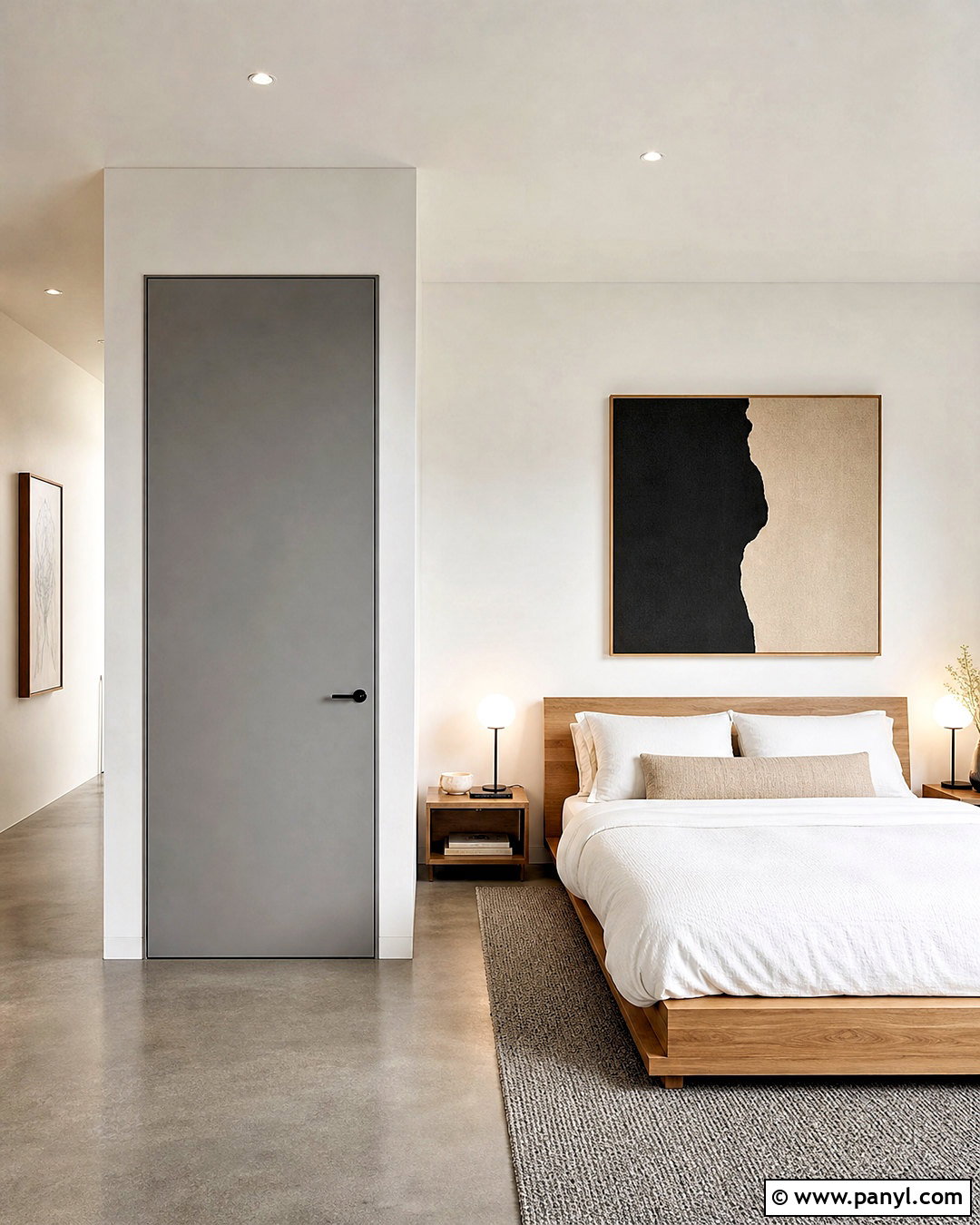
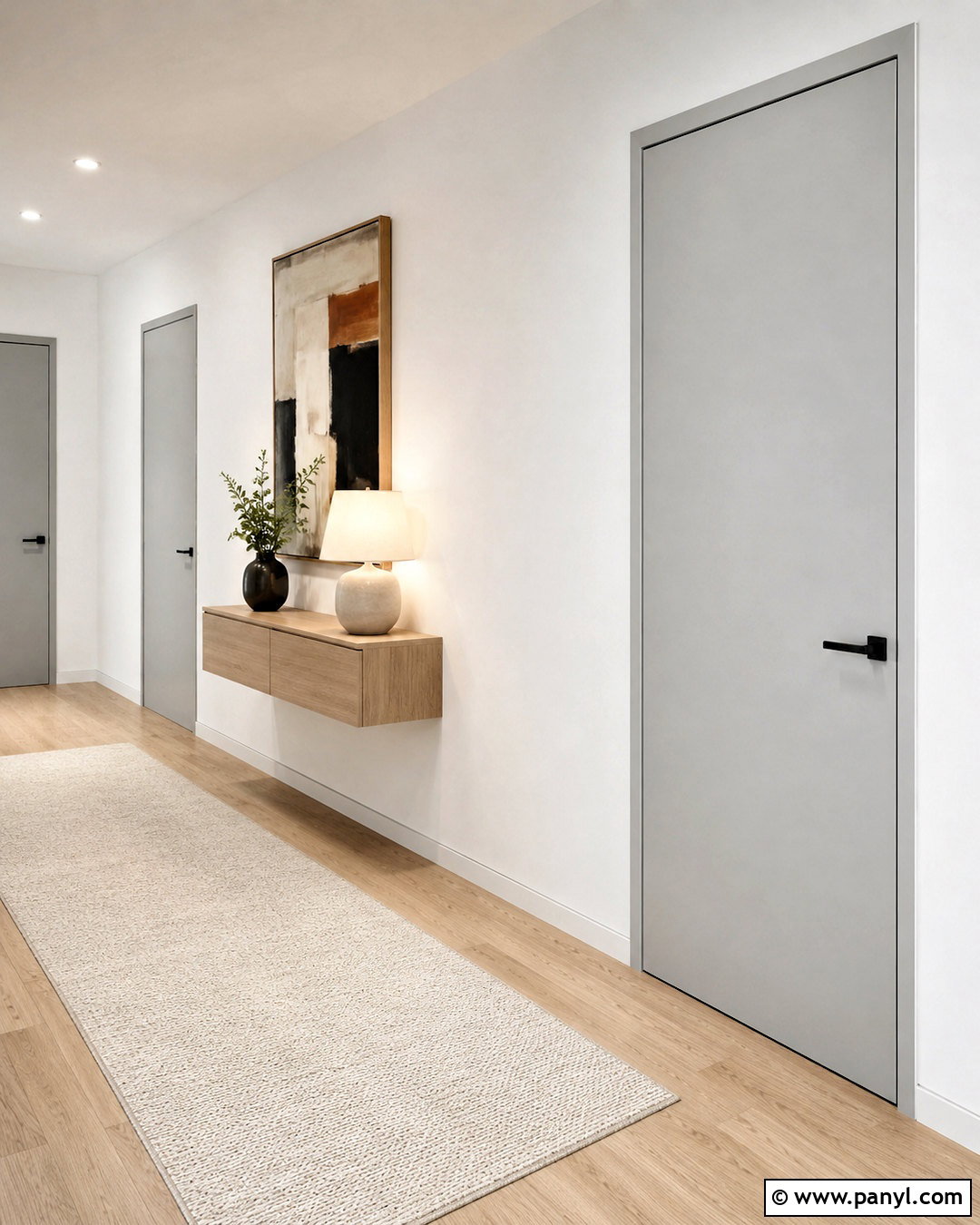
Smooth flush doors offer a simple choice for minimalist rooms with white walls. Paint the door and its narrow frame in a calm medium grey, then use concealed hinges and a streamlined black lever. The flat surface keeps the doorway visually quiet while still providing contrast. Pair it with light concrete-look flooring, low-profile furniture, and warm oak details to avoid a sterile finish. In a modern bedroom, choose a platform bed, white bedding, a grey wool rug, and compact wooden nightstands. Soft globe lights can introduce gentle curves and warmer illumination. Limit wall decor to one large abstract print. The finished room feels orderly and contemporary, with the grey door acting as a controlled architectural accent.
12. Grey Arched Doors With White Walls
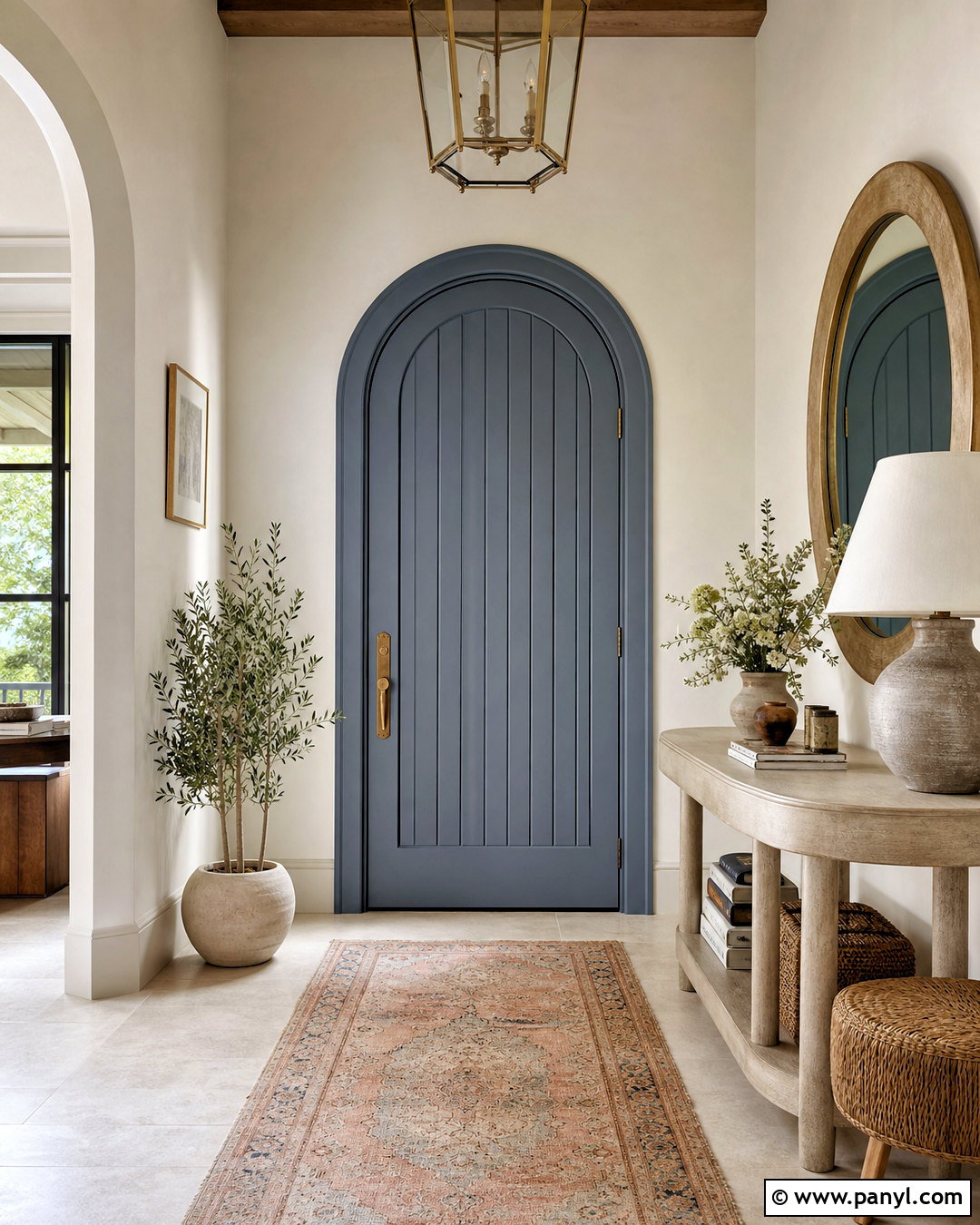
An arched grey door creates a graceful focal point without requiring bold wall color. Use a muted blue-grey finish on the door and frame, paired with softly warm white walls. Carry the curved shape into a round mirror, an arched floor lamp, or gently rounded furniture. Pale limestone tile or lightly aged oak flooring will complement the classic doorway. Choose unlacquered brass hardware to add warmth and character as it develops a natural patina. In an entryway, include a curved console, a woven stool, and an understated vintage-style runner. Keep accessories symmetrical but not overly formal. The result combines traditional architecture with clean, modern furnishings, making the doorway feel special while the entire space remains bright and approachable.
13. Blue Grey Doors With White Walls
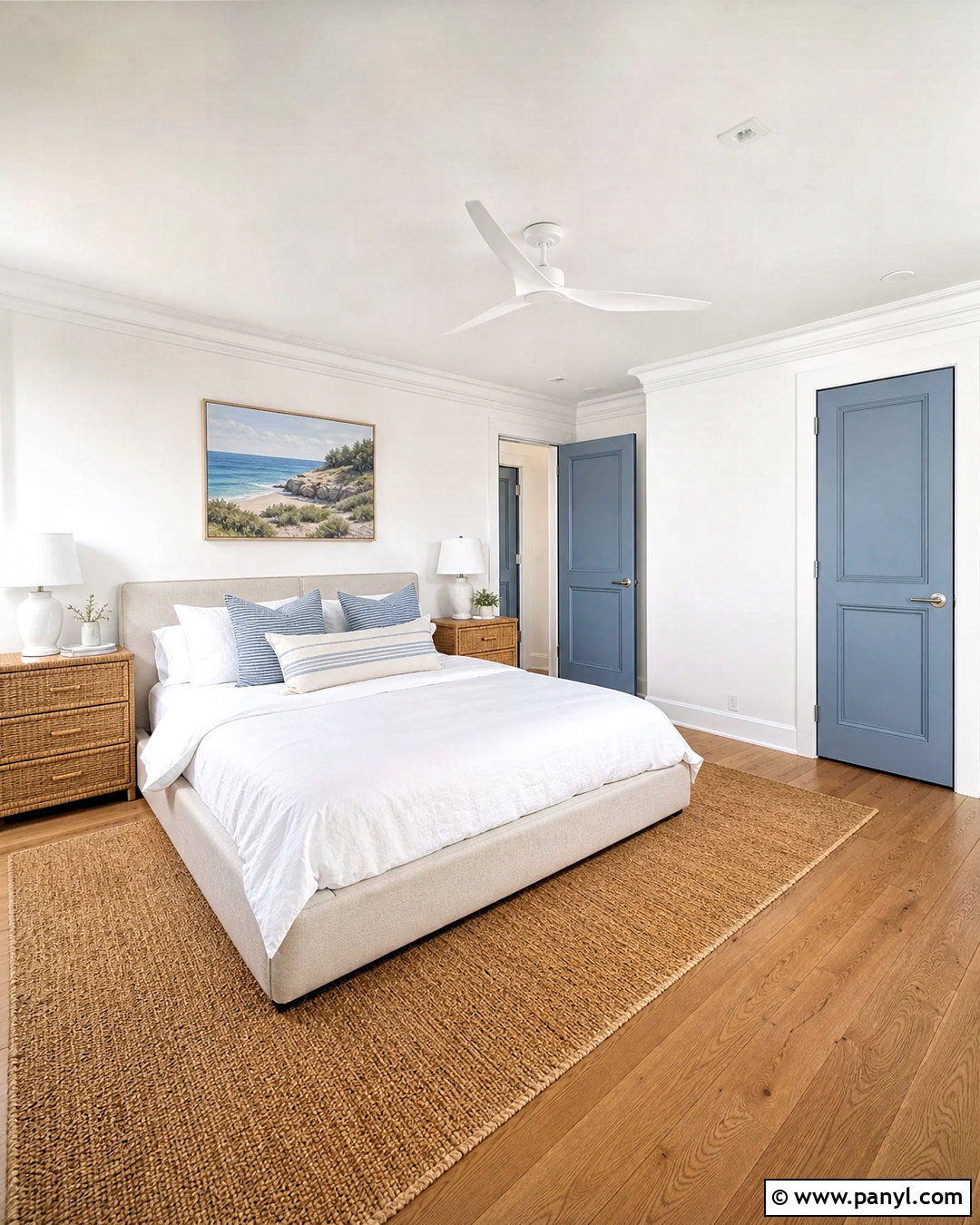
Blue-grey doors introduce subtle color while remaining neutral enough for everyday living. Select a dusty slate tone that appears grey in shadow and softly blue in natural daylight. Pair it with clean white walls, white trim, and warm oak flooring to balance the cooler undertone. In a coastal-inspired bedroom, use an upholstered oatmeal bed, white linen bedding, striped blue cushions, and woven bedside tables. Brushed nickel handles work naturally with the cool door color, while a jute rug prevents the room from feeling too polished. Keep nautical decorations minimal. Instead, use framed landscape art, pale ceramics, and one leafy plant. This complete scheme feels fresh and relaxed without relying on obvious themed accessories.
14. Green Grey Doors With White Walls
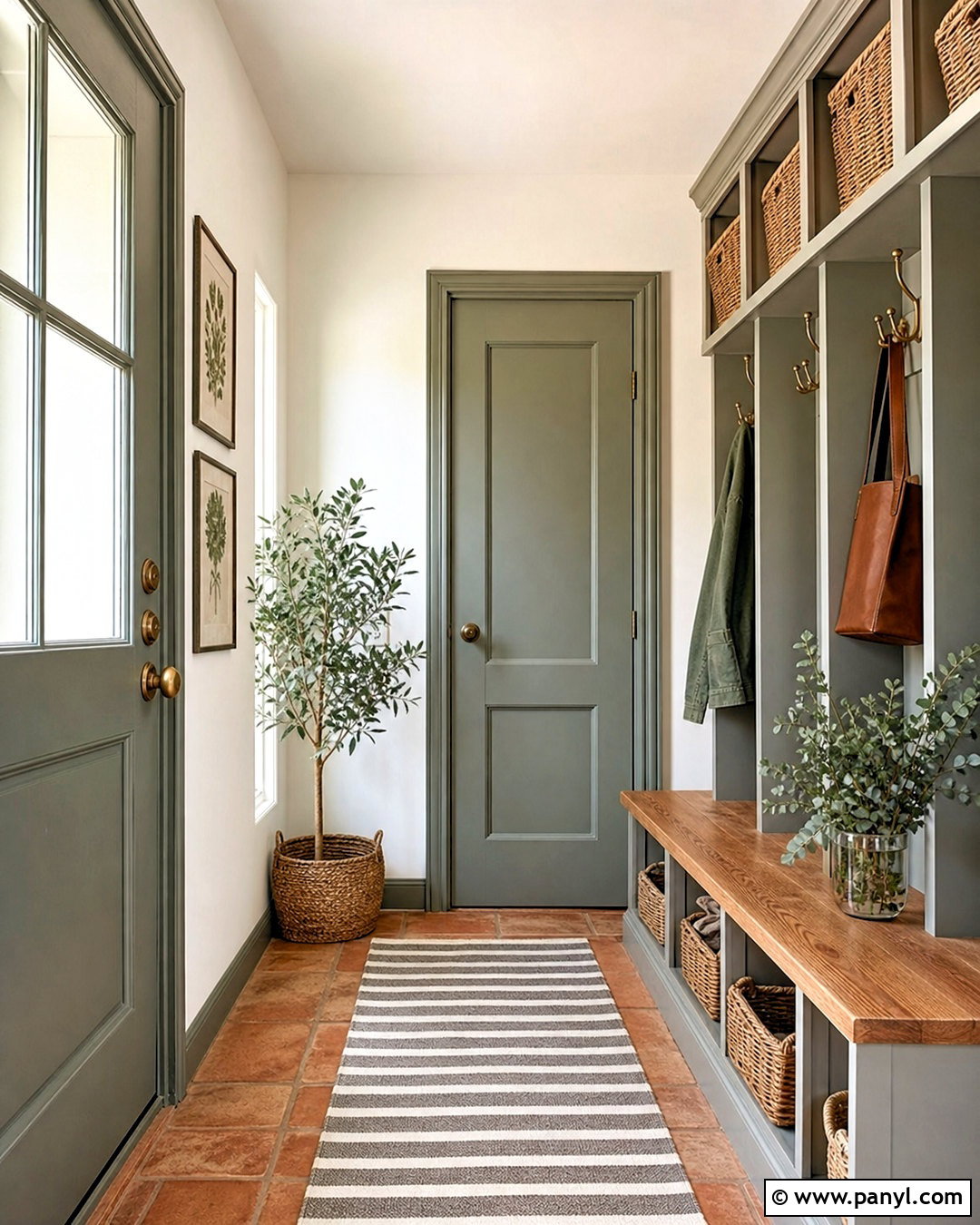
Muted green-grey doors bring an organic quality to white interiors. Choose a soft eucalyptus or sage-grey shade and pair it with creamy white walls rather than a stark blue-white. Natural oak flooring, woven shades, and linen upholstery will reinforce the earthy palette. In a mudroom, use the same green-grey on the doors and built-in lockers to create a connected appearance. Add terracotta floor tiles, brass hooks, and a sturdy wooden bench for warmth and durability. Storage baskets keep everyday items contained, while a washable striped runner adds a useful layer of pattern. Finish with simple botanical artwork and a small potted plant. The room will feel calm, practical, and welcoming throughout the year.
15. Dove Grey Doors With White Walls
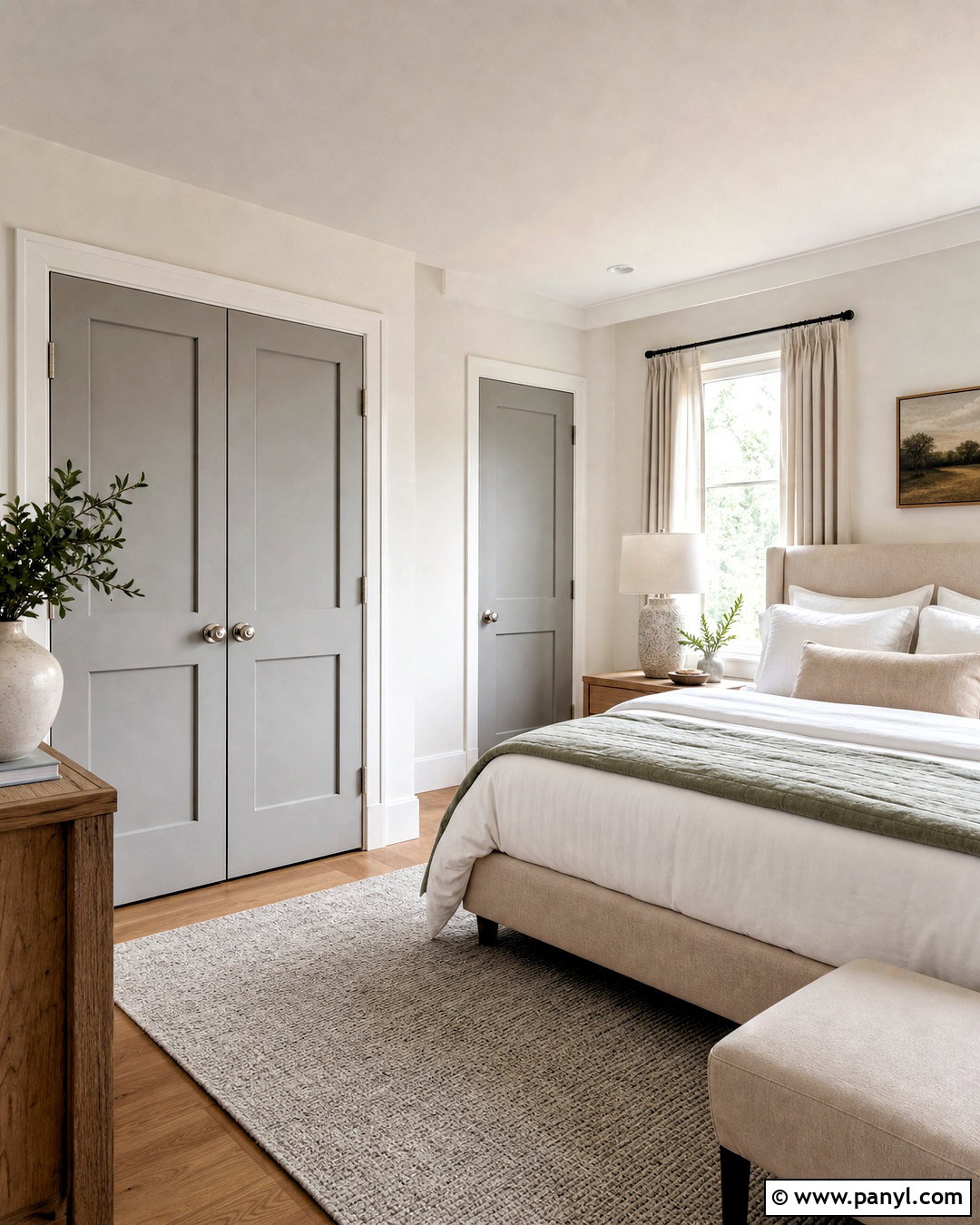
Dove grey doors create a soft transition in bedrooms where strong contrast could feel distracting. Choose a pale grey with balanced undertones and combine it with warm white walls and matching white trim. Use plush beige carpet or light wood flooring to maintain the restful appearance. A softly upholstered bed, white bedding, and a quilt in muted blush or sage will give the room gentle color. Polished nickel knobs complement the light grey without becoming too noticeable. Add linen curtains, ceramic bedside lamps, and a simple wool rug for texture. Repeat the door color on a small dresser or picture frame. This coordinated bedroom feels bright and peaceful while still having enough variation to avoid looking plain.
16. Dark Grey Doors With Matching Trim
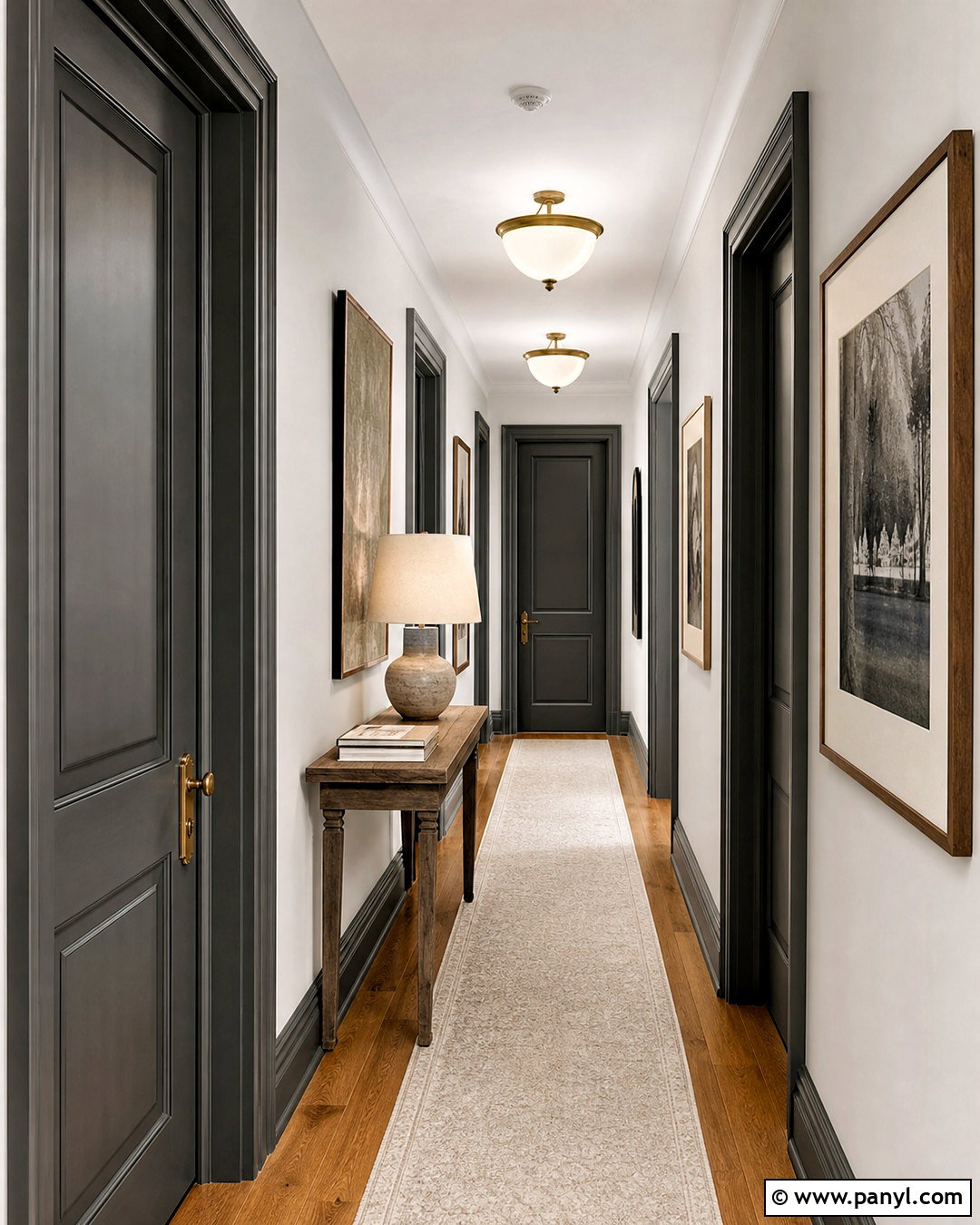
Painting both doors and trim dark grey produces a strong, continuous outline against white walls. This approach works particularly well in a hallway with several doorways because it creates consistent visual rhythm. Choose a deep graphite shade in a durable satin finish and pair it with matte warm-white walls. Medium oak flooring and a long cream runner will soften the contrast. Use antique brass or bronze hardware to add warmth, then repeat that metal in ceiling lights and picture frames. Keep hallway furniture narrow and simple, such as a wooden console with a stone lamp. A few large artworks will look calmer than many small frames. The overall scheme feels structured, polished, and intentionally coordinated.
17. Grey Doors With White Trim
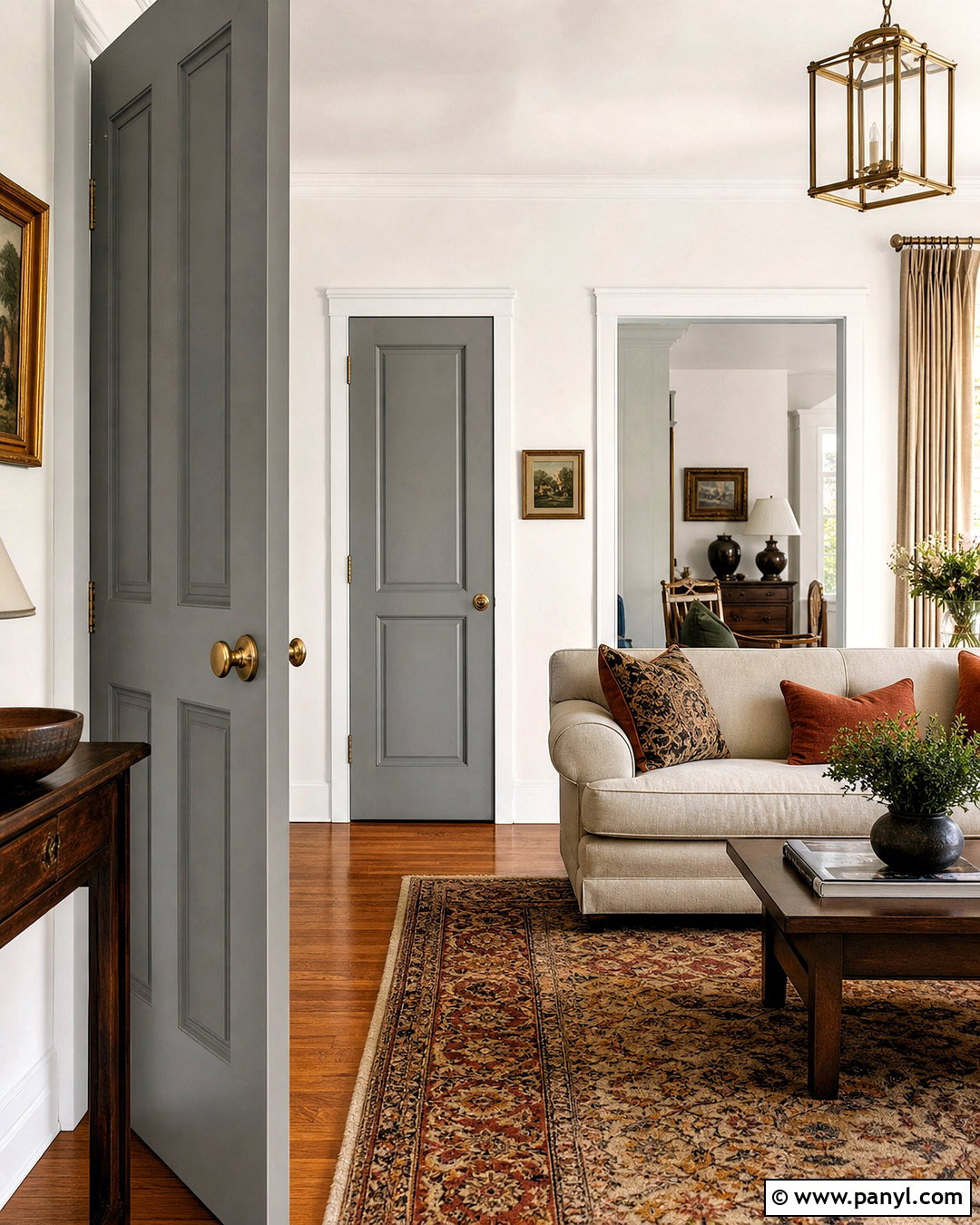
White trim gives grey doors a crisp border and helps them connect visually to white walls. Choose a medium neutral grey for the door panels, then paint the casing and baseboards in the same white as the walls but with a higher-sheen finish. This treatment is ideal for traditional rooms where detailed molding should remain visible. Pair the scheme with warm hardwood floors, a patterned vintage-style rug, and classic nickel or brass knobs. In a living room, add a beige sofa, a dark wood coffee table, and cushions that combine grey, cream, and muted rust. Use soft fabric curtains instead of more grey. The completed space will feel layered and timeless, with each architectural element clearly defined.
18. Grey Doors With Black Hardware
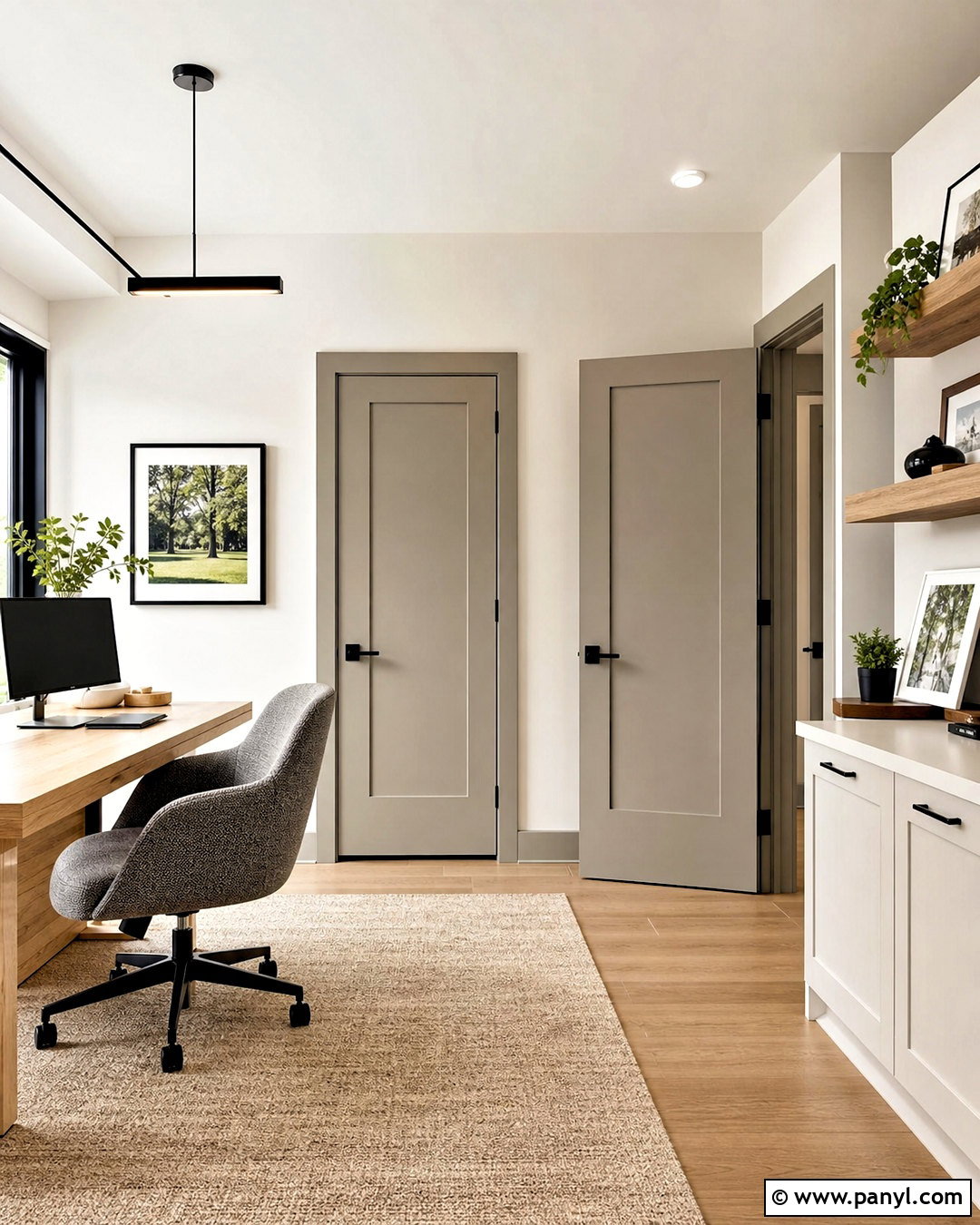
Black hardware adds a sharp contemporary detail to grey doors without requiring more color. Use medium greige doors with matte black levers, hinges, and doorstops, then place them against warm white walls. Continue the black accents through slim light fixtures, window frames, and a few picture frames. Balance those dark lines with natural oak flooring, a cream rug, and rounded wood furniture. In a home office, include a light wood desk, white storage cabinets, and a textured grey chair. Add muted green artwork and plants to soften the neutral palette. Keeping the black accents limited and repeated creates cohesion. The result is clean and modern, but the warm materials ensure the room still feels comfortable.
19. Grey Doors With Brass Hardware
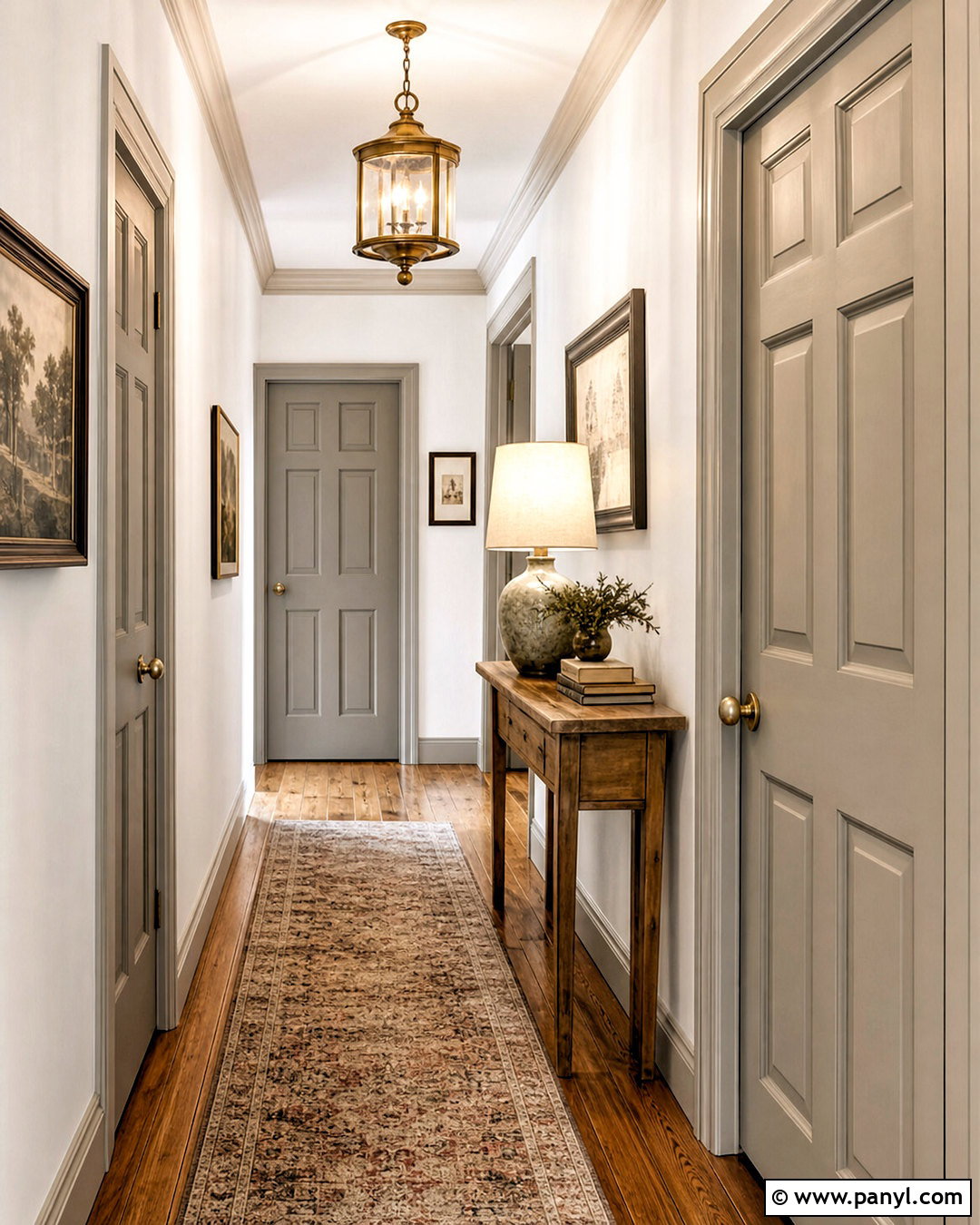
Brass hardware immediately warms grey doors and gives white interiors a more finished appearance. Paint classic panel doors in a soft mushroom grey and use satin or aged brass knobs. Warm white walls, cream trim, and honey-toned wood flooring will support the inviting undertones. In a bedroom hallway, install a simple brass ceiling lantern and place a faded patterned runner along the floor. A narrow oak console with a ceramic lamp can fill an empty wall without restricting movement. Repeat small touches of brass in frames or cabinet pulls, but avoid using the metal on every accessory. This balanced scheme combines traditional details with a fresh neutral palette that feels comfortable, coordinated, and easy to maintain.
20. Grey Doors With White Shiplap Walls
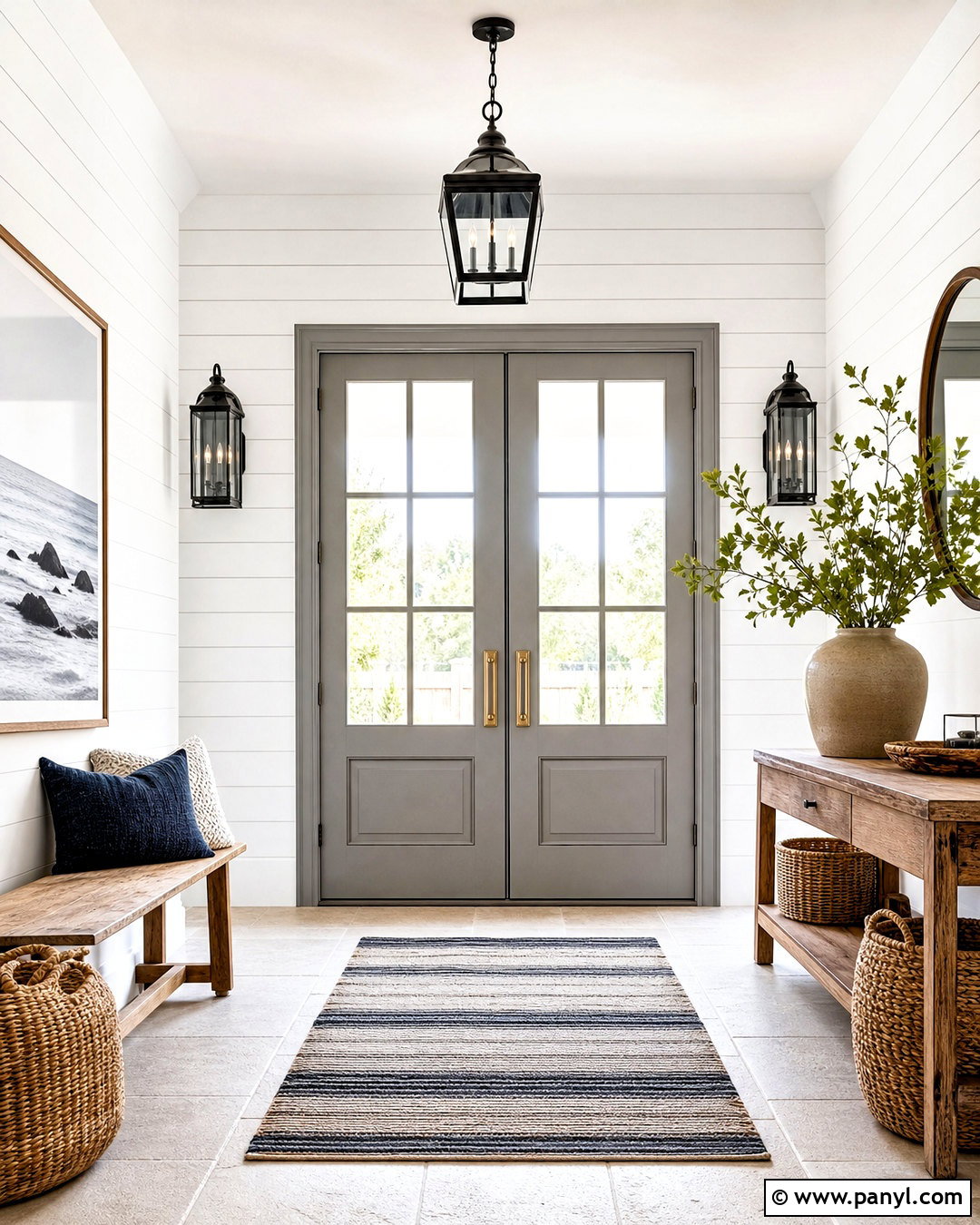
Grey doors stand out beautifully against white shiplap because the wall texture adds depth without changing the neutral palette. Choose wide double doors in a medium warm grey and frame them with matching grey casing. Run white shiplap horizontally to make a narrow entryway feel wider, then use pale grey limestone tiles or light oak boards underfoot. Black iron lanterns provide clear contrast, while brass door handles add a warmer detail. Complete the entry with a simple oak bench, woven baskets, and a durable striped rug. Keep decorative objects practical and restrained. A large mirror and a few green branches in a ceramic vase are enough to soften the straight lines and complete the welcoming space.
Conclusion:
Decorating with **white walls grey doors** gives you a versatile foundation that can feel modern, traditional, coastal, farmhouse, or minimalist. The best results come from treating each doorway as part of the complete room instead of choosing the paint color alone. Consider the grey undertone, trim color, flooring, hardware, furniture, and lighting together. Pale greys keep small areas airy, while charcoal and graphite create stronger architectural definition. Warm woods, textured fabrics, plants, and brass accents can prevent the palette from feeling cold. Before painting every door, test your chosen grey beside the wall color in morning and evening light. A thoughtful combination will make the entire home feel connected, polished, and welcoming.

Related Ideas and Inspiration:
Leave a Reply