
Pastel colors can make a living room feel bright, welcoming, and full of personality without overwhelming the space. The key is building a complete palette rather than scattering unrelated pale accents around the room. Start with one dominant pastel, add one supporting shade, and ground everything with warm wood, natural fibers, white, cream, gray, or a deeper contrasting color. Furniture shape, lighting, artwork, rugs, and window treatments should all reinforce the chosen look. Whether you prefer modern minimalism, relaxed coastal decor, romantic cottage character, or playful retro details, soft color can suit your home. The following 20 pastel colors living room ideas offer complete, practical looks you can confidently recreate.
1. Blush Pink Pastel Living Room
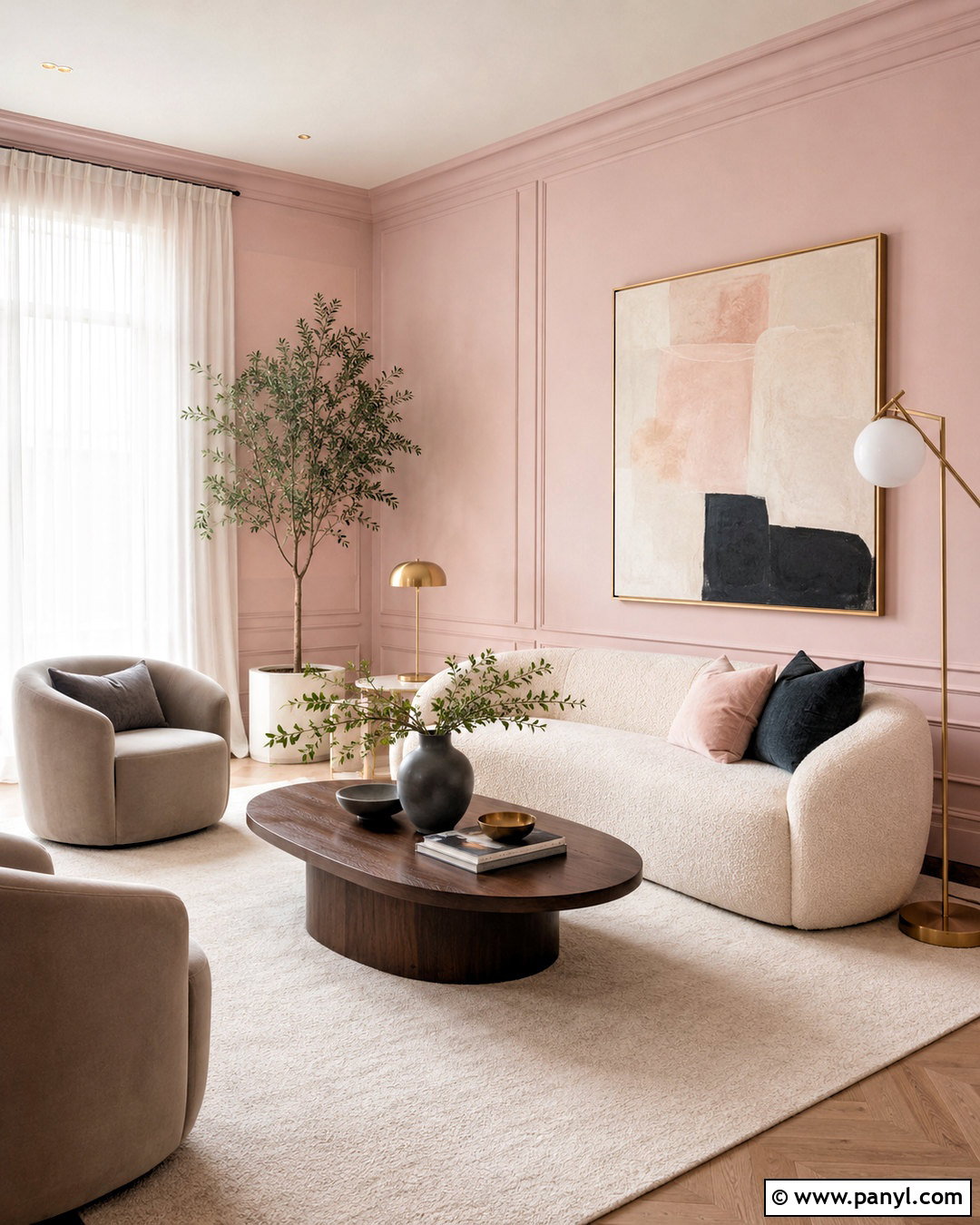
Blush pink walls create a warm, flattering background that works beautifully in a comfortable everyday living room. Choose a cream boucle sofa with rounded arms, then place two pale taupe chairs opposite it for a balanced conversation area. An ivory wool rug keeps the floor light, while a walnut coffee table brings essential warmth and contrast. Repeat the blush color through velvet pillows, abstract artwork, and a ceramic table lamp rather than matching every item exactly. Brushed brass lighting adds a polished glow without making the space feel too formal. Finish the room with sheer white curtains, a tall leafy plant, and a few charcoal accents. The darker details prevent the soft pink palette from looking overly sweet.
2. Sage Green Pastel Living Room
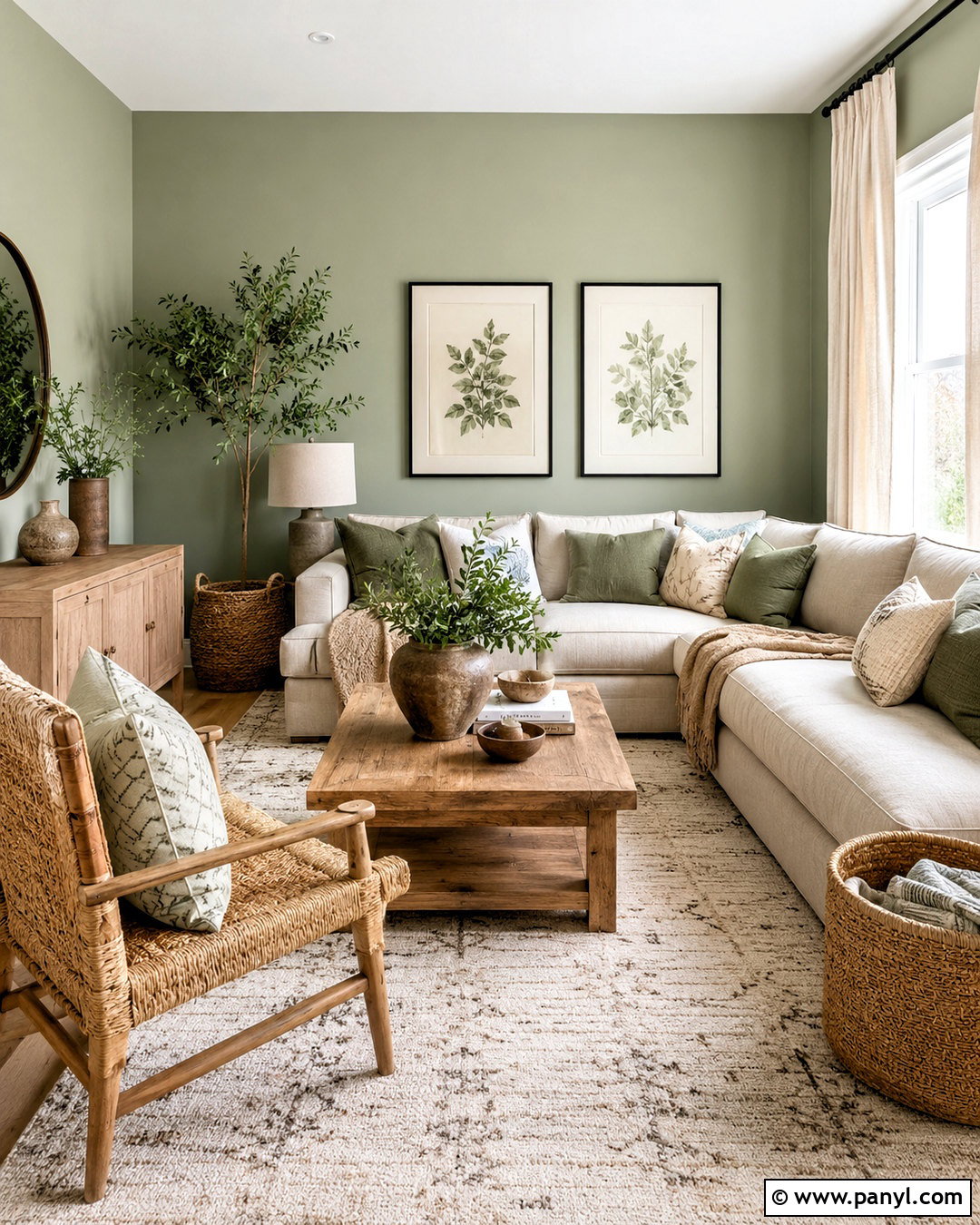
A sage green pastel living room feels grounded, natural, and easy to live with throughout the year. Paint the walls a muted, gray-based sage and introduce a warm oatmeal sectional as the main seating. Add a light oak coffee table, woven side chairs, and linen curtains to strengthen the relaxed organic character. A cream rug with a subtle green pattern can connect the furniture and wall color without becoming a distracting focal point. Decorate with botanical prints, handmade pottery, stacked books, and several plants in different heights. Small black accents, such as curtain rods and picture frames, provide clean definition. Keep pillows tonal with sage, ivory, and muted olive so the finished room feels layered rather than overly coordinated.
3. Powder Blue Pastel Living Room
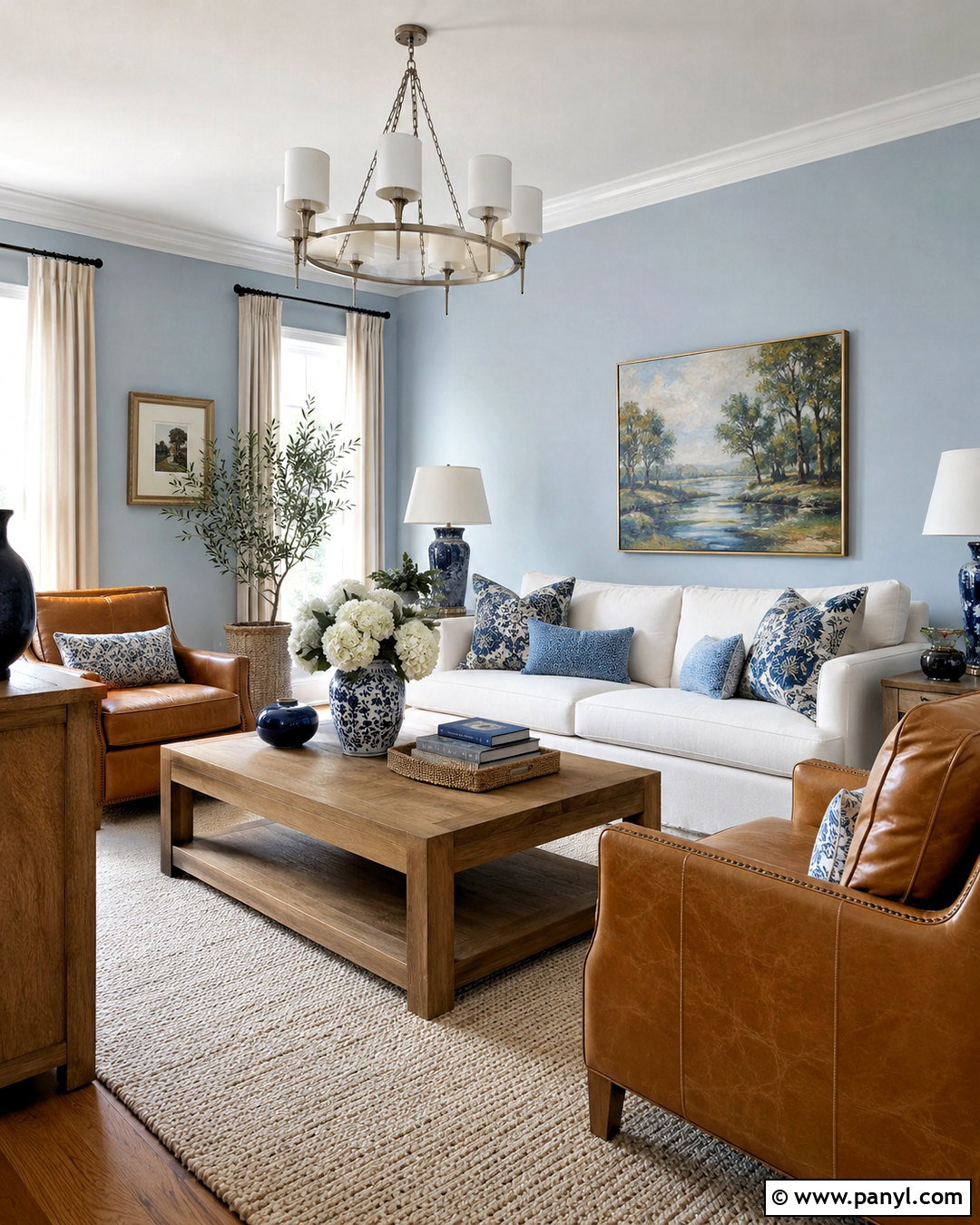
Powder blue gives a living room an open, airy quality that suits both traditional and modern homes. Use the color across the walls, then balance it with a soft white sofa and warm camel leather armchairs. A medium-tone oak floor or wood coffee table keeps the cool blue from feeling chilly. Bring in texture through a woven cream rug, pale linen curtains, and gently patterned blue-and-white pillows. A large landscape painting can echo the wall color while introducing green, beige, and cloudy gray. Choose polished nickel or brushed silver lighting for a crisp finish. A few navy accents, including a throw blanket and ceramic vase, will create depth and make the powder blue surfaces appear more intentional.
4. Lavender Pastel Living Room
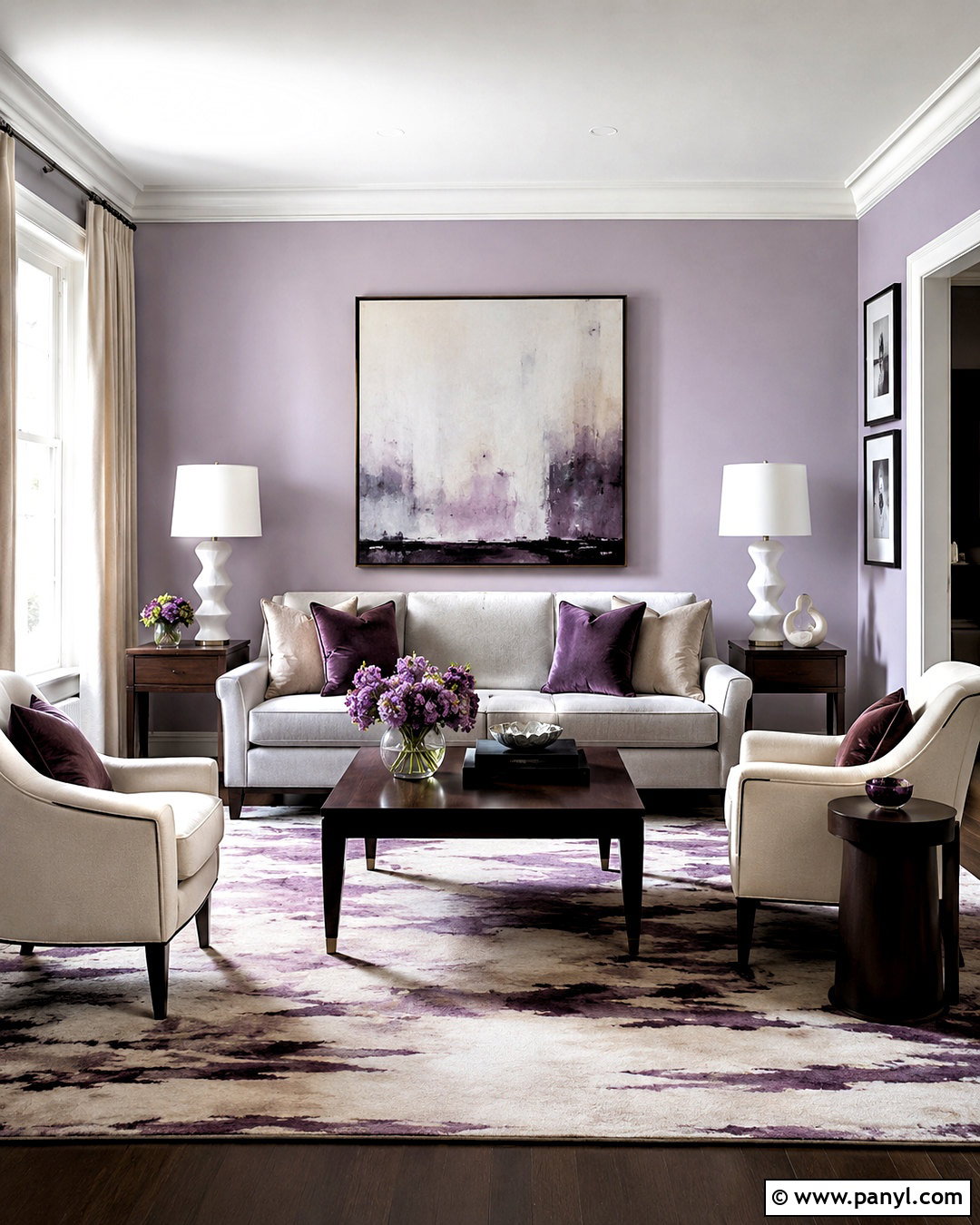
Soft lavender can create a sophisticated living room when it is paired with clean furniture and restrained decoration. Cover the walls in a dusty lavender with gray undertones, then add a tailored light gray sofa and two ivory accent chairs. A dark walnut console and coffee table give the delicate color scheme visual weight. Select an abstract rug that mixes lavender, cream, taupe, and a small amount of plum. Instead of using overly decorative accessories, choose sculptural lamps, simple glass vases, and large contemporary artwork. Floor-length natural linen curtains soften the windows without introducing another strong color. Finish with plum velvet cushions and matte black frames. These darker touches keep the complete lavender room elegant, balanced, and suitable for daily use.
5. Mint Green Pastel Living Room
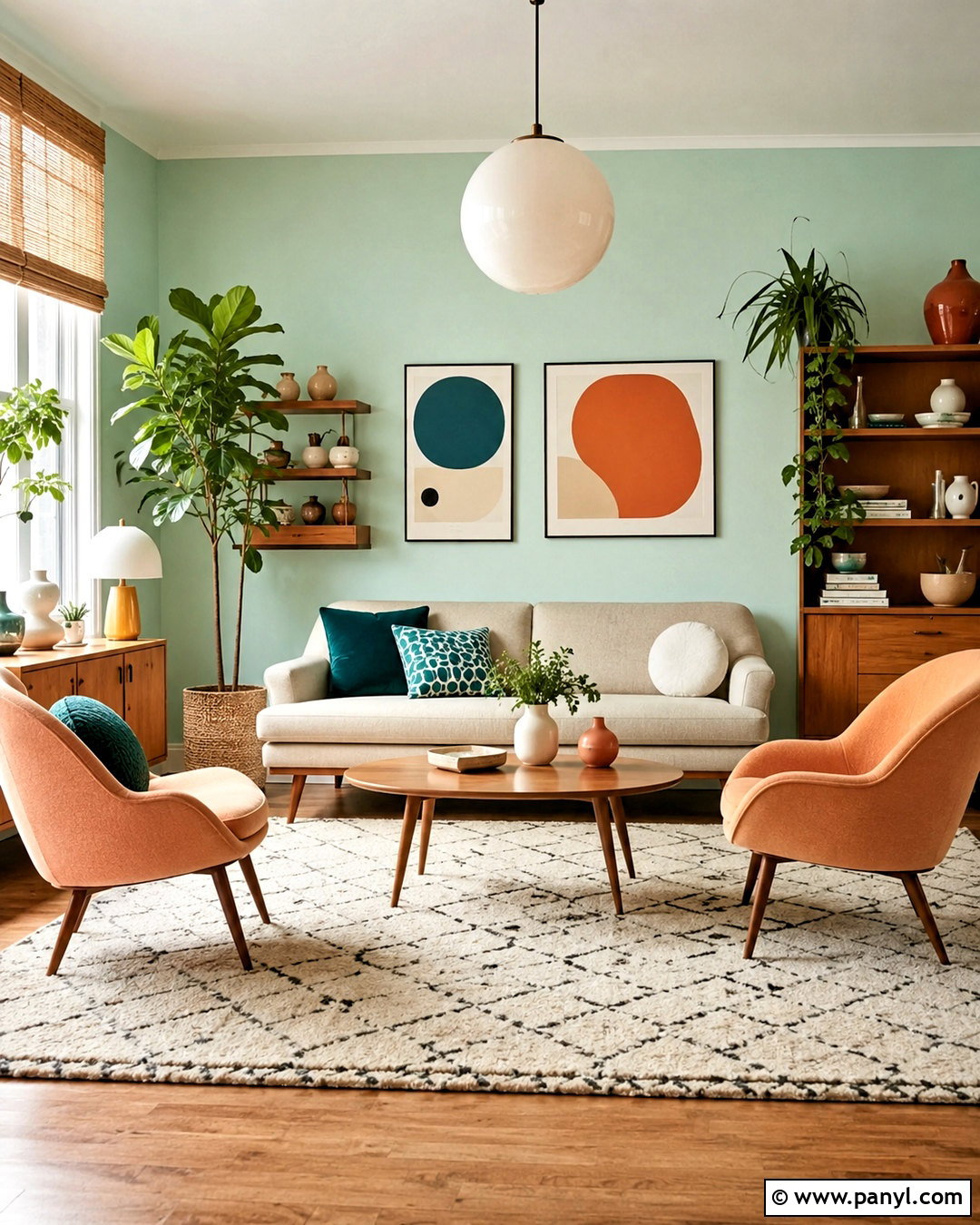
Fresh mint green works especially well in a bright living room with playful midcentury details. Paint the walls a pale, slightly blue-toned mint and anchor the layout with a streamlined beige sofa. Add tapered oak furniture, a cream geometric rug, and a pair of curved armchairs upholstered in soft peach. This warm accent color offsets the cool mint while giving the room more personality. Choose a simple globe pendant, graphic artwork, and ceramic accessories in white, mint, and terracotta. Natural woven shades can filter harsh daylight and add welcome texture. Keep large furniture neutral so the color remains flexible. A dark teal pillow or planter introduces just enough contrast to make the lighter pastel shades look crisp instead of washed out.
6. Butter Yellow Pastel Living Room
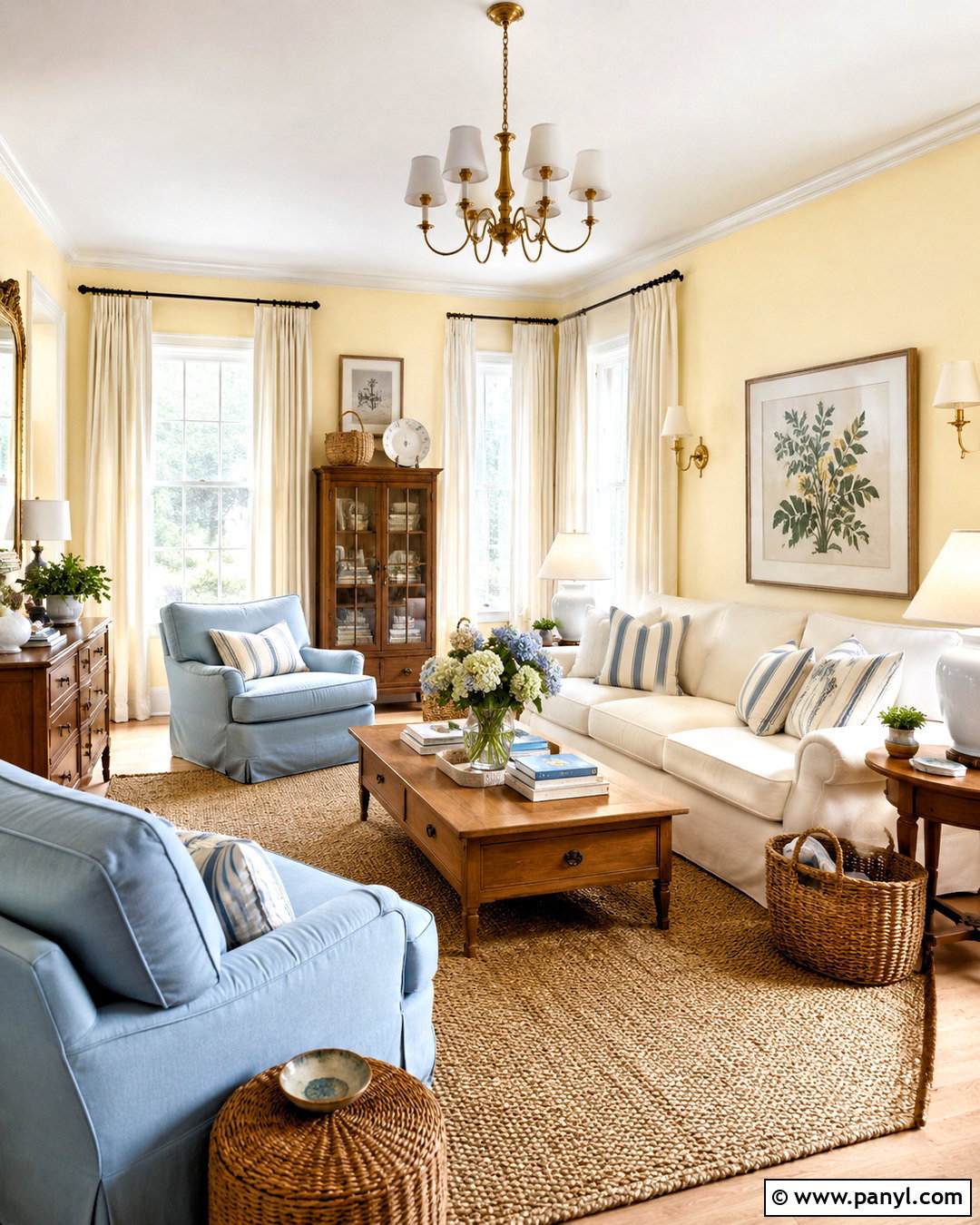
Imagine a sunlit living room that feels cheerful even on a cloudy afternoon. Butter yellow walls provide that gentle warmth without the intensity of brighter golden shades. Pair them with an off-white slipcovered sofa, honey-toned wood furniture, and a large natural jute rug. Pale blue armchairs introduce a soft complementary color and stop the yellow from dominating the entire room. Use striped linen pillows, white ceramic lamps, and framed botanical artwork to create an easy cottage-inspired look. Add full-length cream curtains and a vintage-style brass ceiling light for a comfortable, collected finish. A few medium-brown accents, such as baskets and picture frames, will ground the pale palette and help the complete living room feel mature, practical, and welcoming.
7. Peach Pastel Living Room
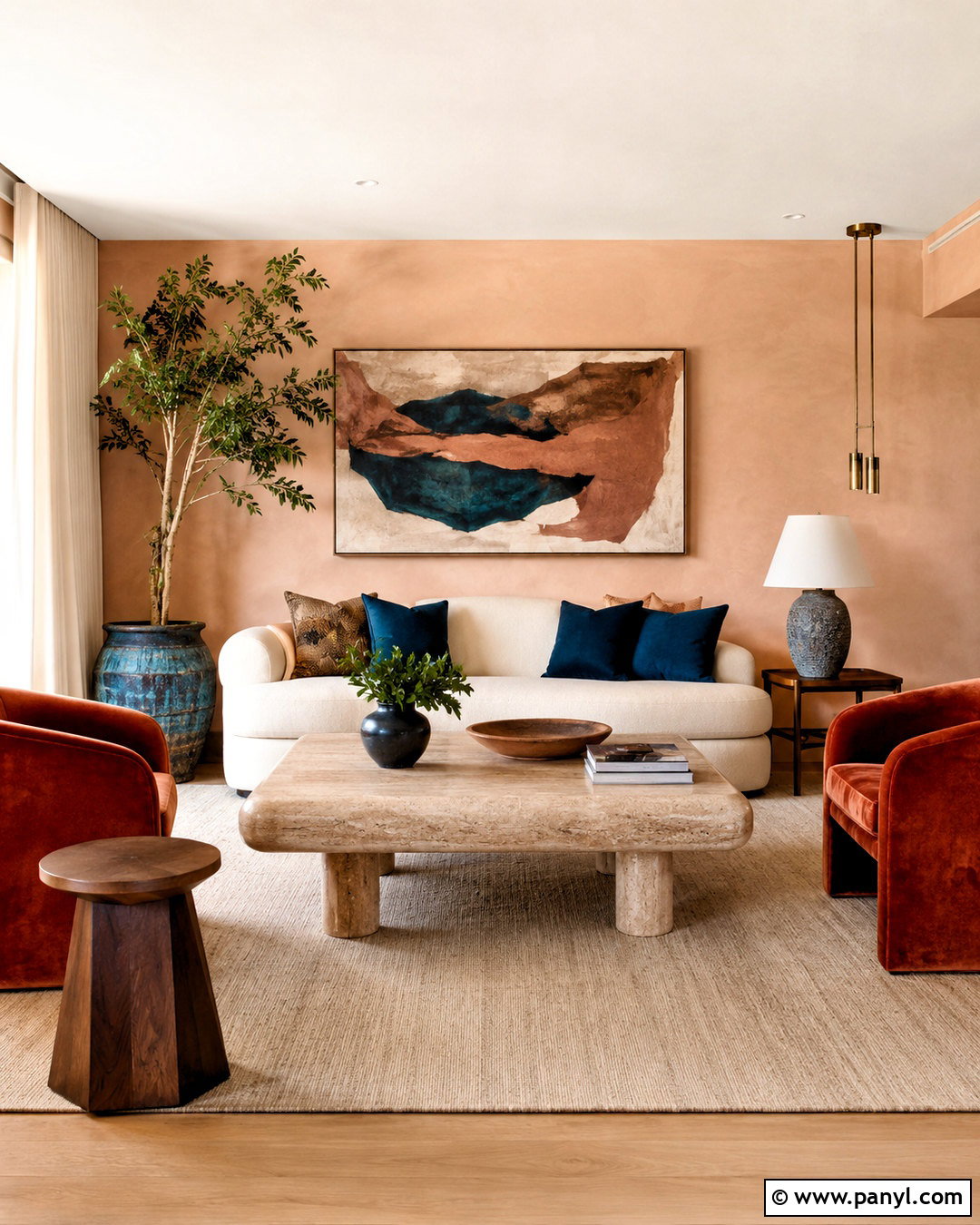
Peach walls cast a warm glow that can make a living room feel comfortable and energetic at the same time. Choose a muted plaster-like peach rather than a vivid orange tone, and pair it with a low cream sofa. Add walnut side tables, a travertine coffee table, and rust-colored velvet chairs for subtle tonal depth. A pale beige rug will calm the stronger furniture accents while maintaining an inviting atmosphere. Decorate with oversized abstract art containing peach, tan, ivory, and dusty blue. White linen curtains keep the windows fresh, while bronze lighting connects naturally with the warm palette. For contrast, use small touches of deep blue through cushions or pottery. The result is a polished pastel living room that feels sunny without becoming overly bright.
8. Pastel Pink And Green Living Room
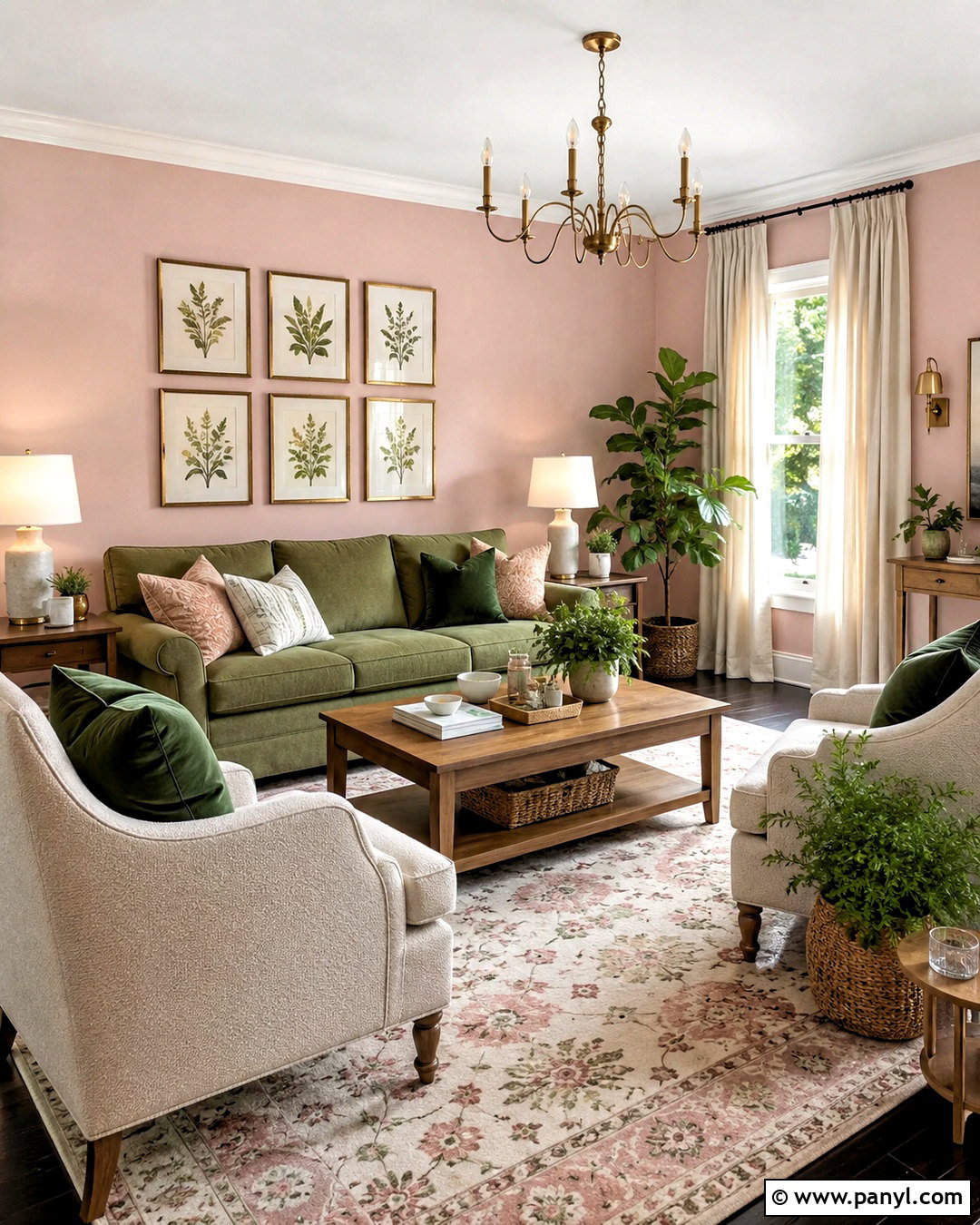
Pink and green create a naturally balanced color scheme when both shades have muted undertones. Begin with pale blush walls and a mossy sage sofa as the main anchor. Place two cream chairs nearby, then center the arrangement with a warm oak coffee table and a faded floral rug. Use botanical prints to connect the wall and sofa colors without making the room feel themed. Linen curtains, woven baskets, and ceramic planters introduce natural textures that soften the entire look. Add darker forest green through pillows and a table lamp for definition. A small amount of brass can warm the palette further. Keeping the largest furnishings simple allows this colorful pastel living room to feel charming, cohesive, and comfortable rather than busy.
9. Pastel Blue And Yellow Living Room
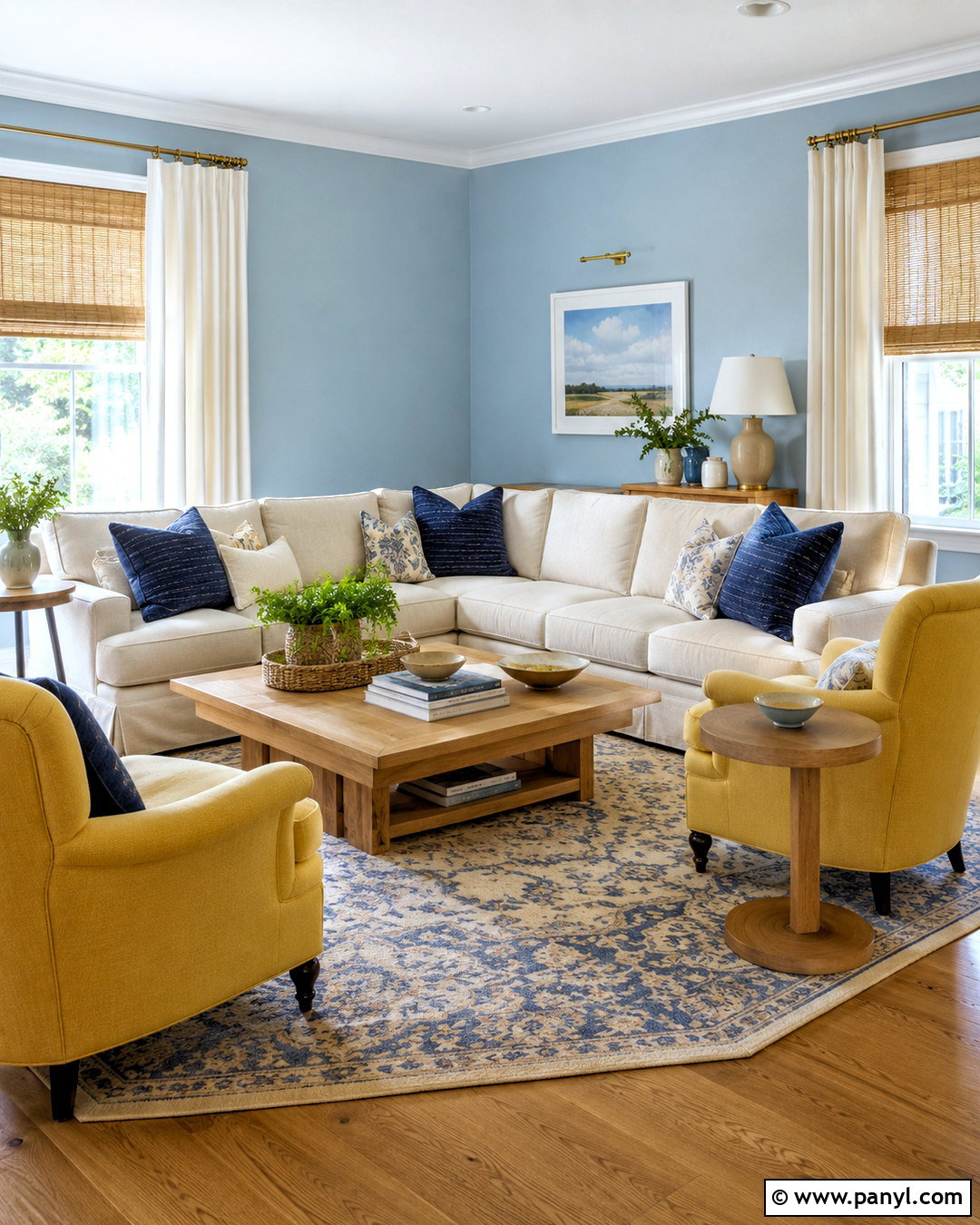
Could your living room use more light and upbeat color? Combine sky blue walls with butter yellow upholstery for a fresh palette that remains gentle. A cream sectional provides a neutral foundation, while two pale yellow armchairs create a sunny focal point. Choose a blue-and-ivory patterned rug to connect the seating with the walls. Light oak tables and woven shades add natural warmth, preventing the scheme from feeling too cool or crisp. Use white curtains to maximize brightness and introduce small navy details in artwork, pillows, and decorative bowls. These deeper accents sharpen the softer colors. Keep patterns simple and repeat each pastel at least twice. This creates a complete room that feels coordinated, relaxed, and lively without relying on highly saturated color.
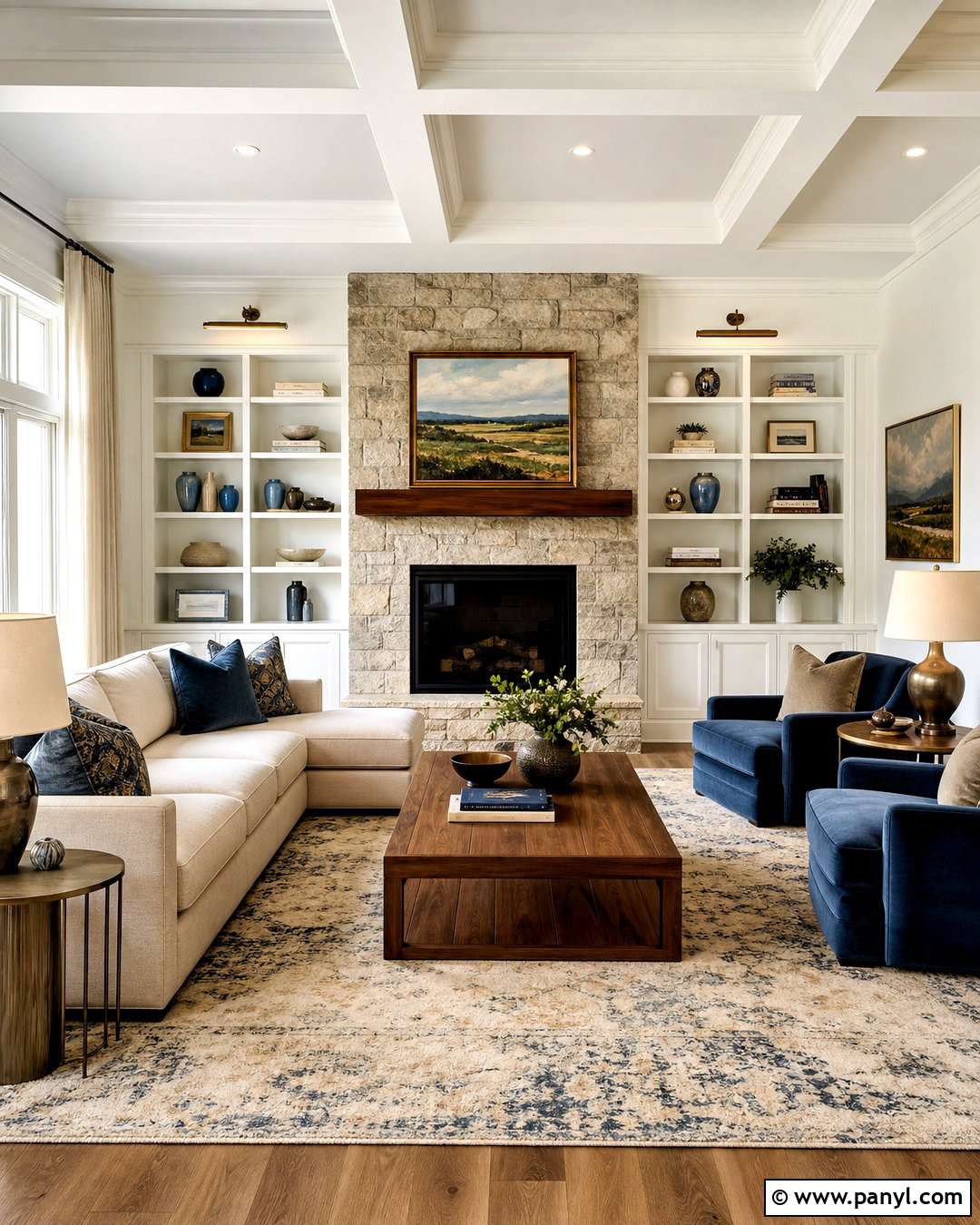
10. Pastel Coral Living Room
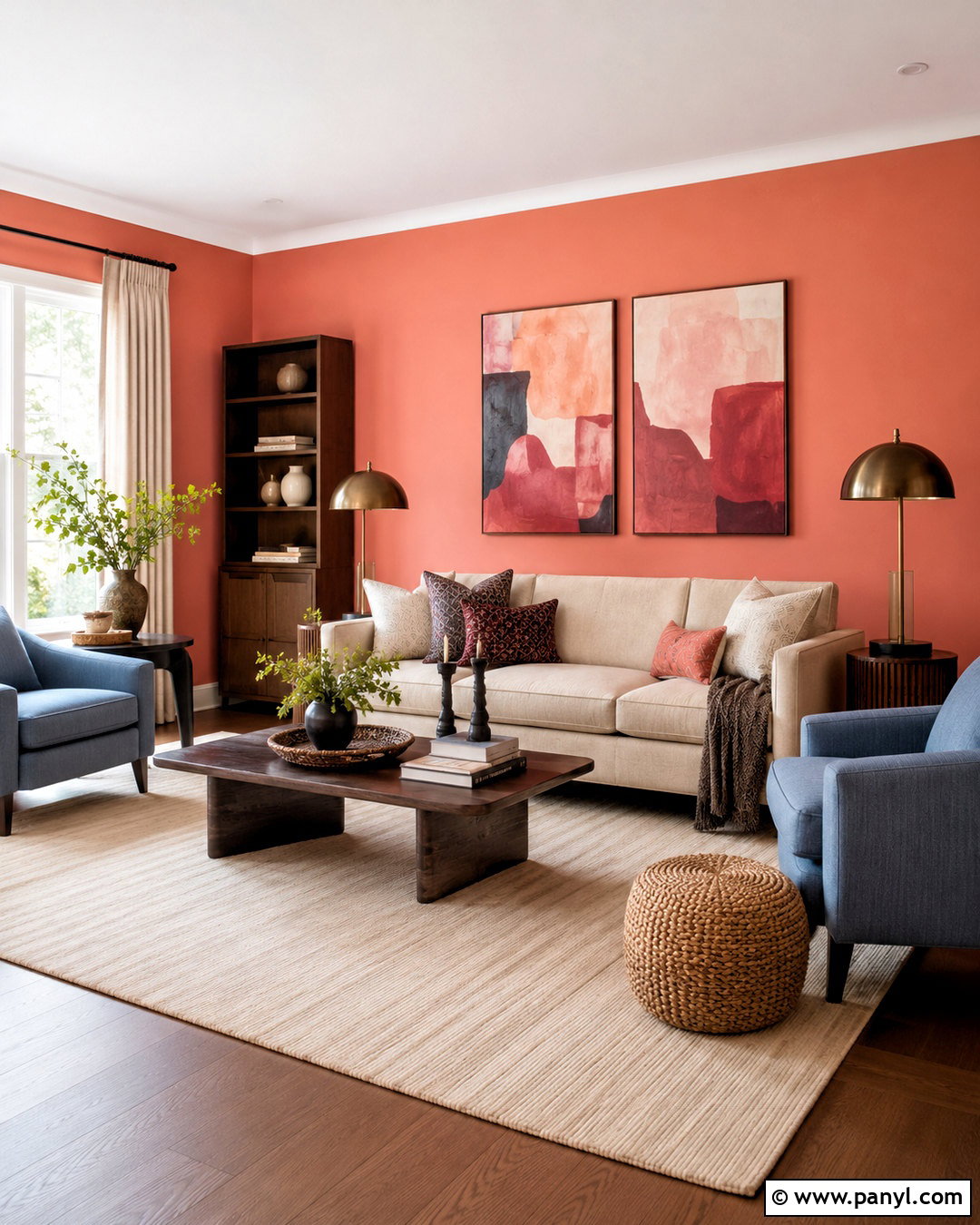
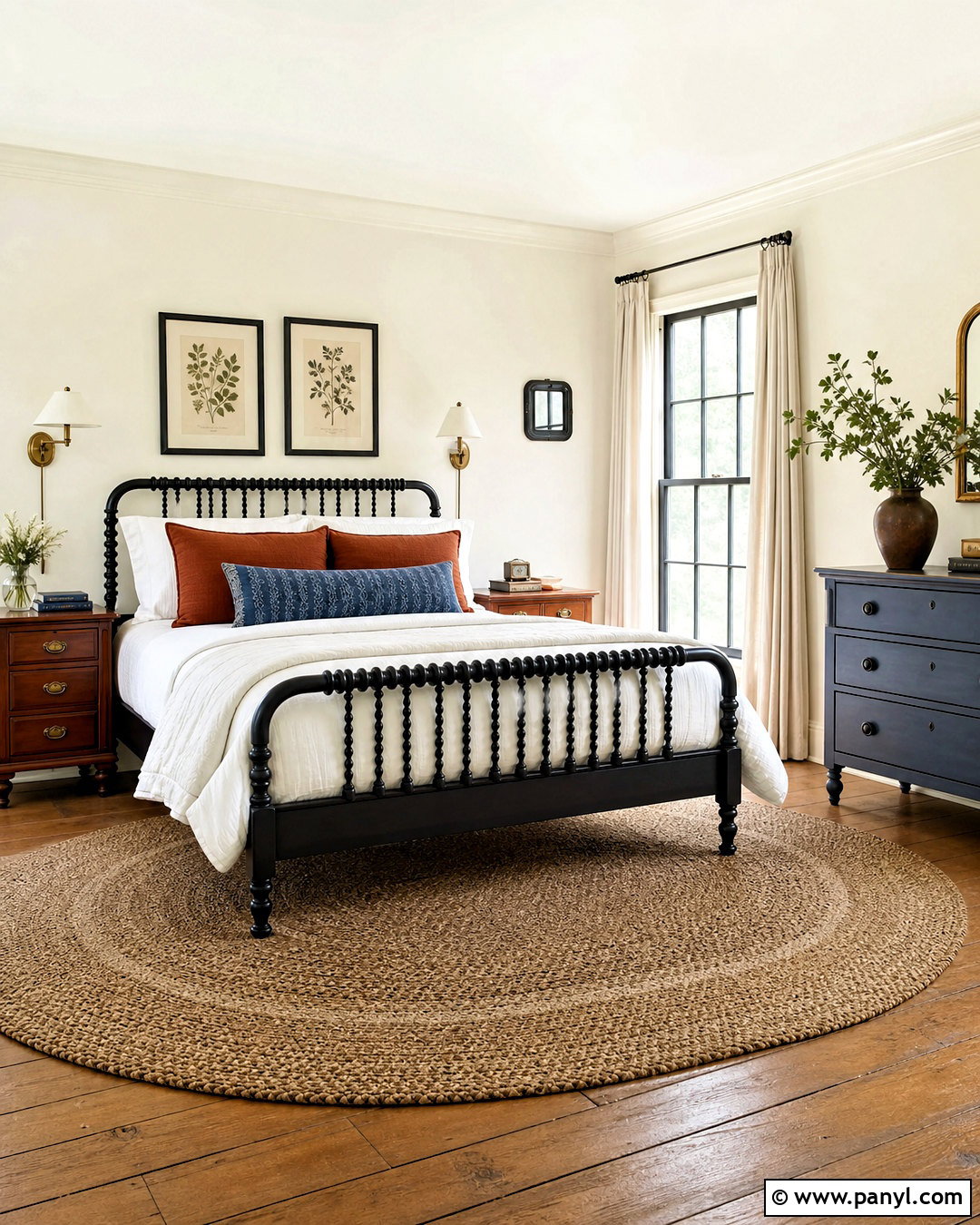
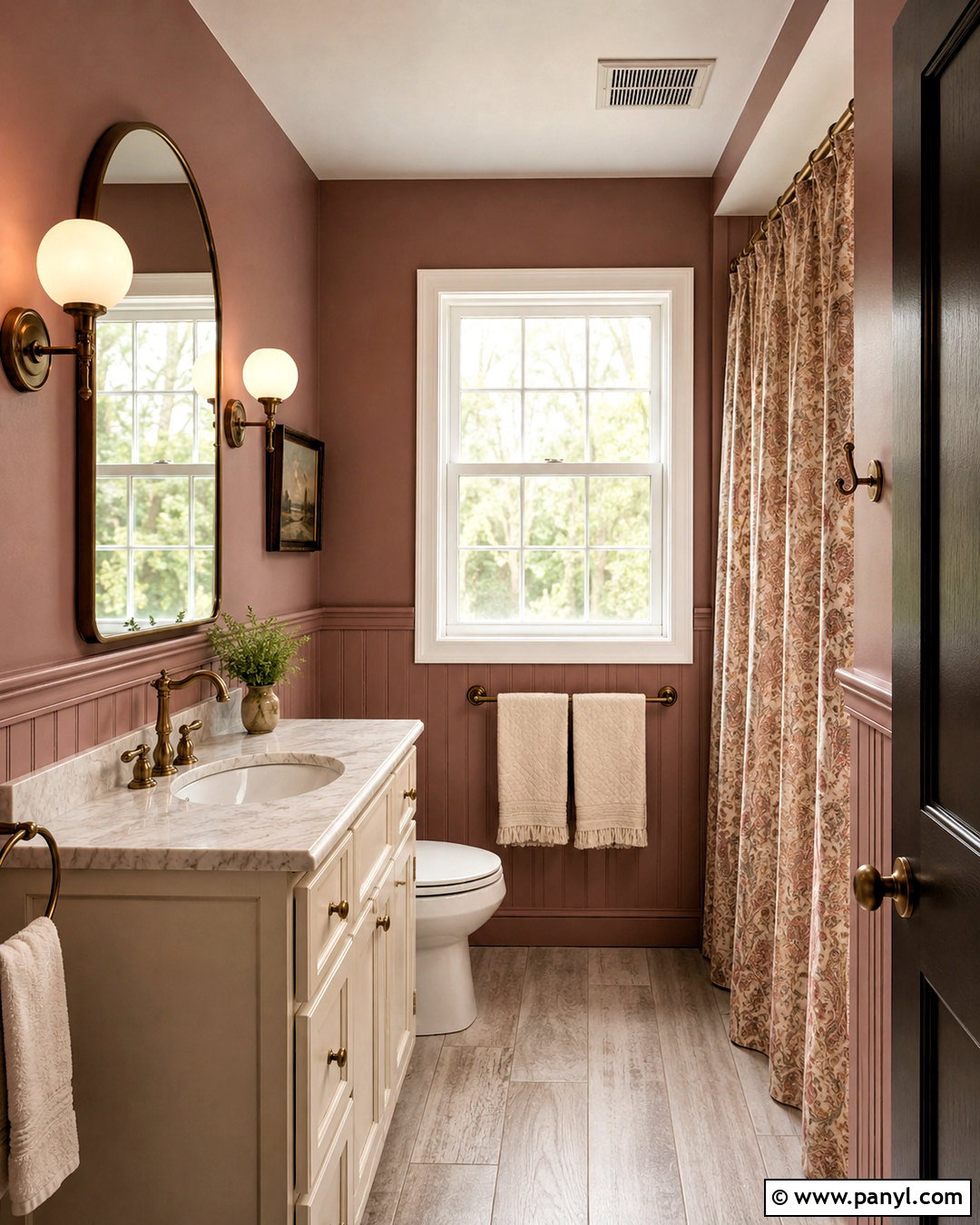
Pastel coral brings warmth and character to a living room while feeling softer than traditional orange or red. Use a chalky coral on the walls and choose a light beige sofa with clean, contemporary lines. Balance the warm background with dusty blue armchairs and an ivory rug featuring a subtle linear design. Walnut furniture, bronze lamps, and woven accessories reinforce the cozy quality of the coral. Keep curtains light and neutral so natural daylight can soften the wall color. Add artwork containing coral, blue, cream, and muted burgundy to pull the palette together. A few dark brown details will provide structure. This full scheme feels colorful and grown-up, making it a practical choice for modern homes that need warmth without heavy earth tones.
11. Pastel Lilac And Gray Living Room
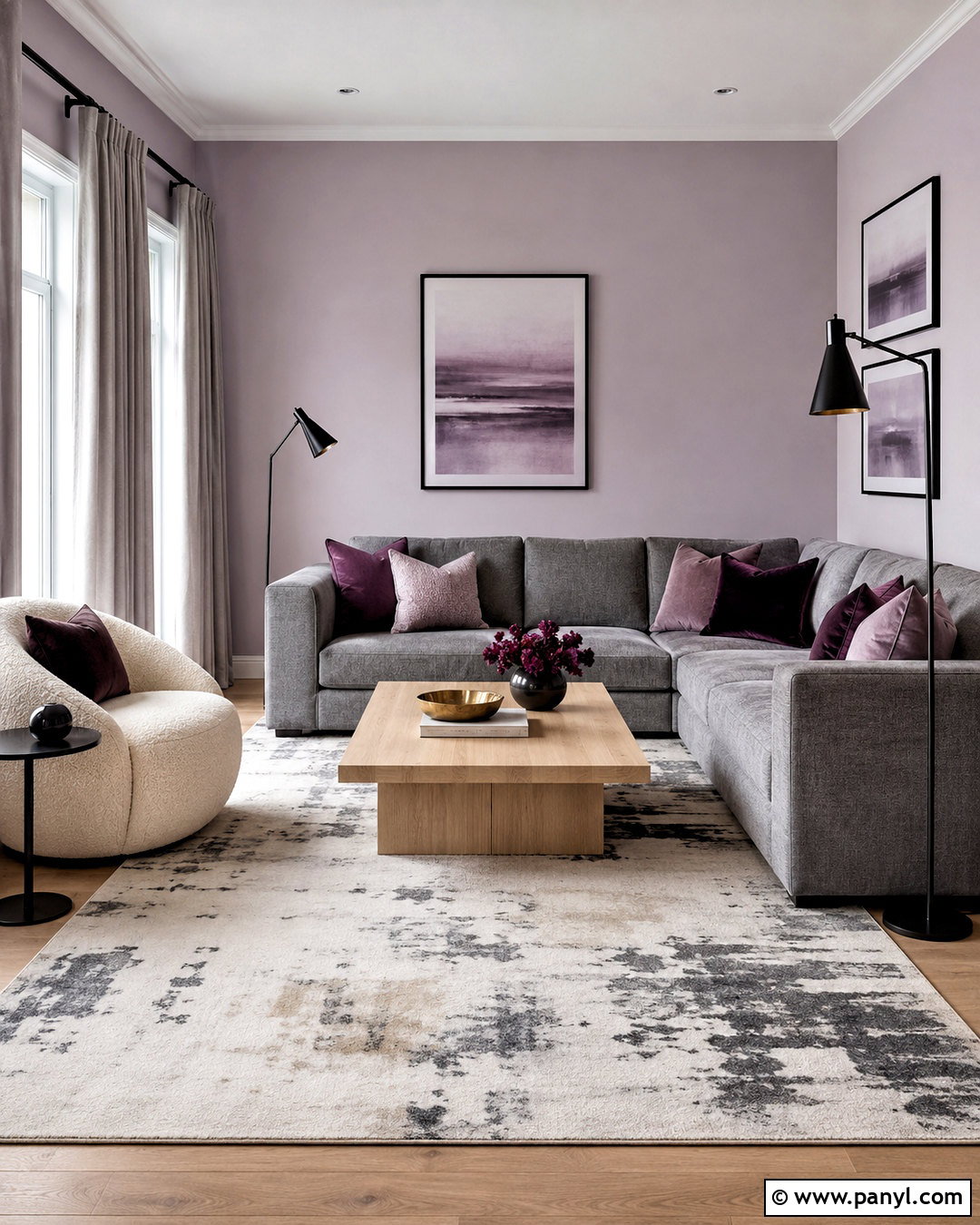
For a quiet, contemporary look, combine pale lilac with warm gray rather than bright white. Paint the walls a soft lilac-gray, then position a medium gray sectional along the longest wall. Add an ivory boucle chair and a light wood coffee table to prevent the layout from appearing heavy. A large abstract rug in cream, lilac, charcoal, and taupe can define the seating zone. Choose slim black floor lamps, simple framed prints, and charcoal curtain rods for clean contrast. Soft gray curtains should nearly match the sofa, allowing the lilac walls to remain the main feature. Finish with mauve and plum pillows in different textures. This tonal approach produces a pastel living room that feels calm, tailored, and comfortably understated.
12. Pastel Coastal Living Room
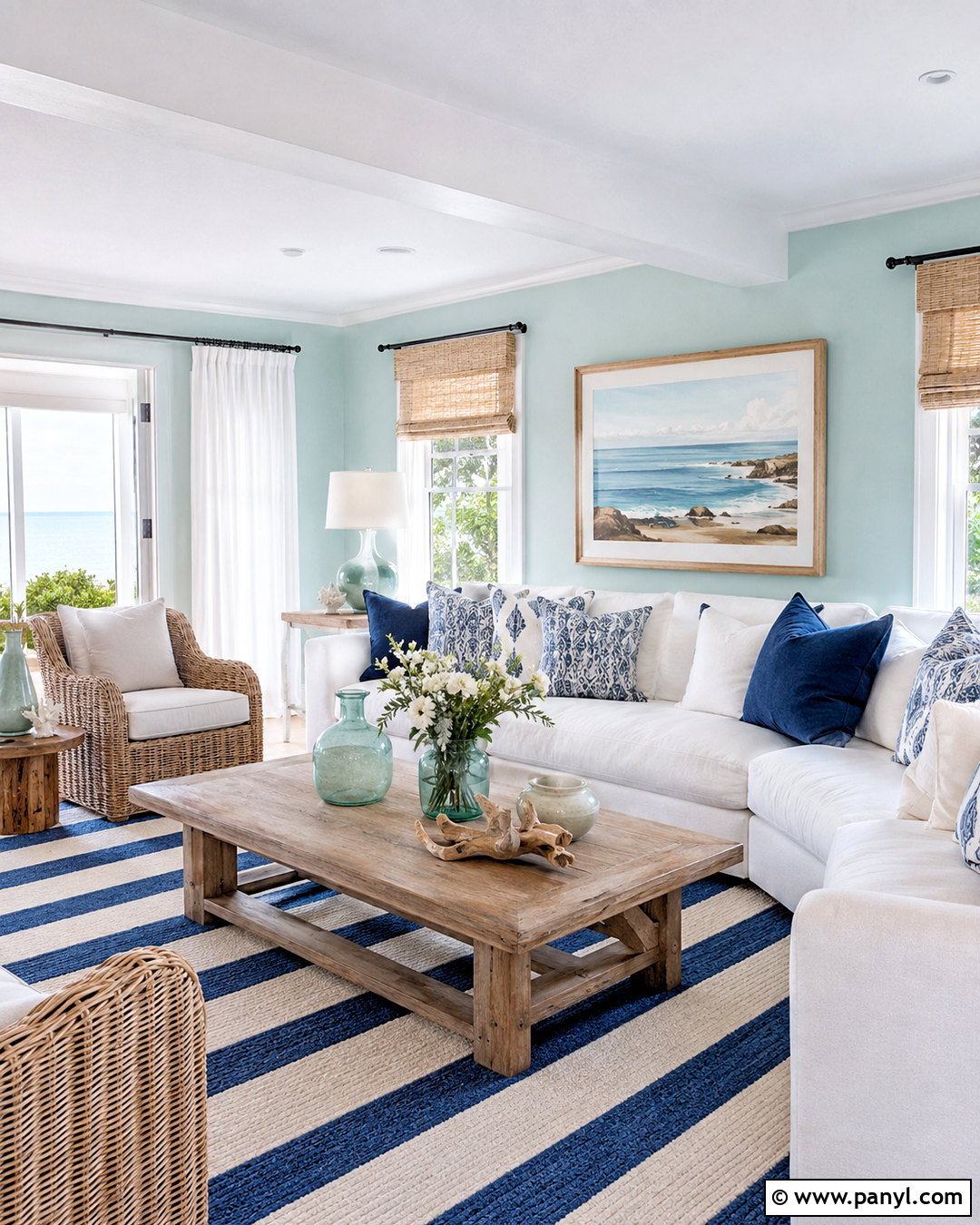
A pastel coastal living room should feel breezy and relaxed without depending on obvious nautical decorations. Start with pale aqua walls, a white linen sectional, and two sandy beige woven chairs. Place a weathered oak coffee table over a blue-and-cream striped rug to establish the casual coastal palette. Sheer curtains allow plenty of daylight to move through the space, while natural shades provide privacy and texture. Decorate with sea-glass green vases, soft blue pillows, driftwood-colored frames, and one large coastal landscape. Avoid filling every surface with shells or themed accessories. Instead, use natural materials and subtle ocean-inspired colors. A few navy details will add depth, resulting in a complete room that feels fresh, uncluttered, and suitable for any location.
13. Pastel Scandinavian Living Room
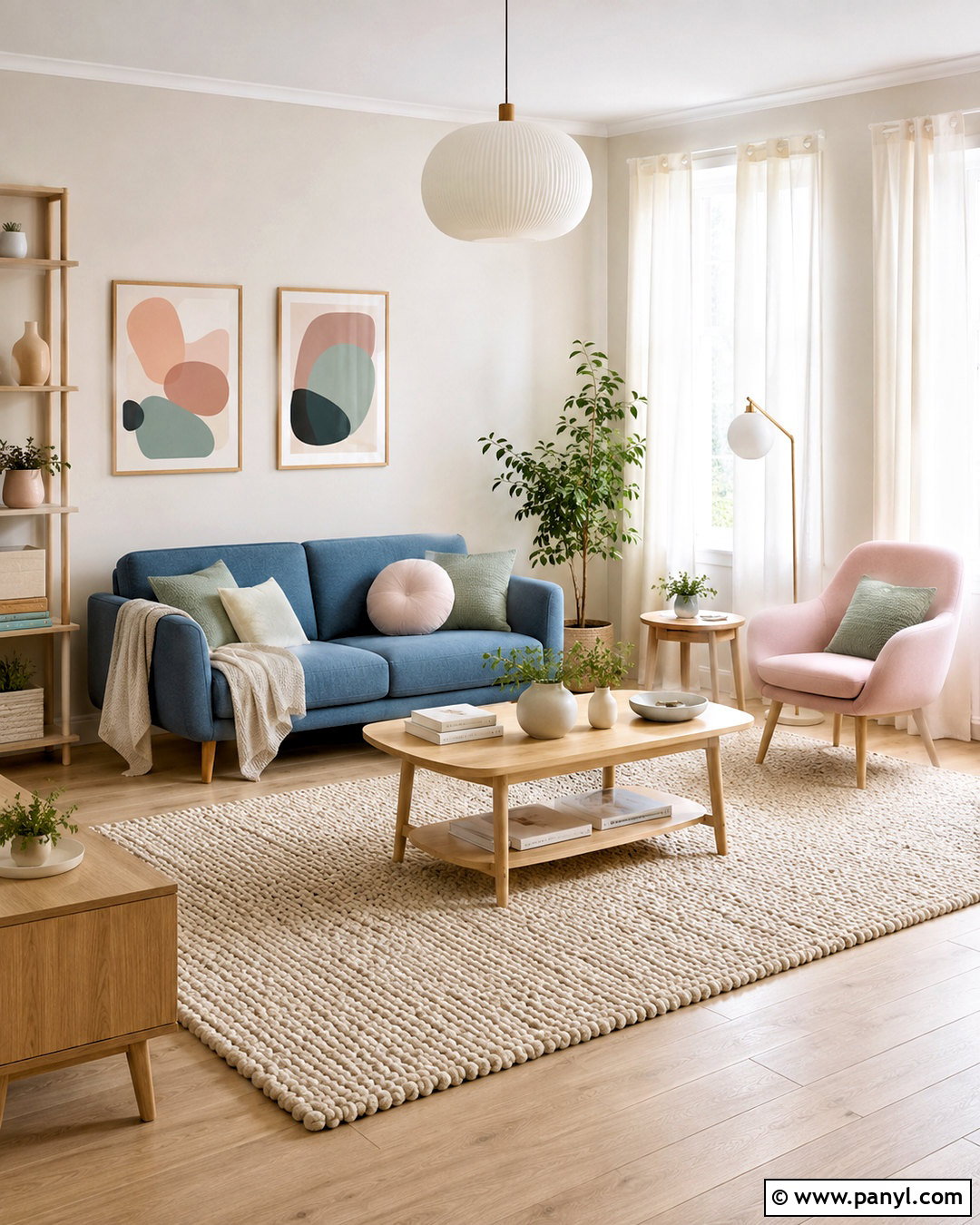
Clean lines and soft color give a Scandinavian living room more warmth without sacrificing simplicity. Keep the walls warm white and introduce pastels through a dusty blue sofa, pale pink lounge chair, and muted sage cushions. Use blond oak for the coffee table, media console, and open shelving to create continuity across the room. A thick cream wool rug adds softness underfoot while visually connecting the seating. Choose simple paper or frosted glass lighting and limit accessories to useful, well-shaped pieces. Abstract prints can repeat the three pastel colors in a controlled way. Add one tall plant and lightweight white curtains for freshness. Leave some surfaces open so the arrangement remains calm, practical, and visually spacious rather than decorative or cluttered.
14. Pastel Midcentury Living Room
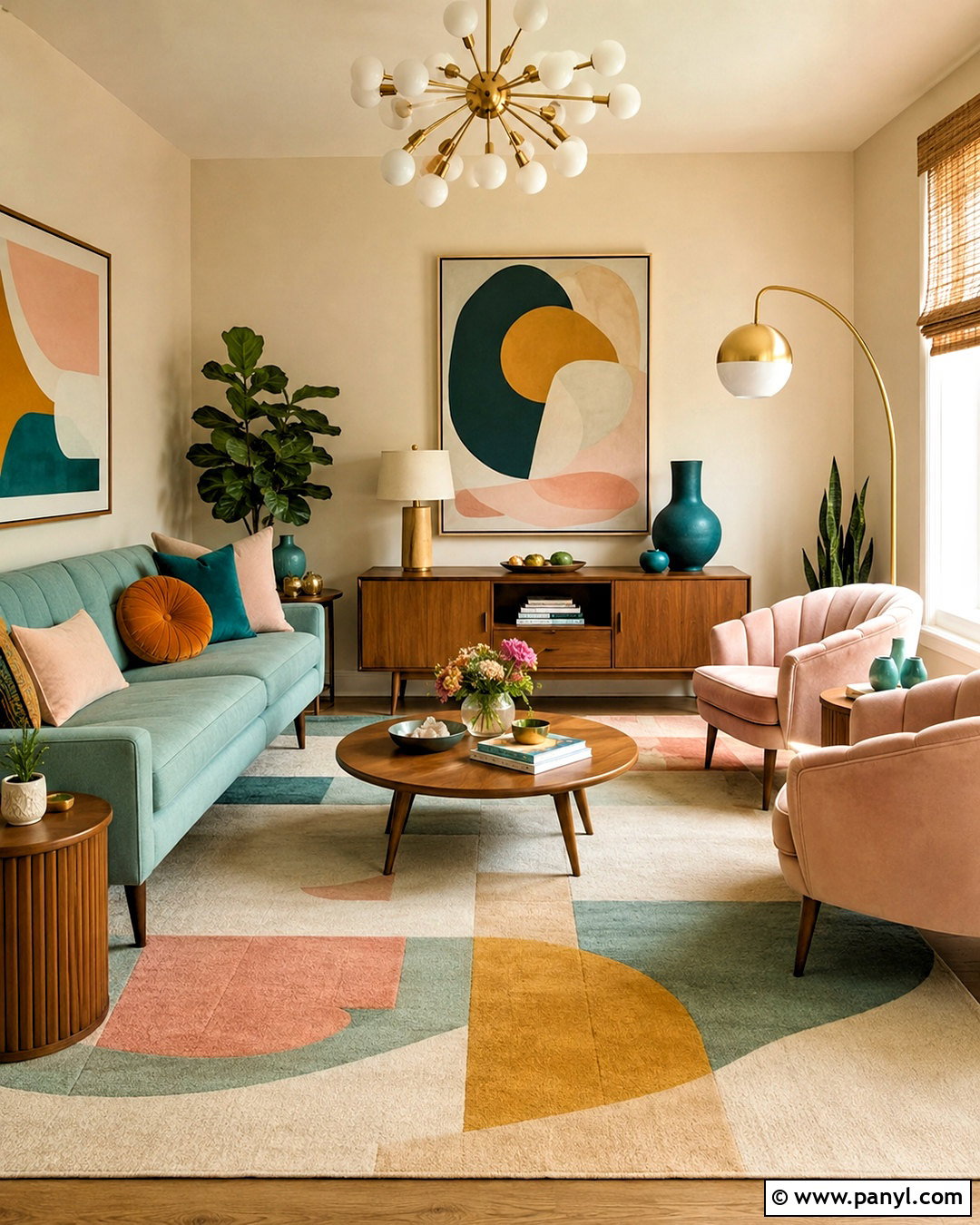
Pastel colors can soften the strong lines of midcentury furniture while preserving its distinctive character. Paint the walls a pale warm beige and use a seafoam green sofa as the central piece. Add two shell-shaped blush chairs, a walnut coffee table, and a low wood media cabinet with tapered legs. A geometric rug in cream, mustard, mint, and dusty pink brings the complete palette together. Choose a brass globe floor lamp and simple graphic artwork to reinforce the retro influence. Keep window treatments plain, using off-white curtains or natural woven shades. A few deep teal and burnt orange accessories provide contrast. The finished pastel living room feels nostalgic yet updated, with enough structure to keep the softer colors from appearing juvenile.
15. Pastel Cottage Living Room
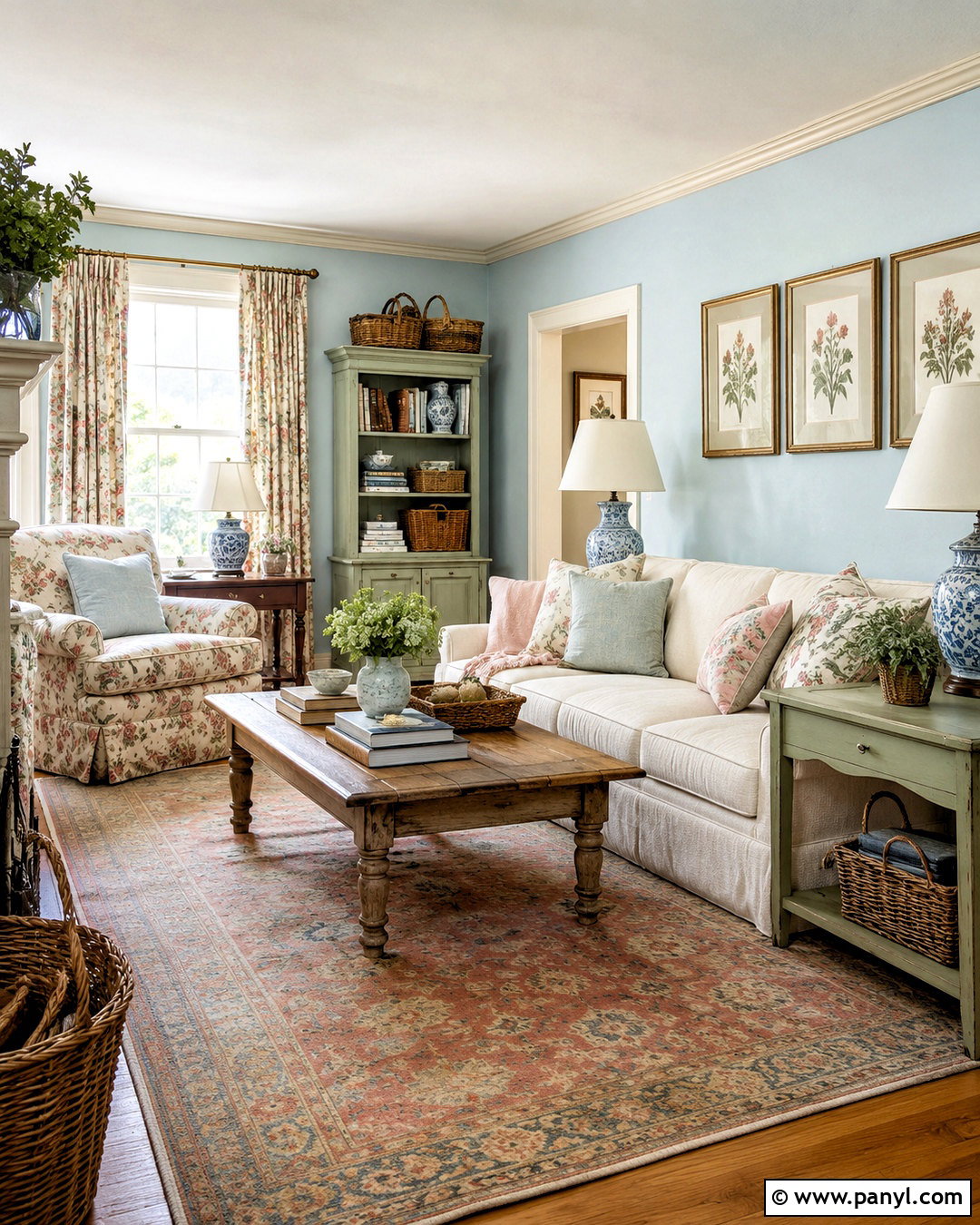
A cottage-inspired pastel living room works best when color, pattern, and vintage character are carefully balanced. Cover the walls in pale duck-egg blue and furnish the room with a comfortable cream sofa. Add a faded floral armchair, a painted sage side table, and a warm wood coffee table with a gently worn finish. A braided or vintage-style rug can introduce muted pink, blue, and green beneath the seating area. Hang softly patterned curtains and traditional botanical prints in mismatched wood frames. Ceramic lamps, woven baskets, and a few antique books will make the space feel collected over time. Keep the ceiling and trim creamy white. This complete combination creates cozy cottage charm while remaining light, functional, and relaxed enough for everyday family living.
16. Pastel Art Deco Living Room
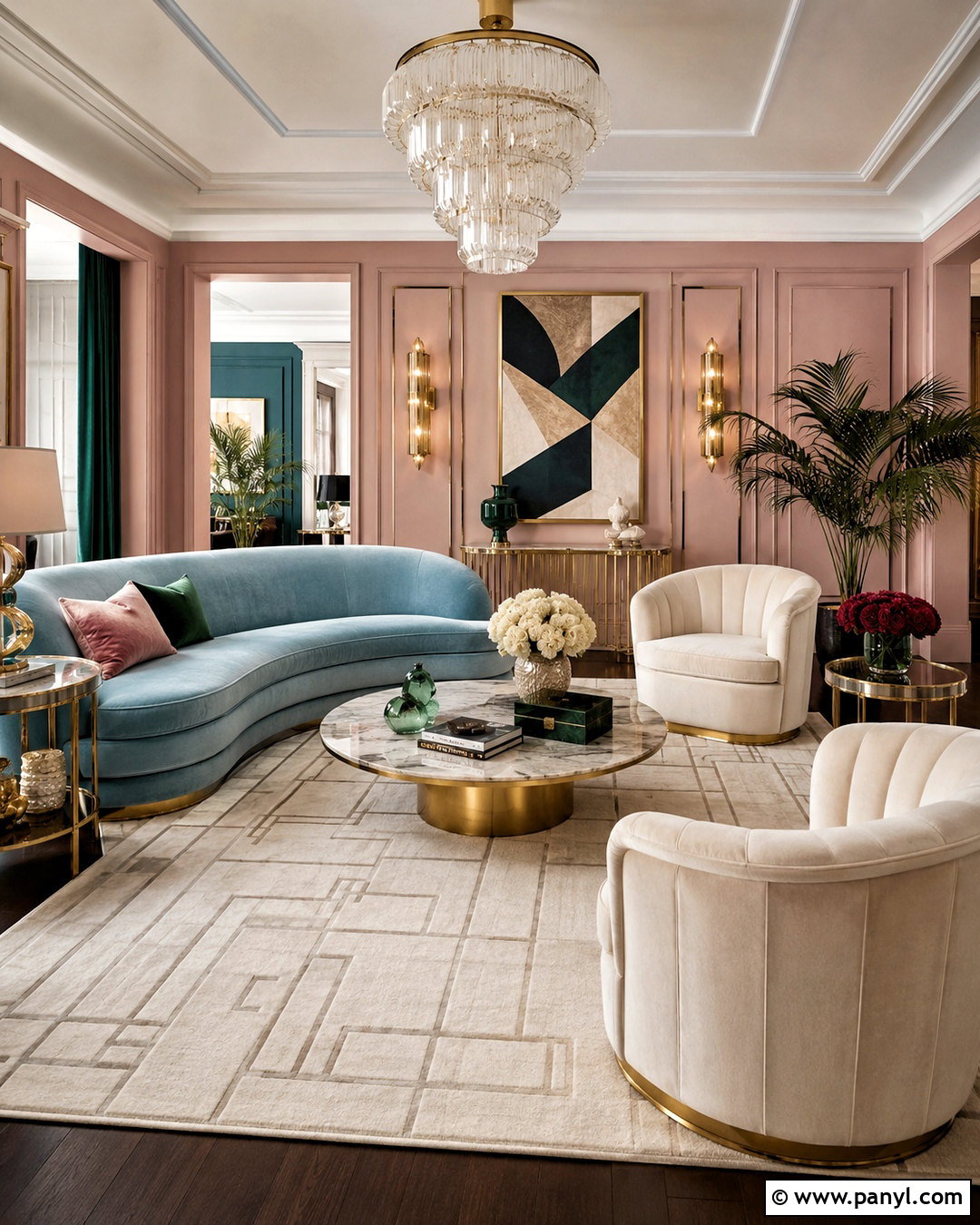
Pastels take on a glamorous character when paired with curved forms, metallic finishes, and strong geometric details. Use dusty rose walls with decorative molding, then add a curved pale blue velvet sofa. Place two cream channel-tufted chairs across from it and center the seating around a round marble coffee table. An ivory rug with a subtle black geometric border will define the layout and add crisp contrast. Choose brass sconces, a sculptural glass chandelier, and mirrored side tables in moderation. Emerald green pillows or a lacquered cabinet can provide one deeper accent. Keep artwork graphic and streamlined. This balanced Art Deco room feels polished and colorful, yet the restrained pastel palette prevents the glamorous finishes from looking too theatrical or formal.
17. Pastel Boho Living Room
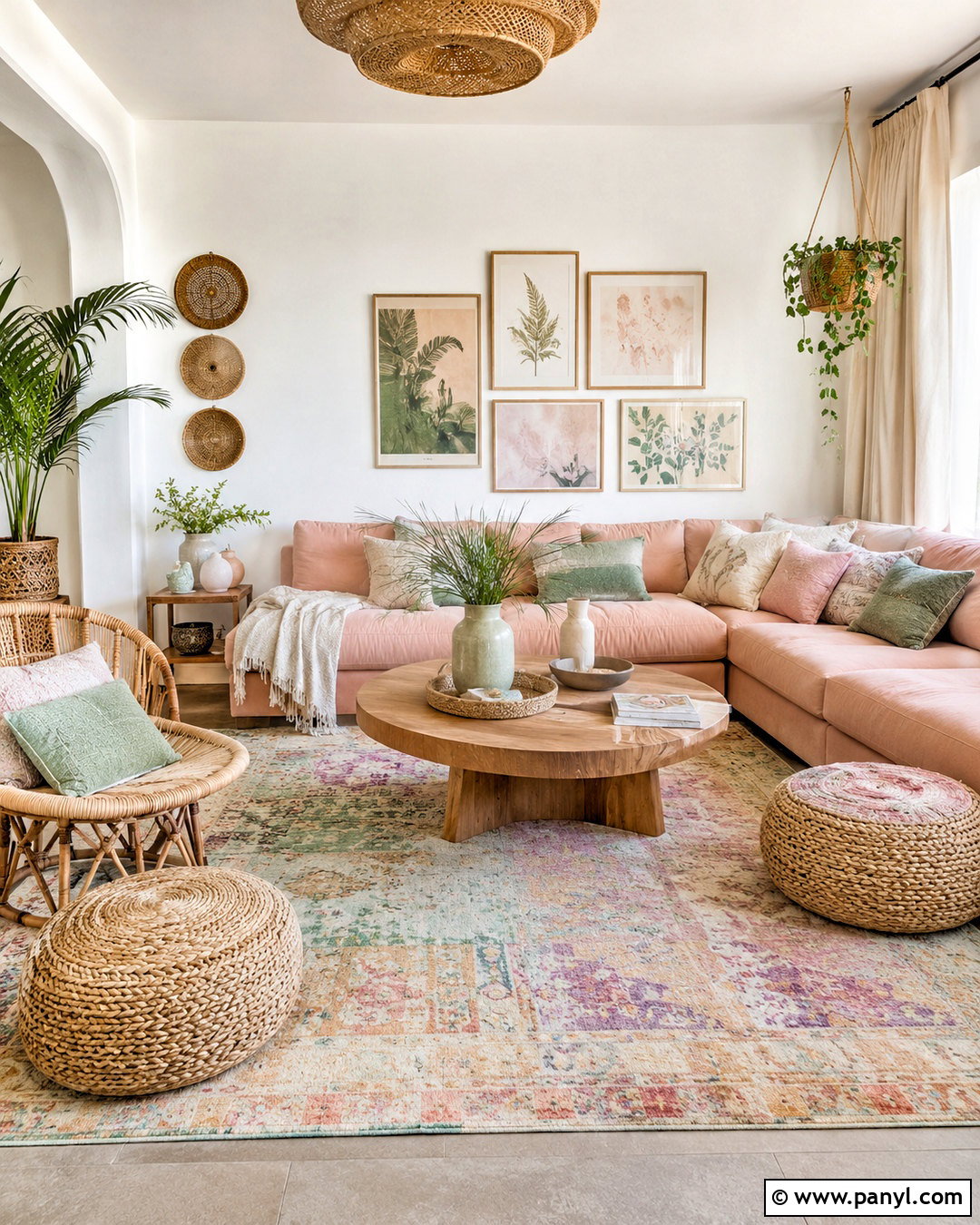
Soft pastel shades can give boho decor a lighter, more organized appearance. Begin with creamy white walls and a comfortable pale peach sectional. Layer the floor with a faded multicolor rug containing mint, lavender, blush, and beige. Add a light wood coffee table, woven poufs, and a curved rattan chair with a sage cushion. Instead of covering every wall, create one focused gallery arrangement using botanical prints and abstract pastel artwork. Linen curtains, hanging plants, and textured pillows bring movement and softness to the room. Use handcrafted pottery in dusty pink and blue across a few carefully chosen surfaces. Repeating natural wood and woven fibers throughout the space keeps the different colors connected, producing a relaxed room that feels expressive rather than cluttered.
18. Pastel Minimalist Living Room
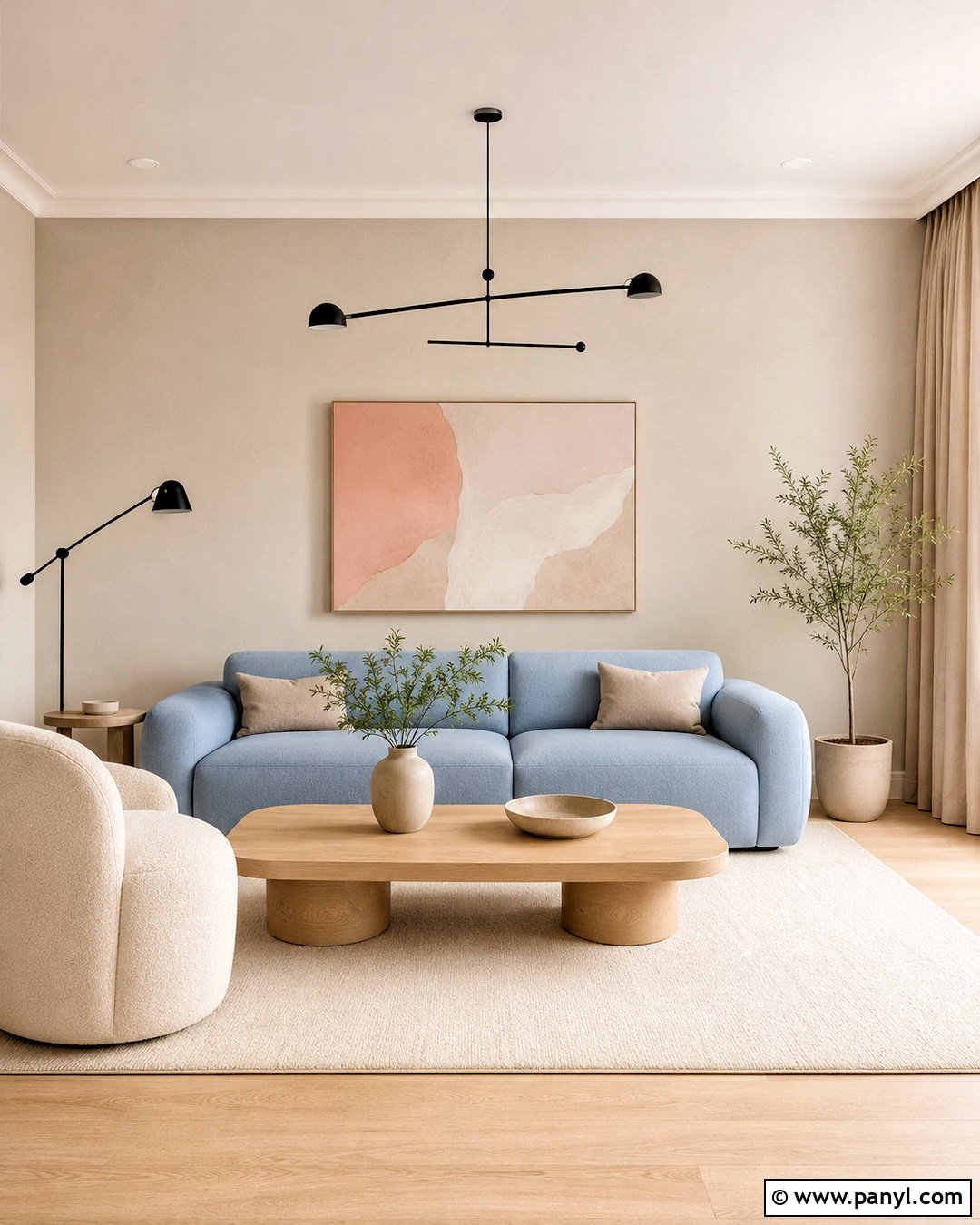
A minimalist room does not need to be colorless. Paint the walls a pale greige and select one large powder blue sofa with a low, simple silhouette. Add a rounded ivory chair, a light oak coffee table, and a plain cream rug to form a clear, functional seating area. Introduce a muted blush through one oversized artwork and two textured pillows. Keep lighting architectural with a slim matte black floor lamp and a simple white pendant. Choose floor-length curtains that closely match the walls, helping the room appear taller and more continuous. Avoid numerous small accessories. One ceramic vase, a sculptural bowl, and a single plant are enough. The limited pastel palette creates interest while protecting the clean, uncluttered character of the complete minimalist design.
19. Pastel Rainbow Living Room
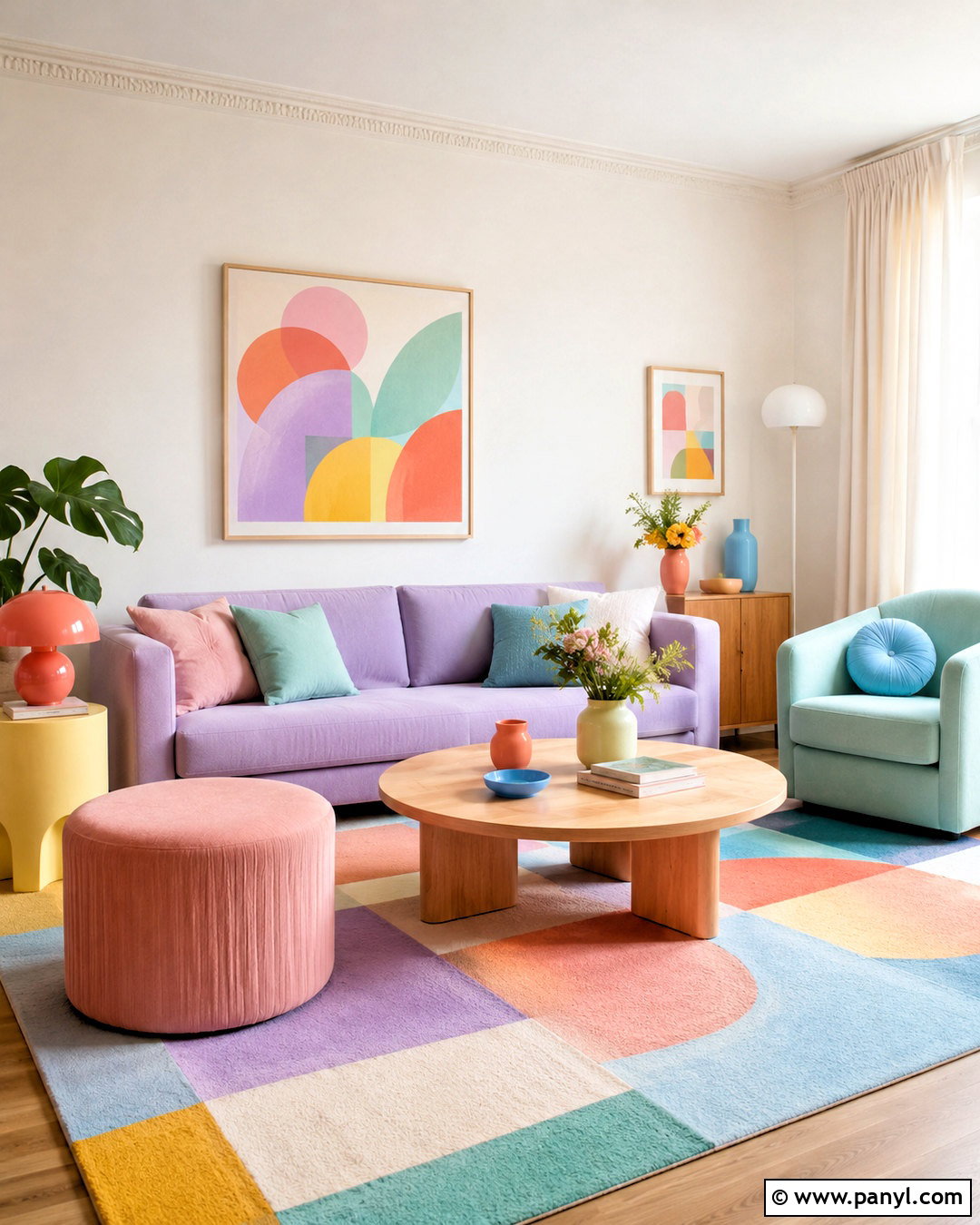
A multicolor pastel living room can feel cohesive when every shade shares a similar softness. Use warm white walls as a calm backdrop, then anchor the room with a pale lavender sofa. Add a mint chair, blush ottoman, and butter yellow side table around a light wood coffee table. Choose a large rug containing all four colors in a loose geometric pattern so the furniture feels connected. Artwork can repeat the palette, but frames should remain consistent in white or pale oak. Keep curtains and large storage pieces neutral to give the eye somewhere to rest. Small coral and sky blue accessories can add variety. Careful repetition turns the rainbow palette into a complete, intentional room rather than a collection of unrelated colorful objects.
20. Pastel Living Room With Dark Accents
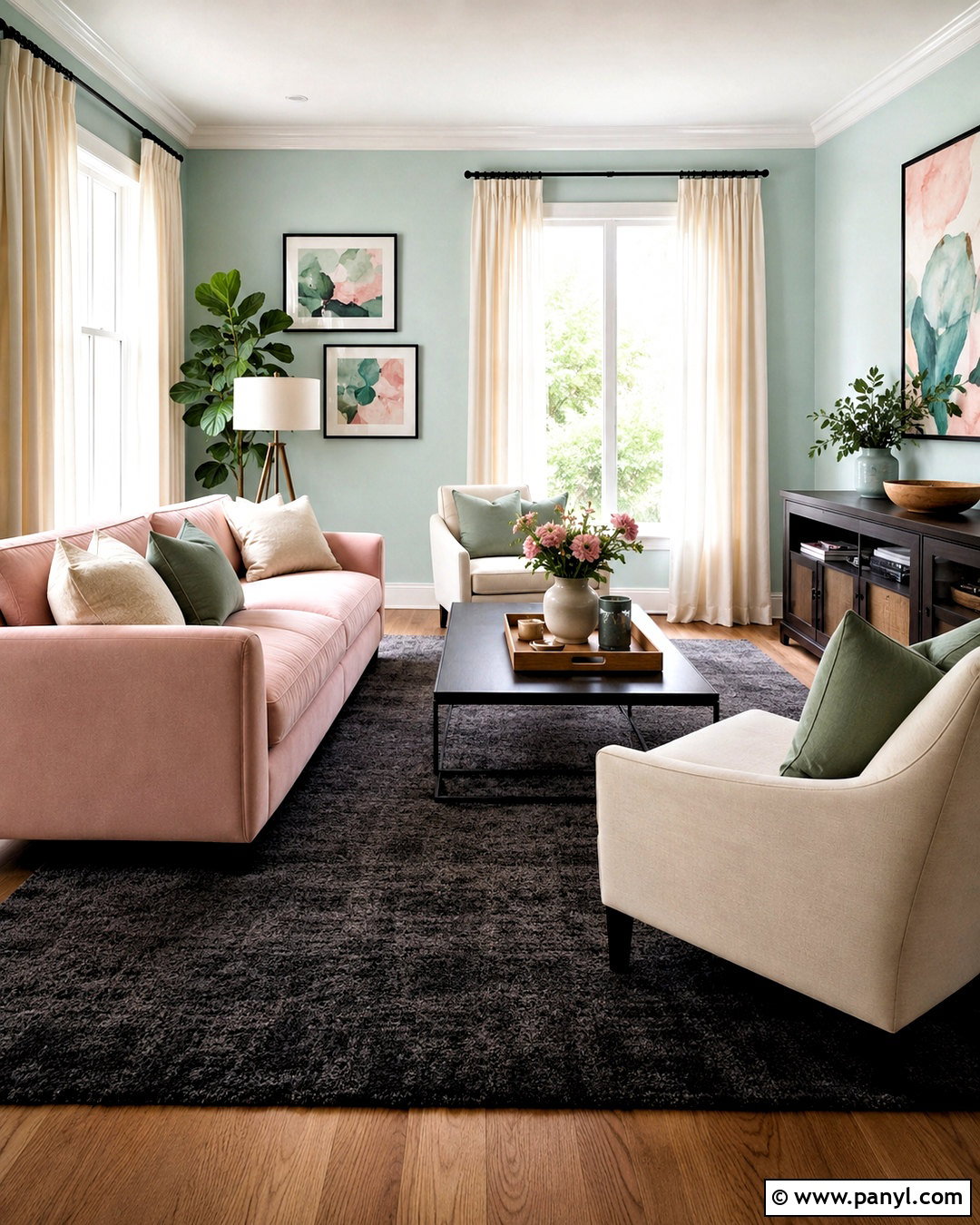
Dark accents bring structure to pale colors and can make a pastel living room feel more sophisticated. Start with soft mint walls and a blush sofa, then add two cream chairs to keep the seating arrangement balanced. Use a charcoal rug, black metal coffee table, and dark wood media console to ground the lighter surfaces. The contrast should appear in several areas rather than one heavy feature. Repeat black through picture frames, curtain rods, and a streamlined floor lamp. Add ivory curtains and warm wood accessories to soften the transition between light and dark. Abstract artwork featuring mint, pink, charcoal, and white will unite the full palette. The finished room feels fresh and airy, but it also has enough depth to remain visually strong.
Conclusion:
Pastel decorating works best when every choice supports a clear, complete color story. Select one main shade, repeat it across several surfaces, and use complementary pastels in smaller amounts. Neutral upholstery, warm wood, woven materials, and natural textiles can keep pale palettes grounded, while charcoal, navy, forest green, or dark brown accents provide useful definition. Lighting also matters, so test wall colors during different times of day before committing. Most importantly, choose tones that complement your existing flooring and largest furniture pieces. These 20 pastel colors living room ideas demonstrate that soft color can feel modern, cozy, elegant, playful, or traditional when the furniture, textures, layout, and finishing details work together.

Related Ideas and Inspiration:
Leave a Reply