
Moroccan blue brings depth, energy, and a refreshing sense of calm to almost any part of the home. Inspired by vivid cobalt, indigo, turquoise, and blue-green tones, it works beautifully with white plaster, warm wood, terracotta, brass, and handmade patterns. The color can create a bright Mediterranean retreat, a cozy bohemian room, or a clean modern space with only a hint of global character. The key is building a complete palette rather than adding disconnected blue accessories. Furniture, textiles, lighting, surfaces, and architectural details should feel balanced and intentional. Whether you are updating one room or transforming an outdoor area, these practical moroccan blue ideas offer complete looks you can adjust for your space, personal style, and decorating budget.
1. Moroccan Blue Living Room
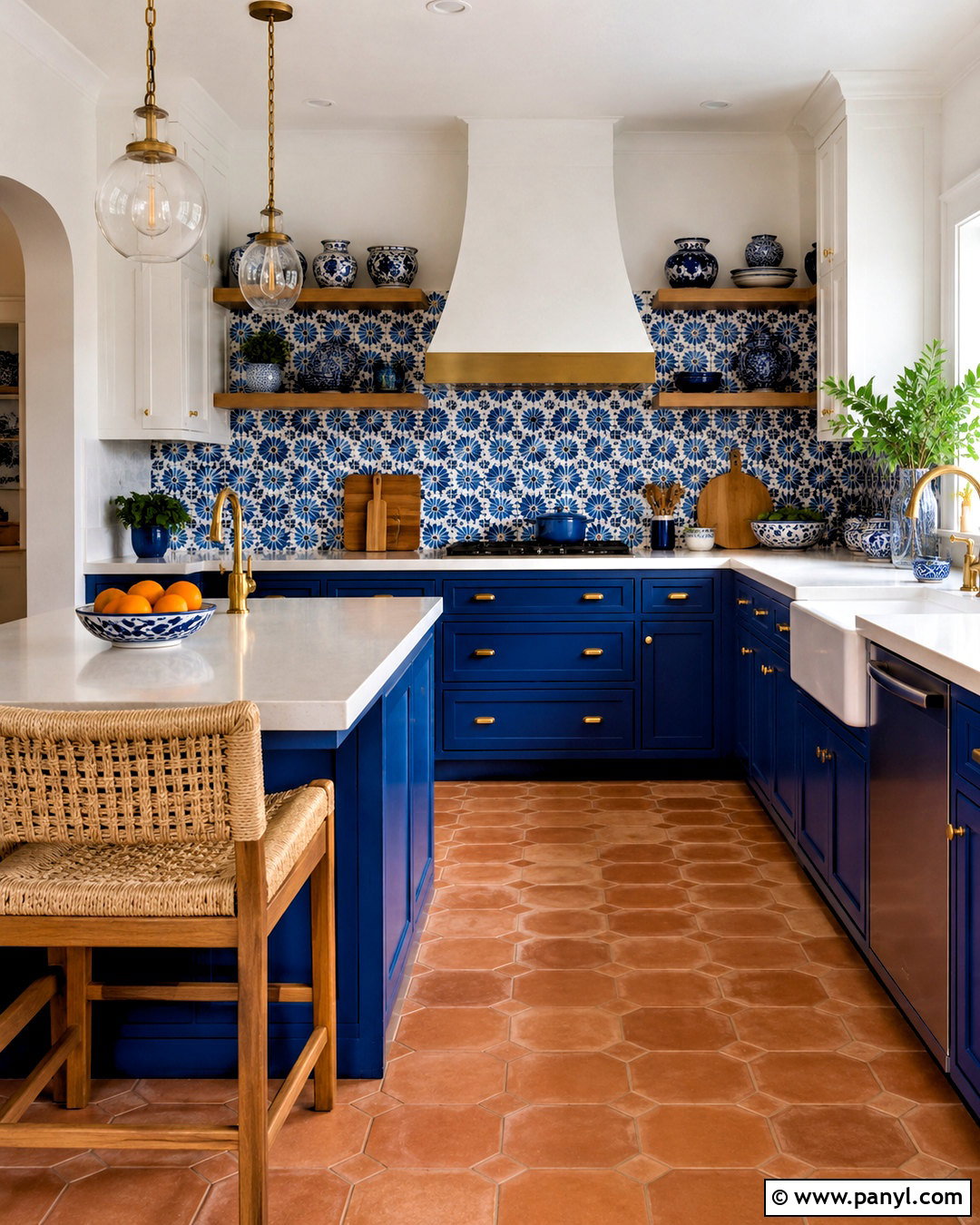
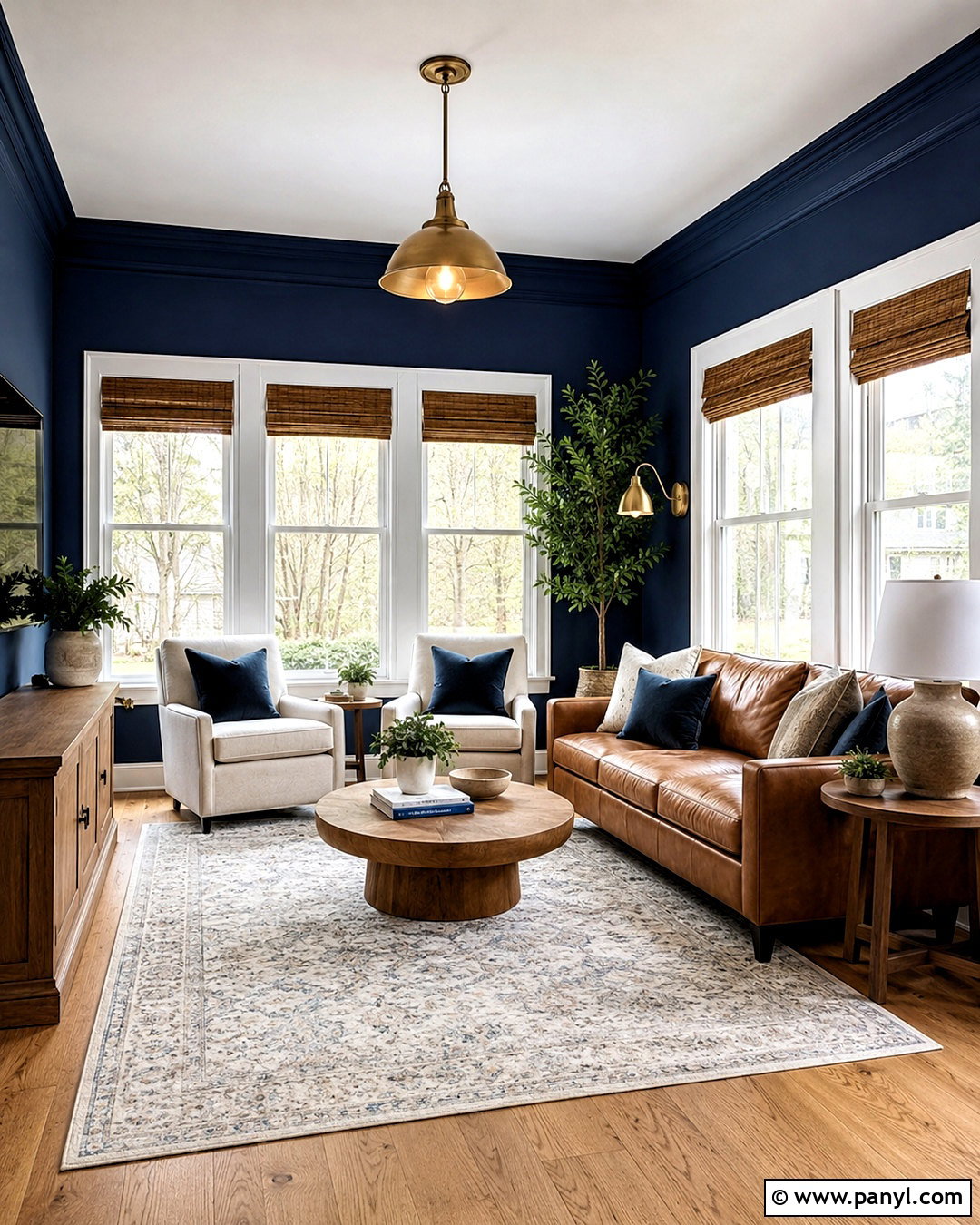
Create a welcoming living room by pairing a Moroccan blue feature wall with warm neutrals and natural materials. Position a cream or oatmeal sofa against the blue so the furniture feels bright and defined. Add a carved walnut coffee table, two woven leather poufs, and a large ivory rug with a simple black diamond pattern. Blue, rust, and sandy beige pillows can connect the room without making every surface match. Choose perforated brass lanterns or a sculptural metal pendant for soft decorative detail. White curtains keep the windows airy, while terracotta pottery and leafy plants introduce warmth. Keep the main furniture streamlined, allowing the rich wall color, tactile fabrics, and handcrafted accents to create the Moroccan character.
2. Moroccan Blue Bedroom
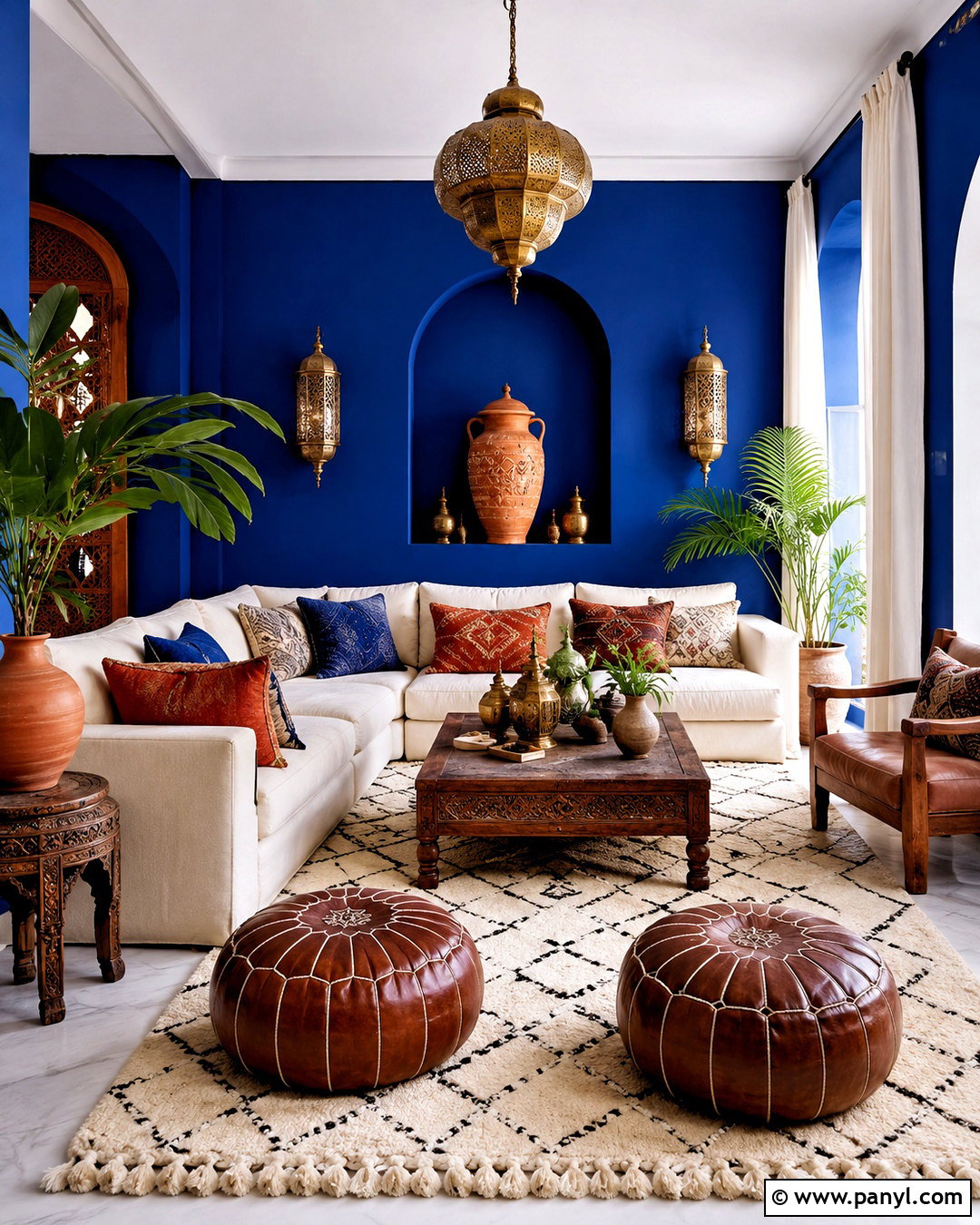
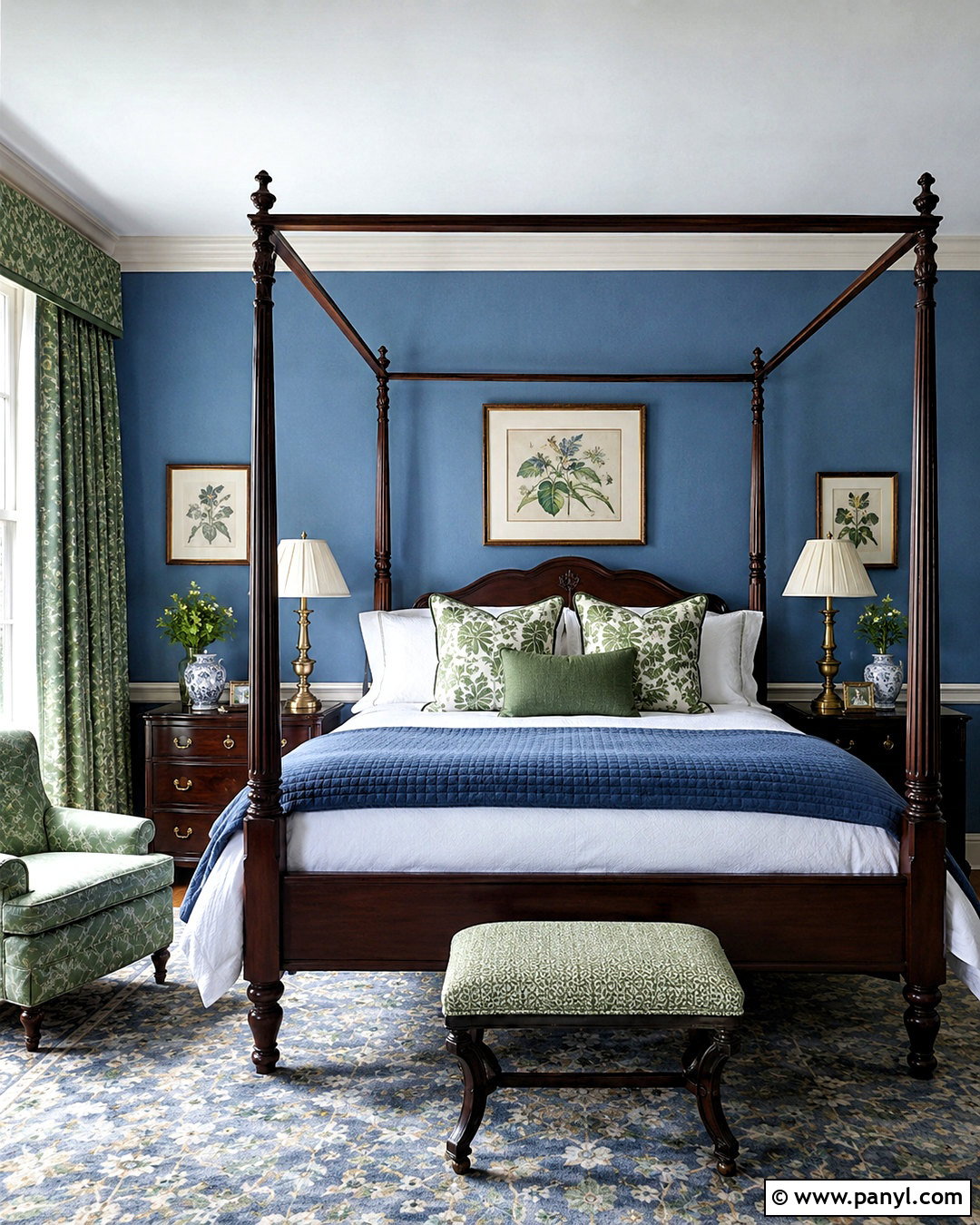
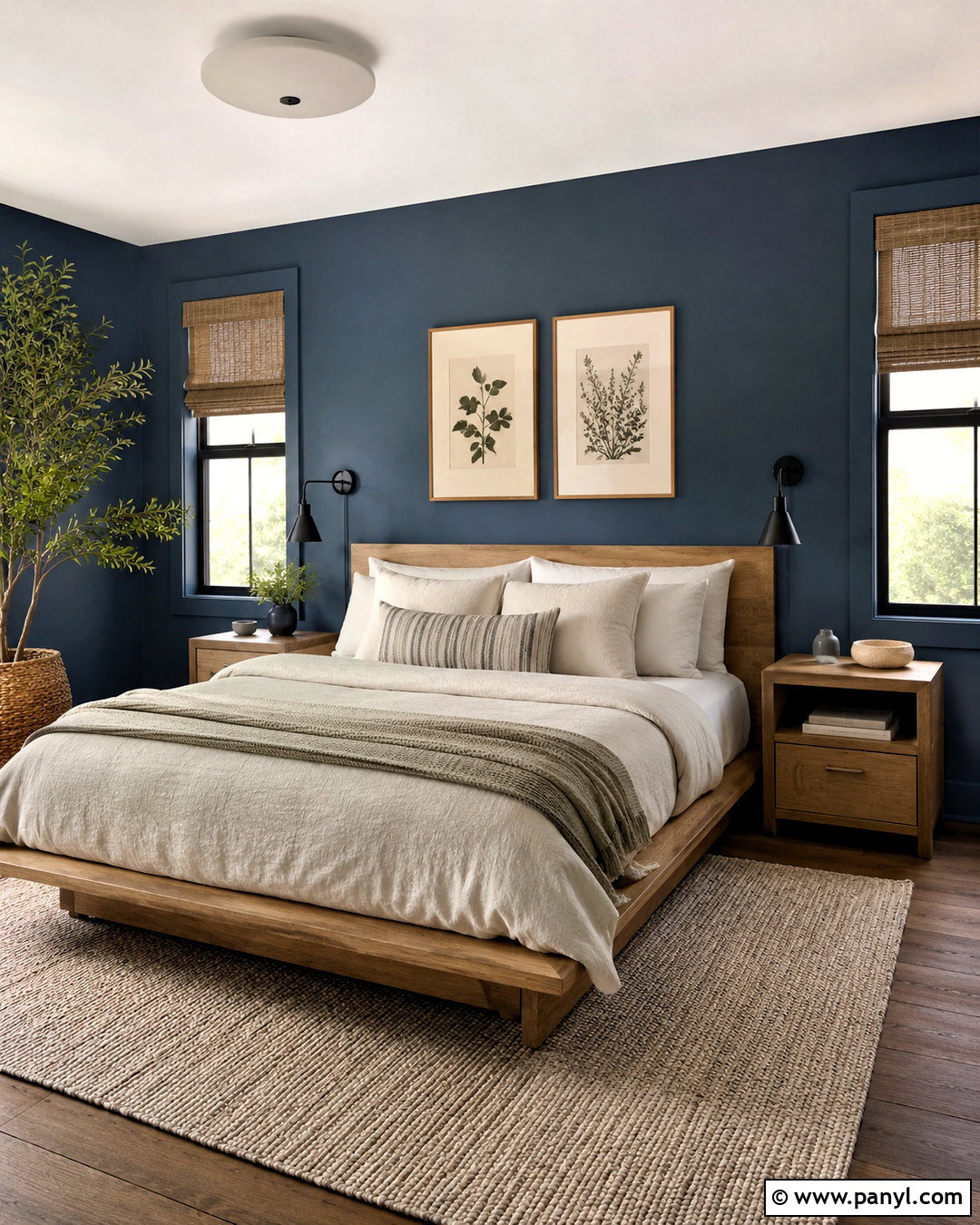
Imagine waking up in a restful room wrapped in soft blue, clean white, and warm wood. Paint the wall behind the bed a deep Moroccan blue, then use crisp white or light cream on the remaining walls. A low walnut bed with a carved or gently arched headboard makes an ideal focal point. Dress it with white linen, a faded indigo throw, and patterned cushions in blue, camel, and muted coral. Place matching wooden nightstands on both sides for balance. Brass sconces save surface space and add a warm metallic finish. Complete the room with a woven rug, natural linen curtains, and one large ceramic vase. The result feels layered and atmospheric without becoming overly busy.
3. Moroccan Blue Kitchen
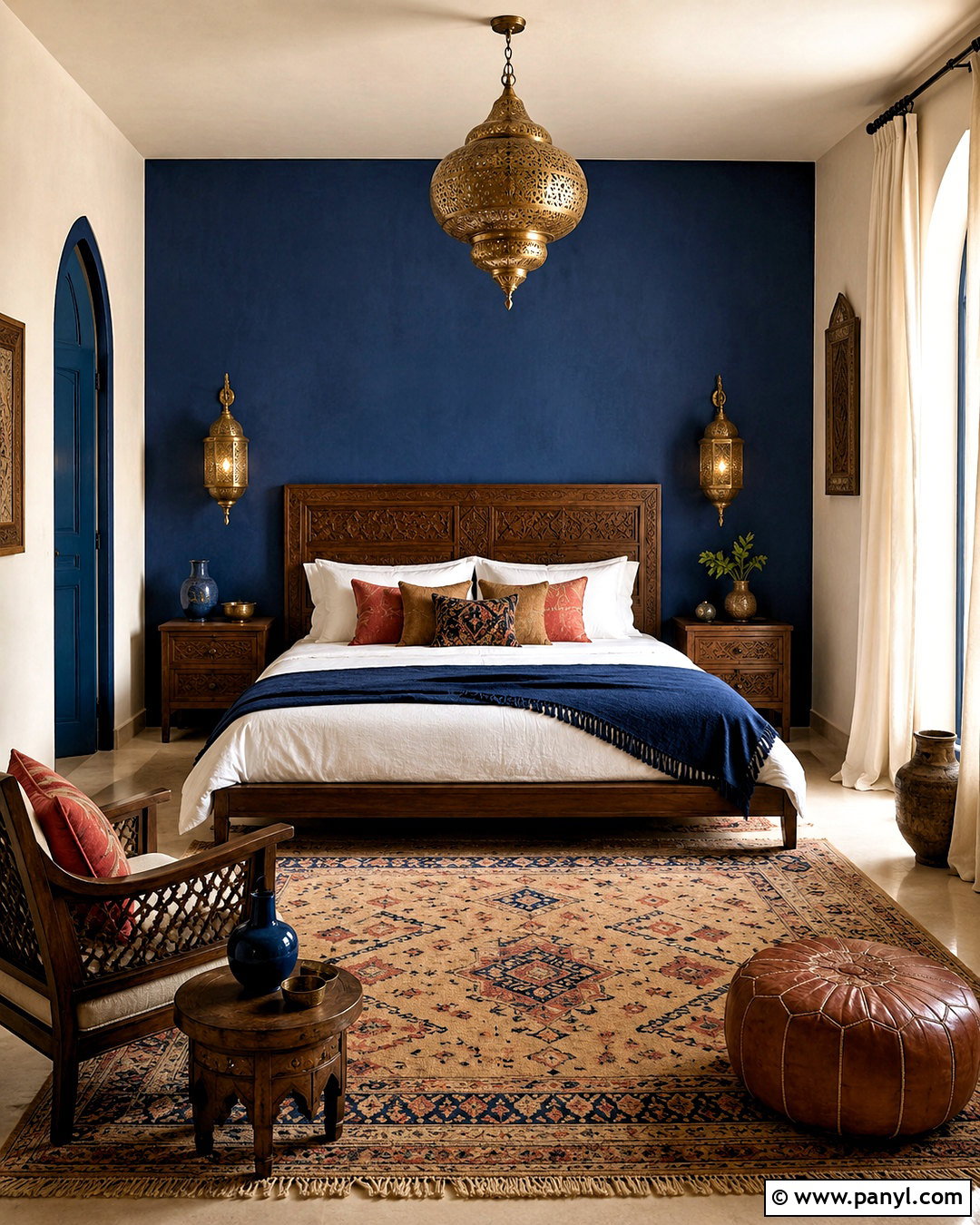
A Moroccan blue kitchen can feel lively while remaining practical and easy to maintain. Use matte cobalt blue on the lower cabinets and warm white on the upper cabinets to prevent the color from overwhelming the room. White quartz counters provide a clean work surface, while a blue-and-white geometric tile backsplash adds controlled pattern. Introduce warmth through oak shelves, woven counter stools, and aged brass cabinet hardware. Terracotta floor tiles can ground the strong cabinet color, although light oak flooring also creates a softer modern finish. Display only a few useful ceramic bowls and wooden boards on open shelving. Clear glass pendants and bright walls maintain an open feeling, creating a complete kitchen that blends Moroccan influence with everyday functionality.
4. Moroccan Blue Bathroom
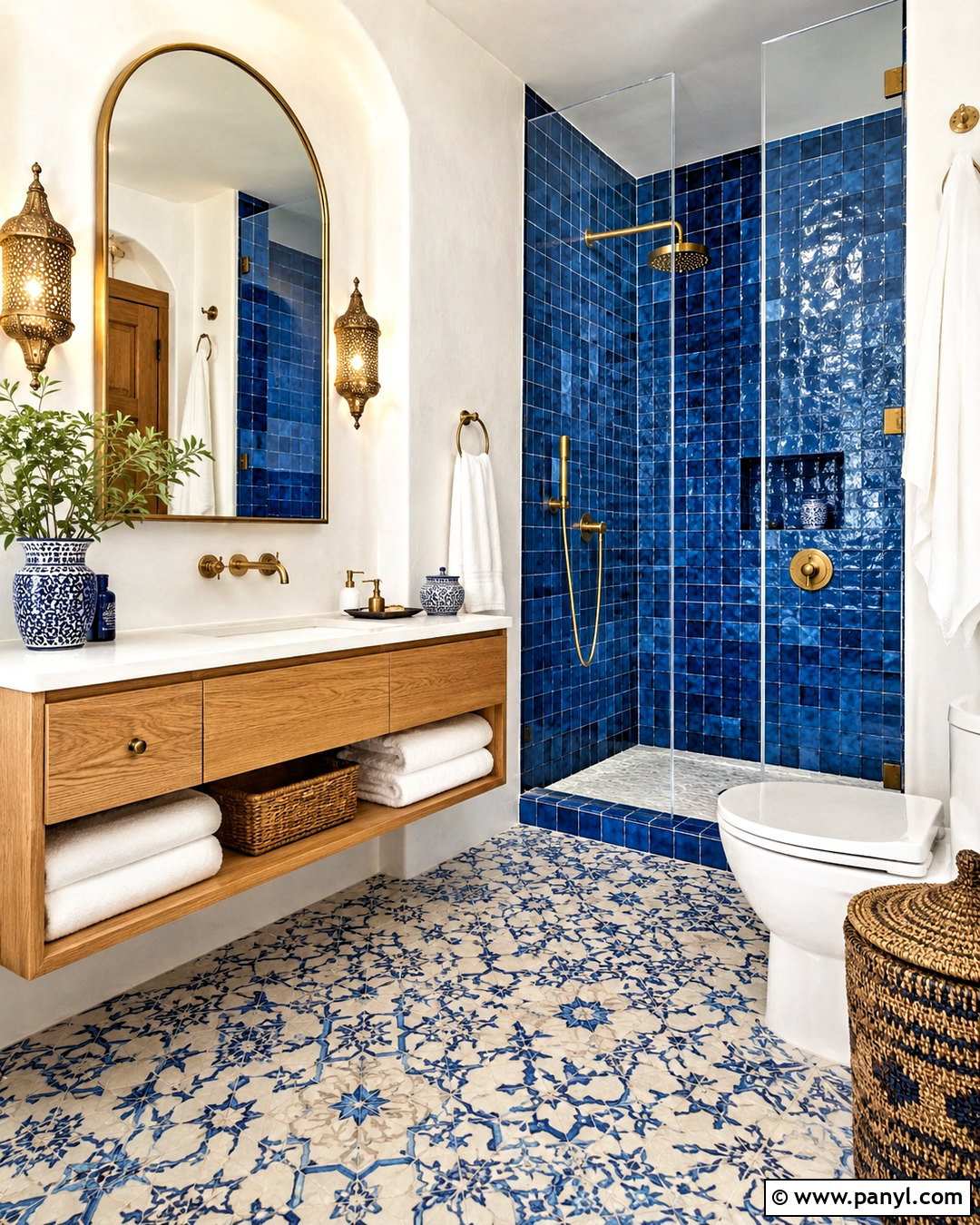
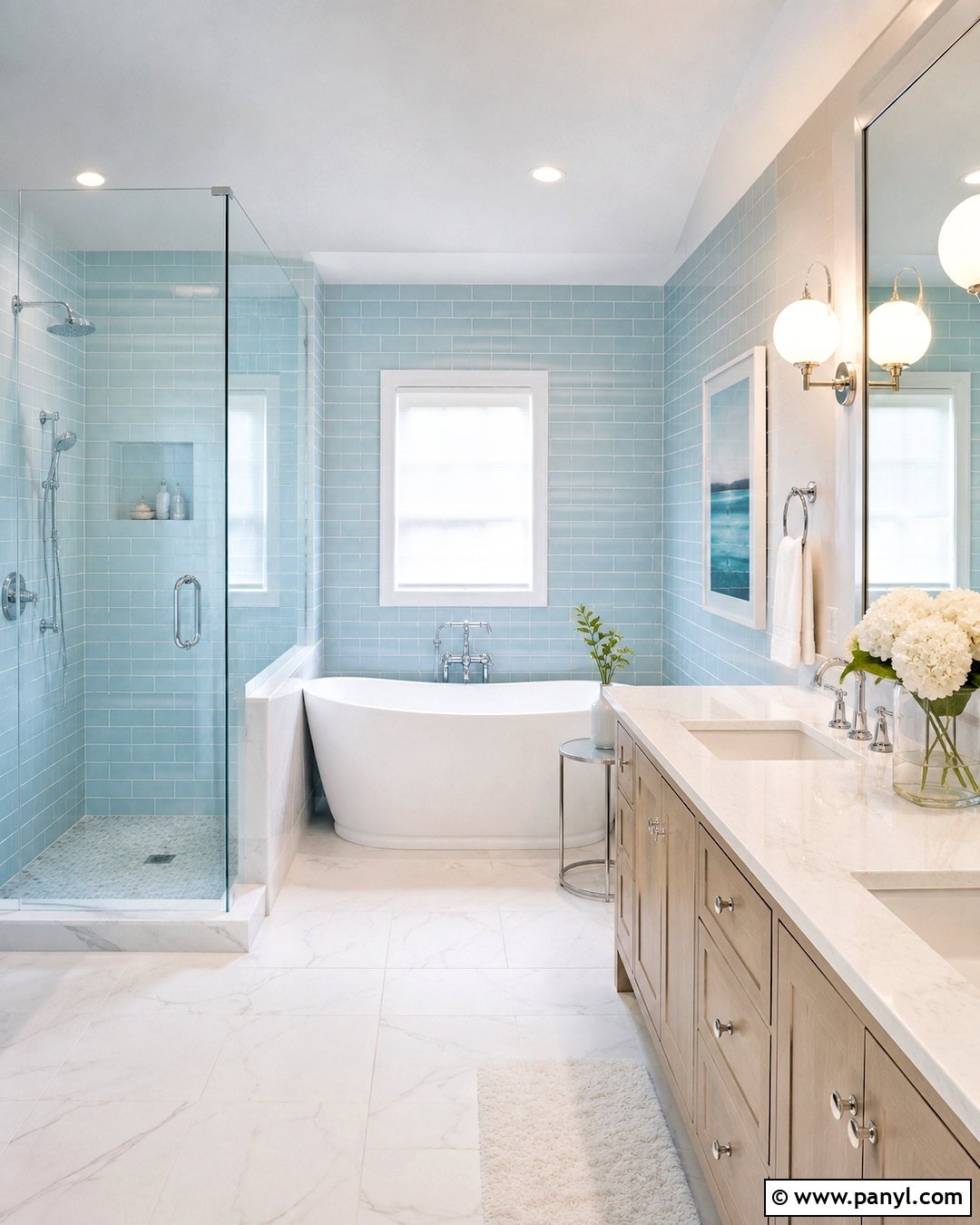
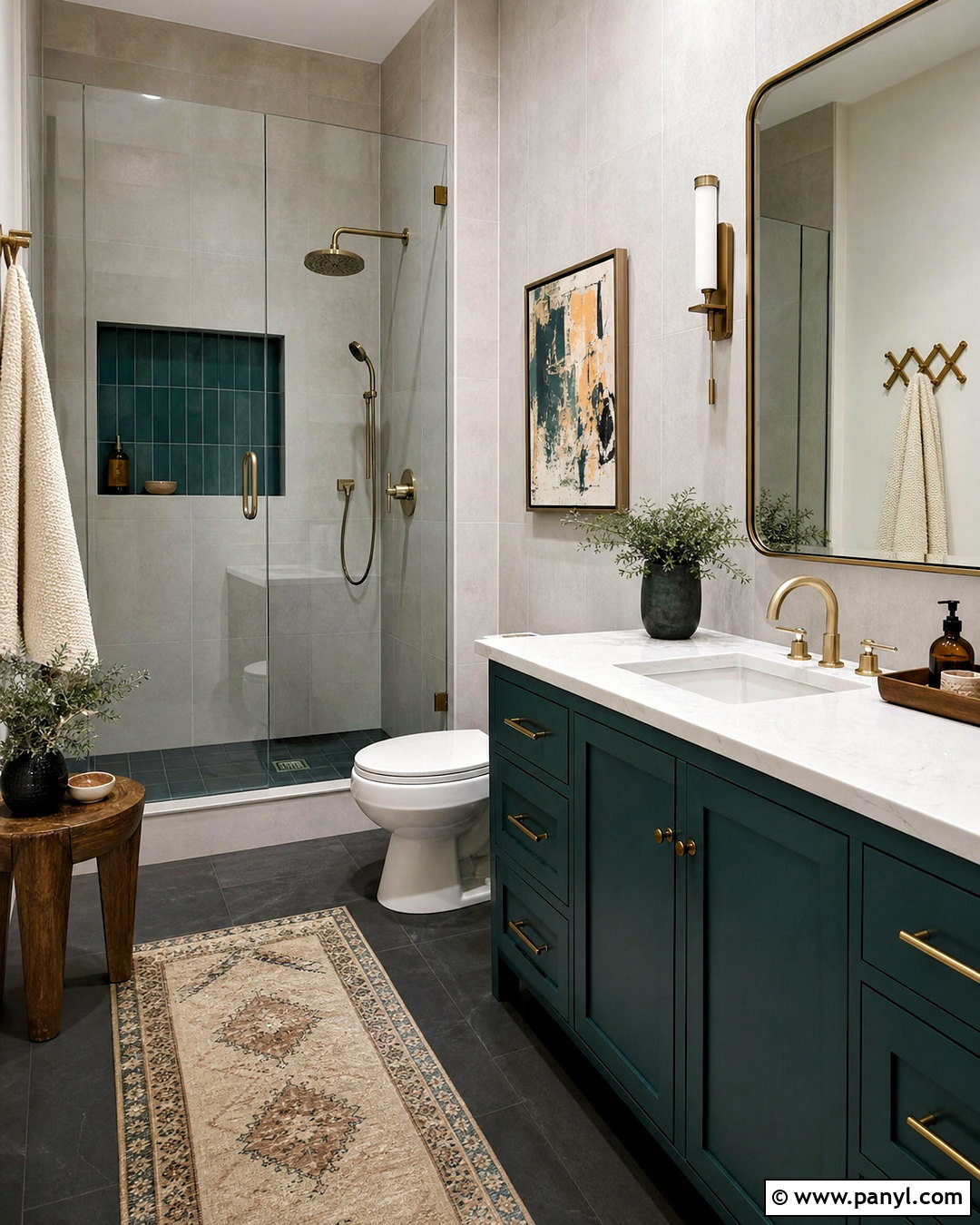
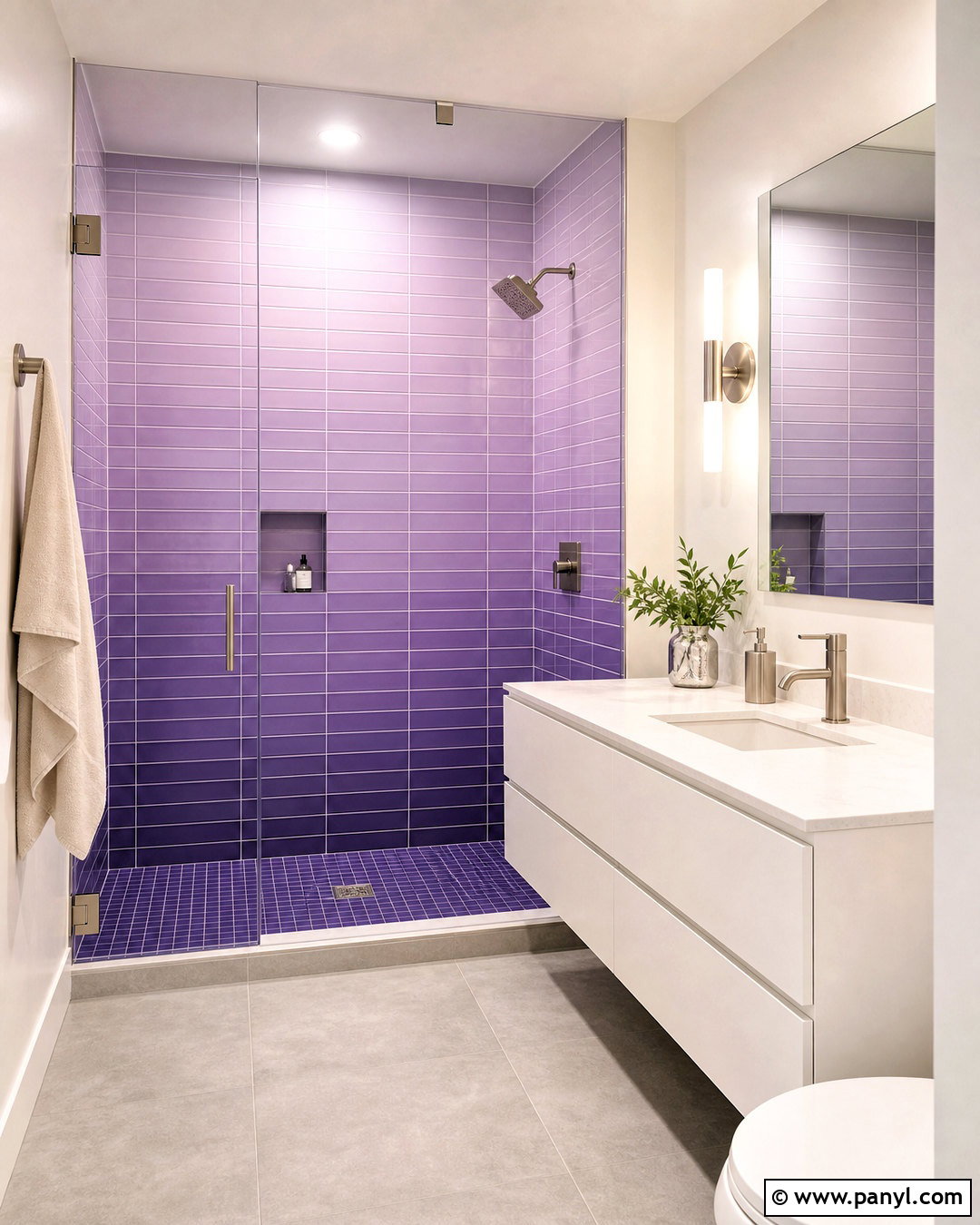
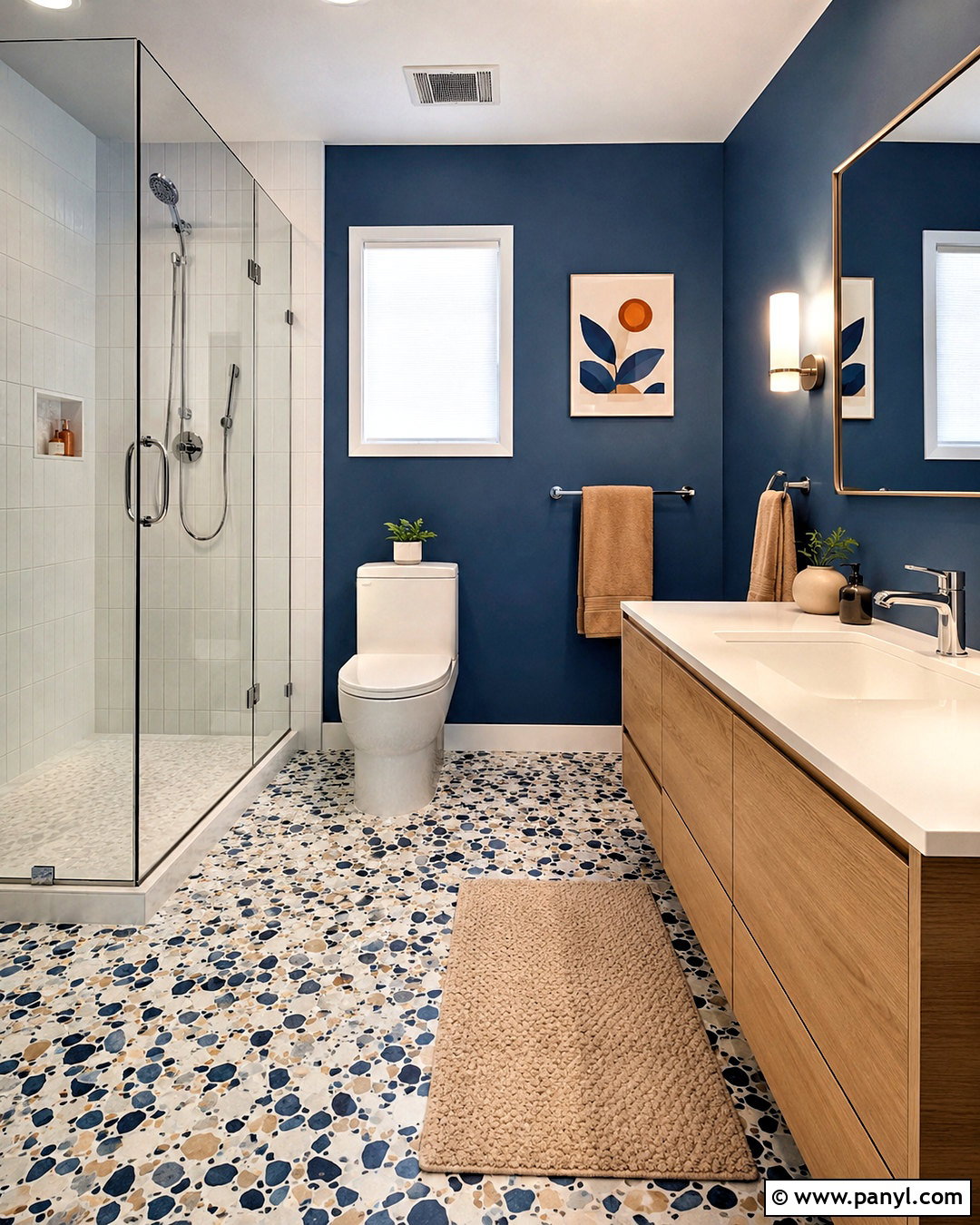
Turn an ordinary bathroom into a refreshing retreat with saturated blue tile, pale plaster, and warm metal details. Cover the lower half of the walls or the shower enclosure in glossy Moroccan blue zellige-style tile. Its slightly varied surface will reflect light and keep the intense color from appearing flat. Use soft white walls above the tile and select a floating oak vanity to introduce natural warmth. An arched mirror with a slim brass frame reinforces the graceful look without taking over the room. Add brushed brass fixtures, white towels, and a small patterned floor tile in blue and cream. A woven basket and simple ceramic accessories finish the space while providing practical storage and visual softness.
5. Moroccan Blue Dining Room
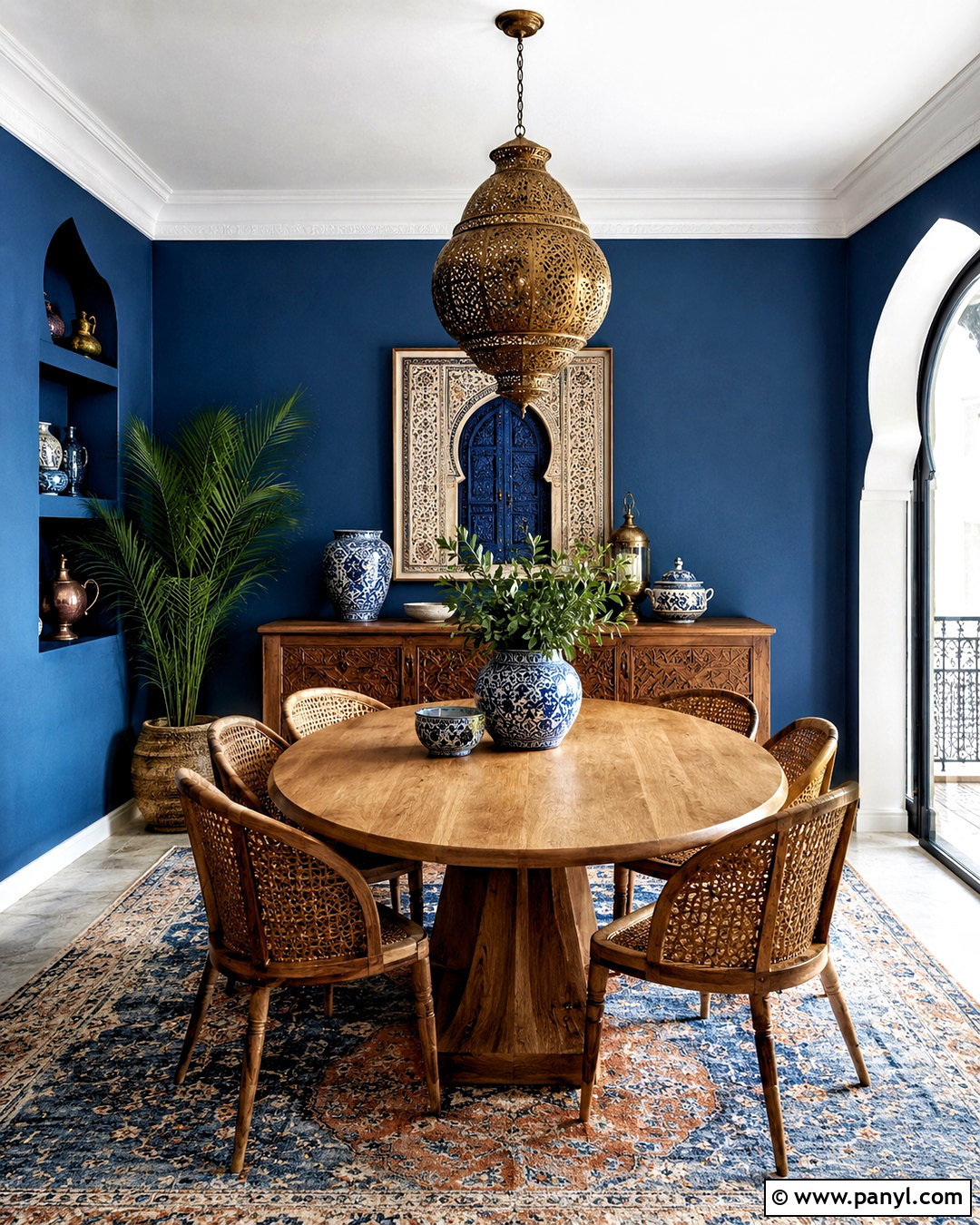
Would your dining room feel more inviting with stronger color and warmer texture? Begin with Moroccan blue walls and a substantial oval or rectangular dining table in medium-toned wood. Surround it with woven cane chairs or upholstered seats in creamy linen. A large pierced-metal pendant can define the center of the room, especially when its shape is simple and appropriately scaled. Ground the table with a low-pile rug featuring faded blue, rust, and ivory geometry. White trim keeps the saturated walls crisp, while a carved wood sideboard offers storage and another natural element. Finish the room with ceramic serving pieces, brass candlesticks, and one leafy plant. The completed scheme feels festive enough for gatherings but comfortable for everyday meals.
6. Moroccan Blue Entryway
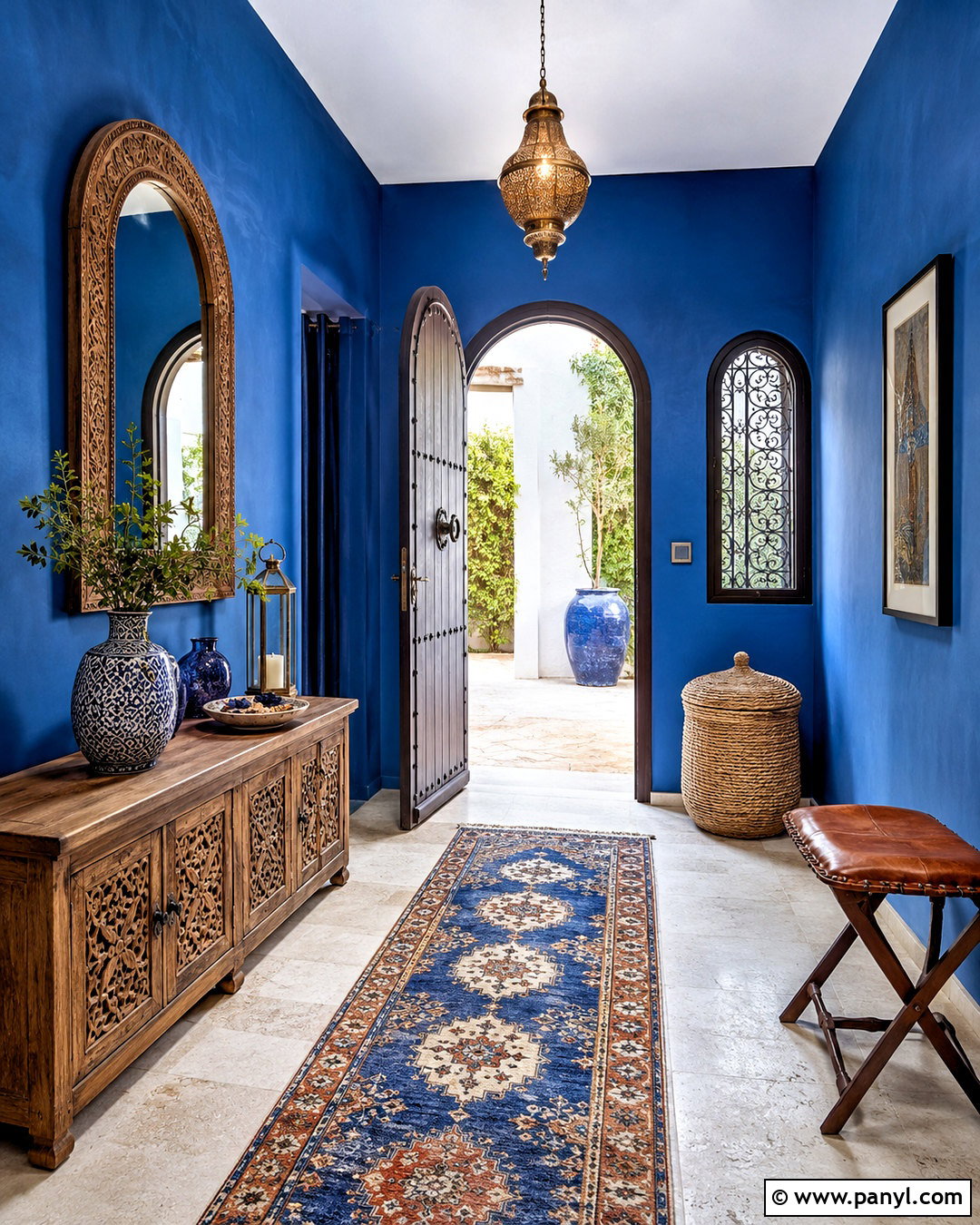
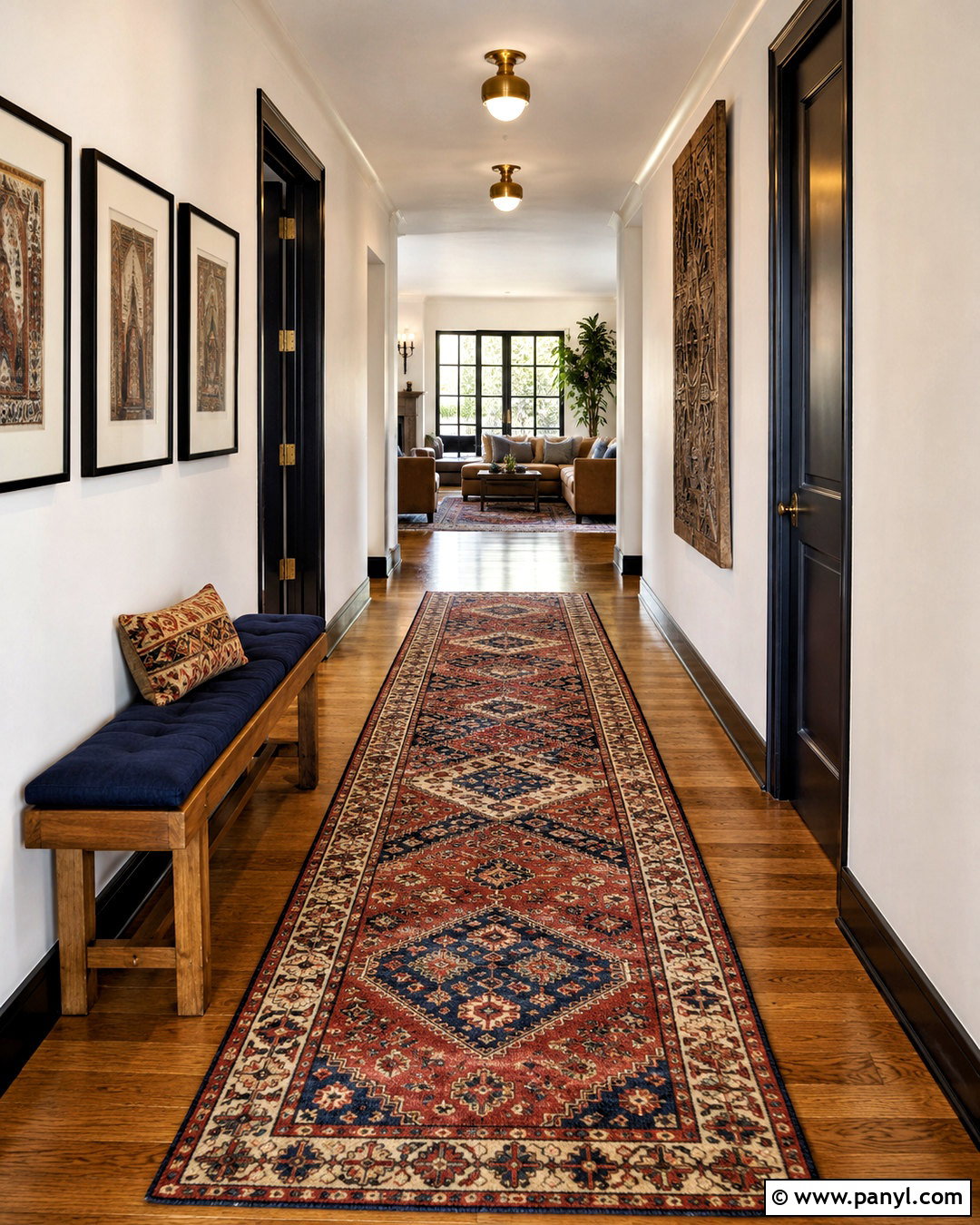
Make the first view of your home memorable with a compact Moroccan blue entryway. Paint the walls a medium cobalt or rich blue-green, then balance them with a light limestone-look floor or warm wood planks. Place a narrow carved console against one wall and hang a large arched mirror above it. A small brass pendant adds detail overhead without cluttering the limited space. Use a patterned runner containing blue, cream, and terracotta to create movement toward the adjoining rooms. A woven basket can collect shoes, while a ceramic bowl keeps keys organized. Finish with a simple bench or leather stool if space permits. This arrangement combines practical storage, clear circulation, and expressive color in one coherent entrance.
7. Moroccan Blue Home Office
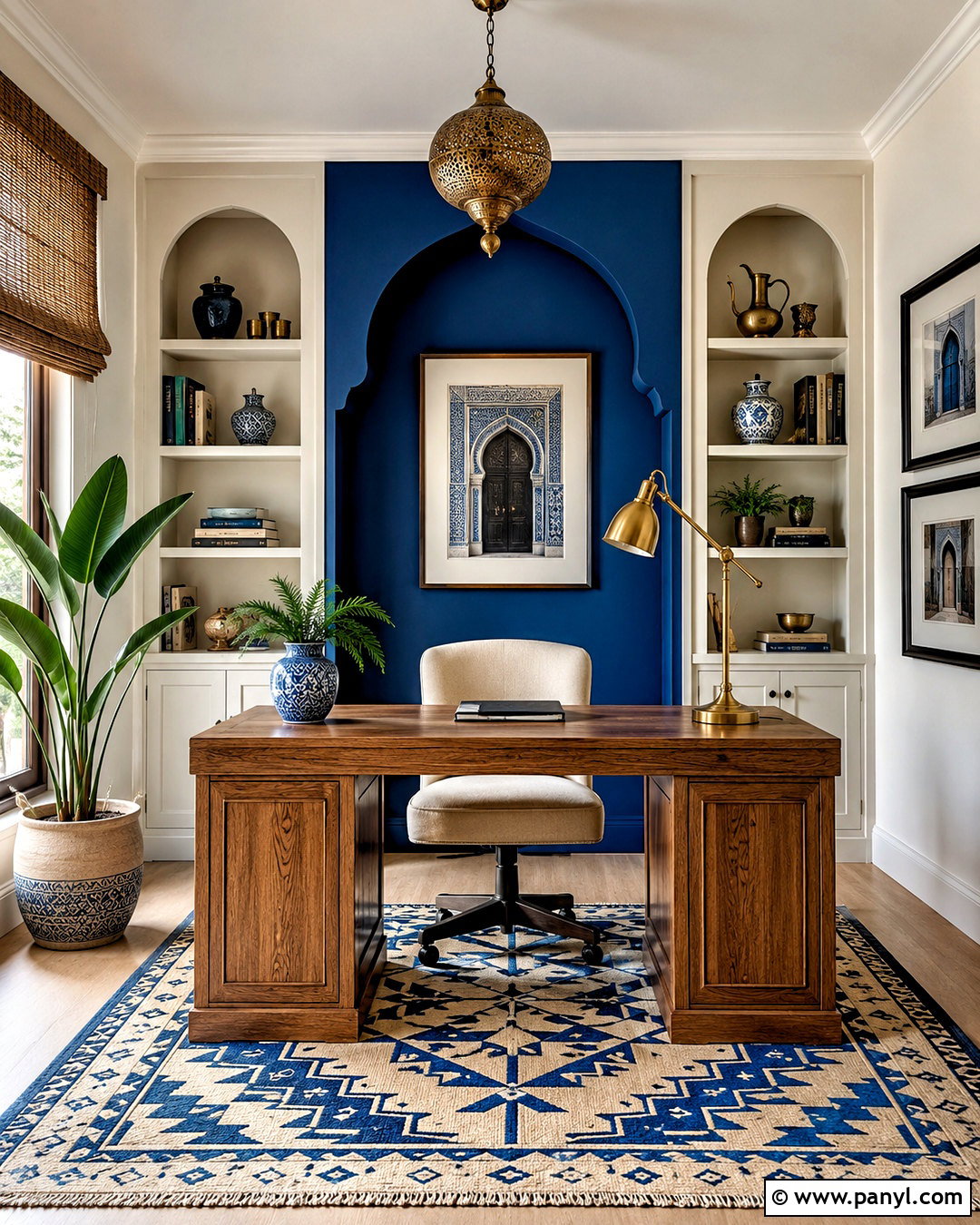
Deep blue can give a home office a focused, cocooning quality when paired with efficient storage and bright task lighting. Paint the wall behind the desk Moroccan blue and keep the other walls warm white. Choose a substantial oak desk with clean lines, then add a comfortable cream upholstered chair rather than overly themed furniture. Built-in or freestanding white bookcases will stand out sharply against the blue background. Incorporate character through a geometric flat-weave rug, a brass desk lamp, and a few blue ceramic containers. Natural woven blinds soften daylight and prevent glare. Keep decorations limited to framed architectural prints and one healthy plant. The finished office feels organized, polished, and creative while remaining suitable for daily work and video meetings.
8. Moroccan Blue Reading Nook
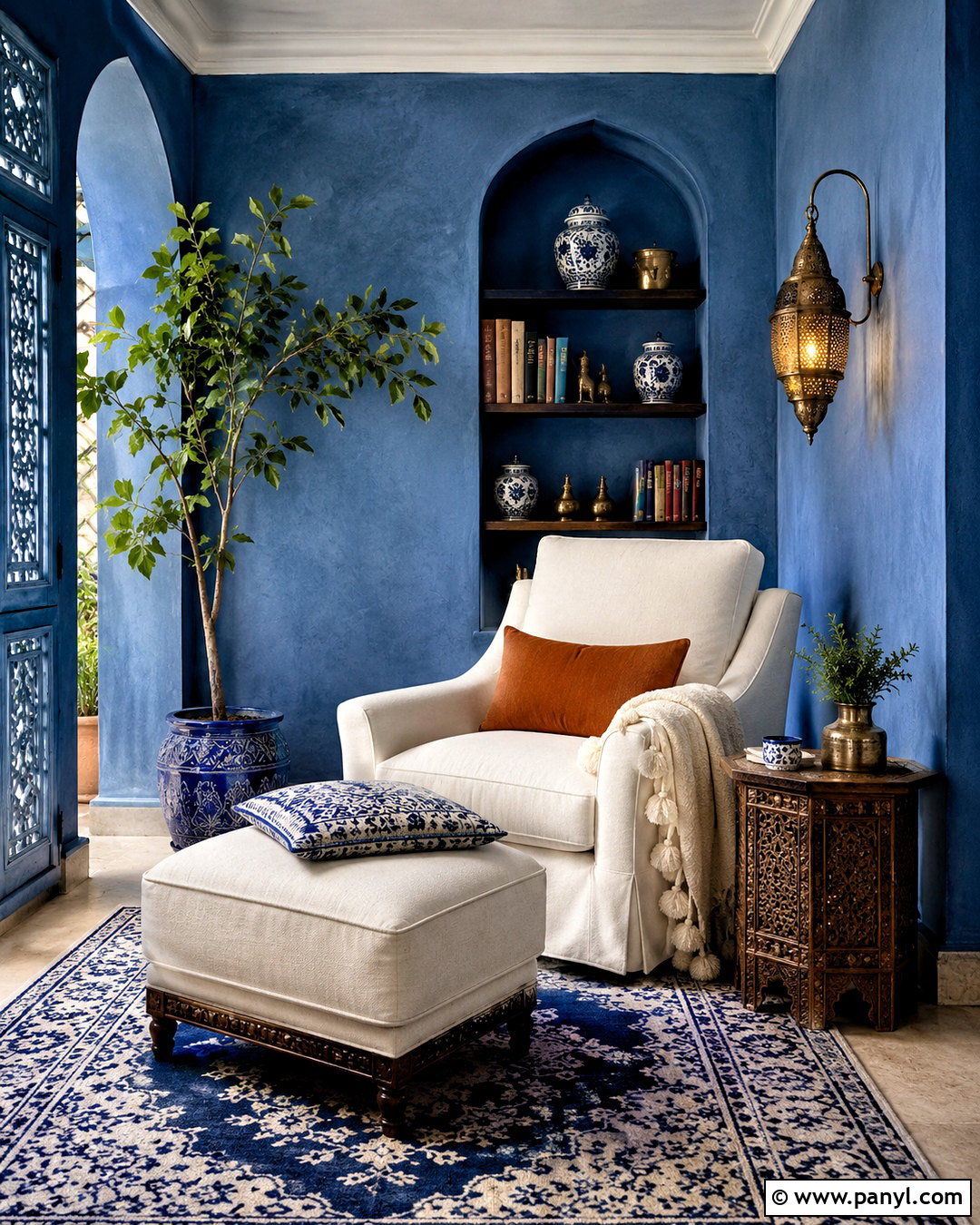
A neglected corner can become a complete reading retreat with blue walls, comfortable seating, and layered lighting. Define the nook by painting its surrounding walls Moroccan blue or using the color inside a shallow alcove. Add a generously sized cream armchair with rounded arms and a matching footstool. A small carved wooden side table provides room for books and a drink, while a brass wall sconce offers focused illumination. Place an indigo and ivory rug beneath the chair to visually anchor the corner. Linen curtains, a rust-colored lumbar pillow, and a folded wool throw make the arrangement softer. Finish with narrow book ledges and a tall potted plant, leaving enough open space to prevent the cozy nook from feeling crowded.
9. Moroccan Blue Guest Room
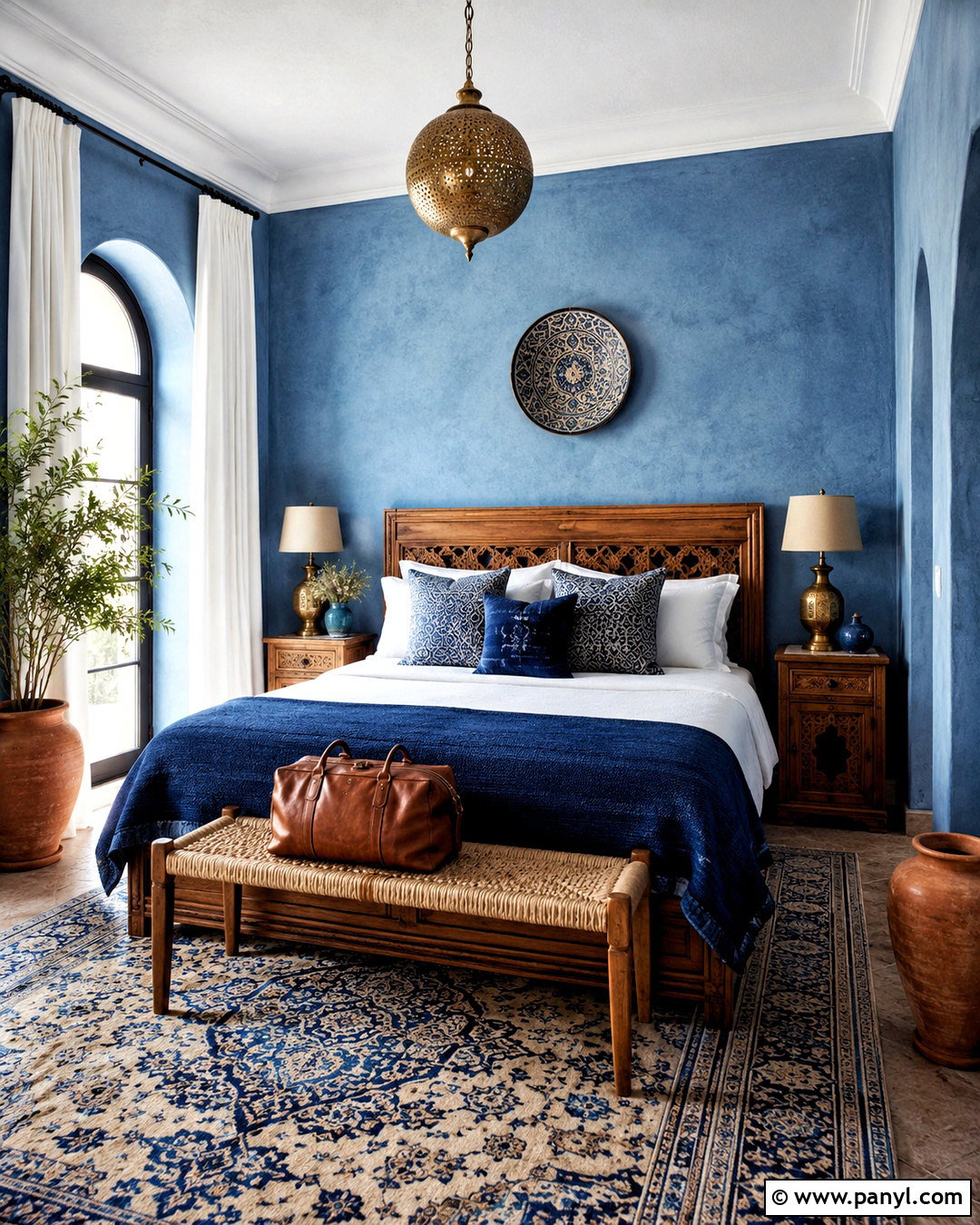
Welcome visitors with a cheerful guest room that feels special but not overly personal. Use a dusty Moroccan blue on all four walls for gentle immersion, then introduce a white iron or natural wood bed. Crisp cotton bedding keeps the space fresh, while an indigo coverlet and two patterned accent pillows add depth. Place a small wooden nightstand and brass reading lamp on each side whenever the room allows. A blue-and-cream rug can cover most of the visible floor and create softness underfoot. Include a luggage bench, simple wall hooks, and an empty dresser so the design supports real guests. White curtains, terracotta pottery, and one framed geometric print complete the room without filling every surface with decoration.
10. Moroccan Blue Small Apartment
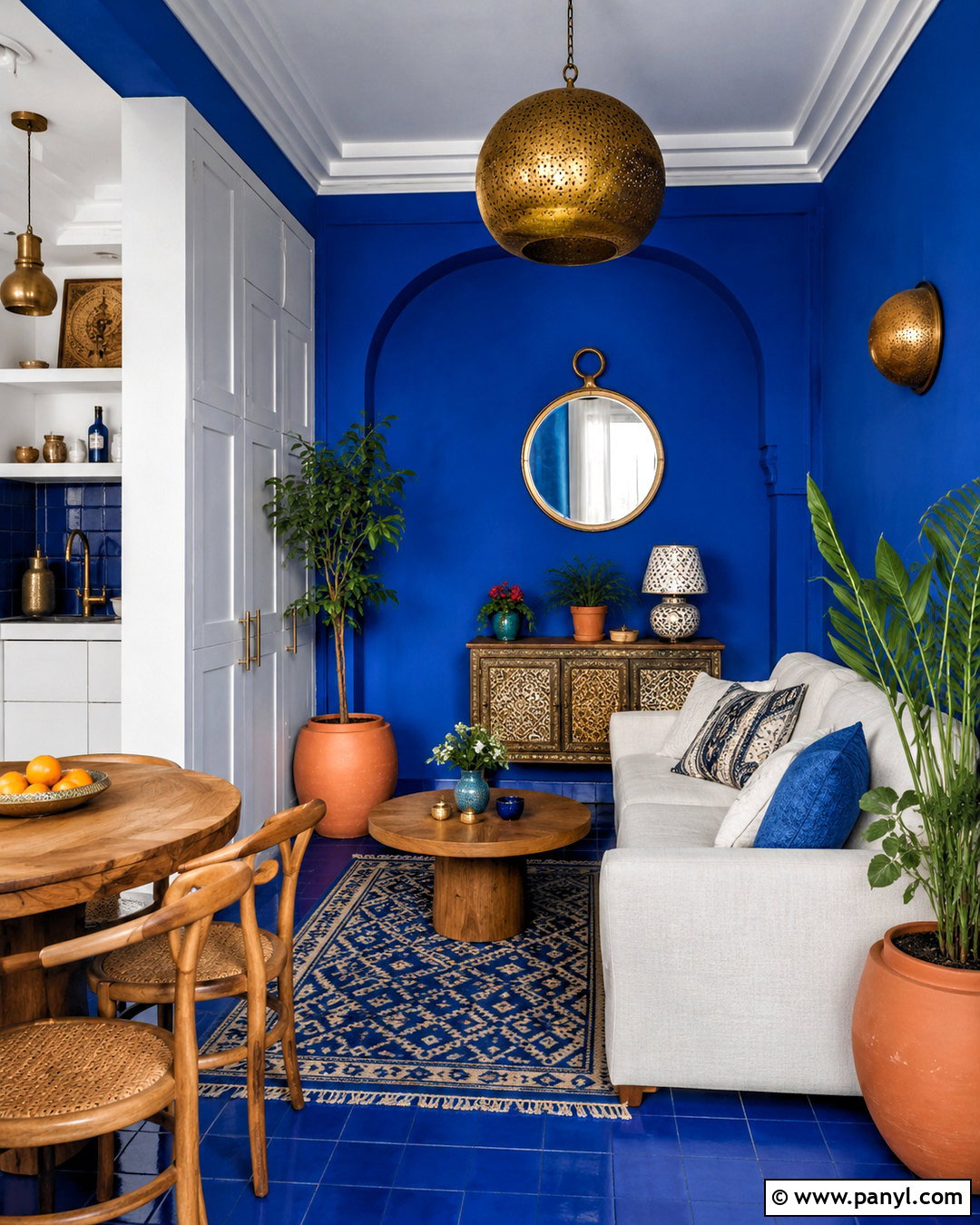
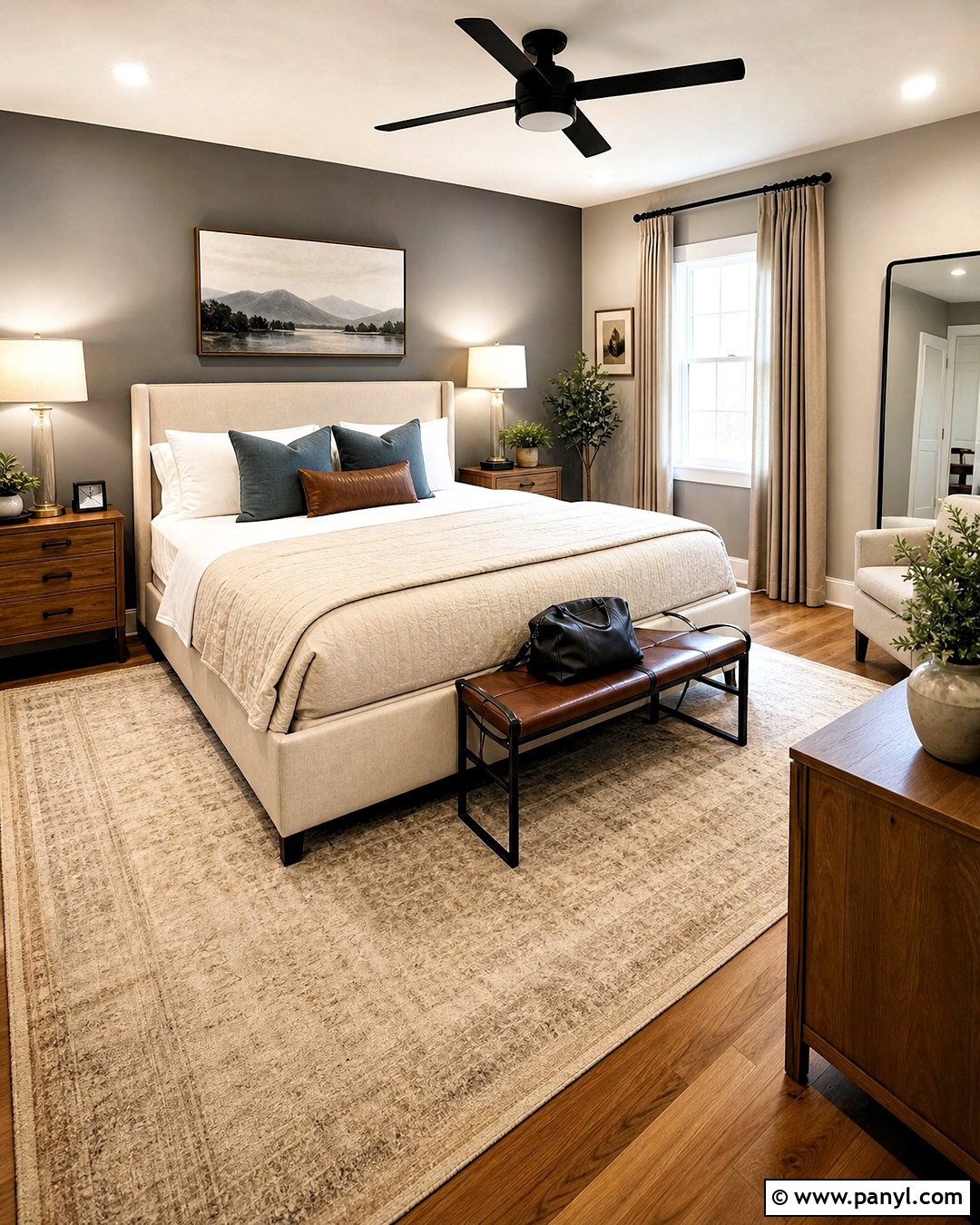
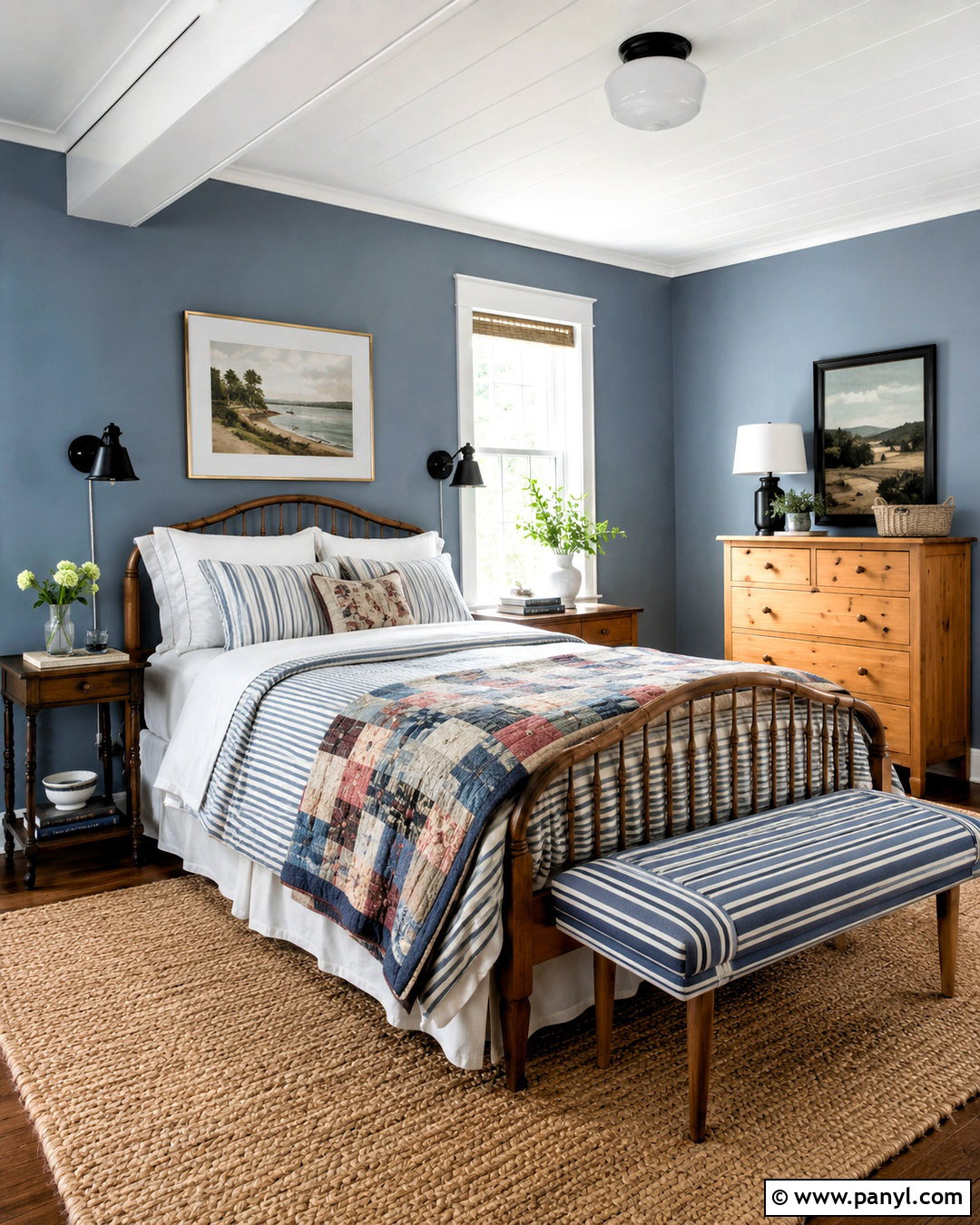
Small apartments benefit from a controlled color story that makes separate areas feel connected. Use Moroccan blue on one long wall that runs through the living and dining zones, then repeat the color in small amounts throughout the apartment. Select a compact cream sofa, a round oak dining table, and slender furniture with visible legs to preserve visual space. A blue geometric rug can define the sitting area without adding another bulky divider. Keep window treatments white and lightweight so daylight reaches the darker wall. Brass lighting and terracotta planters add warmth, while closed white cabinets reduce visible clutter. The completed apartment feels intentional because every area shares the same blue, cream, wood, and warm-metal palette without repeating identical furniture or patterns.
11. Moroccan Blue Boho Room
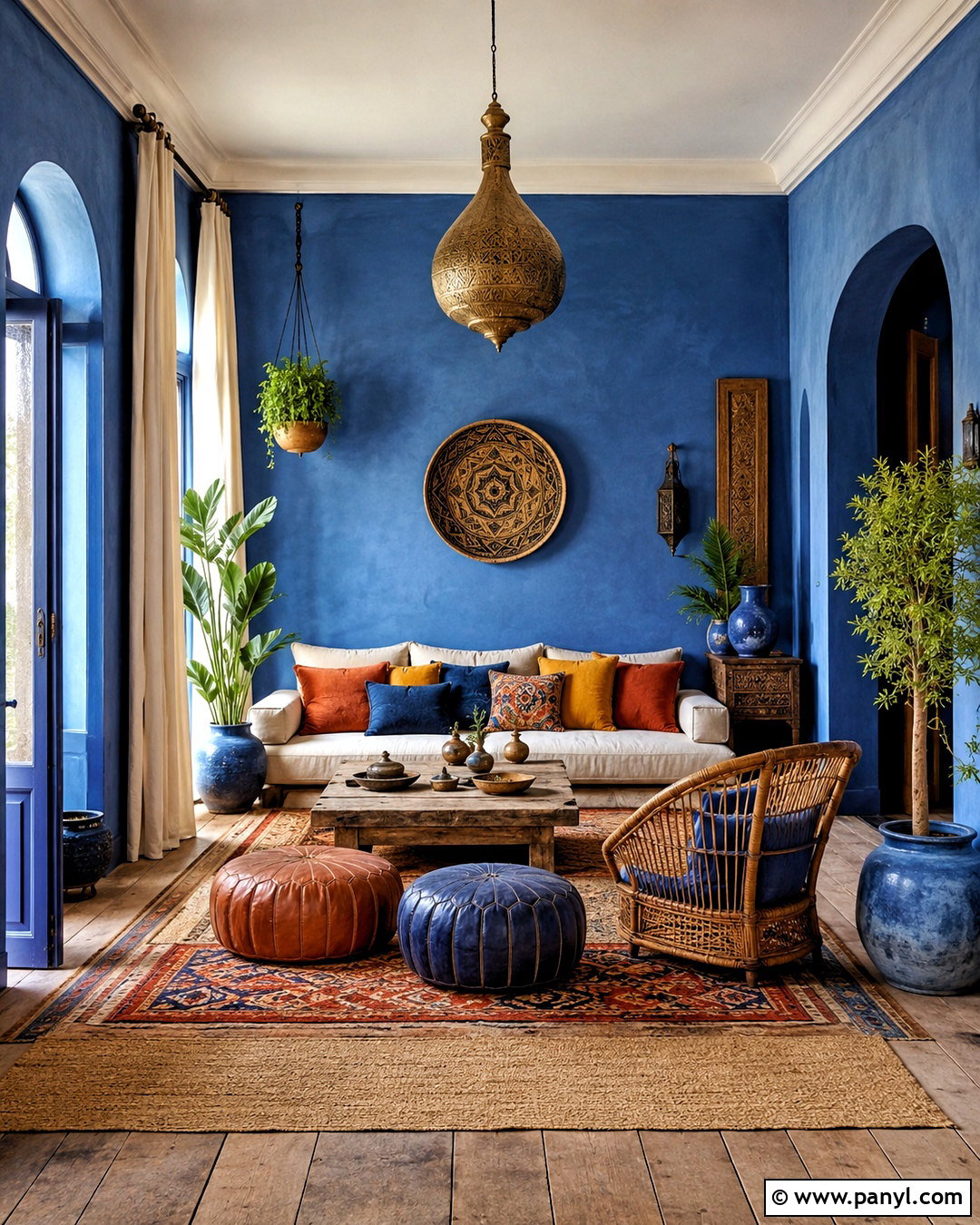
For a relaxed bohemian look, surround Moroccan blue with sun-washed earth tones and abundant natural texture. Paint the walls a muted cobalt blue and arrange a low cream sofa with rust, mustard, and indigo cushions. Layer a woven jute rug beneath a smaller patterned kilim to create a comfortable, collected foundation. A weathered wood coffee table, rattan chair, and leather poufs can provide varied seating without looking like a matching set. Use a large brass pendant as the primary decorative fixture, supported by simple lamps for practical lighting. Add linen curtains, hanging greenery, and handmade ceramic planters. Keep the layout open and edited. Thoughtful negative space allows the strong colors, natural fibers, and distinctive furniture shapes to remain visible.
12. Moroccan Blue Modern Interior
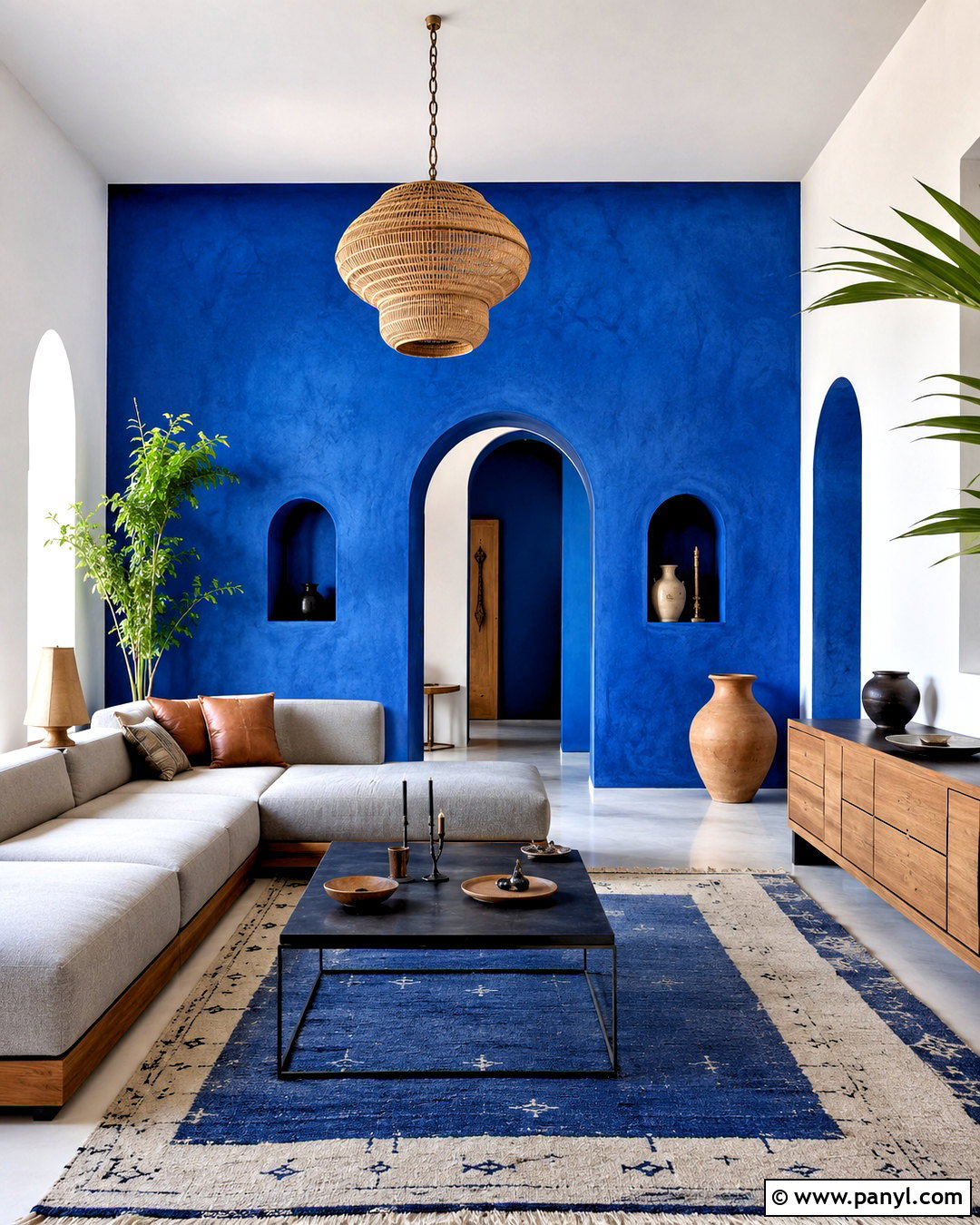
Moroccan blue can suit a modern home when its application is bold, clean, and carefully restrained. Paint one architectural wall in saturated blue and keep the ceiling, trim, and surrounding surfaces crisp white. Choose a low-profile light gray sofa, a black metal coffee table, and streamlined oak storage. Instead of layering many patterns, use one large blue-and-ivory rug with a simplified geometric design. A sculptural white pendant and matte black floor lamp reinforce the contemporary direction. Add warmth with cognac leather cushions and a large terracotta vessel. Artwork should be minimal and generously scaled rather than arranged in a crowded gallery. This complete scheme preserves the intensity and cultural warmth associated with Moroccan blue while fitting a polished, uncluttered modern interior.
13. Moroccan Blue House Exterior
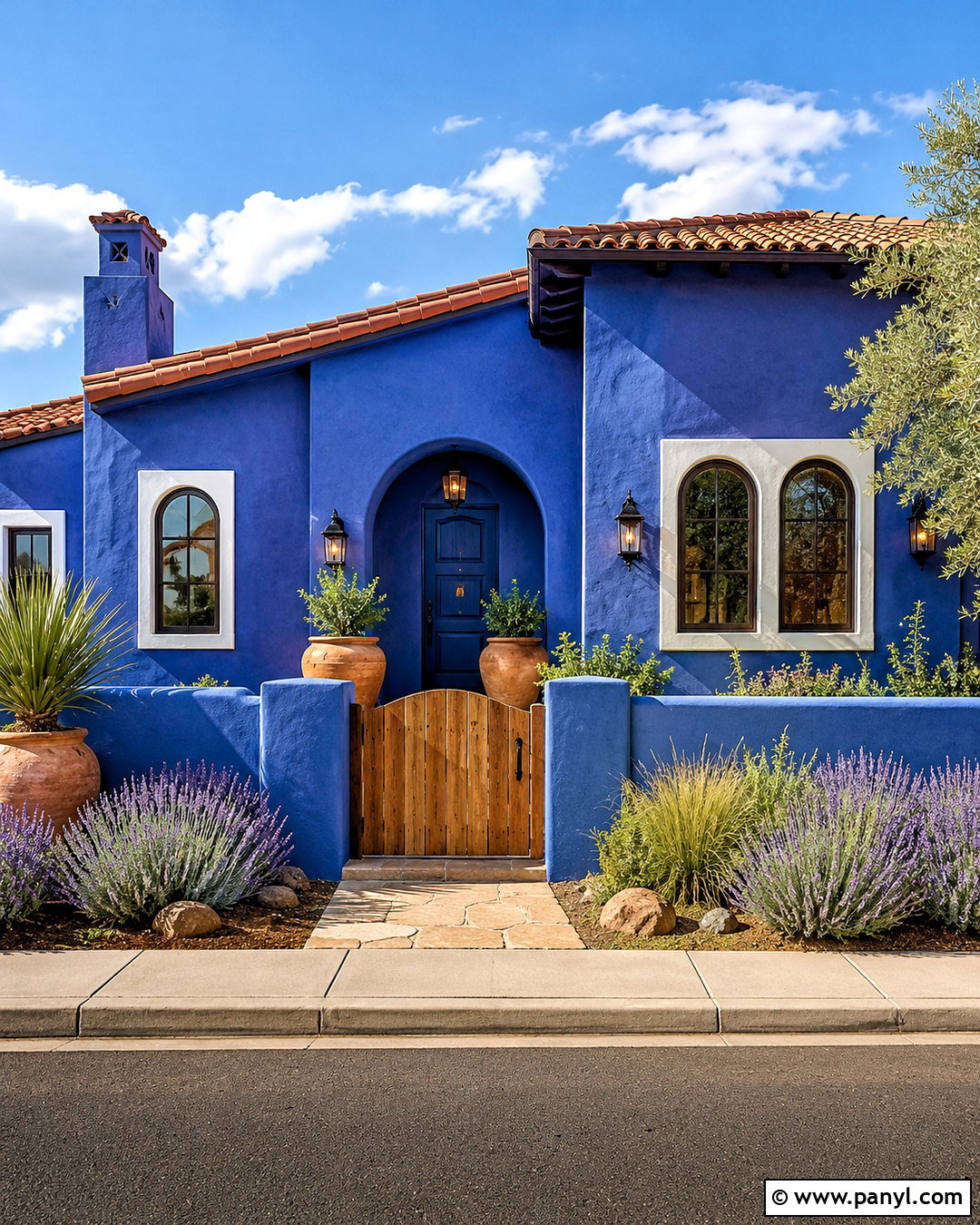
A blue exterior can give a modest home striking curb appeal when the supporting colors stay balanced. Use a medium Moroccan blue on the stucco body, warm white on the window trim, and a slightly deeper blue on the front door. A terracotta tile roof creates an especially warm contrast, although charcoal roofing can provide a cleaner contemporary effect. Add black or dark bronze lanterns near the entrance and choose natural wood for any gate or porch ceiling. Keep the landscaping simple with silvery foliage, ornamental grasses, lavender, and terracotta pots. A pale stone walkway will brighten the approach and prevent the facade from feeling heavy. Test the blue outdoors first because direct sun can make strong paint colors appear noticeably brighter.
14. Moroccan Blue Front Door
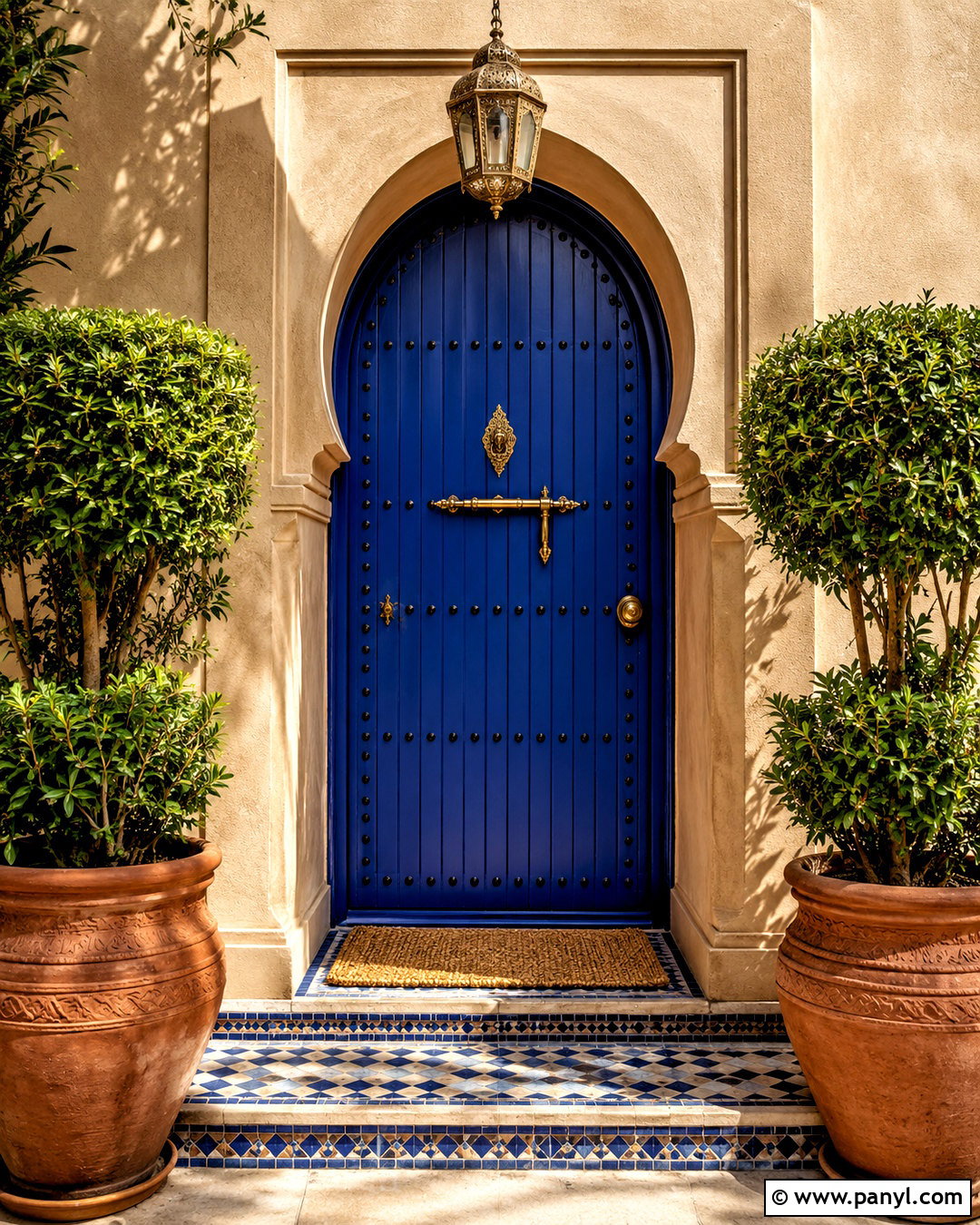
If an entire blue facade feels too bold, make the front door the center of a complete entry scheme. Paint the door a vivid Moroccan blue in a satin or semigloss finish, surrounded by warm white or sandy beige exterior walls. Select dark bronze or aged brass hardware that remains clearly visible against the color. Frame the entrance with two large terracotta planters filled with olive-like greenery or neatly clipped shrubs. A geometric blue-and-cream tile riser, threshold, or small landing can repeat the door color without competing with it. Add a simple woven doormat and one properly scaled lantern. The result is colorful yet controlled, giving an average home a distinctive welcome without requiring a major exterior renovation.
15. Moroccan Blue Covered Porch
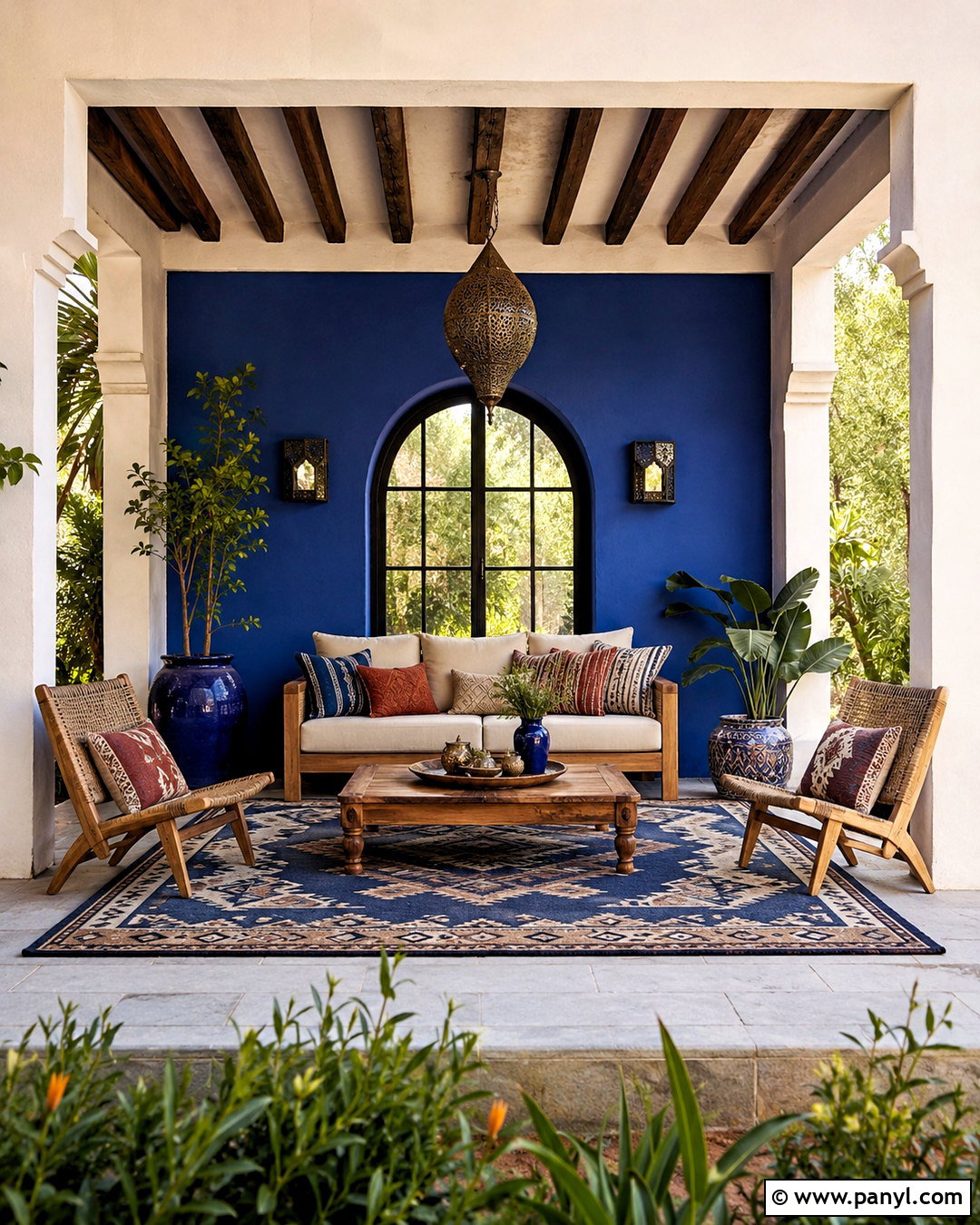
A covered porch becomes a true outdoor room when color, seating, and weather-resistant materials work together. Paint the back wall Moroccan blue and leave the ceiling and posts warm white for contrast. Arrange a natural teak or black metal sofa with cream outdoor cushions, then add patterned blue, rust, and sand pillows. Two woven lounge chairs can face the sofa across a low wooden table, creating a comfortable conversation area. Use a durable geometric outdoor rug to define the seating zone. Blue ceramic planters, leafy greenery, and a perforated metal pendant strengthen the Moroccan influence. Maintain clear paths to the door and steps. This balanced layout feels layered and inviting while remaining practical for changing weather and regular outdoor use.
16. Moroccan Blue Patio
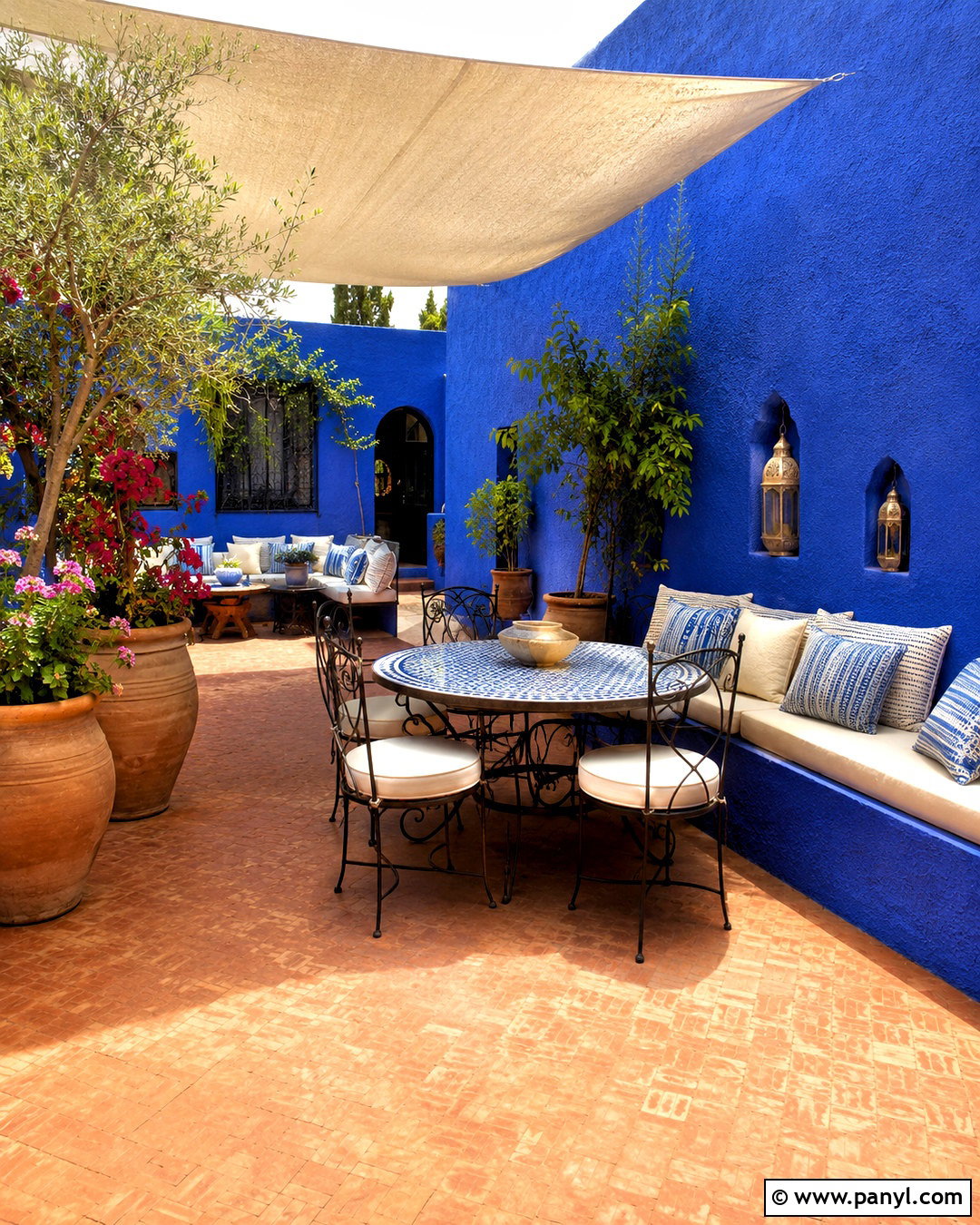
Bring an open patio to life with a bright blue boundary wall and furniture suited to casual outdoor meals. Paint one stucco wall a rich Moroccan blue, allowing the other walls or fencing to remain white, beige, or natural wood. Position a round mosaic dining table near the blue backdrop and surround it with simple black metal chairs. Create a second zone with a built-in bench or compact outdoor sofa covered in neutral cushions. Terracotta pavers provide a warm foundation, while striped blue textiles connect the separate seating areas. Add large clay pots filled with rosemary, ornamental grasses, and flowering plants. A canvas shade sail and decorative lanterns complete a sunny, functional patio that feels colorful without relying on excessive ornament.
17. Moroccan Blue Courtyard
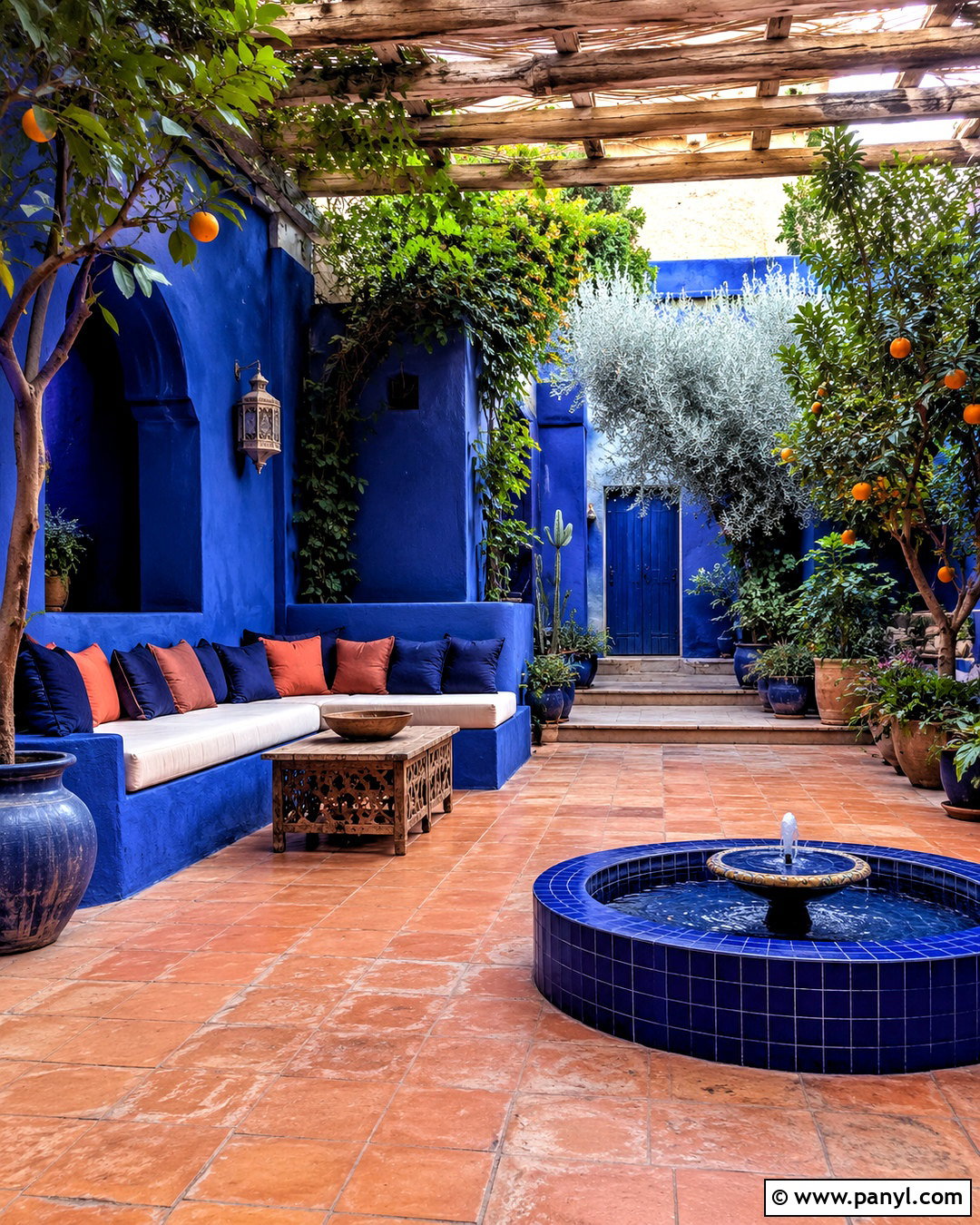
Enclosed courtyards are ideal for an immersive Moroccan blue palette because the surrounding walls create privacy and visual focus. Coat the main walls in chalky cobalt blue, then use terracotta floor tile to establish a warm, earthy contrast. Build an L-shaped plaster bench along two sides and cover it with cream cushions, indigo pillows, and a few muted coral accents. Center the layout around a low carved wood table or small tiled fountain. Potted citrus, climbing greenery, and silvery plants soften the architecture. An overhead wood pergola provides useful shade and introduces another natural material. Keep the central walking area open, ensuring that the courtyard functions as a comfortable outdoor room rather than a display of unrelated decorative objects.
18. Moroccan Blue Garden
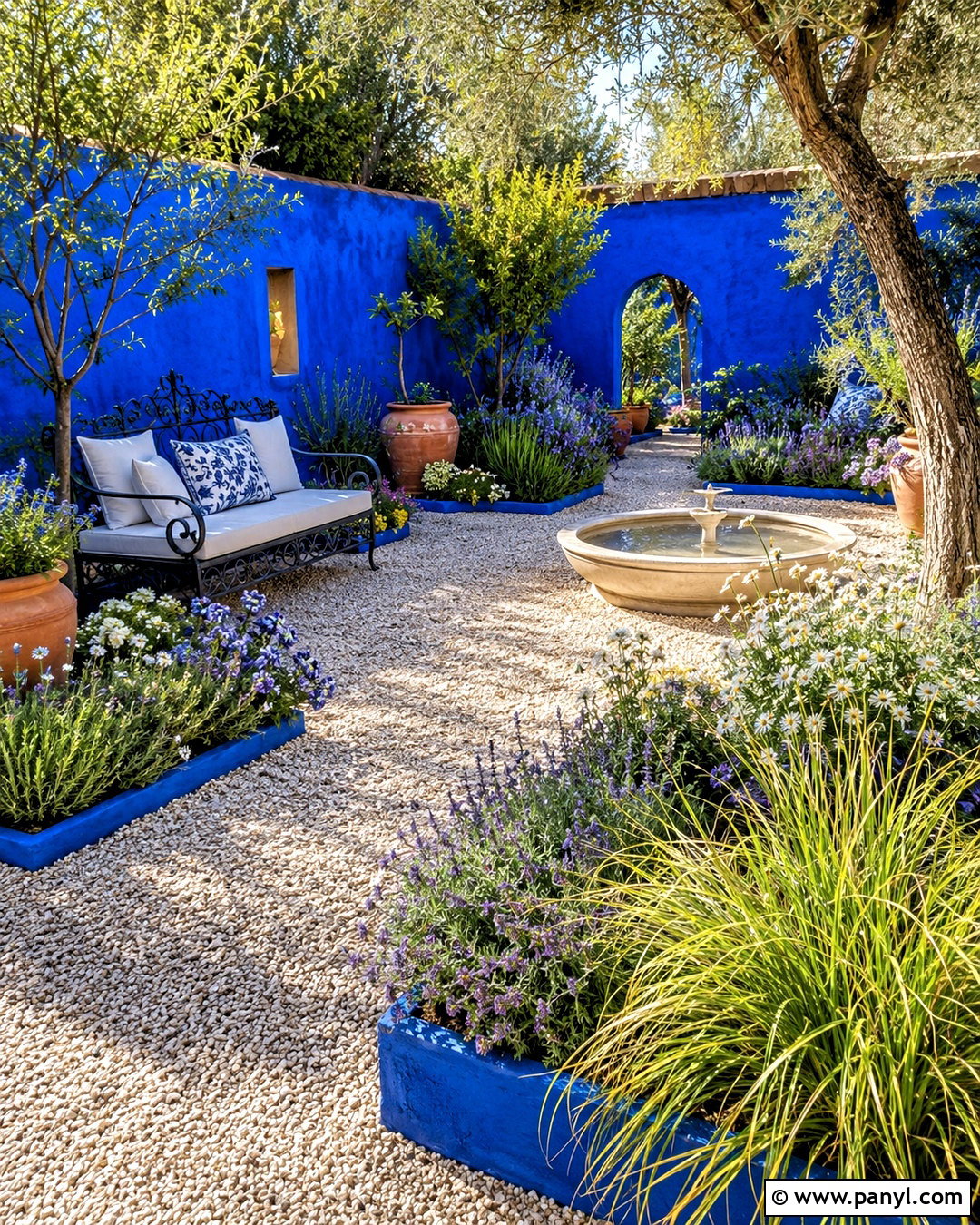
Design a Moroccan blue garden as a complete landscape with defined paths, restful seating, layered planting, and one powerful color feature. Use a blue stucco wall or garden pavilion as the backdrop, then run pale gravel paths through structured planting beds. Choose drought-tolerant greenery, fragrant herbs, ornamental grasses, and flowering plants in white, pink, and purple. Place a wooden or wrought-iron bench near the blue wall and add weatherproof cushions in cream and indigo. Terracotta pots in several sizes can create rhythm along the path without becoming cluttered. Include a small stone basin or fountain for a cooling visual accent. Repeating blue through selected ceramics and textiles will connect the garden while allowing plants and natural materials to remain dominant.
19. Moroccan Blue Pool Area
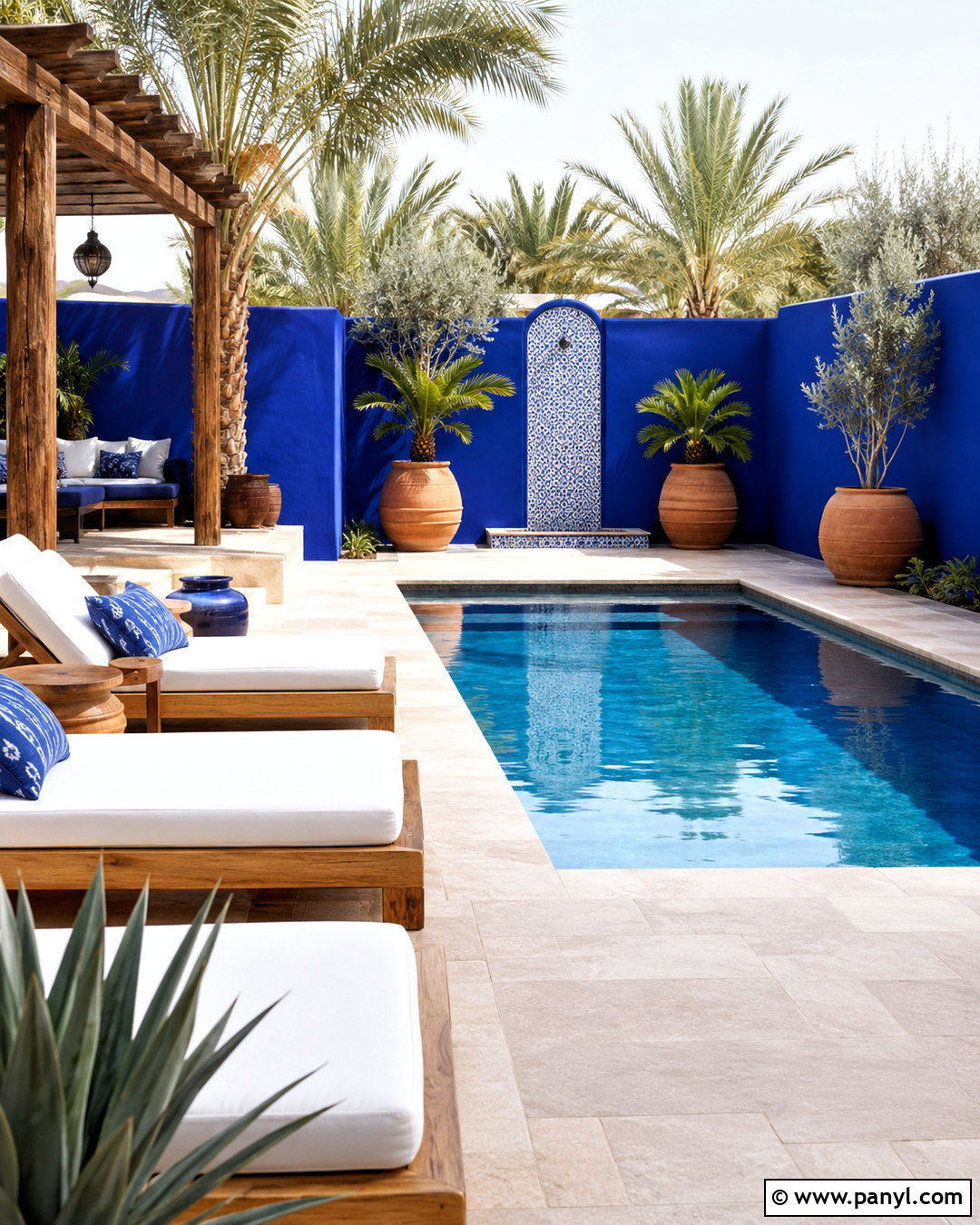
The intense color of Moroccan blue looks especially refreshing beside clear water and light stone. Create a resort-inspired pool area with one cobalt blue privacy wall, pale limestone-look pavers, and streamlined teak loungers. Use white cushions and striped blue towels to keep the seating crisp. A shaded pergola can contain a built-in bench, a low table, and weather-resistant indigo pillows for comfortable breaks from the sun. Place oversized terracotta pots around the perimeter rather than close to the water, where they could obstruct movement. Palms, ornamental grasses, and silvery foliage add texture without hiding the architecture. Finish with subtle blue-and-white tile on a fountain or outdoor shower, giving the entire pool setting a coordinated and practical sense of place.
20. Moroccan Blue Rooftop Terrace
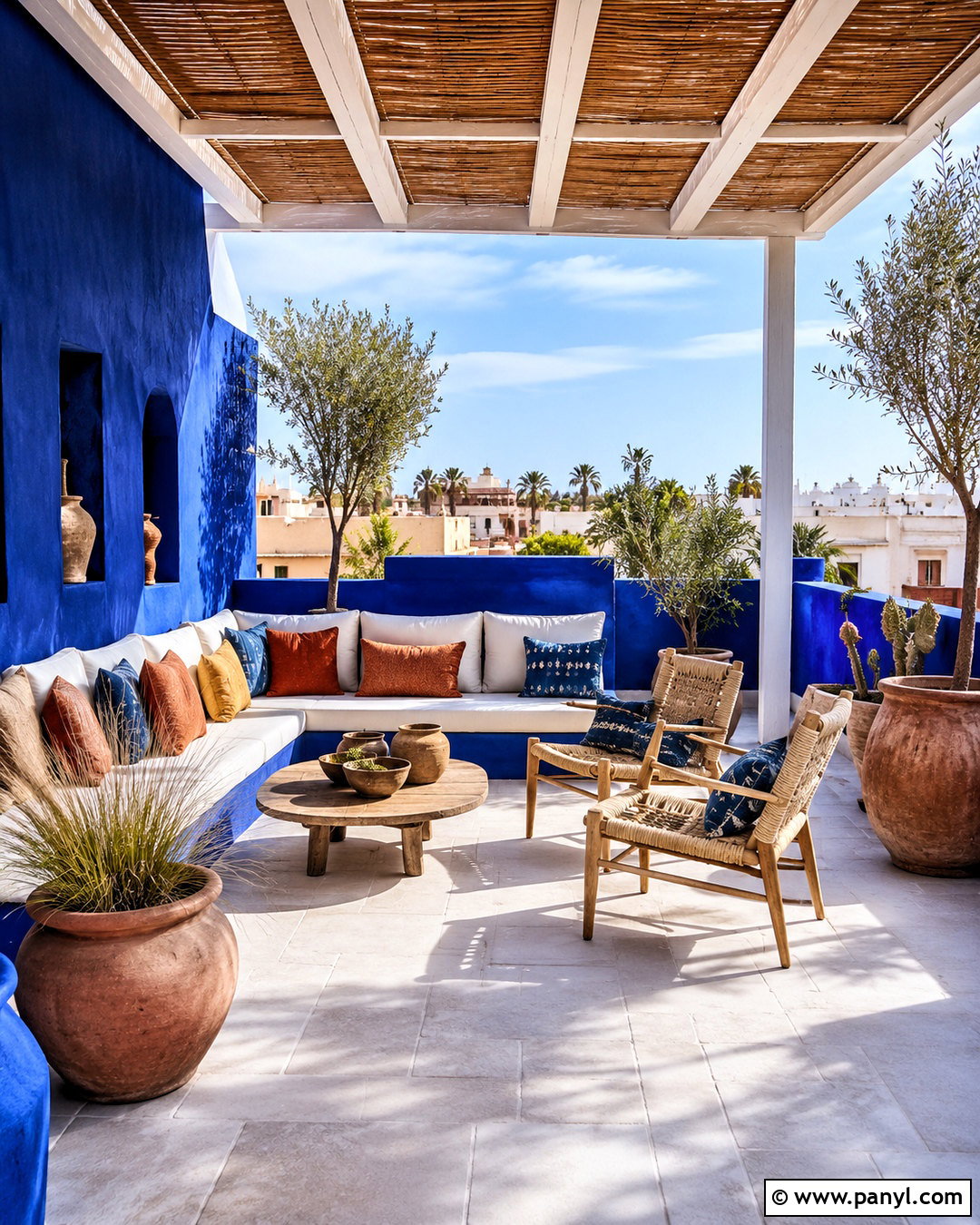
Even a compact rooftop can become an inviting escape with wind-resistant furniture and a limited, high-impact palette. Paint the interior side of the parapet walls Moroccan blue, keeping any overhead shade structure white or natural wood. Place a built-in corner bench against the wall and cover it with neutral outdoor cushions. Add indigo, rust, and ochre pillows for controlled warmth. A low round table and two lightweight woven chairs offer flexible seating without filling the floor. Use large stable planters for olive-like trees, herbs, and ornamental grasses that suit the local climate. Pale porcelain pavers keep the terrace bright. String-free wall lanterns, a woven outdoor rug, and uncluttered circulation complete a rooftop design that feels intimate, colorful, and secure.
Conclusion:
The most successful moroccan blue ideas treat color as part of a complete design rather than an isolated accent. Rich blue becomes easier to live with when it is balanced by warm white, natural wood, terracotta, woven fibers, and carefully chosen metal finishes. You can create an immersive room with blue walls and patterned tile or begin more simply with a painted door, courtyard wall, or coordinated group of textiles. Consider the available daylight, existing surfaces, room size, and practical needs before choosing the shade and its placement. By repeating a limited palette through furniture, architecture, lighting, and accessories, Moroccan blue can make indoor and outdoor spaces feel vibrant, comfortable, and thoughtfully connected.

Related Ideas and Inspiration:
Leave a Reply