
Sherwin-Williams Neutral Ground is a warm, welcoming off-white that brings gentle beige and khaki undertones to interior walls. With an LRV of 70, it reflects plenty of light while offering more depth than a crisp white. () Its balanced character works beautifully with natural wood, creamy trim, black accents, muted greens, earthy textiles, and many cabinet finishes. The key is designing the entire room around the paint rather than treating it as an isolated color. Lighting, flooring, furniture, and finishes can all change how warm or neutral the walls appear. From comfortable living rooms to polished kitchens and practical utility spaces, the following complete looks demonstrate how to decorate with 30 Neutral Ground Sherwin Williams Walls.

1. Neutral Ground Living Room With White Trim
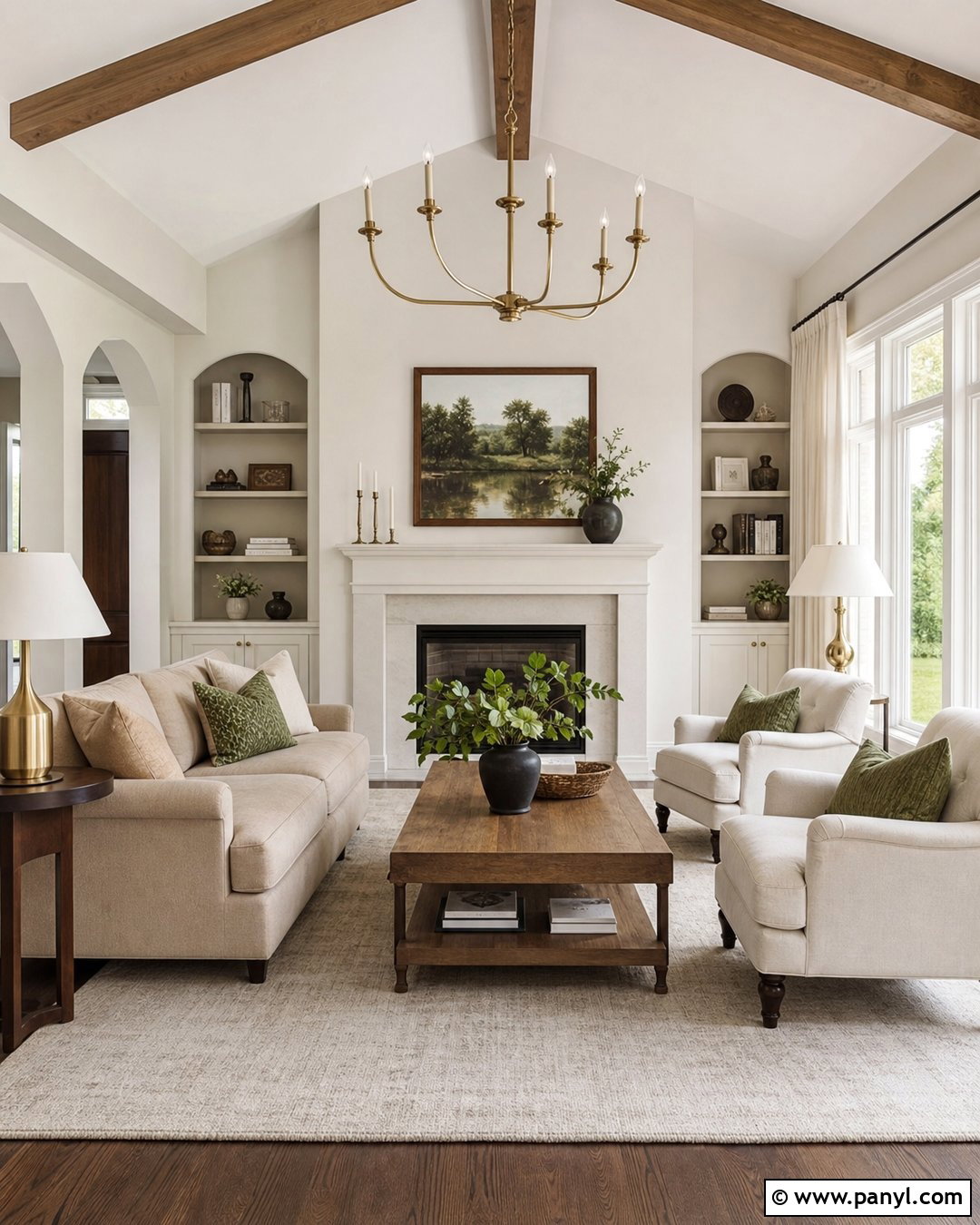
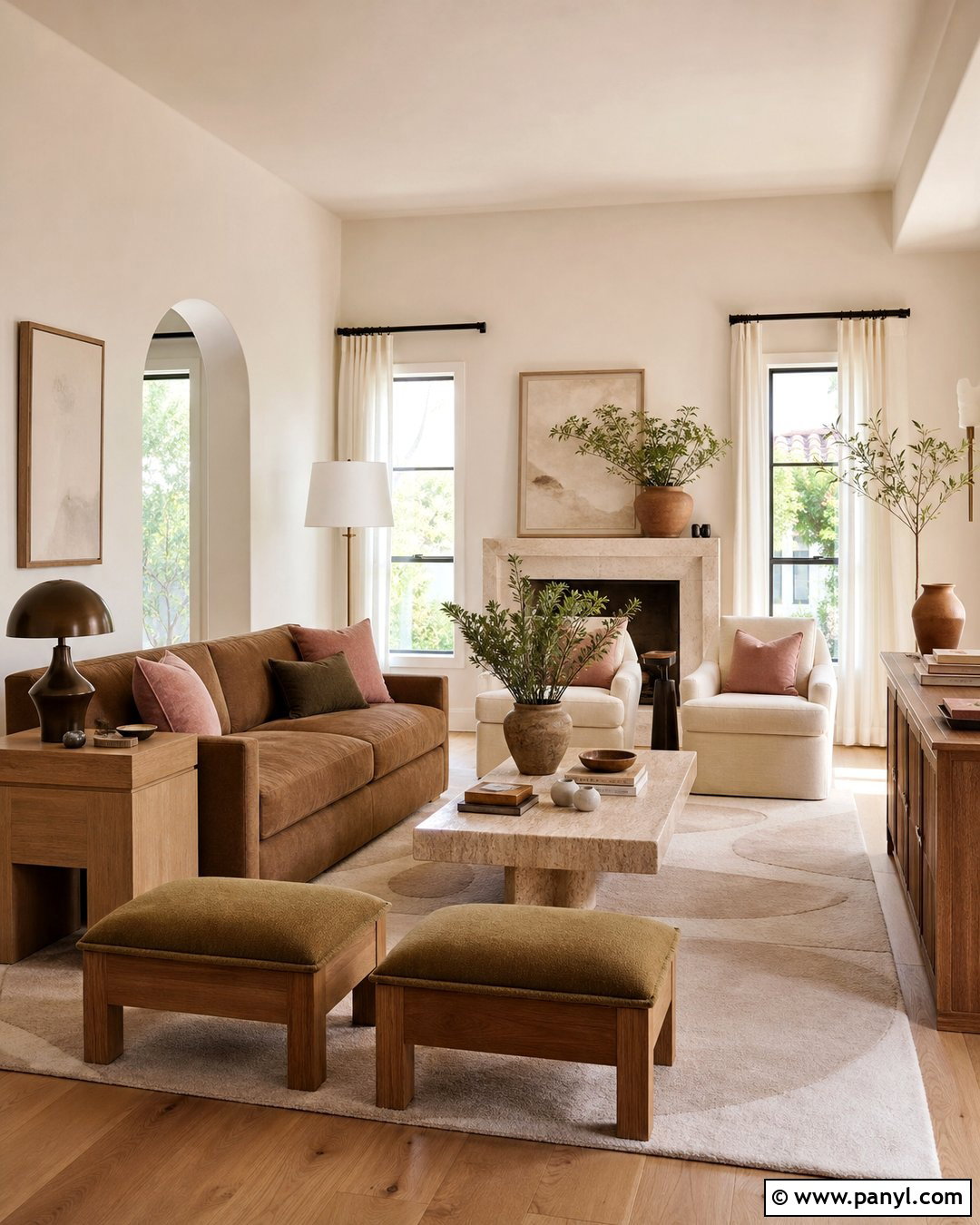
Neutral Ground walls create a comfortable living room when paired with clean white trim and relaxed furnishings. Paint the baseboards, crown molding, window casings, and doors a soft white rather than a sharp blue-white. Add a medium beige sofa, two cream armchairs, and a natural oak coffee table to build subtle contrast. A large ivory rug keeps the floor light, while olive green pillows introduce an earthy accent. Choose linen curtains close to the wall color so the windows feel taller and wider. A brushed brass floor lamp and simple landscape artwork add warmth without making the room busy. Finish the layout with woven baskets, ceramic table lamps, and a few dark wood accessories for definition.
2. Neutral Ground Modern Farmhouse Living Room
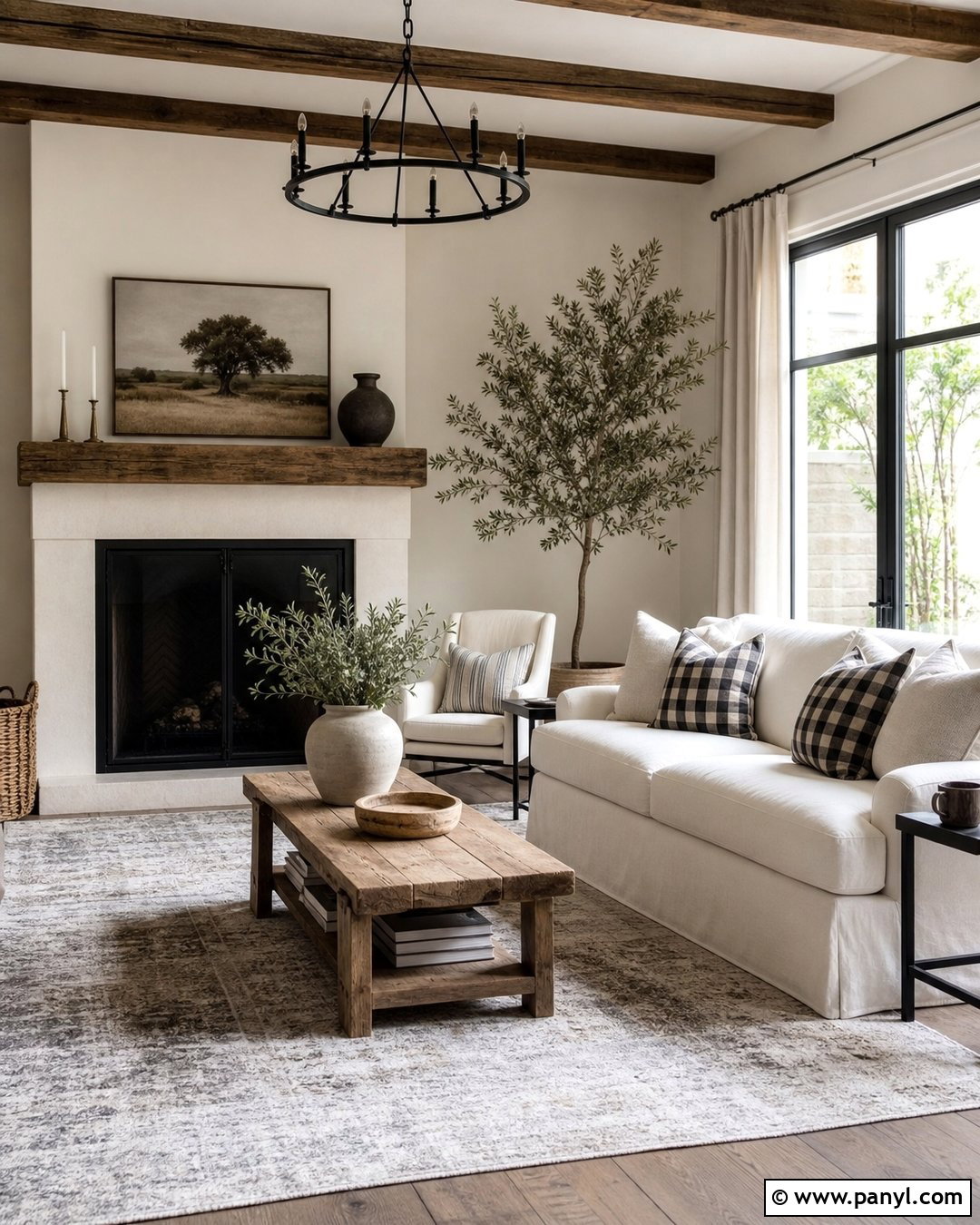
For a modern farmhouse look, surround Neutral Ground walls with warm wood, comfortable upholstery, and simple black details. Start with a slipcovered cream sofa facing a reclaimed oak coffee table. Add black metal side tables and an iron chandelier to give the pale room clear visual structure. Wide-plank medium oak flooring enhances the paint’s warm undertones, while an ivory and charcoal patterned rug grounds the seating area. Use natural linen curtains, checked pillows, and a chunky knit throw for softness. A white-painted fireplace with a rough wood mantel makes a practical focal point. Complete the room with understated botanical prints, stoneware pottery, and a tall olive tree instead of overly rustic signs or themed farmhouse decorations.
3. Neutral Ground Small Living Room
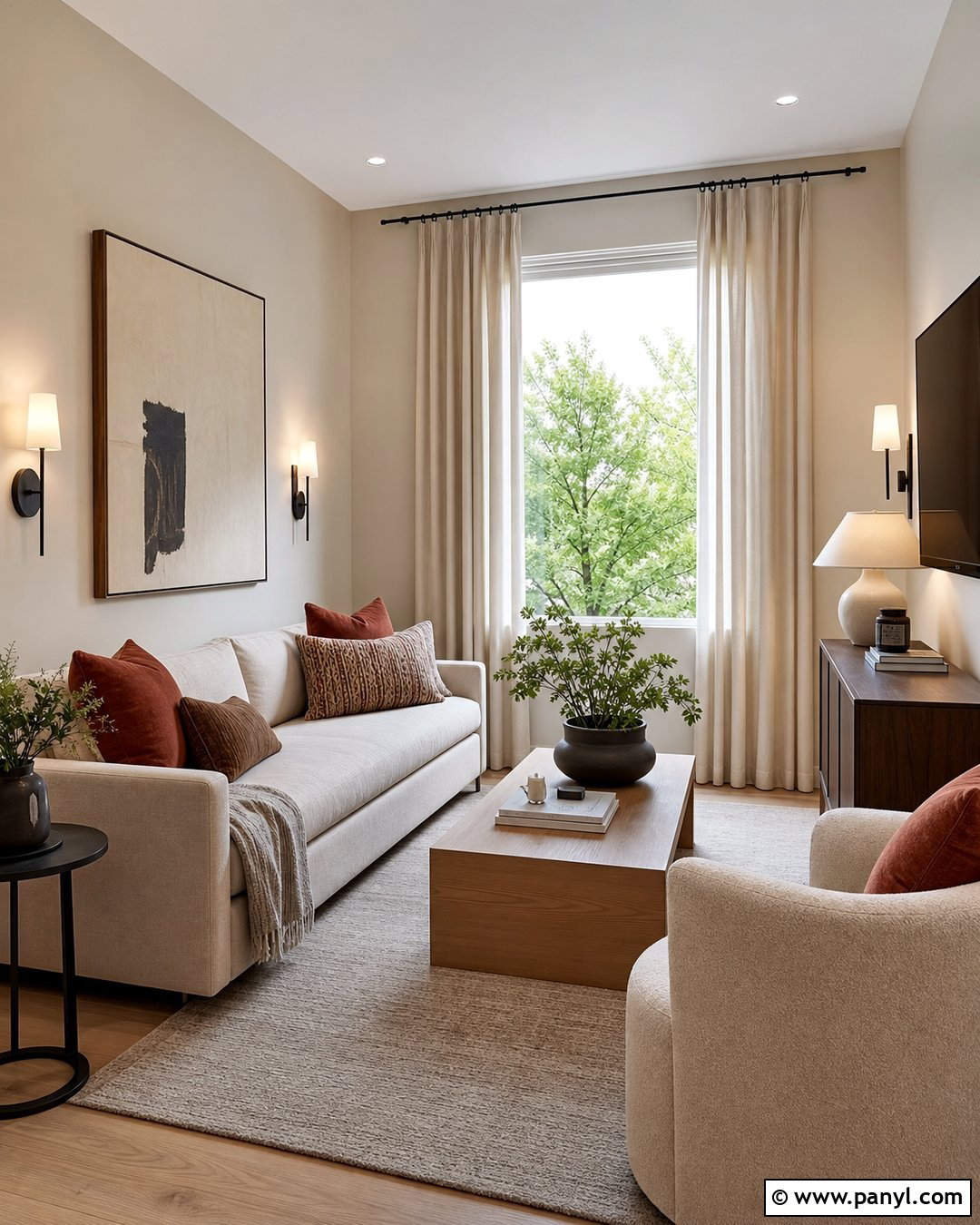
A compact living room can feel brighter and more open with Neutral Ground covering every main wall. Keep the largest furnishings visually light by choosing a slim oatmeal sofa, a glass or pale oak coffee table, and one rounded accent chair. Hang curtains close to the ceiling in a creamy fabric that blends with the walls. This creates a taller, less divided appearance. Use a light taupe rug large enough to sit beneath the front legs of every seat. Wall-mounted sconces save floor and table space, while one large piece of artwork looks calmer than several small frames. Add contrast through dark bronze hardware, a narrow walnut console, and muted rust pillows. Avoid overcrowding corners so the warm wall color remains visible.
4. Neutral Ground Open Concept Walls
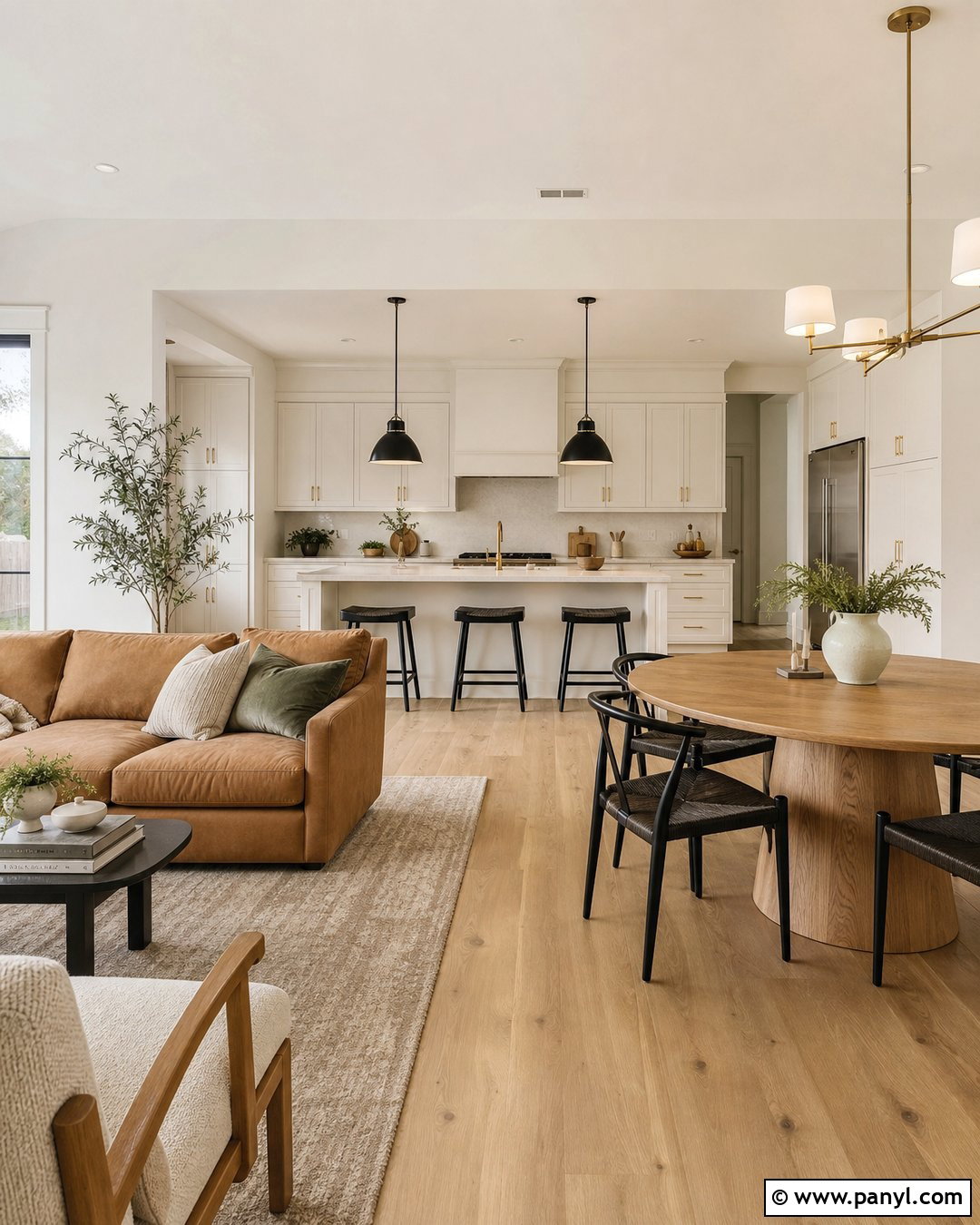
Neutral Ground works especially well across an open living, dining, and kitchen area because it creates continuity without looking plain. Carry the color across the main walls, then repeat creamy white on the trim, ceiling, and kitchen cabinets. Define each zone through furniture placement rather than changing paint colors. A camel leather sofa and textured ivory rug can anchor the living area. Nearby, place a round oak dining table beneath a black linear chandelier. Warm white cabinets, pale quartz counters, and brushed brass hardware complete the kitchen. Repeat black, oak, and soft beige in all three spaces so the arrangement feels intentional. Muted green plants and simple pottery can provide color while maintaining a calm, connected interior.
5. Neutral Ground Bedroom Walls
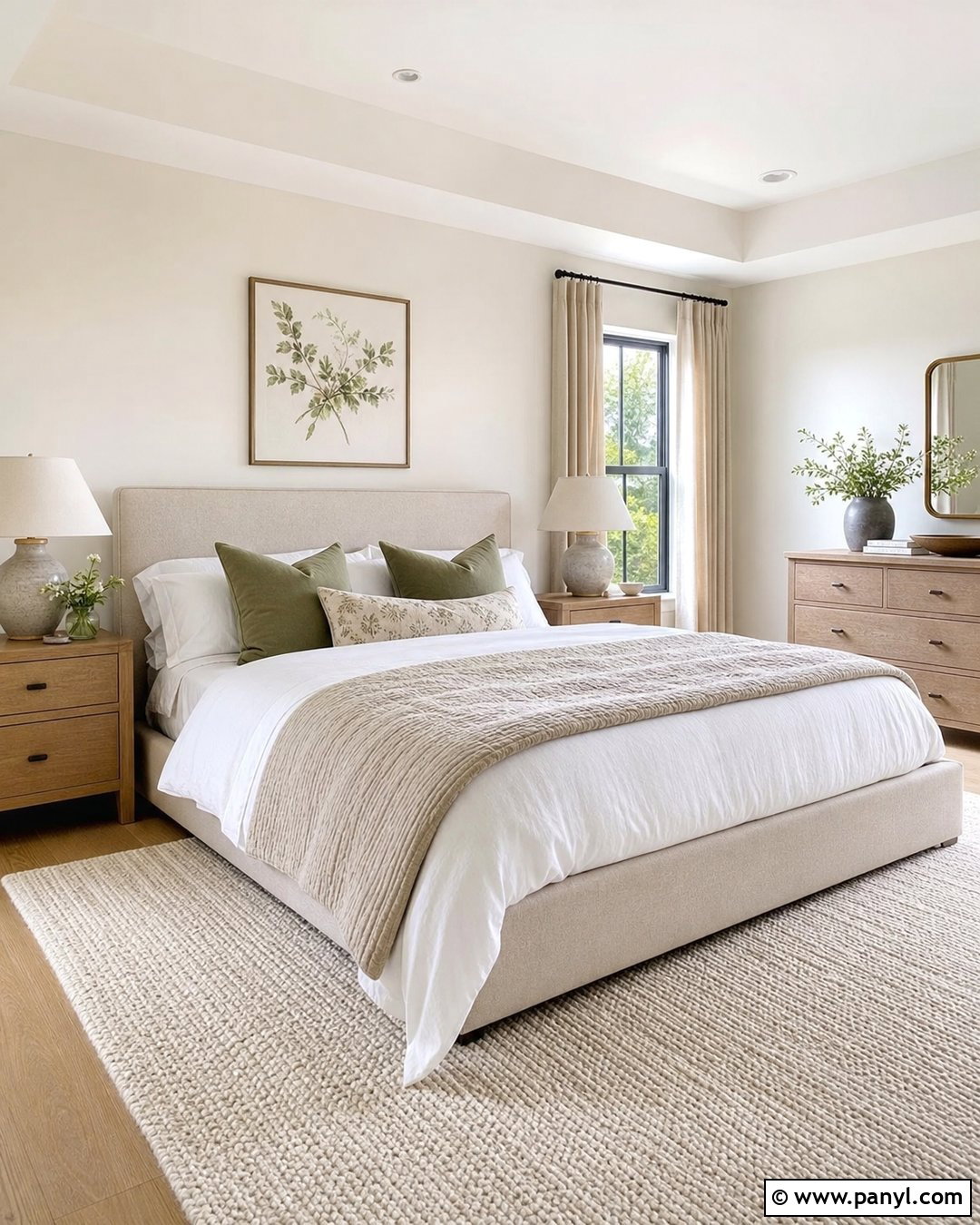
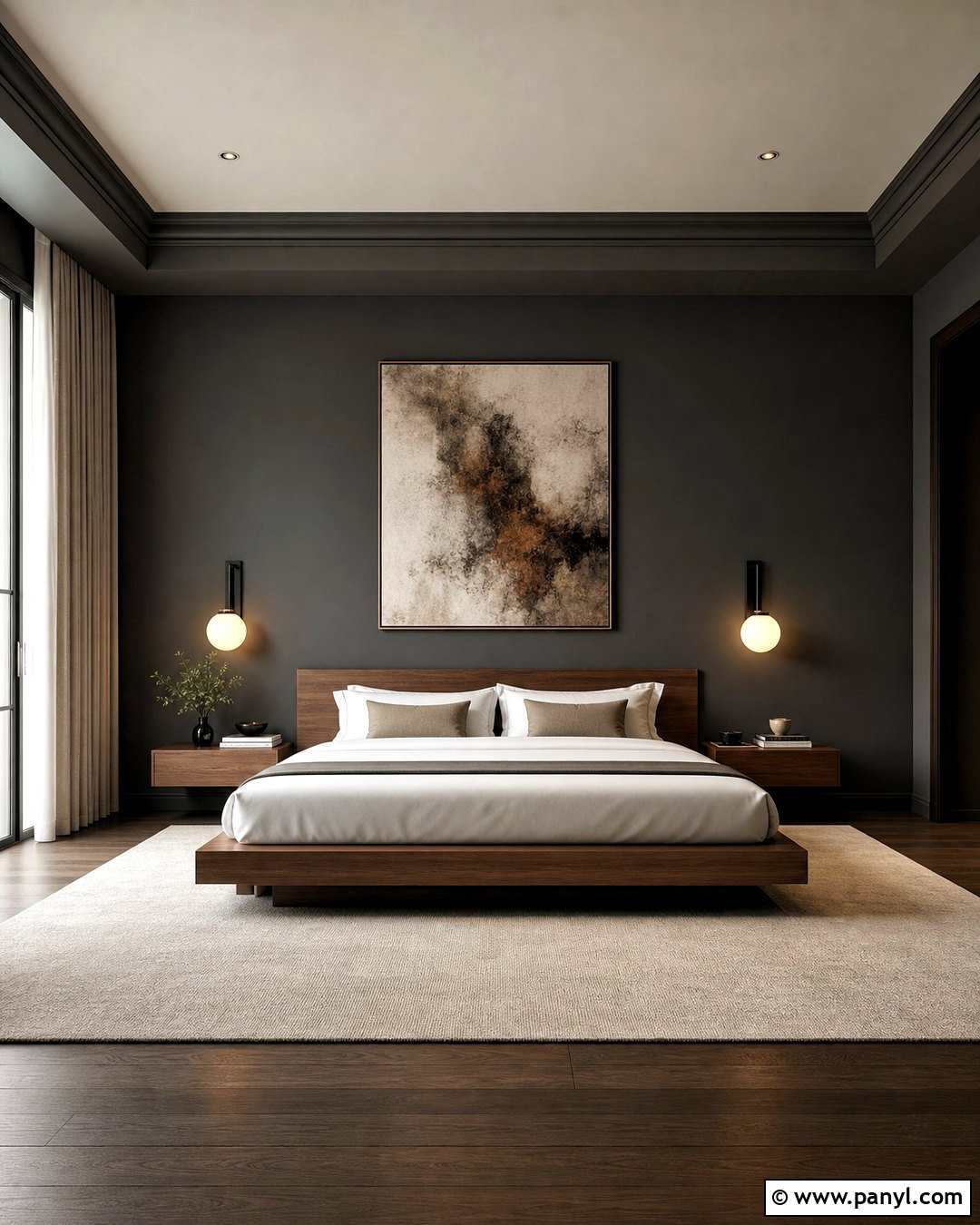
Soft Neutral Ground walls can make a bedroom feel restful without leaving it cold or colorless. Center an upholstered oatmeal bed against the longest uninterrupted wall and layer it with white sheets, a beige quilt, and muted sage pillows. Light oak nightstands introduce natural warmth, while ceramic lamps with linen shades provide gentle symmetry. Choose an ivory wool rug large enough to extend beyond both sides of the bed. Full-length flax curtains will complement the beige undertones and soften incoming daylight. A warm white ceiling and trim keep the room fresh. Complete the design with a low oak dresser, simple botanical artwork, and one comfortable reading chair. Keep accessories limited so the walls support a peaceful, uncluttered atmosphere.
6. Neutral Ground Primary Bedroom With Dark Wood
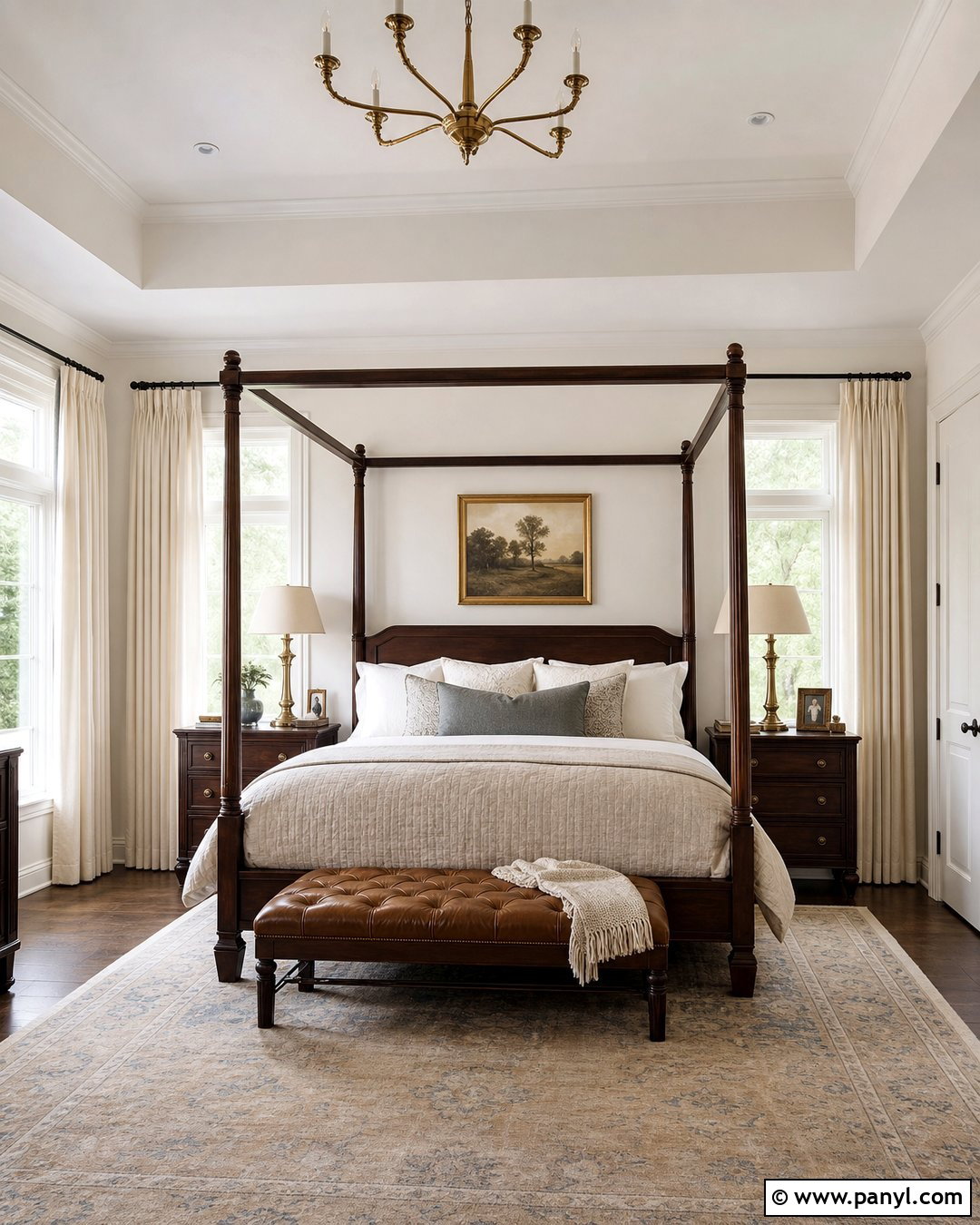
Dark wood furniture gives Neutral Ground walls depth and a more established appearance. Use a walnut or espresso canopy bed as the room’s main focal point, then soften its strong lines with ivory bedding and a warm taupe coverlet. Matching dark nightstands create balance, but lighter ceramic lamps prevent the arrangement from looking heavy. Add an antique-style beige rug with faded blue and brown details beneath the bed. Off-white drapery should hang high and fall fully to the floor. A caramel leather bench adds another rich material without competing with the wood. Finish with aged brass hardware, framed landscape art, and a cream upholstered chair. The result feels traditional and comfortable rather than overly formal or dark.
7. Neutral Ground Guest Bedroom
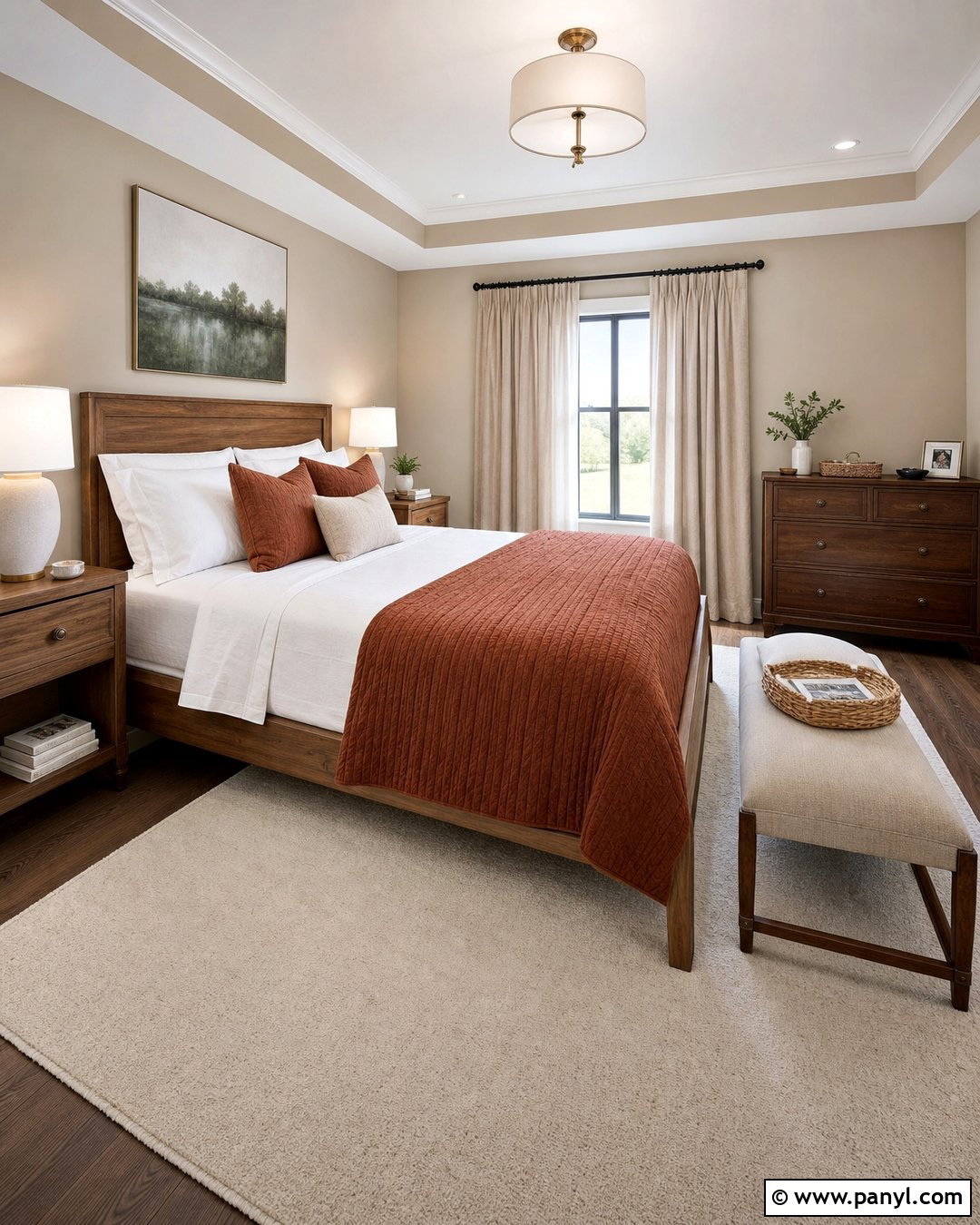
Create an inviting guest bedroom by pairing Neutral Ground walls with simple furniture and several useful comfort layers. A natural oak bed, white cotton bedding, and a soft clay-colored quilt produce a warm but clean palette. Place a small nightstand and reading lamp on each side so the room works equally well for one or two visitors. Add blackout curtains in textured oatmeal fabric and a washable cream rug underfoot. A compact upholstered bench can hold luggage without taking up excessive space. Include a walnut dresser, round mirror, and woven tray for everyday essentials. Muted green artwork and one leafy plant add freshness. The finished room should feel carefully prepared, easy to maintain, and free from unnecessary decorative clutter.
8. Neutral Ground Nursery Walls
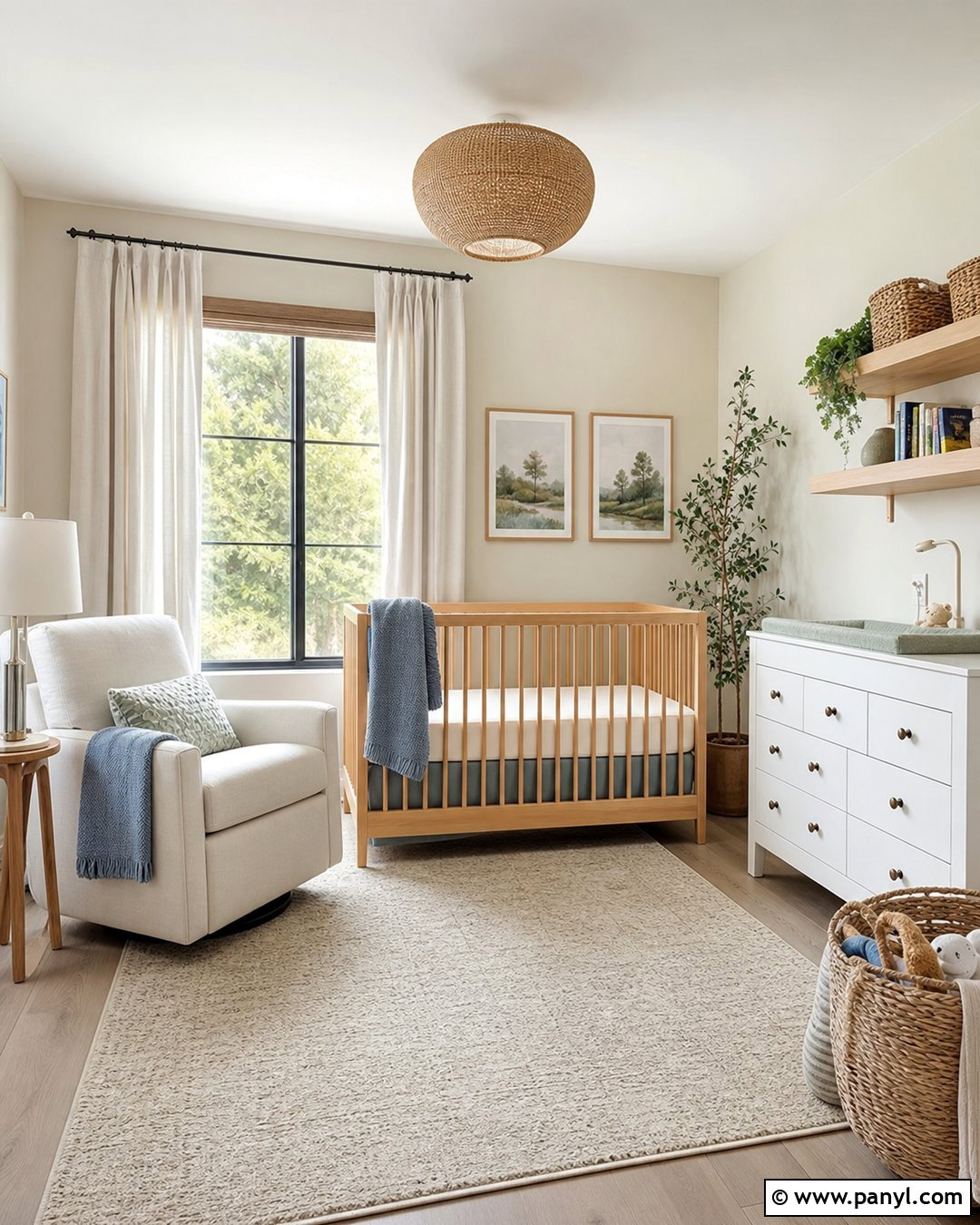
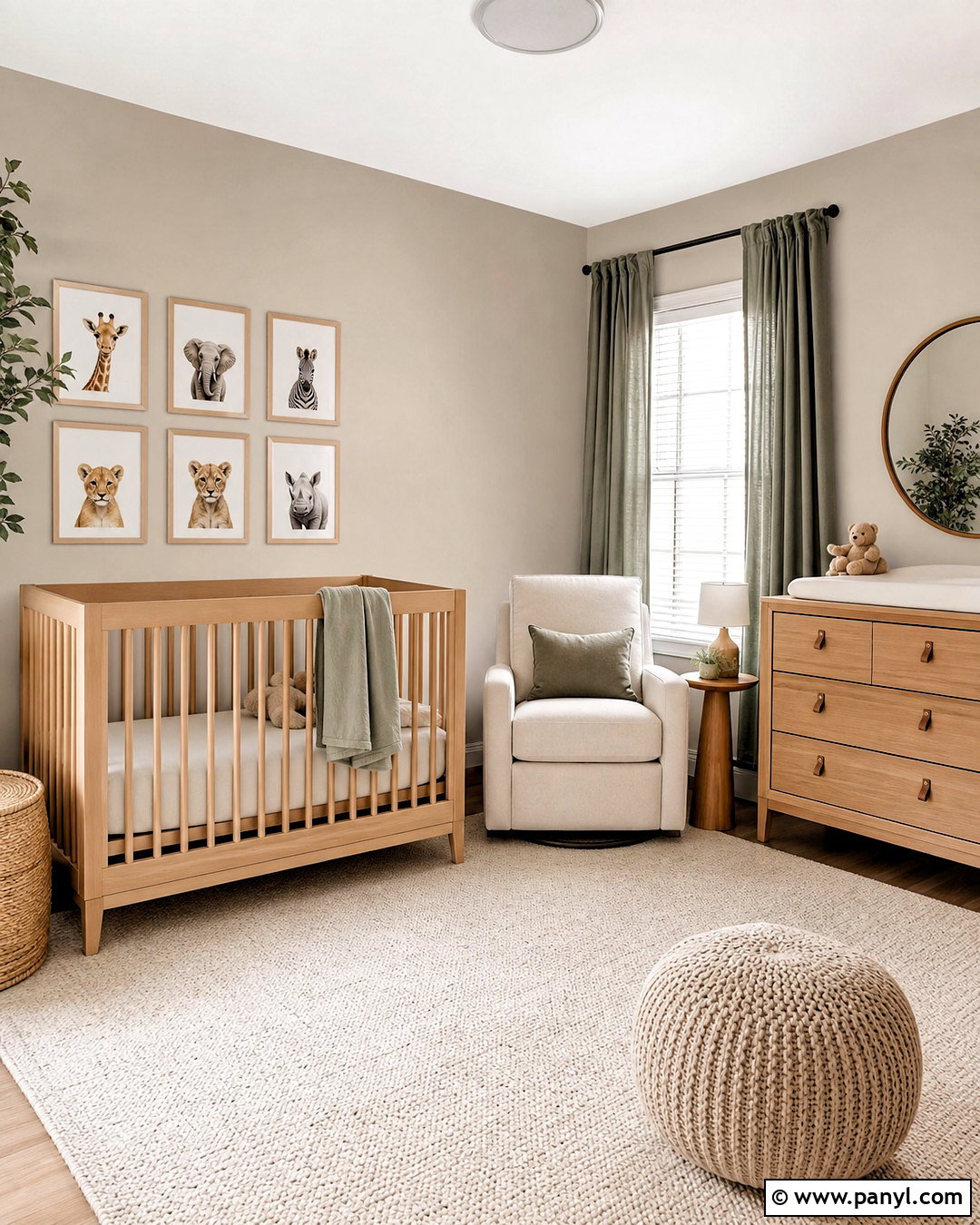
Neutral Ground provides a flexible nursery background that can adapt as a child grows. Pair the warm walls with a natural maple crib, an ivory glider, and a low white dresser used as a changing station. Introduce soft color through dusty blue, muted green, or pale terracotta textiles rather than permanent themed features. A washable cream and beige rug should cover the main play area, while lined linen curtains soften the windows. Install a simple flush-mount ceiling light and a shaded floor lamp for layered illumination. Floating wood shelves can display a small collection of books and toys without crowding the floor. Complete the room with woven storage baskets, blackout window treatments, and subtle nature prints in light oak frames.
9. Neutral Ground Kitchen With White Cabinets
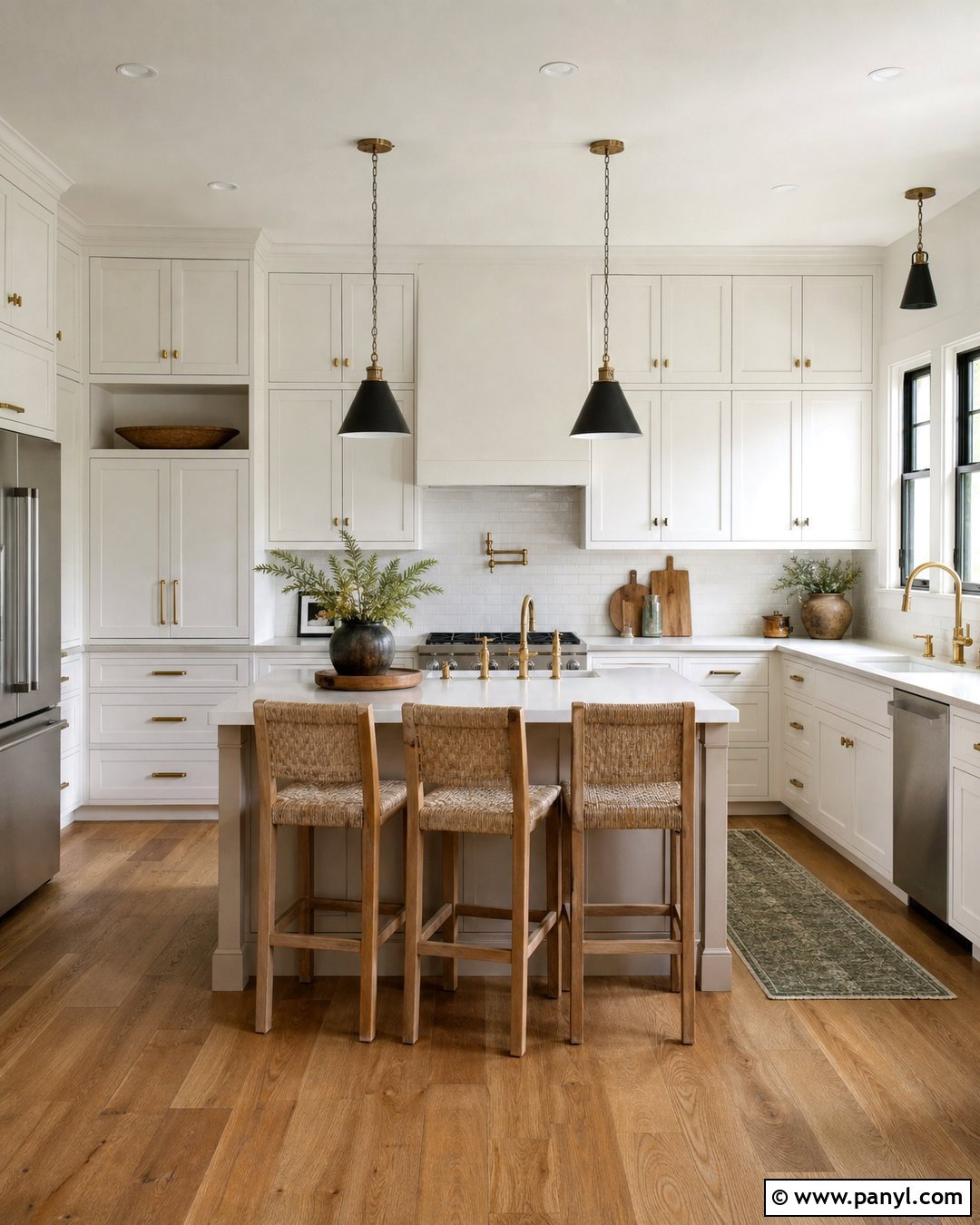
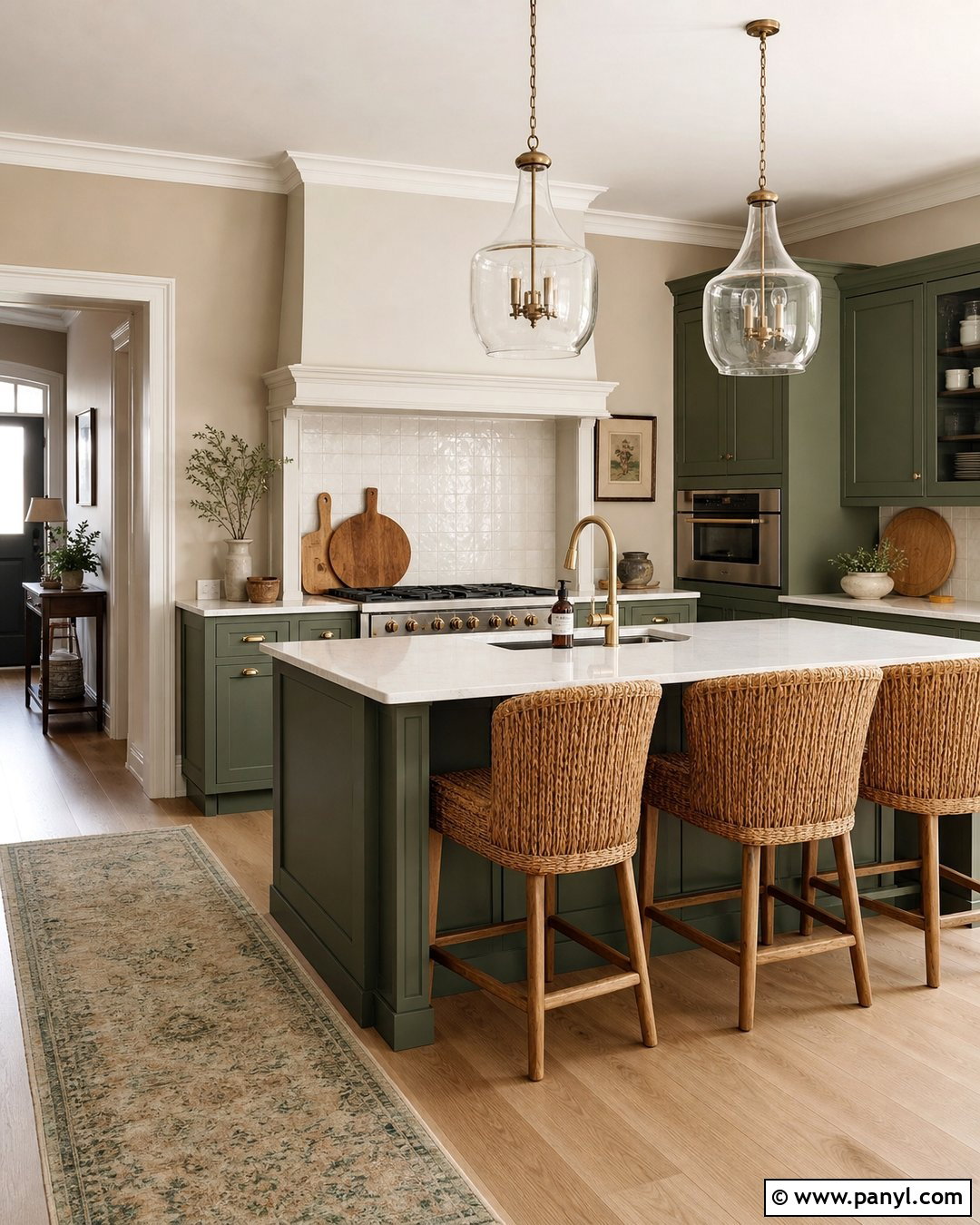
Neutral Ground walls add gentle warmth to a kitchen with white cabinetry. Select a creamy cabinet white instead of a highly reflective cool white, allowing the two colors to transition naturally. Pale quartz counters with restrained beige veining can connect the walls and cabinetry. For the backsplash, use handmade white subway tile with warm grout and a slightly uneven surface. Medium oak flooring prevents the room from feeling washed out, while brushed brass pulls introduce a polished accent. A pair of soft black pendant lights above the island gives the light palette definition. Finish the design with woven counter stools, natural wood cutting boards, neutral pottery, and one muted green runner. The complete kitchen feels bright, layered, and welcoming.
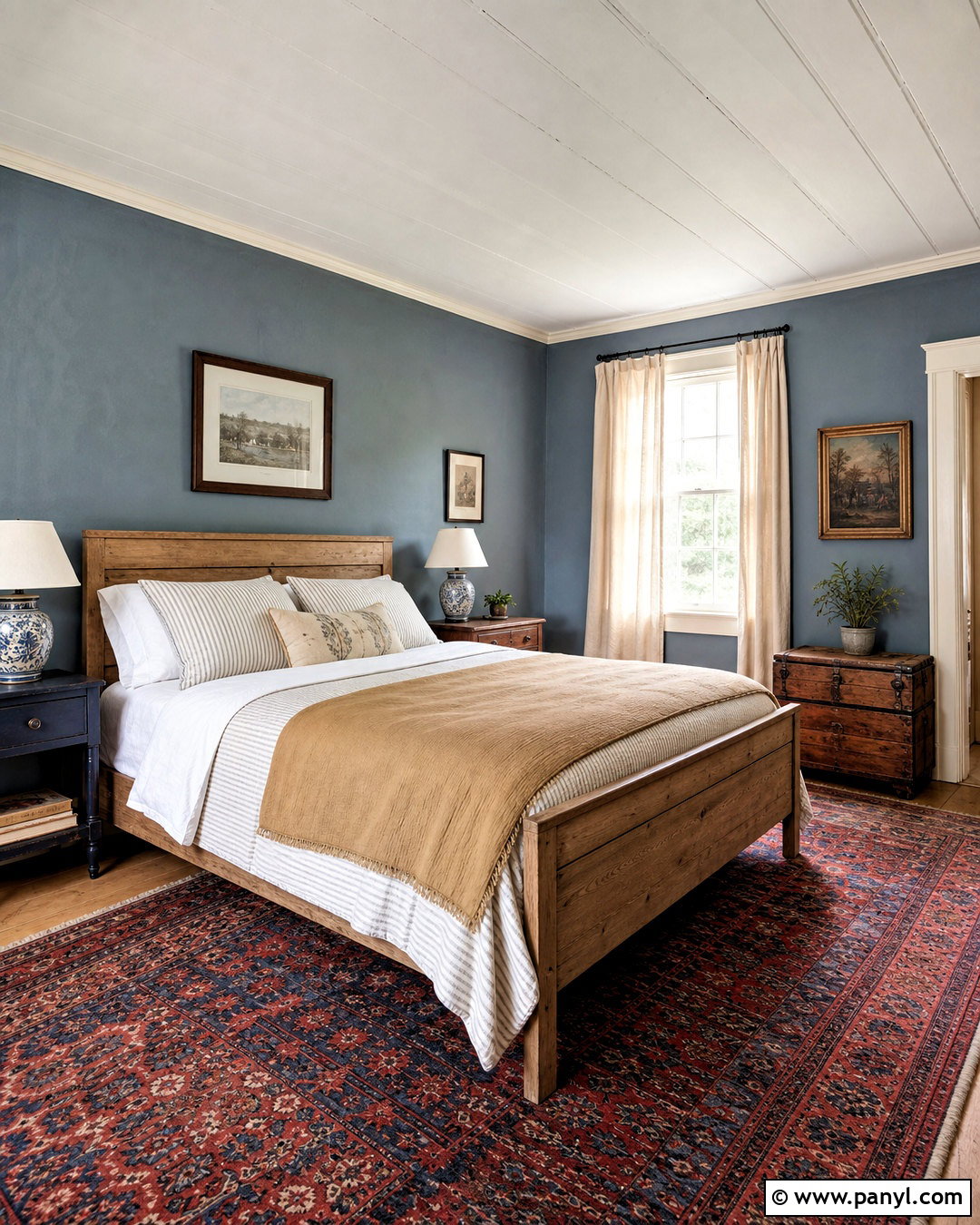
10. Neutral Ground Kitchen With Wood Cabinets
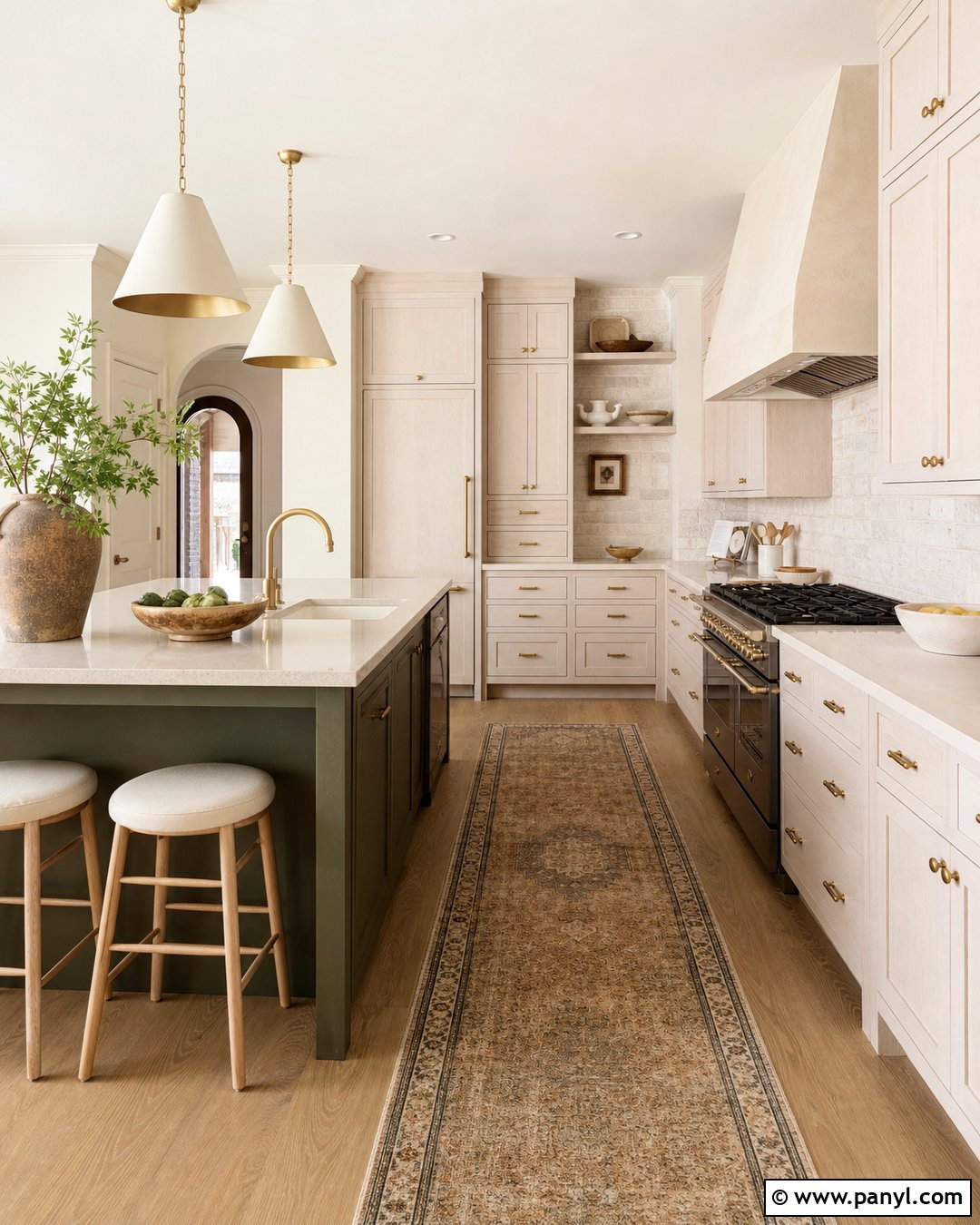
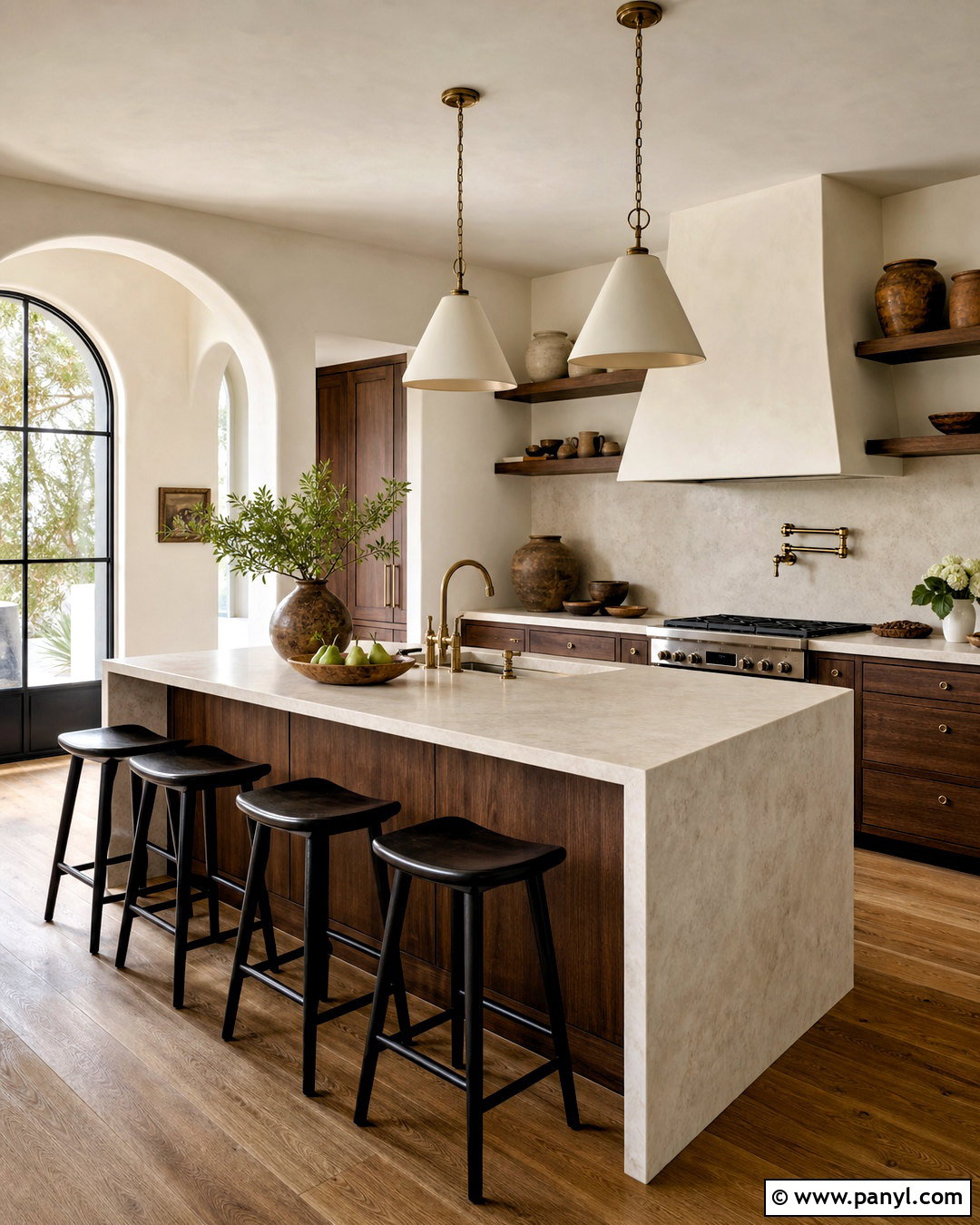
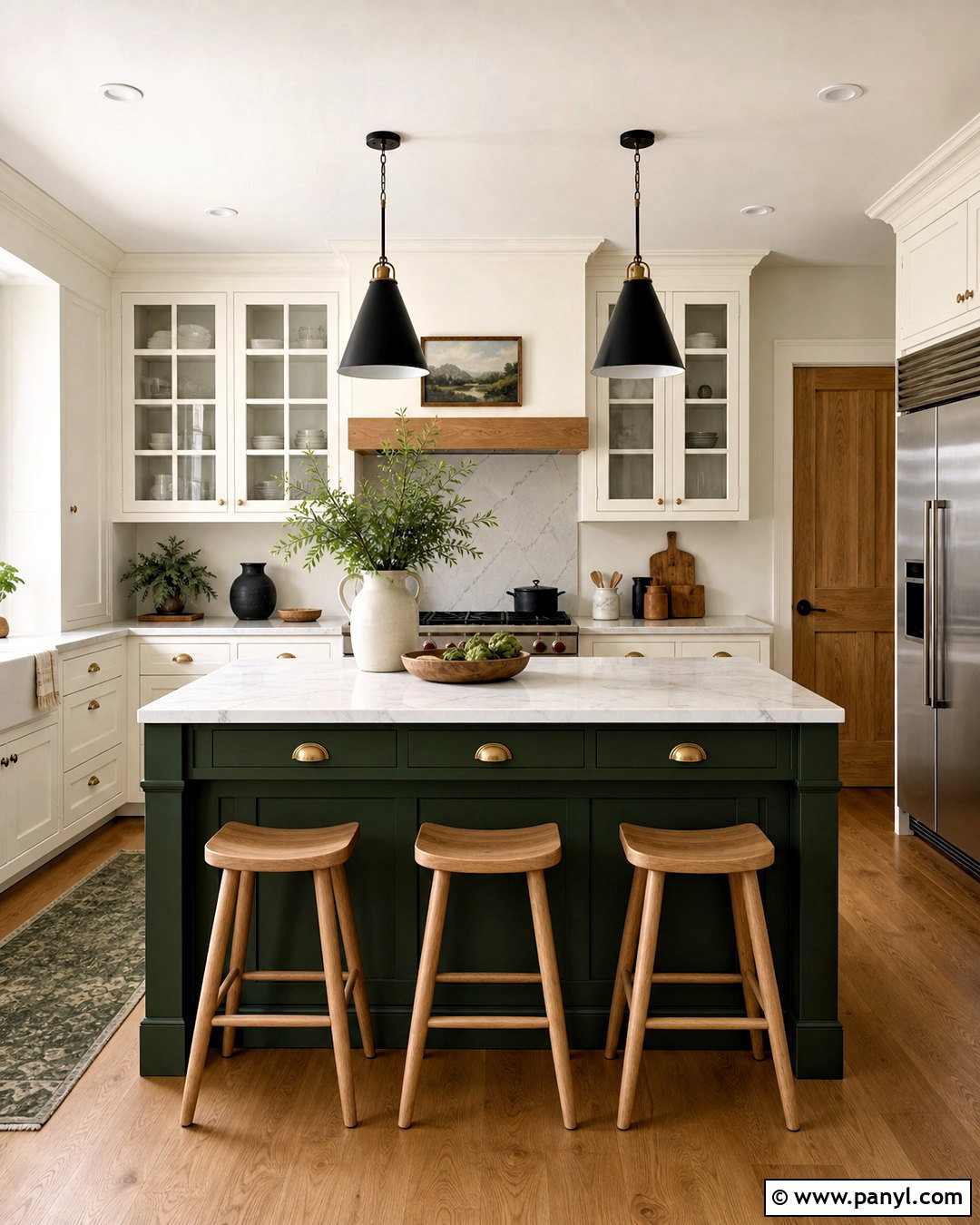
Warm wood cabinets and Neutral Ground walls form a naturally cohesive kitchen palette. Choose medium-tone white oak cabinetry with a matte finish and minimal hardware. Cream quartz countertops and a softly textured stone backsplash can keep the room light without introducing stark contrast. Use aged brass knobs, a plaster-style range hood, and warm white pendant lights to continue the understated look. If the kitchen includes an island, paint it deep olive or charcoal brown for balance. Wide-plank oak flooring should be slightly darker than the cabinets so each surface remains distinct. Complete the space with linen counter stools, handmade ceramic bowls, and a simple vintage-inspired runner. The walls quietly connect the wood, stone, metal, and painted elements.
11. Neutral Ground Dining Room Walls
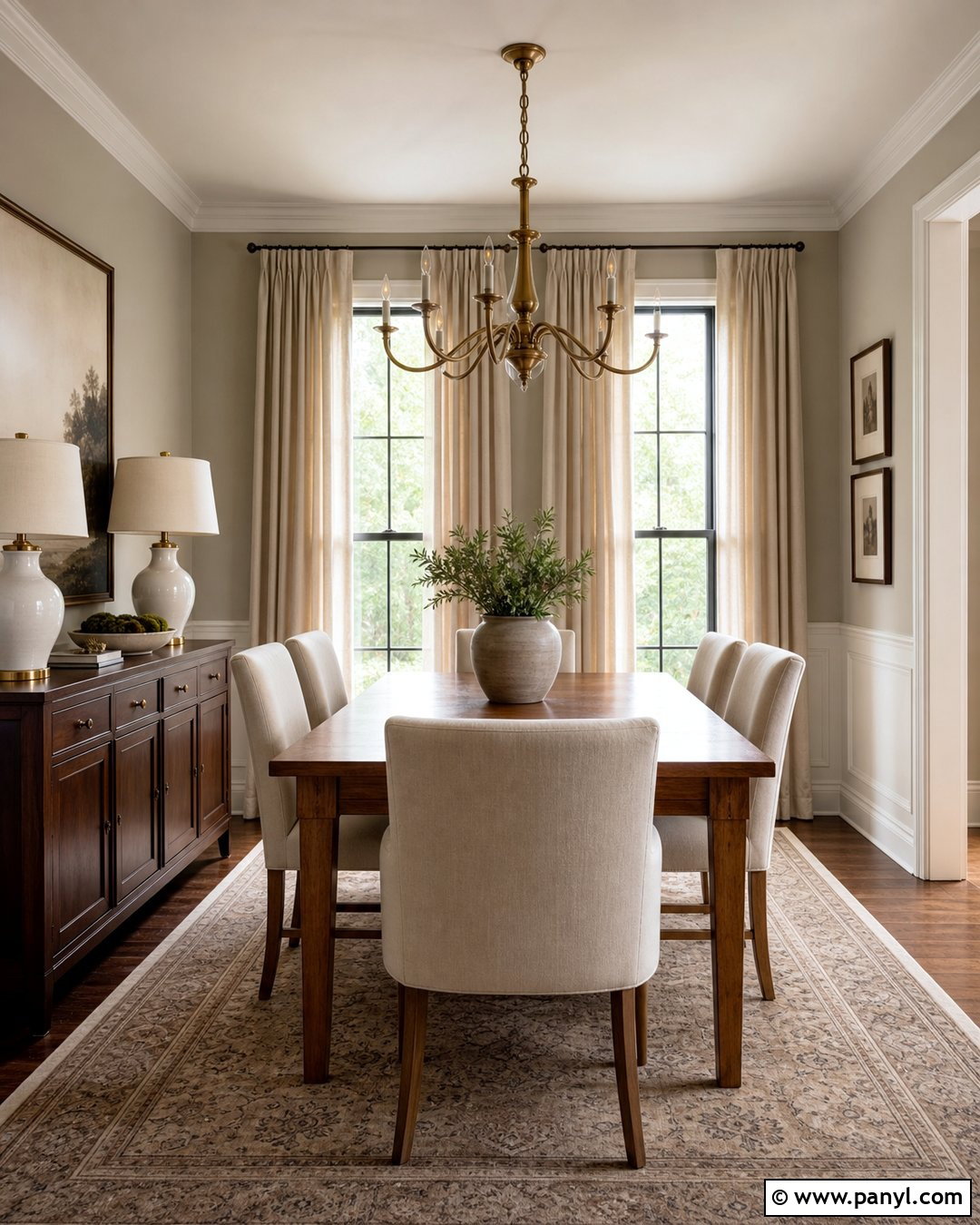
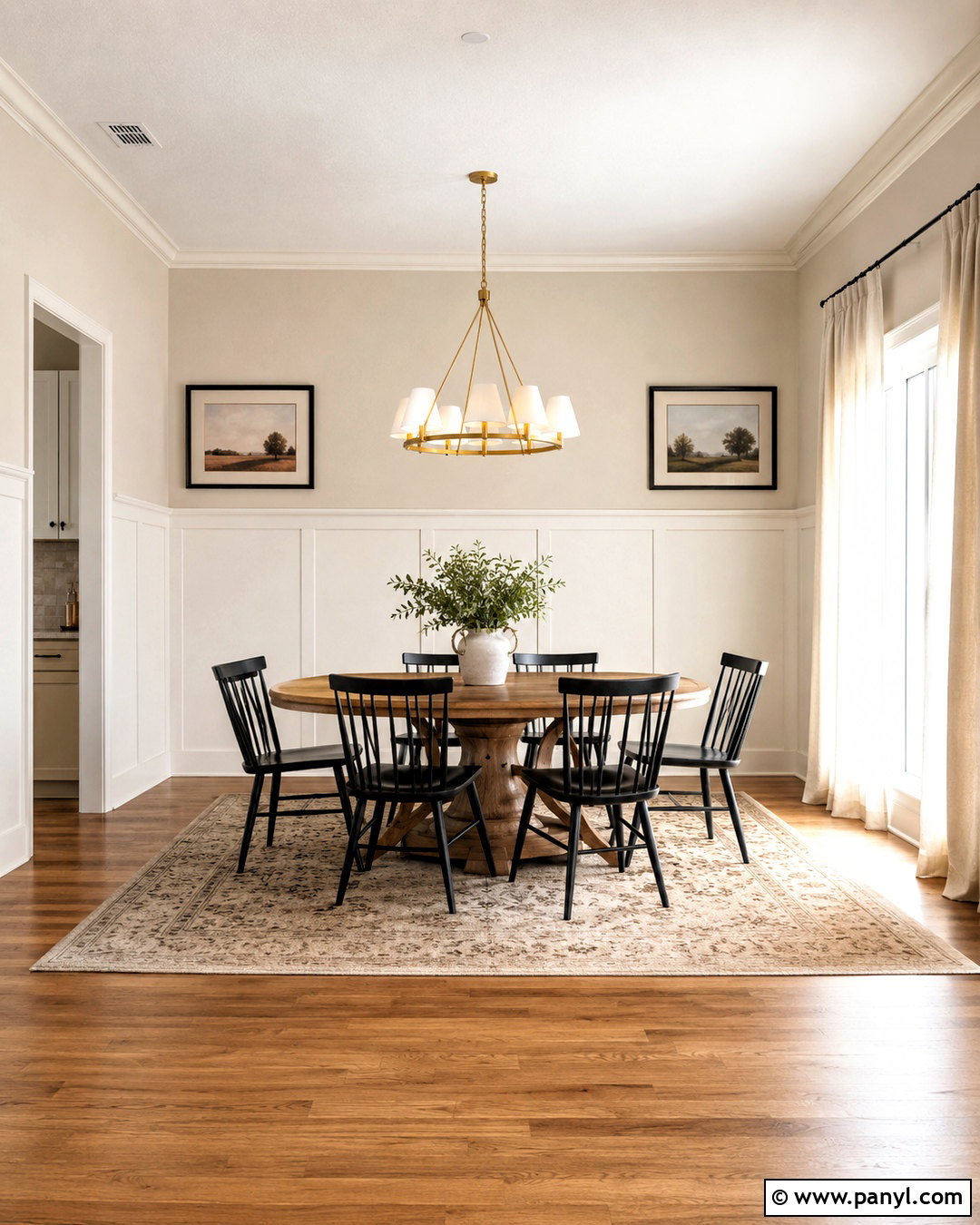
A dining room painted Neutral Ground can feel elegant without becoming formal or precious. Place a substantial medium oak table at the center and surround it with upholstered cream chairs or woven-seat wood chairs. Hang a black or aged brass chandelier low enough to define the table while preserving open sightlines. A large taupe rug with a faded traditional pattern can absorb sound and anchor the arrangement. Add full-height linen curtains that closely match the wall color. Against one wall, position a dark walnut sideboard topped with a ceramic lamp, framed artwork, and a few sculptural vessels. Warm white trim provides a clean edge. The mixture of pale walls, dark wood, natural fibers, and restrained metal accents creates comfortable contrast.
12. Neutral Ground Bathroom Walls
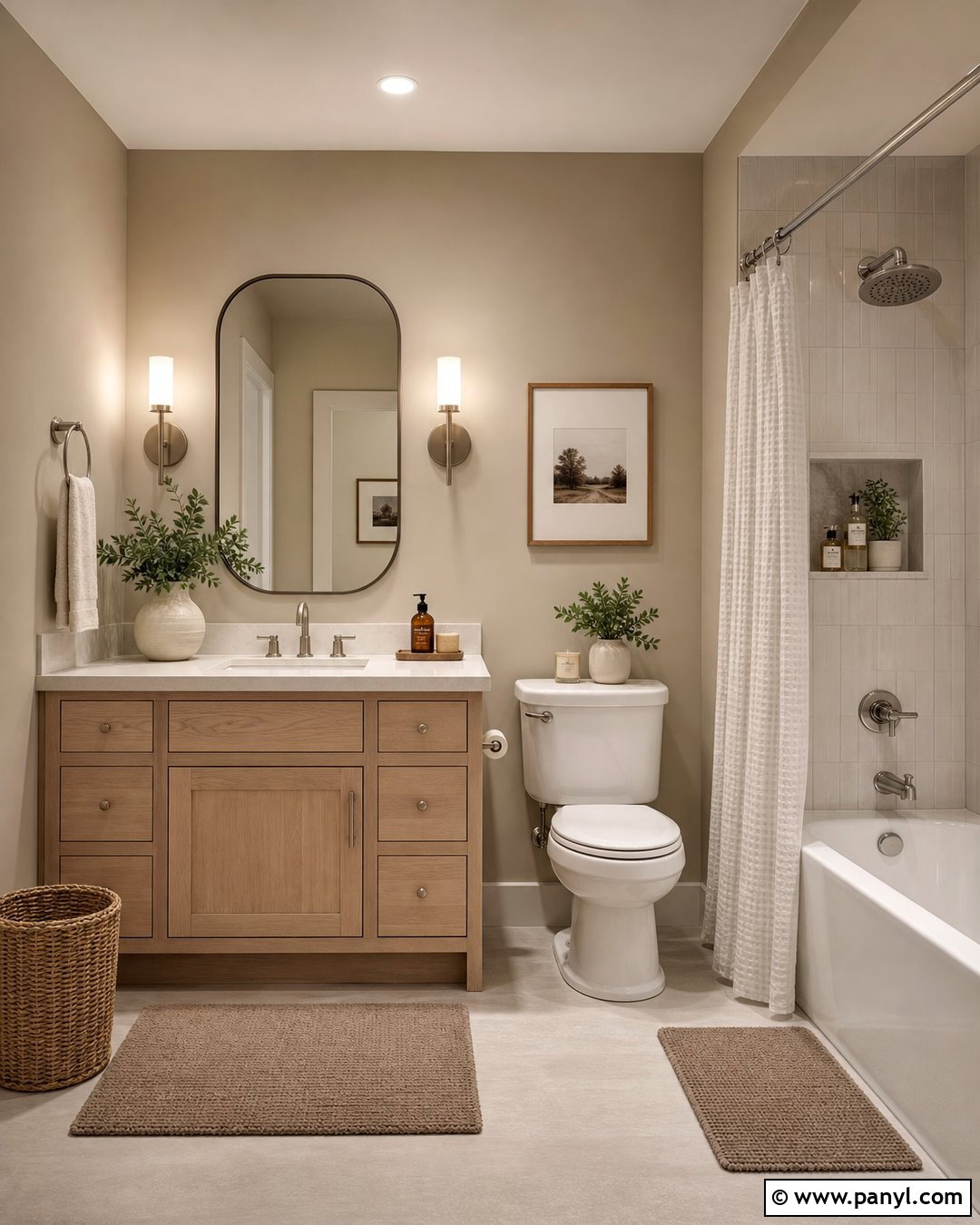
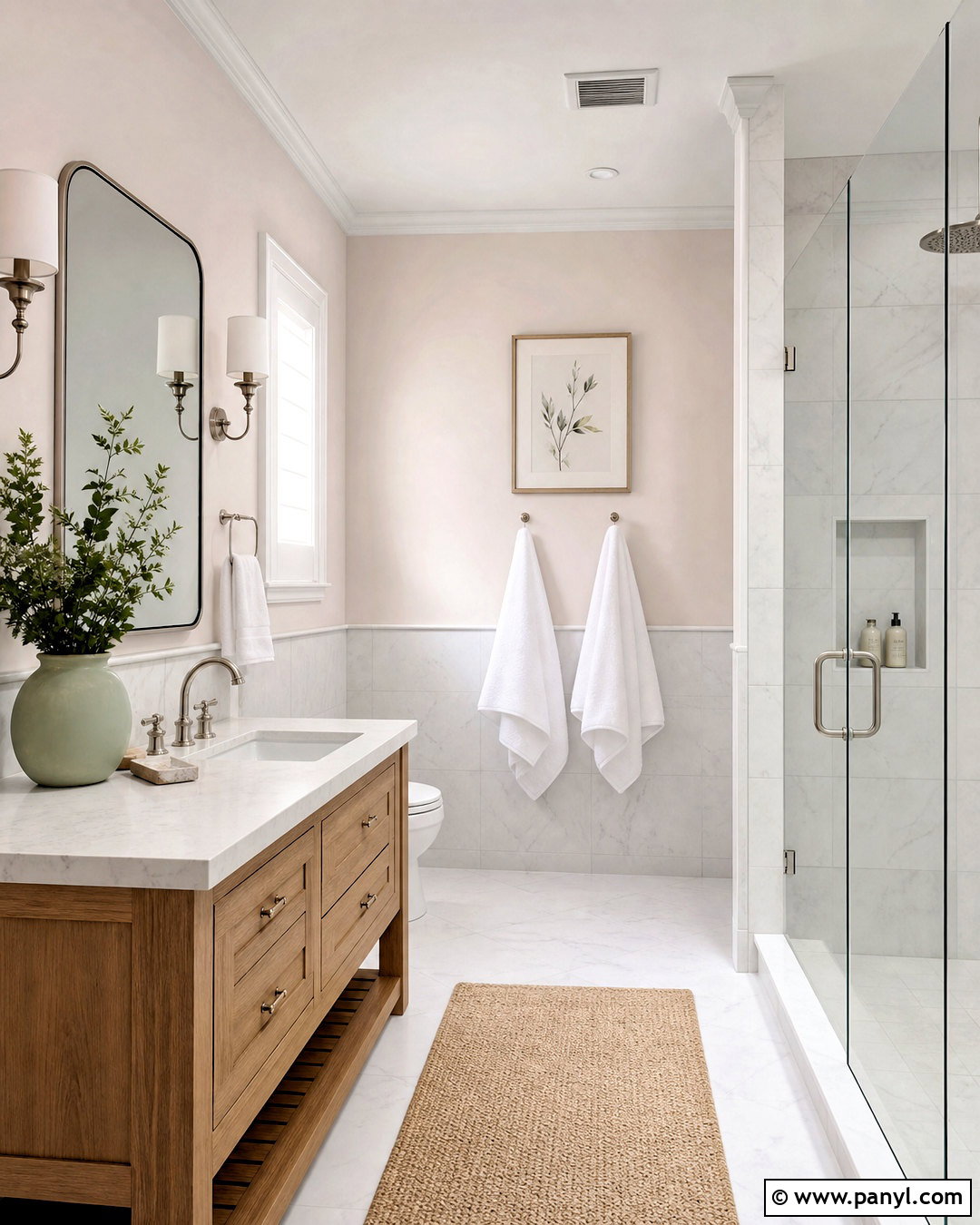
Neutral Ground walls can soften the hard surfaces commonly found in a bathroom. Pair the color with a white oak vanity, creamy quartz counter, and warm white undermount sink. Use off-white porcelain tile in the shower, adding light beige grout for a quiet transition. Brushed nickel fixtures keep the scheme fresh, while aged brass can create a warmer, more decorative effect. Hang a large rounded mirror above the vanity and install shaded sconces at eye level for balanced lighting. Add a waffle-textured white shower curtain, light taupe bath mats, and pale wood accessories. A small framed print and simple greenery provide finishing details. Use a bathroom-appropriate paint finish to make regular cleaning and moisture management easier.
13. Neutral Ground Powder Room Walls
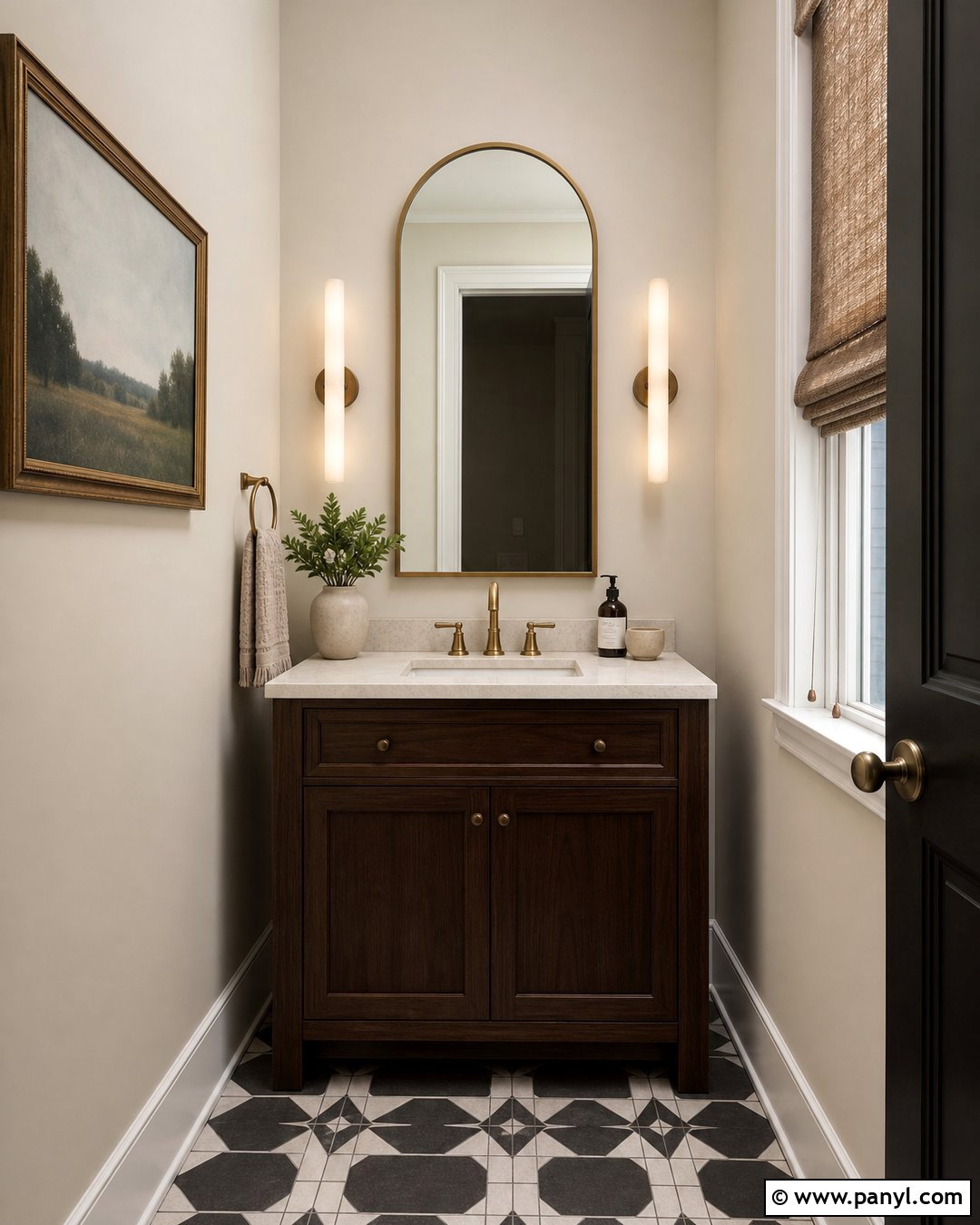
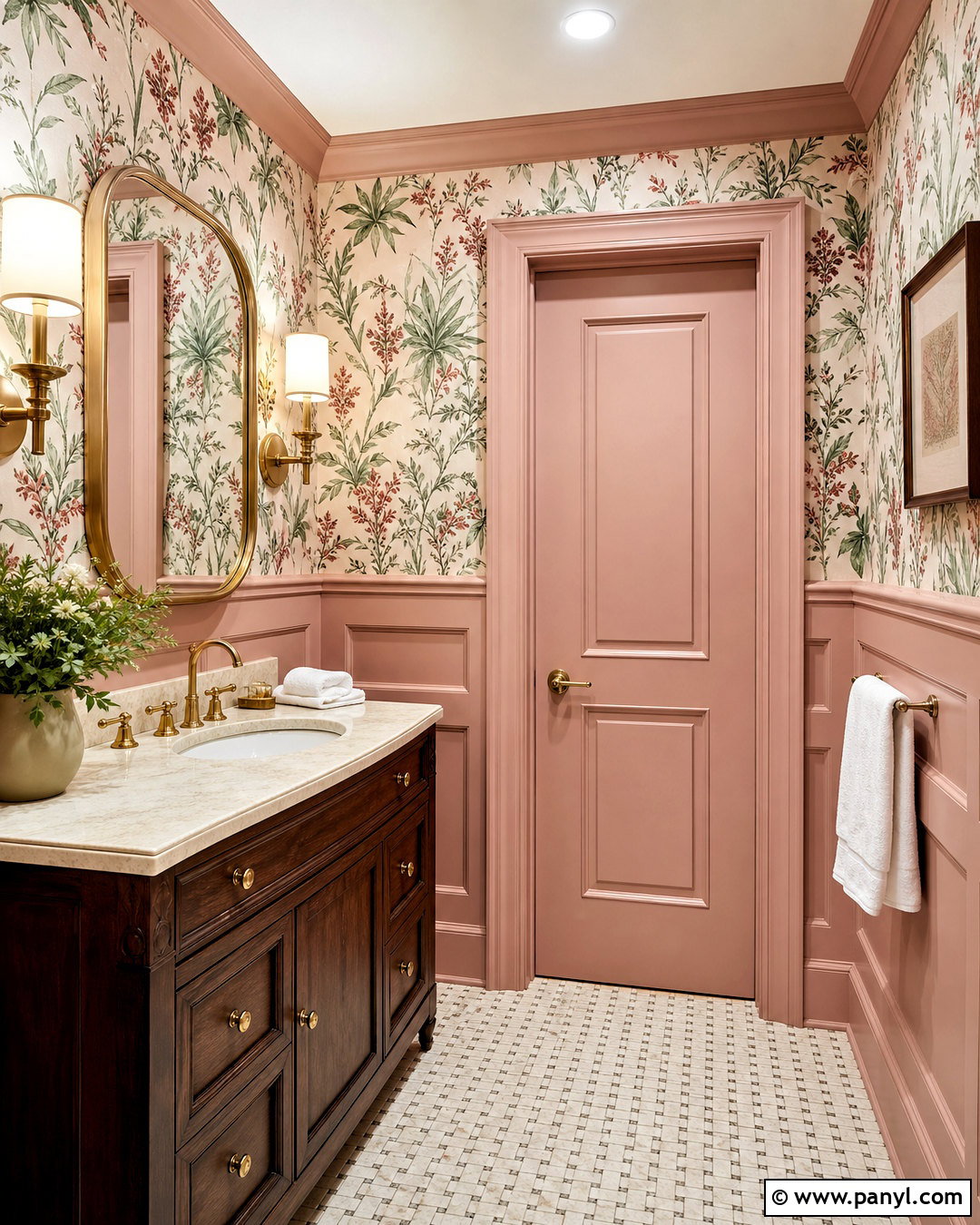
A powder room offers an opportunity to make Neutral Ground feel richer and more dramatic. Pair the warm walls with a compact dark walnut vanity, creamy stone counter, and aged brass faucet. A large arched mirror can visually expand the room while reflecting light from two narrow wall sconces. Use charcoal and ivory patterned floor tile to add movement without overwhelming the small footprint. Paint the ceiling and trim a warm white for a clean finish. A woven Roman shade adds texture if the room has a window. Complete the space with a sculptural soap dispenser, neatly folded hand towels, and one small framed landscape. The contrasting wood, metal, and patterned floor turn a practical room into a polished complete design.
14. Neutral Ground Home Office Walls
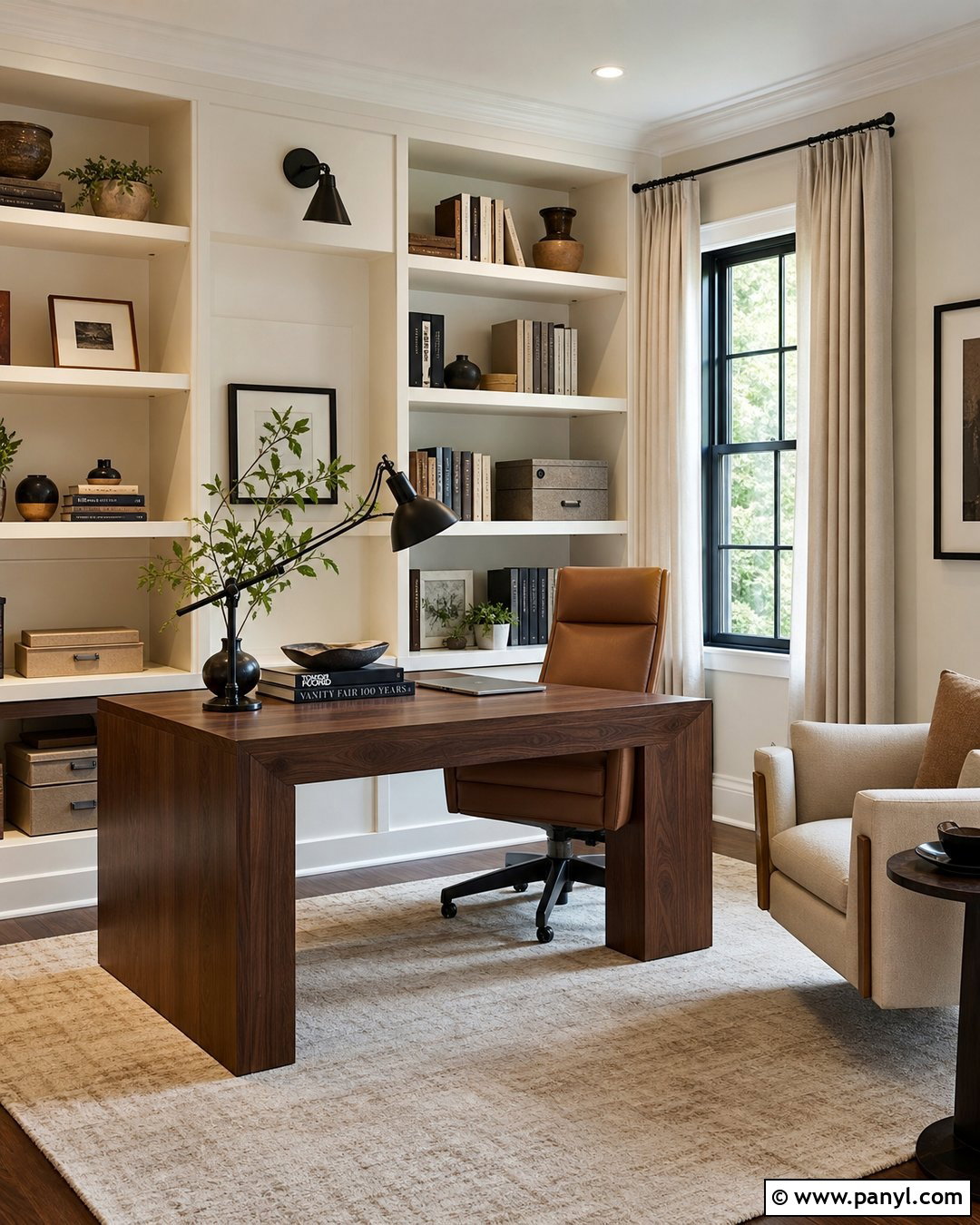
Neutral Ground creates a calm office backdrop that works with both professional furniture and comfortable residential details. Place a streamlined walnut desk where it receives natural light without facing strong screen glare. Add a supportive upholstered chair in camel, olive, or charcoal fabric. Built-in shelves painted warm white can provide contrast, while lower cabinets hide equipment and paperwork. Use a large cream rug to soften the floor and improve the room’s acoustics. Linen curtains filter harsh daylight, and an adjustable black desk lamp gives the workspace definition. Style the shelves with books, neutral storage boxes, pottery, and restrained artwork. A compact reading chair in one corner creates a second work zone without disrupting the clean, practical layout.
15. Neutral Ground Hallway Walls
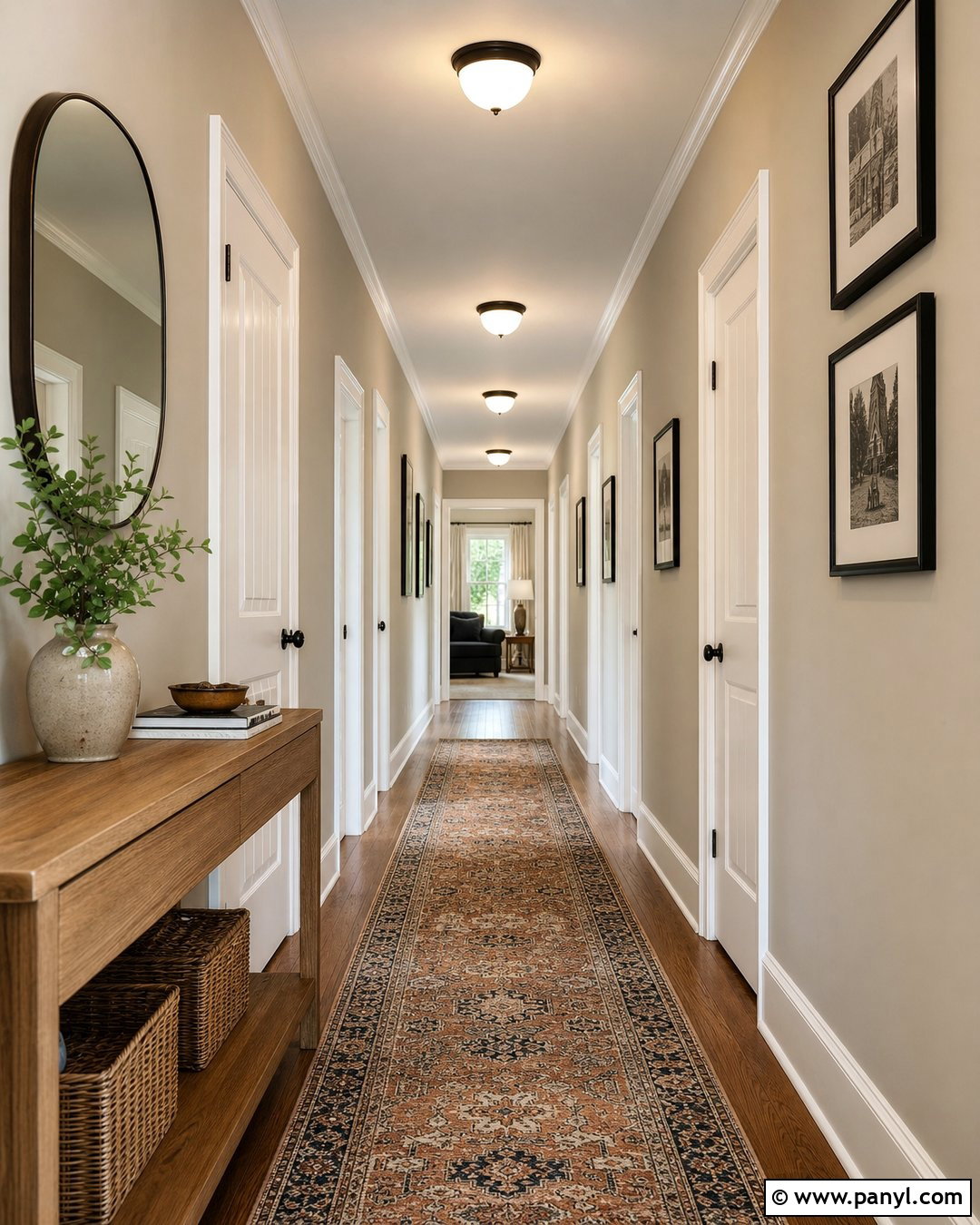
Hallways become warmer and more connected when Neutral Ground is carried along the full length of the walls. Use warm white trim and doors to create gentle definition, then repeat one consistent metal finish on every handle and light fixture. A narrow vintage-style runner in beige, rust, and faded charcoal gives the passage color and protects the floor. Install simple black or antique brass flush-mount lights at even intervals. If space allows, place a slim wood console near the entry end with a rounded mirror above it. A series of matching framed prints can create rhythm without making the corridor feel crowded. Keep the frames, runner, and lighting visually consistent so the hallway functions as a thoughtful connection between surrounding rooms.
16. Neutral Ground Entryway Walls
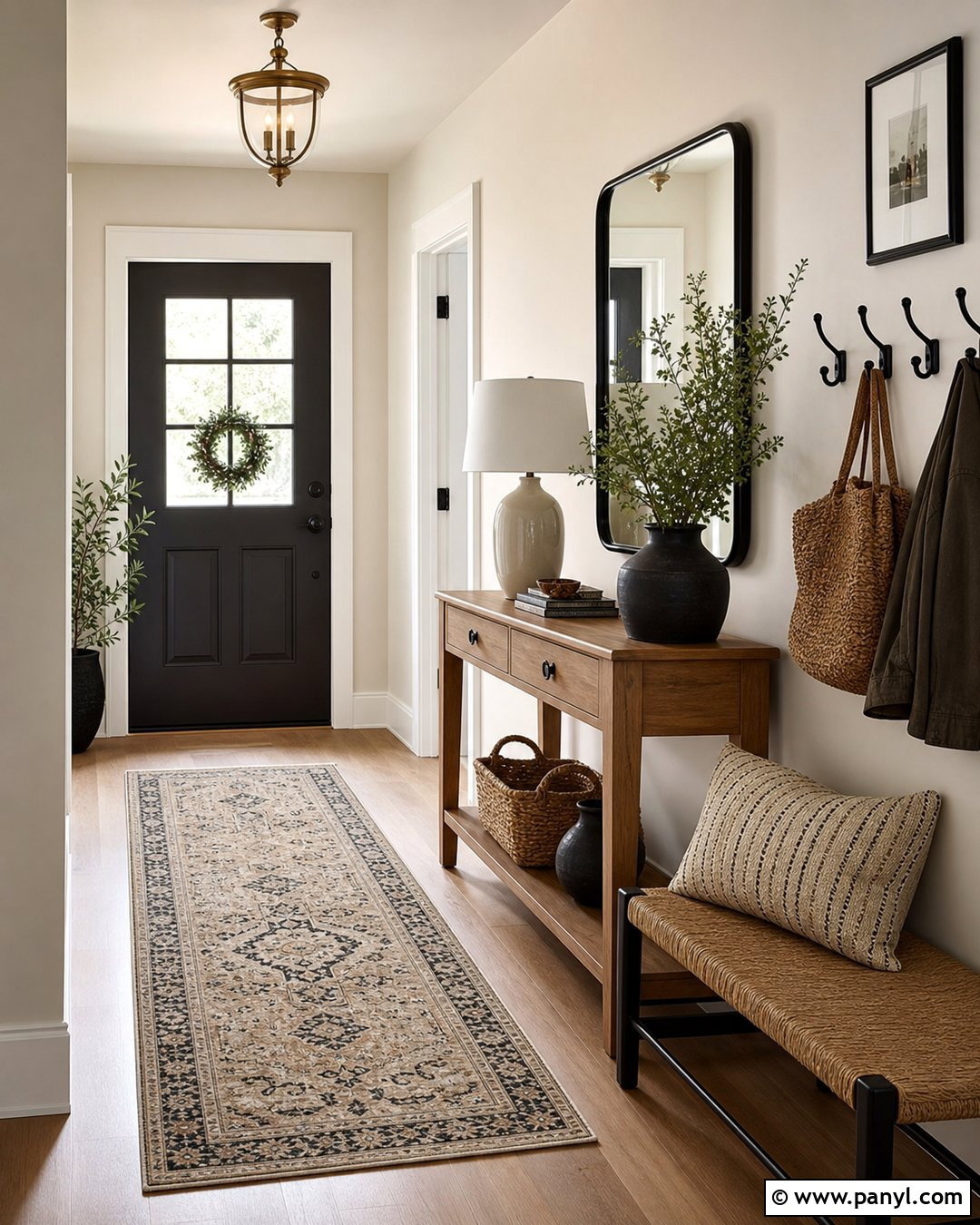
A welcoming entryway starts with Neutral Ground walls and a clear arrangement for daily storage. Place a medium oak console against the main wall with a large black-framed mirror above it. Add a ceramic lamp, shallow bowl for small belongings, and one leafy branch for height. A woven bench with concealed shoe storage can sit near the door, accompanied by sturdy black hooks. Use a beige and charcoal runner that can handle regular foot traffic. Paint the interior door deep bronze, muted olive, or warm black to create a strong focal point against the pale walls. Warm white trim and a simple brass ceiling light complete the palette. The finished entry should feel attractive while making coats, shoes, and bags easy to manage.
17. Neutral Ground Basement Walls
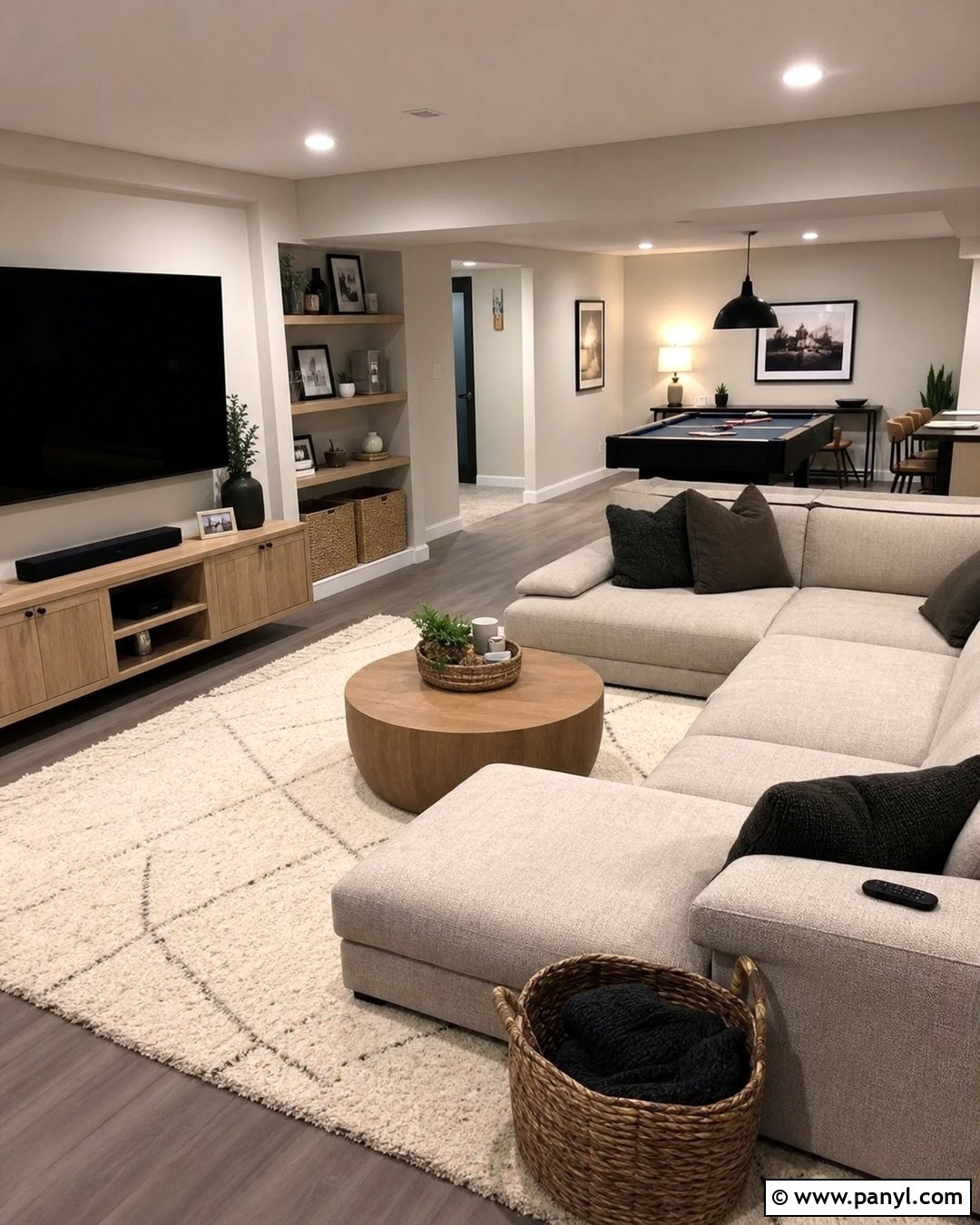
Neutral Ground can make a finished basement feel lighter, particularly when natural daylight is limited. Support the warm wall color with bright white ceilings, layered lighting, and pale flooring. Use recessed ceiling lights for overall illumination, then add shaded table and floor lamps to prevent a flat appearance. A light greige sectional, washable ivory rug, and pale oak media console create a relaxed family area. Introduce contrast through charcoal pillows, black picture frames, and dark metal hardware. If the basement contains support columns or built-ins, paint them the same Neutral Ground color to reduce visual interruptions. Add warm wood shelving, closed storage baskets, and a game table to create an organized multipurpose room instead of an unfinished-looking lower level.
18. Neutral Ground Laundry Room Walls
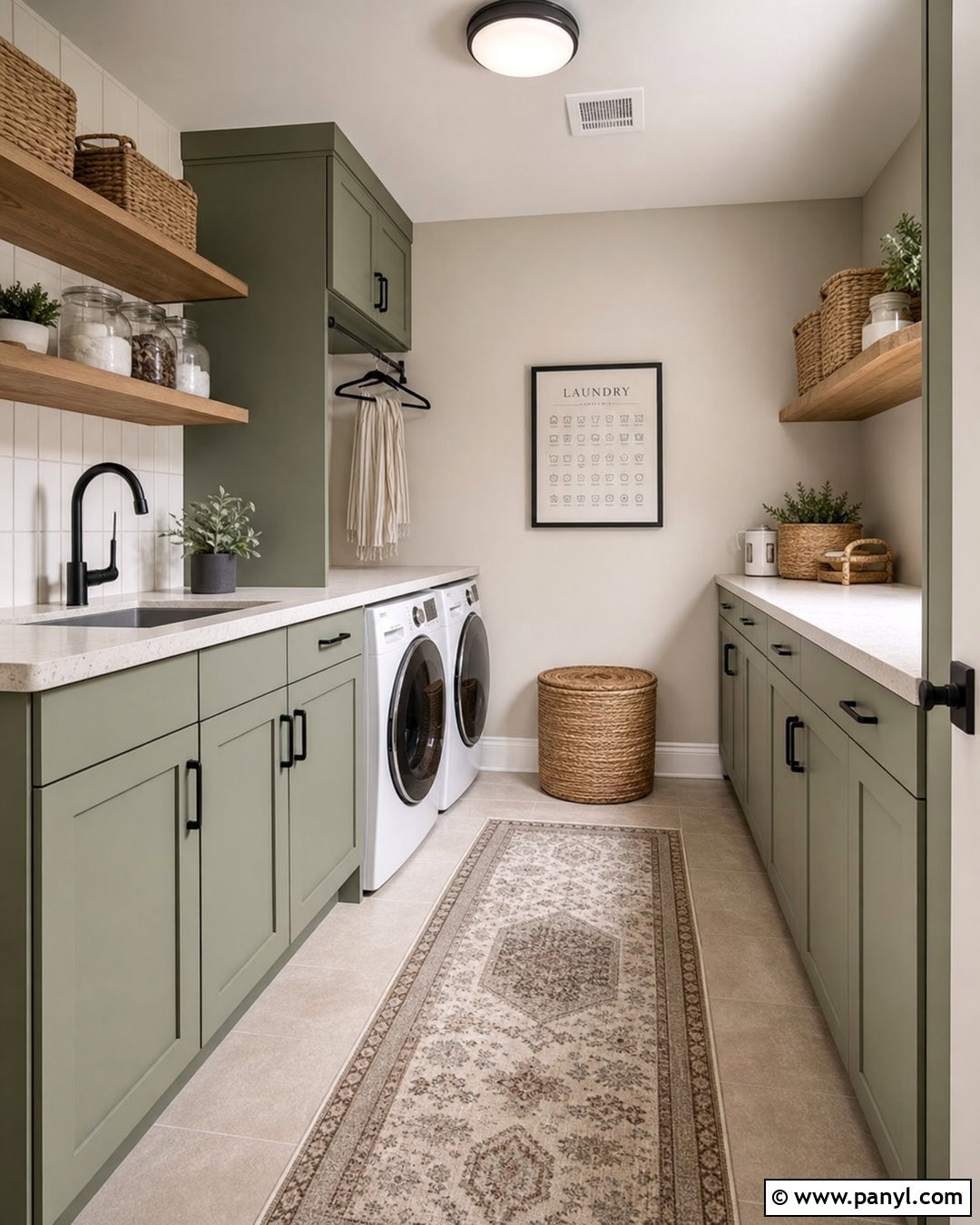
Turn a laundry room into a pleasant workspace by combining Neutral Ground walls with durable storage and warm finishes. Install upper cabinets in creamy white or muted sage, then add a light quartz folding counter above the appliances. A vertical white tile backsplash protects the wall while subtly reflecting light. Use black cabinet pulls and a matching hanging rod to give the pale palette structure. Warm wood floating shelves can hold glass containers, woven baskets, and neatly folded linens. Choose beige porcelain floor tile or a washable patterned runner for practicality. A deep utility sink and bright ceiling fixture improve function. The finished room should provide clear areas for sorting, washing, drying, folding, and storing supplies without looking overcrowded.
19. Neutral Ground Mudroom Walls
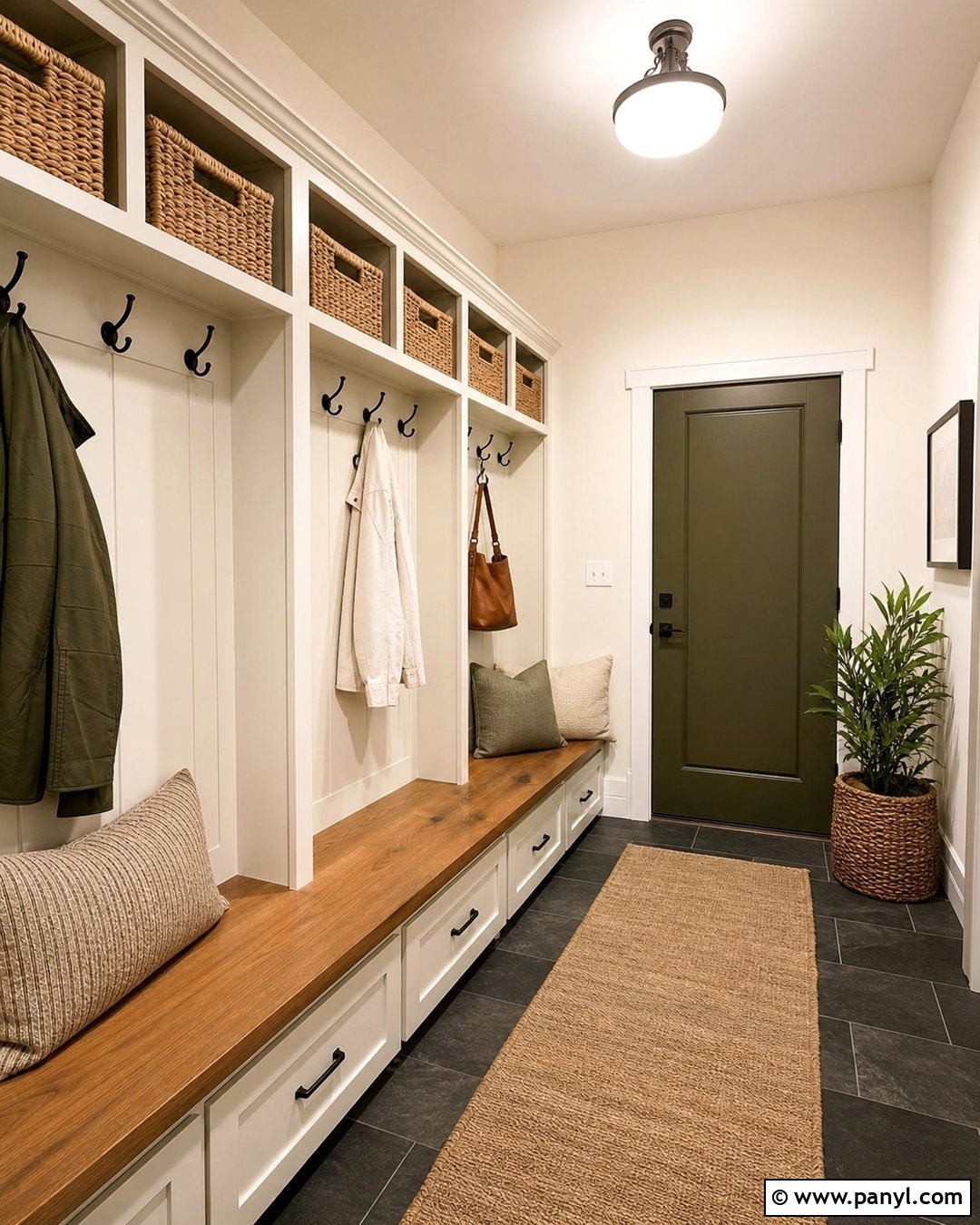
Neutral Ground walls bring warmth to a mudroom filled with hardworking storage. Build a row of creamy white lockers or open cubbies along one side, including hooks, upper shelves, and closed drawers beneath the bench. Use a natural oak bench seat to create contrast and withstand daily wear. Large slate-look porcelain floor tiles help disguise dirt, while a washable beige runner softens the pathway. Add matte black hardware, sturdy baskets, and labeled containers with a clean, uniform appearance. A dark olive interior door can provide an earthy focal point. Finish the space with bright overhead lighting and a narrow shelf for everyday items. Every decorative choice should support the room’s main purpose: keeping shoes, coats, bags, and outdoor gear organized.
20. Neutral Ground Sunroom Walls
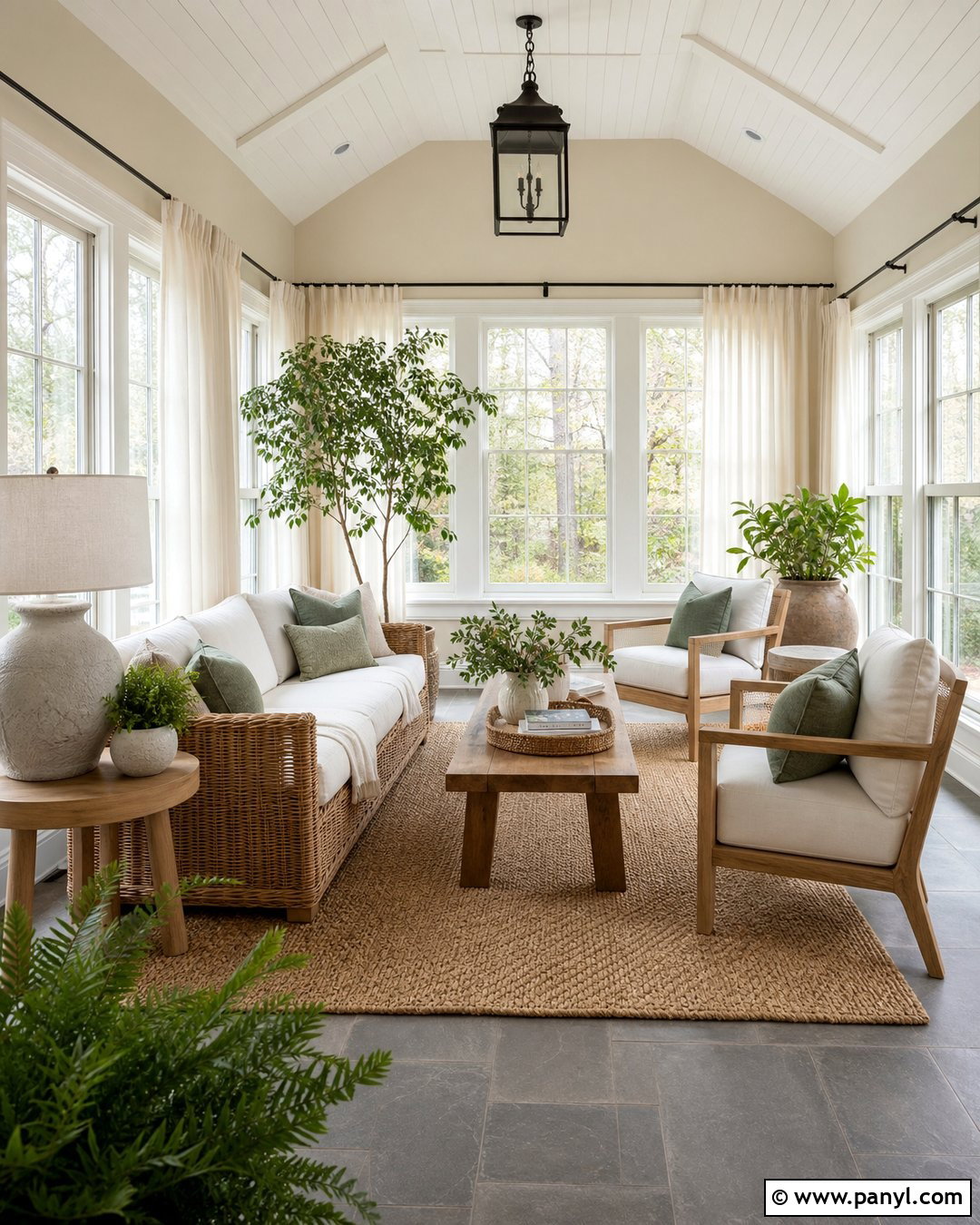
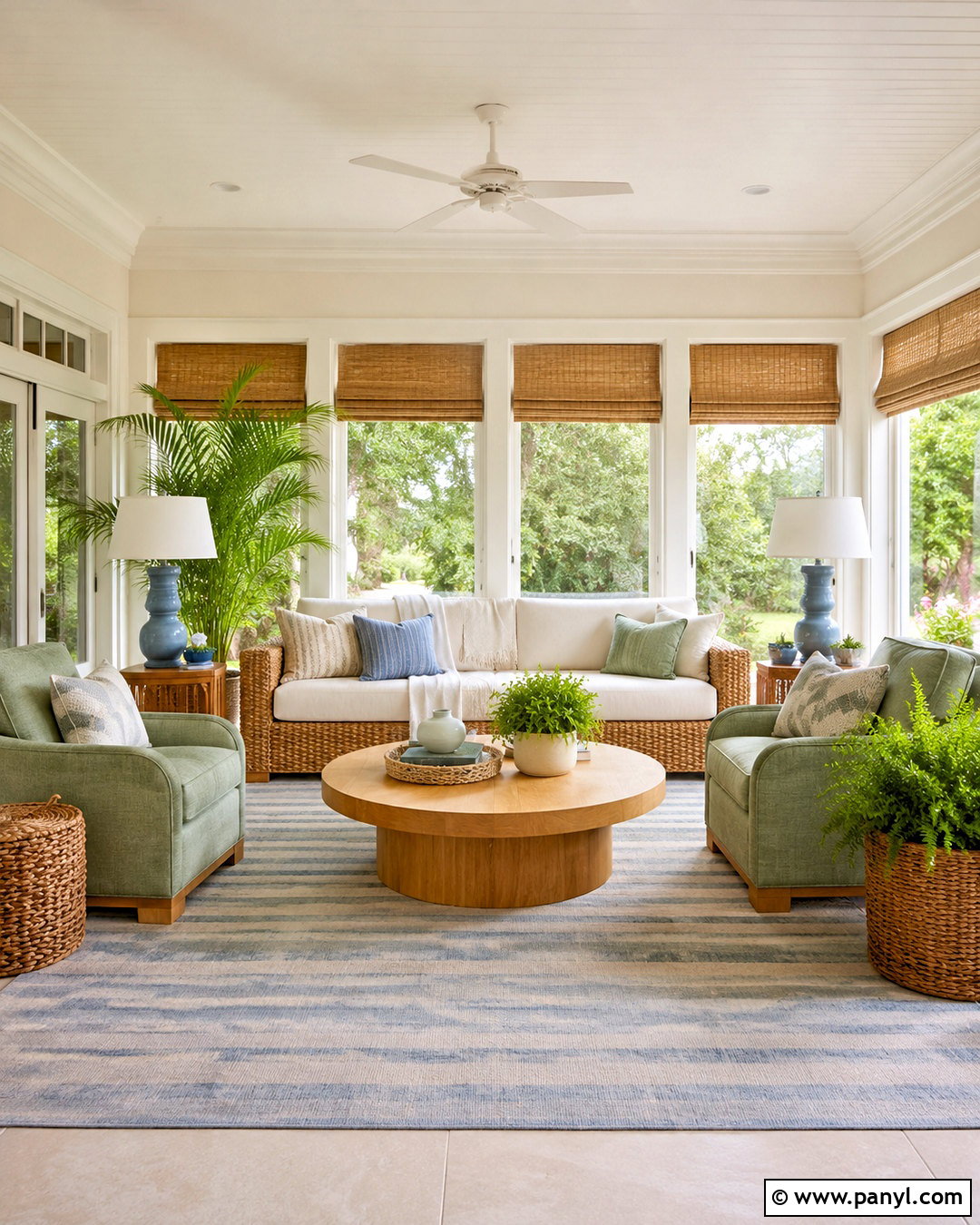
Sun-filled spaces bring out the lighter side of Neutral Ground, creating a soft background for natural textures and outdoor views. Furnish the room with a woven rattan sofa, two light wood chairs, and cushions covered in ivory performance fabric. Place a large jute or flat-weave rug beneath the conversation area. Flowing white linen curtains can reduce glare while maintaining the bright atmosphere. Introduce muted green through pillows, planters, and leafy indoor plants. A pale oak coffee table and ceramic garden stool add practical surfaces without creating visual weight. Keep window trim warm white for clear but gentle contrast. The result should feel connected to the landscape, with durable materials and an airy arrangement that remains comfortable throughout the year.
21. Neutral Ground Family Room Walls
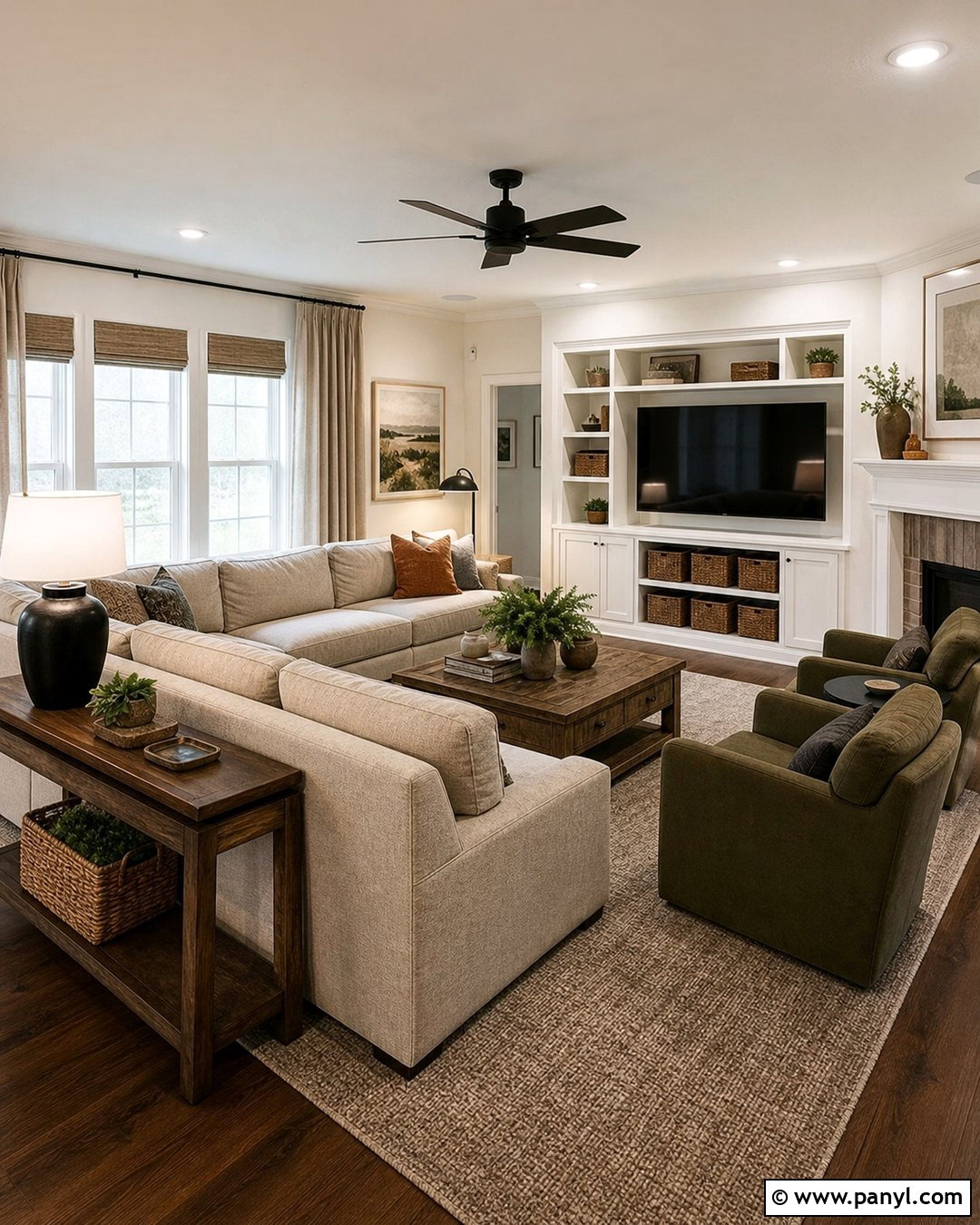
A busy family room needs comfortable furniture, practical storage, and a wall color that can support changing accessories. Neutral Ground provides a flexible base for a deep oatmeal sectional, washable taupe rug, and sturdy oak coffee table. Add a pair of leather or olive fabric chairs to create a complete conversation area. Built-in cabinets painted warm white can frame the television and conceal electronics, games, and toys. Use lidded woven baskets on the lower shelves for easy cleanup. Layer the sectional with rust, cream, and charcoal pillows that can withstand everyday use. Black metal lamps and curtain rods introduce definition. The complete design feels relaxed and coordinated while remaining durable enough for regular gatherings, hobbies, and quiet evenings.
22. Neutral Ground Fireplace Living Room
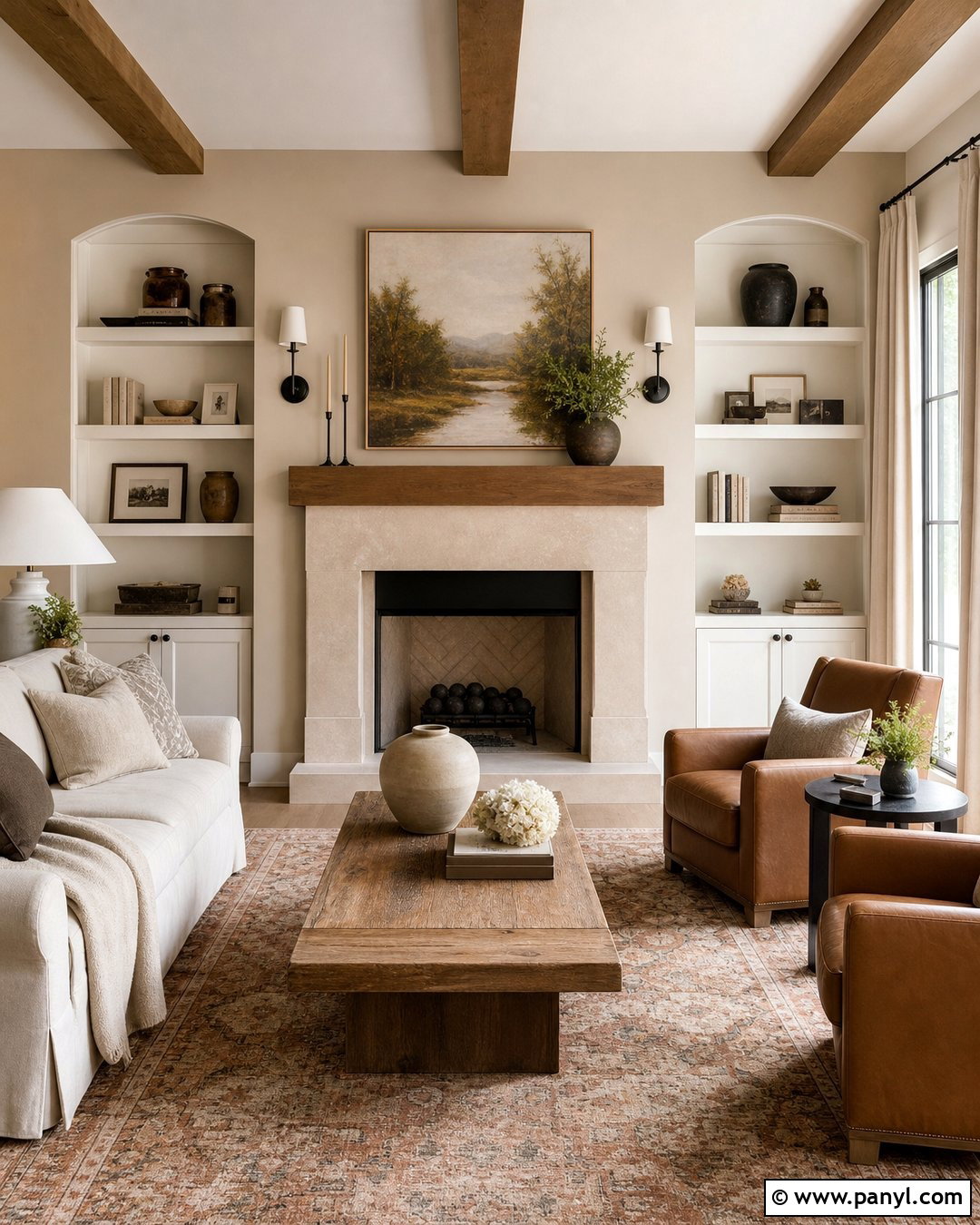
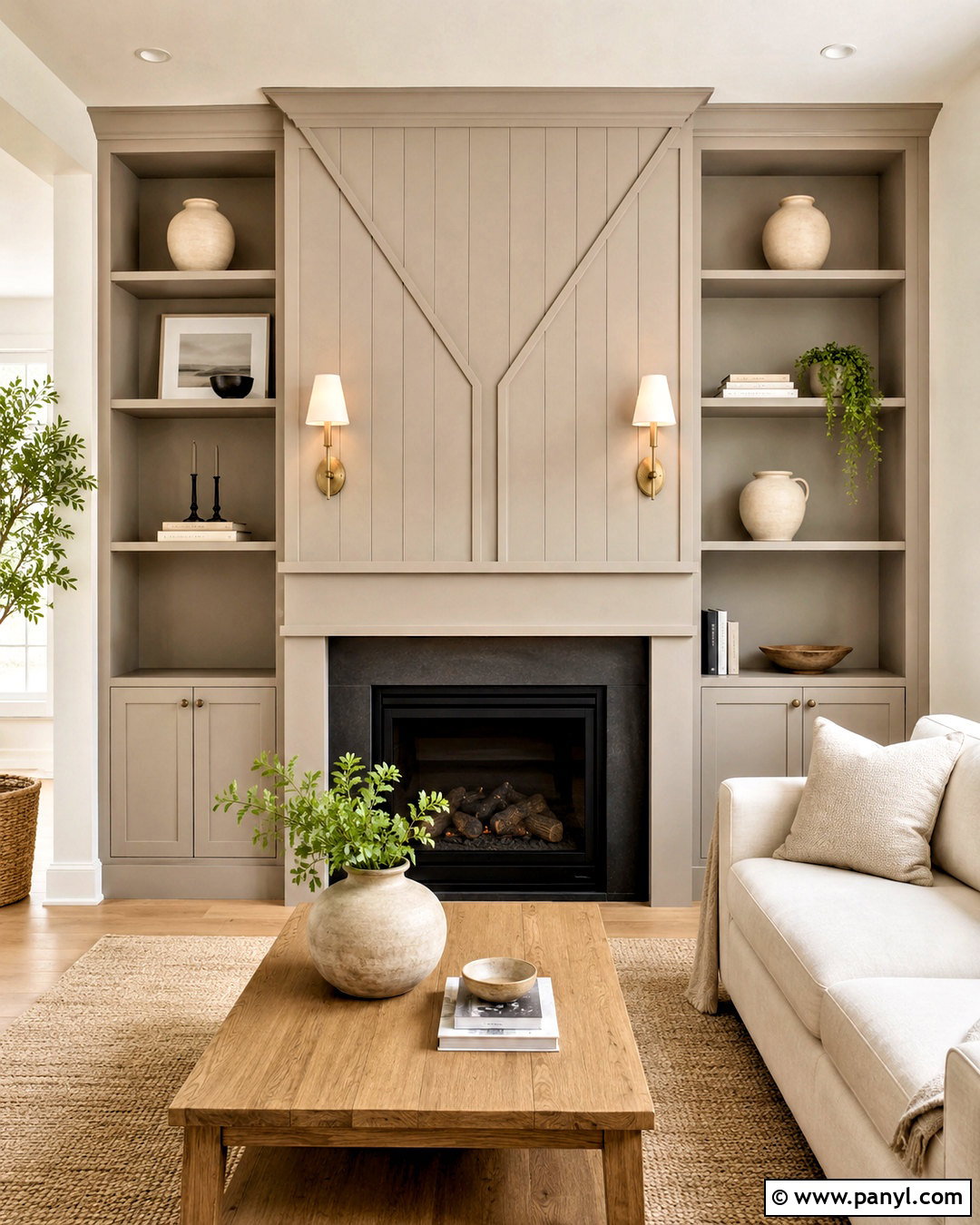
A fireplace becomes an attractive focal point when Neutral Ground walls are balanced with textured masonry and warm furnishings. Cover the fireplace surround in creamy limestone, pale brick, or lightly veined stone, then add a thick oak mantel. Paint built-in cabinets on both sides a warm white or muted mushroom color. Arrange an ivory sofa and two camel leather chairs around a rectangular wood coffee table. A faded beige and rust rug connects the upholstery to the wall color. Choose black fireplace tools, sconces, and curtain rods for restrained contrast. Display one large landscape above the mantel rather than many small objects. Soft linen drapes and simple ceramic accessories complete a layered room that feels warm without appearing overly beige.
23. Neutral Ground Boho Room
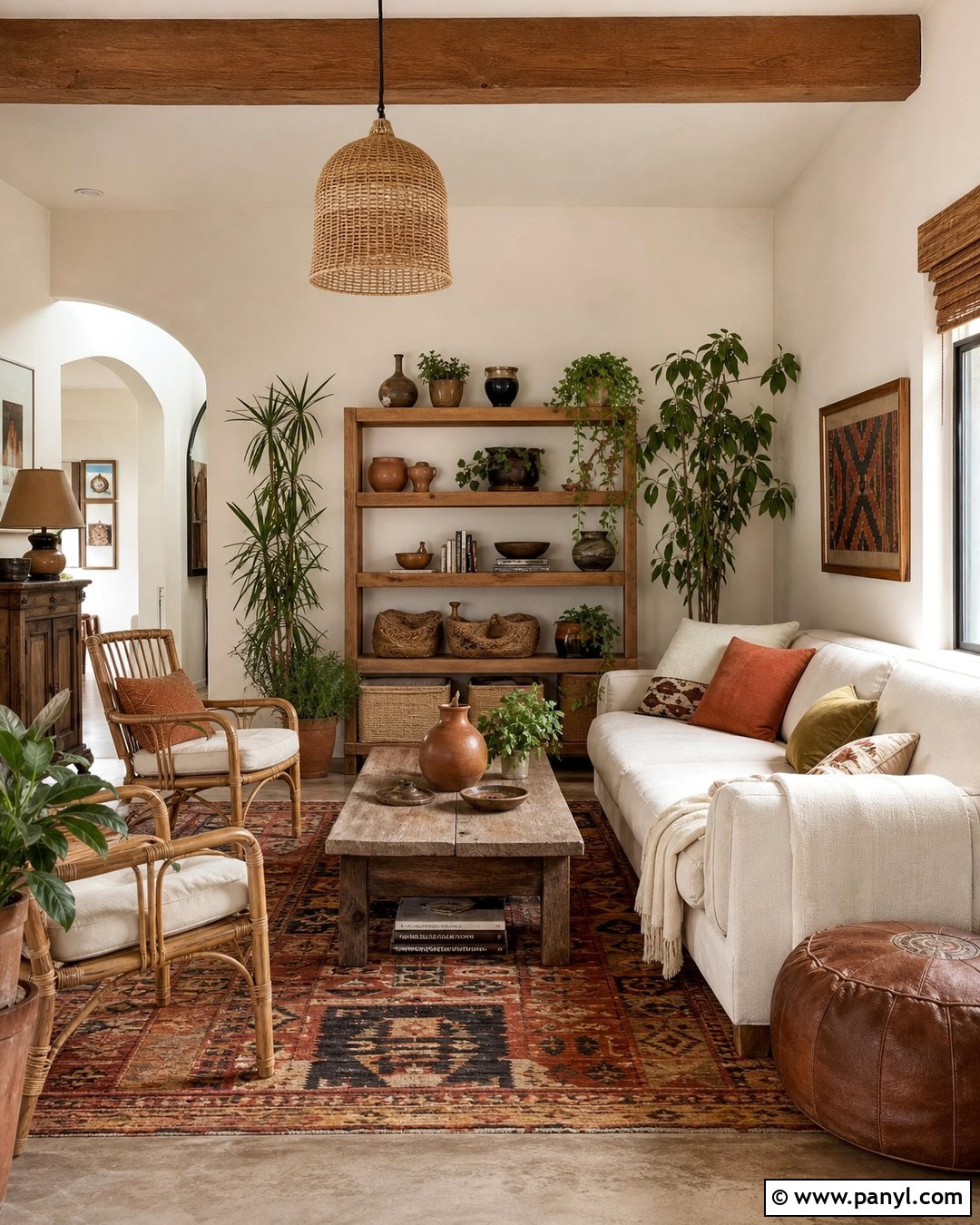
Neutral Ground walls can support a boho-inspired room without letting the layered decor become visually overwhelming. Start with a low cream sofa, vintage wood coffee table, and large woven rug in faded rust, sand, and charcoal. Add rattan chairs, linen curtains, and mixed pillows in terracotta, olive, and warm beige. Keep the palette controlled even when combining patterns. A tall plant and several smaller ceramic planters bring life to empty corners. Use warm wood shelving to display books, pottery, baskets, and collected objects with space between them. A simple woven pendant light completes the relaxed arrangement. The pale walls help unify the varied materials, making the finished room feel personal and comfortable rather than crowded or chaotic.
24. Neutral Ground Coastal Room
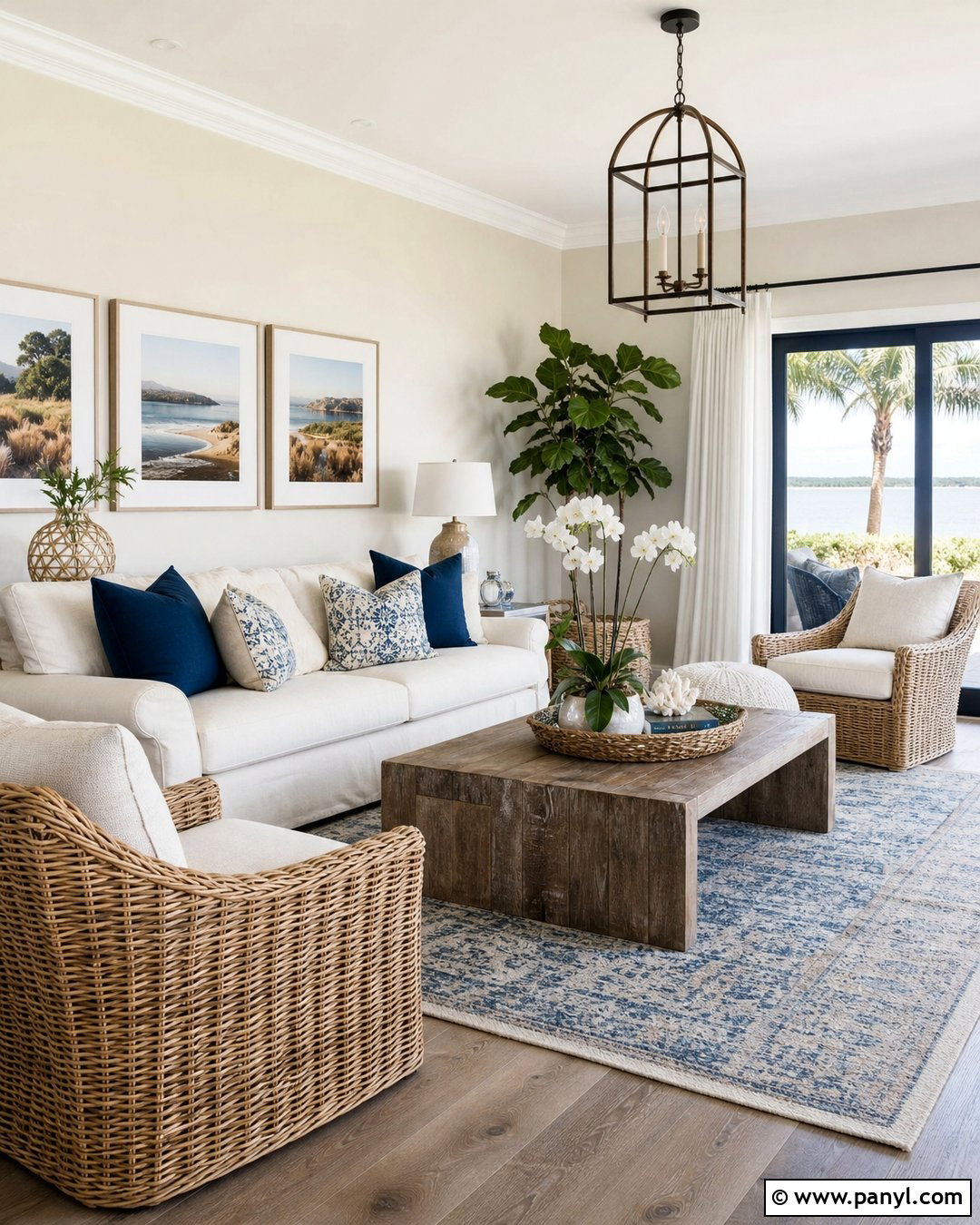
For a subtle coastal interior, combine Neutral Ground walls with sandy textiles, pale wood, and restrained blue accents. Choose a slipcovered ivory sofa and two woven armchairs arranged around a weathered oak coffee table. Add a flat-weave rug in beige and soft blue, then use navy sparingly through pillows or a ceramic lamp. Full-length white curtains should feel light and breezy without becoming sheer enough to sacrifice privacy. Include natural rope, rattan, and seagrass in small amounts rather than using themed nautical decorations. Warm white trim keeps the room fresh, while framed landscape photography introduces a quiet connection to the coast. The complete look feels relaxed and bright enough for everyday living in any location.
25. Neutral Ground Traditional Living Room
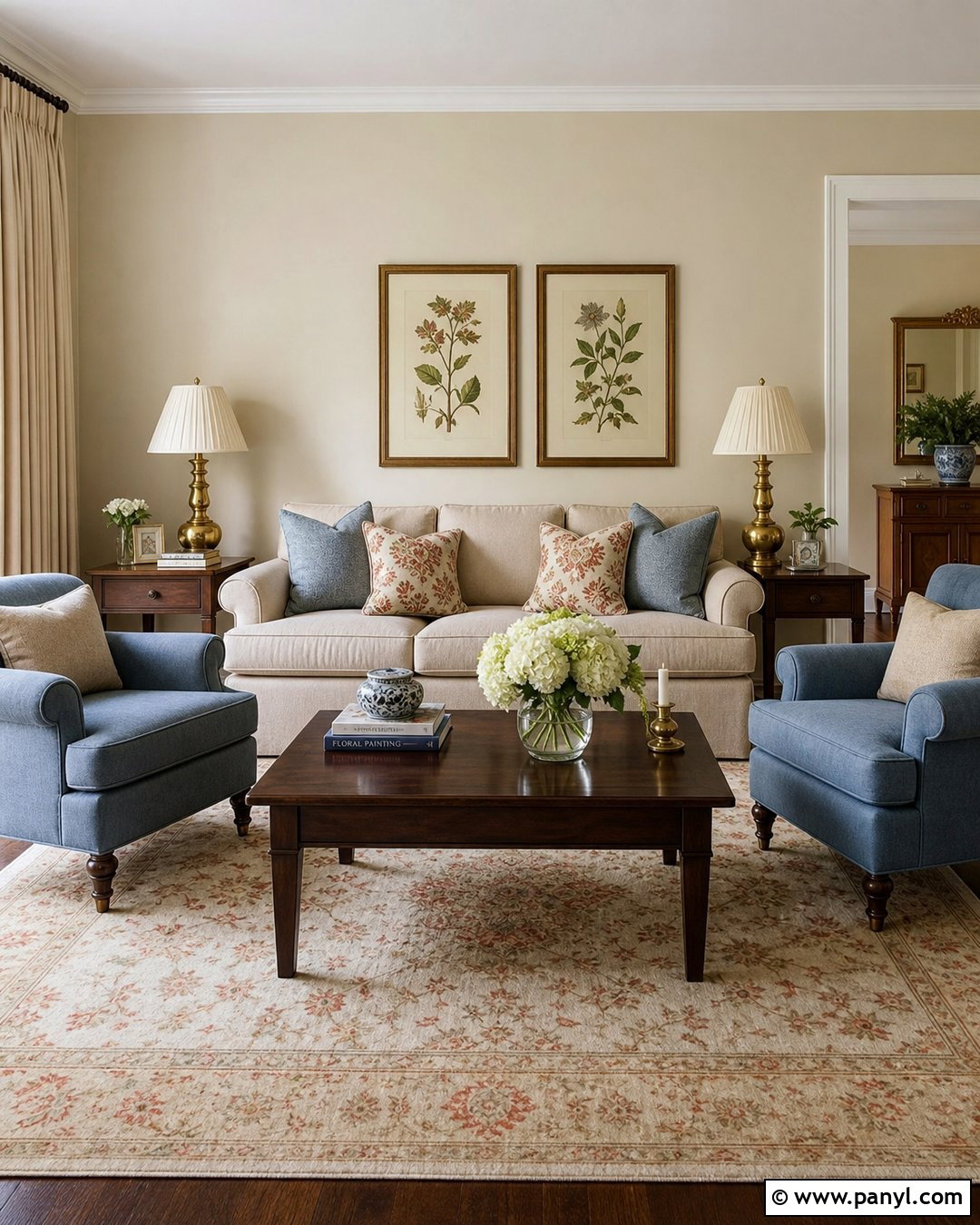
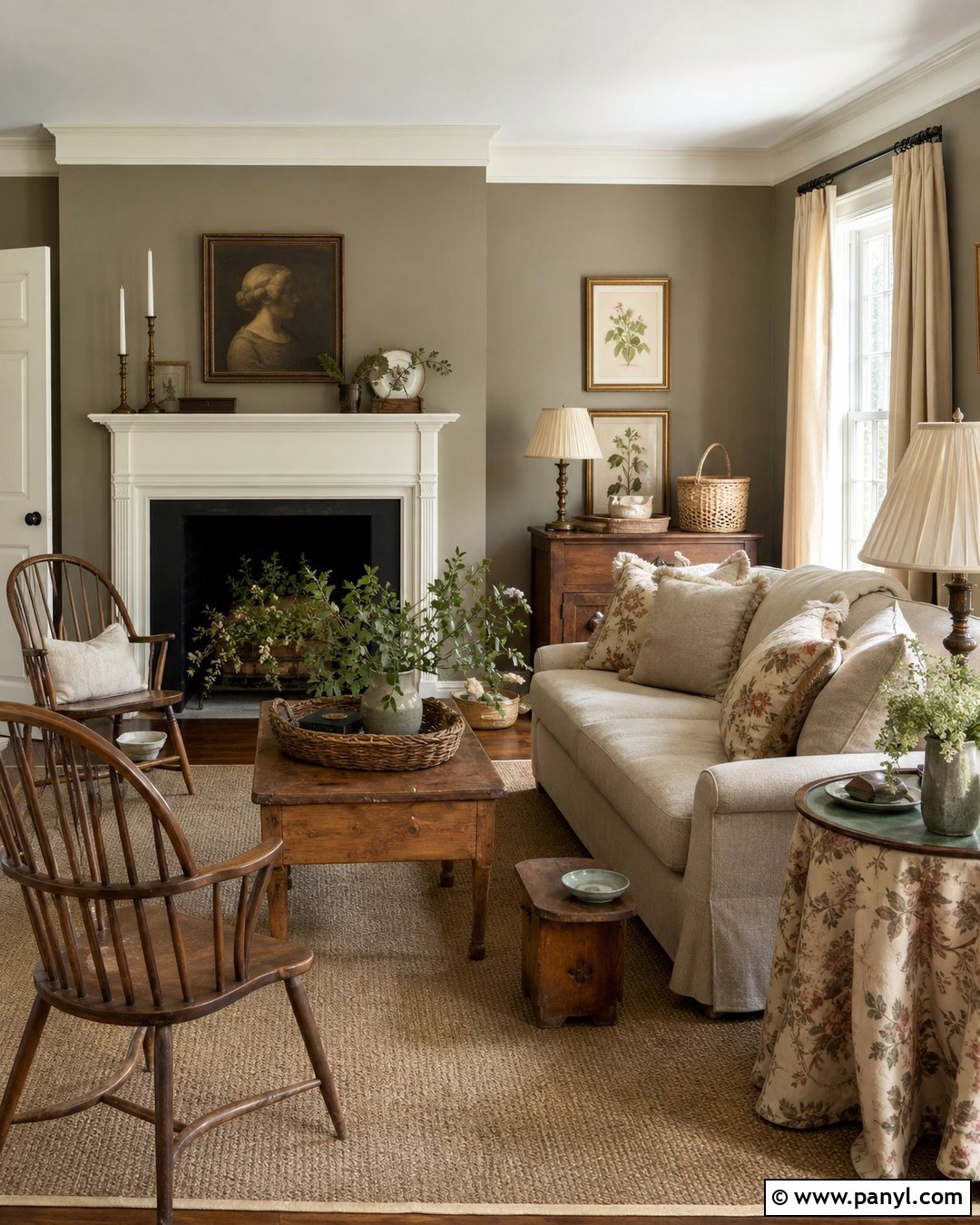
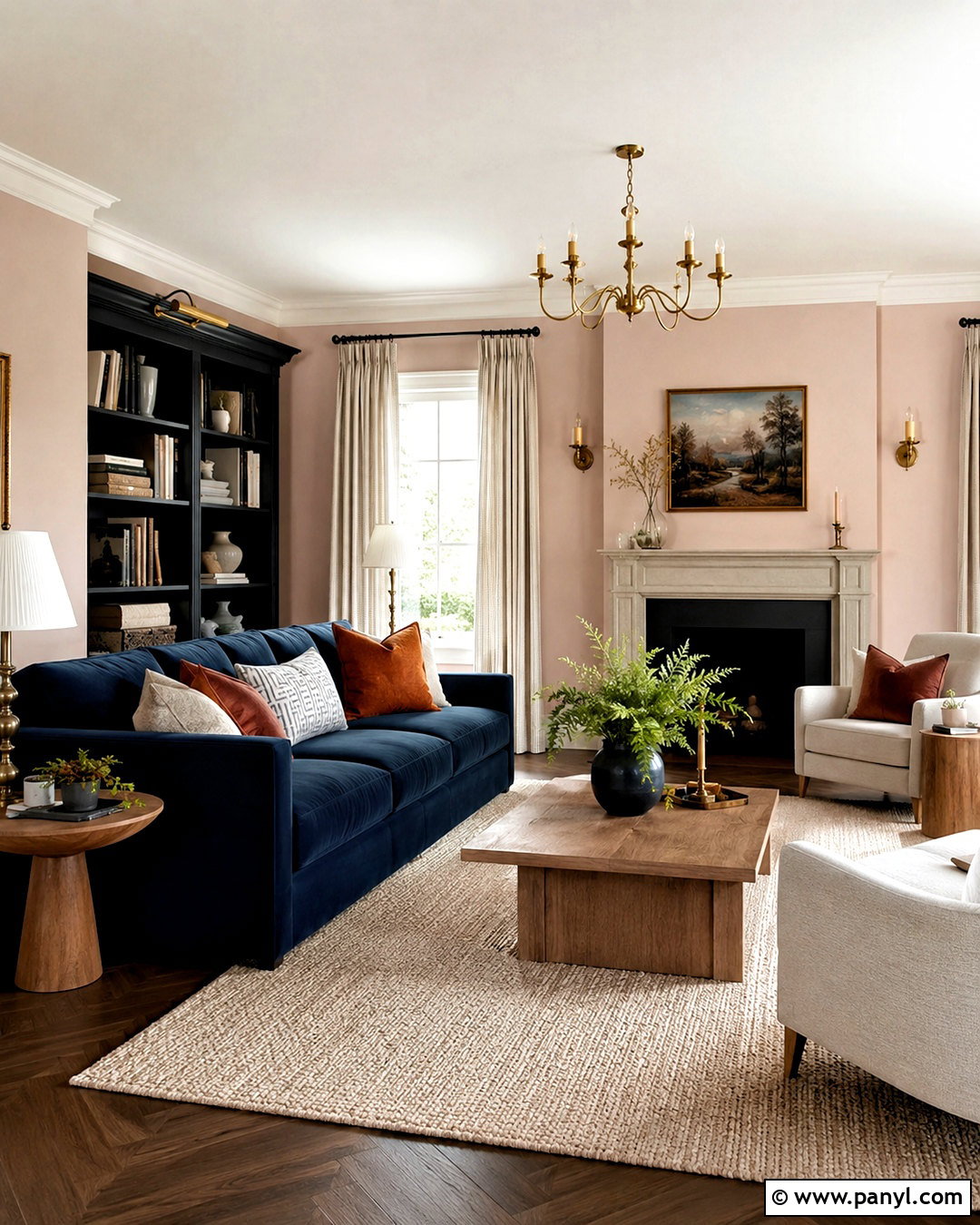
Traditional furniture gives Neutral Ground walls a timeless, layered quality. Arrange a tailored beige sofa with two rolled-arm chairs in muted blue or olive fabric. Center the seating around a dark wood coffee table and a large traditional rug featuring faded cream, rust, and brown. Add walnut side tables, brass lamps with pleated shades, and full-length linen drapery. White-painted crown molding and substantial baseboards can highlight the room’s architectural details. Use a dark wood console or bookcase to balance the pale surfaces. Botanical prints, ceramic vessels, and a few patterned pillows provide character without overwhelming the design. The finished room combines formal shapes with comfortable materials, making it suitable for both conversation and regular family use.
26. Neutral Ground Modern Room With Black Accents
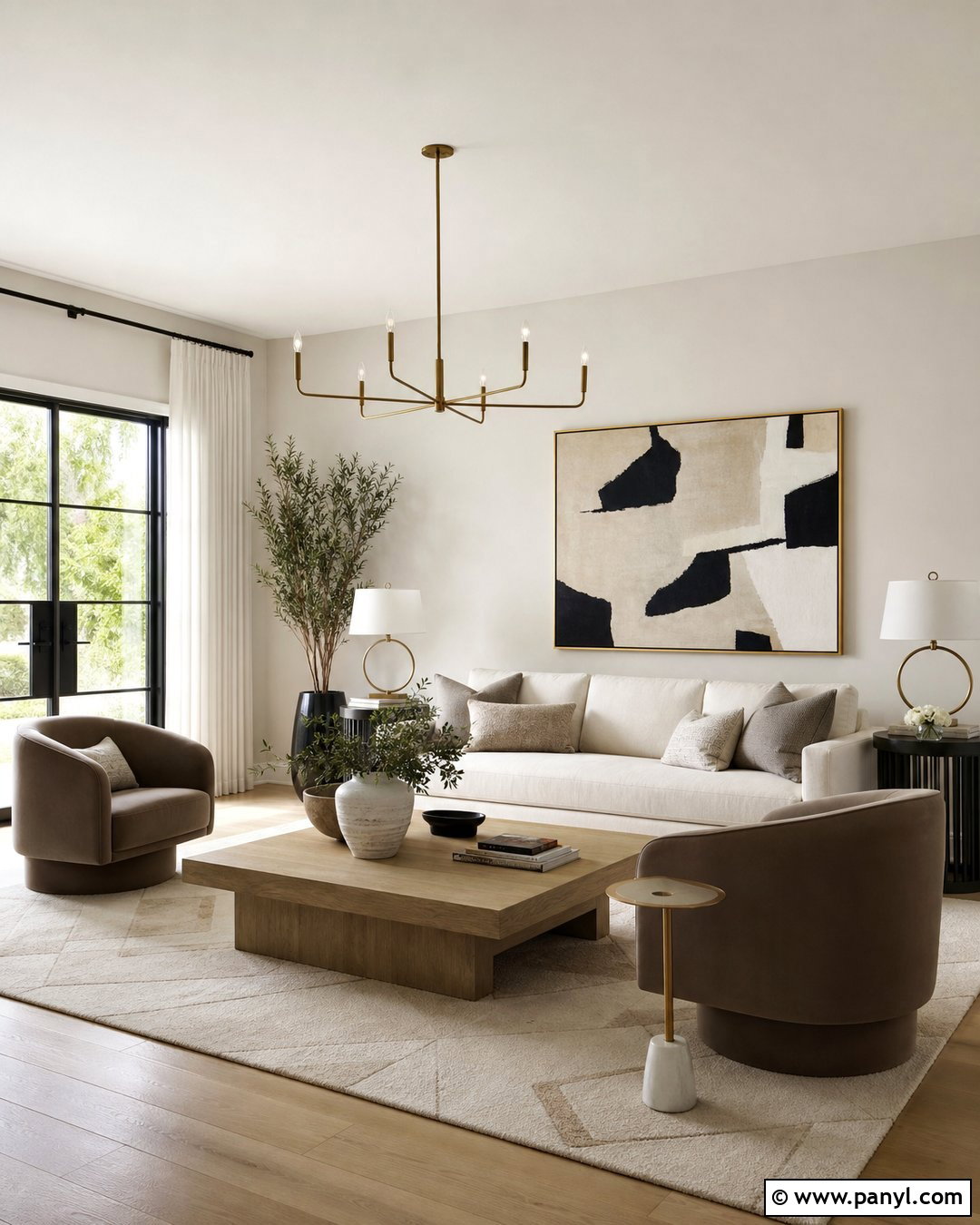
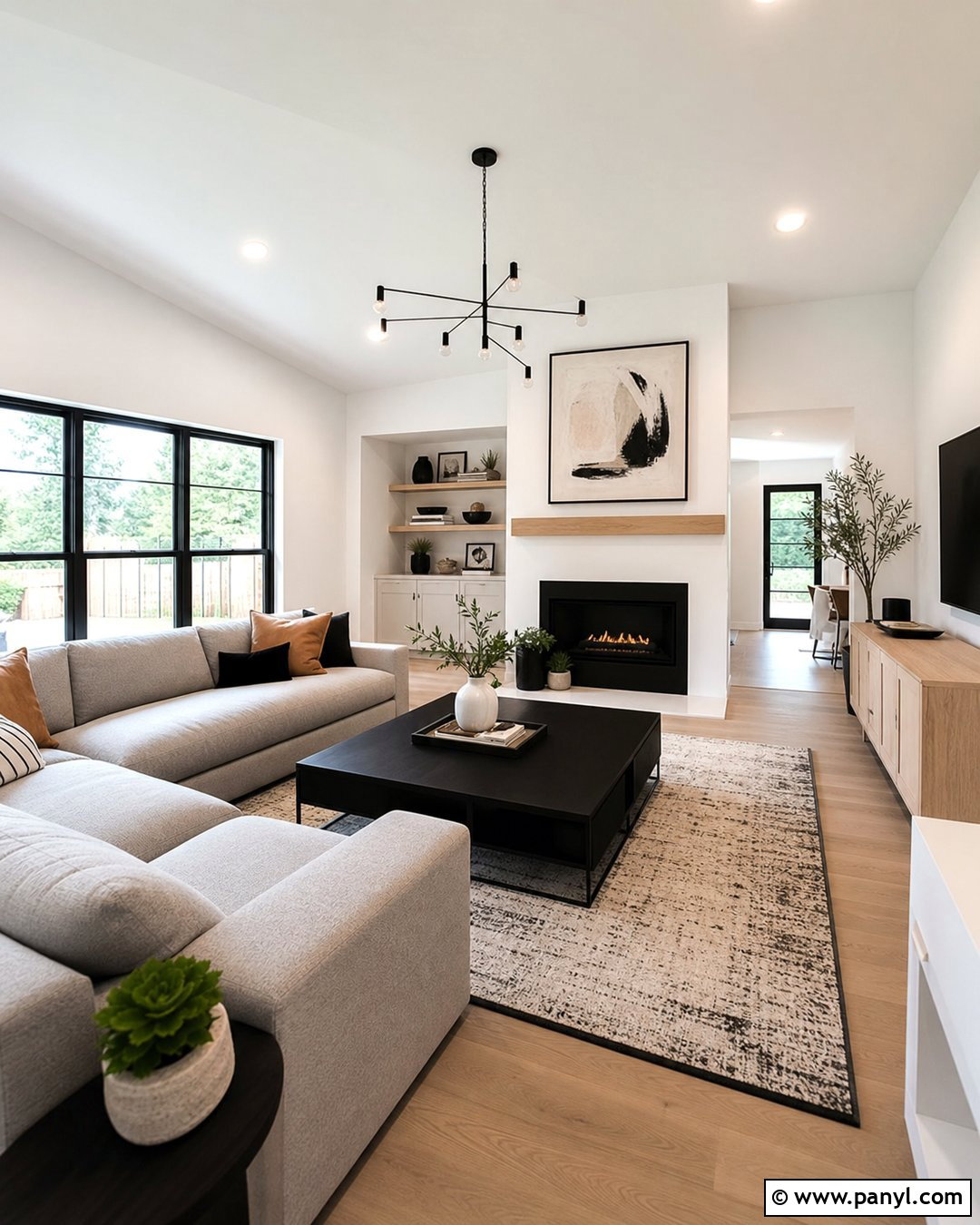
Crisp black accents give Neutral Ground walls a sharper, contemporary appearance. Begin with a low-profile cream sofa, sculptural taupe chairs, and a simple pale oak coffee table. Use a large ivory rug with a subtle geometric pattern to define the seating zone. Matte black window frames, curtain rods, lamps, and side tables create a consistent outline around the lighter furnishings. Keep the curtains warm white and hang them from ceiling height. One oversized abstract artwork containing beige, black, and muted brown can act as the main focal point. Add a few brushed brass details to soften the contrast. The completed space should include clean shapes and open floor area, but enough wood and textured fabric to keep it from feeling sterile.
27. Neutral Ground Walls And Trim
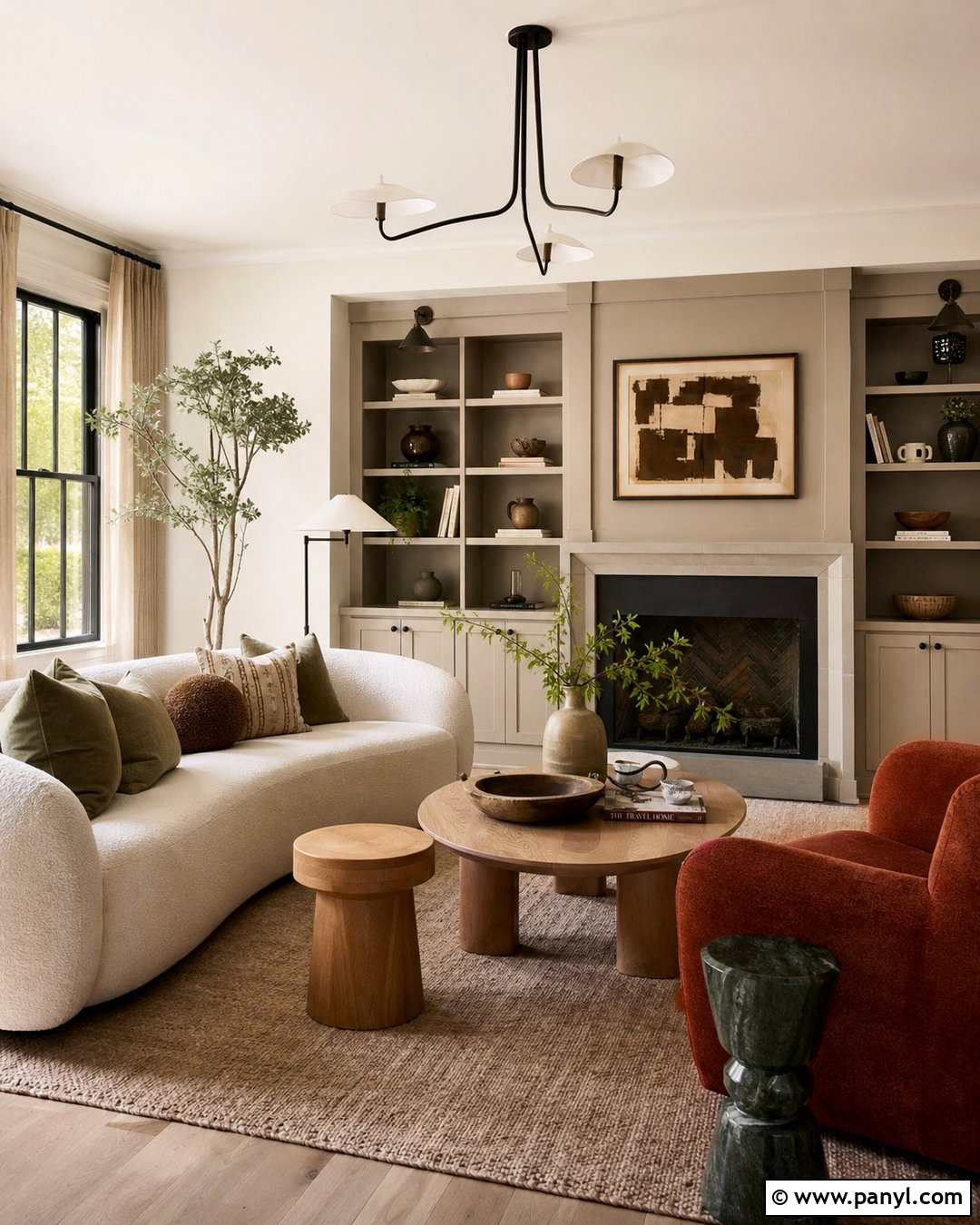
Painting the walls, trim, and doors in Neutral Ground produces a seamless color-drenched interior with subtle architectural depth. Use a washable matte or eggshell finish on the walls and a more durable satin finish on doors and molding. The change in sheen will define each surface without interrupting the unified palette. Carry the color onto built-in shelves for an especially calm result. Add a curved cream sofa, medium oak tables, and a textured taupe rug to maintain the tonal effect. Dark bronze lighting and hardware provide necessary contrast. Linen curtains can be slightly lighter than the paint, while rust or olive accessories introduce controlled color. This approach works best when varied textures prevent the room from looking flat.
28. Neutral Ground North Facing Room
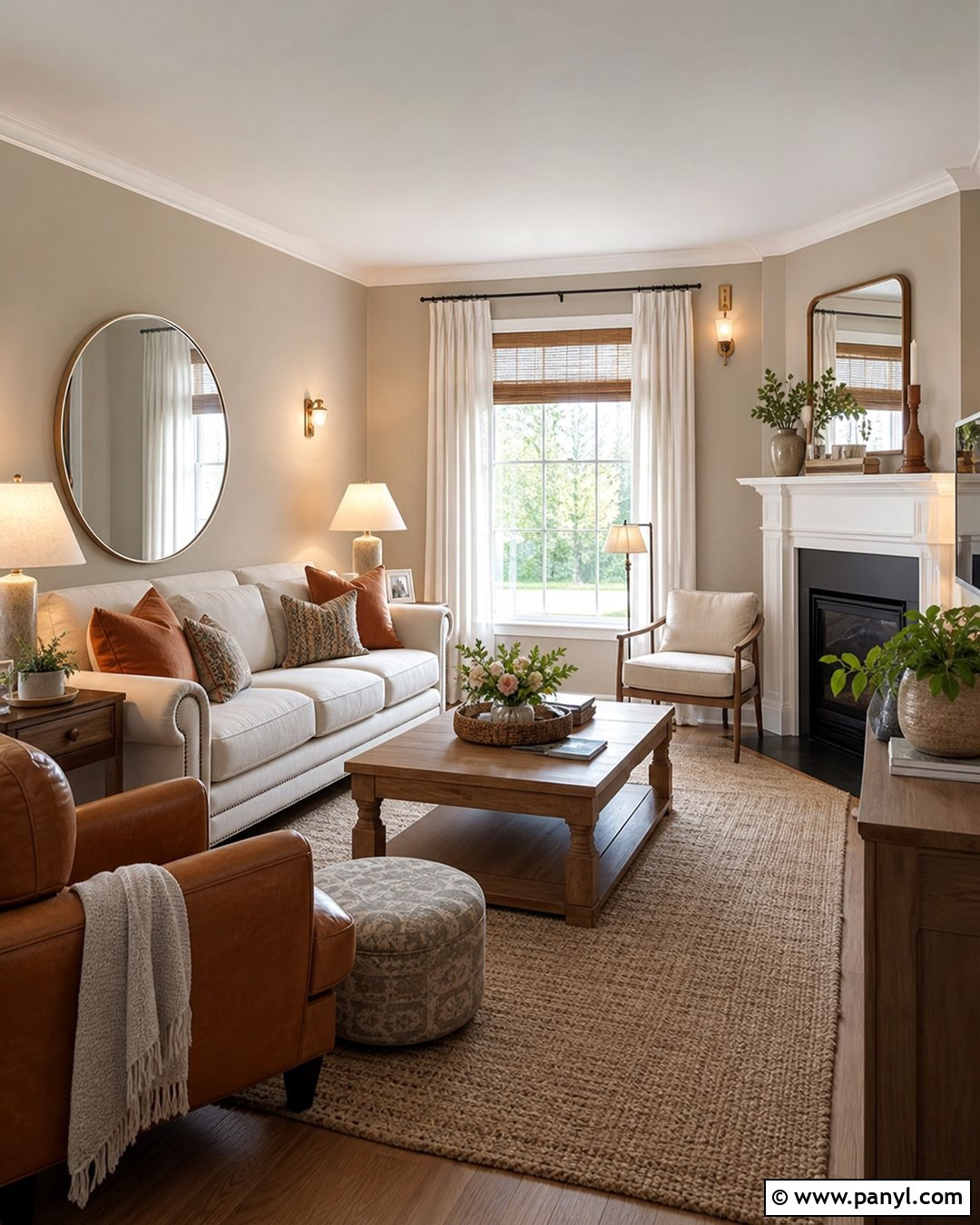
In a north-facing room, Neutral Ground may appear quieter and slightly more subdued, so warm materials and effective lighting become important. Pair the walls with ivory upholstery, honey-toned oak, and creamy curtains rather than cool gray furnishings. Use a large beige rug to soften the floor and reflect available light. Layer overhead lighting with shaded table lamps and wall sconces fitted with warm, balanced bulbs. A caramel leather chair and muted rust pillows can strengthen the room’s cozy character. Keep the trim in a warm white that does not create harsh contrast. Mirrors placed opposite or beside windows can distribute natural light. The completed design should embrace the room’s softness instead of trying to make it look stark white.
29. Neutral Ground South Facing Room
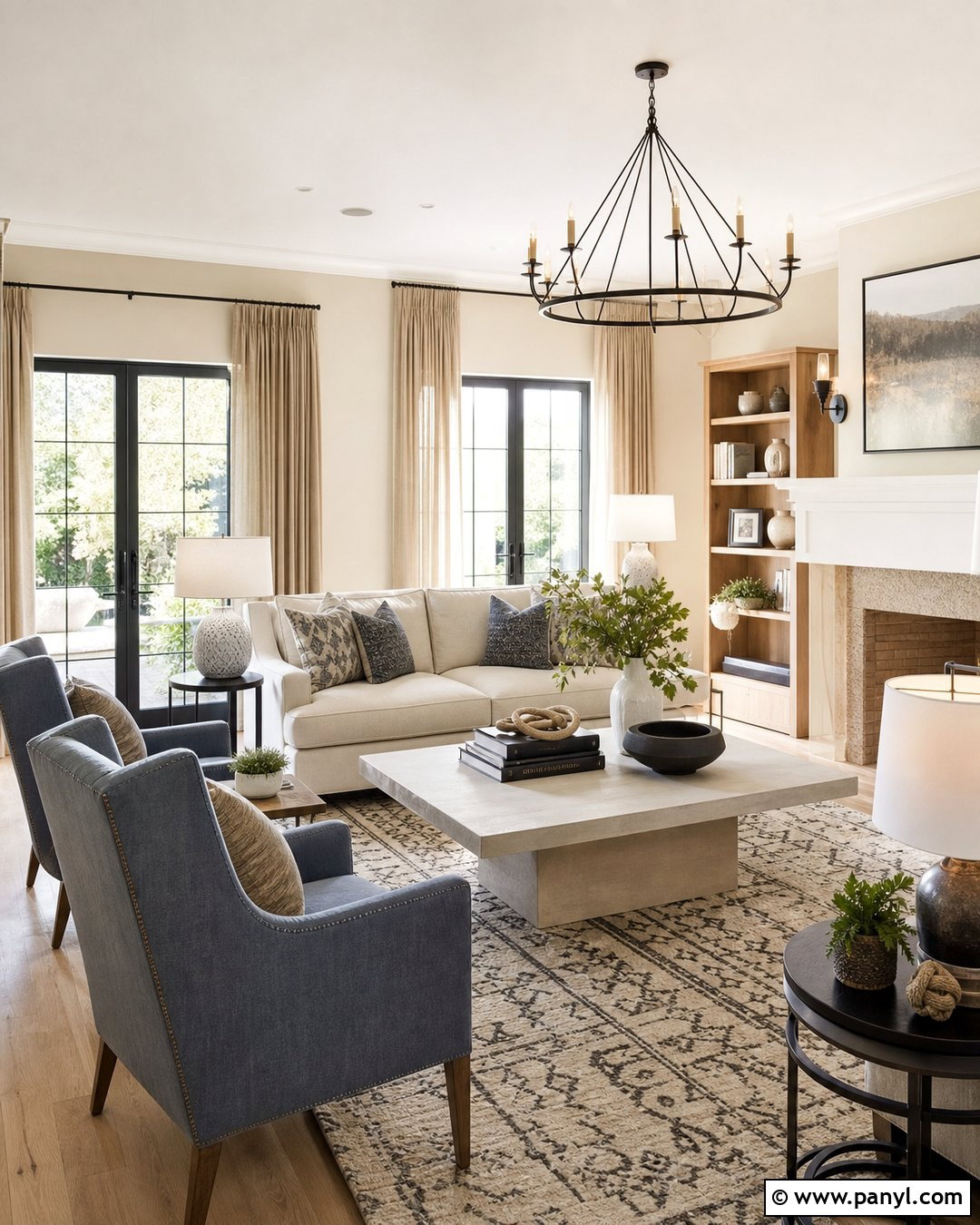
Strong southern light can make Neutral Ground walls appear brighter and warmer throughout much of the day. Balance that warmth with natural oak, soft black, muted blue, and stone-gray accents. A light greige sofa can anchor the living area, while two blue-gray chairs add gentle color without turning the palette cool. Use lined flax curtains to control intense sunlight and protect furnishings. A pale stone coffee table and black metal side tables provide material contrast. Keep the rug creamy but include a restrained charcoal pattern for definition. Green plants can tolerate and enhance the sunny setting. The complete room should use medium and dark accents strategically so furniture and architectural details remain visible against the bright, light-reflective walls.
30. Neutral Ground Whole House Walls
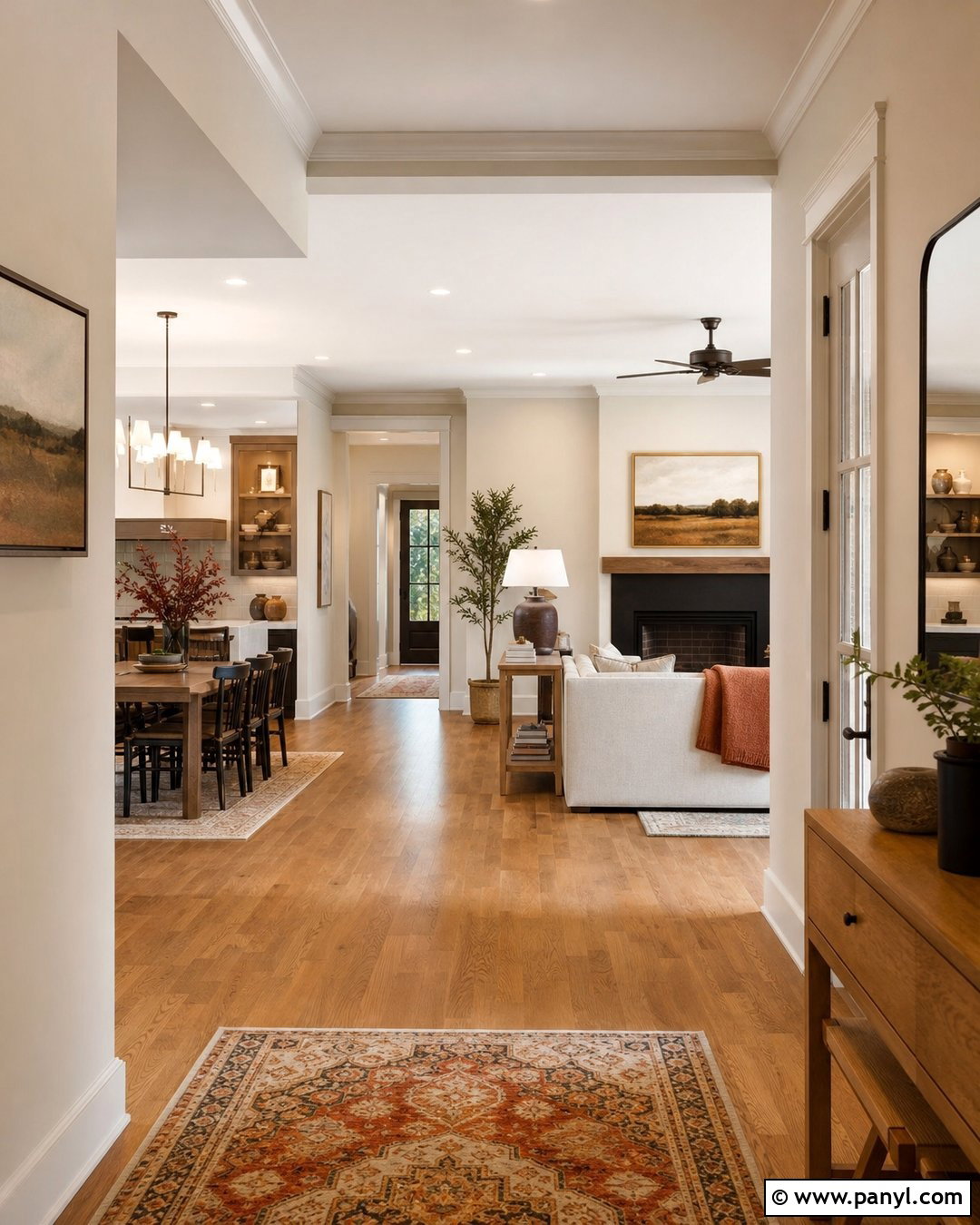
Using Neutral Ground throughout a home creates continuity, but each room still needs individual character. Carry the wall color through the entry, halls, living areas, and bedrooms, then maintain one warm white for trim and ceilings. Repeat medium oak flooring, black or bronze hardware, and creamy textiles to build a consistent foundation. Give individual rooms identity through controlled accents: olive in the family room, muted blue in bedrooms, rust in the dining area, and charcoal in the office. Cabinetry can shift between warm white, oak, and mushroom while remaining connected to the walls. Test the paint in every orientation before committing. A coordinated whole-house plan should feel related from room to room without making every space look exactly the same.
Conclusion:
The best Neutral Ground interiors combine wall color, lighting, furniture, flooring, and accessories as one complete composition. Warm whites, natural wood, creamy stone, aged metals, and earthy textiles generally support the paint’s soft beige character. Dark accents can provide definition, while muted greens, blues, and rust tones introduce approachable color. Always sample the paint on several walls and observe it during the morning, afternoon, and evening before making a final commitment. You can then adjust the trim, fabrics, and finishes to suit the room’s particular light. Whether decorating one bedroom or developing a connected whole-house palette, these 30 Neutral Ground Sherwin Williams Walls offer practical inspiration for creating comfortable, cohesive spaces.

Related Ideas and Inspiration:
Leave a Reply