
These 20 Sage And Grey Walls show how a muted color pairing can create rooms that feel calm, comfortable, and thoughtfully finished. Sage brings an earthy softness, while grey adds structure and balance. The key is choosing shades with compatible undertones, then repeating both colors through furniture, textiles, flooring, and decor. Warm woods, creamy whites, natural stone, brushed brass, and matte black can also shape the mood. Whether you prefer a light bedroom, a dramatic living room, or a practical kitchen, each combination should support the entire space rather than act as a random accent. Use these complete room schemes to explore two-tone paint, paneling, color blocking, and more through 20 Sage And Grey Walls.

1. Sage And Grey Living Room Walls
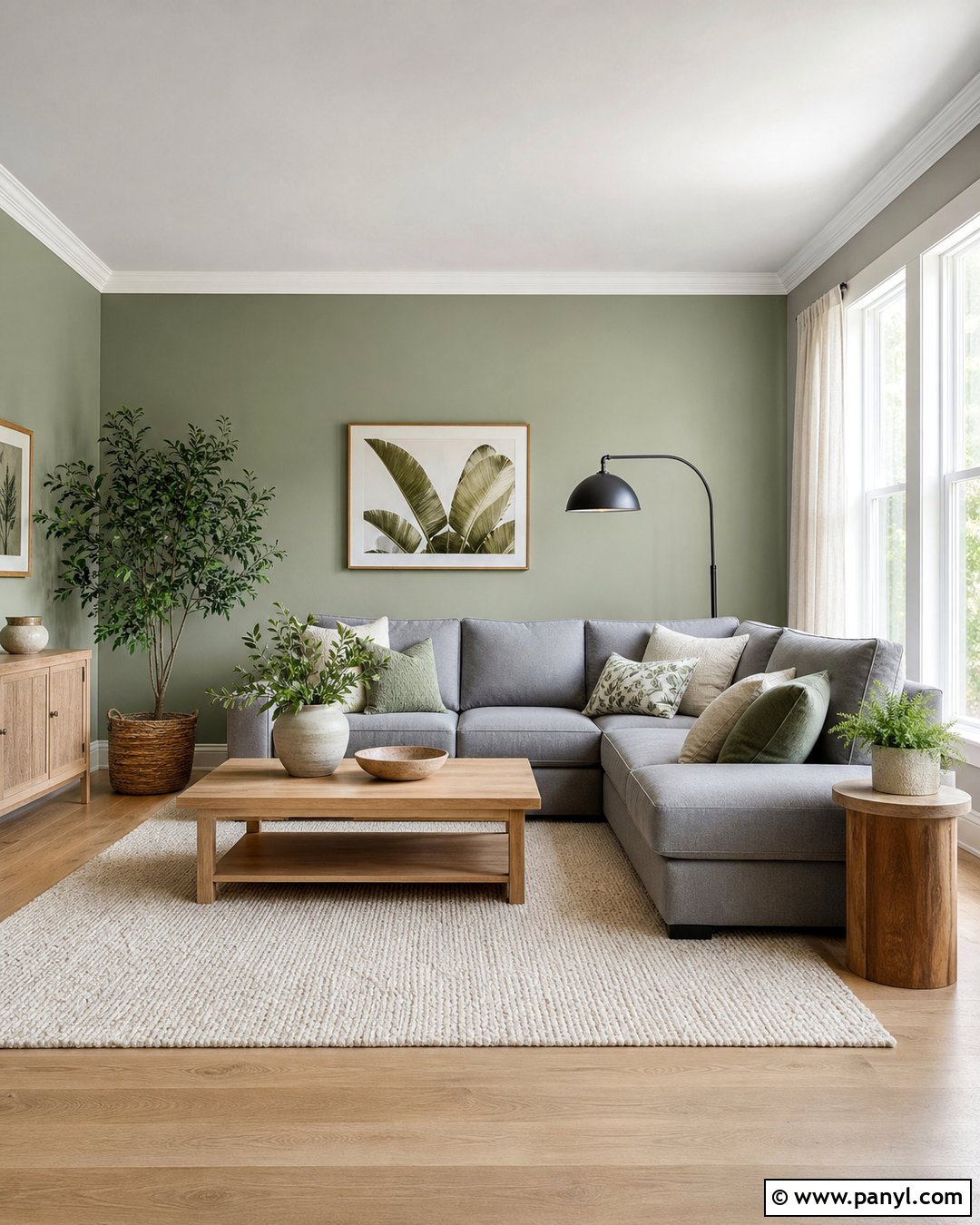
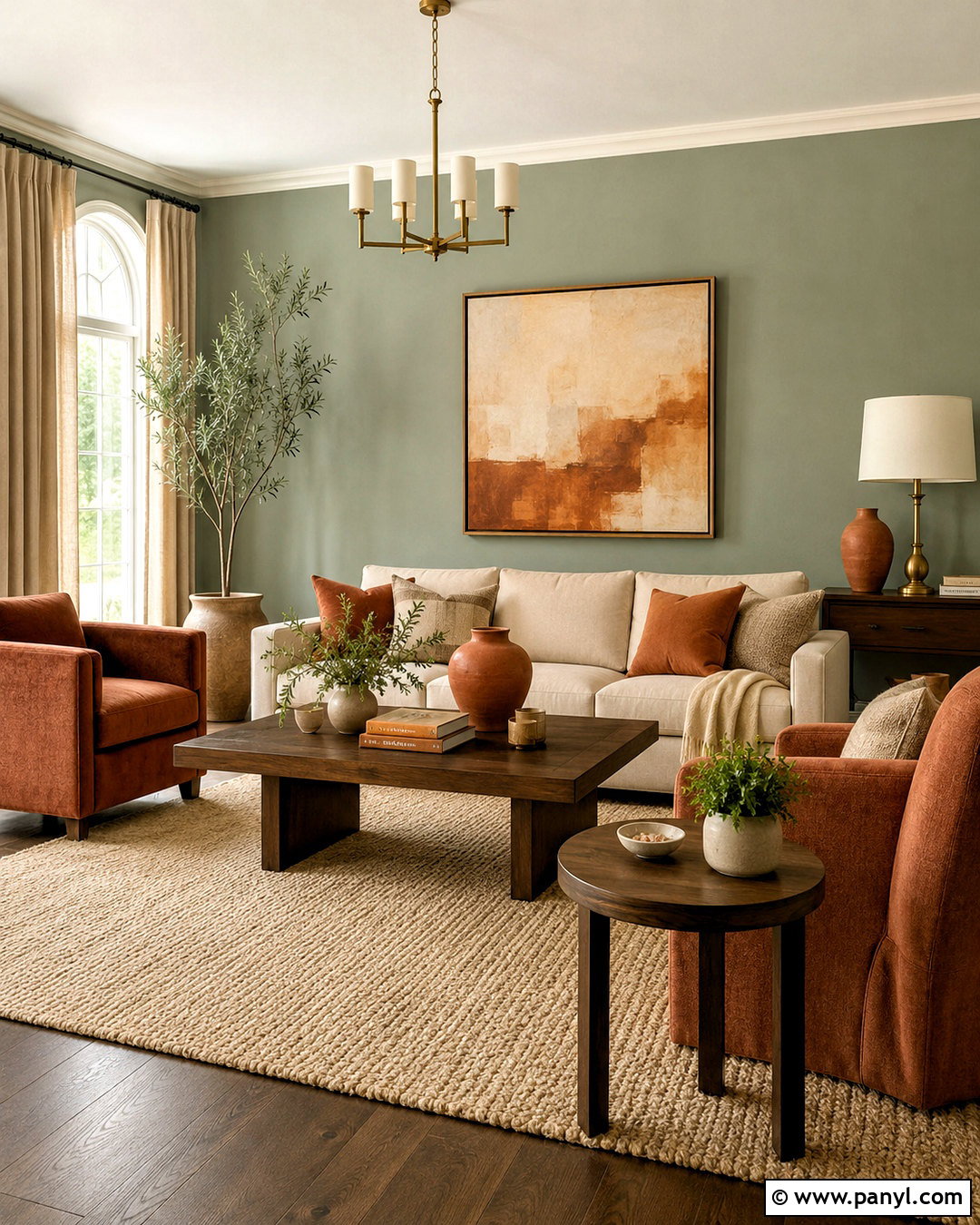
Soft sage walls and a medium-grey sofa create a living room that feels relaxed without looking washed out. Choose a warm, slightly dusty sage, then paint the trim creamy white to keep the room bright. Place a simple grey sectional opposite a sage-painted fireplace wall, leaving clear walking space around a pale oak coffee table. Add an ivory wool rug, linen curtains, and cushions in charcoal, cream, and muted olive. A black floor lamp gives the gentle palette needed definition. Finish the room with botanical artwork, ceramic vases, and one tall leafy plant. Keeping the larger surfaces understated allows natural textures and small darker accents to make the complete room feel layered, balanced, and welcoming.
2. Two-Tone Sage And Grey Bedroom Walls
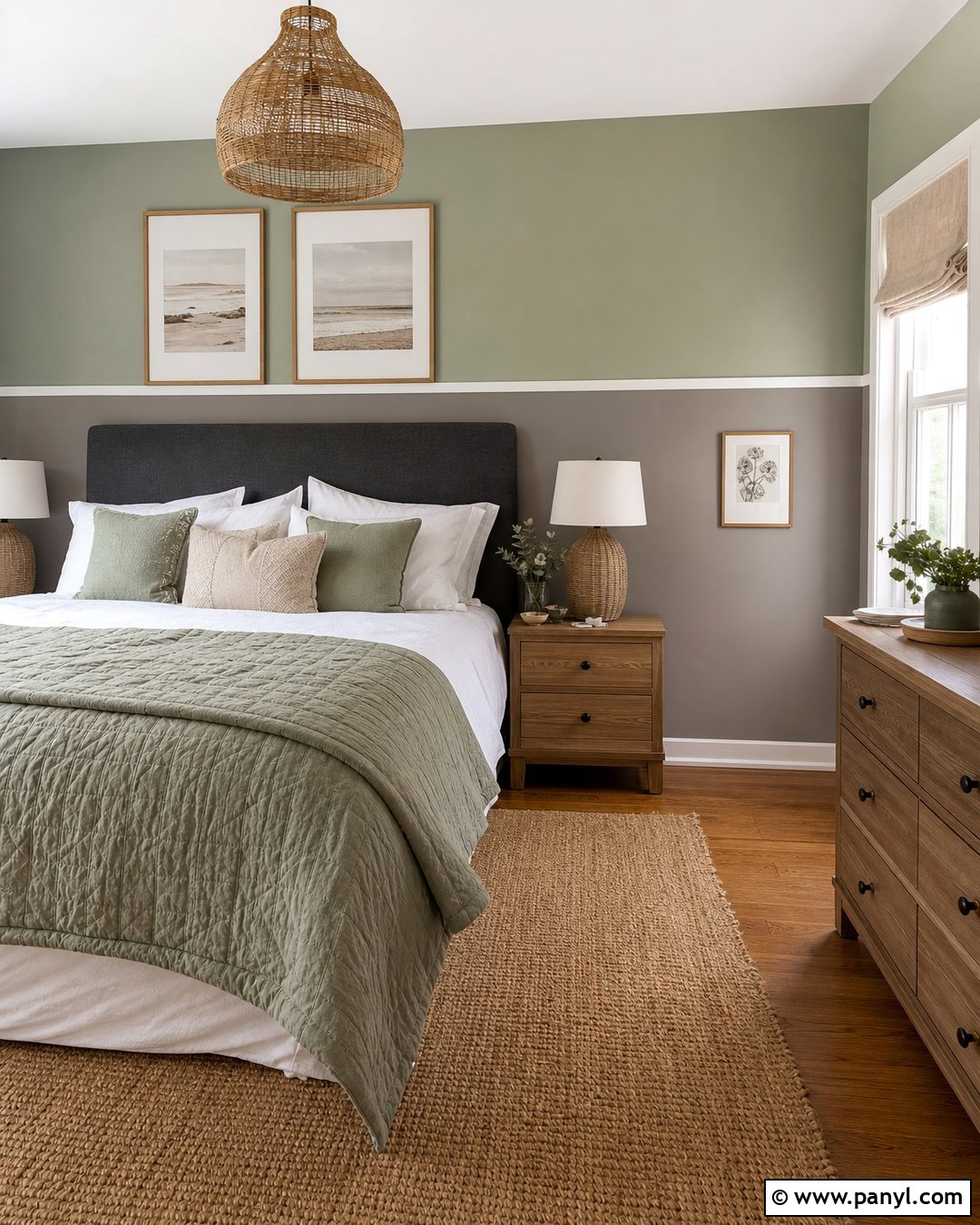
A horizontal two-tone treatment can make sage and grey bedroom walls look intentional and architectural. Use warm grey on the lower third of each wall and pale sage above it. Separate the colors with a slim white picture rail for a neat transition. Center an upholstered charcoal headboard against the main wall, then dress the bed with white sheets, a sage quilt, and grey linen pillows. Light oak nightstands and woven lamps bring warmth beside the cooler paint colors. Continue the calm look with a natural jute rug and full-length off-white curtains. Keep artwork simple and place it above the color divide. This layout grounds the bed while allowing the lighter upper walls to maintain an open, airy feeling.
3. Sage And Grey Dining Room Walls
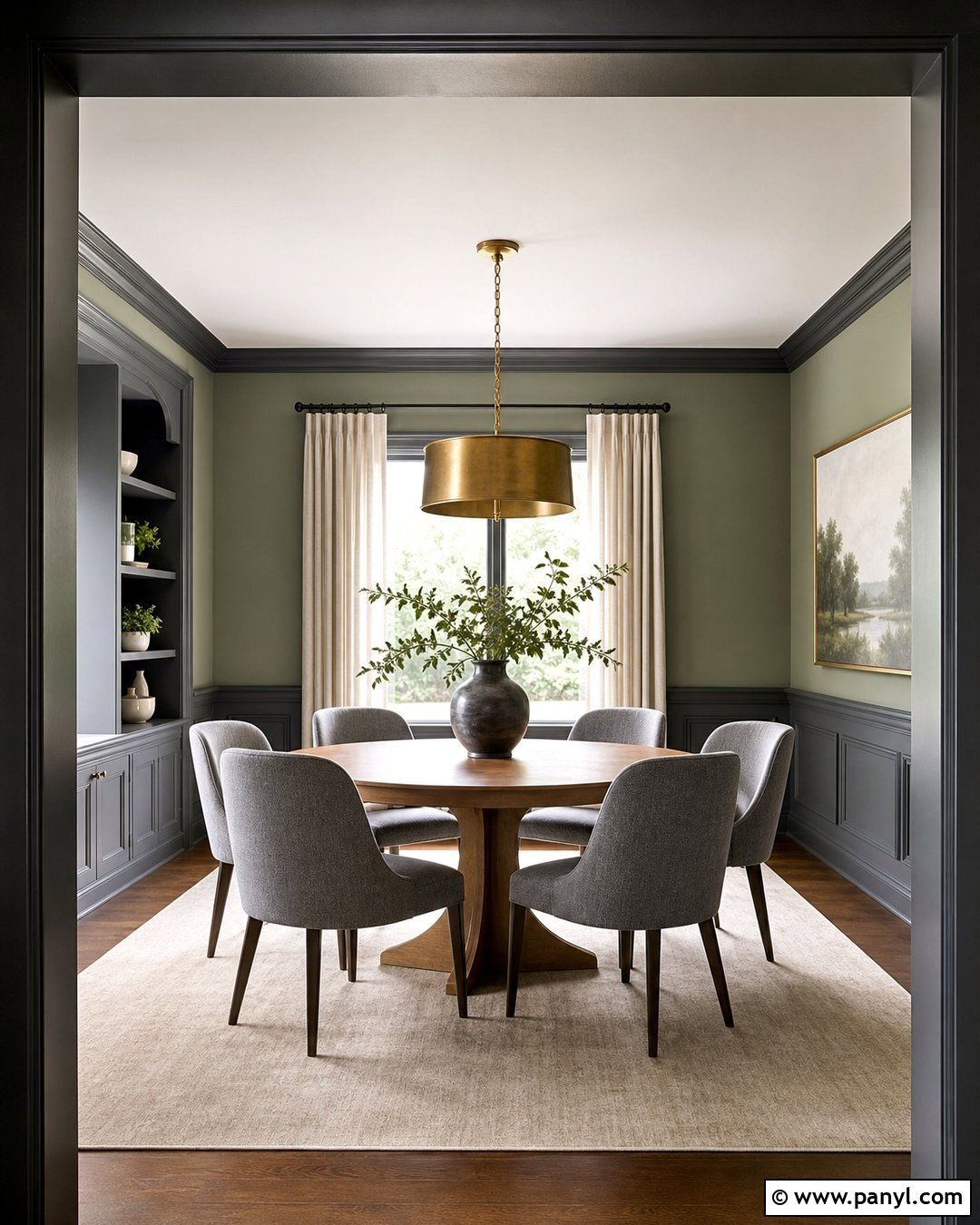
Imagine a dining room where muted sage walls soften the daylight and deep grey woodwork frames the space. Paint the main walls sage, then use charcoal grey on the baseboards, window trim, doors, and a shallow built-in cabinet. A round oak dining table prevents the darker details from feeling severe. Surround it with grey upholstered chairs and hang a simple brushed-brass pendant overhead. An ivory rug can define the dining area while keeping the palette light. Complete the room with linen curtains, handmade stoneware, and framed landscape prints. Small accents in rust or clay add warmth without competing with the walls. The finished dining room feels grounded, natural, and suitable for both casual meals and more polished gatherings.
4. Sage And Grey Kitchen Walls
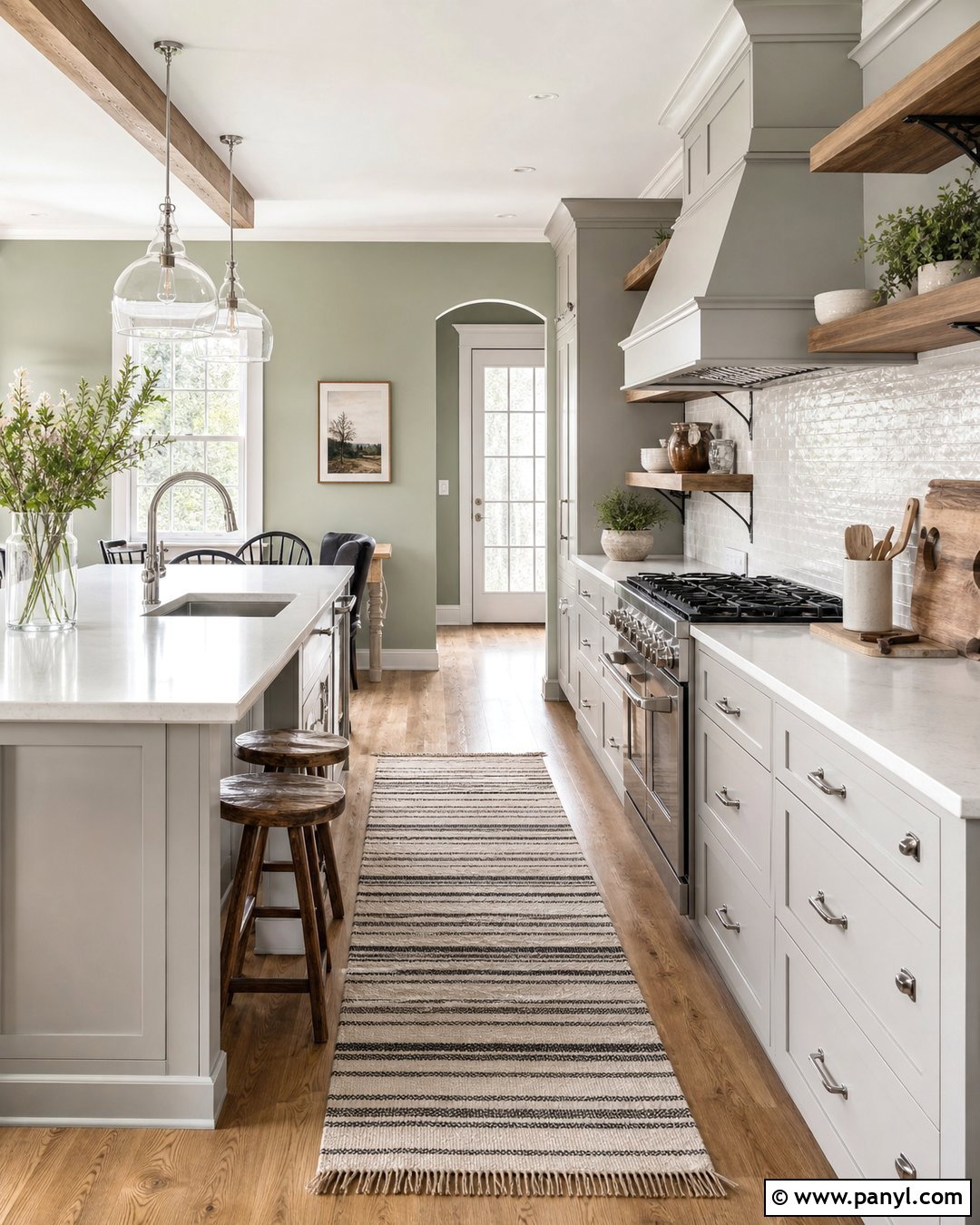
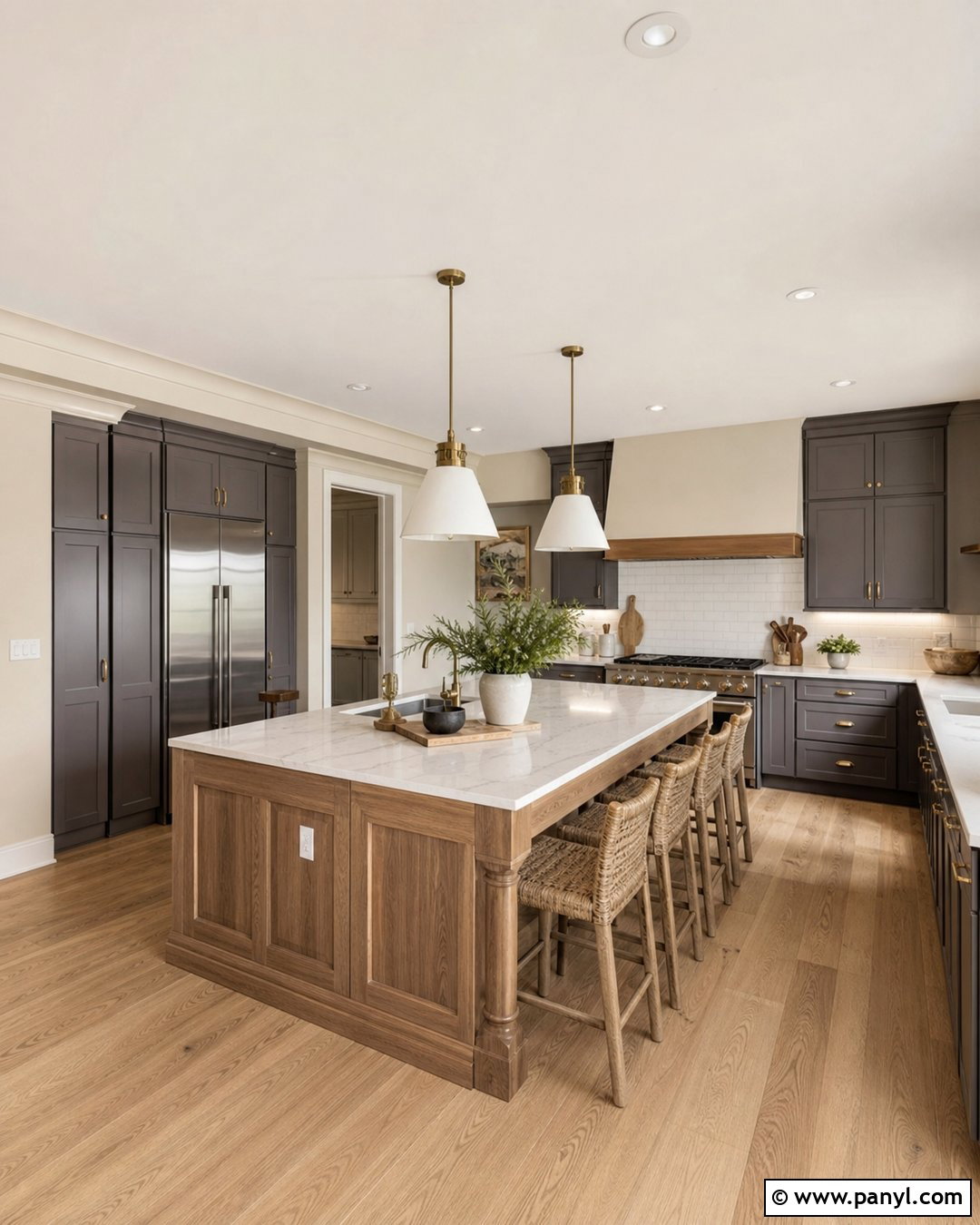
Sage and grey kitchen walls work especially well when the cabinetry and surfaces connect the two colors. Paint the breakfast area sage and use soft grey on the remaining walls. Choose warm-grey shaker cabinets, white quartz counters, and a lightly textured off-white backsplash. Oak shelves and bar stools prevent the scheme from becoming too cool. Repeat sage through a painted pantry door or small lower cabinet section rather than adding unrelated green accessories. Brushed nickel hardware keeps the finish clean, while simple glass pendants provide bright task lighting. Ground the kitchen with medium-tone wood flooring and a washable striped runner. The completed design feels practical and cohesive, with enough contrast to define each zone without visually dividing the room.
5. Sage And Grey Bathroom Walls
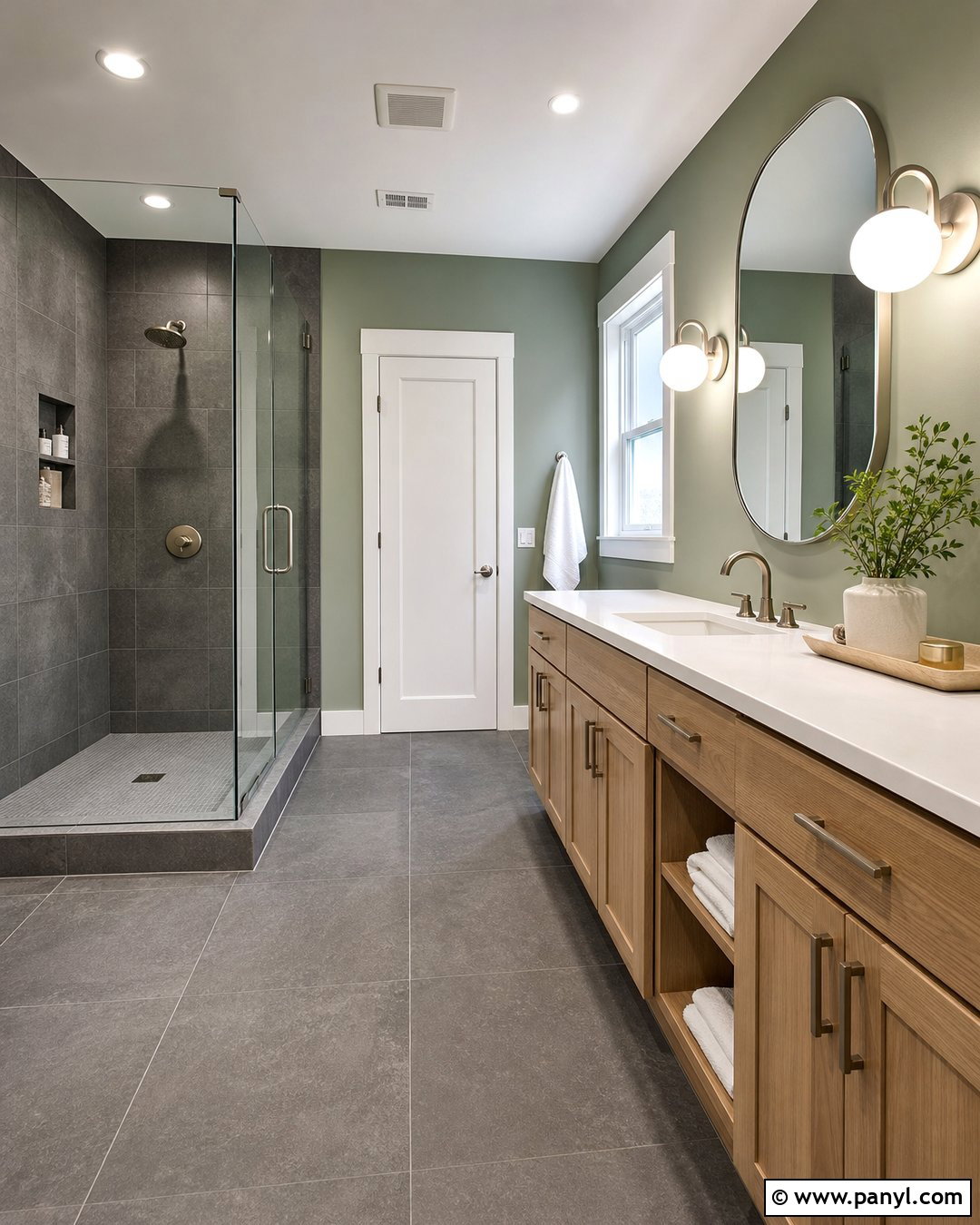
For a bathroom that feels fresh rather than cold, pair sage painted walls with large matte-grey tiles. Run the tiles across the floor and halfway up the shower walls, then use moisture-resistant sage paint above them. A white oak vanity adds natural warmth, while a white quartz counter keeps the room crisp. Select brushed-nickel fixtures, a rounded mirror, and simple globe sconces for a clean finish. White towels and a soft grey bath mat maintain the restrained palette. A small potted fern or eucalyptus arrangement can reinforce the sage tone without cluttering the vanity. This complete bathroom works best with clear glass shower panels and streamlined storage, allowing the balanced wall treatment and subtle material changes to remain visible.
6. Dark Sage And Charcoal Grey Walls
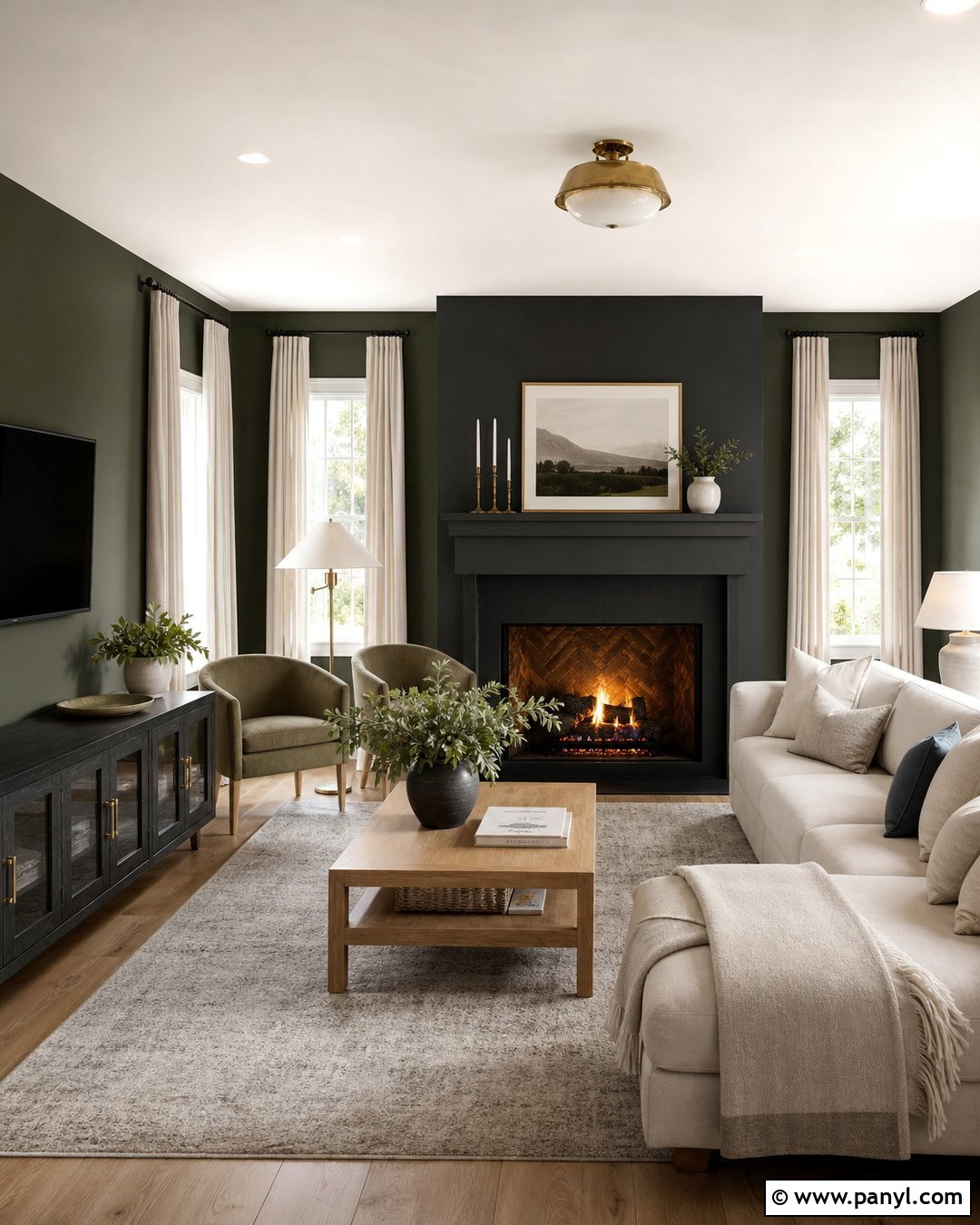
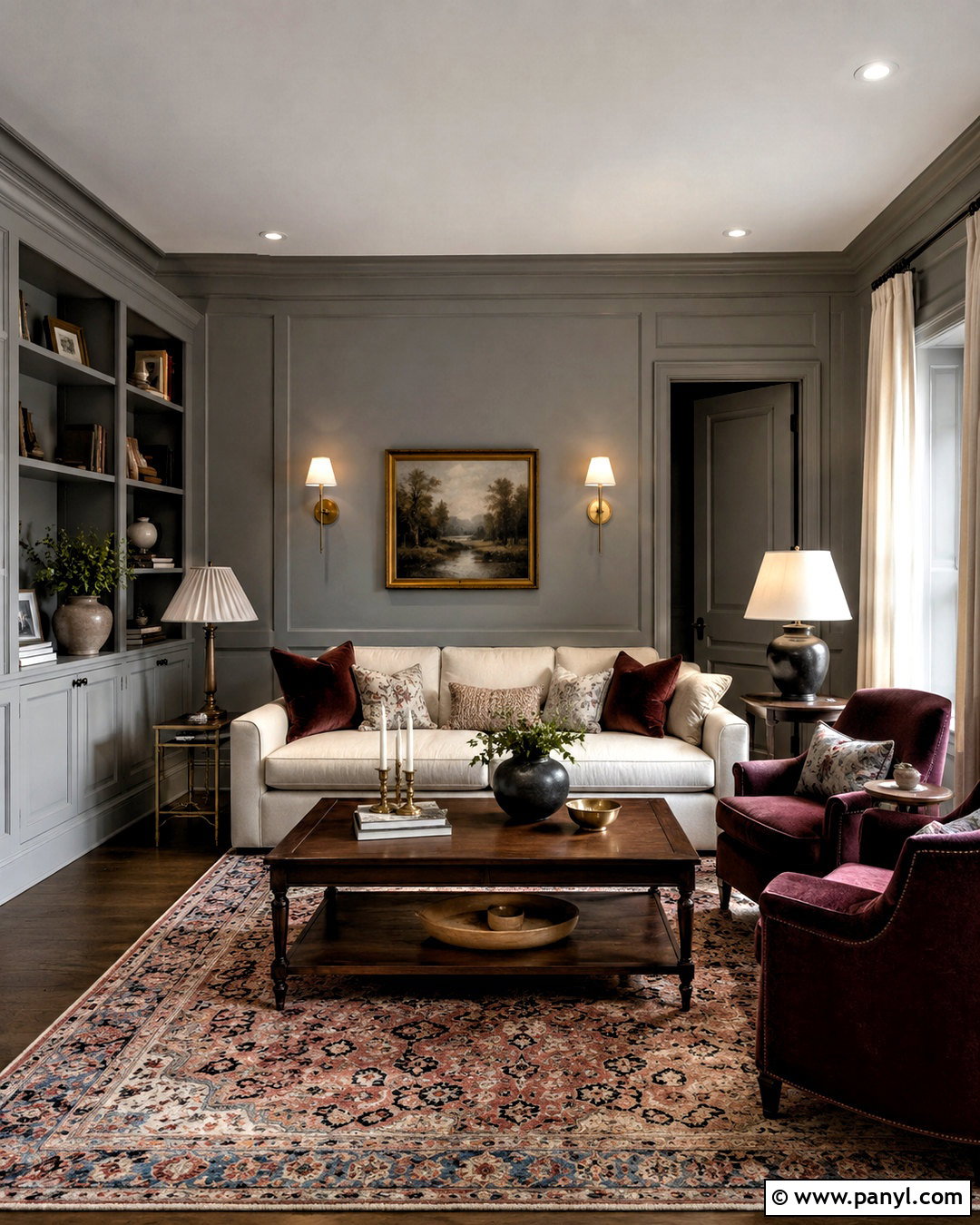
A room with dark sage and charcoal grey walls can feel cozy and refined when balanced with lighter surfaces. Paint three walls a deep, muted sage and make the fireplace wall charcoal. Use an oatmeal sofa, pale wool rug, and light oak tables to lift the darker background. A low grey media cabinet can blend into the charcoal wall instead of becoming another focal point. Add aged-brass lighting, cream curtains, and cushions in sage, tan, and black. Keep the ceiling warm white so the room does not feel compressed. Large artwork with ivory space also creates visual relief. This strong palette suits a den, snug, or media room where comfort matters, yet the complete arrangement still feels polished and uncluttered.
7. Light Sage And Pale Grey Walls
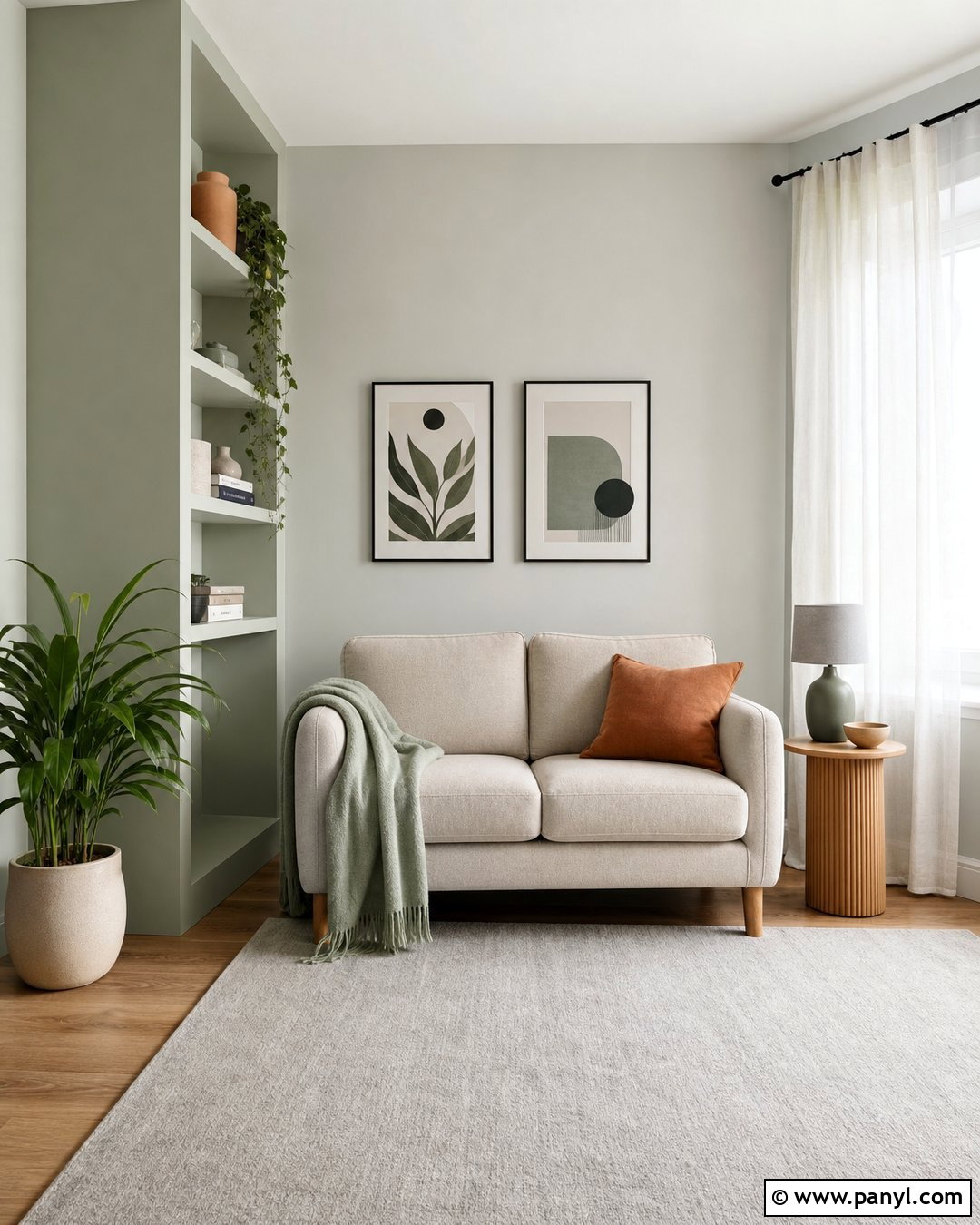
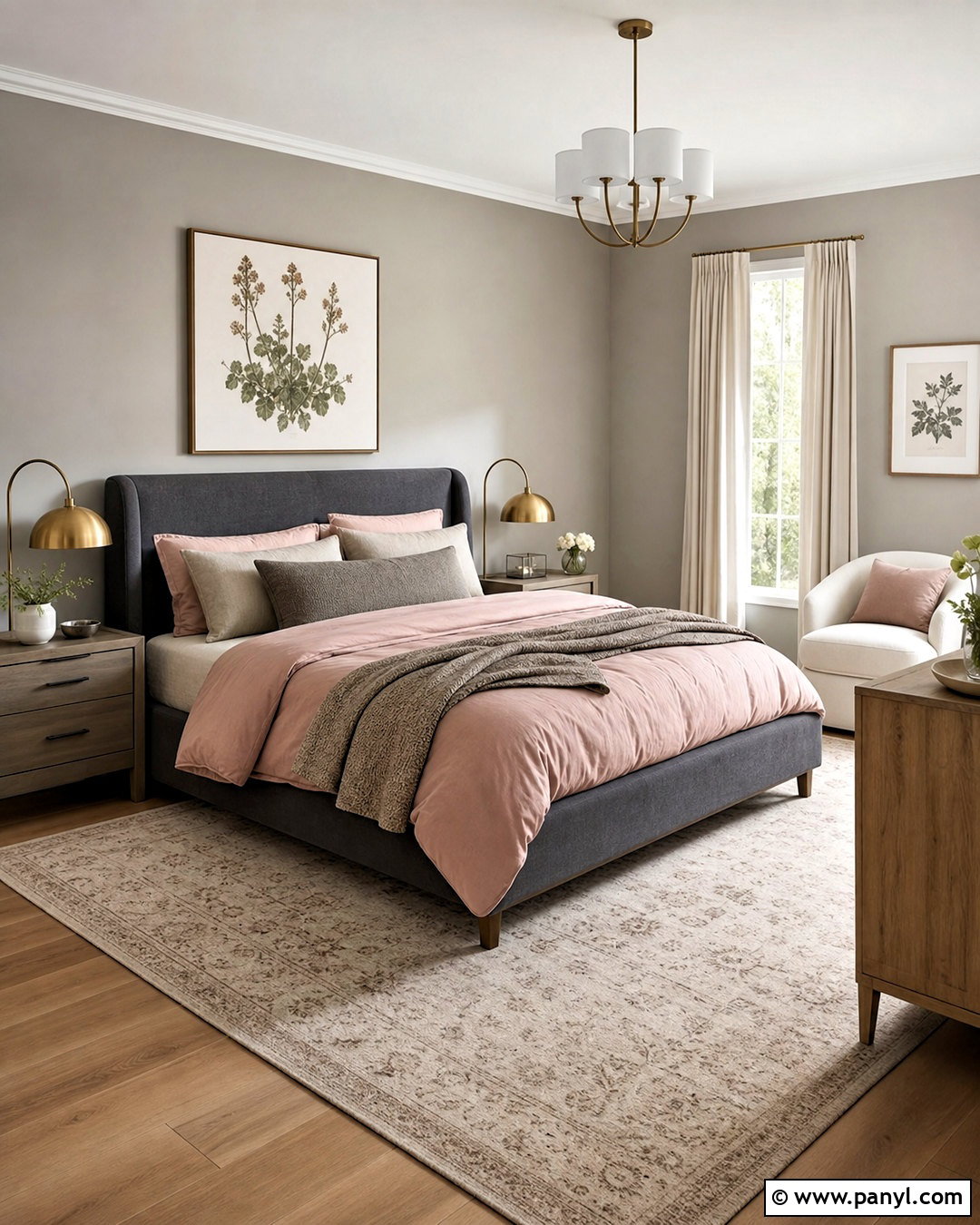
Could a small room feel larger without relying on plain white paint? Use very light sage on the main walls and pale grey on the wall behind the sofa or bed. Select shades with gentle warm undertones so they shift smoothly as daylight changes. Furnish the space with a compact oatmeal loveseat, an ash-wood side table, and a light grey rug. Sheer white curtains allow natural light to reach every corner. Add slim black frames, a soft sage throw, and one warm clay-colored cushion for contrast. Keep bulky furniture away from windows and choose raised legs that reveal more flooring. The finished room feels open and serene, while the slight difference between the wall colors creates dimension without making the layout appear busy.
8. Sage And Grey Paneled Walls
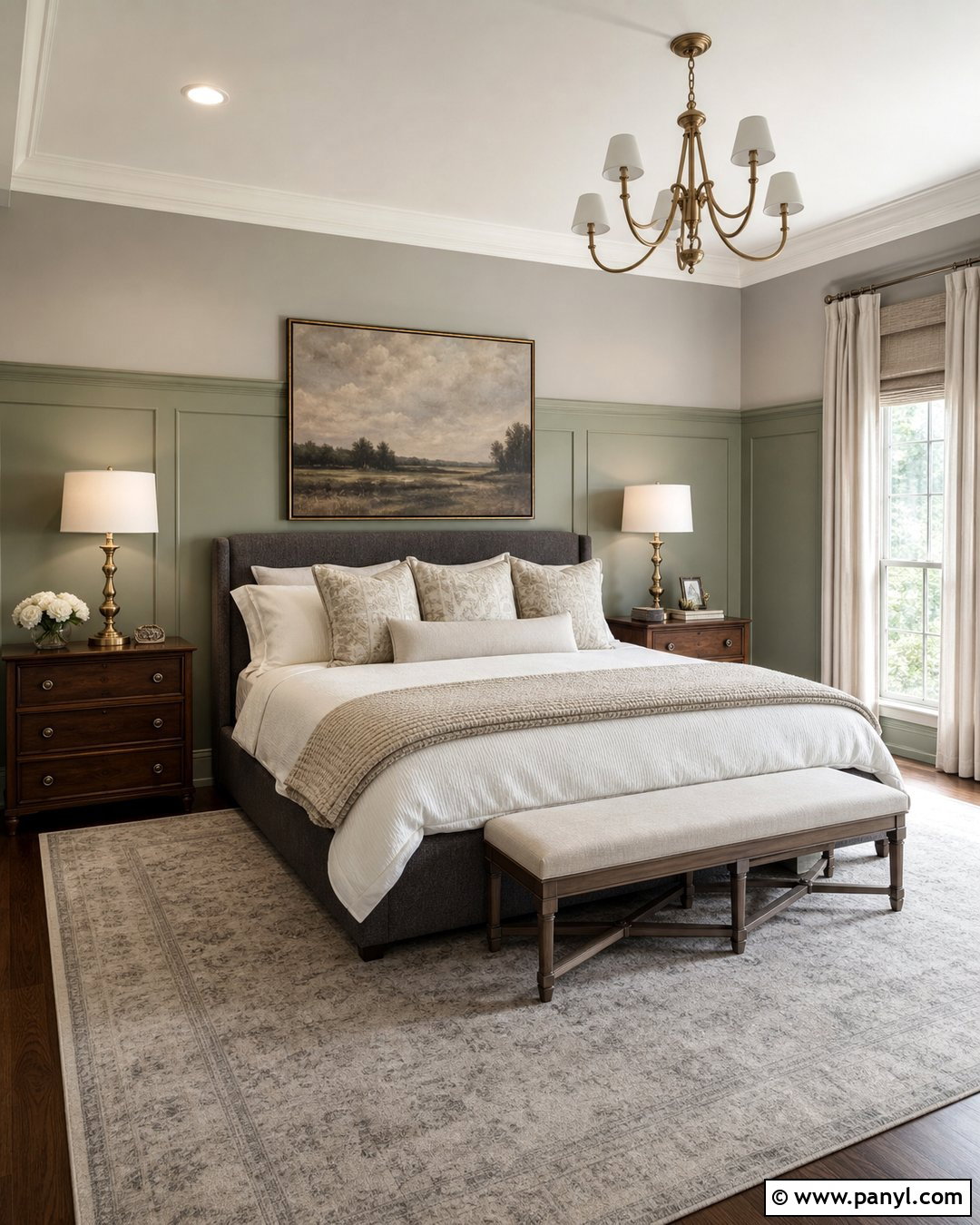
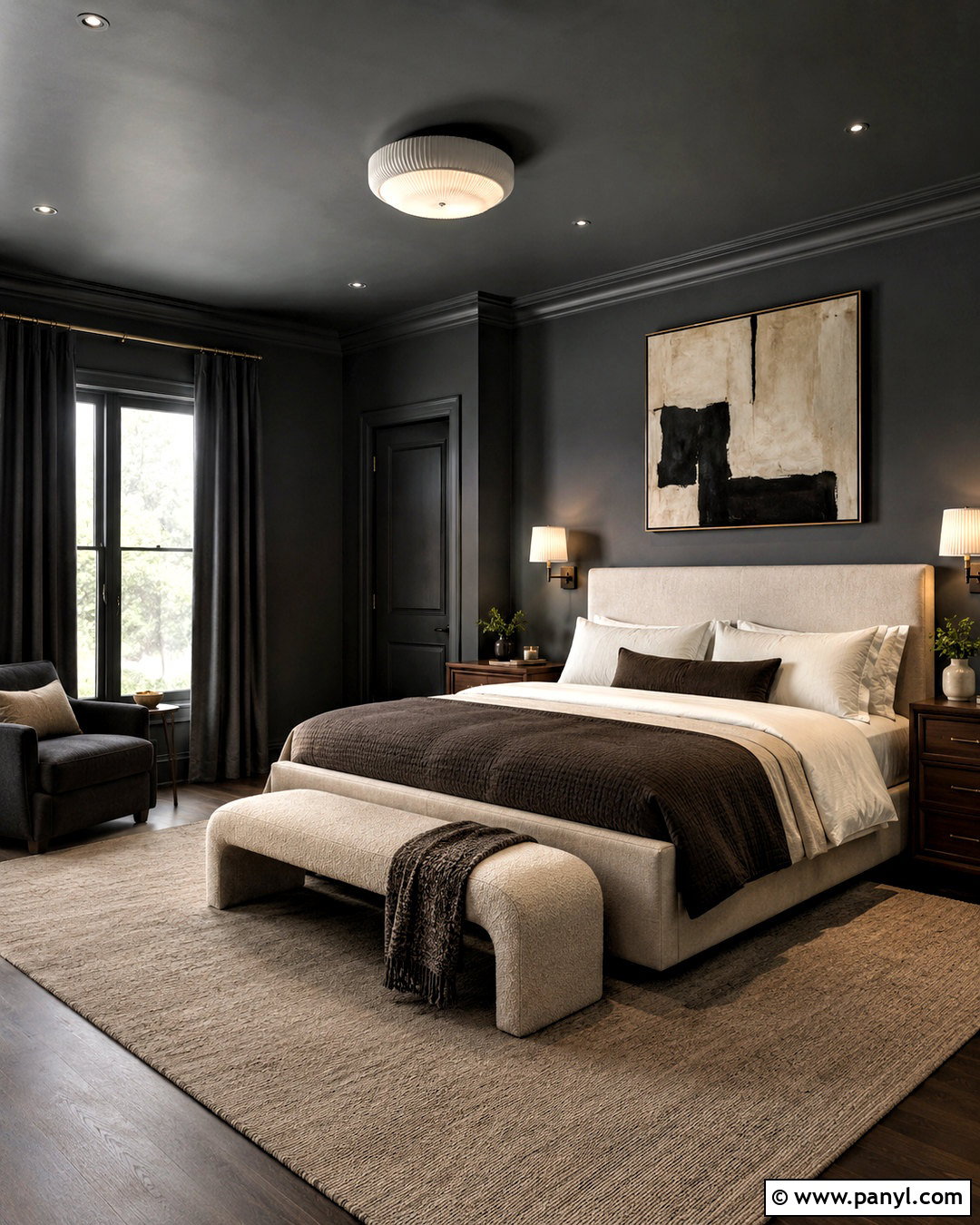
Wall paneling gives sage and grey a tailored look without requiring elaborate architecture. Install simple rectangular molding across the lower half of the room and paint it medium sage. Cover the smooth upper walls in a soft dove grey, then use warm white on the ceiling. A grey upholstered bed or sofa placed against the paneling creates a comfortable focal point. Bring in walnut furniture, ivory textiles, and an antique-brass lamp to warm the restrained colors. Keep the molding proportions consistent around doors and corners for a professional result. One oversized landscape print can connect the green and grey tones above the furniture. This complete approach works beautifully in bedrooms, living rooms, or dining spaces that need subtle character and visual structure.
9. Sage And Grey Home Office Walls
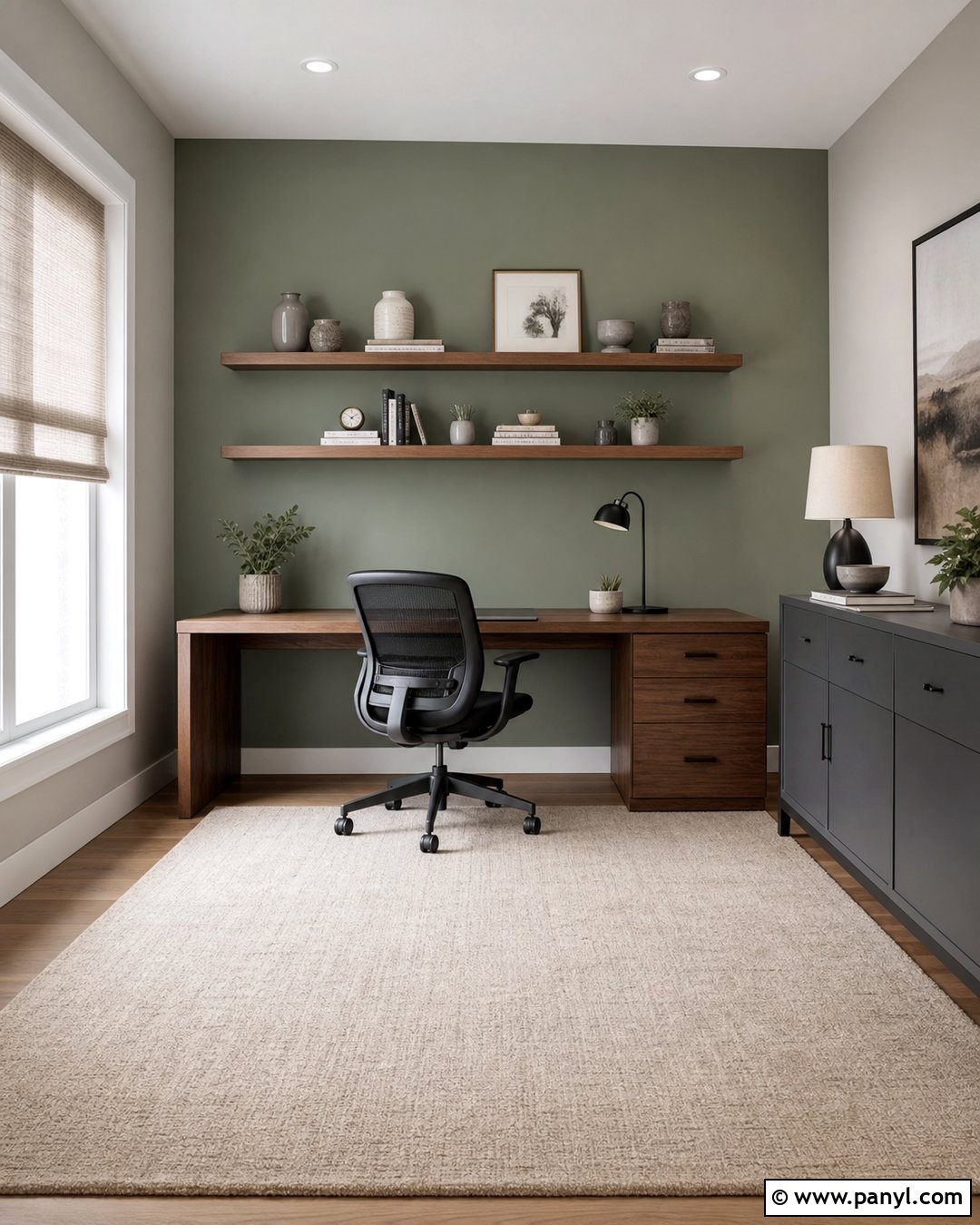
A productive home office can still feel calm when sage and grey walls organize the visual space. Paint the desk wall a grounded sage and cover the surrounding walls in a light warm grey. Position a streamlined walnut desk against the sage background, with floating oak shelves above it. Choose a supportive charcoal office chair and a low grey storage cabinet for files and equipment. A cream flat-weave rug softens the floor, while an adjustable black task lamp adds practical contrast. Keep cords concealed and limit shelf decor to a few books, ceramics, and plants. Natural linen blinds filter glare without darkening the room. Together, the balanced colors, efficient layout, and restrained accessories create a polished workspace suitable for long, focused days.
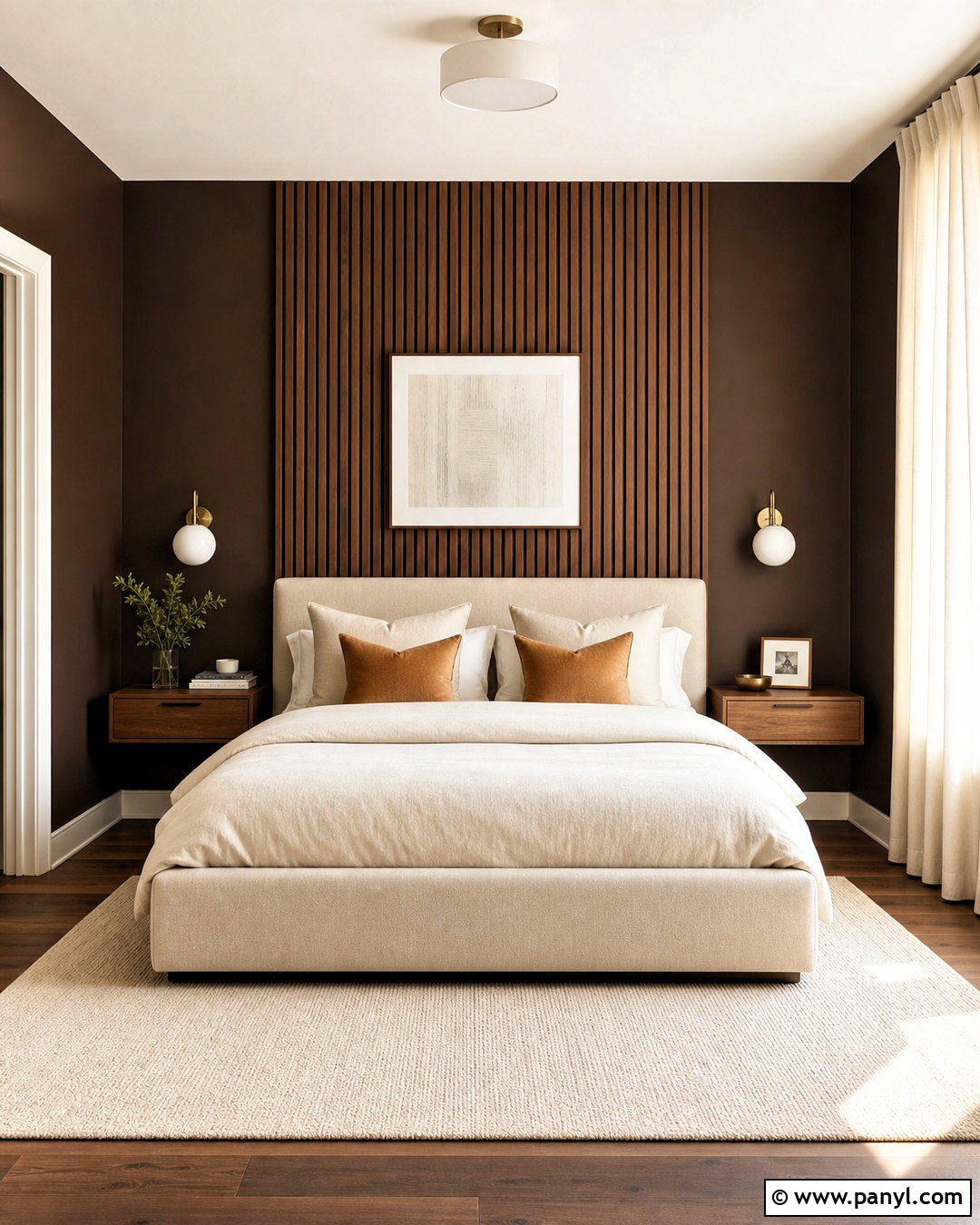
10. Sage And Grey Nursery Walls
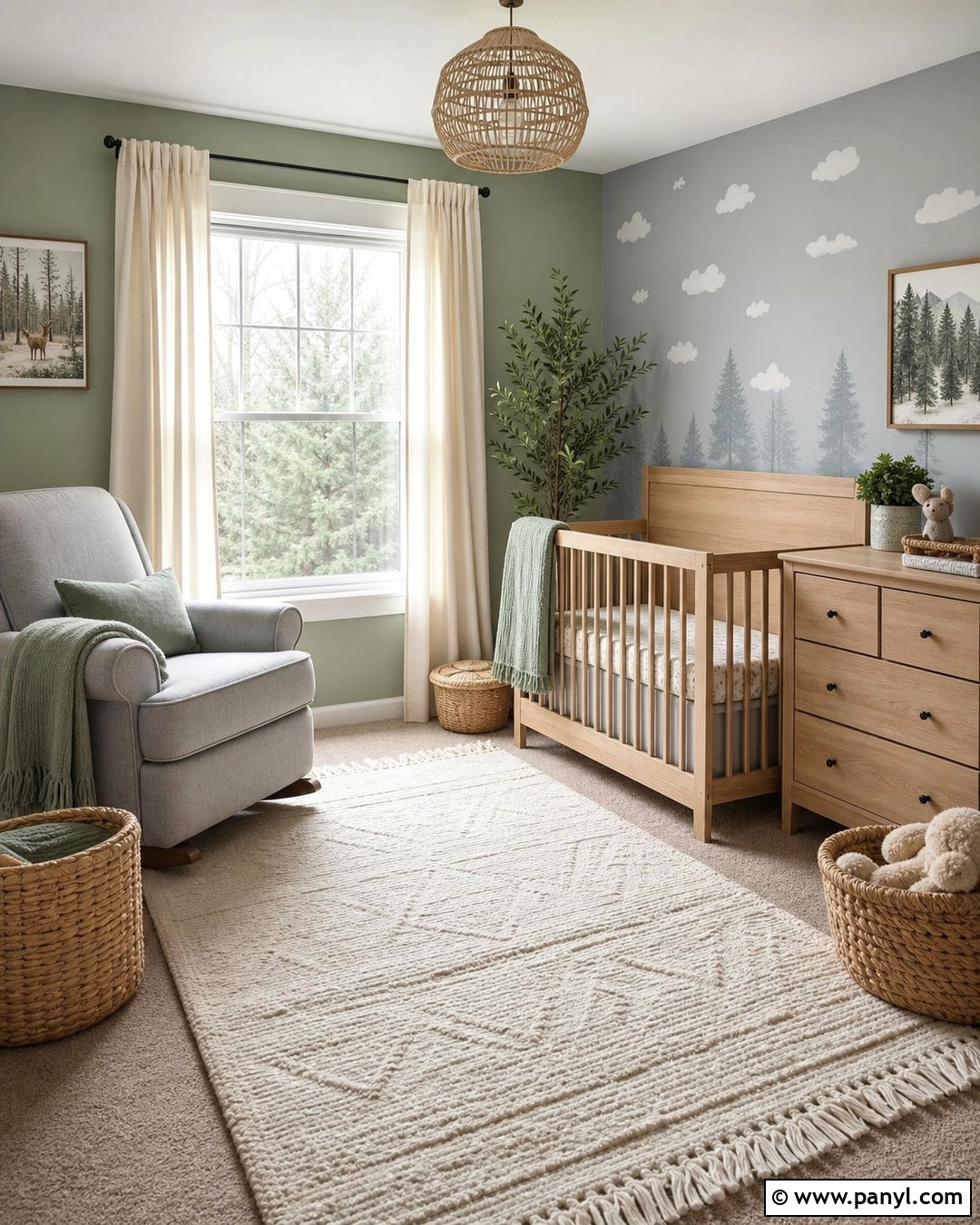
Sage and grey nursery walls offer a gentle background that can grow with a child. Use pale sage across three walls and a soft cloud grey behind the crib. Select a natural wood crib, a comfortable light-grey glider, and a low oak dresser that can double as a changing station. An ivory washable rug brightens the floor and creates a soft play area. Add blackout curtains in warm white and simple woven storage baskets for toys and blankets. Instead of a strong theme, choose subtle woodland artwork in muted green, beige, and grey. Keep shelves securely mounted and maintain open floor space around the main furniture. The complete nursery feels peaceful, organized, and adaptable without depending on overly decorative baby-specific details.
11. Sage And Grey Entryway Walls
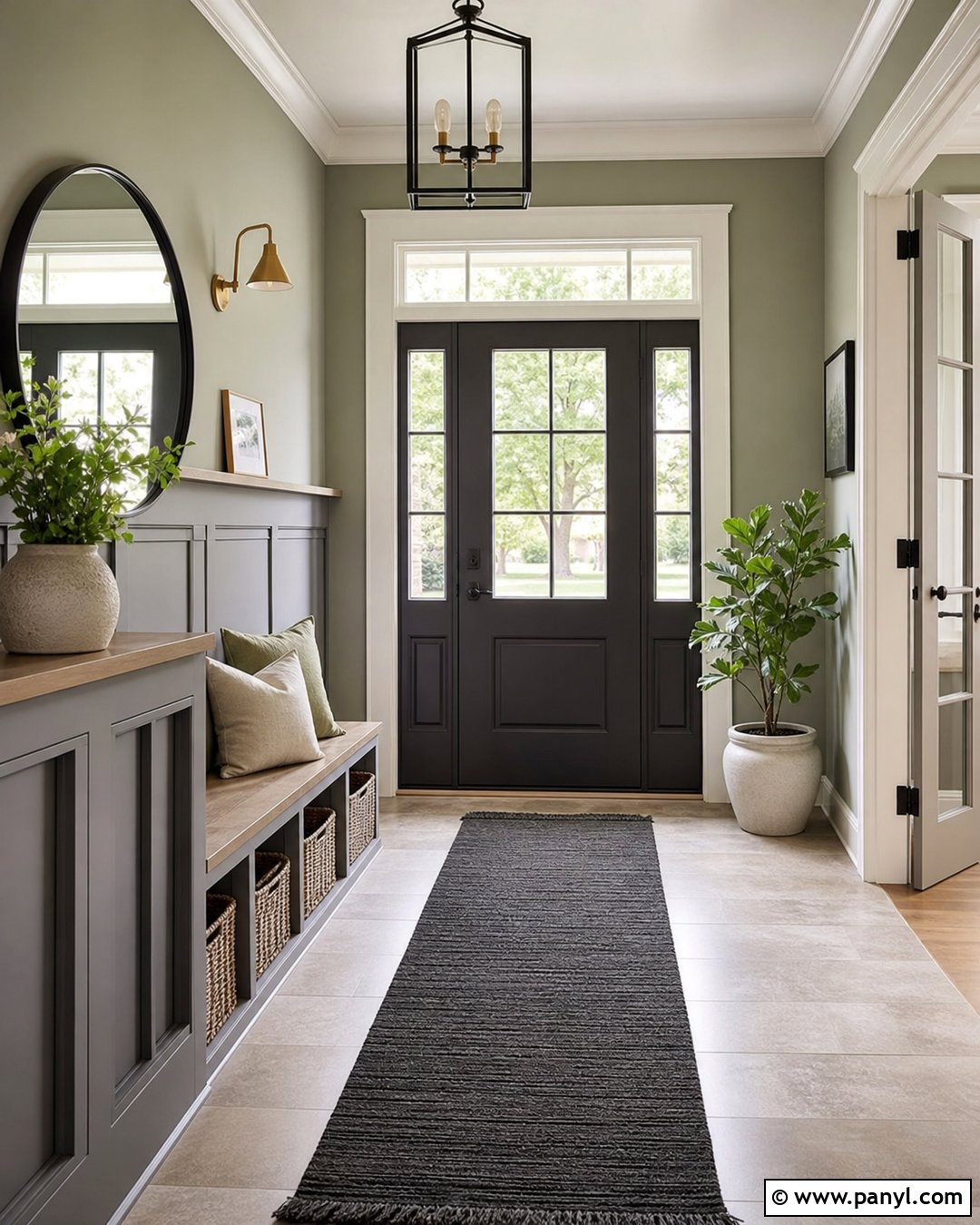
First impressions become softer and more practical with sage and grey entryway walls. Paint the main wall sage and use medium grey on a built-in bench, coat hooks, and lower wall paneling. Install a pale oak shelf above the bench for baskets and everyday essentials. A durable charcoal runner can disguise tracked-in dirt, while a large round mirror reflects light through the narrow space. Add a warm white ceiling fixture and a small brass wall sconce if extra illumination is needed. Keep the remaining trim creamy white to frame both paint colors. A ceramic planter and one understated print provide decoration without taking up valuable floor space. This complete setup combines useful storage, clear circulation, and a welcoming natural palette.
12. Sage And Grey Hallway Walls
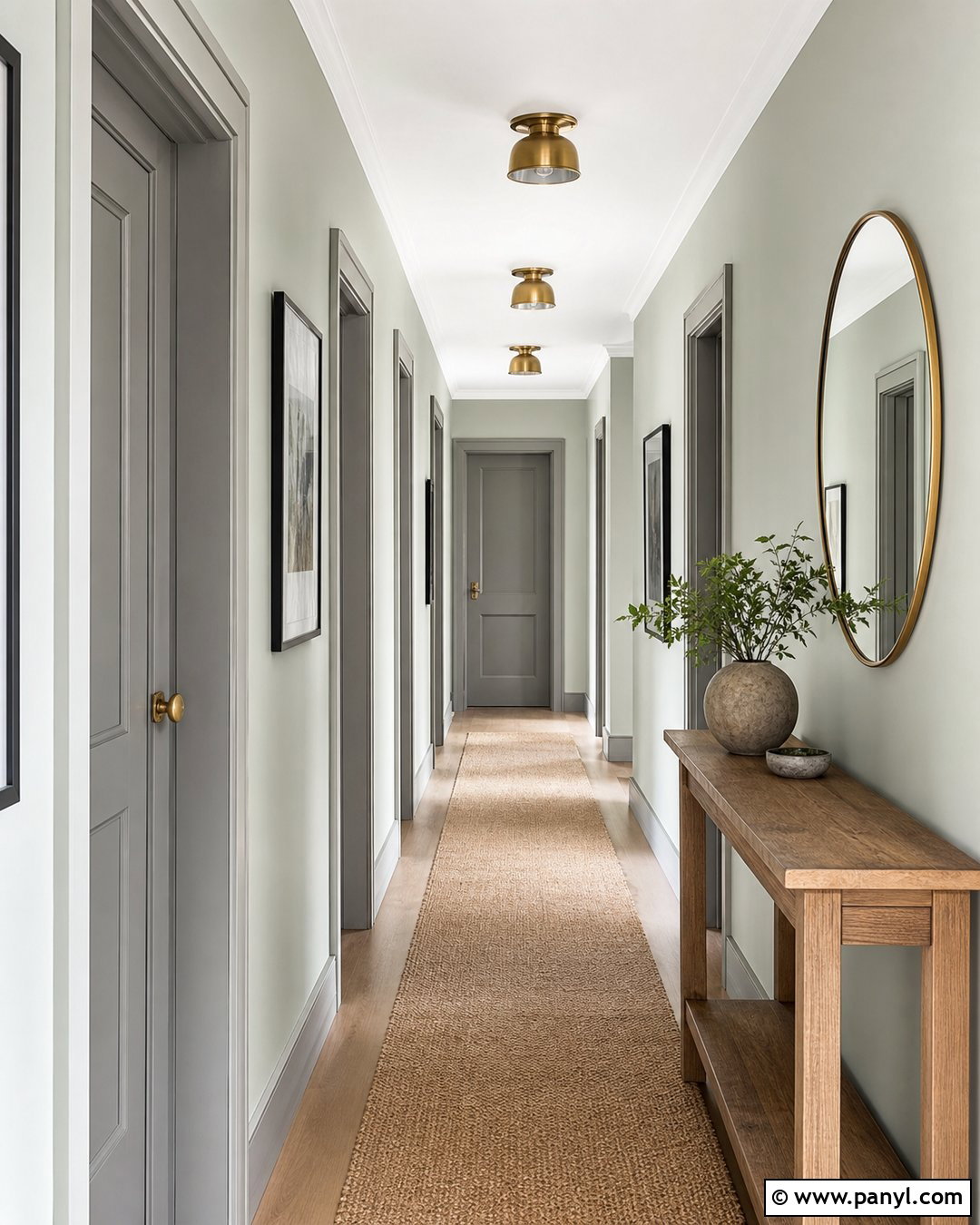
Long hallways often need contrast, but too many details can make them feel narrower. Paint the walls a light sage and use soft grey on the doors, trim, and lower baseboards. This creates definition while preserving a continuous, open appearance. Lay a natural woven runner along the center and install evenly spaced black or brass ceiling lights. A row of simple framed prints can guide the eye toward the end of the hallway. If space permits, add one narrow oak console beneath a round mirror. Keep accessories minimal so the passage remains functional. Repeating the grey door color throughout nearby rooms will make the transition feel planned. The completed hallway becomes a calm connecting space rather than a forgotten area between rooms.
13. Sage And Grey Fireplace Wall
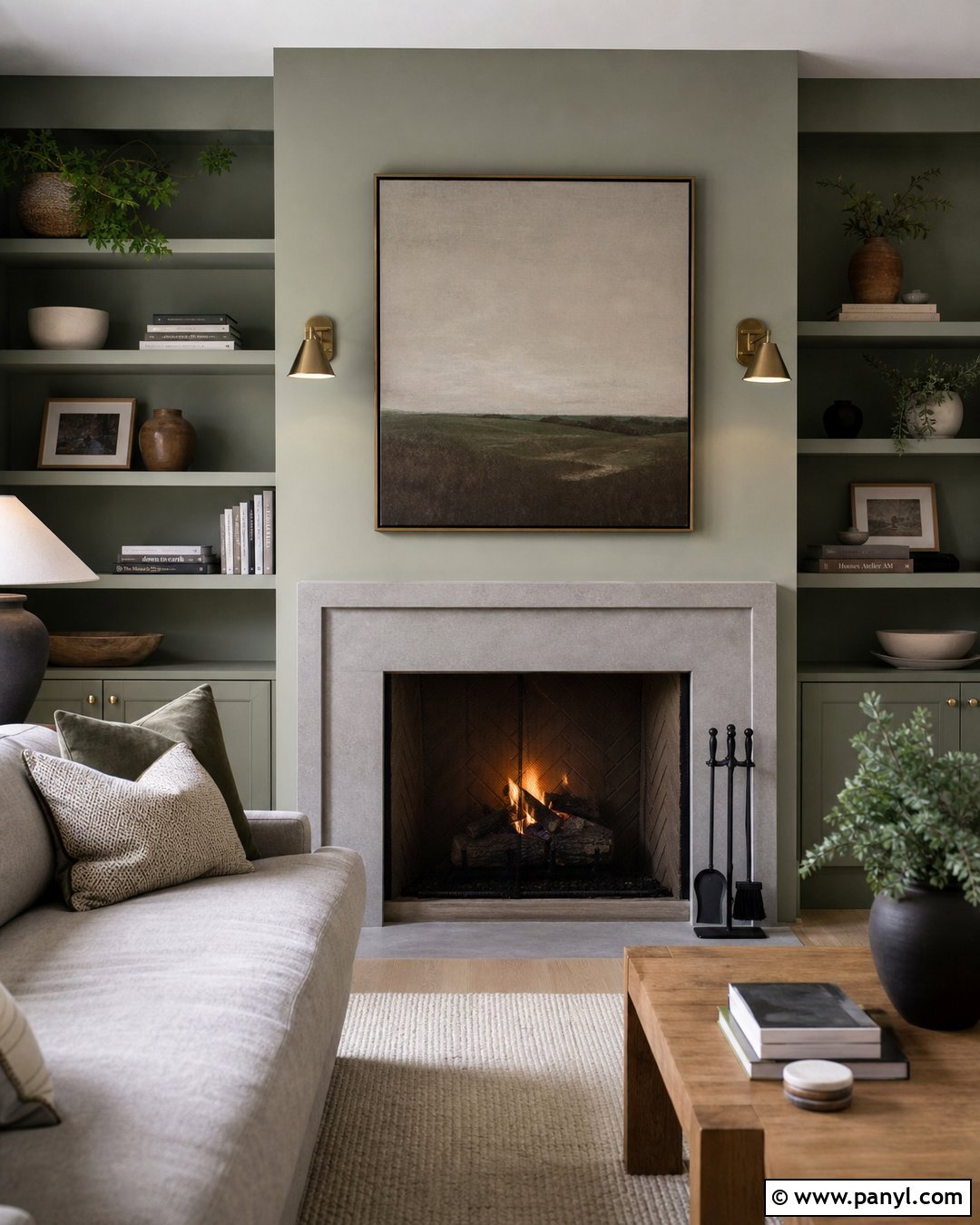
Make the fireplace the focal point by combining sage walls with a grey surround that looks substantial but not overpowering. Paint the full chimney breast a muted sage, then install a honed grey stone or concrete-effect fireplace surround. Warm white walls around the feature can provide breathing room. Place a light-grey sofa facing the fireplace and anchor the seating arrangement with an ivory rug and oak coffee table. Add built-in shelves on both sides, painted in the same sage for continuity. Use black fire tools, brass sconces, and simple ceramic decor for restrained contrast. Avoid crowding the mantel with small accessories. One large artwork or round mirror is enough to finish this balanced and inviting living room composition.
14. Sage And Grey Color Block Walls
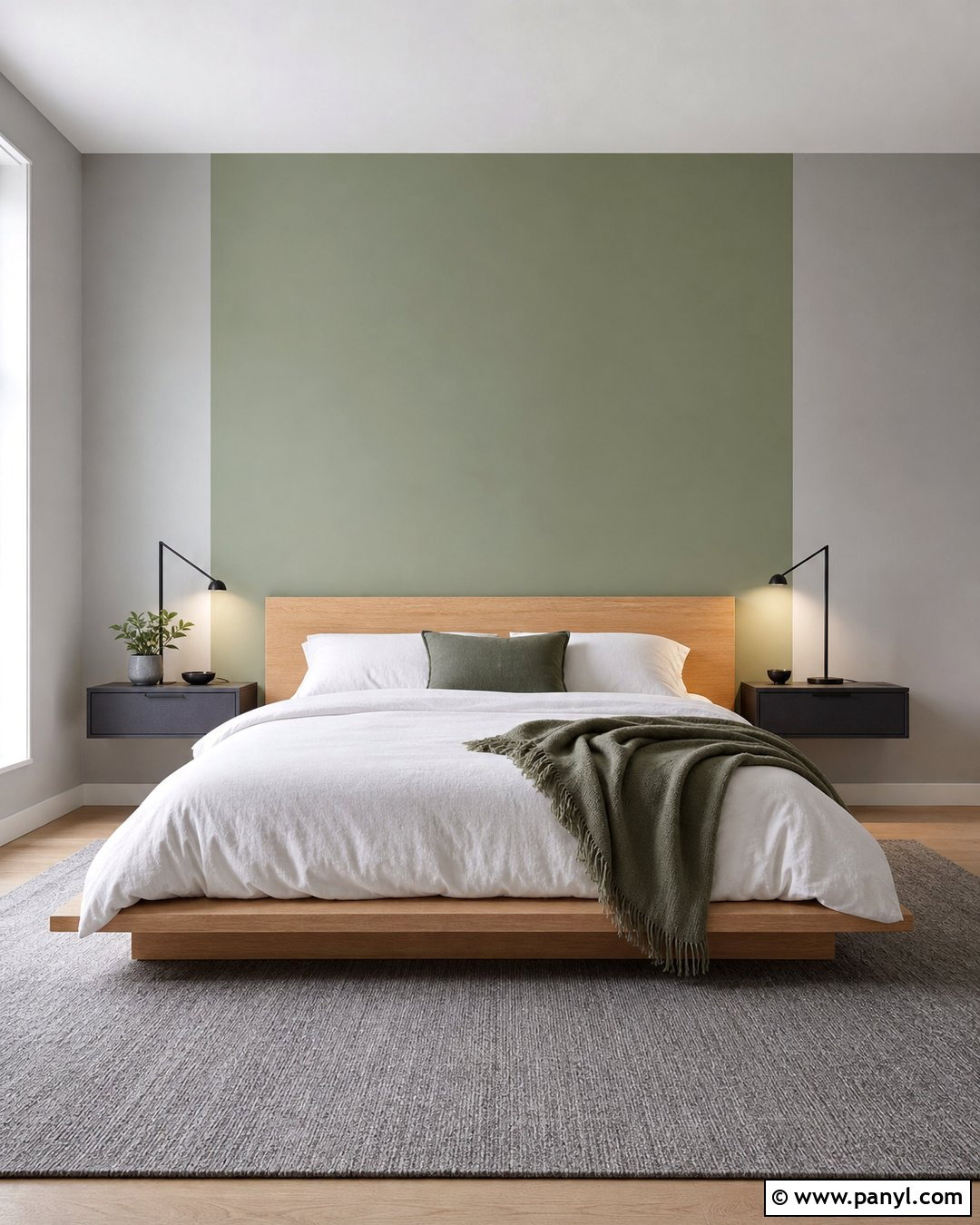
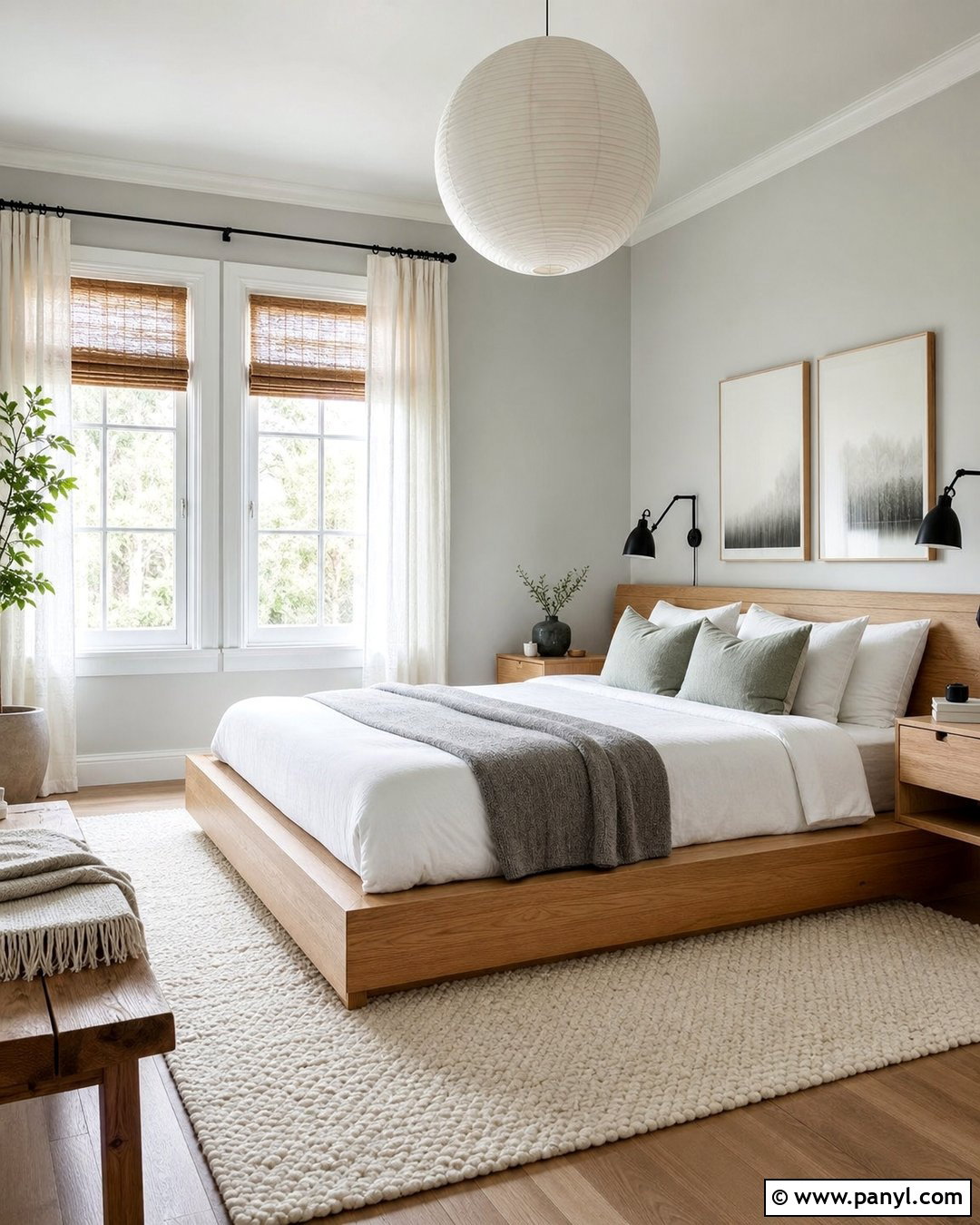
Color blocking offers a modern way to use sage and grey without splitting every wall evenly. Paint a wide sage rectangle behind a bed, desk, or console, extending it slightly beyond the furniture. Cover the remaining wall area in pale grey. The painted block should act like an oversized frame, making the central furniture arrangement feel purposeful. Pair it with a low oak bed, white bedding, and charcoal bedside tables for a bedroom look. Repeat the sage in one throw and the grey in a textured rug. Slim black lamps provide sharper lines against the softer colors. Keeping the block rectangular and aligned with the furniture produces a clean result that feels contemporary, affordable, and much easier to change than permanent paneling.
15. Sage And Grey Wainscoting Walls
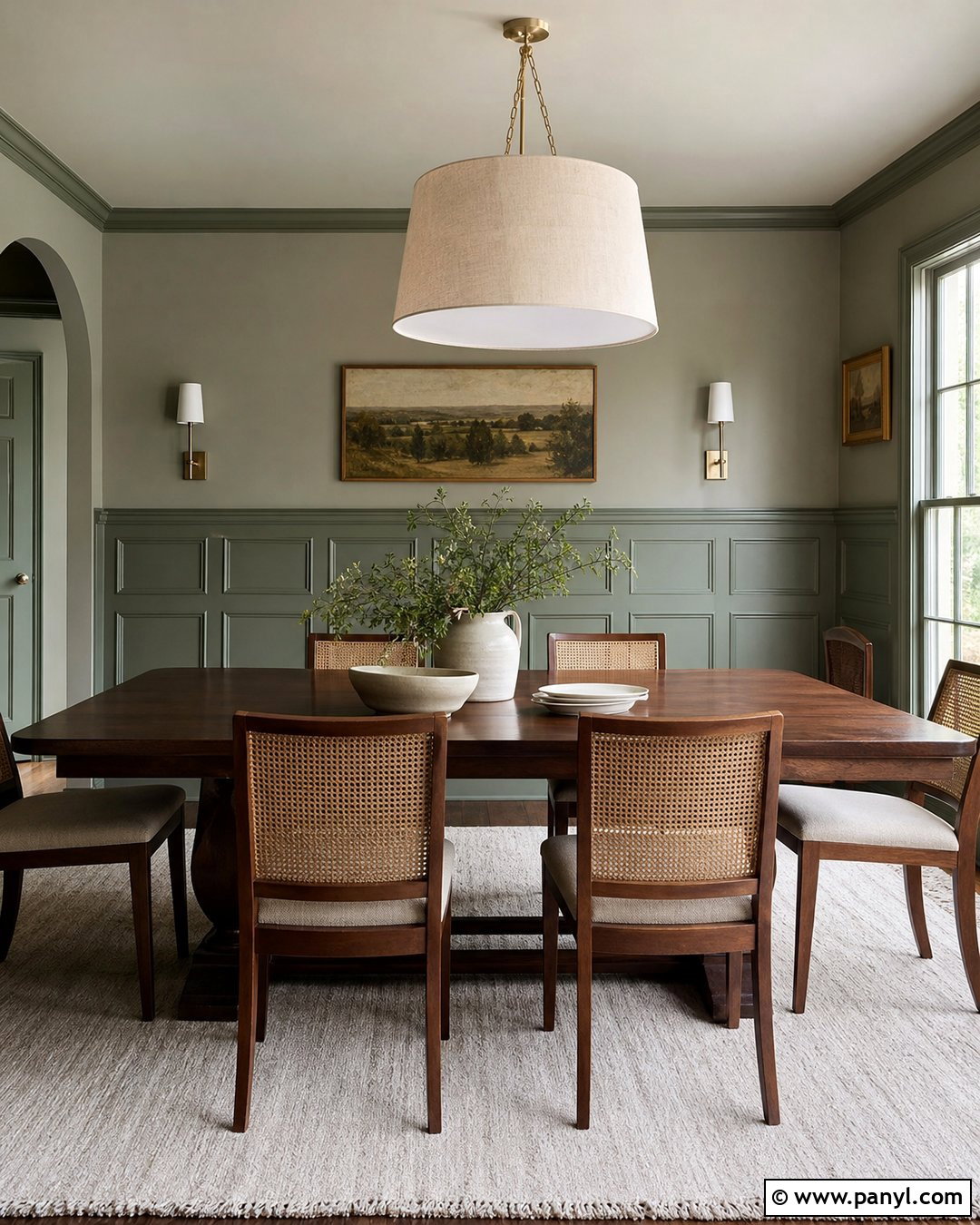
Traditional wainscoting becomes more relaxed when finished in sage and paired with warm-grey upper walls. Use medium sage across the raised panels, baseboards, and door casing, then paint the smooth wall above in a lighter grey. A walnut dining table, cane-back chairs, and a natural linen pendant give the room warmth and texture. Place an off-white rug beneath the table to separate the furniture from darker wood flooring. A large vintage-inspired landscape and simple ceramic serving pieces add character without making the room feel formal. Maintain the same sage finish across all lower architectural details for continuity. The complete scheme respects traditional proportions while the muted color palette keeps the dining room approachable, fresh, and easy to coordinate.
16. Sage And Grey Guest Bedroom Walls
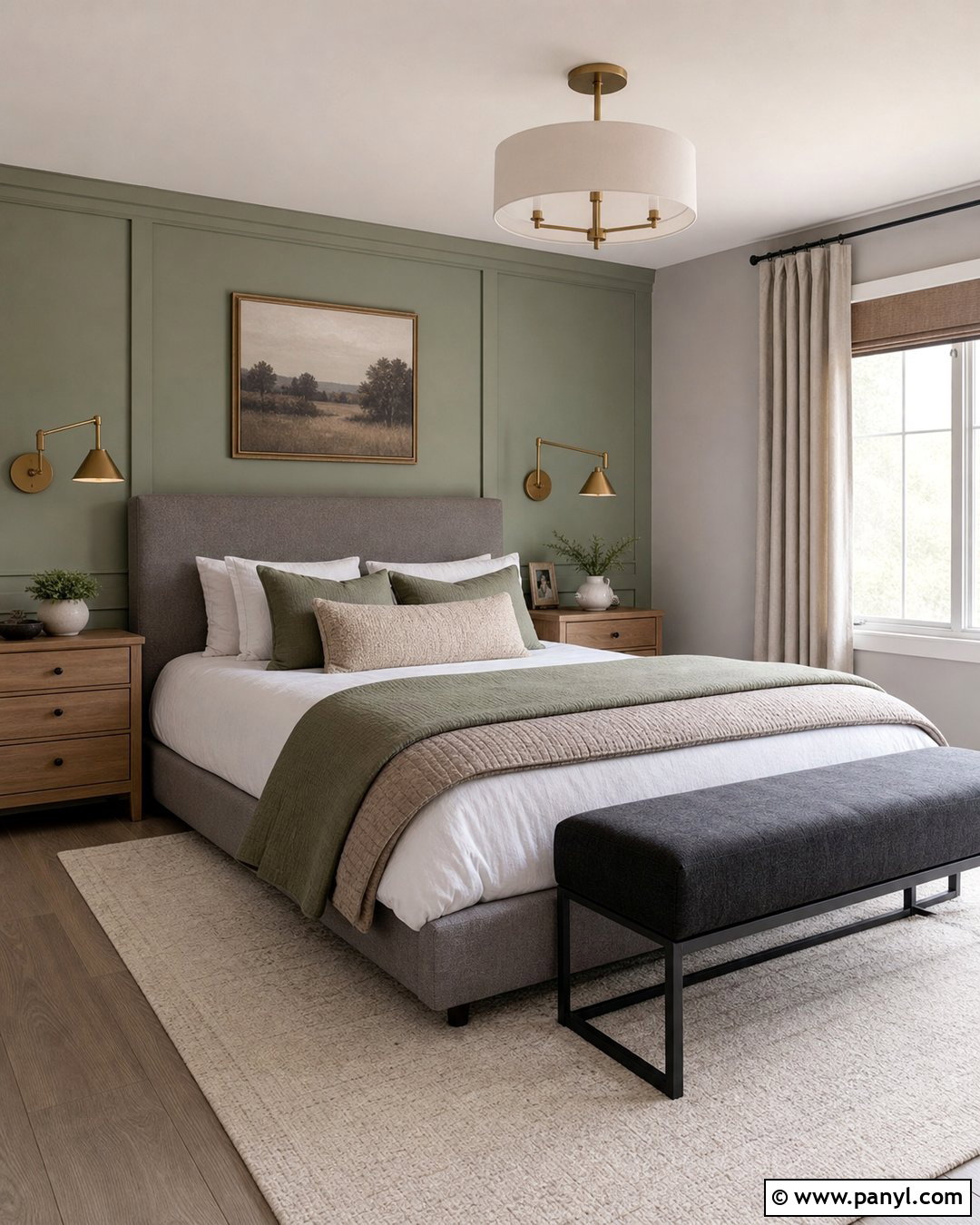
Welcome guests with a bedroom that feels restful, useful, and uncluttered. Paint the wall behind the bed soft sage and use a warm light grey on the other three walls. Choose a grey upholstered headboard, crisp white bedding, and a quilt that combines muted green, cream, and taupe. Matching oak nightstands provide storage on both sides, while wall-mounted brass reading lights free the surfaces. Add an ivory rug, full-length linen curtains, and a small charcoal bench at the foot of the bed. Keep artwork neutral and provide open closet space rather than filling every corner with decor. This finished guest bedroom balances comfort and simplicity, giving visitors a calm environment that still feels considered and connected to the home.
17. Sage And Grey Laundry Room Walls
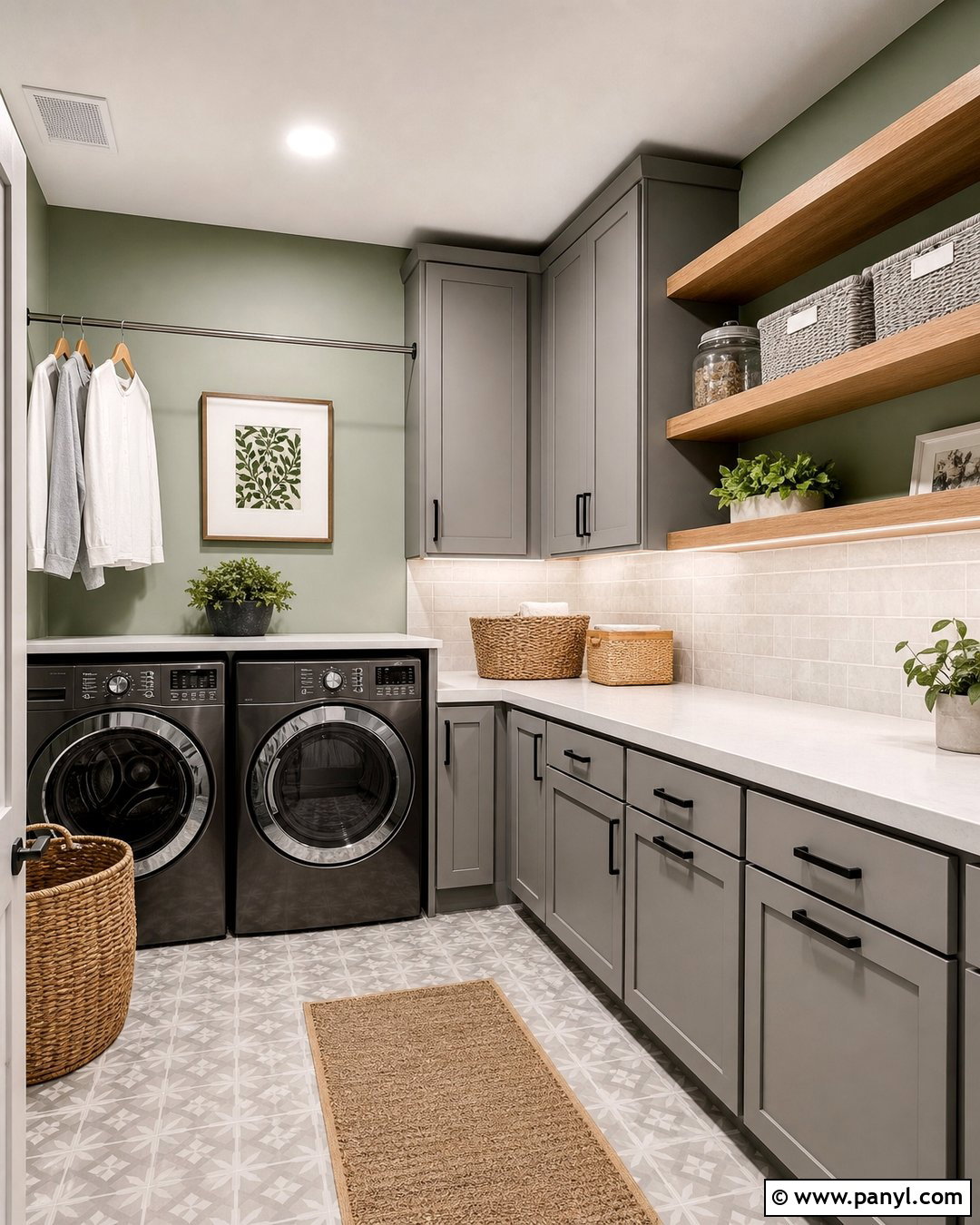
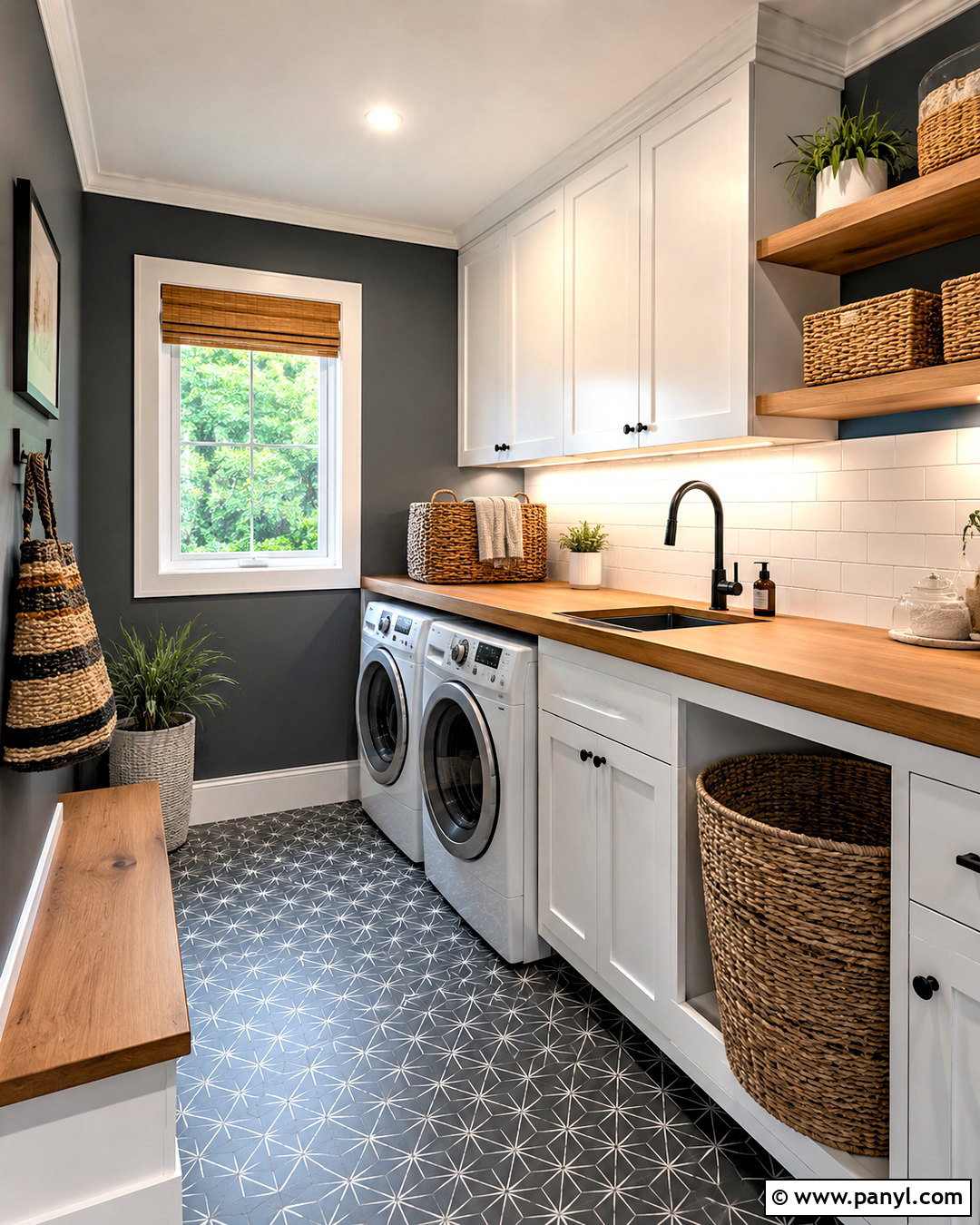
Even a compact laundry room can feel finished with a smart sage and grey wall scheme. Paint the upper walls light sage and install durable grey cabinets above and beside the appliances. Use white quartz for the folding counter and a simple off-white tile backsplash to reflect light. Open oak shelves can hold matching baskets, glass containers, and folded towels. Choose patterned grey-and-white floor tiles to disguise everyday marks while adding subtle interest. Black cabinet pulls and a black hanging rail provide clean definition. Keep cleaning products hidden in labeled interior bins so the visible surfaces stay orderly. The complete room combines calming color with practical storage, making routine tasks easier without sacrificing the bright, organized appearance of the space.
18. Sage And Grey Mudroom Walls
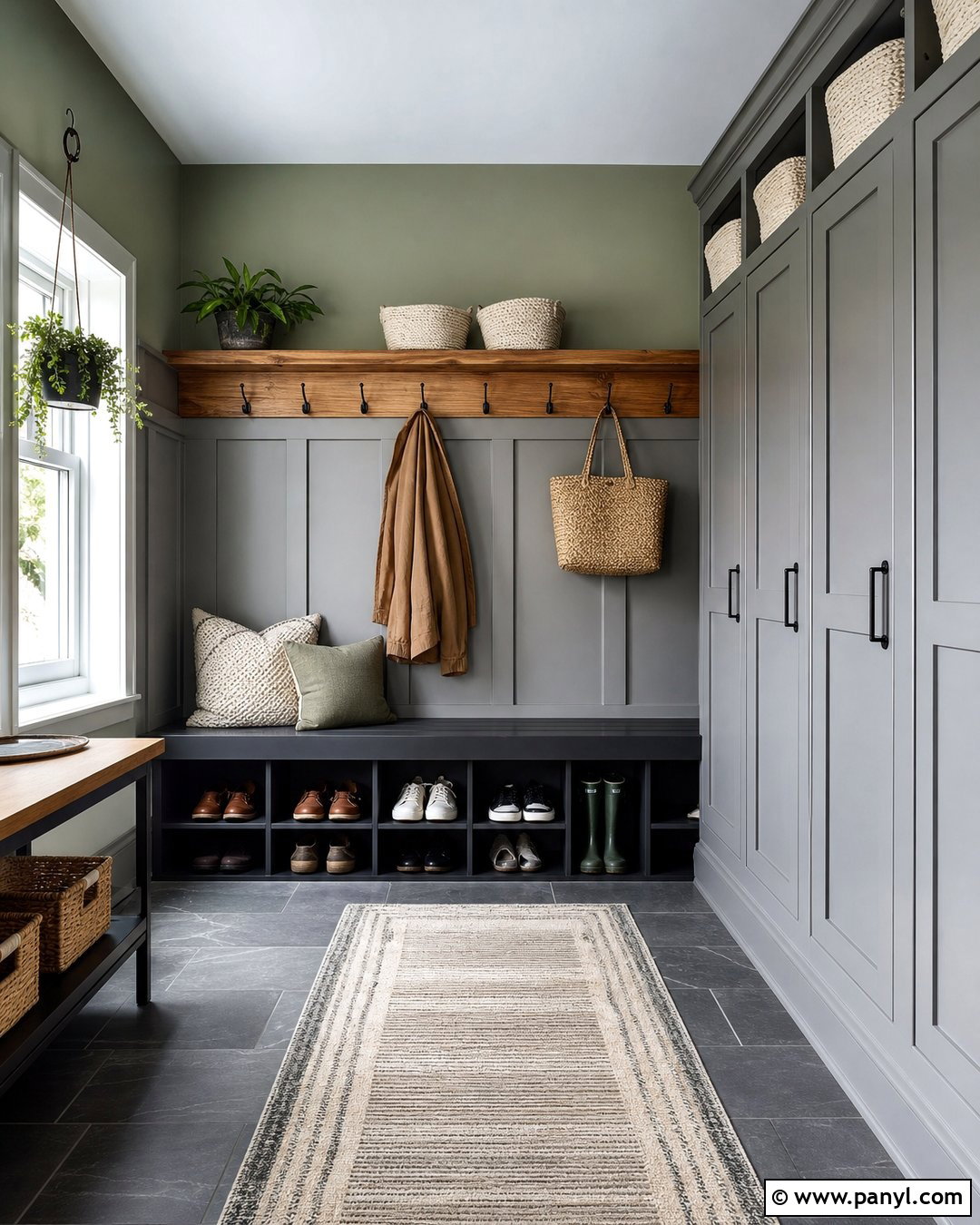
Mudrooms need durable surfaces, strong storage, and a palette that can handle daily wear. Paint the upper walls sage and finish the lower walls with grey board-and-batten paneling. Build a long charcoal-grey bench with open shoe compartments and tall lockers for coats and bags. Add oak hooks and a matching shelf to introduce warmth. A washable striped runner and slate-look tile flooring make the room practical for wet shoes and outdoor gear. Use white baskets on the upper shelf to reduce visual clutter. Bright ceiling lighting is essential, especially if the mudroom has limited windows. This full design gives every item a designated place while the sage and grey walls create a welcoming transition from the outdoors into the main home.
19. Sage And Grey Small Bedroom Walls
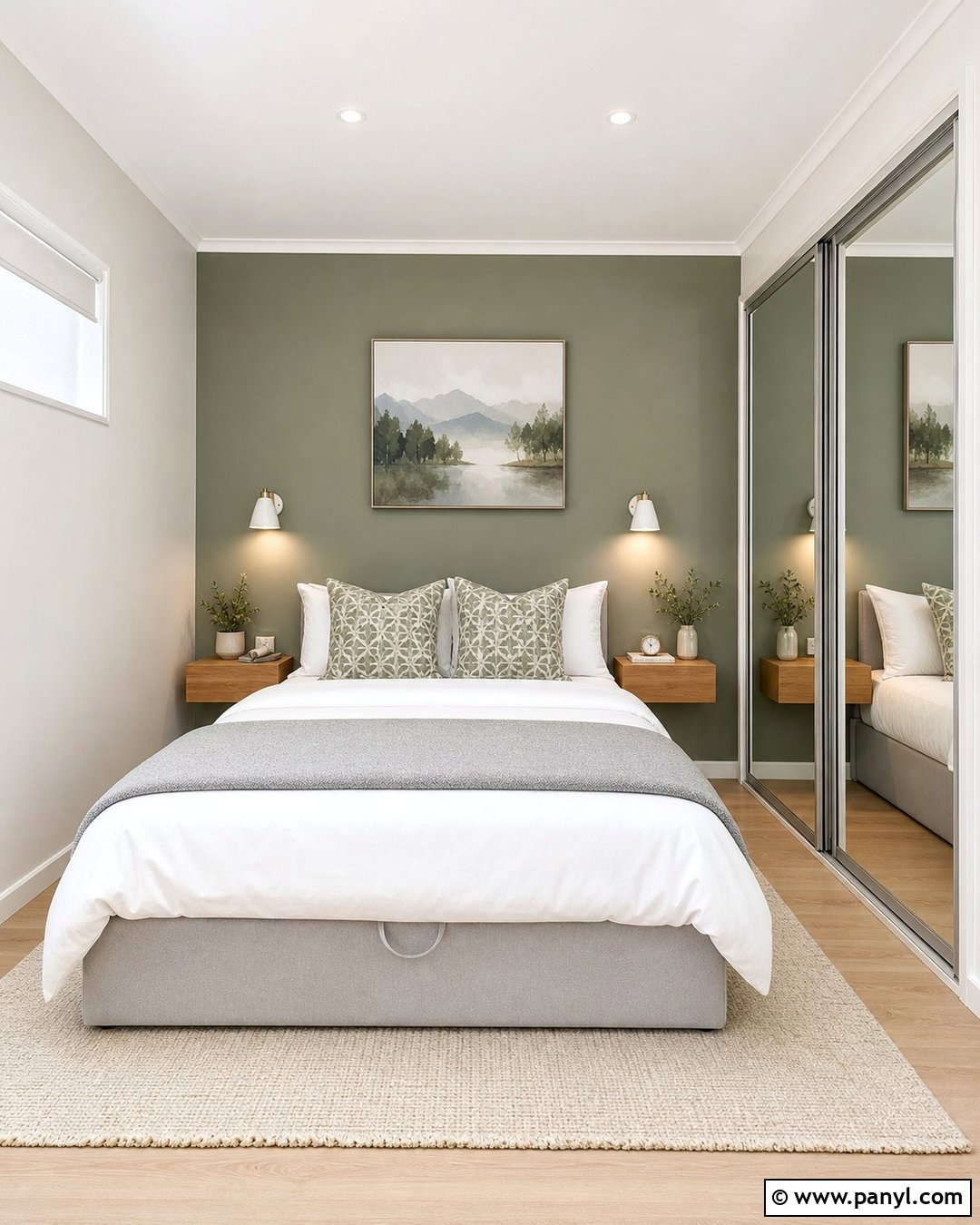
When floor space is limited, sage and grey walls should support a simple, efficient layout. Paint the wall behind the bed medium sage and keep the surrounding walls a very pale grey. Position a compact storage bed against the sage wall and use narrow floating nightstands instead of bulky tables. White bedding, a grey blanket, and two patterned sage cushions provide enough color without visual clutter. Mount reading sconces above the nightstands to preserve surface space. Choose mirrored closet doors or one large wall mirror to reflect natural light. A light oak floor and small cream rug keep the lower half of the room bright. The complete arrangement feels comfortable and composed while making practical use of every available inch.
20. Sage And Grey Open-Plan Walls
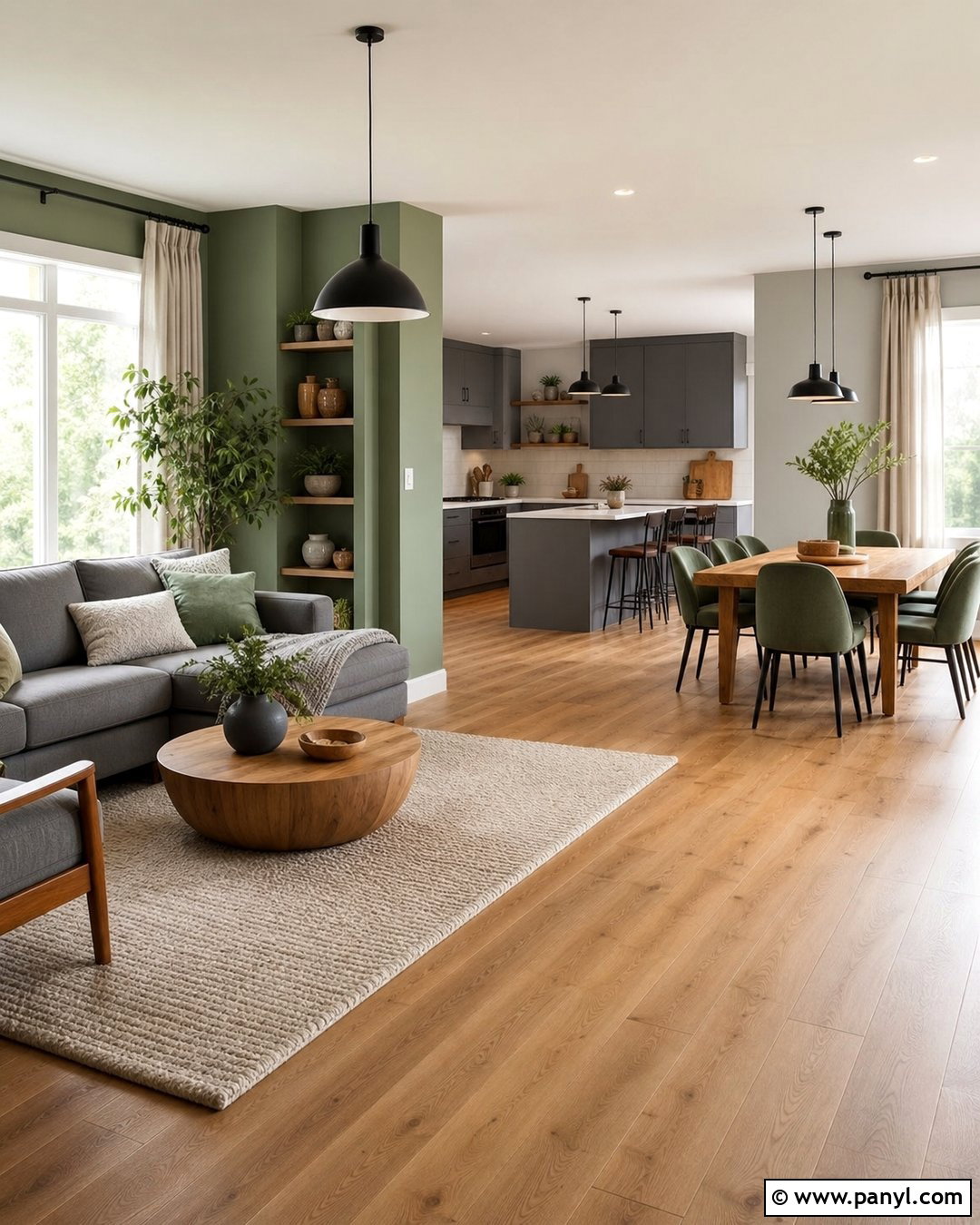
Open-plan interiors benefit from color placement that defines zones without creating hard boundaries. Use sage on the living area walls and continue a warm pale grey through the kitchen and dining space. Repeat the grey on a sectional sofa and choose sage dining chairs to visually connect both sides of the room. A large ivory rug can anchor the seating area, while an oak dining table bridges the palette through natural warmth. Use matching black light fixtures and curtain rods across the entire space for consistency. Keep flooring continuous, preferably light or medium oak, to prevent a chopped-up appearance. This complete scheme allows each zone to have its own identity while the repeated sage, grey, wood, and black finishes hold everything together.
Conclusion:
Sage and grey can create much more than a simple neutral color scheme. Together, they can make living spaces feel peaceful, kitchens look grounded, bedrooms appear restful, and hardworking areas feel organized. The most successful rooms match the undertones of both paints and repeat each color through useful furnishings, textiles, and architectural details. Warm wood, cream, stone, brass, and black accents can then provide contrast and character. Always test paint samples on several walls and view them throughout the day before committing. Whether you choose paneling, color blocking, an accent wall, or a two-tone finish, these 20 Sage And Grey Walls offer complete looks that can be adapted to different homes, budgets, and room sizes.

Related Ideas and Inspiration:
Leave a Reply